
An “extinct” label is supposed to mean the case is closed. No more looking, no more wondering, no more grainy trail-cam photos passed around at 2 a.m. But corner a zoologist away from the microphone, and you’ll often hear something different: some of these closed cases were never actually closed.
Across forests, rivers, and ocean trenches, cameras keep catching things that supposedly stopped existing decades ago. Local trackers keep swearing they’ve seen “the thing that isn’t there.” And a surprising number of scientists have quietly stopped saying “impossible” and started saying “extremely unlikely – but keep the cameras rolling.” Here are 13 creatures that officially made the extinction list, and the reasons some experts still aren’t ready to close the file.
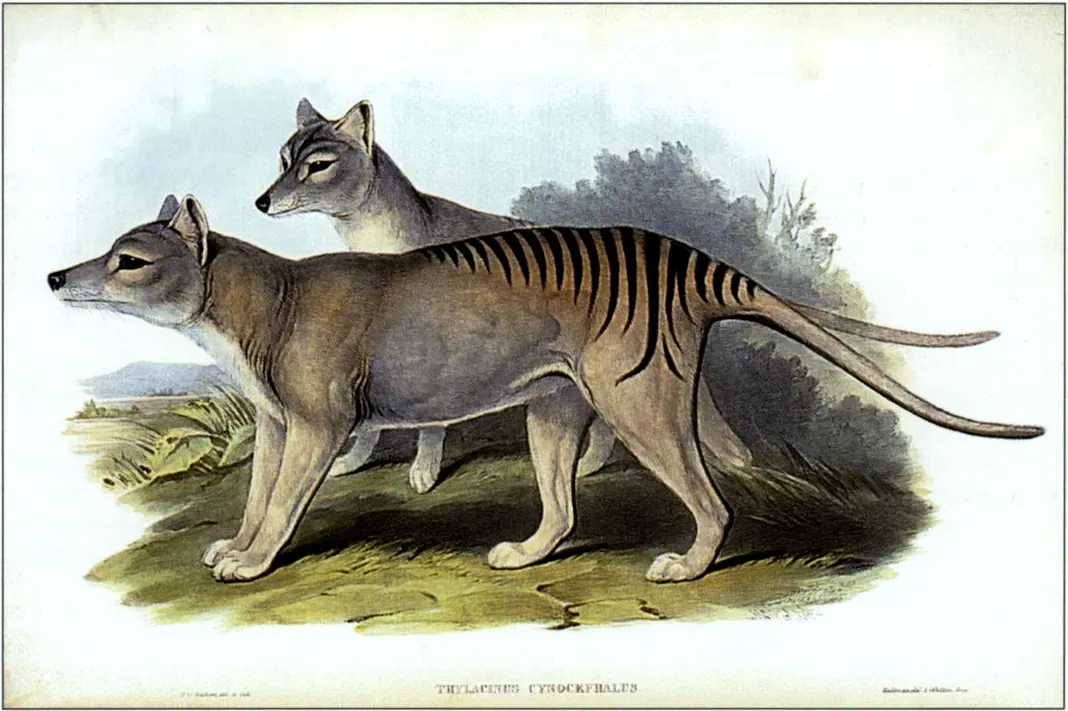
#13 – The Thylacine: A Death Certificate Nobody Fully Trusts
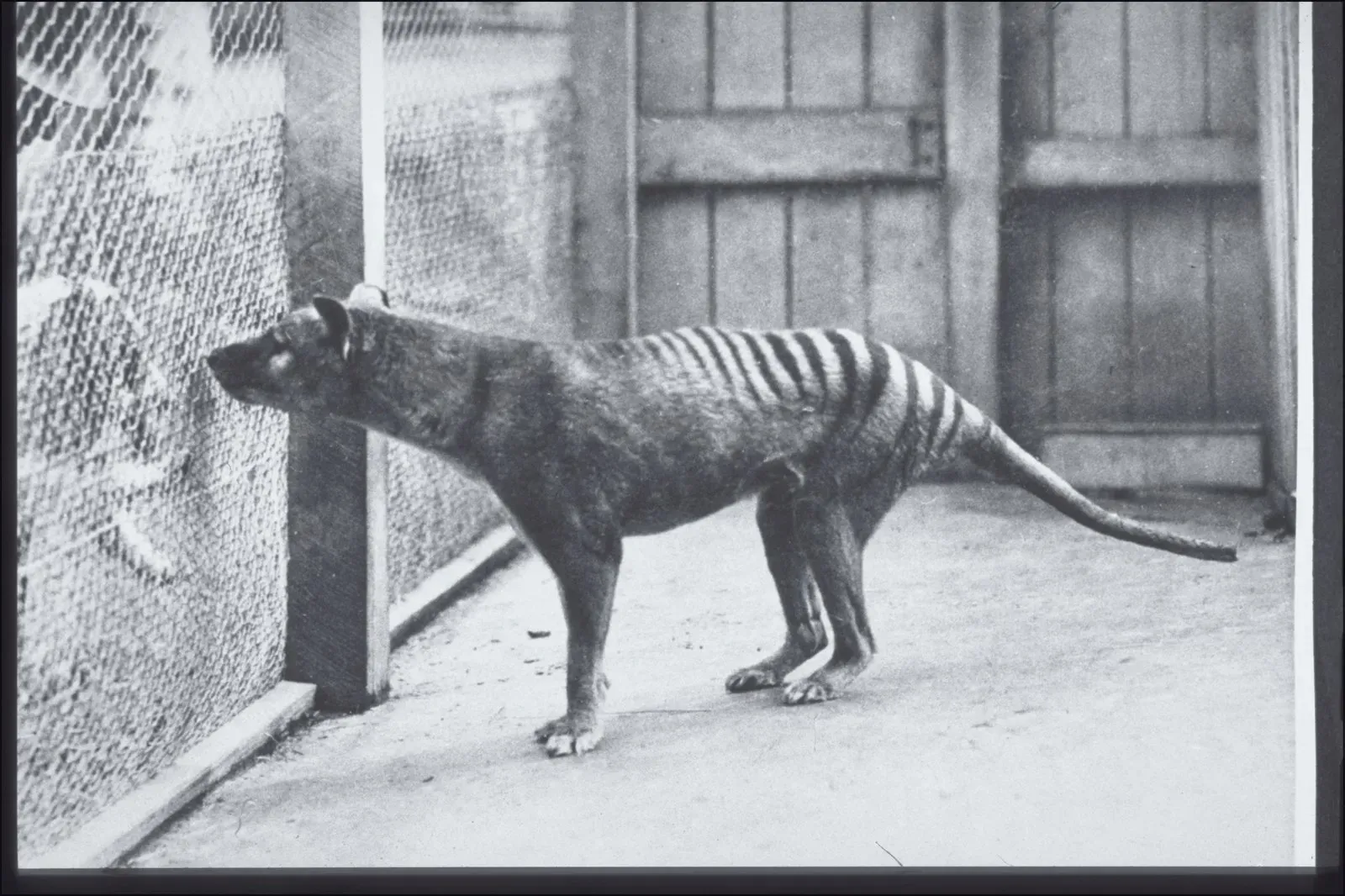
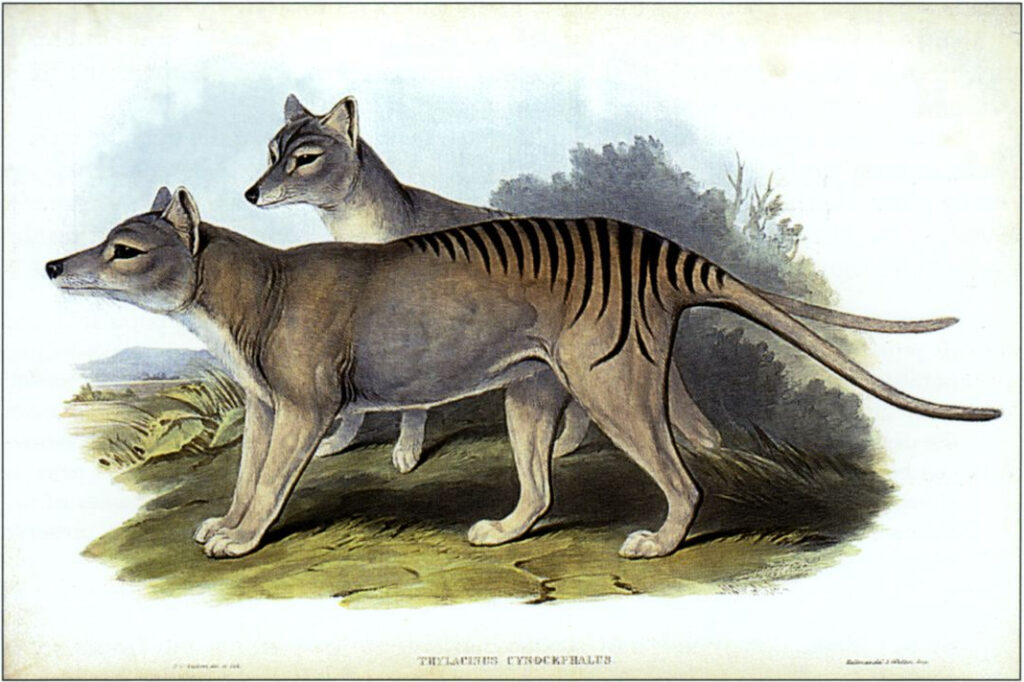
The official story is tidy: last captive Tasmanian tiger dead in 1936, species declared extinct in 1986. Case closed, right? Except the Australian bush never seemed to get the memo.
For nearly a century, hunters, farmers, and park rangers have reported stiff-tailed, striped-hindquarter shapes slipping through the undergrowth. More than a thousand “credible” sightings have been logged since the 1930s, many from people who know exactly what a feral dog looks like and insist this wasn’t one.
Fast Facts
- Last known captive Thylacine died at Hobart Zoo in 1936.
- Officially declared extinct by the IUCN in 1986.
- The species vanished from mainland Australia long before Europeans arrived, surviving only in Tasmania into the 20th century.
- Over 1,000 alleged sightings have been logged since the 1930s.
Camera traps across Tasmania and the mainland have come up empty so far, but empty isn’t the same as proven gone. Much of the Thylacine’s old range is steep, remote, and barely monitored by modern standards.
Several mammalogists admit, quietly and off the record, that a tiny nocturnal population surviving in dense forest isn’t impossible – it’s just brutally hard to disprove when the landscape itself seems built for hiding.
#12 – The Ivory-Billed Woodpecker That Keeps Haunting Southern Swamps
![#12 – The Ivory-Billed Woodpecker That Keeps Haunting Southern Swamps (By Original photo by Arthur A. Allen, 1935 [1], watercolored by Jerry A. Payne, USDA-ARS, CC BY 3.0 us)](https://nvmwebsites-budwg5g9avh3epea.z03.azurefd.net/dws/c23d3ff721a3ffc3301591fdfb44de5e.webp)
Most birders treat the Ivory-billed woodpecker like a ghost story. Some ornithologists insist the ghost keeps bumping into their field notes. This giant “Lord God bird” of southern swamps was declared likely extinct after early-1900s logging gutted its habitat.
Then in the early 2000s, grainy videos, muffled audio, and breathless eyewitness reports from Arkansas and Louisiana blew the debate wide open again. Several seasoned ornithologists publicly said they were convinced the species had survived, even as major conservation bodies stayed unmoved.
The fight turned almost religious – true believers versus hard-data purists. Secretive bottomland forests and post-hurricane tangles make proper surveys nightmarishly difficult, even with drones and autonomous recorders listening for that unmistakable double-knock call.
The honest middle ground is uncomfortable: enough evidence exists to keep serious scientists searching, not enough to rewrite the field guides. That’s the textbook definition of “probably not, but not impossible.”
#11 – The Baiji Dolphin Filmed After Its Own Funeral
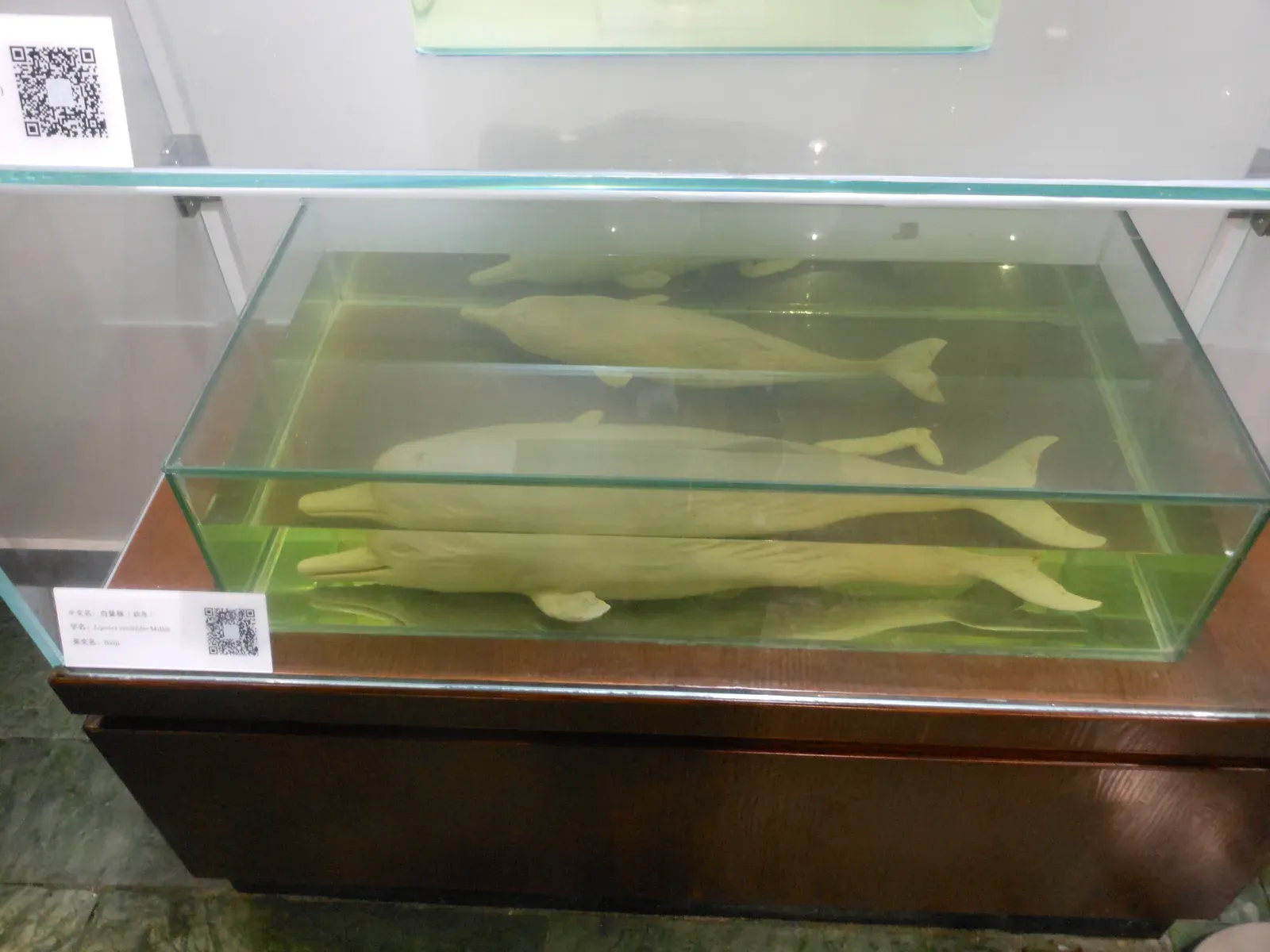
Most people assume the Baiji, China’s Yangtze River dolphin, is the first large whale or dolphin species we watched go extinct in real time. Some river ecologists quietly push back on that finality.
The Baiji was declared “functionally extinct” in 2006 after exhaustive surveys turned up nothing in the polluted, ship-churned Yangtze. Then in 2007, a Chinese man filmed a pale, dolphin-like shape surfacing in that exact river. The footage was blurry and the analysis split scientists, but several marine mammal experts admitted it could plausibly show a surviving Baiji.
Officially, nothing changed. Unofficially, biologists muttered that river dolphins are notoriously easy to miss in muddy, industrial waterways this size and this chaotic.
If a handful of Baiji really are still out there, they’re living on borrowed time in one of the world’s most stressed ecosystems. Even the optimists call it a reprieve, not a happy ending – but nobody wants to be the generation that stopped looking too soon.
#10 – Lonesome George Wasn’t Actually the Last of His Kind
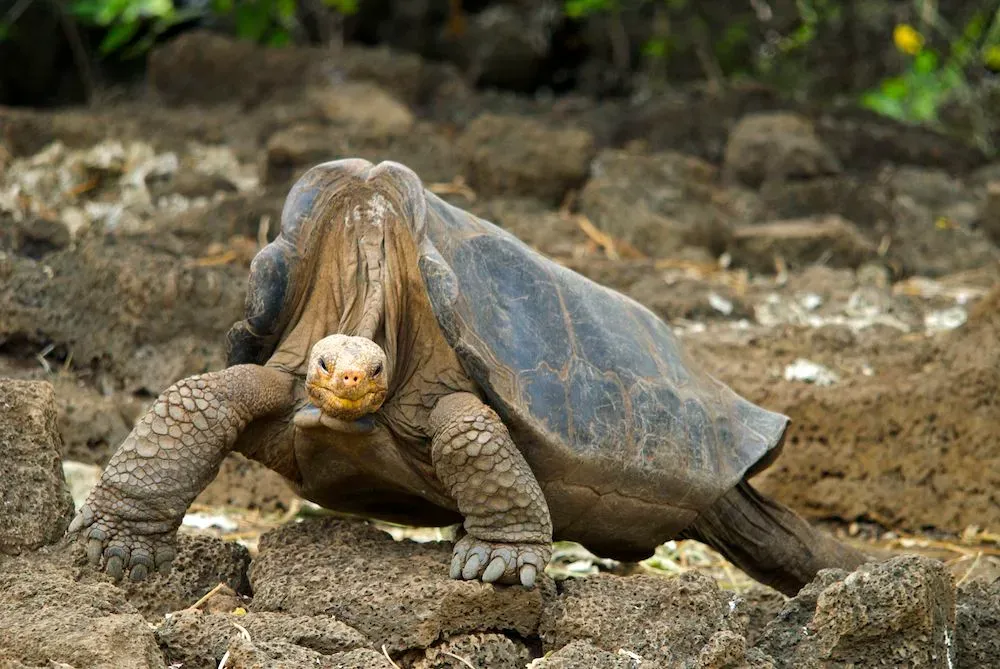
Everyone knows Lonesome George, the “last” Pinta Island tortoise, who died in 2012 with his entire subspecies supposedly dying alongside him. What most people don’t realize is that his genes may not have been the final word.
Genetic studies of other Galápagos tortoises quietly complicated that tidy ending. On nearby Isabela Island, researchers found animals carrying unexpected chunks of Pinta DNA, evidence of recent hybridization with Pinta-type tortoises that shouldn’t have existed anymore.
At a Glance
- Lonesome George died on June 24, 2012, believed to be around 100 years old.
- He was the last confirmed Pinta Island tortoise (Chelonoidis abingdonii).
- Genetic testing on Isabela Island revealed tortoises carrying partial Pinta ancestry.
- No pure-blooded Pinta tortoise has been confirmed since George’s death.
That finding implies at least some Pinta tortoises were wandering around long after we assumed they were finished – and maybe still are, tucked into some remote volcanic ravine. Field expeditions have since combed those areas for tortoises with telltale shell shapes or matching genetics.
No pure Pinta tortoise has been confirmed. But the hybrid discovery made one thing brutally clear: our extinction timelines are sometimes just guesses wearing a lab coat.
#9 – The Giant Moa That May Have Outlived Its Own Extinction Story
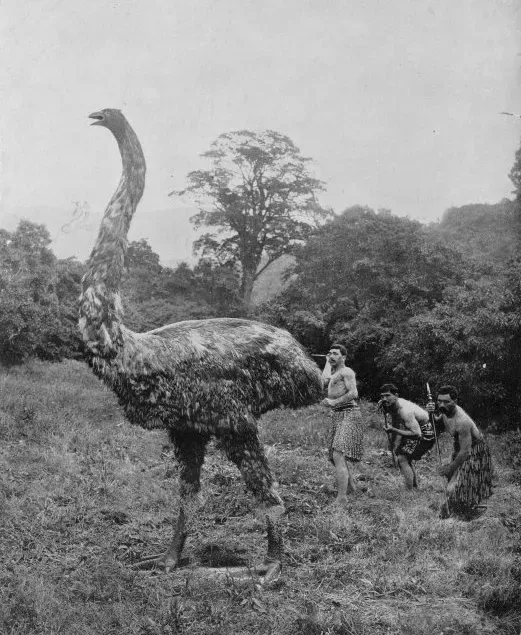
New Zealand’s Moa – ostrich-like birds standing up to 3.6 meters tall – were supposedly wiped out by Māori hunters centuries ago. A few zoologists argue the real story was messier and far more staggered.
Radiocarbon dates show Moa persisted later than early historians believed, and some remote South Island valleys stayed largely unvisited until surprisingly recently. Nineteenth-century settlers and explorers wrote about strange, oversized birds and massive three-toed tracks deep in the bush, accounts most experts dismissed as myth or misidentification.
A tiny minority of researchers point out that similarly “impossible” reports have preceded real rediscoveries of other species elsewhere. Nobody serious thinks multi-meter birds are stomping around a well-surveyed country today.
But a few paleoecologists suspect isolated Moa pockets may have survived far longer than the official story admits – maybe into the last few hundred years. That gap between “functionally extinct” and “truly gone” is the uncomfortable gray zone this whole list keeps circling back to.
#8 – The Japanese Wolf That Rural Villages Never Stopped Reporting
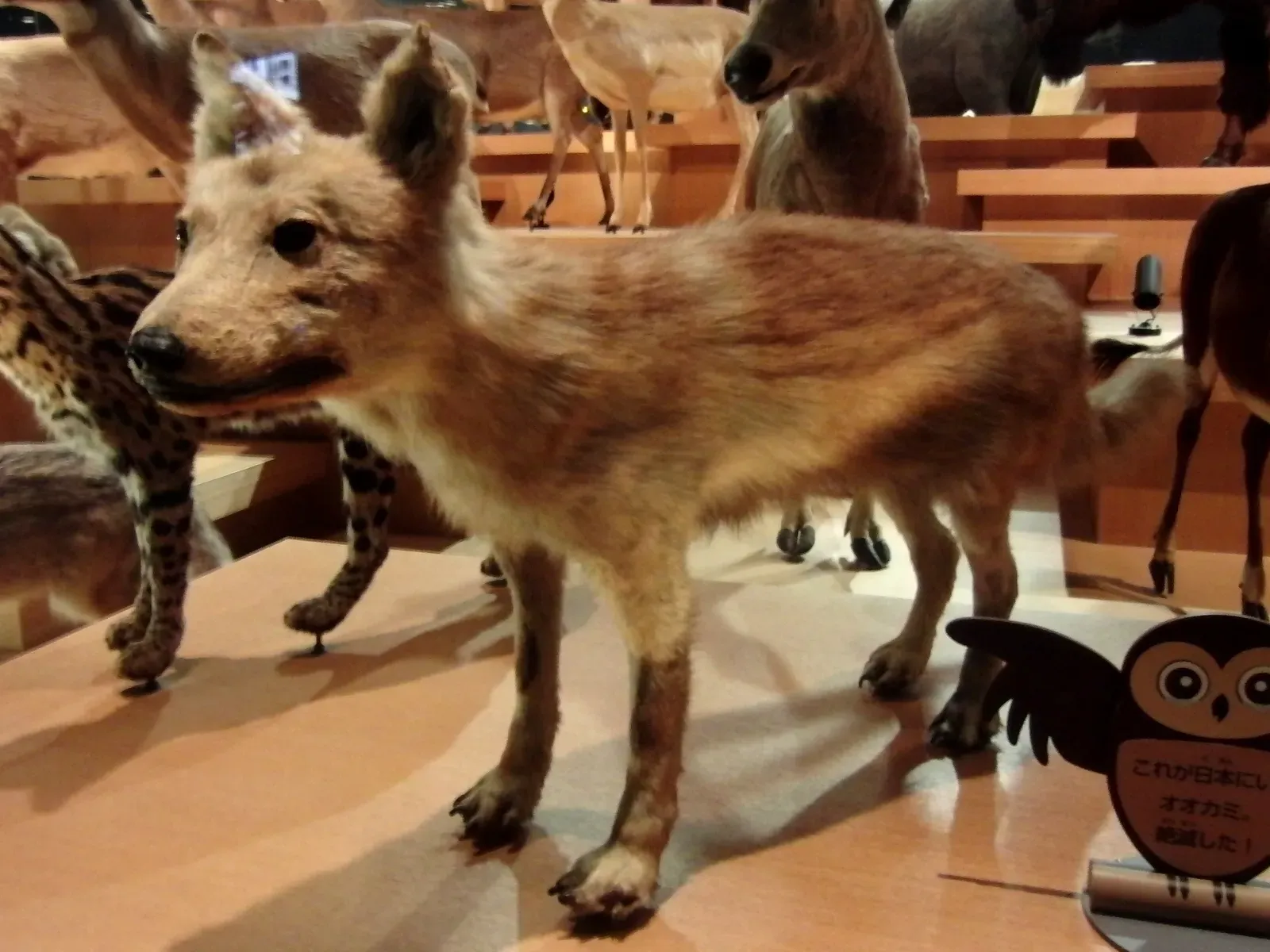
Japan’s wolf supposedly vanished in the early 1900s, wiped out by rabies, habitat loss, and relentless persecution. Rural mountain communities never quite agreed with that verdict.
Hundreds of alleged wolf sightings have been logged since in remote parts of Honshu and Shikoku, many from hunters and foresters who know feral dogs when they see them. Camera traps have captured canids that don’t cleanly match domestic dogs or known wild types, fueling arguments among canid specialists over ear shape, tail carriage, and body proportions like it’s an active crime scene.
DNA pulled from suspected wolf scat has so far only pointed back to dogs, and no confirmed population has ever turned up. Still, the geography works in the wolf’s favor – steep forests, heavy snow, and sparsely populated valleys offer exactly the kind of cover small carnivores use to dodge people for generations.
A few Japanese biologists quietly admit that a surviving ghost population wouldn’t shock them at all. Only solid proof would.
#7 – The Coelacanth’s Cousins, Still Hiding in the Deep
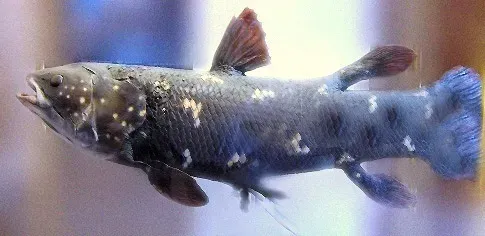
The Coelacanth is the poster child for “Lazarus taxa” – species declared extinct that turn up very much alive. It might not be the only one still keeping secrets.
Coelacanths were believed to have died out with the dinosaurs 66 million years ago, until a live one was hauled up off South Africa in 1938. A second, genetically distinct population later turned up near Indonesia – two lineages, both supposedly extinct for millions of years, both quietly ignoring the fossil record the whole time.
The report of my death was an exaggeration.
Mark Twain
That line was written about a newspaper’s mistake, not a fish – but marine biologists now use the Coelacanth almost the same way. Submersibles and ROVs have explored only a sliver of the deep ocean’s suitable habitat, which means our “extinct” labels for deep-sea lineages may say more about our sampling gaps than about the animals themselves.
#6 – The Atlantic Gray Whale That Whaling Records Say Shouldn’t Exist
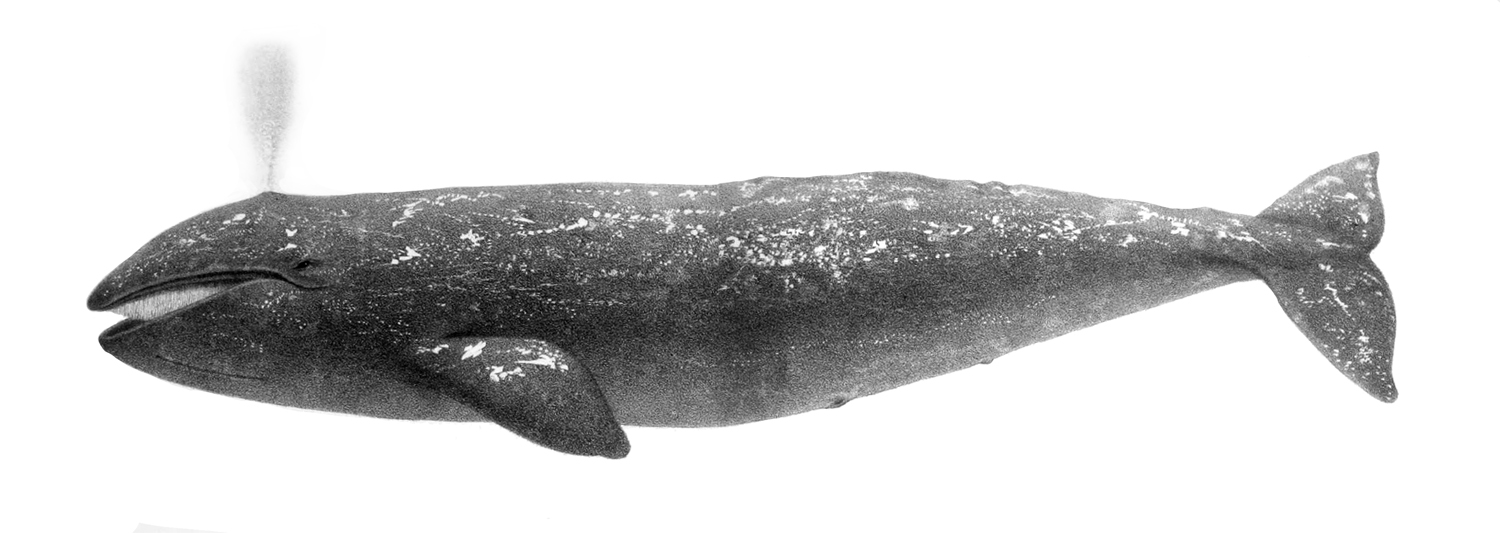
Whaling logs say gray whales vanished from the Atlantic Ocean centuries ago, hunted out before modern science could properly document them. Geneticists aren’t entirely comfortable with how neatly that story ends.
Today gray whales are a Pacific story – massive, barnacle-crusted migrants cruising between Mexico and the Arctic. But historical accounts and subfossil bones prove they once lived in the Atlantic too, before whaling pressure apparently erased them for good.
Quick Compare
- Pacific gray whales: a healthy, well-documented population migrating annually between Mexico and the Arctic.
- Atlantic gray whales: presumed extinct by the 18th century, known today only from whaling logs and subfossil bones.
- Recent wanderers: genetically Pacific whales have shown up in the Mediterranean and off Namibia after crossing a thawing Arctic passage.
Recently, several gray whales have turned up in the Atlantic and even the Mediterranean, clearly having crossed through a thawing Arctic. DNA confirms these individuals are Pacific in origin, but that’s not the end of the mystery.
Some cetacean biologists suspect the Arctic may still harbor oddball, semi-isolated gray whale groups moving in patterns we haven’t mapped yet. It doesn’t mean a hidden Atlantic population is thriving somewhere – but it does mean our tidy “extinct here, surviving there” labels for ocean giants are cruder than anyone likes to admit.
#5 – The South Island Kōkako’s Extinction Got Reversed on Paper
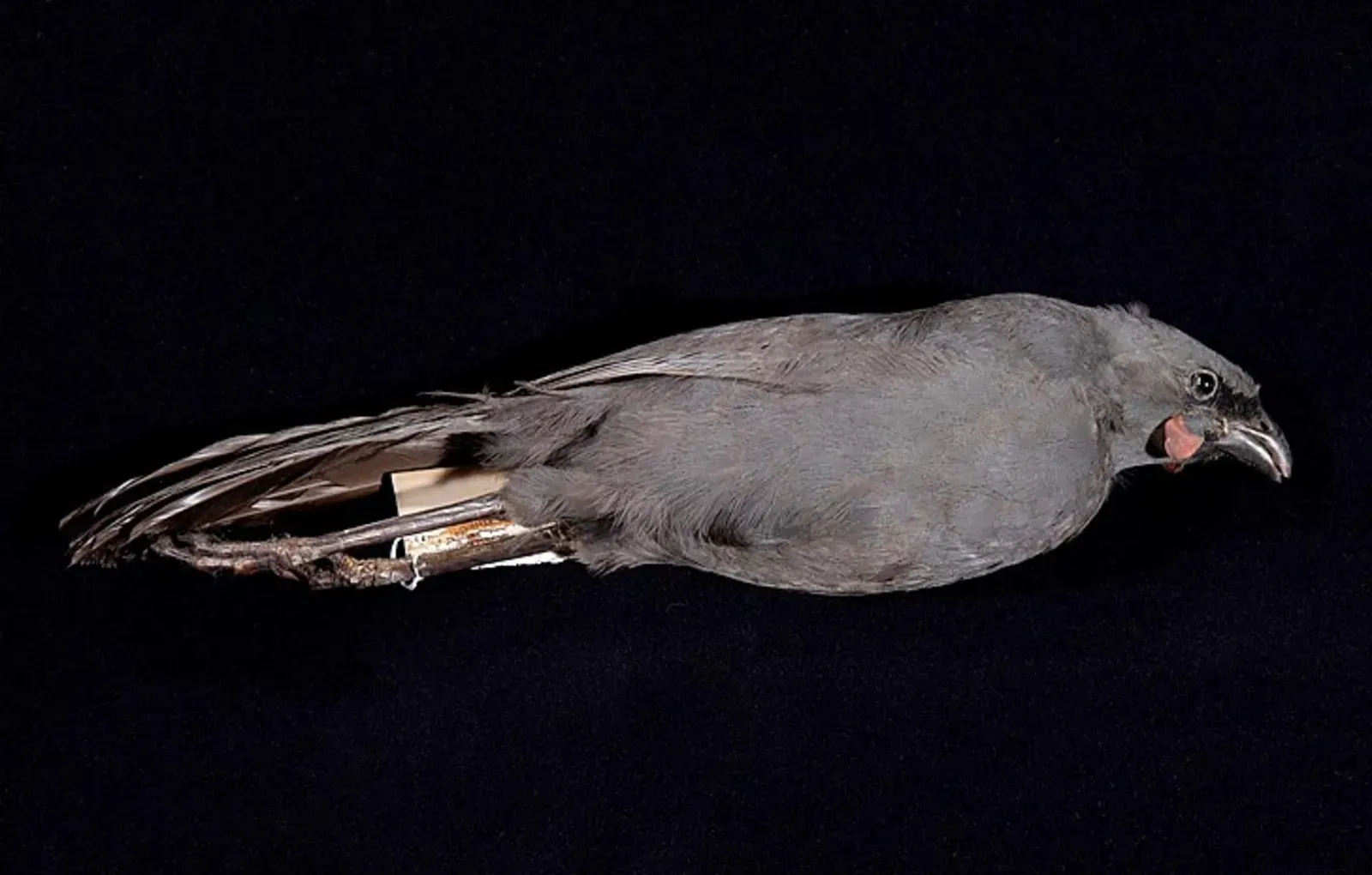
New Zealand’s South Island kōkako, a forest bird famous for its haunting, bell-like call, was officially declared extinct – and then quietly re-classified as “data deficient” after some very awkward evidence showed up.
The North Island form survives; the South Island bird was written off after decades without a confirmed specimen. But throughout the 2000s and 2010s, skilled birders and hunters kept reporting hearing, and occasionally glimpsing, birds matching the supposedly extinct type deep in remote beech forests.
One recording was compelling enough that New Zealand’s official threat-ranking panel actually reversed the extinction call – effectively admitting, “We’re not confident it’s gone.” That reversal thrilled some conservationists and infuriated others.
No nest has ever been found, no clear photo taken. Yet enough credible people insist they’ve encountered the bird that the government now funds occasional surveys and offers rewards for solid proof – a species surviving, if at all, on ecological life support.
#4 – The Caribbean Monk Seal Fishermen Won’t Stop Describing
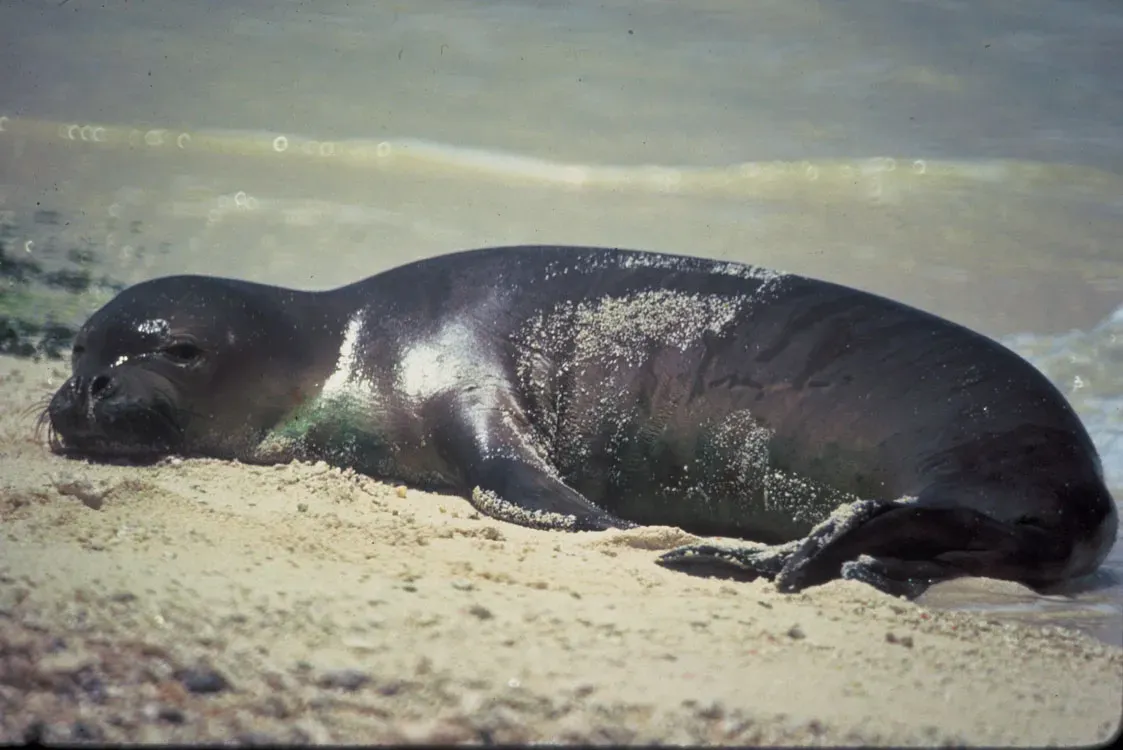
The U.S. officially declared the Caribbean monk seal extinct in 2008. Some marine biologists think that declaration might have been just a little too confident.
Overhunted for oil and meat, these seals vanished from routine observation by the mid-20th century. But fishermen across the region kept reporting large, unfamiliar seals hauled out on remote banks and reefs well into the 1990s and 2000s – sightings usually dismissed as misidentified hooded or harbor seals that had wandered unusually far south.
The problem is that those cold-water species rarely linger in tropical waters, and some eyewitness descriptions match monk seals disturbingly well. The Caribbean is a patchwork of lightly surveyed atolls and reefs, many visited only a handful of times a decade.
Even skeptics admit under-surveyed habitat plus scattered, consistent sightings barely keeps the door open. And if that sounds like wishful thinking, remember: the Mediterranean monk seal was once written off as “basically gone” too – and is now slowly clawing its way back.
#3 – The Mekong’s Giant Fish That Get Eaten Before Scientists Arrive
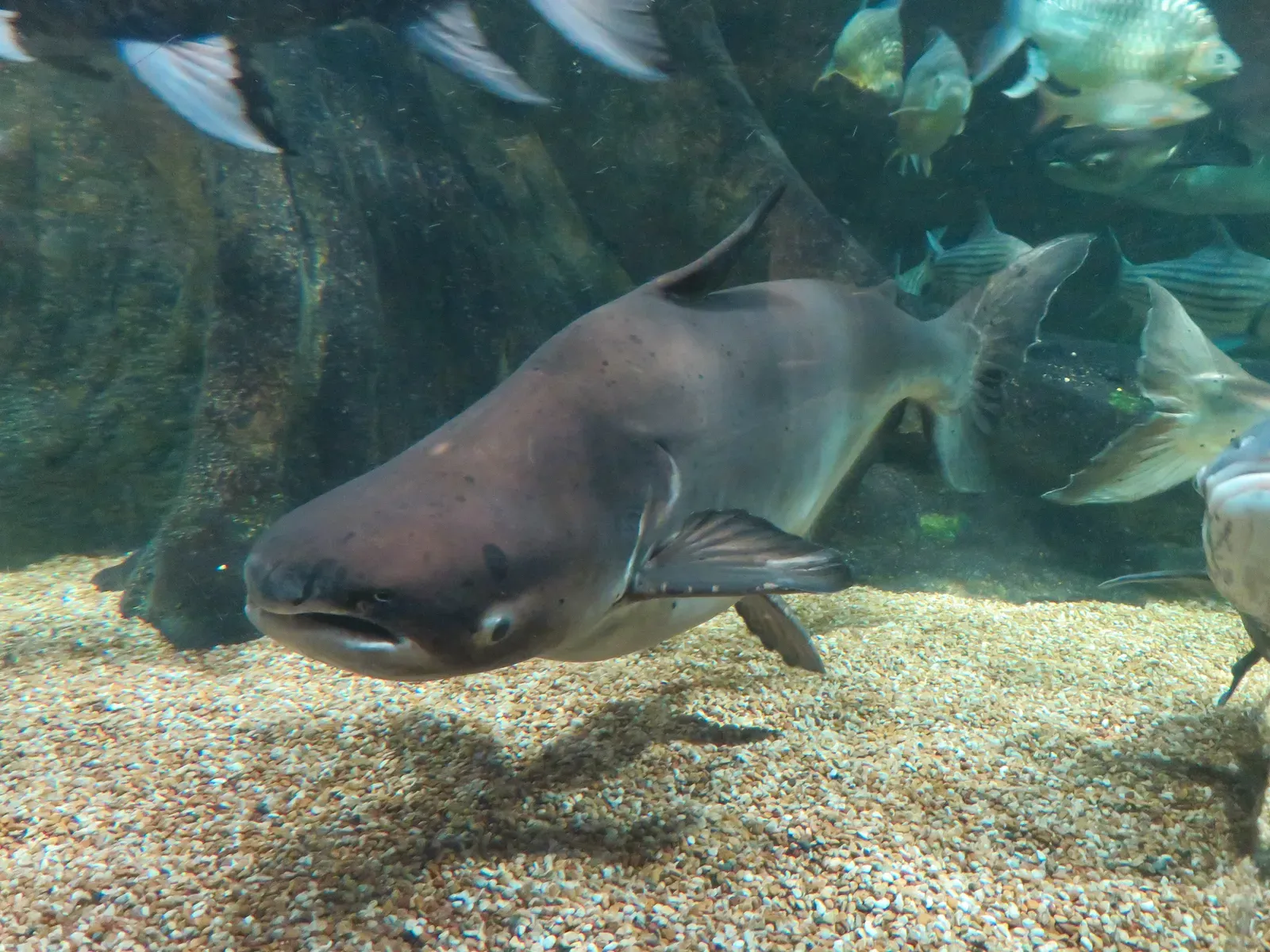
Fisheries biologists across Southeast Asia keep hearing the same frustrating story: huge fish nobody can quite pin down, caught, photographed on a phone, and gone before a scientist ever sees them.
The Mekong River is famous for giants – catfish, stingrays, and carp pushing toward record sizes, several critically endangered and a few suspected already locally extinct. Yet local fishers in Laos, Cambodia, and Thailand continue describing enormous, rarely captured species that don’t line up neatly with known taxa, or that match “extinct” forms known only from old photographs and museum jars.
Most zoologists believe these are ultra-rare survivors of known species rather than brand-new monsters – but that’s still a big deal. It suggests individuals, or even tiny breeding populations, may persist for decades after their official “last known capture” date.
The Mekong is turbid, sprawling, and politically messy to survey properly, and no net samples every deep pool. So conservationists now take local knowledge far more seriously, admitting extinction declarations for big river fish are often educated guesses dressed up as certainty.
#2 – The “Extinct” Seabird That Was Hiding Under a Different Name
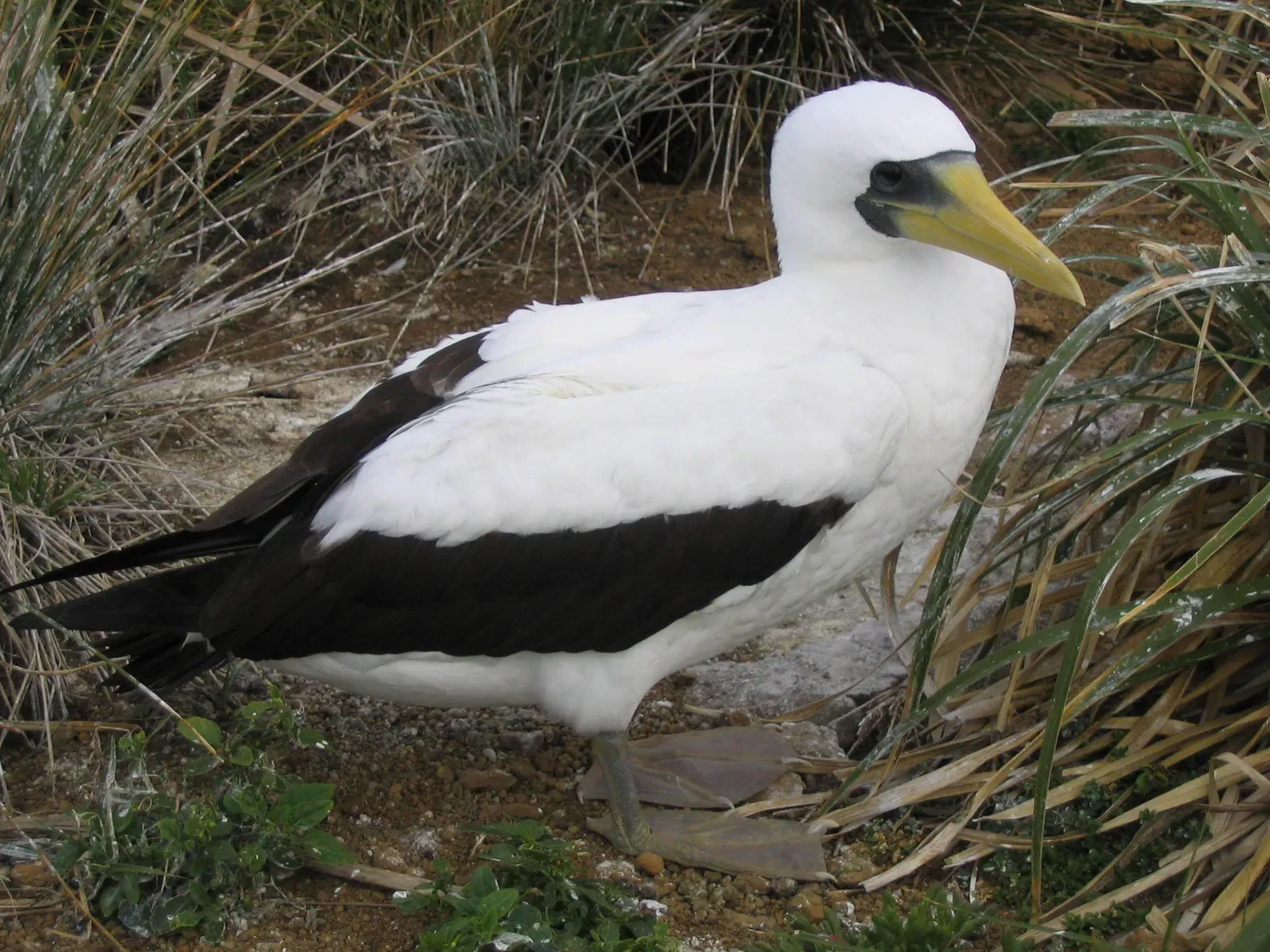
Seabirds are supposedly among the best-studied animals on Earth, but a few “extinct” ones have already embarrassed the experts by turning up again. The Tasman booby, long presumed extinct based on subfossil bones from islands in the Tasman Sea, turned out to be far more complicated.
Genetic and morphological work eventually revealed that what scientists had described as an extinct species was effectively a regional form of a still-living booby, hiding in plain sight under the wrong label. Similarly, some storm-petrels and shearwaters vanished from their known colonies only to be rediscovered on isolated rocks decades later.
For zoologists, these seabird mix-ups are a cautionary tale. Pelagic birds roam enormous stretches of ocean, nest on remote cliffs, and shift colonies entirely in response to predators or human disturbance.
Declaring a species extinct just because one or two historic breeding islands went quiet is now seen as risky guesswork. Ornithologists increasingly hedge with “possibly extinct” or “presumed extinct” instead – language that leaves room for a future “whoops, it’s still here” moment.
#1 – Amphibians: The Group Zoologists Suspect We’re Getting Wrong Constantly
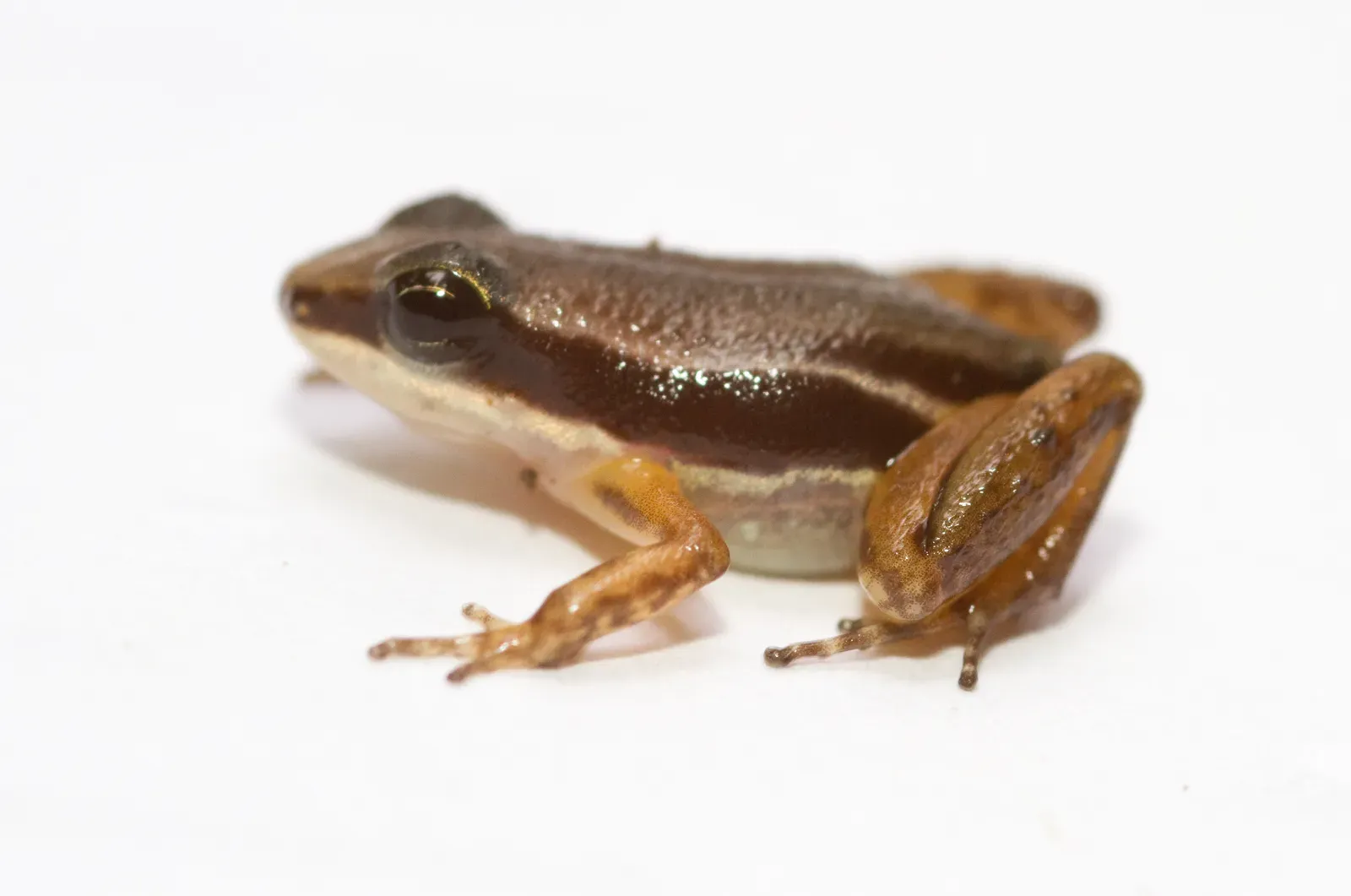
If there’s one group zoologists quietly suspect we’re mislabeling as extinct over and over, it’s amphibians. Frogs and salamanders are small, secretive, and often restricted to a single valley, stream, or mountaintop – the perfect recipe for being overlooked for decades.
They can also survive at incredibly low densities for years, which is exactly why multiple “extinct” species have already been rediscovered after decades, sometimes a full century, with zero confirmed sightings in between. In several cases, a simple method change – night surveys instead of day, different call-playbacks, or DNA sampling straight from puddle water – suddenly revealed tiny surviving populations that standard surveys had missed entirely.
Worth Knowing
- Conservation International’s “Search for Lost Frogs” campaign helped relocate several species long feared extinct.
- Some frogs have reappeared after decades with zero confirmed sightings in between.
- Environmental DNA (eDNA) testing can detect species from trace genetic material left in water.
- Chytrid fungus remains a confirmed, ongoing driver of real amphibian extinctions worldwide.
Climate change, habitat loss, and diseases like chytrid fungus are absolutely wiping many amphibians out for real – no serious herpetologist disputes that. But a growing number argue our extinction lists for frogs and salamanders, especially in the tropics, are probably a messy mix of truly gone species and simply not-found-yet survivors.
Environmental DNA testing – basically screening water for trace genetic material – is already turning up surprises in places nobody expected. Amphibians may be the quietest, most humbling reminder on this entire list: in dense forests and cloud-wrapped mountains, our confidence still outruns our actual data.
The Bottom Line
Across continents and oceans, the same pattern keeps surfacing: we are far better at declaring animals gone than we are at actually proving it. From the legendary Thylacine and Ivory-billed woodpecker to obscure seabirds and unnamed river giants, extinction in practice is often a probability call, not a proven absence.
Some creatures on this list are almost certainly gone for good. Others sit in that tense, fascinating maybe-zone where scattered sightings, stray genetics, or sheer habitat vastness keep the question open.
This isn’t sentimental hope dressed up as science – it’s a pointed admission of how little we actually know about deep oceans, tangled forests, and murky rivers. If anything, these “extinct but maybe not” stories say less about animals pulling off miracle comebacks and more about us being far too quick to close the book.
So here’s the real question worth arguing about: which creature on this list do you think still has a pulse – and which one do you think we’re only kidding ourselves about?