
Have you ever wondered what creatures are truly hanging by a thread right here on our own continent? North America boasts incredible biodiversity, from vast forests to sprawling oceans, but this richness is under threat like never before. More than a third of wildlife in the United States alone faces a genuine risk of vanishing forever.
Recent studies show wildlife in North America has declined by nearly forty percent over the last half century, a sobering reminder of how fragile these ecosystems have become. The causes are varied but interconnected. Climate shifts, habitat destruction, pollution, and human encroachment have combined into a perfect storm for many species. Let’s be real, it’s easy to think of endangered animals as exotic creatures living oceans away. The reality is far closer to home than most realize.
So let’s dive into the stories of fifteen remarkable animals fighting for survival right now. Each one plays an irreplaceable role in its ecosystem, and losing any of them would ripple through the natural world in ways we’re only beginning to understand. These creatures need our attention, and honestly, they deserve better than what we’ve given them so far.
Red Wolf
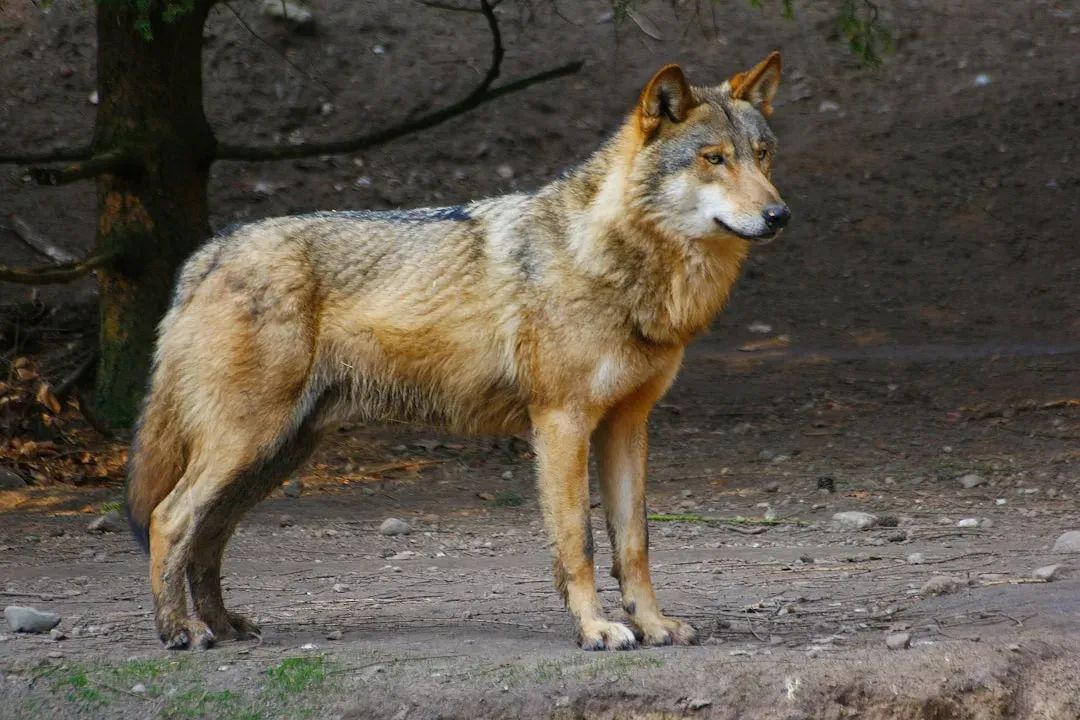
Red wolves hold the unfortunate title of being the most endangered wolf species in the world, with fewer than twenty individuals surviving in the wild in a small patch of eastern North Carolina. Think about that number for a moment. Twenty. You could fit them all in a single room. These canines once roamed throughout the Eastern United States before being hunted nearly to extinction by the 1970s.
The dangers persist even now, with five red wolves dying in highway collisions during 2023 and 2024, including one incident where a male’s death led to his five pups starving. Hybridization with coyotes and illegal killings, particularly during conflicts with landowners, continue to threaten their already precarious existence. Recovery efforts include wildlife crossings to prevent tragic vehicle deaths, but time is running critically short.
North Atlantic Right Whale
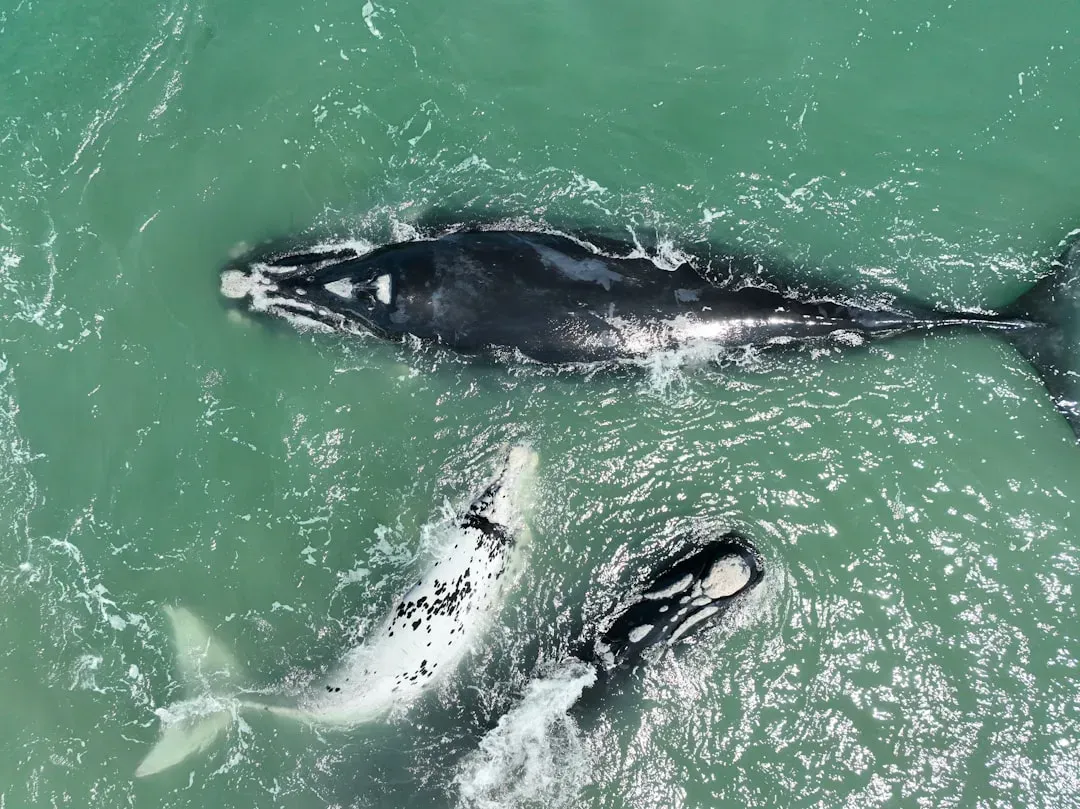
As of 2025, only around 370 North Atlantic right whales remain, with just 70 reproductive-age females. These massive marine mammals can weigh up to seventy tons and stretch nearly fifty feet long, yet their size offers little protection against modern threats. Ship strikes and entanglement in fishing gear, especially from crab and lobster traps, pose enormous dangers to these whales.
The situation is heartbreaking. Whales that become entangled in heavy fishing lines are worn down by the weight and often slowly die from starvation and exhaustion, unable to free themselves. Climate change has shifted their usual habitats, forcing them into more frequent contact with shipping lanes and fishing activity. Solutions like ropeless fishing gear exist, but widespread adoption remains frustratingly slow.
Florida Manatee
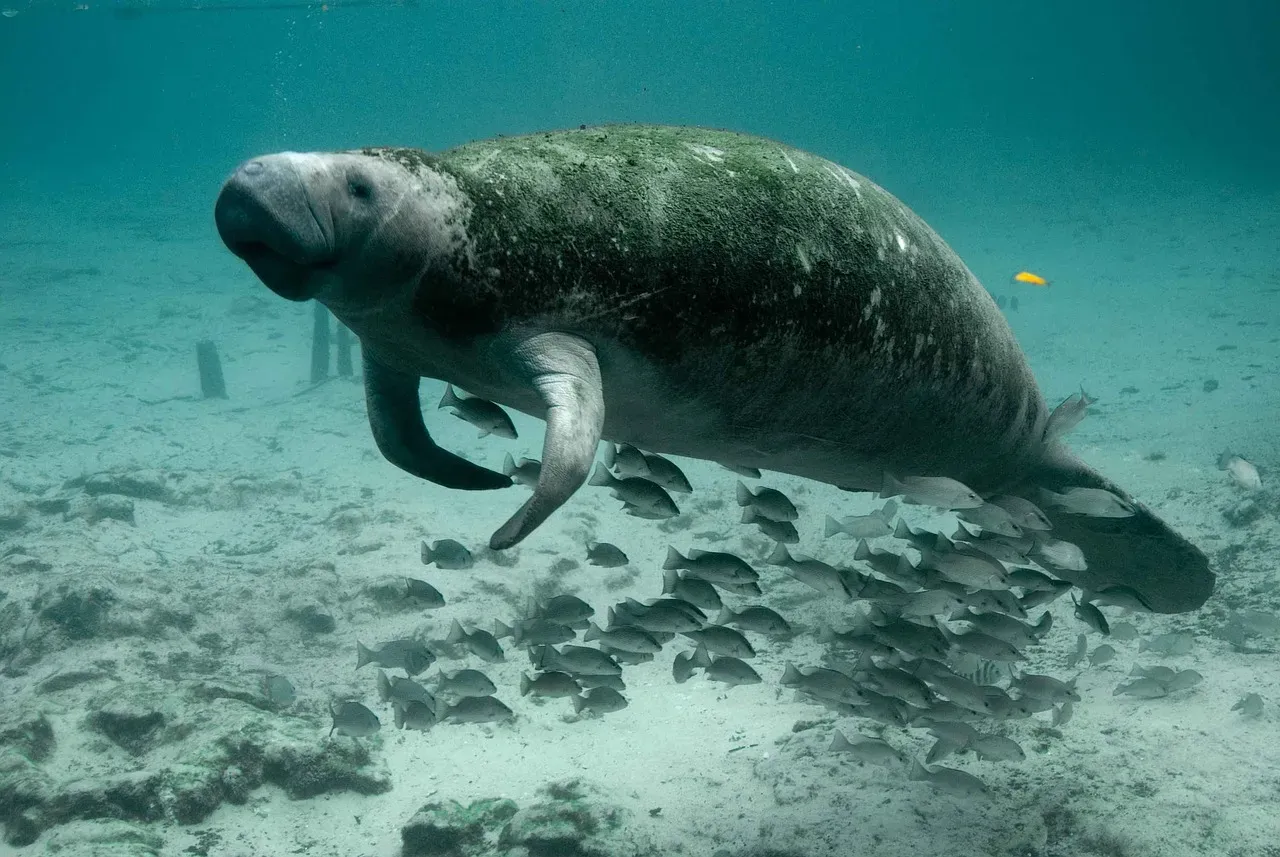
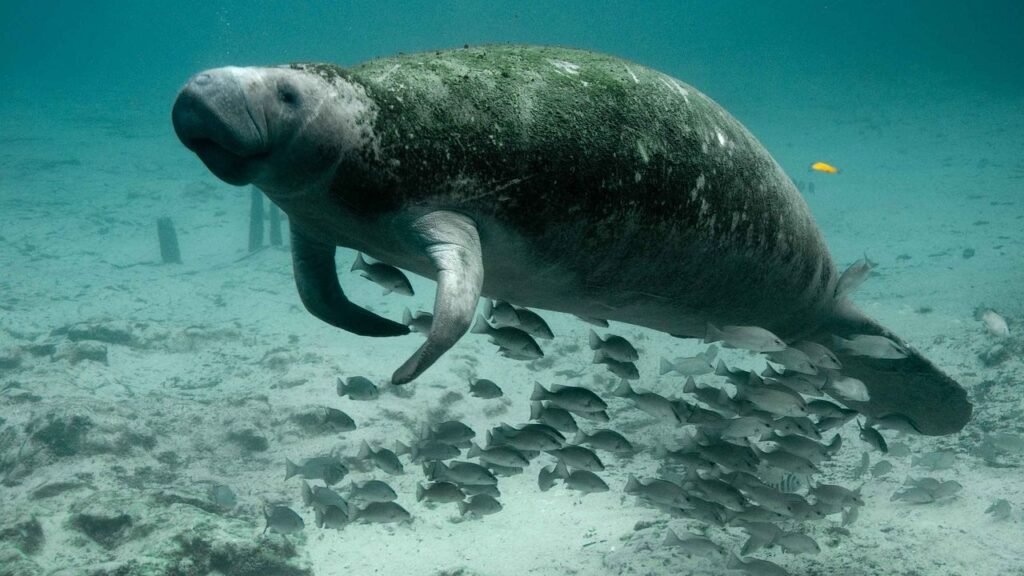
Florida’s gentle giants have experienced a devastating decline in recent years despite previous conservation success. Fewer than ten thousand manatees survive in Florida waters today, and between 2020 and 2022, more than 2,500 died, mostly from starvation due to seagrass decline. Seagrass is their primary food source, and its loss has created a genuine crisis.
Water pollution from industry and urban development has destroyed significant seagrass beds in their feeding grounds, resulting in over a thousand deaths from starvation in 2021 alone, driving wildlife officials to hand feed them in an unprecedented move. The situation has become so dire that many scientists and environmentalists argue the species should be considered endangered again. It’s hard to say for sure, but their future looks increasingly uncertain without aggressive habitat restoration.
California Condor
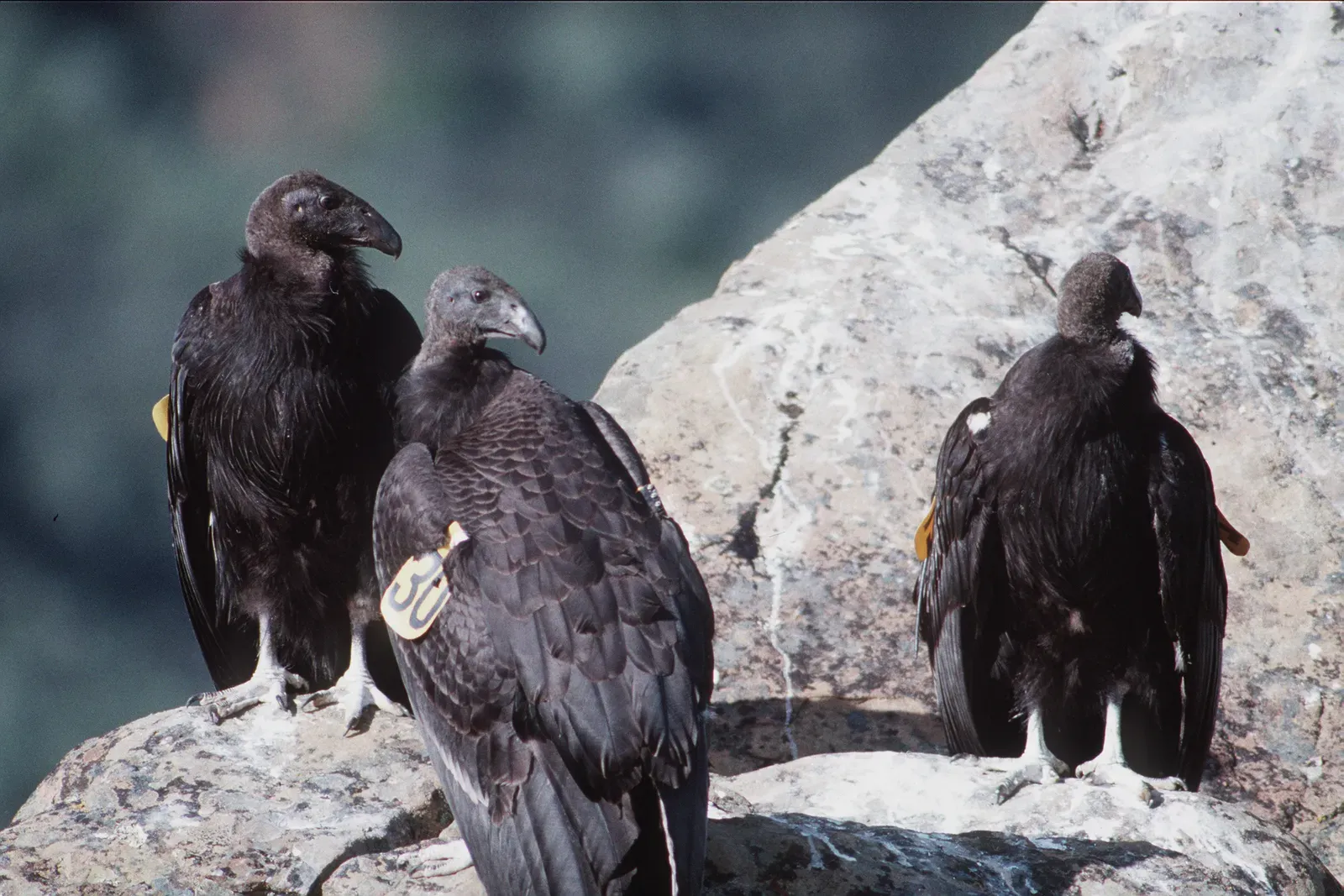
The California condor is the largest known wild bird in North America and was all but extinct with only about six individuals left in the wild during the 1980s. Birds died of lead poisoning from eating bullet fragments in carcasses they scavenged, and in 1985, when only 22 survived, the United States Fish and Wildlife Service captured the last nine wild birds and placed them in a breeding program.
The captive breeding program has been remarkably successful. Numbers increased from six to 223 in the early 2000s, and today over 400 California condors exist, though they still face threats from human-related deaths such as collisions with power lines. Seven years after capturing the last wild birds, condors were reintroduced into California, with the program expanding to Arizona and Baja California, Mexico. Their recovery proves conservation can work, though vigilance remains essential.
Black-Footed Ferret
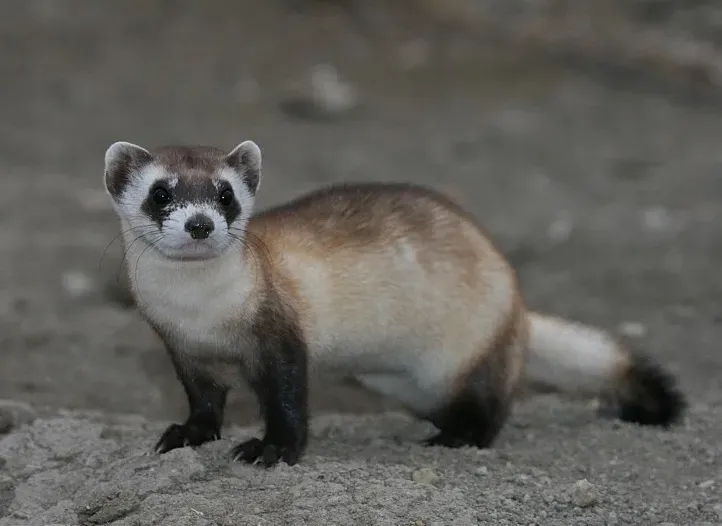
As of 2025, only 206 mature black-footed ferrets are thought to exist in the wild. These slender mammals with distinctive black markings depend almost entirely on prairie dogs for food. During the 20th century, farmers and ranchers were allowed to kill prairie dogs because of burrow damage to fields, nearly wiping out the black-footed ferret population in the process.
Once common throughout the Great Plains from southern Canada to northern Mexico, the species became extinct in the wild in the 1980s, though conservation efforts successfully reintroduced populations in eight western US states and Chihuahua, Mexico, with over 200 mature individuals in the wild across 18 sites as of 2015. Their survival remains tenuous, tied directly to prairie dog populations that many still view as pests.
Kemp’s Ridley Sea Turtle
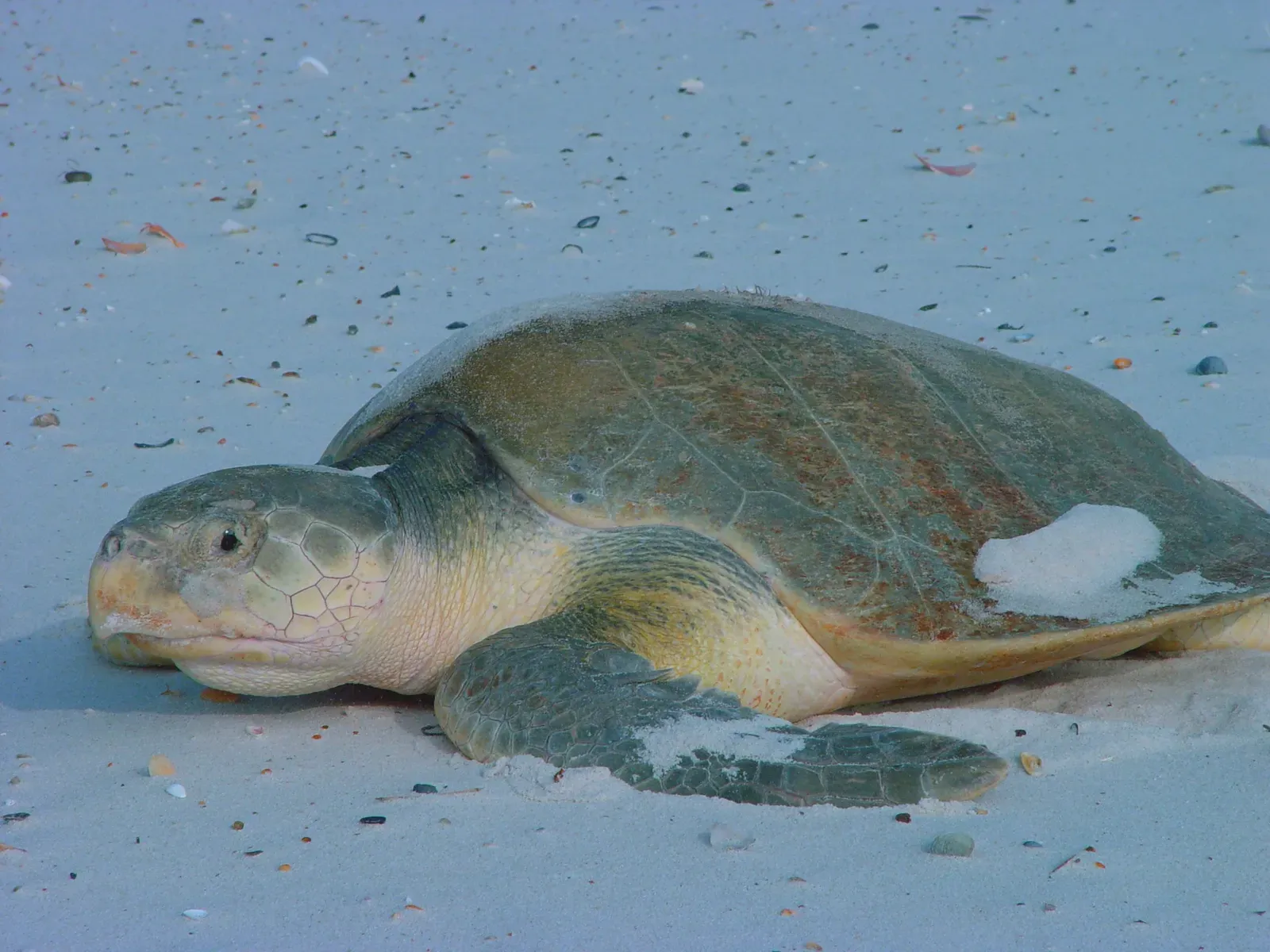
The smallest of the world’s sea turtles, Kemp’s ridleys are also the most endangered, with 42,000 filmed nesting on a single Mexican beach in 1947. That same film captured people digging up nests to collect eggs, which number more than 100 per nest and are eaten and considered an aphrodisiac. By 1985, only 702 nests were found in their entire nesting range.
Just an estimated 22,341 remain in the wild today, critically endangered due to getting caught in bycatch and fishing gear, rising sea levels destroying their habitats, and increasingly polluted oceans. Officials in the United States and Mexico have worked to protect them for decades, establishing a system of reserves including Rancho Nuevo beach where turtles can safely nest. Progress has been made, but threats continue to mount.
Vancouver Island Marmot
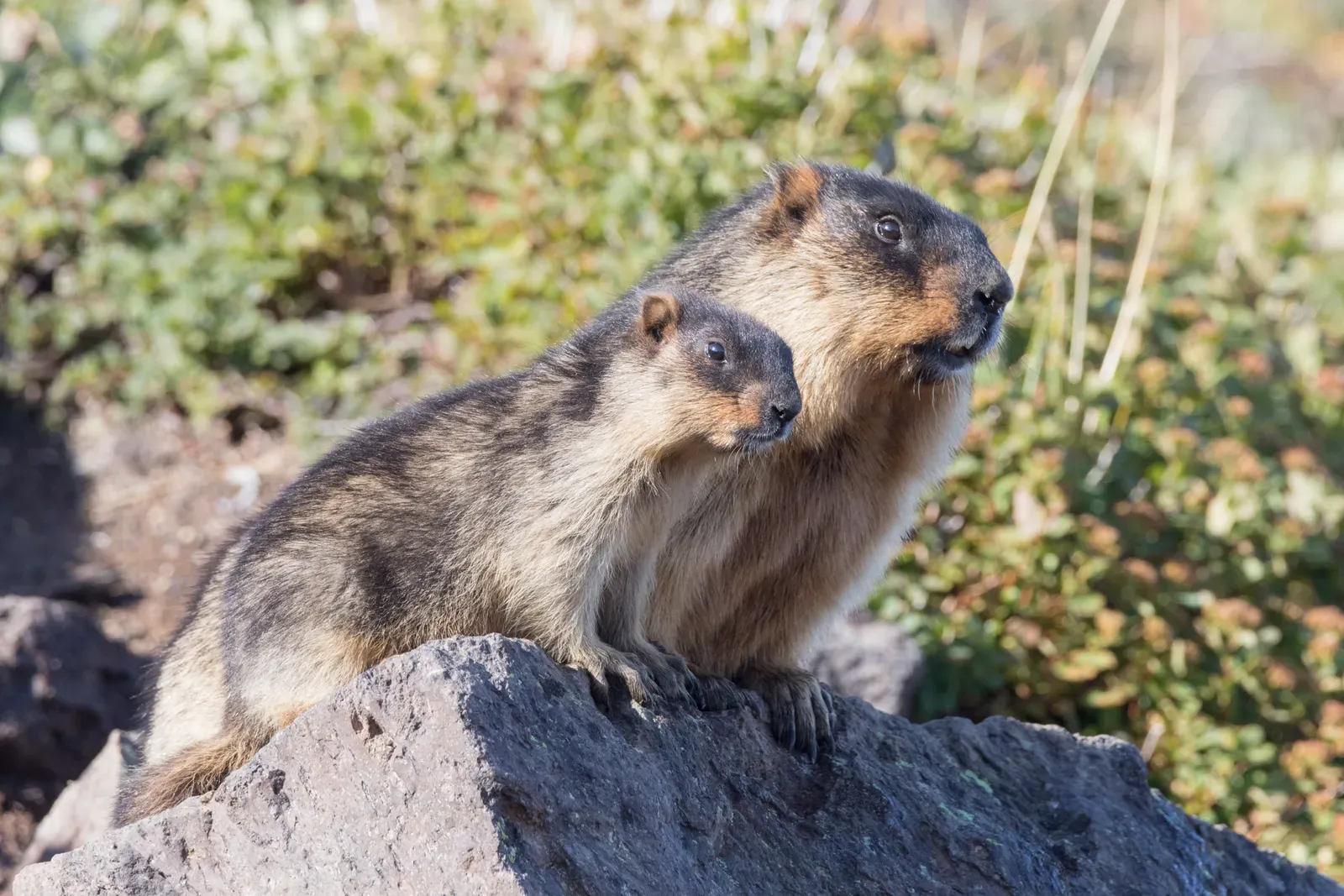
The Vancouver Island marmot lives exclusively in the forest, grassland, and rocky mountain habitat of Canada’s Vancouver Island. In 2003, the Vancouver marmot population plummeted to an ever low of only 30 individuals. Habitat loss due to changing climate is one of the primary reasons for decline, with the loss of open alpine landscapes under warmer temperatures affecting their survival rates and reproductive patterns adversely.
Realizing the urgency, conservation authorities captured wild animals and bred them in captivity at Toronto Zoo, Vancouver Zoo, and other facilities, with the program’s success leading to an increase in wild marmot population to about 250 to 300. It’s a conservation success story, though climate change continues threatening their alpine habitat in ways that are difficult to predict or control.
Axolotl
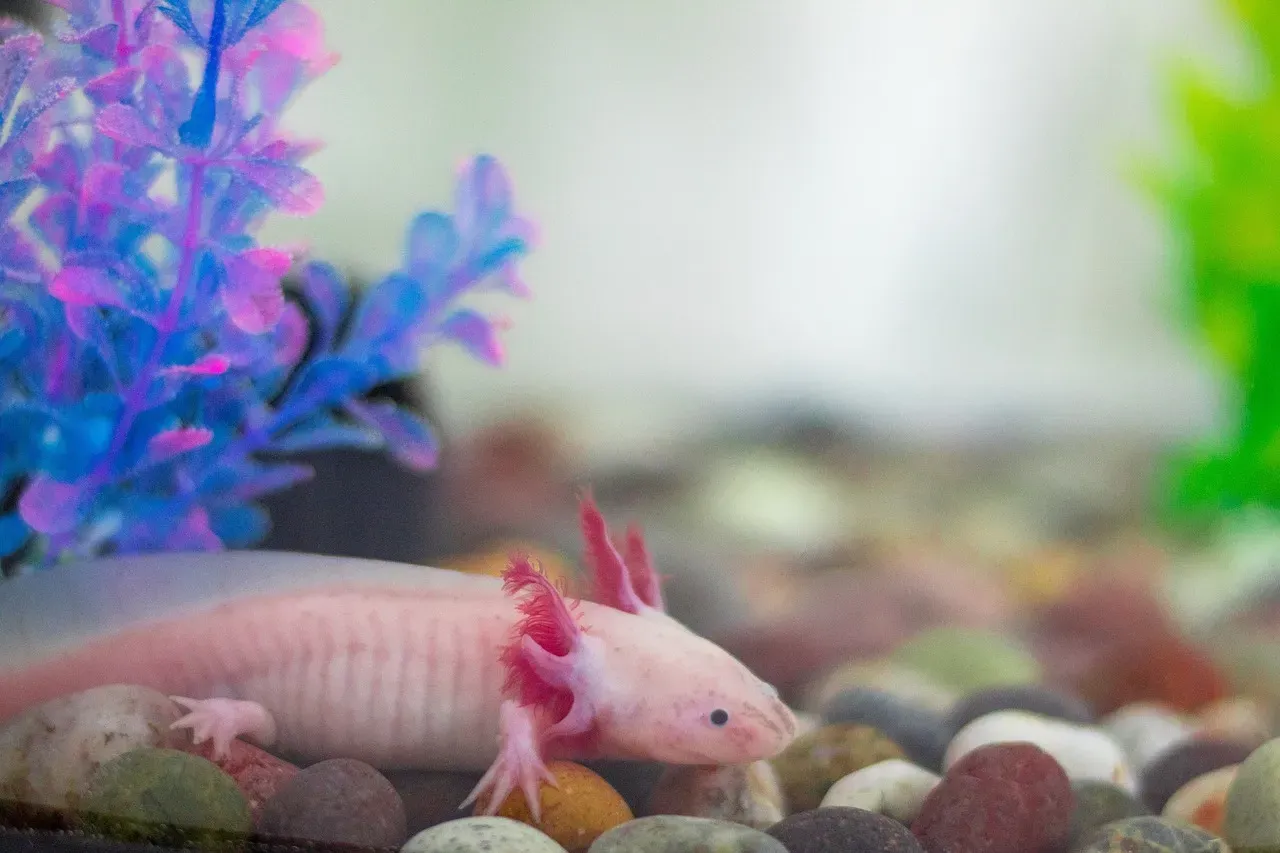
This unique animal is only found in Lake Xochimilco, a water system made up of canals, small lakes, and wetlands in Mexico City. In 2025, the IUCN categorizes axolotls as critically endangered with a decreasing population, as pollution and draining of their habitat to reduce flood risk continue to threaten their survival despite improvements in recent years.
These extraordinary amphibians possess remarkable regenerative abilities and never undergo full metamorphosis, retaining their gills throughout life. Their permanent smile and feathery external gills make them instantly recognizable. The tragedy is that they’re disappearing from the only place on Earth they naturally exist, victims of urbanization pressing in from all sides around Mexico City.
Whooping Crane
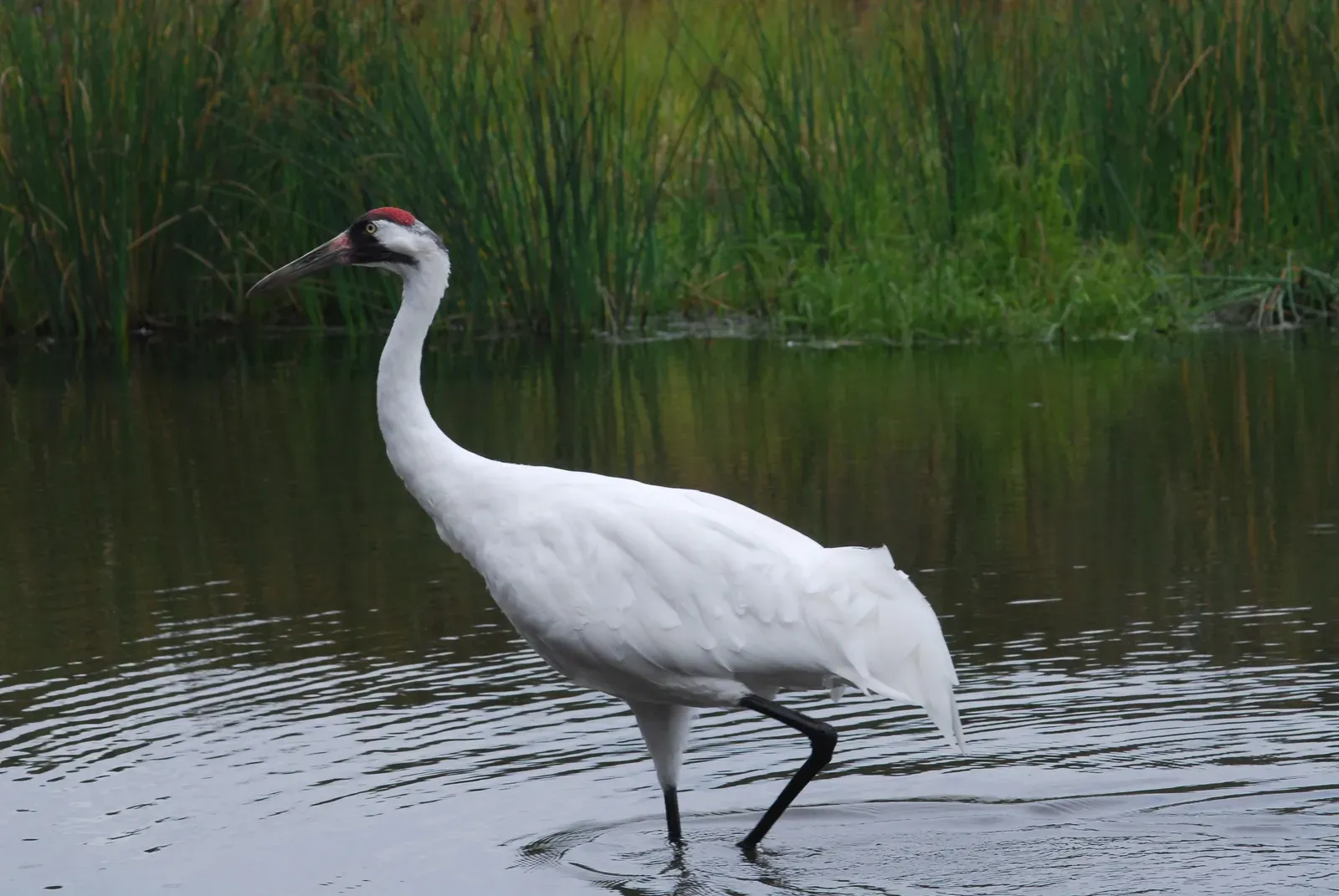
Whooping cranes are one of the most endangered birds in North America, with only an estimated 600 individuals remaining in the wild. They are threatened by habitat destruction, hunting, and power line collisions, with conservation efforts including protection of their migration routes and habitat being critical to their survival.
These magnificent birds stand nearly five feet tall with a wingspan stretching over seven feet. Their distinctive whooping call carries for miles across wetlands. Under protection of the Endangered Species Act, whooping cranes have been brought back from the brink of extinction. Still, roughly six hundred birds means the species remains vulnerable to catastrophic events or disease outbreaks.
San Joaquin Kit Fox
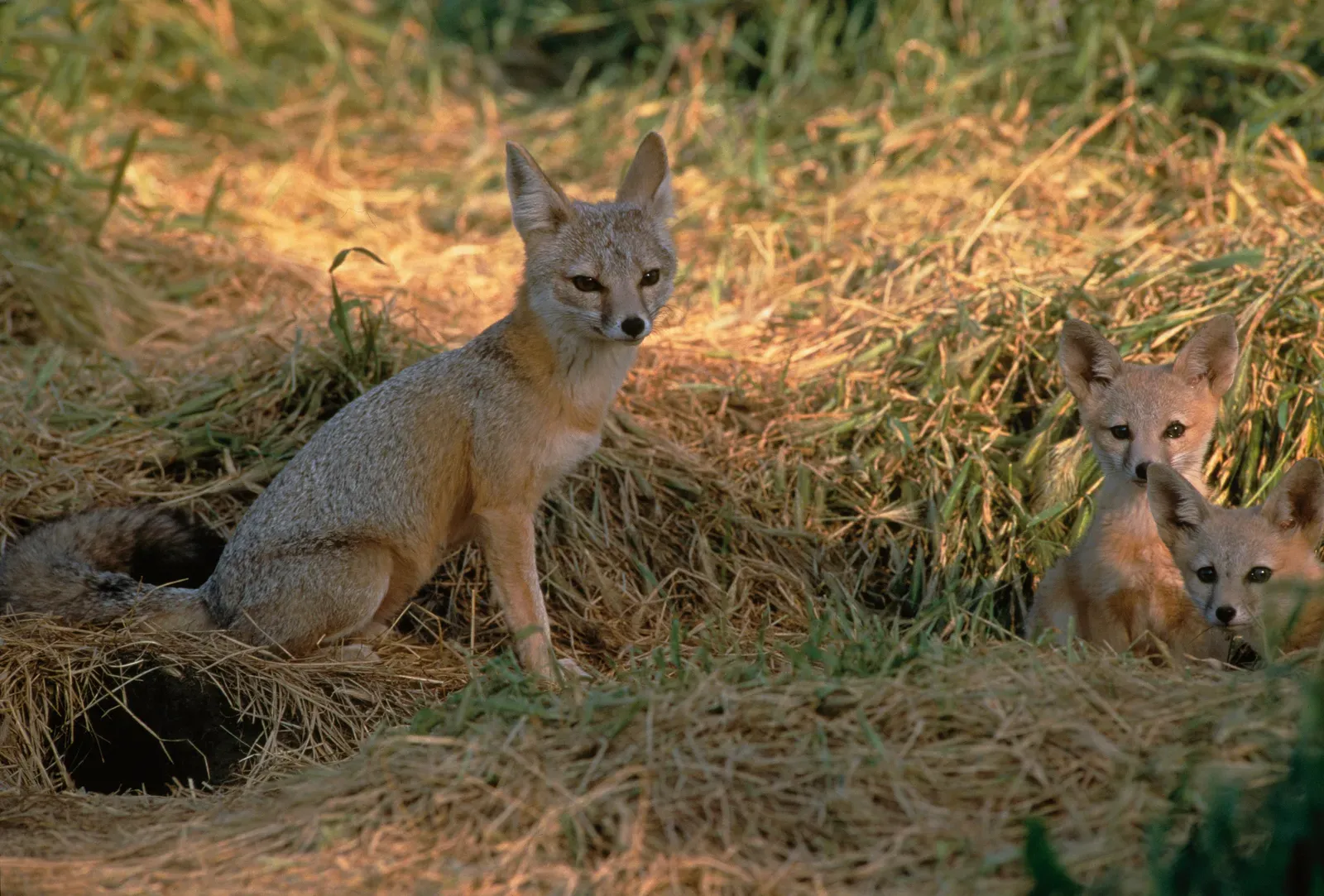
The San Joaquin kit fox is the smallest fox in North America. Like black-footed ferrets, San Joaquin kit foxes have suffered from habitat loss as land is turned into farms, with rodenticides also leading to population decline, as these kit foxes get much of their water from prey, but the smaller mammals they feed on have declined from pesticide use.
The Center for Biological Diversity has been petitioning for critical habitat designation in San Joaquin Valley for the kit fox since 2010 and has sued against developments that would disrupt their habitat, also working against harmful pesticide use. These delicate desert dwellers with oversized ears and bushy tails need expansive territories, but agriculture and development have fragmented their habitat into isolated patches.
Burrowing Owl
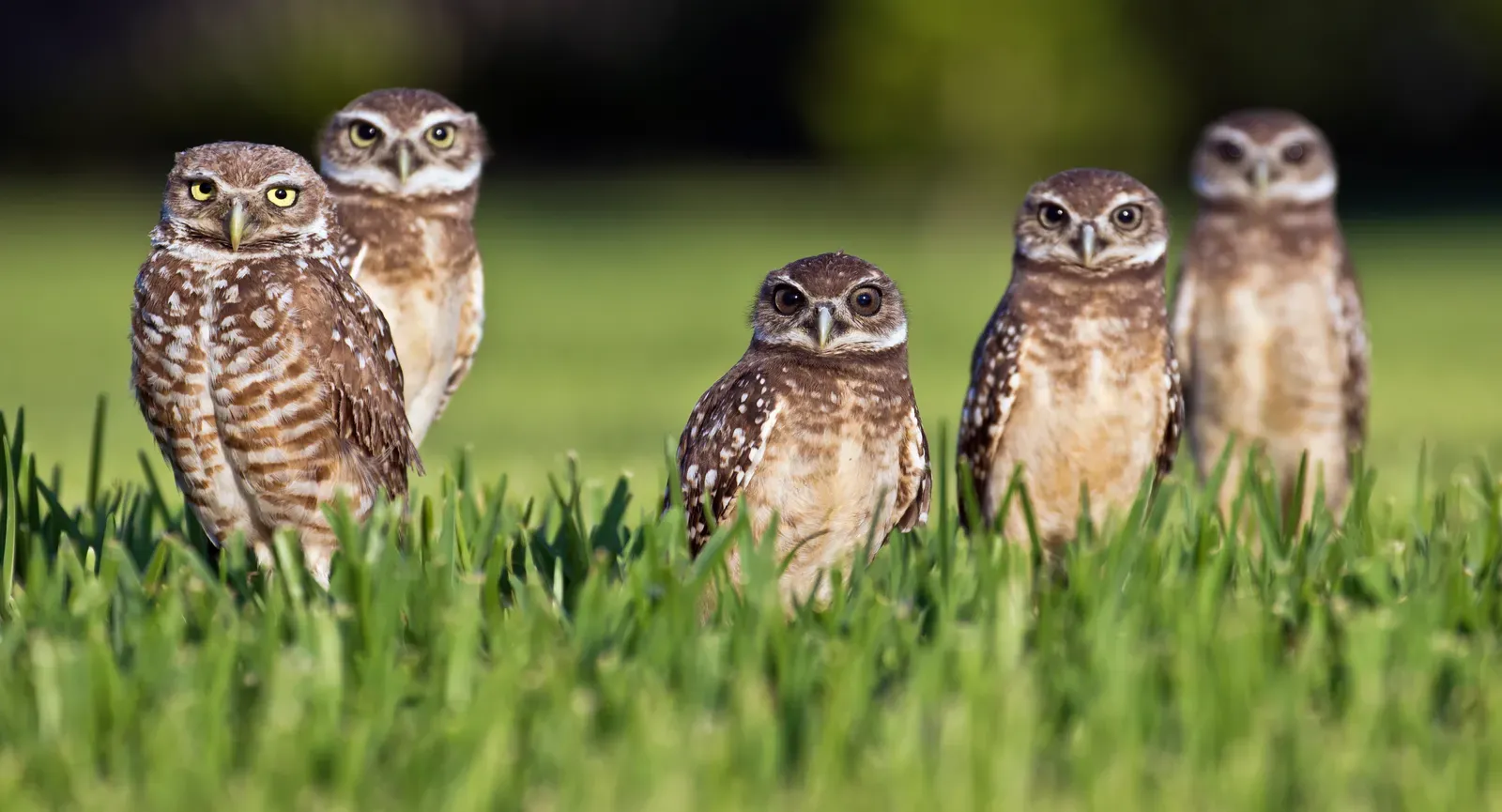
The burrowing owl is one of the smallest owl species and can mostly be found in the prairie grasslands of Canada, with habitat loss and fragmentation driving its population to decline, with fewer than 1,000 pairs remaining in the country. Much of the owl’s prairie habitats have been converted for crop production, and its prey such as prairie dogs and ground squirrels have been actively reduced by farmers, with pesticides posing another threat as owls indirectly ingest them when consuming animal carcasses.
These charming little owls nest in underground burrows, often taking over abandoned prairie dog dens. Unlike most owls, they’re active during the day. Conservationists have been pushing for efforts to steward habitats, discourage extermination of prey species, and use predator-proof artificial nest burrows to help protect and restore the species. Their survival hinges on prairie conservation, an ecosystem most people overlook.
Georgetown Salamander
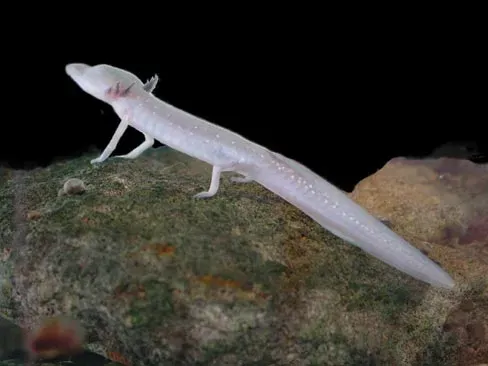
The Georgetown salamander lives in gravel and under rocks in caves and freshwater springs, found in the San Gabriel River in central Texas. This salamander was only discovered and described in 2000, so not much is known about it, though they’re very sensitive to water quality and tend to be found near spring outflow.
The IUCN lists the Georgetown salamander as critically endangered with decreasing numbers, as their habitat is being destroyed by development. Texas’s explosive population growth means more water extraction and urban sprawl directly over the underground aquifers these salamanders call home. It’s a species most people have never heard of, yet one that could vanish before we even understand its ecological role.
Hickory Nut Gorge Green Salamander
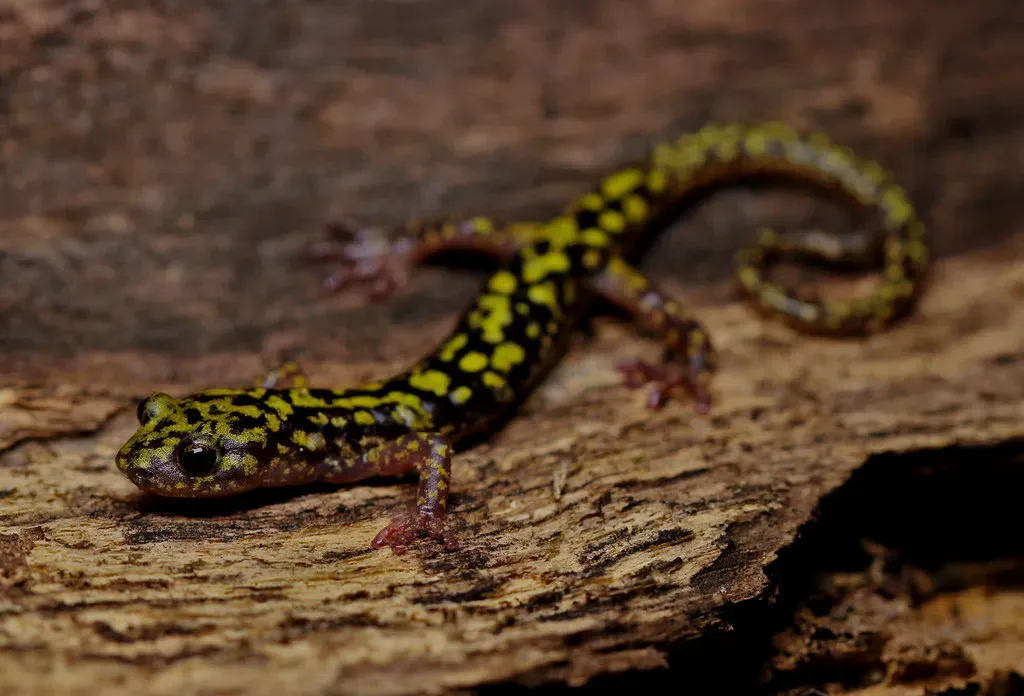
Hickory Nut Gorge green salamanders are named after the only place they live, Hickory Nut Gorge in the Blue Ridge Mountains of North Carolina, where they nest in hollows and crevices of rocky outcrops. This incredibly limited range makes them extremely vulnerable to any environmental changes or habitat disturbance.
Their vibrant green coloring provides camouflage against lichen-covered rocks. Because their entire world exists in a single gorge, any localized disaster could wipe them out completely. Rock climbing, trail development, and climate shifts all pose outsized risks when your entire species lives in one place.
Dusky Gopher Frog
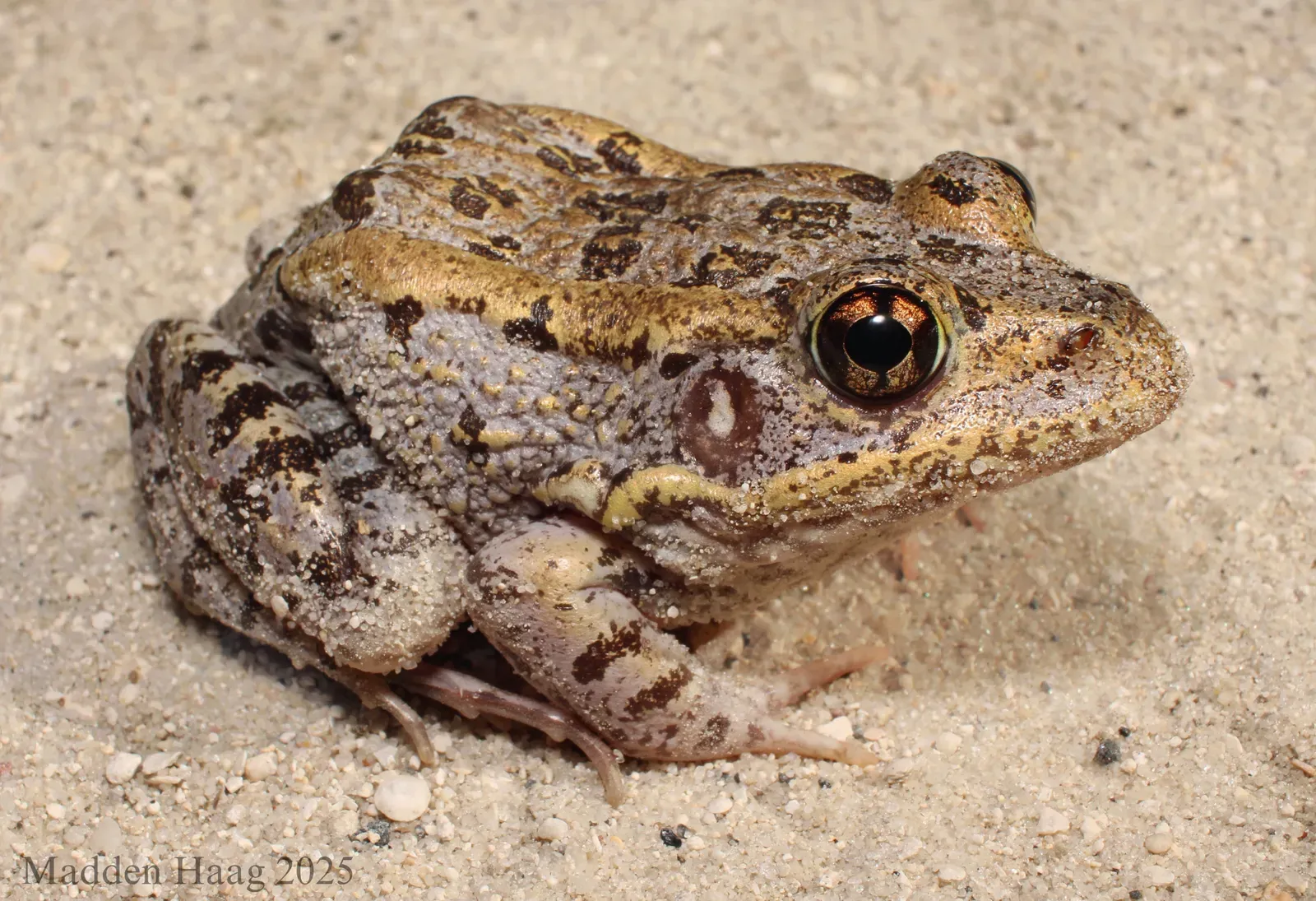
The Deep South-dwelling dusky gopher frog lives in boggy wetlands and forests of Mississippi, now classed as critically endangered with less than 50 estimated to remain as of 2021, with their warty bodies black, grey and brown with a yellowish underbelly, defending themselves by shooting bitter fluid from their backs. They face threats including loss of habitats to disease, off-road vehicles, and rising temperatures.
These amphibians represent the extreme edge of endangerment. With fewer than fifty individuals, the species teeters on the precipice. Every breeding season matters. Every wetland preserved could mean the difference between survival and extinction. This amphibian has been listed as endangered since 2001, with only about 100 to 250 members of the population left in the wild, though more recent estimates suggest even fewer remain.
Rice’s Whale
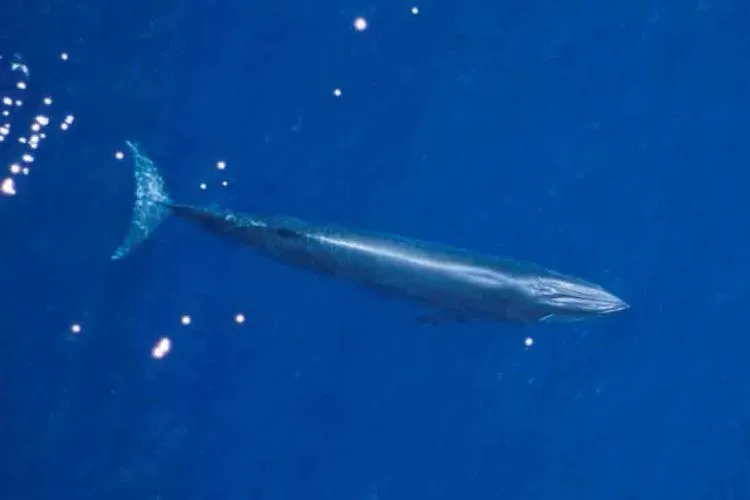
Rice’s whales are one of the rarest whales in the world, with just 26 left swimming in their natural habitat, the Gulf of Mexico, with this tiny number itself decreasing, meaning they face rapid extinction unless drastic action is taken. Growing over 40 feet long, these powerful mammals were only recognized as a distinct species in 2021, but have been decimated by ship strikes, fishing accidents, and notably the Deepwater Horizon oil spill of 2010.
Twenty-six whales. That’s all that stands between this species and oblivion. It’s almost impossible to comprehend discovering a new whale species only to realize it’s already on the edge of extinction. The Gulf of Mexico remains heavily trafficked by shipping and oil exploration, meaning every day brings new risks for these critically endangered giants.
Conclusion
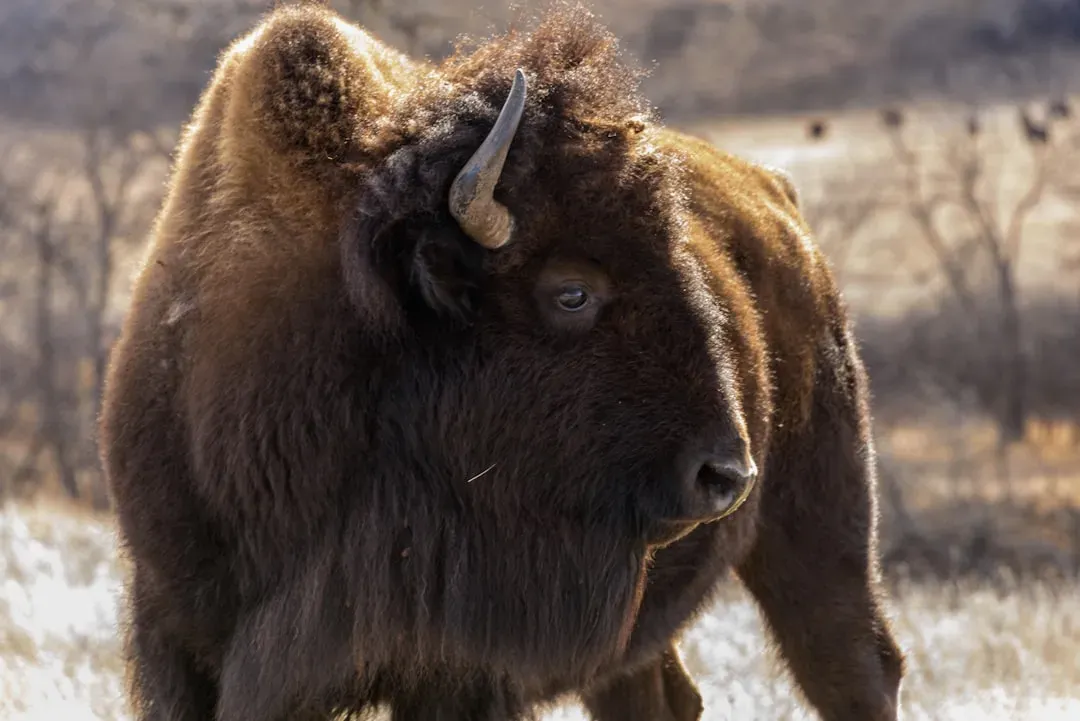
The stories of these fifteen species paint a sobering picture of wildlife in crisis across North America. From the tiniest salamander to the largest whale, each creature faces its own unique set of challenges, yet common threads emerge. Habitat destruction, climate change, pollution, and human activity weave through nearly every story.
Here’s the thing though. Conservation works when we commit to it. The California condor came back from single digits. The Vancouver Island marmot recovered from just thirty individuals. These successes prove that with dedicated effort, funding, and political will, we can pull species back from the brink.
The question isn’t whether we can save these animals, it’s whether we will. Each species represents millions of years of evolution and plays irreplaceable roles in ecosystems we’re only beginning to understand. What would North America look like without the haunting howl of wolves, the grace of whales breaching offshore, or the prehistoric wonder of salamanders hiding in mountain streams?
What do you think about the state of endangered species? Are we doing enough, or does more need to change?