You know that feeling when you stumble on a mind-blowing ocean story, and then… it just kind of vanishes? No follow-up, no big documentary, just radio silence. The deep sea is full of those “we saw something strange, then moved on” moments, and honestly, it leaves a lot of us wondering what is really going on under all that water.
To be clear, that does not mean there is a secret cover-up behind every weird sonar blip or strange creature caught on camera. Most of the time, it is just how science works: funding dries up, data is too messy, or the results turn out to be way less dramatic than the headlines made them sound. Still, there is a whole category of ocean discoveries that made a splash and then quietly slipped beneath the surface of public attention. Let’s dive into some of the most intriguing ones that scientists are a lot quieter about these days – and why that silence is often more about nuance than conspiracy.
#1 The “Bloop” Sound That Shook the Internet
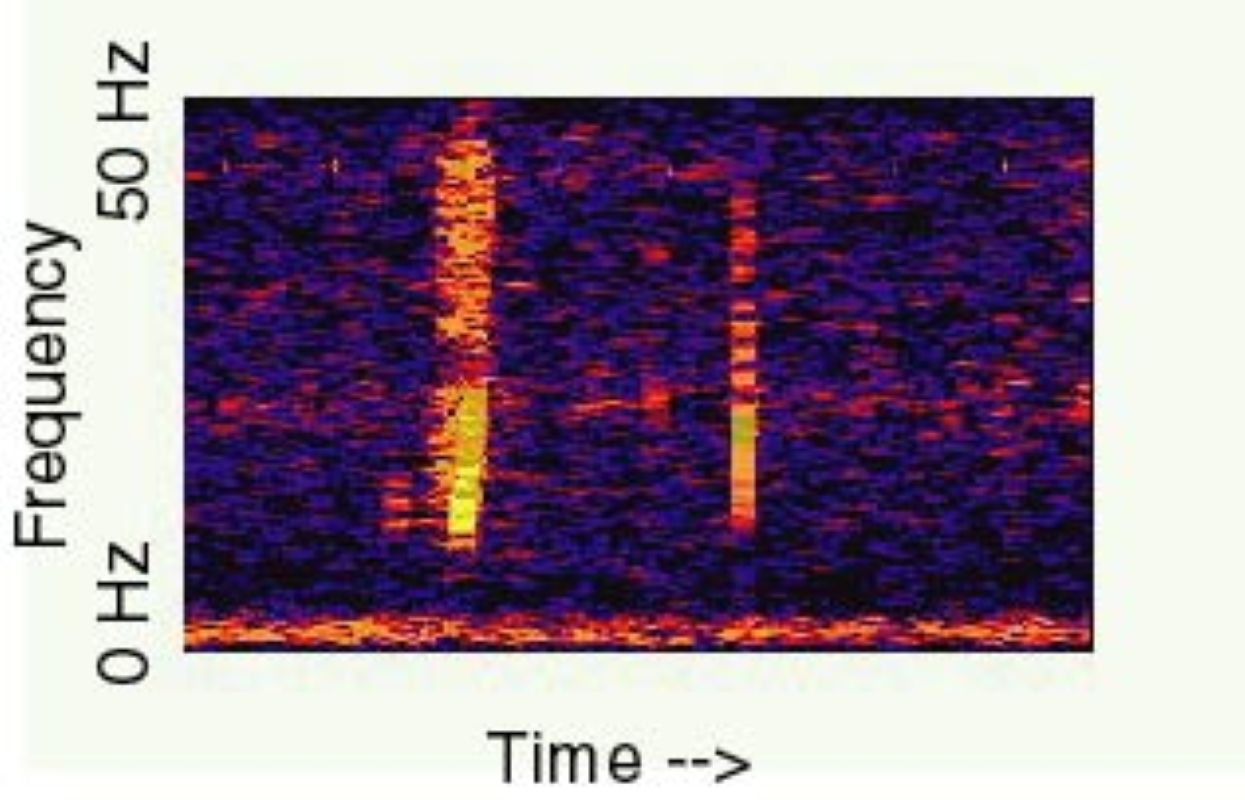
For years, the “Bloop” was the deep-sea mystery people would not shut up about. Detected in the late nineteen-nineties by underwater microphones thousands of kilometers apart, it was an ultra-low, incredibly loud sound that sparked every wild theory you can imagine, from colossal undiscovered whales to Lovecraft-level monsters. The idea that something bigger and louder than a blue whale might be out there gripped the public like a horror movie that might be real.
Eventually, researchers compared the sound signature to known events and concluded it was almost certainly ice-related, most likely massive icequakes or cracking icebergs in the Southern Ocean. Once “probably ice” became the official explanation, the drama evaporated overnight. Scientists moved on, because from their perspective the mystery was largely solved, even though many people still picture some hidden giant out there. The Bloop did not vanish because it was covered up; it faded because “it was ice” simply is not as fun as “it was a monster.”
#2 Deep-Sea “Crop Circles” Built by Tiny Pufferfish
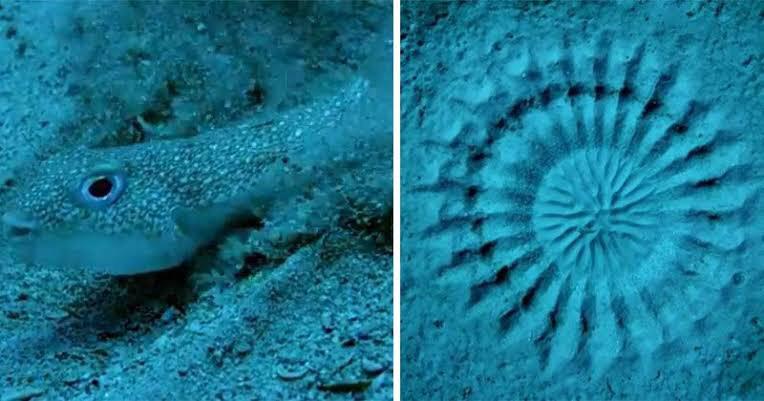
When divers off Japan first documented those perfect, intricate circular patterns in the sand – almost like underwater crop circles – people were stunned. The designs were geometric, symmetrical, and so precise they looked artificial, like someone had dropped underwater mandalas on the seafloor. For a while, the internet ran wild with speculation: unknown civilizations, alien messages, or some unknown deep-sea engineer species.
Then the explanation turned out to be oddly wholesome: small male pufferfish painstakingly make these sand sculptures to attract mates. They work for days, sometimes more than a week, carving channels and ridges with their fins to create art that will literally wash away after a while. Once that story broke, scientists and media covered it heavily – and then mostly stopped. Not because it ceased to be fascinating, but because it was no longer a mystery. The patterns are still being built out there, but like many solved puzzles, they slid out of the spotlight the moment the explanation became clear and, frankly, a bit too cute to stay “creepy.”
#3 The Baltic Sea “UFO” Wreck Confusion
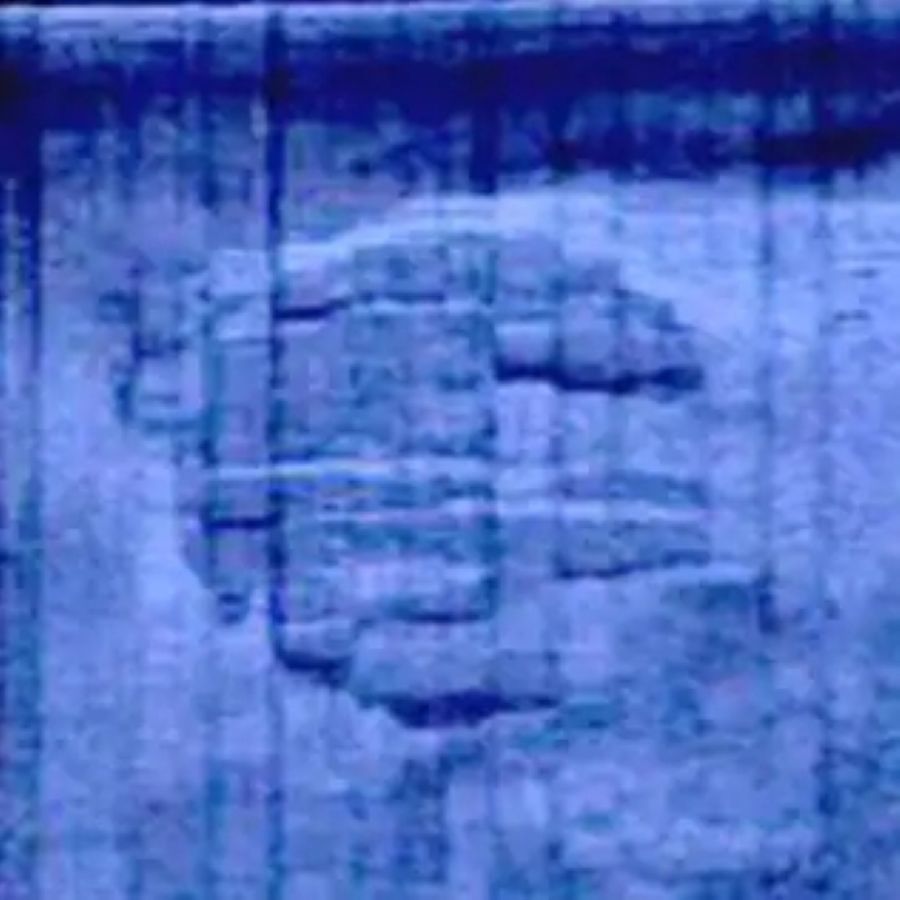
In the early twenty-tens, sonar images of a strange, disc-shaped object on the floor of the Baltic Sea threw fuel on every internet conspiracy bonfire. The shape looked weirdly like a classic flying saucer: circular, with what looked like ramps or structures around it. Independent treasure hunters and some media outlets leaned hard into the idea that it could be a crashed UFO, an ancient structure, or a secret military device. For obvious reasons, that story grabbed headlines worldwide.
When divers got closer, the object appeared much more like a natural rock formation, possibly shaped by glacial activity and sediment movement over thousands of years. Geological explanations started to surface, pointing to fairly normal processes that can sculpt odd-looking structures on the seafloor. Once that grounded perspective came in, the scientific interest narrowed: interesting as a geological case, but not a game-changing discovery. The UFO angle, however, had already imprinted itself in the public imagination. Scientists and serious researchers mostly stopped engaging, partly because arguing with sensational narratives online often feels like yelling into the wind.
#4 Gigantic Viruses Hiding in the Ocean

When scientists started pulling up genetic material from seawater and finding viruses bigger than some bacteria, it quietly blew open what we thought viruses could be. These so-called giant viruses, found in marine environments among others, carry complex genomes with genes no one quite expected viruses to have. For a moment, there was a wave of excitement: could they blur the line between viruses and cellular life? Were we missing a whole chunk of evolutionary history?
As more data came in, the hype mellowed into something more technical and less headline-friendly. Giant viruses are real and fascinating, but they are not rewriting life on Earth overnight. Most of the deeper debates about what they mean for the tree of life and evolution have moved into specialist journals and conferences, far from mainstream attention. So while researchers still study ocean viruses intensely – especially because they help control plankton and global carbon cycles – the eye-catching “giant virus” storyline has gotten quieter. The story did not die; it just migrated into a level of nuance that does not play well in big bold Facebook posts.
#5 Strange Anomalies Near Deep-Sea Cables
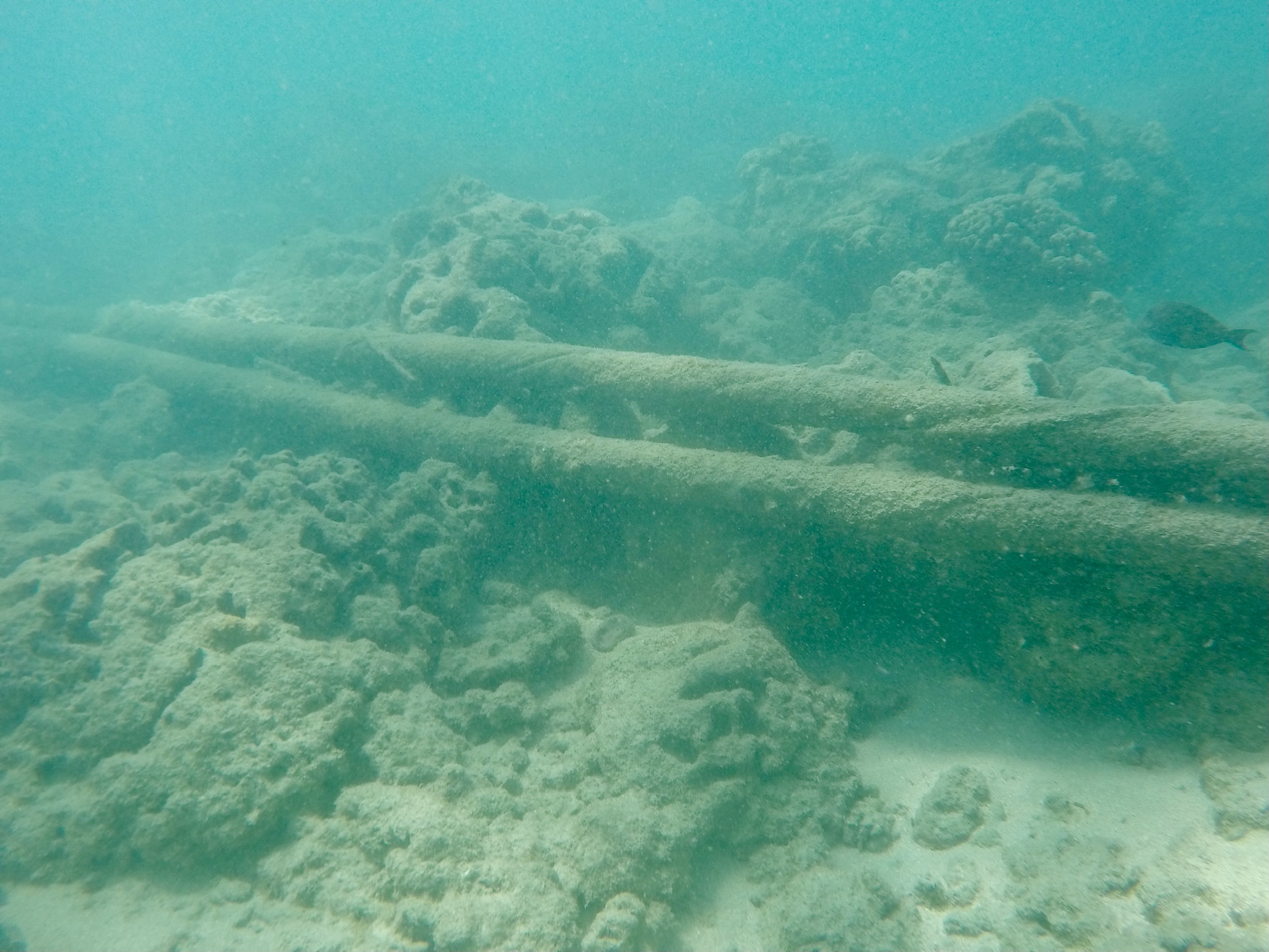
For decades, our oceans have been laced with undersea internet and communication cables, and along those routes, sensors sometimes detect odd signals: unexplained electric noise, strange mechanical impacts, or sudden changes in local sound patterns. A few of these anomalies have briefly popped up in obscure reports or niche articles, prompting speculation about unknown creatures, secret subs, or human activity that is not exactly advertised. Deep-sea cable routes can feel like haunted highways in the dark.
But if you dig into the technical side, most of these anomalies eventually get chalked up to pretty mundane causes: fishing gear dragging, minor landslides on the seafloor, ship anchors, or equipment glitches. Engineers and oceanographers often lose interest once they tick the box labeled “likely mechanical” or “environmental noise.” From the outside, though, it can look like the conversation just stopped mid-sentence. In reality, the story usually ends not with a cover-up, but with someone in a hard hat saying, “It was probably a trawl net,” and closing the file.
#6 Mysterious Deep Scattering Layer “Skyline”
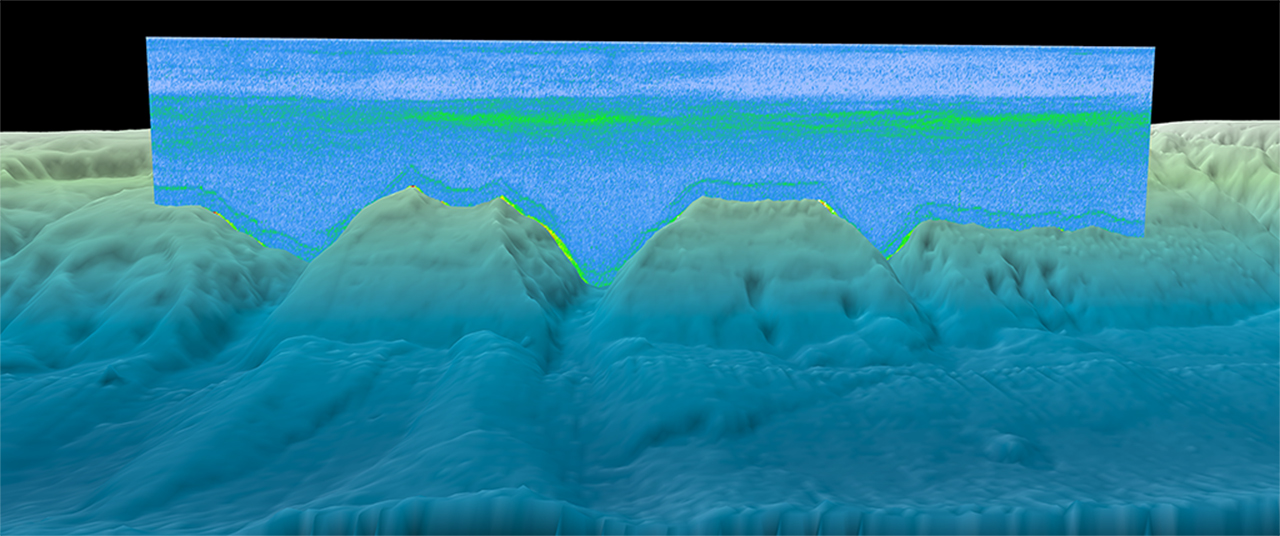
Sonar operators have long noticed a strange phantom “layer” deep in the ocean that shows up almost like a false seabed. This deep scattering layer is made up of countless tiny organisms – fish, squid, zooplankton – that collectively reflect sound. Some early readings suggested weird, sharp changes or odd behavior in this layer, at times rising and falling like a ghostly city skyline. For brief moments, a few surveys hinted at unexplained concentrations or sudden disappearances that raised eyebrows.
Over time, scientists realized that this layer is intensely dynamic, shifting daily as organisms migrate up at night to feed and down in the day to hide from predators. The “weird” patterns often turned out to be artifacts of limited sampling, new equipment, or temporary environmental conditions. Researchers still study the deep scattering layer obsessively because it is central to global food webs and carbon transport, but the more sensational angles – mysterious walls of life appearing and vanishing – have mostly disappeared from public-facing stories. The real science is still there; it just does not sound as spooky when you frame it as “complex vertical migrations and acoustic sampling challenges.”
#7 The Sudden Hype Around “New” Deep Sea Gigantic Squid
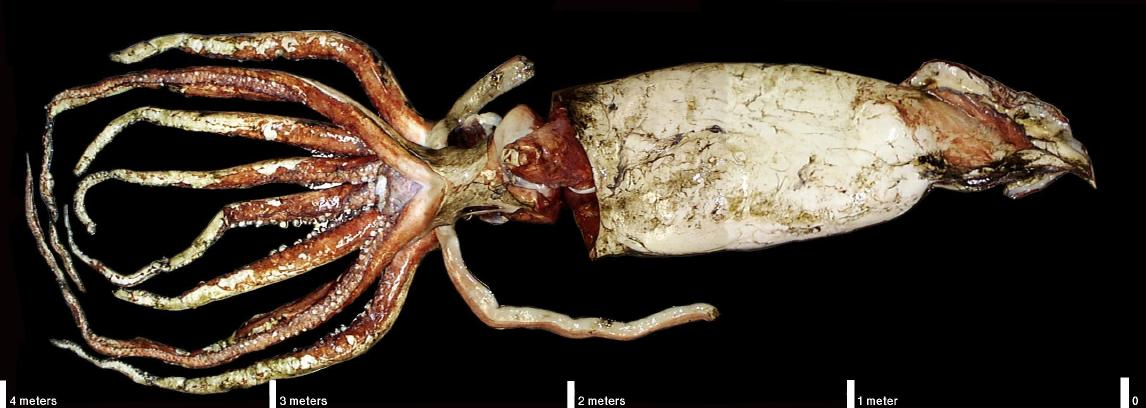
Every time a massive squid or its remains are hauled up from the deep, the narrative machine starts again: new species, monstrous proportions, or “never-before-seen” footage. A few early catches and videos were initially presented in ways that suggested totally unknown giants lurking in the abyss, far bigger or stranger than archival records hinted. For a while, you would see breathless headlines implying we had just discovered something on the scale of marine dragons.
As taxonomy and genetics caught up, many of those “new” or “mysterious” giants fit into known groups like giant or colossal squid, or closely related lineages. The animals are still staggering in size and genuinely extraordinary, but less of a complete unknown than early buzz suggested. Once the story becomes “this is a rare but expected deep-sea apex predator we are gradually learning more about,” the volume drops. Scientists keep analyzing tissue, behavior, and ecology, but they do it with less viral drama. From the outside, it looks as if they stopped talking; in reality, they just stopped overselling how much of a shock each specimen is.
#8 The Vanishing Act of Some Deep-Sea “Ghost” Sightings
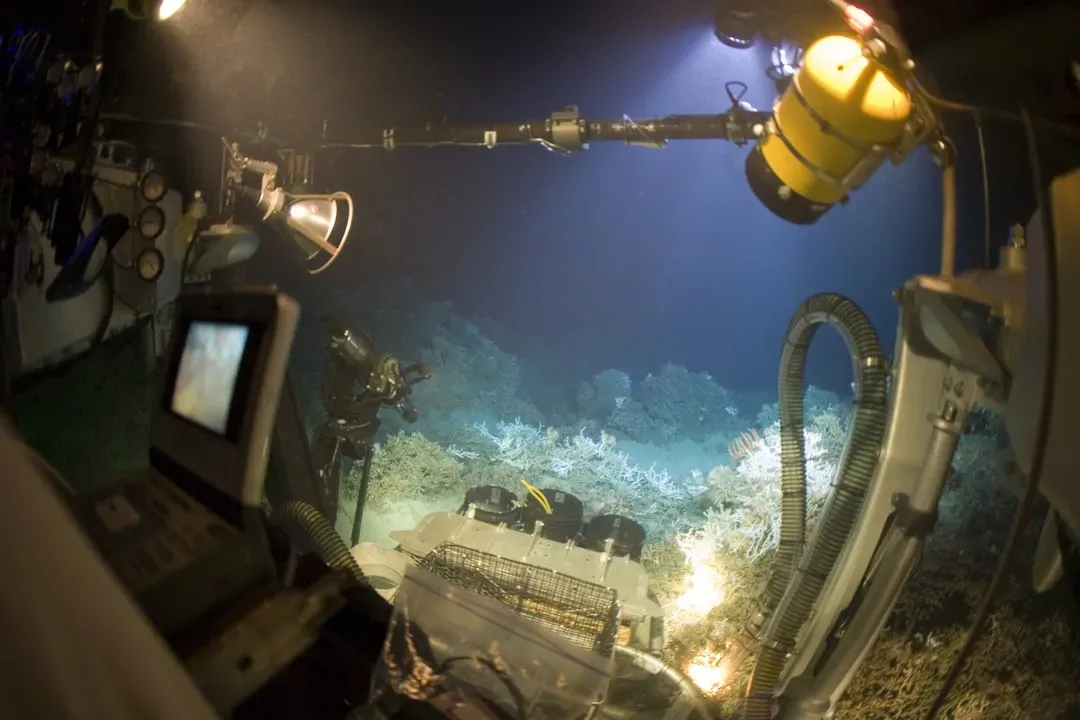
Every now and then, a remotely operated vehicle or deep camera rig records something that looks flat-out bizarre – an odd shape in the murk, an indistinct form drifting past, or a silhouette that seems to move in impossible ways. Some early deep dives reported unidentifiable organisms or shapes that were logged as “unknown,” generating whispers about ghostlike creatures or entities we could not classify at all. A few grainy clips still circulate online, fueling theories that never quite die.
What you tend not to see are the follow-up notes where teams later realize they were looking at familiar animals from strange angles, loose equipment, pieces of fishing gear, or even reflections and video artifacts. Once a weird sighting is downgraded to “optical oddity,” it rarely gets the same coverage as the initial gasp. The ocean is a perfect stage for illusions: low light, moving cameras, particles in the water, and endless room for the human brain to fill gaps. Scientists are understandably cautious now about making big claims from one strange frame, which means a lot of the splashy “ghost” talk has quietly faded into technical discussions about camera systems and human perception.
#9 Odd Chemical Traces of Possible Life in Harsh Deep Environments
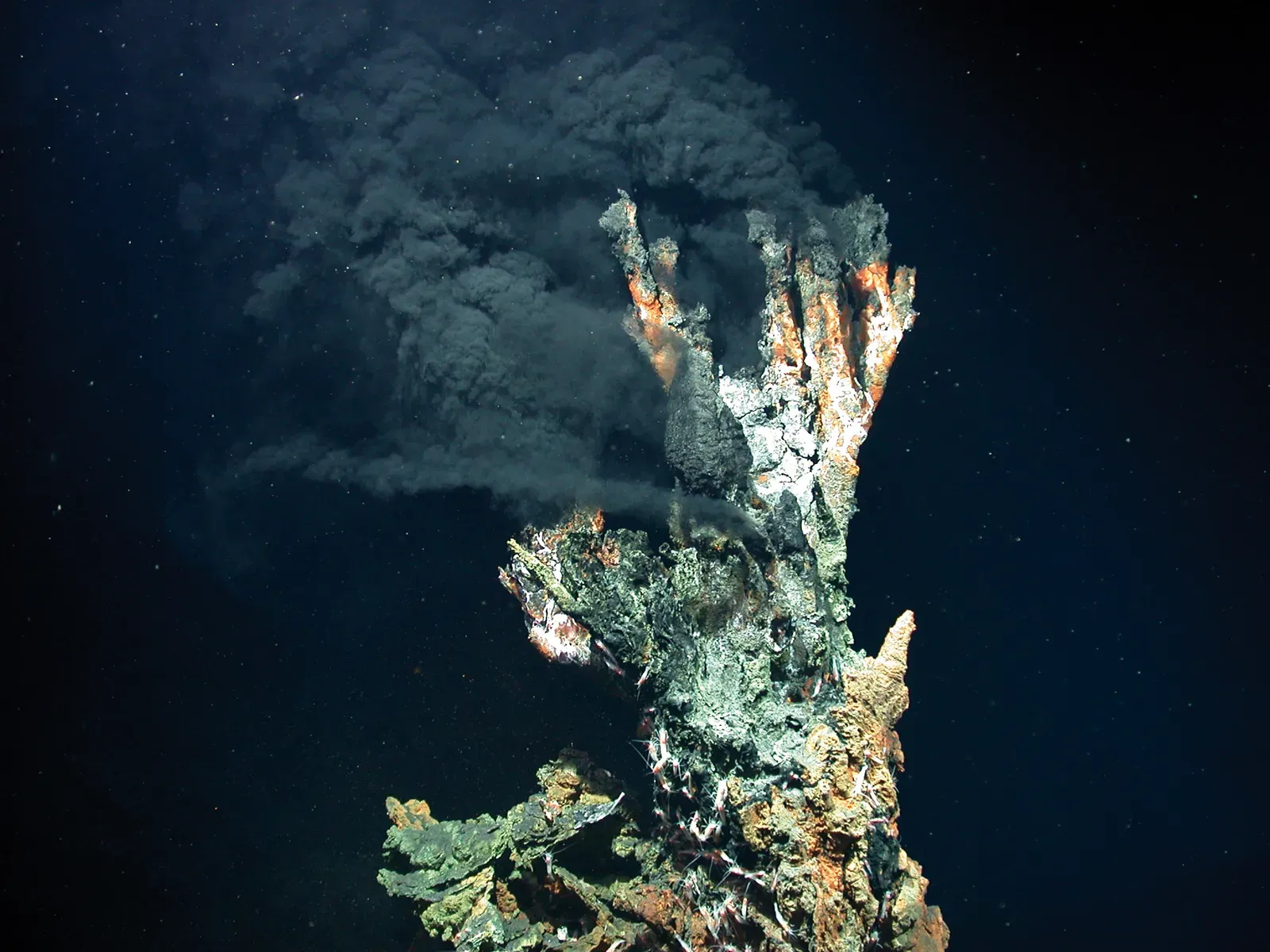
When deep-sea vents and sub-seafloor brines were first explored, scientists occasionally detected chemical signatures that were right on the edge of what you might expect from living processes: certain ratios of gases, unusual organic molecules, or patterns that could hint at microbial metabolism. For a moment, some of these measurements were framed as tantalizing evidence of unknown life strategies, even raising analogies to how we might hunt for life on icy moons like Europa or Enceladus.
However, the deeper researchers dug into the chemistry, the more they discovered purely geological ways to produce similar patterns. Serpentinization, mineral reactions, and thermal processes can mimic some of the hallmarks we loosely associate with life. That does not mean life is not there – microbes absolutely thrive in many extreme underwater settings – but it means you have to be incredibly careful before labeling any chemical oddity as a biosignature. As the interpretations became more cautious and more complicated, the loud “maybe alien-like life” framing drifted away, replaced by dry talk of sulfur cycles, redox gradients, and sampling limitations that almost never reach mainstream conversation.
#10 The Brief Buzz Over Deep Ocean Plastic “Islands”
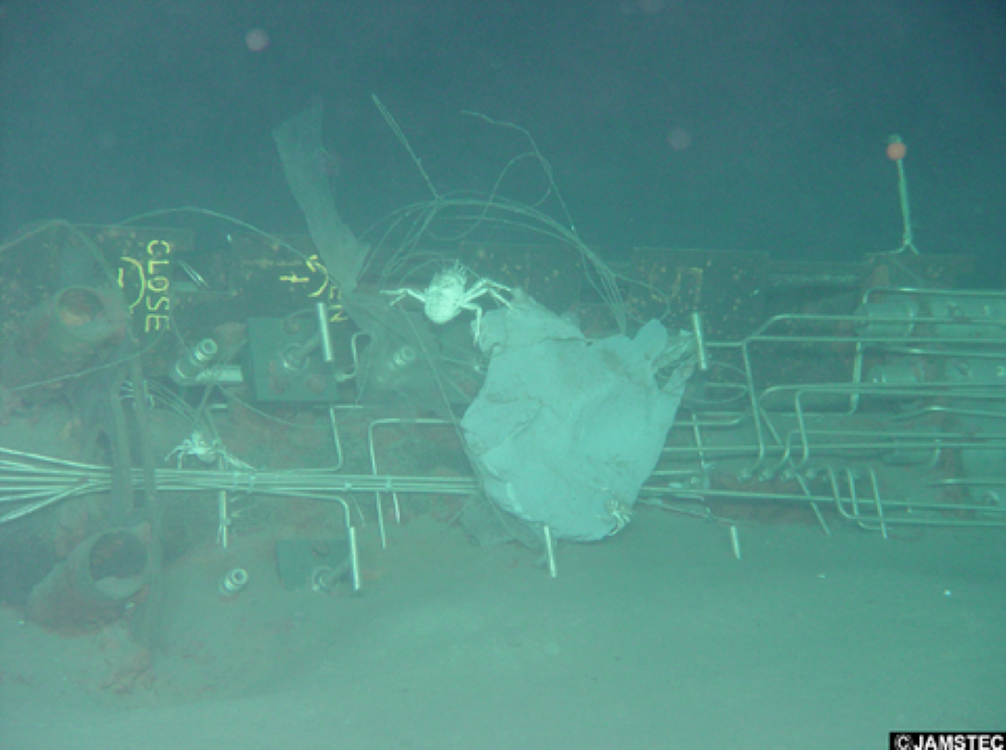
Most people have heard about floating garbage patches at the surface, but a few early studies and media pieces suggested something far more ominous: concentrated “islands” of plastic deep below the waves, almost like hidden trash continents stuck in the midwater or near the seafloor. The mental image was horrifying – a sunken mirror of surface pollution, dense and localized. Headlines jumped on those terms, implying we had discovered giant buried landfills in the abyss.
Later work painted a subtler picture. Microplastics are indeed everywhere – from surface waters to sediments in deep trenches – but the distribution is patchy, dynamic, and usually not in the form of neat islands or solid masses. Instead, they tend to mix into sediments, accumulate in certain current patterns, and blend into food webs in ways that are more insidious than visually dramatic. The story shifted from “shocking new deep plastic island” to “complex, pervasive contamination with difficult-to-map hot spots.” Scientists still publish on it constantly, but the viral language cooled down once the visuals stopped matching the early hype.
#11 The Quieting Conversation About Ocean “Hum” and Planet-Sized Vibrations
At one point, you might have seen stories about a constant, low-frequency “hum” coming from the Earth’s oceans and crust, detectable only with sensitive instruments. For a while, this idea captured imaginations: our planet, humming like a massive musical instrument, with oceans acting as resonant chambers. Some early pieces suggested that mysterious, unexplained components of that hum were still not fully understood and could hide unknown processes or phenomena.
As seismologists and oceanographers improved their models, more and more of that hum was linked to familiar events: wave action, storms, microseisms, tectonic activity, and interactions between ocean swells and the seafloor. The unknown slice of the hum shrank, leaving behind a mostly well-understood background noise that is incredibly useful scientifically, but not very spooky. The story did not vanish so much as it became less mysterious, and therefore less “shareable.” In scientific circles, using ocean-generated vibrations as a tool to study the planet is alive and well; in popular media, the “otherworldly hum” narrative has almost completely died out.
#12 The Rise and Fall of “Atlantis” Hype Around Submerged Ruins
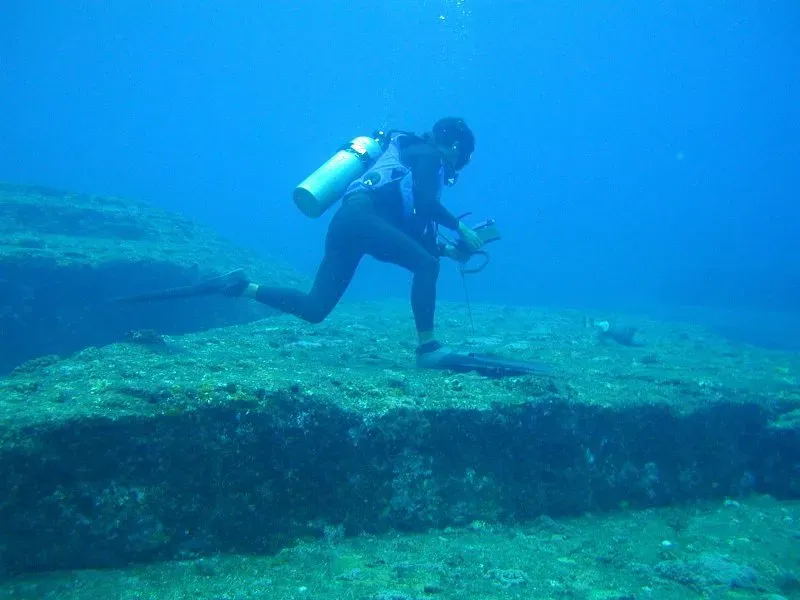
Every few years, someone finds what looks like man-made structures on the seafloor: straight lines of stones, grid-like patterns, or shapes that resemble roads and walls. Some early announcements or leaked images have flirted with big phrases: lost civilizations, underwater cities, or ties to legendary places like Atlantis. A handful of these finds briefly storm social media, especially when sonar or satellite imagery shows neatly ordered lines that trigger our pattern-hungry brains.
Over time, most of these apparent “ruins” get reinterpreted as natural formations: jointed rock, erosion patterns, ancient riverbeds, or artifacts of how sonar and imaging software process data. There are genuine submerged archaeological sites – coastal settlements drowned by rising seas thousands of years ago – but they look like practical, human-scale remains, not sprawling mythical cities. Once geologists and archaeologists weigh in carefully, the fireworks tend to stop, and the conversation moves into technical journals and local reports. The silence is not because someone is hiding Atlantis; it is because the scientific verdict is usually “interesting geology, not lost empire.”
#13 Deep Trenches and the “Life Cannot Possibly Survive Here” Claims
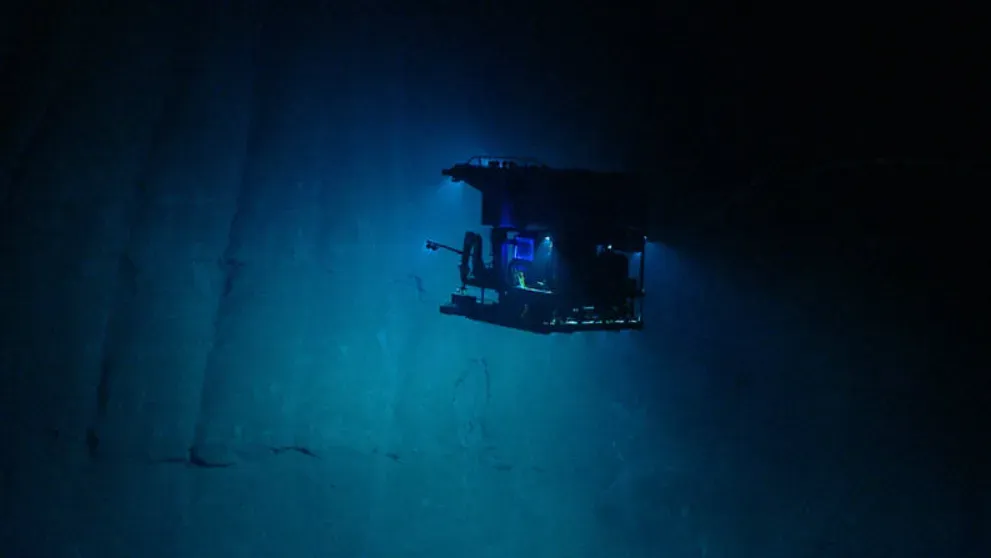
In the early days of deep exploration, some expeditions into ocean trenches suggested stretches where life seemed weirdly sparse or absent. A few snippets of early commentary gave the impression that there might be zones so extreme – pressure, darkness, chemistry – that life simply could not cope. That idea made for moody headlines about “dead abysses” at the very bottom of the world, places where even microbes might fail.
As sampling methods improved and contamination issues were better controlled, researchers began finding life in almost every environment they looked at – tiny crustaceans, worms, microbes, and more, eking out an existence on vanishingly small energy inputs. The narrative shifted from “maybe lifeless” to “life is absurdly persistent and just very hard to detect.” That is not a story of silence; it is a story of correction. But because the correction is subtle, it rarely goes viral. The early drama of “there might be places life cannot exist” quietly gave way to a more awe-inspiring, less clicky truth: so far, the deep ocean seems almost pathologically unwilling to be completely dead.
#14 The Overhyped Idea of Alien-Like “Shadow Biospheres” in the Sea
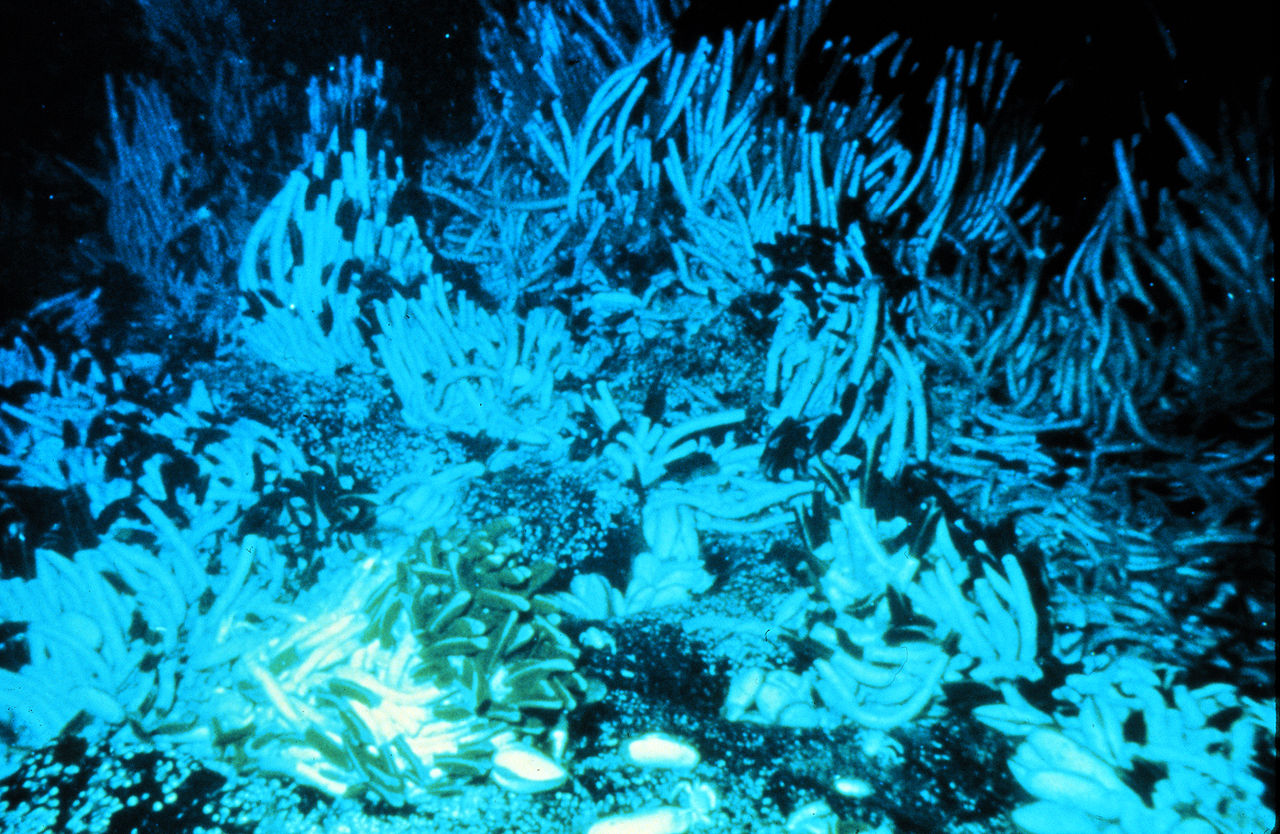
At one point, there was a wave of speculation about so-called “shadow biospheres” – forms of life with a fundamentally different biochemistry, potentially coexisting with regular life on Earth but largely undetected by standard methods. If such life existed anywhere, the argument went, the deep ocean – with its isolation, pressure, and chemical oddities – would be a prime candidate. A few cryptic findings in extreme environments were occasionally framed as hints pointing in that direction, stirring the imagination of both scientists and science fiction fans.
So far, the hard evidence just has not shown up. What researchers keep finding, again and again, are incredibly adaptable versions of the same basic biochemistry: DNA, RNA, proteins, and carbon-based life as we know it, stretched into wild shapes but still following familiar rules. Interest in the shadow biosphere idea never completely died, but it became more speculative and cautious. Without solid proof, serious scientists mostly stopped pitching it in public as anything close to confirmed. The notion lingers as a compelling “what if,” while the deep ocean keeps reminding us that reality is already strange enough, even without a second, hidden tree of life.
#15 The Quiet Retreat From Deep-Sea Mining Optimism
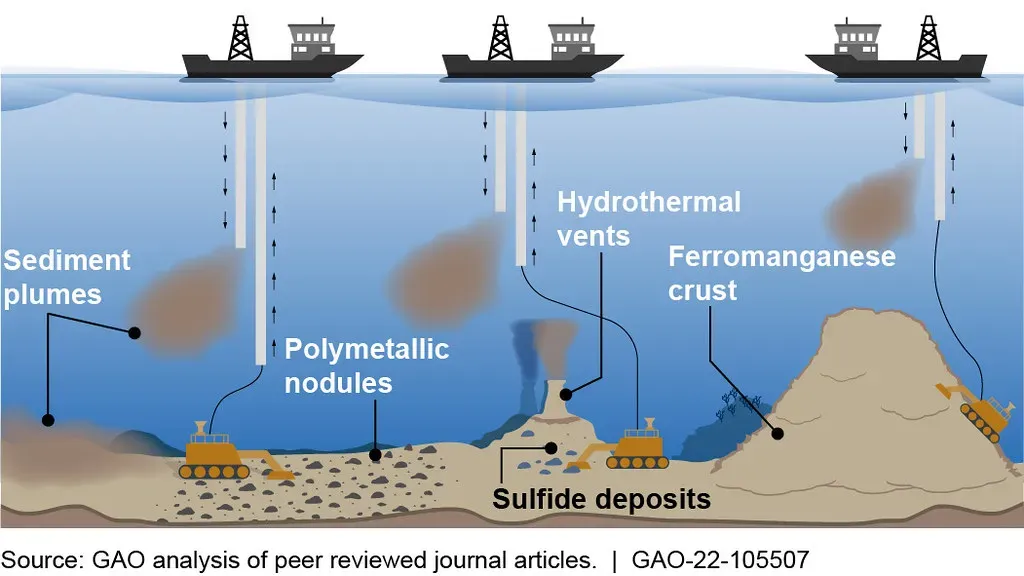
Not long ago, deep-sea mining was marketed in some circles as a kind of futuristic treasure hunt: nodules full of metals, rare elements scattered across the abyss, and promises of relatively painless extraction with minimal impact. Early explorations found rich fields of polymetallic nodules and mineral-rich vents, and some reports leaned heavily into the idea that these could be tapped like a safe, distant resource, far from human communities. For a while, a few optimistic technical claims got more air time than the cautionary voices.
As ecologists and deep-sea biologists learned more about the ecosystems living on and around those nodules and vents, the tone shifted dramatically. It turned out that disturbing these habitats could mean damage that lasts for centuries or longer, in environments we barely understand. Many scientists began calling for strict pauses, slower timelines, or outright bans until we know far more. Instead of a triumphant resource story, the scientific conversation became one of restraint, uncertainty, and trade-offs. That change in tone is not flashy, so it gets covered less, but it might be one of the most important “quiet” shifts in ocean science today.
Conclusion: Silence, Hype, And What We Choose To Hear
Looking across these stories, a pattern jumps out: the ocean did not suddenly become less weird; we just lose interest when the explanations get complicated, or when the mystery shrinks from mythical monster to awkward sensor error. I have caught myself doing it too – loving the first mysterious headline, then tuning out when the follow-up is basically, “It was ice,” or “The signal was a trawl net.” It is tempting to blame scientists for not talking, but more often, it is that nuanced answers do not travel as fast as wild possibilities.
If there is a quiet scandal here, it is not that discoveries are being buried; it is that we let go of them the moment they stop feeding our hunger for drama. The truth is, even the “debunked” or dialed-back ocean stories are still fascinating when you sit with them: icebergs that roar like monsters, fish that sculpt love circles in sand, trenches crammed with life where we once expected nothing. Maybe the real shift we need is not more sensational discoveries, but a better appetite for the messy, evolving, sometimes anticlimactic reality of how science works. When you think about it that way, which is more surprising – the mysteries we have not solved yet, or how quickly we walk away from the ones we actually have?