Every time we think we’ve mapped and measured our world into submission, something strange comes out of the ground or the ocean and quietly ruins the script. Trenches, pits and deep cuts into the Earth are supposed to make things clearer for scientists: layers line up, artifacts sit neatly in timelines, and mysteries get smaller, not bigger. Yet over and over, the opposite happens. A diver pulls up a lump of metal that should not exist. An archaeologist finds an object buried in the wrong century. A construction crew opens a trench and suddenly no one is sure what they’re looking at.
This article walks through fourteen of those moments where the shovel or dredge bucket brings up something that does not fit. Some are tied to famous, heavily researched cases; others live at the edges of the scientific record, where evidence is thin and speculation thick. In each one, the pattern is the same: a confusing object, a flood of theories, and a lingering sense that we still do not fully understand what is under our feet or under our seas. Not every story here is equally strong, but taken together they show why the most unsettling word in science is often the simplest one: unexplained.
#1 The Antikythera Mechanism: A Bronze Computer From A Shipwreck Trench
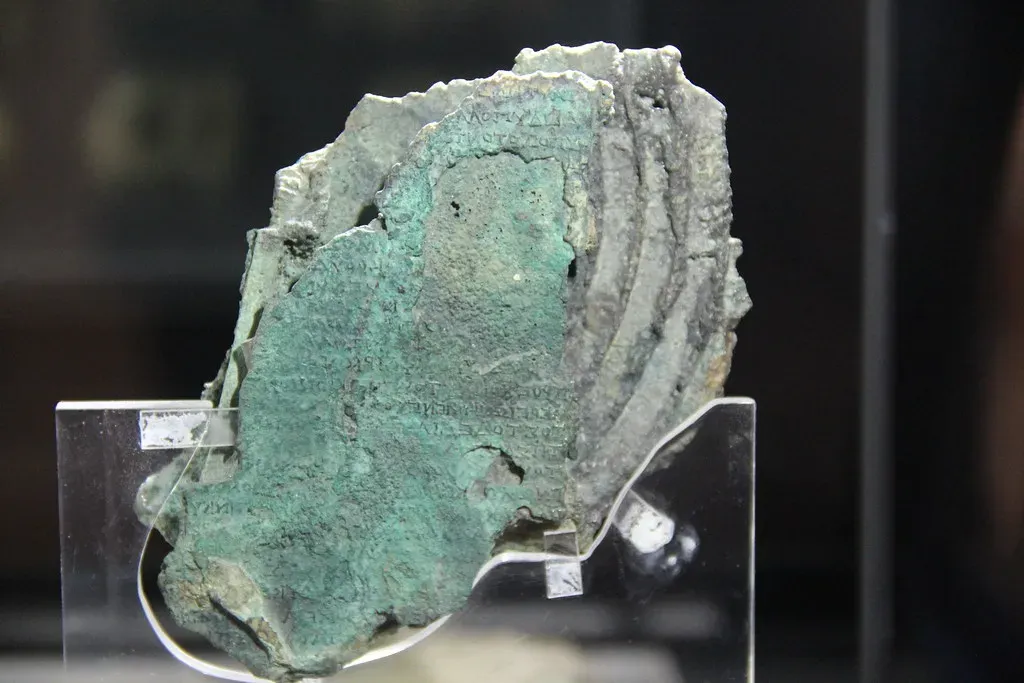
Imagine dredging the seafloor and bringing up what looks like a lump of corroded bronze, only to discover it is effectively a small, hand-cranked computer from the ancient world. That is what divers stumbled on in the early twentieth century off the Greek island of Antikythera, in a shipwreck lying in a natural underwater trench. Over decades of cleaning and scanning, researchers have realized this mechanism could predict eclipses, track the movements of the Sun, Moon, and visible planets, and display complex astronomical cycles using intricately geared wheels.
What still baffles people is less that the device exists and more that it appears centuries ahead of its time. The level of miniature gearwork packed into the mechanism is comparable to clockmaking that would not become common until more than a thousand years later. No one has found a complete ancestor or direct successor to this design, which makes it feel like an isolated spike of technology that somehow bloomed and disappeared. We now know roughly what it did, but we still do not really know who built it, for whom, or why so many similar devices have not turned up in other shipwreck trenches.
In a way, the Antikythera mechanism is a reminder that “unexplained” does not always mean magical; sometimes it just means our historical sample is lousy. If you only found a single surviving smartphone from our era in a future shipwreck, you might assume some strange, short‑lived burst of genius rather than a whole global industry. The mechanism proves there were engineers in the ancient Mediterranean working at a level that feels strangely modern, and it keeps taunting archaeologists every time a new wreck is surveyed and nothing comparable shows up.
- Recovered from a deep shipwreck trench near Antikythera, Greece
- Contains a dense system of bronze gears and dials
- Can be modeled as a predictive astronomical calculator
- Still no clear technological lineage before or after it
#2 The Baltic Sea Anomaly: A Ground Scan That Looks Like A Sci‑Fi Prop
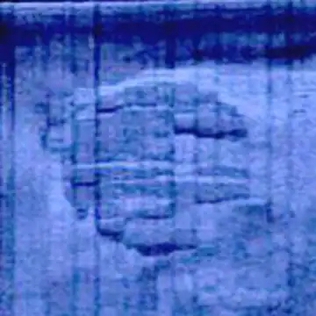
When a sonar scan of the Baltic Sea seafloor first showed a large, disk‑shaped object sitting at the end of a narrow trench, the image ricocheted around the internet. It looked, at least in low‑resolution graphics, uncomfortably like a crashed spacecraft or some sort of constructed platform. A salvage crew that had been searching for shipwrecks suddenly found itself answering questions about UFOs, secret Nazi weapons, and lost civilizations.
Subsequent dives have suggested that the feature is most likely a natural rock formation, possibly shaped by glacial activity long before humans were around to be impressed by it. But there are still aspects that give fuel to mystery‑minded observers: reported “steps,” oddly sharp angles, and unusual readings from sonar and compasses in the immediate area. The images are grainy enough to let the mind fill in gaps, which is exactly how a blurry pile of rocks can start to feel like an engineered ruin.
What makes the Baltic Sea anomaly especially interesting is how little solid data exists compared with how much speculation it has triggered. The site is cold, deep, and difficult to access, so detailed mapping is expensive and slow. Until a full‑scale, multi‑disciplinary survey is done, there will be room for people to see what they want to see in the shadows of that trench. It is a case study in how a single ambiguous image can seed a decade of unanswered questions.
#3 The Klerksdorp Spheres: Perfect Shapes Pulled From Ancient Rock

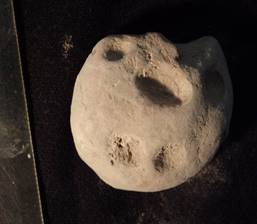
In South Africa, miners cutting deep trenches and shafts into Precambrian rock began finding small, metallic‑looking spheres embedded in layers more than a billion years old. These Klerksdorp spheres are usually only a few centimeters wide, with surprisingly regular shapes. Some have faint grooves circling their equators, and a few are so well balanced they seem almost machined when they roll.
Geologists offer natural explanations: they are thought to be concretions or mineral nodules formed as materials crystallized slowly inside rock over vast spans of time. Under that view, their symmetry is a happy product of physics, not evidence of lost industries. But to many people, it feels intuitively strange that such tidy, seemingly polished objects just happened to grow on their own, then waited patiently in rock layers until miners split them out.
The real tension with the Klerksdorp spheres is between what our eyes tell us and what our understanding of geology insists is possible. People who work with manufacturing or precision tools look at them and see artifacts. Petrologists look at the same objects and see the slow handiwork of pressure, heat, and chemistry. Until every variant of these spheres is thoroughly analyzed and their formation processes fully modeled, they will sit in a gray zone: probably natural, but still unsettling enough to keep showing up in conversations about unexplained finds.
- Recovered from deep mining trenches in extremely old rock
- Display oddly regular spherical shapes and, in some cases, grooves
- Mainstream view: natural concretions, not manufactured items
- Mystery persists because of their uncanny, “too perfect” appearance
#4 The Piri Reis Map Coastlines: Old Ink, Strange Accuracy
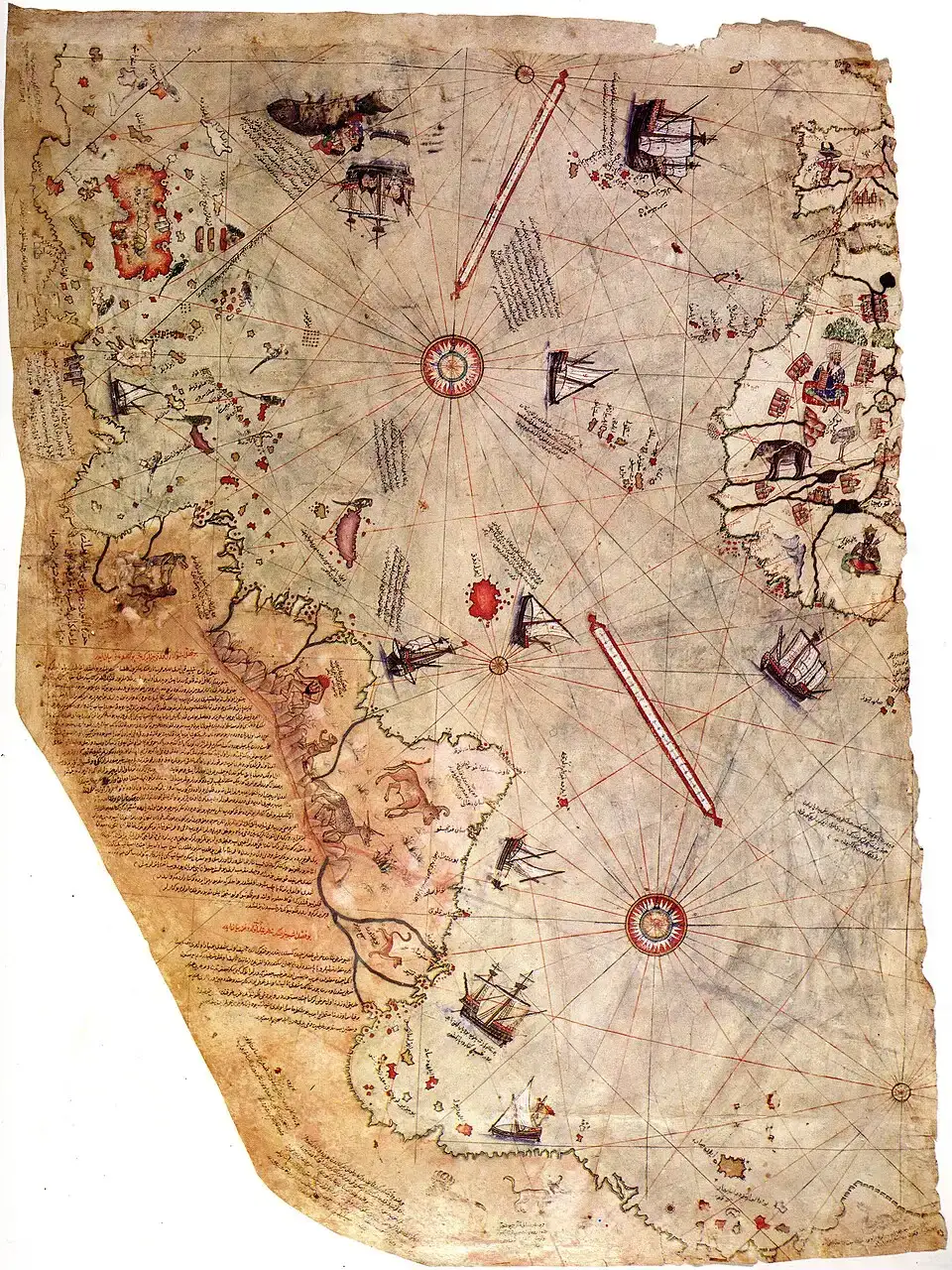
Early modern cartographers worked with limited information, and most maps from a few centuries ago show this clearly: distorted coastlines, stretched continents, guesswork everywhere. That is why one specific map fragment, associated with the Ottoman admiral Piri Reis, has become such a persistent curiosity. When rediscovered, parts of it seemed to capture segments of South American and perhaps even Antarctic coastline with surprising accuracy, far better than many later charts.
Some of these claims have been toned down over time as scholars have re‑examined the map’s details and the way coastlines were interpreted. It is not a neat, modern‑style projection of Antarctica; it is more plausibly a patchwork of different source charts stitched together by a talented compiler. Yet that raises a different mystery: where did those original coastal surveys come from, and how did that data travel across cultures to end up embedded in this single surviving piece?
The Piri Reis map shows how “things hauled up from trenches” can sometimes be sheets of paper or fragments of parchment pulled from dusty archive trenches instead of seafloor mud. When they surface, they upset our sense of who knew what, and when. The map does not prove lost civilizations or hidden global voyages, but it does hint that we still do not have a complete record of early exploration, especially along the edges of continents that were hard to approach with fragile ships.
#5 The London Hammer: A Modern Tool In Ancient Rock
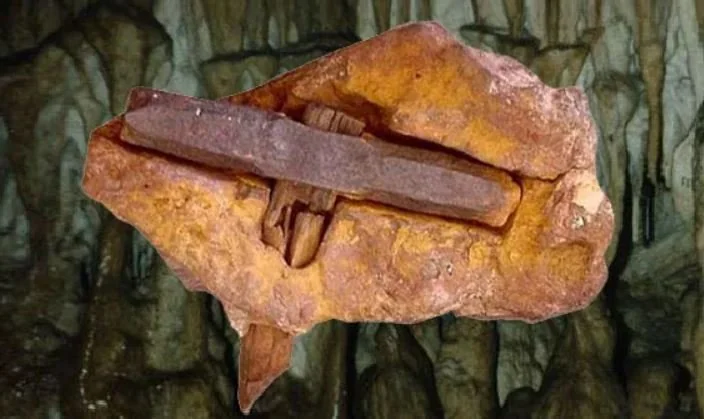
Few objects have stirred as much argument as a simple hammer discovered partly sealed in a rock concretion in the United States. The so‑called London Hammer surfaced when a couple spotted a chunk of stone with a bit of weathered wood and iron protruding from it along a rock ledge. Later, when the concretion was broken open, the full head of the hammer was revealed, looking strikingly like a nineteenth‑century hand tool that had somehow been swallowed by much older rock.
Skeptical geologists argue that the “rock” around the hammer is not ancient bedrock at all but a relatively young concretion that formed around a dropped tool. Minerals in water can cement sand and sediment around an object in a surprisingly short time under the right conditions. That explanation would align nicely with what the hammer looks like: an ordinary, historically recent implement, not a relic from a forgotten high‑tech age. But this has not stopped people from pointing to the object as an example of a so‑called out‑of‑place artifact.
To me, the London Hammer sits in that uncomfortable middle ground where neither side has definitive proof. There has been little rigorous, published lab work on the object, and most of the debate plays out in secondary discussions and photos rather than detailed data. That lack of hard information keeps the mystery alive. Until someone does a thorough analysis of the wood, the metal, and the surrounding material, it remains an object that feels off, especially when you imagine a tool half‑fused into a rock seam in a freshly cut trench wall.
- Hammer found encased in a hardened mass of material
- Tool looks culturally and technologically modern
- Mainstream explanation: rapid cementation around a lost object
- Still widely cited as an “out‑of‑place” curiosity
#6 Trench Ghosts: Unidentified Artifacts From World War I Battlefields
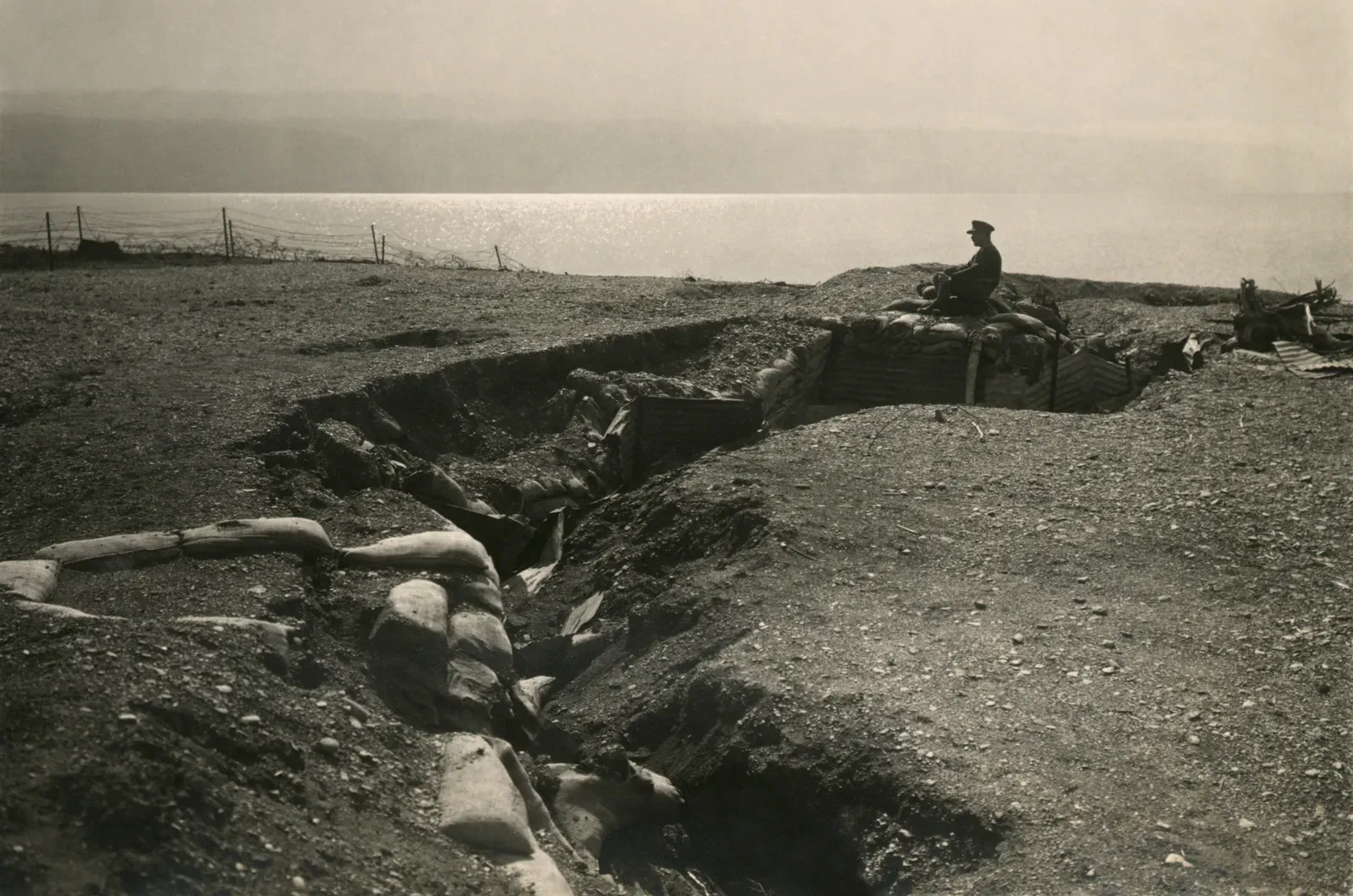
When we picture trenches, we usually think of soldiers peering over muddy parapets, not archaeologists sifting through soil a century later. Yet modern excavations of First World War trench systems routinely unearth objects that leave historians shrugging. Among rusted helmets, rotted boots and spent shells are items that do not fit neatly into catalogues: improvised weapons, altered religious icons, carved figurines, and bits of equipment that look like field repairs or one‑off inventions.
Some of these are easy enough to explain once context is reconstructed. A strange metal frame might turn out to be part of a field telephone line repair, or an odd ceramic piece could be linked to trench art made from shell fragments. But in other cases, the function simply is not clear. The pressure of industrial warfare produced a lot of desperate creativity, and many of those small hacks never made it into official manuals. When their remnants surface in drainage trenches or collapsed dugouts, we are left guessing at the stories behind them.
There is something quietly haunting about that. These unknown artifacts are like incomplete sentences in the middle of a diary: tantalizing, human, and frustrating. They remind us that even in a heavily documented conflict, much of the lived, improvised reality was never fully recorded. Every time a battlefield trench is cleaned out for development and a strange object is bagged and labelled “function unknown,” it adds another tiny point of mystery to a war we thought we already understood.
#7 Deep‑Sea Cables And The Mystery Objects Caught On Them

Modern trenches are not always dug into land; sometimes they are plowed into the seafloor to bury undersea communication cables. When technicians inspect or repair these lines, they sometimes find unexpected passengers stuck to, wrapped around, or half‑buried beside them. These can range from unknown biological growths to metallic junk whose origins are far from obvious. In the deepest sections, where very few human artifacts should reach intact, the oddest finds become hard to classify.
Engineers have reported encrusted shapes that appear to be man‑made yet do not match any known piece of cable gear, fishing equipment, or ordinary debris. Because most of these discoveries happen during commercial operations, not scientific expeditions, they rarely get the slow, careful analysis that would turn them into case studies. A crane hauls up a mass of mud and barnacles, someone snaps a quick photo, and the most practical thing to do is cut away anything that threatens the line.
I find this unsettling partly because our entire digital world rides on these cables, and yet the trenches they occupy are some of the least‑studied corridors on Earth. Unidentified objects down there are probably just unusual trash or distorted remnants of known devices, but until they are examined properly, they qualify as unexplained. The ocean is good at disguising familiar things as alien, and now and then, those alien‑looking fragments really do represent something we have not catalogued yet.
#8 The Yonaguni Structures: Steps And Terraces Under The Waves
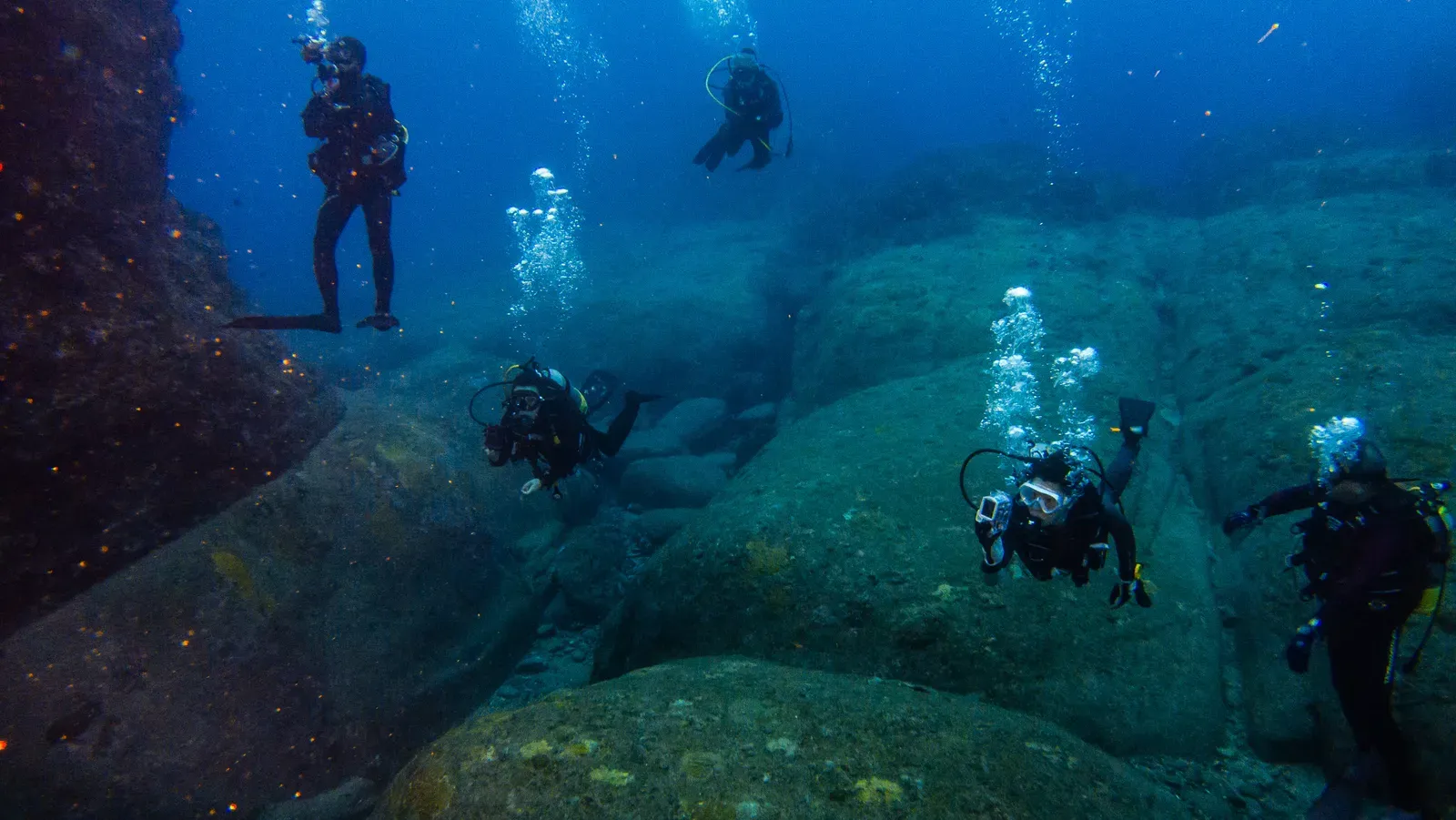
Off the coast of Japan near Yonaguni, divers exploring a submerged ridge stumbled onto what looks, at first dive, like a tumbled city. Massive flat surfaces, near‑right angles, and what appear to be steps and terraces rise from the seabed, as if a stone complex slid slowly into the ocean. The formation sits along a steep underwater trench where currents scour away sediment, making the rock shapes stand out with stark clarity.
Most geologists who have studied Yonaguni argue that the structures are natural features, shaped by jointing and erosion in local sandstone. In their view, the ocean simply shaved off chunks along pre‑existing lines of weakness, leaving behind blocky forms that are easy to misread as foundations and plazas. On the other side of the debate, some researchers in alternative archaeology insist that certain alignments and carved‑looking details point to deliberate human modification long before sea levels rose to present heights.
What complicates the picture is the mix: some parts obviously look like typical coastal rock, while other sections really do resemble staircases and platforms. Without inscriptions, tools, or clear human debris in situ, the cautious conclusion leans toward natural origins. Yet for divers swimming through sharp‑edged corridors thirty meters below the surface, it is hard not to feel as if you are gliding over the buried ruins of something. The trench’s depth, the play of light, and the geometric shadows all conspire to keep the mystery alive.
- Located along a submerged ridge next to a deep trench
- Features sharp angles, step‑like formations and blocky terraces
- Dominant view: natural jointing and erosion in bedrock
- Alternative view: remnants of a very ancient, submerged structure
#9 The Bronze Age “Sky Discs” Pulled From Defensive Trenches
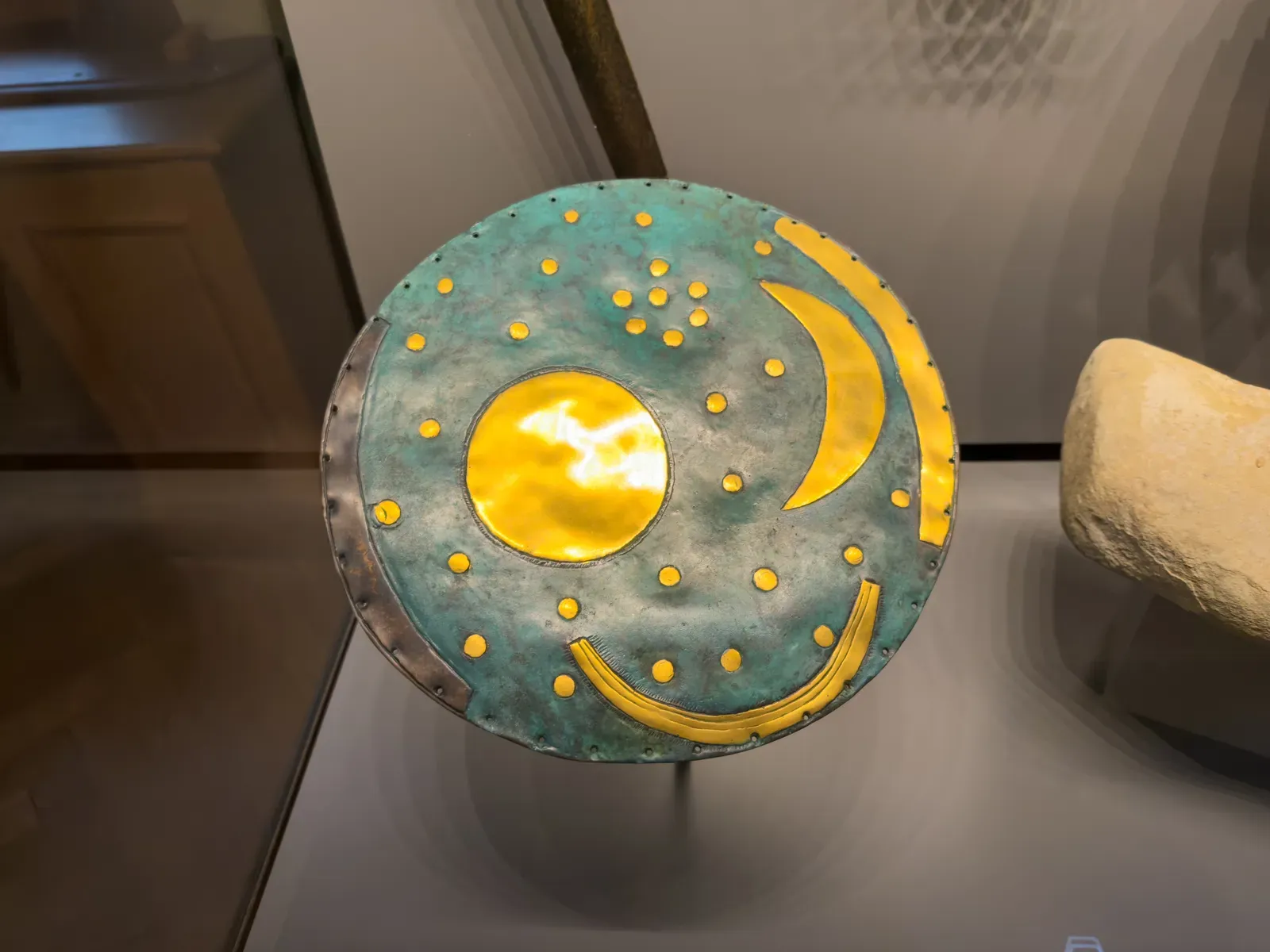
In parts of Europe, archaeologists clearing old defensive ditches and ritual pits from the Bronze Age have found richly decorated metal discs whose meaning is still debated. The most famous examples show stylized suns, moons, stars, and arcs of gold set against dark bronze. They appear to have been deliberately buried, often broken or ritually “killed,” in shallow trenches near earthworks or on hilltops overlooking valleys.
On one level, we know more about these finds than many others in this list: metal analysis, dating, and context studies give a reasonable picture of when and where they were made. Yet their exact purpose remains frustratingly out of reach. Were they ceremonial calendars, religious symbols, status items for elite sky‑watchers, or something closer to portable teaching tools for tracking lunar cycles? Each interpretation fits part of the evidence but not all of it.
What makes these sky discs feel mysterious is the intensity of effort poured into them. Smelting, hammering, inlaying precious metals and then placing the finished piece into a trench as an offering suggests a worldview that centered the sky in a way we only half grasp. When such an object surfaces today from a muddy cut in the soil, it is like lifting a piece of an unknown mental universe. We can admire the craftsmanship, run simulations on the star patterns, and still not fully decode the story their makers were trying to tell.
#10 The “Unknown Alloy” Chunks From Old Test Sites
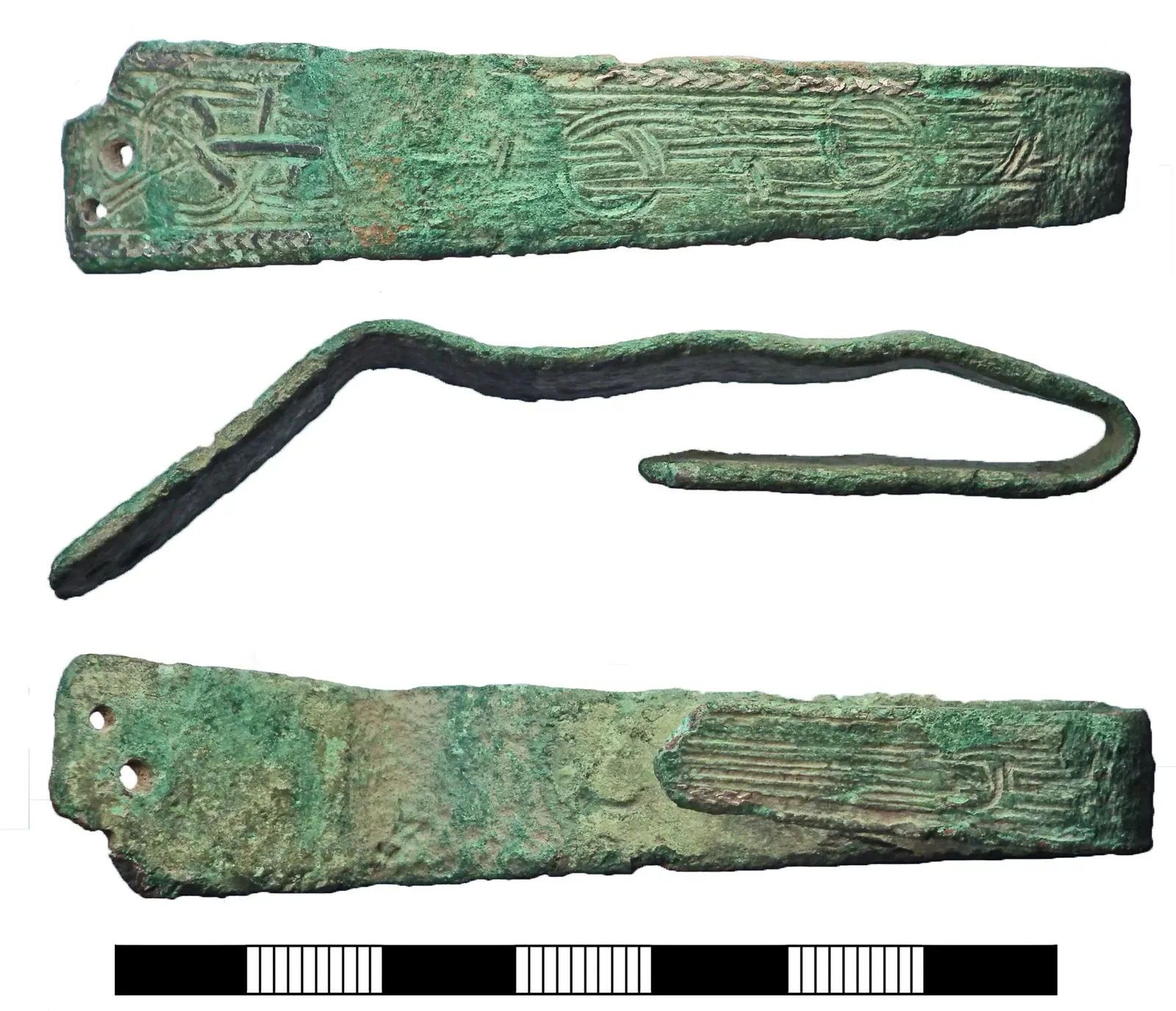
Across various former military testing grounds, from desert proving ranges to coastal artillery batteries, later cleanup crews sometimes dig trenches and uncover pieces of metal that stubbornly refuse to match any standard alloy on local lists. These could be fragments of experimental munitions, parts of prototype aircraft, or bits of test rigs that were never properly documented. When such a chunk is thrown into a scrap pile and then later retrieved by curious workers, the origin story gets lost almost immediately.
Laboratory analysis often reveals unusual mixes of elements or microstructures that do not correspond to commercial materials. That does not mean they are alien; it usually just means they were part of obscure research projects or one‑off lab trials. But because many of those programs were secretive and poorly archived, the records that might identify a sample’s purpose have either vanished or remain inaccessible. The metal becomes, in practice, anonymous.
I have talked to people who worked near such sites and their stories feel the same: you dig a utility trench, hit a pocket of weird slag or precisely machined scraps, send a few pieces to be tested, and never get a satisfying narrative back. In an era when we assume everything is logged and traceable, it is oddly disorienting to realize that even modern industrial societies leave behind artifacts that no one can fully explain. They are reminders that classified experiments, lost paperwork, and forgotten warehouses can mimic the effects of lost civilizations remarkably well.
- Unearthed from trenches on old test ranges and defense sites
- Show unusual alloy recipes or heat‑treated microstructures
- Likely from undocumented or classified experiments
- Function and exact origin often remain unknown
#11 Mystery Burials With Out‑Of‑Place Grave Goods
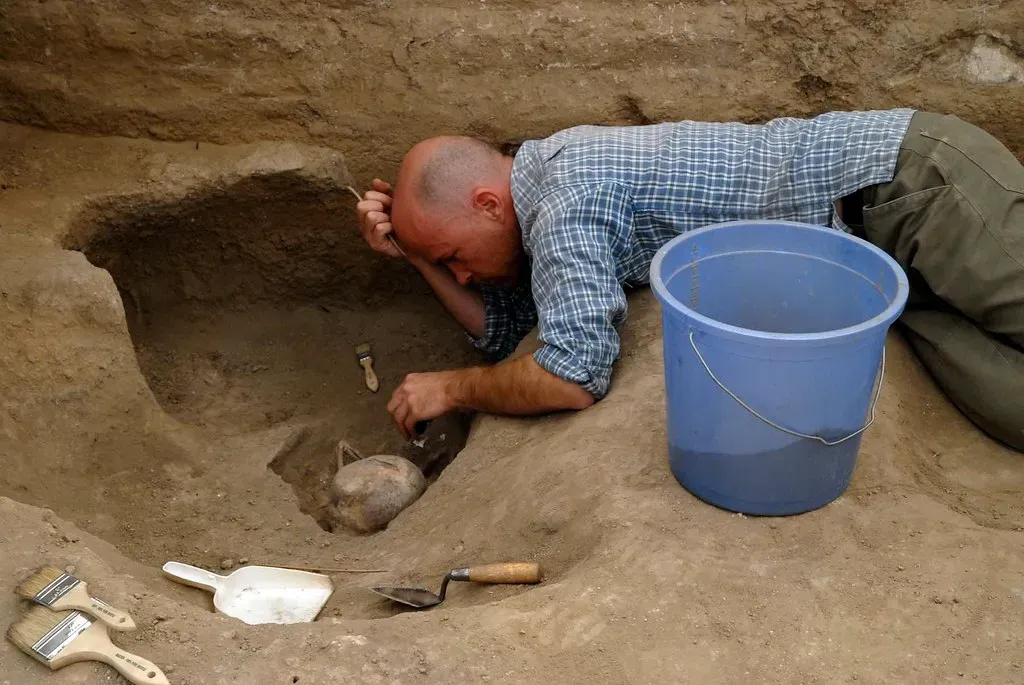
Sometimes the strangest thing hauled out of a trench is not a single object but the entire arrangement of a burial. Archaeologists have uncovered graves where the body’s orientation, the grave goods, or the surrounding pit structure do not match any known tradition for that region and era. A warrior buried with weapons from a distant culture, a child interred with tools far beyond their status, or an adult positioned in a way that defies local rules can all trigger head‑scratching in dig reports.
These anomalies are not always headline‑grabbing mysteries, but they quietly chip away at tidy models of the past. When you find, for example, a burial from one cultural layer containing an imported artifact that should not have been circulating yet, you are forced to revisit assumptions about trade, migration, or even dating methods. In some cases, later intrusion or reburial explains the mismatch; in others, the puzzle remains unsolved despite careful analysis.
What fascinates me is how personal these mysteries feel. Standing over an open trench with a skeleton partly revealed, you are effectively eavesdropping on a funeral conducted long ago. Every object, every orientation meant something to the people who arranged it. When the logic of that layout slips entirely through our fingers, we are forced to admit how much cultural meaning is invisible without a living interpreter. Those unexplained grave goods, pulled gently from the soil, are like questions we can never quite ask the right way.
#12 The “Blink And It’s Gone” Bioluminescent Forms In Submarine Trenches

Deep‑sea exploration vehicles descending into oceanic trenches sometimes report brief encounters with luminous shapes that do not match any catalogued organism. A camera might catch a few frames of a glowing arc or pulsing cluster before it darts out of view. In other cases, strange light patterns appear on sonar or in low‑light sensors, hinting at large, moving forms that seem to react to the vehicle’s presence but leave no samples behind.
Marine biologists freely admit that life in the deepest trenches is dramatically under‑sampled. We know of many bizarre species down there, from transparent snailfish to gelatinous holothurians, most discovered only recently. Against that backdrop, occasional “what was that?” sightings are not exactly surprising. But because dives are so expensive and opportunities so rare, some of these fleeting encounters are never repeated, and the footage that exists is too ambiguous to allow a firm identification.
It is easy for the imagination to sprint ahead here, turning a smudge of light into some immense, unknown predator or a completely new branch on the tree of life. The more grounded view is that we are glimpsing unusual behaviors or life stages of creatures we already know in outline. Even so, each unexplained glowing form that brushes past a submersible in a trench is a reminder that our famous scientific maps of life on Earth have entire regions still drawn in faint pencil, not ink.
#13 Industrial Relics In Places They Should Not Be
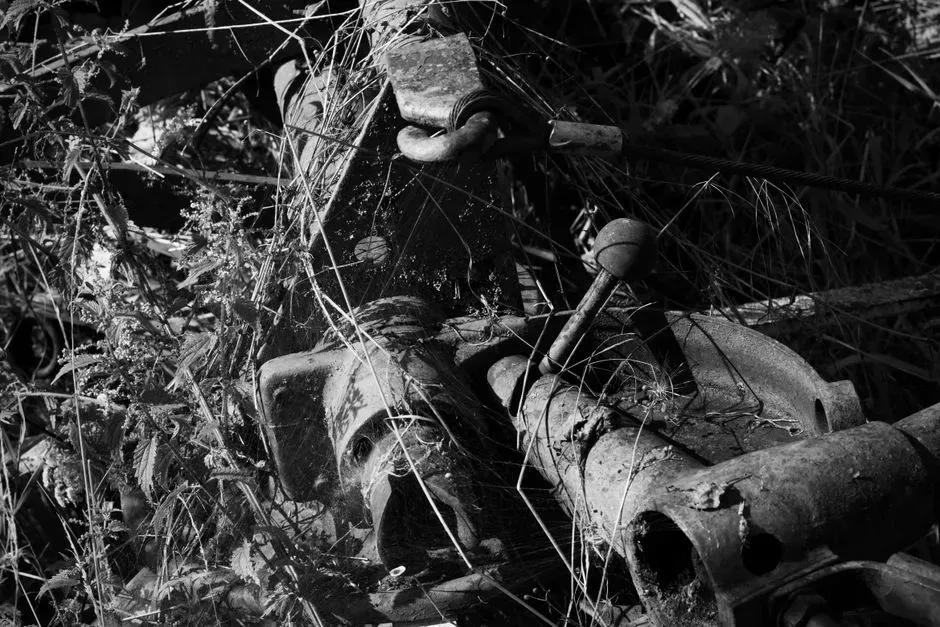
All over the world, construction workers digging routine trenches for gas lines, sewers, or foundations occasionally hit layers of industrial debris that should not be there. That can mean railway components buried miles from any known track, heavy machine parts under what appears to have been farmland, or dense pockets of slag and clinker in areas with no recorded factory activity. When these finds are too minor to halt the job, they often get recorded briefly and then forgotten, leaving behind a thin paper trail of unanswered questions.
Often, the explanation is mundane: an undocumented workshop, a short‑lived industrial yard, or material dumped from elsewhere. Urban and rural landscapes alike have been rearranged and repurposed many times in only a few generations, and oral memory rarely keeps up. But some cases resist easy resolution. A clutch of specialized components from a specific industry turning up deeply buried in a region with no other trace of that industry raises eyebrows even among cautious historians.
These odd relic clusters do not rewrite history in dramatic ways, but they reveal how patchy our knowledge can be even for the recent past. When someone hauls up a crate of rusted but sophisticated machine parts from a trench in an unexpected place, it hints at forgotten projects, failed ventures, or even deliberate efforts to erase something from the landscape. The mystery is less about what the objects are and more about why no one thought to write down what they were doing there.
- Unearthed during routine infrastructure trenching
- Show advanced or specialized industrial design
- Often located far from any known, mapped facility
- Suggest lost workshops, short‑lived enterprises, or unrecorded dumping
#14 The Things We Cannot Yet See In Planetary Trenches
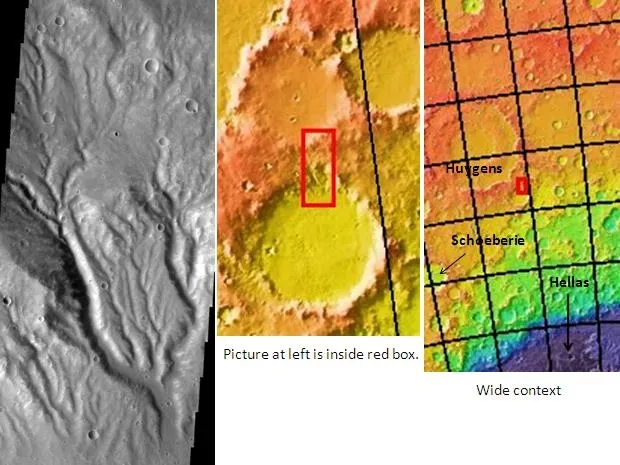
Finally, some of the most intriguing unexplained “trench” finds are still waiting for us in places we have barely touched: Mars’s canyons, icy cracks on moons, or the shadowed fissures on small asteroids. Robotic missions have scraped at Martian soil and peered into shallow cuts, and already the chemistry and layering have raised questions about past water, climate swings and possible ancient habitability. Future landers are planned to probe deeper trenches and boreholes, where unexpected minerals, organics, or even microfossil‑like structures might appear.
We are also starting to image steep‑walled chasms on icy moons like Europa and Enceladus, where tidal stresses and cryovolcanic activity carve features that function much like geological trenches. If a probe ever samples these environments directly, there is a real chance we will retrieve compounds or structures that do not fit any simple script. At that point, “unexplained” would move from a local curiosity to a planetary or even interplanetary puzzle.
In my view, this is the most exciting frontier for trench mysteries. On Earth, unexplained finds often suffer from poor records, contamination, or human tampering. On other worlds, the record is clean but our expectations are wildly uncertain. The first truly strange core sample pulled out of a Martian trench could force us to rethink not just geology but biology, or at least force us to admit that our concepts of both were built on a very small, very parochial data set.
Conclusion: Why The Things We Haul Up Still Matter
Looking across these fourteen cases, from ancient geared machines to mislaid industrial hardware and glowing shapes in abyssal trenches, a pattern emerges: the world is noisy, humans are messy, and our sampling of both is limited. Some of these mysteries are already half‑solved, their drama largely a product of early hype and incomplete data. Others remain stubbornly strange because the evidence is either too thin or too ambiguous to support a firm conclusion. The honest answer in many cases is simply that we do not know, and might never know.
My opinion is that the real value of these unexplained finds is not in proving some grand hidden narrative, but in forcing humility back into our models. The Antikythera mechanism does not demand a lost super‑civilization; it demands that we stop underestimating the engineers of the ancient Mediterranean. The London Hammer does not require a radical new geology; it highlights how quickly natural processes can confuse the archaeological record. The unidentified alloys and trench ghosts of old battlefields show that even modern societies lose track of what they build, test, and bury surprisingly fast.
If there is a lesson here, it is that we should resist two temptations: the urge to dismiss every odd find as a hoax or misreading, and the urge to elevate every anomaly into proof of a hidden world. The truth almost always lives somewhere in between, in the quiet space where careful investigation meets a willingness to say “not yet explained” without embarrassment. In a century obsessed with certainty and instant answers, maybe the most radical thing we can do is to keep digging, keep looking, and let some mysteries stay open a little longer. Which of these strange things hauled from trenches would you most want to examine up close yourself?