Every now and then, history drops a mystery in our lap and just walks away. Few scientific rabbit holes are stranger than the animals that appeared in a single old natural history text… and were never seen again. No fossils. No later sightings. No DNA. Just a name, a sketch (if we’re lucky), and a baffled modern biologist asking: what on earth were they talking about?
In the early centuries of zoology, naturalists were racing to catalogue a world they only half understood. Sailors brought back stories, merchants carried specimens in poor condition, and the line between rumor and reality was paper-thin. Some animals were misidentifications. Some were exaggerations. A few might have been real creatures that quietly went extinct before science caught up.
In this article, we’ll walk through fourteen such oddities: creatures that show up in a single early description, then vanish from the scientific record. We’ll look at what was claimed, what might really have been going on, and why these “one‑and‑done” animals still fascinate scientists and skeptics today. You’ll notice a pattern: humans are incredibly good at seeing what we expect to see – and sometimes nature pays the price for our confidence.
#1 The Cape Manatee That Never Came Back
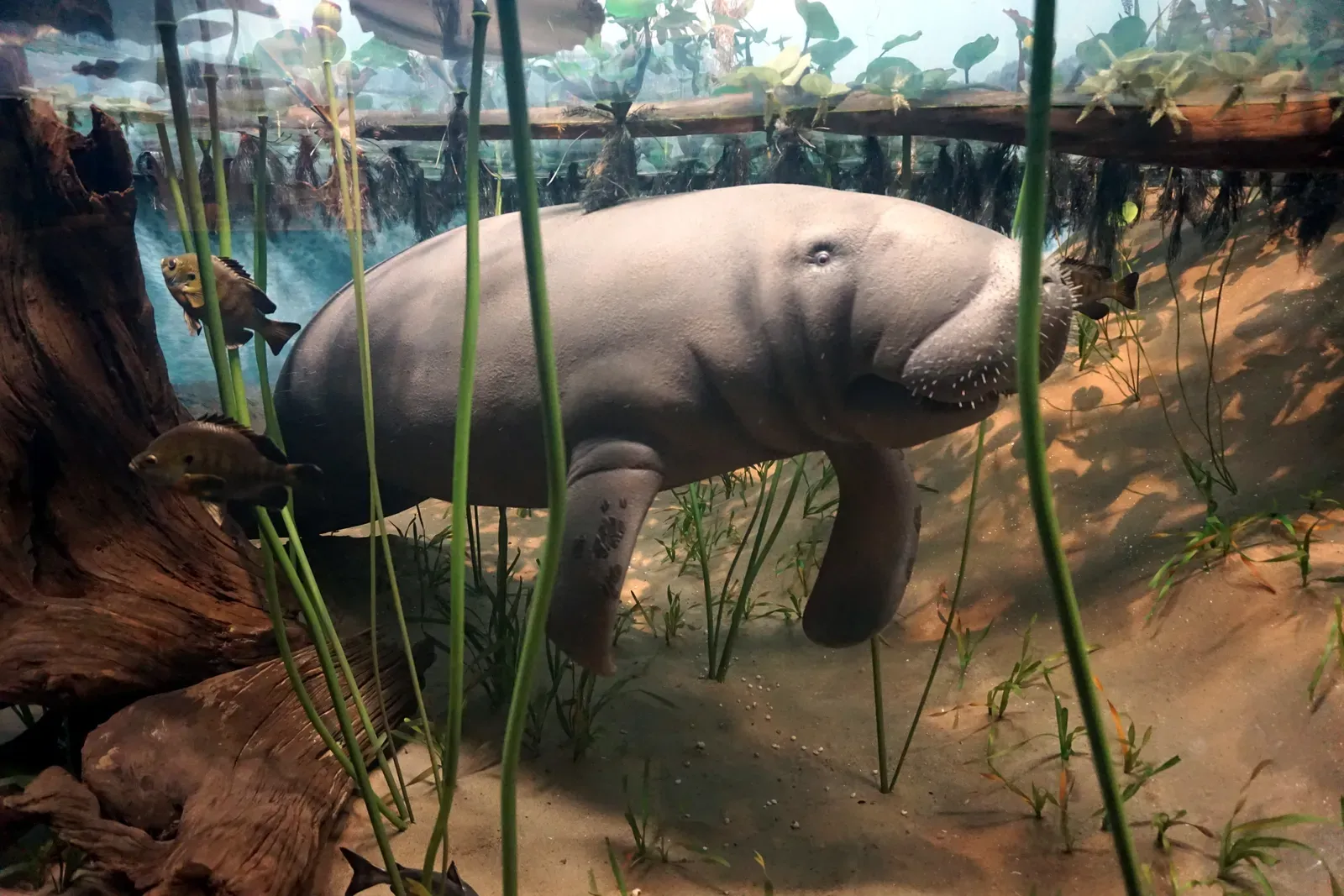
Imagine opening an eighteenth‑century book and finding a sea cow that supposedly lived at the southern tip of Africa, then discovering that no one has ever heard of it since. That’s roughly the story behind an alleged manatee near the Cape of Good Hope, mentioned in an old zoological account and then dropped from later checklists. Manatees today are known from the Atlantic coasts of the Americas and West Africa, not from the cold, current‑lashed waters off South Africa.
Most modern researchers suspect the “Cape manatee” was either a confused report of a dugong elsewhere, or a garbled secondhand story from sailors who had seen manatees in West Africa and then retold the tale once they rounded the Cape. All it takes is one author in Europe misunderstanding geography, and suddenly you have a phantom population. There’s also the possibility of an outright printing or translation error, where a location was miscopied and never corrected.
Still, the idea lingers because we now know that sirenians (the group including manatees and dugongs) had a much broader fossil distribution in the past. Did a relict population really hang on in an overlooked bay, only to vanish with early hunting and habitat change? It is possible, but the absence of bones, beachings, or indigenous knowledge argues strongly against it. Here, the simplest explanation wins: this “species” probably lived only in ink and imagination, not in Cape waters.
#2 The Doubtful Rhinoceros of the North
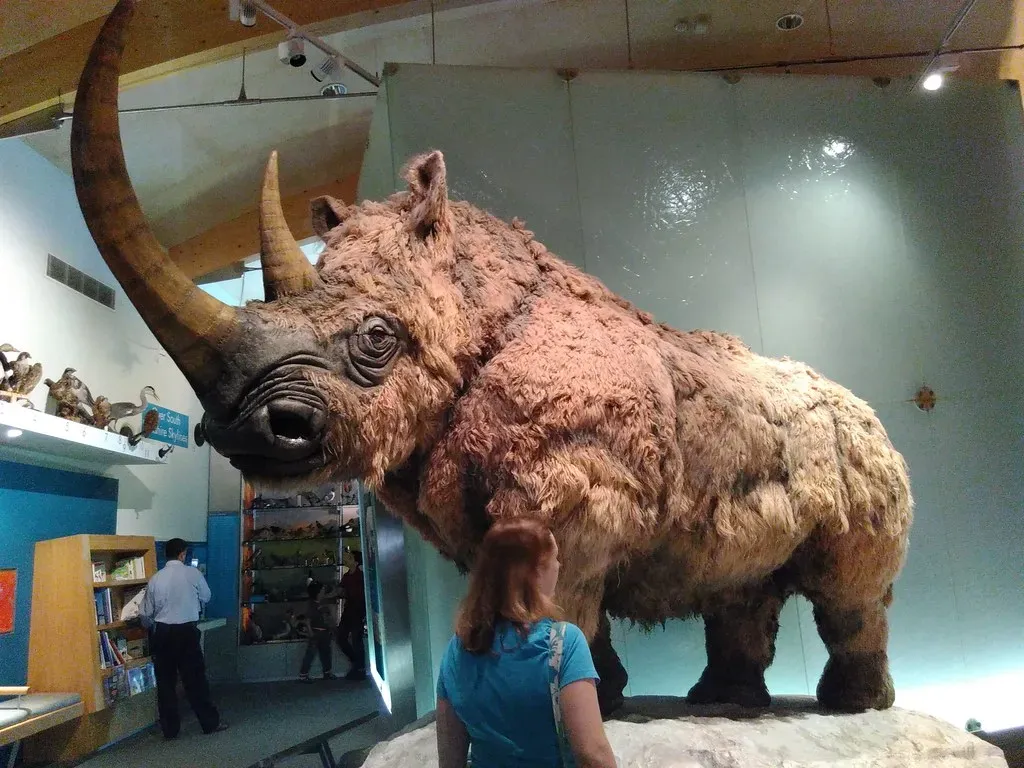
One of the weirder habits of early natural history was sliding legendary or fossil animals into modern catalogs as if they might still be around. A “northern rhinoceros” illustrates this perfectly. An old account described a rhinoceros said to live in northern, temperate regions where no modern rhino has ever been documented. It appeared, got dutifully copied into a classification table, and then quietly evaporated from later works.
There are a few rational ways to untangle this. The author may have confused subfossil or fossil rhinoceros remains found in colder regions with living animals. Large bones unearthed from riverbanks or caves were frequently assumed to belong to creatures still roaming somewhere out there, especially before modern geology and paleontology matured. Alternately, it might have been a confused retelling of woolly rhinoceros fossils, treated as if they described a contemporary species.
From a modern standpoint, the lack of any corroborating records, skins, horns, or indigenous traditions is decisive. Real large mammals leave footprints in archaeology, trade, and art; this “northern rhino” leaves none. It is a sobering reminder that early naturalists, however earnest, often blended deep time and present time into a single hazy “now,” and sometimes a single sentence is all it took to invent a non‑existent species.
#3 The Vanishing Antelope of a Single Line
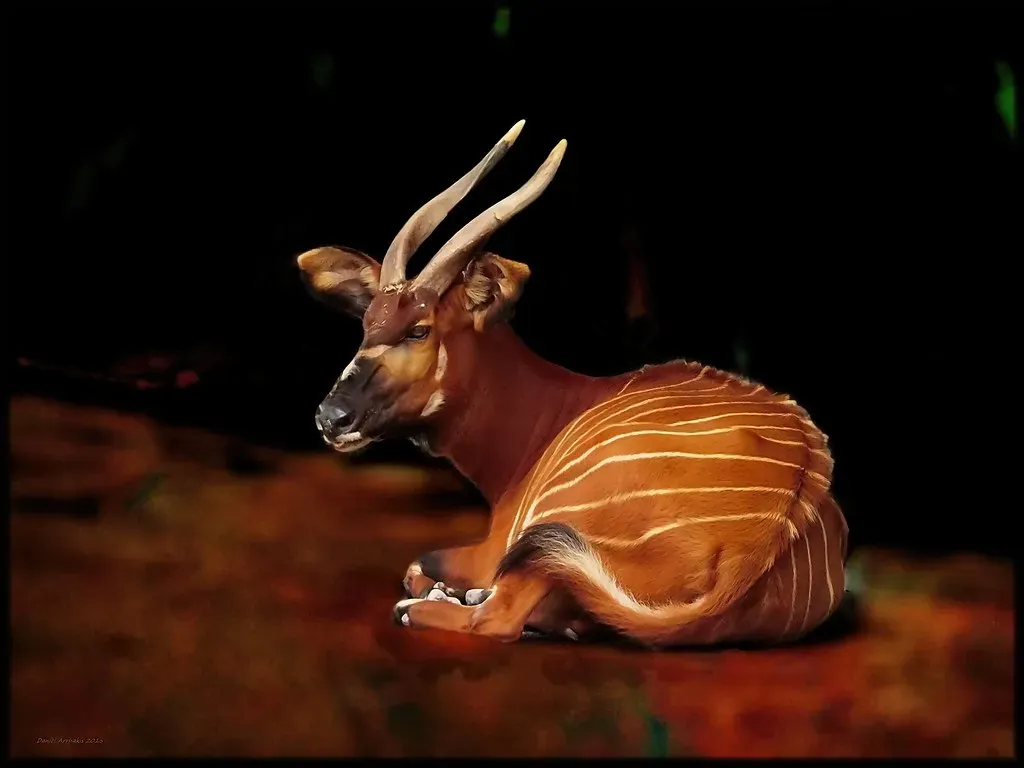
Antelopes in old texts are a mess. Traders and explorers slapped local names, rough descriptions, or pure guesswork onto a huge variety of hoofed mammals. In that tangle, a few “species” appear just once in one author’s list, linked to no clear locality, with no skin or horns preserved, and then never show up again. One such phantom antelope, described only briefly as a small, delicate animal from a vaguely defined interior region, has become a textbook example of how thin a species can be.
Modern zoologists tend to see these cases as either synonyms for known species or outright “nomen nudum” – names without enough description to be scientifically valid. Without diagnostic details, you cannot confidently tie that one‑line antelope to any real population. The fact that later, more systematic collecting in the same broad regions turned up many well‑documented antelopes but nothing fitting that unique description further undermines its credibility.
In practical terms, this antelope highlights how naming pressure can warp science. When your career depends on finding and describing novelty, there’s a real temptation to coin new names for every slightly different set of horns. Over time the system self‑corrected: modern taxonomists ruthlessly prune these single‑mention ghosts from formal lists. Still, each one represents an hour in the life of a naturalist who sincerely believed they’d captured a piece of reality on the page – and who may just have been describing the same old gazelle in slightly fancier words.
#4 A Lone Wolf of the Islands
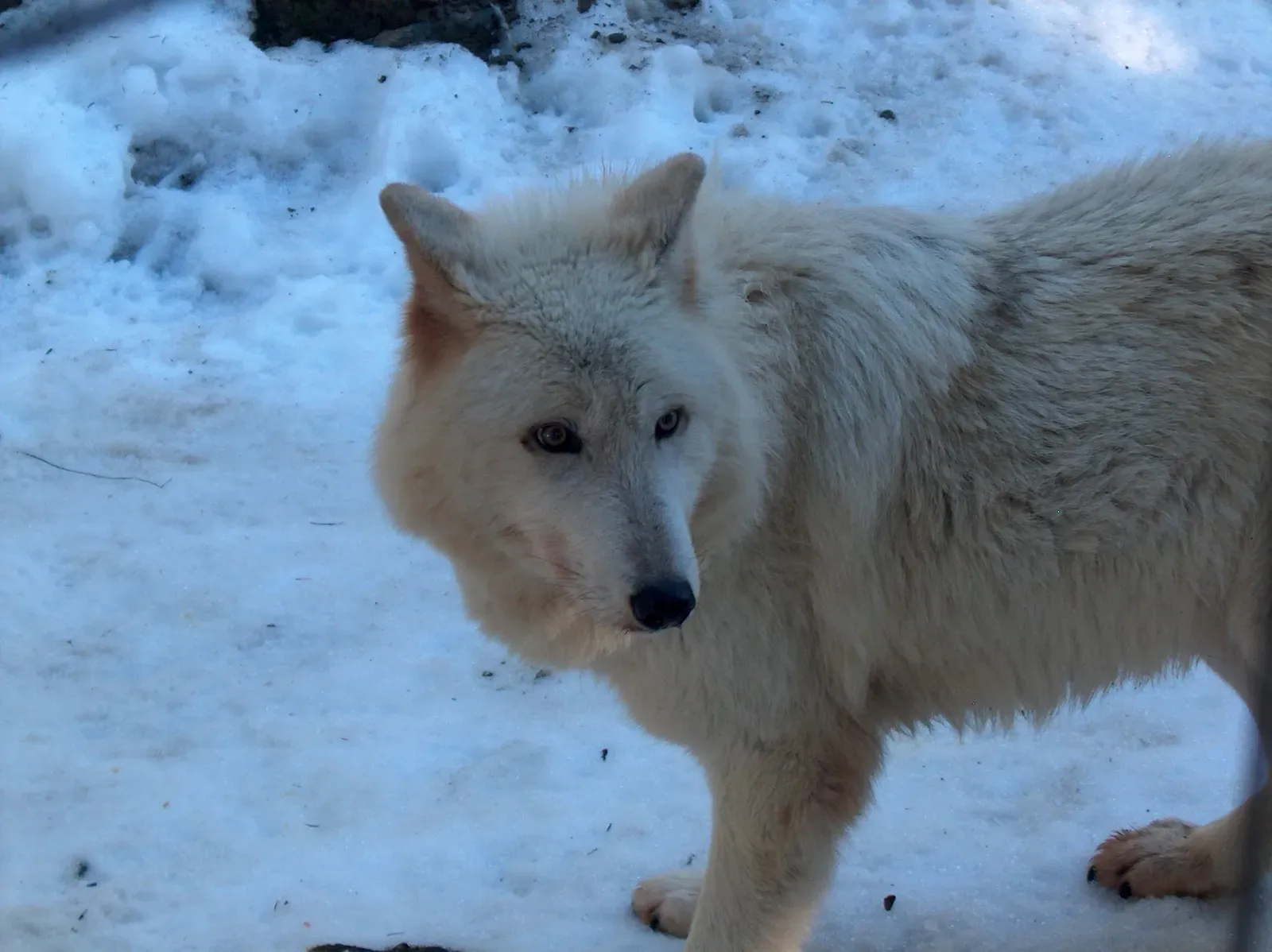
Wolves have a surprisingly rich history of mistaken identities. One intriguing example is an isolated “island wolf” that appears in a solitary description tied to a remote archipelago, with no matching specimens or later sightings. The author described an animal somewhat smaller and more slender than continental wolves, with unusual coloration that does not neatly match any known subspecies today.
There are a few plausible explanations. Island populations of large carnivores often shrink in size and shift in behavior compared to their mainland relatives, so the description might have been an early, imperfect account of a short‑lived local population or of feral dogs that had gone semi‑wild and taken on wolf‑like habits. Without skulls, skins, or genetic samples, we cannot parse whether this was a genuinely distinct wolf form or simply a misreading of dogs in rough conditions.
Key reasons this “island wolf” never re‑entered the scientific canon include:
- No confirmed remains in museum collections or local archaeological sites.
- No matching oral traditions that distinguish it clearly from dogs.
- Intensive later surveys that failed to find anything beyond feral or domestic dogs.
In other words, science circled back to the scene and found only silence. That silence, while frustrating, is usually more trustworthy than a single romantic report from a passing visitor.
#5 The One‑Off Jungle Cat That Didn’t Stick
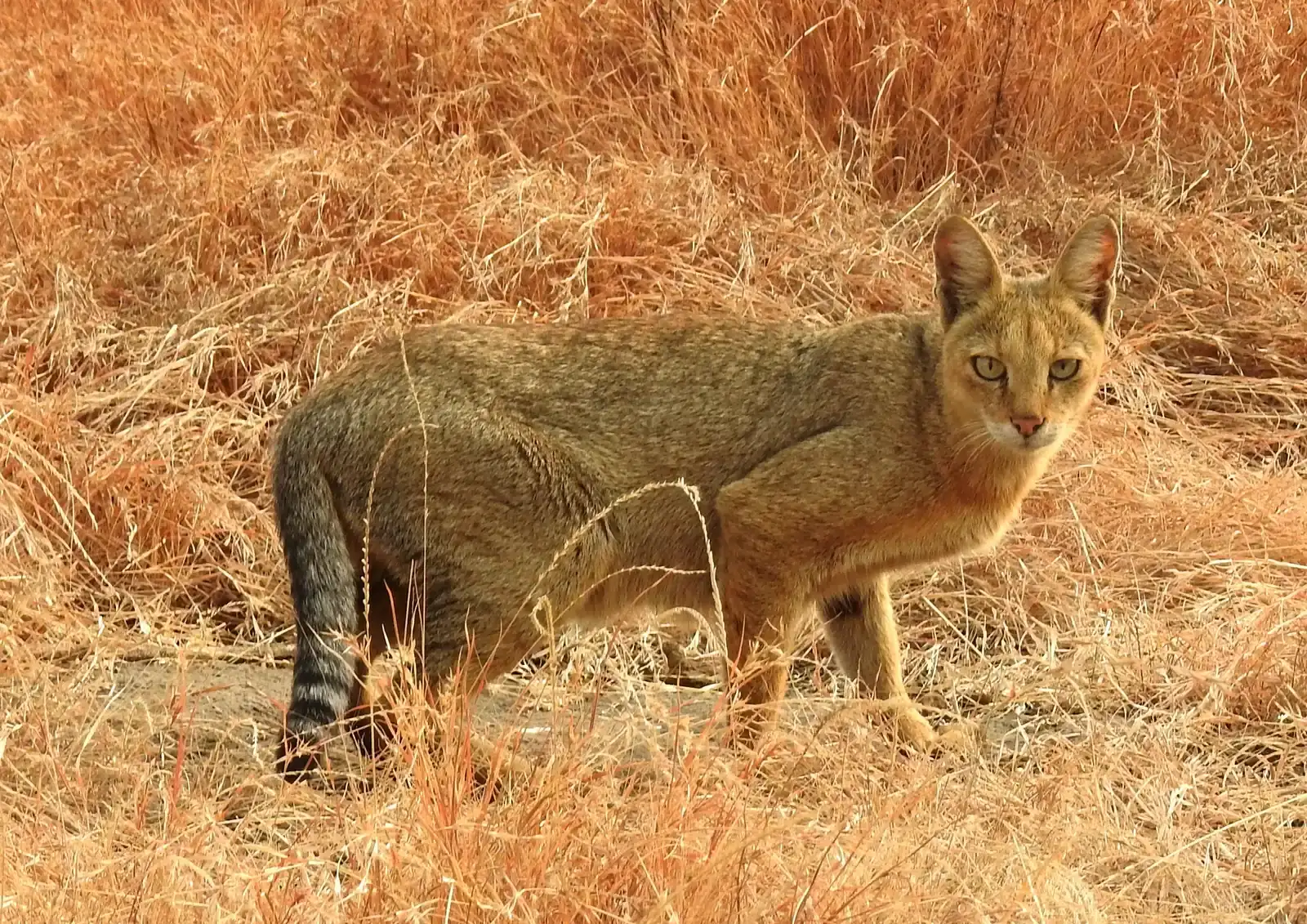
Tropical forests were notorious for generating “species” that existed only in a few lines of text. One forgotten jungle cat, allegedly from a remote part of Southeast Asia, was described by a lone naturalist based on a single pelt of uncertain origin. The account noted peculiar markings and a slightly different body shape from known small cats, enough for the author to consider it new.
When modern mammalogists eventually examined surviving small cat specimens from that era, they found nothing that clearly matched this description. The most likely explanation is that the original pelt was a juvenile, a melanistic variant, or even a poorly prepared skin of an already known species; pattern distortions during skinning can easily mislead an inexperienced observer. Once that original skin was lost or mislabeled, all hope of re‑evaluating the claim vanished.
Stories like this reveal an uncomfortable truth: museums act as the memory of biology, and when that memory is patchy, so is our confidence. Today, strict rules require type specimens, detailed measurements, and careful archiving before naming a new species. Back then, a vivid impression and a strong personality could be enough, and a “species” could hinge on a single stretched pelt hung in a bad light.
#6 The Ghostly River Dolphin of Elsewhere
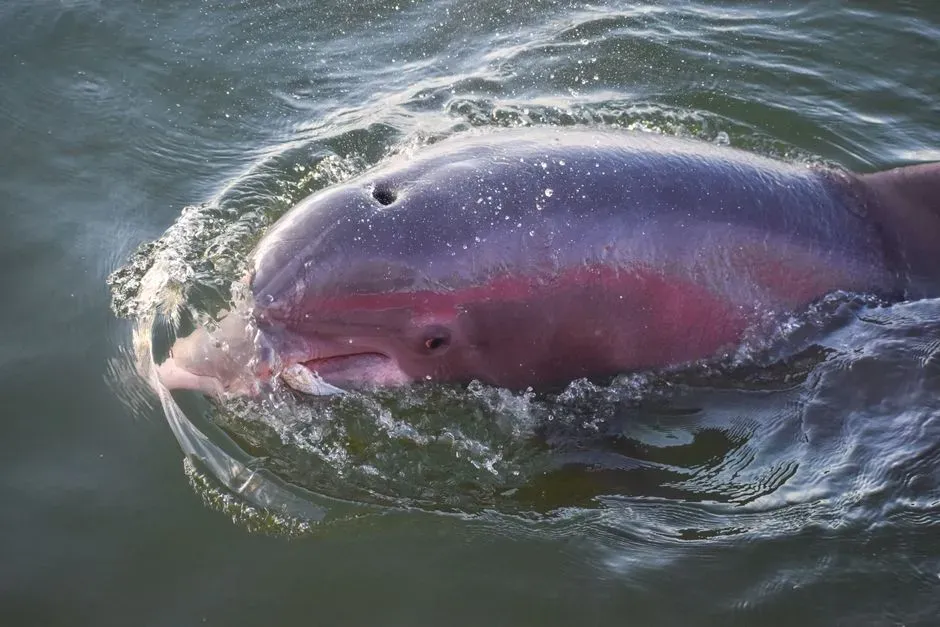
River dolphins already feel a bit unreal. They live in murky waters, surface briefly, and are often known more by hearsay than by close study. Against that backdrop, it’s not surprising that one historical account mentions a peculiar freshwater dolphin in a river system where no confirmed river dolphin species is recognized today. The description was brief: a smaller animal, oddly shaped snout, unusual behavior compared to marine dolphins.
Modern interpretations lean toward misidentification of a known river dolphin seen outside its usual documented range, or a confused retelling of a marine dolphin venturing up an estuary. In muddy water, with only quick glimpses, observers often blend species differences into a vague composite. Once that composite is written down by a respected naturalist, it can look like a discrete new species even if it never actually existed as such.
What makes this case doubly mysterious is the ecological plausibility. Large river systems do generate isolated, specialized cetaceans, and several river dolphins today are extremely localized and endangered. It is not impossible that a very small population blinked out before systematic surveys began. But without bones, teeth, or a preserved skull, this “extra” river dolphin remains more of a cautionary tale than a lost species we can seriously resurrect on paper.
#7 A Singular Arctic Bird with No Flock

High‑latitude expeditions produced some of the most bizarre bird reports of all time. One naturalist described an Arctic bird said to differ subtly from known species: a slightly different bill shape, odd plumage pattern, and unusual call. The bird was supposedly seen repeatedly over a short period, but no specimen was collected, no drawing survives, and no one else ever documented it.
Birders today know how treacherous such impressions can be. Light, weather, plumage phase, and observer fatigue can transform a perfectly ordinary bird into something “clearly different.” In polar regions, where seasons are extreme and bird molts can be confusing, misjudging a worn or juvenile plumage is remarkably easy. My own experience misidentifying an ordinary gull on a stormy day drove that home; what felt like a revelation turned into a minor embarrassment once a photo was checked against a field guide.
So what likely happened here? The consensus is that this was either a seasonal form of a known species or a rare vagrant from a more southerly region, briefly passing through. Some important takeaways:
- Real new bird species almost always end up tied to specimens, photographs, and repeated sightings.
- Single‑observer, no‑specimen records rarely hold up to later scrutiny.
- Arctic conditions amplify visual errors and strip colors and patterns of their usual clarity.
The “Arctic oddity” remains a small footnote – intriguing, but scientifically weightless.
#8 The Desert Rodent That Slipped Through the Cracks
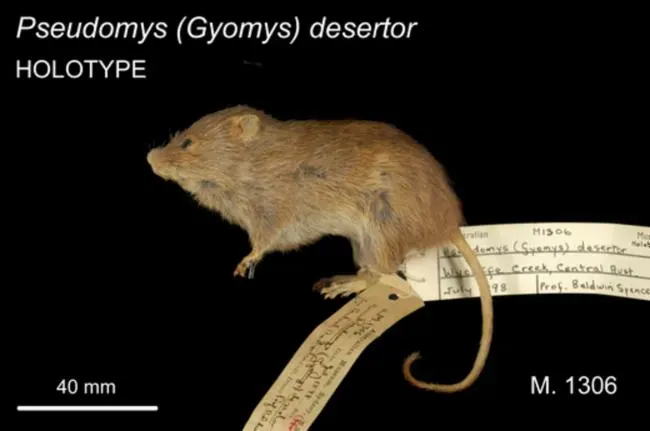
Rodents might not be glamorous, but they’re masters of disappearing acts. In one nineteenth‑century account of a North African or Middle Eastern desert, a naturalist briefly mentioned a peculiar, long‑tailed mouse‑like animal that did not fit known jerboas or gerbils. The description was scant: large hind legs, unusual fur, nocturnal habits. No specimen, no clear drawing, and no locality precise enough to revisit with confidence.
Later mammalogical surveys in deserts of that broad region turned up many new rodent species, some with truly odd shapes and locomotive styles. Yet none matched the exact combination of traits in that original note. At this point, there are two leading possibilities: the animal was a distorted observation of a known jumping rodent, or it represented a real but highly localized population that was wiped out by habitat changes, predation, or chance before anyone else took notice.
Desert ecosystems can be brutally dynamic. A tiny rodent population restricted to a single oasis or rocky outcrop could disappear within a few seasons of overgrazing, water diversion, or introduced predators. That fragility makes the “lost desert rodent” one of the more plausible candidates on this list to have been real, even if we can never know for sure. Ironically, its very ordinariness works in its favor: a rare mouse is far easier to overlook than a mysterious rhino.
#9 A Once‑Mentioned Cave Lizard
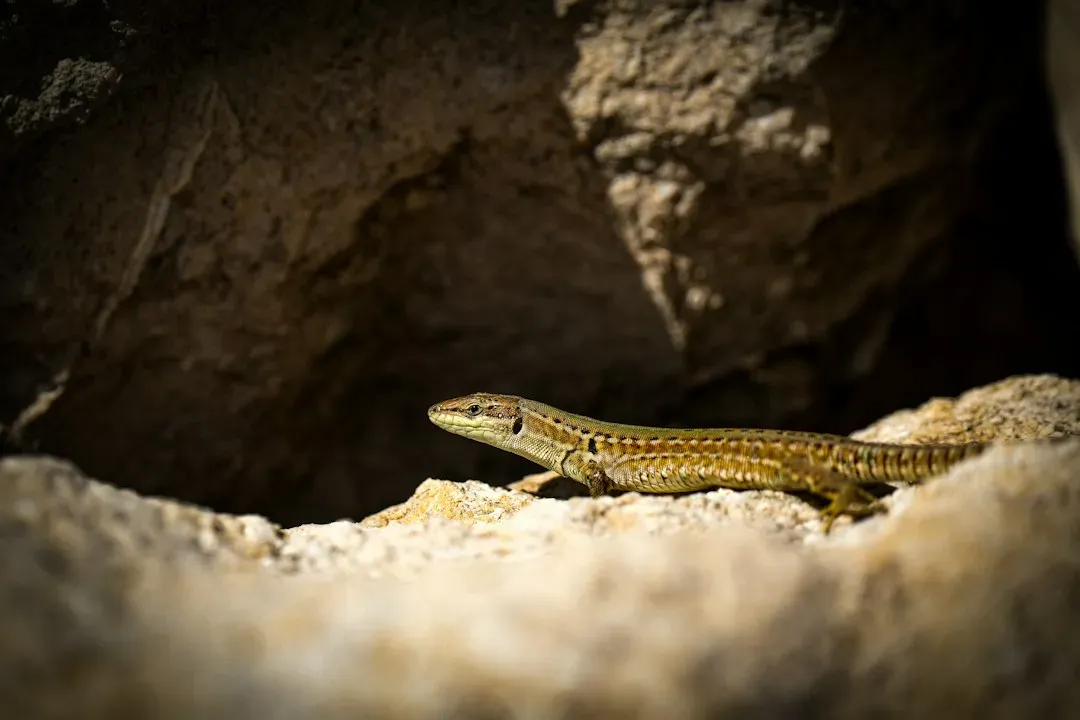
Caves are natural factories for weird species, especially reptiles and amphibians that adapt to perpetual darkness. One historical naturalist described a small, pale lizard found in a single cave system, with reduced eyes and oddly translucent skin. After that, nothing. Later herpetologists working in the same broad area did find cave animals, but not this exact lizard as described.
There are several likely explanations. The original observer may have misjudged the degree of eye reduction or pigmentation, especially using weak lantern light in a cramped space. A juvenile of a known surface species, temporarily sheltering in the cave, could appear more ghostly and exotic than it really was. Alternatively, that cave – or a nearby one now sealed or flooded – may have indeed housed a tiny, endemic population that succumbed to mining, tourism, or hydrological changes.
Cave species tend to have razor‑thin safety margins. When water levels shift or human disturbance ramps up, entire populations can vanish without leaving much of a fossil trace. So this case leaves us with a spectrum of possibilities:
- Misidentified juvenile or stressed individual of a known lizard.
- A short‑lived, genuinely distinct cave form that is now extinct.
- A mix of both: a real cave‑dweller described with exaggerated or incomplete details.
Without preserved specimens, even modern genetic tools cannot help. The lizard remains trapped as a dim memory in an old paragraph.
#10 The Briefly Noted Forest Ungulate
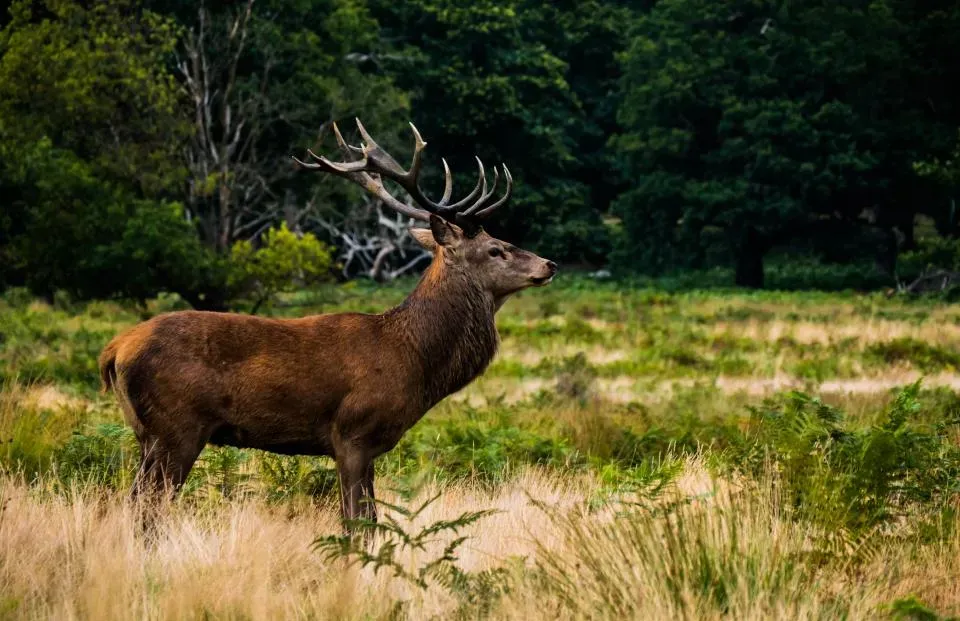
Forest ungulates – think small deer and antelope hiding in dark understories – are notoriously hard to document. One nineteenth‑century report mentions a shy, small hoofed mammal in a tropical forest, described as having a strange mix of traits: not quite a deer, not quite a pig, with odd markings on its flanks. The naturalist only saw it fleetingly in low light and never obtained a specimen.
When you read the sparse description today, it sounds uncannily like several known forest species mashed into one. Elements evoke small duikers, chevrotains, or even juvenile pigs. In other words, the animal could easily have been a familiar species glimpsed at a bad angle, with some imaginative filling‑in. At the same time, we know from more modern discoveries that entirely new ungulates can remain undetected in dense forests for an amazingly long time.
So where does that leave this one? Most taxonomic reviews treat it as a doubtful record: interesting, but not enough to justify a name. A few points that push it toward the “probably not real” category include the author’s own admission of poor visibility, the total lack of follow‑up by locals or later explorers, and the overlap with already described species in the region. It stands as a symbol of how, in dark forests, our eyes and expectations love to improvise.
#11 A Single Coastal Seal of Questionable Origin
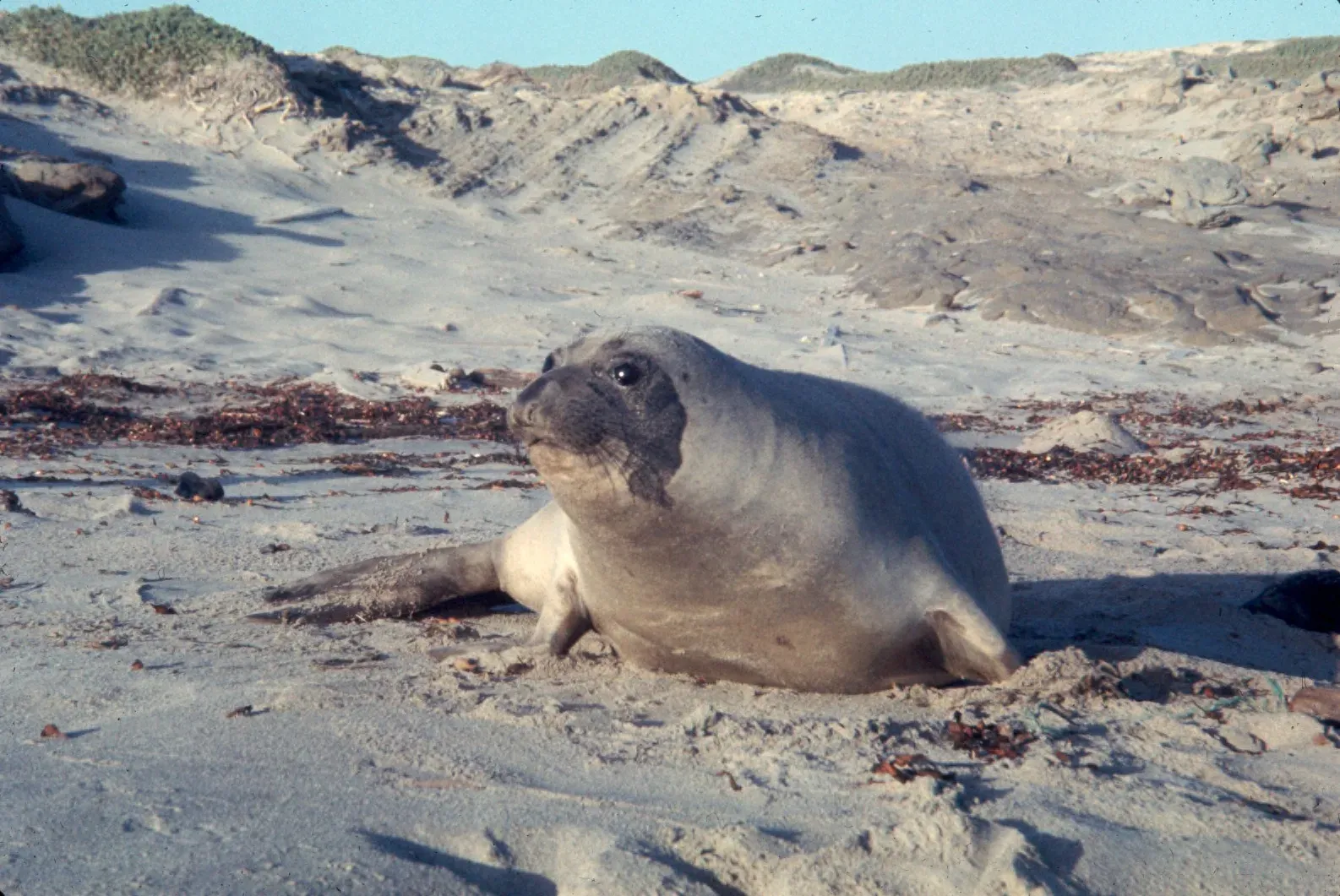
Seals and sea lions travel widely, mix across populations, and occasionally throw biologists a curveball in the form of odd individuals. An old naturalist once reported a distinctive seal along a certain coastline, with slightly different coloration and skull shape, and treated it as potentially new. That report, however, never translated into preserved specimens that could be compared rigorously with known seal species and subspecies.
When modern marine mammalogists reviewed historical accounts, this supposed “extra” seal raised eyebrows. The described differences could easily fit within the normal variation of a known species, or reflect age, sex, or seasonal coats. It’s also possible the animal was a long‑distance vagrant from another population that rarely visited that coast. Without hard remains, you cannot distinguish a unique lineage from an unusual individual.
What this case highlights is how our mental need for neat categories can tempt us into over‑splitting. Instead of recognizing that natural variation within a species can be broad and messy, earlier observers were often quick to carve out new species for anything that looked a bit off. Today, genetic work on seals reveals complex population structures that do not always line up neatly with the old, morphology‑based “species” and “subspecies,” further undercutting the idea that every odd skull must signal something new.
#12 The Problematic Parrot of the Interior
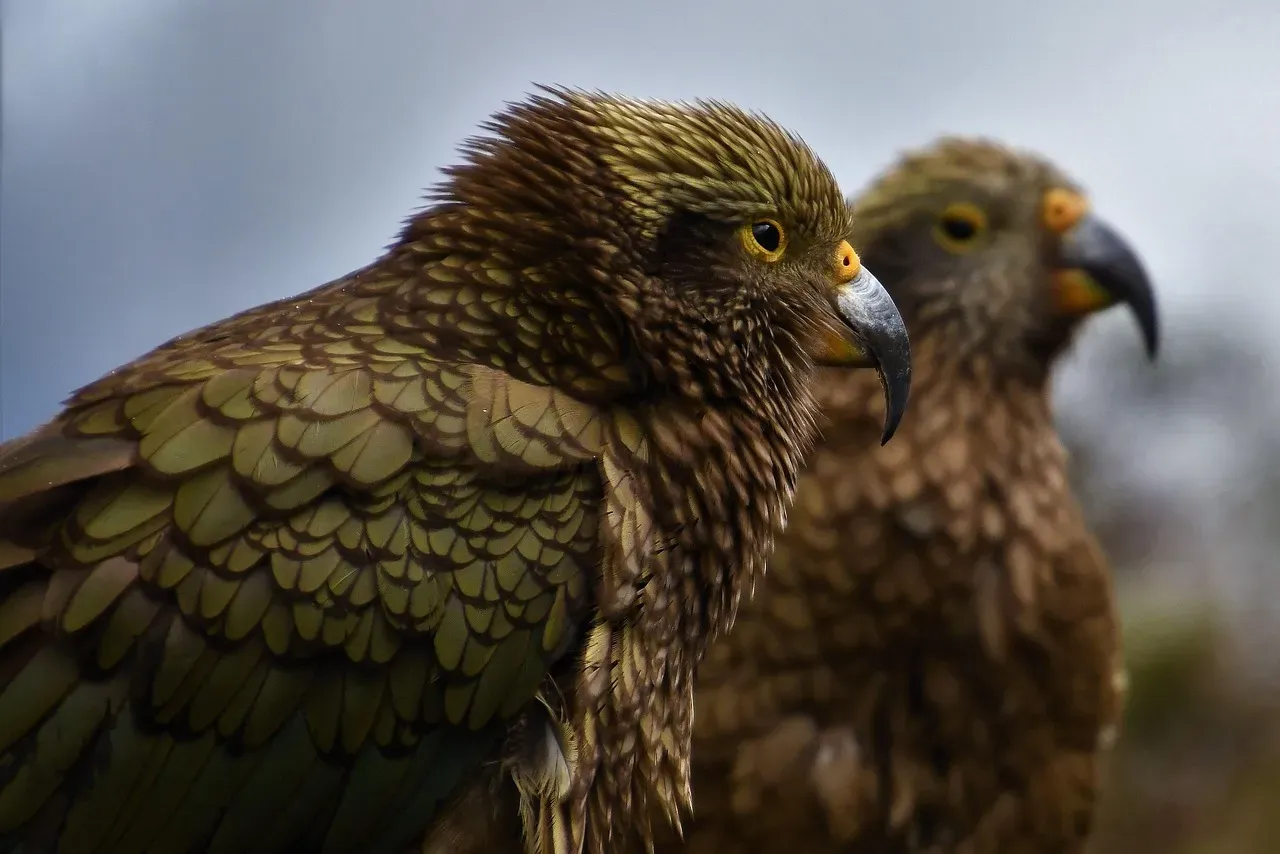
In one colonial‑era account, a naturalist described a parrot species from deep in a continental interior that has since defied confirmation. It was said to have unusual coloration and calls distinguishing it from coastal parrots known at the time. Yet no skins were preserved, no traders later offered the bird on markets, and indigenous names recorded from that region do not clearly match the description.
Parrots are often traded over long distances, and escaped or transported individuals can end up far outside their natural ranges. This makes it entirely plausible that the observer saw a feral or captive bird brought in from elsewhere, then assumed it was a native species. Parrot plumage is also notoriously variable across age and sex classes, and even within species, so an outlier individual can easily seem “different enough” to merit a new name to an eager classifier.
Some useful lessons from this phantom parrot include:
- A single sighting, especially of a conspicuous, noisy bird group, is weak evidence of a distinct local species.
- Trade and captivity can shuffle birds in ways that completely confuse biogeography.
- The absence of local names or cultural references is a red flag for alleged “common” species.
Ultimately, the parrot feels more like a traveler who wandered into the wrong story than a true missing chapter of evolution.
#13 The Nameless Reef Fish That Floated Away
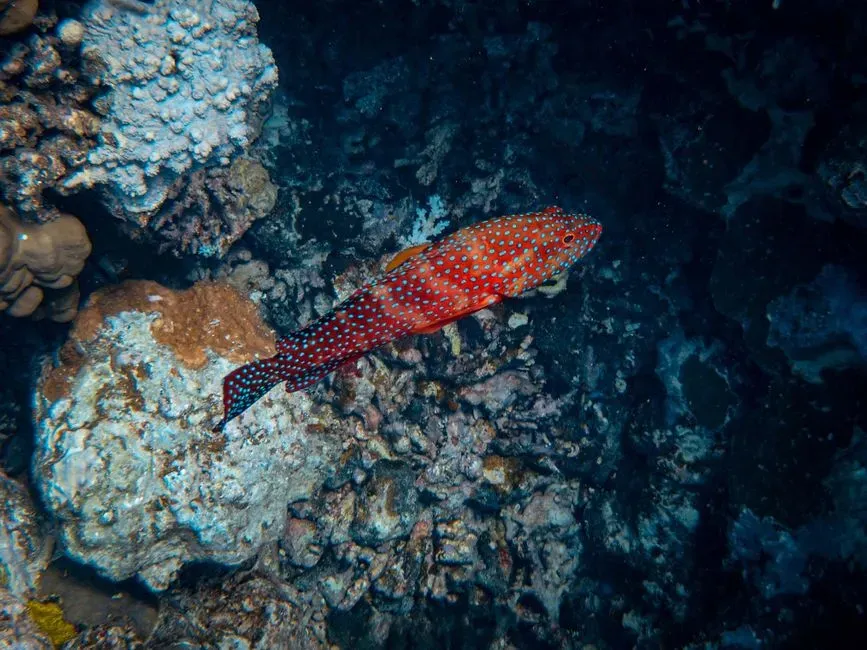
Coral reefs burst with fish diversity, and even today divers still turn up oddities that resist quick identification. One early naturalist described a brightly colored reef fish that did not fit any known species in later compilations. The account focused on its striking pattern and peculiar fin shape, but offered little in the way of measurements or careful anatomical detail. The fish was not collected; it was merely observed and sketched before vanishing back into the reef.
Modern ichthyologists reading such a description will usually shrug and file it mentally as “unresolved observation.” The fish could have been a juvenile stage of a common species (which often look dramatically different from adults), a rare color morph, or even a known but poorly illustrated species that the author simply did not recognize. Underwater lighting, turbidity, and depth all shift colors in ways that can make ID notoriously tricky.
Because reef fish diversity is legitimately high and still incompletely documented, there is a non‑zero chance that a few of these old “mystery fish” were real, undescribed species that slipped through the cracks. But without a preserved specimen or high‑quality illustration, no modern taxonomist will resurrect them on paper. In the end, that colorful stranger remains part of the folklore of the reef, not part of its formal checklist.
#14 A One‑Time Mountain Ape That Never Made the Cut
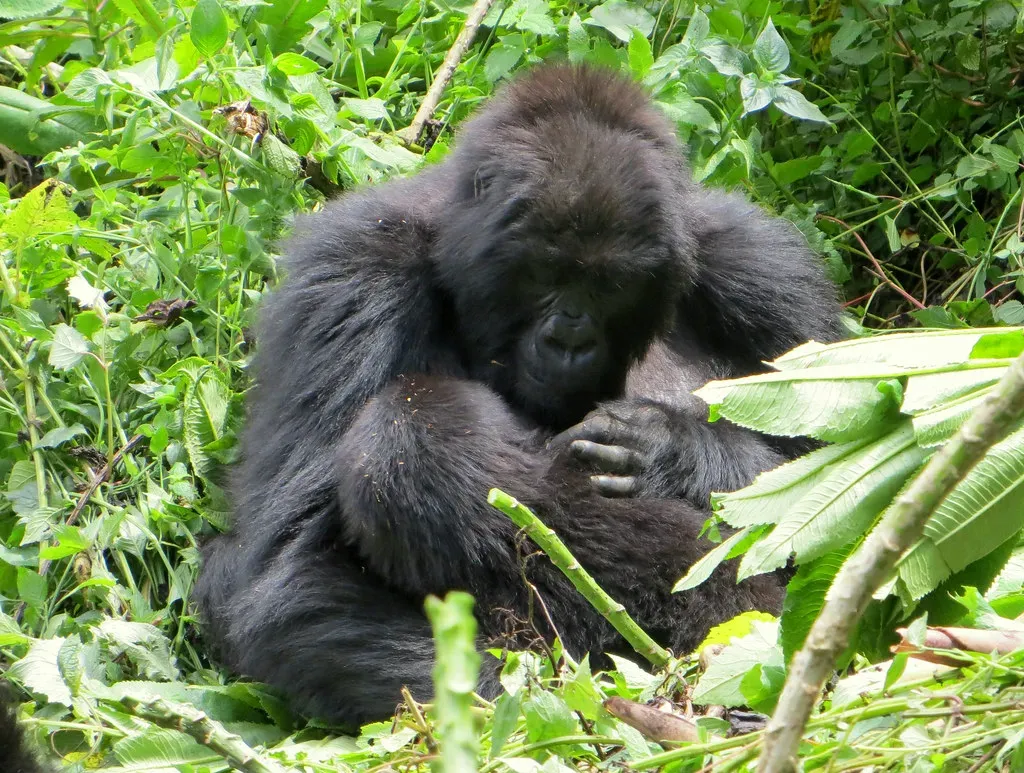
Humans have always been obsessed with human‑like animals. Somewhere in the tangle of nineteenth‑century exploration, at least one naturalist reported a strange ape or monkey in remote mountains, described as unusually large, shy, and walking in an oddly upright way. The account, though, never came with a skull, skeleton, or skin, and no later scientific expedition confirmed anything like it in that exact region.
Here we drift into sensitive territory, because such stories often blend genuine encounters with known apes, misidentified bears, and the long cultural shadow of wild‑man myths. When you strip away the more sensational language, the description sounds like a composite of features from existing primates and perhaps local folklore. It tells us more about human expectations and fears than about primate biodiversity.
If there is a pattern running through many “one‑naturalist-only” animals, this mountain ape sits right at the center of it:
- An observer predisposed to see something extraordinary.
- Brief, high‑stress encounters in difficult terrain.
- No hard evidence, only memory and narrative.
From a modern, evidence‑based standpoint, there is no case for recognizing it as a real species. But as a psychological artifact – a snapshot of how explorers projected their hopes and stories onto unfamiliar landscapes – it is priceless.
Conclusion: Why These One‑Off Animals Still Matter
Looking back across these fourteen creatures, a pattern jumps out: most of them crumble under modern scrutiny, but they do not feel pointless. They mark the growing pains of science at a time when curiosity sprinted ahead of method. One naturalist with a notebook and a strong hunch could conjure a species that later generations would spend years untangling or quietly discarding. In that sense, these ghosts of zoology are as much about us as they are about the animals we thought we saw.
Personally, I find these cases oddly comforting. They show that science is not a straight line from ignorance to truth; it is a wandering trail, full of wrong turns and dead ends. Yet over time, better tools, stricter standards, and more skeptical minds prune away the mistakes. We move from hearsay to specimens, from impressions to measurements, from lone voices to global collaboration. Some of the animals on this list were almost certainly never real; a few might have been fleetingly genuine and erased before we could understand them. Either way, our willingness to question them is a sign of progress, not cynicism.
In the end, these “one‑and‑never‑again” animals leave us with a simple, demanding question: how do we stay open to the possibility of discovery without letting wishful thinking run the show? The answer, I think, is to embrace both wonder and discipline – allowing ourselves to be amazed, but insisting that amazement be backed by evidence. After all, if every mysterious creature from one old book were real, the world would be far stranger than we can prove; if none of them were, we might miss the few that truly did slip through our fingers. Which side of that balance would you bet on?