Imagine opening a dusty old field guide and realizing half the animals inside no longer exist. Now imagine learning, centuries later, that some of them never really left at all. They were just hiding in deep oceans, remote forests, or right under our noses, misidentified and misunderstood. That uneasy mix of loss, hope, and surprise is at the heart of so‑called “Lazarus species” – organisms that vanish from the fossil or historical record, only to stroll back into the story much later.
These rediscoveries are not just feel‑good animal comeback stories. They shake up how science dates extinctions, how conservation priorities are set, and how humble we should probably be about “knowing” the natural world. Every time a supposedly lost species turns up alive, it forces biologists to ask uncomfortable questions: How many other creatures have we written off too early? And how many are fading out right now without anyone even noticing?
Below are 11 of the most striking, mysterious, and sometimes controversial cases where species disappeared, in some form, from the record and then reappeared centuries later. Some are famous, some are obscure, and a few blur the line between true disappearance and simple human error. Together, they tell a story that’s far bigger than any single animal or plant: our knowledge of biodiversity is still wildly incomplete, and extinction is sometimes less final than we think.
#1 The Coelacanth: The “Extinct” Fish That Outlived the Dinosaurs
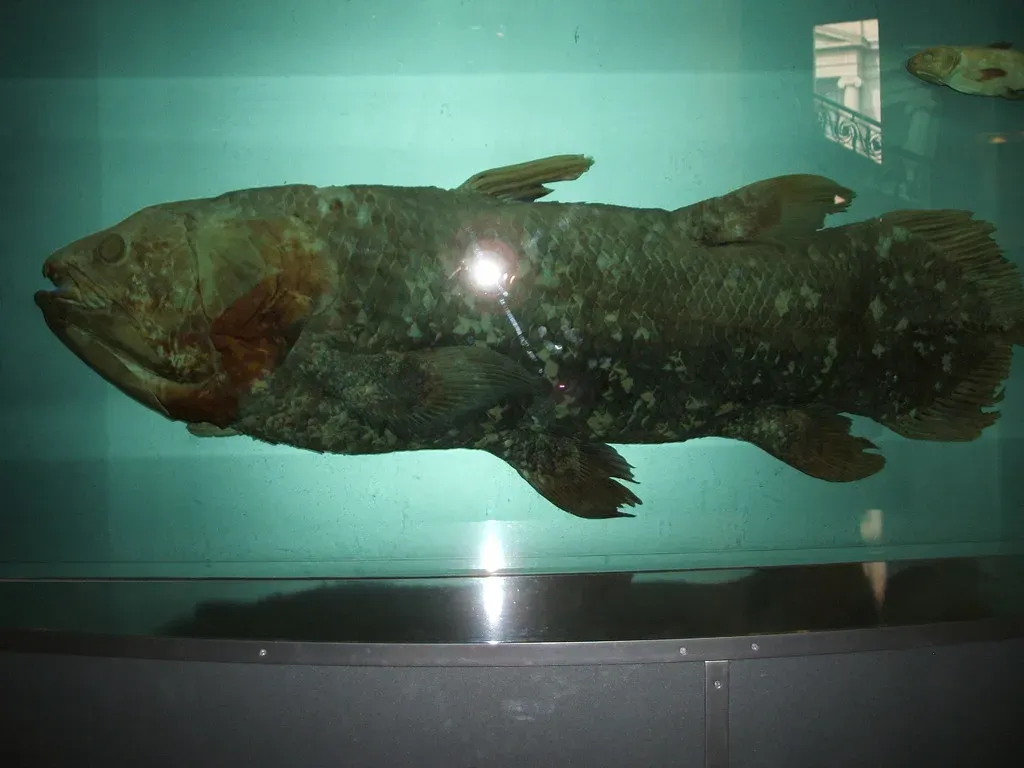
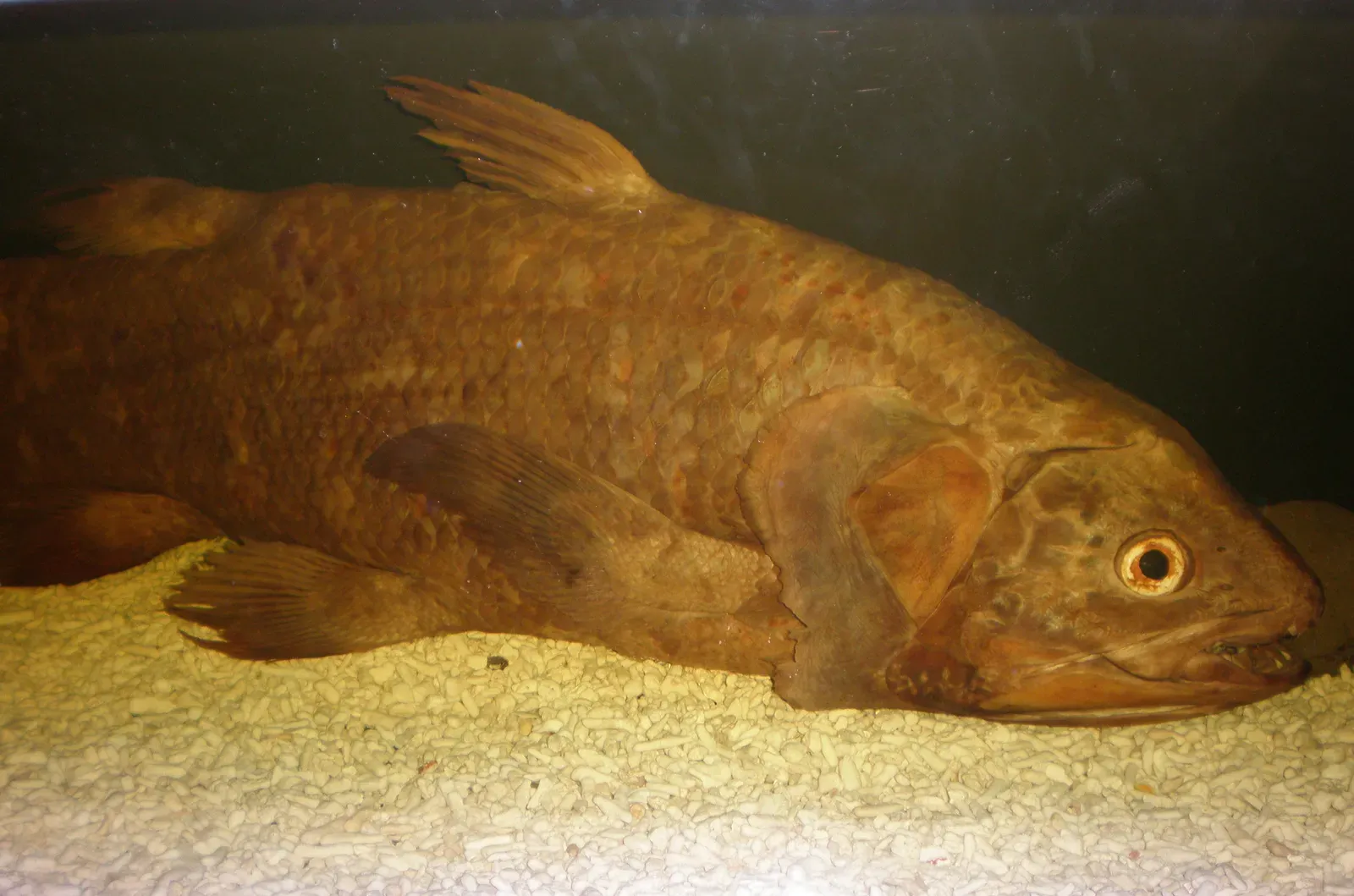
If there’s a poster child for “back from the dead” species, it’s the coelacanth. For decades, it was known only from fossils, with its last confirmed appearance in rocks dating to roughly the end of the Cretaceous period. Paleontologists widely assumed it died out along with the non‑avian dinosaurs. Then, in the 1930s, a large, strange fish was pulled from the waters off South Africa, and everything we thought we knew about its extinction timeline collapsed in an instant.
What makes the coelacanth so astonishing is not just that it survived, but how little it seemed to have changed over hundreds of millions of years. Its fleshy, lobed fins and unusual body shape look almost copied directly from the fossil record. That “living fossil” label is overused and a bit misleading, but you can see why this fish gets it. It turns out there are at least two living species in deep waters of the western Indian Ocean and Indonesia, hiding in submarine caves and steep volcanic slopes, well outside the reach of most historical fishing.
From a scientific point of view, the coelacanth’s reappearance forced a rethink of how we read gaps in the fossil record. A long silence in the rocks no longer automatically means true extinction; sometimes it just means we have not found the right rocks or the right modern habitats. For conservationists, the discovery was a double‑edged sword: the species survived a mass extinction and the rise of mammals, only to face a brand‑new existential threat from modern fishing gear and habitat disturbance. Personally, I find it humbling that something this big and this ancient managed to keep such a low profile until the twentieth century. It makes our current sense of “complete” knowledge of the deep sea feel a bit naïve.
#2 The La Palma Giant Lizard: A Medieval Ghost on a Modern Island
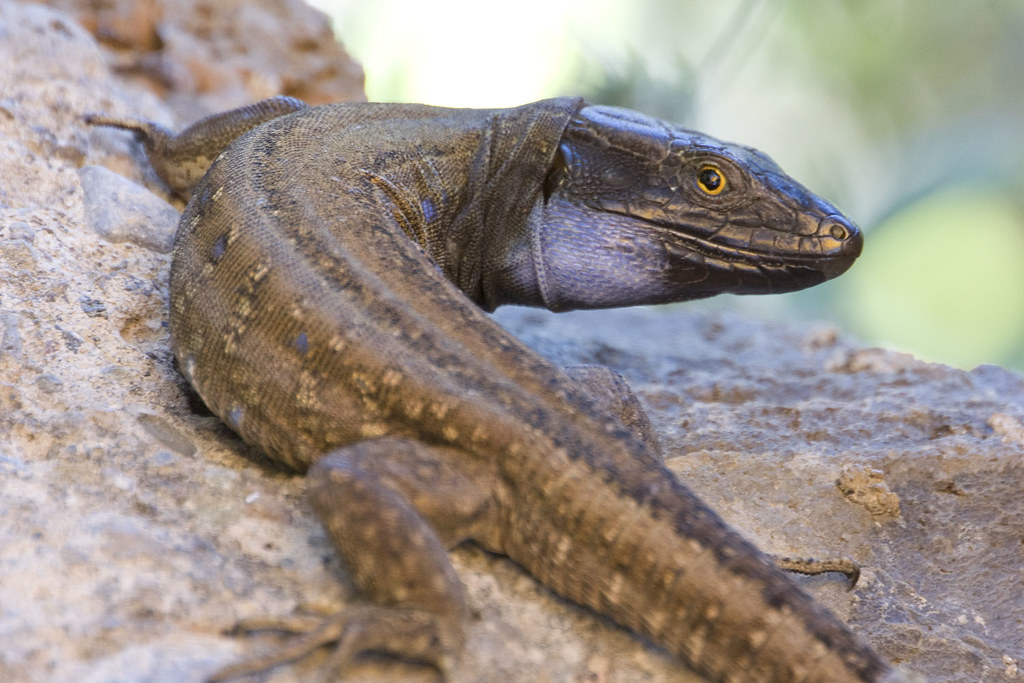
On the Canary Island of La Palma, stories of enormous lizards lingered in old writings and local memory, but by the time modern herpetologists went looking, they found nothing alive. Bones and historical references suggested that giant lizards had once roamed the island, but between introduced predators like cats and habitat change, it was assumed they had vanished centuries ago. For a long time, the species was effectively a medieval ghost, existing only as subfossil remains and secondhand descriptions.
That changed when researchers started seriously revisiting obscure records and remote cliffs on La Palma. What they eventually uncovered were tiny, isolated populations of a lizard that matched the ancient bones in size and features. The La Palma giant lizard, believed gone since at least early historical times, turned out to be clinging to survival on almost unapproachable volcanic slopes. These individuals were not just big lizards; they were living descendants of a lineage scientists had essentially filed under “lost.”
What makes this case so striking to me is how much it reveals about our blind spots on islands. We tend to think of islands as fully mapped and well studied, especially those near Europe. But the rediscovery of the La Palma giant lizard shows that narrow ledges, hard‑to‑reach ravines, and human‑avoided terrain can function as time capsules. In a way, these lizards survived not only by hiding from predators, but by hiding from us and our assumptions about what could still be out there.
#3 The Bermuda Petrel (Cahow): Vanished Seabird of the Atlantic
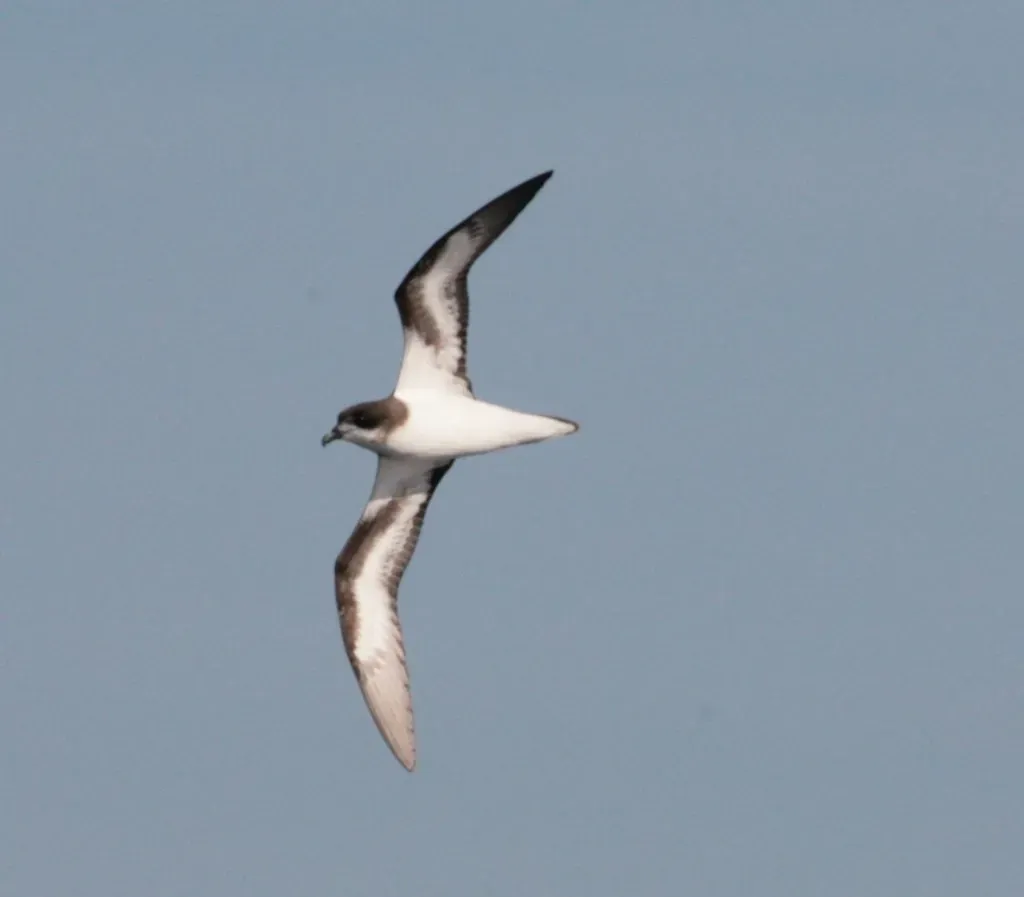
The Bermuda petrel, often called the cahow, is a textbook example of a species that slipped out of sight for centuries. Early European sailors described immense flocks of these seabirds breeding in Bermuda’s sandy burrows. Hunting, habitat destruction, and invasive species hit them so hard that by the 1600s, they were widely considered extinct. For more than three hundred years, the bird was known only from bones and historical accounts, a casualty of colonization that predated formal conservation.
Then, in the mid‑twentieth century, a small group of ornithologists and local naturalists began to suspect there might still be a few cahows hiding on remote islets. After painstaking surveys of wave‑beaten rocks and inaccessible nesting sites, they finally located living birds. The rediscovery was thrilling but bittersweet: the global population was down to just a few dozen individuals, mostly breeding in precarious burrows easily threatened by storms and erosion. It was less a triumphal return and more a last‑minute rescue.
Since then, an enormous amount of effort has gone into keeping the cahow from vanishing for real this time. Conservationists have moved chicks to safer artificial burrows, controlled invasive predators, and carefully monitored breeding success. Some key lessons from the cahow’s reappearance are worth emphasizing:
- Species can linger at incredibly low numbers for centuries, invisible to casual observers.
- Early colonial impacts may still be echoing through island ecosystems in ways we underestimate.
- Rediscovery does not mean safety; it often means a race against time has just begun.
Personally, I think the cahow story undercuts the comfortable assumption that extinctions are cleanly “in the past.” On a small, wind‑blasted rock in the middle of the Atlantic, history is still unfolding in real time.
#4 The Lord Howe Island Stick Insect: “Tree Lobsters” Resurrected
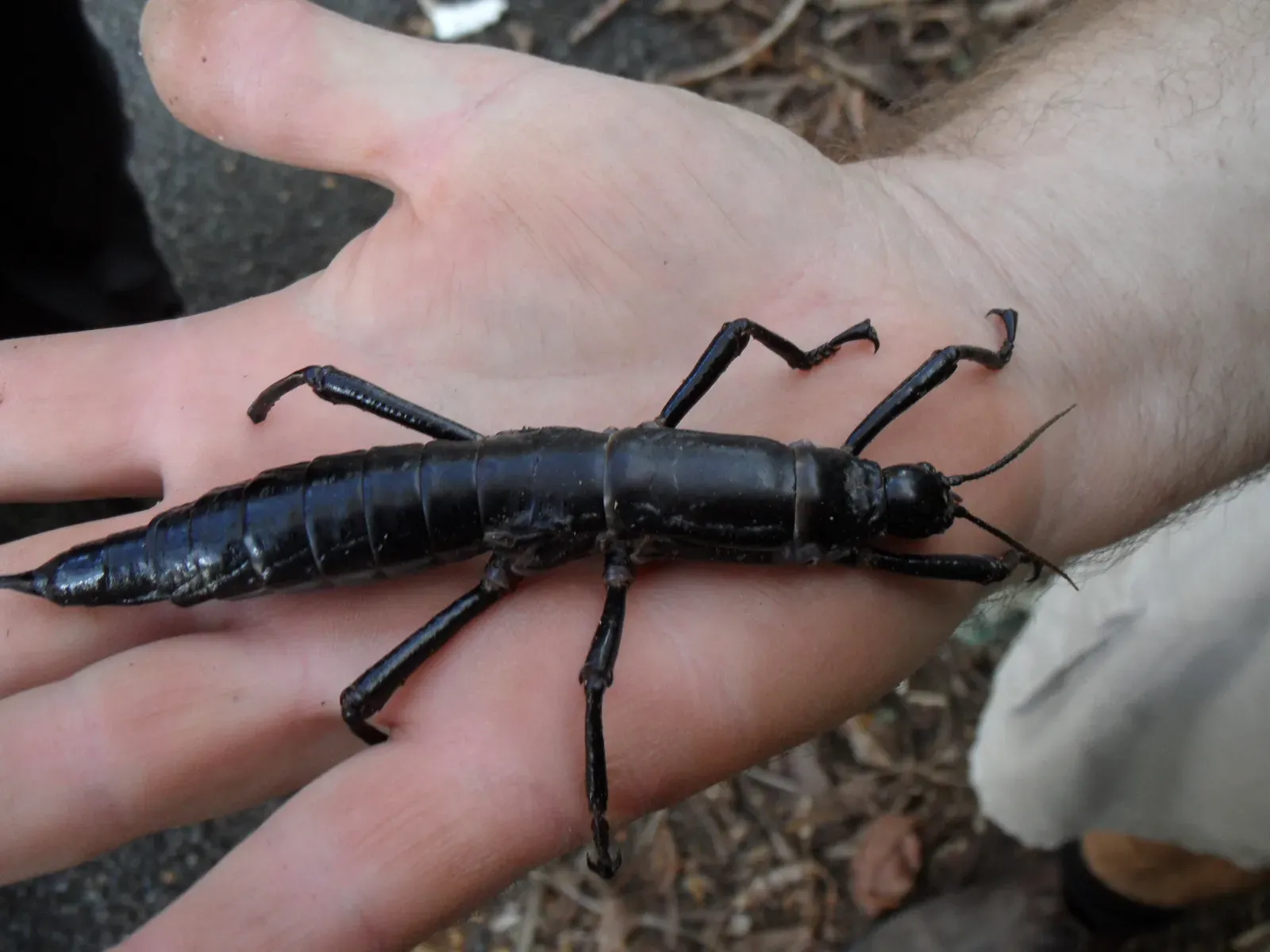
Few rediscoveries feel as cinematic as the Lord Howe Island stick insect, sometimes nicknamed the “tree lobster.” This chunky, dark insect was once common on Lord Howe Island in the Tasman Sea, until rats arrived in the early twentieth century and apparently wiped it out. For decades, biologists accepted it as extinct. Museum drawers held dried specimens, and that was assumed to be the end of the story.
Then came rumors from a sheer volcanic rock outcrop called Ball’s Pyramid, dozens of kilometers from Lord Howe. Climbers and lighthouse keepers mentioned large, strange insects on the spindly vegetation. It sounded implausible that a flightless insect could have made it there and survived, but an expedition eventually confirmed the unthinkable: a tiny population of stick insects nearly identical to the supposedly extinct Lord Howe form was clinging to life on a single bush on a knife‑edge ledge. The population was so small and so precarious that the whole species effectively lived on one plant.
Scientists worked quickly to establish a captive breeding program, turning a handful of survivors into thousands of descendants. Now, there are serious plans to reintroduce them to a restored, rat‑free Lord Howe Island. For me, this story captures both the absurd resilience and the extreme fragility of island life. A species can dodge extinction by the narrowest margin, and its entire future can hang on one improbable refuge. It also raises a slightly uncomfortable question: how many “extinct” invertebrates never got that lucky break of being rediscovered before it was truly too late?
#5 The Cuban Solenodon: Poisonous Relic of an Ancient Lineage
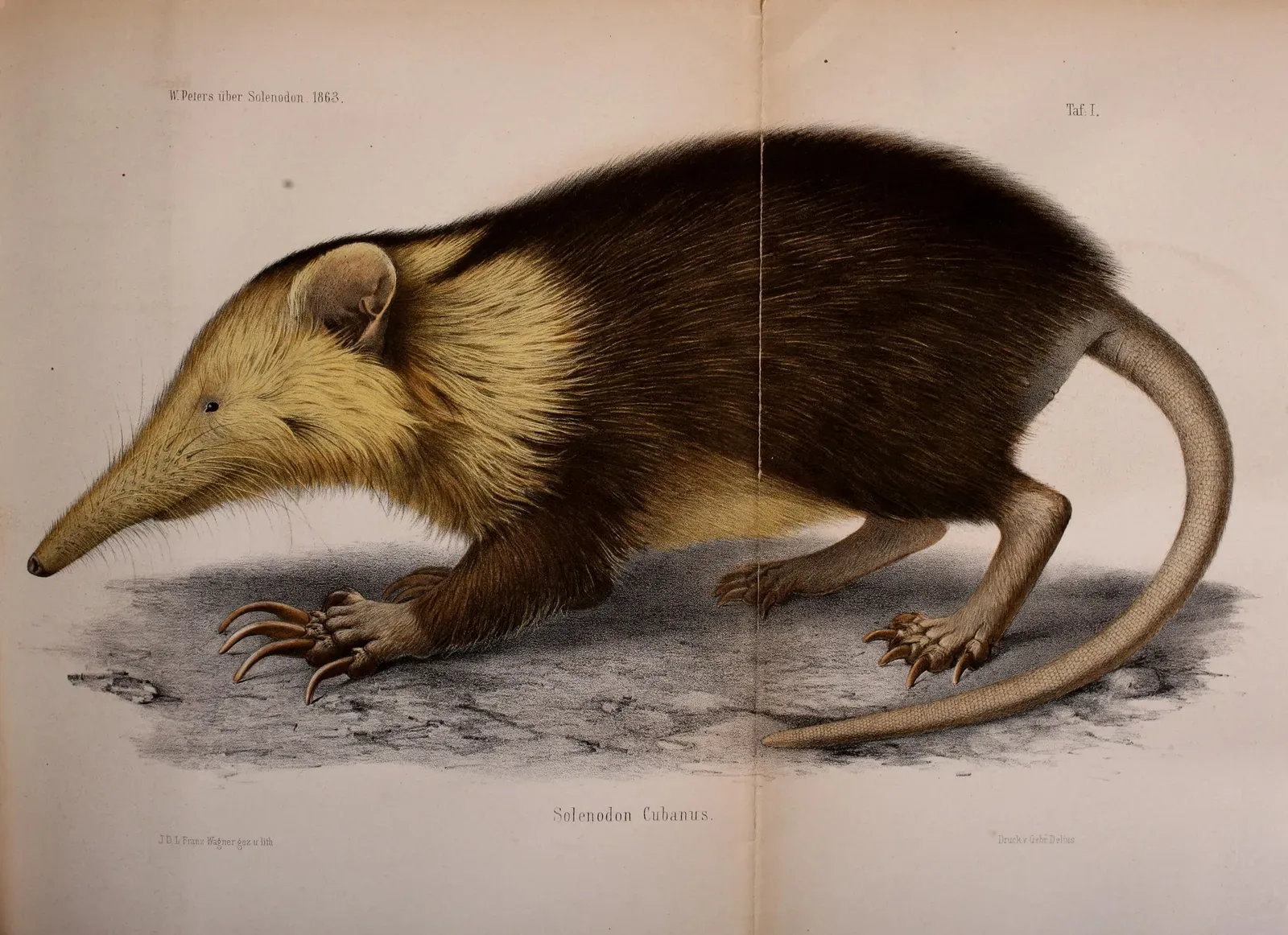
The Cuban solenodon is the sort of mammal that looks like it time‑traveled into the present by mistake. It is a small, nocturnal insectivore with a long, flexible snout and, unusually, venomous saliva delivered through grooves in its teeth. Fossils show that solenodons represent a very old lineage, once more widespread in the Caribbean and nearby regions. Over time, habitat loss and introduced predators pushed them into increasingly tiny refuges. By the twentieth century, the Cuban species seemed to have disappeared, and many researchers considered it functionally extinct, if not officially gone.
After long absences from the scientific record, live Cuban solenodons were confirmed again only after quite intense searching in remote forested areas. They tend to live in burrows, move mostly at night, and are masters at avoiding people. That combination of behaviors makes them nearly invisible unless you are specifically looking for them with the right techniques. Their reappearance, though rare and often from single individuals, has been enough to confirm that the species is still with us, barely.
To me, the solenodon’s story shows how survival can depend on a suite of quirks: being nocturnal, secretive, and evolutionarily odd might have given it just enough of a shield from humans. It also highlights a pattern you’ll notice across several of these examples:
- Ancient lineages often persist in ecological backwaters that humans have largely ignored.
- Long gaps in sightings do not necessarily mean a species is gone; they may simply reflect lack of targeted effort.
- Rediscovery does not erase centuries of decline; it just buys a little extra time to act.
The unsettling part is that we still understand relatively little about the Cuban solenodon’s true population size, genetic health, or long‑term prospects. It is a living reminder that some lineages can slip from dominance to near invisibility without ever getting much public attention.
#6 The Takahe: A Giant Flightless Bird That Refused to Vanish
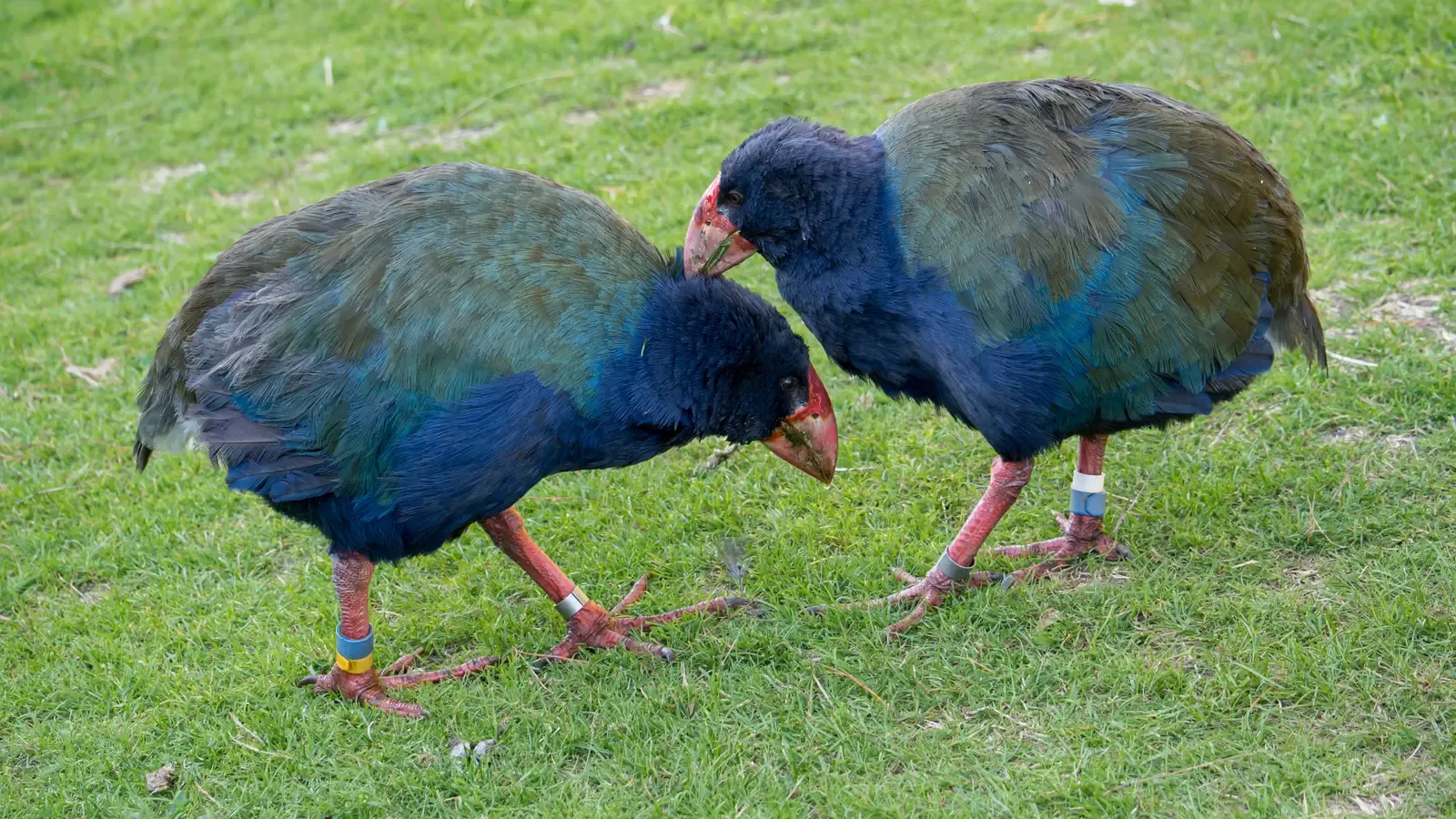
New Zealand is famous for flightless birds, and also for losing many of them to hunting and invasive mammals. The takahe, a large, heavy rail with vivid coloration, was once widespread in lowland grasslands and wetlands. By the late nineteenth century, after intensive hunting and habitat conversion, it was widely thought to be extinct. Only fossil bones and old notes remained, and people quietly filed it away with the moa and other lost New Zealand giants.
In the mid‑twentieth century, a small team pushed into the remote Murchison Mountains in Fiordland, an area of rough, steep terrain that most people rarely visited. Against expectations, they found living takahe in alpine valleys, feeding on snow tussock and behaving as if human history had barely touched them. It was a breathtaking example of how a large, conspicuous bird could disappear from human view for generations and then re‑emerge in a few hidden pockets.
Since that rediscovery, the takahe has become the focus of one of the world’s more intensive conservation programs. Birds have been translocated to predator‑free offshore islands and fenced sanctuaries, captive breeding has boosted numbers, and rangers manage habitat down to the level of specific plant species the birds prefer. Still, the population remains relatively small, and the species is not out of danger. Personally, I think the takahe challenges our intuition about what counts as “too big to miss.” If a flightless bird roughly the size of a small dog can vanish into a handful of valleys, how confident can we be about the status of smaller, quieter species in much larger landscapes?
#7 The Wollemi Pine: A Dinosaur‑Era Tree in a Hidden Canyon
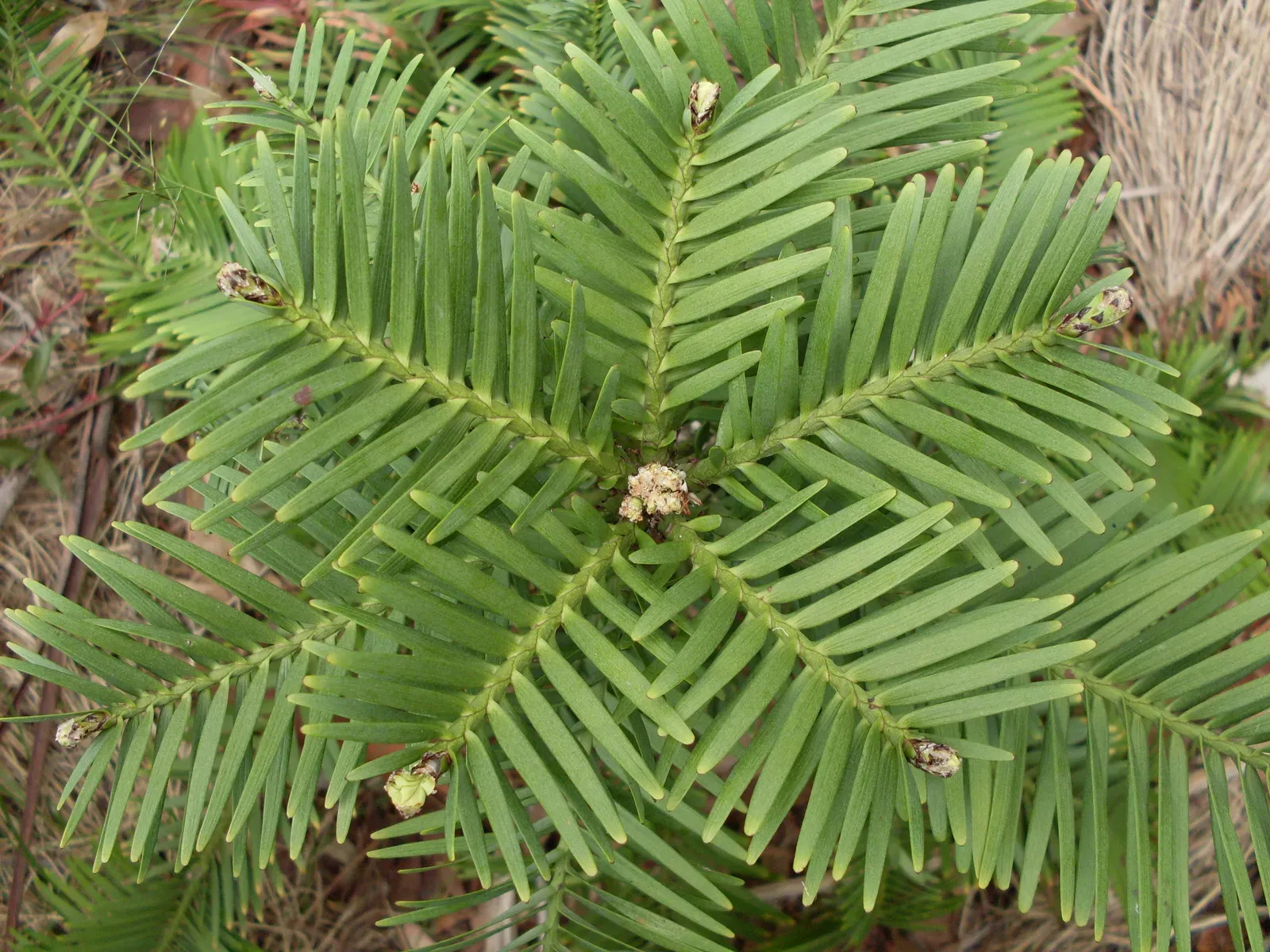
Not all Lazarus stories involve animals. The Wollemi pine, an ancient conifer native to Australia, was known only from fossils for a very long time. Its lineage was thought to have disappeared millions of years ago, another casualty of changing climates and shifting continents. Paleobotanists admired its fossil cones and leaves in rock, assuming this group had long since left the stage. Then, in the 1990s, a park ranger exploring a remote canyon in Wollemi National Park stumbled across a stand of very unusual trees.
Subsequent analysis showed that these living trees were the modern representatives of the supposedly vanished Wollemi lineage. A tiny grove tucked away in an almost inaccessible sandstone canyon had quietly persisted while the rest of the world changed around it. The trees were genetically extremely similar to one another, suggesting a long, isolated history with little opportunity for new genetic input. In a sense, they are like a living fossil forest fragment, an echo from a much older world.
The discovery had immediate, real‑world consequences. Authorities scrambled to protect the location from disease, collectors, and tourism pressure, going so far as to keep the exact site secret. At the same time, horticultural programs began propagating Wollemi pines for sale, both to raise money for conservation and to reduce the temptation to poach wild trees. For me, this case underlines a key point:
- Some lineages persist in tiny climate refuges that we have barely surveyed.
- Plant rediscoveries can be just as dramatic and important as animal ones.
- Secrecy and careful management sometimes matter more than publicity when a species is rediscovered.
The Wollemi pine feels like a time capsule that accidentally cracked open, reminding us that entire botanical chapters remain hidden in hard‑to‑reach corners of the planet.
#8 The Night Parrot: A Phantom of the Australian Outback
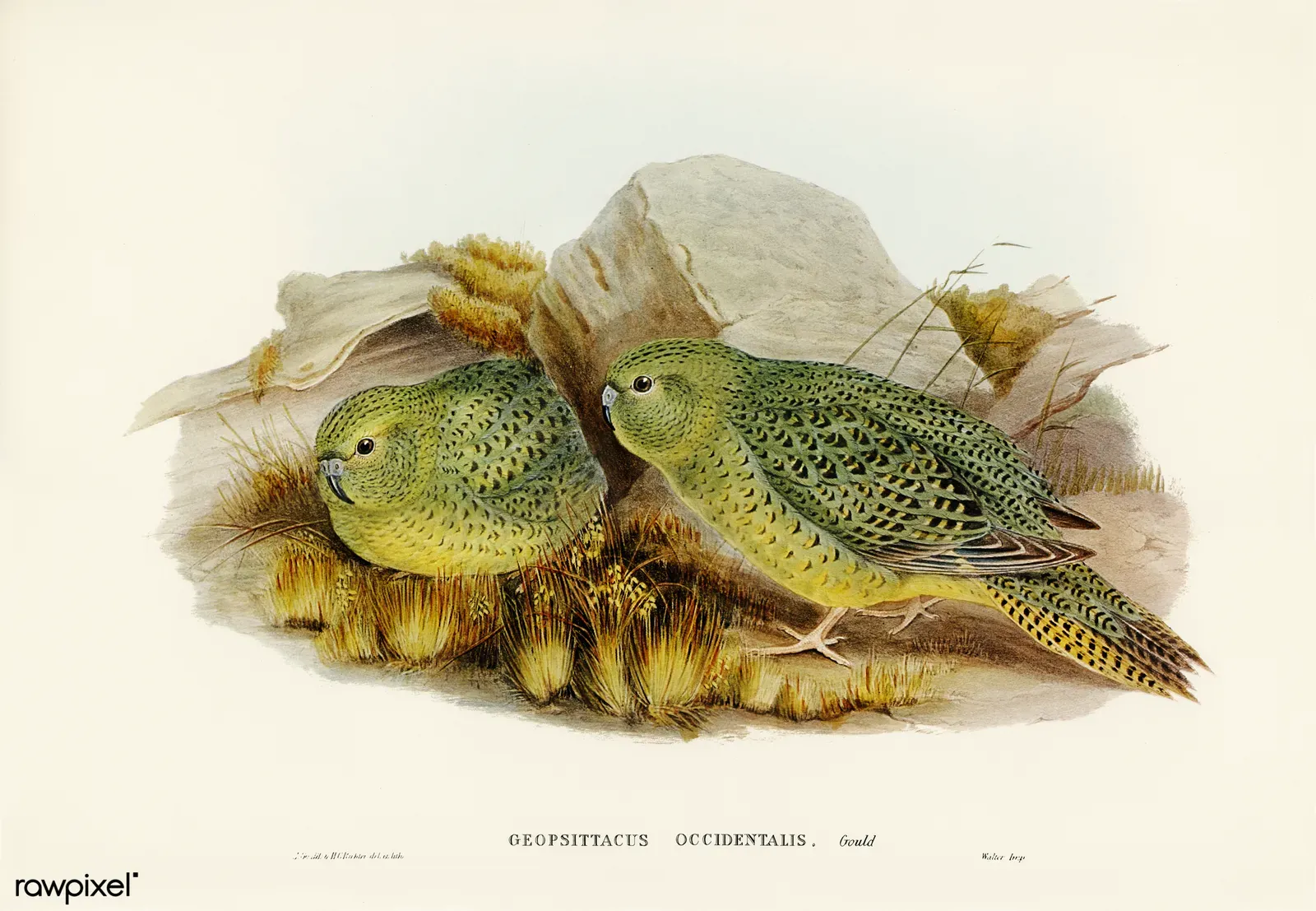
The night parrot has become almost mythic in Australian birding circles. In the nineteenth century, naturalists collected a few specimens from arid inland habitats, but then the bird basically vanished. For over a century, confirmed records were almost nonexistent, and the species developed a kind of cult aura: everyone wanted it to still be out there, but almost no one could prove it. Many experts quietly suspected it had gone extinct, a casualty of grazing, altered fire regimes, and introduced predators in the outback.
Much later, after intense and sometimes controversial searching, a small number of night parrots were finally documented using modern methods like camera traps and acoustic recorders. The birds turned out to be incredibly secretive, moving mostly at night, using dense spinifex grass for cover, and rarely giving themselves away. The rediscovery did not reveal a thriving, widespread population, but rather scattered, highly vulnerable pockets that could easily be wiped out by a single bad fire or cat incursion.
The night parrot’s story exposes the limits of our traditional survey methods. Daytime birdwatching and casual visits simply were never going to be enough to confirm its continued existence. It took carefully targeted, long‑term effort to generate rock‑solid evidence. I think this case pushes us to ask: how many other supposedly “lost” species are simply mismatched to the way we tend to look for wildlife? Noisy, diurnal, conspicuous animals are easy. Quiet, nocturnal, cryptic ones can slip through the cracks for generations.
#9 The Somali Elephant Shrew (Sengi): Hidden in Plain Sight
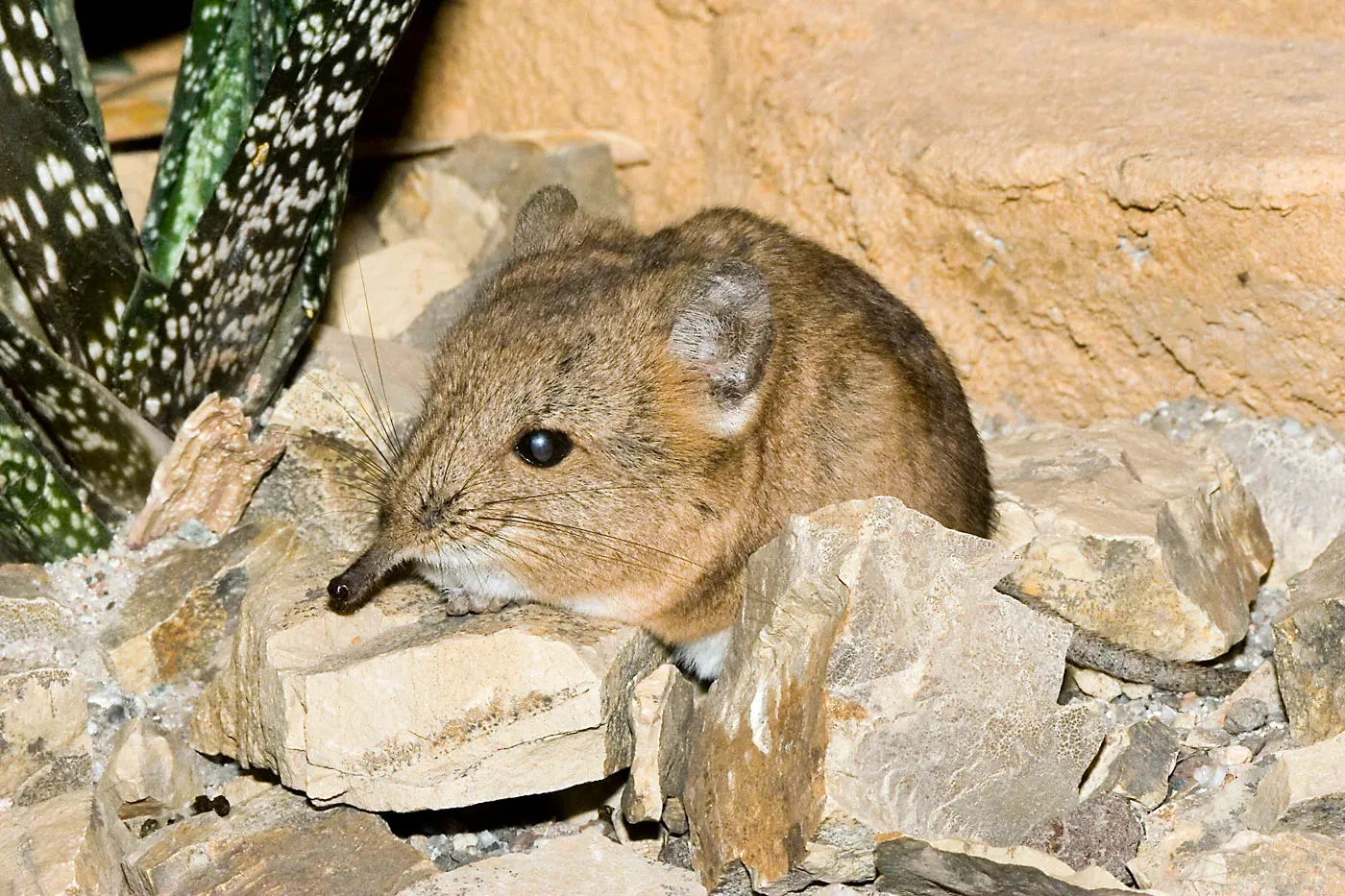
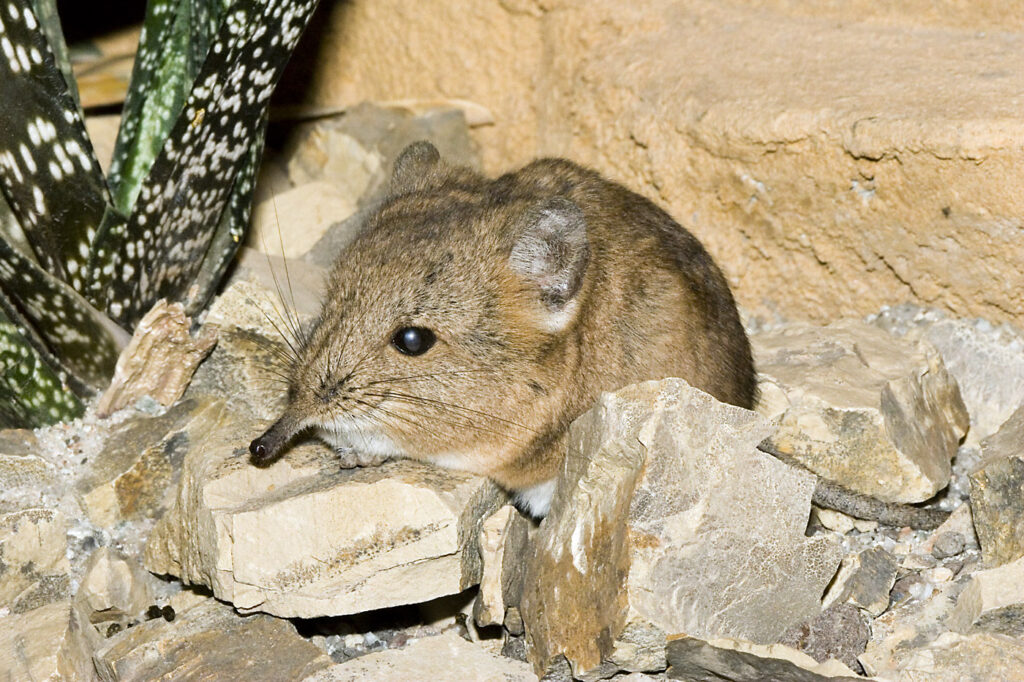
The Somali elephant shrew, or Somali sengi, is a small, insect‑eating mammal with a long, flexible nose and fast, darting movements. It was known from a handful of specimens collected in the Horn of Africa in the early twentieth century. After that, nothing. No new records, no clear photographs, no reliable sightings. For decades, it sat on lists of data‑deficient or possibly extinct mammals, more rumor than reality. Many assumed it had likely been lost, given the pace of habitat loss and political instability in parts of its range.
Much later, researchers revisiting old records and speaking with local communities began to suspect the animal might still be present in rocky, semi‑arid habitats. Ingeniously simple baited camera traps, sometimes lured with peanut butter and oatmeal, eventually captured images of a sengi that matched the physical characteristics of the Somali form. It turned out that the species had probably persisted all along, just in areas that biologists had not systematically surveyed in decades. In a twist, later genetic work suggested that this “Somali” species’ range might extend into neighboring countries, blurring old assumptions about where it “should” be found.
What resonates with me here is how local knowledge and low‑tech tools combined to crack a mystery that high‑tech global databases had failed to solve. A few key takeaways from the Somali sengi’s rediscovery stand out:
- Historical labels like “Somali” or “Ethiopian” can be misleading shortcuts for genuinely complex ranges.
- Relatively small mammals can evade focused scientific attention for far longer than people expect.
- Partnerships with local people often reveal patterns and sightings that formal surveys miss.
The Somali sengi’s long absence from the record says more about where we were choosing to look than about the animal’s actual disappearance.
#10 The New Guinea Big‑Headed Turtle: A Fossil Species That Wasn’t
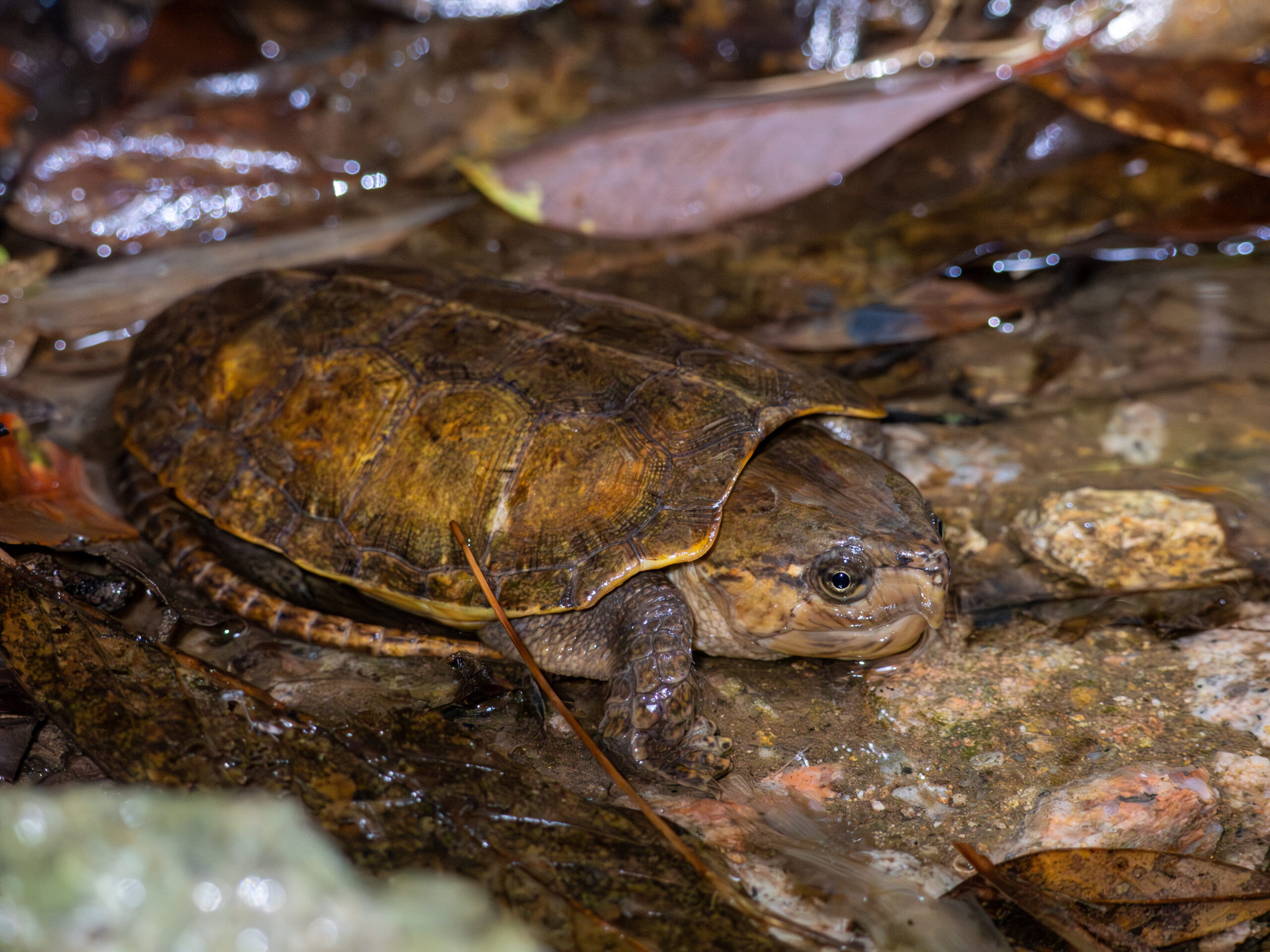
Some Lazarus species are not “rediscovered” so much as reclassified from the living world into the fossil record and then back again. The New Guinea big‑headed turtle, a freshwater turtle with a characteristically outsized skull, was once known only from subfossil remains. These bones were old enough, and distinctive enough, that researchers assumed they represented an extinct species. It was slotted neatly into the list of animals that had quietly disappeared before modern times, likely through hunting or habitat alteration.
Later, as herpetologists worked more extensively in New Guinea, they began encountering living turtles that matched the fossil morphology with surprising precision. What had been declared an extinct species turned out to be alive, if not exactly abundant, in remote river systems and wetlands. The gap between fossil discovery and live rediscovery spanned many decades, effectively turning the turtle into a classic Lazarus taxon: present in the deep past, missing in the recent record, then suddenly reappearing in the field.
The big lesson from this tale is that the line between “extinct fossil” and “living species” is sometimes drawn more by human assumptions than by hard evidence. When the only specimens you have are bones from caves or archaeological sites, it is tempting to read finality into their age. But as this turtle shows, some lineages quietly bridge that gap. Personally, I think stories like this should make us more cautious about declaring species gone on the basis of limited material. It is one thing to say “probably extinct”; it is another to write a full stop into the book of life when the data only really justifies an ellipsis.
#11 The Pygmy Tarsier: Tiny Primate from the Mists of the Mountains
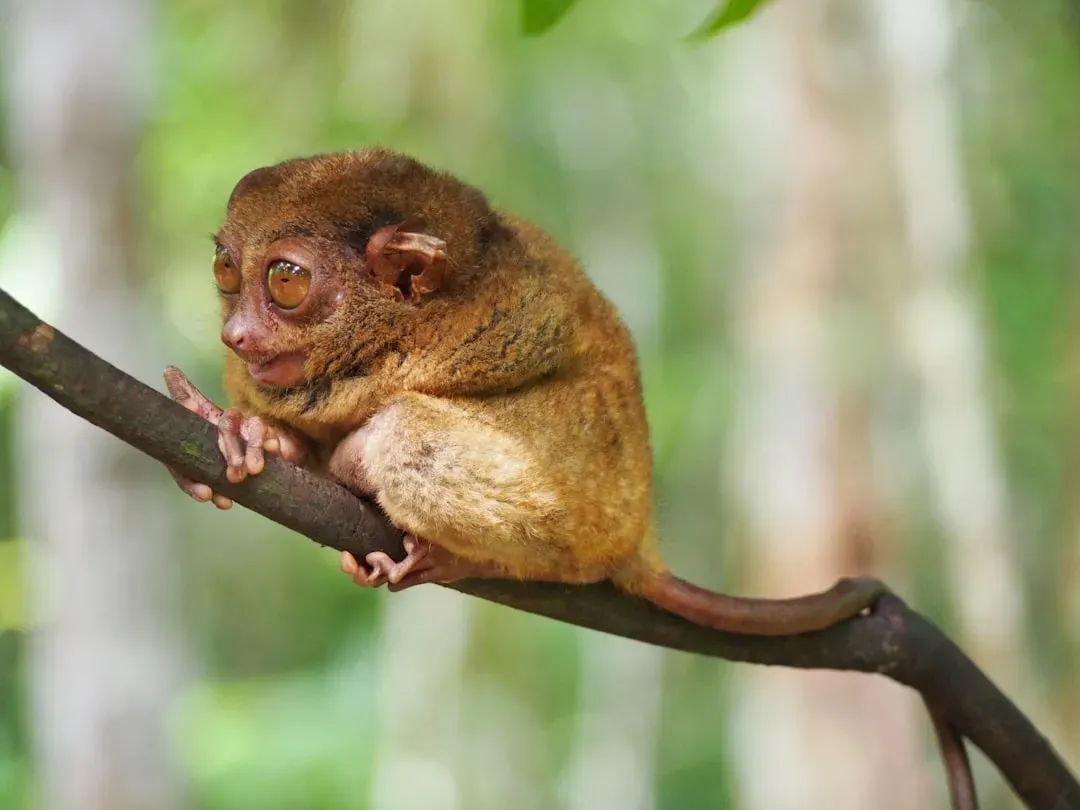
The pygmy tarsier is one of those almost unbelievable primates that look like they stepped out of a fantasy illustration: huge eyes, delicate fingers, and a habit of clinging to mossy branches in cold, foggy montane forests. It was originally described from specimens collected in the early twentieth century on the Indonesian island of Sulawesi. After that, nothing for generations. The species disappeared so completely from modern surveys that many primatologists assumed it had been hunted out or lost to habitat change. For a long time, it was known only from museum skins and skulls, gathering dust in drawers.
Then, in the early twenty‑first century, a few individuals were trapped incidentally in survey work, and later, targeted efforts in high‑altitude cloud forests confirmed that pygmy tarsiers were still alive. They turned out to be living at elevations and in habitat types that had been relatively under‑surveyed, especially at night and in bad weather. Their small size and quiet behavior did the rest, keeping them off the radar. The rediscovery was dramatic enough that it made international headlines, not because the population was large, but because the species symbolized how much we still do not know about tropical mountains.
To me, the pygmy tarsier encapsulates the emotional roller coaster of Lazarus species. On one hand, it is inspiring to know that such a fragile‑seeming primate held on in tiny forest pockets while no one was looking. On the other hand, its rediscovery does not automatically mean it has a secure future. The same forces that made it vanish from the record – habitat fragmentation, climate shifts, human disturbance – are still in play. We can celebrate finding it again, but we cannot pretend that the hard part is over.
Conclusion: Why Lazarus Species Should Change How We Think About Extinction
Looking across these 11 stories, a pattern emerges that is both encouraging and unsettling. Encouraging, because life is clearly more resilient and more sneaky than we tend to give it credit for. Species can ride out centuries of human pressure by retreating into remote valleys, deep caves, wave‑lashed rocks, and overlooked forests. Unsettling, because our records and assumptions have been wrong enough, often enough, that we probably underestimate both how many species are hanging by a thread and how many have already slipped away without a name.
Personally, I think the biggest mistake we make with Lazarus species is turning them into feel‑good proof that “nature bounces back.” Nature is not bouncing back here; it is clinging on. The coelacanth, the takahe, the cahow, the Wollemi pine – they are not triumphant comebacks so much as narrow escapes, and sometimes only temporary ones. Rediscovery is not a happy ending; it is an uncomfortable middle chapter that says: you are late, but maybe not too late, if you move fast and stay serious.
These cases should make us more cautious about declaring extinctions and more ambitious about exploring under‑surveyed habitats. At the same time, they should not lull us into complacency. Most species that disappear really do not come back, and the fossil record is littered with lineages that never got a second chance. The right takeaway, in my view, is a mix of humility and urgency: humility about how patchy our knowledge still is, and urgency about acting long before a species goes quiet for centuries. When you think about it that way, the real question is not “What else might we rediscover?” but “Which species that are still here right now will we fight hardest not to lose in the first place?”