Every biology textbook shows you a range map and expects you to just accept it. But some animals have distributions so bizarre that professional biogeographers have spent entire careers arguing about how they got there.
We’re talking about creatures separated from their closest relatives by entire oceans, animals confined to a single swimming pool-sized puddle, and family trees that make zero geographic sense unless you accept some genuinely wild explanations involving floating rafts of vegetation and continents that used to be connected. Here’s what evolutionary biologists actually say about the animals whose maps look like a cartographer’s mistake.
#1 – The Devils Hole Pupfish’s One-Pool Universe
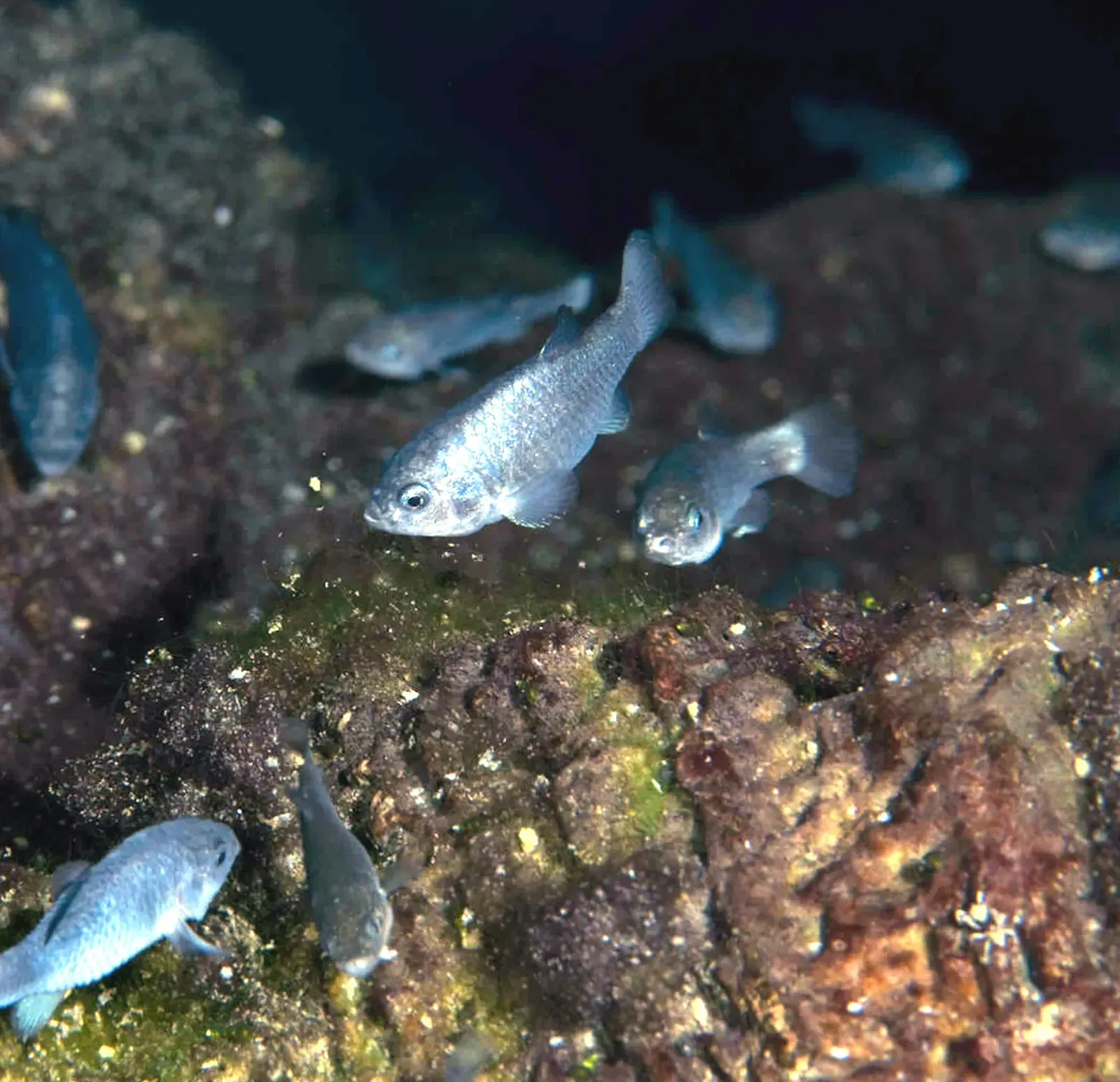
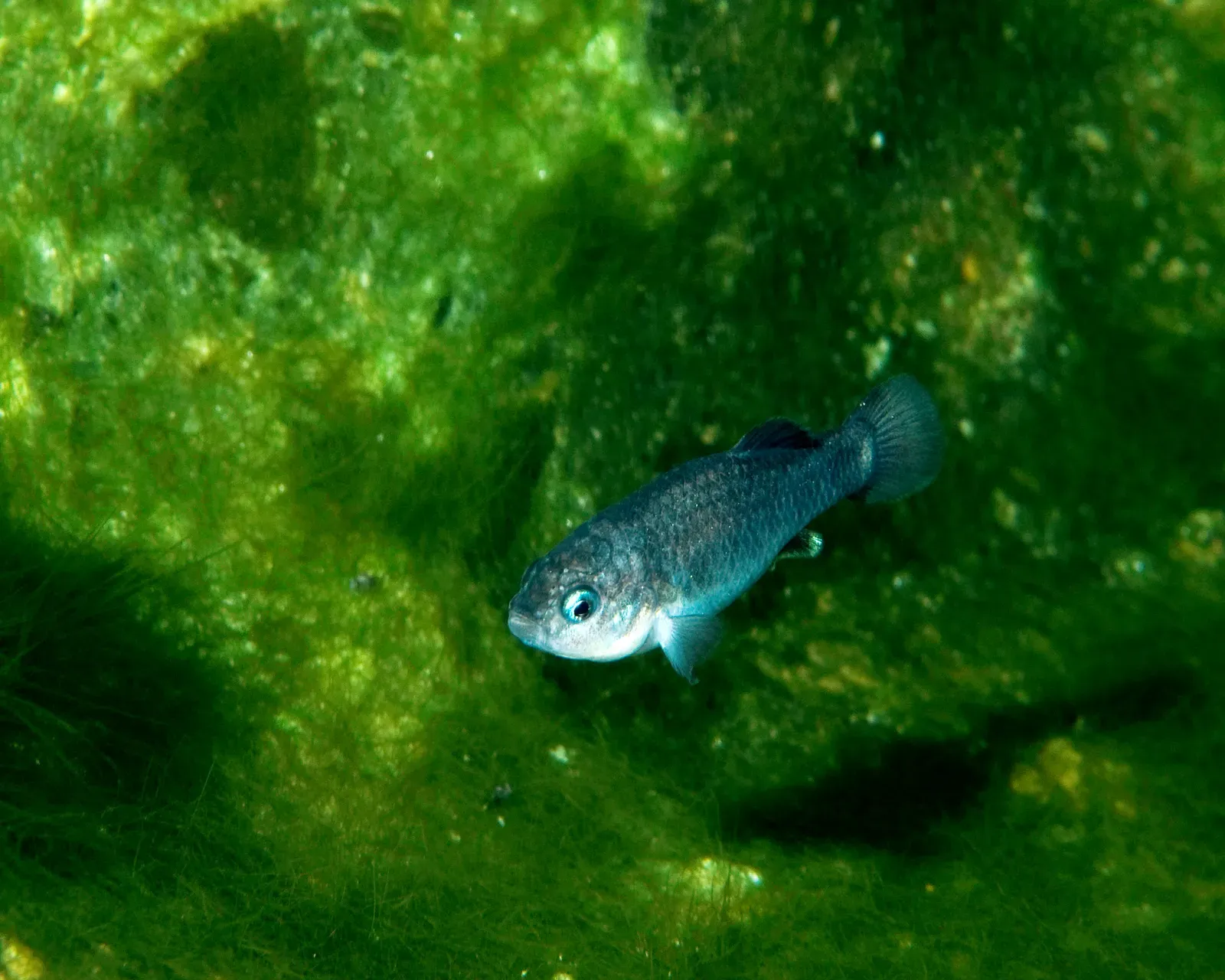
Most animals have a range you could shade in with a highlighter. The Devils Hole pupfish has a range you could cover with a bath towel.
This tiny blue fish lives its entire existence in a single water-filled cavern in the Mojave Desert, and nowhere else on Earth. It’s found only in the upper reaches of one deep limestone cave in Nevada, and the whole species survives on a shallow rock shelf measuring just 3.3 by 4.8 meters – the smallest known range of any vertebrate species on the planet. That’s a habitat smaller than a two-car garage for an entire species.
Scientists believe the fish colonized this pool after a cavern roof collapsed, but the timeline is stranger than expected. The species was long assumed to have been isolated in Devils Hole for 10,000 to 20,000 years. More recent genome-wide estimates suggest it may have arrived far more recently – somewhere around 1,000 to 2,000 years ago.
Fast Facts
- Total habitat: a single rock shelf roughly 3.3 by 4.8 meters
- Population low: just 35 fish counted in 2013
- Estimated time isolated in the cave: anywhere from 1,000 to 20,000 years, depending on the study
- Location: one limestone cavern in the Mojave Desert, Nevada
The population has crashed dangerously low before – it dropped to just 35 individuals in 2013 – yet keeps clawing back from the edge in one of the harshest, most isolated micro-habitats on the planet.
#2 – The Iguanas That Crossed an Entire Ocean
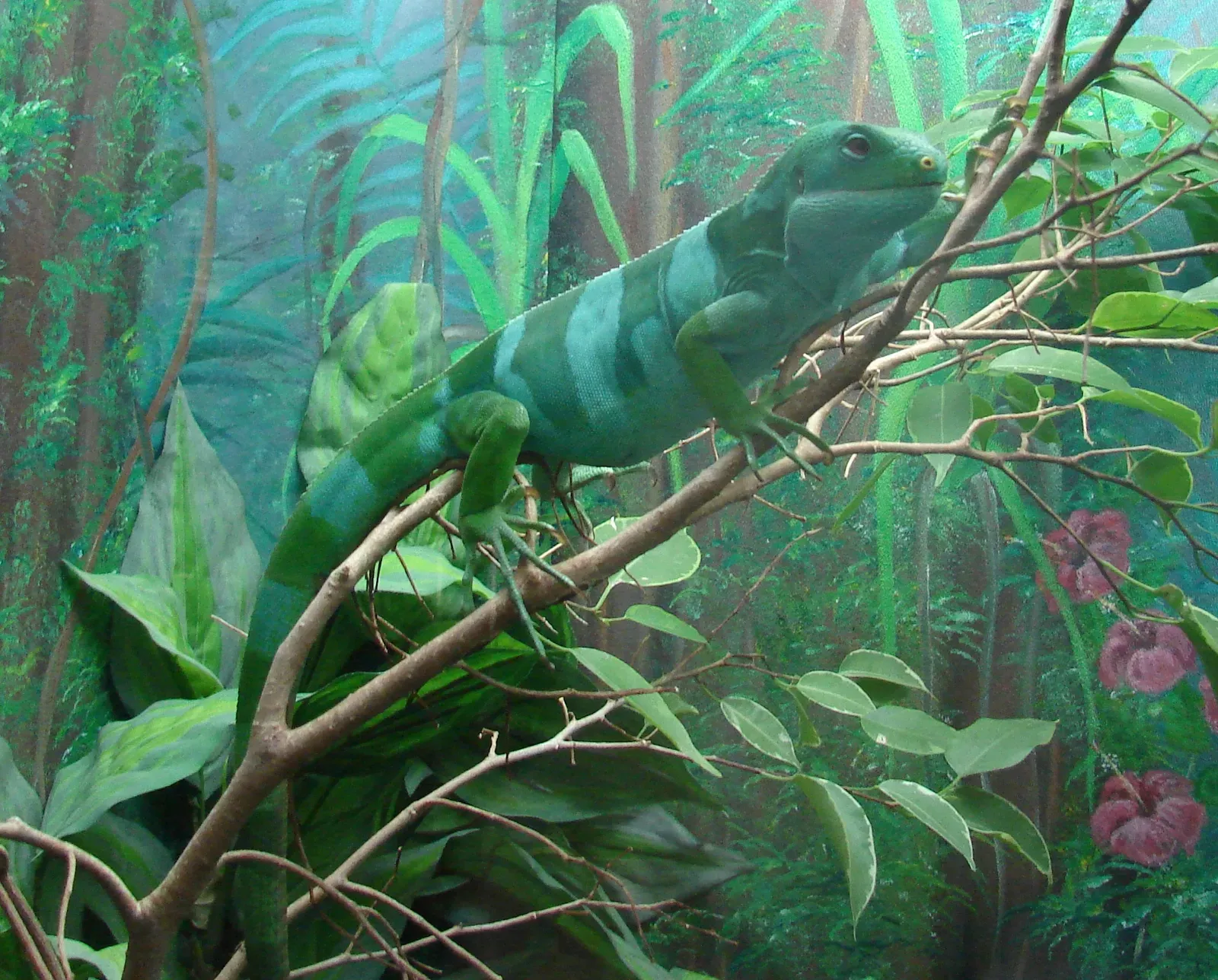
If someone told you an iguana swam or rafted across the Pacific Ocean, you’d assume they were joking. They are not.
The iguanine genus Brachylophus, found only in Fiji and Tonga, is the only true iguana species living outside the Americas. Every other iguana on Earth lives in Mexico, the Caribbean, South America, or the Galápagos. Then, thousands of miles away in the South Pacific, there’s this one lonely genus that has no business being there at all.
The explanation researchers eventually landed on is almost absurd. Genetic evidence shows Fiji’s iguanas are most closely related to the North American desert iguana – evidence of the longest known transoceanic dispersal ever recorded for a land animal. The four species living in Fiji and Tonga today likely descend from ancestors that colonized the islands within the past 34 million years, probably by rafting some 5,000 miles across the open Pacific from western North America. That’s the equivalent of a lizard drifting from Los Angeles to Sydney on a clump of storm debris.
Researchers had floated competing theories for decades, including a now-extinct Pacific lineage or a South American origin routed through Antarctica or Australia. Genetic testing eventually ruled those out – there’s simply no fossil or genetic evidence to support them, leaving the trans-Pacific rafting theory as the only explanation that fits the data.
- Closest living relative: the North American desert iguana
- Distance traveled: roughly 5,000 miles of open ocean
- Timeframe: a single rafting event within the last 34 million years
#3 – Tapirs, Split Across Two Continents With Nothing In Between
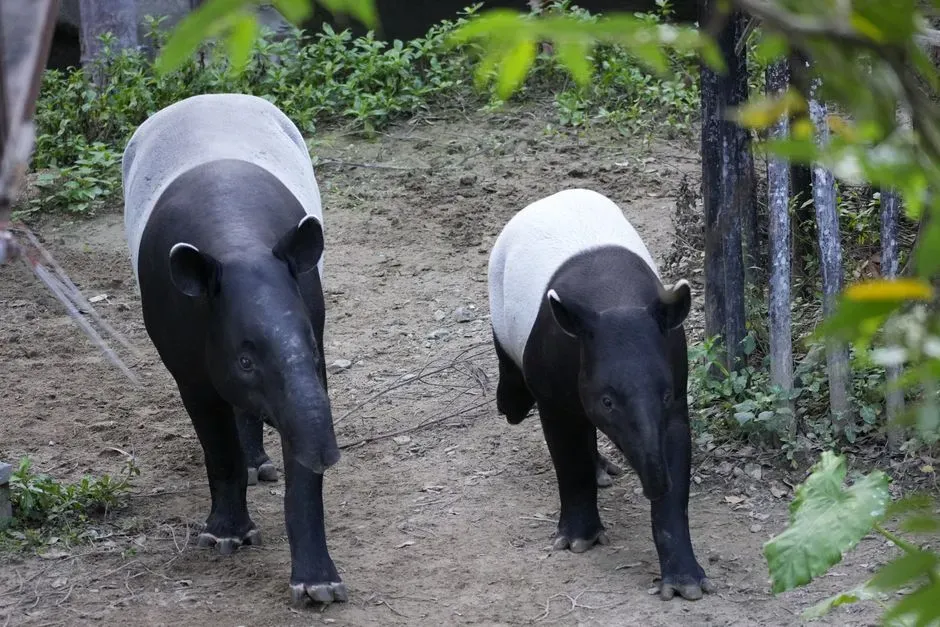
Picture a family with exactly two branches: one living quietly in the rainforests of Central and South America, the other in the jungles of Malaysia and Sumatra. No cousins in Africa. None in India. Nothing connecting them across 10,000 miles of ocean and land. That’s tapirs.
Four species live in Central and South America, and just one survives in Southeast Asia – a strange split that only makes sense once you look at the fossil record. Tapir remains from Europe, China, and North America show the family was once spread across the entire Northern Hemisphere. Then almost all of them vanished, leaving two isolated pockets on opposite sides of the planet that look unrelated but aren’t.
The fossil trail starts somewhere even stranger than expected. The oldest and northernmost tapir fossils come from the early Eocene, unearthed in the Canadian Arctic – meaning tapir evolution likely began at high latitudes before spreading toward the equator over millions of years.
Today’s tapirs are often called “living fossils” for barely changing since then. They’re the last survivors of a family that once spanned three continents, stranded now on opposite sides of an ocean with nothing left to remind anyone they were ever related.
#4 – Camelids: Deserts and Andes, Nothing in Between
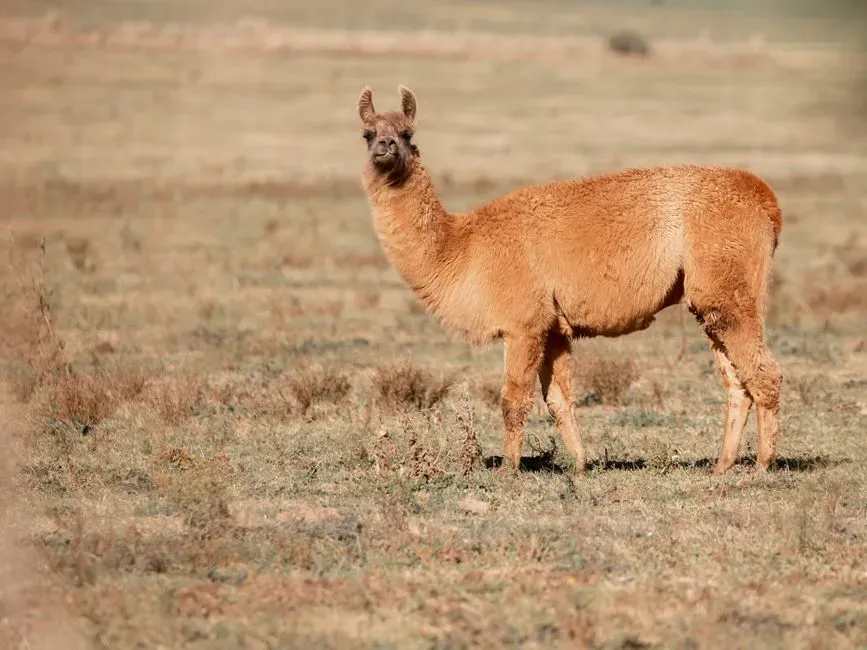
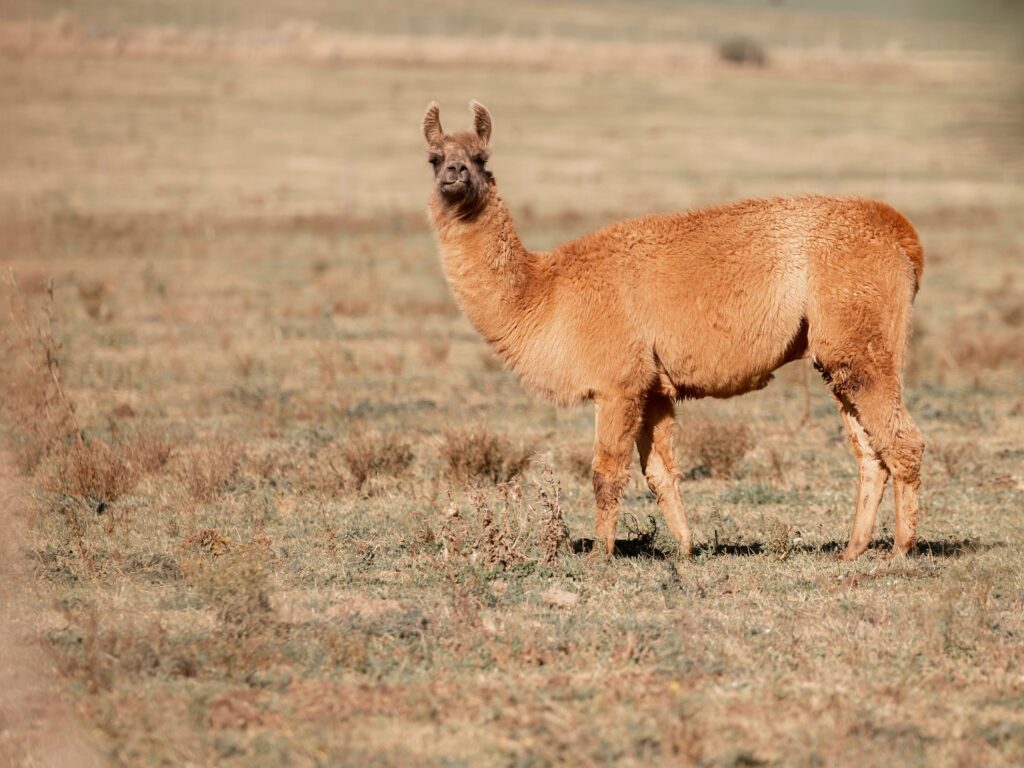
Camels belong in the Sahara and the Gobi. Llamas and alpacas belong in the high Andes. On a map, these look like two unrelated animal families that happen to resemble each other by coincidence. They are, in fact, the same family, split across two hemispheres by an entire ocean and thousands of miles of unrelated terrain.
South America is home to four camelid species today: two wild ones, the guanaco and vicuña, and two domesticated ones, the llama and alpaca. Meanwhile, true camels roam the deserts of Africa and Asia. Neither branch has a single wild relative anywhere near the other’s home range – no camelid exists natively in North America, Europe, or anywhere in between, despite that being exactly where the family tree originated.
Quick Compare
- Andean wild camelids: guanaco and vicuña, roaming high-altitude South American grassland
- Andean domesticated camelids: llama and alpaca, bred from wild ancestors roughly 7,000 years ago
- Old World camelids: dromedary and Bactrian camels, native to African and Asian deserts
- Shared range in between: none – zero wild camelids exist in North America or Europe today
The domestication side of the story adds another layer of disagreement. Llamas and alpacas first appear in the fossil record around 7,000 years ago, the product of Andean communities domesticating wild camelids. Researchers still argue over whether llamas descend from guanacos and alpacas from vicuñas, or whether the real history is a messier hybrid story nobody has fully untangled.
It’s a family reunion nobody can fully explain – split by an ocean, and by a domestication mystery that still hasn’t been solved.
#5 – Ratites: Flightless Birds Scattered Across the Southern Hemisphere
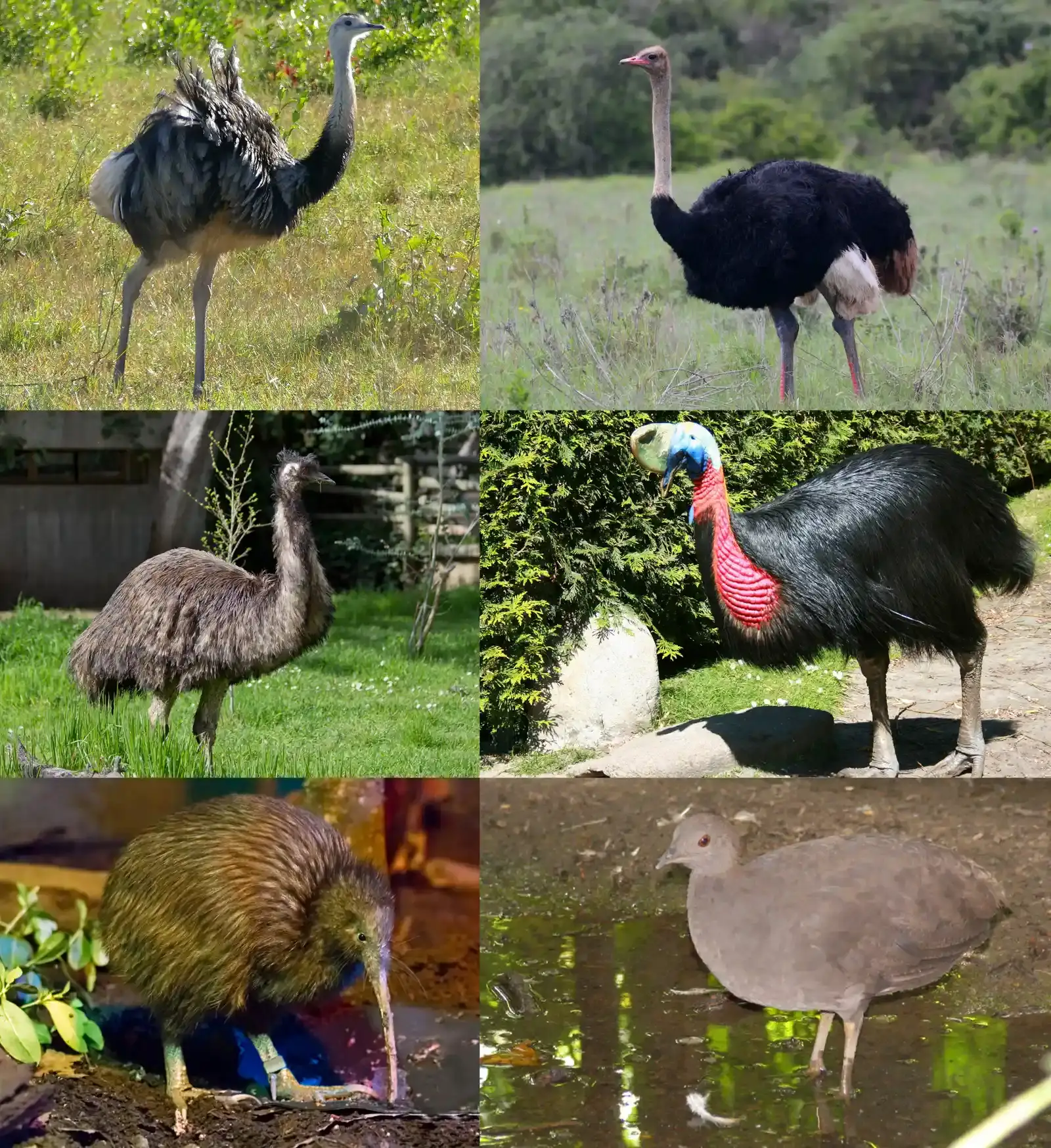
Ostriches strut around Africa. Emus dominate the Australian outback. Rheas roam South American grasslands. Kiwis hide in New Zealand forests. Cassowaries stalk the rainforests of New Guinea. None of these birds can fly, none of them can swim across oceans, and yet they’re all close relatives.
At a Glance
- Ostrich: Africa’s open savanna
- Emu: the Australian outback
- Rhea: South American grassland
- Kiwi: New Zealand’s forest floor
- Cassowary: rainforests of New Guinea and northern Australia
This is the textbook example biology professors reach for when explaining continental drift, because it’s almost too perfect. These flightless birds sit on landmasses that used to be fused together as the ancient supercontinent Gondwana. As the pieces split apart and drifted to their current positions over tens of millions of years, the birds simply rode along on the fragments they happened to be standing on. They didn’t cross oceans. The oceans grew underneath them.
What makes this range genuinely confusing on a modern map is that none of these species could possibly recreate that journey today. A kiwi cannot fly to Australia. An emu cannot swim to Africa. Yet the family resemblance and genetic evidence make it clear they share a common ancestor that once walked across land bridges which no longer exist in any form, on a planet that looked nothing like it does now.
#6 – River Dolphins, Marooned in Rivers Thousands of Miles Apart
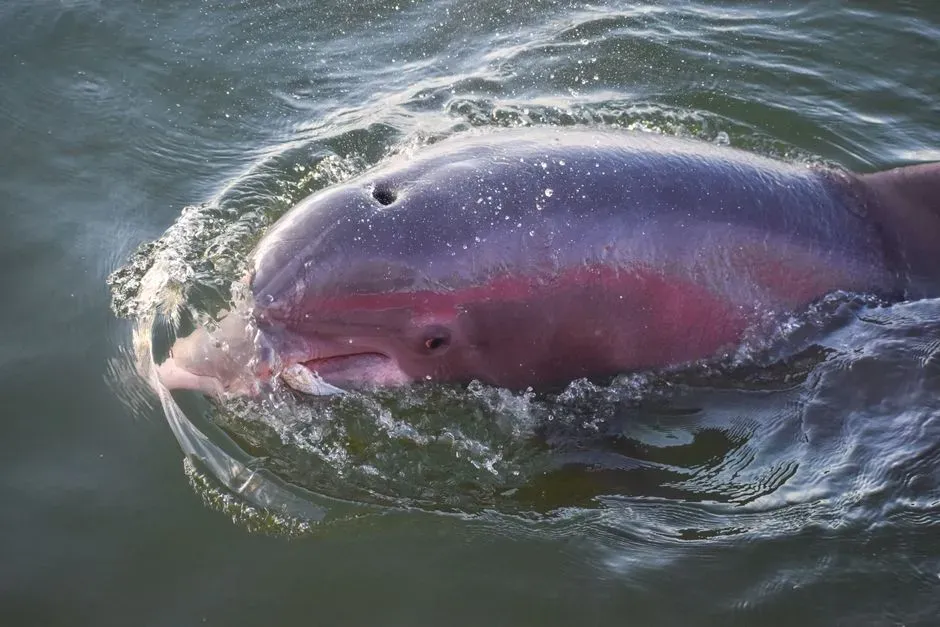
Dolphins are supposed to be ocean animals. So why do freshwater dolphins turn up in the Amazon, the Ganges, and the Indus – three river systems separated by entire continents, with zero ocean connection between their ranges?
Each of these river dolphin lineages evolved independently enough that they’re barely related to each other, despite the similar body plan and freshwater lifestyle. The obvious explanation – that they swam upriver from a shared ocean population – doesn’t hold up. Their nearest evolutionary relatives aren’t each other; they’re ancient marine dolphin lineages that pushed into freshwater systems on separate continents at separate times, then got stranded when sea levels or river geography shifted. A dolphin adapted to the muddy, low-visibility water of the Ganges has almost nothing to do, evolutionarily, with the one navigating the Amazon.
- Amazon river dolphin (boto): pink-tinged, found only in the Amazon and Orinoco basins
- South Asian river dolphin: essentially blind, navigates the Ganges and Indus by sonar alone
- Both isolated from any ocean-dwelling relatives for millions of years
China’s Yangtze river dolphin, or baiji, followed this same pattern until it was declared functionally extinct in the 2000s – a stark reminder that these freshwater-marooned populations are usually one dam or one drought away from disappearing entirely.
#7 – The Puma’s Absurdly Huge (and Absurdly Broken) Range
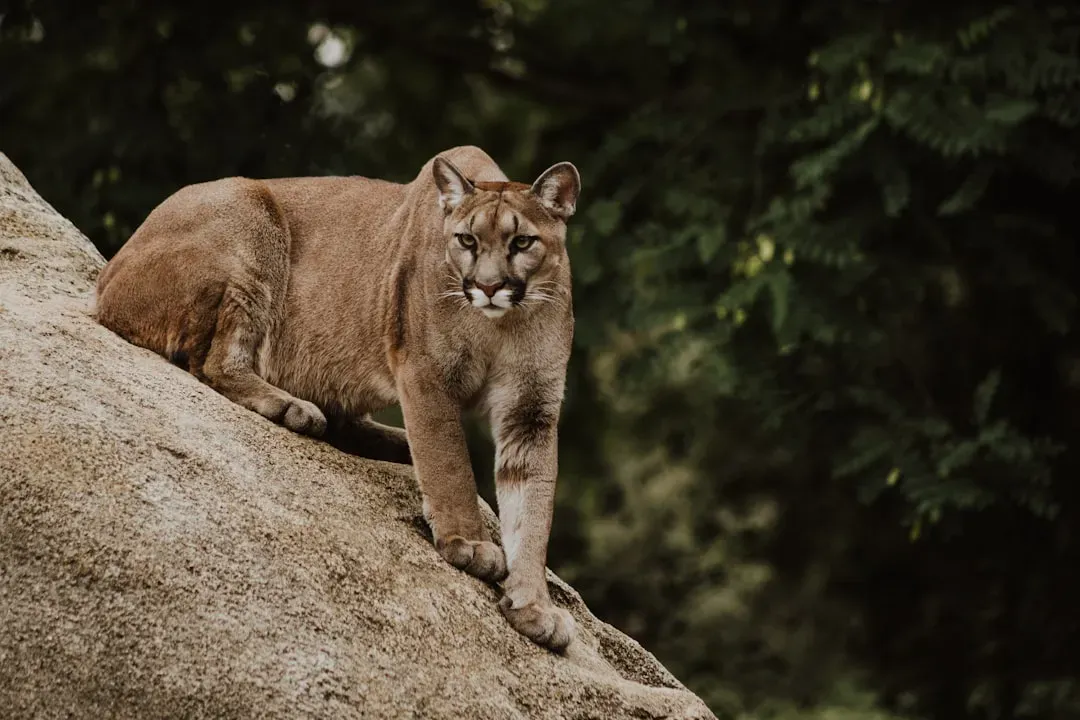
Here’s a genuinely controversial take: the puma’s range map isn’t impressive, it’s a monument to what humans destroyed. Most wildlife documentaries brag that the puma – also called the mountain lion, cougar, or catamount – has the largest range of any wild land mammal in the Western Hemisphere, stretching from the Canadian Yukon down to the southern tip of Chile.
That’s technically true, but it glosses over the gaping hole in the middle. Pumas used to roam essentially the entire United States east of the Mississippi. Today, that entire eastern half of the continent is puma-free except for one isolated, critically endangered population of Florida panthers clinging to survival in South Florida swampland. The map looks continuous only if you squint and ignore the 1.5 million square miles where the species was systematically wiped out through hunting and habitat loss over the last two centuries.
Worth Knowing
- Historic range: Yukon to southern Chile, the widest of any Western Hemisphere land mammal
- Eastern U.S. status: functionally eliminated except for one isolated pocket
- Florida panther population: hovering around only a couple hundred individuals
- Recent trend: young males dispersing eastward into the Midwest, slowly reopening old territory
What makes the puma’s range genuinely confusing rather than just sad is how it’s expanding again in unexpected directions. Confirmed sightings have crept steadily eastward into the Midwest in recent decades as young males disperse from western breeding populations, while the isolated Florida population remains genetically bottlenecked and unable to naturally reconnect with anything else.
It’s simultaneously the widest-ranging land predator in two continents and a species with a hole blown straight through the middle of its historic territory.
#8 – The Wood Frog That Freezes Solid North of the Arctic Circle
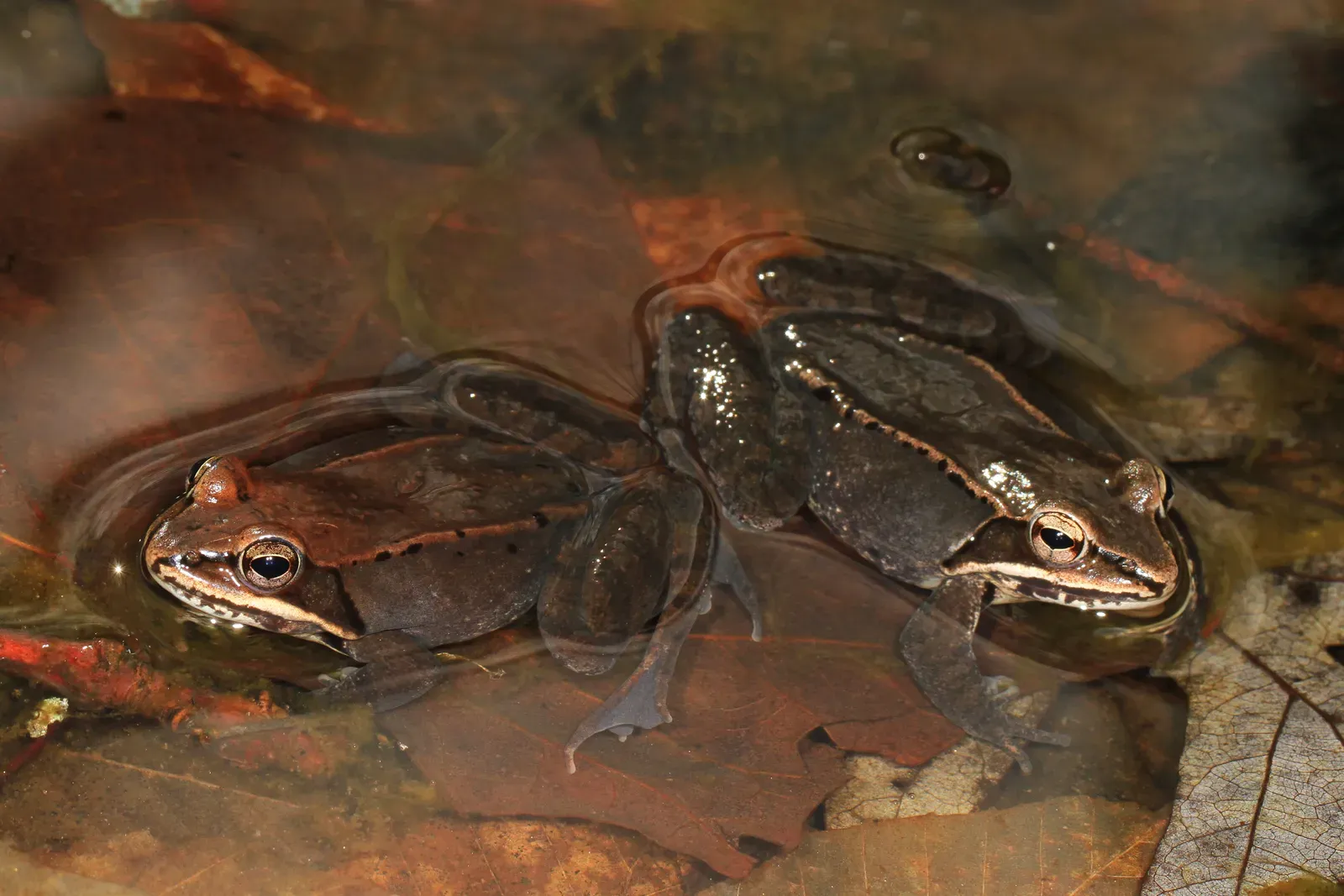
Most amphibians can’t handle cold, because their moisture-dependent skin and body chemistry make freezing lethal. The wood frog didn’t get that memo. As a result, it has a range that stretches into places no other frog dares to go – well north of the Arctic Circle in parts of Alaska and Canada.
Here’s the part that sounds fictional but isn’t: this frog survives winter by literally freezing solid. Its heart stops. Ice crystals form throughout its body. It stops breathing entirely. Then, when spring arrives, it thaws out and hops away like nothing happened. This single physiological trick is the reason its range map extends thousands of miles farther north than any other frog species on the continent, into territory that would kill nearly every other amphibian in North America within hours.
The mechanism involves the frog’s liver flooding its bloodstream with glucose that acts as a natural antifreeze, protecting cells from the physical damage ice crystals would otherwise cause. This isn’t a minor cold tolerance – it’s a full biological reset button that no other North American amphibian has evolved to the same degree, which is exactly why the wood frog’s range looks like a mapping error until you understand the biochemistry behind it.
#9 – The Golden Jackal’s Silent Invasion of Europe
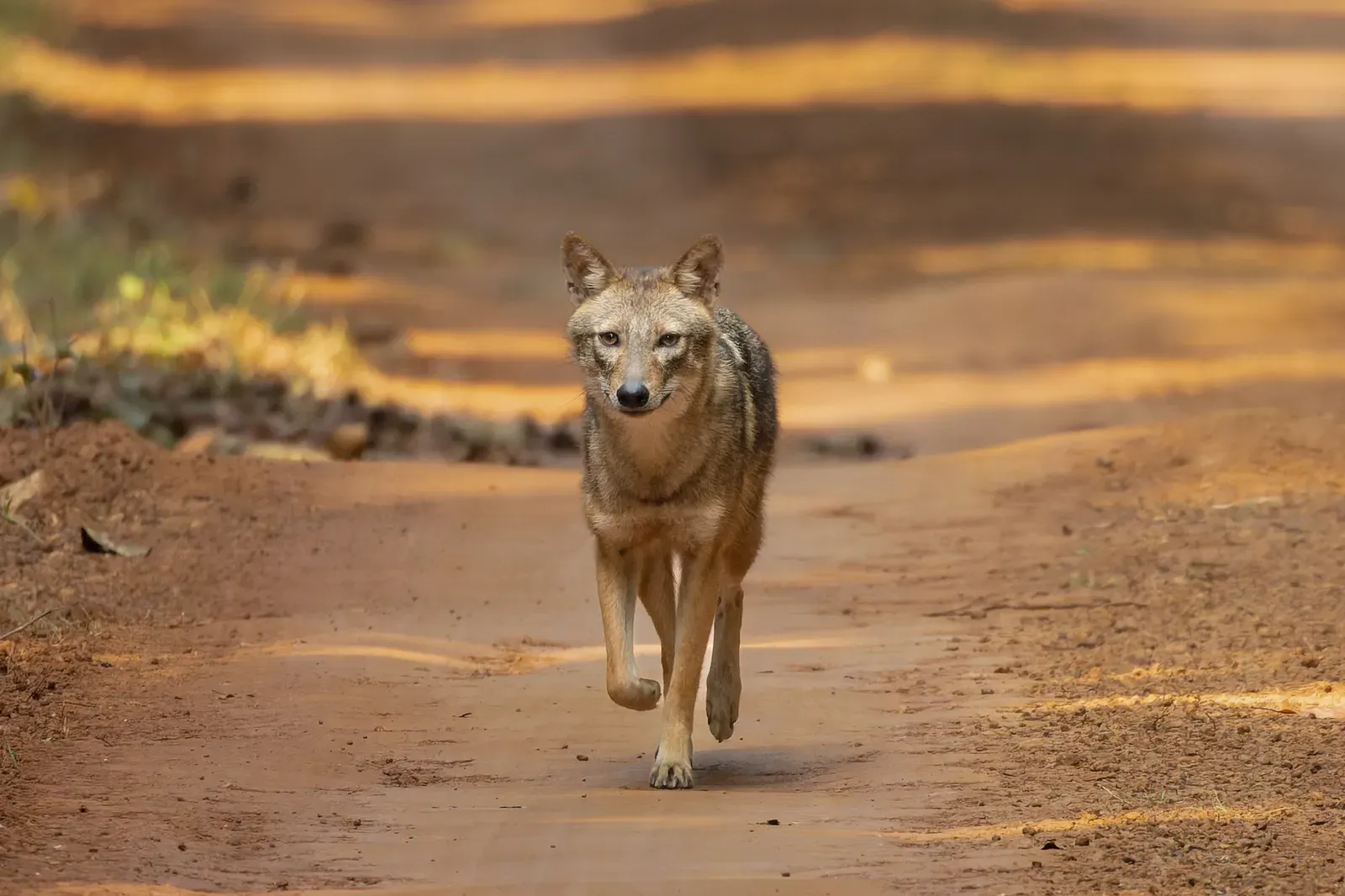
Twenty years ago, if you’d shown a European wildlife biologist a map predicting golden jackals living in Germany, Denmark, and even parts of the Netherlands, they’d have assumed you had the wrong species. Golden jackals were a Middle Eastern and South Asian animal, with a historic European range limited mostly to the Balkans.
That map is now outdated, and rapidly. Golden jackals have been expanding northwest across Europe at a pace that’s stunned researchers, colonizing countries with zero prior historical record of the species. Nobody fully agrees on why this expansion accelerated so dramatically in recent decades, though leading theories point to a combination of factors: the decline of larger competing predators like wolves in some regions, milder winters, and the jackal’s remarkable dietary flexibility, which lets it thrive on the edges of farmland and suburbs that other canids avoid.
This is one of the more genuinely controversial entries on this list. Some ecologists argue the jackal is simply reclaiming territory it should have occupied all along, while others warn it’s an invasive disruptor poised to out-compete native foxes and put ground-nesting birds at serious risk. Either way, the golden jackal’s range map is being redrawn essentially every single year – something that almost never happens with a mid-sized carnivore.
#10 – The American and European Eel’s One Shared Nursery
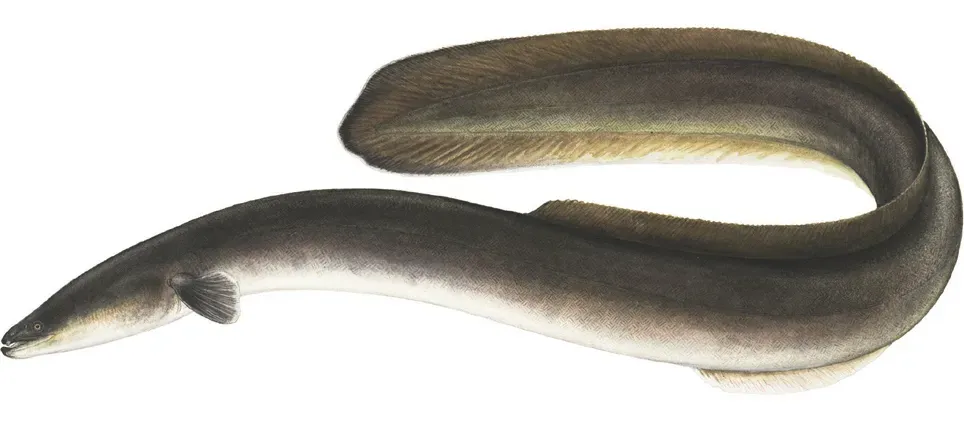
Somewhere in the middle of the Atlantic Ocean, in a stretch of unusually calm, seaweed-choked water called the Sargasso Sea, two entirely different eel species – one that lives its adult life in North American rivers, one that lives in European rivers – return to breed in the exact same spot.
This is one of the strangest range stories in the animal kingdom, because it’s essentially split in two. As adults, American eels live in freshwater rivers and estuaries scattered across the eastern half of North America, from Canada down through the Caribbean. European eels do the same thing on an entirely different continent, in rivers stretching from Scandinavia to North Africa. Neither population ever meets its own kind from the other continent – except as eggs and larvae, all hatched in the same patch of mid-Atlantic ocean, before drifting for months or years on ocean currents toward their respective continents.
Nobody has ever definitively observed the adults spawning in the wild. Scientists have inferred the Sargasso Sea location almost entirely from where the youngest larvae turn up. It’s a species whose entire adult range spans thousands of miles of freshwater river systems on two continents, all funneling back to one unmapped patch of open ocean that functions as a shared maternity ward nobody has ever actually witnessed in action.
#11 – The Opossum, America’s Only Marsupial Orphan
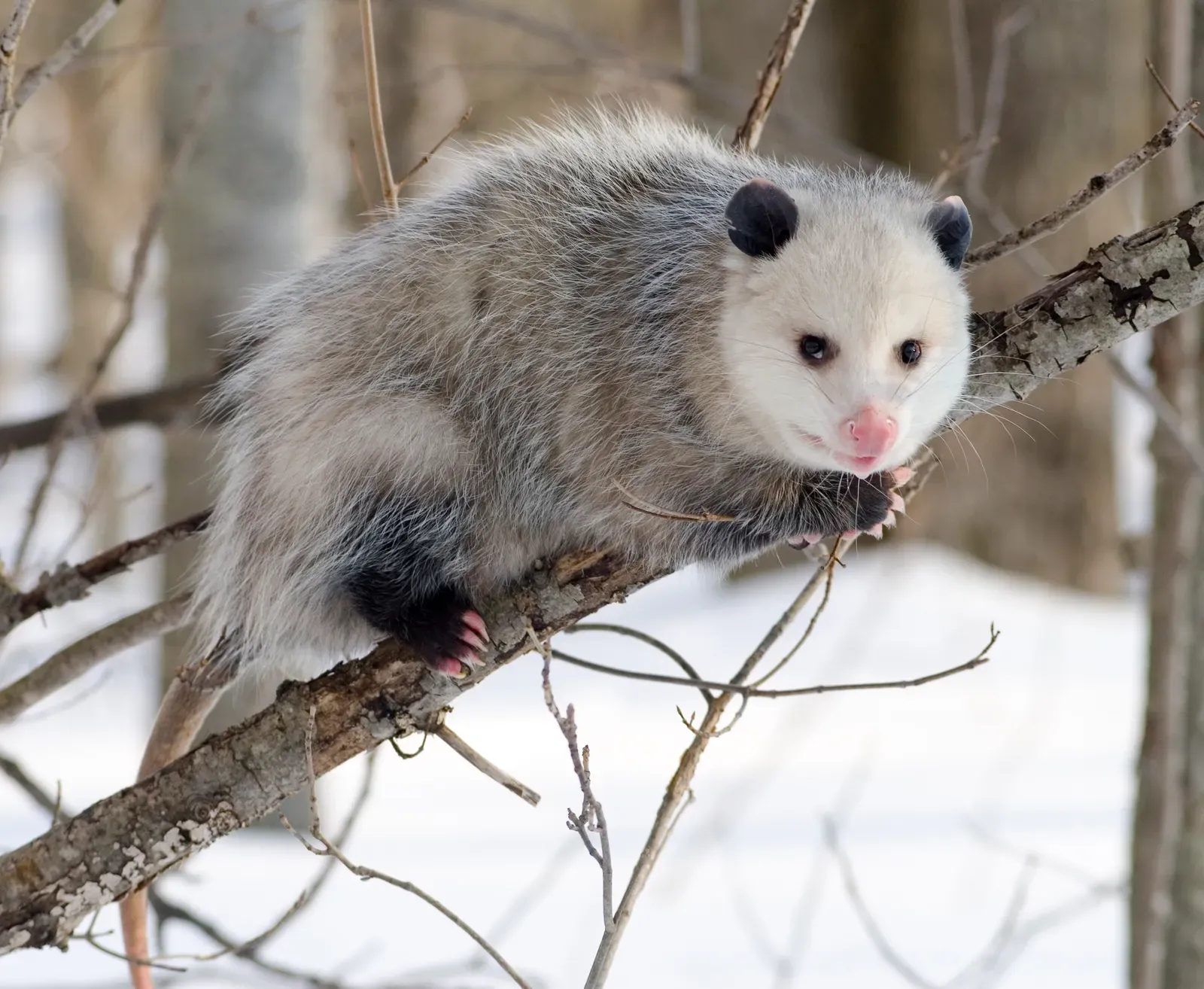
Marsupials are supposed to live in Australia. That’s the rule most people learn in grade school. Then there’s the Virginia opossum, quietly living across most of the United States, ambling through suburban backyards from Ontario to Costa Rica, with absolutely no marsupial cousins anywhere near it on the entire continent.
Every other pouched mammal on Earth lives in Australia, New Guinea, or South America – a leftover distribution from when those landmasses were connected to Antarctica as part of ancient Gondwana. North America’s opossums arrived by a completely different route, migrating up from South America only after the Isthmus of Panama formed and connected the two continents a few million years ago. They are, geographically speaking, marsupial immigrants stranded thousands of miles from every one of their relatives, having pushed north while every other opossum-adjacent lineage stayed south or never left Australia at all.
Worth Knowing
- Only marsupial found north of Mexico, with a range stretching into southern Canada
- Arrived via the Isthmus of Panama land bridge, not by any ocean crossing
- Closest living relatives are all in South America, not Australia
- Known for an unusually large number of teeth – more than most North American mammals
This makes the Virginia opossum one of the most isolated mammal lineages on the continent, evolutionarily speaking, even though it’s now one of the most common backyard animals in America. It’s a genuine biogeographic oddball hiding in plain sight – most people walking past one rifling through their trash cans have no idea they’re looking at the sole marsupial survivor of a continental takeover that happened millions of years ago.
#12 – The Bank Vole’s Mysterious Irish Colony
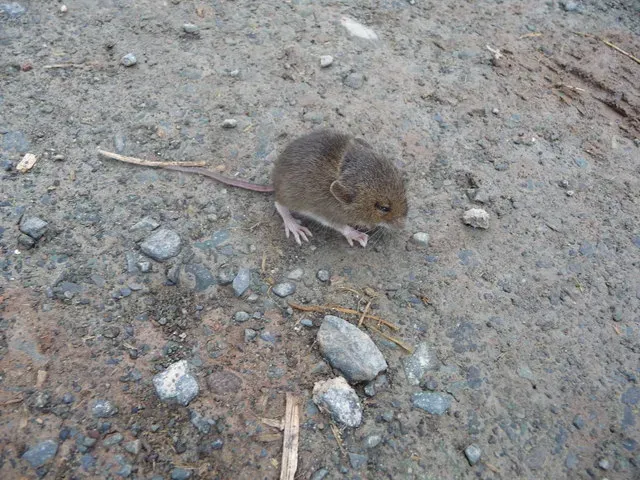
Ireland has no native snakes, a fact everyone knows. Less famous is Ireland’s population of bank voles – small rodents that shouldn’t be there at all, based on how every other small mammal made it, or didn’t, to the island after the last Ice Age.
Bank voles are common and widespread across mainland Europe. But they were never supposed to reach Ireland, because the island separated from Britain and the European mainland before most small mammals had a chance to colonize it naturally by land bridge. Yet a thriving, genetically distinct bank vole population exists in a chunk of southwestern Ireland, isolated from the rest of the country and from every other bank vole population by both water and by land the species simply never occupied. The leading theory is almost comically mundane for how strange the range gap is: they arrived as accidental stowaways on ships, potentially centuries ago, rather than through any natural migration.
This makes the Irish bank vole population a genuinely bizarre case study in accidental range expansion – a species whose “natural” range on a map should stop cold at the edge of mainland Britain, but instead includes an inexplicable island population that got there entirely by human accident rather than through any migratory instinct or ecological pressure.
The Bottom Line
Range maps make animal distribution look tidy and logical, but the real story is messier and far more interesting. The Devils Hole pupfish survives in a space smaller than most living rooms, Fiji’s iguanas apparently rafted 5,000 miles across open ocean, and tapirs are living proof that an entire continent’s worth of relatives can vanish, leaving two disconnected populations that look unrelated but aren’t.
Some of these gaps trace back to ancient continental drift. Others come from more recent extinction, human-assisted accidents, or physiological tricks like freezing solid that let one species colonize territory every other frog avoids. What all twelve share is a reminder that “range” was never a fixed fact to begin with – it’s a snapshot of an ongoing, often violent, often accidental history, and every one of these maps is still quietly being redrawn.