
Every so often, the world seems to glitch. A ship’s captain calmly describes a gigantic unknown shark. A trained biologist sketches an animal that fits no species on record. A group of sober, experienced hunters watch something move that simply should not exist. Then, just as suddenly as the story appears, the creature never shows up again.
This article dives into those unsettling cases: creatures reported by people who, on paper, should be hard to dismiss, yet which have never been confirmed by science or modern technology. Some might be misidentifications, others tall tales passed down too long. But a few sit in that strange space where the evidence is thin, the observers are credible, and the mystery refuses to die.
We’ll look at twelve of the most intriguing reports from around the world, focusing on what was actually seen, who did the seeing, and how scientists today make sense of it all. No wild claims, no guaranteed monsters – just the uncomfortable frontier where science, human perception, and the unknown collide.
#1 The Valhalla “Giant Shark” That Should Have Been Impossible
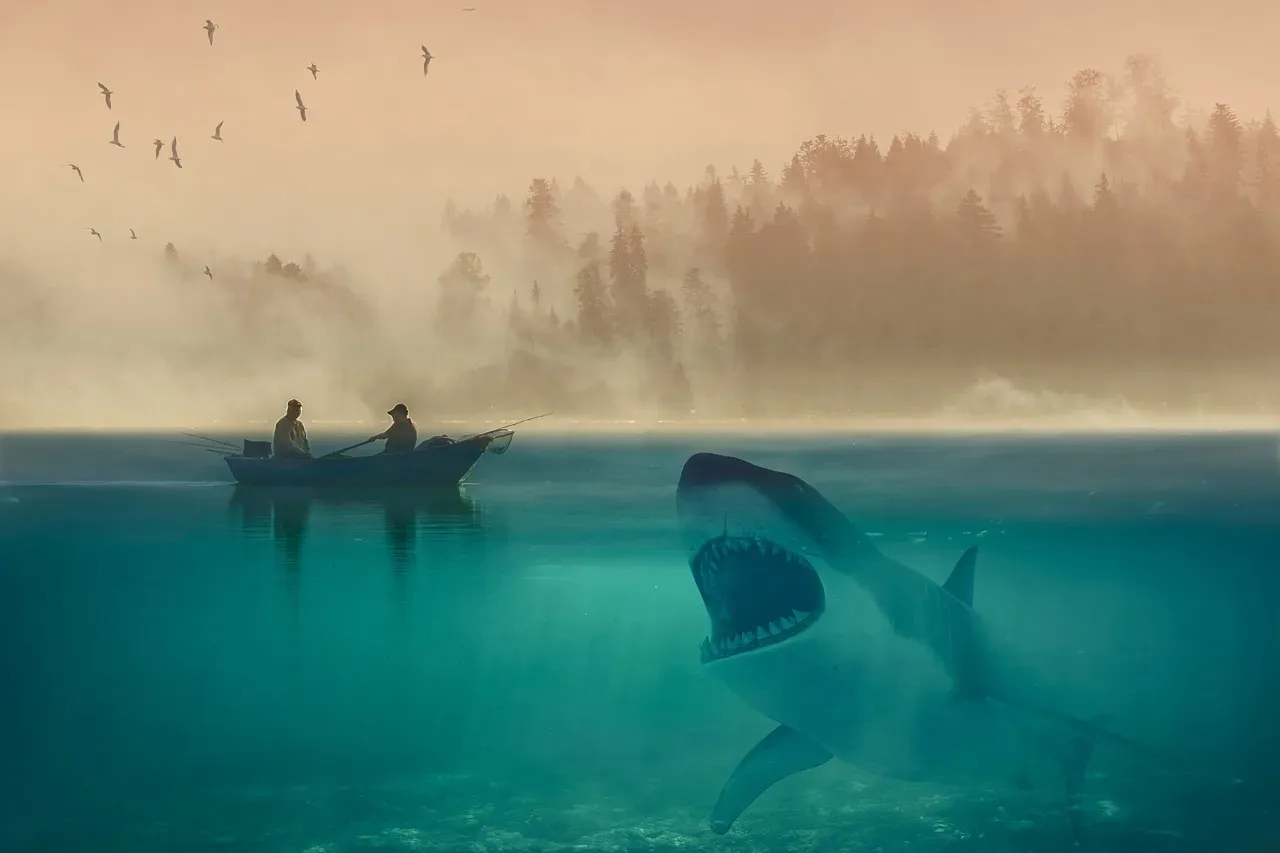
One of the most frequently cited “serious” mystery animals is a huge shark observed in the South Atlantic in the early twentieth century from the yacht Valhalla. The observers were experienced seafarers who described a massive, dark animal with a dorsal fin so large it startled even hardened sailors. The fin was said to stand unusually tall, with the body moving slowly and deliberately just below the surface.
The key detail that keeps this account alive is not just the size, but the impression that this was not a familiar whale, shark, or surface-feeding fish. The witnesses reportedly compared the silhouette against known species and found no obvious match. Yet in all the decades since, no one has credibly documented a comparable creature in that region, despite a huge increase in ship traffic and ocean surveys.
Modern commentary often frames the Valhalla shark as either an oversized known shark seen under awkward conditions, or a whale with a damaged back creating the illusion of a huge fin. Supporters, on the other hand, point out that the South Atlantic still has deep, poorly studied areas where rare giants might occasionally rise. What makes this case fascinating is that it sits right at the edge of plausibility: not obviously supernatural, but just barely outside what we comfortably know.
- Experienced observers, familiar with marine life, were involved.
- Reported size and fin shape do not perfectly match known species.
- Zero confirmed follow‑up sightings despite better technology today.
#2 The Lusca: A Legend with One Chilling Diver’s Tale
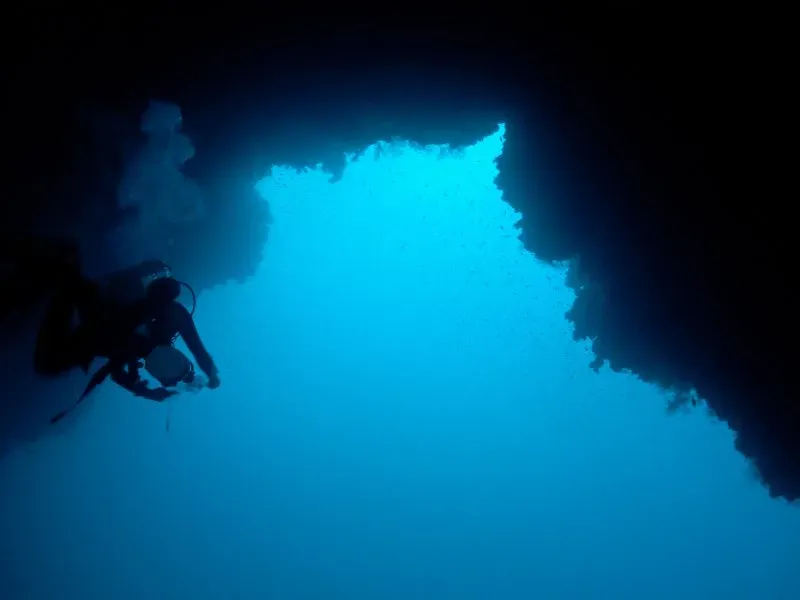
In the blue holes of the Bahamas, local lore speaks of the Lusca, a monstrous creature said to be part shark, part octopus. Most of those stories are clearly folkloric, but divers have occasionally reported something stranger than a normal shark or grouper – huge shapes moving in the dark water columns of the sinkholes, startlingly fast and silent.
One often‑repeated account involves a highly experienced diver who reportedly saw a tentacled animal far larger than a typical octopus, retreating into a deep fissure. He described thick arms and a sense of scale that did not match the common Caribbean reef octopus, yet the observation was brief, made in poor light, and never replicated. There are no photographs, no tissue samples, nothing but a memory and a sketch.
From a biological point of view, a large, deep‑dwelling octopus species lingering near underwater caves is not impossible; new cephalopods are still being described in deep and mid‑water zones. However, the more dramatic versions of the Lusca – ripping boats down, attacking swimmers – clearly collide with known octopus behavior. The single sober diver’s report occupies a narrow band between those extremes: a potentially real animal glimpsed once in a place where the water turns almost black just a few meters down.
- Blue holes are extremely difficult to explore and map fully.
- Cephalopods can be both shy and amazingly fast, complicating observation.
- The line between folklore and a single credible sighting is very thin here.
#3 The “Buru” of the Himalayan Foothills
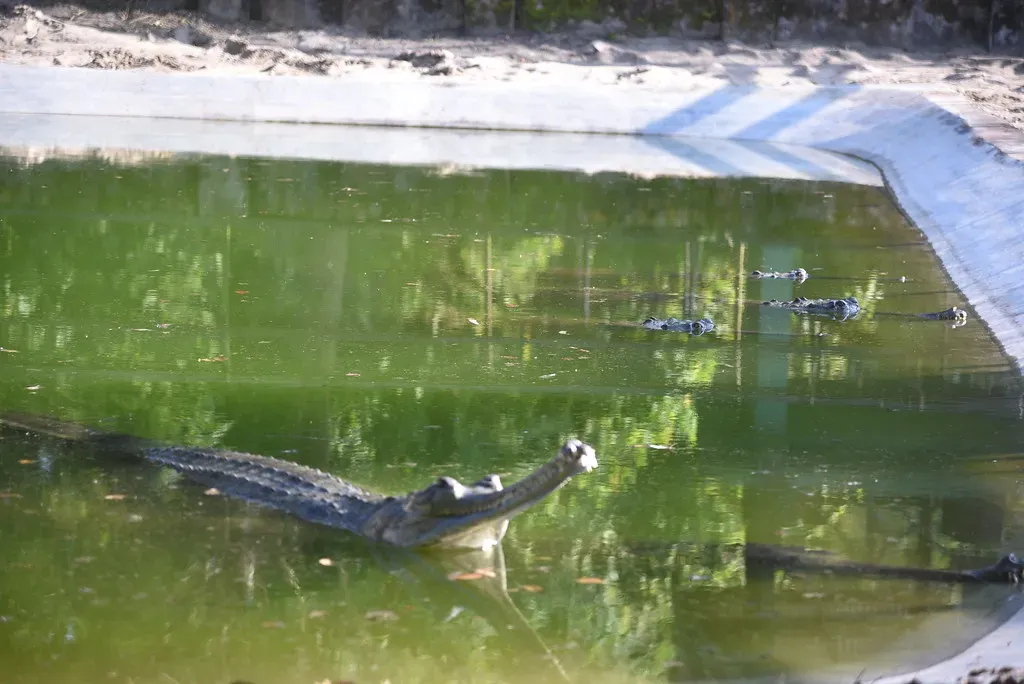
In the remote valleys of what is now Arunachal Pradesh and surrounding Himalayan regions, colonial‑era naturalists collected stories of the Buru, a large semi‑aquatic reptile said to inhabit marshes and lakes. Unlike many legendary beasts, the Buru was sometimes described in surprisingly matter‑of‑fact language: a long‑bodied reptile living in bogs, rarely seen on land, retreating if approached. Some local accounts came from people who had hunted, fished, and farmed those valleys their entire lives.
One British zoologist in the early twentieth century took the reports seriously enough to mount limited surveys and interviews. He found that older residents spoke of the Buru as if it were a recently vanished, real animal rather than a mythical monster. Some described a creature with a long tail, a strong, lizard‑like body, and a preference for deep water. Yet by the time these stories were systematically recorded, no one could show a skin, a bone, or even recent tracks. The animal, if it existed, appeared to have already disappeared.
From a scientific perspective, this is exactly what you would expect from a small relict population slipping quietly into extinction. A few scattered survivors in remote wetlands could vanish in a couple of generations, leaving only memories and contested testimony. That scenario is easier to believe than the idea of an unknown large reptile still living there today. The Buru may not be a window into a hidden present, but into a poorly documented past where human expansion quietly erased a local species before science even gave it a name.
#4 The U‑28 Sea Creature: A Wartime Glimpse of Something Very Big
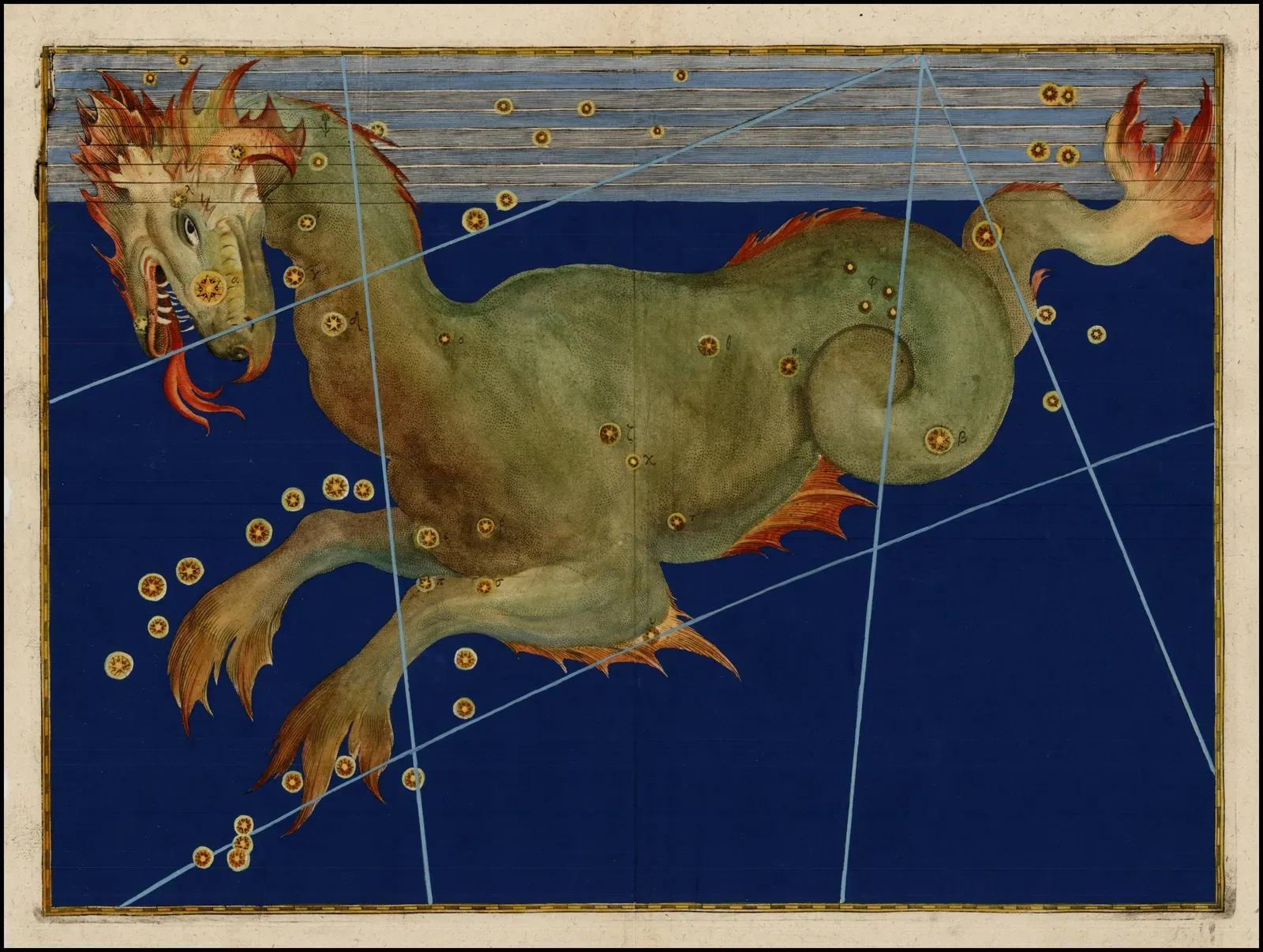
During the First World War, the crew of the German submarine U‑28 reported seeing a large creature thrown into the air when a British steamer exploded and sank. The commander, an educated officer used to logging details carefully, later described an animal with a crocodile‑like head and a long body, flung briefly out of the water amid wreckage. The sighting lasted only seconds, but the image was vivid enough that he later wrote it down in detail.
What makes this case stand out is less the description itself than the context: a disciplined military crew under high stress, yet still tasked with observing and reporting. The commander had every reason to maintain credibility and no apparent motive to invent a monster. At the same time, the conditions were extreme – an explosion, debris, distance, and the sheer shock of war – all of which are perfect for visual distortions and misinterpretation.
A number of researchers have suggested that the U‑28 crew might have glimpsed a known animal, such as a large turtle or decomposing whale, contorted and momentarily visible in a chaotic mix of foam and wreckage. Given the single, unrepeatable nature of the event, we simply cannot check. The biological “ask” here is high: a massive, reptile‑like animal unknown to science, in frequented waters, never documented before or since. Still, the idea of some huge creature accidentally catapulted into view during a human war is difficult to forget once you have heard it.
- Single‑event sightings in chaotic conditions are notoriously unreliable.
- The observer’s training makes the account harder to dismiss outright.
- No corroborating photos, remains, or secondary documentation exist.
#5 The Trinity Alps “Giant Salamander” of California

High in Northern California’s Trinity Alps, a handful of credible outdoorspeople claimed in the twentieth century to have seen enormous salamanders, reportedly up to several feet in length. These witnesses were often hunters, forest workers, or amateur naturalists who knew the local fauna well. They spoke of thick‑bodied, smooth‑skinned salamanders lounging in cold mountain lakes and streams, distinctly larger than any known species in the region.
On paper, the idea is not as wild as it sounds. North America already has large aquatic salamanders, like the hellbender, and Asia is home to truly giant species. Some herpetologists have openly admitted that if a big salamander were to be hiding in the American West, remote, cold water habitats like the Trinity Alps would be one of the few plausible places. Yet despite targeted searches and a lot of attention from cryptozoologists and curious biologists, no specimens have ever turned up.
There are a few possible explanations that do not require a new species. People may have glimpsed otters, fish, or even submerged logs and unconsciously exaggerated size and features over time. In murky water, our brains are primed to connect fragments into coherent shapes, especially when we already know legends of “giant salamanders” from elsewhere. Still, the idea that a small, isolated population may have briefly survived in those cold waters and gone extinct before proof emerged is hard to escape. The silence of the present does not completely erase the possibility of a short‑lived, overlooked giant.
#6 The “Dobhar‑Chu” Lake Beast of Ireland
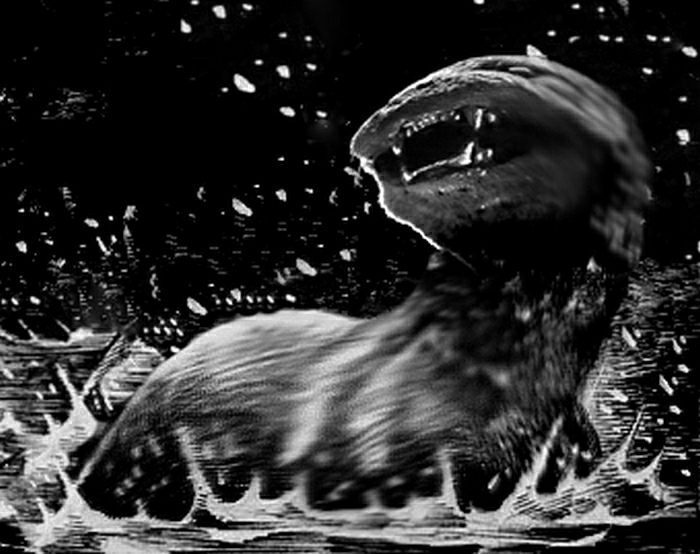
Irish folklore is full of strange animals, but the Dobhar‑Chu – or water hound – sits in an odd niche between legend and something that feels more grounded. Described as a large, otter‑like creature sometimes as big as a calf, it appears in a handful of historical references that are more sober than typical monster tales. Some early modern reports were less about a supernatural being and more about a dangerous, unusually large water animal that attacked livestock or people near lakes.
One of the often‑discussed threads involves a supposed grave marker describing a woman killed by a water beast, interpreted later as a Dobhar‑Chu reference. That link is debated, but it helps illustrate how folklore and isolated incidents fuse over time. A farmer sees an unusually large otter or a group of otters hunting together. An accident or drowning occurs near the same lake. Stories cross‑pollinate, and within a generation there is a named creature that is both real animal and symbol of danger.
Some modern naturalists have suggested that occasional sightings of especially large European otters, seen in poor light or at a distance, could have driven the more plausible Dobhar‑Chu accounts. A big otter rearing up in the water, hissing, could easily look much larger and more menacing than it really is. Yet the notion of a relic population of oversized mustelids lingers in regional imagination, fueled by just enough older, serious‑sounding references to keep people wondering whether a particularly big individual once roamed those lakes and was gradually exaggerated into a beast.
- Plausible real‑world candidate: large otter or otter group behavior.
- Folklore and isolated accidents likely merged into a single narrative.
- No modern photographic or physical evidence supports a distinct species.
#7 The Nandi Bear: A Kenyan Mystery That Refused to Settle

In the highlands of Kenya, European settlers and local communities alike once spoke about a frightening animal sometimes called the Nandi Bear. It was said to be a large, hyena‑like or bear‑like predator that attacked livestock and occasionally people. Unlike many mythic monsters, the Nandi Bear was described in fairly consistent, grounded terms: powerful forequarters, sloping back, and a tendency to go for the head of its prey.
Several early twentieth‑century hunters and colonial administrators treated the Nandi Bear as a genuine zoological puzzle. They collected testimonies, compared sketches, and tried to match the descriptions with known species – hyenas, baboons, or even misidentified leopards. While some respected naturalists remained intrigued, no verifiable specimen, skull, or photograph ever surfaced. As time went on and the landscape changed, the reports tapered off.
Most modern biologists view the Nandi Bear as a blend of misidentified spotted hyenas, whose silhouette really can look odd at night, combined with the psychological impact of rare, brutal attacks. The “unknown creature” label might have provided a way to talk about fear, colonial tension, and dangerous wildlife all at once. Yet the sheer number of sober descriptions from people who actually lived with African wildlife every day keeps a small spark of doubt alive. It is at least possible that an unusually large or behaviorally odd population of familiar predators left a bigger cultural footprint than its actual numbers would suggest.
#8 The Lake Labynkyr “Devil” of Siberia
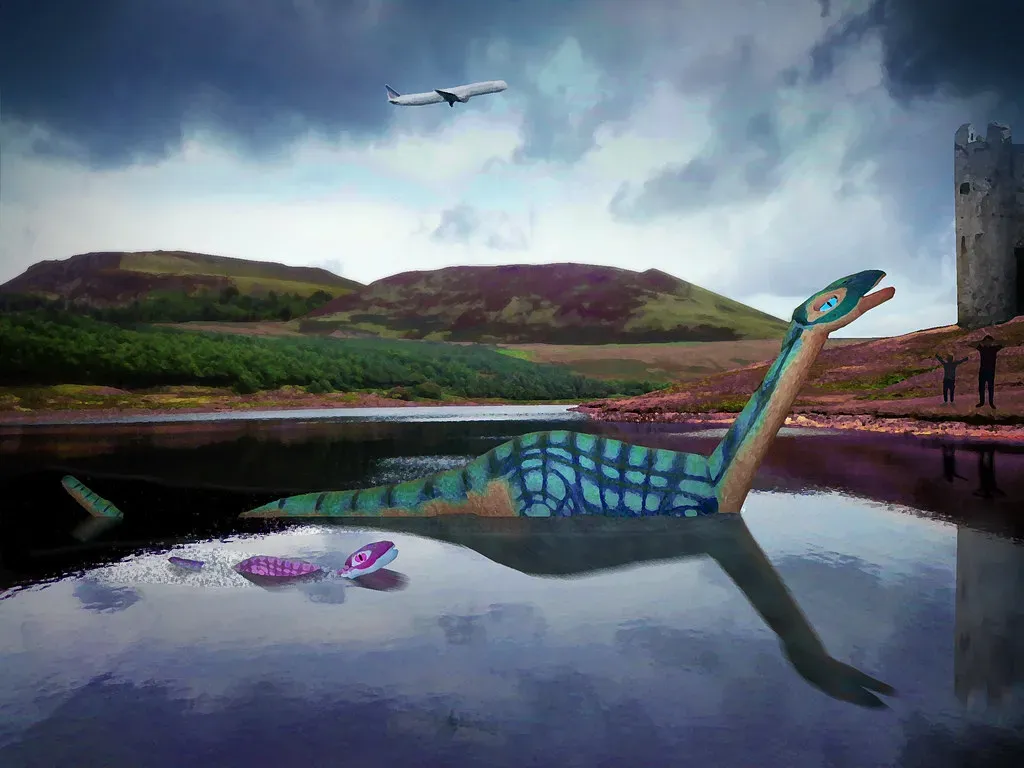
Deep in Yakutia, Siberia, Lake Labynkyr has a reputation as one of the most mysterious lakes in Russia. It is extremely cold, unusually deep, and ice‑free for much of the year despite harsh winters. Local stories speak of a large creature nicknamed the “Devil of Labynkyr.” Unlike many lake monsters, however, one of the most widely cited sightings came from a Soviet scientist in the mid‑twentieth century, during a geological expedition.
He and some team members reportedly saw a large, dark body moving in the water, with a head or hump occasionally breaking the surface. The description was not especially dramatic – no towering serpents or dragon heads – just something larger than any fish they expected in that environment. For a Soviet geologist and engineer to record such an event in a work log gave it a patina of seriousness that pure folklore cannot easily match.
Subsequent research has suggested that Labynkyr may indeed harbor large fish, such as oversized pike or char, which could look surprisingly monstrous when surfacing in cold, choppy water. Sonar surveys have found deep underwater structures and possible large objects, but nothing conclusive enough to declare a new species. The geologist’s sighting may ultimately boil down to a very big, very old fish glimpsed in extreme conditions. But the setting – a remote, eerie lake barely touched by tourism – and the involvement of trained observers ensure that the Labynkyr Devil remains one of the more scientifically flavored lake monster stories.
- Harsh environment complicates thorough biological surveys.
- Plausible large fish species exist that could account for the sighting.
- Soviet‑era records add a formal, if still ambiguous, layer of documentation.
#9 The “Tatzelwurm” Reports from the Alps
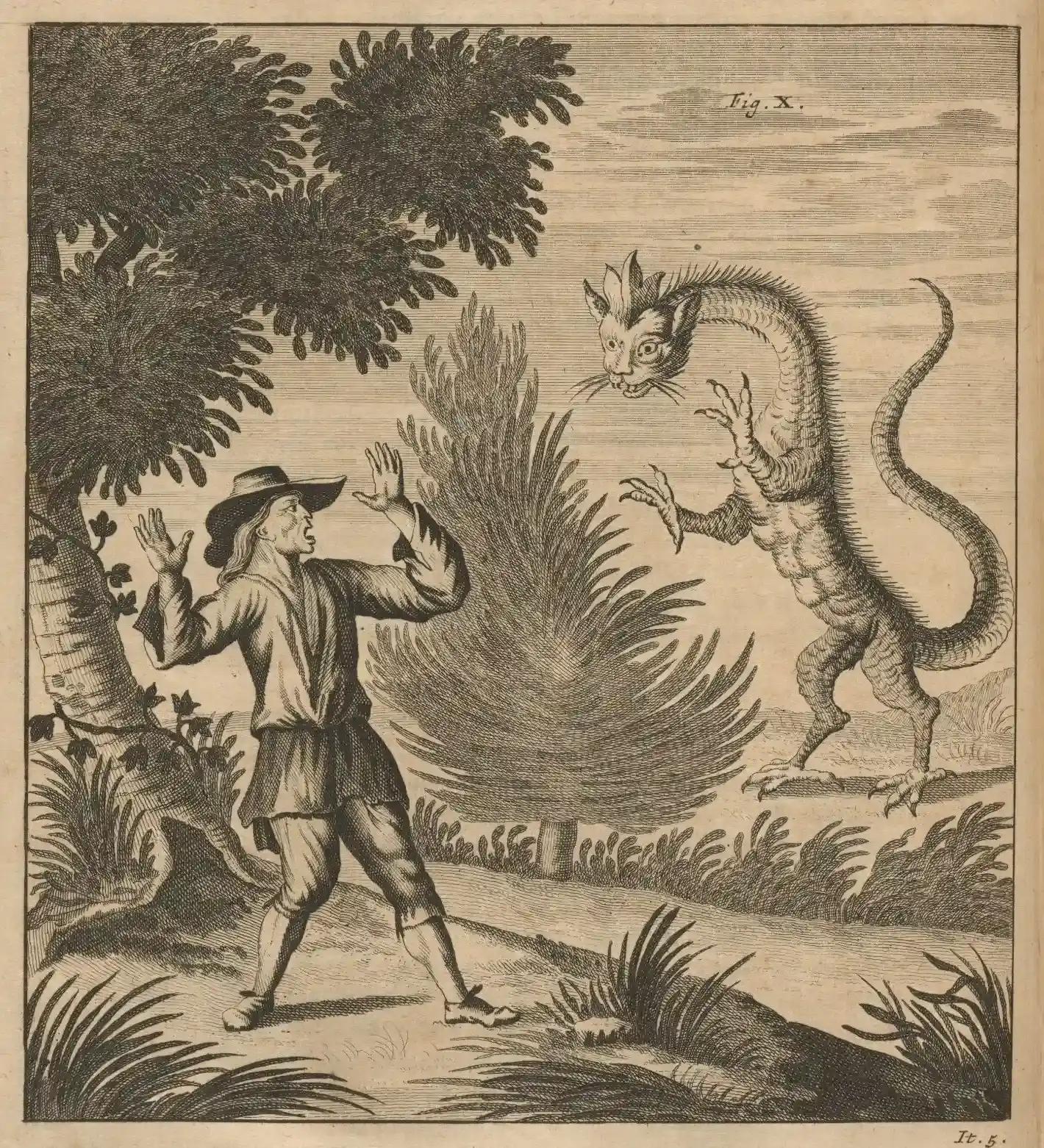
In the high Alps of Switzerland, Austria, and neighboring regions, locals have for centuries told of the Tatzelwurm, a stubby, serpent‑like creature with a cat‑like or lizard‑like head. Most accounts are clearly folkloric, full of dramatic dangers and supernatural touches. But tucked among those tales are a few twentieth‑century reports from hikers and mountaineers who described seeing short, stout, reptile‑like animals at altitude, moving quickly among rocks or alpine meadows.
Some of these witnesses were not credulous villagers but visiting climbers and educated travelers, familiar with common alpine reptiles. A few sketches and notes describe animals longer and bulkier than known lizards, with oddly truncated bodies. The difficulty, of course, is that altitude, snow glare, and distance can transform a normal lizard or even a mammal into something very different in a startled observer’s mind. We are simply not very good at estimating size when we have no reliable reference point.
Biologically, an undiscovered large reptile in the modern European Alps is close to impossible. The region is heavily hiked, mapped, photographed, and studied. Any population large enough to reproduce would likely have left clear evidence by now. The more cautious explanation is that a small number of people saw familiar animals – snakes, lizards, even mustelids – in unusual postures and in moments of surprise, and folded those impressions into an already rich folklore framework. Still, the handful of serious, almost reluctant reports keeps the Tatzelwurm perched at that frustrating border between biology and story.
#10 The Tasmanian “Queensland Tiger” Look‑alike
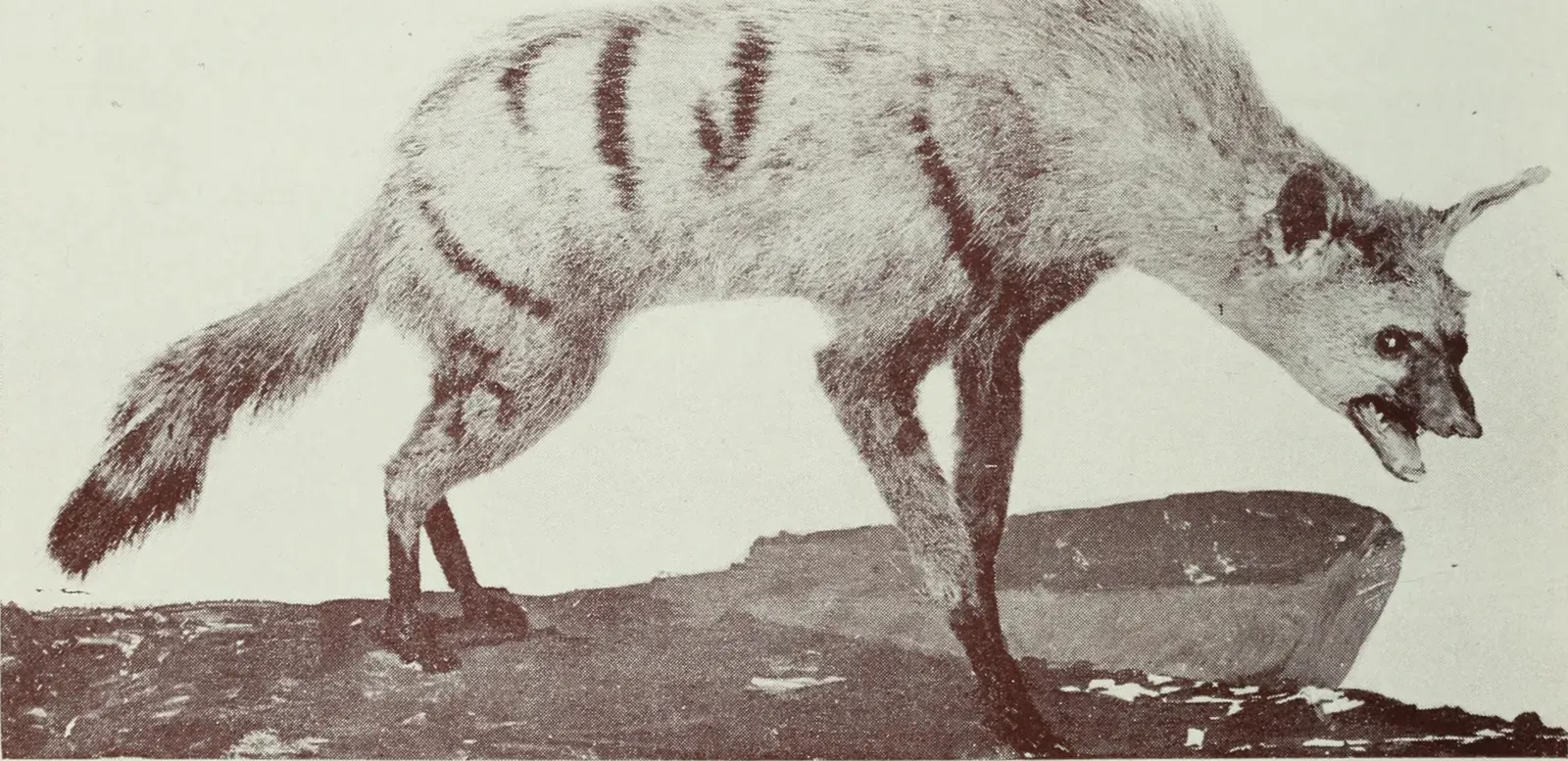
Australia has its own roster of mystery animals, but one of the more intriguing involves supposed sightings of a striped, dog‑like predator not quite matching any known species, often lumped under informal names like the “Queensland tiger.” A few of the more sober reports came from people well acquainted with local wildlife: farmers, bushmen, and occasional naturalists who claimed to see a mid‑sized carnivore with vertical stripes and a long tail, different from dingoes or feral dogs.
At first glance, these accounts sound suspiciously like lingering thylacines, the famous Tasmanian tigers believed to have gone extinct in the twentieth century. Yet some descriptions differ subtly from known thylacine morphology, suggesting either muddled memory or a different, unknown animal. Because much of rural Australia is enormous, sparsely populated, and rugged, it is not unreasonable that odd‑looking individuals – hybrids, malformed animals, or unusually patterned dogs – could live and die with only a handful of witnesses.
Most scientists today view the Queensland tiger‑type reports as a taxonomic mirage: real animals seen under poor conditions, perhaps mixed with wishful thinking about thylacines miraculously surviving on the mainland. The emotional power of the thylacine’s story – human‑driven extinction, grainy old footage, the feeling that we lost something too soon – filters how people interpret every strange canine they glimpse in the distance. Whether any of those reports reflect a truly distinct creature is doubtful, but they reveal how much we want at least one ghost of the past to still be out there, slipping between trees just beyond the reach of our cameras.
- Witnesses often knew local fauna well, which adds a layer of intrigue.
- Large, remote landscapes make rare, odd individuals easy to miss.
- Thylacine nostalgia likely colors many modern interpretations.
#11 The “Jungle Walrus” of the Congo Basin
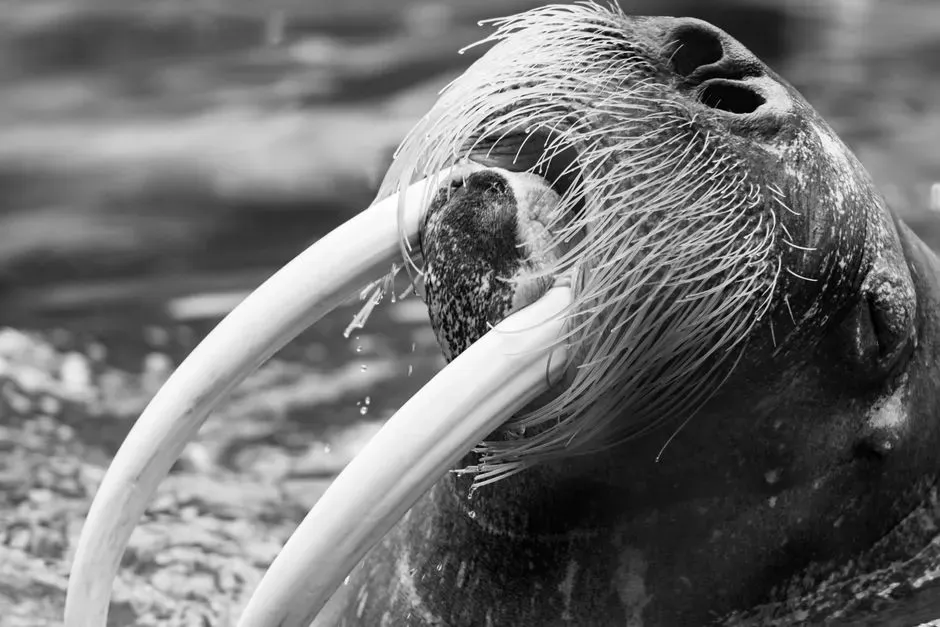
The Congo Basin has produced many cryptid stories, but one of the strangest involves reports of a large, tusked, hippo‑like animal sometimes dubbed a “jungle walrus.” Unlike the more famous dinosaur‑like tales, these accounts describe something that sounds earthy and almost mundane: a massive, thick‑skinned herbivore, with tusks or protruding teeth, seen near rivers and swamps. A handful of European explorers and missionaries in the late nineteenth and early twentieth centuries recorded such stories from local people, along with an occasional claimed first‑hand glimpse.
What makes this idea both enticing and fragile is that Africa already has big, tusked mammals. Hippos have large teeth, and forest elephants can be surprisingly elusive while still leaving obvious traces. Misidentifications, especially at dusk or through foliage, are extremely easy. Yet some descriptions of the jungle walrus stress proportions not quite matching any known species – shorter legs, different head shape, or unusual behavior. In the dense, wet forests of Central Africa, where even modern biological surveys struggle to cover ground, the mind easily drifts toward “maybe.”
From a hard scientific standpoint, the odds favor misinterpretation of hippos seen partly submerged, or a blend of hippo and elephant traits filtered through cultural storytelling. Large mammals leave footprints, dung, trails, carcasses. An undiscovered, breeding population of truly distinct, hippo‑sized animals surviving unnoticed into the modern era would almost certainly have produced better evidence by now. Still, the jungle walrus reports capture that nagging sense that in some corners of the world, our knowledge of big animals feels more complete on paper than it does on the ground.
#12 The “Giant Ray” of the Sea of Cortez
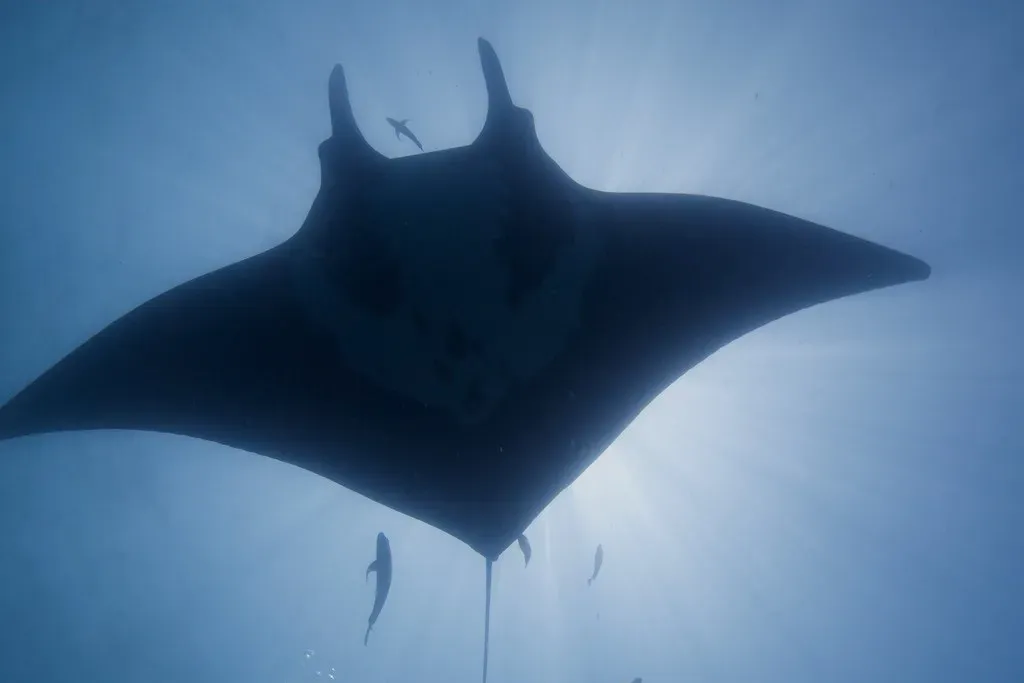
The Gulf of California, or Sea of Cortez, is a biological hotspot, home to whales, sharks, and enormous rays. Amid that abundance, a few twentieth‑century accounts from fishermen and sailors stand out: stories of a stingray or manta‑like animal vastly larger than anything formally measured, with a wingspan allegedly rivaling that of a small plane’s. At least one such report came from a professional mariner used to estimating size on the open water.
It is true that manta rays already reach impressive dimensions, and the Sea of Cortez has documented very large individuals. Exhausted animals near the surface, odd lighting, and the distortion of looking through waves can easily inflate perceived size. People tend to round up when facing something massive and alien, turning “huge” into “impossible” in a single breath. Combine that with the drama of a ray breaching or gliding beneath a small boat, and it is not hard to imagine eyewitness memories expanding over the years.
Yet ocean scientists routinely admit we likely have not documented the absolute record holders for many marine species. The largest individuals of a population can be rare, shy, and short‑lived. A truly exceptional manta ray in a remote bay could swim its entire life without ever being photographed up close or measured. The Sea of Cortez giant ray reports may simply be human encounters with those statistical outliers – animals that stretch the upper limits of known size so far that they feel like another species altogether, then vanish back into the blue with no proof left behind.
- Manta rays can already grow to extraordinary sizes in known data.
- Visual size estimates over water are notoriously inflated.
- True record‑breaking individuals may rarely intersect with scientists.
Conclusion: Creatures of Flesh, Memory, or Both?
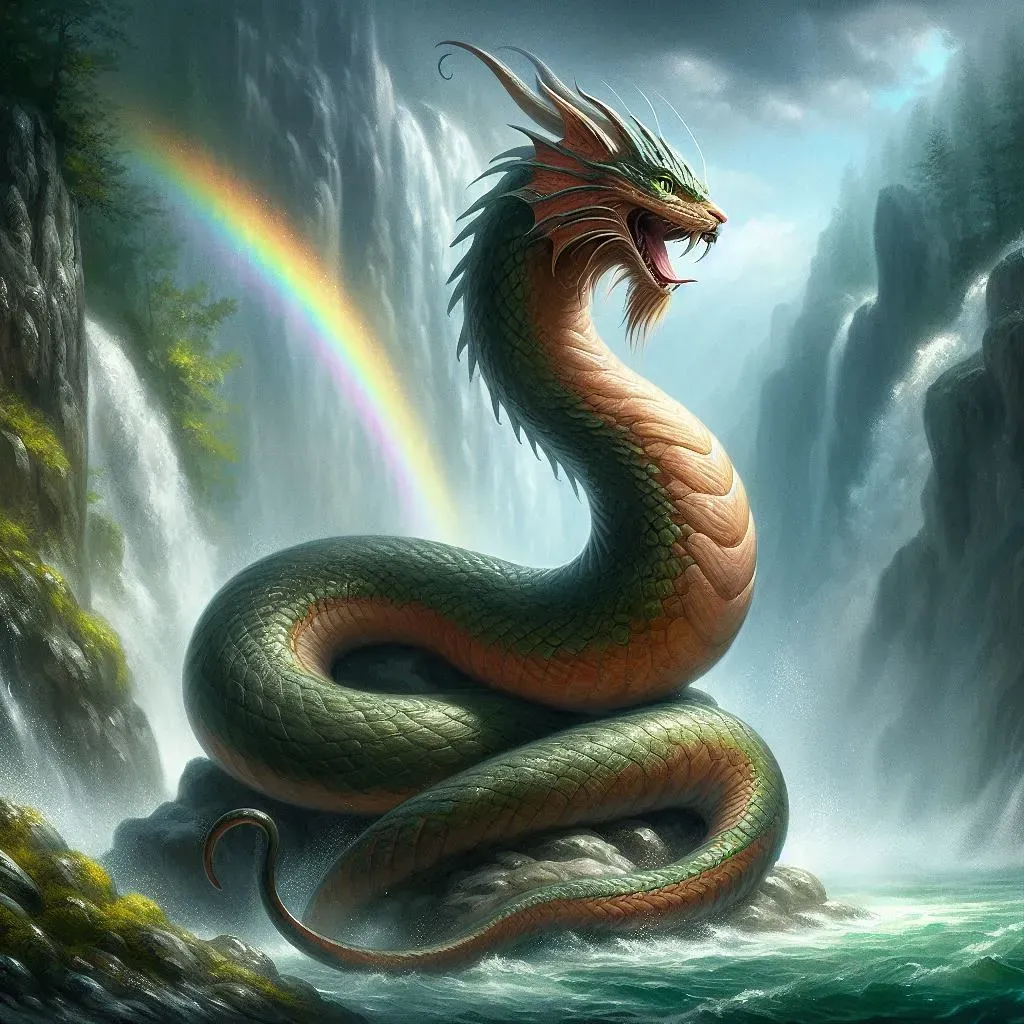
Looking across these twelve cases, a pattern emerges that is less about monsters and more about the messy edges of human knowledge. Almost every creature on this list could, in theory, be explained by a combination of misidentification, extreme individuals, and the way memory reshapes events over time. At the same time, nearly all of them sit just close enough to known biology that you cannot quite laugh them off. A giant salamander in a cold mountain stream, an oversized manta in a rich sea, a relict reptile in an isolated wetland – none of those ideas is inherently absurd.
My own view leans toward a sober middle ground. I do not think there is a hidden roster of large, spectacular animals still roaming the world in significant numbers; the satellite era has not been kind to that hope. But I also think science routinely underestimates how often small, local populations can appear and vanish without leaving a neat trail of bones and photographs. Extinction, especially of marginal or isolated groups, is often quiet and badly recorded. Some of these “never recorded again” creatures may not be legends waiting to be proven, but real animals that slipped through the cracks of documentation on their way out.
There is something strangely moving in that possibility. When we talk about the Valhalla shark, the Buru, or the Trinity Alps salamander, we might not be invoking living monsters so much as unacknowledged obituaries. Each story hints that our catalog of life is not just incomplete in the sense of undiscovered species, but also in the sense of undocumented losses. Whether you think these creatures were flesh and blood or mostly products of human perception, they remind us that the border between the known and the unknown is not a hard line but a smudged, human‑drawn pencil mark. The real question is not whether a few of these reports might somehow be true, but how many similarly strange animals vanished before anyone even thought to write them down – how many do you think we missed?