Every so often, science stumbles across a species in the most unlikely way possible: inside the body, droppings, or even the fossilized stomach of something else. It feels almost like a cosmic joke. Instead of finding an animal in its own habitat, paleontologists and biologists are forced to reconstruct entire lifeforms from stray bones lodged in a predator’s gut or a scrap of DNA left in a sample.
That sounds bizarre, but it happens more often than you might think. In fact, some species are literally known only because they were once lunch. No skull on a desert floor. No lovely skeleton laid out in rock. Just a jumble of half-digested parts or a piece of poo that turned out to be a tiny archaeological treasure chest.
In this article, we’ll dive into 14 real-world examples where a species is only known thanks to . Some are prehistoric creatures trapped in the bellies of dinosaurs or early whales. Others are modern species discovered through DNA traces in blood or gut contents. It is darkly funny and scientifically beautiful: life leaves clues, even when it’s being eaten.
#1: The Fish Found Only In A Fossilized Stomach
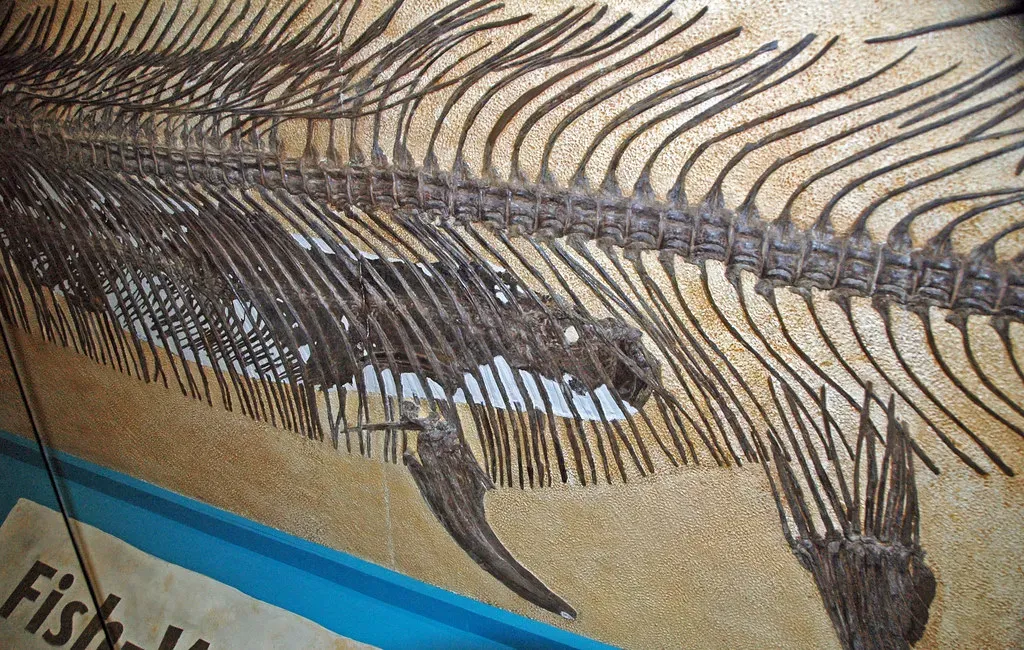
Imagine having your entire existence known to science because you were someone else’s last meal. That is exactly the situation for a few fossil fish species that we know only from the stomach contents of larger predators. In some well-preserved fossil beds, like certain Jurassic and Cretaceous marine deposits, the fine-grained sediments and rapid burial conditions have frozen entire feeding moments in time.
In a few cases, paleontologists have found small, distinct fish skeletons inside the body cavity of a much larger fish or marine reptile, with no sign of that smaller fish species anywhere else in the rock record. Its only fossils are these partial, sometimes tightly curled skeletons trapped in a predator’s gut. That is enough to recognize unique anatomical features and to give it a scientific name, even if we never find a free-living specimen.
- These “gut-only” fish are typically small, fast prey species.
- They’re often preserved in articulated form, compressed in the stomach area.
- The predator’s quick death and burial essentially sealed a snapshot of the food chain.
What blows my mind is how much we can infer from such a narrow window. From fin shapes and jaw structures, scientists can guess whether the fish darted through open water, hugged the seafloor, or hunted plankton in shoals. Yet all of that comes from fossils that are, in effect, someone’s ancient leftovers. It really hammers home how biased the fossil record is: being eaten can sometimes be better for your long-term fame than quietly dying in peace.
#2: The Tiny Mammal Preserved In A Dinosaur’s Last Meal
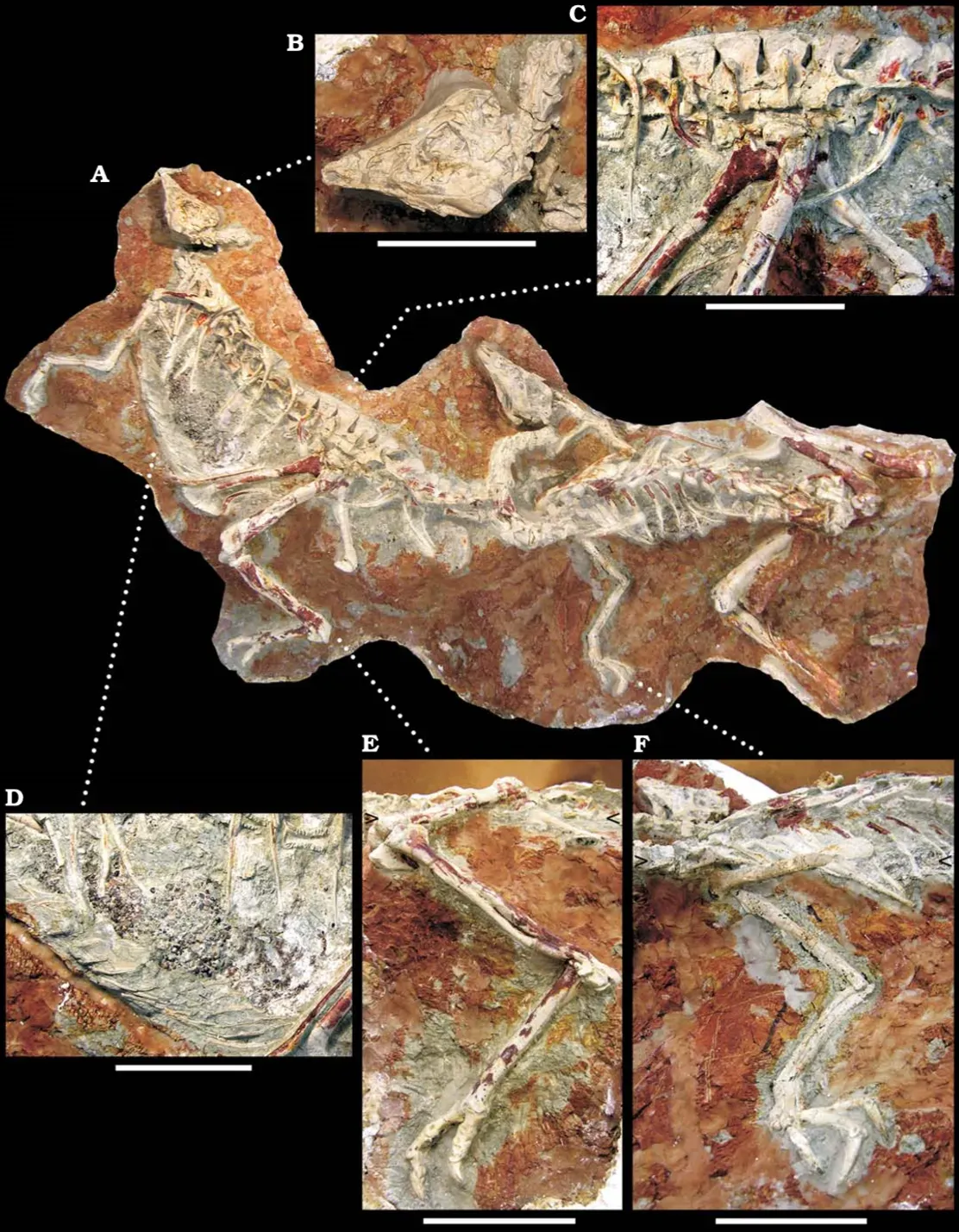
One of the classic images in dinosaur documentaries is a small, shrew-like mammal scurrying between the feet of giants. For at least one extinct mammal, that mental picture has a brutal twist: it is known solely because it ended up inside the belly of a dinosaur. In rare fossil finds, researchers have identified mammal bones tucked tightly within the ribcage of certain predatory dinosaurs.
These bones are often jumbled and partially digested, but they can still show the distinctive jaw structure and tooth patterns that separate one mammal lineage from another. Sometimes the skeleton is curled up in what used to be the stomach region, giving away that this was not just a random overlap of bones in the rock, but an actual last meal preserved in stone. When those bones do not match any known mammal species from the same time and place, they can represent a new species described entirely from what was once prey.
It is strange to think that a single, unlucky mammal – no population, no series of fossils, just one animal at the wrong place and time – can become the type specimen for a whole species. That makes the dinosaur that ate it, unintentionally, the world’s messiest museum curator. It is a reminder that for most of mammal history, our early relatives were bit players in a dinosaur-dominated world, and the fossil record tends to remember them only in the moments they crossed paths with predators.
#3: Birds Known Only From Coprolites (Fossilized Poop)
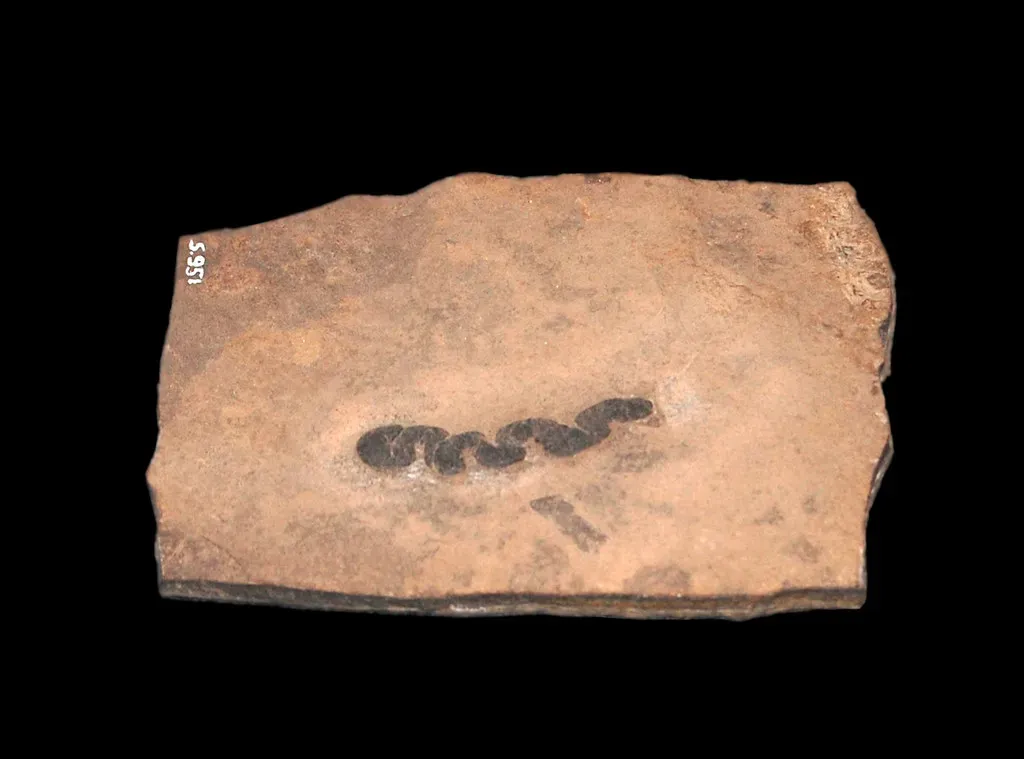
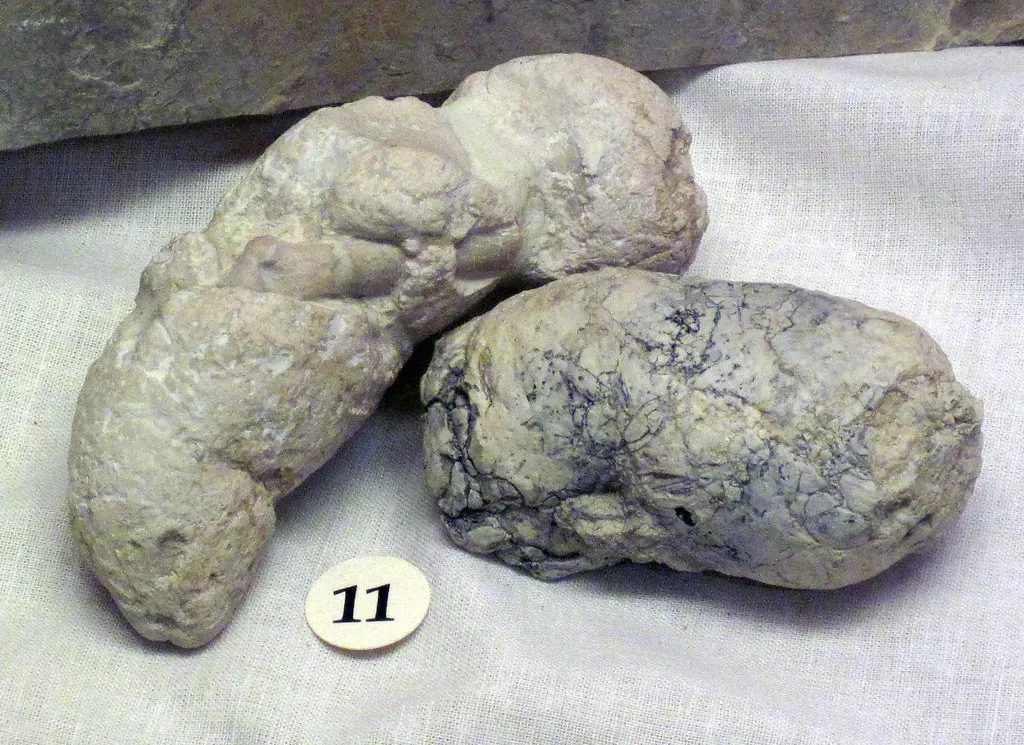
Fossilized feces, politely called coprolites, are one of those things you either find disgusting or fascinating – often both at once. For paleontologists, coprolites are like time capsules of diet and environment. In some cases, they also contain fragments of bones, feathers, and eggshells from species that have never been found elsewhere. That includes certain small birds known only from bits of skeleton preserved in ancient poop.
When a predator – say, a carnivorous dinosaur or early mammalian carnivore – chowed down on a small bird, beaks, thin limb bones, and vertebrae sometimes passed through the digestive system only partially destroyed. Over millions of years, those droppings hardened into rock, locking in microscopic or fragmentary remains. Under the microscope, researchers can identify features of the bones that distinguish one type of bird from another. Occasionally, they do not match any known fossil bird from the same layers, suggesting a species that is, so far, only visible in feces.
- Coprolites can preserve tiny, delicate bones that would never survive on their own.
- They give direct evidence of who ate whom in ancient ecosystems.
- They sometimes reveal species not seen anywhere else in the rock record.
To me, there is something very humbling about a bird whose only known fossil record is a scatter of bones inside a poop pellet. It undercuts that romantic image of fossils as clean, elegant skeletons mounted in a museum hall. Reality is messy. Ecosystems are messy. And sometimes the clearest window into ancient biodiversity is a lump of rock that used to be waste.
#4: Parasites Discovered Only In Host Tissues
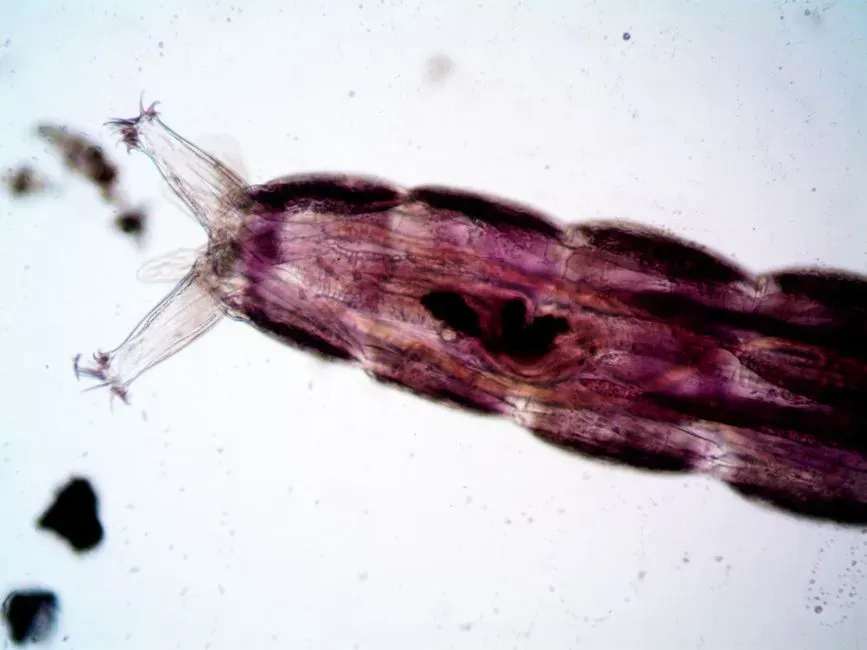
Parasites might be the champions of “found inside something else.” Many parasitic worms and single-celled organisms leave almost no trace in the external environment. For some species, the only evidence we have ever seen comes from the tissues, organs, or blood of their hosts. Biologists examining wild animals, livestock, or even human clinical samples sometimes stumble across a parasite that does not match any known species.
These discoveries often happen under the microscope: a new arrangement of hooks on a tapeworm, an unfamiliar structure in a blood parasite, or unusual cysts lodged in muscle. Without free-living stages or environmental forms to study, the parasite is described from the host’s body alone. In a few extreme cases, we know the parasite only from preserved slides or tissue samples, and the host population has since dwindled or disappeared, making it incredibly hard to ever find the parasite again.
There is a slightly eerie quality to this kind of science. You are looking at something whose entire evolutionary strategy is built on living inside another organism, and your only encounter with it is after the host is dead or sick. Many of these parasites may be rare or highly specialized, infecting only a single host species or a narrow geographic range. Until someone slices, stains, and studies those tissues, the parasite is effectively invisible to the world. It is a whole branch of life that we only notice because it leaves subtle scars on another.
#5: Dinosaurs Known From Inside Other Dinosaurs
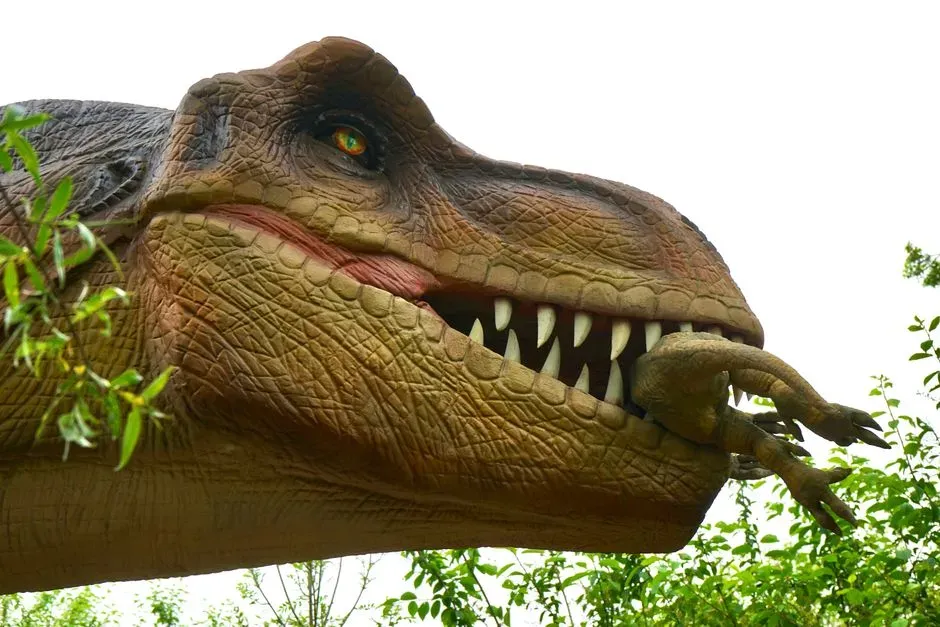
You might think dinosaurs would be too big and dramatic to end up as someone else’s stomach content, but the fossil record disagrees. There are spectacular specimens of predatory dinosaurs with identifiable bone fragments lodged in the chest cavity where the stomach once sat. In a few instances, those fragments do not match any other dinosaur species known from the same deposits, suggesting that we are looking at the remains of a species recorded only because it was eaten.
These cases are rare, but they are powerful. A set of limb bones inside a predator might show a unique combination of features in the joints, claws, or bone proportions. If there is no trace of similar bones elsewhere in the rock layers, paleontologists are left with a strange puzzle: a species we can partially diagnose but cannot yet reconstruct in full. It is like meeting a character in a story only through someone else’s memories, and never seeing them directly.
- Predators can act as “collectors” of smaller, rarer species.
- Gastric contents offer direct evidence of predator–prey interactions.
- Sometimes the meal belongs to a species unknown from any other fossils.
I find it oddly poetic that some dinosaurs entered the scientific record only in the moment of their death at the hands (or jaws) of another dinosaur. You get this compressed drama: the chase, the kill, the meal, and then a sudden burial that locks them both together for deep time. From a brutal act of predation, millions of years later, we extract the quietest kind of information: the shape of a bone, the curve of a claw, a hint of diversity we did not realize was there.
#6: Early Whales With Mystery Prey In Their Guts
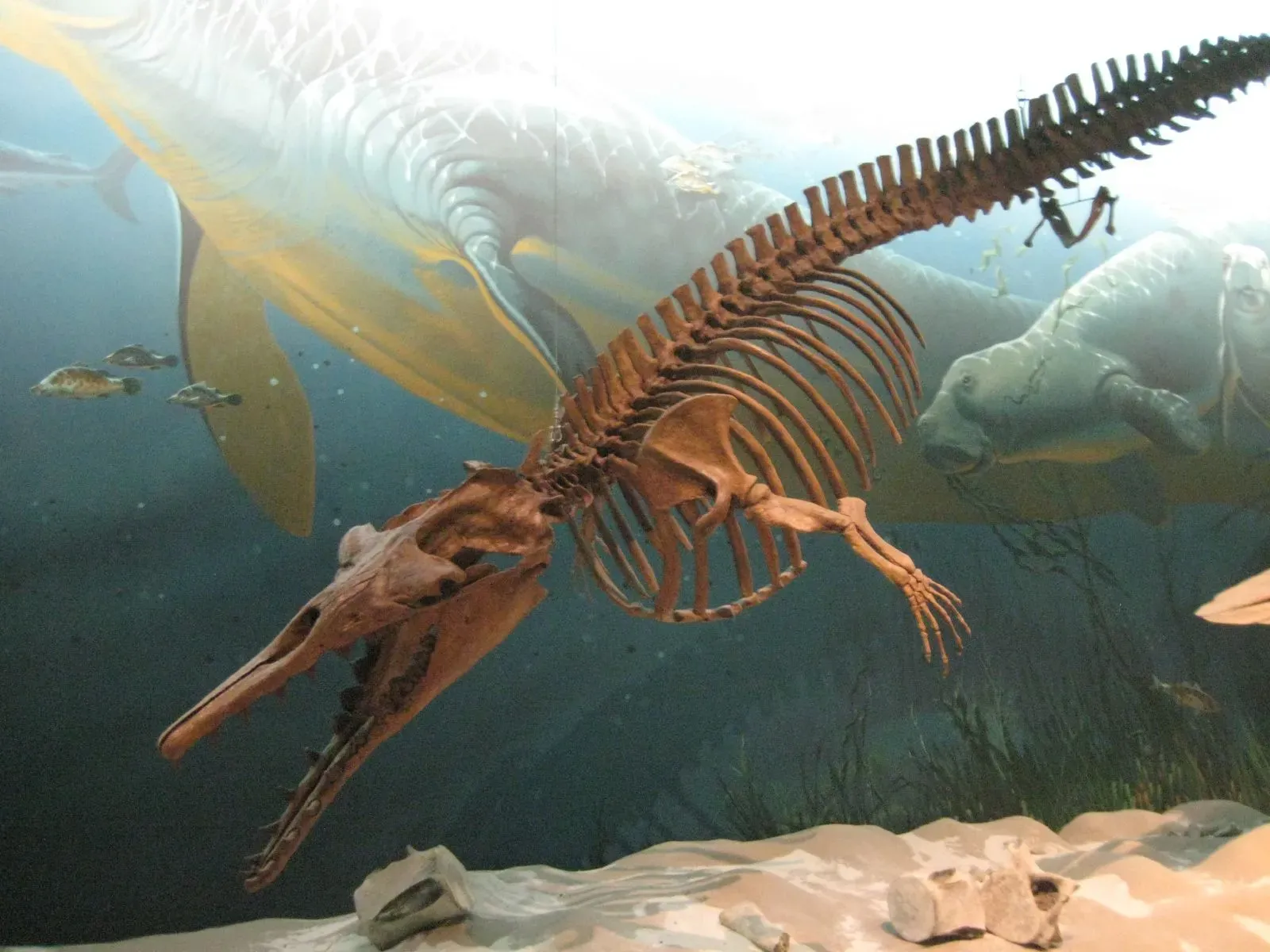
When paleontologists study early whales from the Eocene, they are not just looking at the history of whales. They are also looking at a mobile sampling device for whatever else swam in those ancient seas. Some fossil whales have been found with fish or other marine vertebrate remains packed into the region that corresponds to the stomach. Every bone in that mass is a datapoint about what the whales were eating and what lived alongside them.
In a few tantalizing cases, bones within early whale stomach contents appear to represent small marine vertebrates that do not match known species from the same sediments. They may be small fish, early seals, or obscure marine reptiles whose independent skeletons have not yet been discovered. The whale, by swallowing them, accidentally curated a micro-collection of species that would otherwise be invisible. All we see now are fragmentary jaws or vertebrae mixed among partially digested remains.
There’s something unintentionally comic about whales playing the role of reluctant museum drawers, swallowing up future holotypes in a single gulp. At the same time, it underscores how limited the marine fossil record can be. Soft sediments at the bottom of the sea do not always favor complete preservation, but a fast death and burial of a whale stuffed with prey can give us an intense, if narrow, window into a vanished food web.
#7: Insects Trapped Inside Amber-Eating Organisms
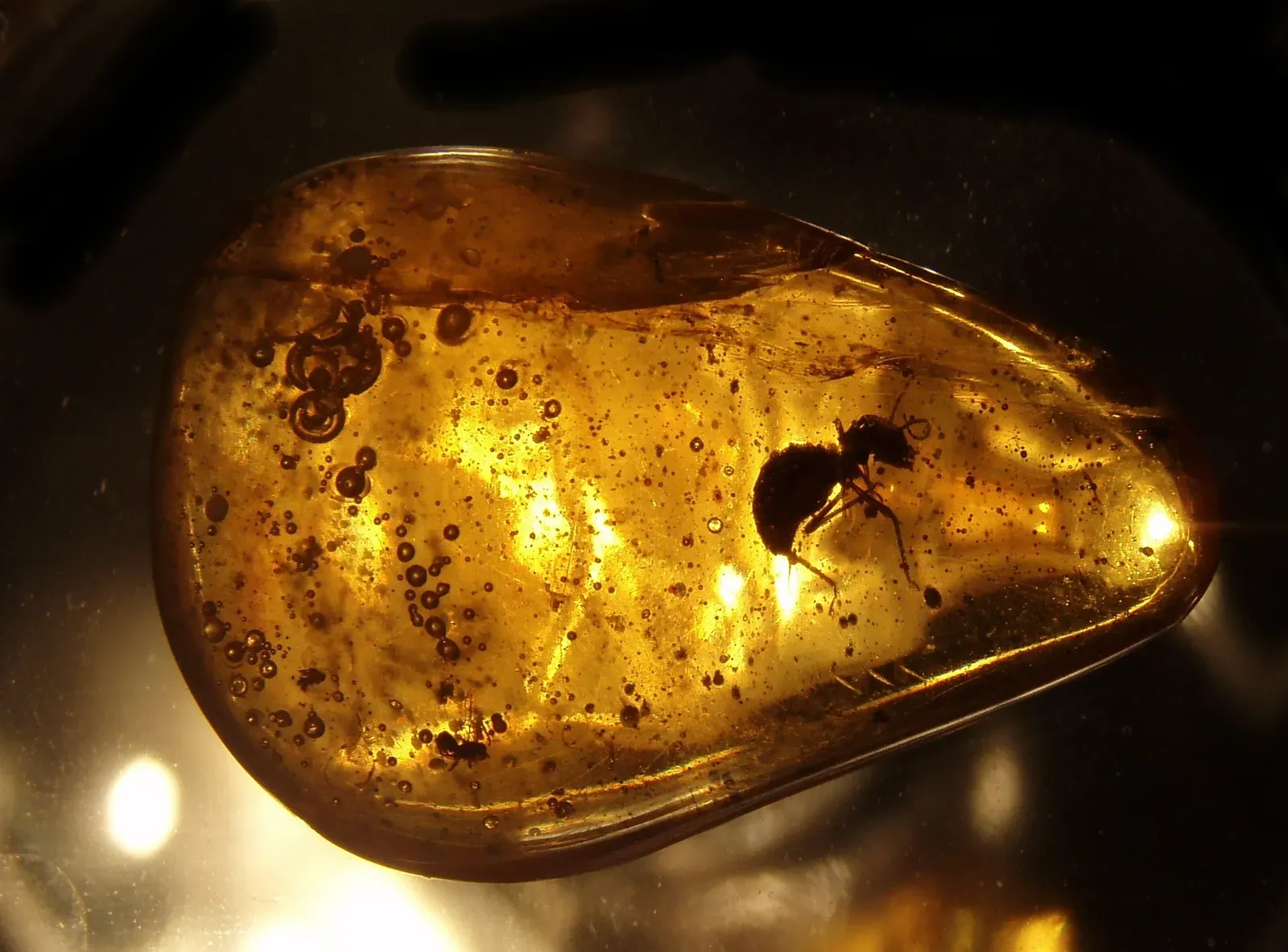
We usually think of amber as the perfect trap that preserves insects forever, but there is a twist: some creatures actually gnawed on tree resin in the past. Fossil evidence suggests that certain insects or even small vertebrates fed on or got stuck in semi-hardened resin. Inside those animals, you can sometimes find bits of other insects that had already been trapped in the resin before it was eaten.
That means there are cases where the only known remains of an extinct insect species are tiny fragments protected inside the gut of another creature that itself is entombed in amber. You end up with a sort of Russian doll of preservation: an insect inside another insect (or small animal), inside resin, inside rock. Under high-powered microscopes and modern imaging, entomologists can spot distinctive wing veins, leg spines, or mouthparts that justify naming a new species even if the specimen is incomplete.
- Amber preserves microscopic structures with exquisite detail.
- Gut contents can hold insect taxa not otherwise seen in that amber deposit.
- Sometimes only a wing or leg is enough to identify a unique species.
I love how mind-bending this is. We tend to picture the fossil record as flat layers of rock, but this is more like a three-dimensional chain of events: a tree oozes resin, traps insect A; another animal eats the resin and insect A; the animal dies and is trapped in more resin; millions of years pass, and a human cracks the amber and peers in, finding a creature whose only scientific presence is as a passenger in someone else’s very sticky meal.
#8: Prehistoric Reptiles Known From Inside Giant Fish
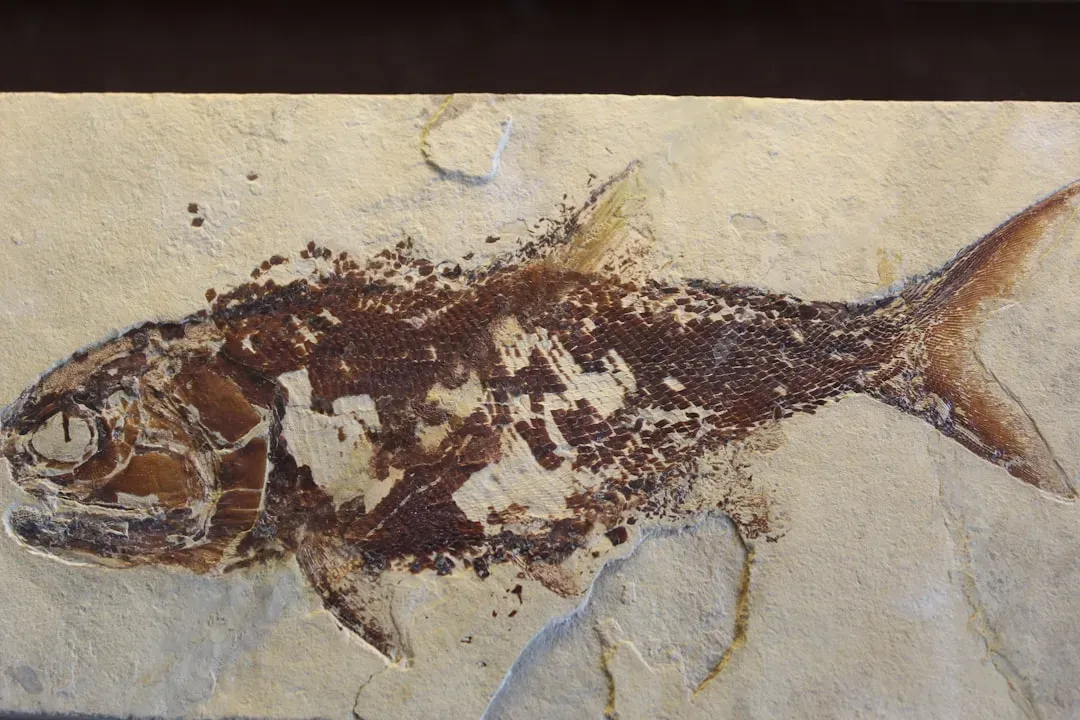
In some marine fossil deposits, ferocious predatory fish grew to impressive sizes and fed on almost anything they could catch, including smaller reptiles. The bodies of these giant fish sometimes preserve tightly packed clusters of bones in the abdominal region. Careful study has revealed that some of these bones belong to small marine reptiles – like early lizard-like forms or baby marine reptiles – that have no known skeletons outside of those stomach remains.
These prey remains are often heavily disarticulated, with bones overlapping and sometimes etched by stomach acids. That makes them hard to study, but not impossible. Subtle features like the shape of vertebrae, rib attachment points, or skull fragments can be enough to place them in a particular reptile group, and if they differ from known species, they can represent something entirely new. Until further fossils are found, though, that reptile’s entire fame rests on the fact that it was tasty.
There is a slightly dark humor in thinking of these predators as doing fieldwork for us. They swam around, sampled diversity by biting into it, and then occasionally died in just the right conditions to preserve their last dinner. The result is a highly biased but still valuable record of little reptiles that might otherwise have gone completely undocumented. In a way, the predator’s biology – strong jaws, quick digestion – competes with the slow, patient work of geology and time to decide what survives in stone.
#9: Rodents Known Only From Owl Pellets
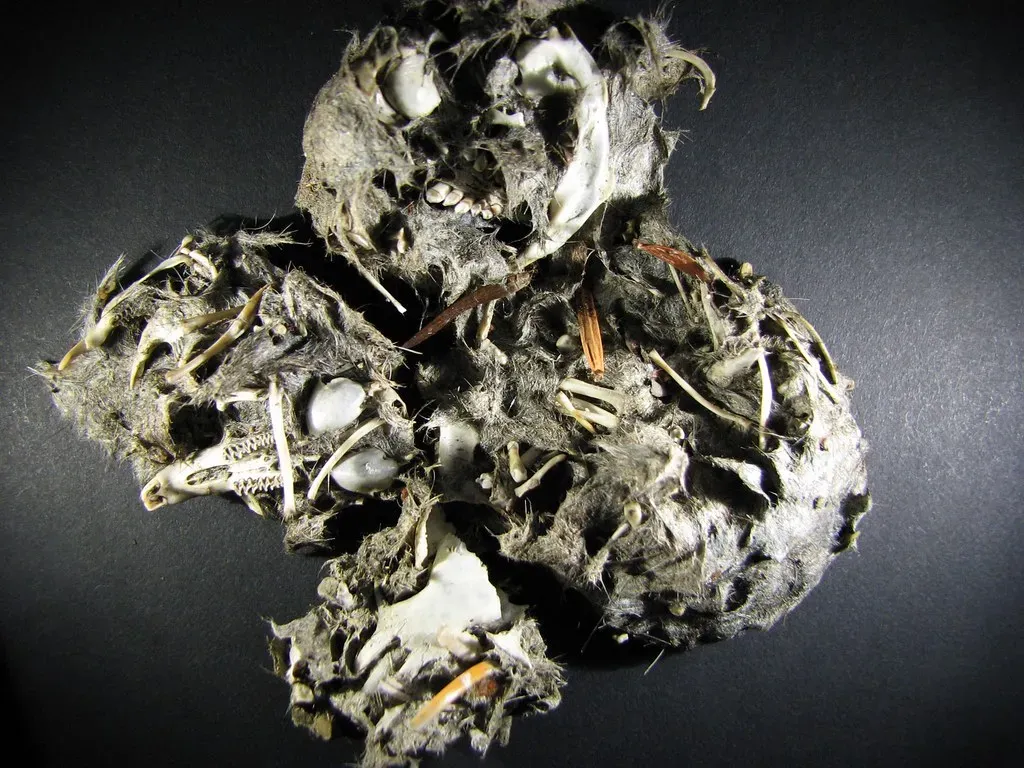
Fast-forward to the modern era, and you find a surprisingly similar pattern playing out with owls and rodents. Owls swallow their prey mostly whole, then later regurgitate compact pellets of fur, bones, and teeth. These pellets accumulate under roosting sites and can last a long time, especially in dry caves or sheltered spots. Biologists sifting through them sometimes find teeth and skulls of small rodents that do not match any known species from the region.
Some rodent species – especially tiny, cryptic mice or voles – have been discovered and described purely from skeletons in owl pellets, with no live animals ever captured or photographed at the time of the original description. The diagnostic features are often in the molars and skull shape, which are thankfully the parts that tend to survive the owl’s digestive process. Later, people might trap live specimens that match those features, but initially, the species “exists” only as a victim of owl predation.
- Owl pellets accumulate in large numbers, effectively sampling local small-mammal diversity.
- Teeth and skulls provide enough detail to distinguish closely related rodent species.
- Some rodent species were first identified solely through these pellet remains.
I actually find this oddly elegant. Instead of setting up a grid of live traps and hoping for the best, researchers can read an owl’s diet like a catalog of what lives in the area. The owl becomes a biological drone survey for mammals. Of course, for the rodents, it is a one-sided relationship. You get added to science because someone else thought you looked like a snack.
#10: Frogs Known From Snake Stomach Contents
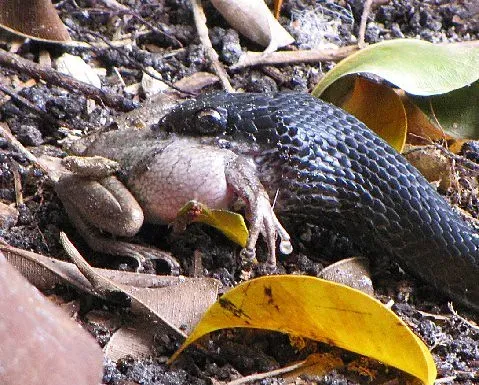
Herpetologists studying snakes often examine the stomach contents of museum specimens, road-killed individuals, or ethically collected samples to learn what they eat. Now and then, they find frogs that do not match any described species from the region. Because frog identification relies on features like bone structure, coloration, and sometimes even calls, relying on partly digested remains is tricky. But in a few cases, the bones are complete enough that scientists feel confident they are seeing something new.
These “snake-discovered” frogs might be tiny, cryptic species hiding in leaf litter or along remote streams, where they are easily missed by conventional surveys. Snakes, being highly mobile and excellent at tracking down small prey, effectively do the searching for us. Unfortunately, by the time we see these frogs, they have already gone through a round of digestion. That may mean that important identifying traits like skin color or soft tissue structures are lost, leaving only skeletal clues.
There is a practical side here that I really like. When conservationists want to know what species live in a poorly studied forest, analyzing the guts of top predators – snakes, larger frogs, birds – can reveal hidden diversity. But it is also a bit sobering: if you only know a frog because it was in a snake’s stomach, you have to wonder how many other species are slipping past unnoticed, never happening to intersect with both a predator and a scientist’s curiosity at the same time.
#11: Ancient Marsupials Preserved Inside Predatory Mammals
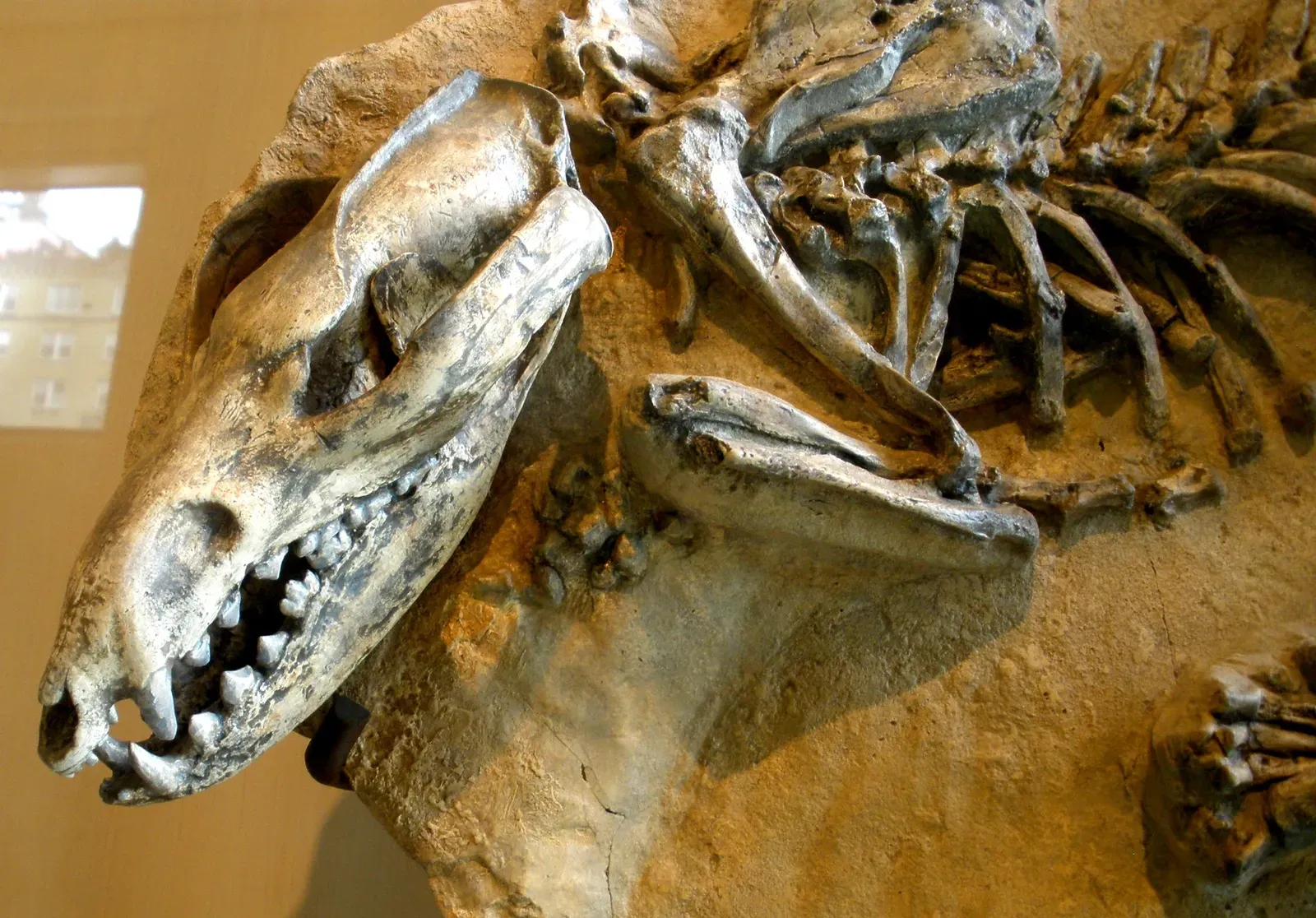
In some fossil deposits from regions that once hosted early marsupials, paleontologists have discovered the bones of small, pouch-bearing mammals inside the abdominal cavities of larger carnivorous mammals. These prey animals sometimes show dental and skeletal patterns distinct from any other marsupial fossils in those layers. In effect, we catch a predator mid-meal and, in doing so, meet a species that would otherwise be entirely unknown.
What makes marsupials especially interesting in this context is their unique tooth replacement and skull morphology. Even if only parts of the jaw or skull are preserved in the digestive mass, researchers can sometimes map them onto the broader marsupial family tree and spot something unusual. If similar bones never show up outside of stomach contents, the case grows stronger that we are seeing a truly rare or localized lineage. The predator, unknowingly, has sampled a pocket of diversity that the surrounding sediments did not capture.
- Marsupial jaws and teeth are highly informative for identifying species.
- Predatory mammals can preserve prey remains in their gut region at death.
- Some small marsupials are known only from these trapped, partly digested bones.
I cannot help but think of these marsupials as ghost species. They flicker into view only because they crossed paths with something hungry. Their entire presence in the scientific literature is a side effect of a single, unlucky encounter millions of years ago. It is a strong argument for humility when we talk about “known biodiversity” in the fossil record; what we know is not just incomplete, it is sometimes weirdly filtered through the biology of predators.
#12: Microbes Known Only From Gut DNA
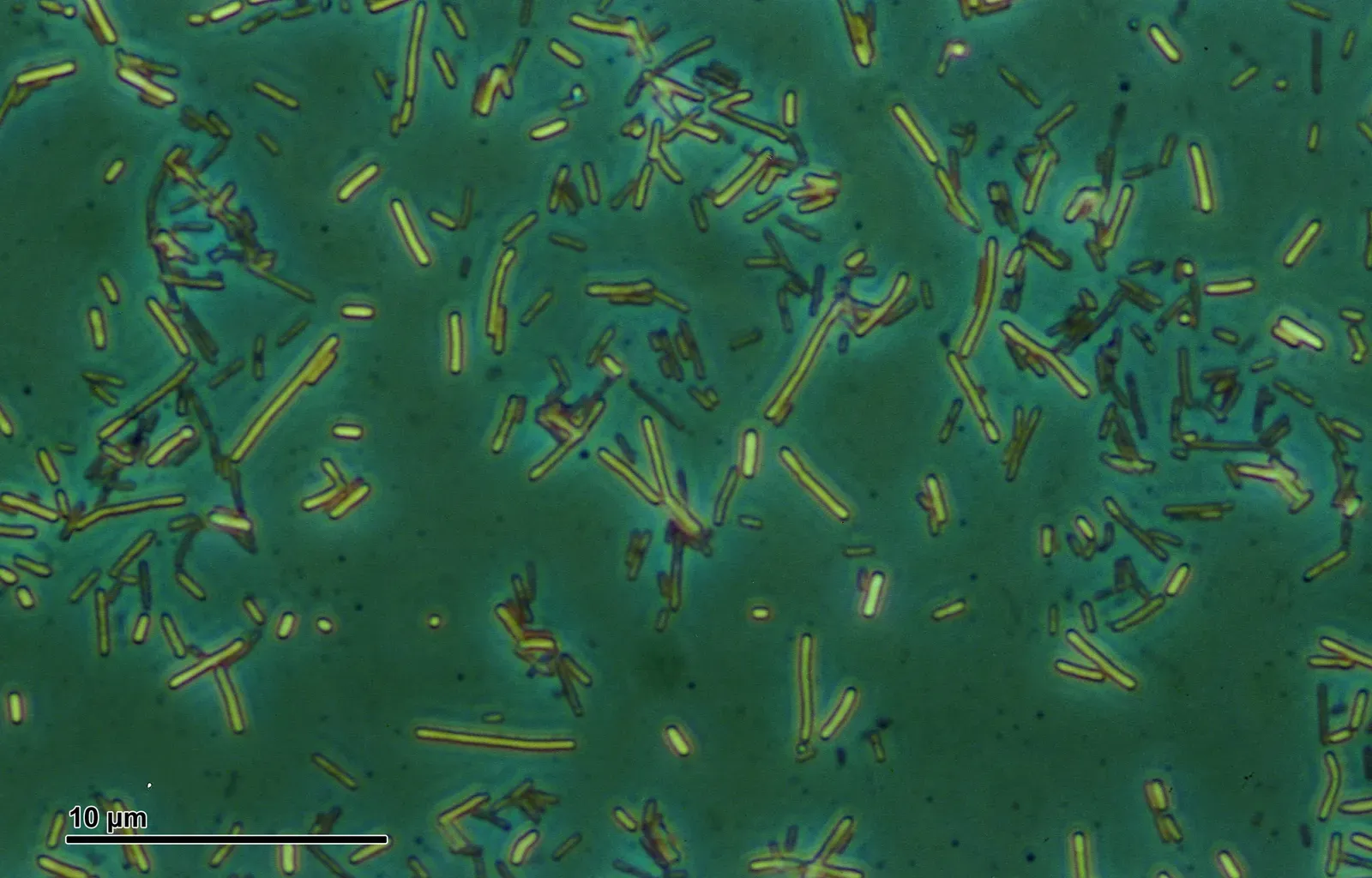
Not all of these stories involve bones. In the age of genomics, scientists are increasingly finding new species – especially microbes – entirely from DNA fragments recovered from gut contents or fecal samples. When researchers sequence all the genetic material in a sample of animal droppings or intestinal content, they often discover bacterial and archaeal DNA that does not match any organism previously cultured in a lab.
These “metagenomic ghosts” are given provisional names and sometimes full species designations based on distinctive genetic markers and genome structure. They may represent gut specialists that live only in certain hosts or under certain dietary conditions. At least initially, we do not know what they look like under a microscope, how they behave, or whether they can survive outside the gut. All we see is the informational echo of their genomes.
From a philosophical angle, this is one of the strangest kinds of species we recognize today: creatures we know only as patterns in a data file, reconstructed from the inside of another organism. It turns the old idea of “seeing is believing” on its head. For these microbes, the host’s body becomes both their entire universe and our only window into their existence. Whether we will ever culture many of them in the lab remains an open question, but they still count as residents of the tree of life, discovered in the most intimate of archives.
#13: Bivalves Known Only From Inside Larger Shells
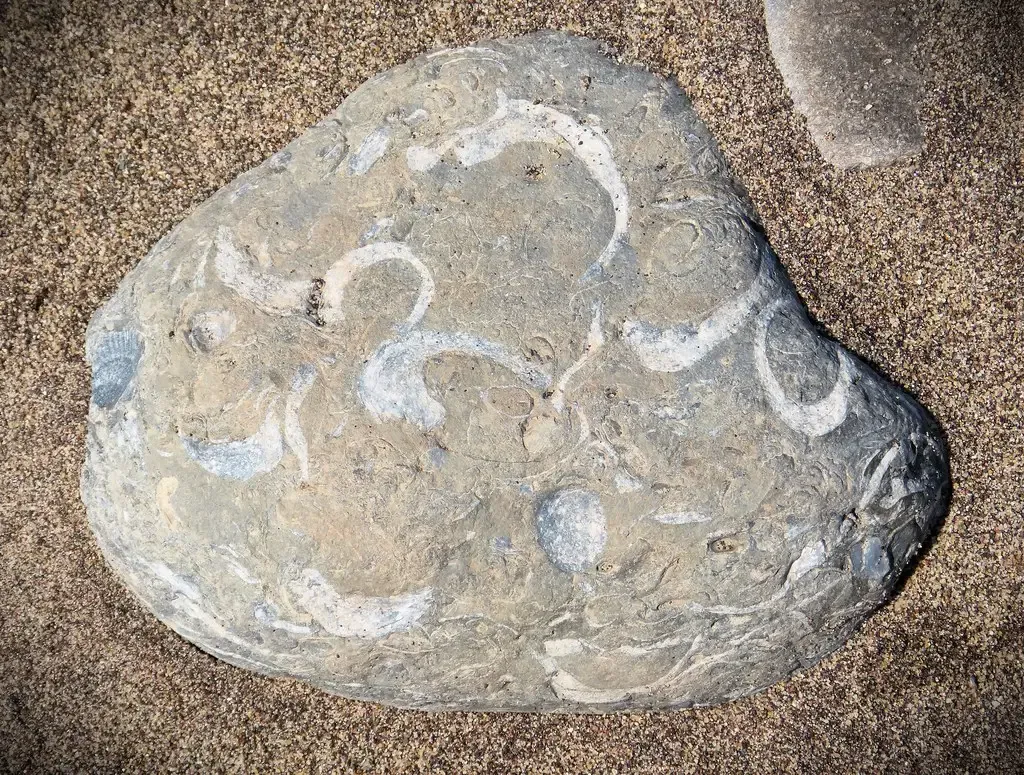
Marine life loves to live inside other marine life. Some tiny clams and bivalves specialize in boring into or settling within the shells of larger mollusks or corals. In the fossil record, this means that you sometimes find small, attached or embedded shells inside larger shells, even when the tiny species is not preserved as free-living individuals elsewhere. Certain fossil bivalves are known exclusively from these internal positions, effectively piggybacking into the rock record on their bigger neighbors.
These inside-dwelling bivalves might have been commensals, simply taking advantage of shelter, or light parasites that subtly robbed their hosts of resources. Their small size and delicate shells make them easy to overlook in regular sediment samples, but when you crack open a large shell and see a miniature shell nested within, it becomes obvious. By measuring the micro-bivalve’s shape, hinge structure, and muscle scar patterns, scientists can distinguish them from other known taxa and occasionally conclude that a new species is present.
- Small bivalves often live attached to or within larger shells.
- Fossils of these hitchhikers are sometimes found only inside bigger hosts.
- The host acts as both habitat in life and protective capsule in death.
There is something almost cozy about this arrangement, at least compared to the more violent stomach-content stories. These species were not being digested; they were tenants, roommates, or squatters. Still, the pattern is the same: another organism becomes their only route into the scientific spotlight. Without the large, robust shells preserving them, they might have dissolved away or been crushed beyond recognition long ago.
#14: Beetles Known Only From The Guts Of Predators
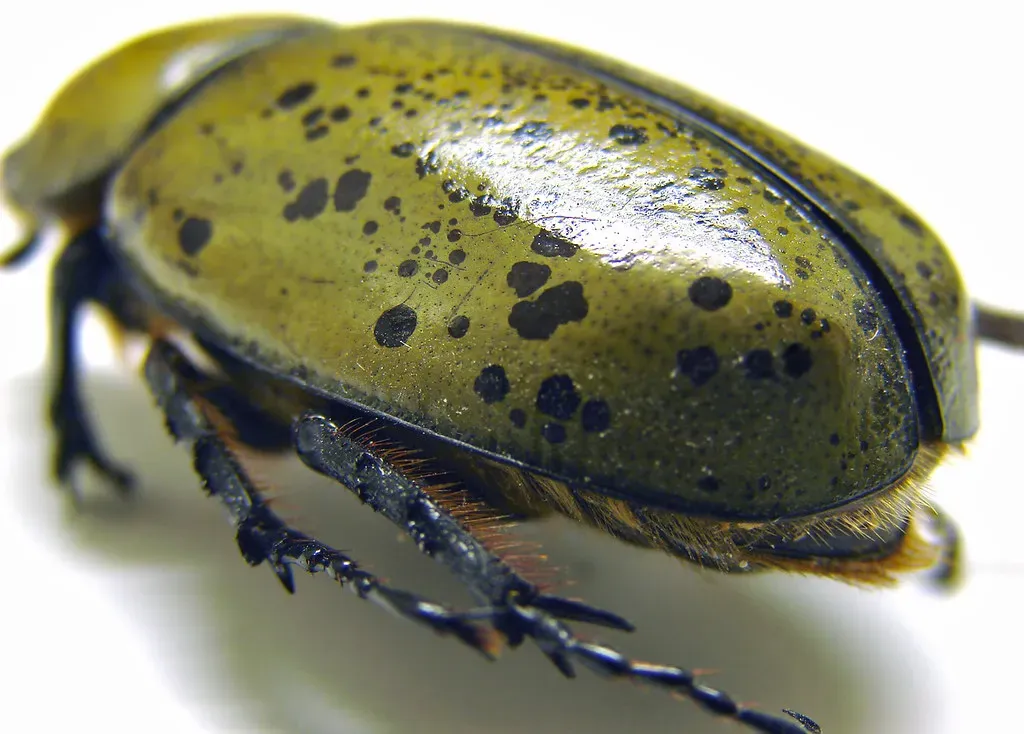
Beetles are famous for their diversity, but ironically, some beetle species are only known to science because they wound up inside something else’s digestive system. In studies of insectivorous birds, reptiles, or even larger beetles, researchers occasionally identify hardened wing covers and other sclerotized parts that belong to previously undescribed species. The tough exoskeleton sometimes survives digestion well enough that key features – ridges, punctures, or patterns – are still visible.
In regions that are hard to survey, such as dense tropical forests or remote deserts, predators often sample a wider range of microhabitats than humans can. When scientists dissect a bird collected decades ago or analyze regurgitated pellets, they may find beetle remains that do not correspond to any known specimen in museum collections. For some of these, there may never be a complete body in hand; the type series might consist entirely of fragments that passed through a stomach long ago.
As someone who loves the idea of undiscovered diversity crawling around out there, I find this both exciting and slightly frustrating. It is like reading a torn page from a novel you know is brilliant and never finding the rest of the book. But even these scraps matter. They tell us that the world’s biodiversity, especially for small, shy, or nocturnal animals, is richer than our field guides suggest, and that predators are quietly doing reconnaissance for us twenty-four hours a day.
Conclusion: A World Discovered Through Other Mouths
When you step back and look at all these examples – fish in stomachs, birds in coprolites, rodents in owl pellets, parasites in tissues, microbes in gut DNA – you start to see a pattern that is both unsettling and deeply revealing. Our record of life on Earth is not a tidy catalogue of intact specimens. It is a patchwork assembled from leftovers, accidents, and meals that went horribly, or wonderfully, right for science. Predators, hosts, and even poop become unintentional archivists, storing fragments of species that might otherwise have vanished without a trace.
Personally, I think this should change how we talk about “known species.” That phrase sounds solid and confident, but as these cases show, sometimes we are hanging that confidence on a few chewed bones or a faint genetic signal in feces. My opinion is that this is not a weakness; it is a feature of doing honest biology in a messy world. Instead of pretending we have a complete picture, we should embrace the fact that much of what we know comes from sideways glimpses, and that predators and parasites are as much part of the story of discovery as microscopes and dig sites.
There is also an ethical undercurrent here. If some species are known only from one meal, it means we are probably underestimating how many lineages we have already lost without ever knowing they existed. Conservation decisions built only on obvious, easily seen species risk missing the quieter ones that live in shadows, guts, and hidden niches. Recognizing that reality should push us toward broader protection of habitats and food webs, not just the charismatic actors but the entire, messy cast.
In the end, these 14 examples are a reminder that life leaves traces in unexpected places, and curiosity often starts with something as humble as a pellet, a coprolite, or a cross-section of gut. The next time you see a fossil mount or read about a newly described microbe, it is worth asking: did we meet this species on its own terms, or did we only find it because it crossed paths with something hungry?