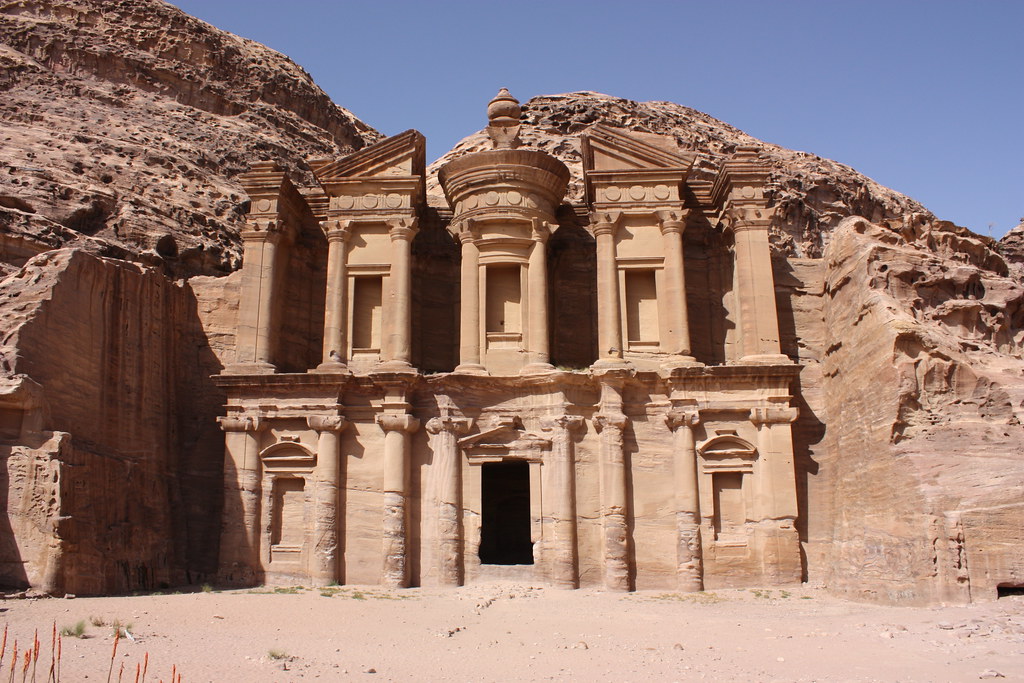

Most people assume ancient civilizations were primitive by definition – simple farmers and stone-tool users slowly inching toward “real” progress. That assumption falls apart the moment you look closely at the archaeological record.
Cities without kings had working sewer systems before the printing press existed. Temples were built before farming was even invented. A shipwreck off a tiny Greek island hid a bronze machine so advanced that nothing else like it appears again for over a thousand years. Historians are still struggling to explain how these societies got so far, so fast – and why so much of it was later forgotten. Here’s what the archaeological evidence actually says.
#14 – The Aztecs Engineered a Floating City That Fed a Million People

Tenochtitlan wasn’t just a capital city – it was a working piece of agricultural engineering disguised as a metropolis. The Aztecs built the city on a lake, then solved the problem of feeding hundreds of thousands of people by constructing chinampas: rectangular plots of fertile mud and vegetation anchored to the lakebed with woven stakes and willow trees. These “floating gardens” produced multiple harvests a year, far outpacing anything European agriculture could manage on the same footprint.
What really sets this apart is the water management underneath it all. Causeways doubled as dikes, controlling flooding and separating fresh water from salt water long before modern hydraulic engineers had the vocabulary to describe what they were doing. The city could sustain a population size that rivaled the largest cities in Europe at the time, built entirely on a lake bed. Spanish conquistadors who first saw Tenochtitlan reportedly compared it to a dream, because nothing in Europe looked remotely like it.
Fast Facts
- Built entirely on an island in Lake Texcoco, connected to shore by causeways
- Chinampas allowed multiple harvests per year on reclaimed lake mud
- Population estimates run as high as 200,000-300,000 residents at its peak
- Causeways doubled as flood-control dikes, separating fresh and salt water
- Fell to Spanish forces in 1521, ending centuries of urban engineering
#13 – Song Dynasty China Was Running a Proto-Industrial Economy
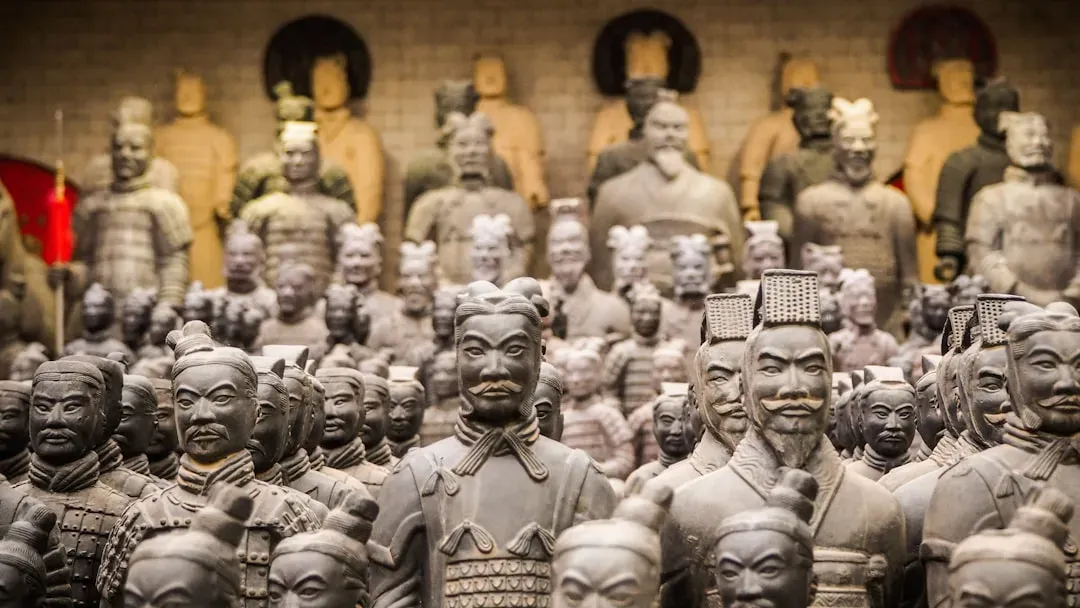
While medieval Europe was still mostly agrarian and feudal, Song Dynasty China (960-1279 CE) had already built something resembling an early industrial economy. Iron production numbers reached levels that some economic historians argue Europe wouldn’t match again until the eighteenth century. Movable type printing existed in China roughly 400 years before Gutenberg, paper currency was already circulating as standard commerce, and government exams – not bloodlines – determined who got positions of power.
The compass, refined for maritime navigation during this era, quietly reshaped global trade routes for centuries afterward. Combine that with the world’s earliest known seismograph, which could detect and roughly locate distant earthquakes using a system of pendulums and dragon-mouth levers, and you get a civilization that was solving problems Europe hadn’t even identified yet. Song China’s paper money economy predates any comparable European system by centuries, and many historians now argue the Song economy was closer to an early market economy than anything else in the medieval world.
#12 – Baghdad’s House of Wisdom Was the World’s First Research Institution
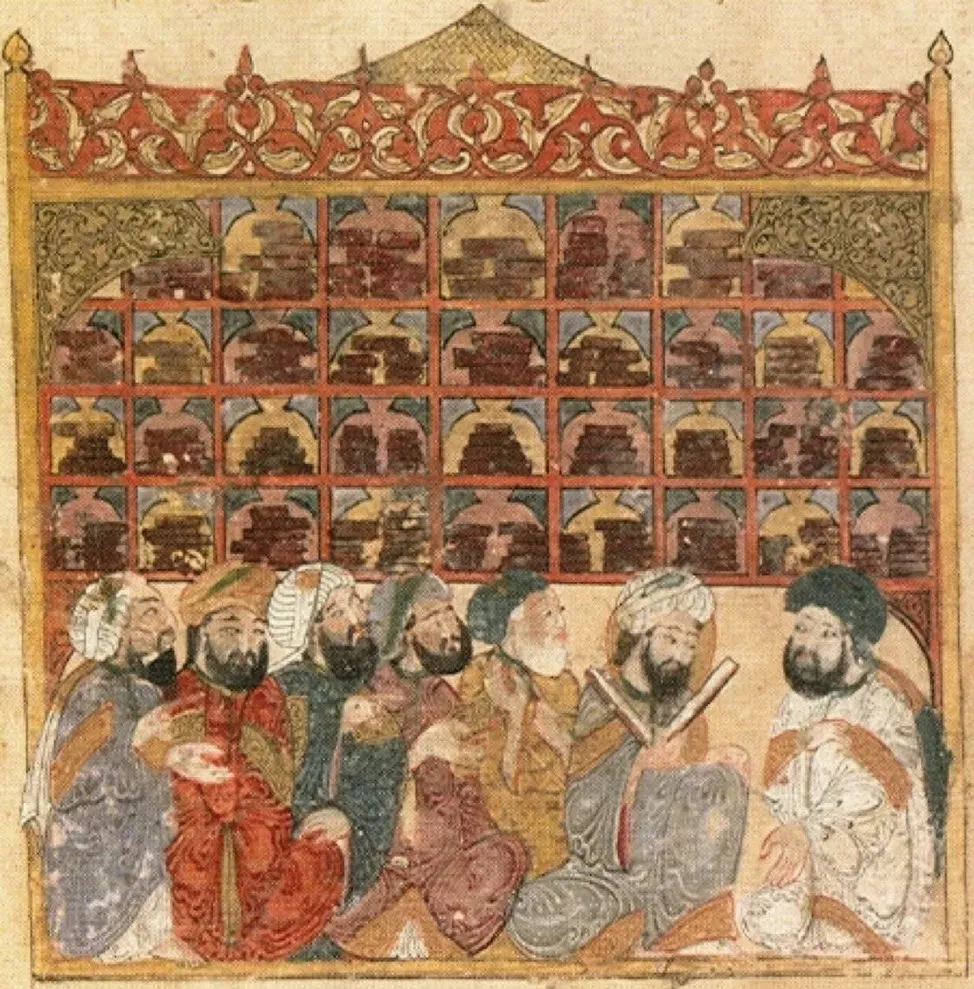
While Europe was in the depths of what’s often called the Dark Ages, Baghdad was running something that looked remarkably like a modern research university. The House of Wisdom, established under the Abbasid Caliphate, pulled in scholars from Persian, Greek, Indian, and Syriac traditions and paid them to translate, argue, and expand on each other’s work. This wasn’t passive preservation – it was active scientific advancement.
Algebra itself, as a formal discipline, emerged from scholars working in this environment, and the word comes directly from the title of a text produced there. Astronomers refined earlier Greek models of the solar system, physicians wrote medical encyclopedias that European universities were still using for reference five centuries later, and translators saved enormous portions of classical Greek philosophy that would otherwise have been lost entirely. Without this institution, a huge percentage of what we now call “classical knowledge” would simply not exist today. Turns out the so-called Dark Ages had a very bright corner of the map.
#11 – The Minoans Had Flush Toilets Nearly 4,000 Years Ago
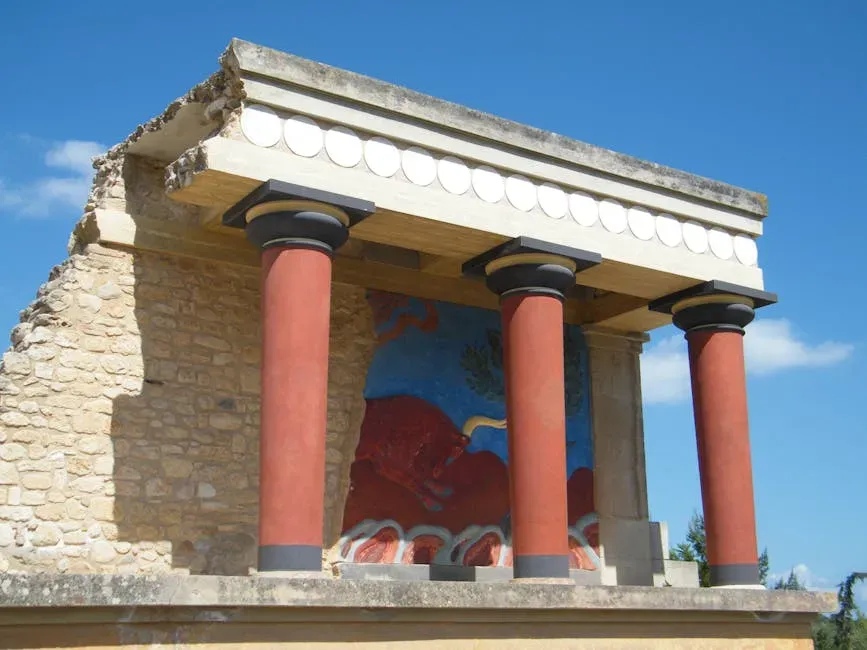
The Minoan civilization on Crete, which flourished around 2000-1450 BCE, built palace complexes at Knossos with plumbing systems that would put many rural homes centuries later to shame. Terracotta pipes carried water into the palace and waste out of it, and archaeologists have identified what functioned as an early flush toilet, using water flow to clear waste through a drainage channel.
Beyond the plumbing, the Minoans developed multi-story buildings with light wells, sophisticated drainage to manage seasonal flooding, and elaborate fresco art depicting a society that valued leisure, sport, and trade over constant warfare. Their maritime trade network stretched across the Mediterranean, moving goods between Egypt, the Levant, and mainland Greece long before those regions had settled political relationships. Most tourists visiting Crete today have no idea they’re standing above one of the earliest known indoor plumbing systems on Earth. While most travel guides call Knossos a “palace,” many archaeologists argue it functioned more like an administrative and religious complex than a royal residence.
#10 – The Nazca Built an Underground Water System That Still Works Today
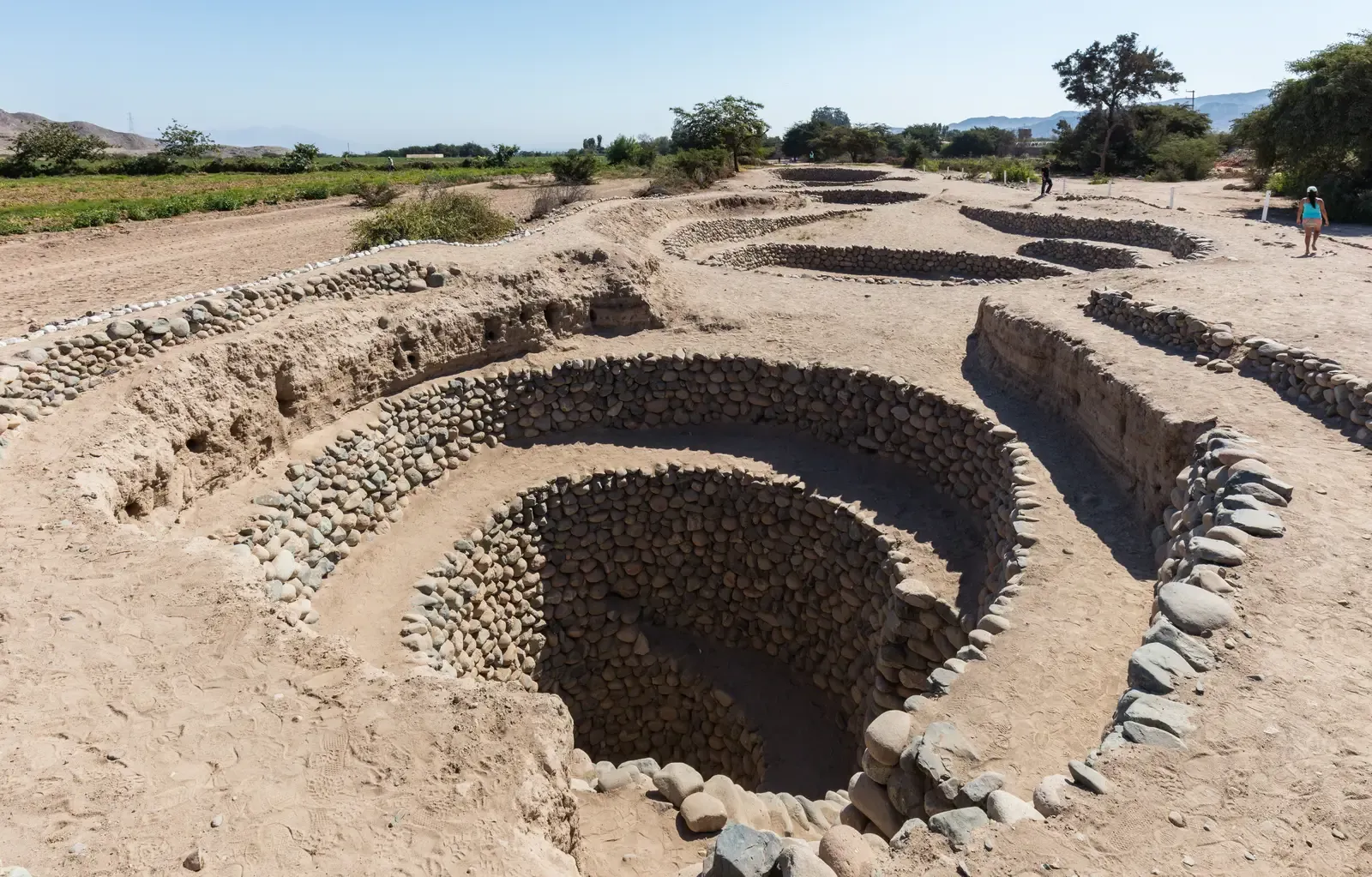
Everyone knows the Nazca Lines – the giant geoglyphs etched into the Peruvian desert that are only fully visible from the air. What most people don’t know is that the same culture solved a far more practical problem: how to get water in one of the driest places on Earth.
The Nazca built puquios, a network of underground aqueducts that tap into subterranean water tables and channel water toward the surface using spiral, corkscrew-shaped entry points that also help funnel wind down into the tunnels to keep water moving. Remarkably, some of these systems are still functioning and still used by local farmers today, nearly two thousand years after they were built. A water system engineered without modern surveying tools is still outperforming plenty of modern rural infrastructure. The lines get all the attention, but the puquios arguably represent the more impressive engineering achievement.
#9 – Angkor Was the Largest Pre-Industrial City on Earth

The Khmer Empire’s capital at Angkor, in present-day Cambodia, wasn’t just home to the famous temple of Angkor Wat – it was a sprawling hydraulic city that some researchers estimate covered close to a thousand square kilometers, making it larger in area than many modern metropolitan regions.
The Khmer engineers built an enormous network of reservoirs, canals, and moats to manage monsoon flooding and dry-season drought simultaneously, effectively running an ancient water utility system across an entire city-region. This infrastructure allowed rice paddies to produce surplus food capable of sustaining a population that some estimates place close to a million people at the empire’s height. A medieval Southeast Asian city may have physically sprawled wider than modern-day Los Angeles. Climate stress and drought cycles, revealed through tree-ring research, are now considered major factors in the empire’s eventual decline – proof that even the most advanced hydraulic engineering has limits.
#8 – Nabta Playa’s Stone Circle May Be Older Than Stonehenge
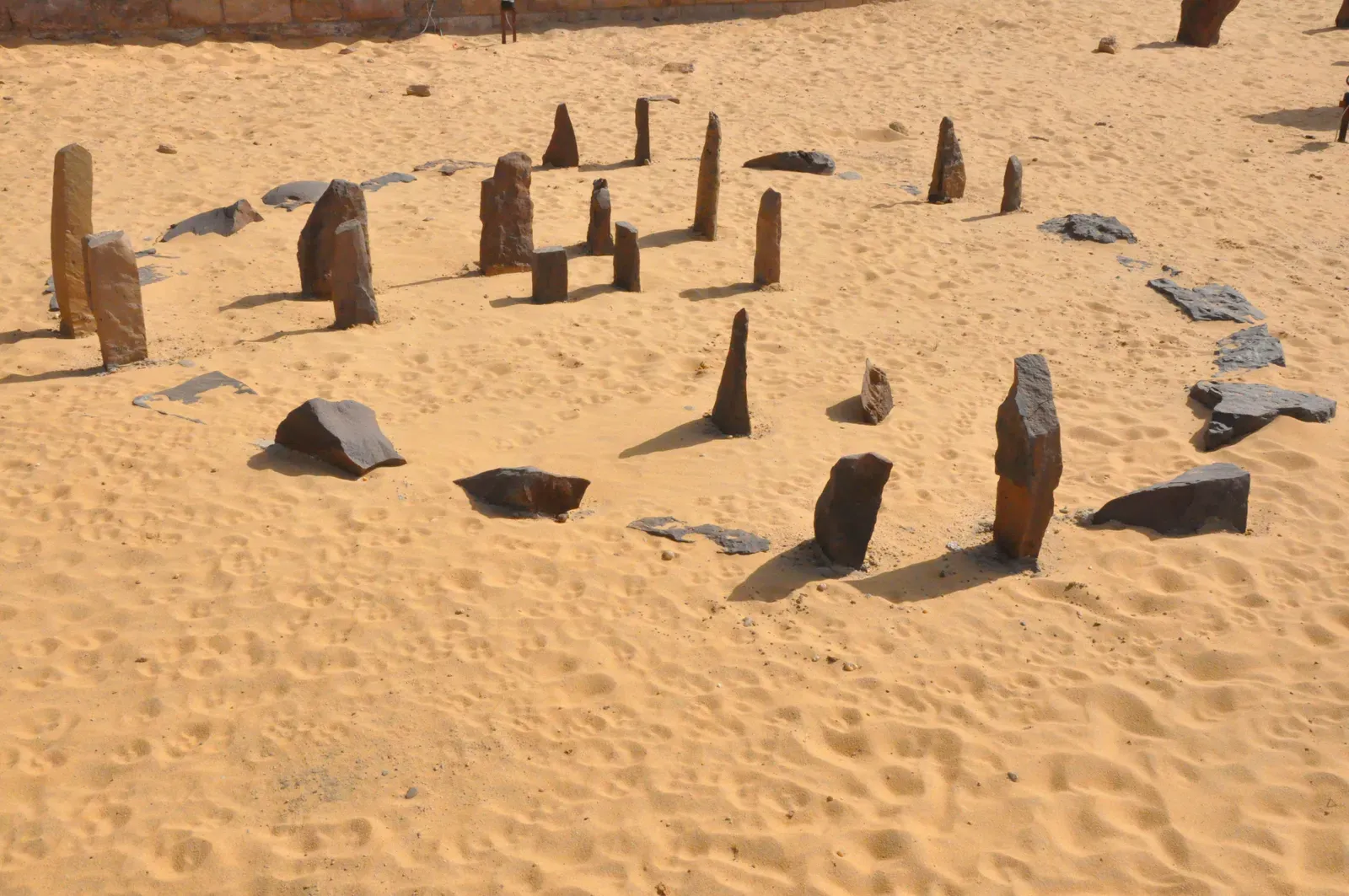
Long before Stonehenge existed, people in what is now the Egyptian Sahara were arranging megalithic stones with apparent astronomical intent at a site called Nabta Playa. Dated to roughly 6,000 years ago or more, the stone circle appears aligned with the summer solstice, which would have marked the arrival of critical monsoon rains in a landscape that couldn’t survive without them.
What makes this genuinely startling is the social context. This wasn’t a settled agricultural empire – it was a semi-nomadic cattle-herding culture that nonetheless organized the labor and astronomical knowledge required to build a functioning calendar in stone. Some researchers argue this site may represent one of the earliest known examples of archaeoastronomy anywhere in the world. Most people assume monumental astronomy started with settled civilizations, but Nabta Playa suggests it might have started earlier, with people who were still following their herds.
#7 – The Maya Understood Zero and Tracked Venus With Terrifying Precision
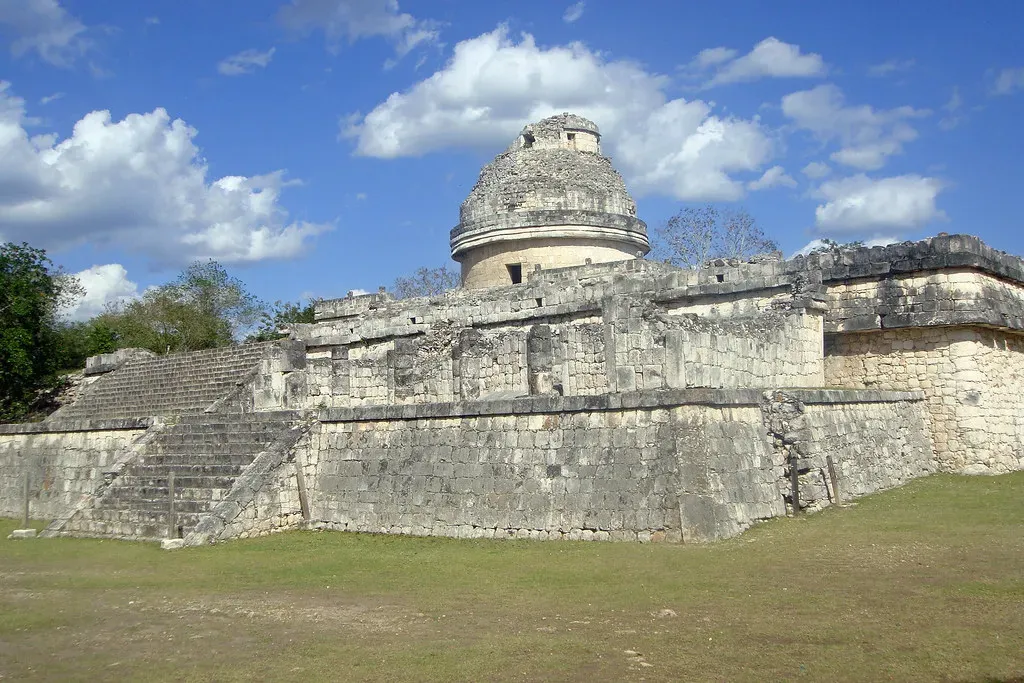
The Maya civilization independently developed the mathematical concept of zero as a placeholder centuries before it appeared in most of the ancient world outside India and Mesopotamia. Their base-20 number system allowed for calculations complex enough to track long-term calendrical cycles spanning thousands of years without losing accuracy.
Their astronomers tracked the orbital cycle of Venus with a level of precision that modern astronomers have confirmed was accurate to within hours over centuries of observation, all recorded in bark-paper codices and stone inscriptions. This wasn’t casual stargazing – Maya cities built structures specifically oriented to track solstices, equinoxes, and planetary risings, weaving astronomy directly into religious and political life. Their Venus tables were accurate enough that modern astronomers initially assumed the Maya had made errors, until further study proved they hadn’t. It’s a sharp reminder that “primitive” is often just a word for “different math system,” not “less accurate.”
Worth Knowing
- Maya mathematicians used a base-20 (vigesimal) counting system
- Their zero functioned as a true placeholder, developed independently of Old World mathematics
- Venus-cycle tables remained accurate to within hours across centuries of observation
- Temple structures were physically aligned to solstices, equinoxes, and planetary risings
#6 – Roman Concrete Is Outlasting Modern Concrete by Centuries

Roman engineers building harbors, aqueducts, and the dome of the Pantheon used a concrete recipe involving volcanic ash that has proven, in some marine structures, to actually strengthen over time as seawater interacts with the mineral compounds inside it. Modern concrete, by contrast, typically starts degrading within decades, especially in marine environments.
The Pantheon’s dome, poured nearly two thousand years ago, remains the largest unreinforced concrete dome in the world – a fact modern engineers still study for clues about durability and structural design. Roman builders varied their concrete mixtures deliberately depending on the application, using denser mixes for foundations and lighter, pumice-based mixes higher up in domes to reduce structural load. A civilization without rebar or steel reinforcement built structures that have outlasted some twentieth-century concrete by well over a thousand years. Turns out durability isn’t always a function of newer technology – sometimes it’s a function of better chemistry.
#5 – Caral Built Pyramids Before Most People Even Think Cities Existed in the Americas
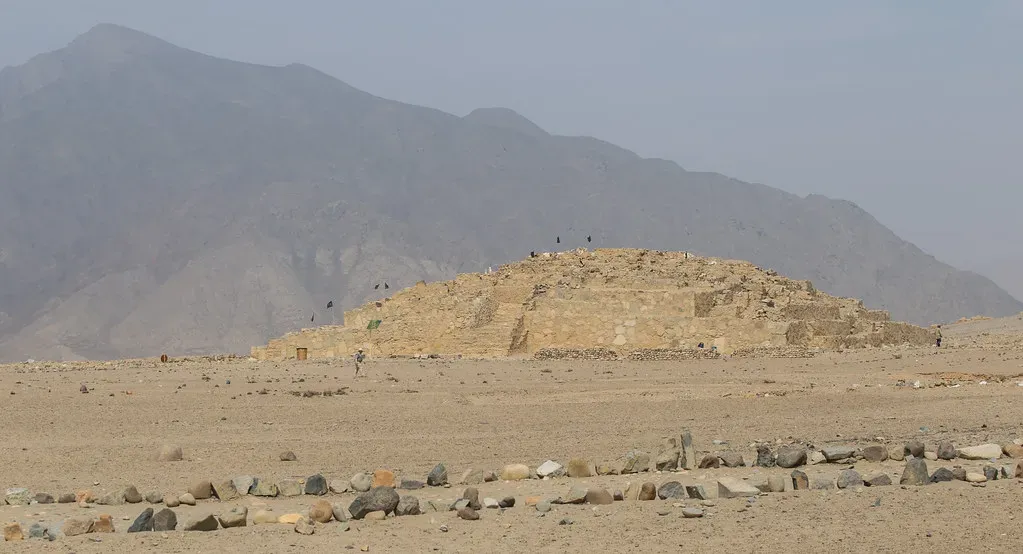
While Egypt was constructing its earliest pyramids, an entirely separate civilization on the other side of the world was doing the same thing, completely independently. Radiocarbon dating on organic matter throughout the site has revealed it to be roughly between 4,000 to 5,000 years old, making its architecture as old – if not older – than the Step Pyramid of Saqqara, the oldest known pyramid in ancient Egypt. This is the Caral-Supe civilization, also called Norte Chico, in what is now coastal Peru.
Before the pyramids of Egypt and the ziggurats of Mesopotamia, an ancient monumental civilization arose with massive pyramids near the north-central coast of Peru, with early urban centers dating back to 3700 BCE. Norte Chico civilizations were pre-ceramic cultures that completely lacked pottery, and apparently had almost no art – which makes their monumental architecture even more surprising, since most textbooks assume complex construction requires an established artistic and material culture first. No evidence of warfare has been found at Caral, suggesting this pyramid-building society thrived without the constant conflict historians usually associate with early state formation. A civilization with no pottery and apparently no organized warfare still managed to construct pyramid complexes rivaling Egypt’s earliest efforts. Most people have simply never heard of it, which might be the most telling detail of all.
#4 – Great Zimbabwe’s Walls Have No Mortar and They’re Still Standing
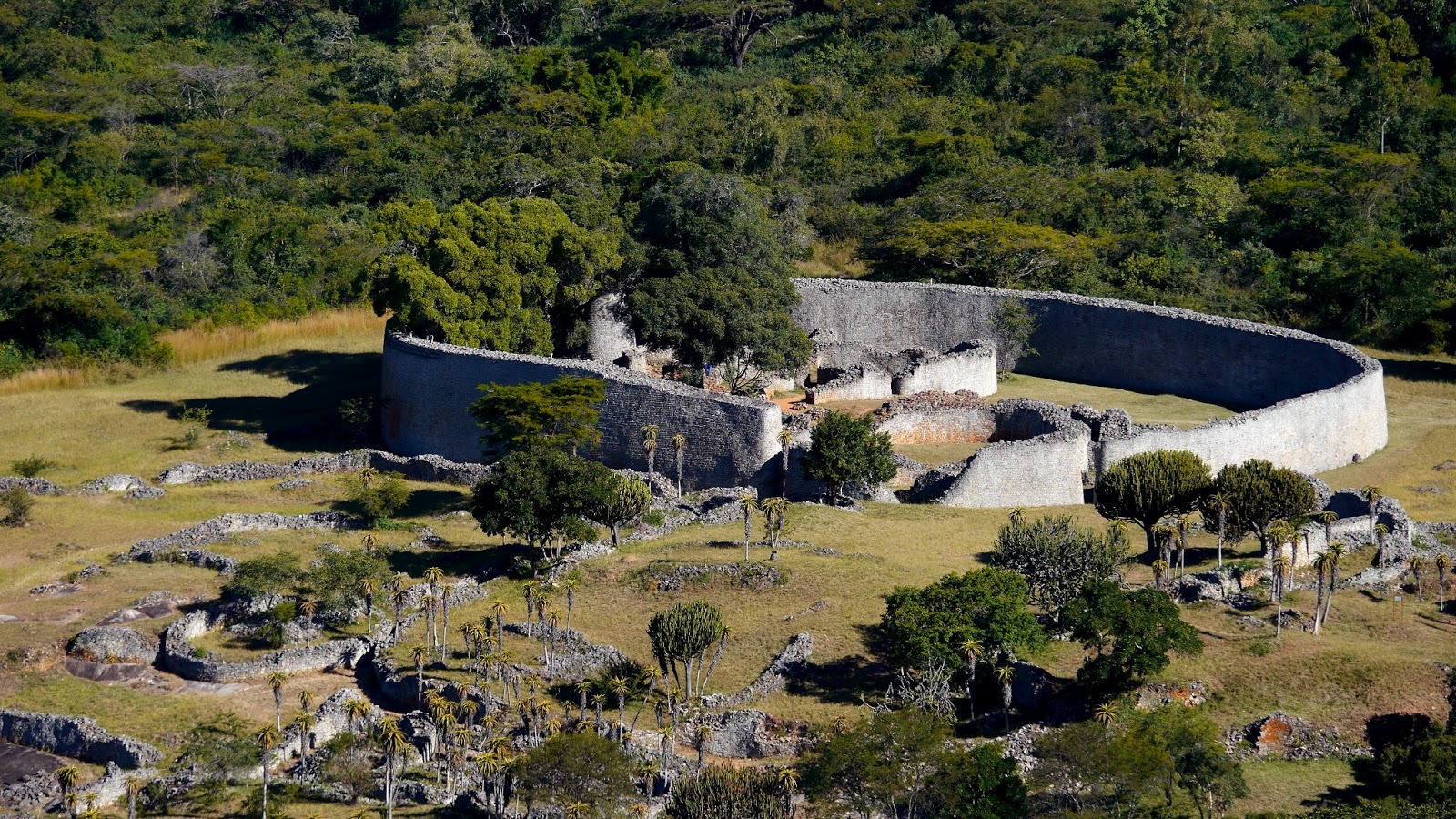
In medieval southern Africa, Bantu-speaking ancestors of the Shona people built a city whose granite walls remain one of the most underappreciated engineering feats in world history. Begun during the eleventh century A.D., Great Zimbabwe was constructed and expanded for more than 300 years, and all of its walls were fitted without mortar by laying stones one on top of the other, each layer slightly more recessed than the last to produce a stabilizing inward slope.
The enormous walls spanned more than 250 metres (820 feet), with some sections rising as high as 11 metres (36 feet) – all without a drop of mortar. Great Zimbabwe is the grandest and the first of the major granite enclosures ever built, containing more than one million blocks of dressed-granite masonry, and the site alone most likely supported nearly twenty thousand people. European explorers who first encountered these ruins centuries later famously refused to believe local African societies had built them, attributing the site to almost anyone else. That colonial-era denial has only recently started getting corrected in mainstream historical accounts, and frankly, it’s overdue.
Quick Compare
- Wall length: over 250 metres (820 feet) of unbroken granite
- Wall height: up to 11 metres (36 feet) tall in places
- Construction span: began 11th century CE, expanded over 300+ years
- Material: more than one million dressed-granite blocks, laid without mortar
#3 – The Indus Valley Had Working Sewers Before Most Civilizations Had Writing
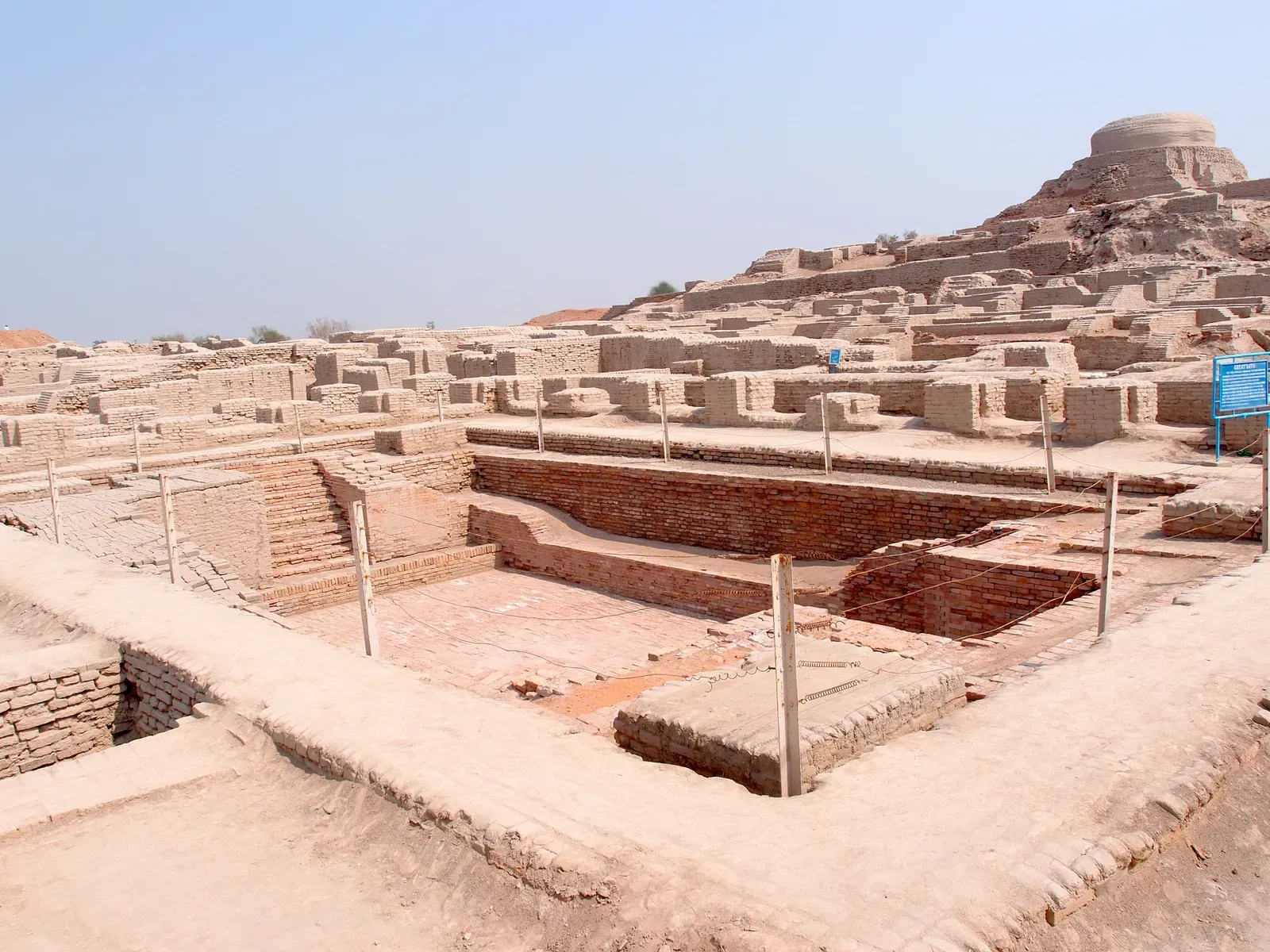
Around 2600 BCE, cities like Mohenjo-daro and Harappa were solving a public health problem that wouldn’t be properly addressed in major European cities until the 1800s. The drainage systems weren’t just good – they , with every single house connected to a covered sewer system running beneath grid-pattern streets, and private bathrooms fitted with vertical chutes that carried waste to underground channels.
Among other things, the Indus Valley Civilization contained the world’s earliest known flush toilets, present in many homes and connected to a common sewerage pipe. The famous Great Bath at Mohenjo-daro, the earliest public water tank in the world, measures 11.88 by 7.01 metres with a depth of 2.43 metres, and the floor was made watertight using gypsum plaster and bitumen. European cities didn’t achieve a comparable level of sanitation until the nineteenth century. This wasn’t a lucky accident either – it required standardized city planning, brick sizing, and civic coordination on a scale that implies real municipal governance, even though we still can’t read their written language.
#2 – Göbekli Tepe Proves Religion May Have Come Before Farming
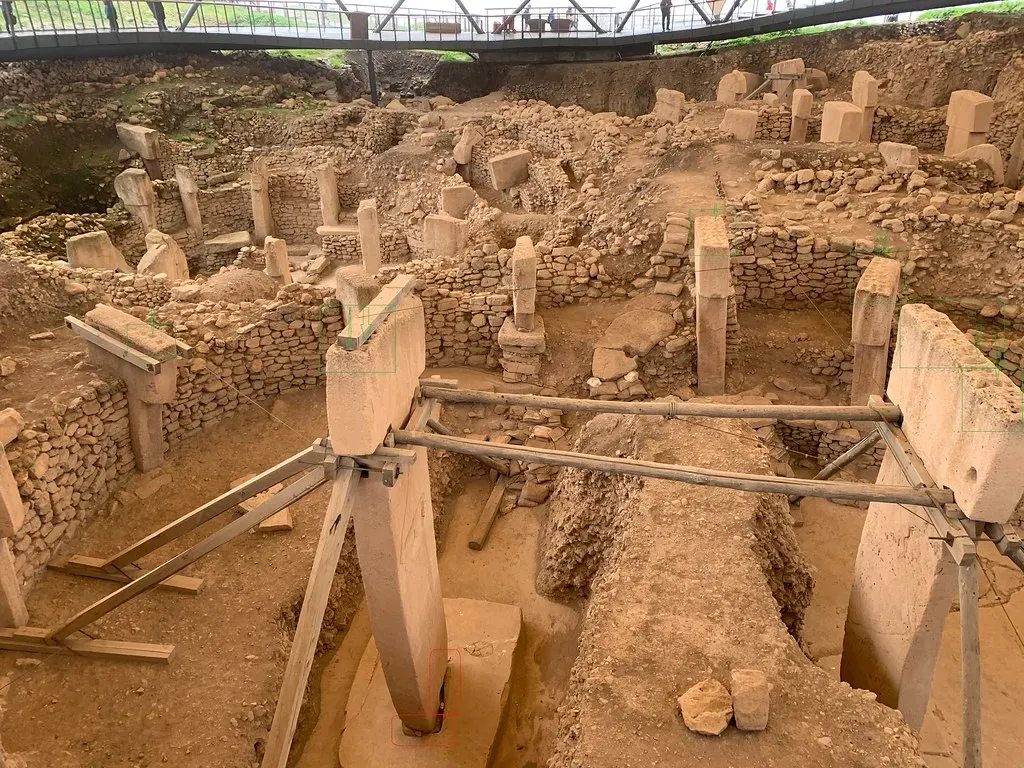
For decades, archaeologists assumed monumental architecture required settled, agricultural societies first. Göbekli Tepe, in southeastern Turkey, blew that assumption apart entirely. Built around 9600 BCE, it is the world’s oldest known monumental site – constructed thousands of years before writing, pottery, or agriculture.
The monumental T-shaped pillars – some exceeding 5 metres in height and weighing up to 10 tonnes – were carved and erected by hunter-gatherers, making Göbekli Tepe roughly 7,000 years older than Stonehenge and 6,000 years older than the earliest known cities. These were not settled farmers with surplus labor – they were mobile foraging groups who organized the quarrying, carving, and transport of massive stone pillars before agriculture even existed. Archaeologists have described the site as elaborate and complex precisely because it predates farming, which makes it one of the most important discoveries in modern archaeology. Some researchers now argue the demand for food to feed workers gathering at this site may have actually helped spark the invention of agriculture, rather than the other way around – which, if true, flips the entire foundational story of human civilization on its head.
At a Glance
- Constructed around 9600 BCE, by hunter-gatherers with no farming or pottery
- Roughly 7,000 years older than Stonehenge
- About 6,000 years older than the earliest known cities
- Pillars reach over 5 metres tall and weigh up to 10 tonnes
#1 – Ancient Greece Built an Analog Computer 2,000 Years Ago
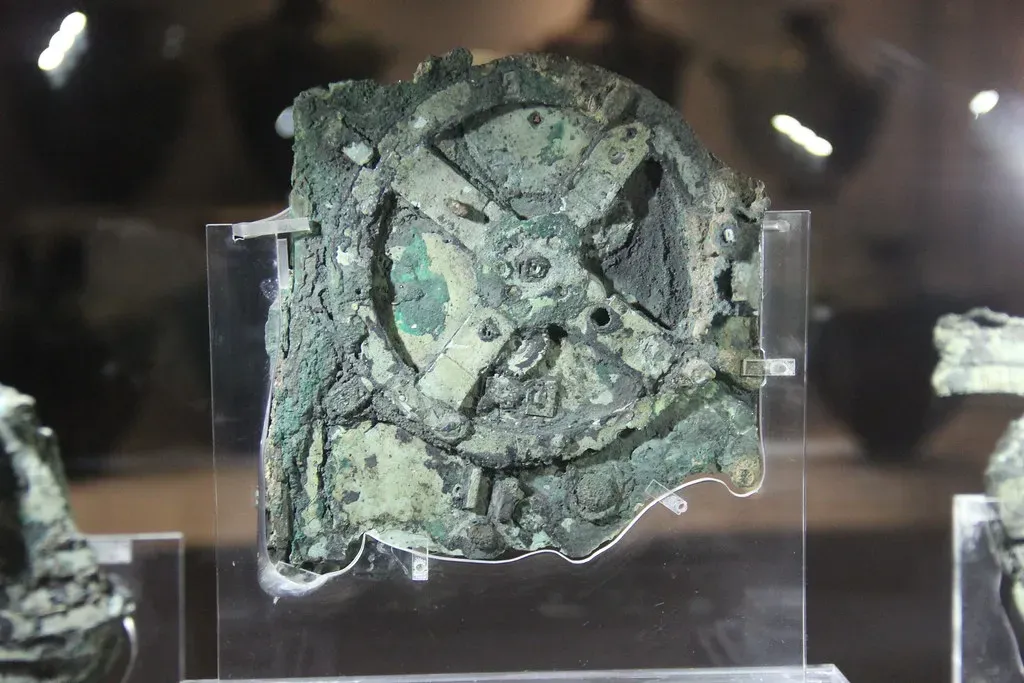
Nothing on this list captures “centuries ahead of its time” more literally than the Antikythera mechanism. This geared bronze device is dated to between 150 and 100 BCE and was designed to calculate astronomical positions and predict eclipses. Often called the world’s first analog computer, it’s the earliest known geared mechanism ever discovered, and its sophistication wasn’t matched again until the fourteenth century CE.
Discovered by sponge divers in a shipwreck in 1901, the device sat misunderstood for decades. It was originally built from more than 30 interlocking bronze gears that predicted the phases of the moon, eclipses, the dates of the Olympics, and the movement of planets and stars. Researchers studying its internal gearing found the builders used a brilliant system of epicyclic gearing, where one gear orbits the center of another, along with a pin-and-slot mechanism that ingeniously mimics the variable speed of the Moon’s orbit.
There is nothing like it that has ever been found. We have nothing from the same 500 years before it and nothing as sophisticated for a thousand years after it.
Jo Marchant, science journalist and author of Decoding the Heavens
A device this precise wouldn’t be matched again for roughly 1,400 years. It’s the single clearest piece of physical evidence that ancient engineering knowledge didn’t just get “lost” – it got buried at the bottom of the sea, and we’re still piecing together what it could actually do.
The Bottom Line
The evidence is hard to argue with: from underground sewers in the Indus Valley to a bronze computer at the bottom of the Aegean, ancient societies were solving problems we assumed required modern tools. Progress was never a straight line – it was scattered across continents, frequently forgotten, and sometimes rediscovered centuries later by accident.
The real mistake isn’t underestimating any single civilization. It’s assuming “ancient” automatically means “primitive.” Most of what we call innovation today is really rediscovery, dressed up in new materials.
Which of these caught you most off guard? Drop your pick in the comments – and if we missed one, tell us which lost civilization deserves a spot on this list.