Most people think extinction is ancient history – dinosaurs, mammoths, maybe the dodo if you paid attention in school. It feels like something that only happened in a textbook, to creatures nobody alive ever actually saw with their own eyes.
That’s not true. Within a single human lifetime, animals that were once completely ordinary – the kind of thing people barely bothered to look at twice – have vanished off the face of the earth. Not “rare.” Not “endangered.” Gone, as in never again, not ever.
Some of these species were so common that people got sick of them. Billions of birds darkening the sky. Thousands of rhinos treated as scenery. A little fish nobody thought twice about in a Mojave hot spring. Below are 13 species that were part of everyday life within living memory – and the exact, often infuriating chain of events that erased each one for good.
#13 – The Western Black Rhinoceros: Poached Out in Plain Sight
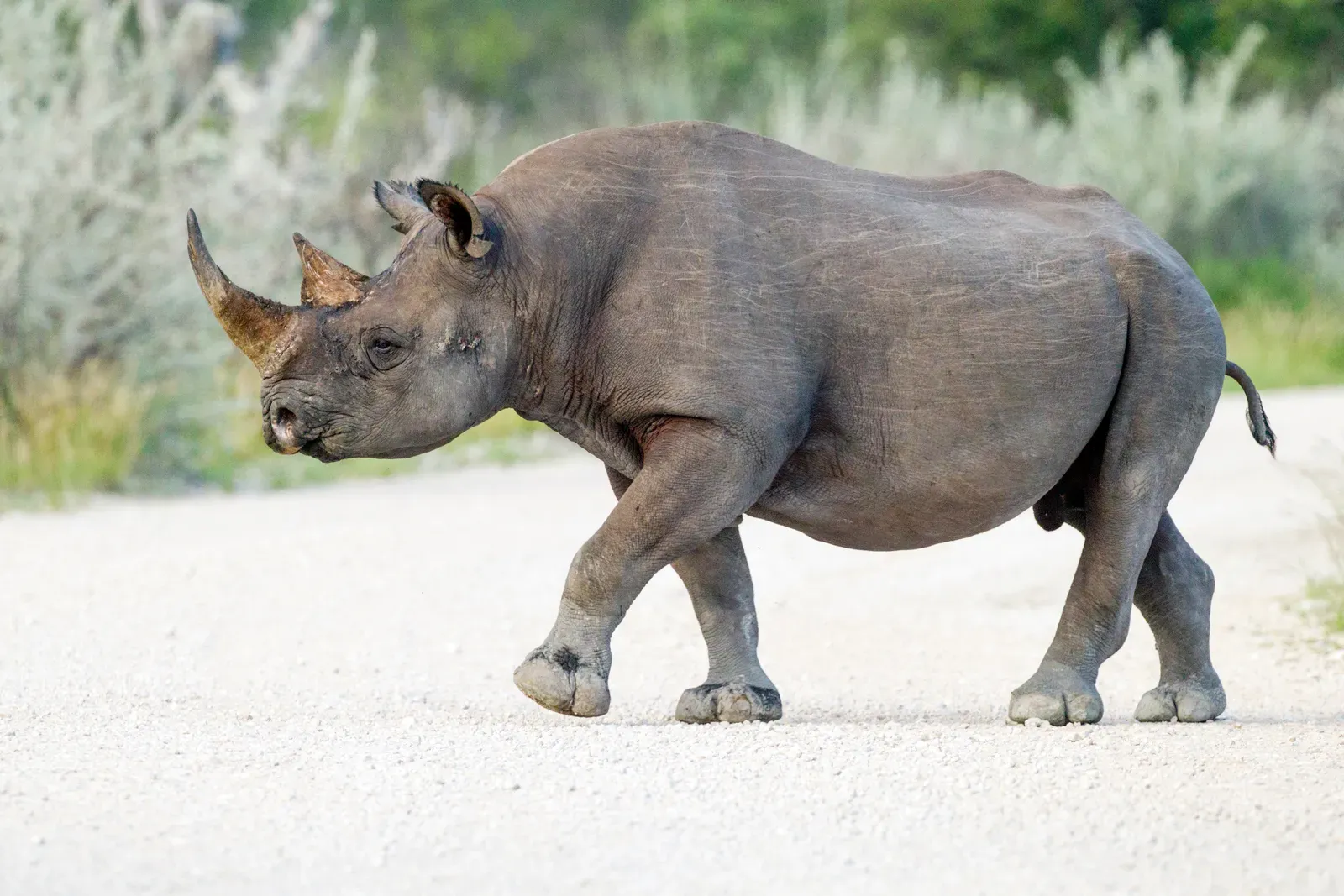
Most people don’t realize a rhino subspecies went from “plenty left” to officially gone within just a few decades. The western black rhinoceros, once roaming across Cameroon, Chad, and surrounding regions, wasn’t some ultra-rare cryptid. In the mid-20th century there were thousands, scattered across the savanna like big grey boulders, often treated as little more than background scenery on safaris.
What changed wasn’t that they “couldn’t adapt.” It was bullets and money. Demand for rhino horn – marketed as medicine, status symbol, and investment asset – exploded from the 1970s onward. A single horn could sell for tens of thousands of dollars, turning each animal into a walking safe deposit box.
Fast Facts
- Scientific name: Diceros bicornis longipes
- Historic range: Cameroon, Chad, and the Central African Republic
- Population fell from thousands to zero in roughly 50 years
- Declared extinct by the IUCN in 2011
Governments responded late and weakly. Anti-poaching units were underfunded, rangers were sometimes outgunned, and corruption quietly undercut enforcement. By the 1990s, western black rhinos were functionally gone from most of their historic range, surviving only in scattered pockets. On paper they were still “critically endangered.” In the field, rangers were going months, then years, without a single confirmed sighting.
By 2011, the IUCN finally declared the western black rhinoceros extinct. For people alive in the 1950s, that meant a large, charismatic mammal went from “I’ve seen them many times” to “you will never see one again” inside their own lifetime.
#12 – The Passenger Pigeon: From Billions to Zero
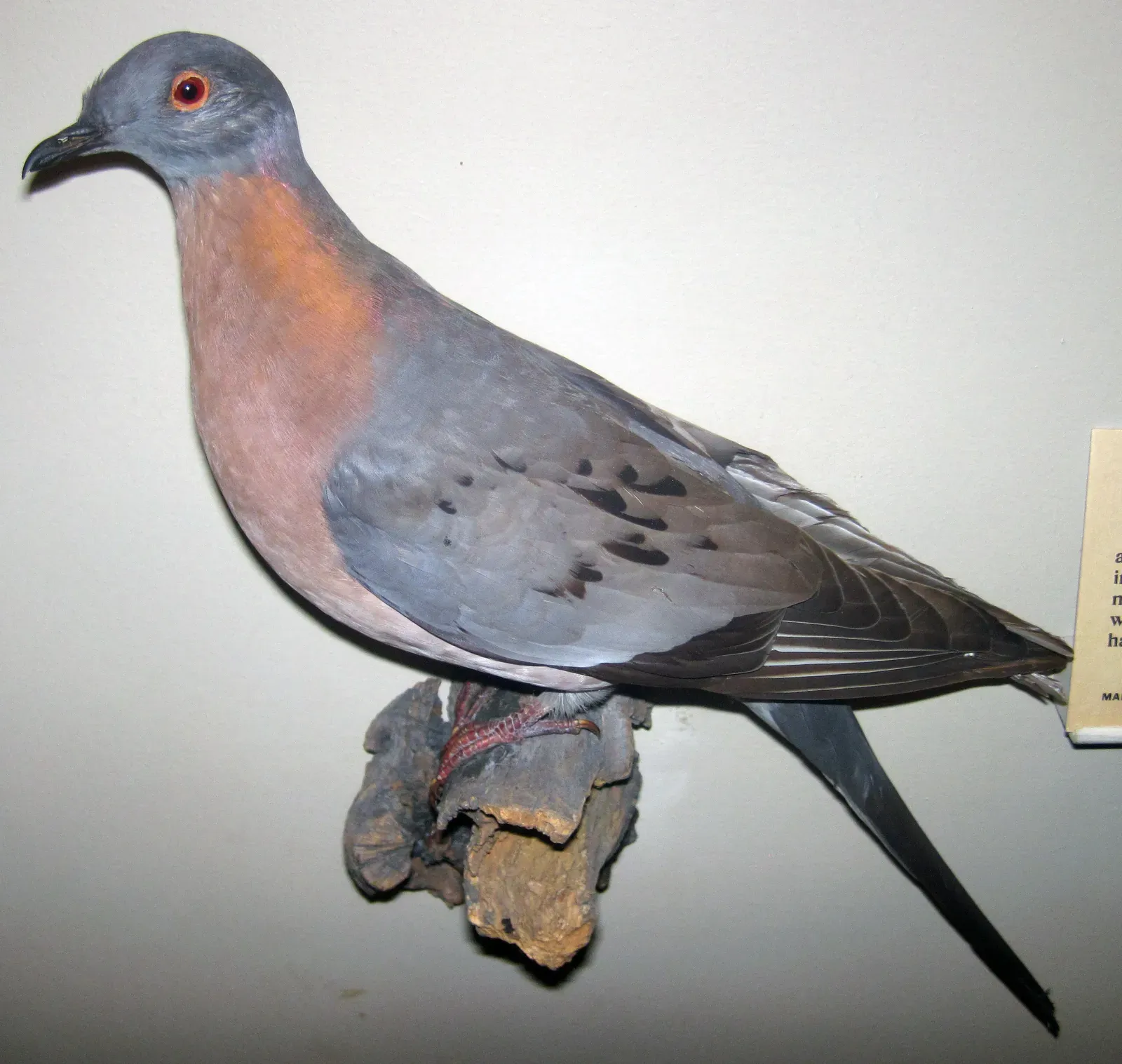
The passenger pigeon is the textbook example of a species that was too common for its own good. In the 1800s, flocks in North America were so huge they darkened the sky for hours at a stretch. Eyewitnesses described migrating clouds of birds tens of miles long, with an estimated population of 3 to 5 billion individuals.
Farmers cursed them as crop destroyers. Hunters treated them as an endless resource. The logic was simple and disastrously wrong: there are so many, we could never wipe them out.
Industrial-scale hunting and habitat destruction proved otherwise. As forests were cleared and commercial pigeon meat became big business, people used nets, shotguns, and even fire to kill thousands of roosting birds at a time. Some hunting crews shipped out more than a million birds a year at the peak.
By the late 19th century the “infinite” flocks had fragmented into small, vulnerable groups, and passenger pigeons needed those mega-colonies to breed and dilute predation. The last confirmed wild bird was shot in 1901. The final captive pigeon, Martha, died alone in a Cincinnati zoo in 1914 – billions of birds reduced to a stuffed specimen in a museum case within one long human lifetime.
#11 – The Baiji Dolphin: The River Goddess Erased by Industry
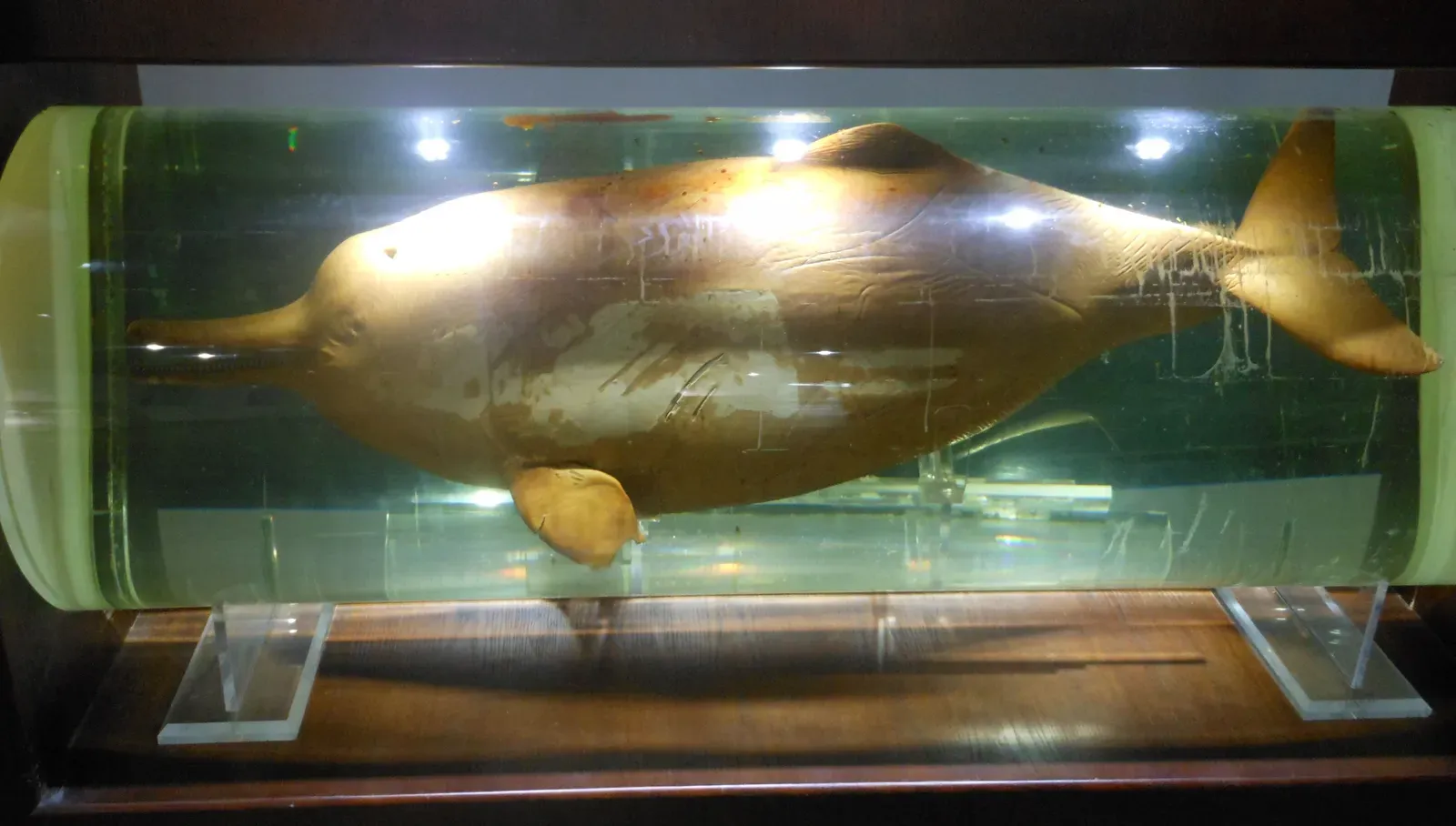
Most people picture dolphins as ocean animals, but China’s baiji was a sleek, pale-blue river specialist that survived millions of years in the Yangtze – until the last 50 years did it in. Fishermen in the 1950s and 1960s described them as a routine sight, surfacing near boats and trailing ships upstream. This wasn’t a mysterious creature; it was woven into local folklore as the “goddess of the Yangtze.”
Then China’s economic boom hit the river like a freight train. Shipping traffic, dam construction, sand mining, chemical pollution, and heavy fishing turned the Yangtze into a hostile corridor. Baiji were struck by ships, entangled in nets, and slowly poisoned by contaminants building up in their fat and organs.
They were also acoustically blinded. Engines, dredging, and sonar flooded the river with noise, disrupting the echolocation baiji relied on to navigate and hunt. By the 1980s the population was clearly collapsing, and conservation proposals stayed small, scattered, and too late.
In 2006, an international survey team spent weeks systematically searching the Yangtze with visual observers and acoustic gear. They found nothing. The species is now considered functionally extinct – humans erased an entire lineage of river dolphins that had outlasted ice ages and tectonic shifts, in just a few decades.
#10 – The Golden Toad: A “Common” Amphibian That Vanished Almost Overnight
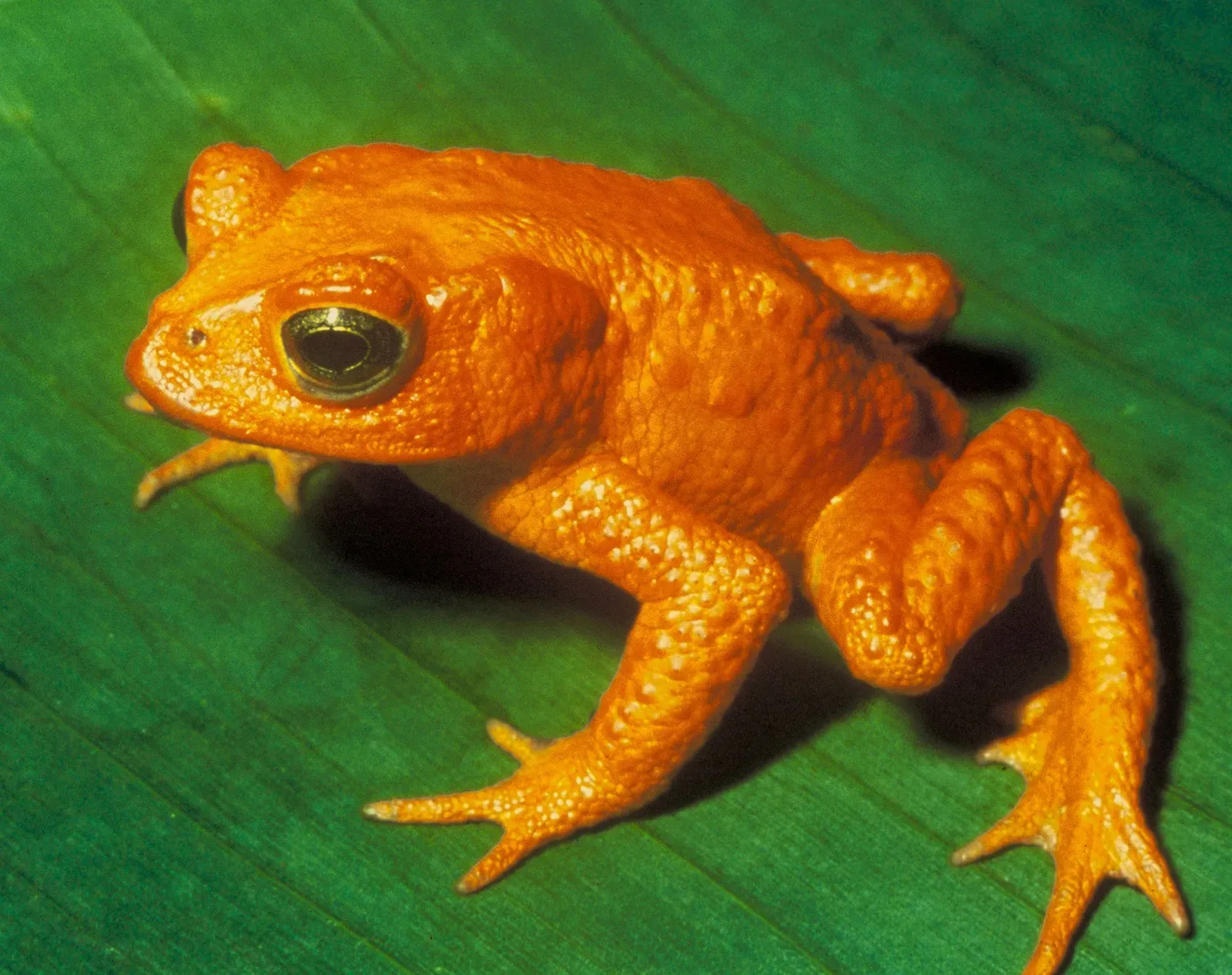
If you want a case where climate, disease, and sheer bad timing collide, the golden toad is it. Discovered in the 1960s in Costa Rica’s Monteverde Cloud Forest, it was almost cartoonishly bright – a small, neon-orange amphibian so vivid it looked fake. Researchers saw them in dense breeding gatherings for years, with thousands estimated in a tiny range during the 1980s. Go at the right time of year, and a sighting was basically guaranteed.
Then the numbers crashed in a way that unsettled even veteran field biologists. In 1987, hundreds bred in their usual pools. In 1988, fewer than a dozen showed up. By 1989, a single male was seen. After that: nothing, despite targeted surveys. The species is now considered extinct.
What happened? The leading suspects:
- Rapid shifts in temperature and humidity in the cloud forest, likely tied to climate change.
- The spread of chytrid fungus, a deadly pathogen now infamous for wiping out amphibians worldwide.
Most likely it was a brutal one-two punch: environmental stress weakening the population, then disease finishing the job. Local people and scientists went from “there are plenty” to “we can’t find a single one” in roughly two field seasons.
#9 – The Tecopa Pupfish: A Desert Minnow Erased by Hot Springs Tourism
You don’t need a rainforest or a mega-dam to wipe out a species. In California, a tiny fish disappeared because people wanted better bathwater. The Tecopa pupfish lived in just a few hot springs and outflows in the Mojave Desert, near the town of Tecopa – a small, silvery-blue fish tough enough to survive near-boiling temperatures that would kill most other species.
Worth Knowing
- Scientific name: Cyprinodon nevadensis calidae
- Barely 1 to 1.5 inches long, yet able to tolerate water up to roughly 110°F
- Declared extinct in 1981 – the first species ever removed from the Endangered Species Act due to extinction
- Close relatives, like the Devils Hole pupfish, still cling to survival in similarly tiny desert springs today
As Tecopa tried to reinvent itself as a health resort, the springs were heavily modified: channels straightened, pools widened, outflows diverted for bathing and sanitation. Nobody seriously thought a few concrete culverts and grading projects would wipe out an entire species. The assumption was that nature would simply adjust. It didn’t.
Pupfish are hyper-localized specialists, and the Tecopa population depended on very specific flow patterns and micro-habitats. Once those were bulldozed and rerouted, their breeding grounds vanished. By the late 1960s biologists realized the fish were in trouble, but the key damage was already done.
The Tecopa pupfish was declared extinct in 1981 – one of the first U.S. species formally removed from the Endangered Species list not because it recovered, but because it was gone. Small decisions about tourism and plumbing wiped out a species that had survived in those springs for thousands of years.
#8 – The Pinta Island Tortoise: An Icon Reduced to One Lonely Survivor
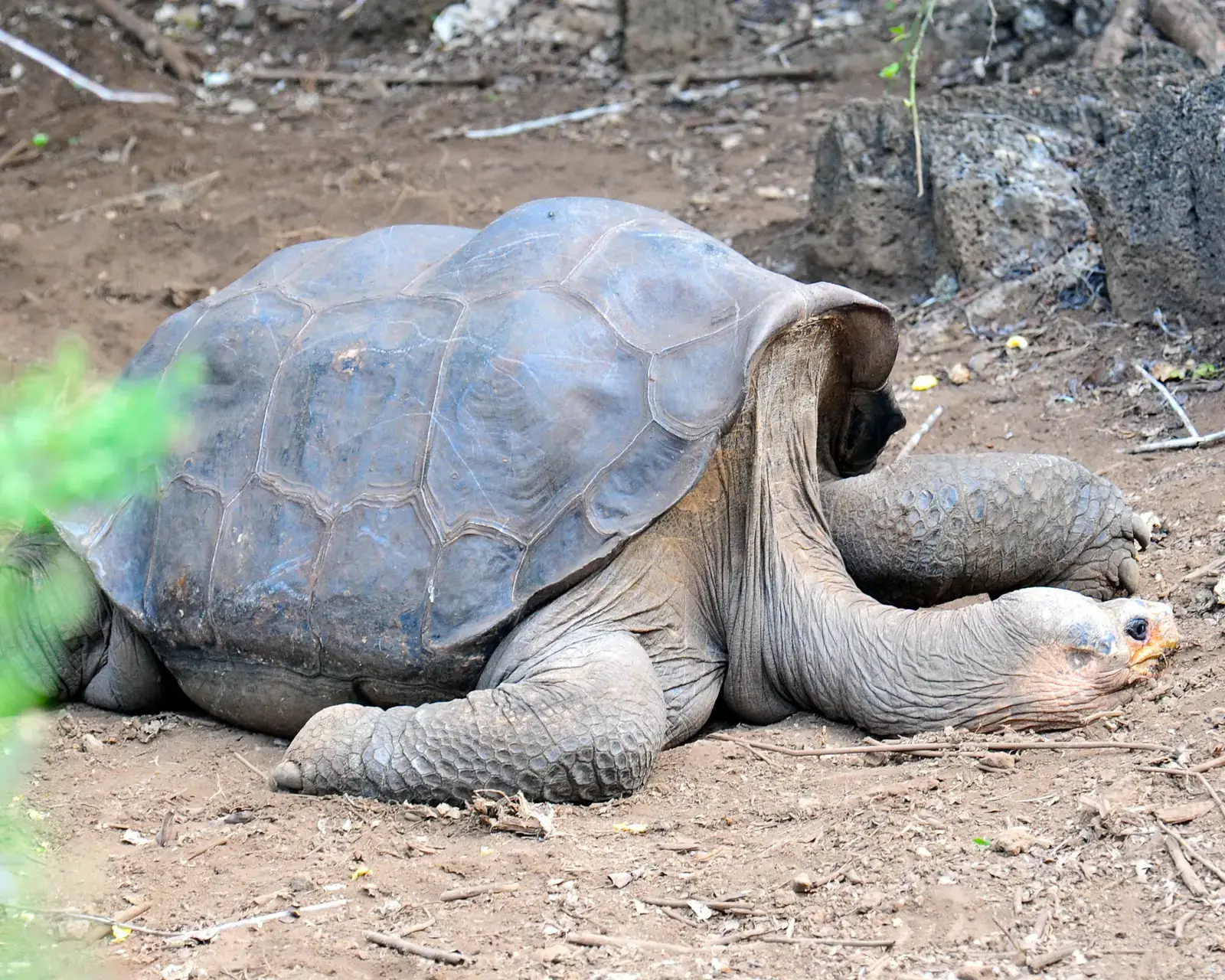
Most people know “Lonesome George,” but they don’t realize his species was once treated as meat on the hoof for passing ships. The Pinta Island tortoise, native to a northern Galápagos island, was part of a giant tortoise complex that historically numbered in the hundreds of thousands. Sailors and whalers routinely loaded them as fresh meat, since tortoises could survive for months in ship holds with no food or water.
By the early 1900s, heavy exploitation and introduced goats had devastated Pinta’s tortoise population. Goats stripped vegetation, eroding soils and wrecking the slow-growing plants tortoises depended on. For decades, scientists assumed Pinta’s tortoises were already gone.
Then, in 1971, a single male was found – later named Lonesome George, and he became the most famous “last of his kind” on Earth. Conservationists scrambled to find him a mate, even trying closely related females from other islands. No eggs ever hatched.
When George died in 2012, his species died with him. The Pinta Island tortoise had probably collapsed into functional extinction decades earlier; George was simply the ghost of what used to be a thriving island giant. Galápagos tortoises went from expendable ship food to global conservation icons – but for Pinta’s lineage, that shift came too late.
#7 – The Zanzibar Leopard: Killed Off by Fear and Folklore
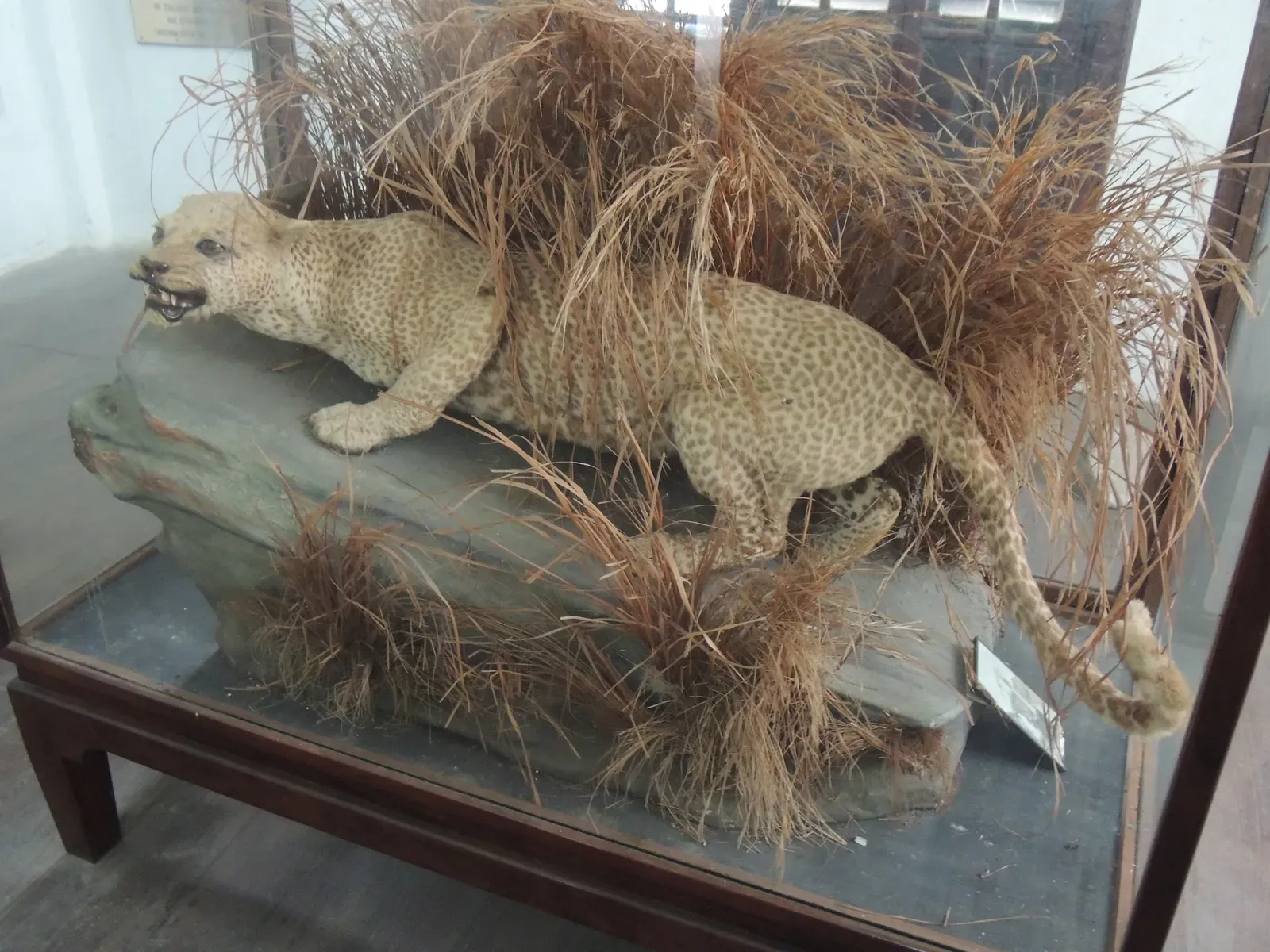
Some extinctions happen quietly, through habitat loss and pollution. This one was deliberate, fueled by fear. The Zanzibar leopard, a small island form of leopard, once roamed the forests of Unguja, the main island of Zanzibar. Older residents remember stories, and sometimes direct sightings, of spotted cats slipping through spice plantations and raiding livestock. They were never abundant, but they were a normal part of island life through the mid-20th century.
Then politics and superstition collided. In the 1960s and 70s, government-backed campaigns framed the leopards as tools of witches, blamed for misfortune and illness. Locals were encouraged, and sometimes paid, to hunt them. “Pest control” teams actively tracked and killed leopards across the island with little to no scientific oversight. This wasn’t ecosystem management; it was annihilation.
By the 1990s most zoologists considered the Zanzibar leopard extinct. A handful of unverified camera trap images and local reports suggest a tiny number might survive, but if they do, the population is almost certainly too small and inbred to last.
Unlike extinctions with messy, indirect causes, this one is brutally simple: people believed myths more than biology, and shot leopards until there were none left to shoot.
#6 – The Dusky Seaside Sparrow: A Bird Lost to a Single Development Decision
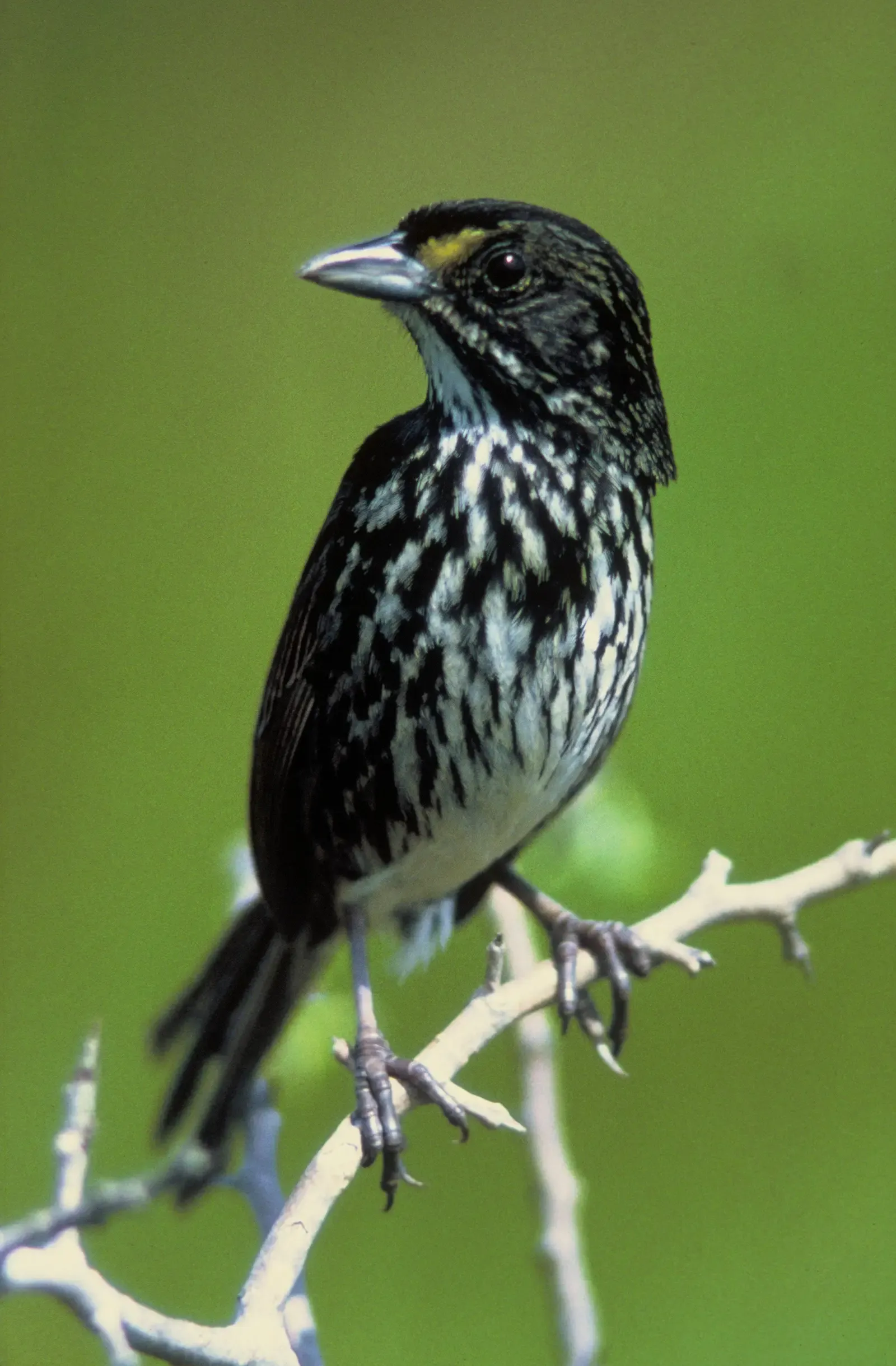
Most people assume a small, drab bird can’t possibly be that vulnerable. The dusky seaside sparrow proved that micro-habitats matter more than almost anything. This dark-plumed subspecies lived in the salt marshes of Florida’s Merritt Island and the upper St. Johns River. Older birders remember it as a mildly interesting local specialty – not flashy, but worth a detour, and never thought of as being on the brink.
Then the launch pads and roads came. In the 1960s, NASA and local agencies altered marshes around Cape Canaveral for mosquito control and development, flooding or draining large areas at exactly the wrong time of year. That destroyed nesting habitat during breeding season, leaving eggs and chicks exposed or washed out, while pesticides hammered the insects the sparrows fed on.
By the 1970s, alarm bells were ringing. Bird counts showed the population collapsing into double digits. A desperate captive-breeding program tried crossing the remaining males with related subspecies, hoping to preserve at least some of the genetic line. It failed.
The last known individual, a male named Orange Band, died in 1987 in a Disney wildlife facility. A bird that once quietly shared airspace with mosquitoes and herons was erased largely because of how humans decided to manage standing water near a space center and a few subdivisions.
#5 – The Japanese Sea Lion: A “Nuisance” Hunted Off the Map
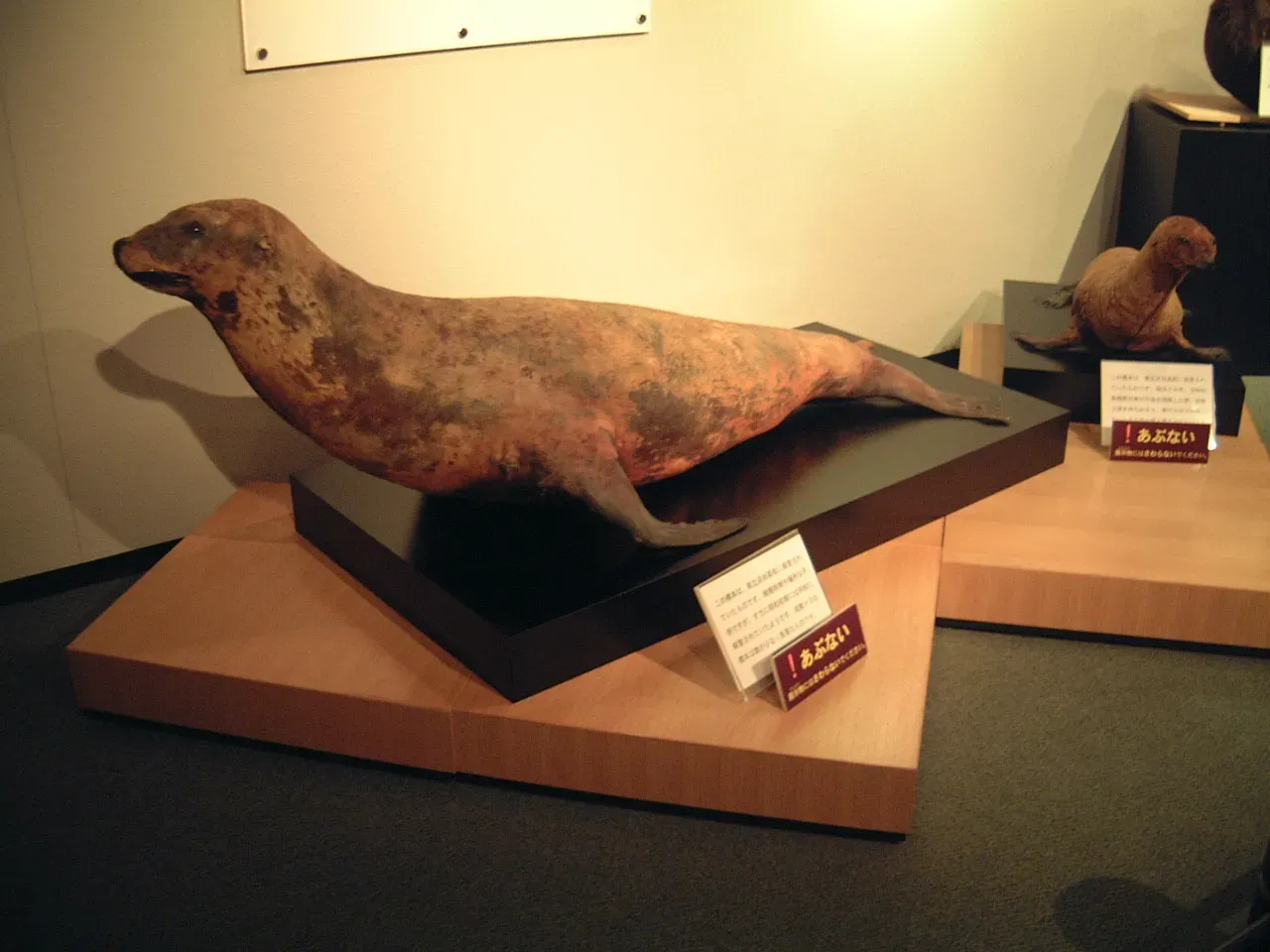
Within living memory, people in Japan and Korea saw sea lions as noisy, smelly competitors. Today, most young Japanese have never even heard of their own lost pinniped. The Japanese sea lion hauled out on beaches and rocky islets around the Sea of Japan, especially along Hokkaido and the Korean Peninsula. Early 20th-century records describe thousands of animals, noisy rookeries, and routine harvests for oil, skins, and even circus performances.
As fisheries expanded and modern weapons spread, traditional takes escalated into industrial culls. Sea lions were framed as thieves stealing fish from human nets, and governments encouraged or at least tolerated large-scale killing. There were bounties on their heads and no serious attempt to set sustainable quotas.
Add coastal development and wartime disruption, and the population never had a chance. By the 1950s, sightings had dwindled to scattered individuals, with the last widely accepted record from the early 1970s. After that, nothing but rumors. The species was officially declared extinct in the early 2000s, though effectively it vanished within a few decades of World War II.
Quick Compare
- Japanese sea lion: Last confirmed sightings in the early 1970s; formally declared extinct
- California sea lion: Thriving along the Pacific Coast and a fixture at tourist piers
- Galápagos sea lion: Still endangered, but protected and stable within its national park range
What makes this case so jarring is the contrast: the California sea lion is now a tourist favorite and a genuine conservation success story. The Japanese sea lion never got a second act. It went straight from “problem animal” to historical footnote.
#4 – The Caribbean Monk Seal: The Only Native Caribbean Seal, Gone for Good
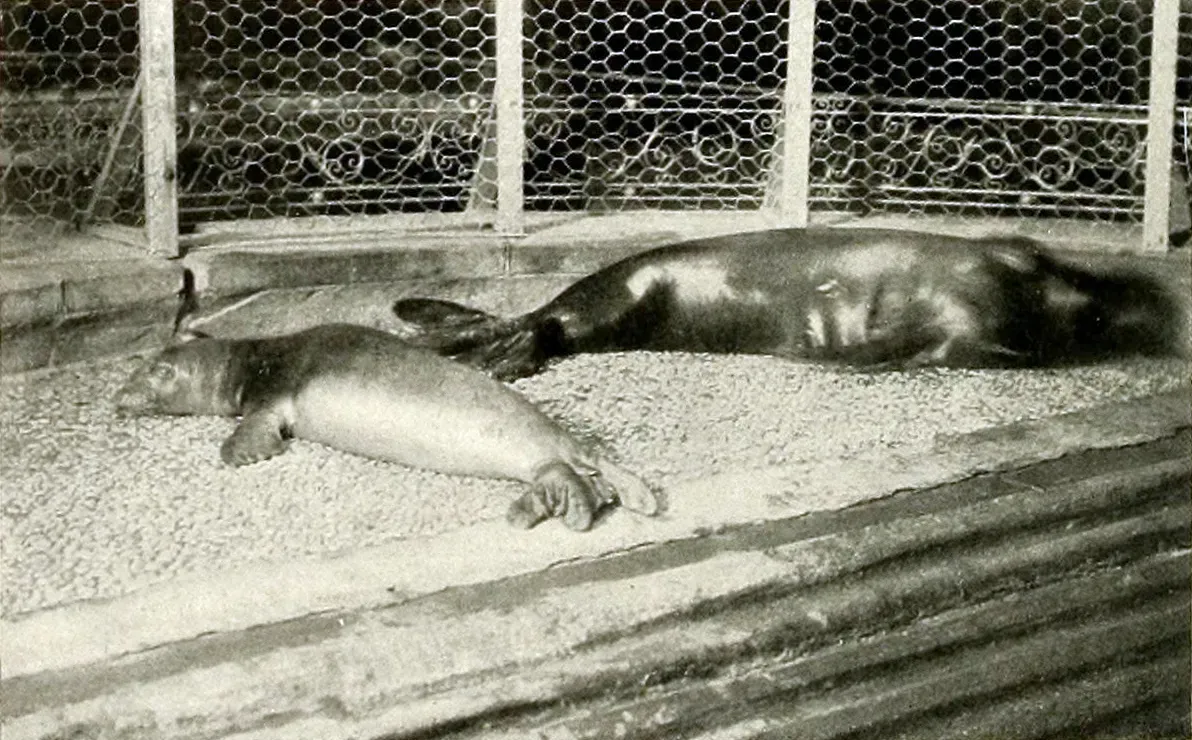
If you’ve ever vacationed in the Caribbean, here’s a strange thought: within your grandparents’ lifetimes, there was a native, resident seal there. The Caribbean monk seal lounged on sandy beaches and atoll sandbars from Florida down through the Greater and Lesser Antilles. Early sailors complained the animals were so tame you could walk up and club them – which, of course, people did.
They were slaughtered for oil, meat, and leather from the 17th century onward. By the 20th century, overhunting had pushed them into a few remote refuges, and even then they weren’t protected with any real seriousness. Fisheries competed with them for fish, and coastal development chewed up the rookeries.
Scientists repeatedly warned that numbers were dangerously low, but without political will or public pressure, enforcement stayed weak. The last confirmed sighting was in 1952. After exhaustive surveys failed to turn up any survivors, the species was officially declared extinct in 2008.
That makes it the only seal species in modern times that humans have fully wiped out. Unlike the Mediterranean and Hawaiian monk seals, which are hanging on by a thread, there is no comeback story here – just quiet beaches where a native seal once used to bask.
#3 – The Pyrenean Ibex: Extinct Twice in One Generation
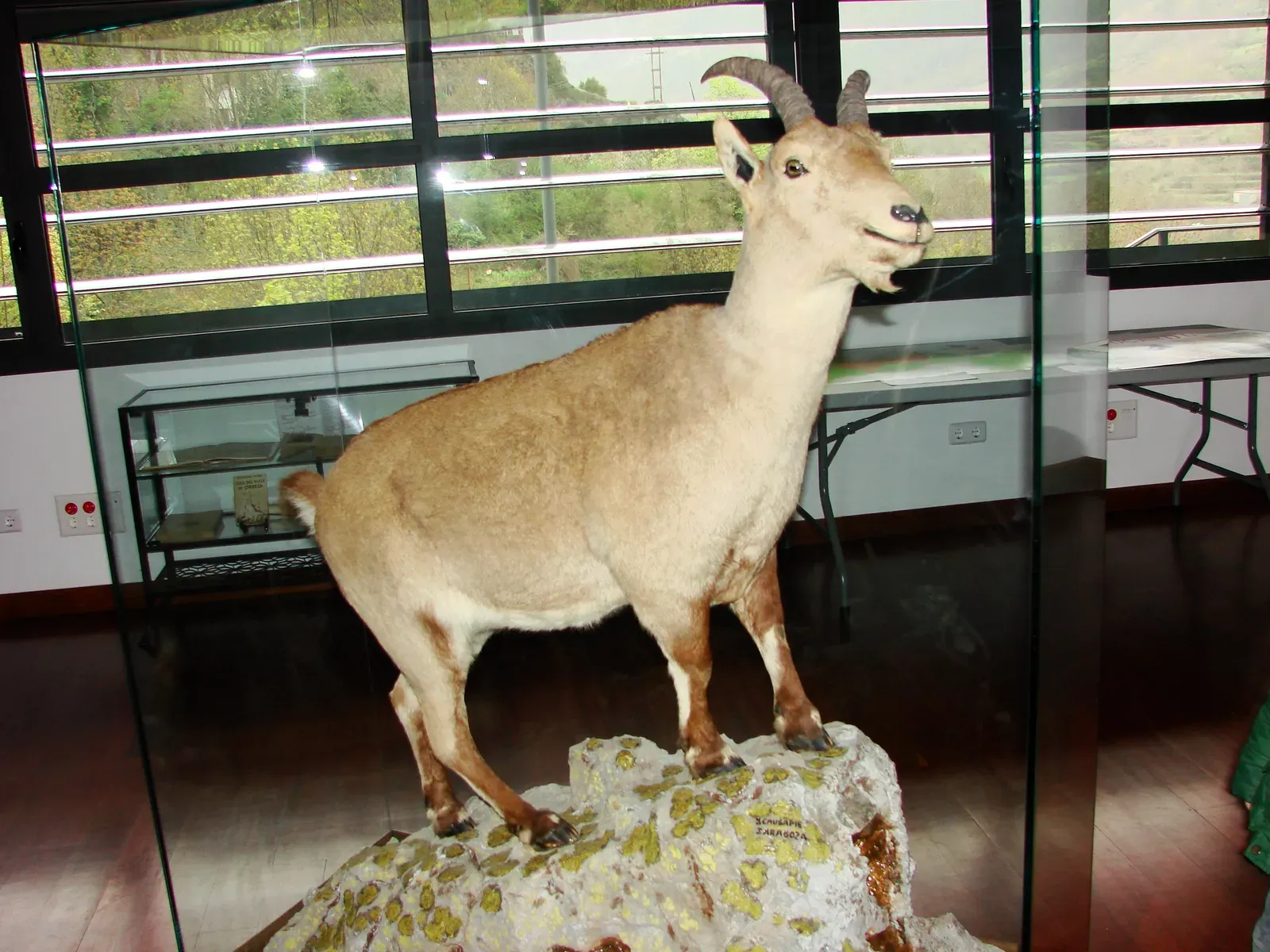
Here’s a brutal twist: the Pyrenean ibex is the only animal ever declared extinct, briefly “resurrected,” and then effectively killed off again. For centuries, this mountain goat subspecies clung to the rocky ridges of the Pyrenees between Spain and France, a familiar part of the landscape for hunters, shepherds, and hikers. Numbers had already been dropping for decades due to overhunting, competition with livestock, and possibly disease, and by the late 20th century only a few dozen remained.
Conservation efforts came late and underfunded. In 2000, the last known individual – a female nicknamed Celia – was found dead under a fallen tree. The Pyrenean ibex was declared extinct.
Scientists had preserved some of Celia’s tissue, and in a high-profile experiment they used cloning techniques to implant nuclei from her cells into domestic goat eggs. In 2003, a cloned Pyrenean ibex kid was born, and died within minutes due to severe lung defects. Technically the species flickered back into existence for a moment; biologically, that changes nothing about what was lost.
The Pyrenean ibex story often gets spun as a hopeful glimpse of de-extinction. In practice, it’s a cautionary tale about counting on future technology instead of protecting what’s still alive right now.
#2 – The Chinese Paddlefish: The “Giant Panda of the Yangtze” Silenced Forever
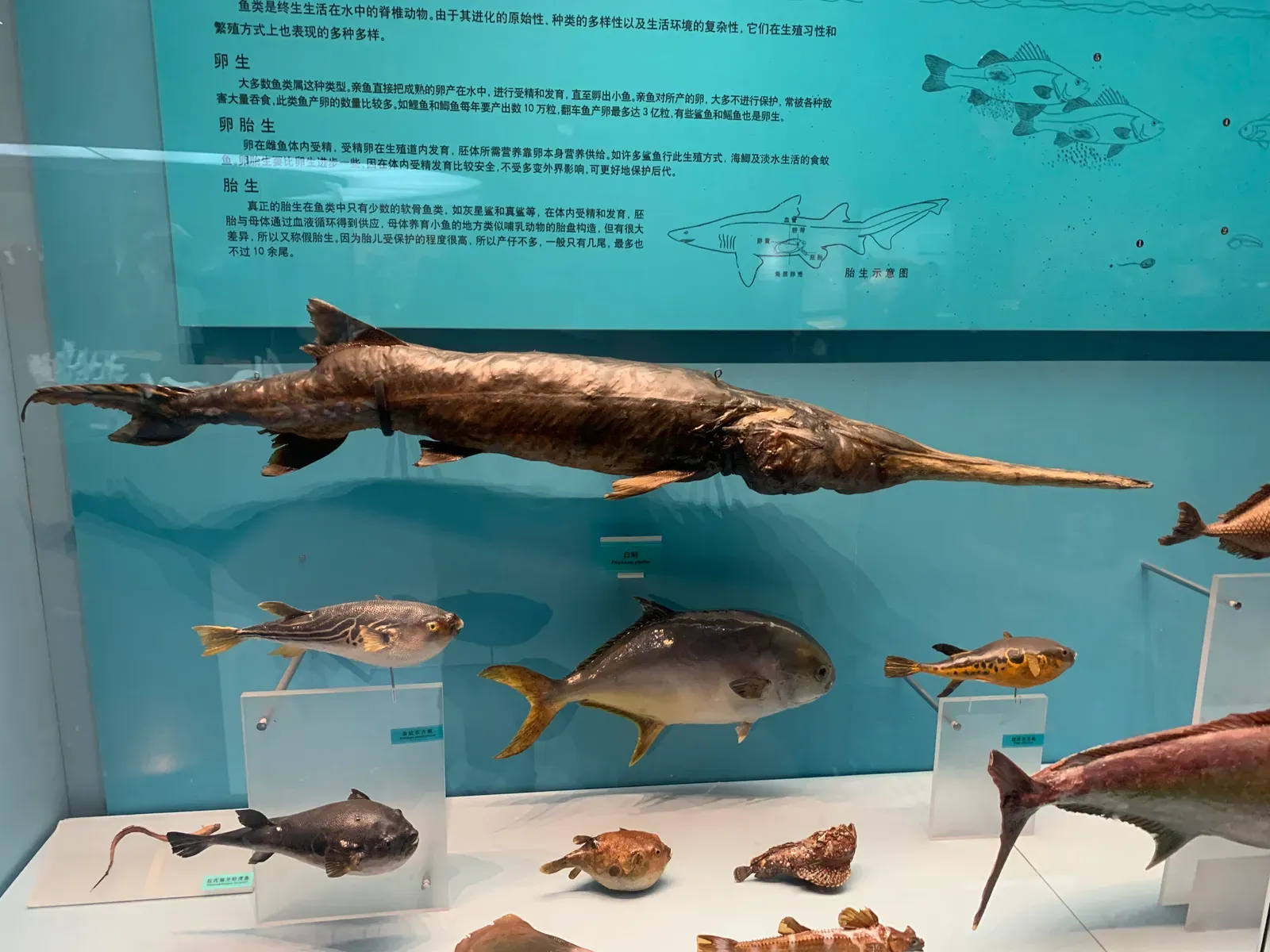
Most people have heard of the giant panda. Far fewer know that China also had a 6-to-7-meter river fish that is now almost certainly gone. The Chinese paddlefish, with its long, blade-like snout, once cruised the Yangtze as a top predator. Historical photos show caught specimens longer than a car; for older fishers along the river, paddlefish weren’t legend, they were a rare but very real catch.
Then the dams came. Massive hydropower projects, especially the Gezhouba and Three Gorges dams, smashed the continuity of the Yangtze. Paddlefish needed long, uninterrupted river stretches to migrate between spawning and feeding grounds, and once that corridor was blocked, entire life stages were cut off. Heavy overfishing, including bycatch in dense gillnets, made a bad situation worse.
By the 1990s sightings had become sporadic. A few individuals were captured, sometimes dying before scientists could even reach them, and captive breeding never got off the ground. No self-sustaining ex-situ population was ever established.
Systematic surveys from the early 2000s onward failed to find any survivors, and researchers concluded the species likely went extinct sometime between 2005 and 2010. A large apex fish that had survived tens of millions of years of natural river shifts was erased in a few decades of dam building and unregulated fishing.
#1 – The Hawaiian Po’ouli: A Songbird Lost While We Watched
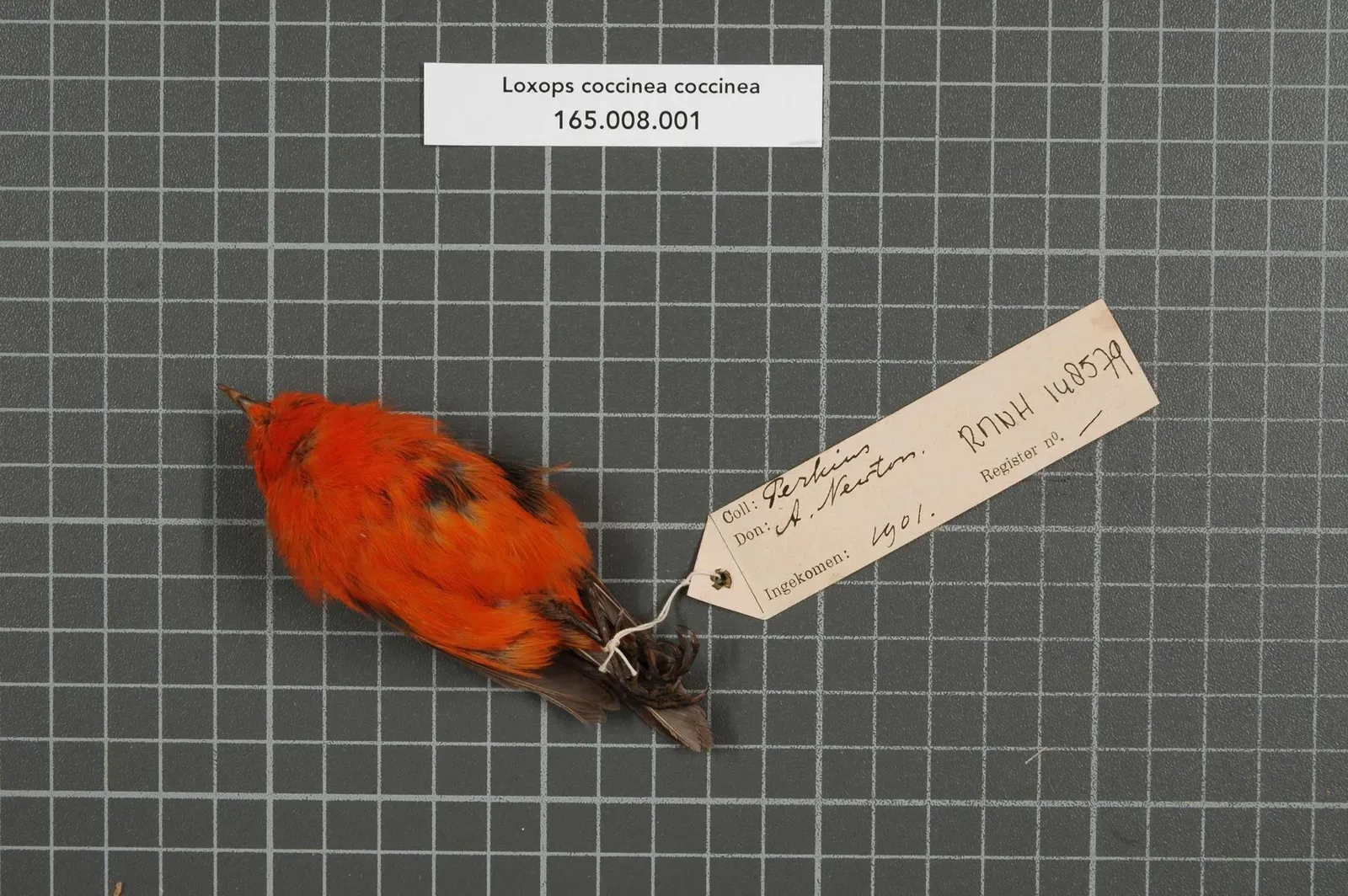
If you want a painfully recent, human-scale extinction, the po’ouli is the one that still stings biologists today. Discovered only in 1973 on the island of Maui, this small brown honeycreeper turned out not to be newly evolved but a long-hidden relic of a once-wide Hawaiian radiation. Locals hadn’t even singled it out with a special name; it simply blended into the forest.
By the time scientists recognized it as a distinct species, it was already in deep trouble. Habitat loss from logging and agriculture had carved up the native rainforest. Introduced mosquitoes brought avian malaria and pox, diseases Hawaiian forest birds have almost no resistance to, while rats and cats preyed on nests. Po’ouli lived at high elevations where mosquitoes were historically scarce, but climate warming let the insects creep uphill, shrinking the safe zone year by year.
At a Glance
- 1973: First discovered on Maui’s Haleakalā slopes by University of Hawaii students
- Around 1980: Population estimated at roughly 200 birds
- Late 1990s: Down to just three known individuals in the entire world
- 2004: The last known bird was captured for a breeding attempt and died months later in care
- 2019: Formally declared extinct by the IUCN
By the 1990s, field surveys suggested there were only a handful of po’ouli left – literally three known individuals. Scientists mounted a last-ditch effort to capture them for breeding, and managed to catch one bird in 2004. It died in care a few months later, old and sickly, without ever breeding. The other two were never seen again despite intensive searches.
What makes the po’ouli particularly haunting is how personal the timeline is. Some of the biologists who handled that last bird are still active in the field today. To them, extinction isn’t a museum label; it’s the memory of holding a living animal, knowing you might be touching the exact end of an entire branch of the tree of life.
The Bottom Line
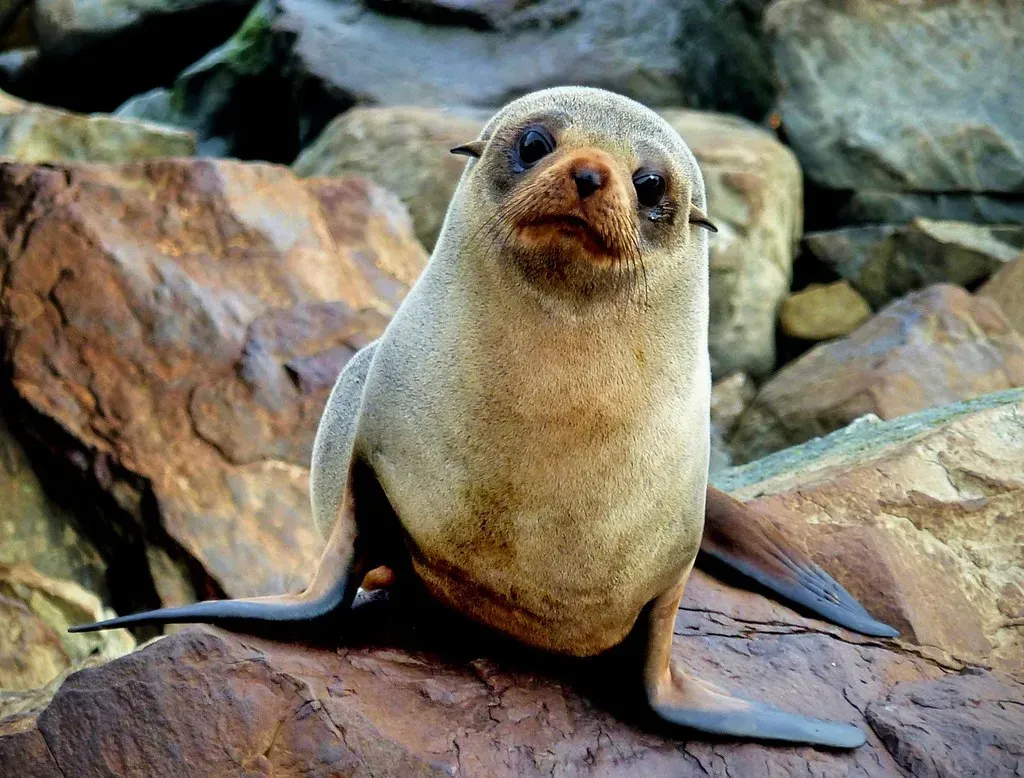
Looking across these 13 cases, one pattern jumps out: these weren’t obscure, doomed oddities. They were ordinary parts of living memory – fish in hot springs, birds in marshes, seals on beaches, tortoises on islands – erased not over geological time, but within a few decades of concentrated human pressure.
Hunting, habitat engineering, dams, folklore-driven culls, climate shifts, and disease didn’t operate in isolation. They piled up, and species that had survived ice ages crumpled almost instantly on a human timescale.
The one process now going on that will take millions of years to correct is the loss of genetic and species diversity by the destruction of natural habitats. This is the folly our descendants are least likely to forgive us.
E.O. Wilson
Here’s the uncomfortable opinion most conservation campaigns still tiptoe around: as long as we treat common species as “safe” and assume somebody else will fix it later, we will keep adding to this list. Extinction is no longer a slow, background process. It’s a policy choice, a land-use choice, a consumption choice.
The question isn’t whether we can stop repeats of the baiji, the po’ouli, or the passenger pigeon – scientifically, we can. The real question is whether we’re willing to act before the next “ordinary” species becomes another ghost people only read about in lists like this one. Did we miss one that vanished within your lifetime? Say so honestly, and ask yourself whether we’re actually learning fast enough.