
Most people assume “extinct” is science’s final word – a door that never reopens. But that assumption is quietly falling apart. In the last few years alone, researchers have confirmed multiple species alive that had been written off for decades, sometimes millennia, based on nothing but a fossil tooth or a century-old museum skin.
Biologists even have a name for this phenomenon: Lazarus taxa, after the biblical figure raised from the dead. From swamp forests in Louisiana to mountain lakes in Vietnam, the “extinct” label is looking shakier than ever. Here’s what researchers actually say.
#1 – The Coelacanth: The Fish That Broke the Rules of Extinction
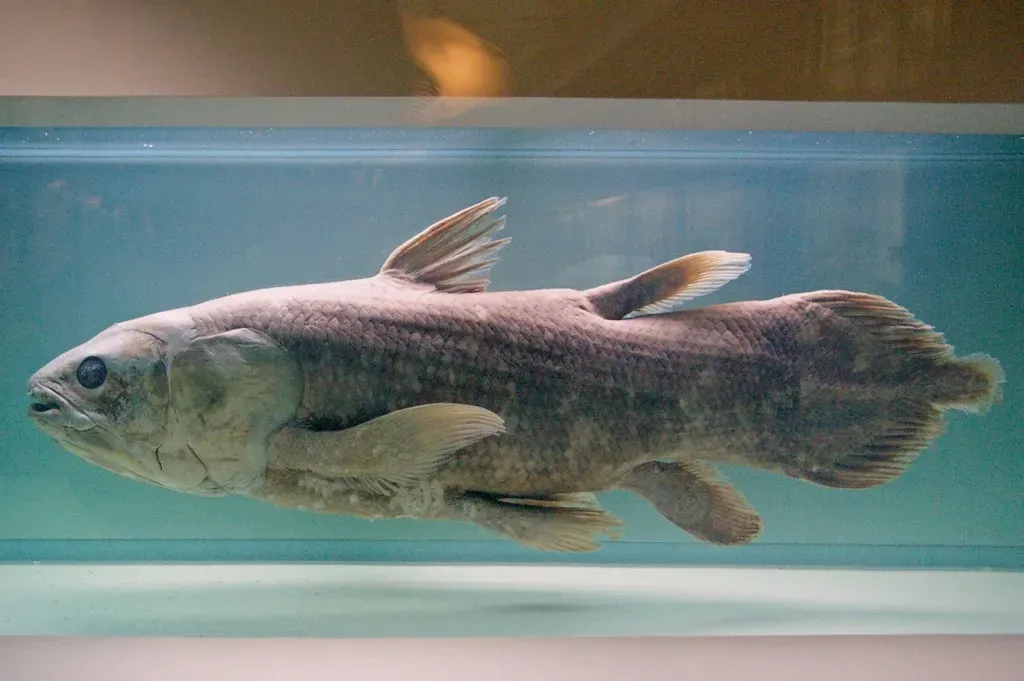
A fish that “died out” with the dinosaurs was casually netted by a fisherman in 1938 – and it rewrote what scientists thought they knew about extinction.
The coelacanth is among the more publicized examples of Lazarus taxa, a fish scientists believed had become extinct near the end of the Cretaceous period, 66 million years ago. That belief held for decades, treated as settled paleontological fact. Then off the coast of South Africa in 1938, a live specimen of the coelacanth turned up in the net of fishermen.
The most surprising part isn’t the discovery – it’s what happened after. A second specimen was netted near the Comoros Islands in 1952, and since then numerous others have been netted, with researchers learning that local islanders had been catching them for some time. The species hadn’t been hiding from nature. It had been hiding from science.
Fast Facts
- Presumed extinct for roughly 66 million years, since the end of the Cretaceous
- First live specimen netted off South Africa in 1938
- Second confirmed specimen turned up near the Comoros Islands in 1952
- Local islanders had reportedly been catching them all along, long before science took notice
An entire population had been going about its business in deep coastal waters the whole time humanity was writing its obituary. That’s a stunning comeback. But wait until you hear how fish #2 on this list pulled off something even stranger.
#2 – The Robust Redhorse: 122 Years Underwater and No One Noticed
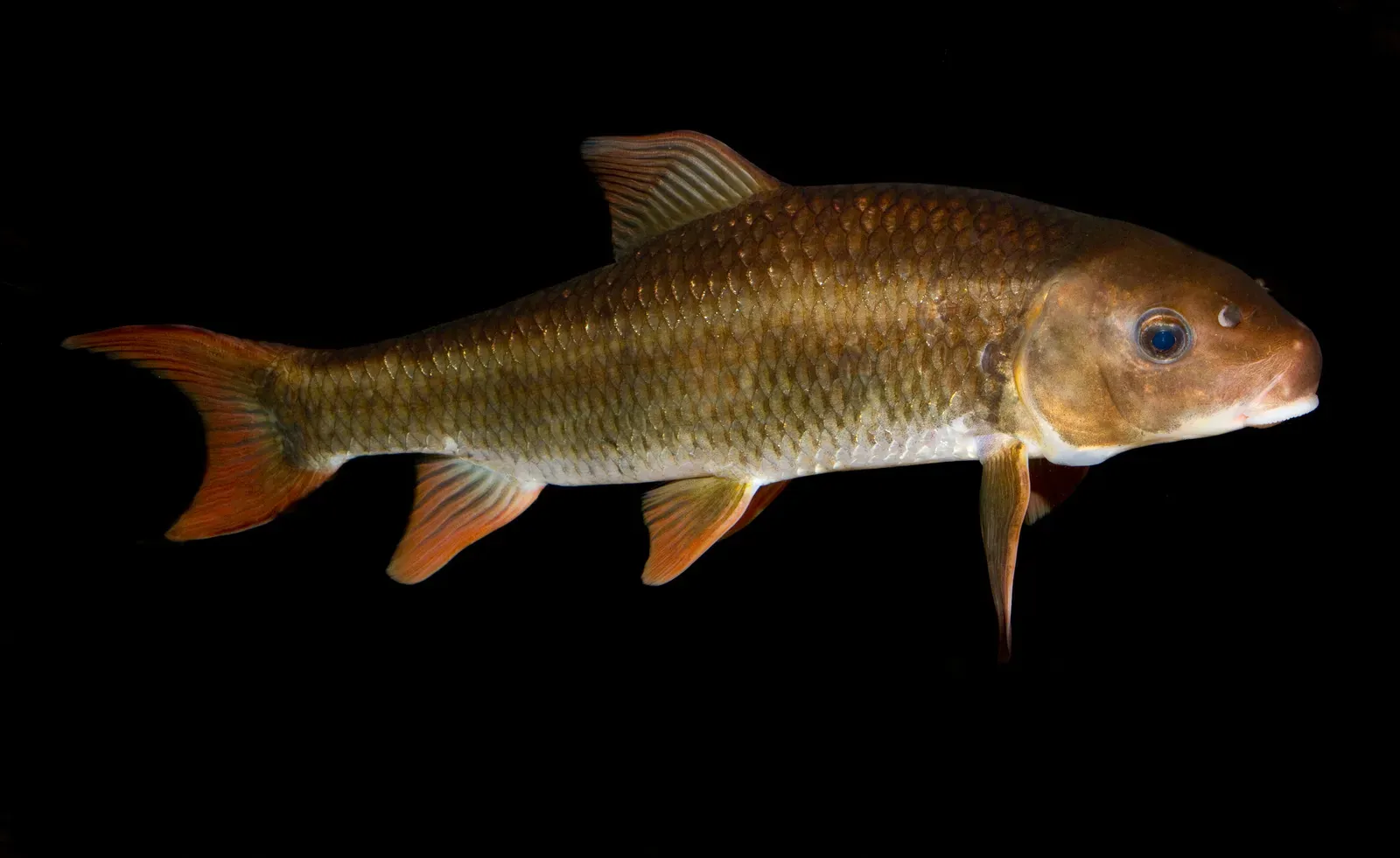
A fish vanished from scientific record for over a century, and nobody even realized it was “gone” until someone accidentally caught it again.
A specimen caught by naturalist Edward Cope was destroyed at some point, which was unfortunate because that one fish was the last one any scientist would see for 122 years. During its absence, the robust redhorse was assumed extinct whenever anybody thought about it at all. That’s the strange thing about freshwater fish extinctions – sometimes nobody’s even looking hard enough to notice the silence.
Then, out of nowhere, the species reappeared. In 1980, and again in 1985, strange fish with suckerlike mouths were caught out of the Savannah and Pee Dee Rivers in Georgia and the Carolinas. The specimens were sent to ichthyologists who took years to deliberate before finally announcing that this fish was the robust redhorse – back from the grave.
Most people don’t realize how many “extinct” river species are probably just under-studied, not gone. A fish surviving unnoticed for over a century is one thing. A monkey turning up as somebody’s living-room pet is a whole different kind of shocking – and that’s exactly what happened next.
#3 – The Yellow-Tailed Woolly Monkey: Found Alive as Somebody’s Pet
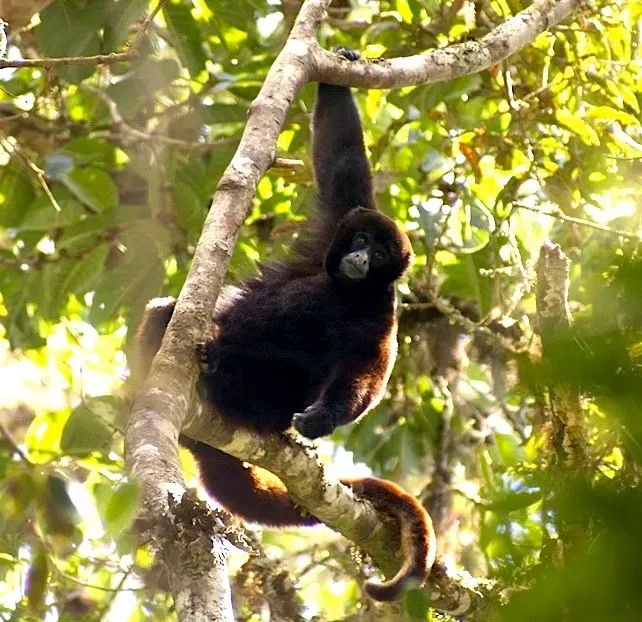
Scientists declared this Peruvian monkey extinct – and then it turned up living in someone’s living room.
The Peruvian yellow-tailed woolly monkey lives only in a very small area in the cloud forests of the Andes mountains of Peru. It was first described from a pelt in 1812, only seen a few times in the following century, and last seen in 1926. For nearly five decades, it existed only as a name in outdated field guides.
Then came a discovery nobody expected. Scientists believed it to be extinct until 1974, when a yellow-tailed woolly monkey was found in Brazil being kept as a pet, which led to the discovery of others in the wild. Today the yellow-tailed woolly monkey is featured on Peru’s 1 sol coin, and fewer than 1,000 of them are estimated to exist in the wild.
This species owes its rediscovery entirely to sheer chance, not organized science. If a monkey can vanish for nearly 50 years and turn up in someone’s home, imagine what a century-old tortoise mystery could still be hiding.
#4 – The Fernandina Giant Tortoise: Missing for Over a Century
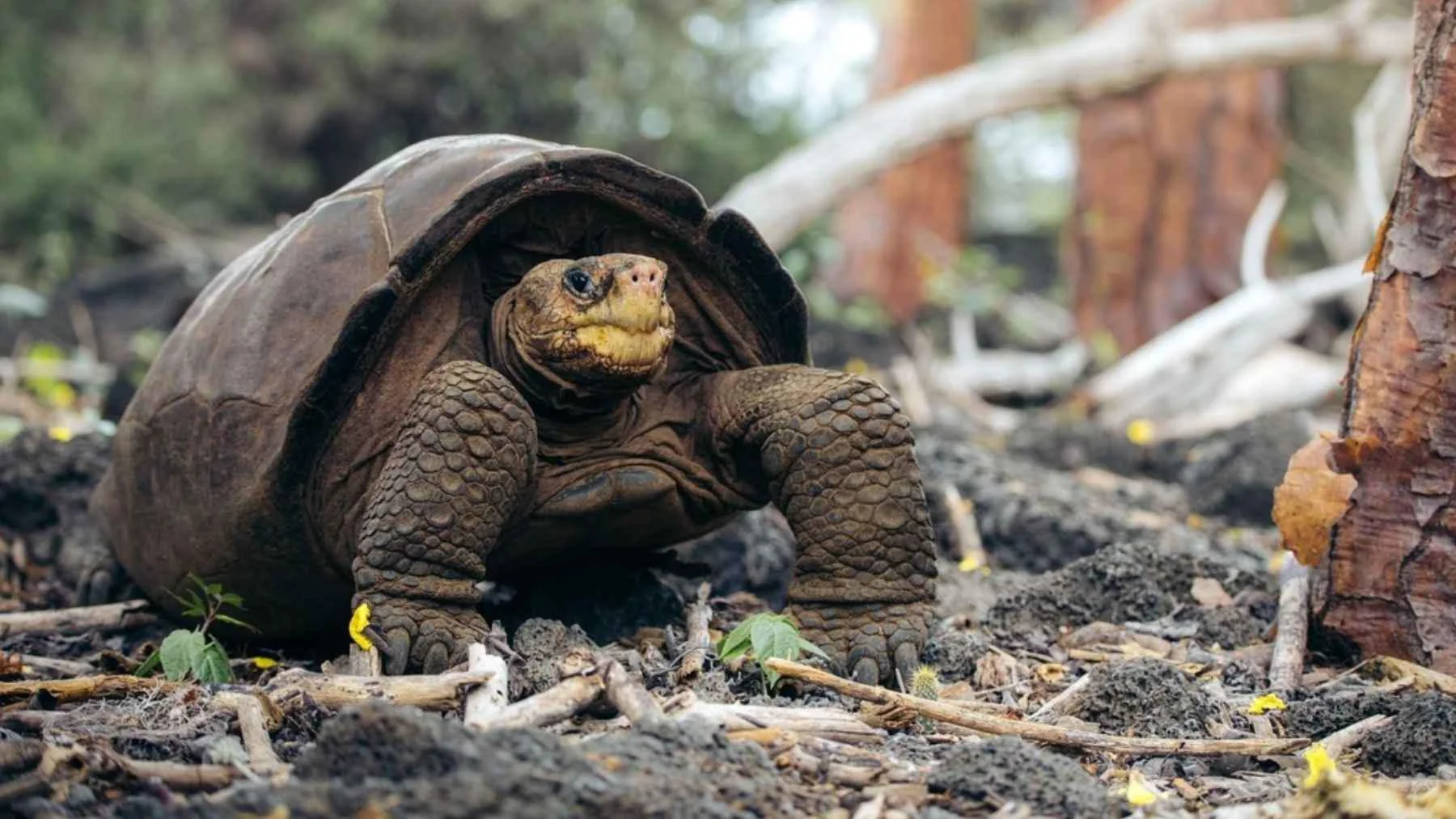
A giant tortoise species known from a single dead specimen collected over 100 years ago was suddenly found breathing, blinking, and very much alive.
The Fernandina giant tortoise had been known to science from just one individual, collected on its remote Galápagos island home back in 1906. For more than a century afterward, no researcher documented another living specimen, and the species was widely treated as extinct – a name preserved only in museum records and old expedition notes.
Then, in 2019, an expedition searching Fernandina’s lava fields found a lone adult female tortoise still alive, a find that stunned the conservation world and forced textbooks to quietly walk back their extinction claims. Genetic testing later supported that she belonged to the same species collected over a century earlier.
Experts now argue her survival hints that others, however few, could still be hiding in the island’s volcanic terrain. A tortoise reappearing after a century is rare enough. A “ghost” dog wandering the wild the entire time is even rarer.
#5 – The New Guinea Highland Wild Dog: A “Ghost” Canine Rediscovered

For decades, this wild dog was considered functionally extinct – until camera traps caught it wandering New Guinea’s remote highlands like it never left.
Known mostly from a handful of old photographs and museum specimens, the New Guinea highland wild dog was long assumed to survive only in captivity, as the ancestor of the domesticated New Guinea singing dog kept in zoos and sanctuaries. Wild populations hadn’t been confirmed in the field for generations, and researchers largely treated the highland lineage as lost to the wild.
That changed when an expedition into New Guinea’s remote highland interior photographed and documented wild individuals, confirming a population still surviving far from human settlement. DNA comparisons tied the highland dogs closely to the captive singing dog lineage, suggesting the “extinct” wild ancestor had simply been living undisturbed in terrain too rugged for researchers to reach.
Why It Stands Out
- Long presumed extinct in the wild, surviving only through a captive singing-dog lineage
- Rediscovered through direct photographic documentation deep in New Guinea’s highland interior
- DNA testing linked the wild population directly to the captive singing dogs
- Rugged, near-inaccessible terrain likely explains why researchers missed it for generations
Most people assumed captivity was the last refuge for this bloodline. As it turns out, the wild version never actually left. Dogs hiding in plain sight is wild enough – but wait until you hear about the bird ornithologists openly called a myth.
#6 – The Night Parrot: Australia’s Most Elusive “Ghost Bird”
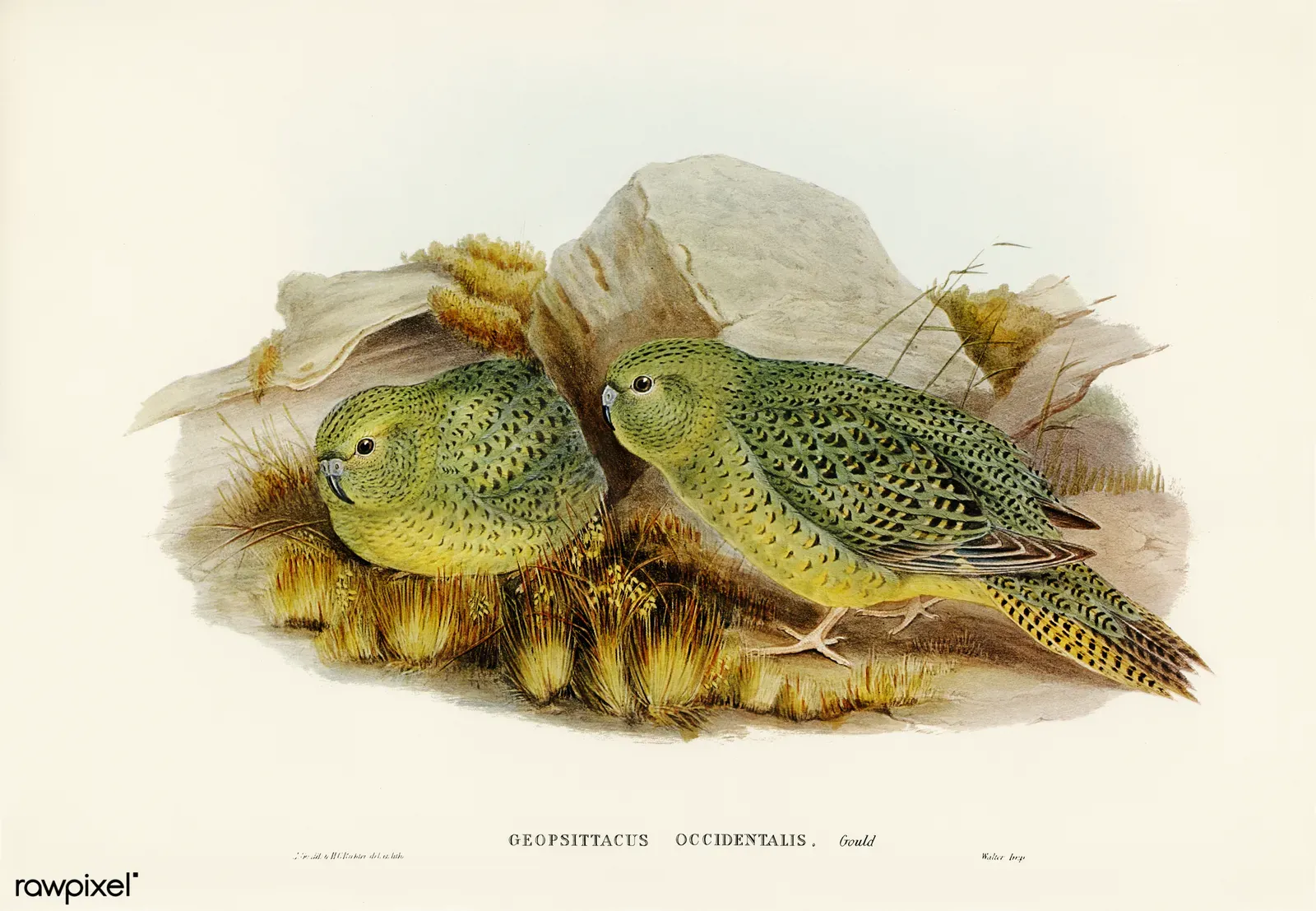
Australia’s most mysterious bird was unphotographed for over a century – dismissed by many ornithologists as a myth kept alive by hopeful bushwalkers.
The night parrot, a secretive, ground-dwelling species from Australia’s arid interior, was so rarely encountered that for decades scientists debated whether any credible modern sighting existed at all. Museums held only a scattering of old specimens, and searches across vast stretches of outback consistently turned up nothing but folklore and false alarms.
Then a persistent naturalist finally captured photographic and audio evidence of a living night parrot in western Queensland, ending one of ornithology’s longest-running “is it really gone” debates. The rediscovery triggered a wave of new expeditions, acoustic monitoring stations, and protected reserves built specifically around suspected populations.
Experts now openly admit they underestimated how well a ground bird can vanish into spinifex grasslands. A bird vanishing into grassland is one thing. A mouse-sized deer disappearing for three decades is another story entirely.
#7 – The Silver-Backed Chevrotain: The Mouse-Deer Nobody Could Find
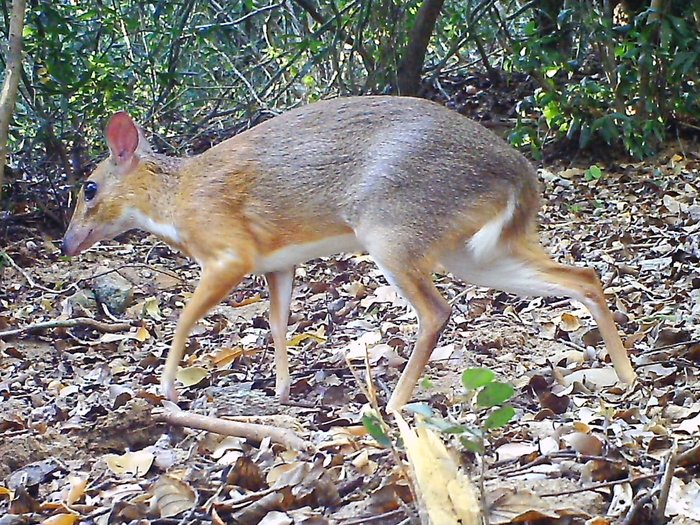
A tiny, fanged mouse-deer disappeared from scientific view for roughly three decades, and researchers genuinely worried it had quietly blinked out of existence.
The silver-backed chevrotain, sometimes called the Vietnamese mouse-deer, was known to science from only a handful of specimens collected decades earlier in Vietnam’s coastal forests. No confirmed sighting followed for nearly 30 years, and the species landed on lists of the world’s “most wanted” lost animals, presumed extinct by many conservationists working the region.
A camera-trap survey deployed in the animal’s last known habitat finally captured footage of the tiny deer-like creature, alive and apparently persisting in fragmented lowland forest. The find proved that even a mammal the size of a rabbit can dodge detection for a generation if its habitat is remote and unglamorous enough.
Conservationists now argue dozens of similarly “lost” small mammals are likely still out there, simply unsearched. A missing mouse-deer is rare. A marsupial missing for 7,000 years is almost unbelievable.
#8 – The Pygmy Long-Fingered Possum: Alive After 7,000 Years
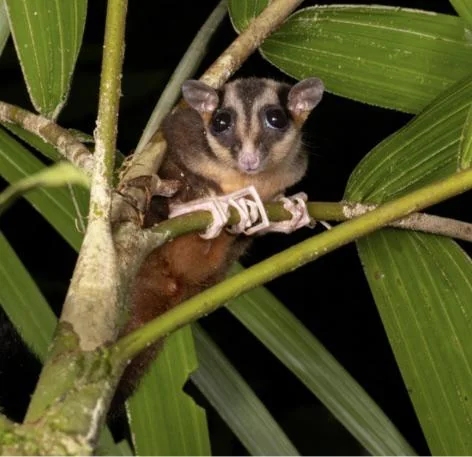
This marsupial wasn’t just presumed extinct – it was known only from fossils older than the pyramids.
The pygmy long-fingered possum was previously known only via fossils dating back over 7,000 years, according to Hawaii’s Bishop Museum. That’s not decades of absence – that’s thousands of years without a single confirmed living specimen anywhere on Earth. Researchers worked over the past two years to prove the existence of these animals in the wilds of West Papua, Indonesia.
The confirmation came through an unlikely partnership. Researchers partnered with a “citizen scientist” online whose photos helped confirm the continued existence of the pygmy long-fingered possum.
“To be able to say that they indeed are alive brings me joy as a scientist and conservationist.”
Dr. Kristofer Helgen, Bishop Museum
It’s proof that crowdsourced wildlife photography can now outperform decades of formal expeditions. That expedition uncovered one resurrected species. The second one settled a scientific mystery that had gone unanswered for decades.
#9 – The Ring-Tailed Glider: A “Fossil-Only” Species Found Gliding Through the Canopy
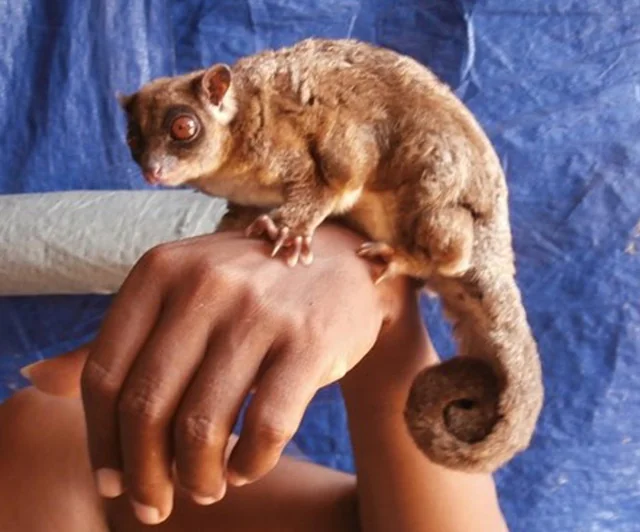
Scientists had no proof this animal could even glide – because they had never seen one alive.
The ring-tailed glider was known as a fossil species prior to this, and scientists were not sure from the fragmentary remains whether it could glide or not. That’s how thin the evidence was: bones alone couldn’t confirm basic behavior. Researchers from Hawaii and Australia worked with locals from the Indonesian province of West Papua to confirm that the ring-tailed glider still lived in the wild.
The discovery didn’t just resurrect a species – it settled a decades-old mystery about its biology. The ring-tailed glider is the closest living relative of the Australian Greater Glider, giving researchers a living window into a lineage once known only through broken fragments. “The discovery of two Lazarus species, thought to be extinct for millennia, is unprecedented,” said researcher Tim Flannery.
Most extinction announcements are permanent. This one aged out in real time. A glider rewriting biology textbooks is impressive, but nothing tops the tension around the world’s rarest reptile.
#10 – The Yangtze Giant Softshell Turtle: The World’s Rarest Reptile, Hunted for a Fourth Survivor
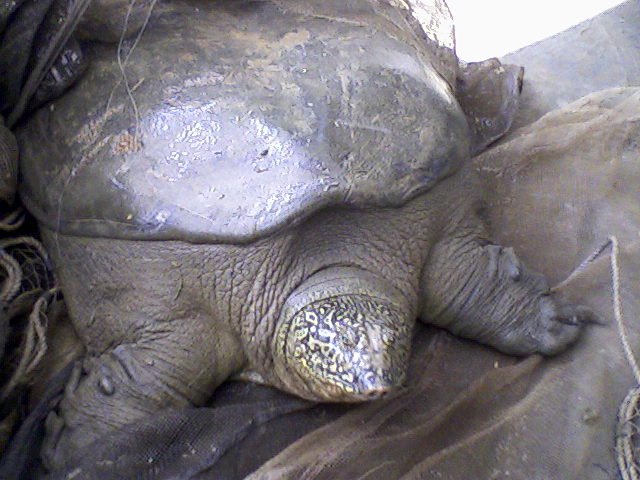
Down to just two or three confirmed individuals on the entire planet, this turtle is arguably closer to the edge than any other creature on this list – and scientists refuse to call it fully gone.
With only two or three survivors left, the Yangtze giant softshell turtle, also known as Swinhoe’s softshell turtle, is arguably the most endangered animal on the planet. Yet researchers haven’t given up hope that hidden individuals remain undetected. Experts have said it’s possible a number of individual Yangtze giant softshell turtles still remain hidden in lakes and rivers in Vietnam and Laos.
Scientists are now using cutting-edge genetic tools most people have never heard of. Conservationists have developed a first-of-its-kind, field-friendly molecular test kit to detect environmental DNA from the turtle, searching for potentially undiscovered animals that have evaded detection by traditional methods.
“I think there’s only a 1% chance of finding it.”
Field researcher searching for the Yangtze giant softshell turtle
Even a 1% chance is enough to keep expeditions running. Two or three turtles left on Earth is dire enough. Somehow, the U.S. government’s next case got even messier.
#11 – The Ivory-Billed Woodpecker: The “Lord God Bird” the Government Almost Declared Extinct
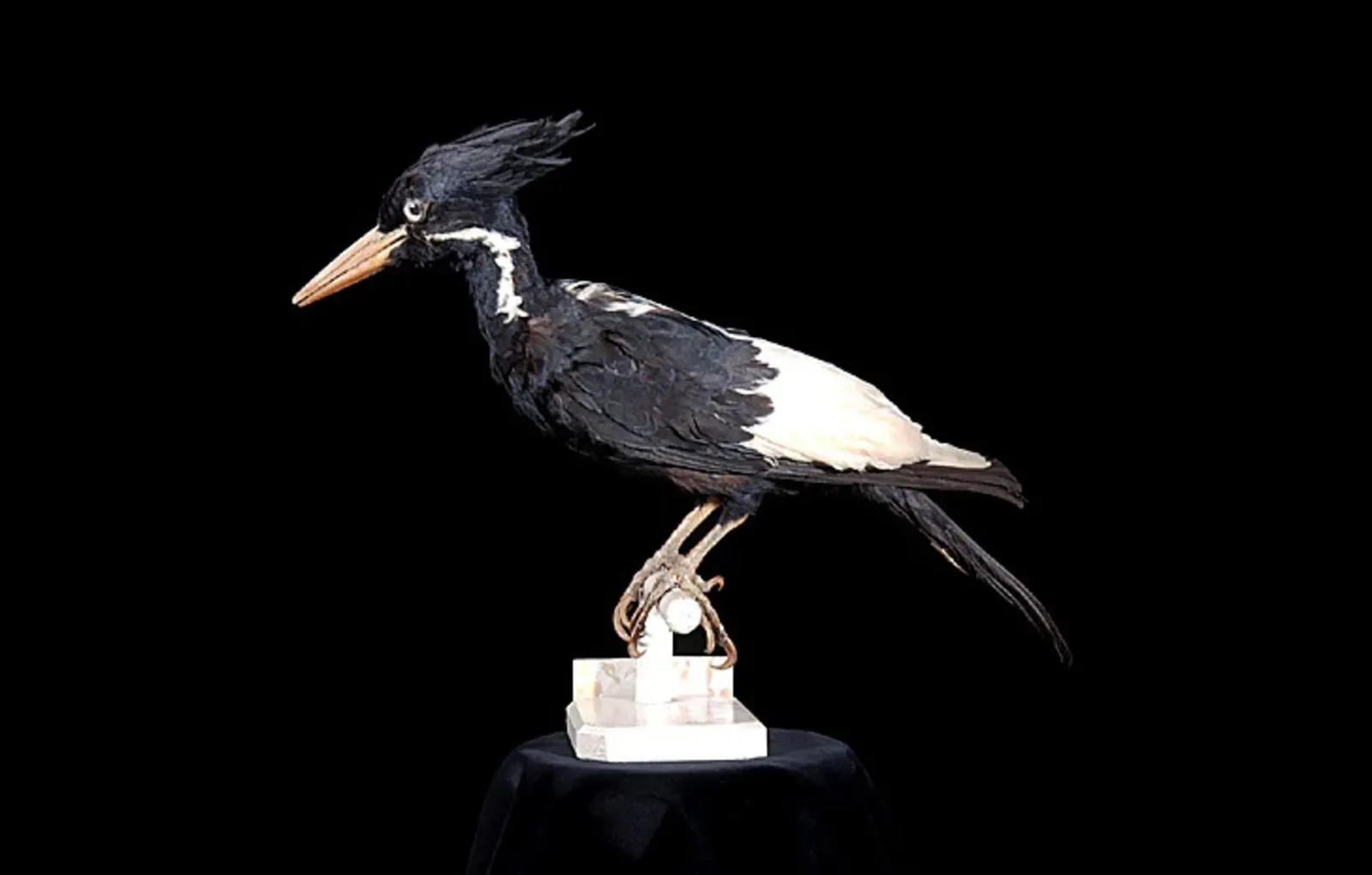
The U.S. government officially tried to declare this bird extinct – and then had to walk it back.
In 2021, the U.S. Fish and Wildlife Service opened for public comment a proposal to declare the species extinct. That should have been the final chapter. It wasn’t. In July 2024, the agency formally withdrew the extinction proposal, citing newly-presented acoustic and visual evidence from southern Louisiana that, while not conclusive, was sufficient to warrant continued investigation.
The scale of the search is almost absurd. Researchers gathered data from roughly 70,000 hours of recordings, about 472,550 camera-hours from trail cameras, and around 1,089 hours of video from thousands of drone flights. Skeptics remain unconvinced – one prominent review concluded that all the features shown in one famous video are consistent with a normal Pileated Woodpecker, offering no verifiable evidence of rediscovery.
Worth Knowing
- Extinction proposal opened for public comment in 2021
- Proposal formally withdrawn in July 2024 after new acoustic and visual evidence surfaced
- Search effort included roughly 70,000 hours of audio recordings
- Trail cameras logged about 472,550 camera-hours, plus 1,089 hours of drone footage
While most birders treat this case as closed, many field researchers now argue writing it off entirely was premature. A government reversing an extinction declaration is rare. An animal racing extinction in real time, right now, is rarer still.
#12 – The Saola: The “Asian Unicorn” Scientists Fear Is Already Gone
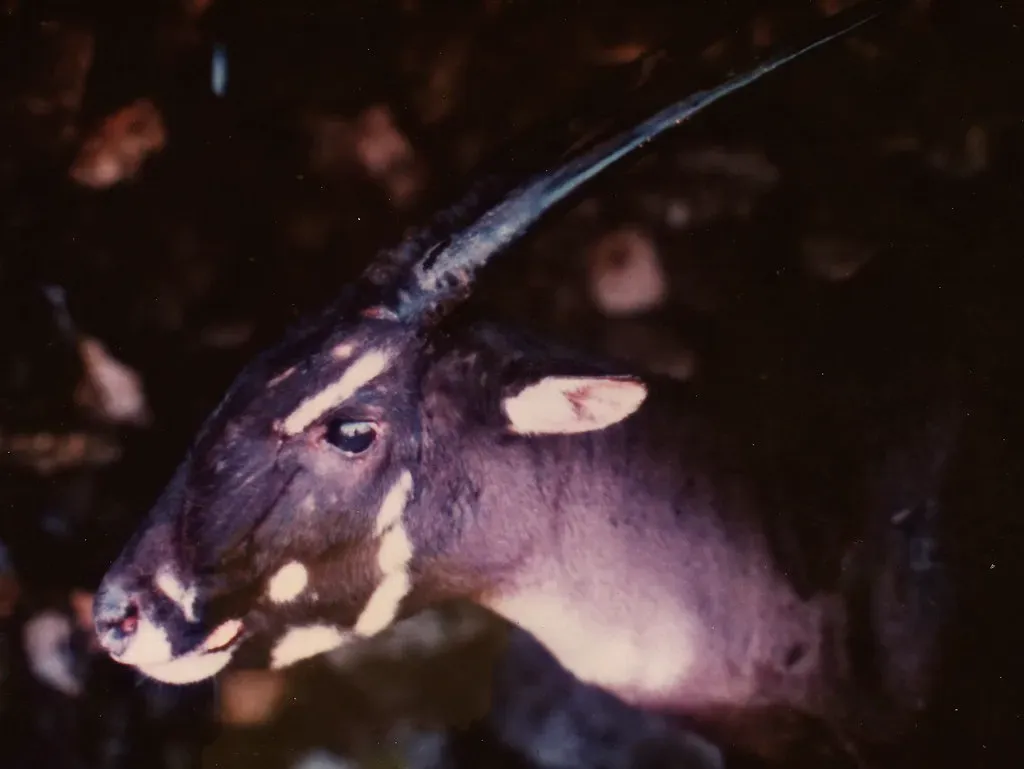
Discovered by science only in 1992, this animal may become one of the fastest extinctions ever documented – if it isn’t extinct already.
Despite its mythical nickname, the Saola is very real, though so elusive that scientists have documented only a few confirmed sightings since its discovery in 1992 in the remote forests along the Annamite Mountains of Vietnam and Laos. The most recent confirmed photograph was taken in 2013 by a movement-triggered camera in the forest of central Vietnam.
The warning from researchers is unusually blunt. There is concern that the species may already be extinct, and even if individuals are still alive, extinction has been described as “inevitable” within 10 years without intervention. No saola has ever survived long in captivity – saolas have been kept in captivity multiple times, although only for short periods, as they died within a matter of weeks to months.
This might be the one entry on this list where hope is running out faster than evidence. The saola’s clock might be winding down. But no creature on this list refuses to disappear quite like the one closing it out.
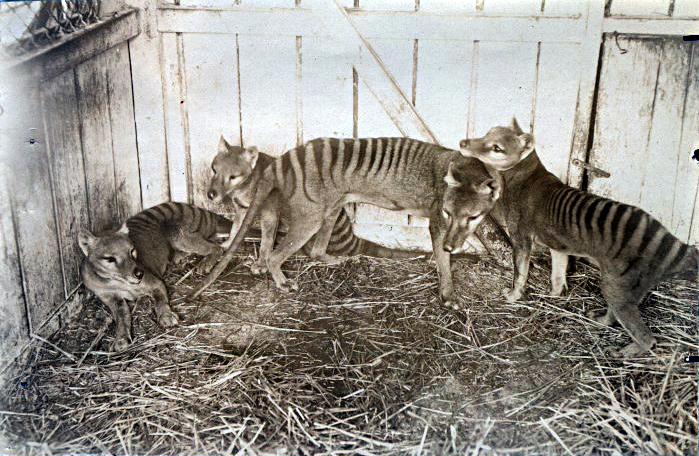
#13 – The Thylacine: The Tasmanian Tiger That Refuses to Stay Extinct
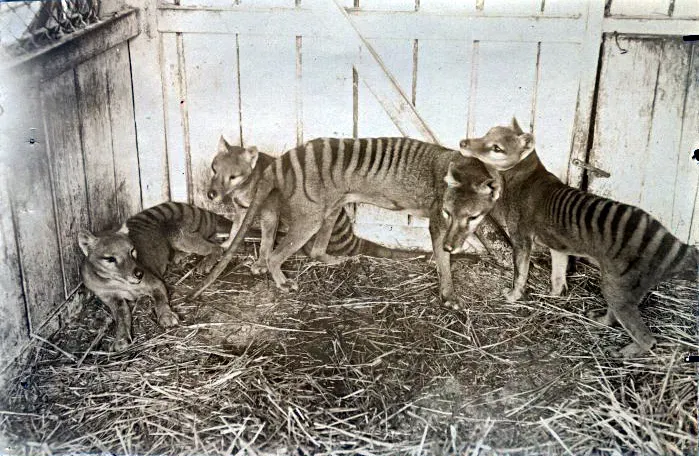
No animal on this list generates more obsession, more disputed footage, or more genuine scientific effort than the Tasmanian tiger – and the mystery is nowhere near settled.
The thylacine, or Tasmanian tiger, was the largest known carnivorous marsupial, but was hunted to extinction by the 1930s, with the last known captive thylacine dying in a Hobart zoo on September 7, 1936. Yet thousands of unconfirmed sightings flood databases every year, so maybe the species will rise like Lazarus and surprise the world. A 2023 scientific study even assessed 1,237 observational records from 1910 onward, suggesting extinction could have occurred as recently as the late 1980s to early 2000s, “with a small chance of persistence in the remote south-western wilderness areas.”
The story doesn’t stop at sightings – scientists are now racing to bring the species back regardless. Biotechnology company Colossal Biosciences successfully sequenced the entire thylacine genome in early 2025 and is actively working to bring the species back, using a fat-tailed dunnart as a surrogate, editing its stem cells with CRISPR technology to match the extinct tiger’s genetic code.
Quick Compare
- Official extinction: last captive thylacine died September 7, 1936, in a Hobart zoo
- 2023 study estimate: possible survival into the late 1980s or early 2000s
- 2025 lab effort: full genome sequenced by Colossal Biosciences
- De-extinction plan: fat-tailed dunnart surrogate plus CRISPR gene editing
Whether the thylacine is quietly surviving in Tasmania’s wilderness or gets engineered back into existence in a lab, one thing is clear: this is the animal humanity refuses to let go of.
The Bottom Line
The pattern across every single one of these cases is the same: “extinct” was never as final as textbooks made it sound. Museums declared species gone based on a single specimen, a few decades of silence, or fossils thousands of years old – and reality quietly proved them wrong, sometimes within our own lifetimes.
From a possum unseen for 7,000 years to a woodpecker the U.S. government tried and failed to officially bury, science keeps underestimating how well nature hides. My honest take? Half of today’s “extinct” labels are really just “we stopped looking hard enough.” Which one of these do you think is still out there? Drop your pick in the comments.