If you think archaeologists have history neatly mapped out, these discoveries will ruin that illusion in the best possible way. Scattered across deserts, jungles, caves, and even the bottom of the sea are objects and sites so baffling that the usual textbook explanations start to sound flimsy the moment you look closer.
Some of them are technically “explained” on paper – assigned a function, a date, a culture. Yet when you zoom in on the details, you feel that quiet hesitation in the academic language, the careful hedging, the things that get glossed over in documentaries. These are the finds that make even seasoned researchers change the subject or cling to very narrow, conservative answers, because the alternative is admitting we might not fully understand how our own ancestors thought, built, and believed. Let’s walk through thirteen of the strangest cases that refuse to sit quietly in the museum catalogues.
#1 The Antikythera Mechanism: A Bronze Computer That Shouldn’t Exist
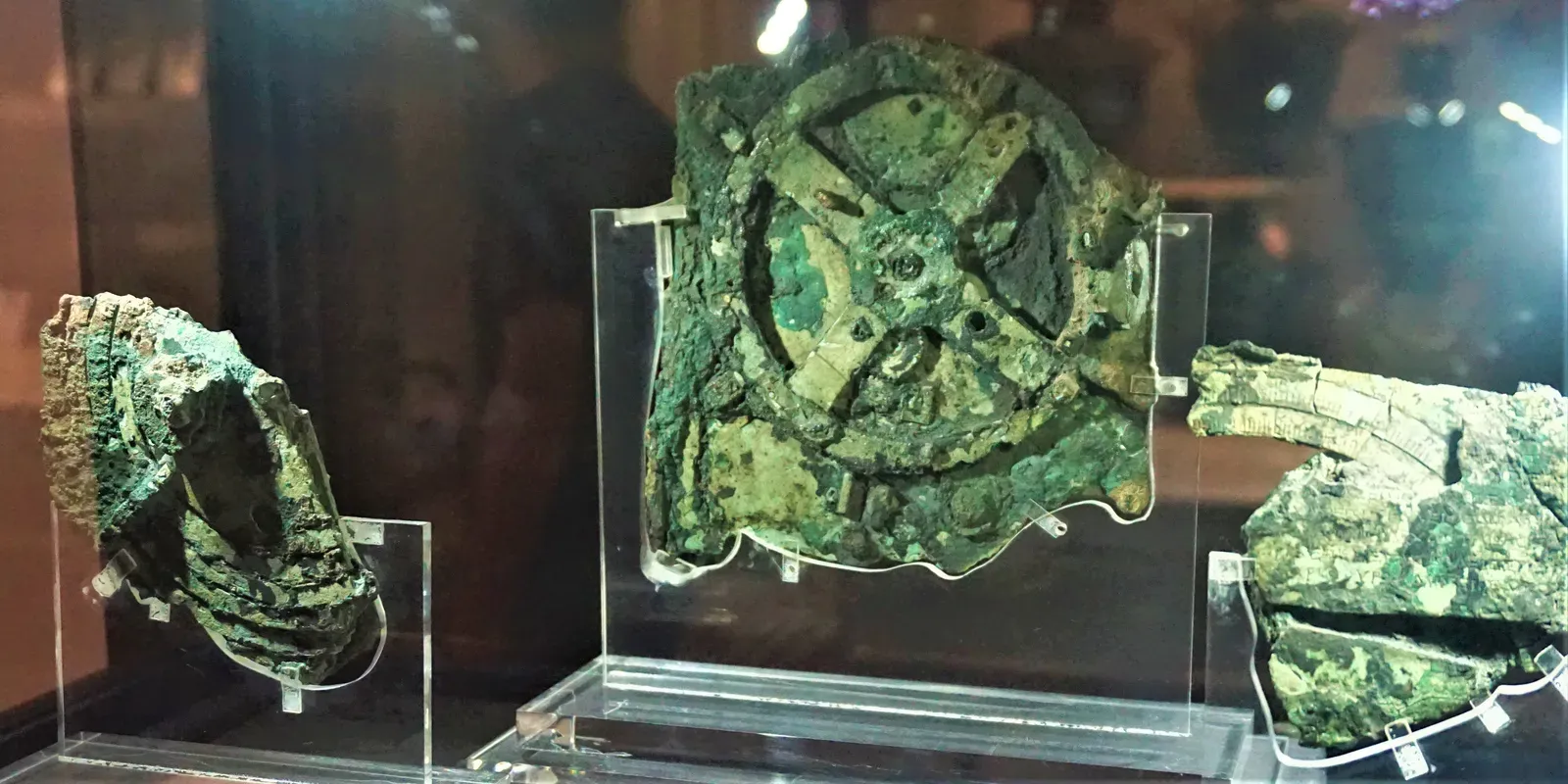
Hidden inside a clump of corroded bronze dredged from a shipwreck off the Greek island of Antikythera, researchers found a machine that looks like it time-traveled from the Renaissance. Dated to around the second century BCE, the Antikythera mechanism contains at least thirty finely cut bronze gears, packed into a case about the size of a shoebox and covered in intricate inscriptions. Scans show that when you turned a crank, the gears predicted the positions of the sun, moon, eclipses, and possibly planetary cycles decades into the future – essentially an analog astronomical computer two thousand years before such devices should have existed.
Archaeologists cautiously call it an orrery or calendar device, and engineers have produced working reconstructions. But the deeper question tends to get shrugged away: if something this complex survived in a random shipwreck, what else did not survive? No similar geared mechanisms are known from that era, and then the technology seems to vanish until medieval cathedral clocks appear more than a thousand years later. You can feel the discomfort in academic writing here; it is easier to describe the gears than to explain how an entire tradition of advanced mechanical engineering can appear fully formed and then evaporate without leaving a clear technological trail.
#2 Göbekli Tepe: The Temple That Predates Civilization
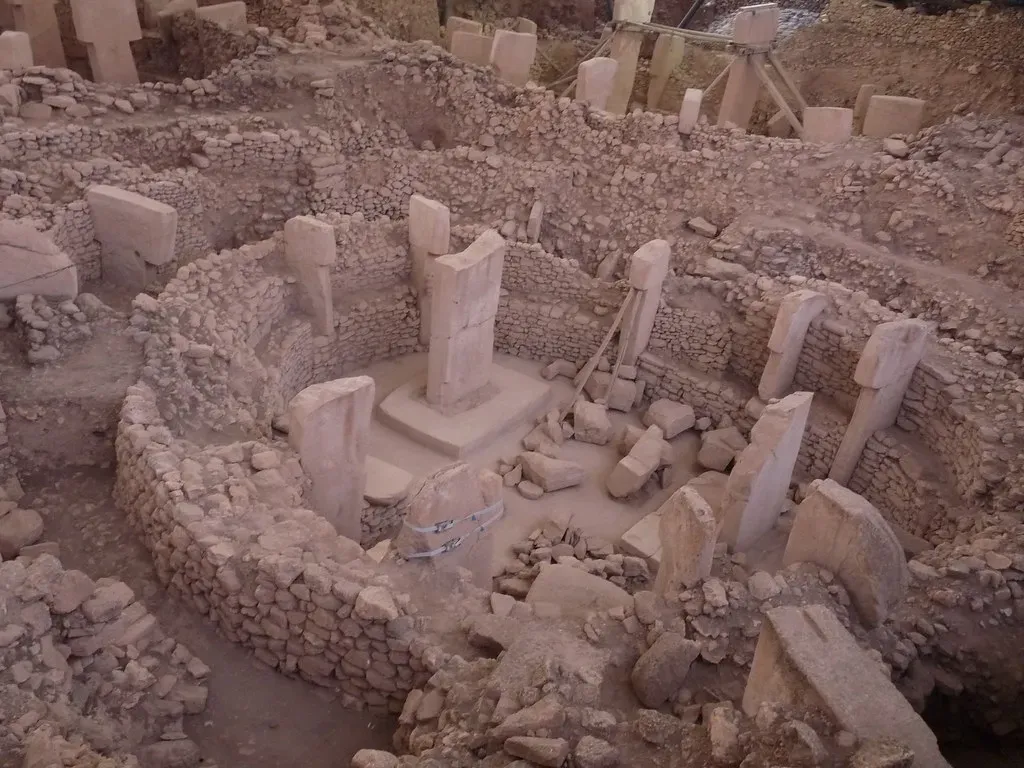
On a hilltop in southeastern Turkey, Göbekli Tepe throws a brick through the window of our usual story of civilization. Radiocarbon dating suggests that some of its stone enclosures were built around 9,500 BCE, long before widespread agriculture, cities, or pottery are supposed to exist. Yet here stand massive T‑shaped limestone pillars, some weighing tens of tons and reaching several meters high, arranged in meticulously planned circles and carved with foxes, scorpions, snakes, and strange human-like figures. The site looks less like a campsite and more like a deliberately designed ritual monument.
The standard narrative has been that farming led to surplus, which led to social complexity, which led to temples. Göbekli Tepe might flip that logic on its head: communal rituals could have come first and forced people to organize labor and food supplies at a level we did not expect from hunter‑gatherers. Archaeologists have proposed that it was a ceremonial center used by multiple groups, but the truth is that no one is fully comfortable with what it implies. So you often see cautious descriptions of “ritual activity” instead of direct attempts to explain why people with no villages, no metal tools, and no domesticated animals except dogs were carving and hauling fifty‑ton stones like they were practicing for Stonehenge millennia in advance.
#3 The Piri Reis Map: A Renaissance Chart That Knows Too Much
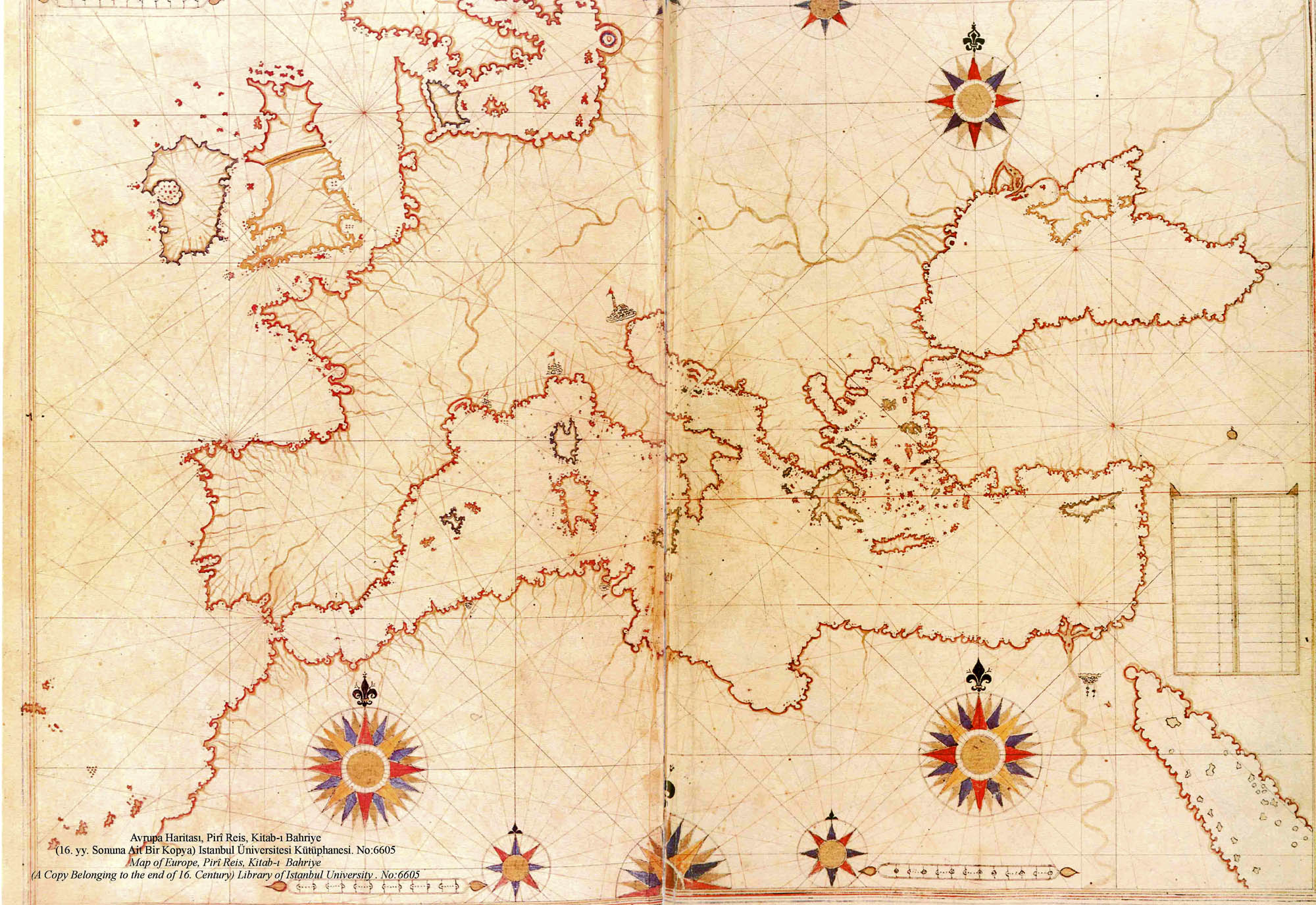
Drawn in 1513 by Ottoman admiral Piri Reis, this surviving fragment of a world map should not be particularly controversial: Europeans and Ottomans were already exploring the Atlantic, and information about new lands was circulating. The problem is in the details. The map seems to combine data from multiple earlier charts, some of which Piri claimed were ancient. Coastlines of West Africa and South America are depicted with surprising accuracy for the time, and portions of the southern landmass look oddly like a distorted Antarctica, centuries before that continent was officially sighted.
Most historians rightly point out that mapmakers often filled unknown southern spaces with speculative landmasses, and some of the supposed “accuracy” may be overhyped by fringe interpretations. But that does not fully explain why certain sections align so well with modern projections when corrected for distortions. Scholars typically focus on the parts that are easy to attribute to known Portuguese or Arabic sources and quietly sidestep the rest. Rather than openly entertain uncomfortable possibilities about lost charts or advanced pre‑modern surveying, many prefer to say as little as possible and let the more puzzling elements remain politely unexplored.
#4 The Baghdad “Battery”: Primitive Power Source or Misunderstood Jar?
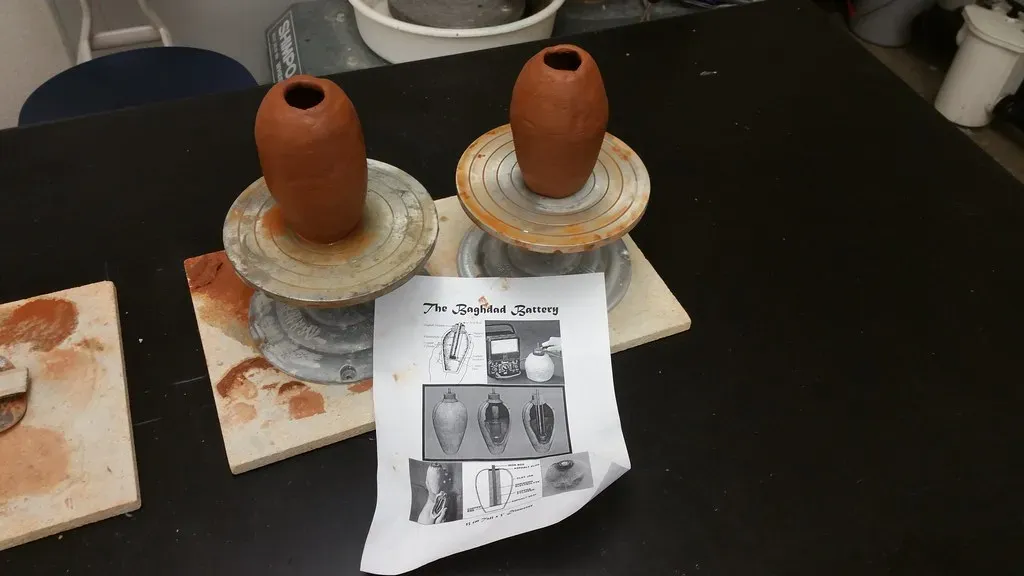
In the 1930s, excavations near modern-day Baghdad uncovered small clay jars containing an iron rod surrounded by a copper cylinder, separated by bitumen. This three‑piece design strongly resembles the components of a very simple galvanic cell. When replicas are filled with an acidic liquid like vinegar, they can produce a small electrical current. Because the original artifacts are usually dated to the Parthian or early Sasanian periods, long before any known use of electricity, they became famous as the “Baghdad Batteries.”
Conventional archaeologists are, frankly, allergic to that term. Many argue the jars were likely used for storing scrolls or sacred texts, or served some other mundane function, and the electrical interpretation is dismissed as modern bias projected onto old objects. Yet no consensus alternative has really stuck, and there is no solid evidence of ink residues or scroll fragments in the most cited examples. So the debate just simmered into a sort of uneasy truce: a widely publicized “battery” idea that museums love for visitors, and a scholarly community that would really rather not pick a firm side because any answer raises awkward questions about lost technologies or about our own habit of reading too much into ambiguous finds.
#5 The Nazca Lines: Giant Geoglyphs Meant for Whose Eyes?
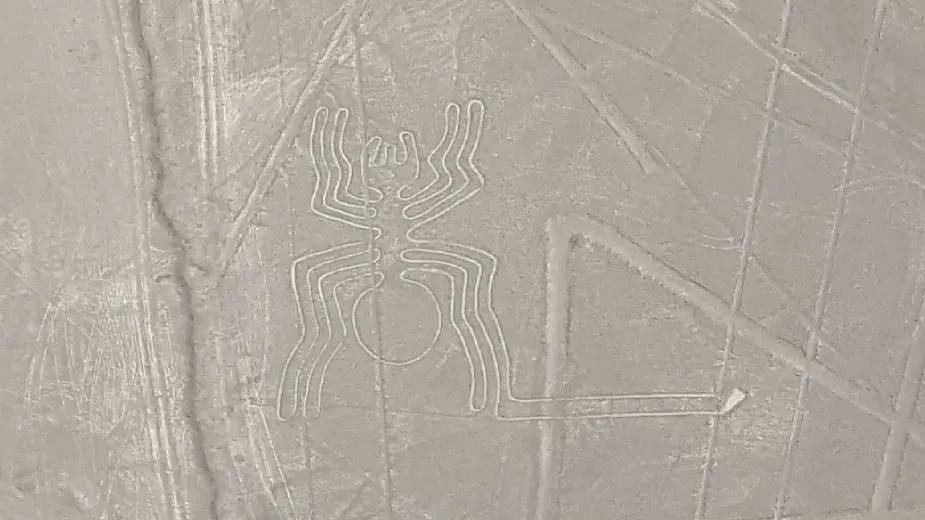
Across the dry pampas of southern Peru, ancient builders etched hundreds of long, perfectly straight lines and giant figures of animals, plants, and geometric shapes by removing the dark desert surface to reveal lighter soil beneath. Some of these figures stretch hundreds of meters, yet they are nearly impossible to appreciate fully from ground level. They were created roughly between 500 BCE and 500 CE, likely by the Nazca culture. From the air, they look like runway‑length arrows, colossal hummingbirds, monkeys, and abstract designs stitched across the land.
Researchers have proposed that the lines align with celestial events, mark ritual paths, or guide water and agricultural ceremonies. All of those explanations have some merit, but they do not completely settle the biggest question: why build so many, at such scale, in ways that only make aesthetic sense from above? Because it is professionally dangerous to sound too speculative, many scholars default to safe wording about “ritual landscapes” and “symbolic pathways.” The uncomfortable truth is that we still do not fully grasp the cultural logic behind drawing a monkey the size of multiple city blocks in a place where no one at the time could have seen it in a single glance.
#6 The Voynich Manuscript: A Book Written in Nobody’s Language
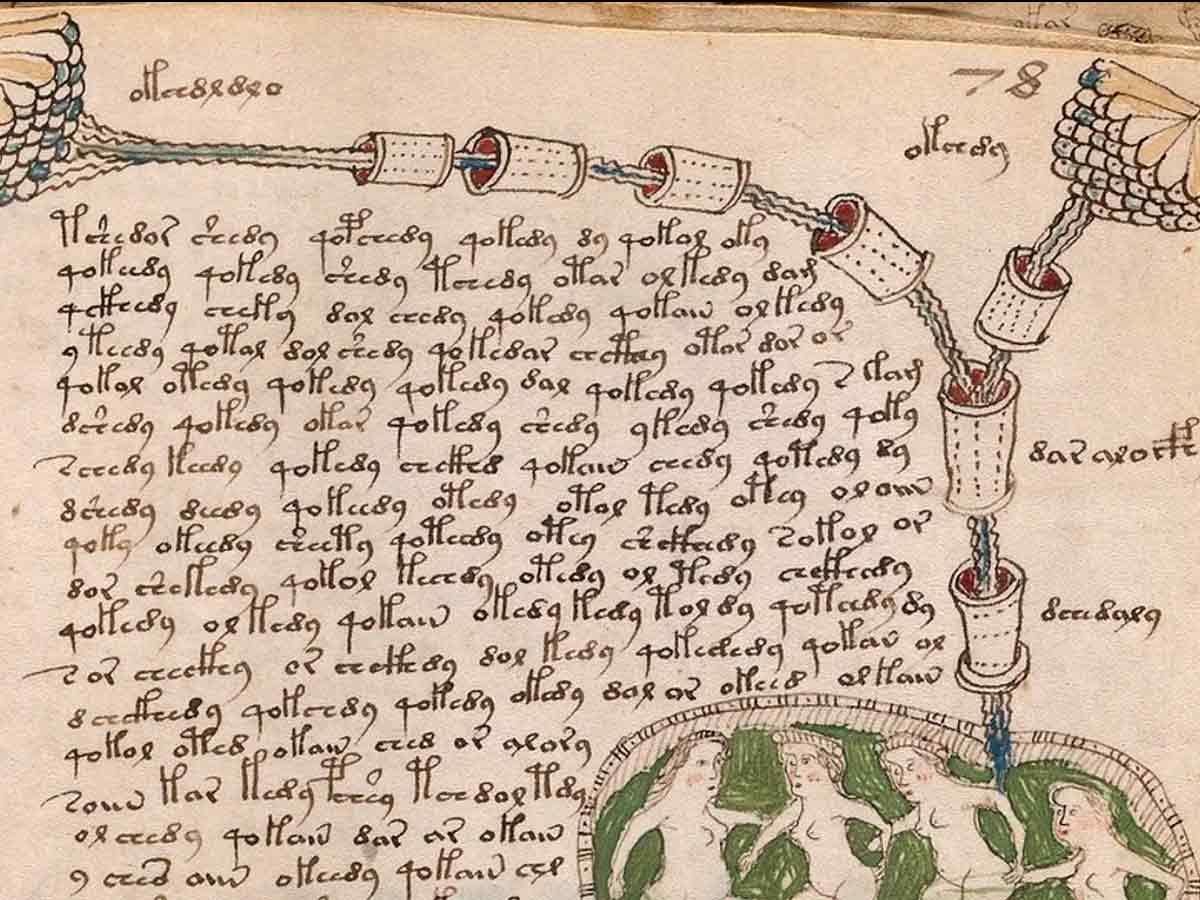
Tucked away in Yale’s rare book collection is a medieval‑looking manuscript filled with looping handwriting and bizarre illustrations of unknown plants, cosmological diagrams, and naked human figures bathing in tubes and pools. Radiocarbon dating of its vellum places it in the early fifteenth century, but the script and language have resisted every serious attempt at decipherment. Linguists, codebreakers, computer scientists, and hobbyists have all taken turns trying to crack it, and while some patterns suggest it behaves like a real language, no one can tie it convincingly to any known tongue.
Academic papers now tend to focus on statistical structure or material analysis, carefully stepping around grand claims. Some argue it is an elaborate hoax from the Renaissance, others see a constructed language, and a smaller camp suspects a natural language in an unknown script. But for something this famous, you’d expect bolder institutional attempts to solve it. Instead, the Voynich manuscript lives in an odd limbo: too public to ignore, too professionally risky to hang your career on. Researchers document its quirks, publish controlled studies, and then usually retreat without committing to an overarching explanation, leaving the field to speculative documentaries and internet theories.
#7 The Saqqara Bird: Toy, Symbol, or Aerodynamic Experiment?
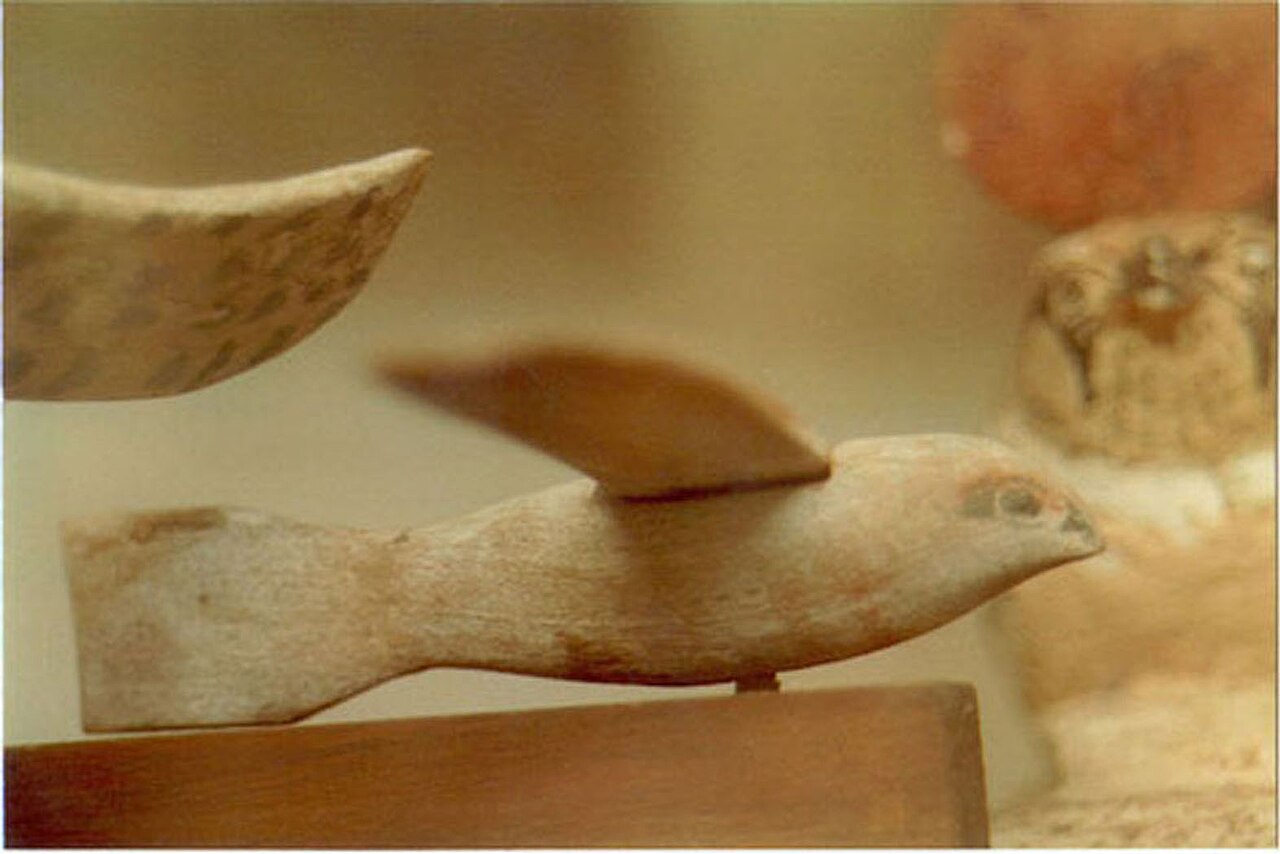
In a tomb at Saqqara in Egypt, archaeologists recovered a small carved wooden object shaped like a bird with fixed wings and a vertical tail, dating to roughly the second century BCE. At first glance it looks like a simple toy or votive offering, carved quickly from a single piece of wood. But its proportions are oddly aerodynamic: reconstructions with minor tweaks have been shown to glide short distances, and its tail shape resembles a vertical stabilizer more than a natural bird tail. This combination has led some enthusiasts to claim it as evidence of ancient knowledge of flight.
Egyptologists largely reject those claims and prefer to label it a stylized bird model connected to religious symbolism, especially the soul or the sky god Horus. Yet that explanation is almost always delivered without detailed discussion of why the wings and tail are shaped as they are, or why no inscription clarifies its purpose. Because similar objects are rare, there is not enough context to be certain. The result is another awkward museum placard: a brief line branding it as a “bird figure, wood,” and not much more. The possibility that it represents an early, informal experiment in gliding is rarely explored in formal literature, not because it is disproved, but because it pushes too far against comfortable assumptions.
#8 The London Hammer: An Ordinary Tool in an Extraordinary Place
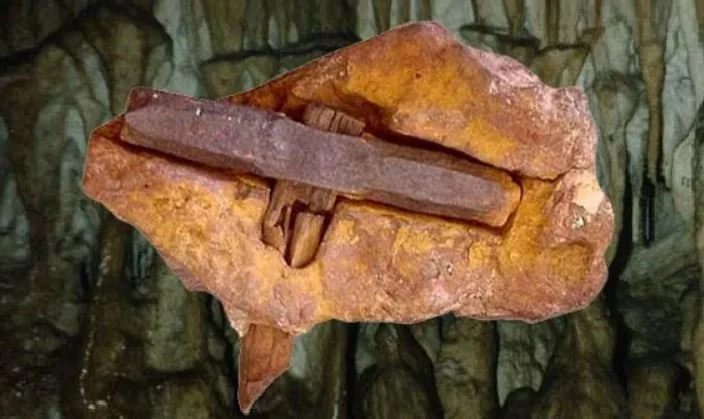
In the 1930s near London, Texas (in the United States, not the UK), a couple reportedly found a hammer‑like object partially embedded in a rock concretion. The wooden handle protruded from one end and an iron head from the other, and the surrounding rock was claimed to be many tens of millions of years old based on its general geological context. Photographs show the tool apparently encased in the hardened material, which sparked sensational claims that it was proof of a technologically advanced civilization existing far earlier than accepted history allows.
Professional geologists and archaeologists mostly avoid the topic, not because it is definitively solved, but because the artifact’s discovery circumstances are poorly documented. The concretion around the hammer could easily be much younger than the surrounding strata and formed around a relatively modern tool after a fracture, but firm testing has been limited. Instead of a clear, methodical study, what we see is a stalemate: mainstream scholars dismiss it as a modern intrusion without publishing much, while fringe sources loudly promote it as evidence of a forbidden past. The silence from serious research circles leaves the impression that some puzzles are simply not worth the reputational risk, even when a careful, transparent analysis could actually settle the matter.
#9 The Shroud of Turin: Relic, Artwork, or Something In Between?
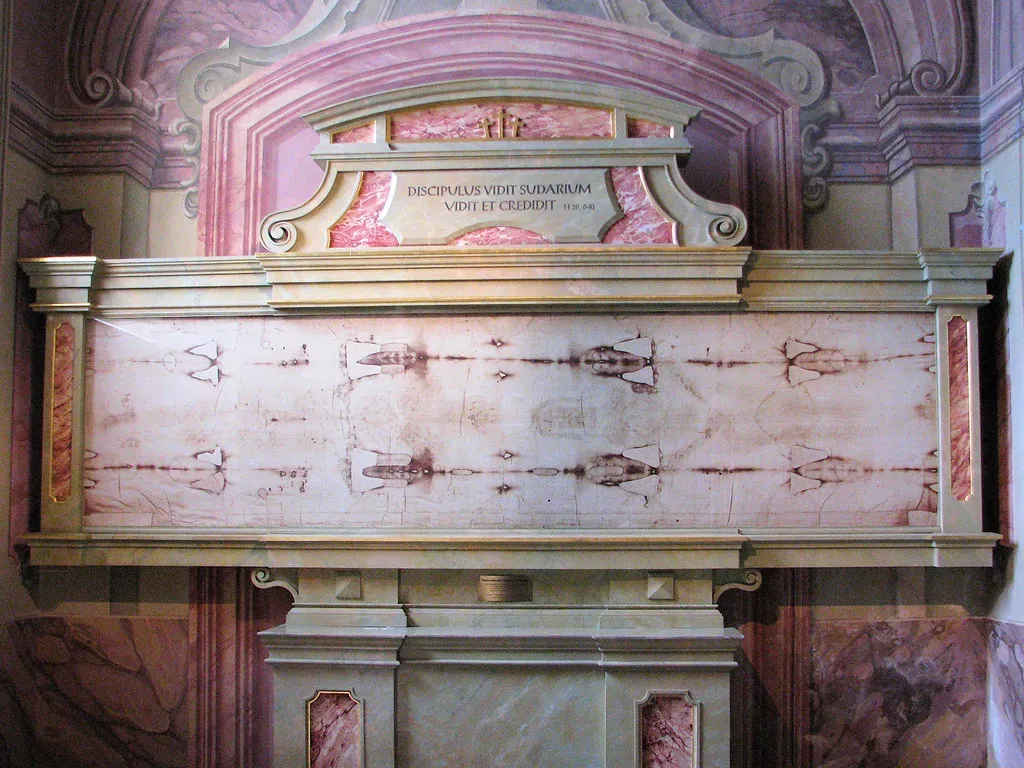
The Shroud of Turin, a linen cloth bearing the faint image of a crucified man, has been the center of heated debate for decades. When radiocarbon tests in the late twentieth century dated the fabric to the medieval period, many historians took that as confirmation that it was an impressive but ordinary relic. However, subsequent criticism of sample locations, contamination, and statistical treatment reopened the door to doubt. On top of that, no one has convincingly reproduced the image with all its subtle three‑dimensional and photographic properties using methods available in the Middle Ages.
Scientists who work on it tend to be cautious to a fault. Official church and secular labs have released technical findings, but they often avoid definitive statements about the image’s origin beyond basic dating. Because the shroud sits at the uneasy intersection of faith, history, and physics, entire academic careers can get pinned to whatever conclusion a researcher supports. So many simply stay away. The result is a strangely under‑researched object for something so famous: a handful of specialists circling a mystery that is technically testable, while the broader scientific community quietly looks the other way to avoid getting dragged into a theological minefield.
#10 The Plain of Jars: Megalithic Vessels with No Clear Story
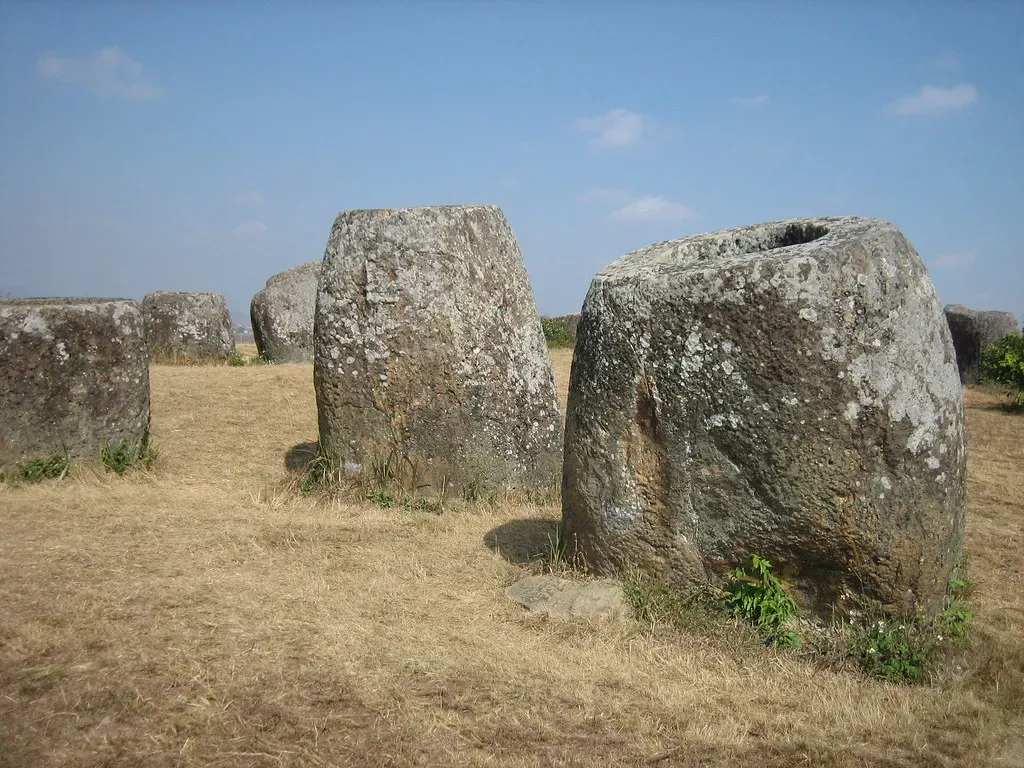
Across the highlands of Laos, thousands of massive stone jars, some taller than a person and weighing several tons, dot the landscape in clusters now known collectively as the Plain of Jars. They are believed to be at least two thousand years old, probably linked to an Iron Age culture, yet almost nothing definitive is known about the people who carved and placed them. Some jars are roughly shaped, others are quite neat, and a few lids have been found, but there are no long inscriptions or detailed depictions to explain their purpose.
Excavations have turned up human remains and burial goods in association with some of the jars, suggesting a role in mortuary rituals. Still, nearly everything beyond that is guesswork: were they used to decompose bodies before secondary burial, to store offerings, or to symbolize ancestral presence? Because large parts of the region have been heavily mined and bombed in modern times, many jar sites remain dangerous to explore. International teams therefore face logistical and safety barriers, and you rarely see bold, sweeping interpretations in the literature. The jars become yet another example of how archaeology sometimes hits a hard limit – not of imagination, but of access and evidence – and the safest professional stance is a cautious shrug.
#11 The Sacsayhuamán Walls: Stonework That Laughs at Our Tools
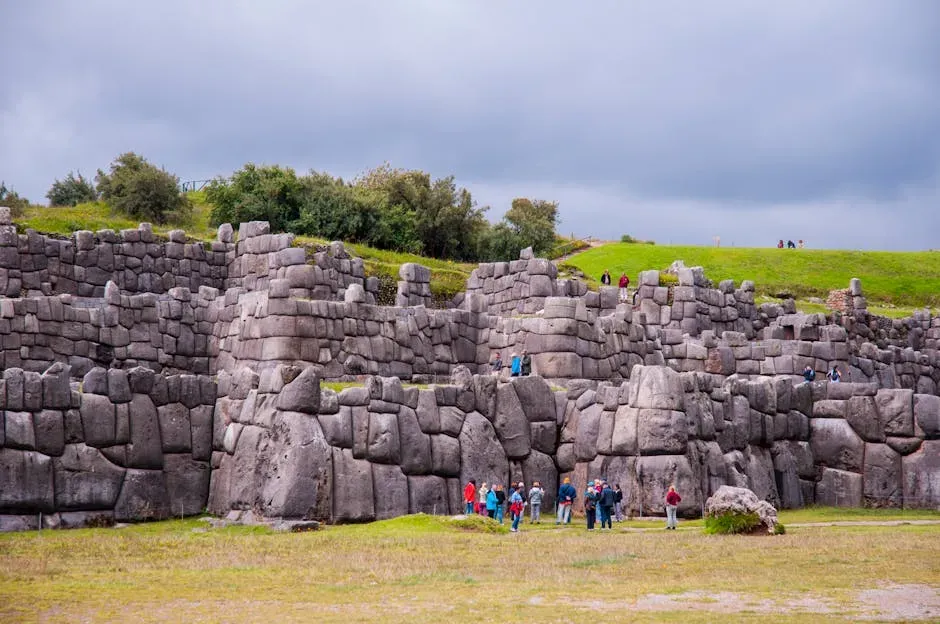
Overlooking the city of Cusco in Peru, the fortress‑like complex of Sacsayhuamán is built from enormous andesite blocks, some weighing many dozens of tons, fitted together with astonishing precision. The stones lock into one another with irregular, multi‑angled joints that hold so tightly you can barely slide a razor blade between them. There is no mortar, and the walls have withstood centuries of earthquakes that have toppled later, more conventional constructions nearby. Visitors naturally jump to the question: how did Inca or pre‑Inca builders quarry, transport, and shape these monsters so accurately without iron tools or wheels?
Archaeologists can point to experimental work showing that teams using stone hammers, levers, ramps, and patient trial‑and‑error can replicate parts of the process. That is a reasonable, grounded answer, but it tends to gloss over the practical scale of doing this hundreds of times in a high‑altitude environment. Instead of openly acknowledging that we still do not know the exact sequences, measurements, and logistics, academic descriptions often fall back on phrases like “skilled stonemasonry traditions” and move on. The topic has been so heavily distorted by sensational claims that many serious researchers would rather under‑discuss the genuine engineering brilliance than risk being lumped in with wild theories – a kind of self‑censorship that leaves the public feeling like the real questions never got addressed.
#12 The Hypogeum of Ħal Saflieni: An Underground Acoustic Enigma
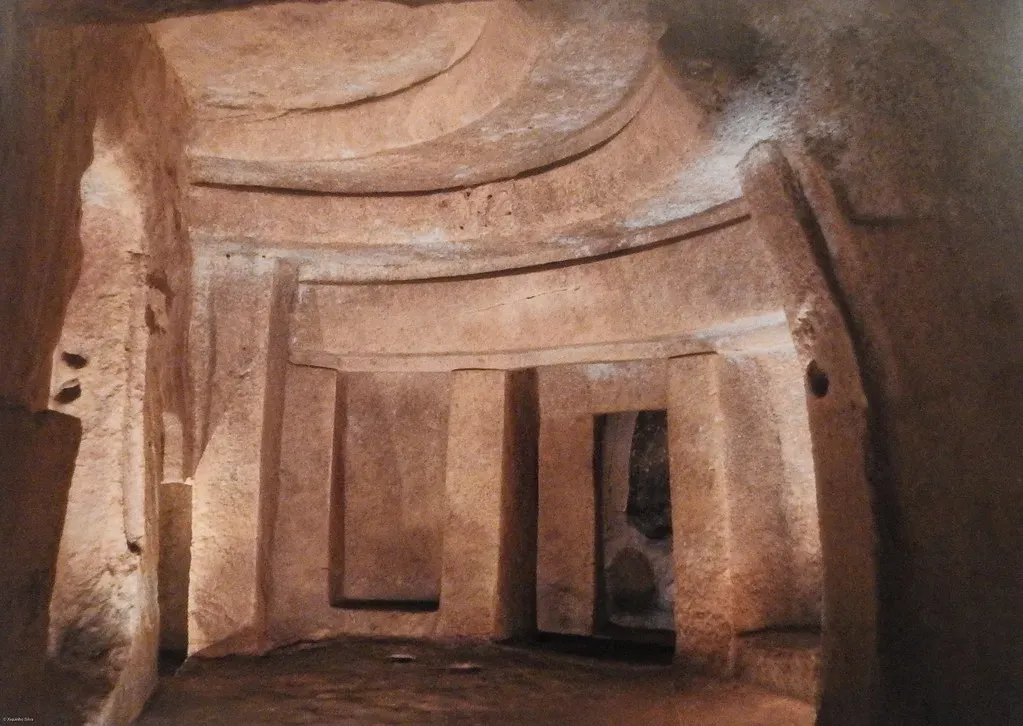
On the island of Malta, the Hypogeum of Ħal Saflieni is a multi‑level underground complex carved into limestone, used between roughly 4000 and 2500 BCE. Its chambers, passages, and carved features look like a stone echo of above‑ground temples, but hidden in darkness. One room in particular, often called the Oracle Chamber, has striking acoustic properties: low male voices resonate intensely, creating powerful standing waves that can be felt in the body. Modern acoustic studies suggest that the builders intentionally shaped some surfaces to achieve this effect, implying a sophisticated understanding of sound and space.
Official explanations lean toward the safe idea that it was used for ritual or burial ceremonies, possibly involving chanting. Yet few archaeologists venture into detailed speculation about how such acoustic design knowledge was developed, preserved, and taught over generations without writing or complex instruments. Instead, you find carefully neutral language about “remarkable resonance” and “possible ritual significance.” Once again, the more unsettling implication – that prehistoric builders may have explored psychoacoustic effects in ways we barely study even today – is left floating between the lines, acknowledged just enough to be noted, but not enough to be fully explained.
#13 The Dropa Stones and “Alien Artifacts”: When Archaeology Walks Away
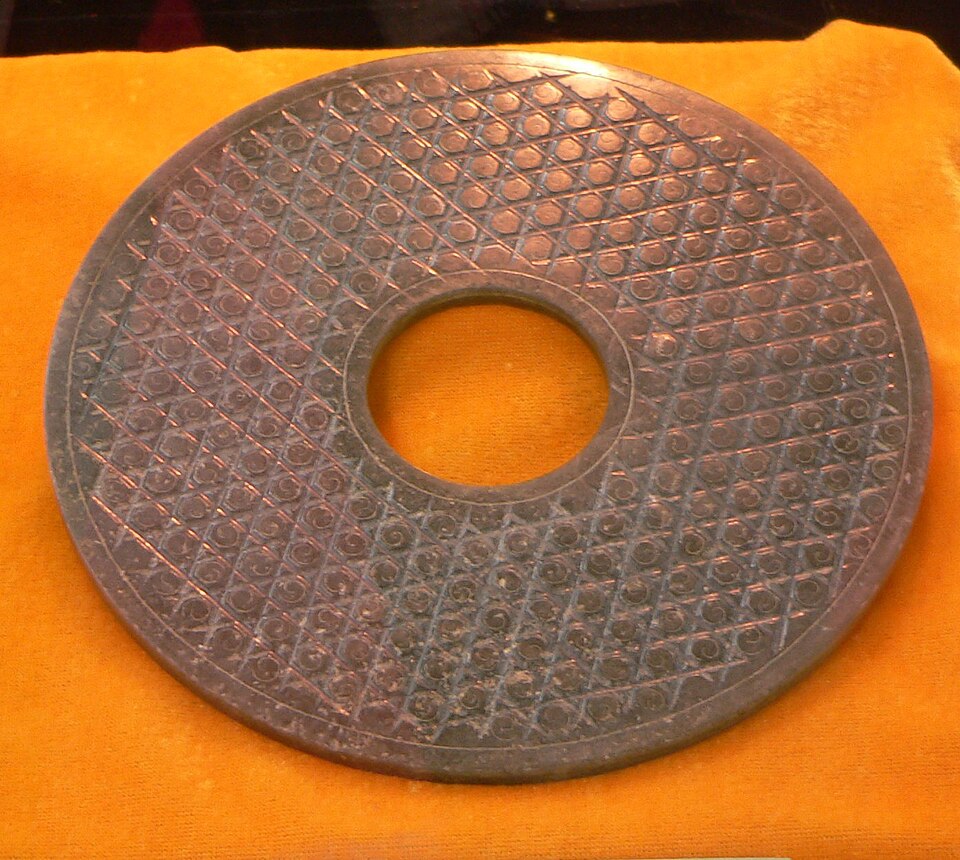
Among the strangest stories that refuse to die is that of the so‑called Dropa stones: circular stone discs allegedly found in a remote Chinese cave in the mid‑twentieth century, inscribed with microscopic spiral “writing” that some claimed told a story of a crashed extraterrestrial craft. The tale has been retold in countless books and websites, usually with grainy photos and references to vanished professors. When researchers have tried to track down the original excavation reports, museum records, or the physical artifacts themselves, they hit a wall of contradictions, missing documentation, and clear signs of modern myth‑making.
Professional archaeologists typically do not even bother debunking the Dropa stones in detail anymore; they just regard the whole thing as a fabricated legend with no verifiable primary evidence. And yet, this is precisely the kind of case that shapes public perception of “strange archaeology.” Real mysteries get thrown into the same pot as invented ones, and then academia’s instinct is to back away from the entire topic. In my view, that reflex does more harm than good. By refusing to dissect famous hoaxes with the same energy they apply to real enigmas, researchers end up creating a vacuum that fringe narratives happily fill, while careful, critical curiosity gets painted as something to be avoided instead of encouraged.
Conclusion: The Real Mystery Is What We Refuse to Ask
Looking across these thirteen cases, a pattern emerges that has nothing to do with aliens or secret civilizations and everything to do with human comfort zones. When an artifact fits our existing timeline and technical expectations, specialists are happy to dive deep and argue over tiny details. But when something like the Antikythera mechanism, Göbekli Tepe, or the Hypogeum’s acoustics pushes too hard against our mental templates, the tone shifts. The language becomes vague, the claims ultra‑conservative, and entire topics become career hazards. In practice, that means some of the most intriguing clues about our past get handled with rubber gloves or quietly left on the shelf.
Personally, I think that reflex is a mistake. Being honest about what we do not know is not a weakness in science; it is the whole point. Admitting that we cannot fully explain why hunter‑gatherers carved vast stone temples, how prehistoric engineers tuned underground chambers for sound, or where a lost tradition of precision gearing came from does not mean throwing the doors open to every wild theory. It means giving ourselves permission to follow the data wherever it leads, even if it complicates neat textbook stories. The real scandal is not that the ancient world might have been smarter, stranger, or more experimental than we imagined – it is that we still treat our discomfort with that possibility as a reason to look away. Which of these mysteries makes you most uncomfortable, and what does that say about the story of the past you secretly want to be true?