Most people picture ancient builders as improvisers – hauling stone by torchlight, eyeballing angles, hoping the roof wouldn’t cave in. Then the sun rises on the solstice, slides through a doorway carved thousands of years before compasses existed, and lands exactly where it’s supposed to land, down to a matter of inches. That’s not luck. That’s the kind of precision modern architects chase with lasers and GPS, achieved by people armed with nothing but patience, memory, and generations of watching the sky.
From a jungle observatory in Guatemala to a pyramid that turns sunlight into a slithering serpent, the 13 monuments below prove “primitive” was never the right word for these cultures. Some of these alignments are so exact they still work today, after thousands of years, several earthquakes, and one very inconvenient dam. Here’s the evidence, monument by monument – and the final one on this list might be the boldest solar trick anyone ever built in stone.
#13 – Mnajdra Temples, Malta: Stone “Calendar” on a Cliff
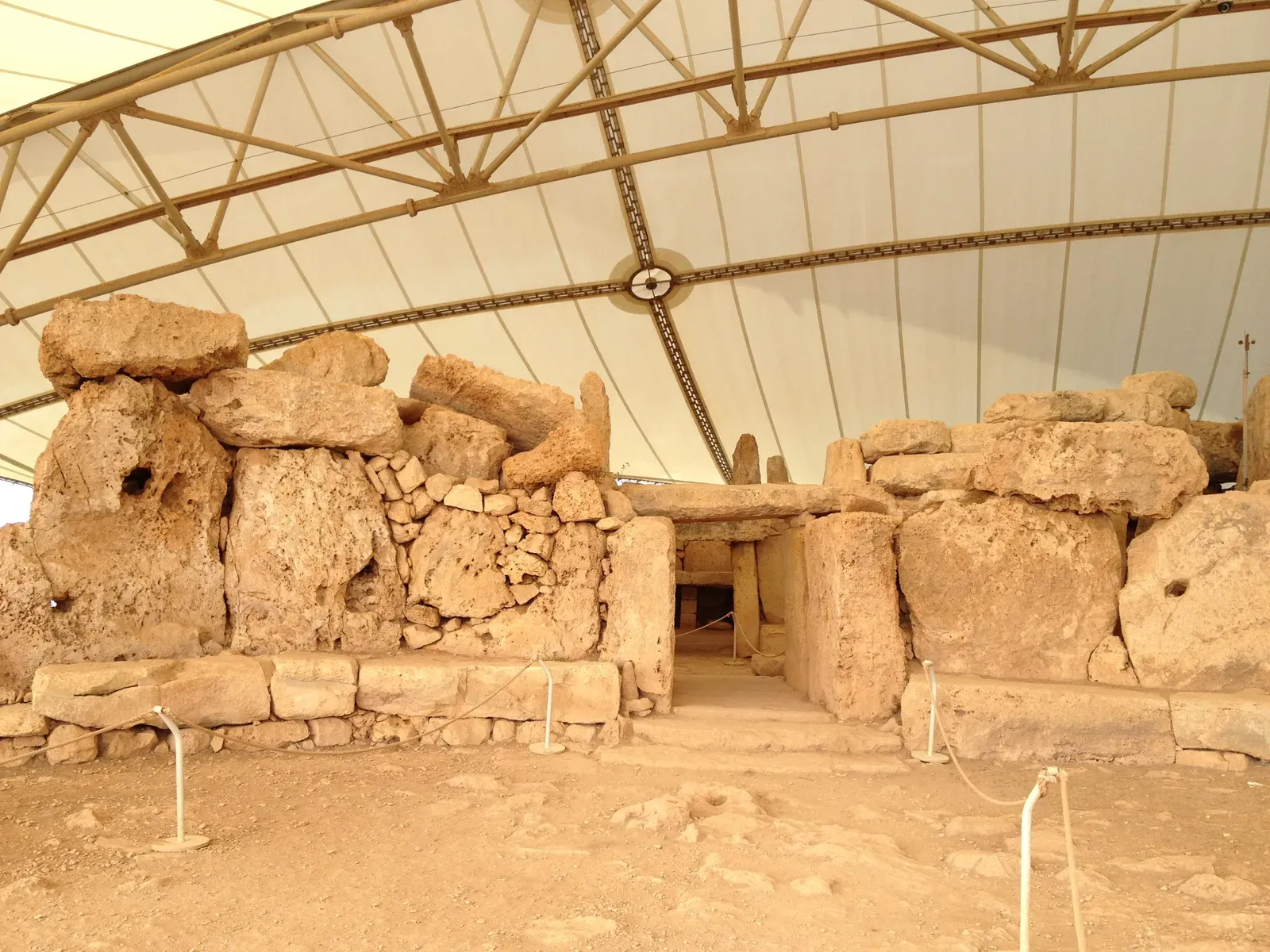
At first glance, Malta’s Mnajdra temples look like weathered limestone blobs on a cliff above the Mediterranean. But stand inside the lower temple on an equinox morning and it stops being just a ruin. A shaft of light slips through the doorway and lands exactly on the central axis, like a stone-age laser pointer tracking the changing seasons.
Archaeologists date Mnajdra to around 3600–2500 BCE, older than the pyramids. The builders had no metal tools and no written language, yet they carved doorways, niches, and altars that interact with the sun in predictable, repeatable ways. On the summer and winter solstices, the rising sun highlights specific edges of the doorway, shifting the pattern like a built-in seasonal marker.
What makes Mnajdra especially revealing is its complexity. There isn’t just one dramatic beam of light; there are several subtle lighting effects that change across the year. That strongly suggests deliberate testing and refinement, not a one-off fluke. The temple’s coastal position gives it a wide, low horizon, perfect for tracking exactly where the sun rises.
Some Maltese locals still call these a kind of “calendar in stone,” and honestly, that’s not far off. Wait until you see what a circular room in the New Mexico desert managed to pull off with the same idea.
#12 – Chaco Canyon’s Casa Rinconada, USA: A Kiva That Knows the Solstice
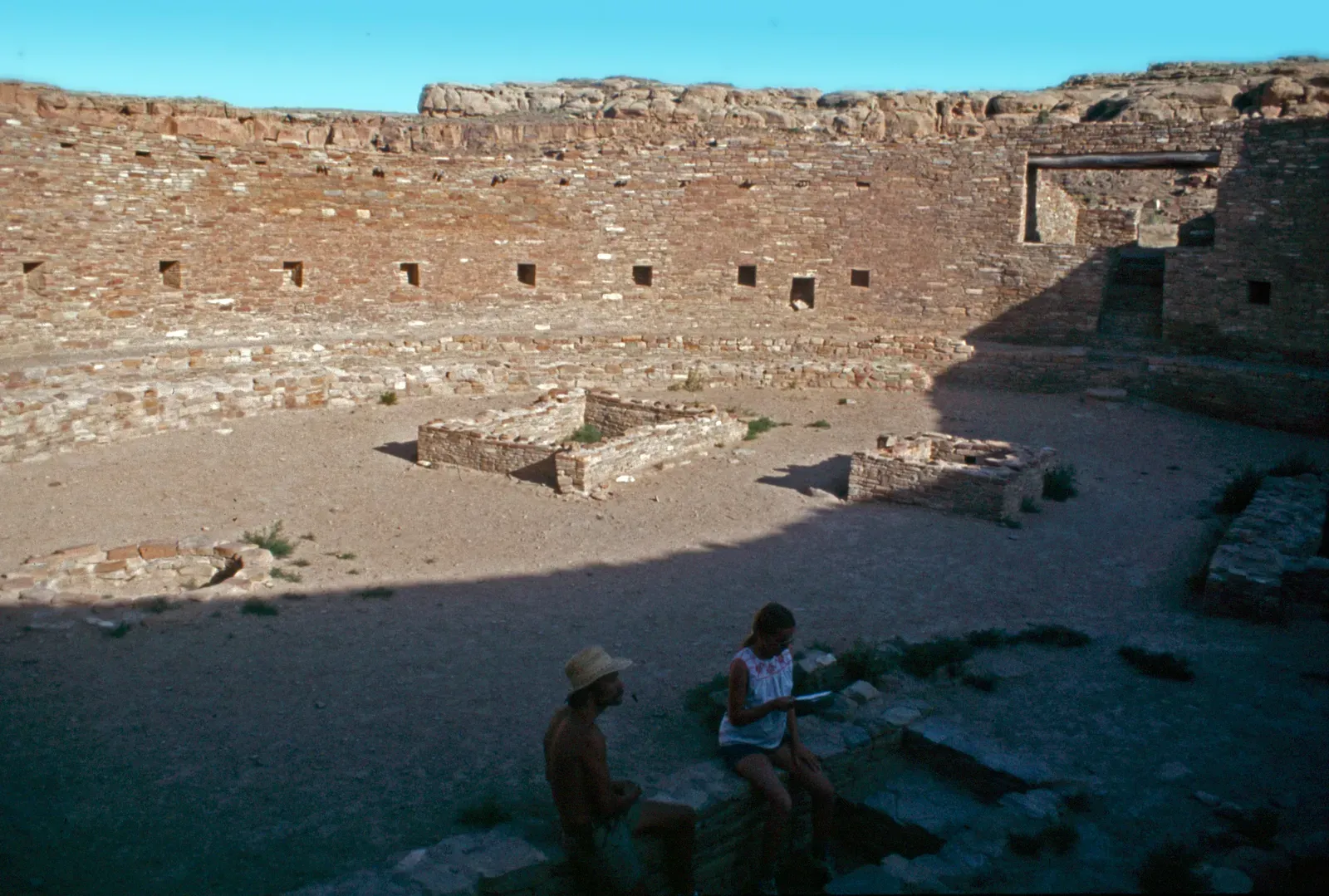
In New Mexico’s Chaco Canyon, most tourists rush to the big “great houses” and miss one of the most elegant solar tricks in the Southwest: Casa Rinconada, a huge circular kiva built by Ancestral Puebloans around 1100 CE. From above, it looks like a simple ring of stone. Stand inside on the right day, and it suddenly behaves like a sun-clock.
Casa Rinconada has a carefully positioned doorway and a series of wall niches. On the summer solstice, observers have documented a narrow shaft of sunlight passing through the eastern doorway and striking a specific niche on the inner wall. The event happens quickly, suggesting whoever planned it knew exactly where the sun would sit at that moment in June.
This isn’t a random coincidence. Other features in Chaco Canyon, like the famous “sun dagger” at Fajada Butte, use light and shadow to mark solstices and equinoxes too. Together they point to a culture deeply invested in tracking the sun’s extreme points across the horizon.
The controversial part? Many visitors assume this was a “giant clock” built for everyday people. Yet many archaeologists argue these alignments were primarily ceremonial, reinforcing elite control over ritual timing. Either way, you’re looking at surprisingly precise solar knowledge embedded in a ceremonial building – and Egypt was about to take that same idea and aim it at a pharaoh’s face.
#11 – Abu Simbel, Egypt: A Solar Spotlight on Pharaoh
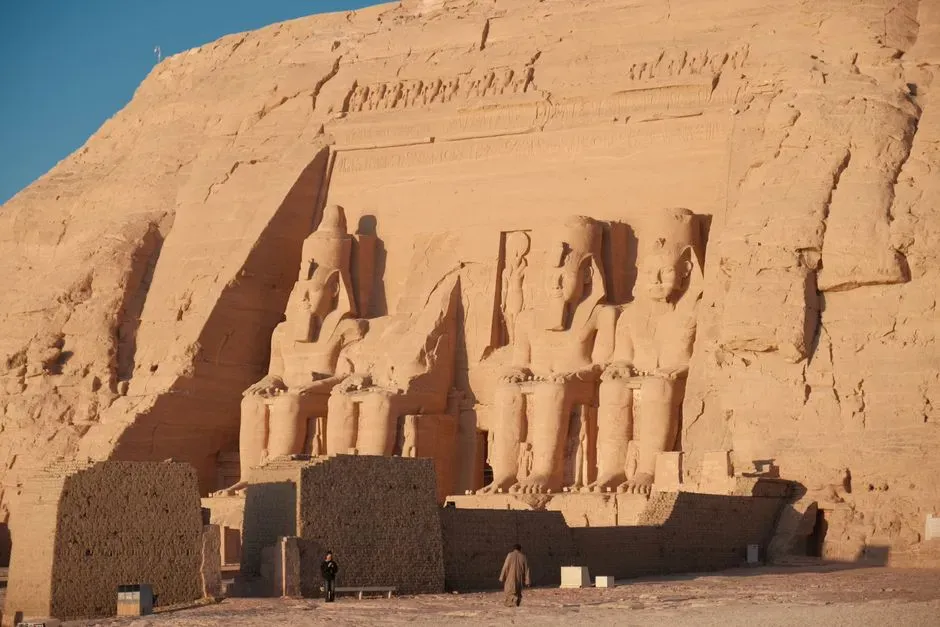
Most people know Abu Simbel as “those giant statues rescued from the rising waters of the Aswan High Dam.” What they miss is the solar trick that made the temple famous long before UNESCO engineers cut it into blocks and moved it uphill.
Twice a year, the rising sun sneaks down the temple’s long, narrow axis to light up the inner sanctuary. The original structure, built under Ramesses II around the 13th century BCE, was oriented so that on just two days each year, sunlight penetrated 60 meters into the rock-cut interior to illuminate three of four statues on the back wall. The one figure that stayed in the dark? The god Ptah, associated with the underworld – a bold, theologically loaded use of sunlight.
Those two dates, usually falling around late February and late October, likely weren’t random. Many Egyptologists think they linked to Ramesses II’s coronation or key agricultural and ritual markers, effectively turning the temple into a cosmic stage where the sun “approved” the pharaoh twice a year.
Fast Facts
- Built under Ramesses II, roughly 1264 BCE
- Sunlight travels about 60 meters into the sanctuary
- Alignment days fall near February 22 and October 22 each year
- Relocated in 1968 to escape the rising waters of Lake Nasser
After the temple was relocated in the 1960s to save it from the Nile, the alignment shifted slightly, but the basic effect still works. The precision required to hit that sanctuary dead-on, with no metal optics whatsoever, is frankly wild. Halfway around the world, a row of stone giants on a remote island pulled off something almost as bold.
#10 – Ahu Akivi, Easter Island: Moai That Watch the Equinox Sun
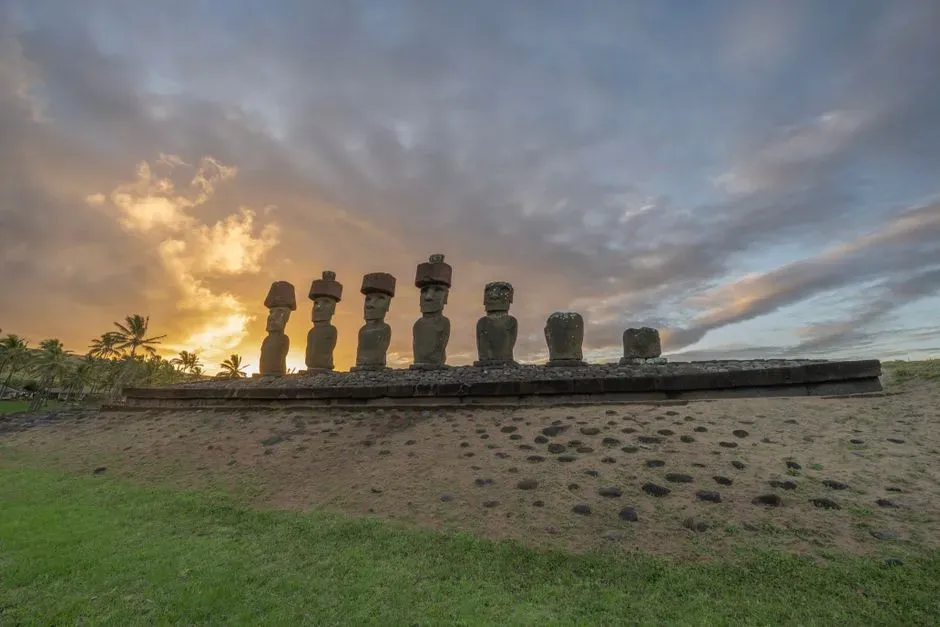
On Rapa Nui (Easter Island), almost all the famous moai statues stare inland, backs to the sea. Ahu Akivi is the odd one out. Its seven moai face the Pacific – and its platform quietly tracks the sun with unnerving accuracy for such a remote island.
Ahu Akivi is oriented so that on the equinoxes, the sun sets almost exactly in line with the platform’s main axis, sinking between key points on the horizon. When researchers measured its orientation, they found it matched the equinoctial sunset direction within a degree or two, impressive given the simple tools available at the time.
Local traditions tie these seven moai to the island’s first explorers. Whether or not that legend is literally true, the solar alignment suggests something more practical: a community deeply aware of the sun’s annual path, possibly using the equinoxes as reference points to organize fishing, planting, or long-distance voyaging.
What makes Ahu Akivi controversial is that not all scholars agree the alignment was deliberate. Some argue the builders were guided more by topography and sightlines than strict astronomy. Still, it’s hard to ignore that this is the only inland-facing exception among major ahu, and it just happens to line up with the equinox sunset. Deep in the Guatemalan jungle, the Maya took this same instinct and turned it into an actual instrument.
#9 – Uaxactun’s E-Group, Guatemala: A Maya Solar Observatory in Disguise
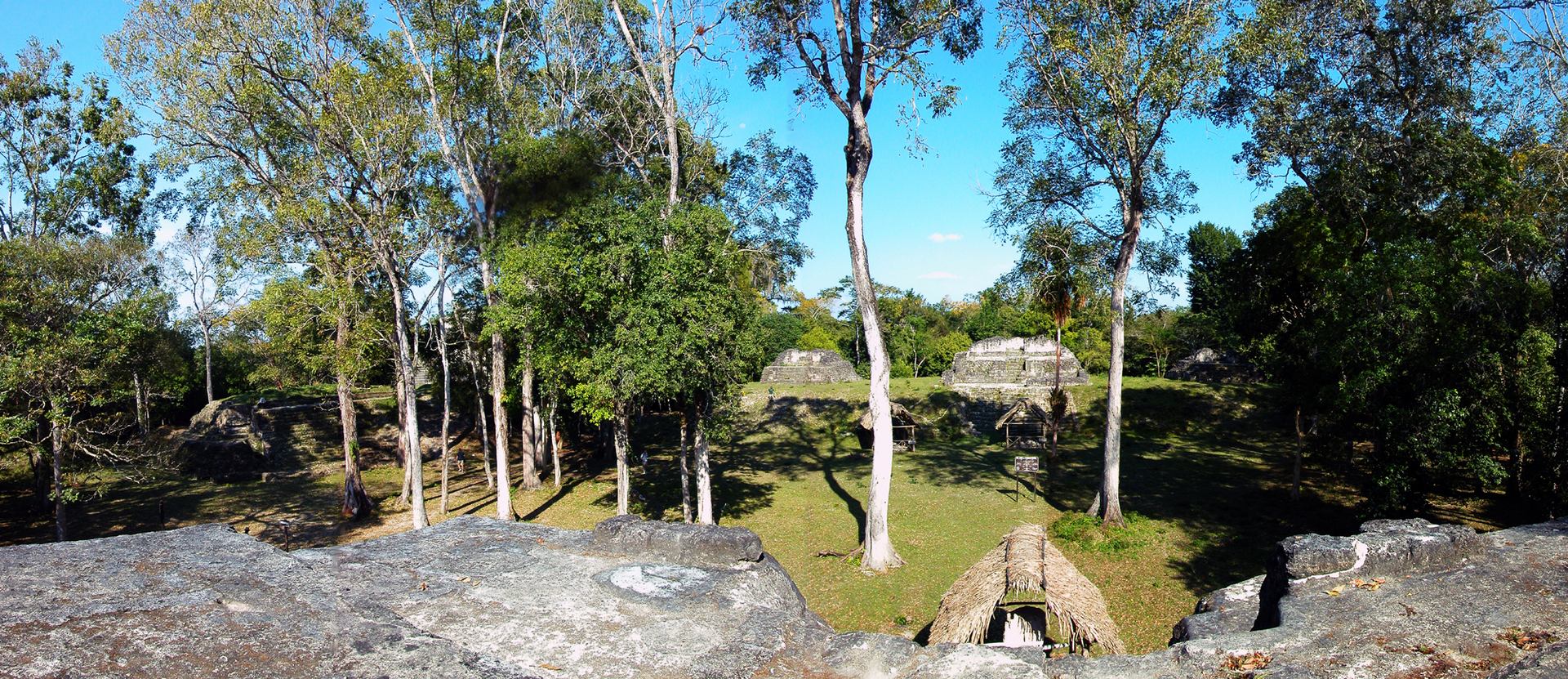
Hidden in the jungle near Tikal, the Maya site of Uaxactun has what looks like a simple plaza with a long platform on one side and a pyramid on the other. To a casual visitor, it’s just another ruin. To anyone who pays attention to the sunrise, it’s an ancient astronomer’s toolbox.
From the pyramid, known as Structure E-VII-sub, observers could watch the sun rise over different points on the platform opposite. The three main structures on that platform mark the solstice and equinox sunrise positions along the eastern horizon. Stand in the right spot, and the sun aligns with specific building corners on the year’s key dates, like ticks on a stone protractor.
These “E-Group” complexes appear at several Maya sites, strongly suggesting a standard design template for solar observation. They aren’t as photogenic as pyramids, but their purpose is clearer: they let priests and officials monitor the sun’s motion and anchor the complex Maya calendar in the visible sky.
Critically, this wasn’t abstract science. Solar alignments fed directly into agricultural timing and royal propaganda. Rulers could literally stage ceremonies when the sun rose at a specially built marker, linking their power to the predictable return of light. None of that prepares you for the sheer engineering audacity waiting in Peru.
#8 – Chankillo, Peru: Thirteen Towers That Track the Year
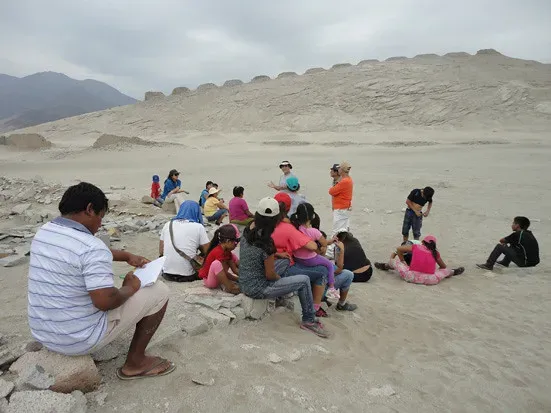
If you want undeniable, textbook-grade solar engineering, Chankillo in coastal Peru is hard to beat. Built around the 4th century BCE, it features a line of 13 stone towers running along a ridge, with two observation points on either side. From those viewpoints, the sun rises or sets behind different towers throughout the year.
Modern measurements show the system works like this: on the solstices, the sun appears at the extreme ends of the tower sequence; at other times of year, it pops up between intermediate towers. That means someone standing at the observation point could read the date to within a few days just by watching where the sun appeared on the horizon.
Unlike more ambiguous cases, the geometry here is crystal-clear. It’s essentially a giant horizon calendar built from stone silhouettes. Add in the fact that Chankillo also has a fortified hilltop complex, and you get a picture of elite astronomer-priests controlling not just water and food, but time itself.
At a Glance
- 13 stone towers stretch along a low ridge for roughly 300 meters
- Constructed around the 4th century BCE
- Two observation platforms frame sunrise and sunset year-round
- Considered the oldest known solar observatory in the Americas
What’s strangely underappreciated is that Chankillo represents the earliest known solar observatory in the Americas, predating the famous Inca structures by more than a thousand years. For whatever reason, it still doesn’t get the mainstream attention it deserves – unlike the tomb in Ireland that turns darkness itself into an annual event.
#7 – Newgrange, Ireland: A Neolithic Beam of Midwinter Sun
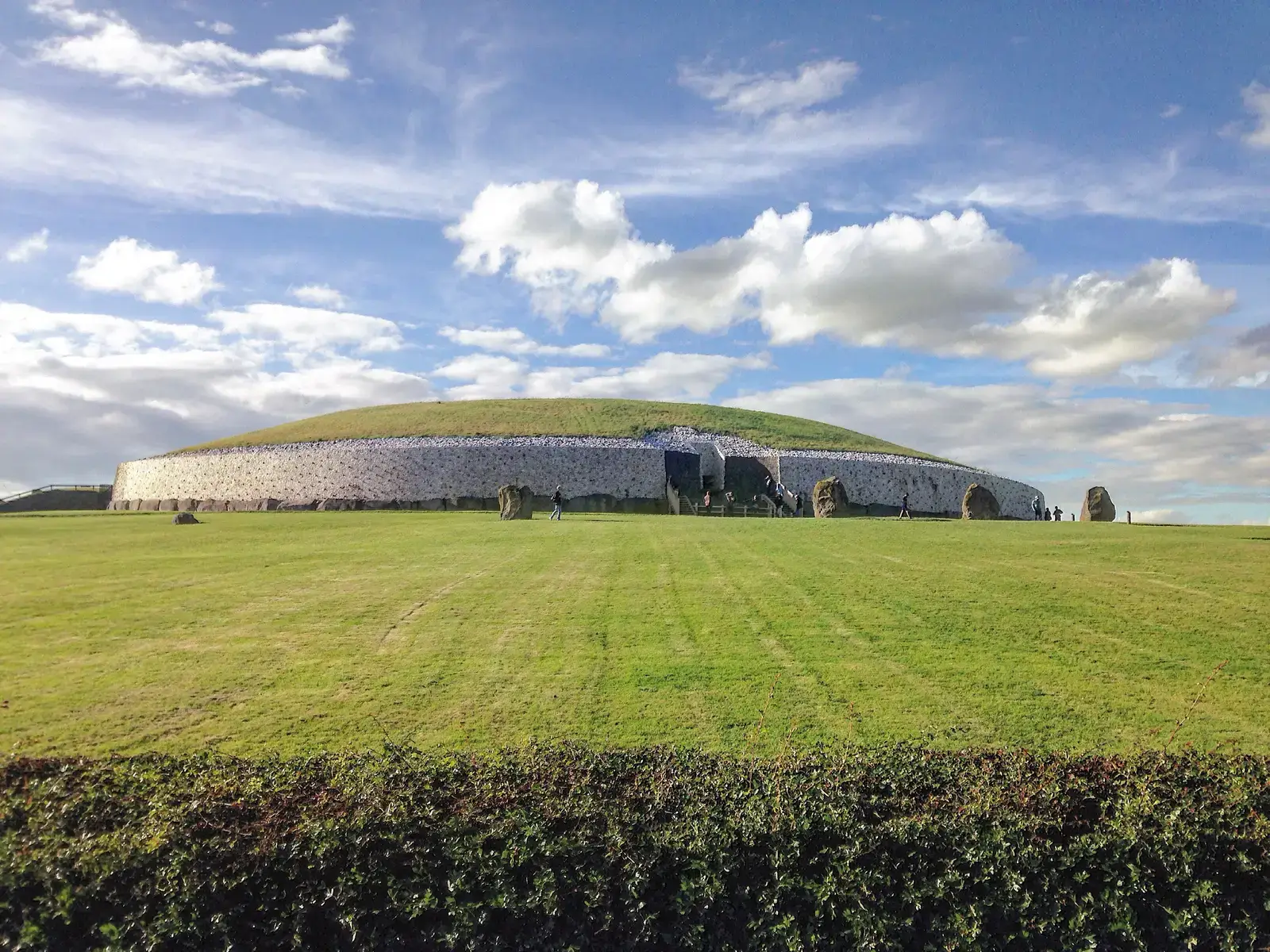
Most people think Europe’s prehistoric astronomy begins and ends with Stonehenge. Newgrange, in Ireland’s Boyne Valley, quietly destroys that misconception. Built around 3200 BCE, it’s a gigantic passage tomb with a mound of earth and stone, a white quartz facade, and a deeply antisocial interior – except for a few minutes each year.
Above the entrance sits a narrow “roof box,” a kind of stone letterbox aimed at the horizon. On mornings around the winter solstice, the rising sun beams through this opening and projects a ribbon of light all the way down the 19-meter passage into the central chamber. For a short window of time, the otherwise pitch-black space turns gold.
This isn’t approximate. The angle is so precise that if the roof box had been off by even a couple of degrees, the effect would fail entirely. That level of precision demands decades of sky-watching, plus ruthless trial and error during construction.
Winter solstice in Ireland is bleak, and that’s exactly the point. The deliberate flooding of light into the tomb isn’t random “sun worship”; it’s a theatrical assertion that light returns even at the darkest point of the year. That message, encoded in stone and geometry, is over 5,000 years old and it still works.
#6 – Angkor Wat, Cambodia: A Temple That Mirrors the Solar Year
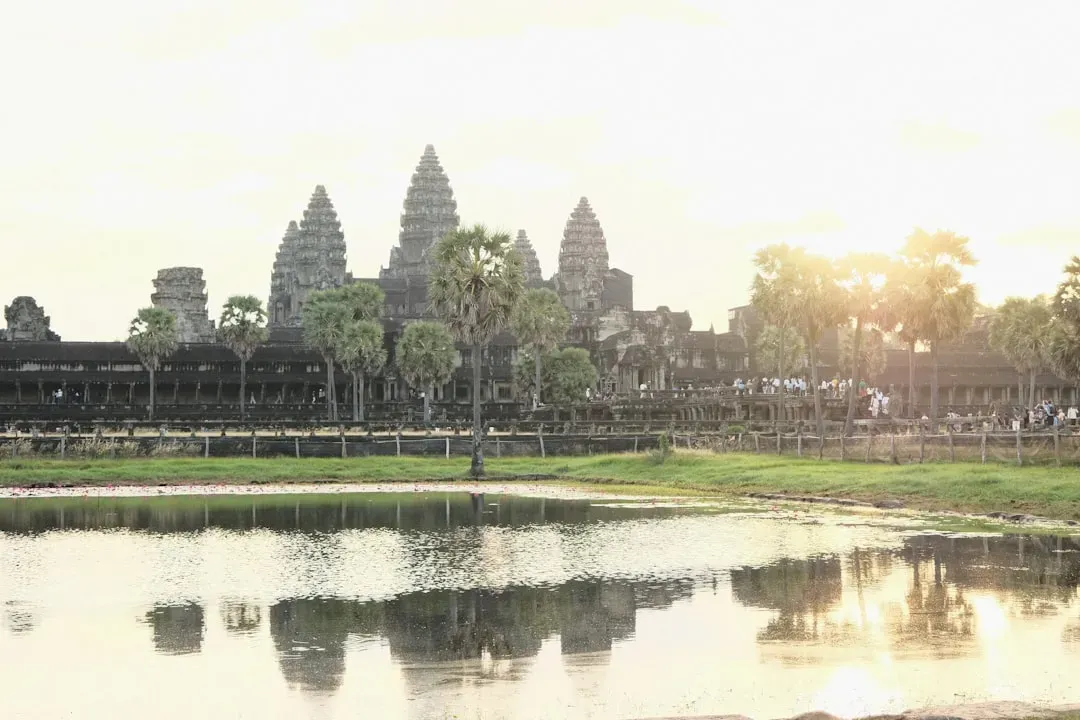
Angkor Wat has become Instagram wallpaper, but its solar alignments are still wildly under-discussed. Built in the early 12th century CE as a Hindu temple dedicated to Vishnu, it isn’t just oriented west, which is unusual in itself. It also lines up with the sun’s path in ways that look suspiciously like intentional cosmic design.
On the equinoxes, the sun rises directly over the central tower when viewed from the western entrance causeway. Photos show the sun apparently perched on top of the main spire, a visual alignment that’s hard to call accidental. Researchers have also noted that certain bas-reliefs and corridors receive dramatic lighting on specific days, suggesting deliberate seasonal targeting.
Even more intriguing, some scholars argue that the temple’s dimensions encode calendrical counts, like the number of days in a lunar year, alongside cycles from Hindu cosmology. While those numerical claims get debated, the directional data is clear: the building is carefully tuned to the sun’s annual behavior.
The real kicker? While tourists obsess over sunrise selfies, serious debate continues over whether Angkor Wat functioned as a giant cosmogram – a map of the universe anchored in the visible motions of the sun and stars. If so, the temple is less a “palace of the gods” and more a physical model of time itself. High in the Andes, the Inca took that same obsession and carved it down into a single stone.
#5 – Machu Picchu’s Intihuatana, Peru: “Hitching Post” of the Sun
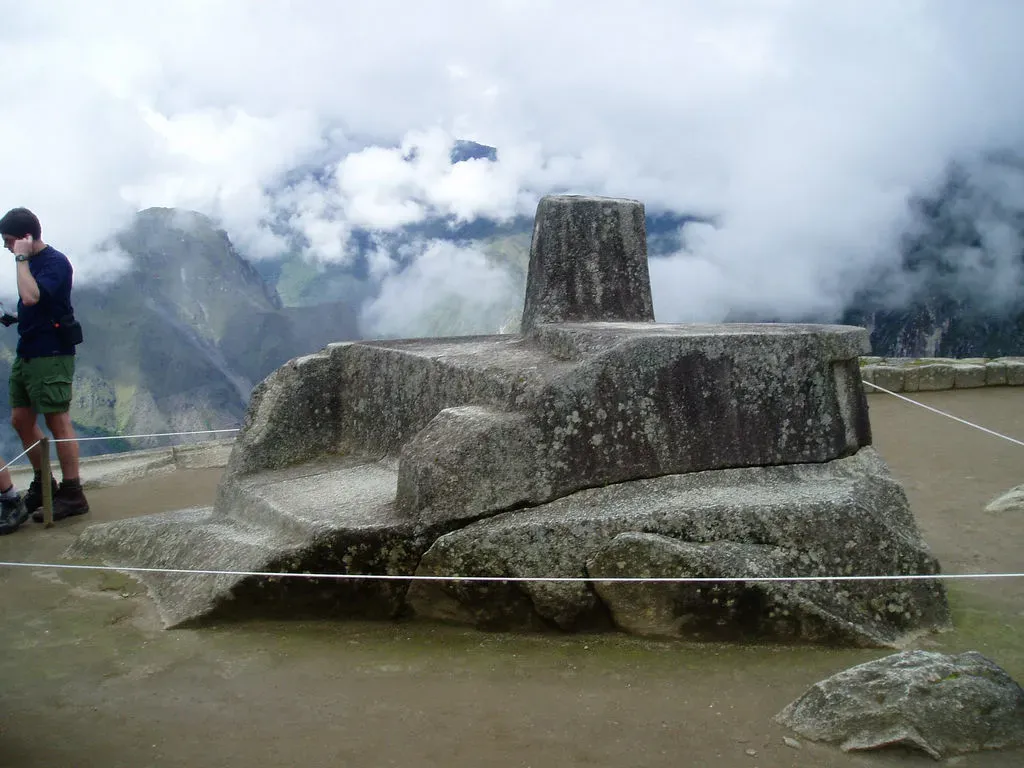
High on a ridge above the Urubamba River, Machu Picchu is usually sold as a lost city with a good view. It’s also a masterclass in solar architecture. The clearest example is the Intihuatana stone, a carved pillar sitting on a stepped base, surrounded by terraces and sacred structures.
The name Intihuatana roughly translates to “hitching post of the sun.” On the equinoxes, observers have noted that the midday sun sits almost directly above the pillar, casting only the faintest shadow, as if the stone were pinning the sun in place. On the solstices, the angles of light and shadow line up with carved edges, emphasizing the sun’s extremes.
The surrounding buildings reinforce the effect. The so-called Temple of the Sun has a window that appears to align with the June solstice sunrise, projecting light onto a carved stone within. The relationship between window, horizon, and interior feature is too neat to shrug off as luck.
Critics sometimes argue that “every Inca site has some solar story attached.” That’s fair. But Machu Picchu stands out because multiple alignments converge in one compact, elite complex. It reads less like casual sun-watching and more like a curated experience where royalty encountered the sun in carefully staged ways. But even that gets dwarfed by the sheer scale of what’s waiting in Egypt.
#4 – The Great Pyramid of Giza, Egypt: Solar Geometry Hiding in Plain Sight
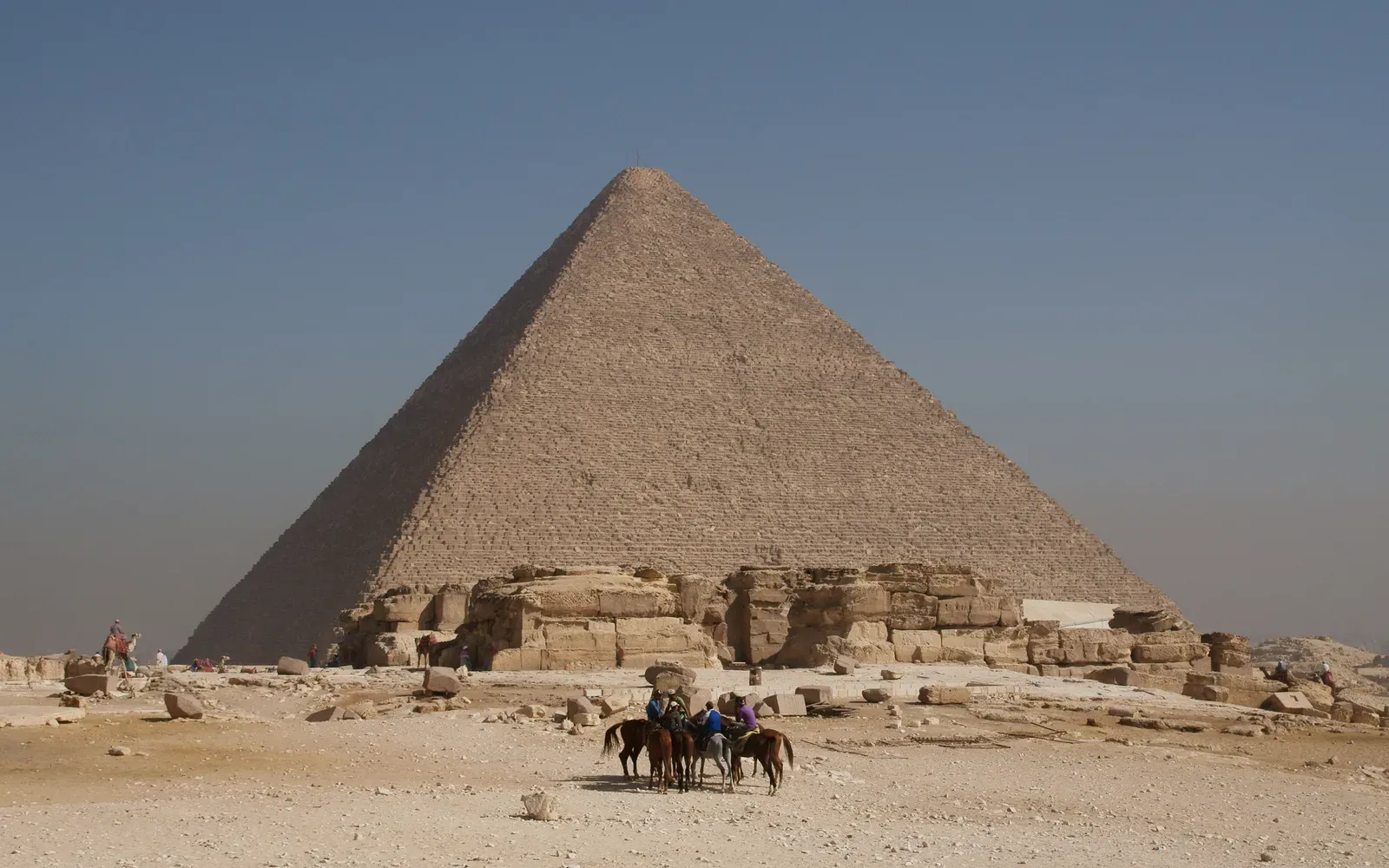
Ask people about the Great Pyramid and they’ll talk about aliens, burial chambers, or secret tunnels before they ever mention the sun. Yet one of its most impressive features is brutally simple: its sides are aligned almost perfectly to the cardinal directions. We’re talking errors of only a few arc minutes.
That cardinal precision matters because it anchors the pyramid in the daily solar cycle – sunrise in the east, sunset in the west – with almost no drift. Finding true north without a compass isn’t trivial. The likely method involved observing circumpolar stars and tracking when they crossed the meridian, then bisecting that axis. Still, the end result is that an enormous stone mountain is squared up to the solar path with near-modern accuracy.
Add to that the pyramid’s position in a necropolis tied to the sun god Ra, and the solar angle gets harder to ignore. The ancient Egyptians explicitly associated the king with the rising sun, rebirth, and the solar boat. A monument that never “twists” relative to the sun’s daily arc is effectively building that cosmic regularity into stone.
Even details like the so-called “air shafts” running from the internal chambers may carry stellar or solar significance, though that debate gets messy fast. One thing is clear: pretending this was “just a tomb” misses how aggressively its geometry participates in the drama of sunrise and sunset. The Maya, meanwhile, were doing something even sneakier with a round tower of their own.
#3 – Caracol at Chichén Itzá, Mexico: A Maya Solar (and Venus) Observatory
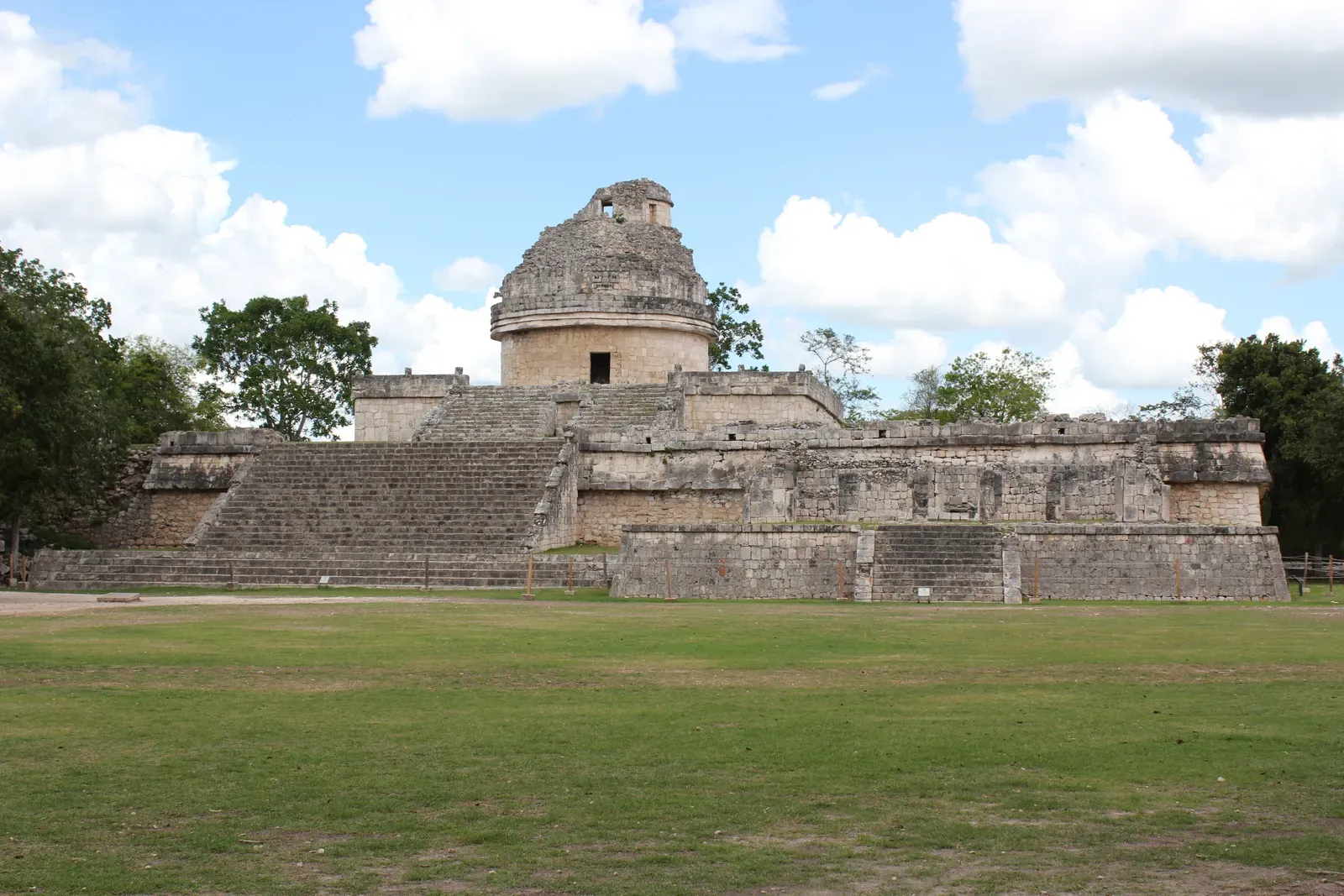
Chichén Itzá is famous for its serpent-shadow pyramid (we’ll get to that), but its round tower known as El Caracol – “the Snail” – is arguably the more subtle astronomical device. It’s a circular building on a rectangular platform with a spiral staircase inside and slit-like windows at the top.
Researchers have measured those windows and the building’s orientation and found that several features align with key solar events, including solstice sunrises and sunsets, as well as extreme positions of Venus. While not every claimed alignment survives scrutiny, enough do that El Caracol is widely regarded as an observatory in functional, not just symbolic, terms.
Here’s where it gets interesting: tracking Venus was critical for Maya ritual warfare and prophecy, but the sun provided the backbone that kept the whole calendar honest. You don’t get precise Venus cycles without first anchoring your system to reliable solar markers.
The Caracol’s slightly skewed orientation compared to other buildings at Chichén Itzá makes more sense in that context. It doesn’t line up with the city grid because it’s aligned with the sky instead. In other words, the Maya literally bent their architecture to fit the sun’s behavior, not the other way around. And then there’s the one everyone thinks they already understand.
#2 – Stonehenge, England: A Deeply Engineered Solstice Machine
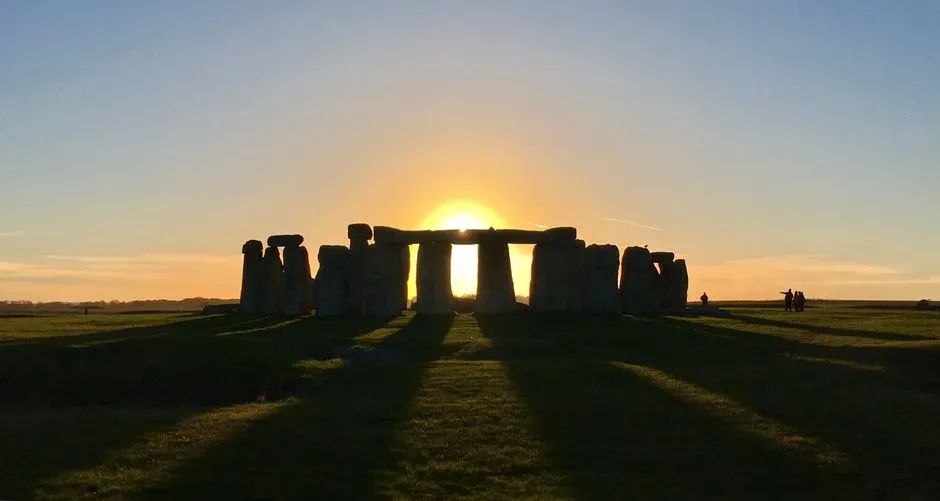
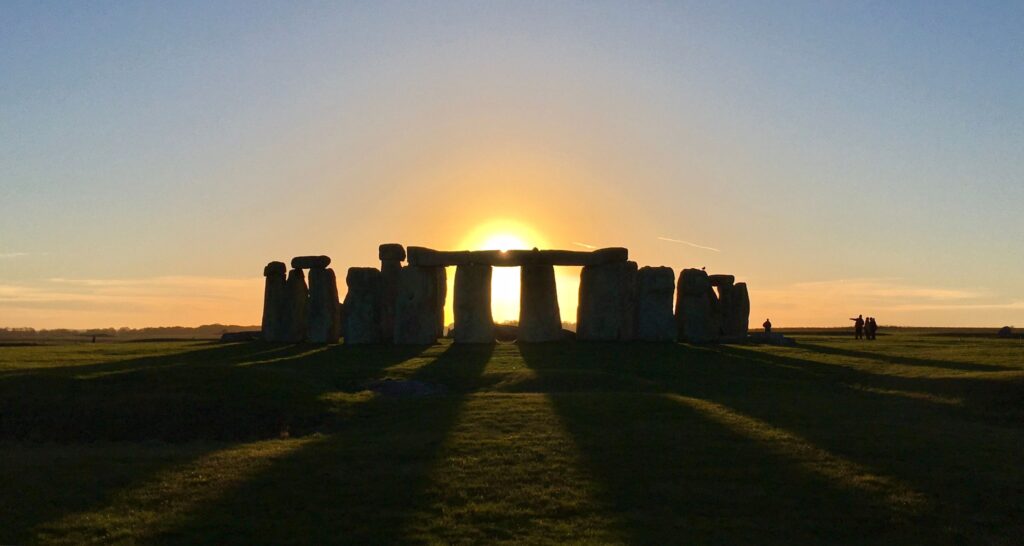
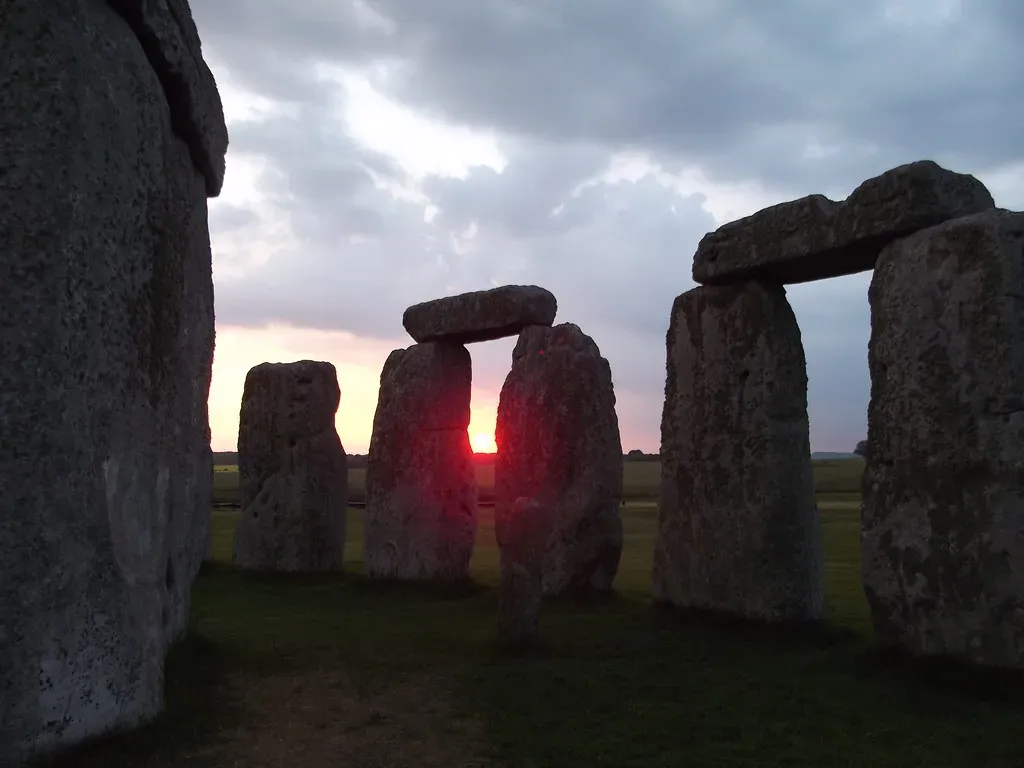
Stonehenge is the poster child for ancient solar alignments, and unlike some overhyped sites, it actually earns its reputation. The stone circle we see today is phase three or four of a monument complex that started around 3000 BCE. Through all those changes, one alignment holds: the line from the center through the Heel Stone toward the summer solstice sunrise.
Stand inside the stone circle at dawn around June 21, and the sun rises in that direction, framed by the remaining uprights. On the winter solstice, it sets along the same axis in the opposite direction. Surveys show the alignment is accurate to within a degree or so for the era when the stones were raised, once you account for changes in Earth’s tilt.
What people underestimate is the engineering needed to make that work:
- The builders had to know, over many years, where the solstice sun actually rose and set.
- They had to embed that line in a complex layout of sarsen and bluestone circles, banks, and ditches.
- They had to maintain the axis even as they rebuilt parts of the monument over centuries.
There’s also growing evidence that midwinter sunset, not midsummer sunrise, was the main event, based on animal bones and feasting remains found on-site. That flips the popular narrative: Stonehenge might have been less of a “summer festival” site and more about the return of light in the darkest months. Nothing, though, beats the finale waiting at Chichén Itzá.
#1 – El Castillo at Chichén Itzá, Mexico: The Serpent of Sunlight
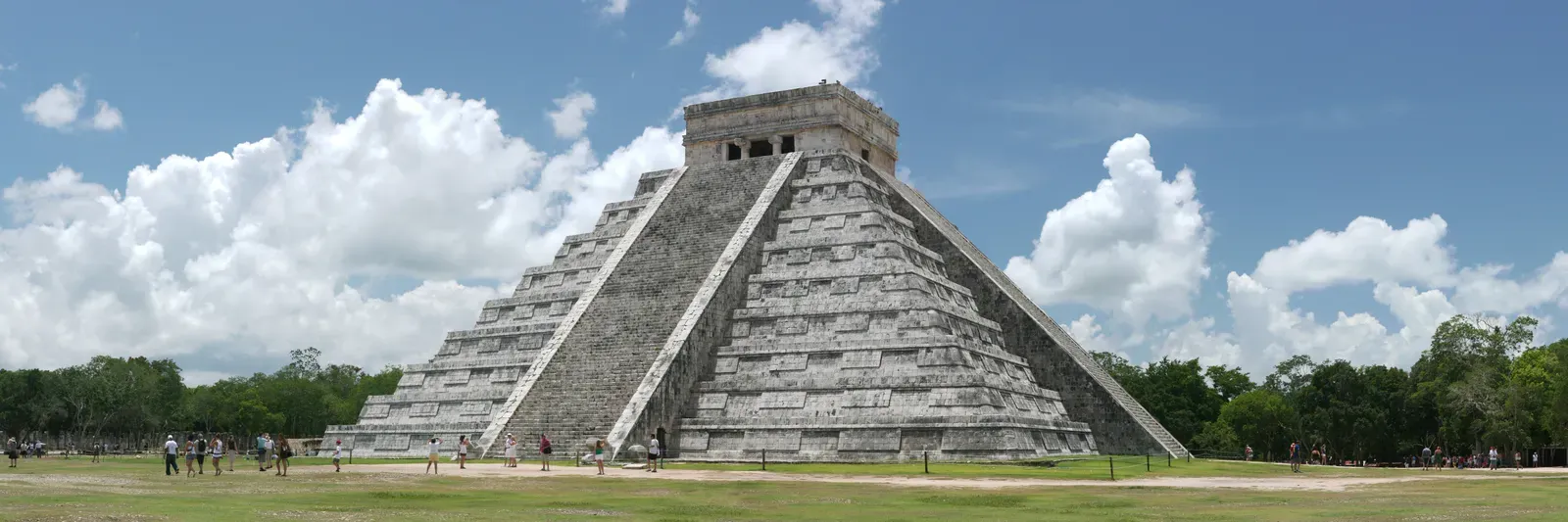
If you want one monument where the solar alignment is so theatrical it feels almost modern, El Castillo (the Pyramid of Kukulcán) at Chichén Itzá is it. This stepped pyramid doesn’t just face the cardinal directions; it turns the equinox sun into a moving, writhing serpent in front of thousands of people.
Here’s the setup: the pyramid has four stairways, each with balustrades, and a carved serpent head at the base of the northern staircase. On late afternoons around the spring and autumn equinoxes, the setting sun hits the northwest corner in such a way that a series of triangular shadows appear along the balustrade. Those triangles connect with the stone head below, creating the illusion of a gigantic feathered serpent slithering down from the sky.
Why It Stands Out
- Four stairways of 91 steps each plus the top platform equal 365, one for every day of the year
- The serpent-shadow illusion appears only around the spring and fall equinoxes
- Thousands still gather at Chichén Itzá each equinox to watch it happen
- The effect still works with only minor positional drift after roughly a thousand years
The precision here is brutal. The pyramid’s orientation, the angle and depth of each step, the height of the balustrade, and the latitude of the site all have to cooperate. Get any one of them wrong, and the “serpent” effect falls apart. Yet the light-and-shadow show still works more than a thousand years later, with only minor drift.
Maya inscriptions and iconography make it clear this wasn’t a random light trick. Kukulcán, known elsewhere as Quetzalcoatl, is a feathered serpent deity tied to wind, authority, and celestial cycles. So when the sun paints a serpent down the steps, it’s not just pretty – it’s a political and religious statement that ties the ruling elite to a cosmic, timed event visible to the entire crowd. Arguably, no other ancient monument weaponizes solar geometry for visual drama this aggressively. It’s the perfect storm of astronomy, architecture, and propaganda, which is exactly why it earns the #1 spot.
The Bottom Line
Line these 13 sites up side by side and the pattern is impossible to ignore: around the world, across thousands of years, people weren’t just vaguely “into the sun.” They built with a level of directional accuracy and seasonal timing that demands deliberate observation, testing, and planning. In many cases, the alignments still hit within a degree of key solar events today, despite weathering, earthquakes, and centuries of human meddling.
Quick Compare
- Great Pyramid of Giza: cardinal sides accurate to within a few arc minutes
- Newgrange: solstice light beam precise to within a couple of degrees
- Stonehenge: solstice axis accurate to roughly one degree for its era
Here’s my honest take: we should stop calling these cultures “mystical” as a polite way of saying primitive. A society that can align a stone pyramid to true north within a few arc minutes, or engineer a shadow-serpent that still performs on schedule after a thousand years, wasn’t guessing. That’s applied science, dressed in religion, refined over generations of trial and error most of us will never see evidence of.
The uncomfortable truth is that popular history still sells ancient builders as lucky guessers or mystical doodlers, when the sky itself proves otherwise. From Newgrange’s laser-precise solstice beam to Chankillo’s stone calendar and Chichén Itzá’s engineered serpent of light, these monuments show a cold, technical understanding of the sky wrapped in religion and power. Did we overrate one, or miss a solar monument you think is even more impressive? Drop your pick in the comments and make your case.