#1 The Poison Frog Holotype Mix-Up
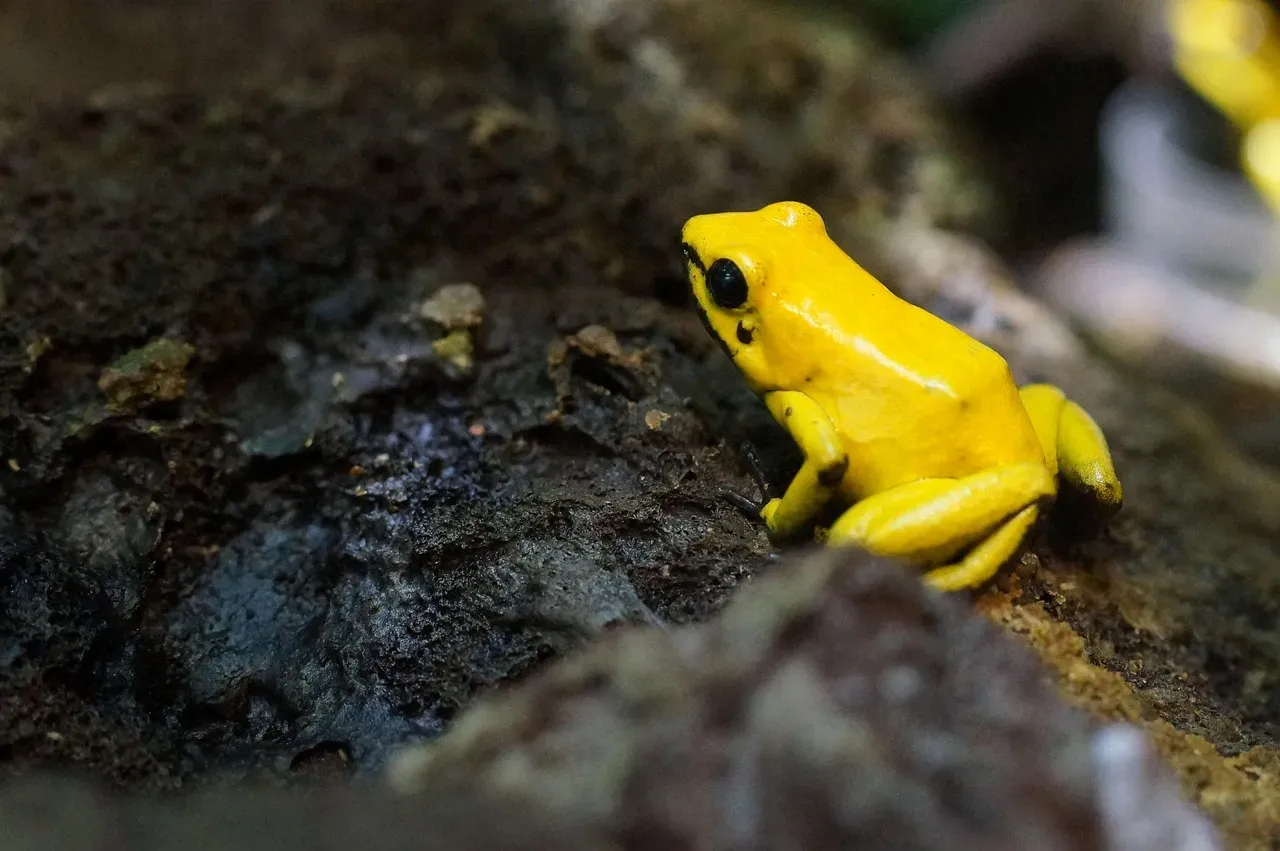
A brightly colored frog from Peru once stood as the official example for a newly named species. The description relied on a photograph tied to one catalog number, yet the actual specimen pulled from storage belonged to a different, duller individual entirely. Years passed before the error surfaced during a closer examination of the collection.
Without the original label or any note of the swap, the species record carried the wrong traits for decades. Genetic work and field observations eventually clarified the mismatch. The case shows how a single unrecorded change can ripple through taxonomy long after the fact.
#2 The Australian Shrub Type Specimen
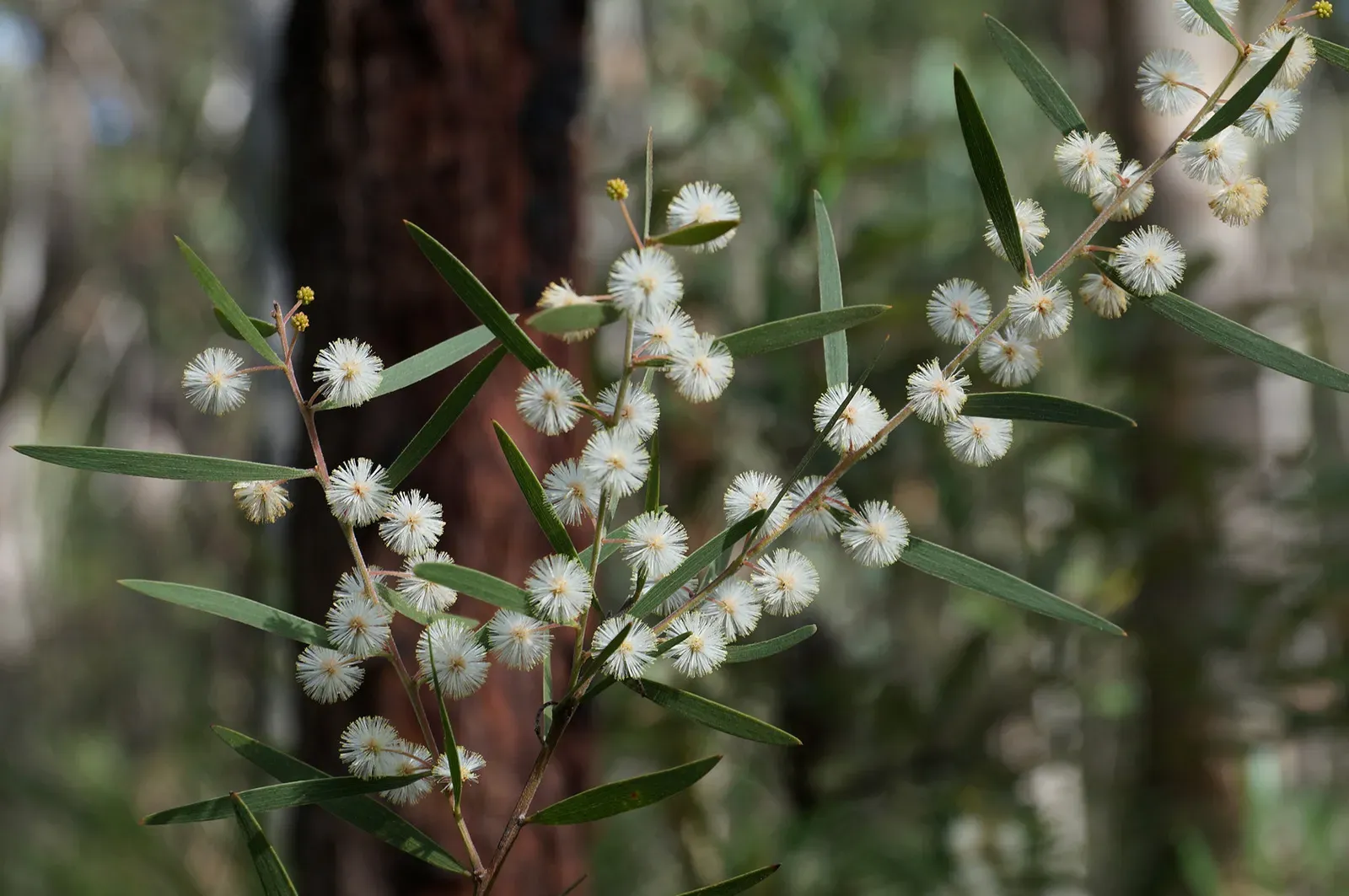
Early nineteenth-century botanists collected flowering plants near Sydney and assigned names based on limited samples. One shrub received two separate names because the pressed specimens looked similar at first glance, with one set showing only buds. Later researchers noticed the mismatch when comparing mature foliage and flowers.
The original labels had been replaced or updated without preserving the earlier versions or notes on the confusion. Correcting the record required traveling to European herbaria and re-examining the physical material. Such silent replacements leave modern botanists retracing steps that should have stayed clear.
#3 The Moth Label Switch in European Collections
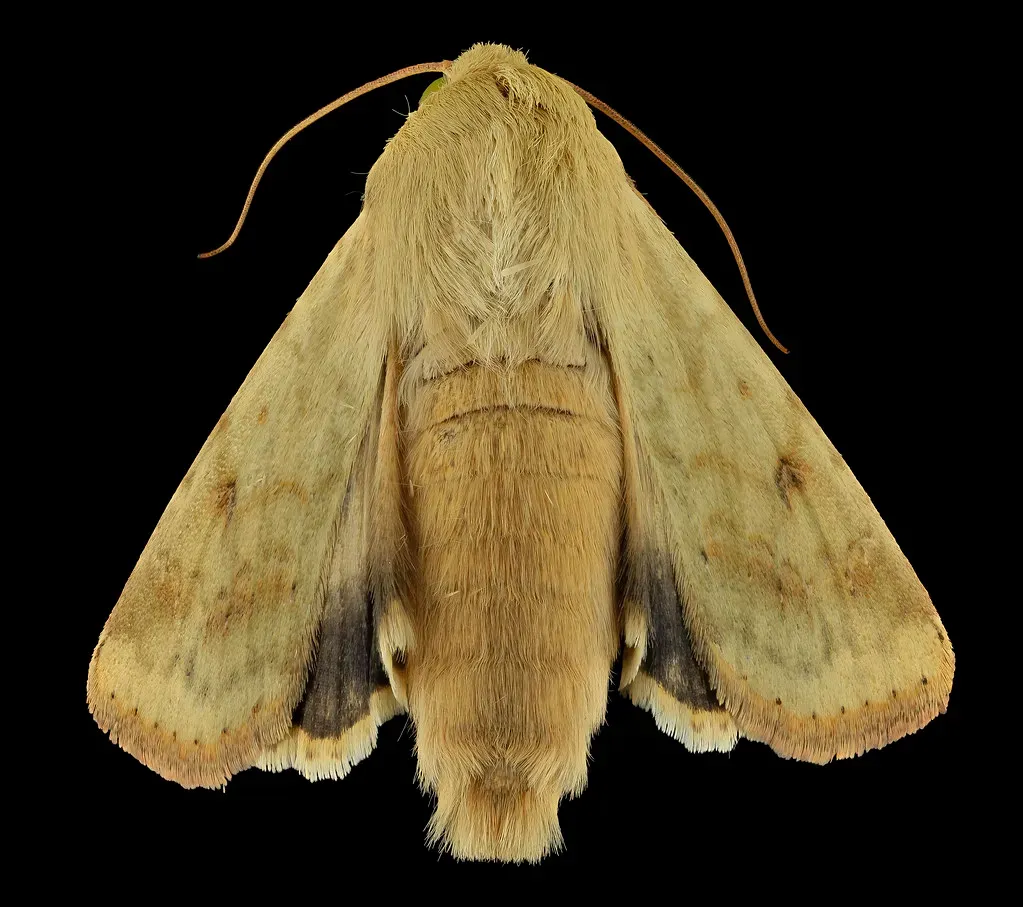
Two similar micromoths sat side by side in a museum drawer for generations. At some point their identification tags were exchanged, sending one species description down the wrong path in published work. The error only became obvious when fresh specimens arrived with matching genetics and clearer field data.
No record survived of when or why the labels moved. Correcting it meant revisiting old descriptions and confirming which moth matched which original account. The incident highlights how even small collections can lose critical links when changes go undocumented.
#4 The Plains Spotted Skunk Pelt
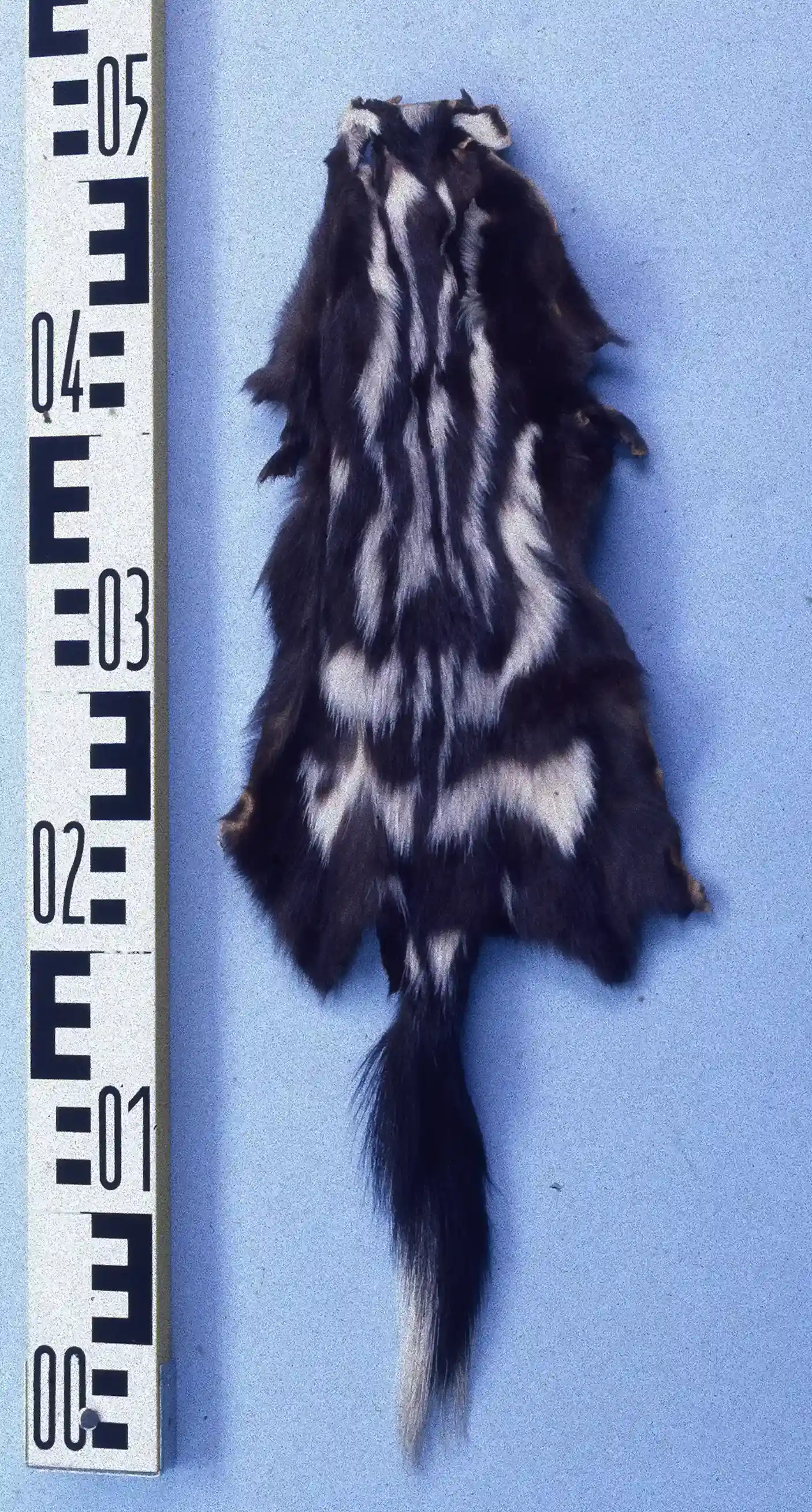
A naturalist traveling the Ohio River Valley reported a new skunk species based on a pelt shown to him by another collector. The locality details on the accompanying note later proved inconsistent with the traveler’s actual route. Subsequent study suggested the skin came from a different region altogether.
Any original tag that might have clarified the source disappeared during later handling or relabeling. The species description stood for years on incomplete information. Only archival cross-checks restored a more accurate picture of its true range.
#5 Herbarium Sheets with Crossed-Out Numbers
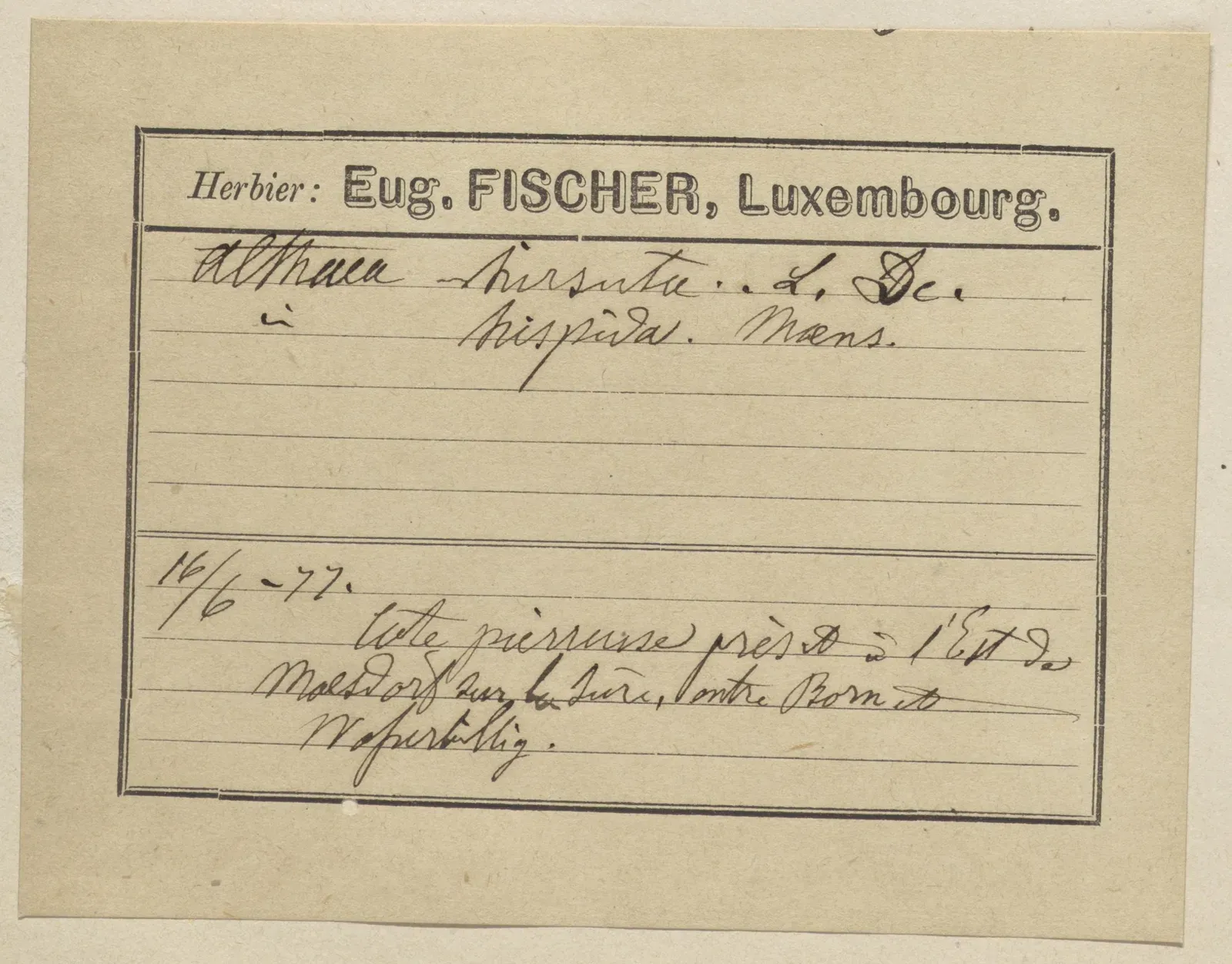
Many plant collections from the 1800s carry inventory numbers that were struck through when ownership changed hands. New labels were added on top, yet the earlier data often vanished rather than staying attached. This practice left sheets without clear collection dates or donor histories.
Scientists trying to trace distribution patterns now work with fragments of the original story. Some institutions have begun scanning both old and new tags where they survive. The pattern repeats across dozens of herbaria worldwide.
#6 Fluid-Preserved Specimens with Corroded Tags
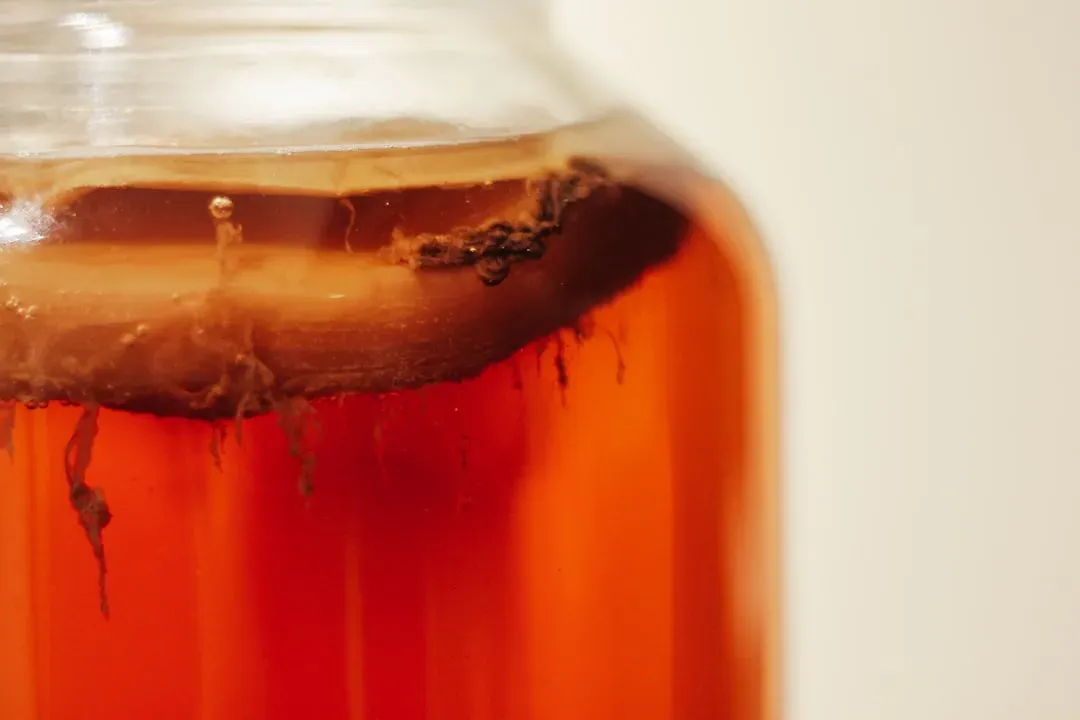
Reptiles and amphibians stored in jars once carried metal tags that recorded catalog numbers. Over decades the metal corroded, sometimes destroying the number or leaving it illegible. Replacement paper labels were introduced, but the original information had already been lost in many cases.
Without a backup record, curators could only guess at earlier identifications or localities. Projects to stabilize these collections now emphasize keeping every surviving scrap of data alongside the new tags. The damage illustrates how material choices affect long-term traceability.
#7 The False Fossil Once Called Eozoon
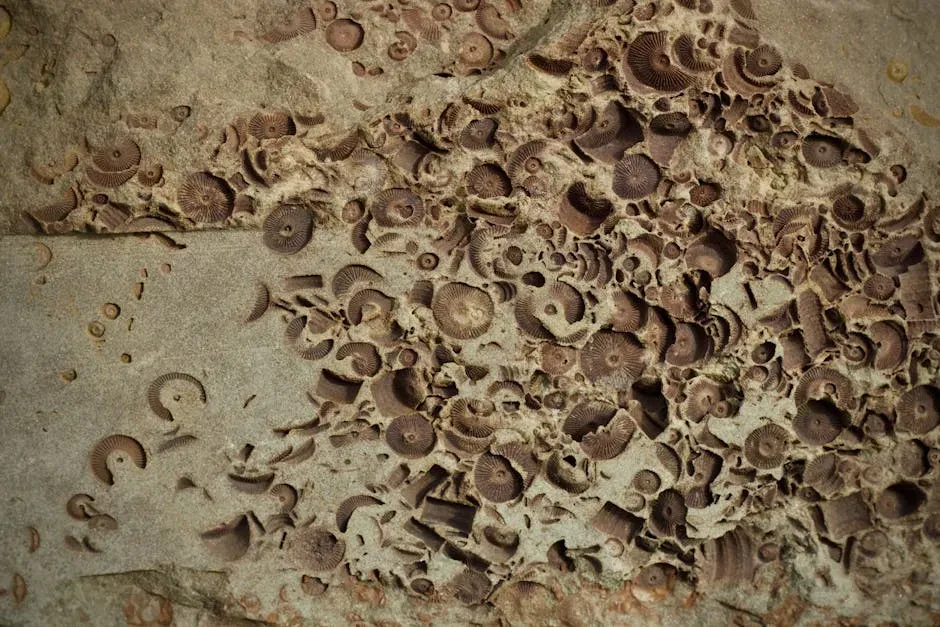
A striking banded rock from Canada was long presented as evidence of ancient life. Later analysis showed the patterns came from mineral processes rather than biological remains. The original label and any accompanying field notes had been replaced during successive reinterpretations.
Each update reflected the scientific consensus of its time, yet earlier doubts or alternative views disappeared from the record. Visitors today see a corrected explanation, but the path to that correction remains partly hidden. The specimen still serves as a reminder of how interpretations evolve.
#8 Ethnographic Objects with Altered Provenance
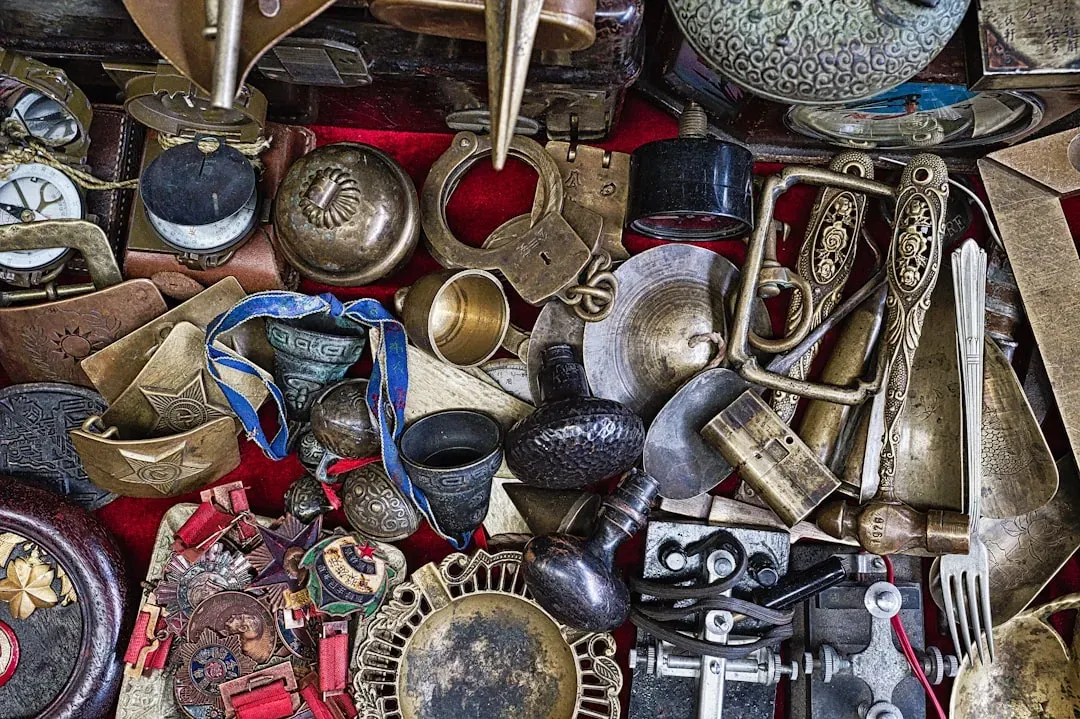
Carvings and tools collected during colonial expeditions often arrived with brief notes on their origin. Later curators rewrote those notes to fit new categories or to soften language around acquisition methods. The earliest details about local makers or circumstances frequently went unpreserved.
Modern efforts to consult descendant communities sometimes uncover the missing context through oral histories. The gap left by unrecorded label changes complicates efforts to return items or acknowledge their full history. Each replacement quietly narrowed the available story.
#9 Geological Samples from Inherited Cabinets
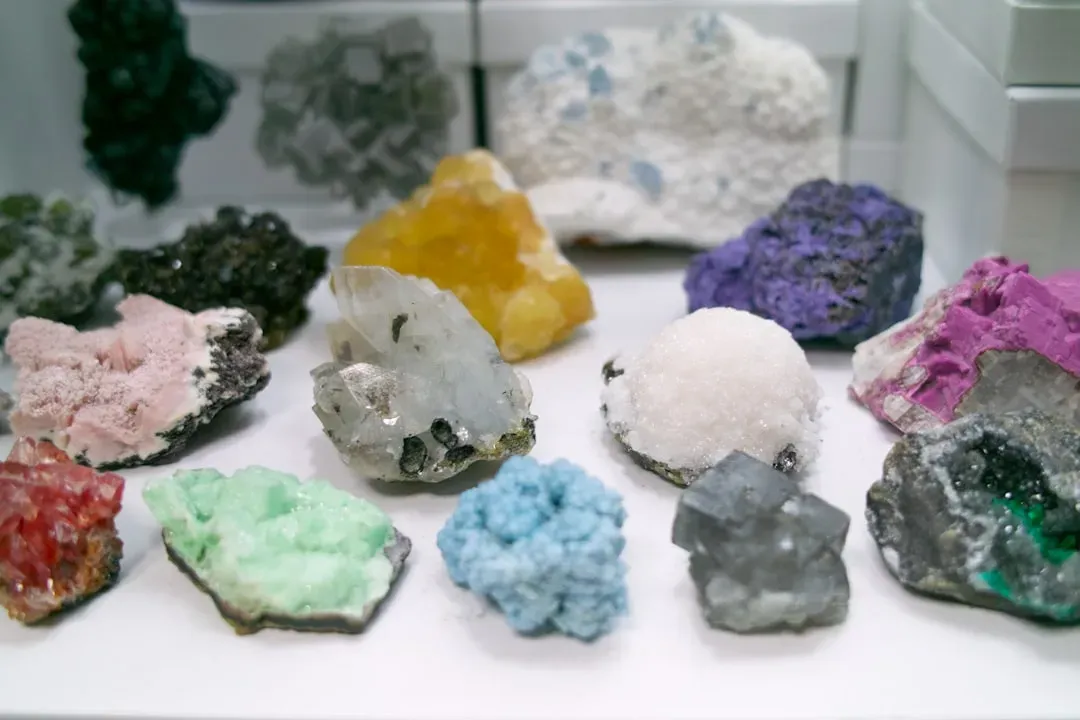
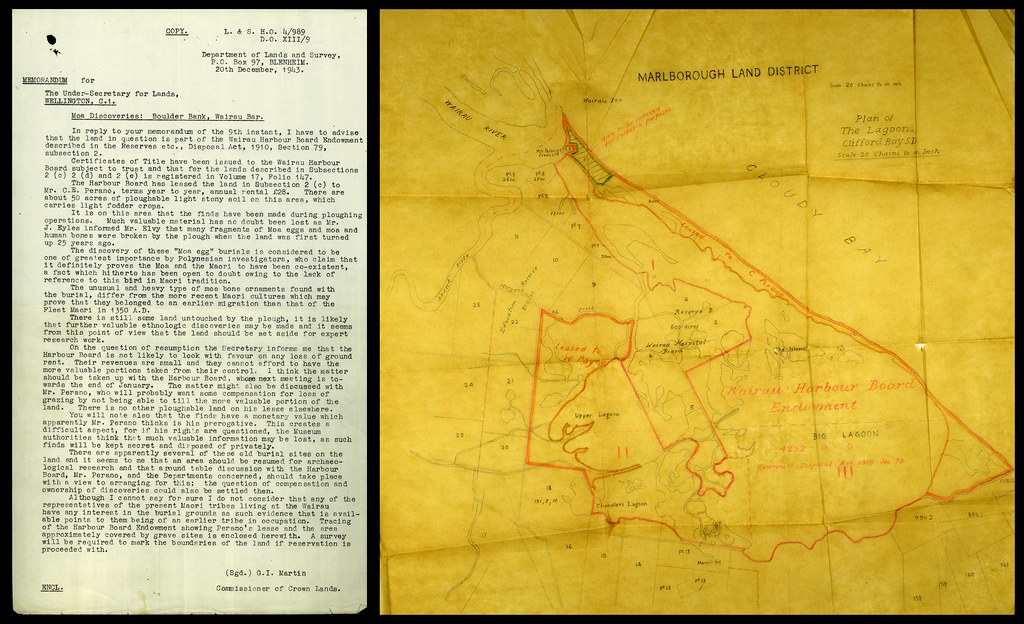
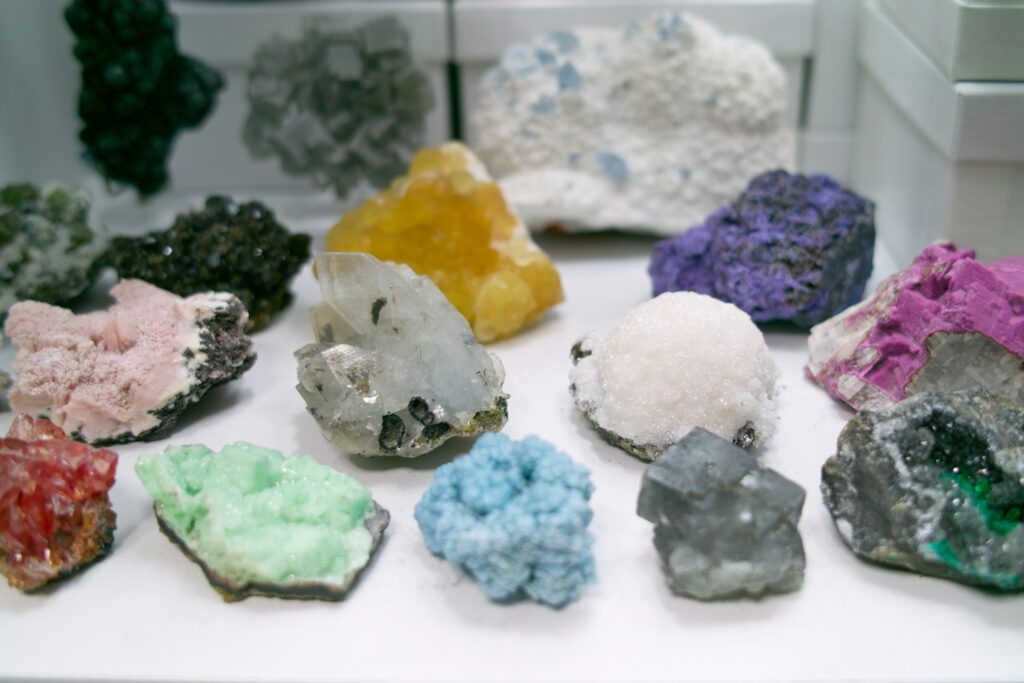
Collections passed from private owners to public museums in the eighteenth and nineteenth centuries carried handwritten tags listing localities and collectors. When new catalog systems were introduced, many original labels were discarded rather than archived. Only the new numbers remained attached to the rocks.
Researchers interested in historical mining sites or early geological surveys now lack the precise data once attached to individual pieces. Some museums have started reconstructing lost information from old ledgers where they survive. The pattern shows how routine updates can erase irreplaceable context.
#10 The Composite Plant Specimen at Kew

One pressed sheet combined flowers from one species with the leaves and stem of another, creating an artificial hybrid appearance. The original collector’s notes apparently did not survive the later mounting and labeling process. Decades elapsed before the deception was recognized through careful comparison with living plants.
Without the first label or any annotation about the assembly, the sheet misled early identifications. Later curators added clarifying tags, yet the chain of custody stayed incomplete. Similar constructed sheets have turned up in other historic herbaria as well.
#11 Human Remains with Inventory-Style Tags
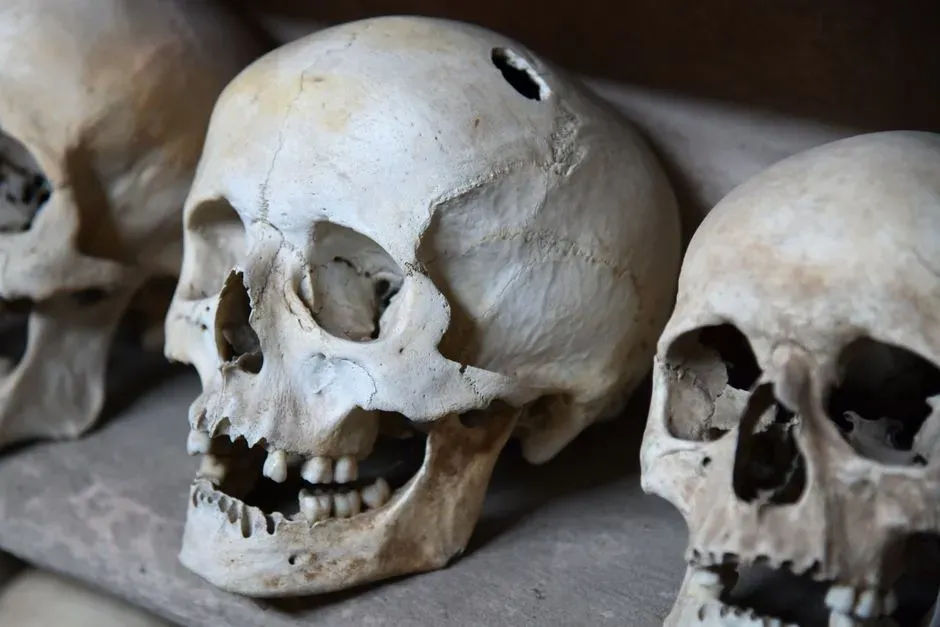
Skulls and other remains once carried simple catalog entries that listed little beyond basic measurements or presumed origin. Successive curators added cultural context or age estimates on new labels while older versions were set aside. In some instances the earliest documentation was never retained.
Repatriation requests now depend on whatever fragments of information remain. Consultation with descendant groups has sometimes recovered details that labels alone could not provide. The loss of original tags has made these conversations more difficult than they needed to be.
#12 Tortricid Moth Types with Switched Data
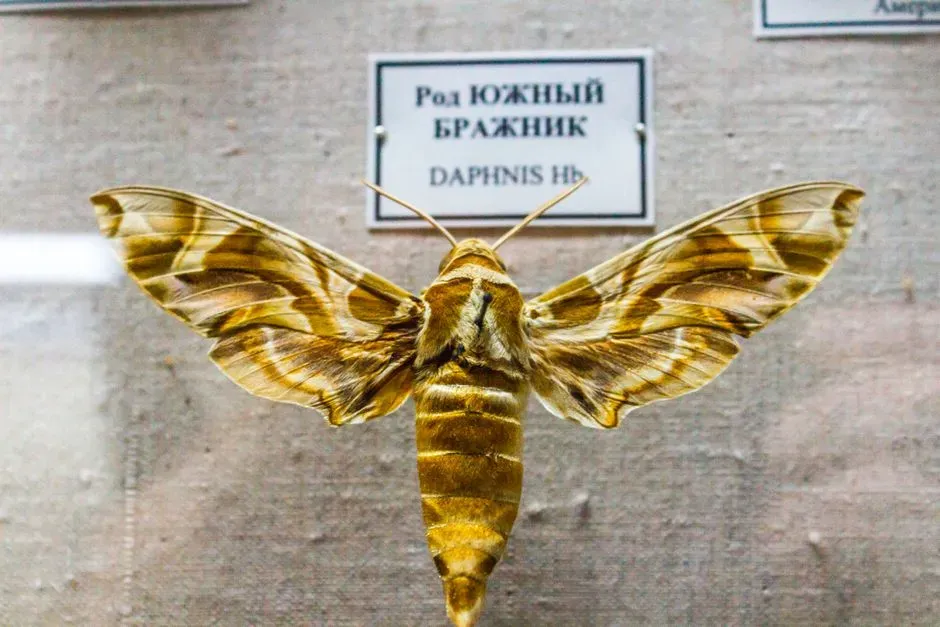
Two related moth specimens in a European museum had their type labels exchanged at an unknown point. Published descriptions therefore attached the wrong traits and localities to each name. Only a later revision that examined both physical specimens and original manuscripts caught the transposition.
No note explained when or how the switch occurred. The correction required reassigning the names and updating references across multiple journals. Cases like this continue to surface whenever researchers revisit older type material with fresh eyes.
Looking Ahead
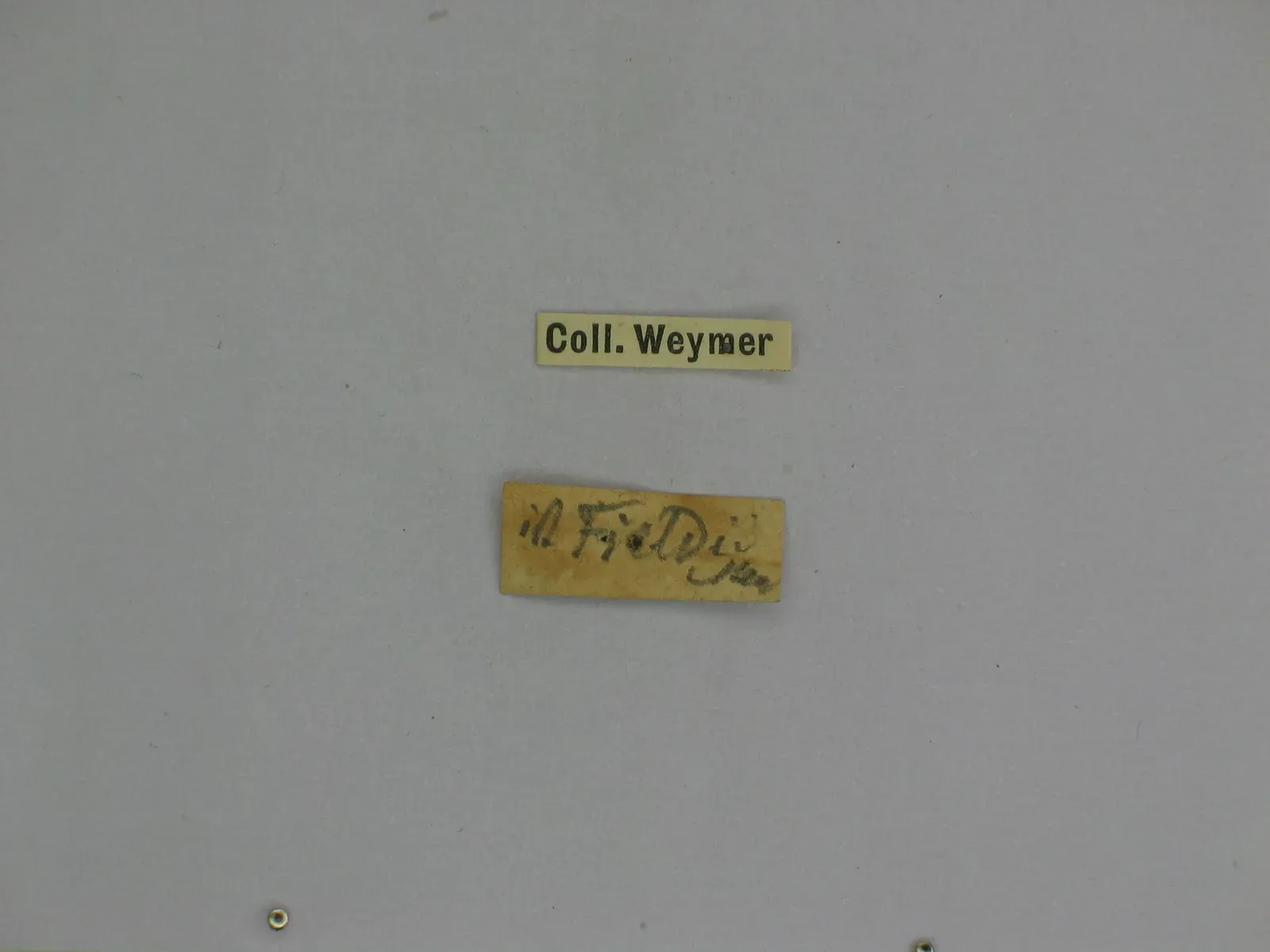
Museums now recognize that every label change carries responsibility. Best practice increasingly calls for keeping superseded tags alongside new ones and logging the date and reason for any update. Digital records and photography help capture information that paper alone once held.
These steps cannot recover what has already been lost, yet they reduce the chance of similar gaps forming in the future. The specimens themselves remain valuable, but their full scientific weight depends on the stories attached to them. When those stories stay intact, collections serve researchers and the public far more effectively.