You’d assume a scientific retraction means someone got caught lying. Faked photos, doctored numbers, a plagiarized paragraph. That’s the story we’re trained to expect.
But in archaeology, one of the quietest and most unsettling ways a paper dies has nothing to do with villains. It just… disappears. The site is real, the artifacts are real, the excavation happened. Then someone asks a simple question – can we see the original data? – and the answer is silence. Twelve cases below show exactly how that silence sank careers, unraveled headline discoveries, and turned settled history back into a question mark.
#12 – The Dig With “Safely Archived” Field Notes That Weren’t
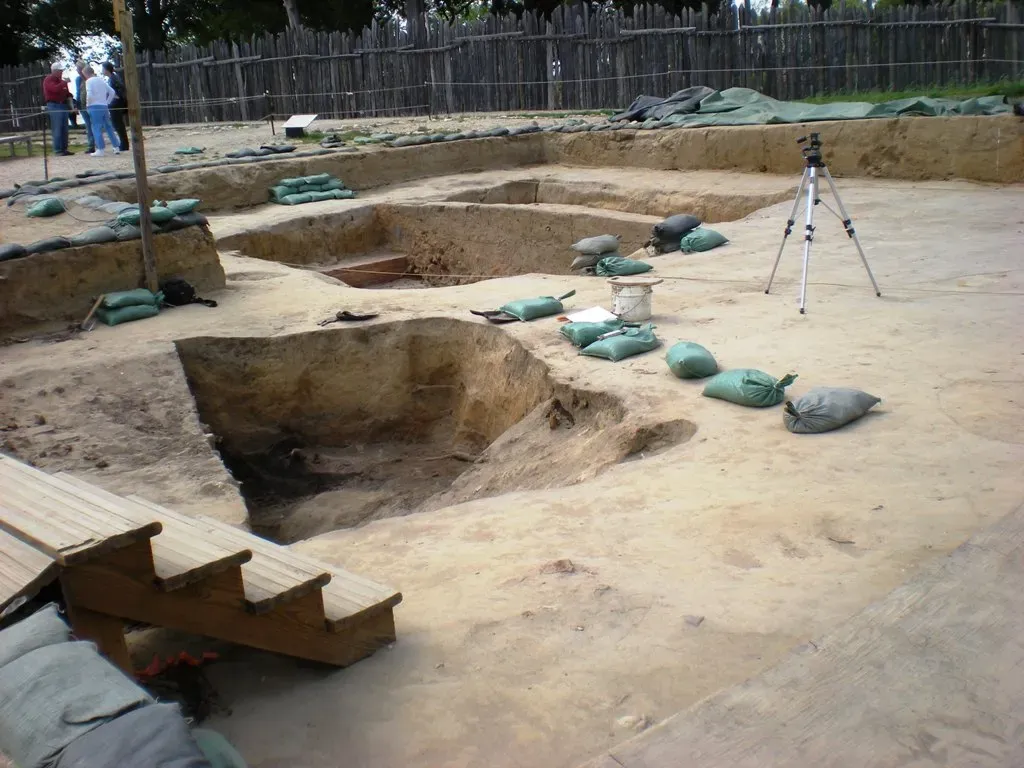
Everyone trusted this excavation because the team kept repeating that their data were “safely archived” – right up until a journal actually asked to see it. The paper described a multi-season dig with painstaking stratigraphy, artifact counts, and soil analyses. Reviewers waved it through at the time because the methods sounded meticulous on paper.
Years later, when another group tried to replicate the chronology, the journal requested the raw field notes and trench logs. Not one original context sheet, photo log, or bag inventory could be produced. The lead author insisted everything had been filed in a university archive – except the archive had no record of ever receiving it. No backups. No trench database. Nothing. The journal quietly withdrew the paper, not for fraud, but because readers had been asked to take the authors’ word on absolutely everything.
#11 – When Donated Artifacts Outlived Their Paper Trail

On paper, this dig looked like a textbook success story: artifacts donated to a regional museum, radiocarbon dates reported, tidy tables of finds in the published article. The shock came later, when curators updating their database realized the entire donated collection had no usable provenience information beyond a generic site name.
The journal article referenced specific context numbers and grid squares, but none of those codes matched any labels on the physical objects sitting in museum storage. The excavation notebooks that were supposed to connect the two had simply vanished somewhere between the field, the lab, and the final writeup. When another team asked for the full catalog, they were told the documentation was “temporarily misplaced.” It never resurfaced. The paper was withdrawn because the spatial and stratigraphic skeleton of the whole study no longer existed in any checkable form – the artifacts survived, but the science didn’t.
Fast Facts
- Artifacts were donated to a regional museum with radiocarbon dates and finds tables already published
- None of the cited context numbers or grid squares matched the physical labels in storage
- The excavation notebooks that could have linked artifacts to their find-spots never resurfaced
- Outcome: withdrawn for untraceable provenience, not for fraud or fabrication
#10 – The “Paperless” Project That Forgot to Back Anything Up
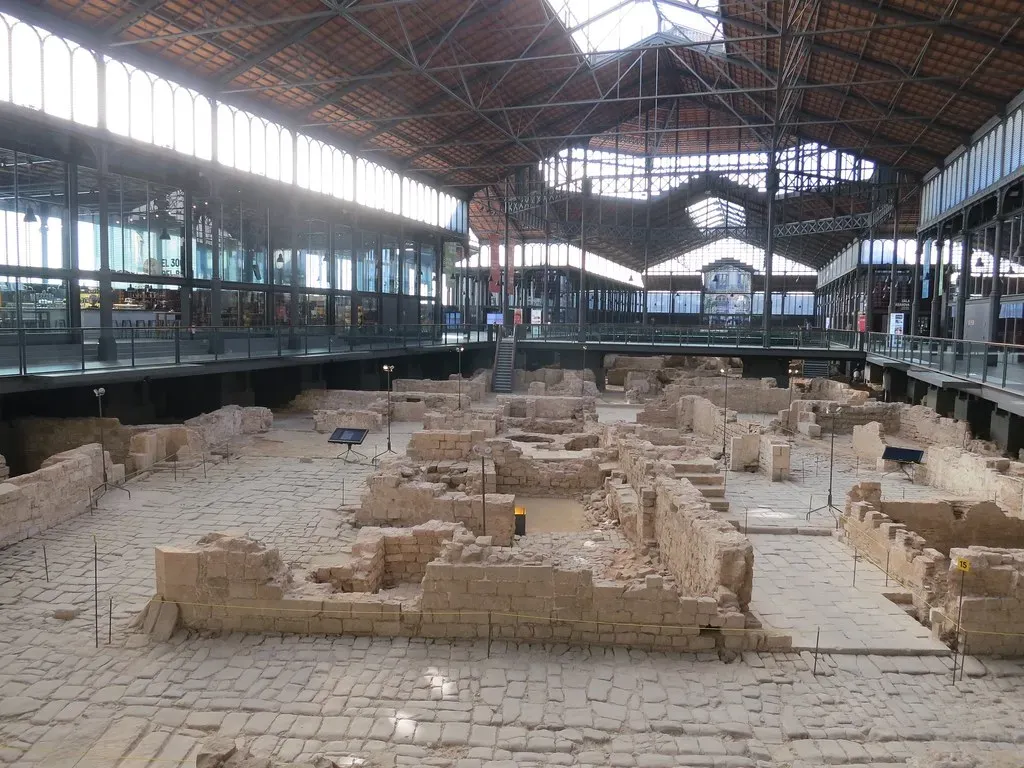
This excavation came from a proudly digital-only project – tablets in the field, cloud forms, live trench dashboards, no dusty notebooks anywhere. For a while, it looked like the future of archaeology. Then another lab asked to reanalyze the artifact distributions, and the wheels came off.
The authors admitted a server failure had wiped their only complete copy of the trench-level database. No off-site backup. No exported spreadsheets. No raw GIS layers. Just a handful of summary tables that had already been published in the article itself. Reviewers had trusted the sophisticated-looking statistics precisely because they seemed technically advanced – and once the raw files vanished, that sophistication became a liability instead of a strength. Editors ruled the results were unauditable and pulled the paper, turning the “all-digital” showcase into a cautionary tale about single points of failure.
#9 – Radiocarbon Dates With No Samples Left to Check
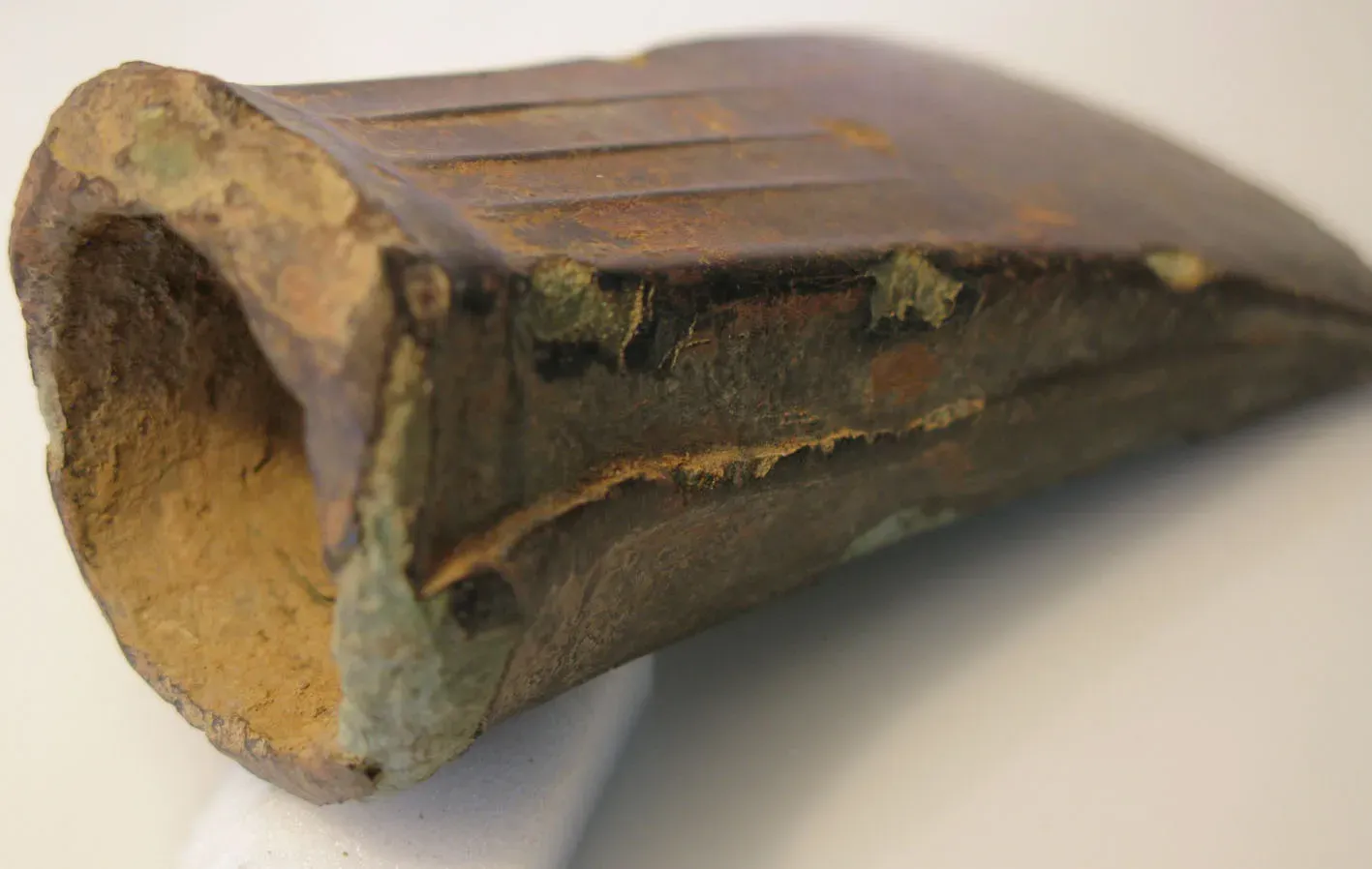
Most readers assume a published radiocarbon date is bulletproof. Radiocarbon labs know better: a date without a preserved, traceable sample is just a number floating in a table. This paper hung an entire cultural sequence on a handful of key measurements.
Years later, a different team wanted to re-date the same layers with newer, tighter techniques – and discovered the original charcoal and bone samples were nowhere in any repository. Chain-of-custody records were incomplete, sample selection logs were gone, and some codes in the paper didn’t match anything in the lab’s own archives. Without physical samples or documentation, nobody could confirm what was actually dated, or whether it came from the layer the authors claimed. For a site that had once reshaped an entire regional timeline, that’s not a footnote – it’s the whole argument collapsing at once.
#8 – The Lost GIS Files That Took the Whole Interpretation With Them
Those colorful maps of artifact density and feature clusters are seductive – they look like proof. This paper argued the site had distinct social zoning and ritual areas, and the entire case rested on GIS visualizations. Beautiful maps, minimal raw data.
When other researchers tried to replot the analysis, they found the original project files gone, the shapefiles gone, the georeferenced rasters gone. All that survived were low-resolution screenshots baked into the PDF. The authors blamed an IT migration, but they’d never deposited the spatial dataset anywhere safe to begin with. With no way to check which points were excluded or how disturbances were handled, the journal concluded that a map-based argument with no mappable data is just storytelling with better graphics. The paper was pulled, and those once-iconic maps became decoration instead of evidence.
#7 – The Statistical Reanalysis That Exposed Missing Spreadsheets
It started small: a reader spotted an inconsistency between two tables of artifact counts and politely asked for the underlying spreadsheet. That single email unraveled everything. The authors admitted the original coded spreadsheets had been overwritten during later student projects, leaving only partial, patchwork backups.
They tried reconstructing the dataset from memory and old notes, but key fields – exact findspots, context relationships, coder IDs – were gone for good. An independent audit found totals that couldn’t be reproduced and numbers that seemed to have appeared after undocumented recoding decisions. What had looked like hard, rigorous data was really a series of fragile editorial choices nobody could retrace. The journal decided that went well beyond messy housekeeping – it undermined the reliability of every conclusion in the paper – and withdrew it.
Worth Knowing
- The whole case started with one reader questioning a mismatch between two published tables
- Original coded spreadsheets had been overwritten by later, unrelated student projects
- Key fields like findspots and coder IDs could never be reconstructed from memory or notes
- An independent audit found totals that simply couldn’t be reproduced from any surviving file
#6 – The Rescue Excavation That Never Properly Documented Itself
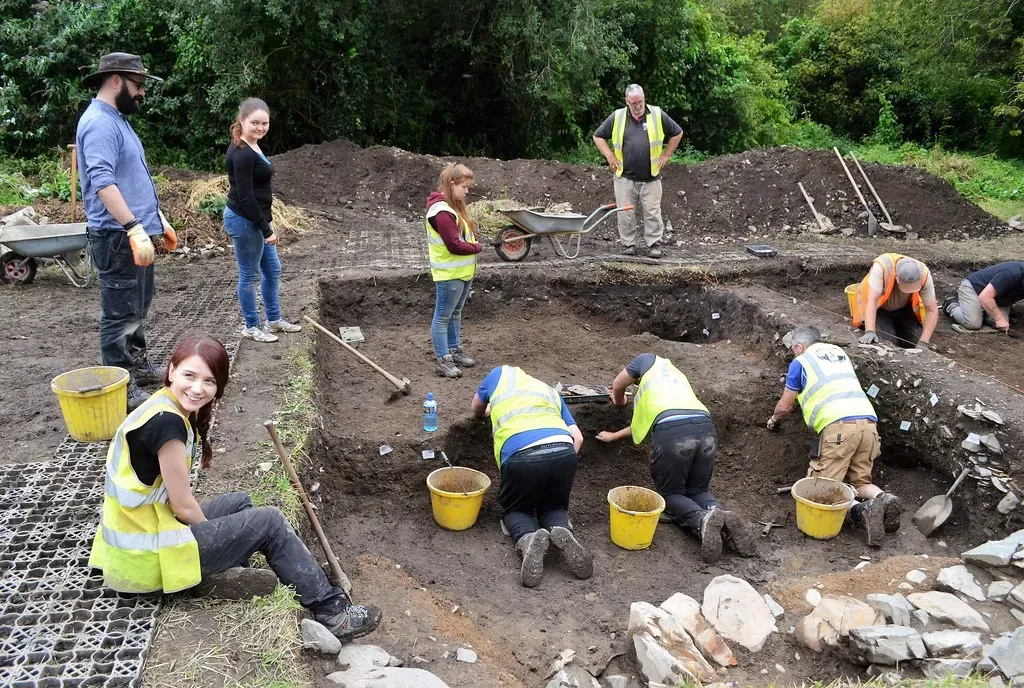
Rescue digs move fast by necessity, but speed was never supposed to be an excuse for losing the evidence. A highway project triggered this rapid salvage excavation, which uncovered rich stratigraphy and high-status burials. The resulting paper made bold claims about regional elites and long-distance trade based on what the team captured in a frantic few weeks.
When later archaeologists went looking for the original records, they found only a handful of photocopied sketch maps and a thin artifact list – no context sheets, no daily logs, no consistent labeling system. A follow-up group requesting the full dataset got a blunt answer: there wasn’t one. The published paper had implied a fully documented, professionally archived excavation. In reality, the underlying data barely met minimal modern standards, and the journal withdrew it for misrepresenting just how solid its foundation actually was.
#5 – The “Legacy Dig” With Vanished Card Catalogs
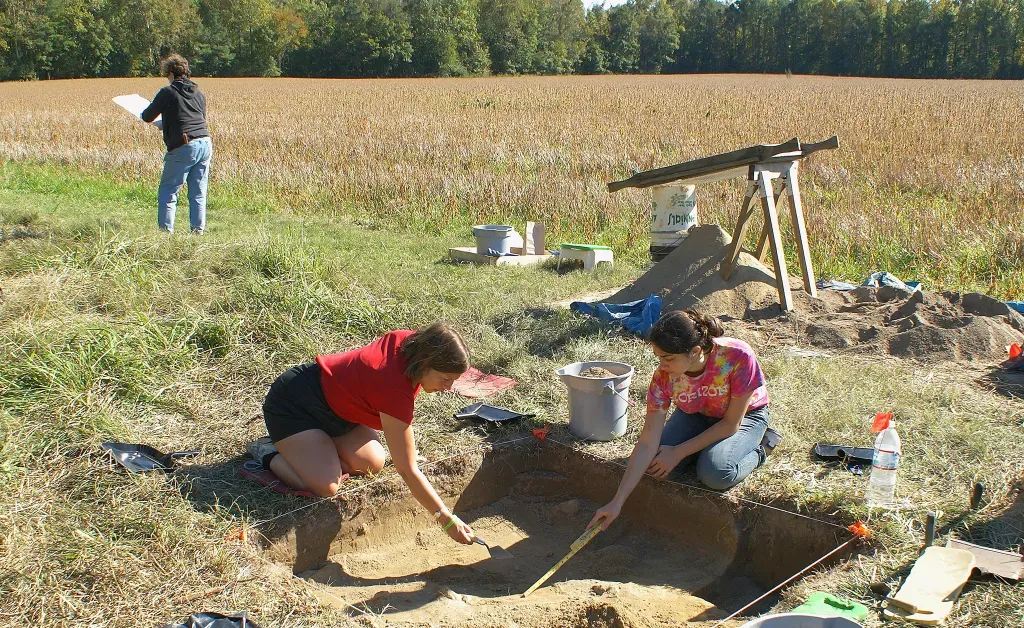
Old excavations are always a little tricky to verify – but age doesn’t excuse missing data. One influential paper leaned heavily on a mid-20th-century dig, praising its “meticulous” index-card recording system, and built elaborate distribution maps on top of that supposed rigor decades later.
When a team tried to digitize the original card catalogs, they discovered entire drawers of provenance cards had been thrown out during a museum move, and the surviving ledgers were incomplete, water-damaged, or illegible. Many catalog numbers cited in the paper didn’t exist in any surviving record at all. If you claim 70% of a certain artifact type came from elite areas, but the paperwork behind that number is gone, that 70% is a guess wearing a lab coat. The journal agreed and withdrew the paper, citing unjustified confidence built on unlocatable primary data.
#4 – Human Remains Without Traceable Contexts
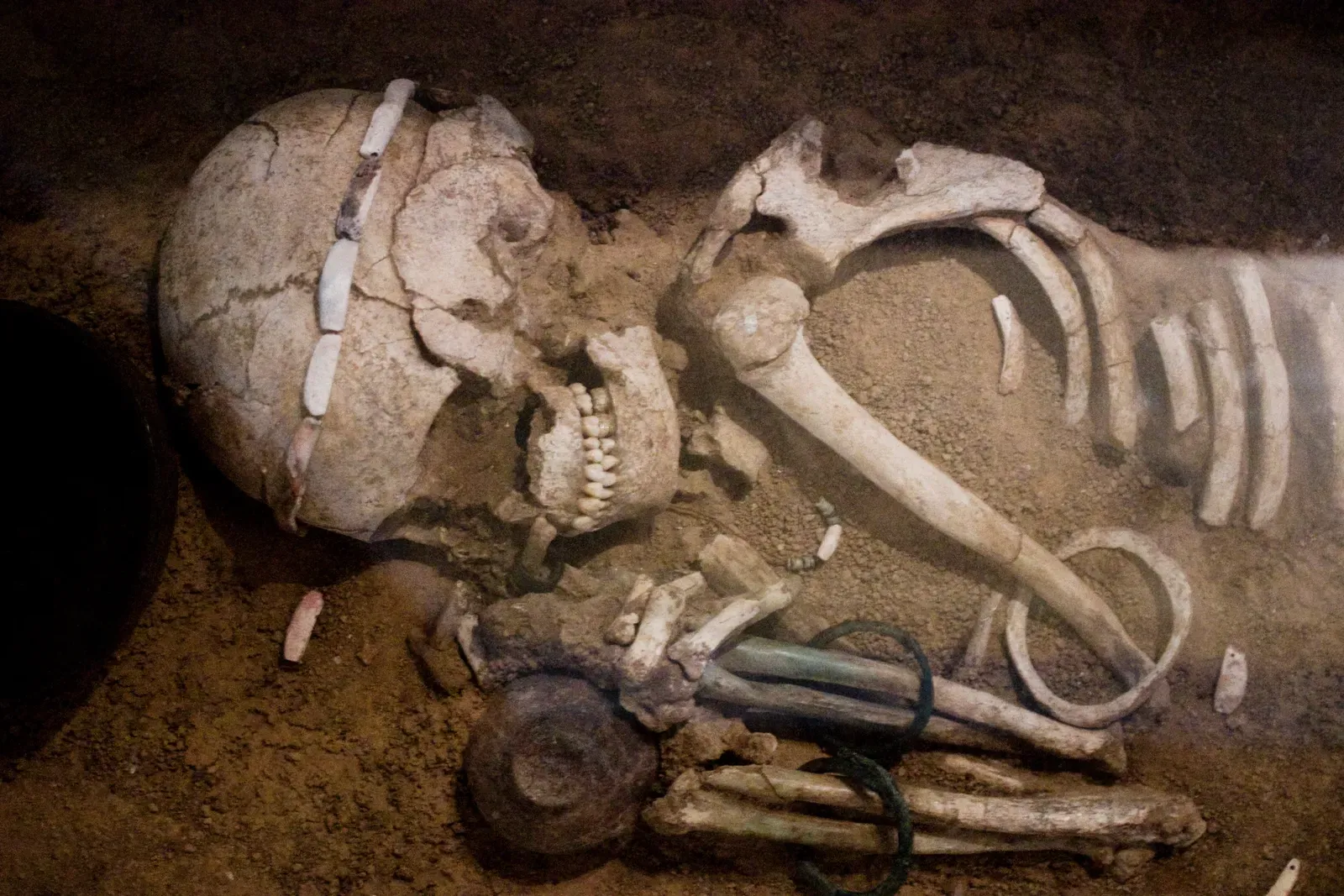
Papers involving human remains get scrutinized harder than almost anything else in the field, and for good reason. This bioarchaeology study argued for sharp social inequality at a site, based entirely on where each individual was buried – location, depth, grave goods. It was a compelling, human story.
Then an ethical review demanded clearer documentation, and it turned out the original burial plans for several key skeletons simply didn’t exist anymore. Some individuals couldn’t be matched to any surviving field drawing; others had context codes pointing to maps that no longer existed. The entire claim about certain groups being buried in poorer, peripheral graves depended on spatial relationships nobody could verify anymore. Descendant communities rightly asked how conclusions about their ancestors could stand on missing paperwork. The journal withdrew the article, citing both the broken evidence chain and the ethical weight of the claims resting on it.
Quick Compare
- Claim made: sharp social inequality shown through burial location, depth, and grave goods
- Evidence required: original burial plans matched to field drawings and context codes
- Evidence found: several burial plans missing; some context codes led nowhere
- Verdict: withdrawn over both the broken evidence chain and the ethical stakes involved
#3 – The High-Profile “Game-Changer” That Lost Its Lab Books
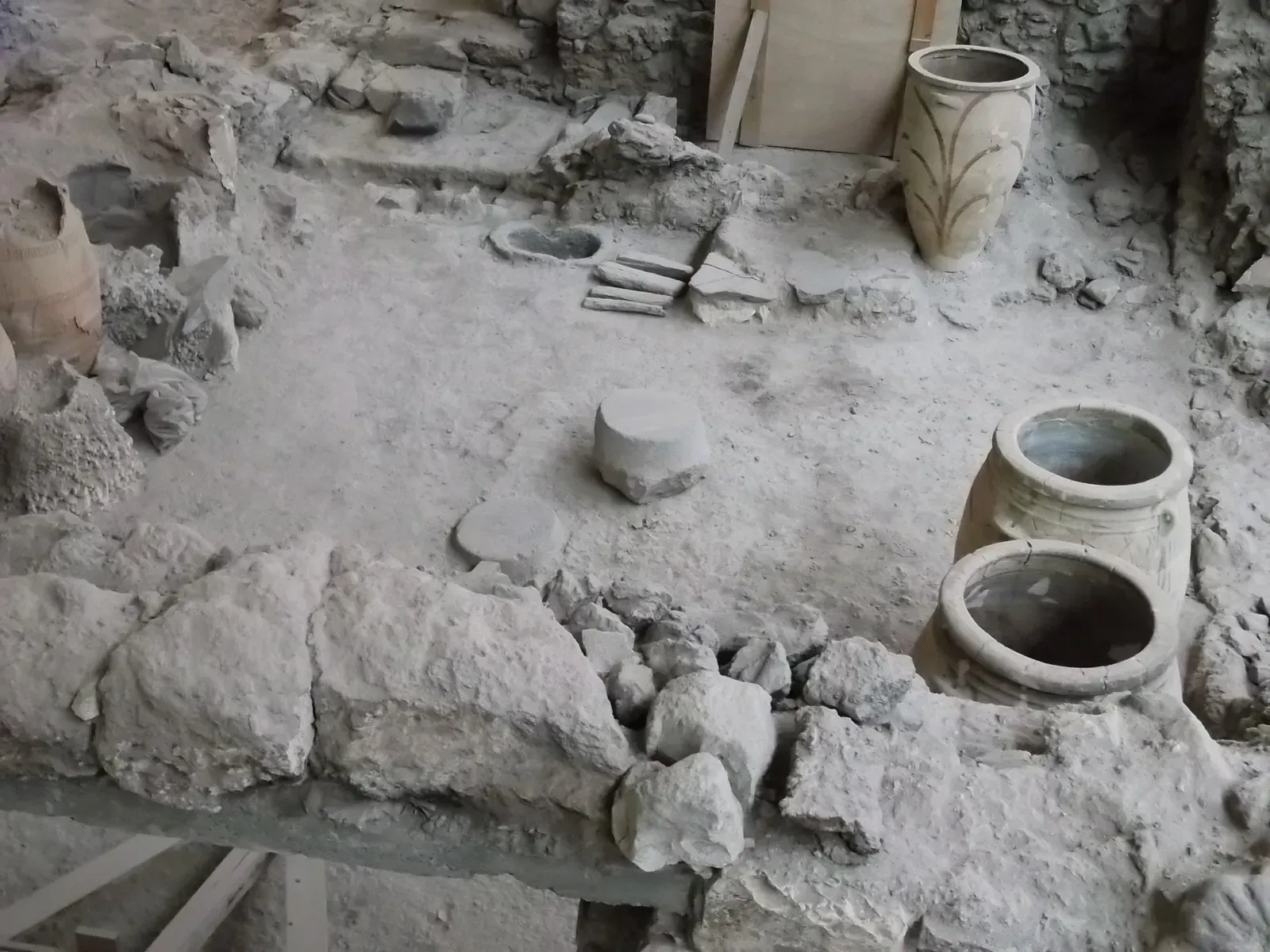
This one stung. A headline-grabbing excavation claimed to push a region’s occupation back centuries earlier than anyone believed, built on stratigraphy, micromorphology, and specialist lab work. For a while, it was cited everywhere as a genuine paradigm shift.
Then a rival team asked to inspect the lab books and sampling logs – and discovered the key micromorphology notebooks had disappeared during a departmental reorganization. Without them, no one could confirm which soil samples came from which micro-layer, or whether the “occupation surfaces” were even interpreted correctly. An external panel found no proof of fraud, but ruled the documentation gap was severe enough that the core findings simply couldn’t be verified. The paper was withdrawn, and later syntheses quietly stopped treating the discovery as settled fact.
#2 – The Multi-Site Synthesis Built on Untraceable Trenches
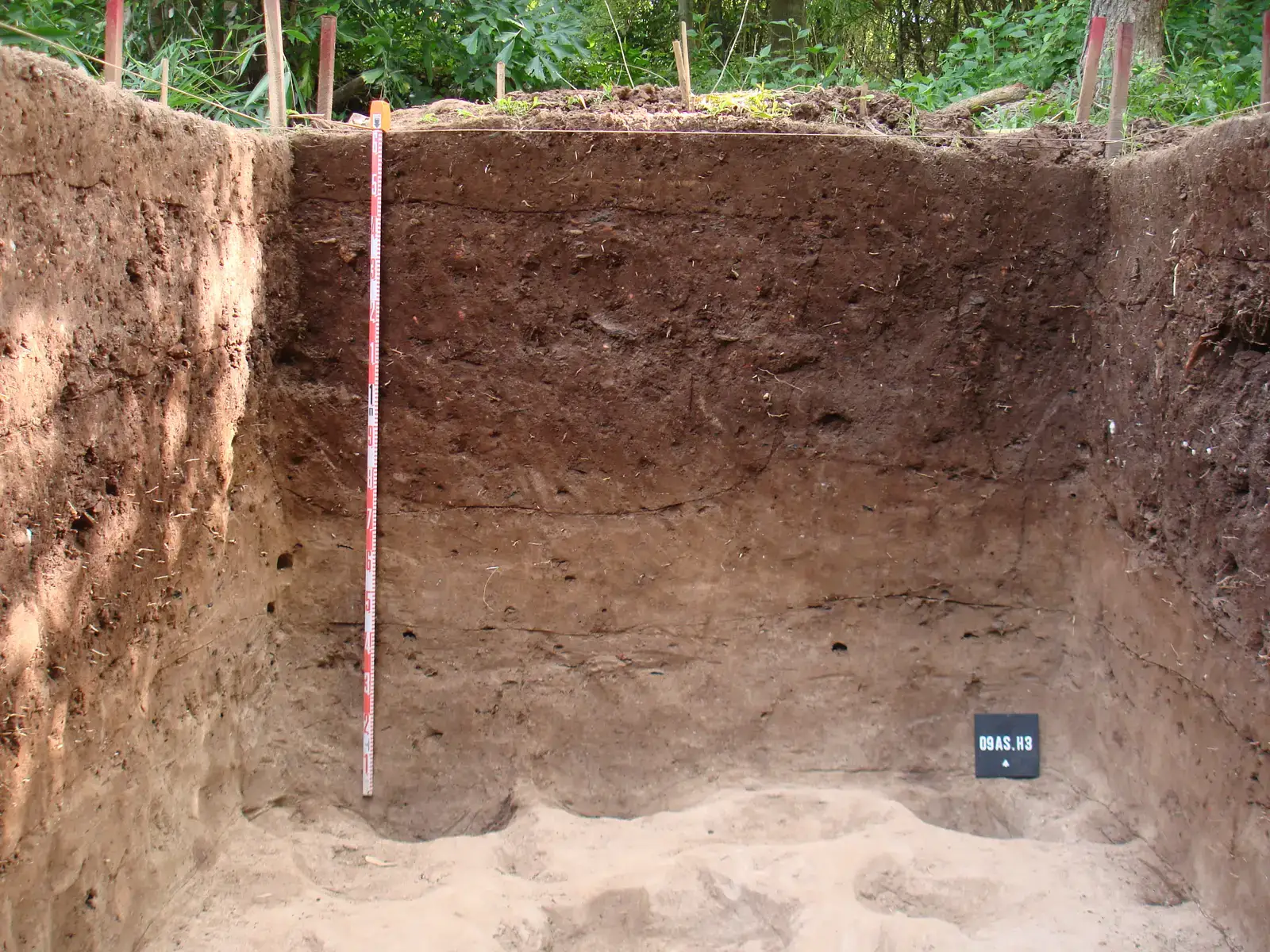
Sometimes the failure isn’t one dig – it’s a whole network of them. A widely cited synthesis compared depths, artifact densities, and feature counts across several excavations to argue for a specific model of ancient urban growth. It looked impressively thorough on the page.
Behind the scenes, several of the trench-level datasets it relied on no longer existed anywhere accessible. One site’s field notebooks had been thrown out during an office clearance; another’s grid system had been relabeled in a later campaign, severing the link to the original trenches. Researchers chasing the numbers hit dead end after dead end – vague references to “site notebook, season 2” that no one could produce. Because these fragmentary trenches carried heavy statistical weight in the model, the journal decided the paper had overstated the integrity of its own evidence and withdrew it.
Why It Stands Out
- Unlike most cases here, the missing data spanned several independent excavations, not just one
- One site’s notebooks were thrown out during an office clearance; another’s grid was relabeled later
- The fragmentary trenches still carried heavy statistical weight inside the published model
- Journal ruling: the synthesis overstated the integrity of evidence it could no longer produce
#1 – The “Model” Project That Became a Training Example for What Not to Do
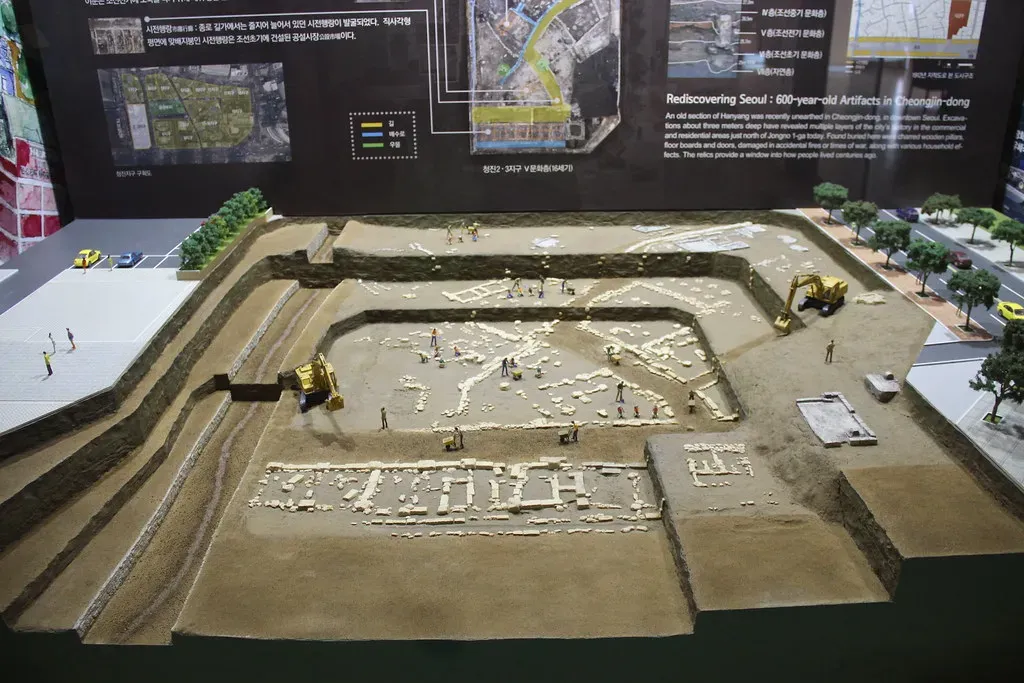
The irony here is almost too perfect: this project was supposed to be the gold standard for excavation transparency. Glossy outreach, drone footage, a popular blog, constant talk of open data and 3D models of every feature. For years it was showcased at conferences as the future of the field.
Then other researchers tried to actually download and reuse the promised dataset. The links were dead. The repository held a few demo files at best. The “complete” archive never materialized, and whatever had existed on local drives was lost when staff rotated out and machines got wiped. Only a fraction of trenches had full digital records; most of the 3D models were never even exported. The journal’s inquiry was blunt – the paper had built its entire reputation on a transparency that didn’t exist and now never could. It was withdrawn, and the project flipped overnight from showcase to cautionary tale in research-integrity training.
The Bottom Line
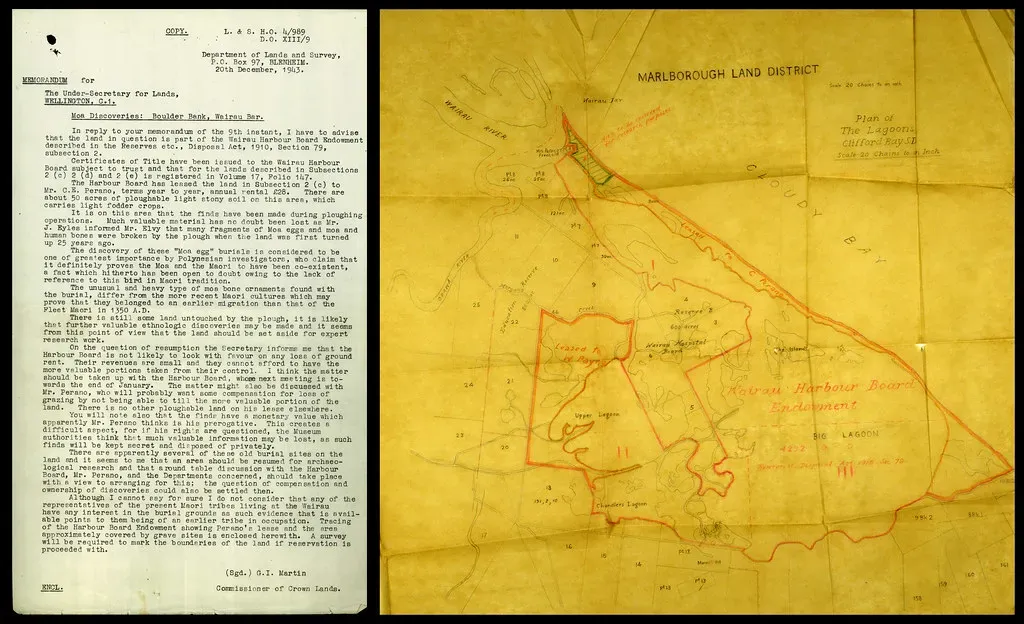
Almost none of these twelve cases involve a villain twirling a mustache. They involve something quieter and, honestly, scarier: field notes tossed during a move, a server nobody backed up, a “temporary” storage plan that became permanent, artifacts that outlived their own paperwork.
Once that chain of evidence snaps, it doesn’t matter how honest or careful the original interpretation was – it becomes scientifically unusable. My take: publishing excavation results without locking down verifiable, deposited data isn’t a paperwork shortcut, it’s a debt that eventually comes due, often years later, often at the worst possible moment for the people who dug the site in good faith.
Journals are starting to treat “we can’t find the data” as seriously as “the data was faked,” and they should. History deserves better than hearsay with a bibliography.