Museum collections hold countless stories, yet sometimes the records themselves create mysteries. The same physical object can end up listed under two different names or numbers in the same institution, turning routine catalog work into a puzzle for curators and researchers alike.
These overlaps often stem from old ledgers, system migrations, or simple human error during busy acquisition periods. The result is a quiet kind of duplication that only surfaces during careful inventories or provenance checks.
#1 The Venus Torso in Lyon
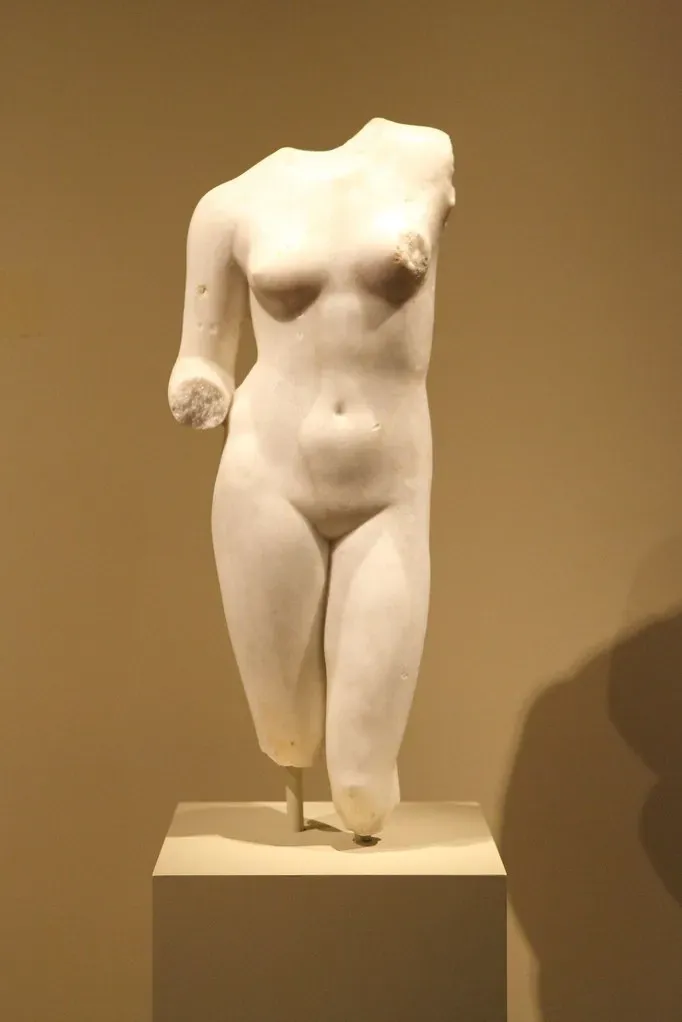
One plaster cast in the Musée des Moulages de Lyon carried two separate inventory numbers across different catalogs. Staff rediscovered the mismatch while cross checking an 1881 register against later lists, revealing the piece had been noted as missing under one entry but present under another.
The torso matched descriptions of a Venus figure once linked to a private collection. Careful comparison of measurements and markings confirmed it was the same object, simply recorded at different times with slight variations in how curators described its condition or origin.
#2 Re cataloged Haida Figures at the Smithsonian
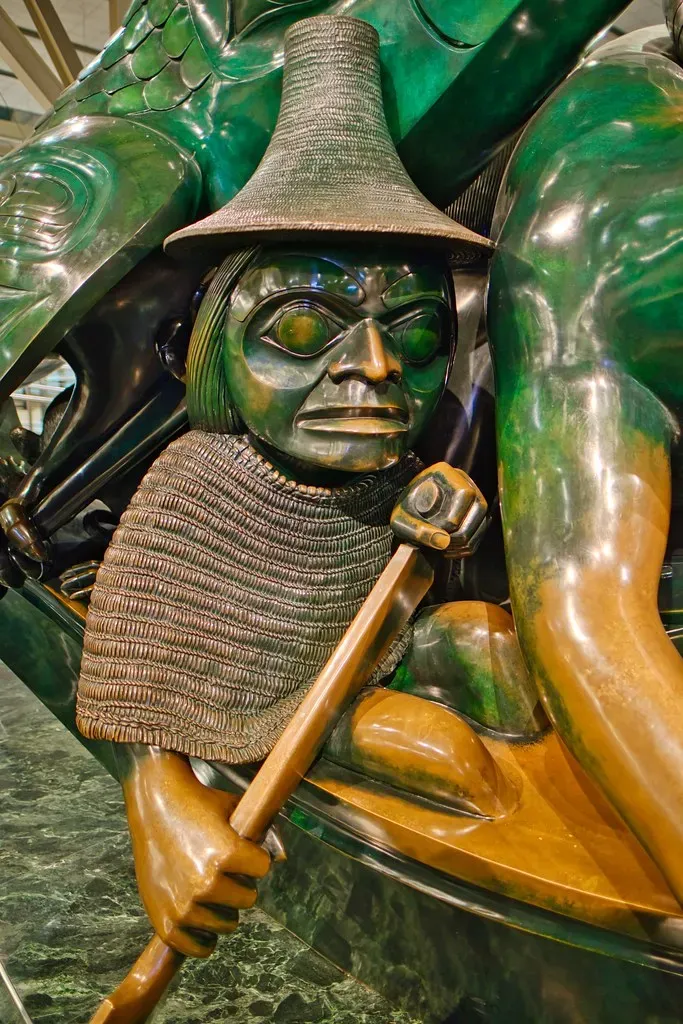
Early twentieth century acquisitions from the Pacific Northwest sometimes received fresh numbers during later storage reviews. A carved wooden figure acquired in 1904 appeared in one set of cards with its original details and in another with a new identifier after its old label was lost.
Archival scrapbooks eventually connected the two records through photographs and purchase notes. The object had never left the collection, yet its dual documentation made it seem absent for decades until the link was spotted.
#3 Split Plant Specimens in Herbaria
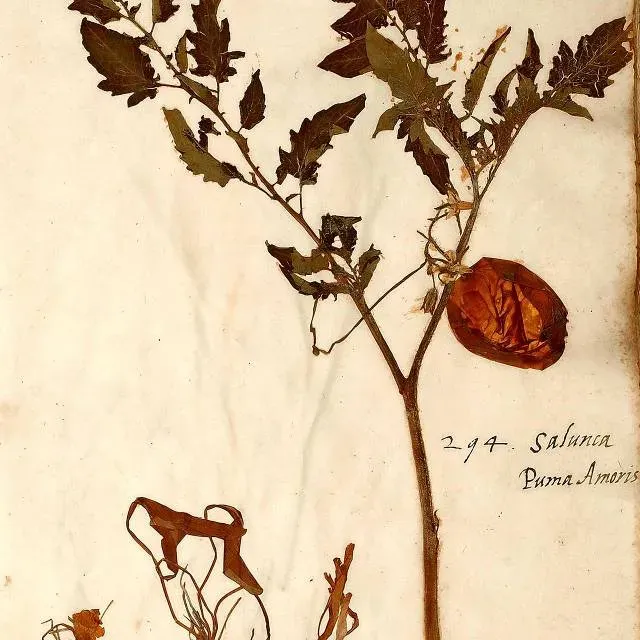
Botanical collectors often prepared multiple sheets from a single plant and sent them to different institutions. When those sheets reached separate herbaria, independent experts sometimes assigned different scientific names to what was originally one gathering.
Studies of Asian rainforest trees showed that nearly three in ten such duplicate sheets carried conflicting identifications. At least one name in each pair had to be incorrect, highlighting how distribution practices can create parallel records for the same material.
#4 Divided Twine Samples in Queensland
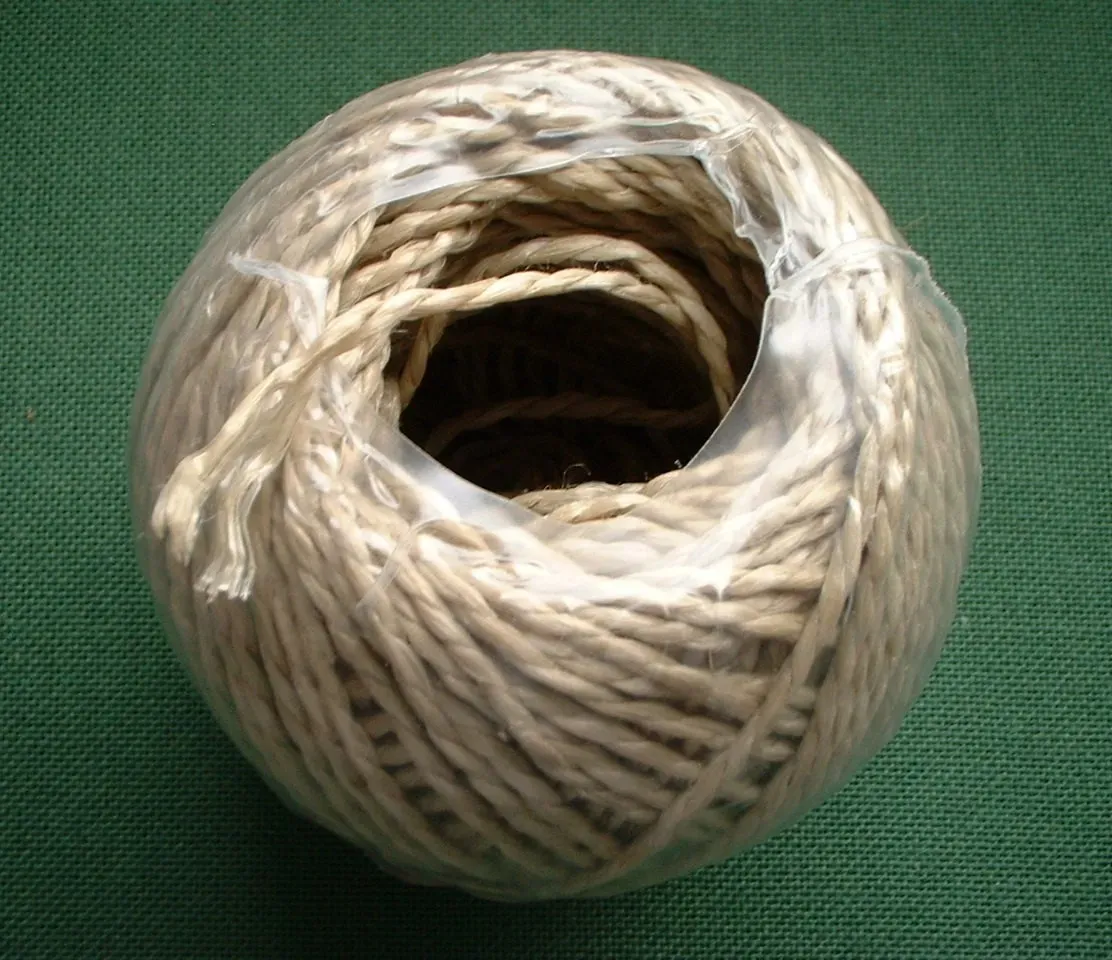
Large balls of fiber collected in New Guinea were sometimes cut into smaller segments for distribution among museums. Each segment later received its own registration suffix in control registers, even though they came from the identical original ball.
Cross checking against the primary ethnology ledger showed these pieces had been treated as distinct items. The practice created multiple entries that only careful physical comparison could reunite under a single history.
#5 Benin Bronzes Considered Surplus
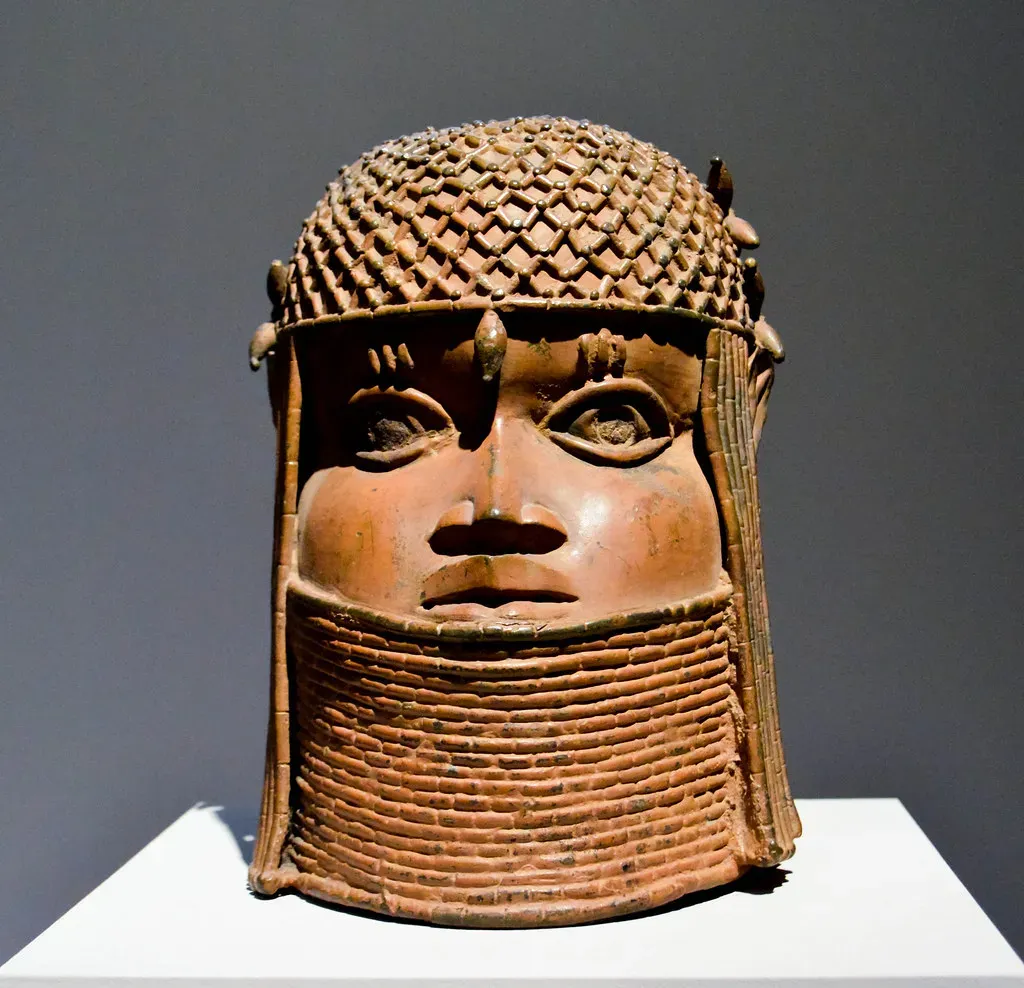
Mid twentieth century decisions at the British Museum occasionally flagged certain bronzes as duplicates suitable for exchange or sale. Objects judged identical in key respects to others already held received separate catalog treatment during deaccession reviews.
Later policy shifts recognized that true duplicates in this category were rarer than once thought. Surviving records still reflect earlier judgments that treated similar pieces as interchangeable for administrative purposes.
#6 Legacy System Migrations in Art Museums
When institutions moved from paper ledgers to digital databases, older entries sometimes survived alongside new ones. An artwork might appear under its original accession number in one file and under a revised spelling or classification in the updated system.
Matching algorithms now flag these overlaps by comparing dimensions, materials, and provenance notes. The process reveals how the same painting or sculpture can generate two active records without anyone noticing for years.
#7 Misread Registration Numbers in Ethnographic Holdings
Handwritten numbers in early registers were occasionally transcribed incorrectly when later control lists were compiled. An object assigned to one museum might appear in another institution’s records because the number was misread during copying.
Physical inspection combined with original acquisition documents usually resolves the confusion. These cases show how small transcription slips can scatter documentation for a single artifact across multiple institutional files.
#8 Reused Object Names in Mixed Collections
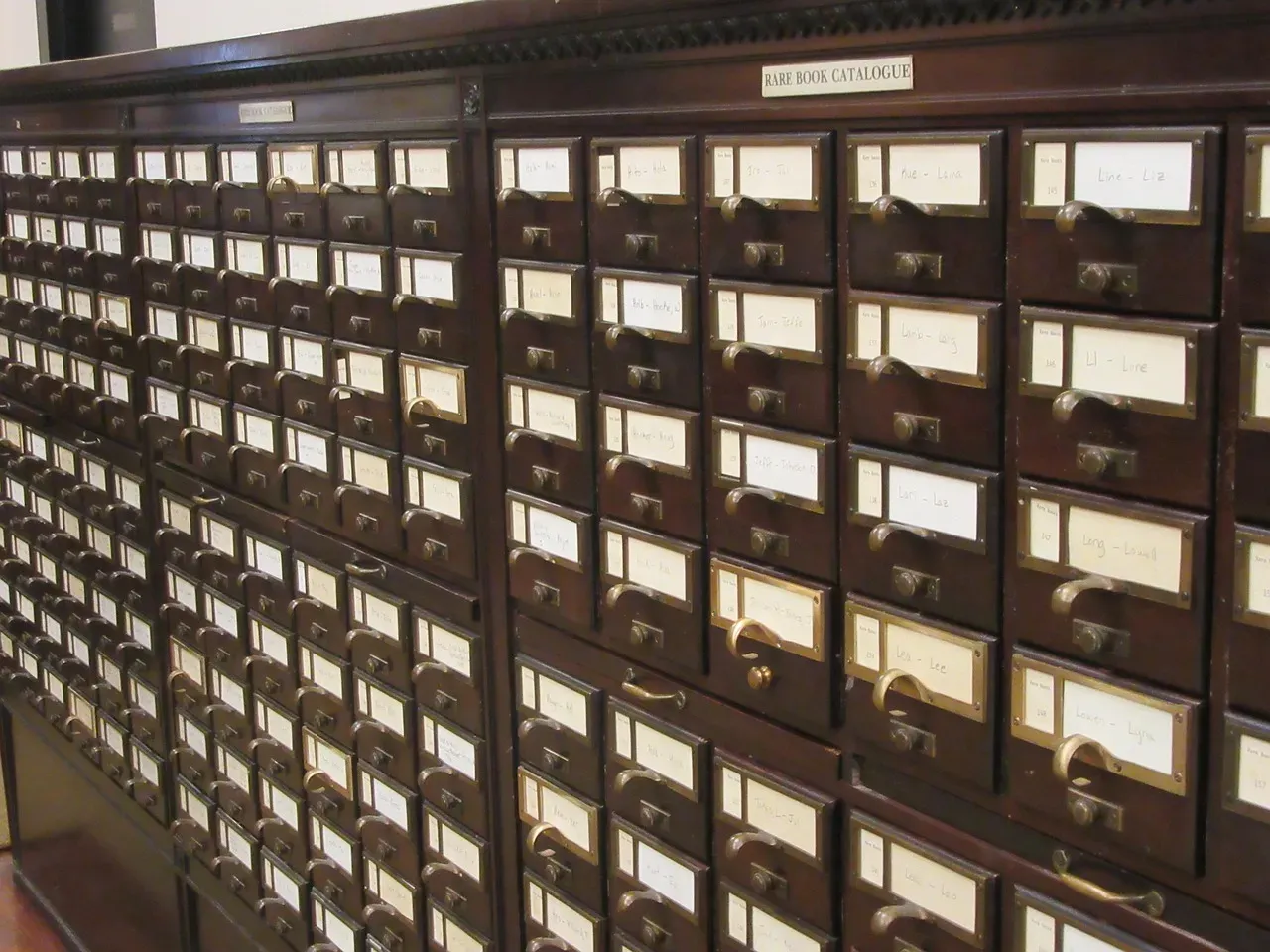
General museums sometimes applied broad terms like “figure” or “vessel” to items that later received more specific cultural designations. The same piece could therefore sit under both a generic name and a precise one in different sections of the catalog.
Guidelines now encourage recording multiple names when they reflect different research angles. This practice acknowledges that one object can legitimately carry several descriptive labels without creating true duplication.
#9 Lost and Found Entries in University Museums
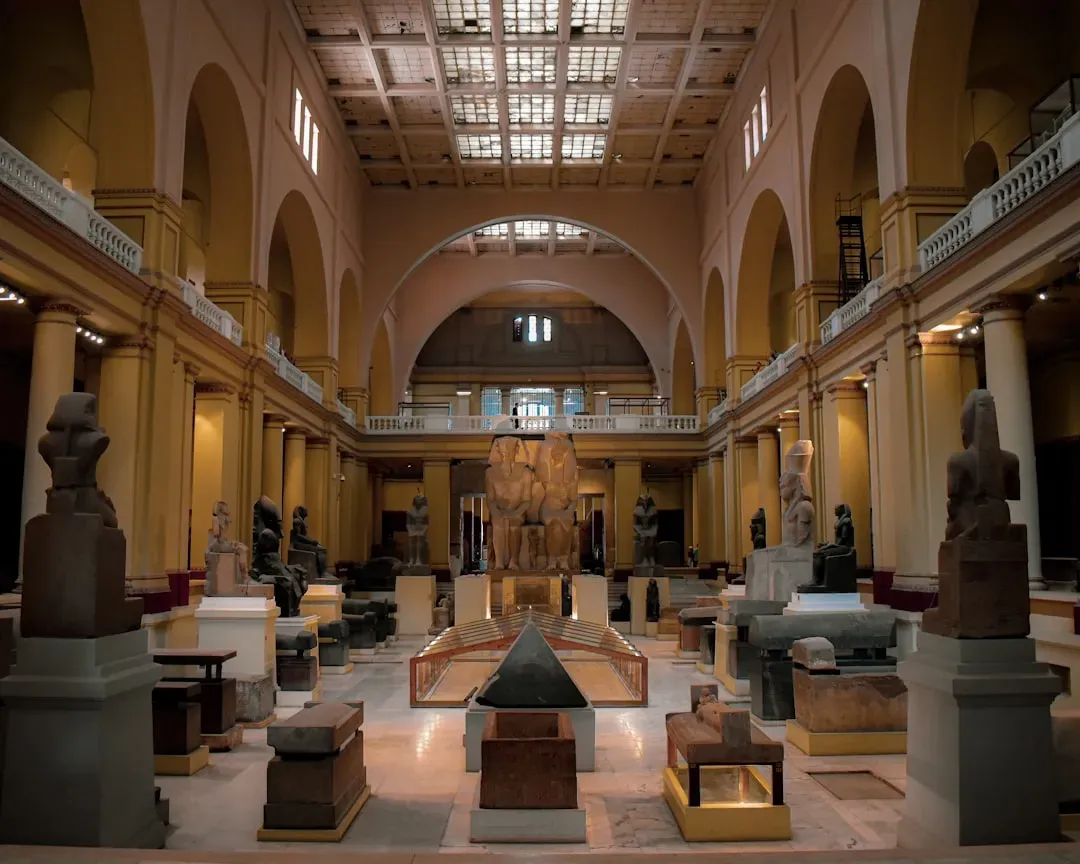
Student or volunteer cataloging projects occasionally assigned fresh numbers to objects whose original documentation had faded or detached. Years later, archival photographs or donor files revealed the new entry described an item already present under an older identifier.
Reconciliation efforts now prioritize cross referencing visual records with physical markings. The work prevents the same specimen from drifting through inventories under two separate identities.
#10 Natural History Duplicates Across Cabinets
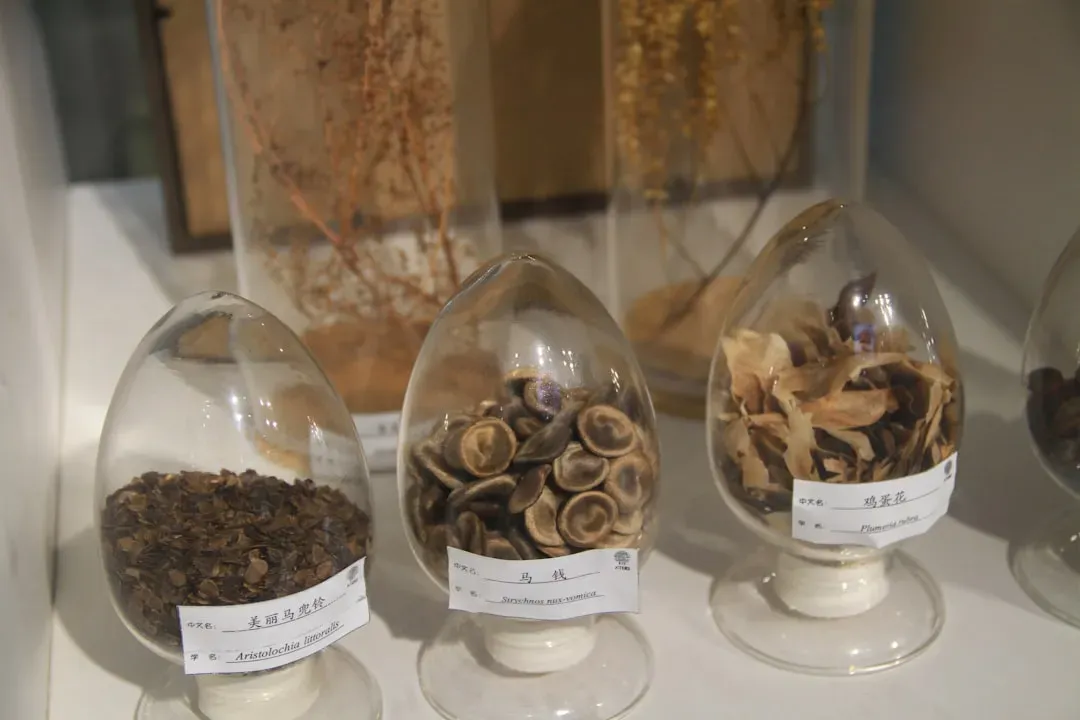
Zoological and geological specimens prepared in multiples for teaching or exchange sometimes stayed within one large institution. Separate departments might then catalog their share under slightly different common or taxonomic names.
Modern database merges catch these internal overlaps by comparing collector data and preparation details. The effort underscores how even within a single building, parallel records can form around identical material.
Closing Reflection
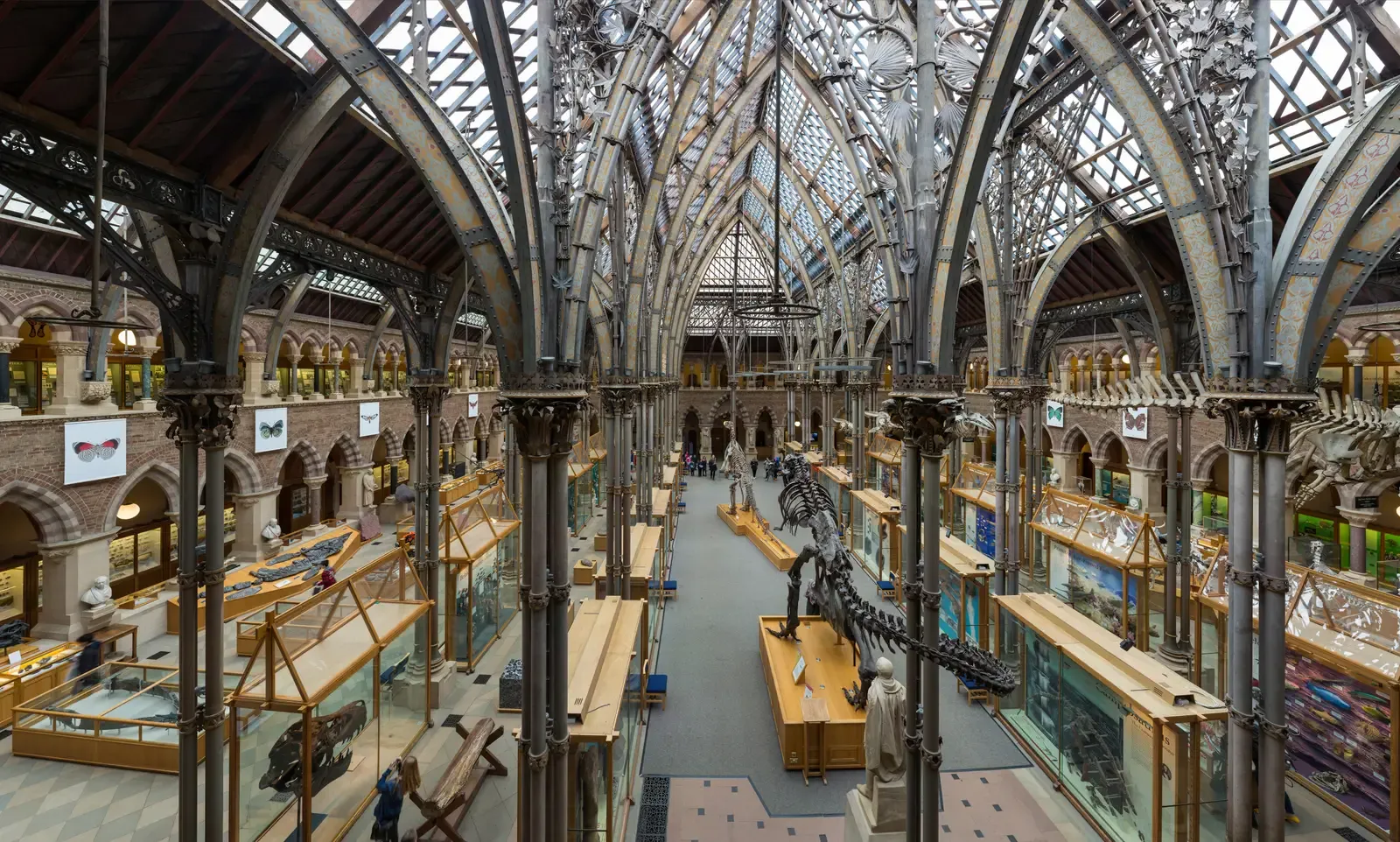
These examples remind us that museum records are living documents shaped by generations of hands and changing standards. Each duplicate entry represents not just an administrative hiccup but a chance to refine how we understand the objects themselves.
Investing in thorough inventories and open data practices turns these hidden overlaps into opportunities for clearer histories. In the end, the goal remains the same: ensuring every artefact carries one coherent story, no matter how many times it has been written down.