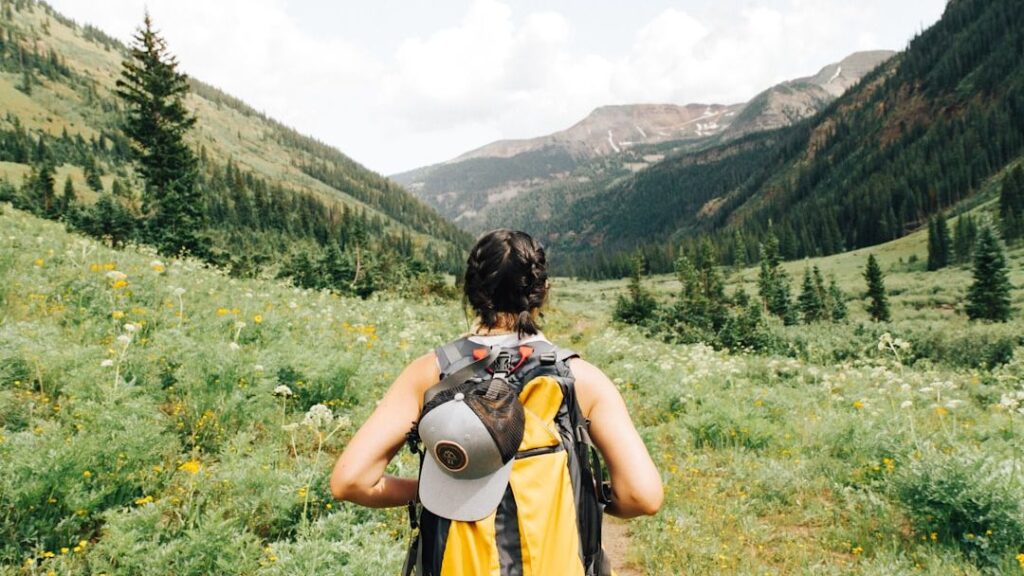
Every year, millions of people step into national parks expecting peace, adventure, and maybe a sore pair of legs. A tiny number never walk back out. Buried beneath the usual stories of slips, falls, and wrong turns is a quieter, stranger category of cases: people who vanish in ways that look eerily similar, yet stubbornly refuse to make sense. No body, no clear trail, no solid explanation – just a repeating pattern of absence.
When you line these disappearances up side by side, the coincidences start to feel less like chance and more like a riddle. Many of these people were experienced hikers. Many disappeared near water or steep terrain, often after stepping away alone for what should’ve been a few harmless minutes. And over and over again, huge search teams turned up almost nothing. Are we just underestimating nature, or is there something about certain landscapes, habits, and human blind spots that creates the illusion of a pattern no one can fully explain?
1. The Solo Day-Hiker Who Never Makes It Back to the Trailhead
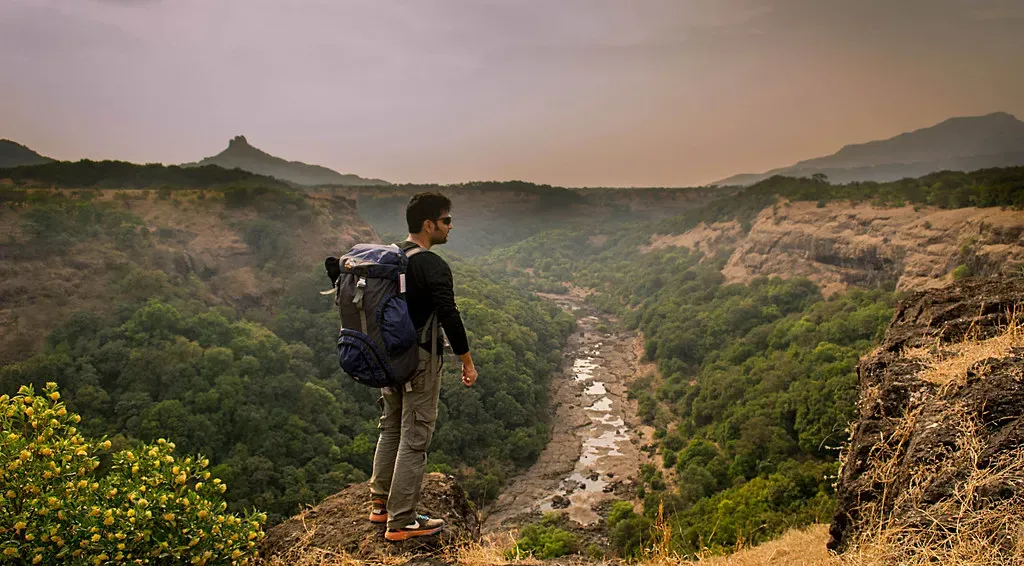
One of the most chillingly consistent scenarios in national park disappearances is the lone day-hiker who tells friends they will be back by dinner and then simply never arrives. These are often people with at least moderate outdoor experience, who bring a small pack, water, and a basic understanding of the trail – but not enough gear to survive an unexpected night out. They sign a trail register or tell someone their general plan, then vanish somewhere between the parking lot and their intended turnaround point. When rangers and search teams mobilize, they usually find the car still neatly parked, sometimes an itinerary on the dashboard, but no sign of the person on the main path.
What makes these cases feel strangely identical is how abruptly the trail seems to go cold. Search teams follow boot prints or digital breadcrumb data only to see it fade near a junction, a creek crossing, or a steep slope. There is rarely a dramatic storm, an obvious fall, or a clear animal attack. Often, the last confirmed sighting is just another hiker recalling a casual hello on the trail. To me, this pattern exposes a harsh truth: even a short solo outing in a well-loved park can pivot from ordinary to unsolvable in the space of one wrong turn you barely notice.
2. The Camper Who Leaves the Tent for a “Quick Walk” and Never Returns
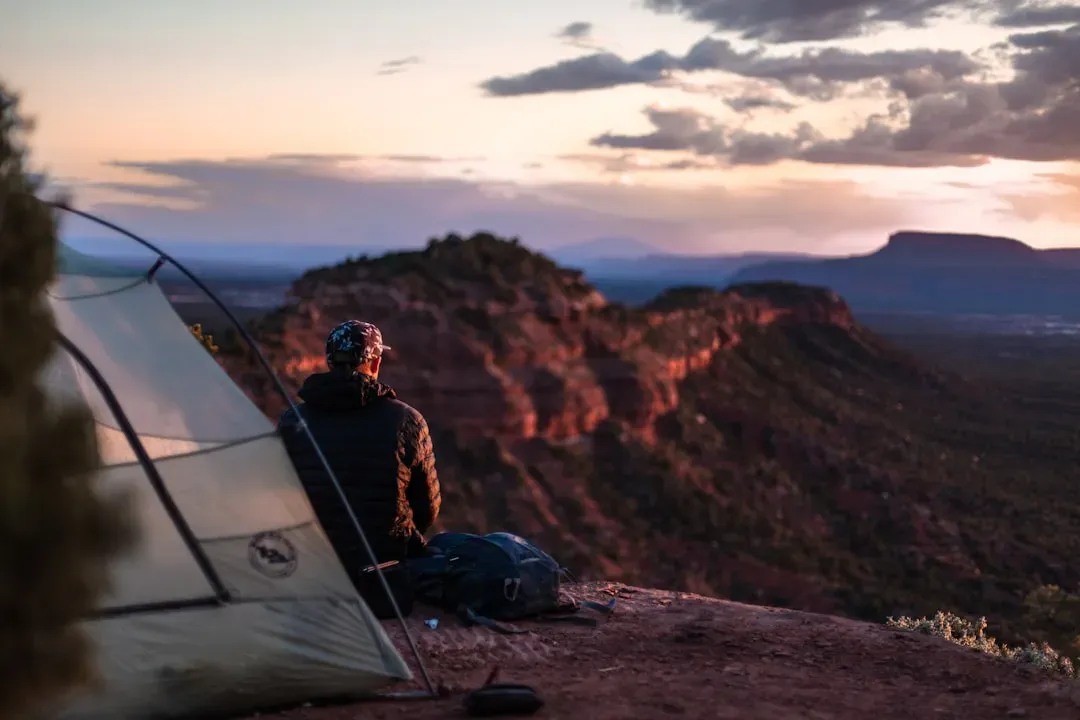
Another recurring pattern involves campers who step away from a campsite for a brief moment – often to use the bathroom behind some trees, to look at a view, or to follow a noise – and then vanish without a trace. Their gear is still set up, food and valuables untouched, sometimes even a jacket left on a chair as if they expected to be back in minutes. Friends or family initially assume they are taking longer than expected, only to feel that creeping dread when minutes stretch into hours and the forest swallows up every shout of their name. By the time rangers are notified, crucial daylight and tracking opportunities are already lost.
What unnerves investigators is how neatly these scenes are frozen in mid-story. You have a camp chair still warm, a half-finished drink, a sleeping bag unzipped, and then an invisible cut in the film. No obvious signs of struggle, no torn clothing, no drag marks – just nothing. Some experts argue that disorientation, darkness, or sudden medical events can explain much of this, but it is hard not to feel the uncanny sameness of these stories. Personally, it reminds me how fragile the line is between “I’ll be right back” and not coming back at all, especially in places where the terrain is unforgiving and silence can swallow evidence faster than we can look for it.
3. The Experienced Outdoorsperson Who Should Have Known Better
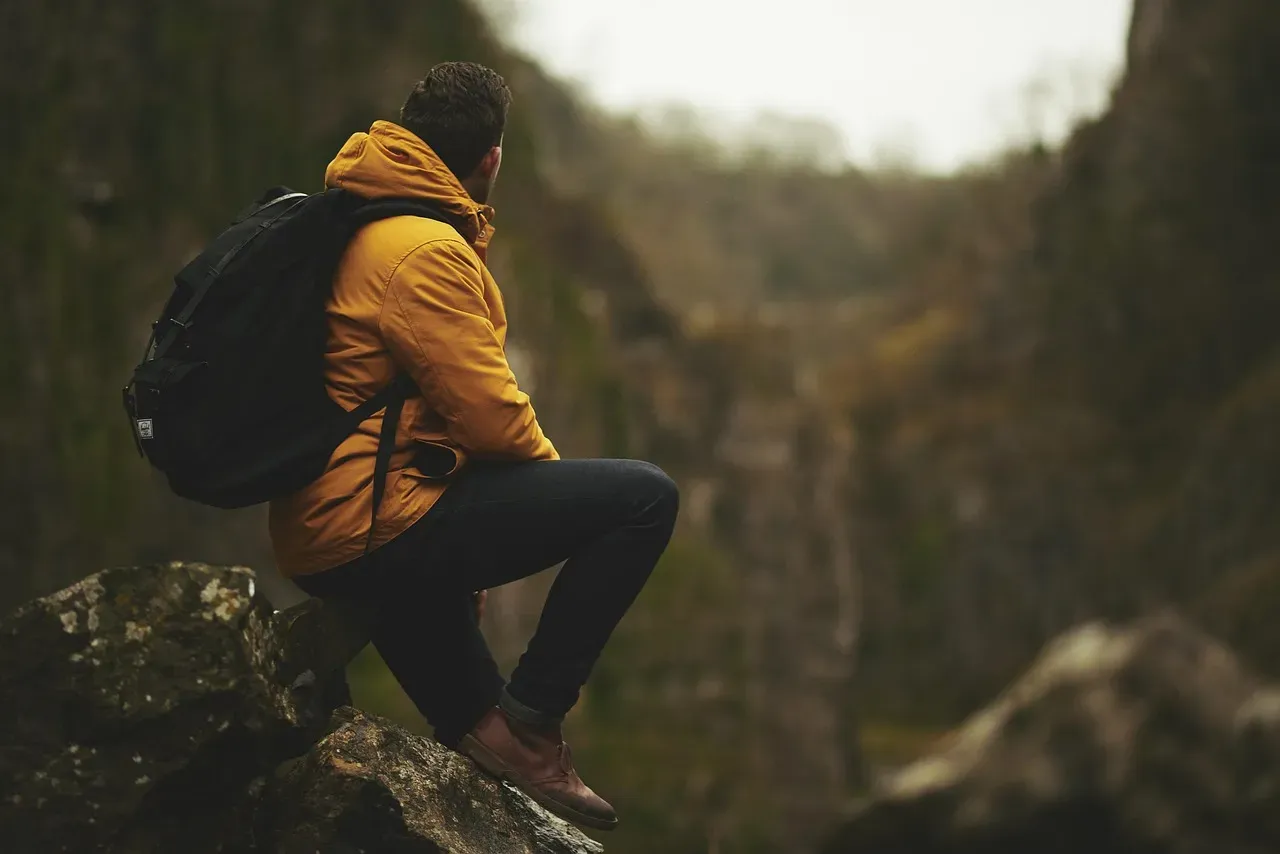
Many people assume that the victims of mysterious disappearances are naïve tourists who underestimate the wild. But a striking number of baffling cases involve hunters, backcountry guides, or seasoned hikers who by all accounts knew the land, the weather patterns, and the risks. These are the people who carry good boots, maps, layers, and often some first-aid knowledge. Friends describe them as cautious and prepared, the kind of person who double-checks their gear and lectures others on safety. Yet they, too, walk into familiar terrain and never walk back out, leaving behind bewilderment instead of footprints.
Investigators often point out that experience can paradoxically increase risk because it breeds confidence and routine. When you have done the same loop dozens of times, you might push into sketchier side routes, trust your memory over a compass, or shrug off subtle warning signs. When a highly skilled person disappears in a fairly routine setting, the sense of pattern sharpens: if someone who “never makes mistakes out there” can misjudge a slope, a stream, or a shortcut, then our mental picture of safety in national parks is probably far too comforting. I find that sobering, because it suggests the real pattern here might be the human brain overestimating its edge against the landscape.
4. The Child Who Was Just There – and Then Was Gone
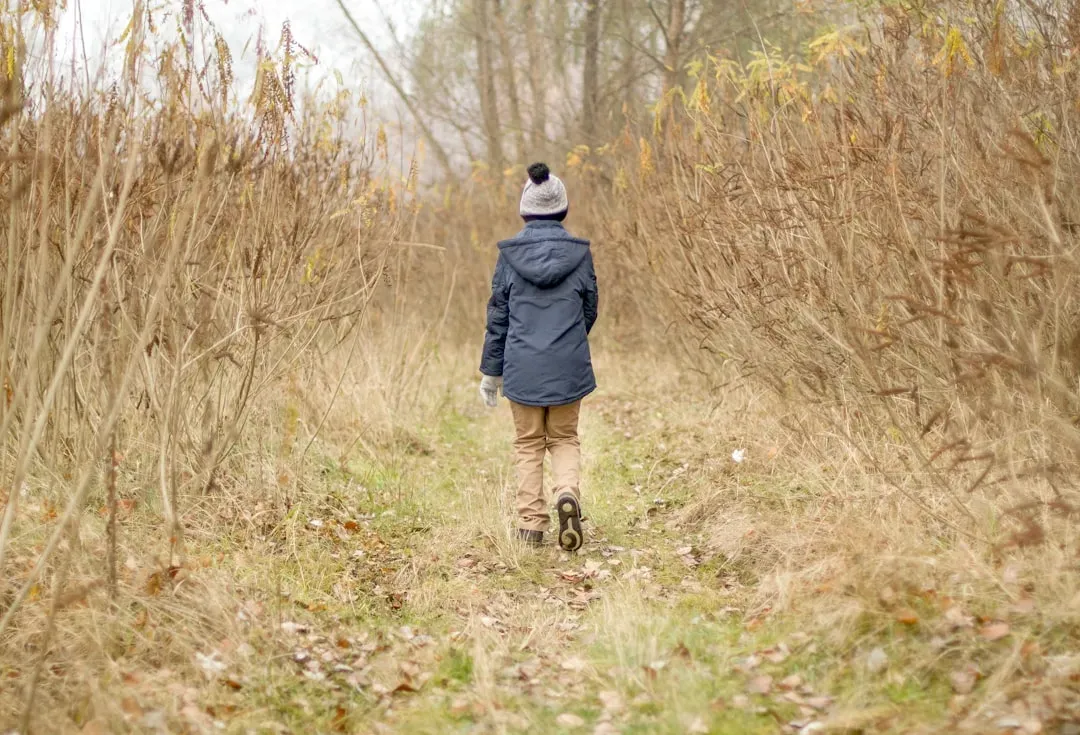
Some of the most haunting national park disappearances share another specific detail: a young child is playing just a few steps from adults when they abruptly vanish from sight. Often these stories describe a moment that feels maddeningly ordinary: a child chasing a butterfly near a picnic area, collecting rocks beside a trail, or walking a few yards ahead on a wide, open path. Someone looks away for a few seconds – maybe to tie a shoe or answer a question – and when they look back, the child is not where they were a heartbeat before. That brief lapse becomes the last clear moment anyone ever sees them.
Searches for missing children are intense and swift, with huge teams combing small areas grid by grid, sometimes within an hour or two. Yet in several cases, there is no trace: no clothing, no shoe, no small body in brush that rescuers painstakingly check again and again. Some experts cite the ability of children to move surprisingly far and fast in directions adults would not choose, like scrambling uphill instead of following a trail. Others point to predators or hazards like mine shafts and sinkholes. Still, when you place these stories side by side, the repetition of that split-second disappearance is chilling, tapping directly into a primeval fear every parent understands too well.
5. The Hiker Last Seen Near Water or a Steep Drop
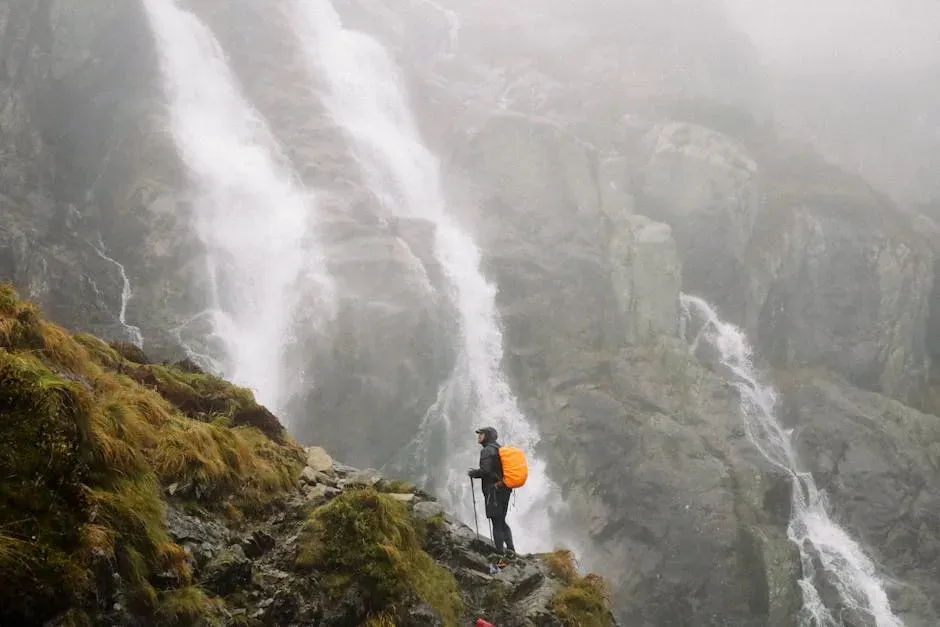
Look closely at national park disappearance patterns and another overlap jumps out: a huge share of people were last seen near water – lakes, rivers, waterfalls – or at the edge of steep, complex terrain. These are beautiful spots that naturally attract visitors, but they also hide currents, slick rock, and confusing side channels of trail. A person pauses for a photo, walks a few meters closer to the edge, or cuts down to a stream to cool off. When searchers retrace these steps, they often focus around cliffs, pools, and undercut banks but still come up empty, sometimes even after using divers, drones, and dogs.
It is tempting to say the explanation is obvious: people fall in or over, and the environment hides the evidence. In some cases, that is almost certainly true. But there are also situations where the water is shallow, the drop is not that extreme, and the search effort is massive and well organized – yet no one finds so much as a backpack. That repeated combination of scenic water, tantalizing viewpoints, and complete disappearance feels like a recurring script. My opinion is that we underestimate just how good nature is at erasing traces, especially when you combine cold water, time, and rugged stone. It feels supernatural, but it is probably just physics working more efficiently than we want to admit.
6. The Group Member Who Steps Ahead – or Falls Behind
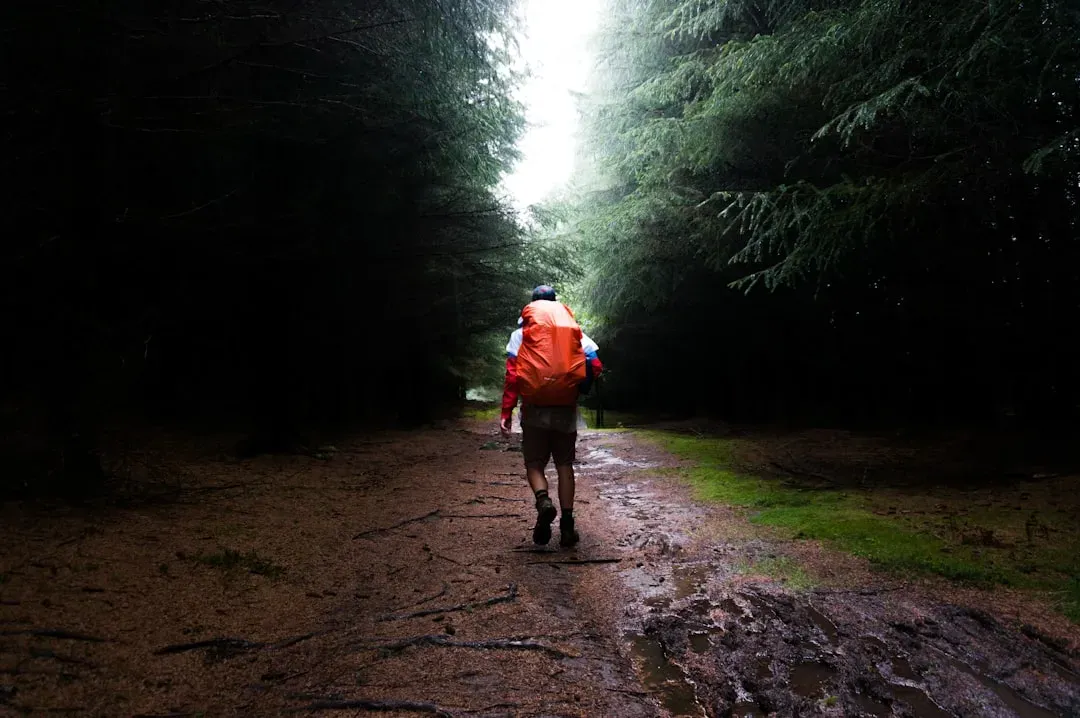
One of the eeriest shared details in many missing-person reports is the moment when a person is separated from their group by only a few minutes and a short distance. Maybe they are a faster hiker who goes ahead to reach the next junction or a slower friend who tells the others to go on and promises to catch up. Sometimes they stop to retie a boot or adjust a pack while the rest of the group continues up a switchback. On well-used trails, this kind of spacing happens constantly and seems harmless – until someone fails to reappear at the next obvious meeting point.
What makes this pattern so unsettling is how little separation it takes to create a full-blown mystery. Searches often confirm that the missing person was only a few hundred meters from companions when last seen, yet radios, shouts, and whistles reach nothing. In thick forest or broken terrain, a short wrong turn or fall can instantly place someone in a pocket of land that is effectively invisible from the trail. To me, this is one of the most human parts of the pattern: we are social animals who assume proximity equals safety, but in the wrong landscape, a bend in the path can feel like a locked door closing between you and help.
7. The Weather Shift That Turns a Problem into a Disaster
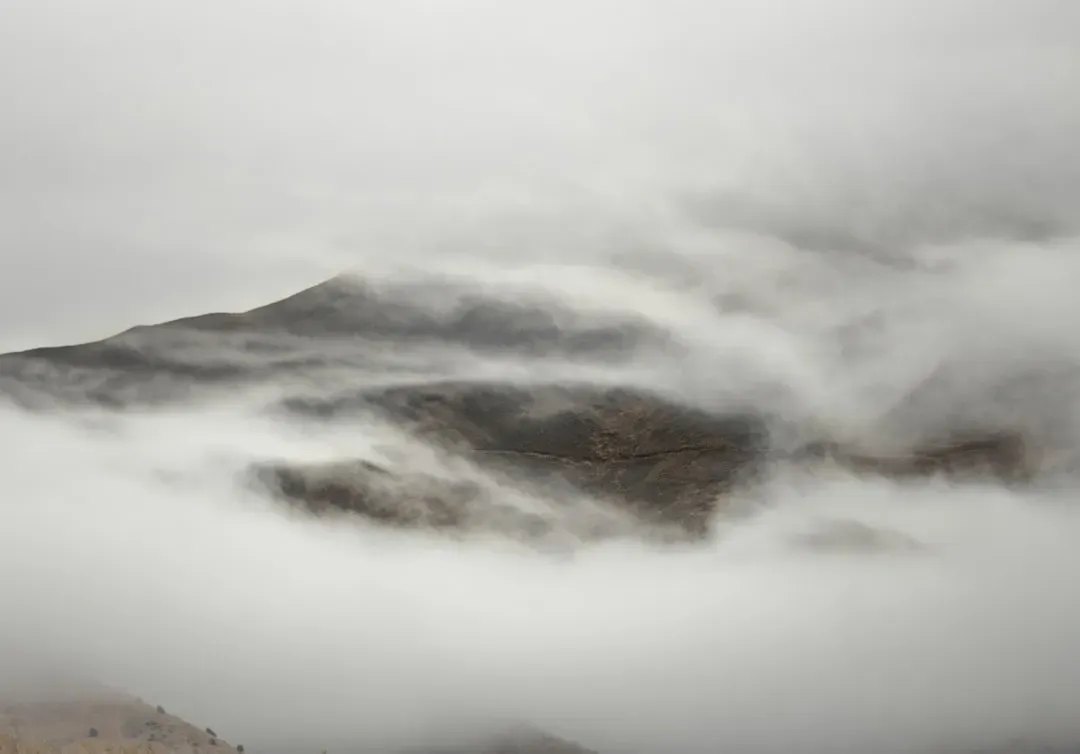
Another repeating element in many inexplicable disappearances is a sudden change in weather – fog rolling in, temperatures dropping, snow starting earlier than expected, or a quick-moving storm blowing across open ridges. A hiker or hunter might set out under blue skies and be a short distance from their car when visibility collapses. They lose the main trail, make a few increasingly desperate choices, and then wander into terrain that is steeper, colder, and more confusing than they realize. By the time search teams deploy, the landscape has already been scrubbed clean by wind, rain, or snow.
From the outside, it is easy to ask how so many capable people can be thrown off course by a bit of fog or a surprise storm. But if you have ever been caught on a mountain when a cloud bank pours over a ridge, you know how disorienting it feels. Landmarks vanish, sound changes, and your sense of direction starts to wobble like a compass next to a magnet. When you see this same weather twist pop up in case after case, it points less to a supernatural pattern and more to a brutally consistent one: our judgment is only as good as the conditions we can see, and when visibility goes, the margin for survival shrinks fast.
8. The Phone, GPS, or Watch That Suddenly Goes Silent
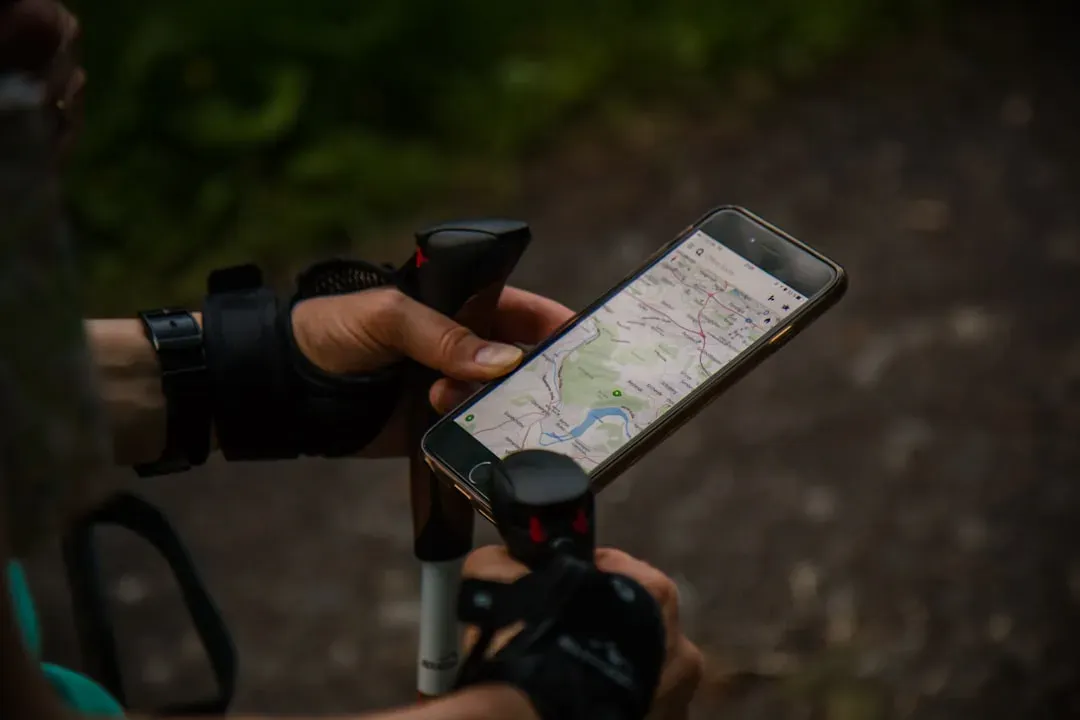
Modern national park disappearances often come with another frustratingly similar detail: a digital trail that just stops. A missing person may have been carrying a smartphone, a GPS unit, or a smartwatch that was tracking their steps or location. Search teams can sometimes reconstruct part of the route from app data or ping records, only to watch the virtual breadcrumb line cut off abruptly at a ridgeline, a ravine, or some random patch of forest. These devices run out of battery, lose signal, or are damaged in a fall, turning what looked like a helpful safety net into a cliffhanger with no next page.
This pattern is particularly maddening because it feeds a false sense of security in the first place. People rely on navigation apps and assume that being “on the grid” makes a remote trail less serious. When the tech fails, they may not have the old-school backups – paper map, compass, detailed memory of the route – that older generations relied on. When I look at multiple cases like this, I see less of a mysterious external force and more of a dangerous human habit: outsourcing our sense of where we are to devices that are not designed for worst-case scenarios. The eerie sameness comes from the moment the digital lifeline snaps and leaves almost nothing behind.
9. The Clothing and Gear Found in Odd, Inexplicable Places
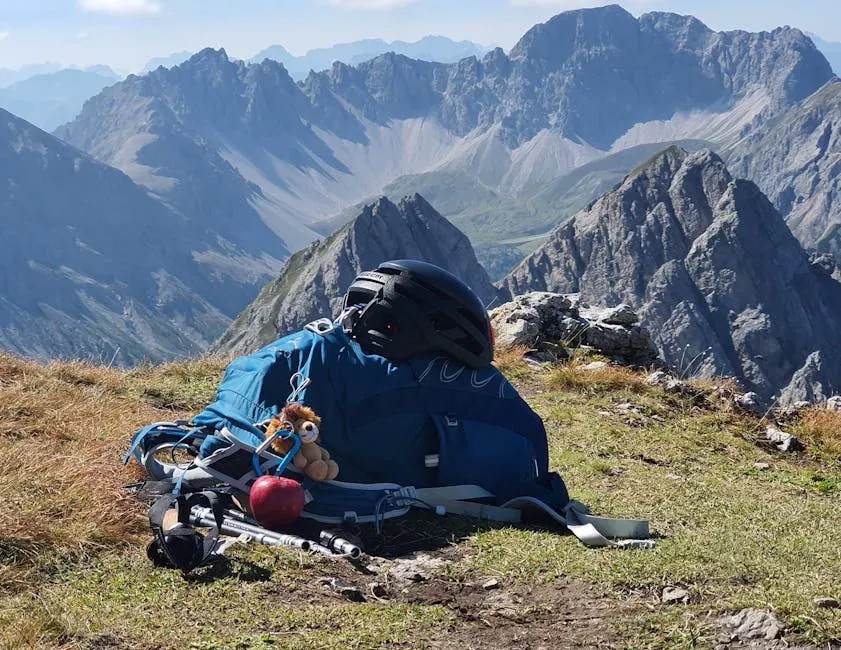
In several baffling disappearances, searchers eventually find something – but it only deepens the puzzle. Items of clothing, boots, backpacks, or gear are sometimes discovered far from the person’s last known location, in places that do not immediately make sense. A jacket might be neatly draped on a branch, shoes left side by side on the ground, or a pack stashed under a log with no sign of the owner nearby. To families and even investigators, these scenes can feel almost staged, as if someone or something arranged the items deliberately. The reality is probably messier, but the pattern is hard to ignore.
Some search-and-rescue experts suggest that this odd scattering can come from what is called paradoxical undressing in severe hypothermia, when a person becomes confused and removes clothing despite being dangerously cold. Others point out that animals may drag or relocate gear after the fact. However, when you hear story after story of missing people whose belongings show up in strangely organized clusters or in terrain they were not expected to reach, it is easy to see why speculation blooms. My own take is that these details reveal how alien the edge of survival really is; under extreme stress, cold, and fear, humans sometimes behave in ways that make no sense to the warm and comfortable version of ourselves reading about it later.
10. The Massive Search That Finds Almost Nothing
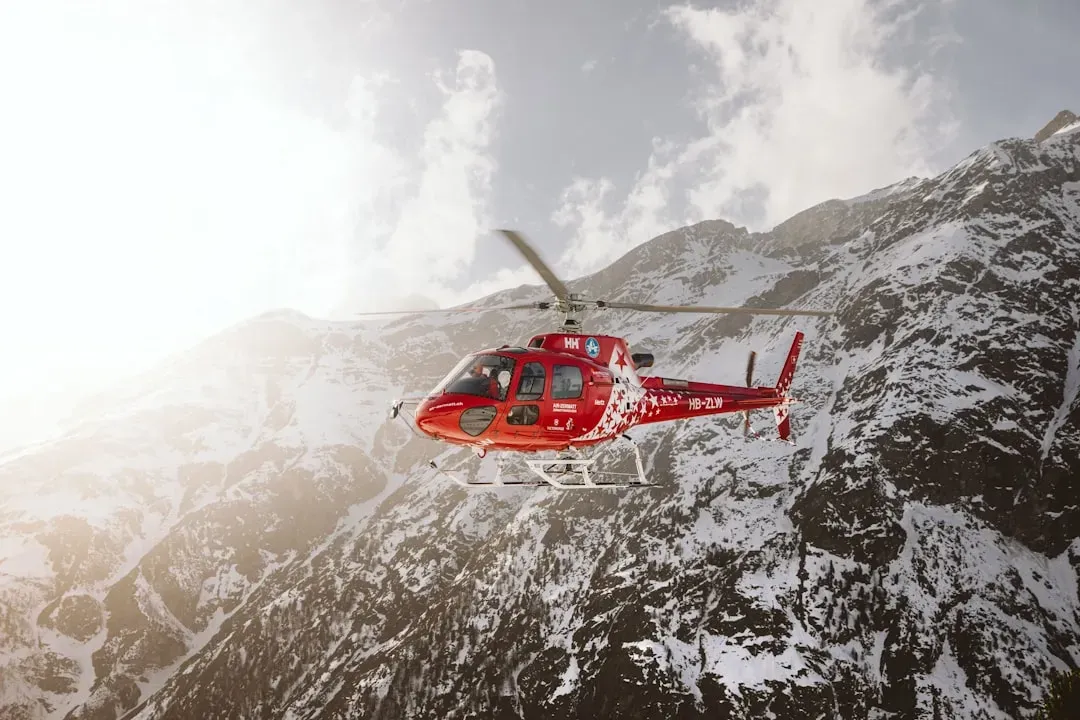
Perhaps the strongest common thread across many national park vanishings is the sheer scale of the search compared with the tiny amount of evidence recovered. We are not talking about a couple of rangers walking a trail once. In high-profile cases, there are helicopters, dog teams, infrared cameras, drones, mounted units, volunteers combing drainages, experts studying maps and terrain models – all covering the same square miles repeatedly for days or even weeks. Yet in a surprising number of instances, they find almost nothing concrete: maybe a footprint that cannot be confirmed, a faint scent trail that stops abruptly, or that single piece of gear lying alone in the dirt.
To an outsider, this can make the disappearances feel almost impossible, as if someone or something plucked the missing person off the map. But when you listen to seasoned rescuers, a different kind of pattern emerges. They talk about how dense vegetation can hide a body a few feet from a path, how complex drainages create blind spots, and how quickly decomposition and scavengers erase traces. The unsettling part is that both things can be true at once: the searches are huge and sincere, and the land is still bigger, older, and better at keeping its secrets. That imbalance between human effort and nature’s indifference is, I think, at the heart of why these cases grip our imaginations so much.
11. The Coroner’s Report That Raises More Questions Than Answers
In a subset of these cases, remains are eventually found – sometimes months or years later – only for the official conclusions to feel frustratingly vague or inconsistent with what laypeople expect. A coroner might list exposure, drowning, or undetermined causes, with little forensic detail to satisfy families who have spent years living with uncertainty. Occasionally, bones are discovered in places that were supposedly searched earlier, or in terrain that seems implausible for the missing person’s condition, age, or known abilities. Each of these details adds another layer of confusion and fuels the sense that something is off.
From a scientific standpoint, though, it is important to admit how incomplete the story often is by the time a body is recovered. Weather, scavengers, time, and initial gaps in information all chip away at what investigators can realistically learn. The eerily similar outcome – an official answer that feels emotionally unsatisfying – does not automatically point to a cover-up or a hidden threat. It might just highlight how limited forensic reconstruction is when nature has been working on the evidence for a long time. Still, I understand why families and the public latch onto the gaps; when your loved one simply vanished in a national park, “we cannot say for sure” does not feel like an answer at all.
12. The Pattern We See – and the Ones We Invent
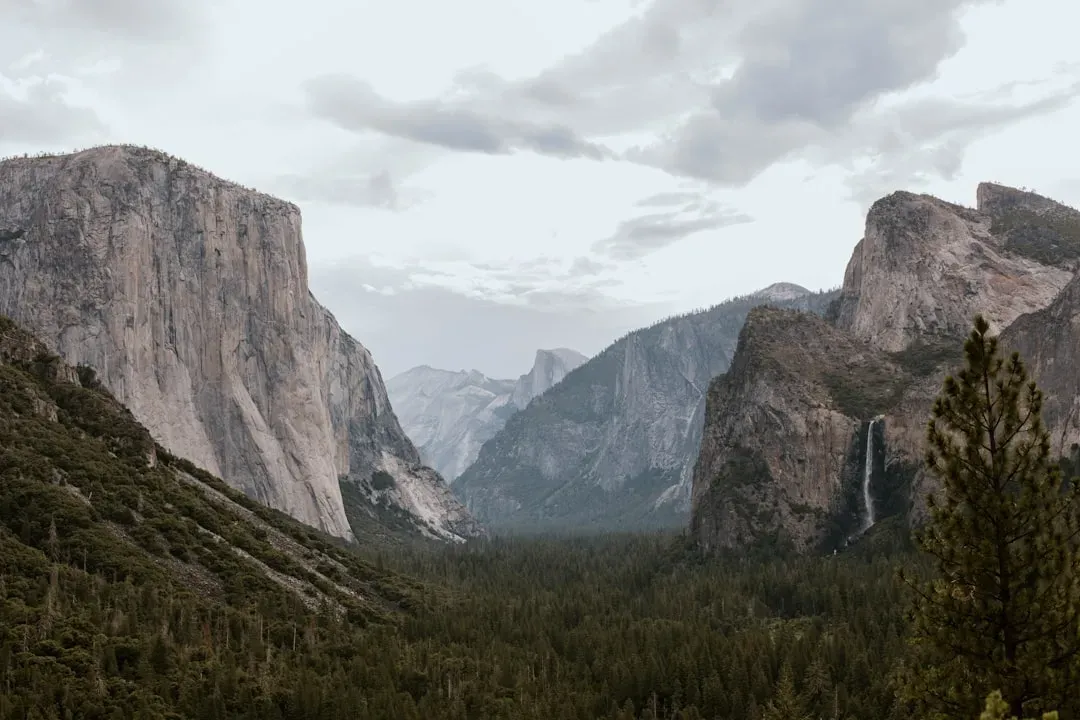
When you stack these stories together – the solo day-hiker gone silent, the camper stepping out for a minute, the child who slipped from view, the gear found in strange places – it is hard not to feel that something deep and unnerving is repeating itself. Same kind of landscapes, same vulnerable moments, same unsatisfying lack of resolution. It is tempting to reach for a single grand explanation, whether that is a hidden predator, human foul play, or something stranger. The human brain is wired to find patterns, and nowhere is that more obvious than in how we talk about national park mysteries. The repetition becomes its own kind of ghost, haunting every new headline.
But there is another layer of pattern here that we often ignore: our own storytelling habits. We smooth out the messy edges of real cases, downplay the bad decisions, amplify the eerie coincidences, and string only the most dramatic examples together. The truth is probably a mix of very ordinary dangers – falls, hypothermia, disorientation, water hazards – playing out in very unforgiving landscapes, made more mysterious by time delays, incomplete data, and our need for clean narratives. My opinionated take is this: the scariest “force” in these stories is not something supernatural hiding in the trees, but the combined power of wild terrain and very human vulnerability, which together can erase a life so thoroughly it feels like a magic trick gone wrong.
Conclusion: The Real Mystery Behind the Vanishings
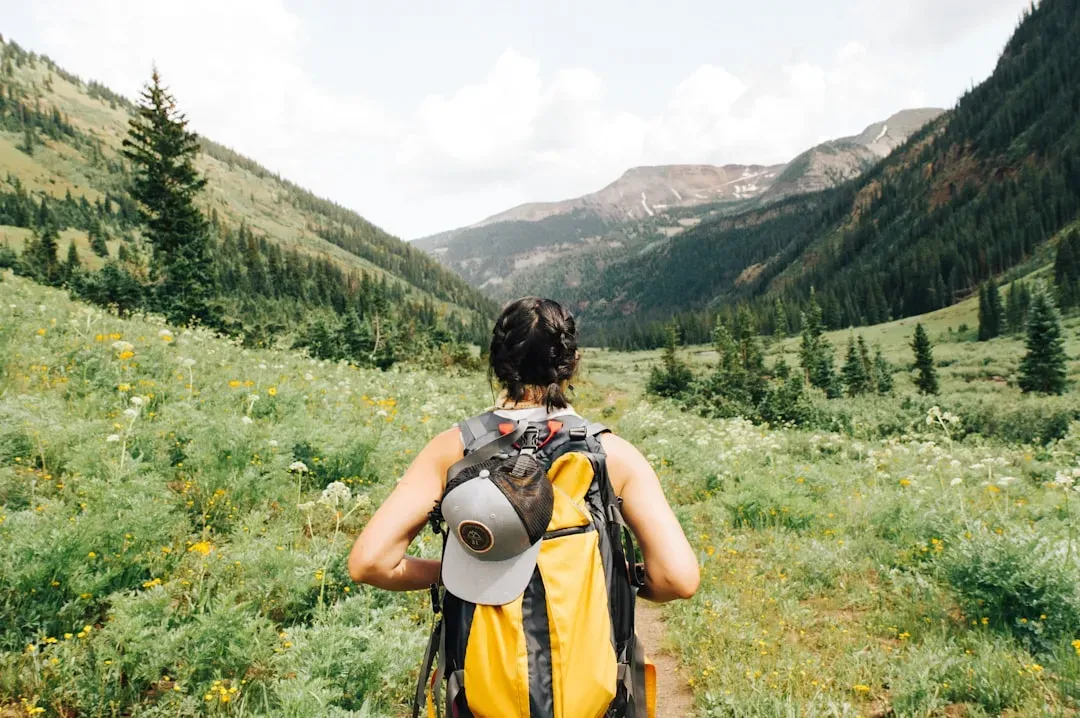
When people say there is a pattern nobody can explain, they are not entirely wrong – there really is something deeply unsettling about how similar many of these disappearances look from a distance. The lone hiker, the quick step away from camp, the sudden weather shift, the useless phone, the massive search that turns up next to nothing: it all plays like the same dark story told with different names and different trailheads. But if we cut through the fog of sensationalism, what remains is less a single unsolved riddle and more a blunt reminder of how easily normal moments can tip into catastrophe in wild places. National parks are not theme parks; they are pieces of raw planet where the margin for error is brutally thin.
Personally, I think the real danger is that we keep looking for a mysterious external pattern and ignore the ones we can actually change. Overconfidence, poor preparation, reliance on technology without backups, splitting from groups, treating short walks as harmless – these are the habits that show up across case after case, and they are the ones within our power to fix. That might not be as thrilling as imagining a hidden menace in the woods, but it is far more useful and, in its own way, more sobering. The next time you step onto a trail, maybe the question to ask is not what secret pattern is out there in the dark, but which patterns in your own choices could quietly decide whether you make it back to the car. Did you expect the scariest unknown in this story to be us?