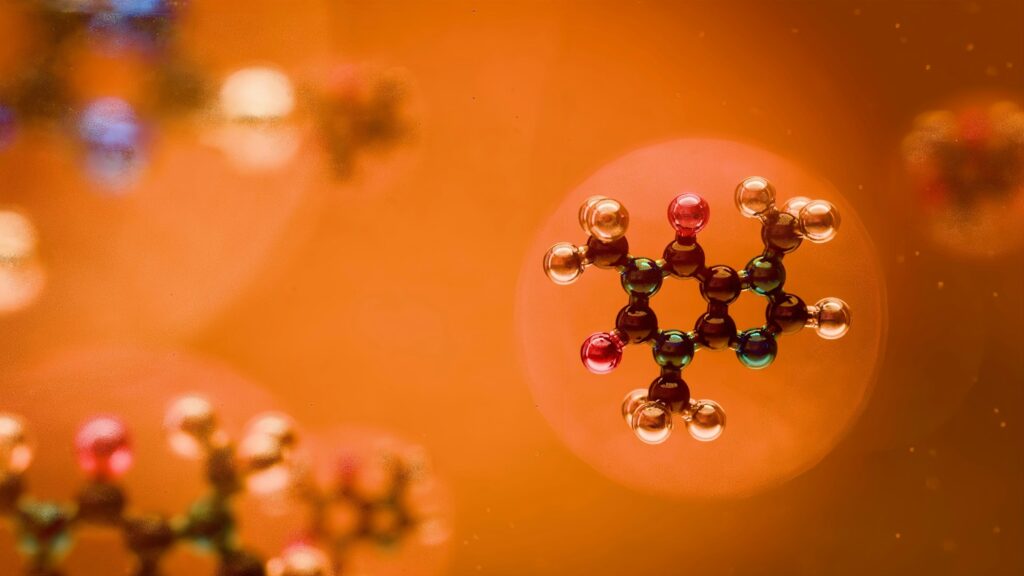
Most people assume a material is a material – gold is gold, whether it’s sitting on a wedding finger or floating as a speck of dust. That assumption is completely wrong, and materials scientists have known it for decades without the rest of us ever getting the memo. Shrink almost anything down far enough, and the rules of physics start bending in ways that would make a chemistry professor do a double take. Colors flip. Melting points crash. Solids start acting like liquids, and liquids start clinging to surfaces like glue.
The principles of physics, as far as I can see, do not speak against the possibility of maneuvering things atom by atom.
Richard Feynman, “There’s Plenty of Room at the Bottom,” 1959
Scientists have spent decades mapping exactly where these transformations happen, and the findings are stranger than fiction – a metal that changes color, a magnet that forgets how to stay magnetic, a glass that bends like rubber instead of shattering. Here’s what actually happens to twelve familiar materials once they cross into a size range nobody can truly picture, and why it matters more than most people realize.
#1 – Gold Turns Red, Purple, and Even Green Before It’s Ever Melted

Bulk gold is unmistakably yellow, dense, and famously unreactive – it’s why it’s been used in jewelry for thousands of years. Shrink it down to nanoparticles just a few dozen atoms wide, though, and gold stops looking like gold entirely.
At sizes below 100 nanometers, gold particles can appear red, purple, or blue-green depending on their exact diameter, a phenomenon tied to how their electrons collectively vibrate when hit by light – something scientists call surface plasmon resonance. Medieval stained-glass makers accidentally exploited this effect centuries before anyone understood it, using gold chloride to tint church windows a deep ruby red.
The chemistry shifts just as dramatically. Bulk gold barely reacts with anything, but gold nanoparticles become surprisingly good catalysts, speeding up reactions that bulk gold would never touch. Researchers have even used gold nanoparticles to catalyze carbon monoxide oxidation at room temperature, something the metal’s bulk form simply cannot do.
Fast Facts
- Bulk gold: yellow, dense, and chemically inert
- Nano gold (under 100nm): shifts to red, purple, or blue-green
- Medieval glassmakers used gold chloride for ruby-red church windows
- Nano gold catalyzes reactions bulk gold can’t touch, even at room temperature
#2 – Carbon Goes From Pencil Lead to Stronger-Than-Steel in a Single Layer
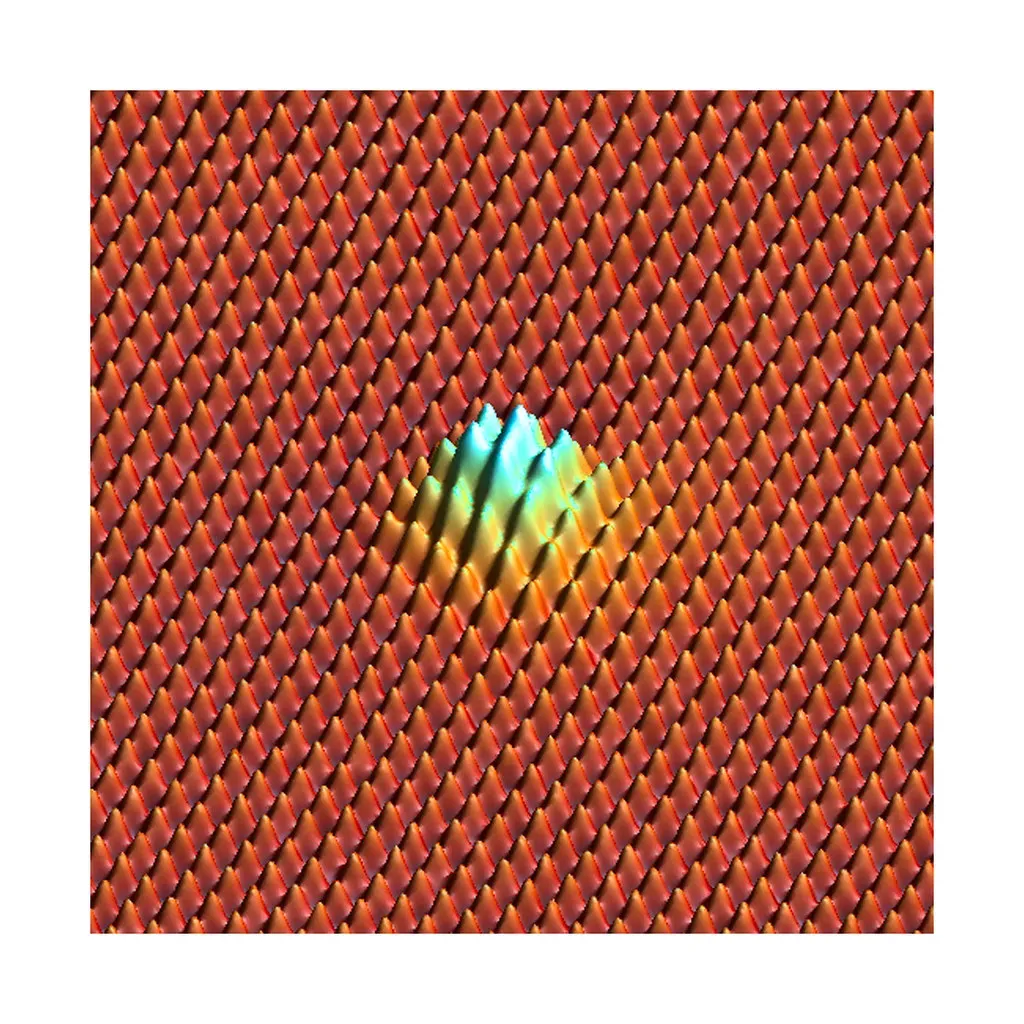
Carbon is the ultimate shape-shifter. As graphite, it’s soft enough to write with. As diamond, it’s the hardest natural material on Earth. But peel graphite down to a single atomic layer, and you get graphene – a substance with properties that seem to break the laws of ordinary materials science.
Graphene is roughly 200 times stronger than steel by weight, yet it’s so thin that a sheet covering a football field would weigh less than a single gram. It also conducts electricity and heat better than copper, something that seemed almost implausible when it was first isolated in 2004.
Roll that same single layer into a tube instead of a flat sheet, and you get carbon nanotubes – structures that can be simultaneously flexible and immensely strong depending on how the carbon atoms are arranged around the tube’s circumference. Key differences at this scale include:
- Extreme tensile strength with almost no added weight
- Electrical conductivity that shifts from metallic to semiconducting based on tube geometry
- Thermal conductivity higher than any known bulk material
None of this shows up in ordinary charcoal or pencil graphite. It only emerges once carbon is arranged atom-by-atom.
#3 – Silicon Chips Away at Its Own Rules Once It Gets Small Enough
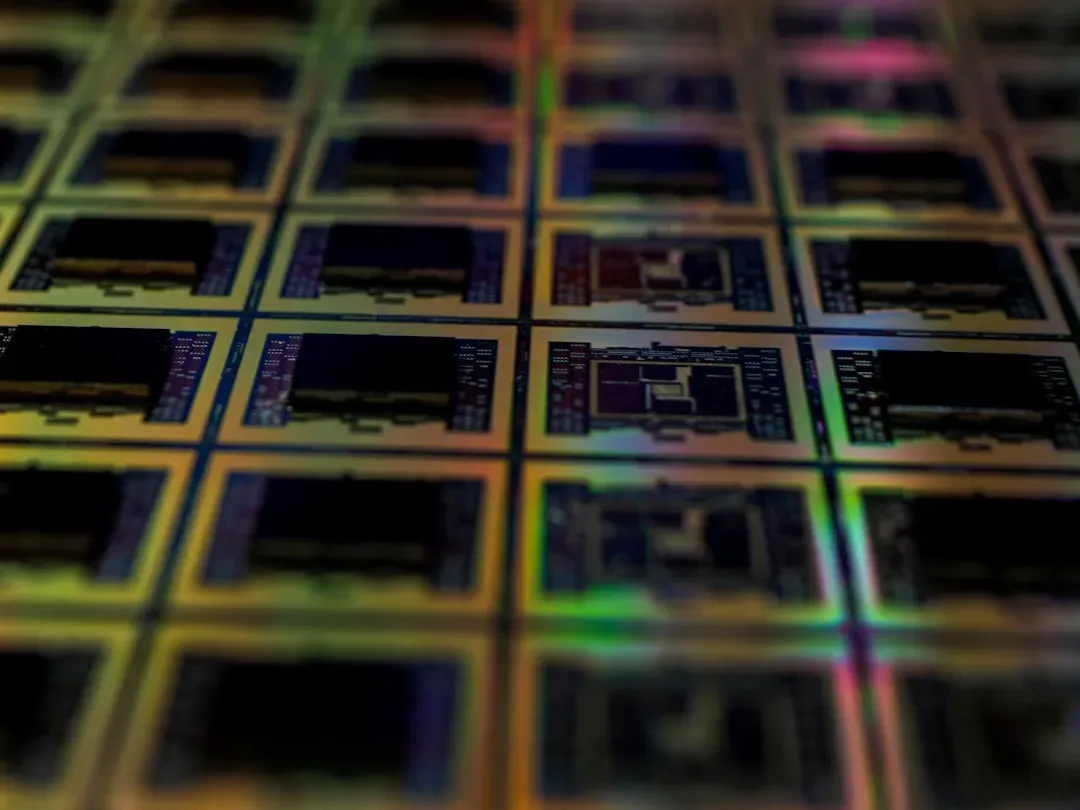
Silicon is the backbone of the entire electronics industry, and for decades, engineers assumed shrinking silicon components would always behave predictably – smaller circuits, faster chips, same physics. That assumption started cracking once silicon structures dropped below 10 nanometers.
At that scale, silicon stops acting like a simple semiconductor and starts exhibiting quantum confinement effects. Electrons in silicon nanocrystals get trapped in such a tiny space that their energy levels become quantized, causing the material to emit visible light – something bulk silicon, an indirect bandgap semiconductor, essentially cannot do.
This is a big deal because silicon has historically been a poor light emitter compared to materials like gallium arsenide. Silicon quantum dots change that equation entirely, opening doors for silicon-based LEDs and biological imaging tags that wouldn’t have been possible using bulk silicon wafers.
Chipmakers have also run into a less glamorous version of this problem: as transistor features shrink toward the atomic scale, quantum tunneling causes electrons to leak through barriers that would have safely contained them at larger sizes. It’s a major reason why chip manufacturers have had to redesign transistor architecture entirely rather than simply keep shrinking old designs.
#4 – Silver Becomes a Bacteria-Killing Machine Only After It Shrinks
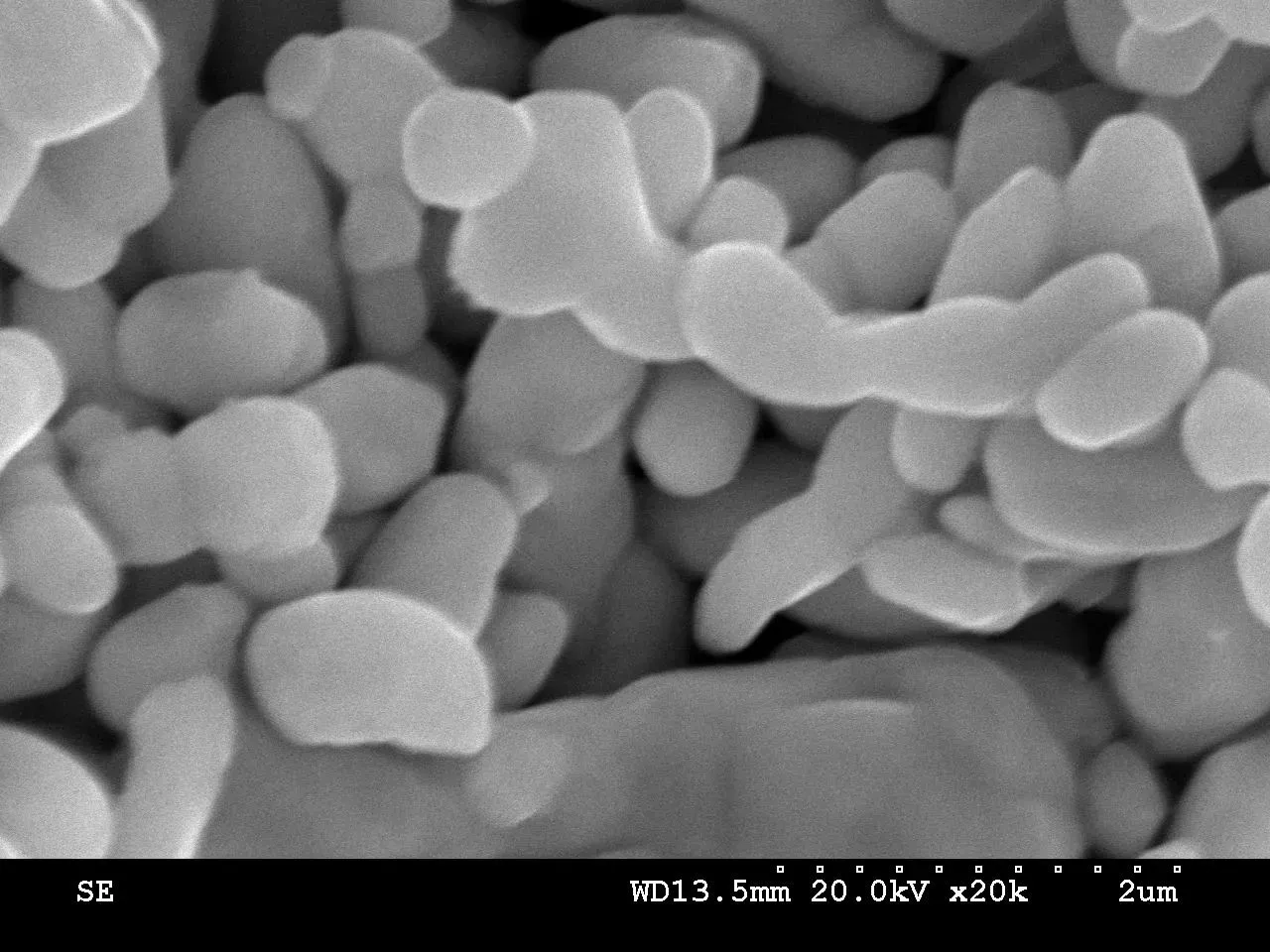
Silver has been prized for centuries as an antimicrobial material, with ancient civilizations storing water and food in silver vessels. But bulk silver’s antimicrobial power is actually fairly mild. The real punch comes from silver nanoparticles, which behave almost like a different substance entirely.
Nanoscale silver particles release silver ions far more efficiently than bulk silver because of their enormous surface-area-to-volume ratio, allowing them to disrupt bacterial cell membranes and interfere with microbial DNA in ways bulk silver simply can’t manage at the same concentration.
This is why silver nanoparticles have become common in wound dressings, water filtration systems, and even odor-resistant clothing. A chunk of silver jewelry offers essentially no meaningful antimicrobial benefit against everyday exposure, but the same mass of silver broken into nanoparticles can measurably suppress bacterial growth.
There’s a controversial edge here worth mentioning: some environmental researchers argue that widespread nanoparticle silver use in consumer products is outpacing our understanding of long-term ecological effects, since these particles behave so differently from the inert bulk metal once released into water systems.
Quick Compare
- Bulk silver jewelry: mild, barely-there antimicrobial effect
- Nano silver: efficiently releases ions that disrupt bacteria
- Common uses: wound dressings, water filters, odor-resistant fabric
- Open question: long-term ecological impact once released into water
#5 – Water Refuses to Freeze Normally Once It’s Squeezed Into Nanoscale Spaces
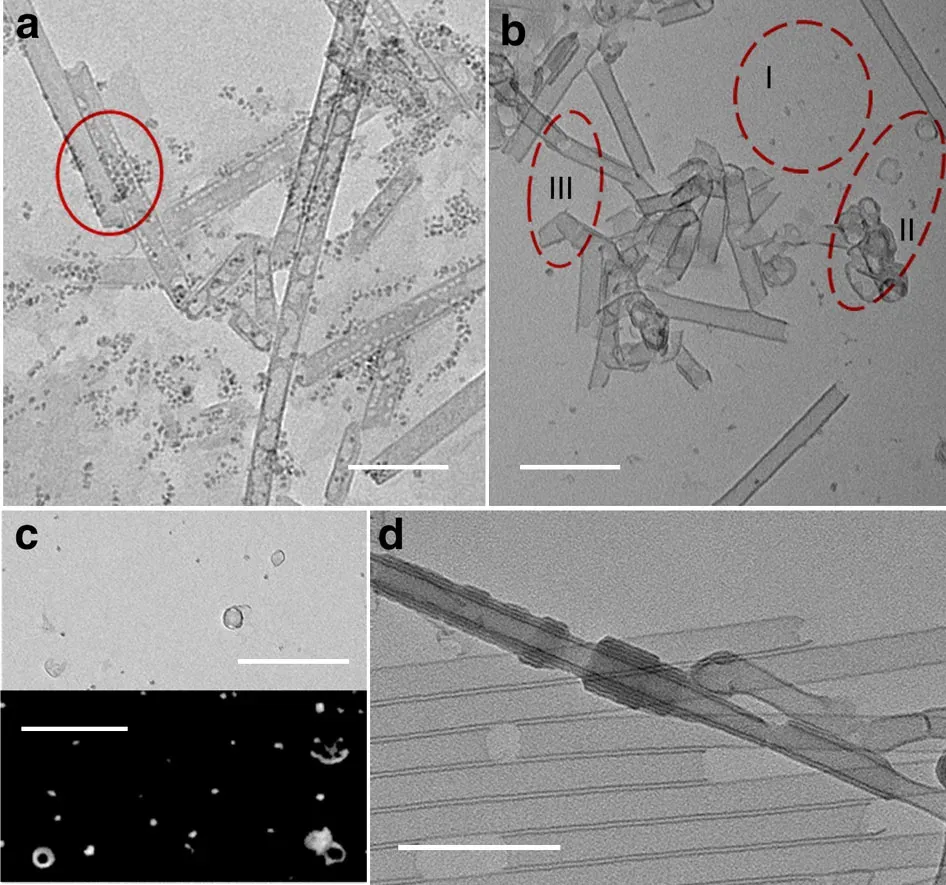
Water seems like the most predictable substance on the planet – it freezes at zero degrees Celsius, boils at one hundred, end of story. Except that’s only true in bulk. Confine water into nanoscale channels or pores, and its entire personality changes.
Water trapped inside carbon nanotubes or nanoscale pores can remain liquid at temperatures far below freezing, sometimes staying fluid at temperatures that would turn open water into solid ice within seconds. Researchers studying water confined in silica nanopores have documented freezing point depressions of tens of degrees compared to bulk water.
The reverse effect also shows up: in some nanoscale confinements, water molecules arrange into ordered, almost solid-like structures at temperatures where it should still be flowing freely as a liquid. This matters enormously for biology, since much of the water inside living cells exists in nanoscale spaces around proteins and membranes rather than as bulk fluid.
It’s one of the more unsettling reminders that “water” as we understand it in a glass or a lake is only one version of how that molecule can behave.
#6 – Iron Loses Its Magnetism the Smaller It Gets
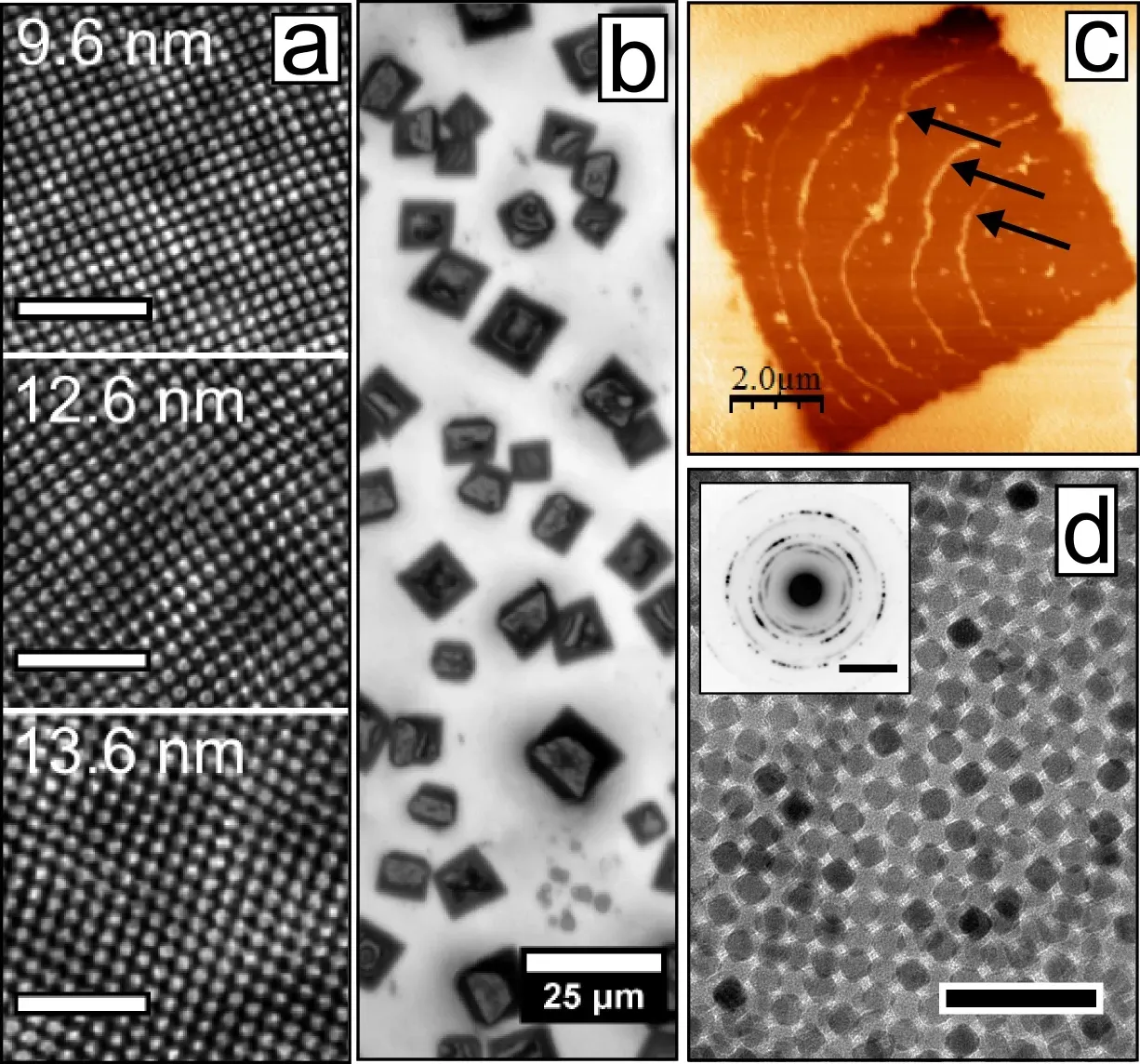
Iron is the poster child for magnetism – refrigerator magnets, compasses, and industrial motors all rely on its ability to hold a magnetic field. But shrink iron down far enough, and something counterintuitive happens: individual iron nanoparticles below roughly 10–20 nanometers can lose stable, permanent magnetism entirely, flipping their magnetic orientation randomly due to thermal energy, a phenomenon called superparamagnetism.
At bulk scale, iron atoms organize into magnetic domains that lock together and resist being flipped by outside heat. Once particles shrink small enough to contain just a single domain, though, there’s nothing to anchor that magnetic direction, and thermal fluctuations start flipping it on their own.
Worth Knowing
- Bulk iron: locked magnetic domains, stable and permanent
- Below ~10-20nm: single-domain particles flip direction randomly
- Medical use: MRI contrast agents rely on this instability
- No leftover magnetism once the external field is removed
This isn’t just a lab curiosity. Superparamagnetic iron oxide nanoparticles are now used in medical MRI contrast agents and experimental cancer treatments, specifically because they can be magnetically guided through the body but won’t retain a permanent magnetic charge that could cause clumping once the external magnetic field is removed.
It’s a strange twist: the same element responsible for permanent magnets in industrial machinery becomes magnetically unstable once you go small enough.
#7 – Copper Gets Dramatically Stronger When Its Grains Shrink
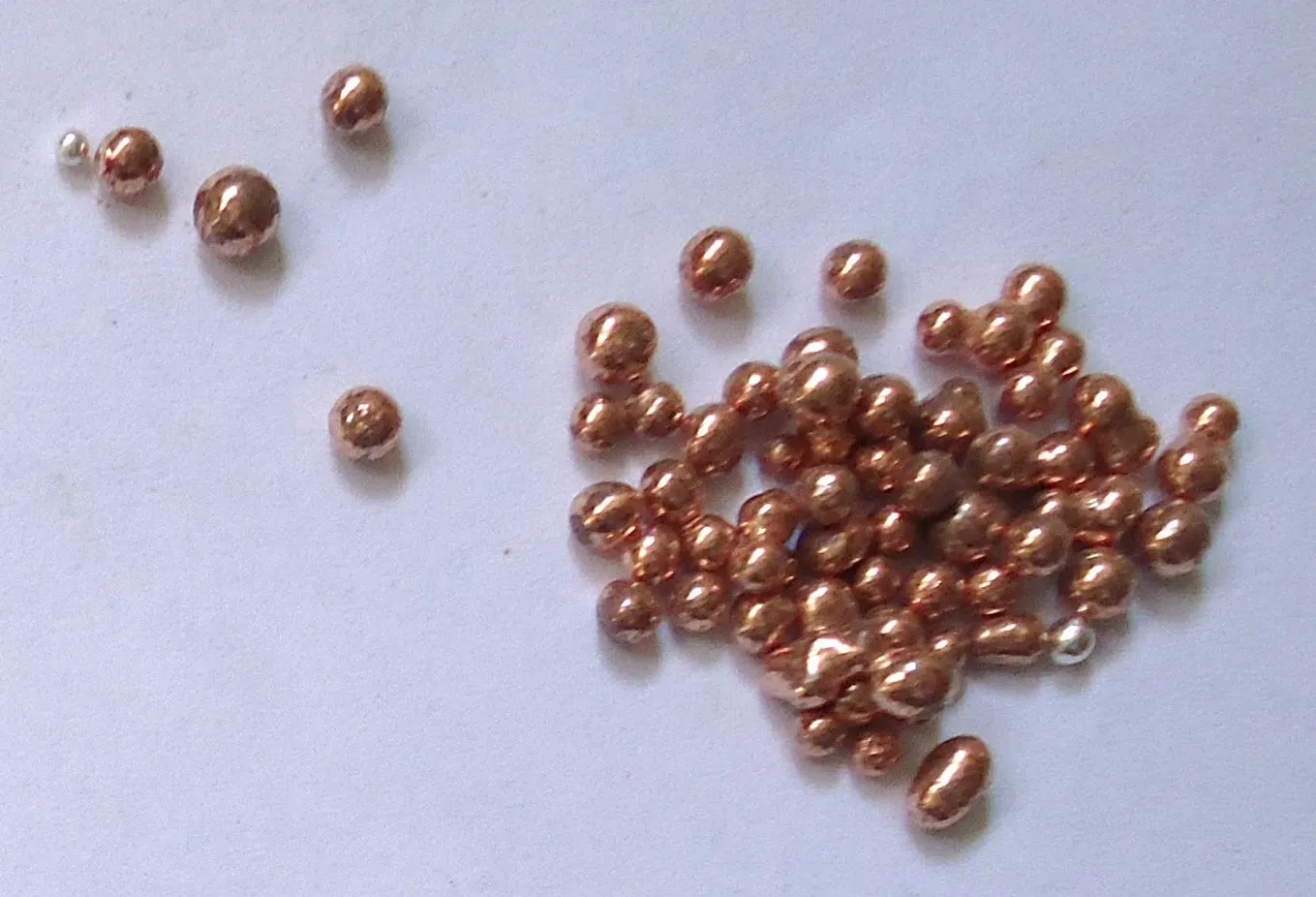
Copper wiring is soft, ductile, and easy to bend – qualities that make it great for electrical applications but poor for structural ones. Yet copper’s strength isn’t fixed; it depends heavily on the size of its internal crystal grains, and this relationship gets extreme at the nanoscale.
Reducing copper’s grain size down to the nanocrystalline range, often below 100 nanometers, can boost its yield strength by several times compared to standard coarse-grained copper, following what’s known as the Hall-Petch relationship, where smaller grains block dislocation movement more effectively.
But there’s a twist that surprised materials scientists: push grain size down even further, into the range of just a few nanometers, and copper can actually start getting weaker again, a reversal known as the inverse Hall-Petch effect. At that scale, grain boundaries become so dominant that they start sliding past each other instead of blocking deformation.
This means copper’s strength doesn’t scale in one predictable direction – it rises, peaks, and then can fall again, all within the nanoscale range most people have never even considered.
#8 – Titanium Dioxide Becomes Invisible and Self-Cleaning at Nanoscale
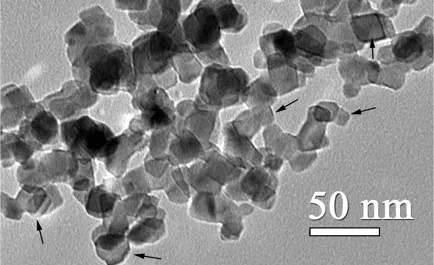
Titanium dioxide in its bulk, powdered form is the reason most white paint, toothpaste, and sunscreen look opaque white – it’s one of the most effective white pigments known. Break it down into nanoparticles, though, and it becomes transparent to visible light while still blocking UV radiation.
This is precisely why modern sunscreens can protect against UV rays without leaving the chalky white residue that older sunscreen formulas were known for – nanoscale titanium dioxide particles are small enough to scatter visible light far less while still absorbing harmful UV wavelengths.
Nanoscale titanium dioxide also develops a photocatalytic self-cleaning property that bulk titanium dioxide doesn’t meaningfully exhibit. When exposed to UV light, it can break down organic grime and even some bacteria on treated surfaces, which is why it’s been incorporated into self-cleaning glass and building coatings in several countries.
Bulk titanium dioxide, by comparison, just sits there as a bright white pigment with none of these active properties.
#9 – Diamond Isn’t Always the Hardest Version of Carbon Anymore
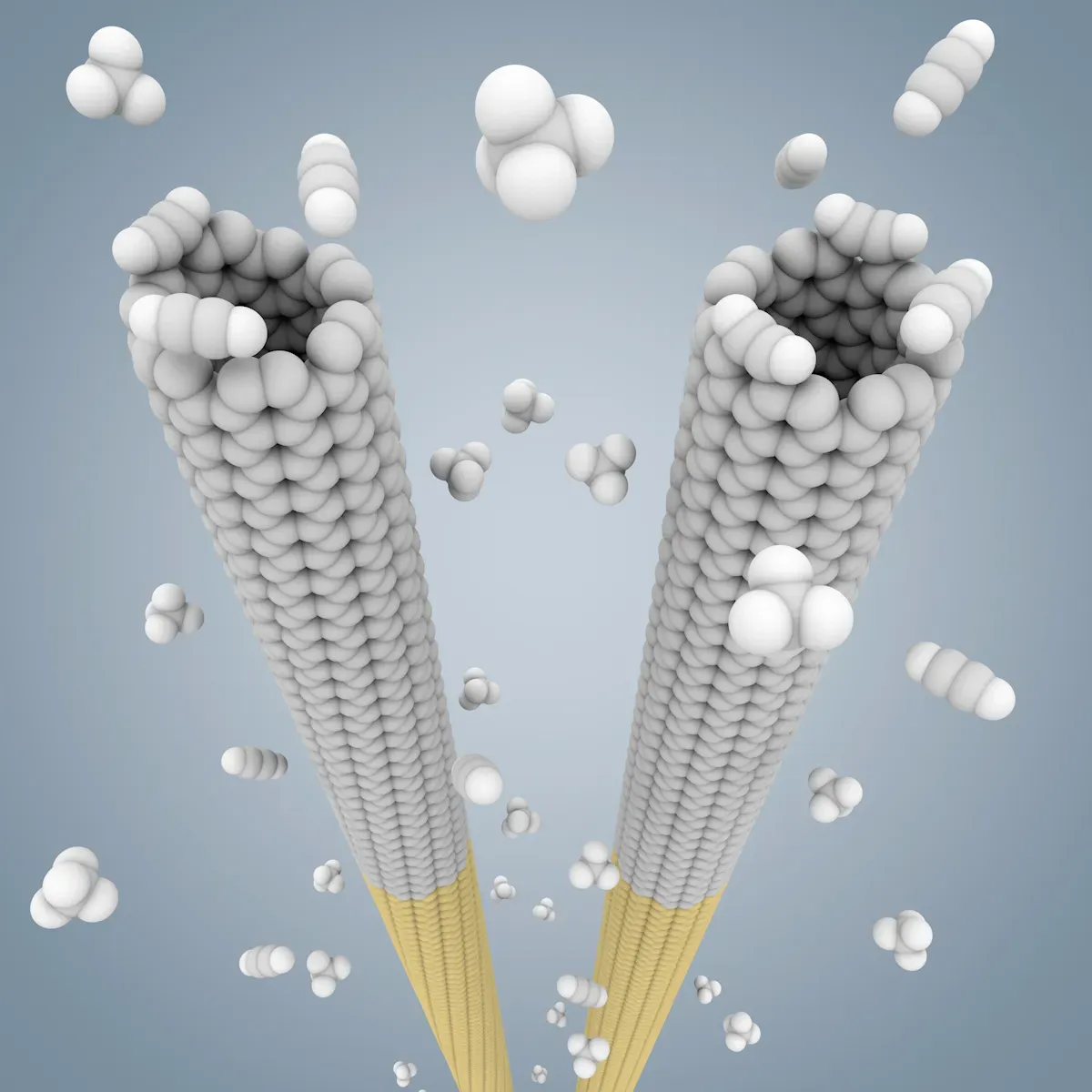
Diamond has long held the title of hardest known natural material, prized specifically for its rigid, tightly bonded carbon lattice. That reputation gets complicated once researchers start working at the nanoscale, because certain carbon nanostructures have been shown to rival or, under specific laboratory conditions, exceed diamond’s hardness.
Certain nanoscale carbon structures, including compressed forms of carbon nanotubes and specially arranged nanocrystalline diamond aggregates, have demonstrated hardness values matching or surpassing conventional diamond under controlled testing conditions, challenging assumptions that stood for over a century.
This is a genuinely controversial area among materials scientists – some argue these findings are highly dependent on measurement technique and don’t reflect a true material advantage over diamond in practical applications. Others insist it proves diamond’s crown as “hardest material” was always more about scale of testing than fundamental atomic superiority.
Either way, it’s forced a rethink of how confidently we can label any bulk material the definitive “hardest” substance, once nanoscale engineering enters the picture.
#10 – Ice Behaves Completely Differently Depending on Whether It’s a Glacier or a Nanocrystal
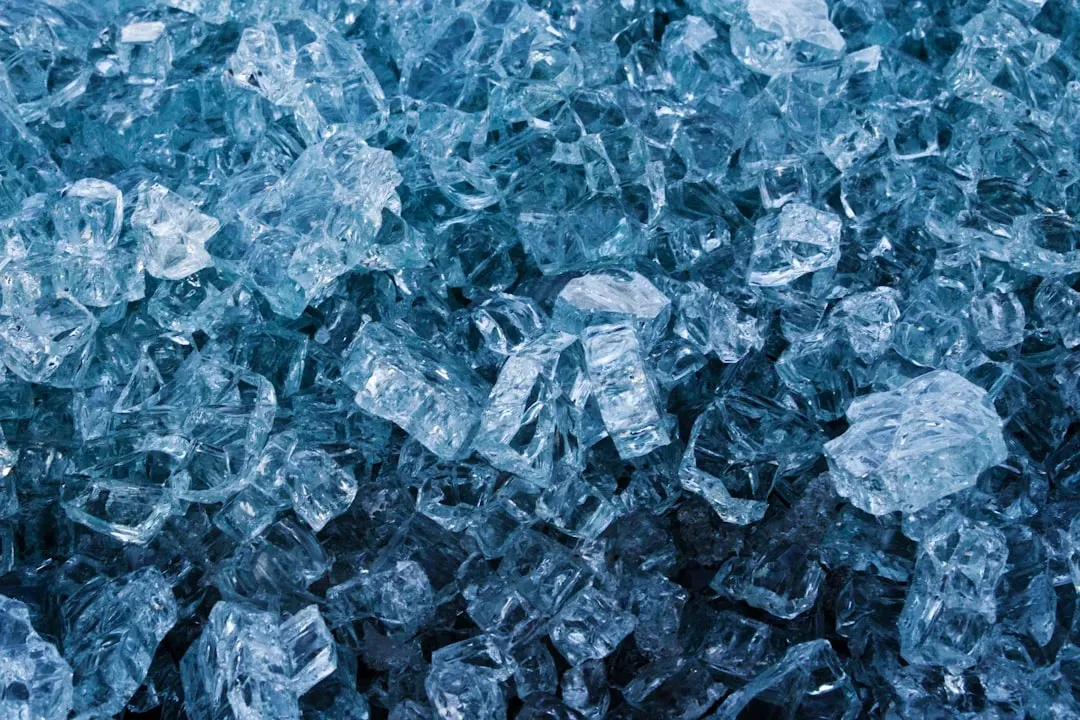
Ice at glacier scale flows slowly downhill under its own weight, a process geologists have studied for centuries. Ice at the nanoscale, however, behaves almost like an entirely different substance, with mechanical and structural properties that don’t map cleanly onto the ice we’re used to seeing.
Nanoscale ice crystals can exhibit surface layers that behave like a quasi-liquid even well below freezing temperatures, a property scientists call surface premelting, which affects everything from how snowflakes form to how ice grips (or doesn’t grip) surfaces at extremely cold temperatures.
This has direct real-world consequences. Understanding nanoscale ice surface behavior has become important for aviation safety research, since ice accumulation on aircraft wings depends heavily on these surface-level molecular properties rather than simply bulk freezing temperature.
At a Glance
- Glacier ice: flows slowly under its own weight over centuries
- Nanoscale ice: surface premelting creates a quasi-liquid layer below freezing
- Influences snowflake formation and how ice grips cold surfaces
- Relevant to aircraft wing icing and aviation safety research
It’s a reminder that even something as seemingly simple as frozen water hides an entirely different rulebook once you zoom in far enough.
#11 – Salt Crystals Reorganize Their Entire Structure at the Nanoscale
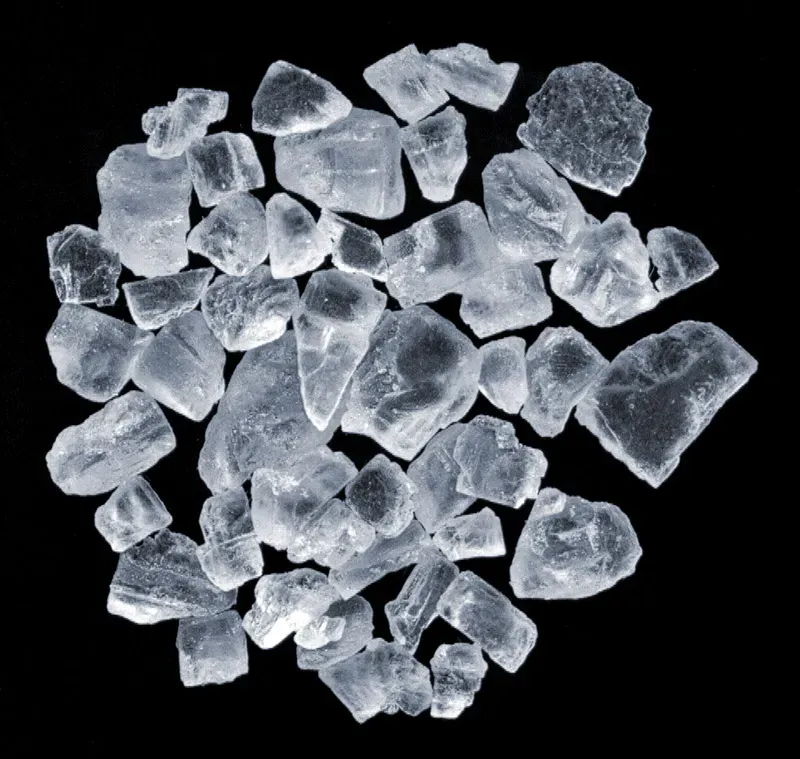
Ordinary table salt, sodium chloride, forms a predictable cubic crystal lattice at bulk scale – it’s one of the most well-understood crystal structures in all of chemistry. But nanoscale sodium chloride clusters don’t always follow that same cubic blueprint.
Extremely small sodium chloride clusters, sometimes just a few dozen atoms, have been observed adopting non-cubic structures entirely, including ring-like and cage-like arrangements that don’t exist anywhere in bulk salt crystals. This happens because, at such small sizes, surface energy considerations outweigh the bulk lattice energy that normally locks salt into its familiar cubic form.
This isn’t just theoretical chemistry trivia. Understanding how salt nanoclusters behave has implications for atmospheric science, since sea-spray-generated salt aerosols play a meaningful role in cloud formation, and their nanoscale structure affects how they interact with water vapor differently than bulk salt would predict.
It’s proof that even a substance most people consider chemically “finished” and fully understood still has surprises hiding at small enough scales.
#12 – Glass Stops Being Fragile and Starts Bending Like Rubber
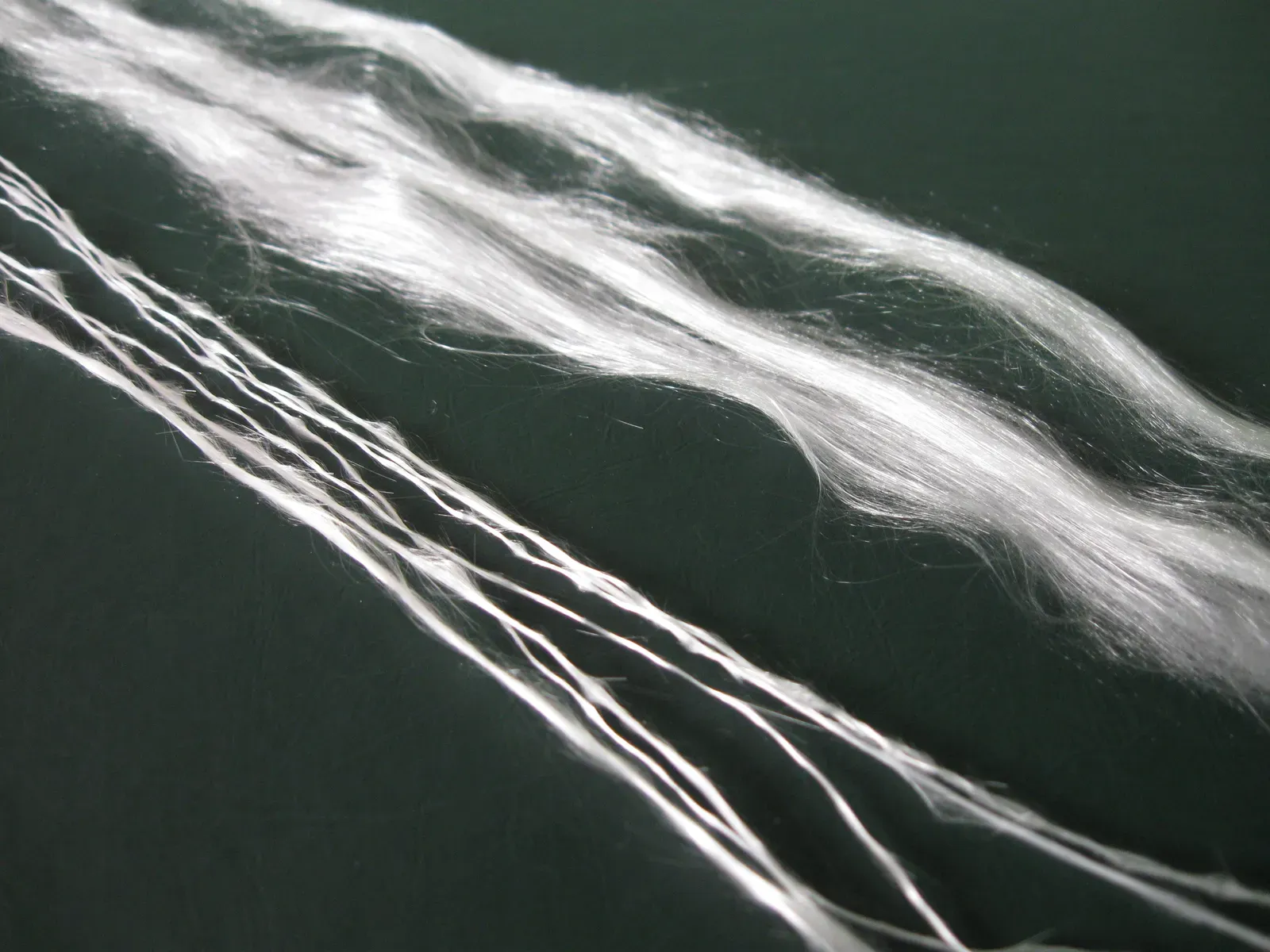
Bulk silica glass is famously brittle – drop a wine glass, and it shatters instantly because cracks propagate rapidly through its rigid molecular network. Nanoscale silica behaves in a way that seems to contradict everything we associate with glass.
Silica nanofibers and nanoscale glass structures have been shown to bend, twist, and even tie into knots without fracturing, a flexibility that would be physically impossible in bulk glass of the same material. This happens because nanoscale glass structures contain far fewer of the internal defects and microscopic flaws that typically initiate cracking in larger glass pieces.
Bulk glass shatters because a single flaw, invisible to the naked eye, concentrates enough stress to trigger catastrophic crack propagation across the entire object. Nanoscale glass fibers are often small enough that these flaws simply don’t have room to exist in the same way, allowing the material to flex elastically instead of snapping. In short:
- Fewer internal flaws means less opportunity for cracks to start
- Smaller cross-sections spread stress instead of concentrating it
- Elastic bending replaces sudden, catastrophic fracture
This has real applications in flexible optical fibers and next-generation sensors, where engineers are deliberately exploiting glass’s nanoscale flexibility rather than fighting its bulk-scale fragility.
The Bottom Line
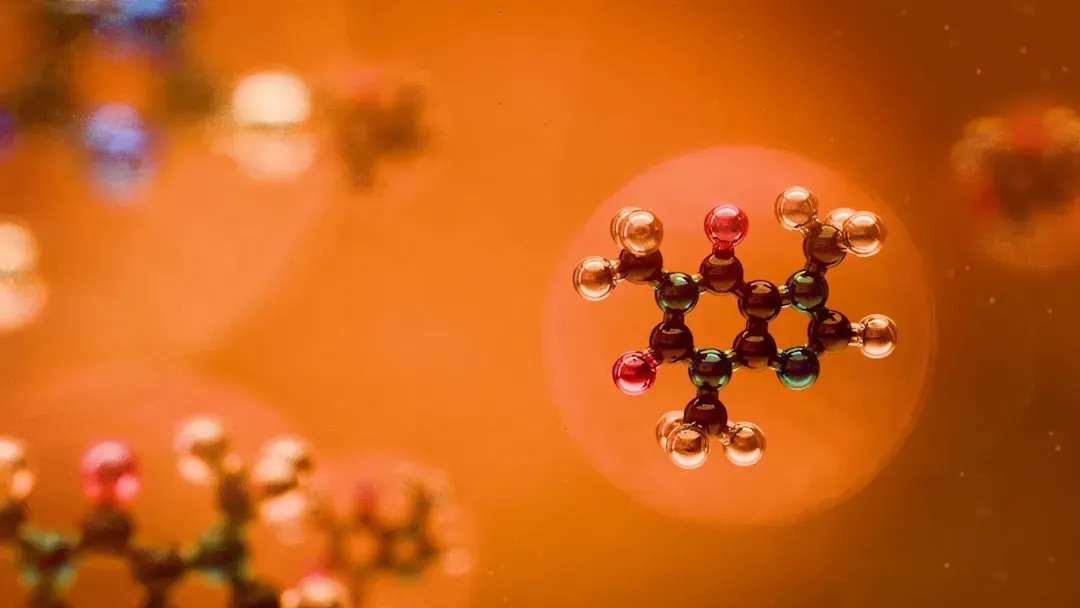
Scale isn’t just a measurement – it’s a completely different set of physical rules. Gold changes color, silver becomes a bacteria killer, iron forgets how to stay magnetized, and glass starts bending instead of shattering, all without changing a single atom’s chemical identity. The only thing that changed is size.
That should worry anyone who assumes lab-tested nanomaterials will behave exactly like their bulk counterparts in real-world products, because clearly, they often don’t. If you ask me, this is the most underrated story in science reporting right now – we’re surrounded by nanoscale materials in sunscreen, electronics, and medicine, and almost nobody realizes the rulebook changed the moment those materials got small enough to disappear from view.
Next time you rub on sunscreen or glance at a phone screen, remember: you’re not looking at the same substance chemistry taught you to expect. You’re looking at something physics quietly rewrote when nobody was watching.