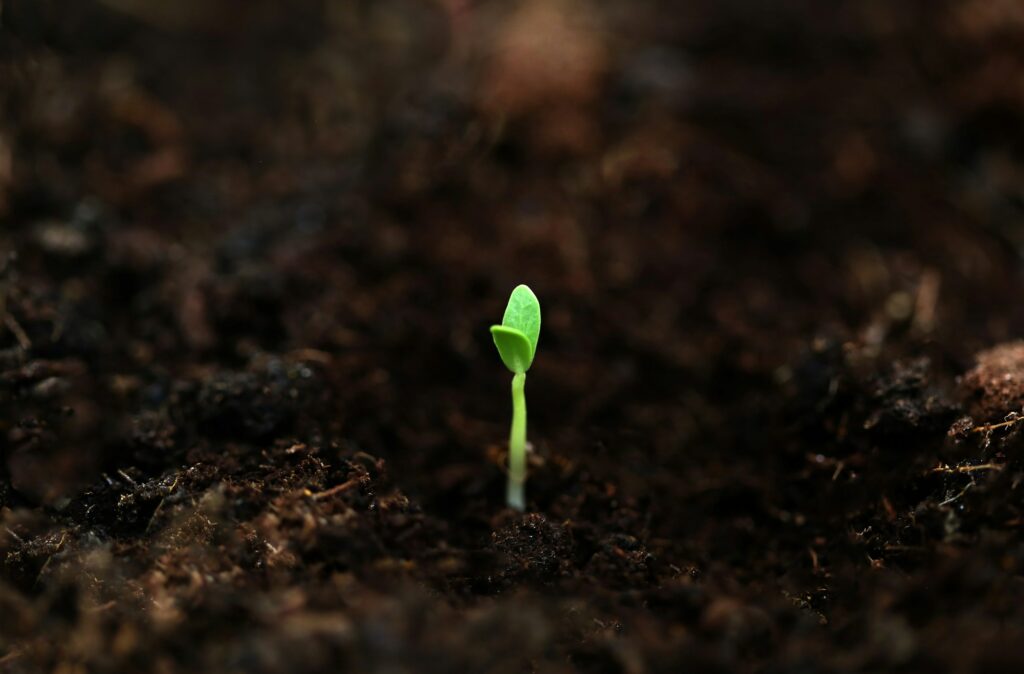
Most people assume a seed dies the moment its parent plant does. Bury it too deep, forget about it too long, and nature quietly cancels the deal. That assumption is completely wrong, and scientists have the seedlings to prove it.
Researchers have pulled dormant life out of squirrel burrows, ceremonial jewelry, desert fortresses, and dry lakebeds – places nobody expected to find anything alive at all. Some of these seeds were sealed away before written history existed in half the world, and they sprouted anyway. The dates involved sound less like botany and more like science fiction, and a few of the biggest headlines turned out to be wrong in ways almost nobody talks about. Here’s what actually happened when researchers started digging.
#11 – Hidden in the Walls: The Seeds Nobody Noticed for Two Centuries
Nobody expected to find living biology inside a wall.
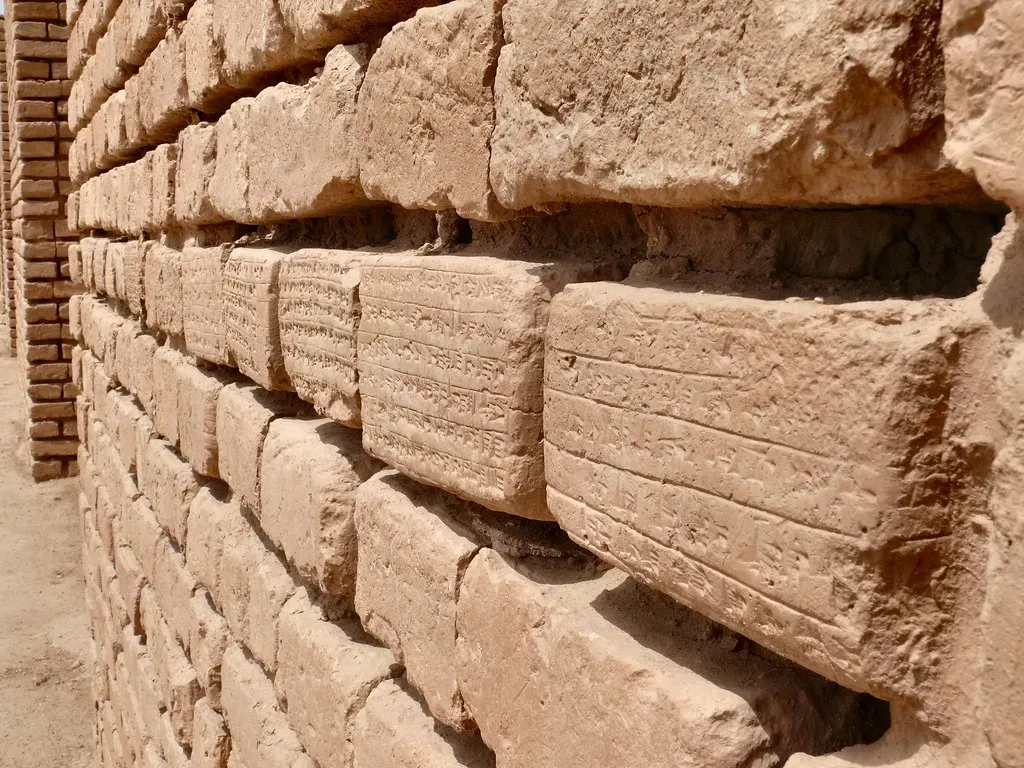
When researchers examined old adobe brick buildings across California and Northern Mexico, they weren’t hunting for seeds at all. They were studying construction materials. But buried inside that sun-dried mud, dormant seeds had been quietly waiting for over two centuries. Viability in seeds up to 211 years old was reported from seven species extracted from adobe brick buildings across the region.
That’s a seed older than most standing buildings in the United States, sealed inside literal dirt walls, still capable of growing. Adobe brick turns out to be a strange kind of time capsule. It’s dry, stable, and shielded from the temperature swings and moisture that normally wreck a seed’s internal machinery within a decade or two.
Most gardeners are told seeds are good for one or two growing seasons, maybe five if refrigerated. This finding quietly demolished that assumption decades ago, and most people still haven’t heard about it. And that’s still one of the tamer surprises on this list.
#10 – The “Boring” Seeds Sitting in Museum Drawers That Nobody Bothered to Test

Some of the most stunning longevity records didn’t come from dramatic archaeological digs. They came from seed banks and herbariums that most people walk past without a second thought.
Multiple independent research teams tested seeds pulled from historic botanical collections – the kind of dusty envelopes and paper packets stored in university basements for research purposes, not preservation records. There are documented reports of germination from diverse species dated between 90 and 144 years old.
Fast Facts
- Source: herbariums and university botanical collections, not sealed vaults
- Confirmed germination age range: 90 to 144 years old
- Storage was ordinary – paper packets and envelopes, no climate control
- No one set out to preserve these seeds long-term; they were simply forgotten
Nobody set out to break a longevity record with these seeds. They were just sitting there, forgotten, for over a century. That’s arguably the most quietly unsettling detail on this entire list: seed viability isn’t only about extreme conditions like frozen tundra or sealed tombs. Sometimes it’s just a paper envelope in a drawer.
Herbarium curators have started re-examining their own collections because of findings like this, wondering how many “dead” specimens on their shelves might actually still be alive. Compared to what’s coming next, a forgotten envelope sounds almost cozy.
#9 – Pulled From a Dead Man’s Rattle: The 600-Year-Old Seed
This one comes from a tomb, and it’s exactly as unsettling as it sounds.
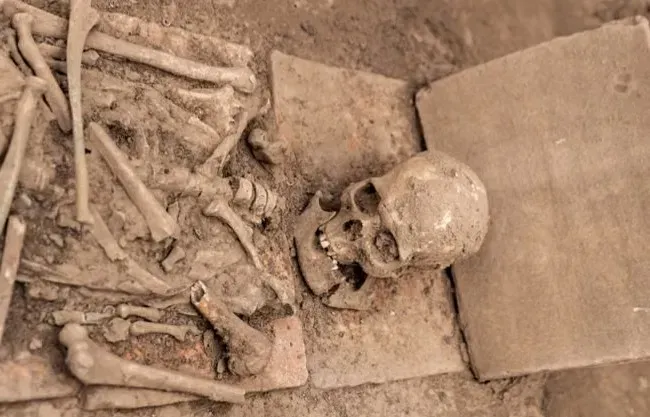
In Santa Rosa de Tastil, Argentina, archaeologists opened a burial site labeled tomb 92 and found a ceremonial rattle necklace. Tucked inside a walnut shell that formed part of that rattle was a single seed of Canna compacta, a flowering plant, enclosed in a Juglans australis nutshell.
Researchers didn’t just guess at its age. They ran carbon-14 dating on both the nutshell casing and a nearby trash heap to independently confirm the timeline, and those dates identified it as the oldest viable seed known at the time of the study.
A seed sealed inside a dead man’s jewelry for roughly six centuries, and it still had enough life left to sprout. The walnut shell acted like a natural vault, blocking moisture and oxygen exchange for hundreds of years while the seed inside sat in complete biological suspension. If you thought a rattle necklace was strange, wait until you hear about the squirrels.
#8 – The 10,000-Year-Old Seed That Fooled Science for Decades
This is the story everyone loves to repeat, and almost nobody knows how it actually ended.
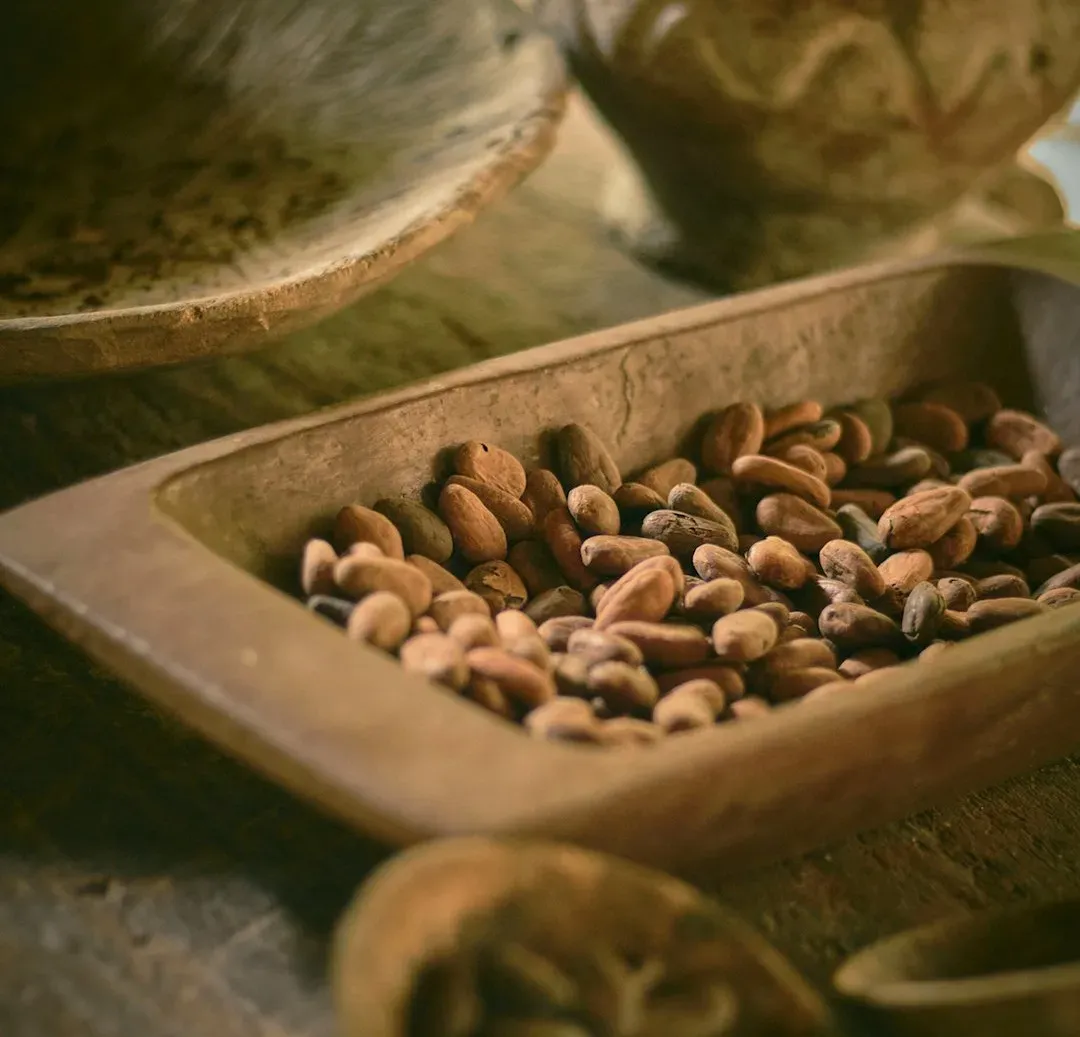
In the 1950s, researchers in the Yukon territory discovered ancient lemming burrows buried deep in permanently frozen silt. Inside those burrows were seeds of the arctic tundra lupine, Lupinus arcticus, estimated at over 10,000 years old. They reportedly germinated in the lab and grew into normal, healthy plants. The story exploded into headlines and textbooks. A 10,000-year-old Ice Age seed, sprouting on command in under 48 hours, sounded almost too perfect.
That’s because it partly was. Later researchers questioned the dating method itself, since the seeds’ age had been estimated indirectly through surrounding soil layers rather than dated directly. The botanist Godwin publicly questioned the dating of the Lupinus arcticus seeds because of that indirect method. Subsequent radiocarbon testing on the actual plant tissue suggested contamination from modern seeds may have skewed the entire story.
Worth Knowing
- The original age estimate came from surrounding soil layers, not the seed itself
- Godwin was among the first scientists to publicly challenge the dating
- Direct radiocarbon testing on the tissue pointed to possible modern contamination
- It remains one of the most widely repeated corrections in seed science history
Most people still repeat this “fact” as gospel, but many botanists now consider it one of the most famous overturned claims in seed science. That correction never makes it into the viral posts. The real record, as it turns out, is still impressive – just not the one everyone thinks they know.
#7 – The 1,300-Year-Old Seed That Rewrote the Record Books
Most seeds are lucky to survive two decades. This one survived over a millennium, and there’s proof.
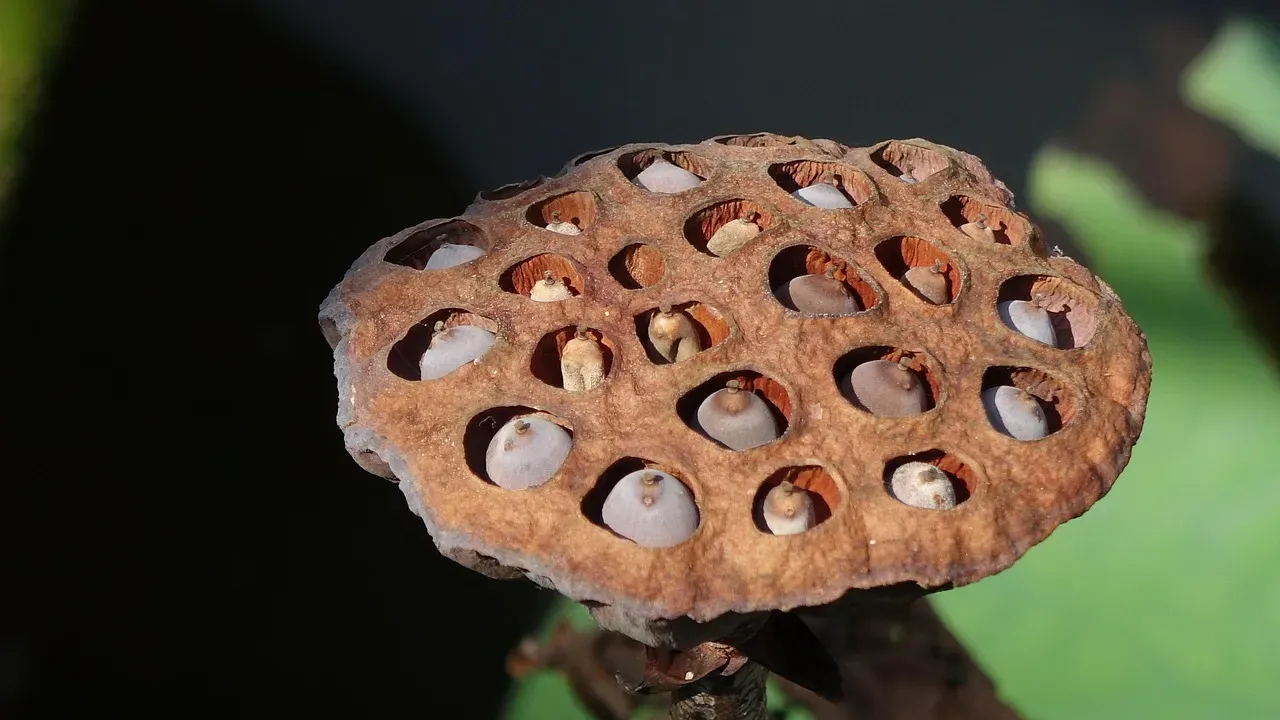
Researcher Jane Shen-Miller led a team that recovered a sacred lotus fruit from a dry lakebed in northeastern China. The seed, dated to roughly 1,288 years old, was germinated and directly radiocarbon dated. At the time, it was described as the oldest demonstrably viable and directly dated seed ever reported.
To put that in perspective: many plant seeds are known to remain viable for just 20 years or less. This lotus seed outlasted that expectation more than sixty-fold. It reportedly germinated in roughly three days once conditions were right – a shockingly ordinary sprouting speed for something that had been dormant since before the fall of Rome’s western empire.
A seed that predates most European cathedrals, most written history in half the world, and every country currently on a modern map – and it sprouted like it was planted last week. It also wasn’t alone.
#6 – Its Five Ancient Siblings Prove This Wasn’t Just a Fluke
One record-breaking seed could be a fluke. Five more from the same site meant something bigger was going on.
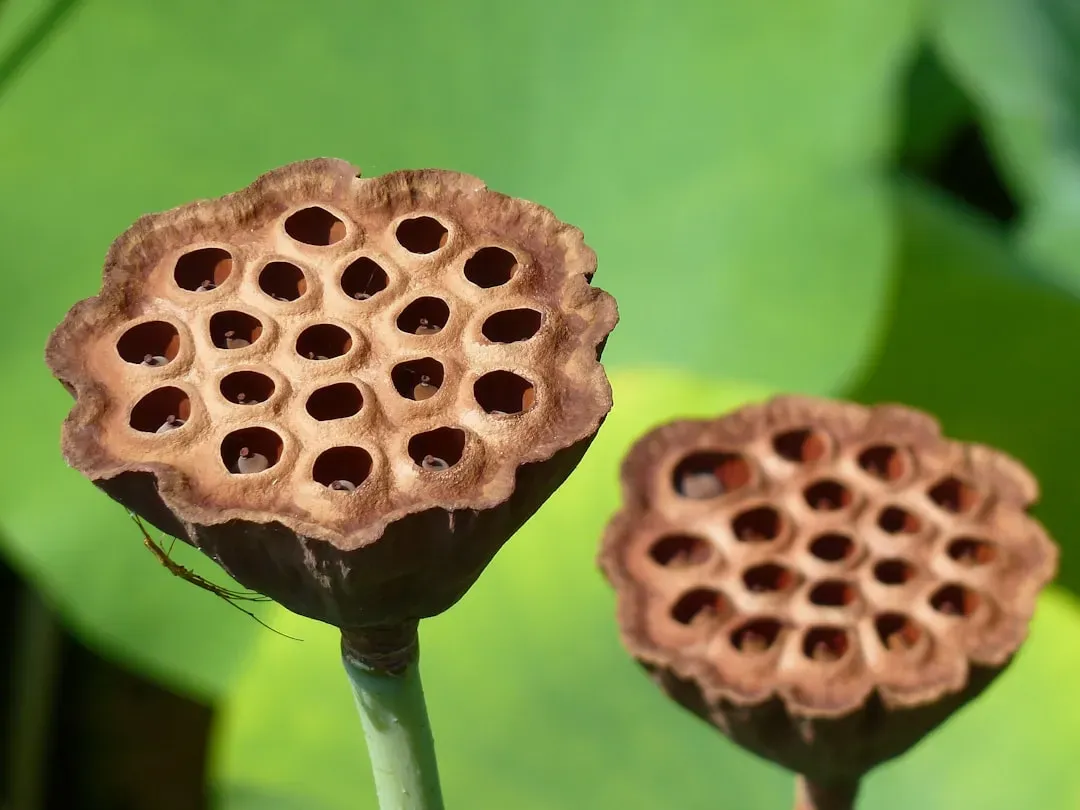
Researchers went back to a dry lakebed in Xipaozi, China, and tested more lotus fruit specimens. Five offspring, from fruits dated between 200 and 500 years old, were successfully germinated – the first seedlings ever raised from directly dated fruits of that age. This wasn’t a one-time anomaly. It was a pattern.
Even more striking was the overall success rate across the full sample. Single-seeded sacred lotus fruit from northeastern China, with viability confirmed as long as roughly 1,300 years through direct radiocarbon dating, showed a germination rate of 84 percent.
Quick Compare
- Adobe brick seeds: up to 211 years old
- Canna compacta rattle seed: roughly 600 years old
- Lotus siblings: 200 to 500 years old
- Oldest directly dated lotus seed: roughly 1,300 years old, 84% germination rate
Eighty-four percent of centuries-old seeds successfully sprouted – a rate that would be respectable for seeds bought at a garden store last spring, let alone ones buried since the Tang Dynasty. Scientists now believe the fruit’s tough outer shell, called the pericarp, acts as a nearly perfect biological seal, protecting the embryo from oxygen, moisture, and decay for centuries at a time.
#5 – The 2,000-Year-Old Seed Named After the Bible’s Oldest Man
This is the seed most people have actually heard of, and it deserves the reputation.
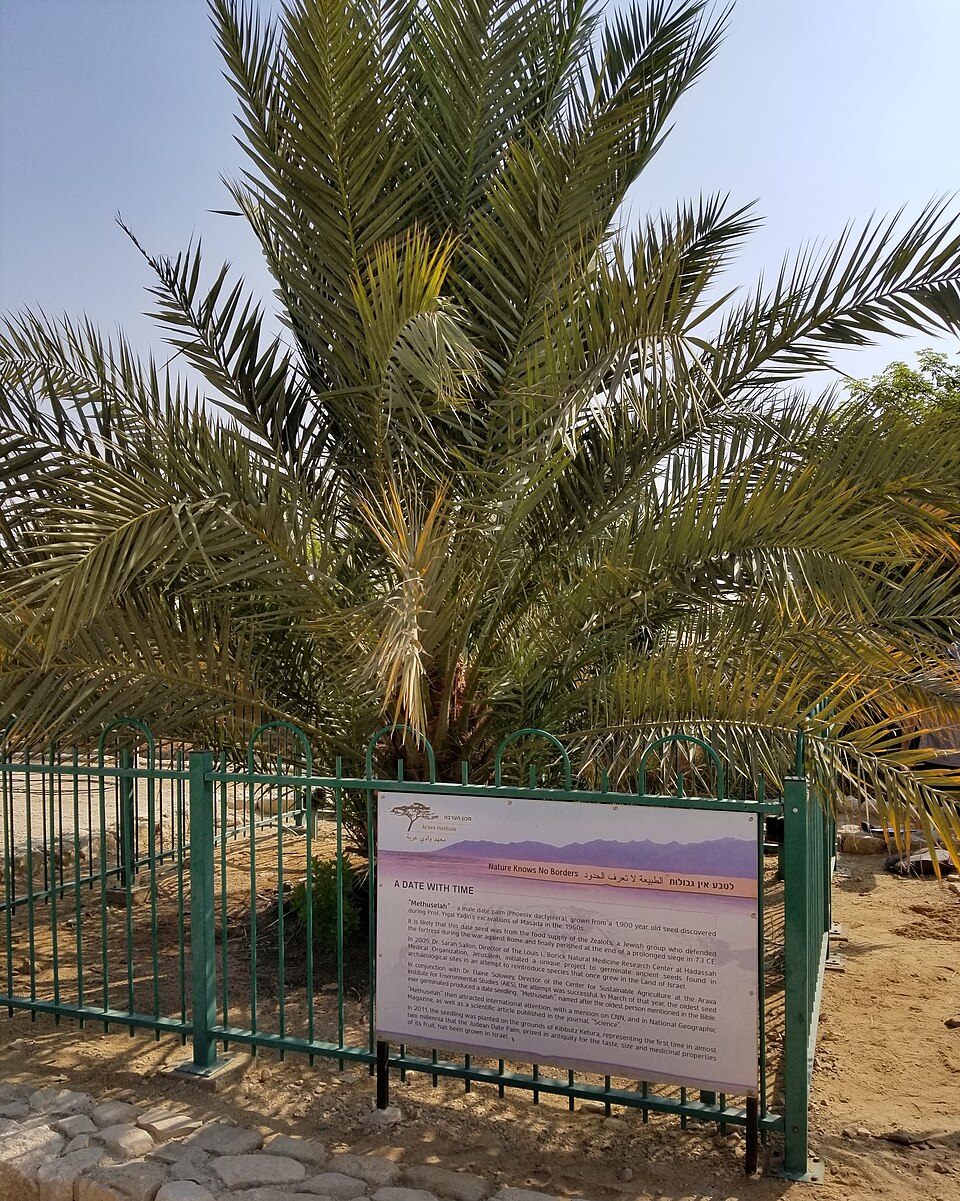
In 1963, archaeologists excavating King Herod’s fortress at Masada, near the Dead Sea, uncovered ancient date seeds buried beneath the rubble. Radiocarbon dating placed them at roughly 2,000 years old – possibly left behind by rebels who took refuge at Masada during the Great Revolt against Rome. For over forty years, the seeds simply sat in storage.
Then in 2005, agricultural scientist Elaine Solowey decided to try planting three of them. Some couldn’t be planted because the dating process destroys the shell, but one seed was, and it germinated after eight weeks – roughly the same timeline as a modern date seed. They named the sprout Methuselah, after the oldest-living figure in the Bible. It became the oldest seed germinated with human assistance ever recorded at that point.
A seed from the time of the Roman Empire, planted in 2005, still had a functioning internal engine. By 2011 the tree flowered, and geneticists confirmed it belonged to an extinct variety of date palm once famous throughout the ancient world.
#4 – Methuselah’s Long-Lost Family Finally Sprouts
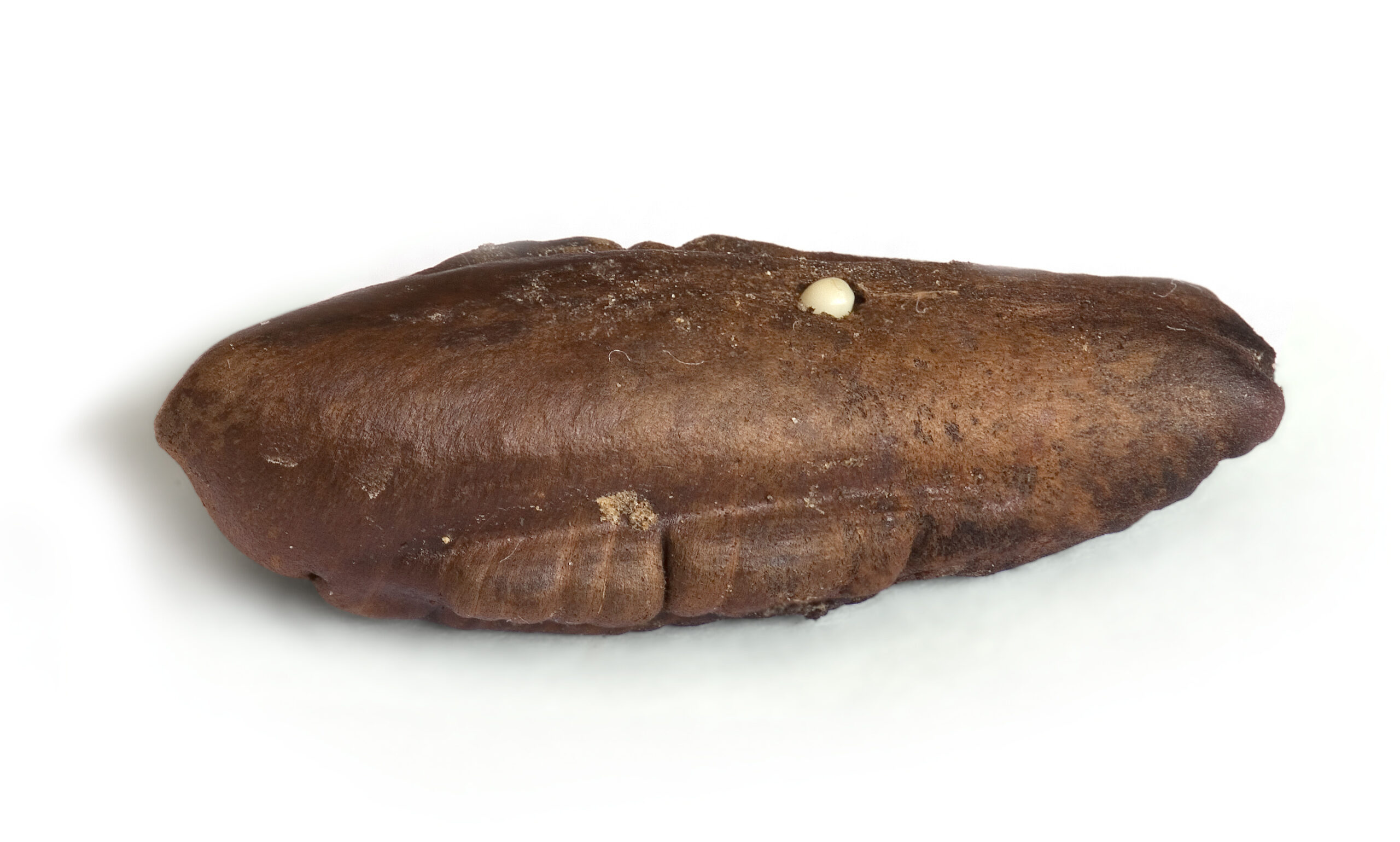
Methuselah wasn’t alone for long. His entire extended family was still buried in the desert.
Researchers went back to the Judean desert searching for more seeds to serve as potential mates for their now-famous male palm. They found around 32 more ancient seeds – some at Masada, others at Qumran, the famed site of the Dead Sea Scrolls – and this time took a more rigorous, scientific approach.
The results were extraordinary. Of those 32 seeds, six took root – four male and two female – and were named Judith, Hannah, Uriel, Jonah, Boaz, and Adam. A geneticist unconnected to the project didn’t hide his reaction when the news broke.
“This is an astonishing result.”
Robin Allaby, geneticist, University of Warwick
Six separate ancient seeds, each roughly two millennia old, each independently sprouting into a living, fruiting tree. This wasn’t a one-in-a-million fluke – it was a repeatable pattern across an entire buried population. Researchers now hope to pollinate the ancient females using ancient male pollen to recreate dates nobody has tasted in 2,000 years.
#3 – The 32,000-Year-Old “Seed” That Technically Wasn’t a Seed
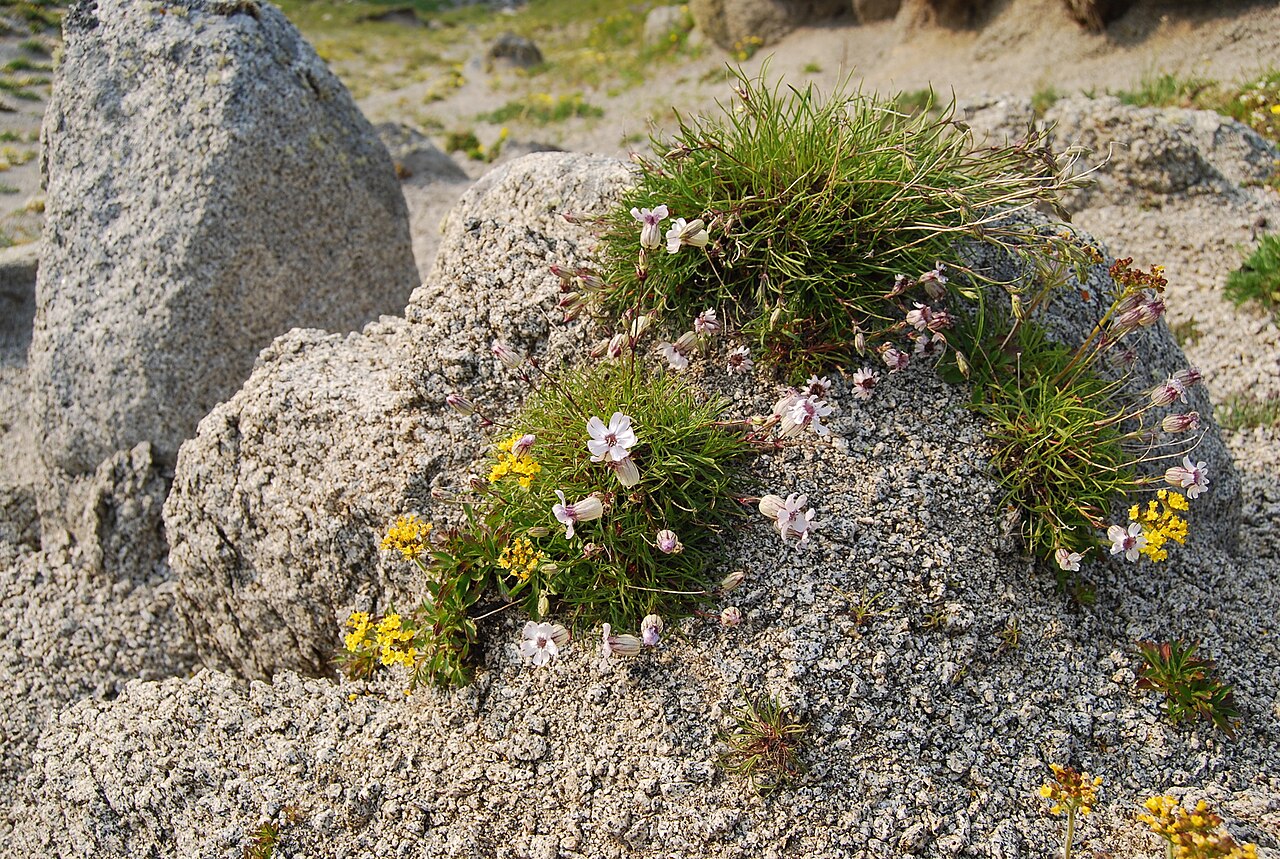
This is where the story gets scientifically strange, and where most viral posts quietly get the facts wrong.
In Siberia, a Russian research team uncovered fossilized squirrel burrows buried 38 meters deep in permafrost that had never thawed. Inside was a seed cache of Silene stenophylla, a flowering plant native to Siberia, buried there by an Ice Age squirrel near the banks of the Kolyma River. Radiocarbon dating confirmed the material was 32,000 years old. Headlines instantly declared it the oldest germinated seed on Earth, beating the previous record by some 30,000 years.
Here’s the correction almost nobody reports: the mature seeds themselves never actually sprouted. The team first tried using mature seeds from the fruit pods, but those seeds could not generate a plant. So they tried placental tissue from immature seeds instead. Using lab cloning techniques, 36 plants were bred from that ancient tissue – not from a germinated seed at all, but from regenerated cell material.
At a Glance
- Age of the material: 32,000 years, recovered from deep permafrost
- Mature seeds: failed to germinate at all
- What actually worked: placental tissue from immature seeds, grown via cloning
- Result: 36 regenerated plants, later producing seeds with a 100% germination rate
Technically, the most famous “ancient seed” story in modern science isn’t about a seed germinating – it’s about lab-grown tissue culture. The plants that resulted were fertile and even produced their own seeds, which germinated at a 100 percent success rate, compared with roughly 90 percent for modern plants.
#2 – The Ancient Seed Myth Almost Everyone Still Believes
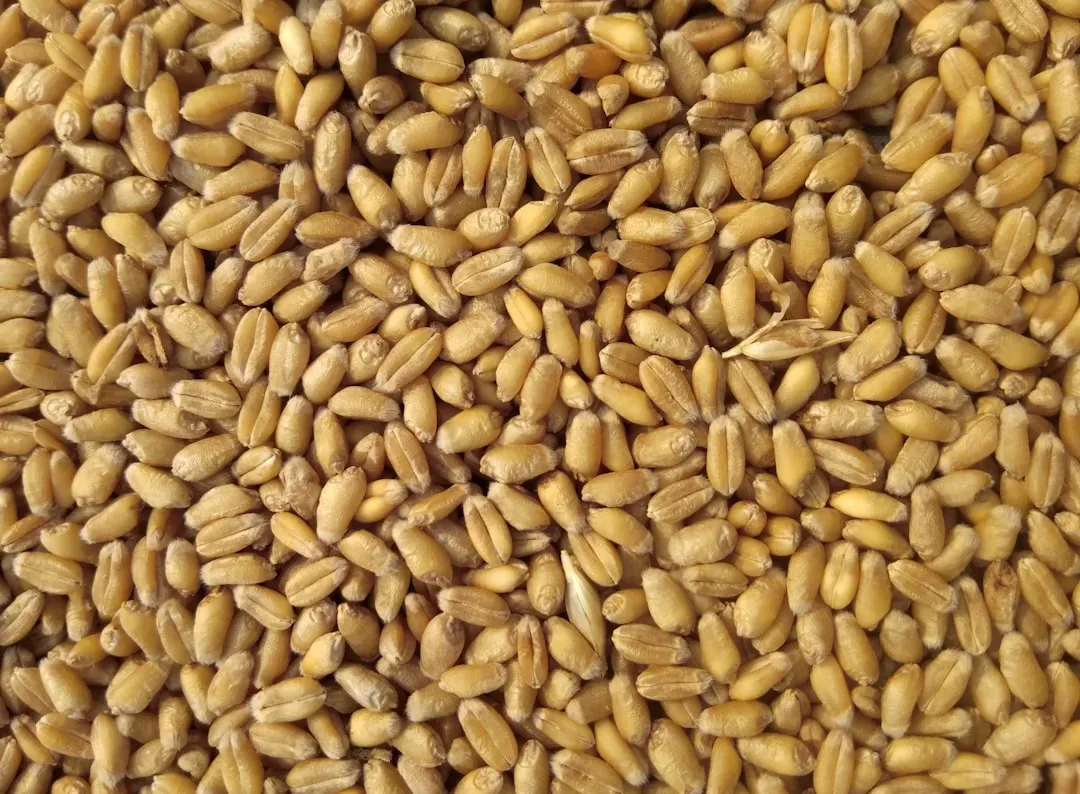
Here’s an uncomfortable truth: one of the most repeated “ancient seed” stories in pop culture isn’t real at all.
For over a century, a popular legend has circulated that wheat grains found sealed inside Egyptian tombs – sometimes attributed to pharaohs’ burial chambers – were planted and successfully sprouted after thousands of years of dormancy. It’s a wonderfully cinematic image: life returning from a sarcophagus. It has never been scientifically verified.
Controlled studies on so-called “mummy wheat” have repeatedly failed to produce germination. Botanists have long attributed the myth to contamination, storytelling embellishment, and a Victorian-era fascination with Egyptology rather than an actual viable seed. Unlike the Judean date palm or the sacred lotus, no radiocarbon-dated wheat seed from an Egyptian tomb has ever been confirmed to sprout under scientific observation.
The real ancient seed records – the ones with radiocarbon dating, peer-reviewed publication, and photographed seedlings – are almost always less dramatic sounding than the myths, and somehow still more impressive. That’s the pattern experts keep pointing to: the true science needs no exaggeration.
#1 – The Actual Secret Behind Seeds That Refuse to Die
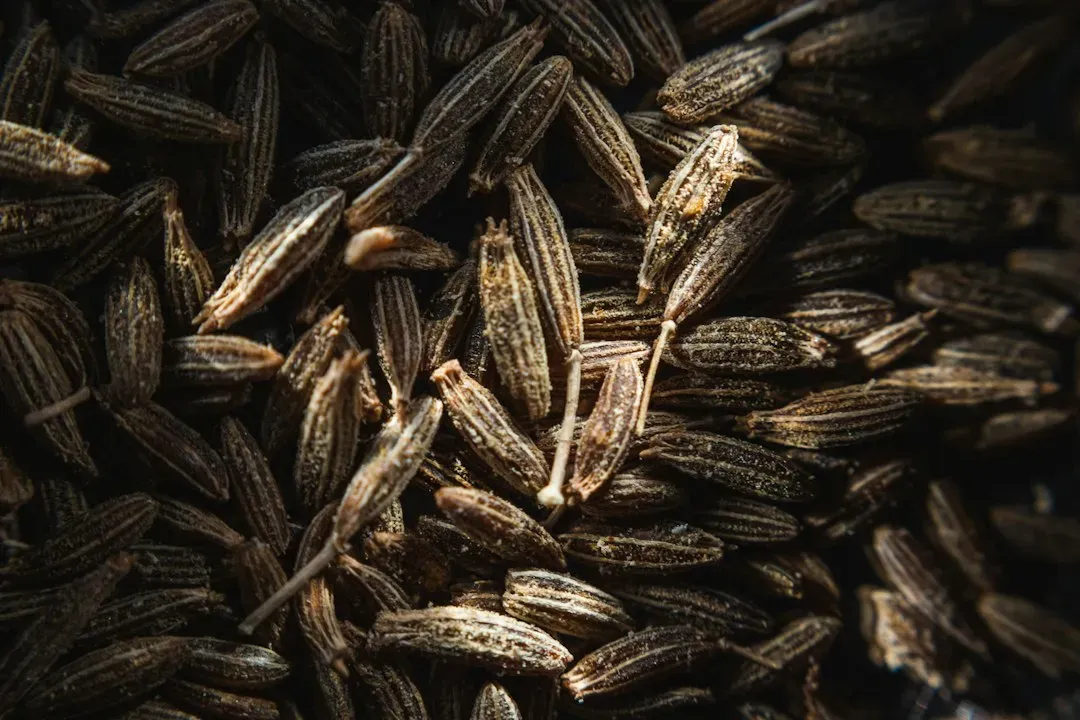
After all these records, one question matters more than any single seed: how is any of this even possible?
The answer isn’t magic. It comes down to a handful of overlapping conditions that show up again and again across nearly every entry on this list – extreme dryness, stable cold temperatures, low radiation exposure, and a protective seed coat or fruit casing that seals out oxygen and moisture. The Silene stenophylla tissue preserved in Siberian permafrost survived under almost identical protective logic to the walnut shell that guarded the Canna compacta seed, and the dense pericarp that guarded the sacred lotus.
Scientists studying the lotus genome are now specifically hunting for heat-stable proteins believed to protect a seed’s internal machinery from degrading over centuries, hoping the discovery could eventually extend the shelf life of modern food crops. In other words, the same biology that let a 1,300-year-old lotus seed sprout in three days might someday help solve global food storage problems.
The real story isn’t that these seeds defied nature. It’s that nature already built the tools for near-immortality, and we’re only just learning to read the instructions.
The Bottom Line
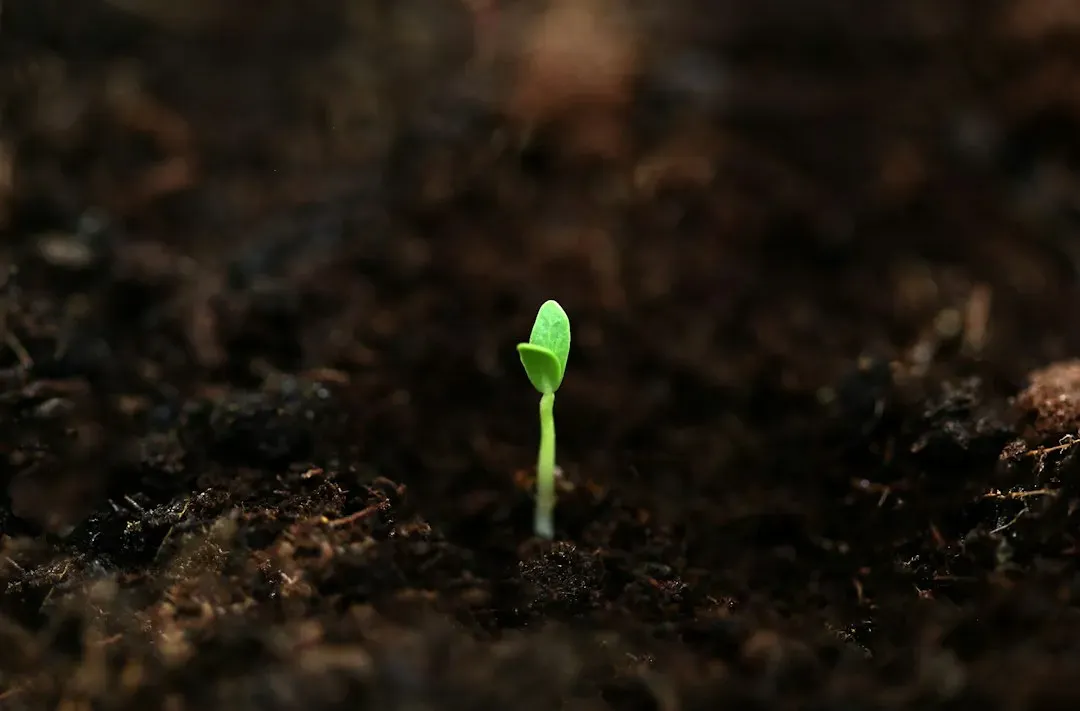
Across deserts, permafrost, tombs, and forgotten museum drawers, seeds have quietly proven that “expiration date” is a far more flexible concept than most people assume. A 2,000-year-old date seed grew into a fruiting tree. A 1,300-year-old lotus seed sprouted in three days. A seed pulled from a dead man’s rattle in Argentina outlived six centuries. Even the most famous “32,000-year-old seed” story turned out to be more complicated – and more scientifically fascinating – than the headlines let on.
What strikes me most isn’t the ages themselves, it’s how ordinary the germination looked once it finally happened. No dramatic awakening, no fanfare – just a root pushing out like it had been waiting for exactly this moment, for two thousand years if necessary. Dryness, cold, and a sealed coat can apparently suspend biological time almost indefinitely, and that’s a far stranger fact than any myth about mummy wheat. Which of these records surprised you the most? Did we miss an ancient seed story that deserves a spot on this list? Drop it in the comments.