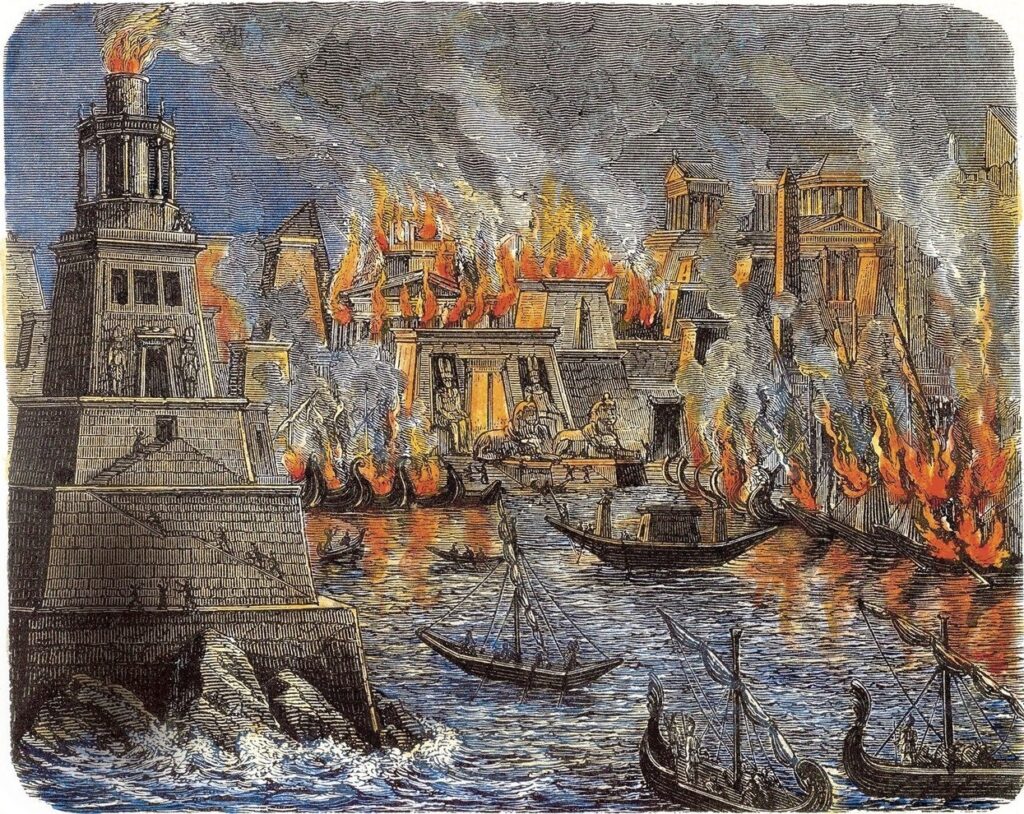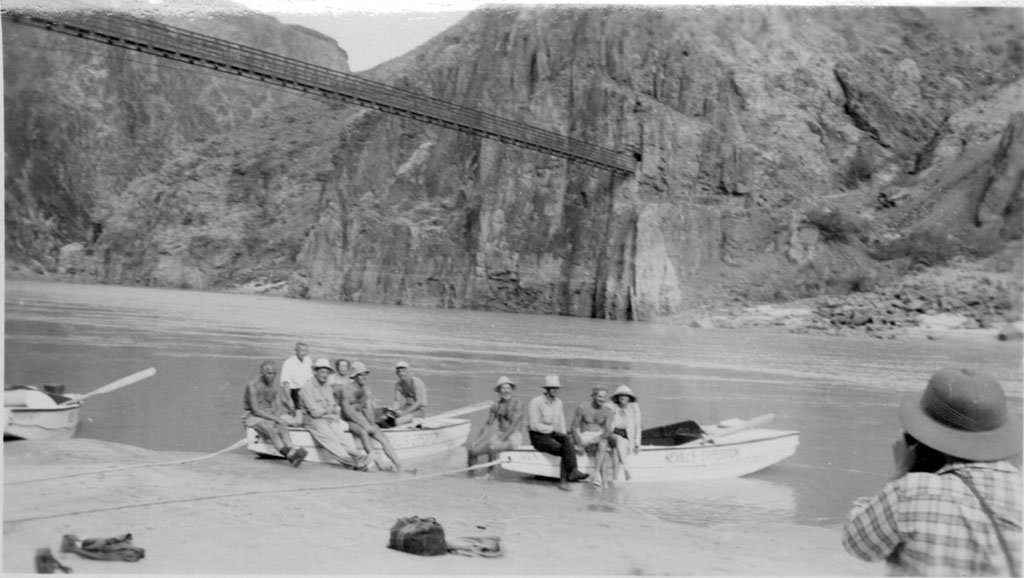

Everyone loves the myth of the fearless explorer, frozen fingers on the shutter, capturing history in one raw, lucky instant. That’s the story textbooks sold us for a century: the icy summit, the desperate campfire, the split-second brush with a wild animal, all caught by pure chance. It’s a great story. It’s also mostly false.
Photo historians and archivists have spent years quietly taking these iconic images apart frame by frame, comparing them against expedition diaries, ration logs, and contact sheets. What they keep finding is unsettling: the lighting is too clean, the spacing too perfect, the danger too conveniently framed. These weren’t lucky accidents caught mid-crisis. They were built, and once you see how, you won’t look at these “candid” classics the same way again.
#12 – The Perfectly Framed Summit Flag Shot
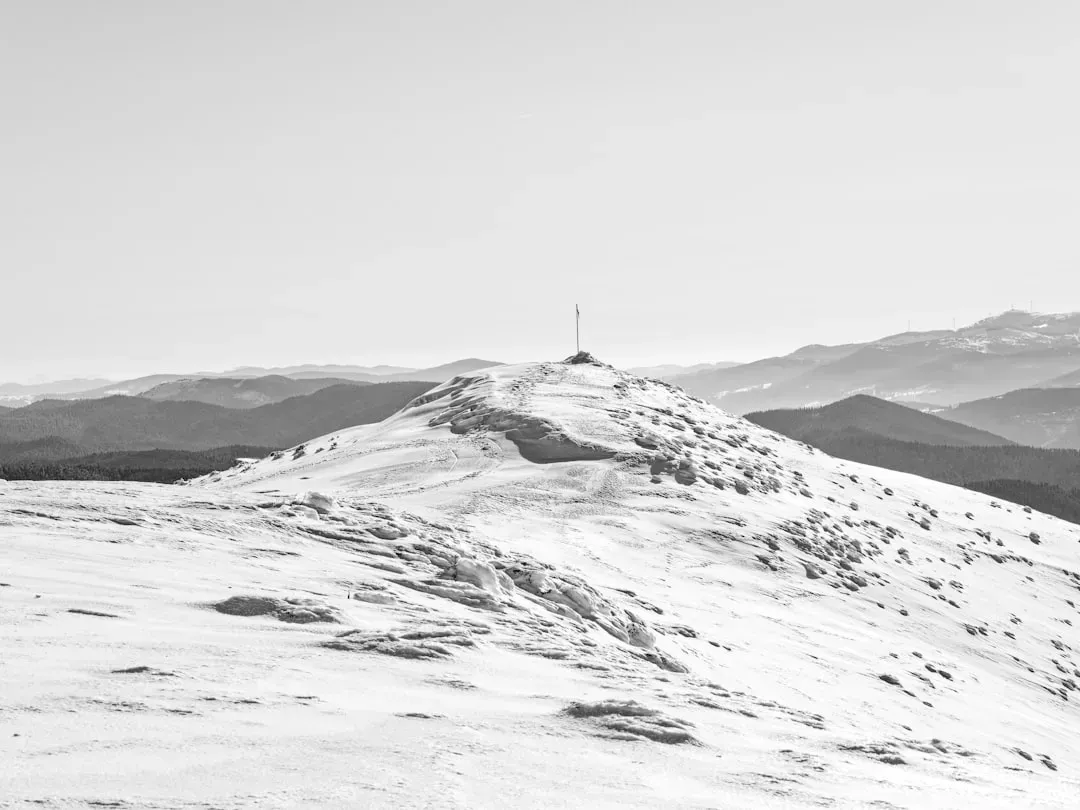
For over a century, summit photos have been sold as raw proof of triumph against impossible odds. But look closely and the cracks show: the flag is dead center, the subjects are evenly spaced, and the clouds behind them line up like a painted backdrop. Expedition diaries reveal climbers actually arguing over who should stand where, which direction to face, and how much of a rival peak should sneak into the frame.
Some of these “candid” triumph shots were taken multiple times, with people swapping positions between exposures until it looked right. That’s not a split-second miracle, that’s a photoshoot at 20,000 feet. Experts now argue these images existed mainly for sponsors back home, because a well-composed flag shot meant funding for the next trip and a seat on the lecture circuit. Climbers weren’t just conquering the mountain. They were curating their own legend in real time.
Fast Facts
- Summit shots often required several retakes, with climbers swapping spots between exposures.
- Flag placement and body spacing were negotiated on the spot, not spontaneous.
- Sponsors and publishers expected a clean, symmetrical hero shot before releasing more funding.
- Diaries from these trips describe open arguments about framing before the shutter ever clicked.
#11 – The “Untouched Tribesman Meets Explorer” Encounter
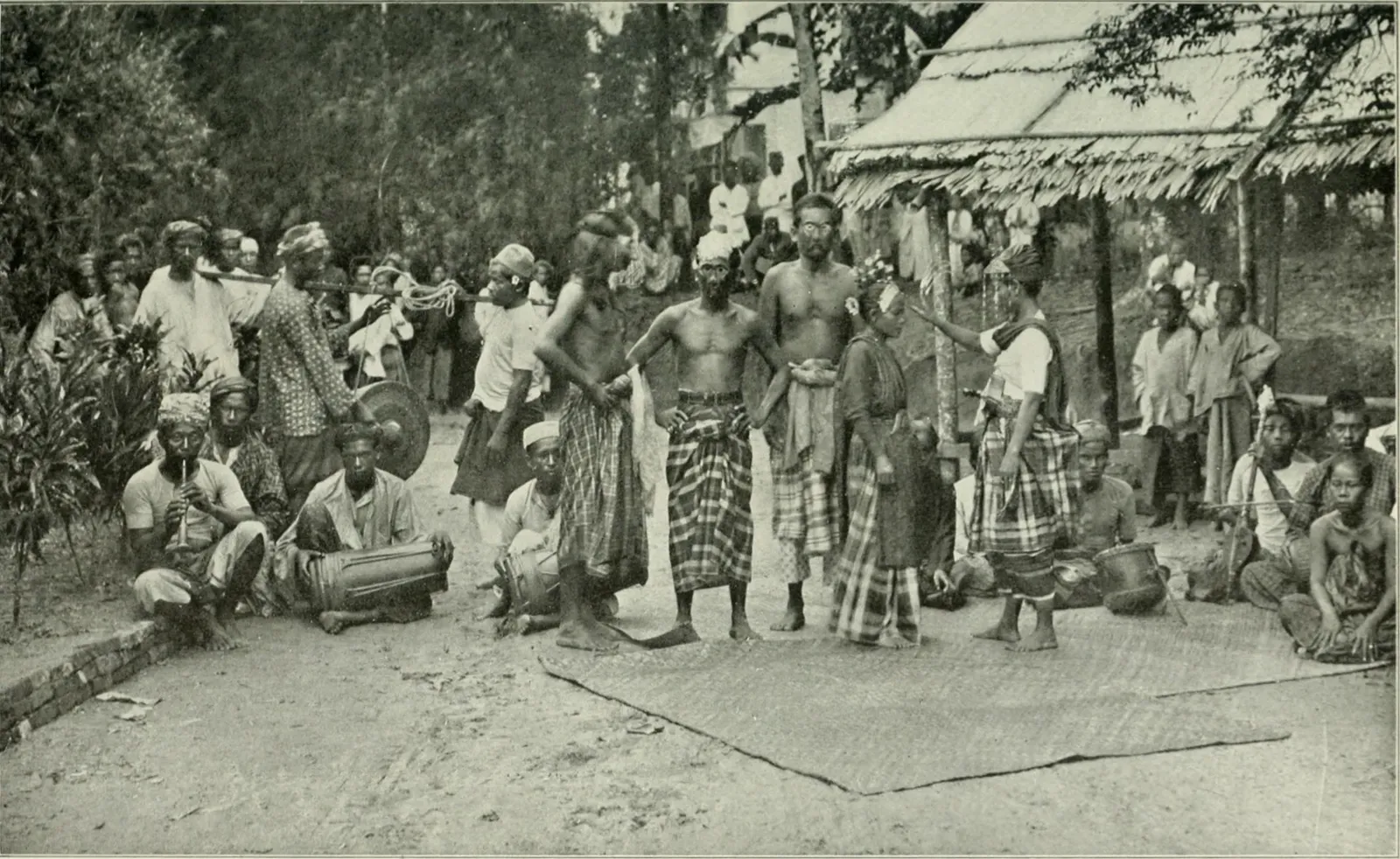
Those dramatic black-and-white photos of a lone explorer stumbling into a local tribesman deep in the jungle read like pure accident: “We turned a corner and there he was.” But anthropologists who revisited these regions found something different. Locals remembered being told exactly where to stand, what to hold, and how to look more “traditional” for the lens.
In some documented cases, villagers were asked to strip off modern clothing and put on old ceremonial items they no longer actually wore. Expeditions needed these images to justify their funding and their headlines about “untouched worlds,” so a photographer’s assistant often cleared the background, positioned people, and rehearsed expressions before the shutter clicked. The photo looked raw. It was closer to historical theater.
#10 – The Overloaded Sled Dragging Through Perfect Snow
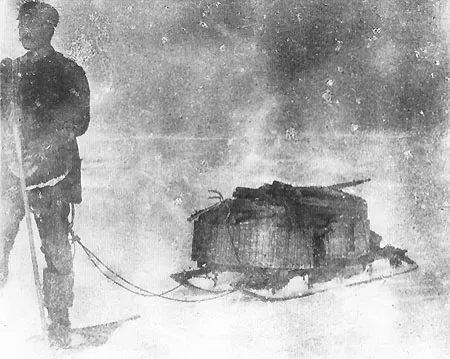
Those famous polar images of men hunched over massive sleds, ropes cutting into their shoulders, ice whipping their faces, are supposed to be brutal suffering caught in real time. But photo historians noticed a strange pattern: the “hardest” shots almost always happen on flat, visually clean stretches of ice with flattering backlight. The camera came out when conditions were photogenic, not when they were actually worst.
Cross-reference the expedition logs with the contact sheets and the truth gets uncomfortable. On the genuinely deadly days, cameras stayed buried to protect the film. On the safer days, leaders sometimes restaged the ordeal, telling men to reattach harnesses, lean harder, and grimace on cue while gear got stacked higher than necessary for drama. One polar veteran later admitted the team “performed hardship” for the lens, because sponsors and newspapers back home expected misery they could actually see.
#9 – The Lone Explorer Silhouette Against the Setting Sun
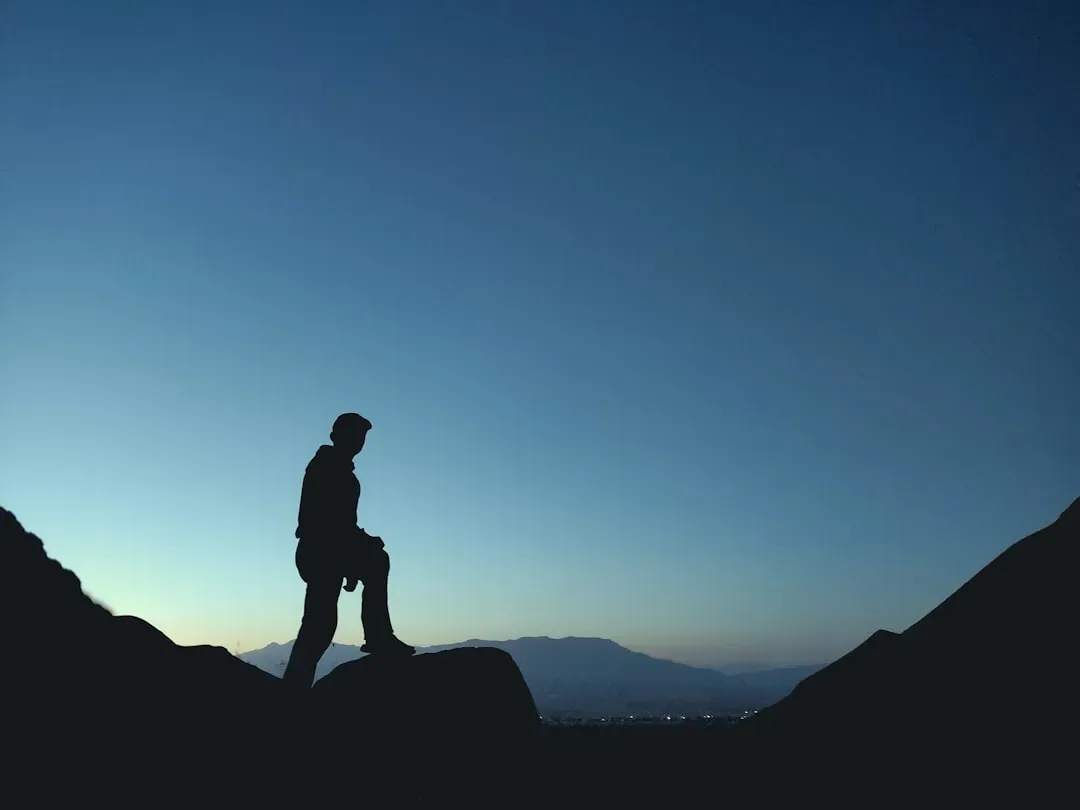
That iconic shot of a tiny lone figure on a ridge against a blazing orange sky looks like a once-in-a-lifetime accident of timing. It isn’t. Photographers will tell you a frame like that requires the subject in the exact right spot, the sun at a specific angle, and enough distance to compress the whole scene into something painterly.
Someone had to walk that explorer out to a precise mark and tell them to hold perfectly still. In many cases the “lone” figure wasn’t alone at all, with a full support crew, a spotter, or porters standing just out of frame. Leaders understood that a single heroic silhouette sells far better than a crowded, messy reality, which is exactly why so many experts now quietly file these under emotional set pieces rather than neutral documentation.
#8 – The Dramatic Crevasse Rescue Shot
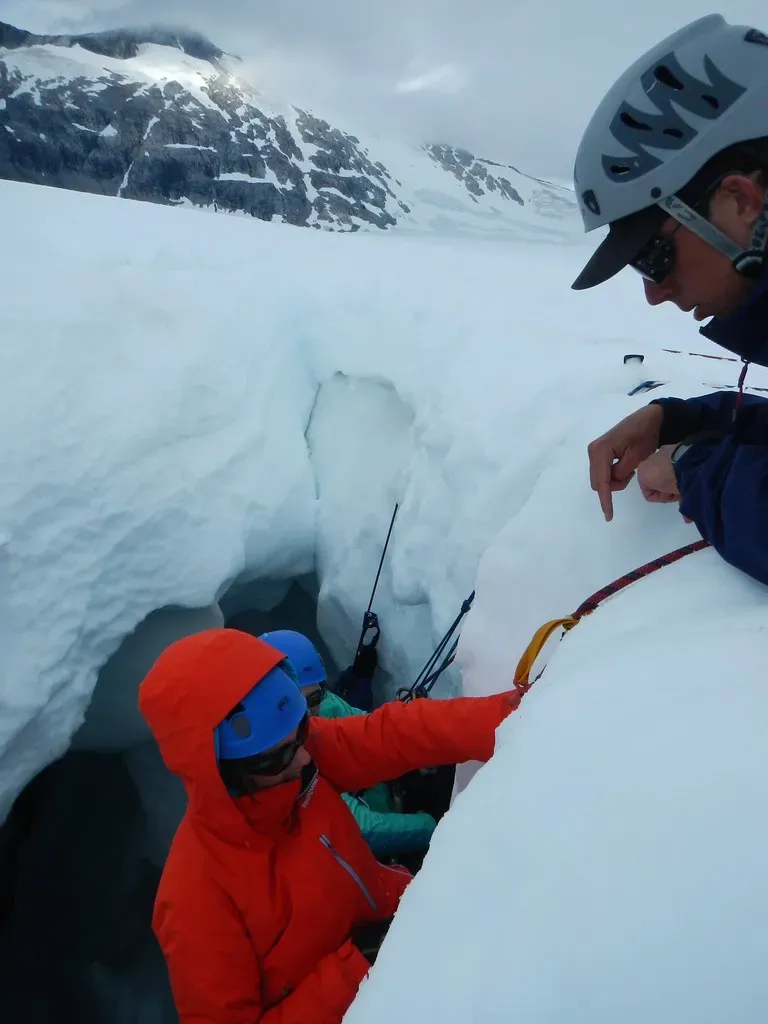
You’ve seen the photograph: a climber dangling into a deep blue crevasse, rope taut, teammates straining against the weight. It reads as pure near-death emergency. But modern analysts studying these frames keep spotting odd safety details, like anchors placed strangely, missing backup ropes, or a fall distance that’s suspiciously shallow for how terrifying the pose looks.
Some expedition teams openly admitted staging “training” rescues for the camera once everyone was rested and conditions were stable. Victims were lowered under close supervision, poses were adjusted to make the drop look deeper, and photographers repositioned themselves for the most terrifying possible angle. These images later showed up in books stripped of any context, sold as pure life-or-death improvisation, and almost nobody questioned it.
#7 – The Manufactured “Last Meal” Campfire Scene
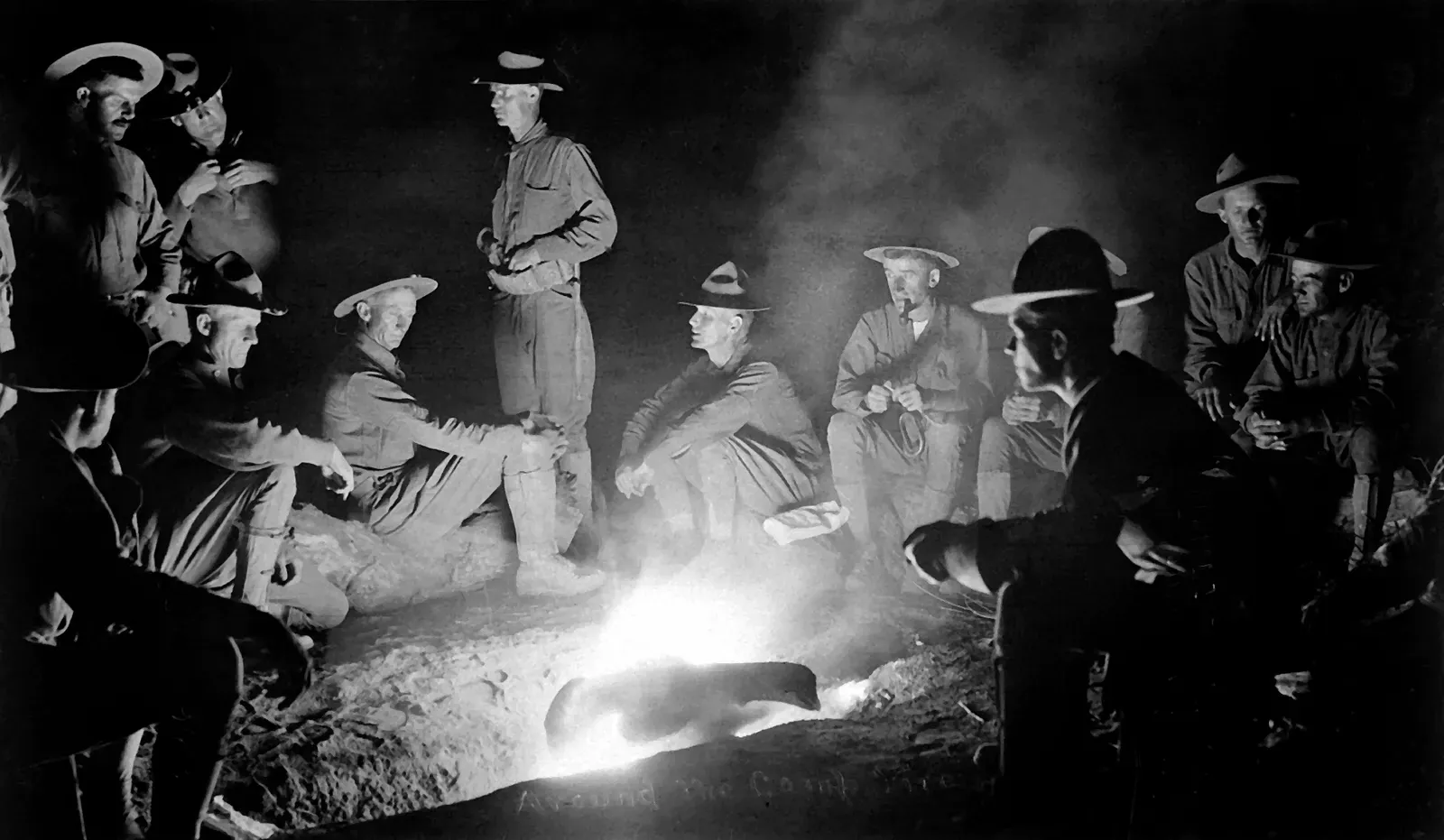
Old expedition books love a desperate campfire: hollow-eyed men huddled around a tiny pot, smoke curling into the vast wilderness, captioned “our last meal.” Surviving ration records tell a calmer story. On those exact dates, teams frequently still had days or even weeks of provisions left in storage.
Photographers weren’t neutral witnesses here. They asked men to look hungrier, stare into the flames, and keep scavenged bones visible in the foreground while pots were deliberately arranged to look emptier. Anything that hinted at comfort, extra crates, surplus gear, even a cheerful camp dog, got pushed just outside the frame. The campfire wasn’t a record of collapse. It was a stage.
The camera never lies, but it can be an accomplice.
Richard Avedon
#6 – The “Caught in the Blizzard” Action Frame
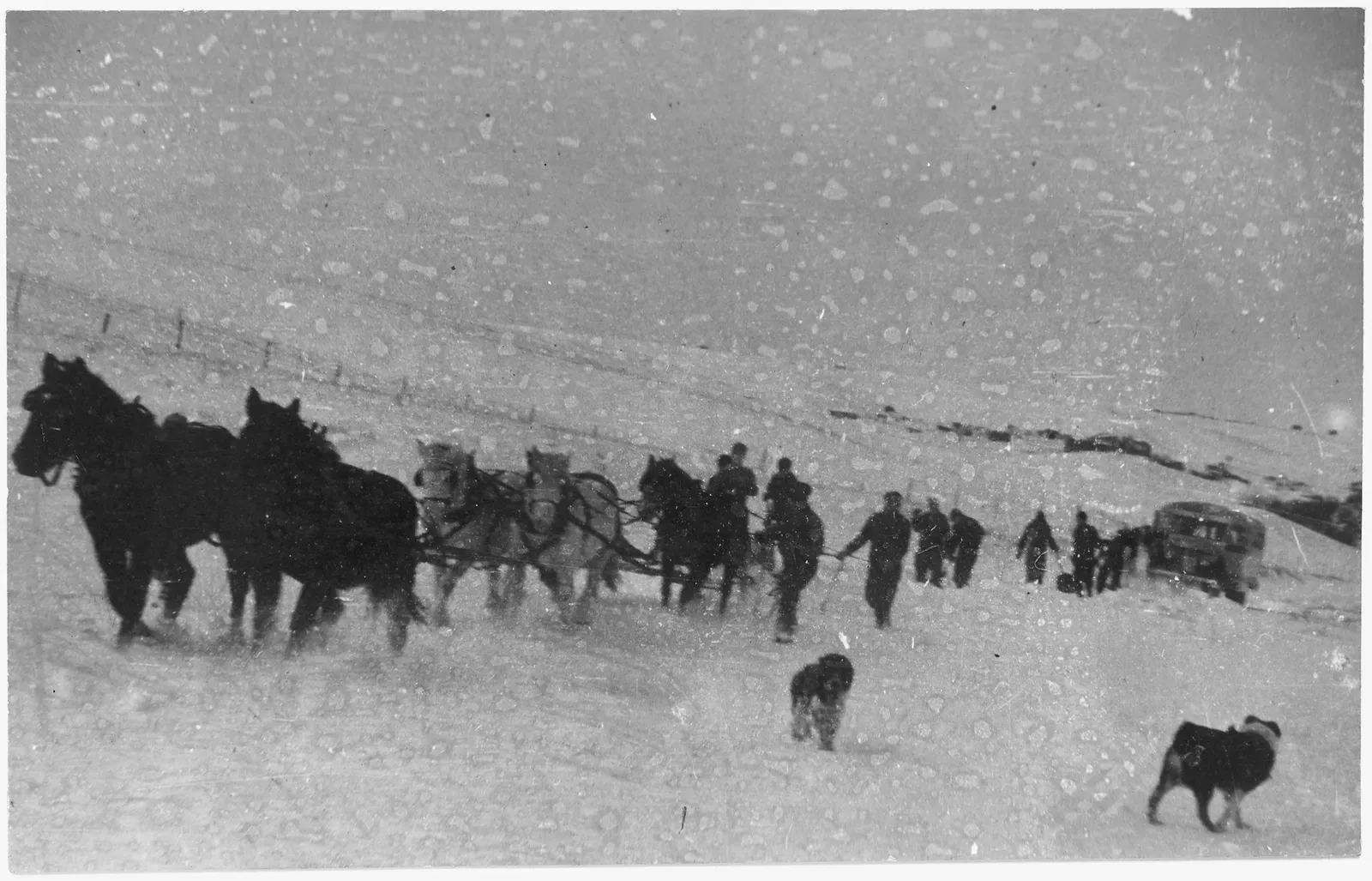
A mid-blizzard shot of figures bent sideways into howling wind looks like chaos captured by pure chance. But early cameras were terrible in low light and blowing snow, and getting anything sharp required time, bracing, and cooperation from the people in frame. Forensic reviews of surviving negatives show many “blizzard” scenes were actually taken at the edge of storms, or in only moderate conditions, then captioned as full fury after the fact.
Some expedition leaders timed their photo sessions for gusts strong enough to kick up dramatic spindrift without actually risking the gear. Team members were told exactly how to stagger and shield their faces long enough for a usable exposure. The final image screamed survival against nature’s worst. The behind-the-scenes reality was closer to a cold, uncomfortable photo shoot with a deadline.
Quick Compare
- The Legend: Men battling a full whiteout, faces lashed by violent wind, one desperate frame snatched mid-chaos.
- The Record: Sessions timed at the fringe of the storm, where wind was strong enough to look dramatic but safe enough to shoot.
- The Legend: A spontaneous struggle against nature at its worst.
- The Record: Staggered poses and shielded faces held just long enough for the slow shutter to catch a sharp frame.
#5 – The Perfectly Symmetrical Caravan in the Desert
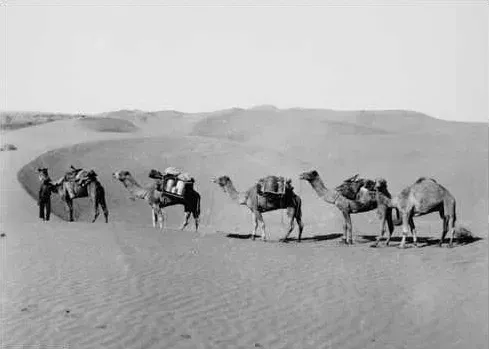
Those sweeping desert photos with camels forming a flawless line across rippled dunes almost never match how real caravans actually moved. Real travel is messy, full of bunching, gaps, and constant stops. Yet many “historic” caravan shots show oddly even spacing, balanced silhouettes, and a suspiciously undisturbed foreground, a dead giveaway of direction from behind the camera.
Researchers who interviewed descendants of desert guides learned that photographers sometimes ordered entire caravans to climb the same dune repeatedly just to get the line right. People were nudged forward or back by a few meters to fix the composition, and footprints were brushed away to keep the sand looking pristine. The result is genuinely beautiful. It’s also completely engineered.
#4 – The “Surprised by Wildlife” Close-Up
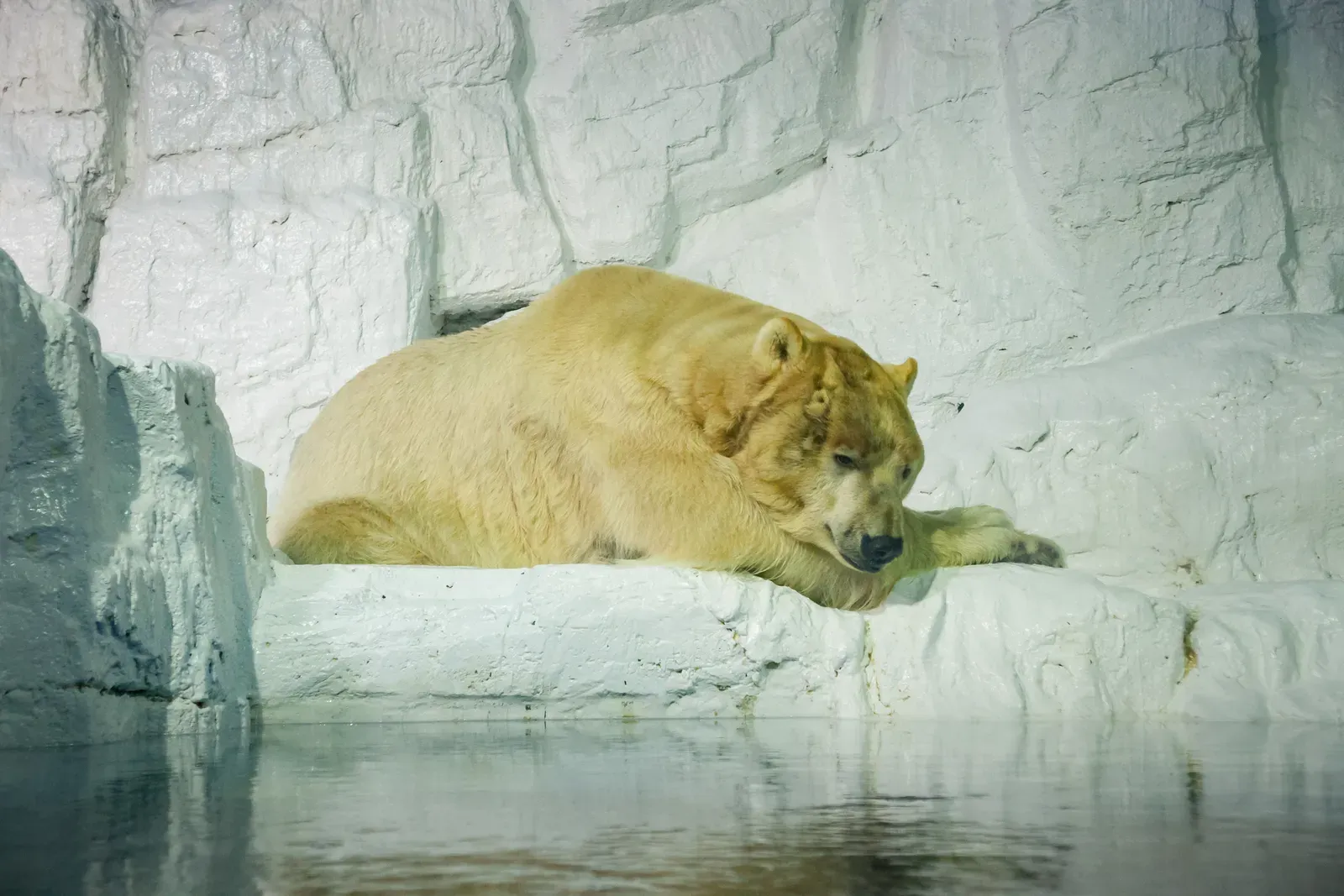
An explorer supposedly startled by a polar bear or a lion, caught in one perfect close-up? Any working wildlife photographer today would laugh at the idea. Getting a frame like that takes planning, patience, and often bait, and archival notes on old prints quietly confirm as much, describing animals that were habituated to camp, lured with scraps, or kept nearby long enough for the “lucky” shot.
In several overhyped expeditions, the most famous animal photographs weren’t taken on the march at all, but during long base-camp stays when photographers had time to learn an animal’s patterns. The story later became “we rounded a corner and there it was.” The reality was days of quiet watching and a guide who already knew exactly where that creature liked to wander.
#3 – The Heroic Ship Locked in the Ice
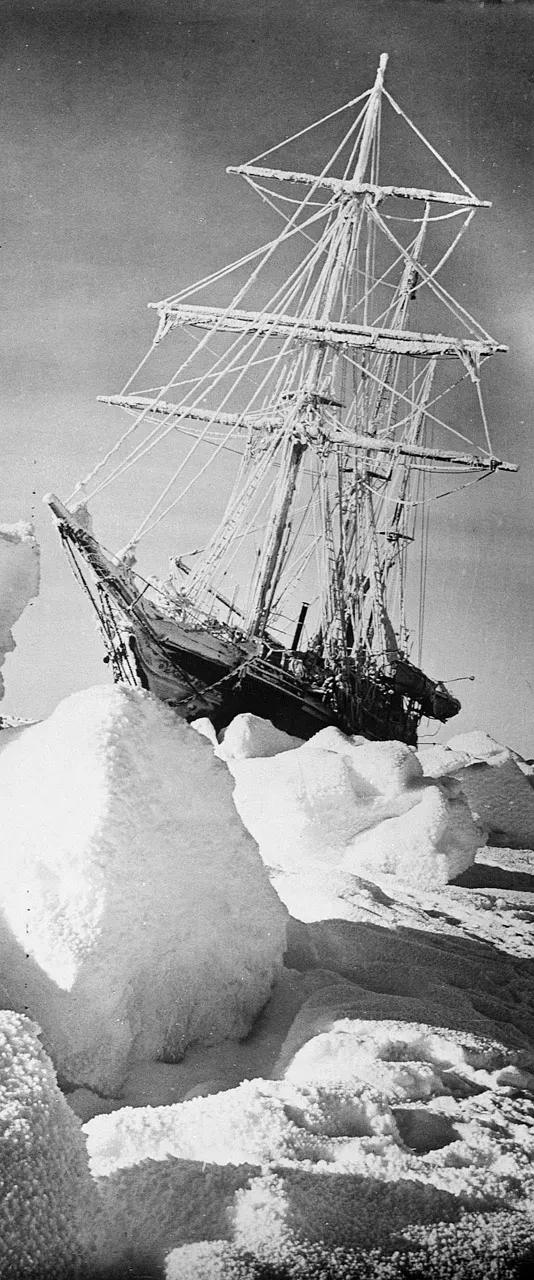
Few images feel as mythic as a wooden ship crushed in polar pack ice, masts leaning, hull glowing in eerie light. These pictures involved real risk, but many weren’t just snapped from the deck in a panic. Crew records describe photographers climbing onto unstable ice floes, hunting for the exact vantage point, and waiting for days for the light to hit just right.
The staging went beyond angle choice. Lanterns were repositioned on deck, sails were adjusted or removed to clean up the composition, and clutter was dragged out of view so the ship looked like a symbol rather than a working vessel full of mess and rope. Some accounts even describe officers delaying practical tasks so a photographer could capture one “pure” scene. Audiences never knew how calculated that grandeur really was.
#2 – The “First Footsteps” in Untouched Terrain

You’ve seen the boots stepping into perfect, untouched snow or sand, framed tight, captioned “first human to set foot here.” But expedition logs and route maps often show that support teams, scouts, or local guides had already crossed that exact ground hours or days earlier. The person in the photograph was frequently not the first person there at all, just the most photogenic or most senior.
To keep the illusion intact, photographers sometimes rerouted the whole group to find one untouched patch of ground. In the Arctic that meant walking parallel to old tracks until clean snow appeared; in deserts, assistants smoothed disturbed sand just outside the frame. Then the chosen hero stepped in dramatically while someone clicked the shutter. It’s pure symbolism dressed up as literal truth.
At a Glance
- Scouts, guides, or support crews frequently crossed the ground well before the “first” photo was taken.
- Groups were sometimes rerouted to preserve one clean, untouched patch for the shot.
- Snow and sand were smoothed or brushed clear just outside the frame’s edge.
- The person credited with “first steps” was often chosen for how photogenic or senior they were, not for actually arriving first.
#1 – The “Candid” Group Portrait at the Moment of Triumph
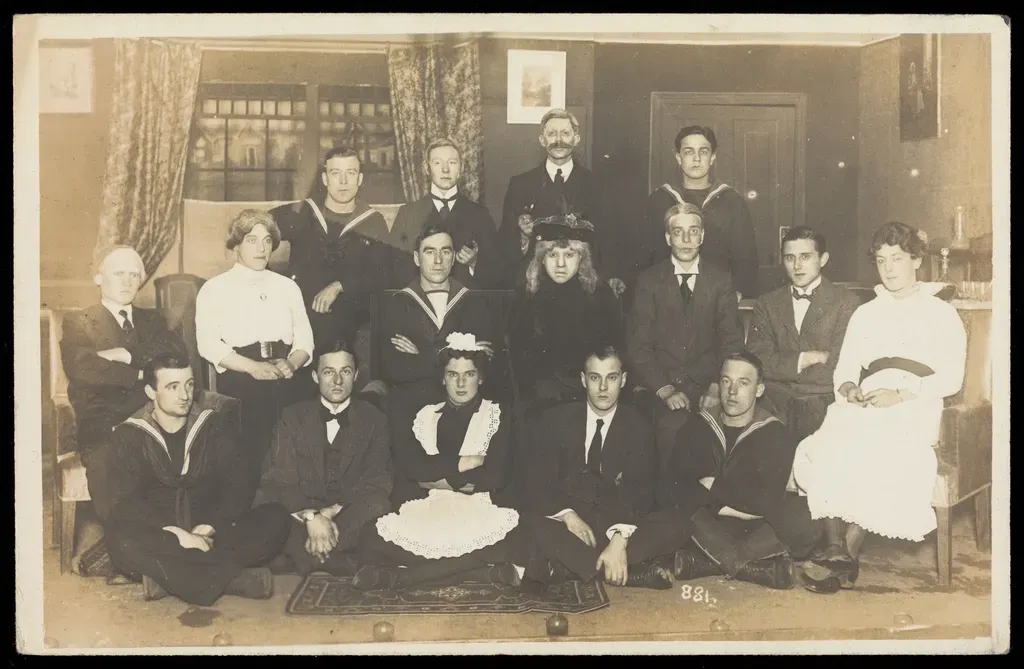
The most suspicious images of all are the supposedly candid group shots taken “right after” a summit, crossing, or breakthrough. Everyone is perfectly spaced, faces visible, gear arranged aesthetically, flags in frame, and somehow the light is flattering on every single person. Diaries, letters, and technical analysis all point to the same uncomfortable conclusion: many of these were essentially studio portraits shot in the field, then repurposed as spontaneous history.
Leaders decided who stood where and who got to hold the key objects, and tired or injured members were sometimes excluded entirely to keep the image clean. Multiple exposures were attempted, and the worst ones were destroyed. What survived came stamped with captions about unfiltered joy, but the image had actually been negotiated, lit, and choreographed in the middle of brutal conditions, which is exactly why experts now call it the clearest example on this whole list.
Why It Stands Out
- Positioning, gear placement, and flag angles were all decided by leadership, not left to chance.
- Exhausted or injured members were sometimes cut from the frame entirely to keep the image clean.
- Multiple exposures were shot and the weaker takes were destroyed, leaving only the most flattering version.
- Historians now treat this style of “candid” portrait as the most clearly staged category on record.
The Bottom Line
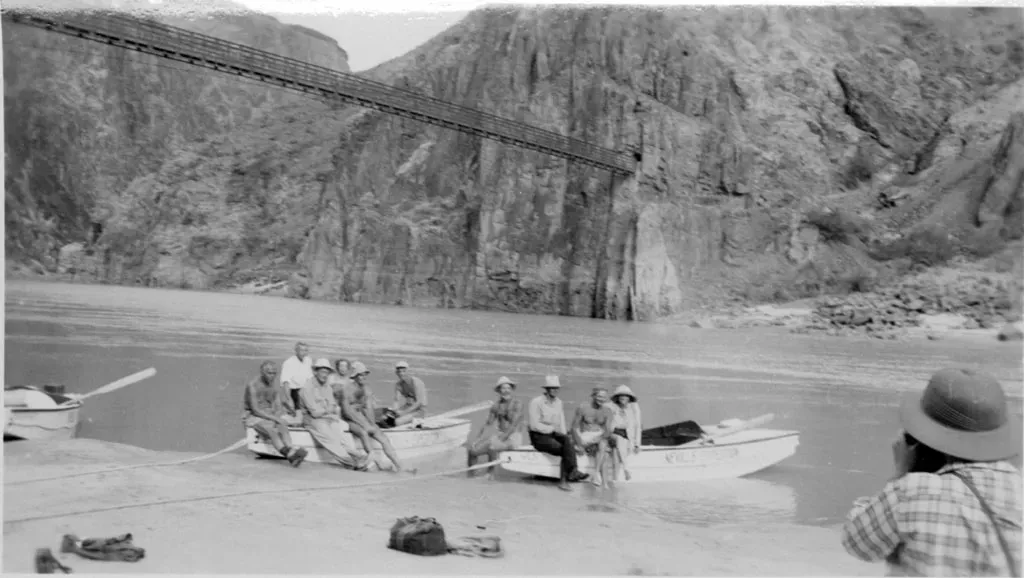
Line these twelve cases up and a pattern becomes impossible to unsee: the most iconic expedition photographs were never neutral windows into the past. They were carefully constructed myths, built to impress sponsors, sell books, and cement reputations that still get taught as history today.
That doesn’t mean every frame is fake or worthless. It means we’ve been far too generous, for far too long, treating obviously arranged scenes as pure documentary truth. Modern historians aren’t trying to ruin the romance of exploration; they’re correcting a record that was staged from the start. If anything, the real achievement is the harder, less flattering one: these teams survived long enough to stage any photos at all. So here’s the honest question worth sitting with, once you know how curated these “candid” moments really were, which famous expedition photo are you no longer able to trust?