
Most people assume ancient mysteries are basically finished business. Scan the tablet, run the script through updated grammar databases, cross-reference a few hundred parallel texts, and the answer eventually falls out. That’s the comfortable story we tell ourselves about archaeology in the age of supercomputers and high-resolution imaging.
Here’s the twist nobody mentions: a handful of clay tablets have been fully translated, word for word, by serious scholars in serious institutions – and they still don’t know what they’re looking at. Not because the language is unreadable, but because the actual thing being described doesn’t match anything else in the historical record. Fourteen of these cases are stubborn enough that specialists just shrug when you ask them directly. Here’s what they actually found.
#14 – The Babylonian Tablet That Maps a Sky That Never Existed
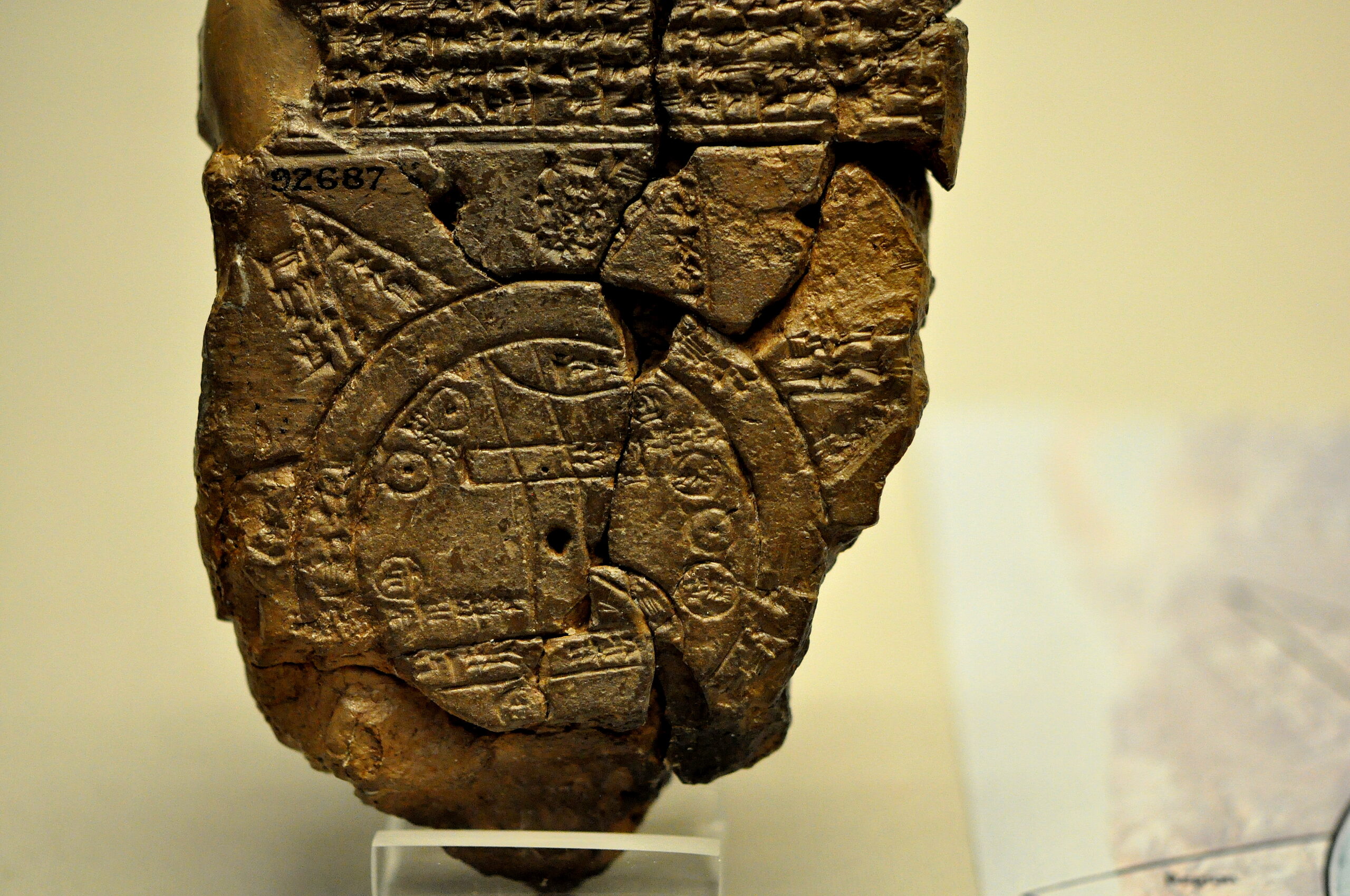
This tablet looks like a routine Babylonian astronomical record at first glance. The problem is that it describes a pattern of lights in the sky that doesn’t match any known celestial configuration. The star names are familiar, but the sequence and movement described don’t line up with any model of the ancient or modern sky.
One theory suggests it’s a symbolic sky rather than a literal one, but that just moves the mystery instead of solving it. The words that usually mean “star” show up next to terms better translated as “torch,” “weapon,” or “guest.” A few researchers have even proposed the lights weren’t in the sky at all – maybe a beacon system, a festival, or a device on the ground. No consensus exists, so the tablet stays filed under unidentified phenomenon.
#13 – The Sumerian “Rod” That Walked, Measured, and Judged on Its Own
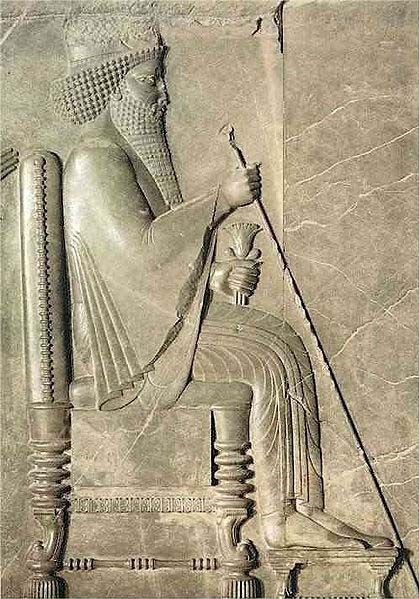
This Sumerian tablet reads like a standard administrative text – units, measures, proportions – until translators hit a recurring phrase describing a “measuring rod that walks” or “goes by itself.” It’s discussed as if it were a known object, brought to different locations to decide boundaries and quantities almost like a tool with its own agency.
Some experts try to flatten this into ceremonial language, maybe a priestly title or a standard carried in processions. Others argue the grammar is too concrete for metaphor – it reads the way we talk about machines, not symbols. A minority have floated the idea of a surveying instrument whose function we’ve simply lost. Nobody can say for certain what the “living” rod actually was.
Quick Compare
- Ceremonial theory: A priestly title or symbolic standard carried in processions, not a literal object.
- Machine-language theory: Grammar too concrete for metaphor, describing something that functions on its own.
- Instrument theory: An early surveying tool whose mechanical purpose has been lost to history.
#12 – The Cretan “Game of the Gods” With Rules Nobody Can Play
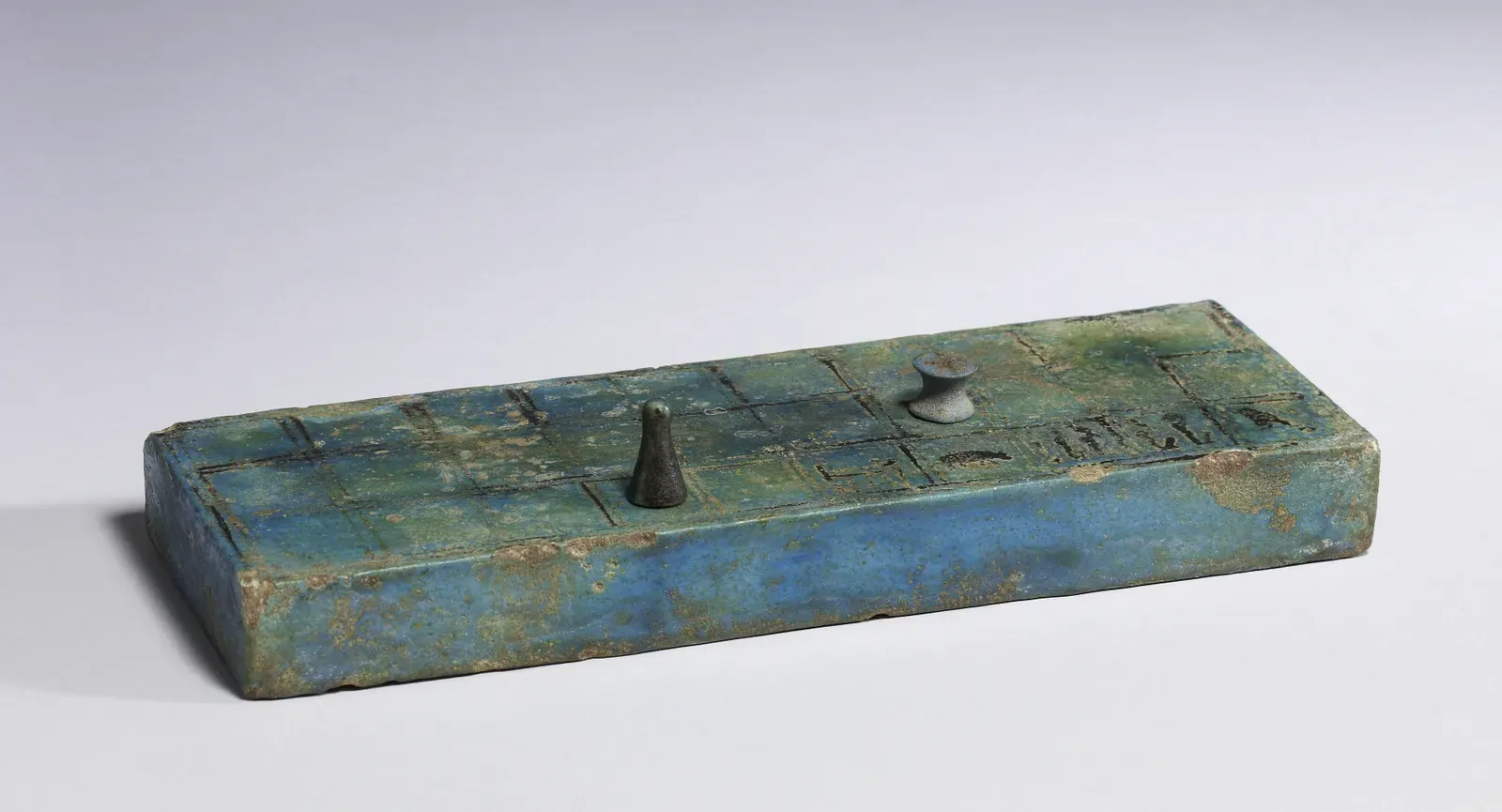
Unearthed on Crete and written in a script related to, but not identical with, Linear A, this tablet describes turns, pieces, victory, and loss. Translators can map the grammar perfectly. What they can’t map are the central nouns – the names of the pieces or moves being made, in threes or sevens, on a “something” that has no known parallel anywhere.
Some archaeologists suspect this is closer to divination than entertainment, a way of encoding cosmology or political hierarchy through play. But when researchers try to match the described moves onto known ancient game boards, nothing fits cleanly. Others argue it isn’t a game at all, but a legal or allocation ritual that only looks like game rules to modern eyes. Either way, whatever was actually being moved remains unidentified.
#11 – The Hittite “Breathing Stone” That Healed the Sick
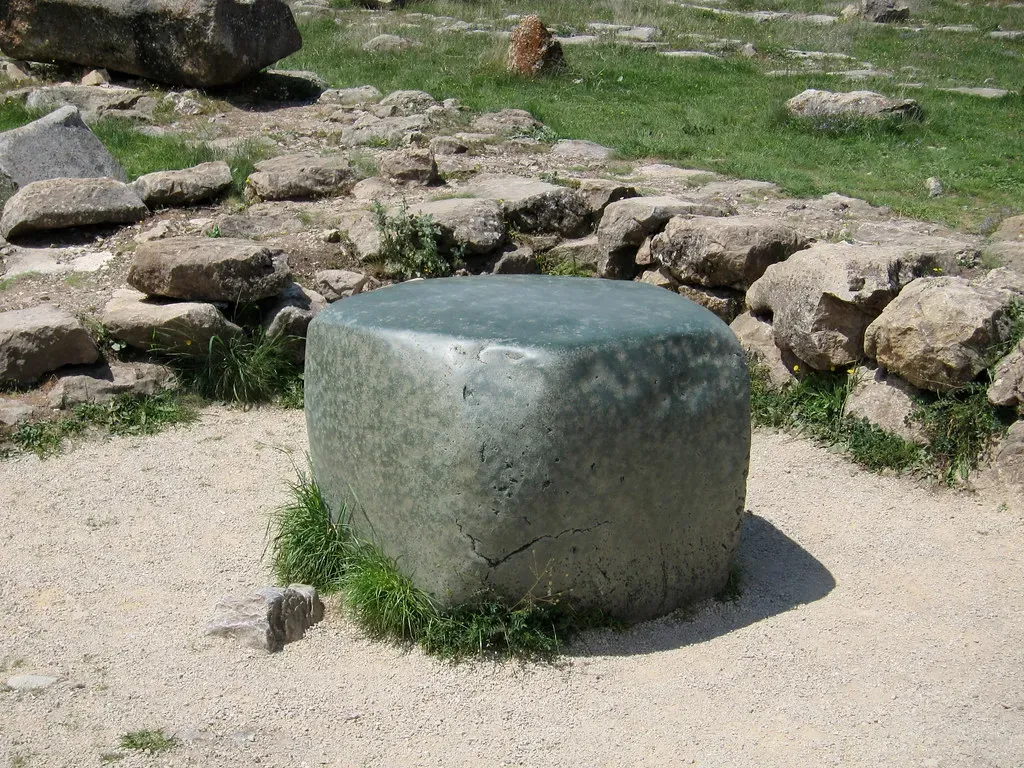
This Hittite ritual tablet repeatedly mentions an object most translators gloss as a “breathing stone,” central to a healing ceremony. It’s placed near a patient, where it supposedly takes in harmful forces and releases them elsewhere. Crucially, it’s never treated as metaphor – the stone is handled, cleaned, and stored like a physical device.
Yet no archaeological find matches such an object among known Hittite artifacts. Some scholars think “breathing” is poetic shorthand for heated stones producing steam, but the tablet uses entirely different vocabulary whenever it clearly means incense. Could it be a porous mineral that released stored fragrance when warmed? A carved stone with vents? Experiments with candidate materials haven’t settled it, and the text talks about the stone as if every ancient reader already knew exactly what it was.
#10 – The Proto-Elamite Ledger Counting Something That Isn’t Grain, Metal, or Cloth
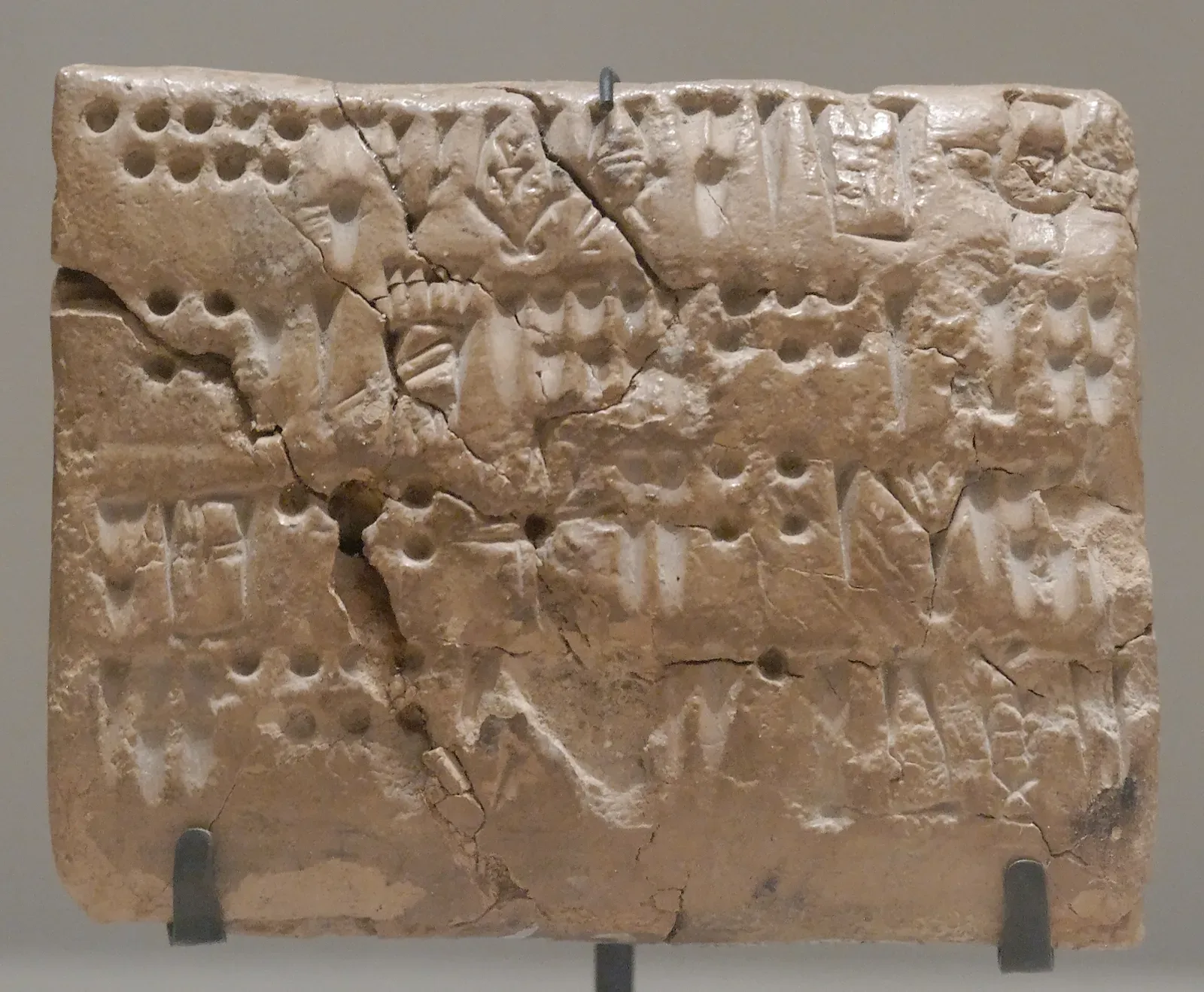
Proto-Elamite tablets are already brutally hard to decipher, but one administrative tablet stands out for listing units of a substance that doesn’t match grain, livestock, textiles, or metal. The layout screams accounting – columns, tallies, totals – but the sign for the measured thing appears only in a handful of texts, always in large quantities tied to elite households or temples.
Some researchers guess it’s a perishable luxury like perfume base or medicinal resin. The problem is there’s no supporting vocabulary – no “of barley” or “of oil” attached to clarify it. Others think it might be an early labor unit, quantifying work instead of goods, which would make this one of the oldest records of abstract economic calculation on earth. Without a bilingual key, the unit stays an empty placeholder for something clearly important enough to count obsessively.
#9 – The Assyrian “Black Rain” That Fell Like Wool
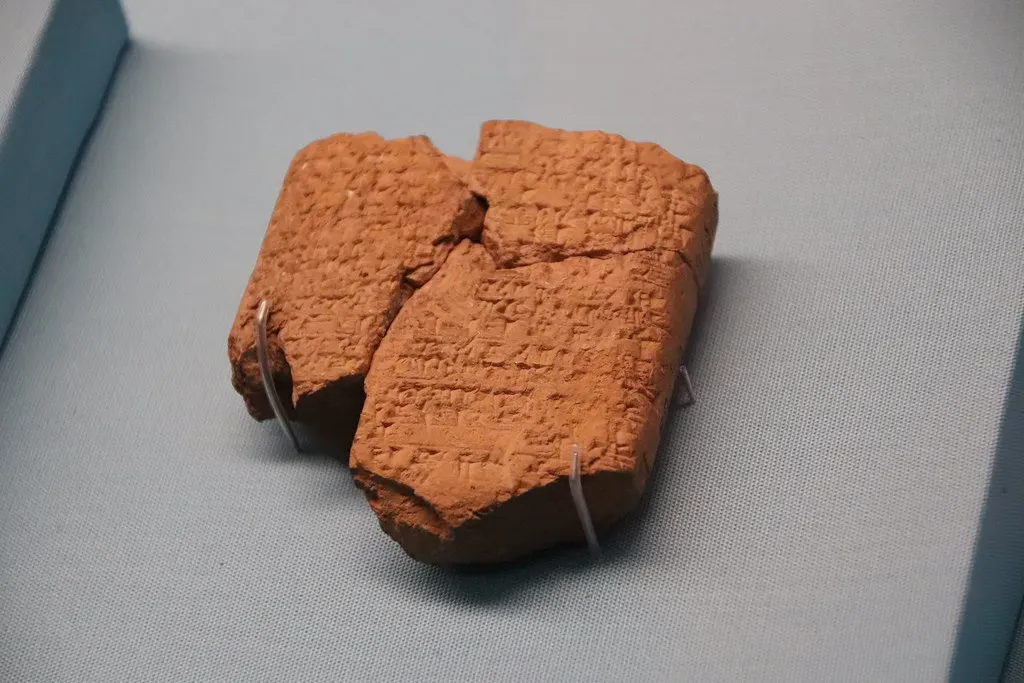
This Assyrian omen text describes a phenomenon called “black rain that falls like wool,” tied to dire predictions for crops and kings. The scribes carefully lay out the correct ritual response but never explain what the black rain actually was – everyone at the time apparently already knew. Translators still argue over whether it means ash fall, locust swarms, or literal contaminated rain.
One line complicates everything further, describing the black rain as “sticking to roofs” and “burying the road,” which sounds like ash – except the verb used for “falling” is the same one reserved for liquid rain. Some have tentatively linked it to a distant volcanic eruption drifting ash into the region. Skeptics point out the Assyrians had perfectly good, separate words for ash when they meant ash. Whatever they actually watched fall from the sky that day stays trapped behind poetic language.
At a Glance
- Called “black rain that falls like wool” in the original omen text.
- Described as sticking to roofs and burying roads.
- Uses the verb reserved for liquid falling, not the verb for ash or dust.
- Tentatively linked by some scholars to a distant volcanic ash fall.
#8 – The Indus Valley Animal That Matches No Species on Earth
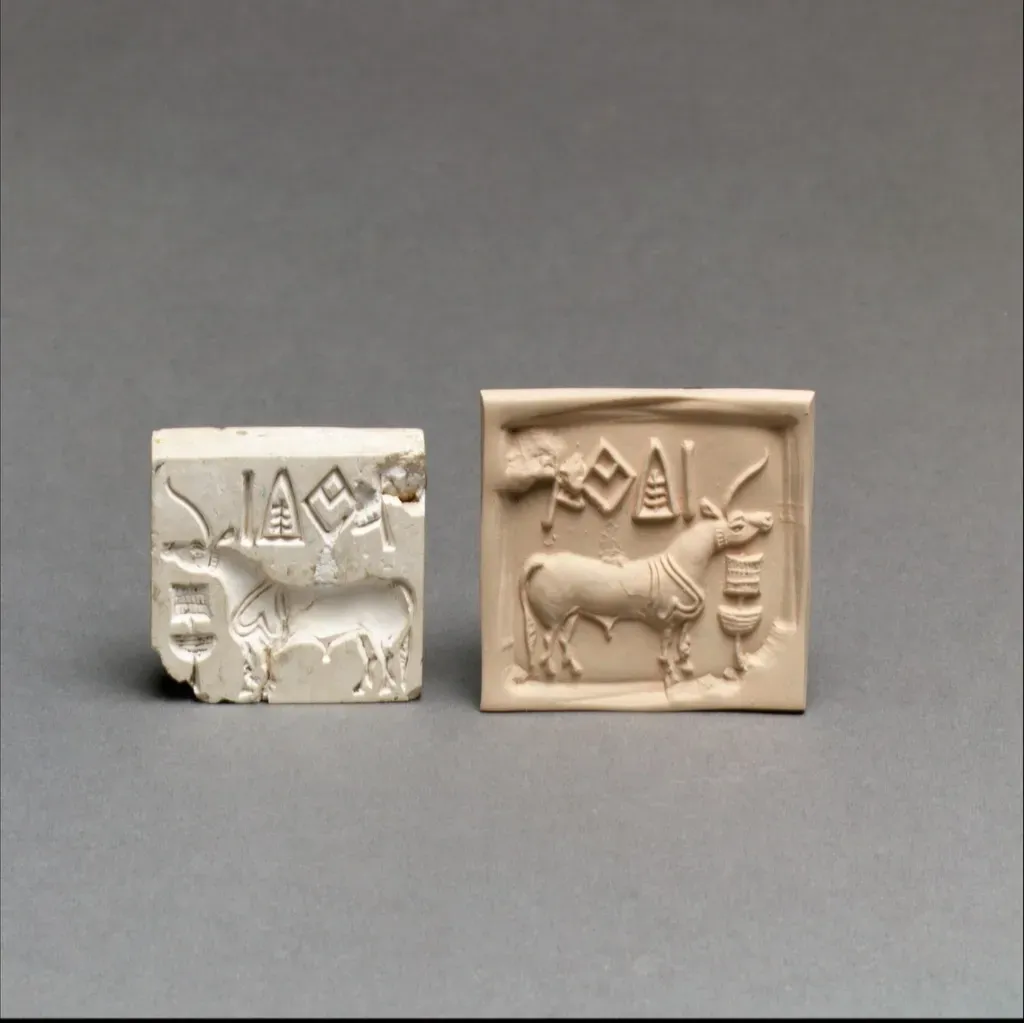
A short Indus Valley steatite tablet, later copied in clay, depicts a sequence of animals alongside their names. Most match familiar motifs like a horned bull. But at least one creature and its accompanying sign cluster correspond to nothing else in the record – not any known species, living or extinct, in the region.
The cautious explanation is a mythical or symbolic hybrid, but the surrounding inscription reads like trade or inventory, not myth – plain counts and labels, no ritual verbs, no divine markers. That unsettles the “purely symbolic” theory. A few zoologically minded researchers have tried matching the shape to extinct megafauna or heavily stylized rhinos, without much success. The uncomfortable possibility is that the Indus people were casually listing something they considered completely ordinary – something we’ve either misidentified or simply lost.
#7 – The Ugaritic “Silent Sound” Priests Could Hold and Break
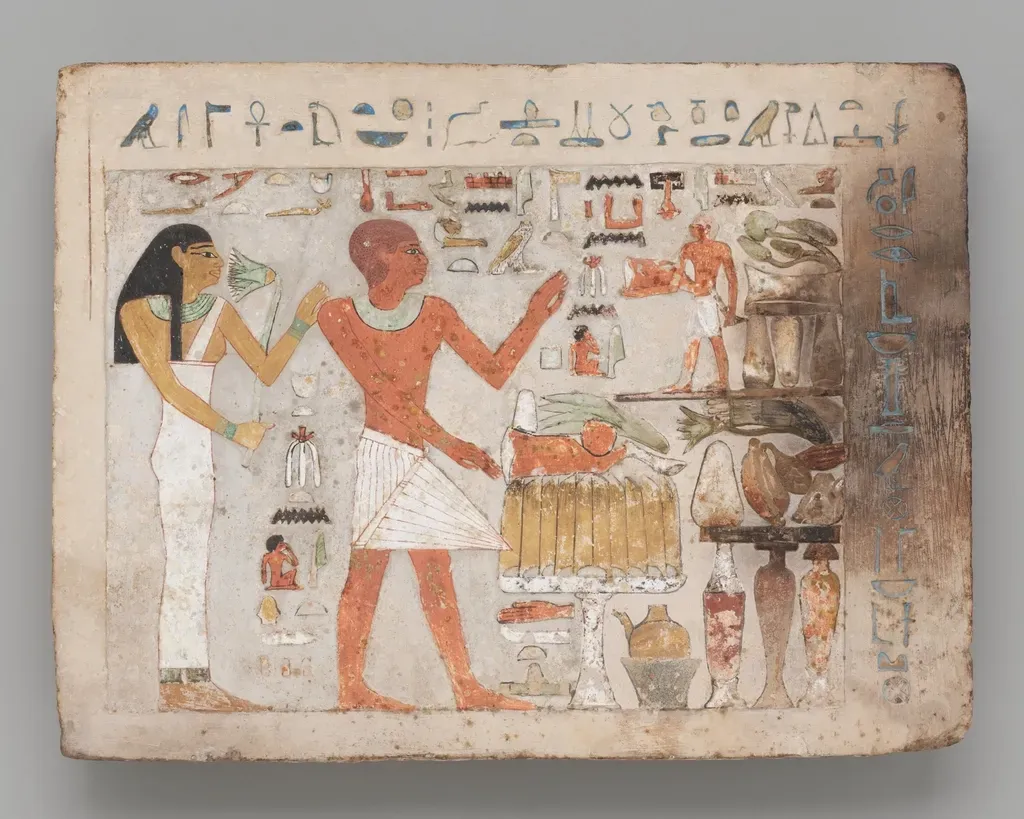
From Ugarit comes a literary-ritual text invoking a concept translated, awkwardly, as “the sound that cannot be heard.” Priests are described as being able to hold it, send it, and even break it, moving it between temples and cities to bring either blessing or catastrophe. Grammatically, it behaves like a physical object, not a figure of speech.
Some scholars think it encodes something political – a decree, treaty, or reputation – recast in poetic terms. Others take the physics-sounding language seriously, suggesting a kind of ritual resonance or vibration that the text simply personifies. A fringe theory links it to infrasound generated at large gatherings, though the evidence is thin. Every plausible explanation has to stretch either the language or the archaeology, which is exactly why the “silent sound” remains a ghost category we can’t reconstruct.
#6 – The Neo-Babylonian “Turning House” With an Actual Working Axis
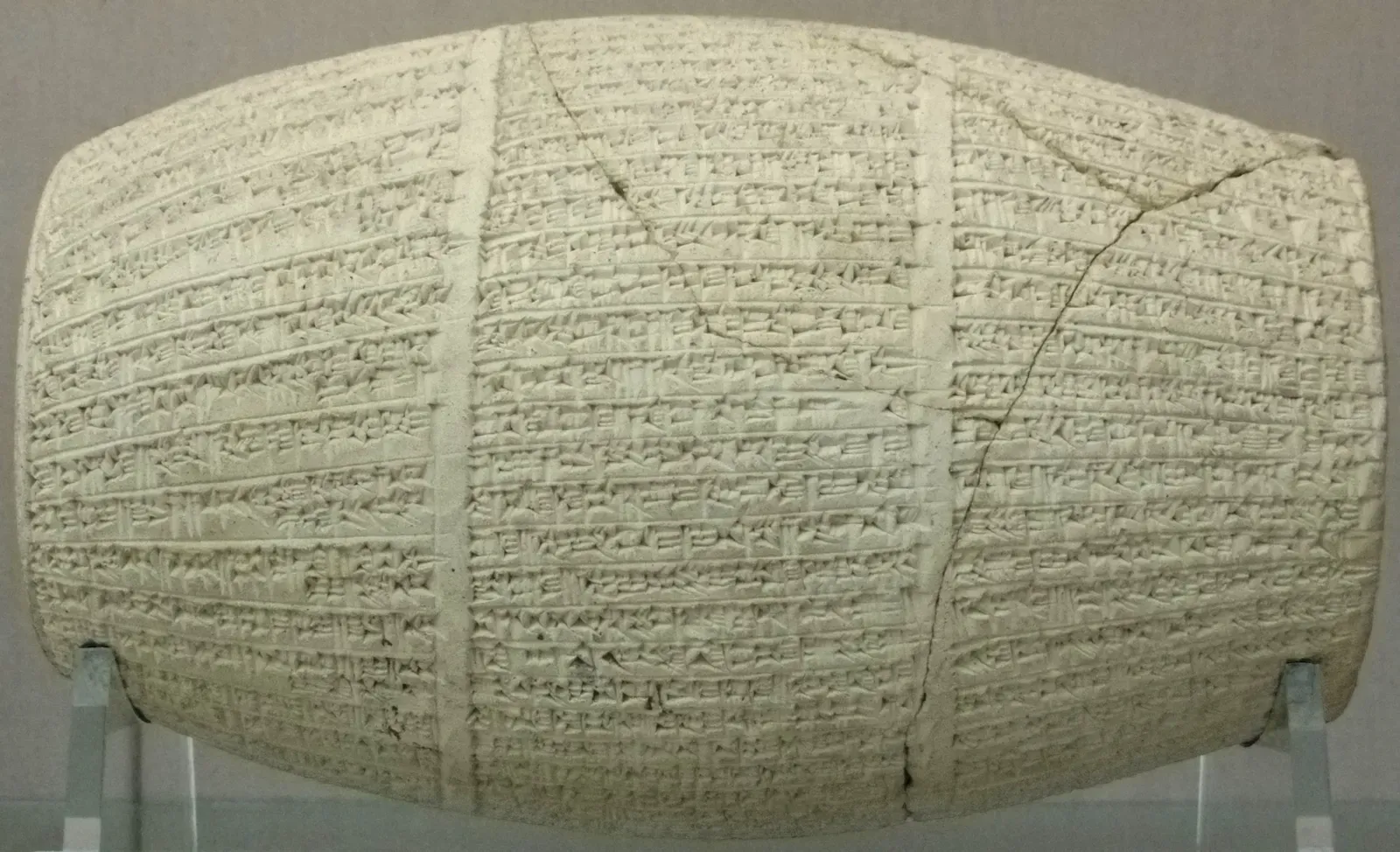
This partly damaged Neo-Babylonian text describes the building or maintenance of a structure called the “house that turns.” The verbs are shockingly concrete: craftsmen “fix the axis,” priests “purify the turning,” scribes record its “complete revolutions.” To modern eyes, it reads like maintenance notes for a rotating mechanism.
Yet no archaeological evidence of a large rotating building, or even a rotating cult device, has ever been tied to this description. Some philologists want “turning” to mean something metaphorical – the turning of the year, a duty roster, a cyclical ritual. But that clashes with how the verb is used everywhere else in the language, where it clearly means physical rotation. Others picture something smaller: a pivoting statue or platform poetically called a “house.” Until an installation is found that literally turns, this stays an engineering riddle written in dried mud.
#5 – The Hurrian “Borrowed Days” Pulled From a Dark Storehouse
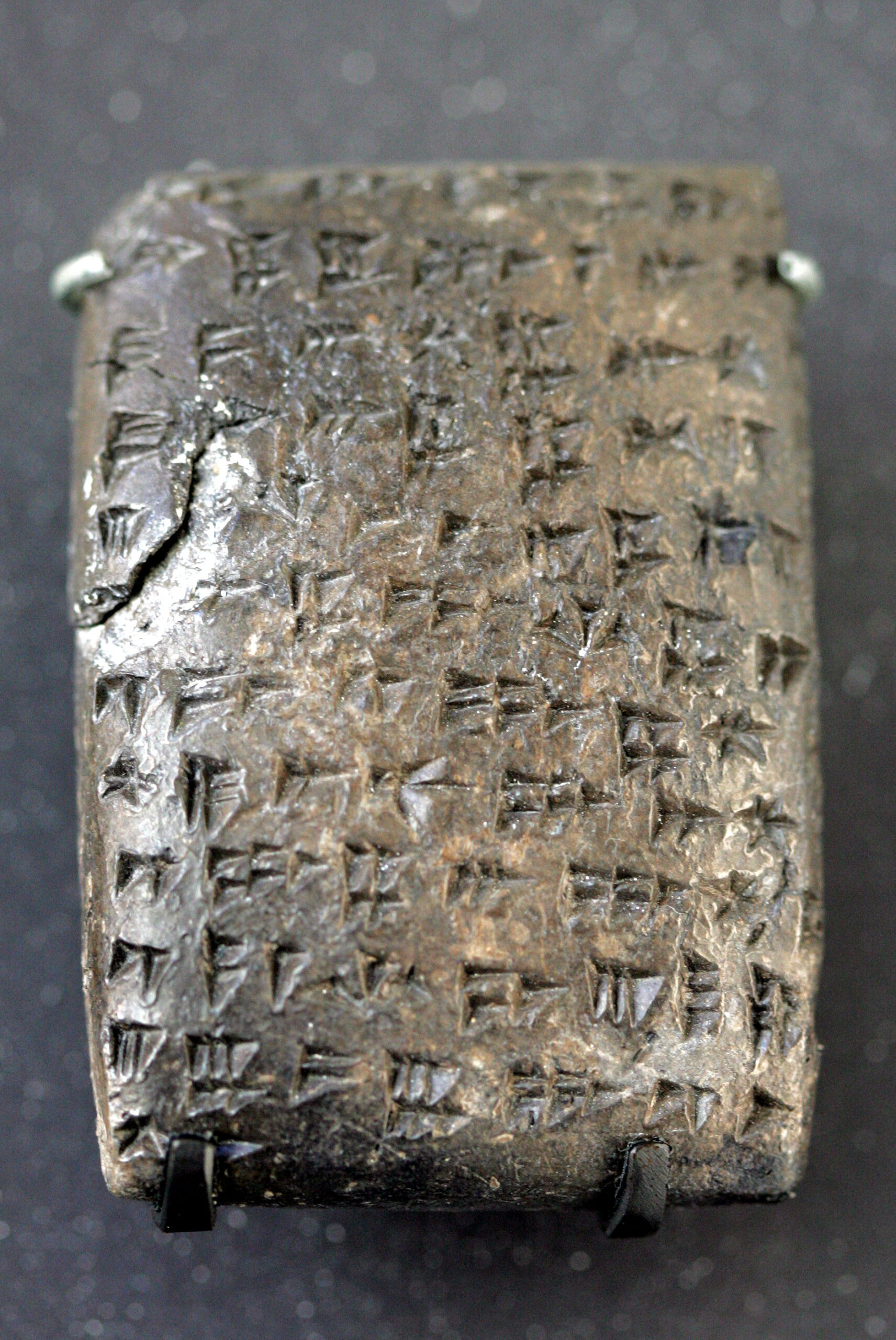
A Hurrian calendrical-ritual tablet has tormented translators with its description of “days borrowed from the dark storehouse,” treated as discrete objects officials can request, move, and return. The text connects these borrowed days to adjusting festivals and correcting bad omens. Most scholars think this describes intercalation, the practice of adding extra days to realign a calendar.
But the tablet goes further than metaphor. The borrowed days have attributes – some are “heavy,” some “pure,” some “spoiled” – and those qualities determine which rituals must follow. That makes them feel less like abstract time and more like physical tokens or documents. Were there actual markers standing in for these day-corrections? If so, nothing matching them has ever turned up, and the “borrowed days” still hover uneasily between time, paperwork, and religious fiction.
Worth Knowing
- Framed as physical objects officials can “request, move, and return.”
- Most likely connected to intercalation – adding days to realign a calendar.
- Individual days are labeled “heavy,” “pure,” or “spoiled” like distinct tokens.
- No physical markers matching this system have ever been recovered.
#4 – The Mycenaean “Sea That Is Not Water”
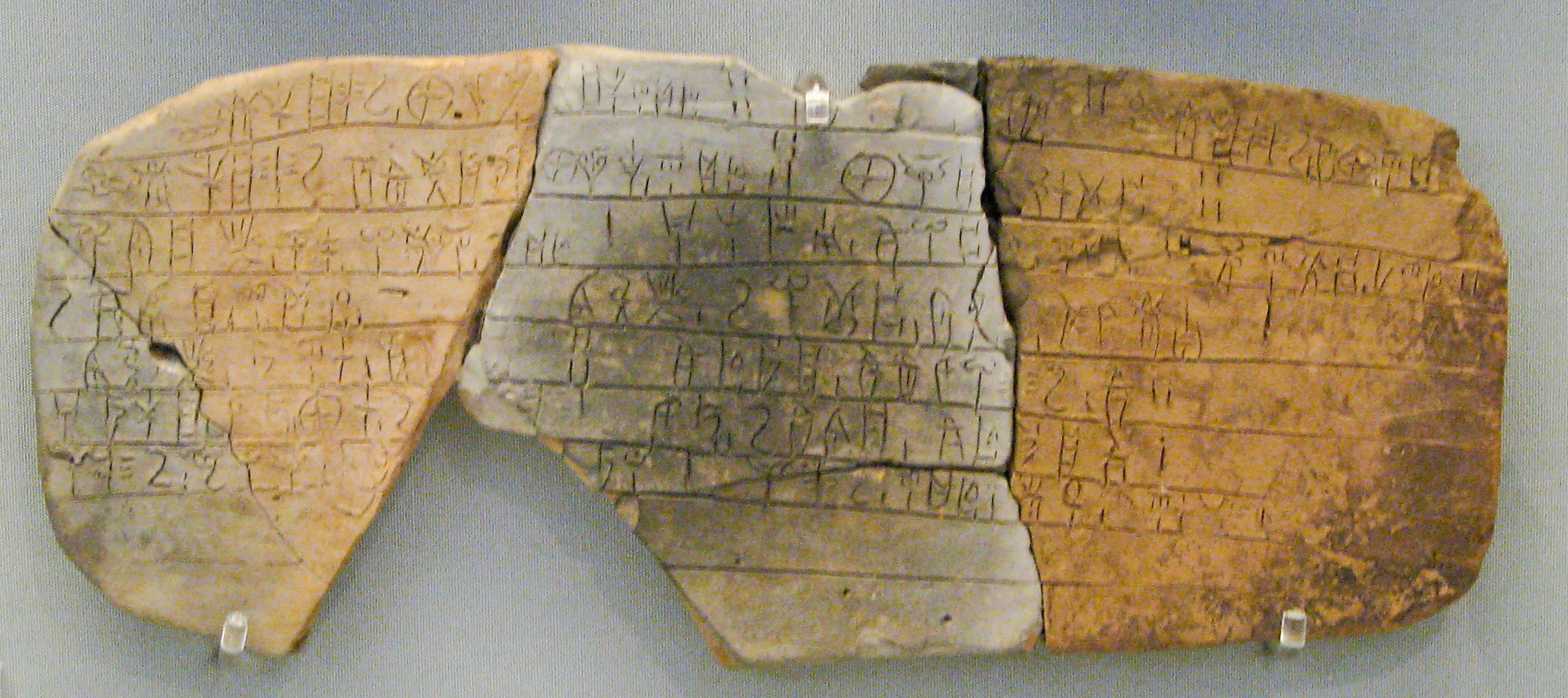
Written in Linear B but describing something that predates familiar Greek myth conventions, this tablet repeats the phrase “sea that is not water” in what looks like a logistical or travel context. Officials are said to cross it, load it, and even bleed upon it – verbs normally reserved for literal goods and literal wounds, not poetry.
One theory reads this as an early term for marshland or salt flats, quasi-marine but not truly sea. Another sees a proto-concept of “market” or trade network, a metaphorical sea of exchange. But the loading and bleeding language pushes hard against pure metaphor. Some researchers have floated a dense field of reeds or wooden platforms forming a hazardous transport surface. Without a matching archaeological counterpart, the phrase stays locked in the category of unidentified landscape.
#3 – The “Shining Bread” Egyptian Priests Were Forbidden to Look At
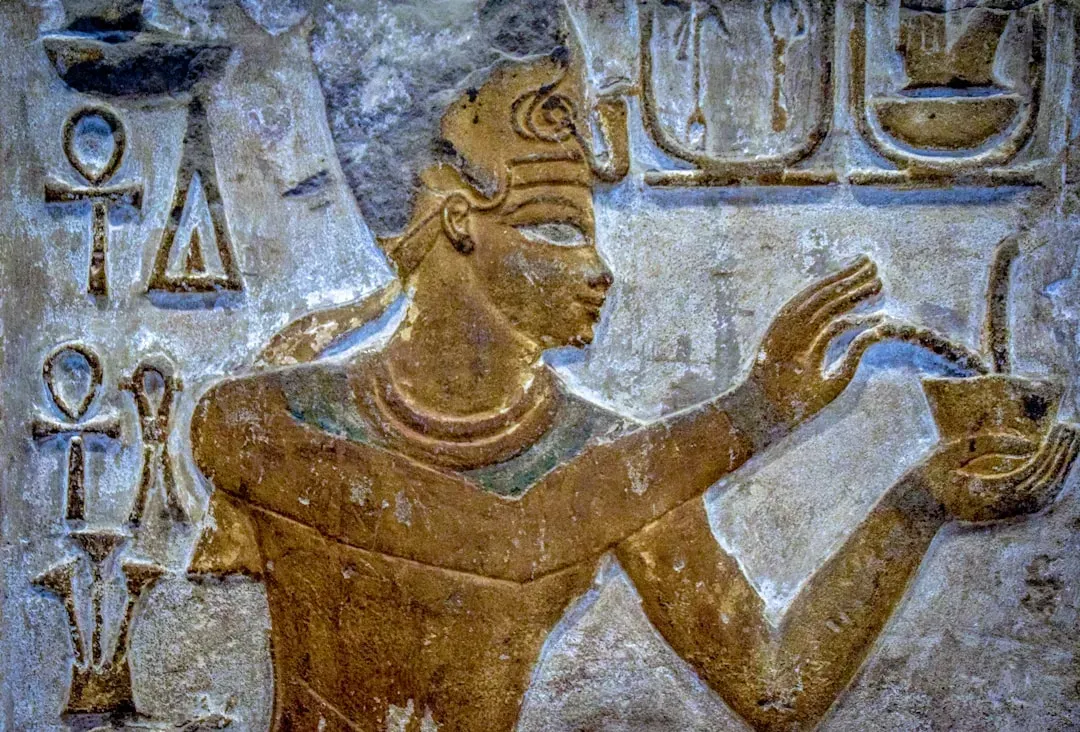
An Old Kingdom Egyptian tablet, overshadowed by flashier inscriptions, obsesses over “shining bread” placed before a deity – not the ordinary offering term, but a special category with its own handling rules. Priests are warned not to look directly at it during certain phases, and it’s described as both nourishing and dangerous at once.
Egyptologists argue over whether this is bread plated in precious metal, bread embedded with reflective stone, or something chemically treated to glow. There are speculative links to phosphorescent minerals or molds, but nothing conclusive has ever been confirmed. The instructions, if that’s what they are, keep referring to “the secret way” known only to initiates – vague on purpose, apparently. Whatever this bread was, it demanded elaborate ritual protocol yet left no surviving example behind.
#2 – The Warring States “Self-Moving Cart” With a Hidden Heart
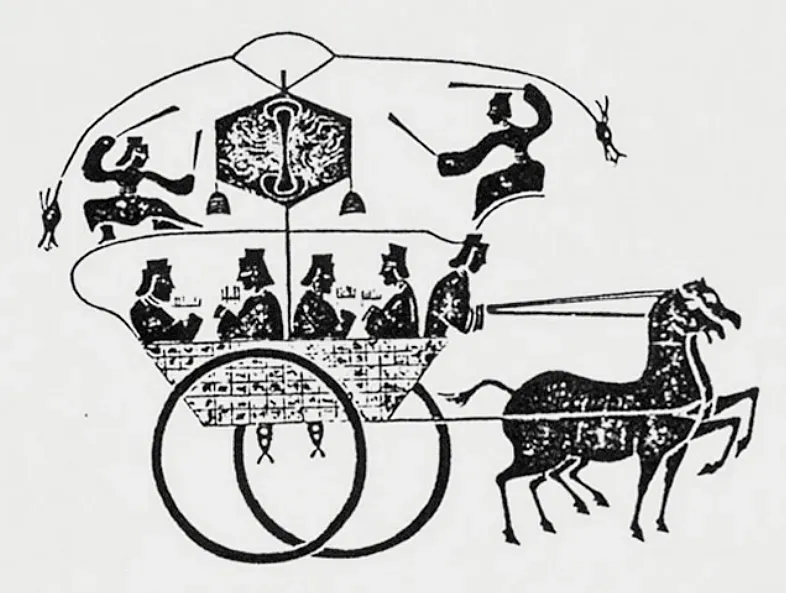
Among Warring States-period Chinese texts preserved on clay and later bamboo, one tablet-copy describes a “cart that moves without draught animals,” used as an example inside a philosophical argument. But the mechanical detail included is oddly specific for a metaphor: commentary on its “hidden heart,” limits on how far it could travel, and a tendency to fail on slopes.
Some sinologists think it refers to the known south-pointing chariot, but that device concerns orientation, not independent motion, and the terminology doesn’t quite match. Others suspect a wind-powered or gravity-assisted contraption built for demonstration and later mythologized. No clear archaeological candidate has ever surfaced. The tablet treats the cart as a familiar curiosity rather than a miracle – which is exactly what makes it feel like an early experiment in automation, quietly documented and then lost.
The past is a foreign country: they do things differently there.
L.P. Hartley
#1 – The Undeciphered Tablet Naming “Visitors From the Far West”
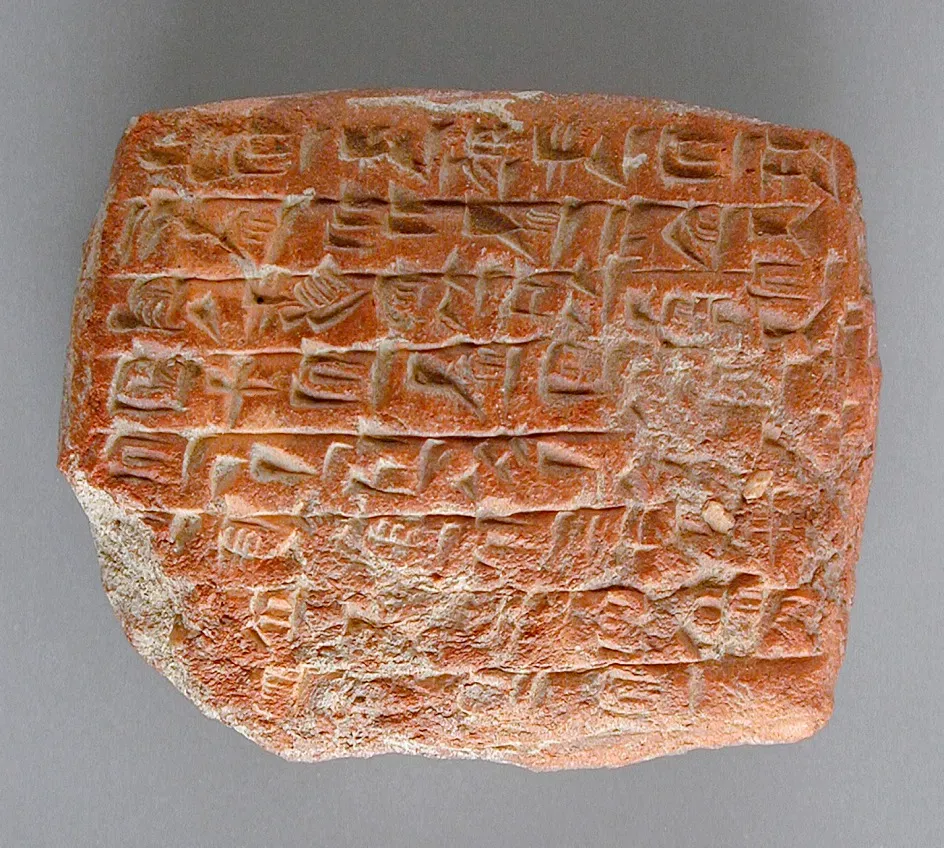
At the top of the list sits a tablet scholars discuss carefully, because it’s catnip for wild speculation. Found in the eastern Mediterranean and written in a script that’s only partially deciphered, it appears – based on partial sign matches and accompanying iconography – to reference “arrivals” from a vaguely indicated “far west,” described with terms that don’t align with any known ethnic group, ship type, or landmark.
The surrounding text hints at trade, conflict, or both, but the identity of these visitors stays stubbornly opaque. Serious researchers resist plugging in favorite theories about lost civilizations, and the responsible conclusion is more restrained but just as strange: something significant enough to record arrived from a place we can’t pin down, carrying customs or technology unusual enough to require its own vocabulary. Because the script is only partly cracked, the key nouns stay just out of reach – a rare case where we know something happened without ever recovering who or what it was.
Why It Stands Out
- The script itself is only partially deciphered, leaving key nouns unreadable.
- Terms used for the “visitors” match no known ethnic group, ship type, or landmark.
- Surrounding context suggests trade, conflict, or possibly both.
- One of the rare cases where scholars agree something happened but not who or what was involved.
The Bottom Line
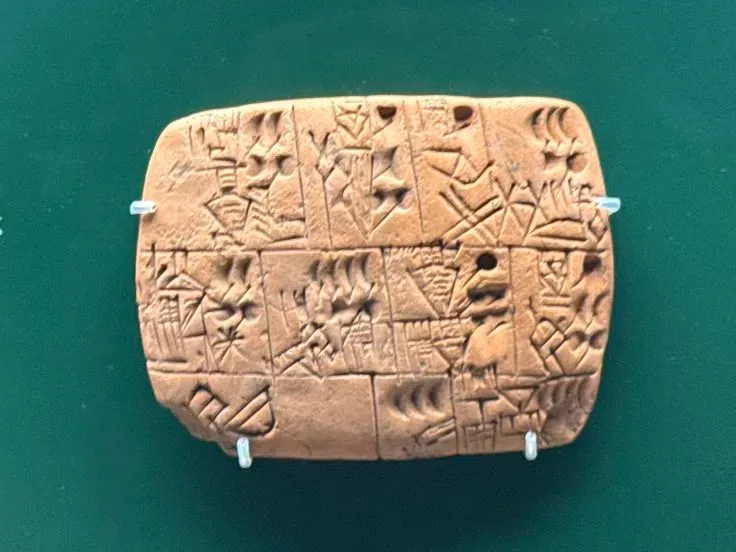
Taken together, these fourteen tablets are a humbling reminder that the ancient world isn’t a half-finished crossword waiting for one clever solver to fill in the last boxes. It’s a patchwork where entire categories of things – objects, technologies, landscapes, even everyday commodities – can vanish so completely that we only glimpse their outline through a handful of stubborn, untranslated words.
What strikes me most is how many of these aren’t fringe curiosities plucked from questionable sources. They sit in mainstream museums, studied by mainstream scholars who agree on the grammar and disagree on everything else. I don’t think that’s a failure of modern scholarship. I think it’s proof that some knowledge simply died with the people who wrote it down, and no amount of computing power can resurrect a memory nobody bothered to explain because, to them, it was obvious. That’s not a comfortable thought, but it might be the truest one on this whole list.