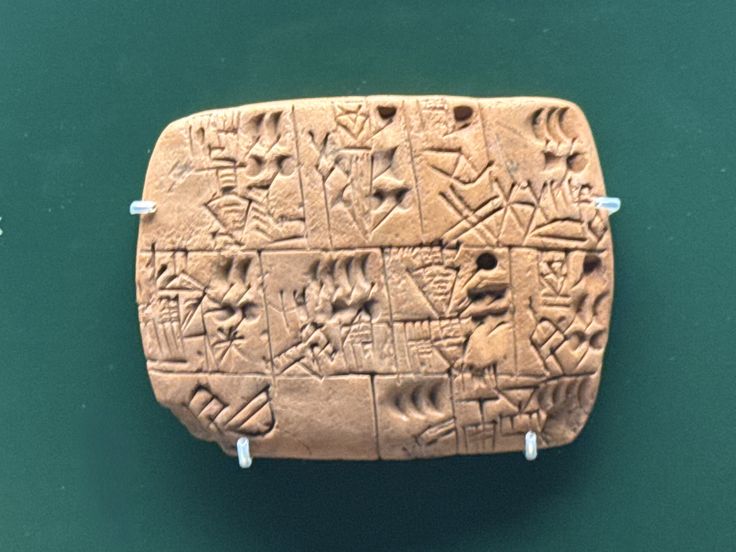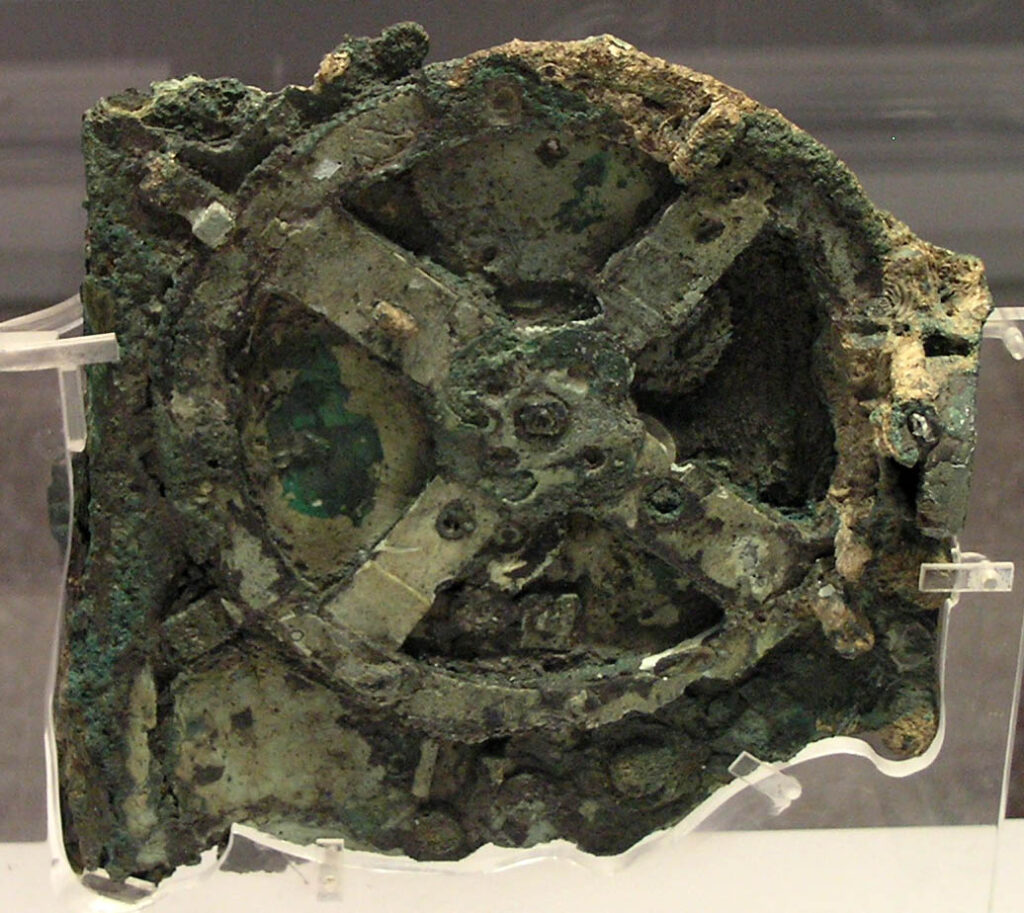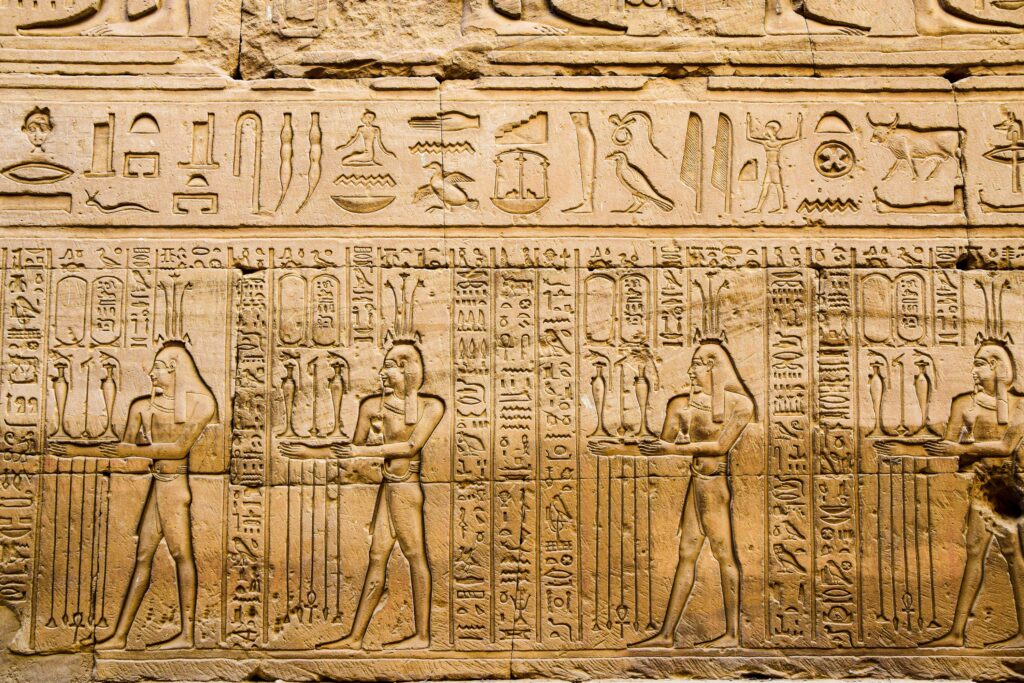

Most people assume “real history” only starts once we hit safely documented Greece or Rome, and everything before that is myth, guesswork, or campfire exaggeration. But dig into the clay tablets, temple walls, and monastery ledgers left behind by older civilizations, and you’ll find something unsettling. Some of these records already timestamp eclipses, wars, migrations, and cities – centuries before modern timelines say any of it should exist.
Historians usually explain the discrepancy away as legend, scribal error, or mistranslation. That’s the comfortable answer. It’s just not always the correct one. Line these ancient claims up against radiocarbon dating, astronomical back-calculation, and fresh archaeology, and the tidy explanations start to wobble. Here are 14 records where the evidence and the textbooks can’t quite agree on when history actually began.
#14 – The Egyptian “Dark Hour” That Reads Like a Later Eclipse

On a battered Middle Kingdom text, scribes describe a “day when the sun refused its path,” plunging Egypt into unnatural darkness. Mainstream chronology usually shoves passages like this into the myth basket, or blames a local dust storm. But the phrasing is oddly technical – a sudden darkening at midday, lasting no longer than a short meal, then a clean return of light. That’s not how anyone describes a weeks-long sandstorm. It’s how you describe an eclipse.
The problem is timing. Modern astronomical calculations for total solar eclipses visible over Egypt line up with slightly different reigns than the traditional king lists allow. That forces specialists to “correct” either the text, the interpretation, or the astronomy itself. A few independent chronologists argue the passage actually preserves a precise eclipse a few generations earlier than textbooks permit for that dynasty – which would mean the accepted timeline is quietly off by decades.
#13 – Sumerian King Lists That Remember Cities Too Early
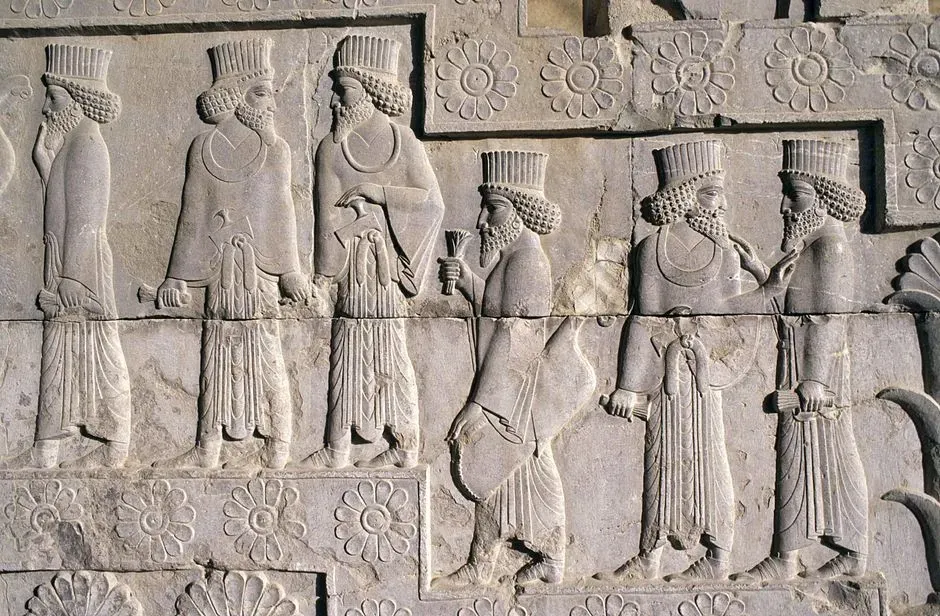
The Sumerian King List is a strange hybrid: part political propaganda, part cosmic myth, part bureaucratic spreadsheet. It calmly reports dynasties ruling from Kish, Uruk, and Ur for thousands of years – long before the archaeological layers we’ve actually excavated. Most historians dismiss those early entries as pure invention, backdating royal authority to a legendary “before the flood” era.
Fast Facts
- The list names eight kings who supposedly ruled before a great flood, each reign stretching into the tens of thousands of years.
- Pre-flood capitals include Eridu, Bad-tibira, Larak, Sippar, and Shuruppak – all real, excavated sites.
- Post-flood dynasties shift to Kish, Uruk, and Ur, cities with confirmed archaeological layers.
- The best-preserved copy, the Weld-Blundell Prism, dates to roughly 1800 BCE and sits in Oxford’s Ashmolean Museum.
Yet some names and places do line up with real sites and rulers confirmed later on. Here’s the awkward part: a few of those cities appear on the list long before conventional archaeology says they were major powers, and then the same sites reveal early monumental architecture and sophisticated writing the moment we finally dig deep enough. It’s as if the text is dimly remembering a political landscape further back than our shovels have reached. Some scholars quietly use those lists as a map for where to dig next, even while publicly insisting the early sections are pseudo-history.
#12 – Chinese Oracle Bones Hinting at a Dynasty Before the Shang
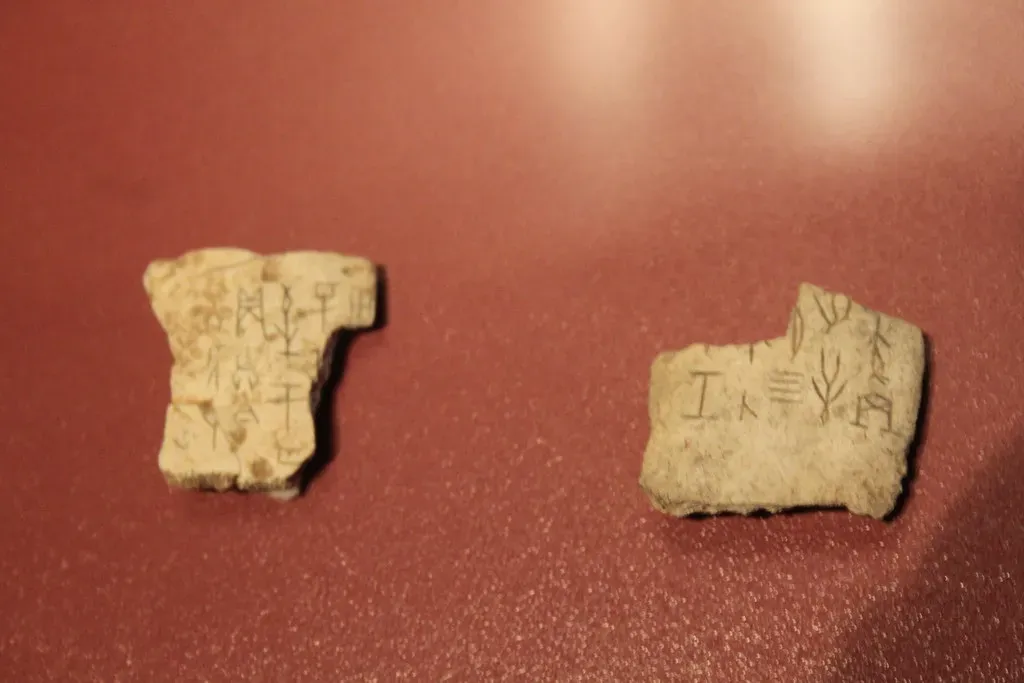
Most people assume Chinese written history begins cleanly with the Shang dynasty, around the second millennium BCE. Oracle bones from Anyang record royal names, warfare, harvests, and eclipses, and official timelines work backward from later texts to pin down exact dates. But some inscriptions mention rituals and royal ancestors that look suspiciously like memories of an even earlier political system – one usually lumped under the semi-legendary Xia.
Here’s the twist: when astronomers match the eclipses and planetary positions recorded on these bones, a few solutions push the calendar decades earlier than standard chronology allows. That would slide parts of “Shang history” uncomfortably close to when the Xia are supposed to have existed. Most historians solve the problem by calling those ancestor names purely mythological. A more provocative minority thinks the oracle bones accidentally preserved the historical footprint of a dynasty we still treat as a fairy tale.
#11 – Hittite Tablets That Date the Trojan War to the Wrong Century
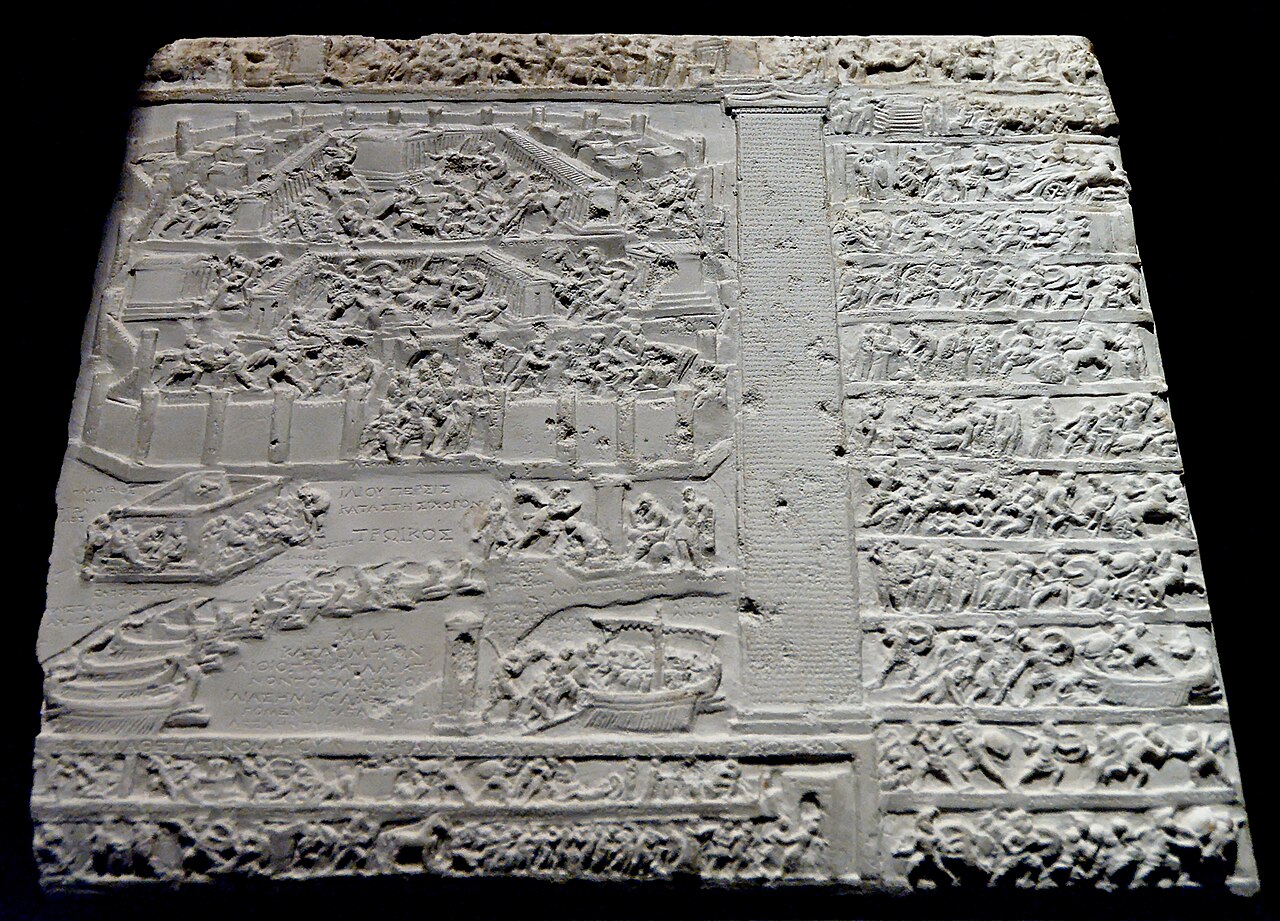
Clay tablets from Hittite archives in Anatolia mention a western kingdom called “Ahhiyawa” and a city called “Wilusa.” Linguists widely agree these mirror the Achaeans and Troy. The correspondence describes wars, stolen vassals, and diplomatic showdowns – meaning the Trojan conflict isn’t just Homer’s poetry, it’s a genuine headache in real Late Bronze Age foreign policy.
Here’s the catch: classical Greek chronology long placed the Trojan War centuries later than when these Hittite documents were actually written. To make the pieces fit, historians typically choose one of two moves:
- Push Homer’s war much earlier than the classical Greeks believed it happened, or
- Treat the Hittite references as a “similar but separate” conflict entirely.
But the name parallels are uncomfortably close, and the geopolitical setting matches the Troad almost too well. A minority of scholars argue the Hittite scribes were describing a Trojan-style war earlier than later Greek tradition admits, meaning the legends may have compressed several real conflicts into one “late” war.
#10 – Maya Long Count Dates Older Than the Cities That Claim Them
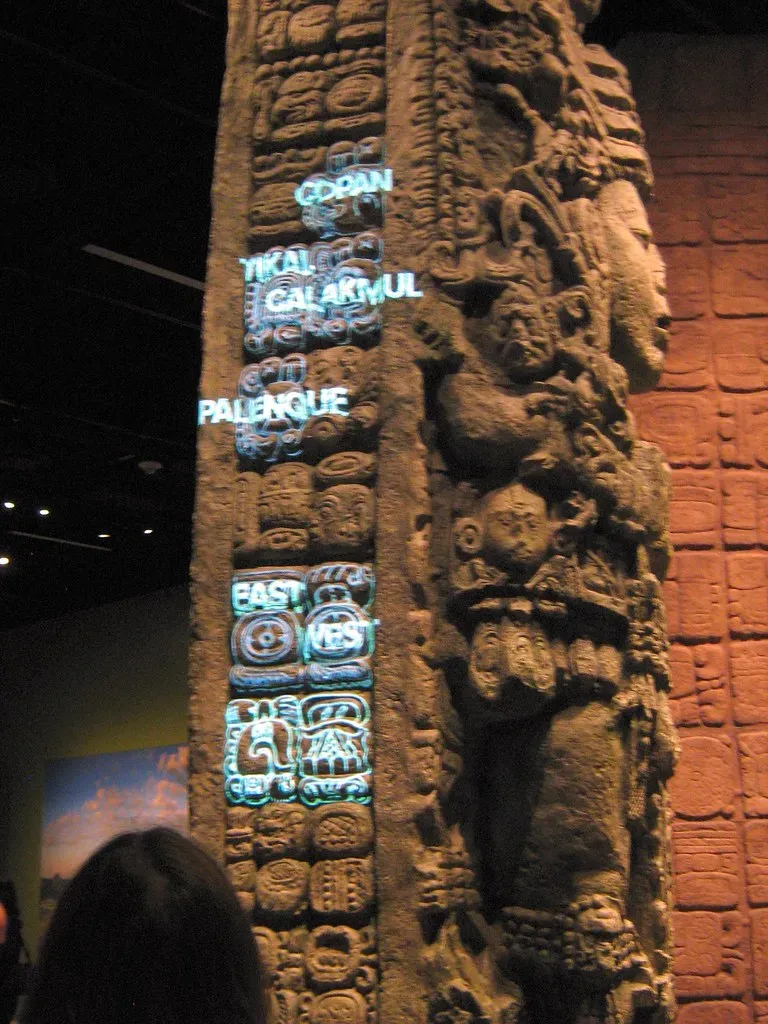
Most tourists know the Maya Long Count from the 2012 end-of-cycle hype. Inscriptions at Tikal and Palenque calmly date royal births, wars, and rituals across thousands of years using this base-20 calendar. But some stelae reference founding events and mythic pasts that, once converted, land far earlier than archaeology says those cities actually existed. Rulers claim dynasties stretching back to dates with no matching buildings found yet.
Mainstream archaeologists usually treat these as “mythic past” markers – symbolic time, not literal history. But the very same Long Count system pinpoints eclipses and Venus cycles that match modern calculations almost to the day. That accuracy makes it awkward to argue that one part of the inscription is rigorous math while the part right next to it is pure fiction. A few iconographers quietly suspect some of those “mythic” dates encode real prior settlements or lineages from earlier, still-buried phases of Maya civilization.
#9 – Greek Memories of Sea Peoples Raids Before “The” Collapse
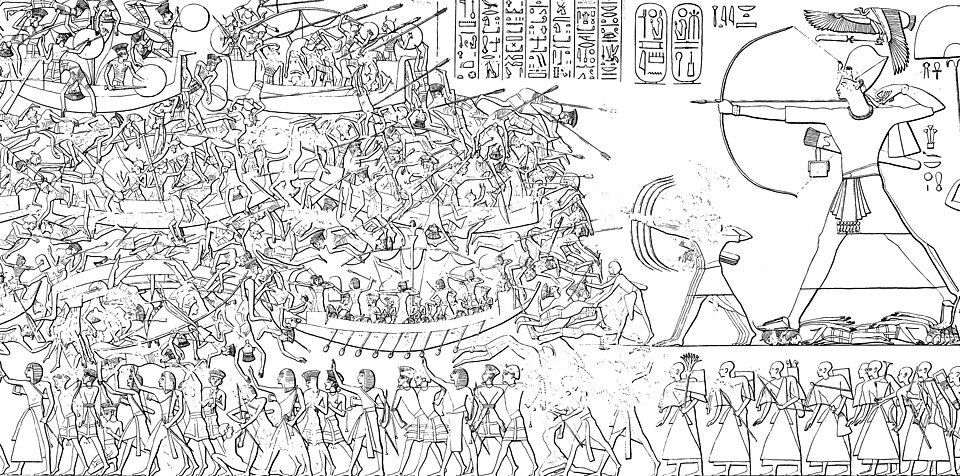
The Late Bronze Age collapse, around 1200 BCE, is usually explained with a cocktail of climate stress, earthquakes, and the mysterious “Sea Peoples.” Egyptian inscriptions from Ramesses III show foreigners attacking from the water, but Greek historical memory – written down centuries later – seems to push some of this upheaval earlier than the destruction layers of burned cities actually suggest.
Archaeology at Mycenae and Pylos shows final destruction right around the accepted collapse date. Yet some Greek accounts imply an older phase of turmoil, depopulation, and wandering peoples before the famous fall everyone remembers. Scholars usually split the difference by calling the earlier troubles “legendary” precursor stories to the real, textbook collapse. A minority argue the texts may instead preserve oral memory of multiple separate shocks, some occurring well before the big event we’ve all agreed to blame.
#8 – Indian Puranic Dynasties That Stretch Centuries Too Far Back

The Puranas and epics like the Mahabharata contain dizzying king lists and time cycles – dynasties ruling for thousands of years, battles fought with advanced tactics, and complex city-states long before the securely dated Mauryan Empire. Mainstream historians trim these lists heavily, treating the earliest rulers as largely mythical window dressing.
Yet a few Puranic king names line up uncomfortably well with rulers already known from inscriptions and coins – just attached to far earlier start dates. Some texts even anchor royal lives to eclipses and specific planetary alignments. When modern astronomers run those configurations, a handful of matches land before the widely accepted dates for major Indian political formations. The dominant theory is that later editors retro-calculated sky events to glorify legendary kings. A minority of researchers think at least some passages preserve authentic memory of pre-Mauryan polities that eventually got inflated into cosmic timescales.
#7 – The “House of David” Inscription That Showed Up Too Soon
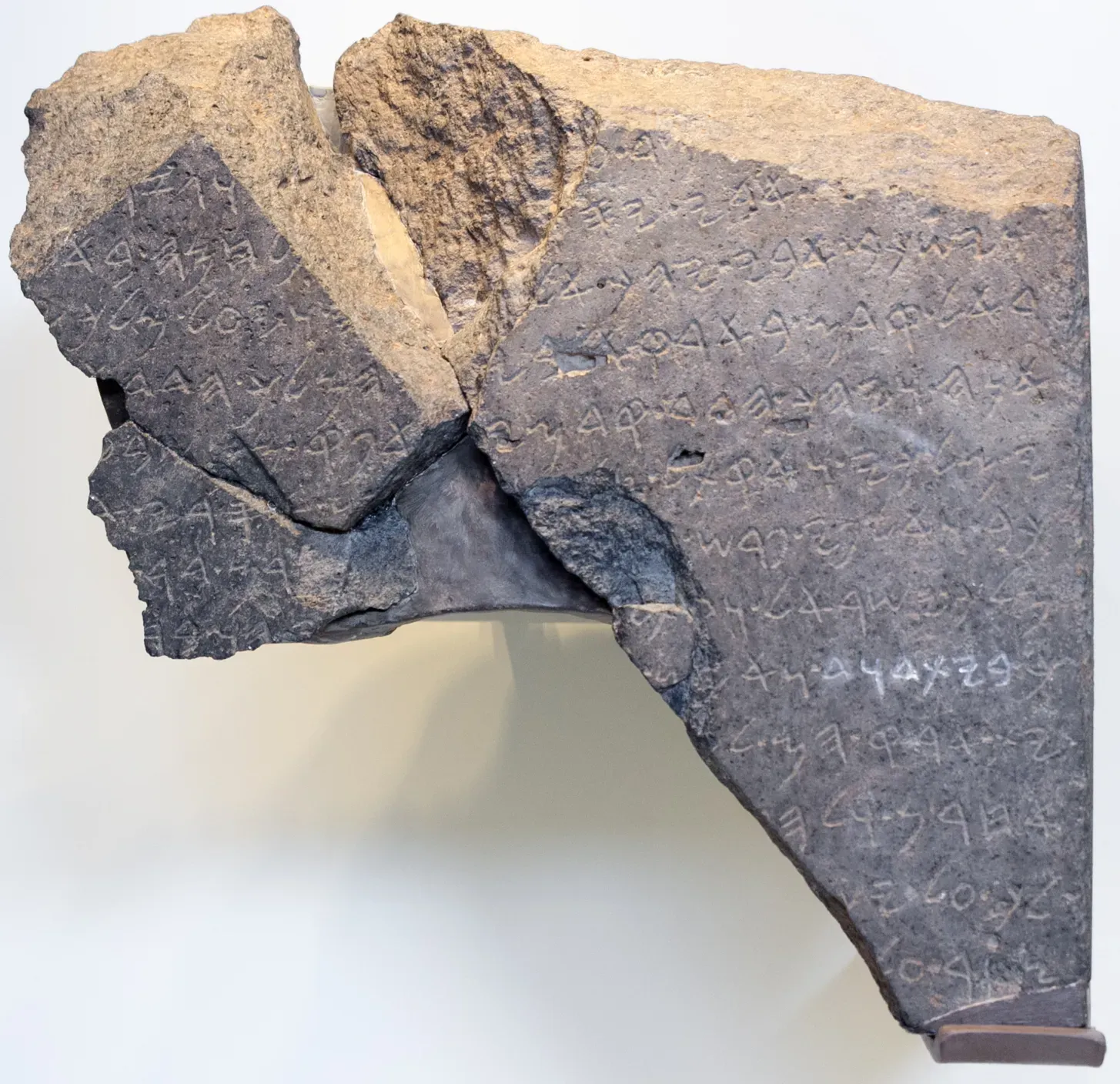
For years, many scholars treated King David as a largely legendary founder, with a real Israelite state only emerging later, in the 9th or even 8th century BCE. Then an Aramaic inscription, commonly linked to Tel Dan, surfaced with a phrase most scholars read as “House of David.” That implies a recognized Davidic dynasty within a century or so of when the Bible says David actually lived – not generations later, as minimalist chronologies prefer.
Quick Compare
- Traditionalist reading: the phrase “bytdwd” confirms a real Davidic dynasty recognized by rival kingdoms within a century of David’s traditional reign.
- Skeptic reading: the phrase could reference an unrelated name or place rather than a royal lineage.
- Discovery context: fragments were unearthed at Tel Dan in northern Israel in 1993 and 1994.
- Usual dating: the inscription is generally placed in the 9th century BCE, carved by a rival king boasting of a military victory.
Traditionalists took this as a smoking gun. Skeptics counter that the reading is uncertain, or that “David” could reference something unrelated. Either way, if the mainstream reading holds, an outside enemy was acknowledging a Davidic ruling house earlier than some reconstruction models allow for a truly centralized kingdom in Judah. That leaves historians two uncomfortable choices:
- Move state-level formation in Judah earlier, or
- Downplay the inscription’s historical weight.
Both camps agree on one thing: the stone simply doesn’t sit comfortably with the “David as pure myth” position anymore.
#6 – Babylonian Sky Diaries That Refuse to Match the Timeline
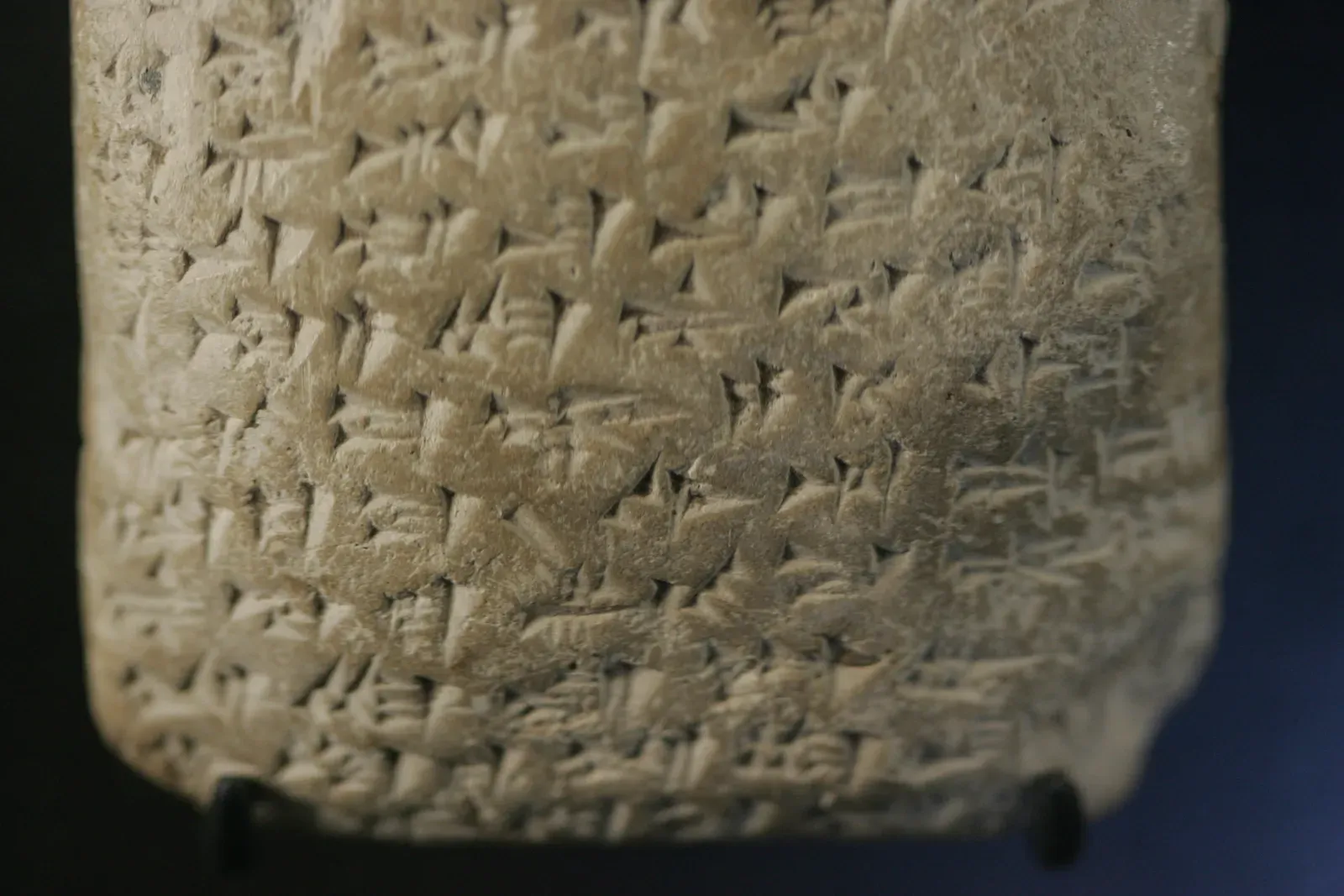
Babylonian scribes were obsessive sky-watchers. Their clay tablets log eclipses, planetary positions, and strange atmospheric events right alongside mundane news like grain prices. These astronomical diaries are so precise that modern historians use them to anchor Near Eastern chronology. Yet a few tablets appear to describe sky configurations that, when computed, land years – sometimes decades – off from the conventional timeline.
The usual fix is to assume a copying error; one wrong sign can shift a star’s position dramatically, so that’s a reasonable first guess. Still, in a handful of cases, the narrative context fits the “wrong” date better than the corrected one. That raises an uncomfortable possibility: our carefully tuned king lists and battle chronologies might be slightly misaligned with the actual night sky. Even a 10 to 20-year offset would ripple across Assyrian, Babylonian, and early Persian dating. Most scholars would rather emend the tablet than the timeline, but the tension never fully goes away.
#5 – Egypt’s “Disappearing” Old Kingdom Reigns
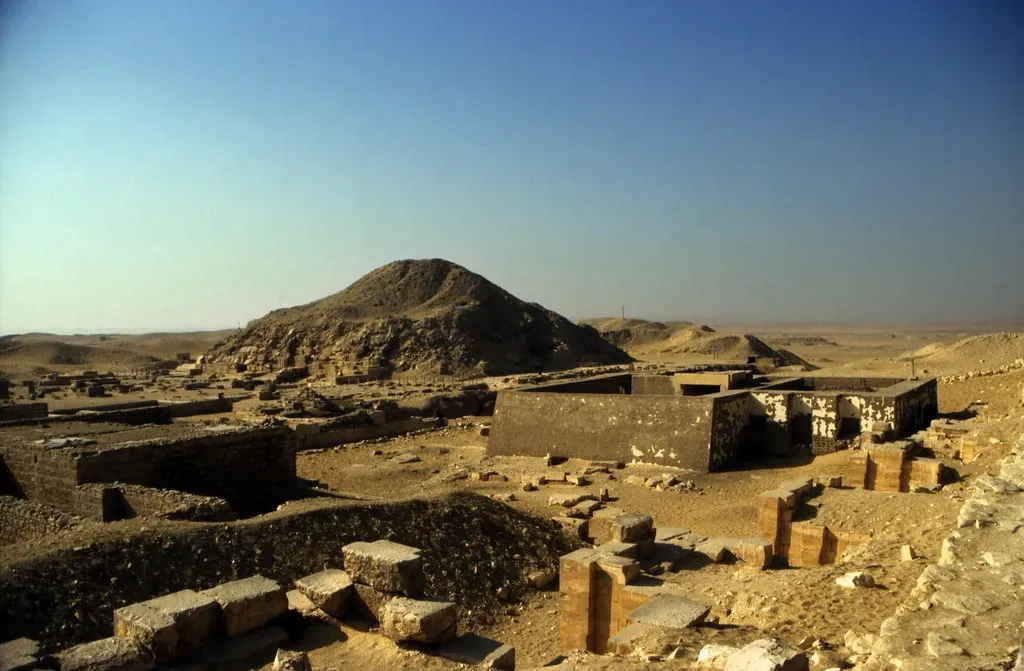
Egyptian king lists, like those at Abydos or Saqqara, present a tidy, orderly procession of pharaohs. But they also show gaps, erasures, and suspiciously clean successions – later priests clearly pruned “unworthy” rulers and messy periods of turmoil. Reconstructions of the Old Kingdom and First Intermediate Period lean heavily on these curated lists, assigning exact years to each reign as if none of it was edited.
Yet radiocarbon dates from tombs, seeds, and construction timber sometimes suggest certain building projects started earlier – or overlapped more – than the official lists imply. Text says reigns ran neatly one after another; carbon data suggests more crowding, overlap, and possibly co-regencies stretching further back than admitted. Some monuments we confidently date to one pharaoh may actually have roots in a political setup that began under barely recorded, or deliberately erased, predecessors. Egyptologists know this. The public still gets the simplified, sanitized version.
#4 – Roman Annals That Backdate “Barbarian” Kingdoms
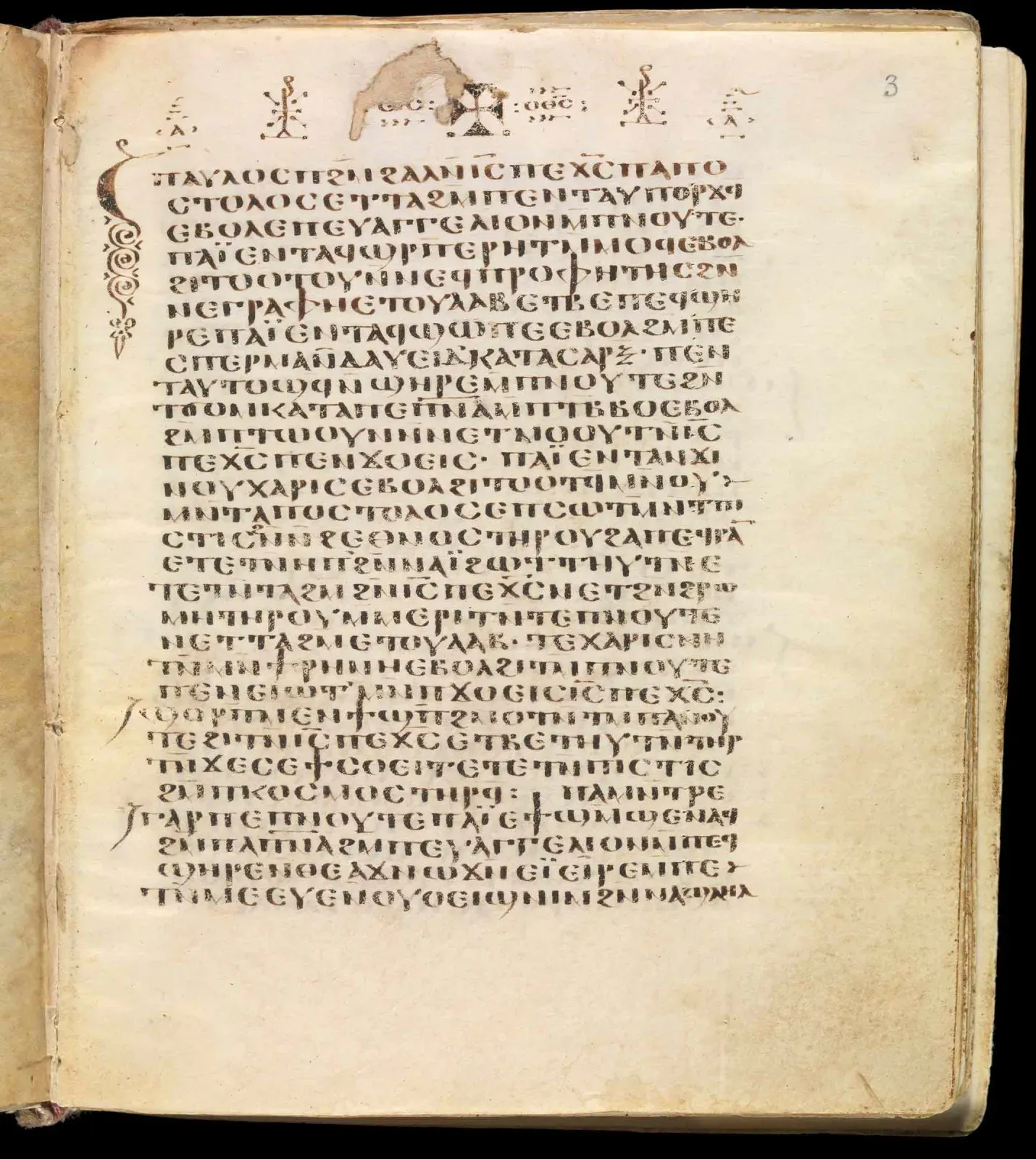
Later Roman and Byzantine writers loved telling stories about “barbarian” kings long before their tribes officially show up in the archaeological record. They describe early Gothic, Frankish, and Anglo-Saxon leaders with names, battles, and migration routes that, taken at face value, would push organized kingdoms centuries earlier than the current material evidence supports.
Most historians treat these annals as retrojections – later political realities projected backward to make new dynasties feel ancient and legitimate. Yet sometimes these texts preserve oddly specific details about river crossings, fort locations, and tribal mergers that later digs partially confirm, just not at the textbook dates. That suggests at least some annalists were drawing on genuine oral tradition of earlier movements, not pure flattery. The uncomfortable possibility is that small, structured polities existed well before big burial fields or coinage made them archaeologically visible.
#3 – Norse Sagas Remembering Vinland Before Columbus

Most people still talk about Columbus “discovering” America in 1492, even though the Norse sagas quietly recorded voyages to a land called Vinland centuries earlier. For a long time, historians chalked those stories up to heroic exaggeration or a garbled memory of Greenland. Then L’Anse aux Meadows in Newfoundland turned out to be a real Norse settlement, roughly matching saga descriptions of westward voyages.
Worth Knowing
- L’Anse aux Meadows was first excavated starting in 1960 by explorers Helge and Anne Stine Ingstad.
- A tree-ring study used a rare cosmic radiation spike from 993 CE to pinpoint Norse wood-cutting at the site to exactly 1021 CE.
- That date lands 471 years before Columbus’s 1492 voyage.
- The site shows iron-working debris, a technology Indigenous peoples in the region did not use at the time.
Here’s where it gets chronologically messy: some saga timelines, taken seriously, place Norse activity in North America around 1000 CE or even a bit earlier, while archaeological and tree-ring data suggest contact may have happened multiple times across several decades. That means medieval writers were preserving reasonably accurate memories of Atlantic crossings 400 to 500 years before the so-called “age of discovery.” Textbooks have quietly adjusted, but plenty still treat Columbus as history’s clean starting line, gently ignoring that written records had already timestamped transatlantic contact centuries earlier.
#2 – The Missing Centuries: Medieval “Phantom Time”

A niche but persistent theory, the “phantom time hypothesis,” claims a few hundred early medieval years – often placed around 614 to 911 CE – were artificially inserted or miscounted, meaning some “dated” events either didn’t happen or happened later than recorded. Most historians reject this wholesale, and for good reason: dendrochronology, eclipses, and independent records broadly support the standard timeline.
Still, some medieval chronicles do double-count rulers, compress dynasties, or recycle nearly identical comet and famine reports under different years. Skeptics point to these as evidence of sloppy copying, not proof of invented centuries – a fair objection. But the core discomfort remains: our early medieval dates lean heavily on later monastic compilations that retro-ordered earlier events into neat sequences, sometimes contradicting each other in the process. Almost no serious scholar believes in a massive invented block of time, but there’s cautious agreement that certain events may be misdated by decades, and that the so-called Dark Ages are more chronologically fragile than we like to admit.
#1 – The Thera Eruption: Too Early for the Mycenaeans?
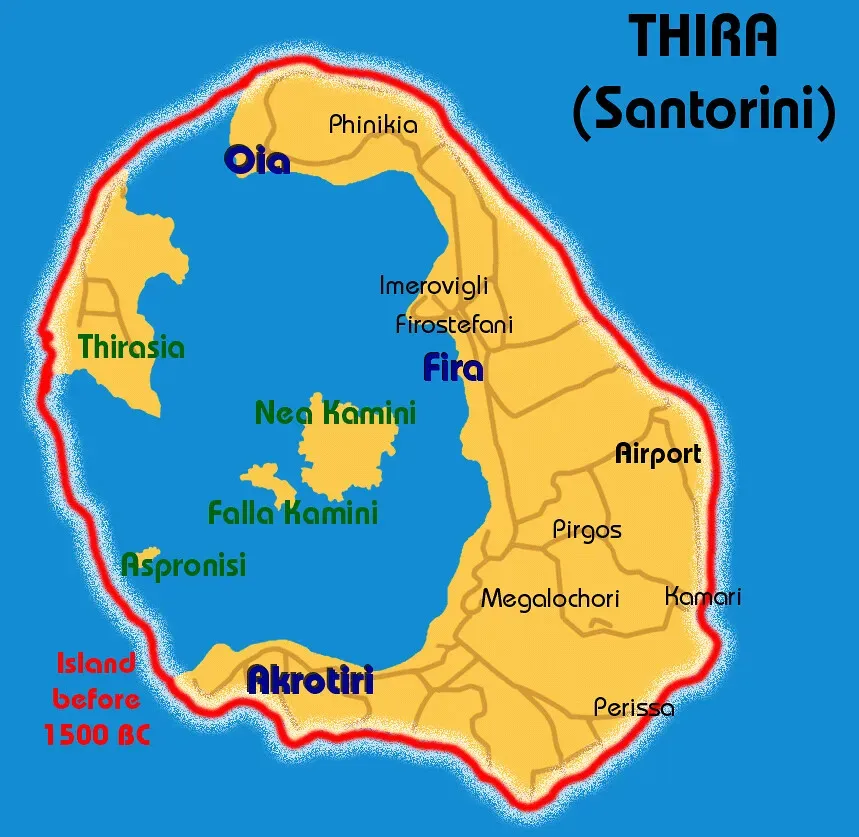
The volcanic eruption of Thera, on modern Santorini, is one of the biggest natural disasters in human history. For decades, historians tied it to around 1500-1450 BCE, matching it to Aegean pottery styles and Egyptian synchronisms. But radiocarbon dating of buried olive trees, ice cores, and tree rings increasingly points to an earlier date, often in the late 1600s BCE.
Why It Stands Out
- Conventional archaeological dating placed the eruption around 1500-1450 BCE, matched to Egyptian records.
- Radiocarbon testing of an olive branch buried in Thera’s ash instead points closer to 1627-1600 BCE.
- That’s a gap of up to 150 years between the two competing lines of evidence.
- The mismatch forces a choice: shift Aegean chronology earlier, or challenge how radiocarbon calibration works for this era.
That’s a genuine shock. It would mean the eruption happened before the height of Mycenaean power, possibly earlier than many textbook timelines allow for key Late Bronze Age developments. To protect the traditional chronology, some argue the radiocarbon data is skewed; others try to reinterpret the cultural layers instead. The increasingly popular, if uncomfortable, option is that we’ve long misaligned Aegean and Egyptian chronologies, and that Bronze Age history in the eastern Mediterranean needs a systematic shift of several decades, maybe more. One of our supposed anchor events may actually belong to a period historians insisted was still “pre-” in political terms.
The Bottom Line
Look closely at the most stubborn ancient records and a pattern emerges. Whenever a text hints that complex states, voyages, or disasters happened “too early,” the default move is to blame scribes, myth, or copying errors – never our timelines. That’s not scientific caution. It’s habit dressed up as rigor.
From Thera’s eruption to the Maya founding dates, from David’s dynasty to Norse Vinland, multiple independent records quietly point to histories starting sooner than we’d prefer. That doesn’t mean wild conspiracy theories are right. It means our supposedly rock-solid chronologies are still educated scaffolding, not gospel. As dating methods sharpen and new sites get unearthed, don’t be surprised if “pre-history” for several civilizations turns out to have been shorter, earlier, and far more crowded than the textbooks currently admit. So which of these ancient records do you think historians are getting wrong right now?