You can usually feel that first real snow in your bones, but some of your backyard birds seem to know it’s coming even earlier than you do. One day they’re casually hopping around the feeder, and the next they’re frantic, loud, and acting like the sky is about to fall. When you start paying attention, those last few snowless days become one of the most dramatic times to watch your yard.
In this guide, you’ll walk through twelve common backyard birds that flip into “snow mode” with surprisingly specific behaviors. You’ll see who bullies the feeder, who vanishes into the evergreens, and who suddenly starts calling nonstop. As you recognize these patterns, you won’t just enjoy better birdwatching – you’ll also get a living, feathered forecast every time winter rolls in.
1. Black-capped Chickadee: The Tiny Bird That Panic-Stocks Your Yard
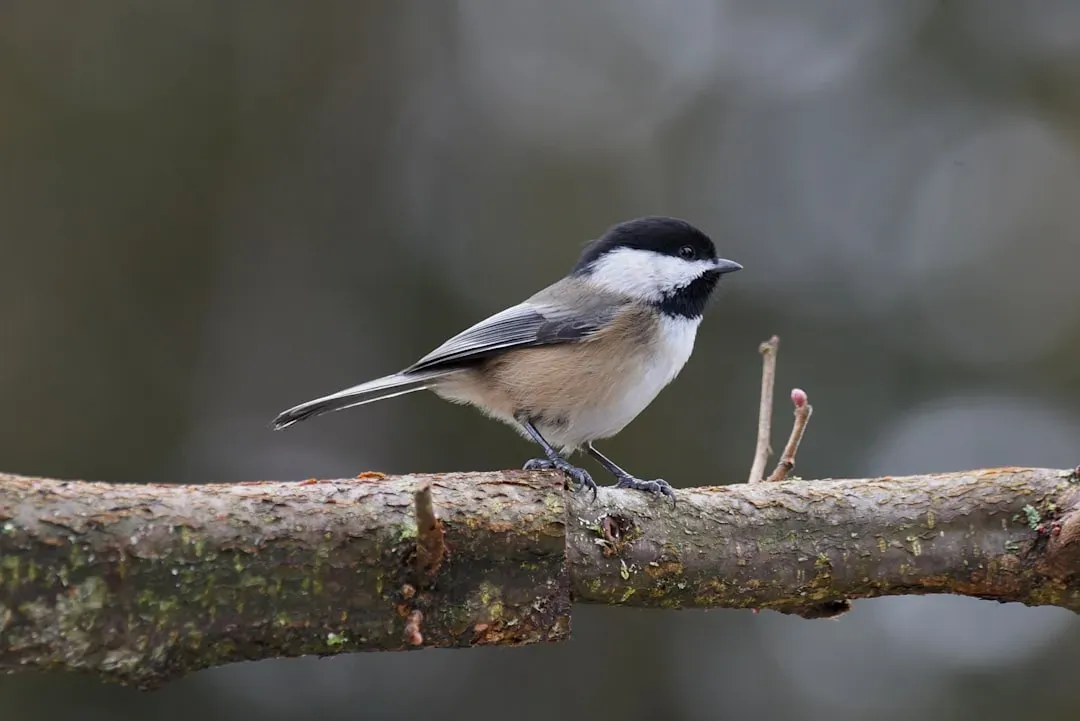
Before a snowstorm, you’ll notice chickadees turn into little flying storage units. Instead of calmly grabbing one seed and ducking away, they start visiting your feeder repeatedly, caching food in bark crevices, under loose shingles, or deep in shrubs. You might see them grab a single sunflower seed, disappear into a nearby tree, then zip right back for more like a tiny commuter on an emergency grocery run.
You’ll also hear them more. Their classic call often gets sharper and more frequent, and they travel through your yard in bouncy little mixed flocks with titmice and nuthatches, sweeping every branch for food. If your usually relaxed chickadees suddenly look busier than a crowded coffee shop line, that’s your sign snow is around the corner and they’re padding their safety net.
2. Northern Cardinal: The Snowstorm Food Fighter at the Feeder
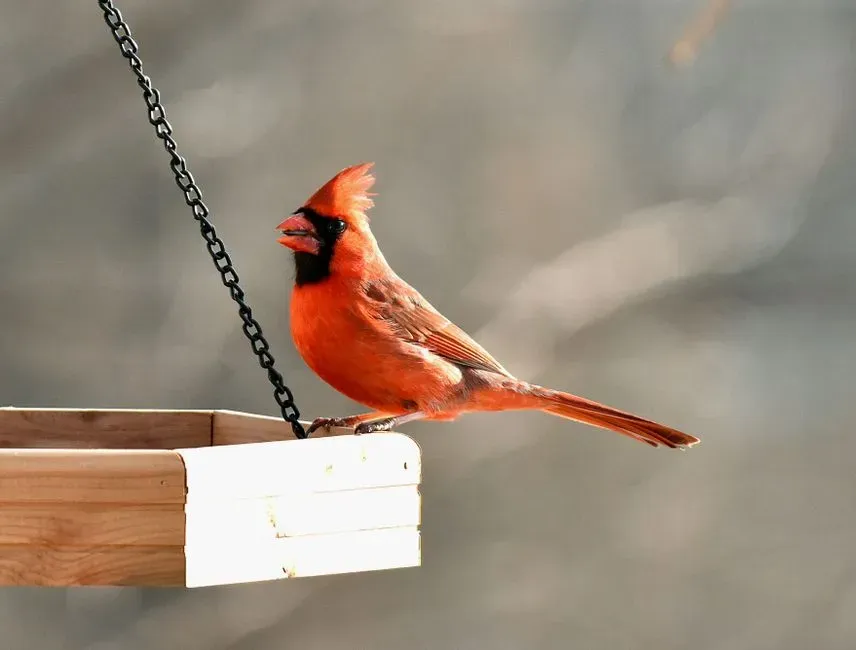
Cardinals already look like they were designed for a winter postcard, but watch how their behavior shifts in the day or two before snow. You’ll see them at the feeder earlier in the morning and later into the evening, as if they’re stretching their feeding window as long as possible. They tend to linger a bit longer at the seed tray, cracking one seed after another instead of darting away between each bite.
You might also notice more tension. Males, in particular, can get downright pushy, chasing off sparrows or finches that normally share space more peacefully. If you have dense shrubs or evergreen trees, cardinals will start slipping in and out of those cover spots more often, testing their winter shelters like you’d check blankets and flashlights before a storm.
3. Dark-eyed Junco: The Ground Crew That Swarms the Snow Line
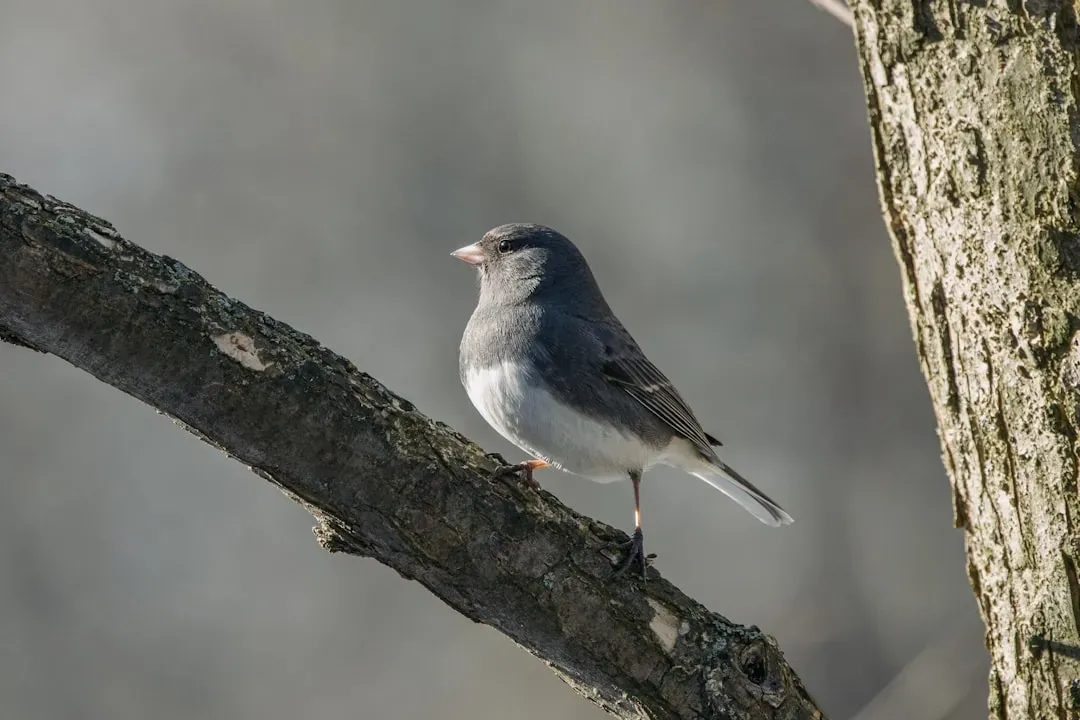
If you live where juncos appear in fall, you’ll see their pre-snow routine right on the ground. Before a snowfall, they fan out under your feeders and low bushes, kicking leaf litter and snow-dusted soil with both feet in a rapid, scratchy motion. On normal days they’re scattered, but ahead of a storm they often concentrate in little loose flocks, vacuuming up every fallen seed they can find.
You’ll also catch them changing how bold they are. Juncos that usually stick to the edges may move closer to your house, feeding under porches, decks, and sheltered corners to stay out of the wind. When you suddenly see a busy little group of gray-and-white birds hop-running under your feeder like they’re on a mission, you’re probably looking at a weather warning in feathered form.
4. American Goldfinch: The Color-Faded Storm Watchers
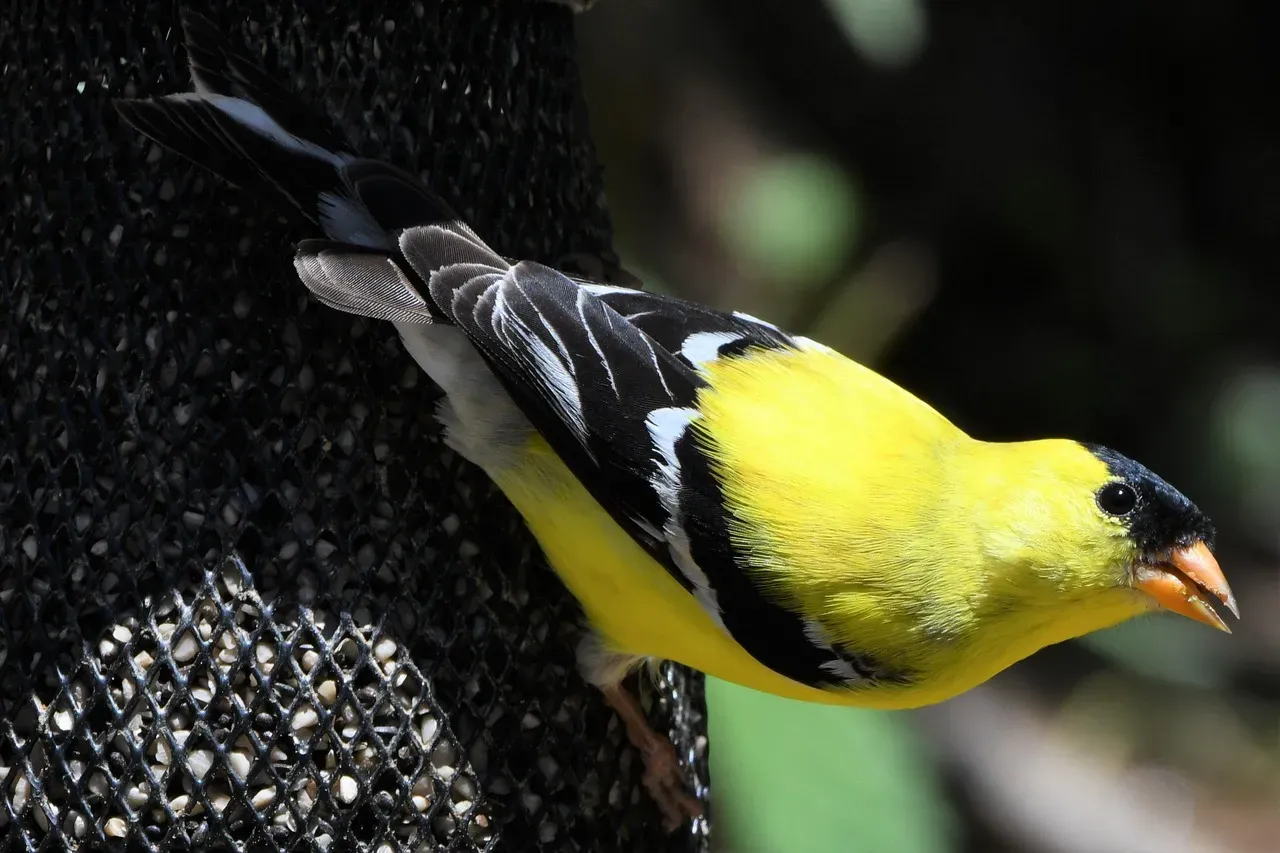
In winter, goldfinches lose their bright lemon color, but their behavior still pops once snow is on the way. You’ll see them pack your nyjer or sunflower feeders in tighter numbers, often clinging in almost every available spot. Instead of their usual dainty pecking, they can turn into steady, focused eaters, staying on the feeder longer and rotating through in an organized frenzy.
They also become a bit more tolerant of each other, in a tense sort of way. The constant squabbling you notice on mild days often gives way to a truce when a storm is coming, as if they know food is too important to waste time fighting over. If your goldfinch flock suddenly doubles in size and your feeder empties much faster than usual, you’re probably looking at nature’s version of a pre-snow grocery rush.
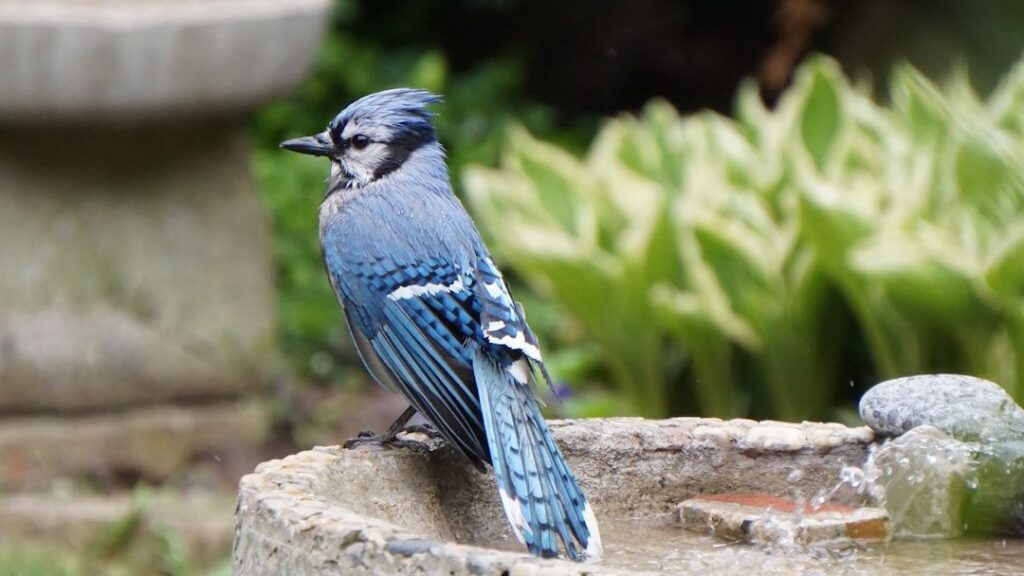
5. Blue Jay: The Loud, Bossy Barometer
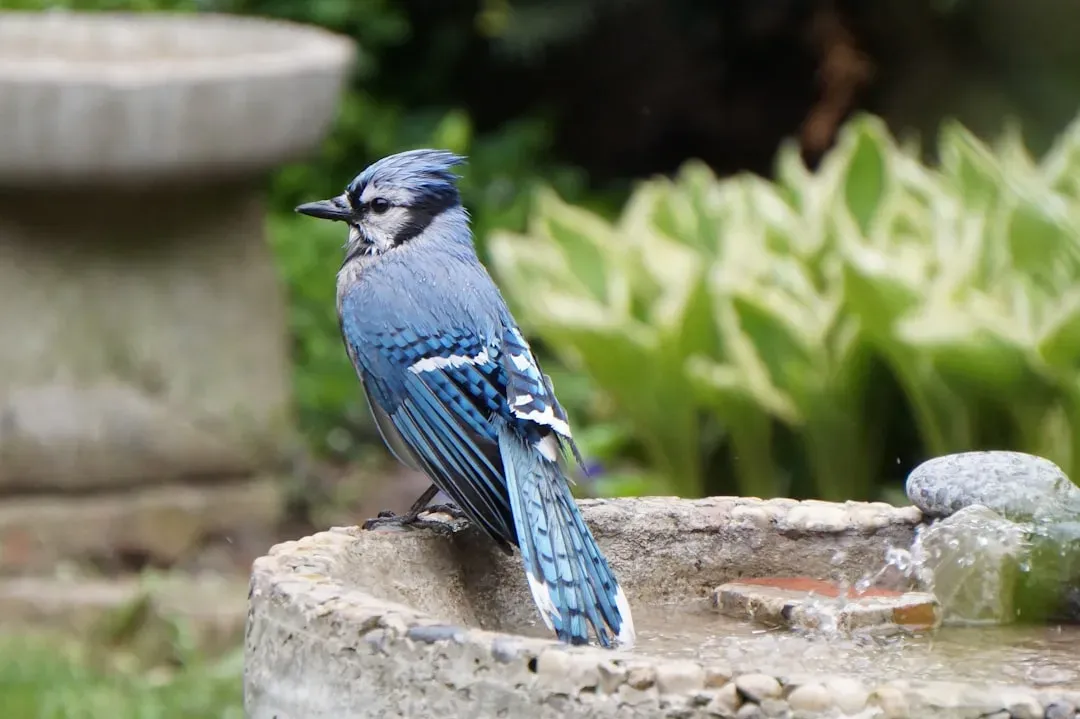
Blue jays are your neighborhood alarm system, and they use that attitude before snowfall too. In the lead-up to a storm, you’ll often hear them calling more frequently, especially near food sources and tall trees. They tend to become extra territorial around your feeders, sweeping in with noisy calls, scattering smaller birds, and stuffing multiple peanuts or large seeds into their mouths to cache elsewhere.
You might see them flying off with full throat pouches, stashing food in lawns, under leaves, or between tree branches, then swooping back for another load. This caching goes on year-round, but the pace often ramps up when cold and snow are closing in. When the jays start acting like dramatic, loud shoppers hoarding the last bags of bird “groceries,” it’s a clear signal winter is about to get serious.
6. Tufted Titmouse: The Cautious Scout That Suddenly Speeds Up
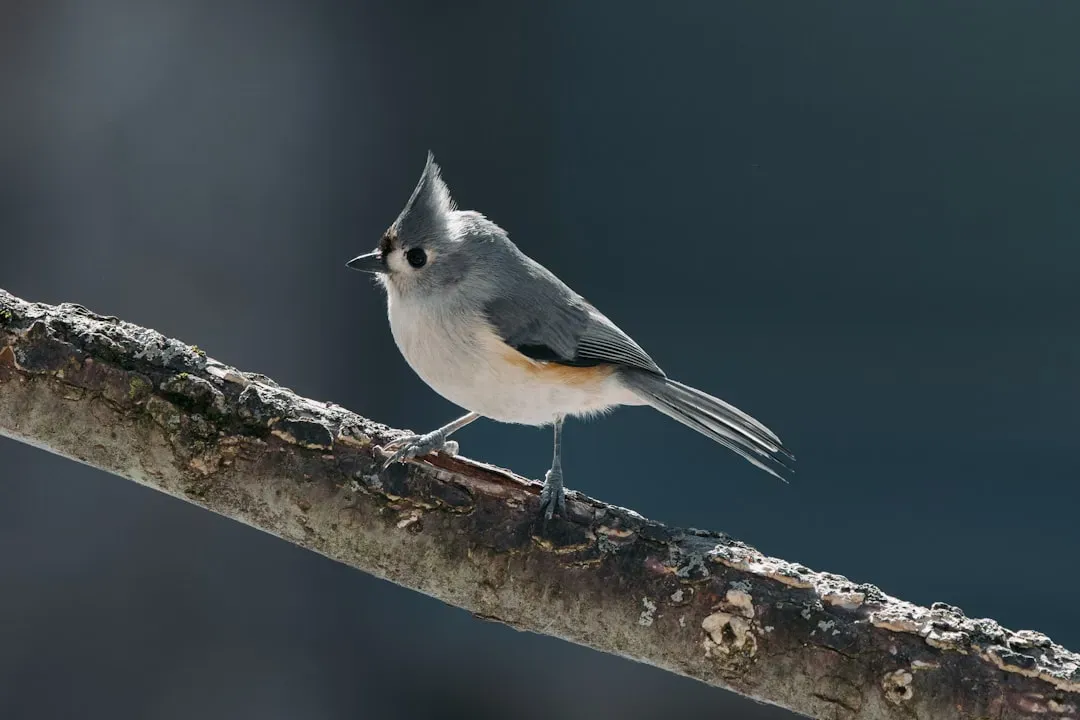
Tufted titmice normally mix curiosity with caution, often grabbing a seed and retreating to a hidden perch to crack it open. Right before snowfall, though, you’ll notice them visiting more frequently and cycling between feeder and cover in a fast, almost mechanical rhythm. They seem to waste less time hesitating and more time stockpiling calories and carrying seeds to hidden nooks.
They also lean heavily on flock behavior. You’ll often see them moving with chickadees and nuthatches, using group foraging to make the most of the dwindling daylight. When your titmice feel both busier and bolder – coming in closer to windows, feeders, and even your presence – that’s a hint they’re prioritizing survival over shyness because harsher conditions are on the doorstep.
7. White-breasted Nuthatch: The Upside-Down Pre-Snow Planners
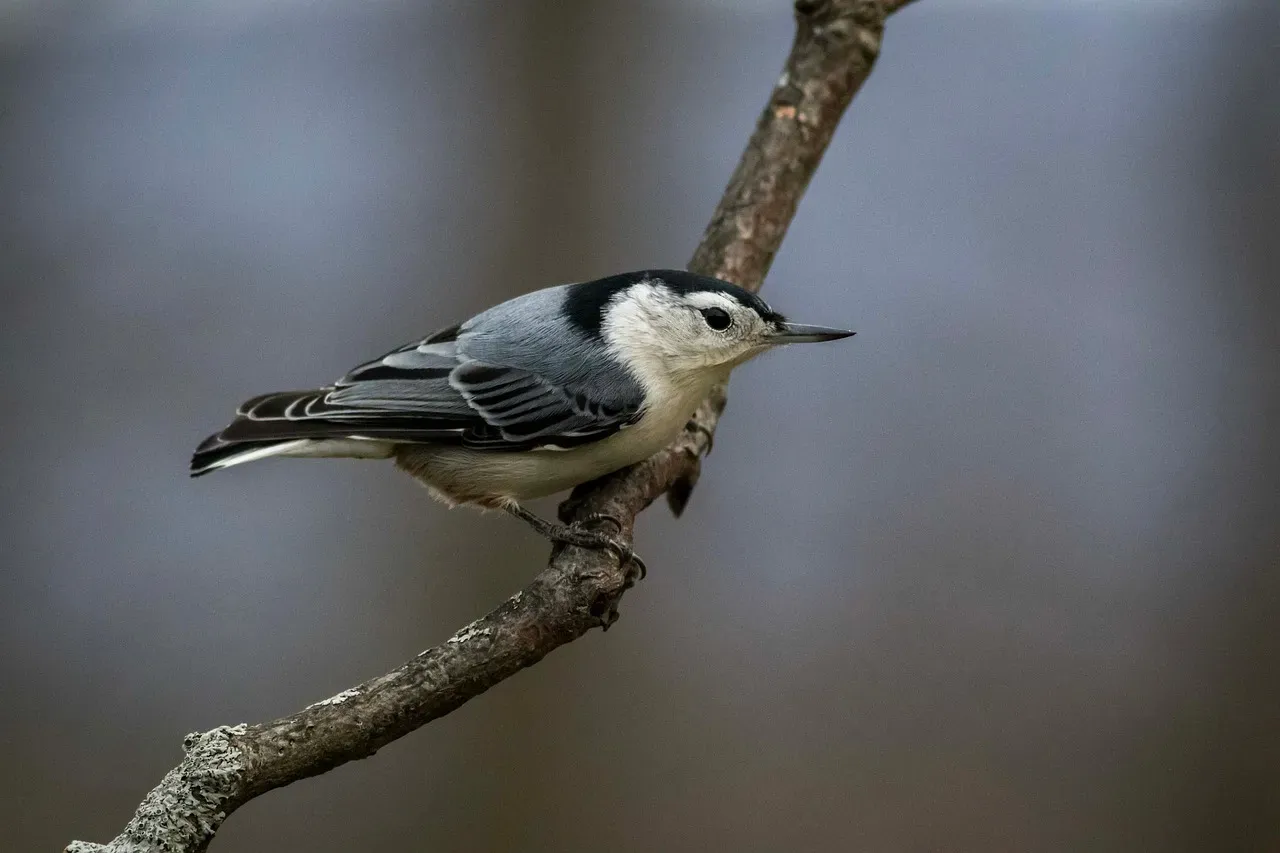
Nuthatches already seem quirky as they creep headfirst down tree trunks, but you’ll catch their pre-snow shift if you watch them closely on gray, heavy days. They start working over bark surfaces more intensely, probing every crack and crevice for hidden insects, eggs, or old seeds. Between those hunts, they also visit your feeders, grabbing big, high-fat items and flying off to wedge them in bark for later.
They tend to repeat specific routes, almost like they’ve got a mental map of “pantry spots” around your yard. On mild days you may see a nuthatch come and go casually, but right before snowfall, the pattern tightens into a purposeful loop: feeder, tree, cache, feeder again. If you notice one bird doing this on a steady circuit, you’re basically watching it turn your yard into a winter emergency storehouse.
8. House Sparrow: The Urban Crowd That Packs In Tight
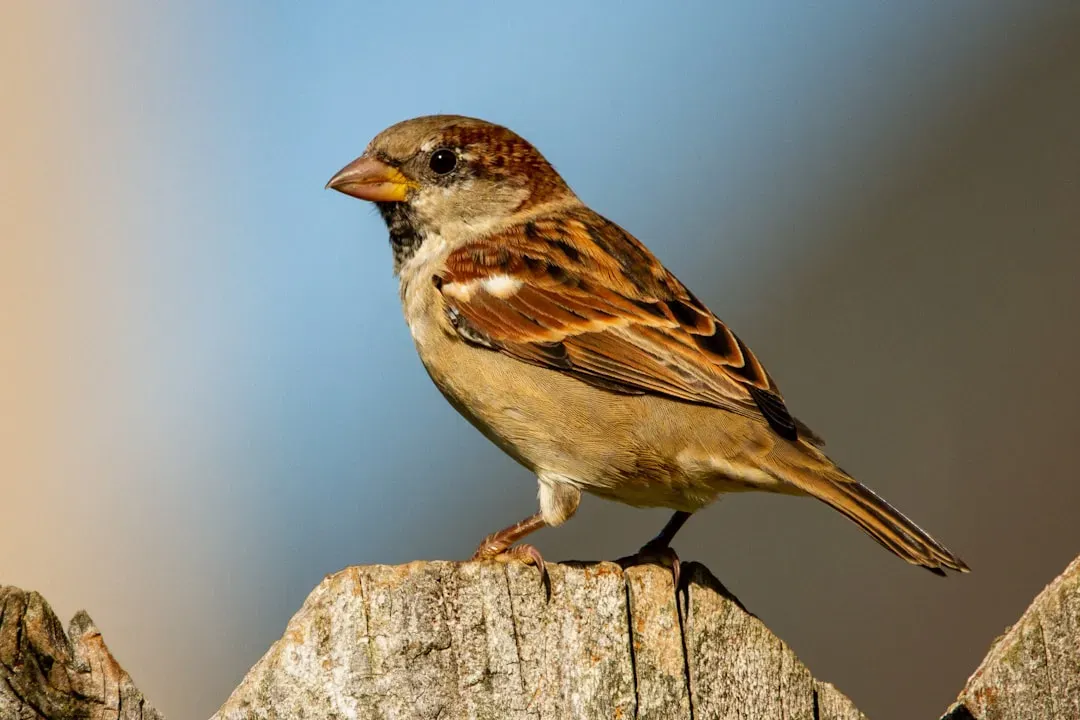
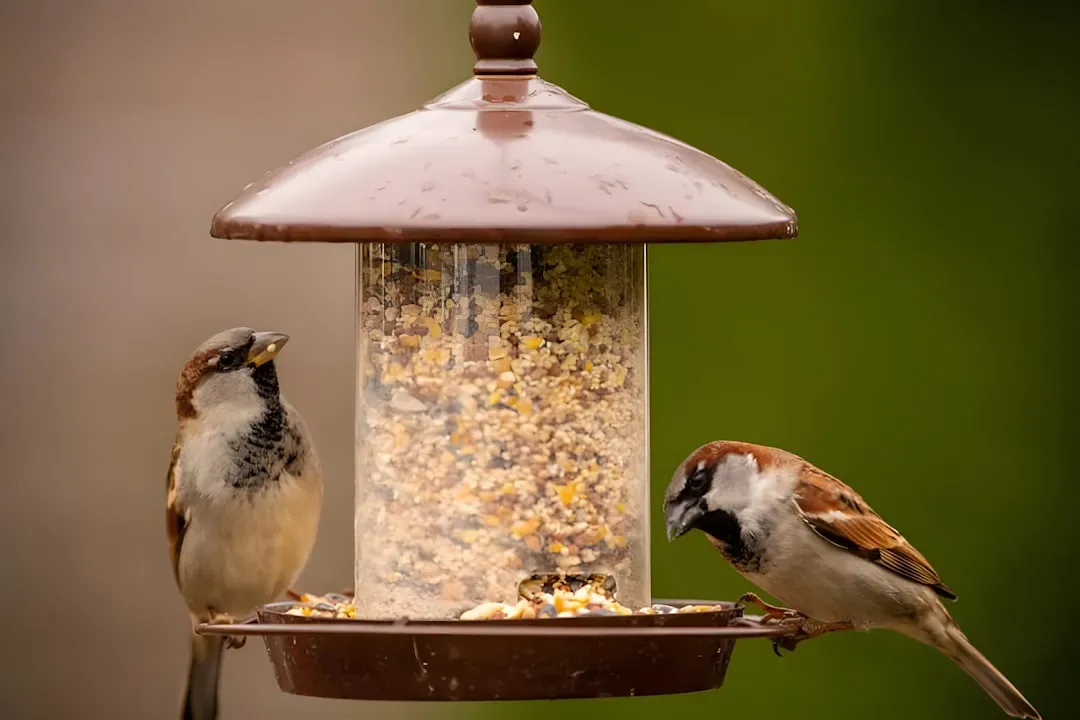
House sparrows might not be everyone’s favorite bird, but you can’t deny they’re weather-smart. Before it snows, you’ll see them gather in even larger, noisier groups around easy food sources – feeders, dropped grain, trash areas, and hedges with seeds. Their chattering ramps up as they jostle and crowd each other, and they may dominate your feeders more aggressively than usual, pushing in front of smaller songbirds.
When daytime feeding slows, they shift into “shelter mode.” Look at thick hedges, evergreen shrubs, eaves, and building nooks around dusk before a storm, and you’ll often spot or hear them crammed in tightly, sometimes in surprisingly big numbers. If your normally scattered little bunch of sparrows suddenly turns into a dense, buzzing cloud of activity, you can take that as another signal that snow and cold are about to clamp down.
9. Mourning Dove: The Fluffed-Up Ground Sitters on a Deadline
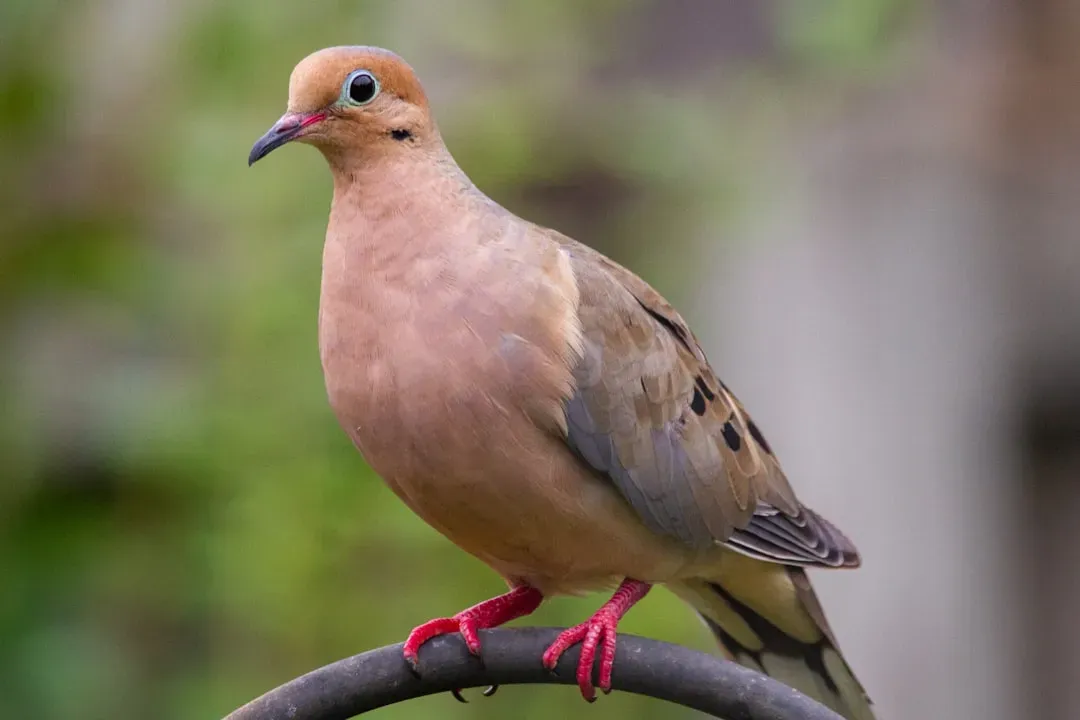
Mourning doves already spend a lot of time on the ground, but as snowfall approaches they turn your yard into a serious feeding station. You’ll notice more of them gathered under your feeders, scooping up spillage like gentle vacuum cleaners. They tend to feed in longer sessions, moving slowly but steadily, as if they’re determined to load up on calories before the ground disappears under white.
You’ll also see them puff up more, even before the first flakes, creating that round, cozy look that helps them insulate against the cold. As it gets closer to dark, they often move to favorite roosting spots – roof edges, bare branches, or thick conifers – and go very still. When your doves seem to be eating like it’s their last chance and then sitting motionless, fluffed to the max, your yard is basically in pre-snow quiet mode.
10. European Starling: The Chaotic Flock That Raids and Runs
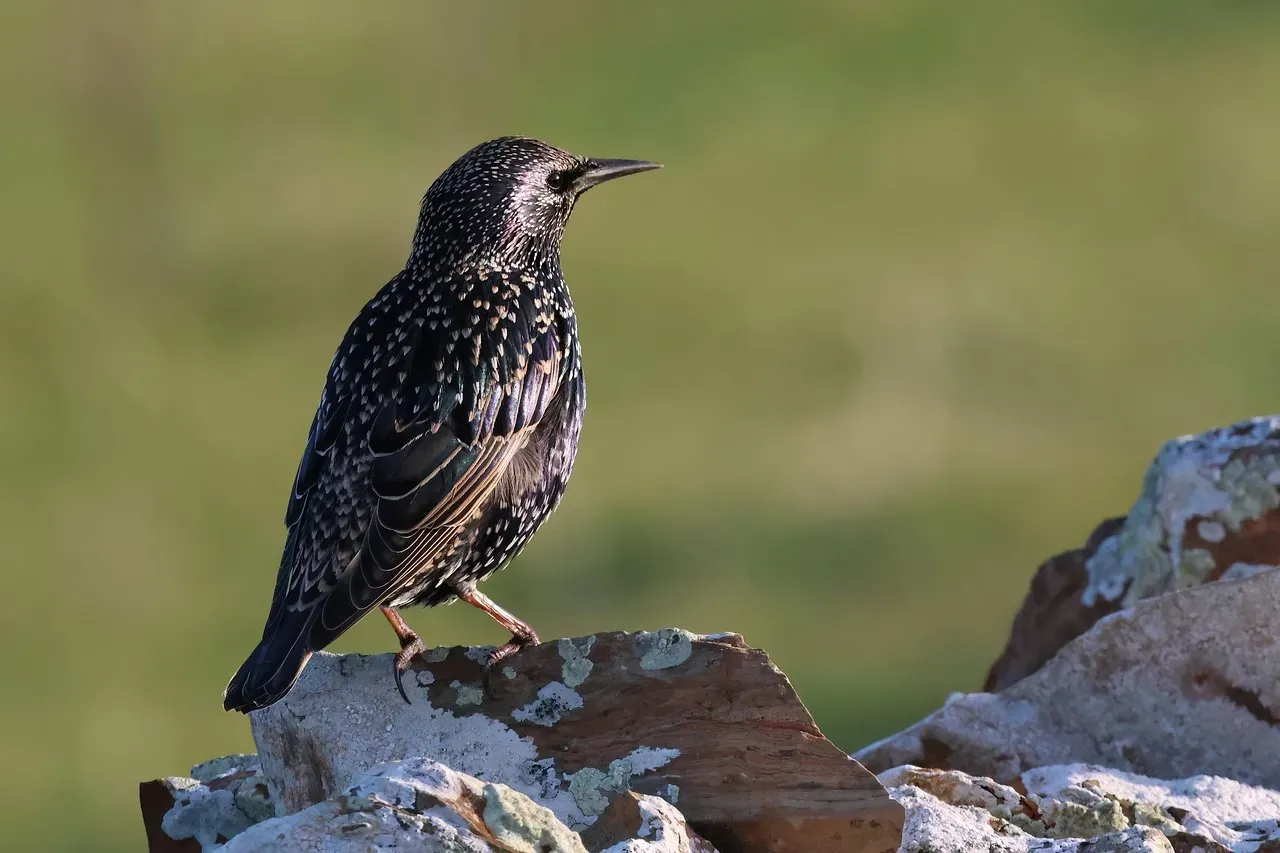
Starlings have a reputation for drama, and they absolutely bring it before snowfall. You may see them arrive in sudden, noisy flocks that descend on your suet, fruit, or open platform feeders, clearing them out at an impressive speed. Their behavior often shifts from scattered and opportunistic to highly focused, with birds crowding shoulder to shoulder in a tight, competitive mess.
Beyond your yard, they may join larger flocks that swirl over fields, trees, and buildings in those famous group flights. While those displays can happen in many conditions, big, edgy gatherings before a change in weather are common, as the birds respond to food availability and shifting air patterns. If your yard goes from quiet to absolute starling chaos in the lead-up to a storm, you’re watching a survival strategy unfold in real time.
11. American Crow: The Street-Smart Winter Strategist
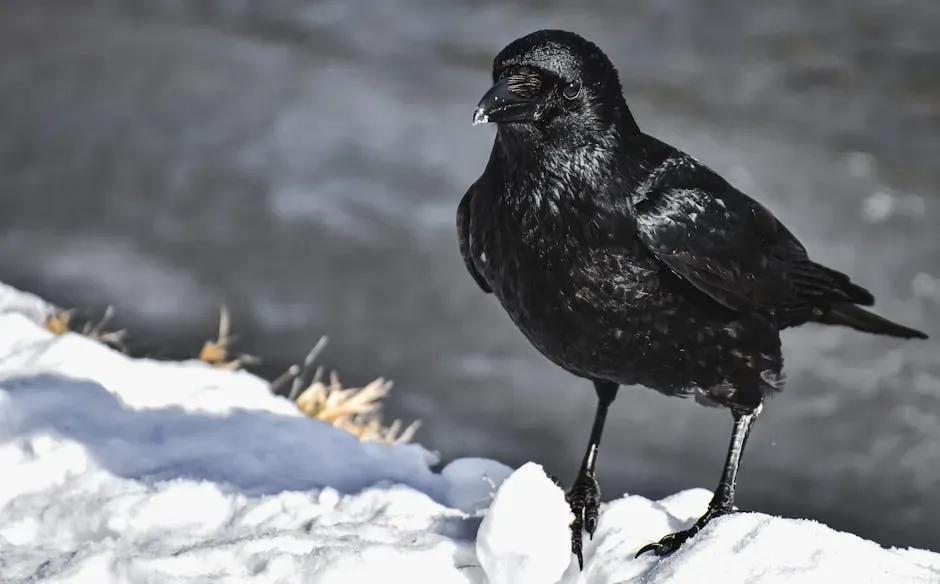
Crows are excellent readers of their environment, and you’ll see that intelligence play out as snow approaches. They often start focusing on reliable food sources – compost piles, roadside scraps, open fields, and yes, your yard if it offers anything worth eating. You may see them arrive in small groups, methodically checking the same spots day after day, then returning more urgently just before the weather turns.
As the sky gets heavier and the temperature drops, they also shift how and where they rest. Crows commonly gather at communal roosts, sometimes in huge numbers, and their movement toward these roosts can feel more pronounced before a storm. When you start noticing crows traveling in purposeful lines at dusk, calling back and forth and heading toward the same distant stand of trees, you’re catching a glimpse of their winter survival routine gearing up.
12. Downy Woodpecker: The Quiet Carpenter That Changes Its Route
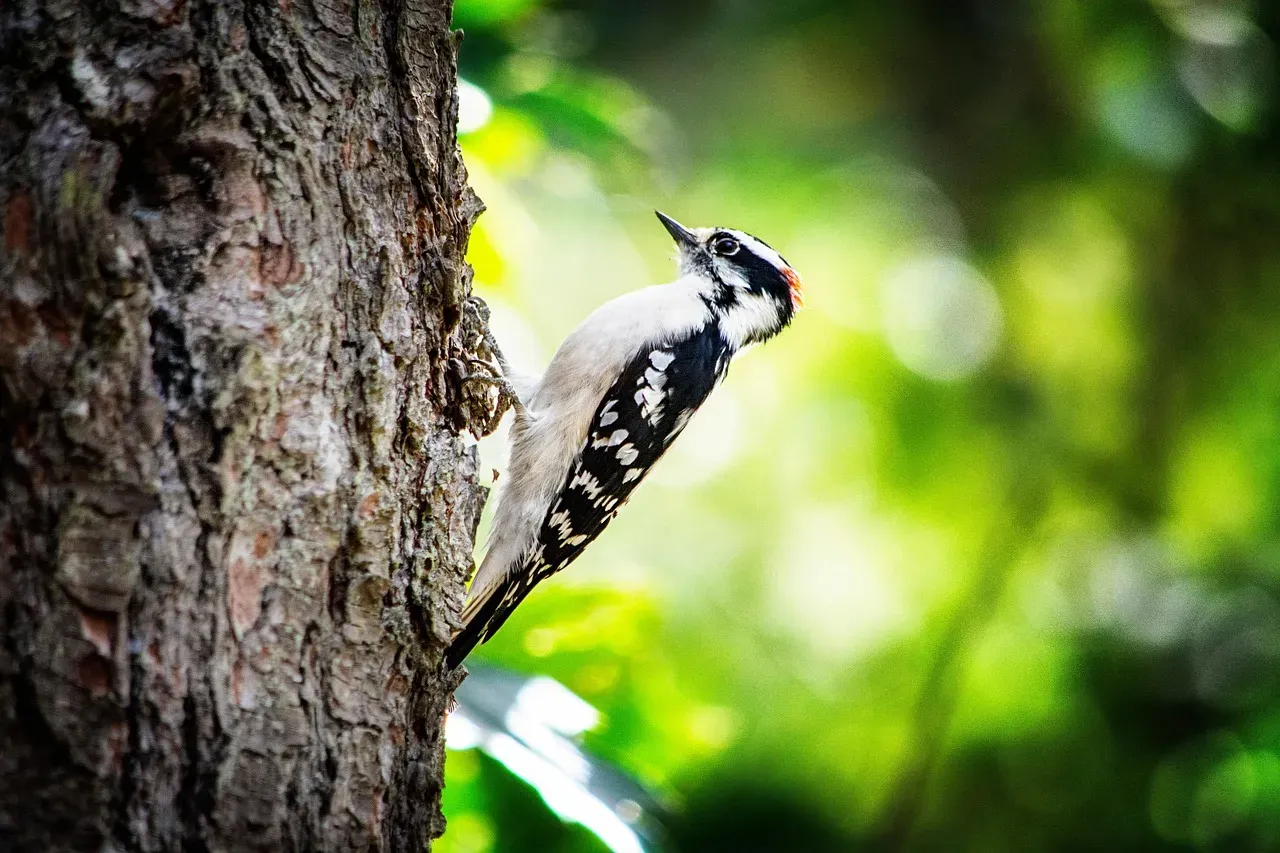
Downy woodpeckers seem calm and methodical, but if you watch them closely on the day before snowfall, you’ll spot a behavioral shift. They often split their time more clearly between your suet feeder and nearby trees, returning to high-energy food again and again. Instead of quick, occasional visits, they might linger longer at suet, pecking steadily like someone finishing a big meal before a long trip.
On the trees themselves, they work over bark and small branches with extra care, probing for hidden larvae and insect eggs that will be crucial when fresh food gets scarce. Their routes around your yard may become more predictable: a loop from feeder, to favorite trunk, to another tree, then back again. When your downy seems to be on a tight schedule instead of a casual wander, you’re likely seeing its built-in winter clock respond to the coming snow.
Conclusion: Let Your Backyard Become Your Snow Forecast
Once you start tuning in, your backyard stops being just a patch of grass and turns into a living, breathing weather station. Chickadees stuffing seeds into bark, juncos swarming the ground, cardinals clinging to the feeder at dusk – each pattern is a tiny clue about what the next day will feel like. You’re not just watching birds anymore; you’re reading the story they’re telling about hunger, shelter, and survival in cold weather.
If you keep food, water, and shelter available, you’ll not only get a more accurate “forecast,” you’ll also give these birds a better shot at coming through each storm strong. The next time the sky turns steel gray and the air feels heavy, try stepping outside and watching your regular visitors for ten quiet minutes. How many of these pre-snow behaviors do you spot – and which bird in your yard seems to predict the storm first?