You have probably heard stories of dogs barking wildly before an earthquake, or birds suddenly vanishing from the sky right before a storm. At first, it sounds like folklore or something your grandparents might say, but when you start digging into it, you realize there is a surprising pattern: animals often react before you even know that something is coming. They do not have weather apps or news alerts. Instead, they live in their senses, constantly tuned into tiny changes in sound, vibration, pressure, and even chemical cues you usually never notice.
Science is still catching up with what people have reported for generations, and researchers are careful not to claim that animals are perfect “predictors” of natural disasters. But there is enough solid observation, field data, and video evidence to say this: if you pay attention, some animals really do act strangely hours – or sometimes days – before earthquakes, tsunamis, volcanic eruptions, and violent storms. Once you understand what to look for, you might never see your dog, your cat, or even a flock of birds the same way again.
1. Dogs: Your Hyper-Aware Earthquake Companions

If you live with a dog, you already know they notice things long before you do: the delivery driver half a street away, thunder in the distance, or your footsteps at the front door. That same supersensitive awareness may also help them react to earthquakes and storms before you feel a single thing. Many dog owners describe their pets whining, pacing, hiding, or sticking to them like glue shortly before the ground starts to shake. You might see your dog refuse to go outside, tremble for no obvious reason, or suddenly start barking at what seems like nothing at all.
Researchers think your dog’s ears and paws play a big role here. Dogs can hear higher and lower frequencies than you can, so they may pick up the deep rumble of shifting rocks or microfractures before an earthquake strikes. Their paws can also feel subtle vibrations in the ground, especially on hard floors or bare earth. While not every nervous dog is sensing a disaster, if your usually calm dog suddenly acts panicked or clingy and the behavior is out of character, it is worth pausing and paying attention to what might be happening in the environment around you.
2. Cats: Silent Sensors for Seismic Shifts

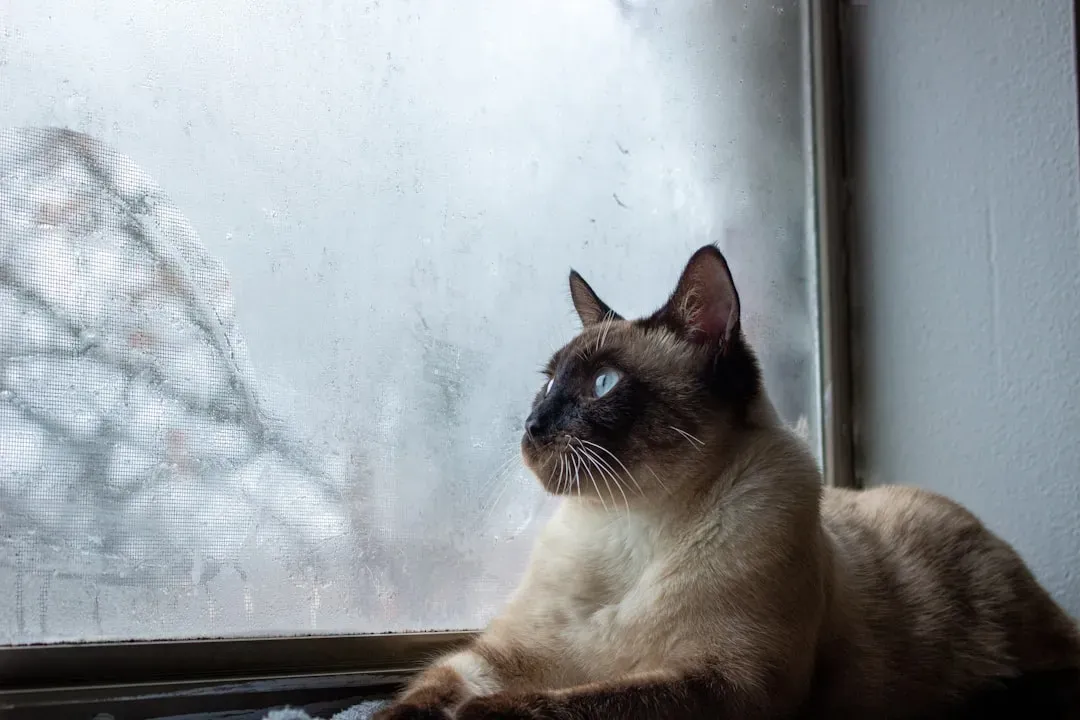
Cats have a reputation for being mysterious, and when it comes to natural disasters, they really lean into that image. Before some earthquakes, people have reported cats bolting out of the house, hiding in unusual spots, or becoming uncharacteristically agitated. You might see your cat pacing, meowing urgently, staring toward doors or windows, or suddenly abandoning a favorite resting place for somewhere that feels more sheltered. Because cats are naturally cautious, their odd behavior can stand out sharply when they sense something you do not.
Your cat’s whiskers, paws, and inner ears give them an almost radar-like connection to the world. Their whiskers can detect tiny shifts in airflow, their paws can feel delicate tremors, and their hearing lets them pick up distant low-frequency sounds. Some scientists think they may sense small foreshocks, gas emissions, or subtle environmental changes before larger quakes. While you can not use a cat as an official warning system, if your normally relaxed cat suddenly acts like the house has become unsafe – especially alongside other strange signs like restless dogs or unusual noises – it can be a subtle hint that the environment is changing fast.
3. Birds: Sky Watchers Before Storms and Quakes
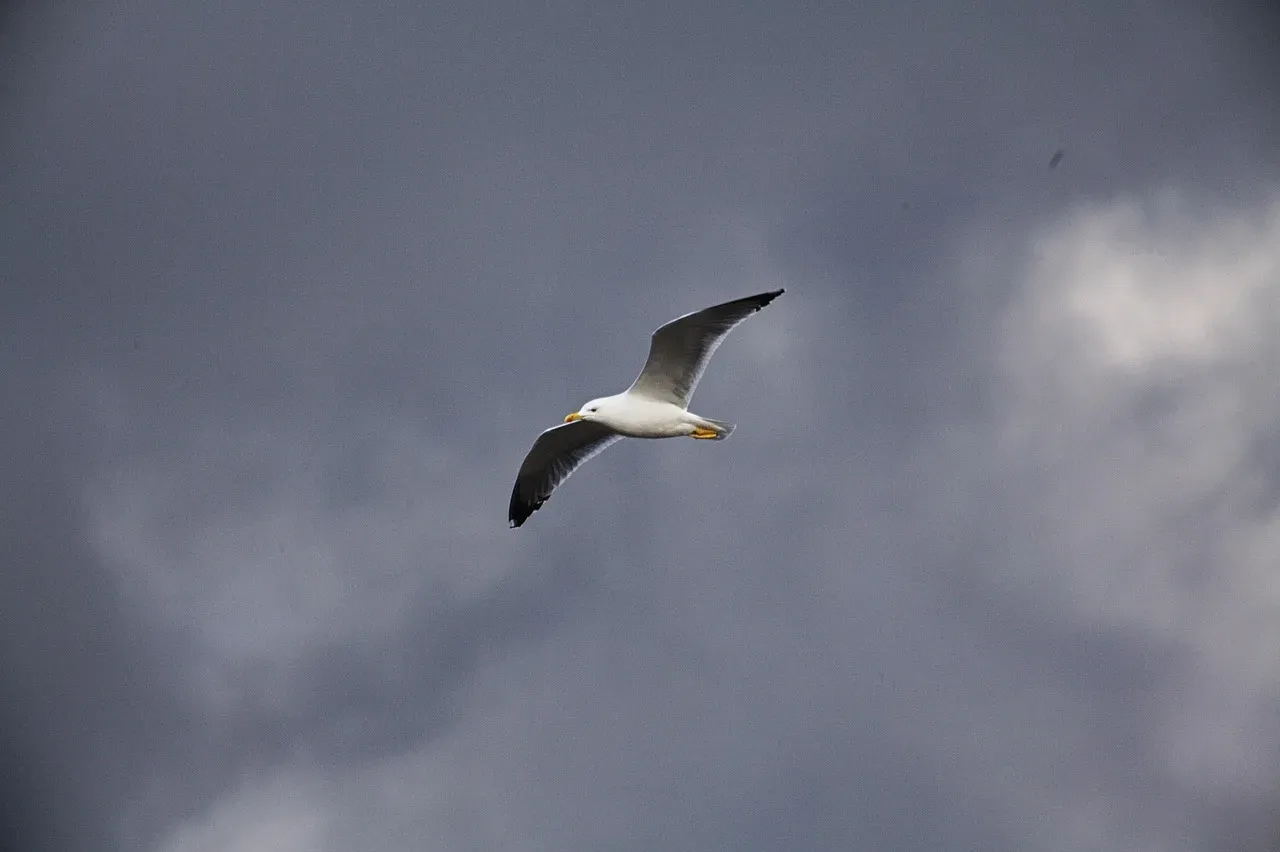
If you want an early heads-up about the sky, birds are one of your best natural clues. You might notice flocks changing their flight paths, leaving an area all at once, or flying at unusually low altitudes before a big storm or other atmospheric disturbance. Birds are highly sensitive to changes in air pressure, wind direction, and electromagnetic conditions, all of which shift when severe weather or other natural events are on the way. If the sky looks calm but the birds are acting like something is wrong, that contrast is often worth noticing.
Before some earthquakes and tsunamis, observers have seen birds flee coastal areas, go silent, or abandon nests as if they are in a rush to get away. Migratory birds may also shift routes when they detect unusual conditions in the atmosphere. While you cannot pinpoint a specific time and place just by watching them, you can use their behavior as a kind of living barometer. If local birds go strangely quiet, disappear from a normally busy area, or gather together and move in an odd or frantic way, they may be reacting to changes that your human body simply cannot feel.
4. Elephants: Giants with a Deep-Earth Warning System
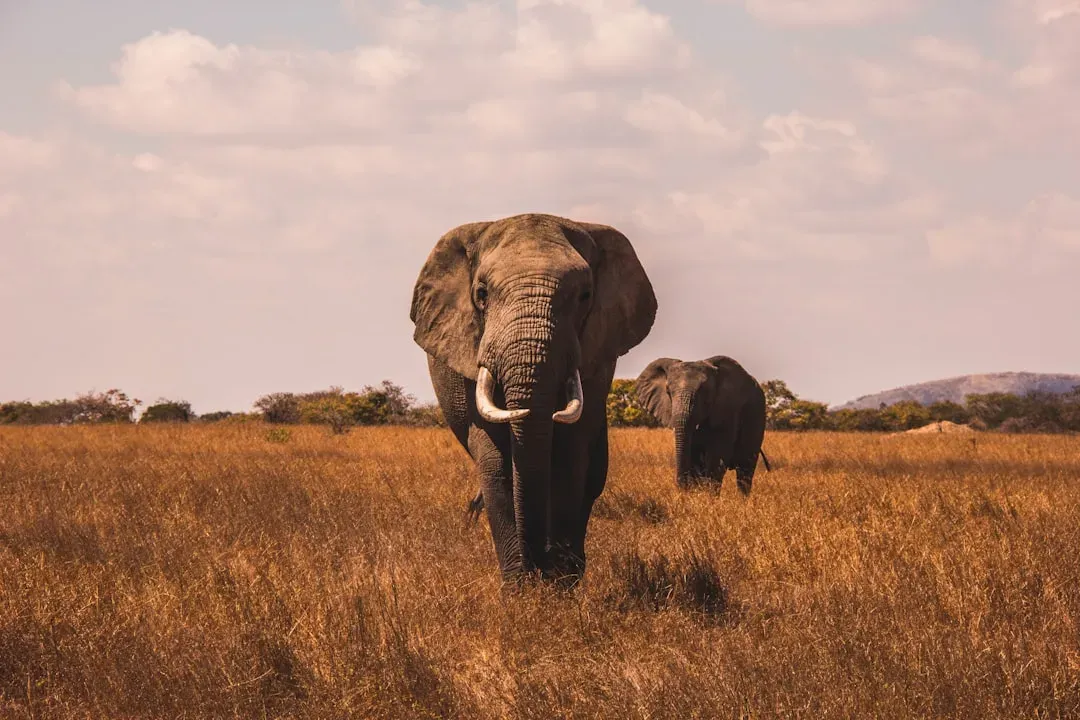
Elephants are famous for their intelligence and emotions, but their physical senses are just as impressive. People in some regions have watched elephants move inland or uphill hours before tsunamis or major storms. You might see them become restless, huddle tightly in groups, stop feeding, or travel in a purposeful line toward higher ground. Even captive elephants have sometimes been observed acting distressed or pulling away from the coast before a major event, as if they sense danger coming from far away.
One reason for this could be their incredible ability to detect low-frequency sounds and vibrations. Elephants can sense infrasound – very deep sounds below the range of your hearing – which can travel long distances through the ground and air. As ocean waves build or tectonic plates shift, these deep vibrations may reach them well before any visible signs appear. If you were living in elephant country and you saw an entire herd suddenly marching inland on a calm day, it would be wise not to ignore the message their behavior might be sending.
5. Frogs and Toads: Amphibian Alarm Systems
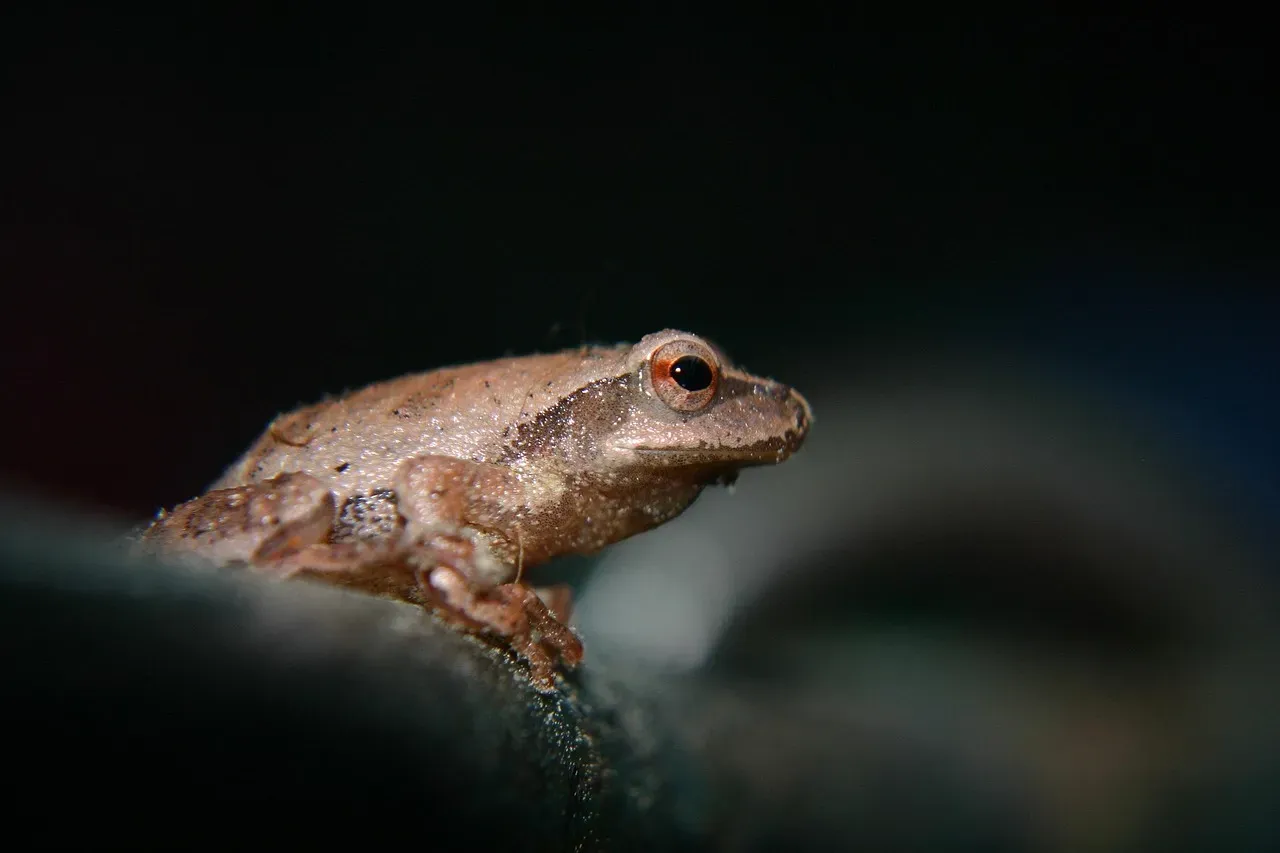
Frogs and toads live at the edge of water and land, which makes them very sensitive to environmental change. Before some earthquakes or volcanic eruptions, people have noticed frogs abandoning ponds, disappearing from breeding sites, or gathering in unusual places on dry land. If you are used to hearing a nightly chorus around a lake or rice field and it suddenly stops for no obvious reason, that silence can be just as striking as noise. It can feel as if nature has pressed a pause button.
Scientists suspect that these amphibians may respond to shifts in groundwater chemistry, changes in air pressure, or tiny ground tremors that arrive before larger events. Because frogs and toads depend on delicate moisture and temperature conditions, even a slight disruption can trigger dramatic movements. If you live near wetlands, paying attention to whether the frogs are unusually quiet, missing, or clustered in strange spots can give you another layer of awareness about what might be happening beneath the surface of the earth or in the sky above you.
6. Snakes: Silent Responders to Ground Vibrations
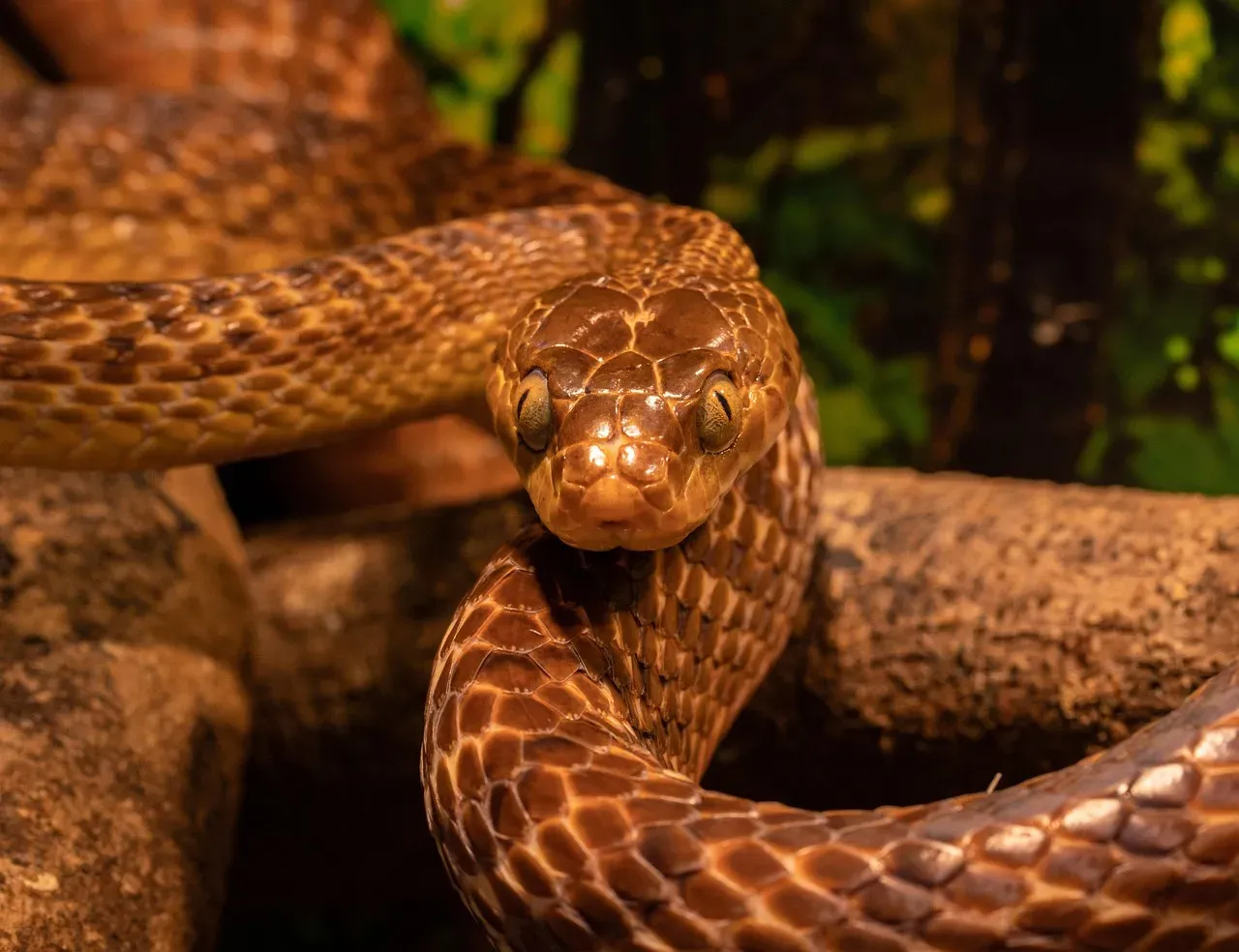
Snakes might not be your favorite neighbors, but when it comes to sensing earthquakes, they are surprisingly gifted. They do not have external ears like you do, but their bodies are built to detect vibrations through the ground. Before some quakes, observers have noticed snakes leaving their burrows in cold weather, moving awkwardly above ground when they would normally stay hidden, or displaying restless and defensive behavior. If a usually secretive snake suddenly appears out in the open for no clear reason, it can be a sign that something underground has changed.
Because snakes rely so heavily on ground contact to understand their world, even weak tremors or shifting rock patterns may reach them first. Some specialists suggest that snakes can sense tiny precursor movements along fault lines earlier than you can feel a single shake. You are not likely to use snakes as a formal warning system, and many will stay out of your sight anyway, but in rural or farming areas where you do see them, unusual timing and behavior – especially in colder conditions – can add another subtle piece to the natural-disaster puzzle.
7. Fish: Underwater Forecasters of Quakes and Tsunamis

If you have ever watched fish in an aquarium suddenly dart, hide, or jump for no obvious reason, you already know how reactive they are to tiny changes in their environment. Wild fish are even more sensitive. Before some underwater earthquakes and tsunamis, coastal communities have noticed fish swimming erratically near the surface, fleeing shallows, or even beaching themselves in confusion. If you are used to seeing calm, predictable schools near a pier or reef and they suddenly scatter as if chased, it can signal a dramatic shift in the water’s behavior.
Fish can detect changes in water pressure, temperature, and vibration through their lateral line system, a built-in sensory strip running along their bodies. They may feel the deep rumble of tectonic shifts or experience unusual wave patterns before you observe anything from shore. While a single jumpy fish does not tell you much, widespread strange behavior across many fish species – especially near fault zones or tsunami-prone coasts – can be a hint that the underwater world is reacting to something significant that your eyes and ears have not yet picked up.
8. Ants: Tiny Engineers with a Weather and Quake Sense
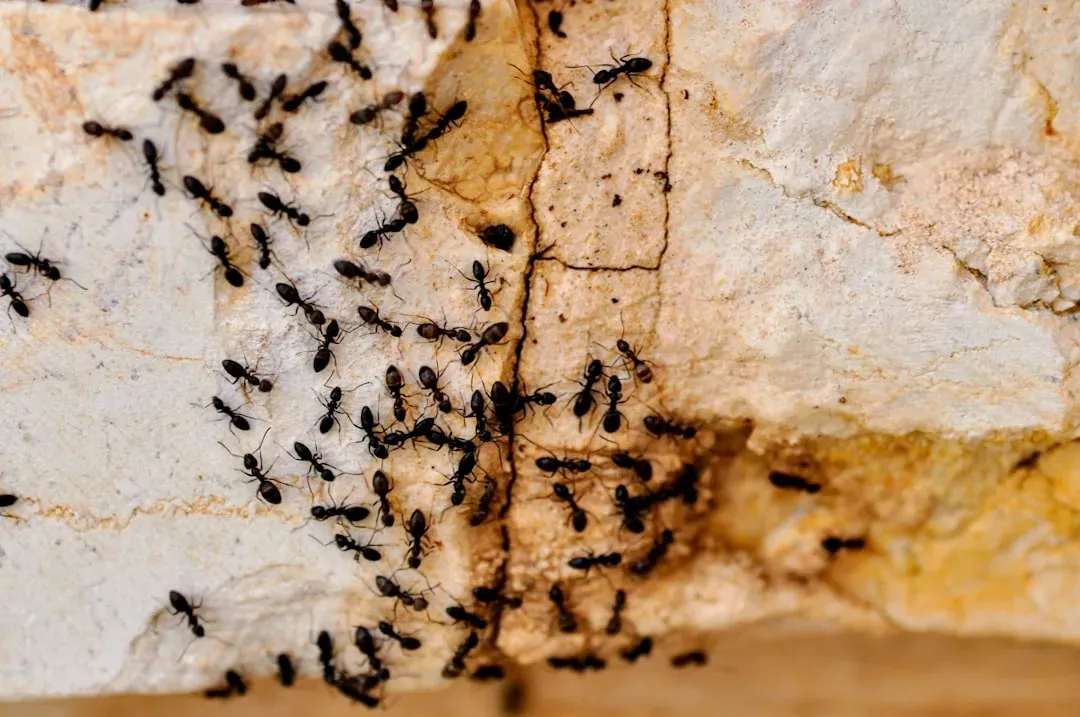
Ants might look like simple insects, but they constantly monitor temperature, moisture, and vibrations to keep their colonies safe. In some earthquake-prone areas, people have seen ant colonies changing their nest entrances, leaving mounds entirely, or gathering outside in unusual numbers shortly before seismic activity. If you normally see neat, structured ant trails and suddenly the whole colony seems to be evacuating or relocating, something in their underground world may have shifted dramatically.
Ants respond very quickly to subtle environmental changes because their survival depends on the stability of their tunnels and chambers. A small crack in the soil structure or a shift in ground moisture can send them into emergency mode. They might move brood, food, or even abandon risky spots altogether. For you, watching ants may feel trivial, but if you notice multiple colonies behaving strangely at the same time – alongside other animal changes – it can be one more early signal that the ground is not as calm as it looks.
9. Cows and Farm Animals: Barnyard Behavior Before the Big One
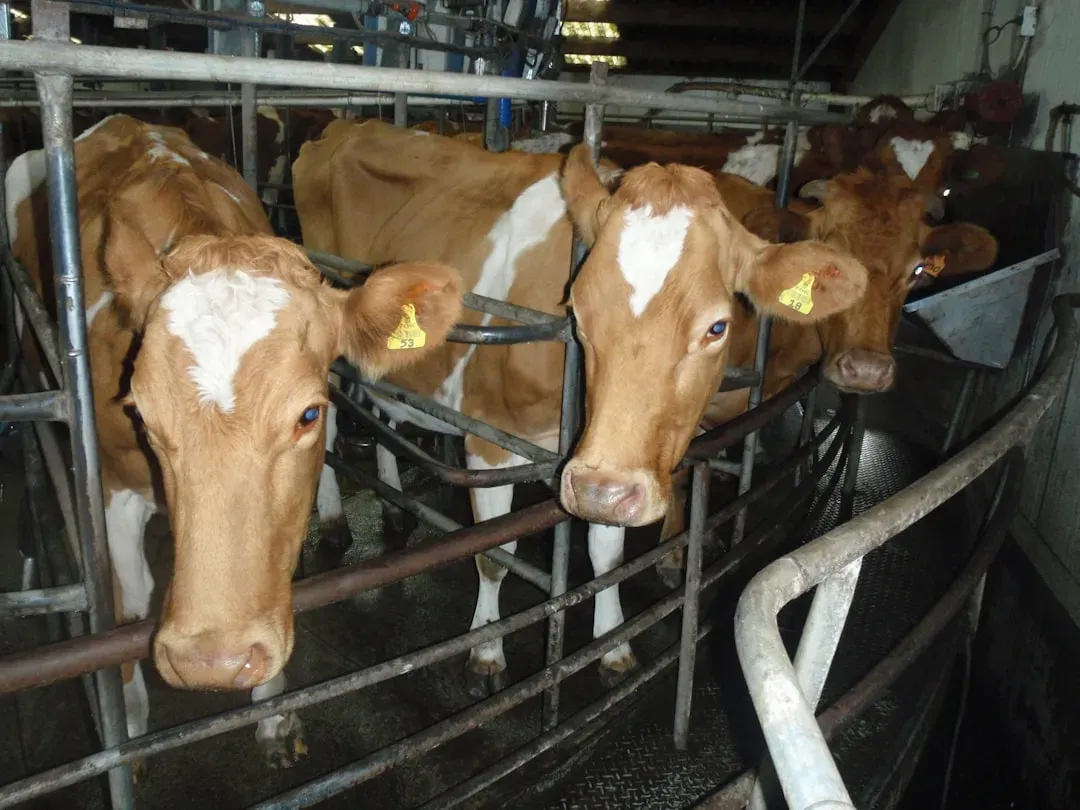
If you live near farms, you have access to a huge natural sensor network without even realizing it. Farmers around the world have reported cows refusing to enter barns, pigs squealing and acting agitated, horses trying to break loose, and chickens clustering or going silent before earthquakes or violent storms. You might see animals staring in one direction, gathering in corners, or pacing anxiously with no obvious trigger like a predator or loud noise.
Large mammals like cows and horses can feel subtle ground vibrations through their hooves and bodies, and they are also sensitive to changes in air pressure, static electricity, and even smells that you might not detect. When several species on a farm all start acting off at the same time, it is especially noteworthy. If you ever find yourself on rural land and the entire barnyard seems uneasy for no clear reason, treating that as a strong environmental hint – rather than just random moodiness – can help you respond a little faster if something does happen.
10. Bees: Nature’s Nervous System for Atmospheric Shifts
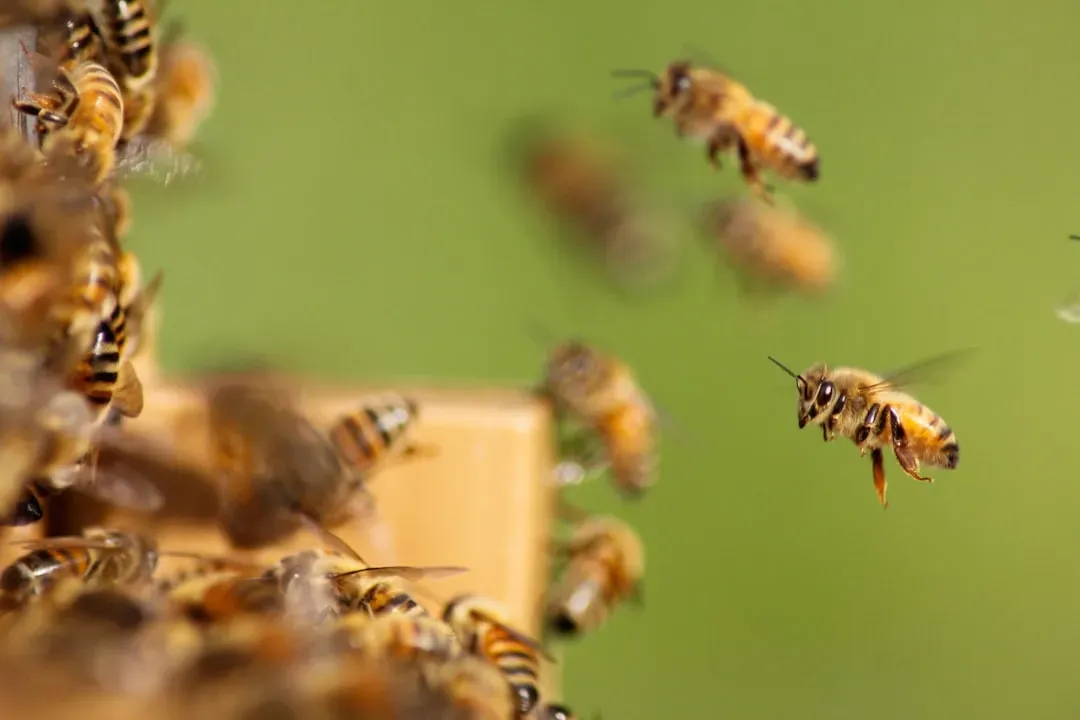
Bees live in a finely tuned world of temperature, humidity, light, and magnetic cues. Before storms, earthquakes, or other disruptions, beekeepers have noticed hives becoming unusually noisy or, in some cases, eerily quiet. You might see bees returning to the hive earlier than usual, clustering around the entrance, or flying in erratic, disorganized patterns that do not match their normal, efficient routes. Because bees are so routine-driven, any dramatic shift in their patterns stands out like a red flag once you know what to look for.
Some researchers think bees can sense changes in barometric pressure, electromagnetic fields, and even gas levels in the air and soil. When conditions cross certain thresholds, they may adjust their foraging and defense behavior to protect the colony. For you, observing bees can be like watching a living dashboard for the environment. If a normally calm hive becomes restless or shuts down activity suddenly, especially on a day that looks deceptively calm, it may mean the bees are picking up on a change that has not yet reached your weather report or your own senses.
11. Sharks and Marine Predators: Ocean Guardians with Deep Sensitivity

Sharks and other large marine predators are built to detect electrical and vibrational cues in the water with astonishing precision. In some cases, tracking tags have shown sharks moving away from coastal regions or changing depth before hurricanes or other major weather events at sea. You will not see this directly unless you work with marine data, but it underlines how tuned in these animals are to environmental changes that travel through water long before a storm makes landfall.
These predators rely on delicate sensory organs to hunt and navigate, so even small changes in pressure, temperature, and electrical fields can prompt them to relocate. When scientists later compare tracking movements with weather and seismic data, they sometimes find that the timing lines up surprisingly well. For you, this means that the ocean is constantly “listening” to what the planet is doing, through the bodies of animals like sharks. While you cannot use them as a personal warning tool, understanding how they respond helps you appreciate just how early nature may react to disasters that humans only notice at the last minute.
12. Goats and Mountain Animals: Slope Sentinels Before Avalanches and Quakes

In mountainous regions, goats, sheep, and other slope-dwelling animals can give you subtle hints that something is about to change dramatically. Before avalanches, landslides, or seismic events, herders have noticed goats climbing to different elevations, refusing to stay in usual grazing spots, or suddenly grouping in safer, more stable areas. If an entire herd that normally spreads out starts clustering together or shifting to unusual terrain, it can be a sign that they sense instability in snow, rock, or soil.
These animals live on the edge, literally, so their survival depends on reading tiny cues in the ground beneath them – small slides, faint cracking sounds, or shifts in snowpack density. Their hooves and bodies pick up these sensations faster than you would, especially if you are just passing through the area. If you are ever hiking or working in mountain regions and you notice local livestock or wild goats moving in a strange, coordinated way away from certain slopes, treating that behavior as meaningful instead of random can give you extra seconds or minutes to get to safer ground.
Conclusion: How You Can Actually Use Animal Warnings
When you pull all these stories and patterns together, you start to see a clear theme: you are not the main character in nature’s warning system. Animals live closer to the raw signals of the planet than you do, and they often react before you even realize anything is wrong. At the same time, science is cautious, and there is no official rule that says a restless dog or a vanishing flock of birds equals a guaranteed earthquake or storm. The signals are messy, and sometimes animals are simply reacting to everyday disturbances you never notice.
Still, you can train yourself to be more observant. If many animals in the same area – pets, birds, insects, livestock – start behaving oddly at the same time, especially in calm weather, you can treat that as a nudge to check alerts, review your emergency plan, and stay a little more aware for a while. You are not trying to turn your cat into a seismograph or your dog into a weather station; you are simply learning to respect that they may pick up on things you miss. In a world where seconds and minutes can matter, how differently would you move through your day if you started treating animal behavior as part of your own early-warning toolkit?