
Everyday ground under your feet might be hiding a forgotten temple, a drowned city, or the bones of someone who lived thousands of years before your grandparents were born. The wildest part is that some of the most remarkable ancient discoveries have surfaced not in remote jungles or deserts, but under parking lots, city streets, churches, and even people’s homes. It is as if the past keeps tapping us on the shoulder from beneath the most mundane modern spaces.
What you are about to read is a tour of those moments when archaeologists, construction workers, or complete amateurs peeled back the surface of the ordinary and stumbled into deep time. These finds are not just curious stories; they change what we thought we knew about battles, beliefs, trade routes, and entire civilizations. By the end, you might never look at a supermarket car park or a quiet field in the same way again.
A King Beneath a Parking Lot: Richard III in Leicester
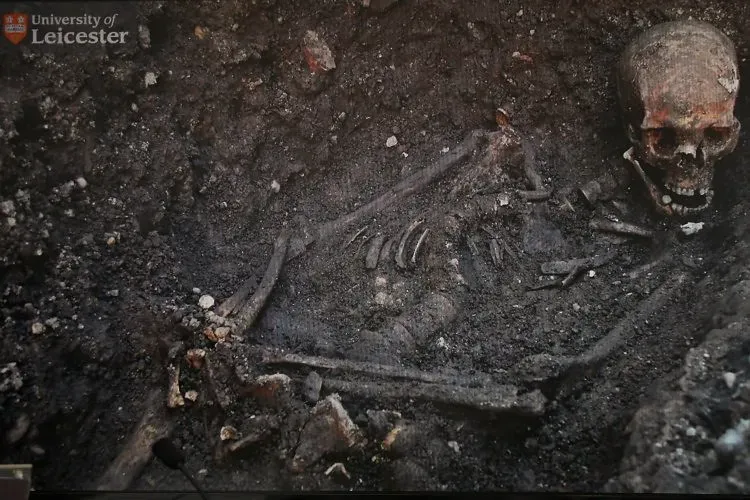
Imagine reversing into a tight parking space and unknowingly rolling your tires over a medieval king. That was reality in the English city of Leicester, where archaeologists uncovered the remains of King Richard III beneath a nondescript parking lot built over a former friary. For centuries, his burial place had been lost and wrapped in legend, until a carefully planned excavation in an utterly ordinary spot revealed a spine twisted by scoliosis and battle wounds matching historical accounts.
The find was more than a quirky headline; it forced historians to revisit a king long painted as a villain. Scientific analysis of the bones, weapons injuries, and burial context gave a more human and nuanced picture of Richard’s final hours. Personally, I love that a dusty city car park turned out to be the key to resolving debates that had raged in books and classrooms for generations. It is a sharp reminder that history is not just in castles and cathedrals, but in the most overlooked corners of our cities.
An Underground City Below a Turkish Home: Derinkuyu
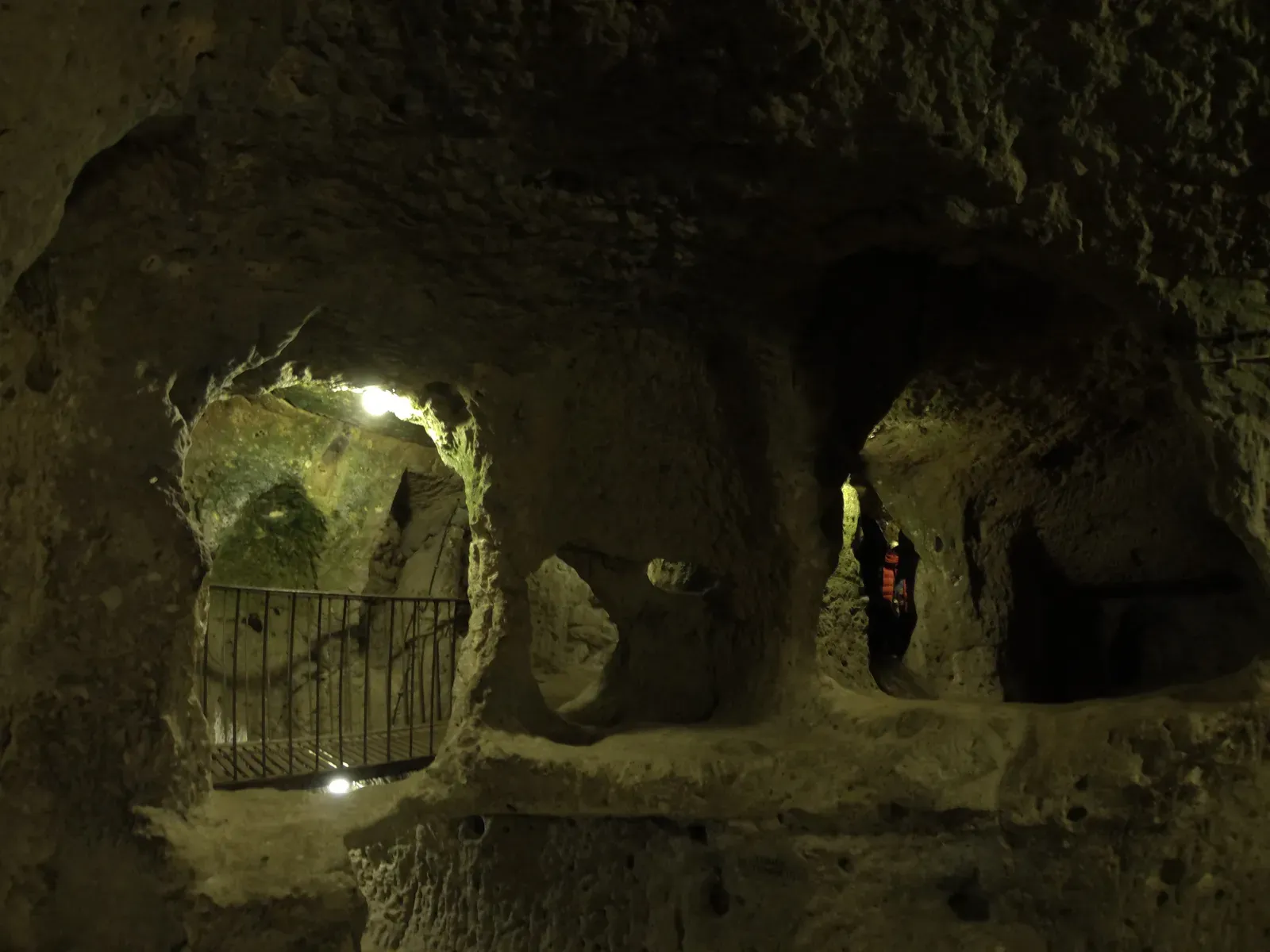
In central Turkey, a man renovating his basement knocked through a wall and found a tunnel instead of more rock. That casual home improvement project opened into Derinkuyu, part of a vast underground city carved deep into soft volcanic stone. Beneath ordinary houses lay multilevel chambers, stables, kitchens, ventilation shafts, and hidden passages large enough to shelter thousands of people and their animals.
Archaeologists believe communities used these underground complexes for protection during times of invasion and conflict, sealing heavy stone doors from the inside. The sheer planning and engineering required, all without modern tools, is mind‑bending. I find it oddly comforting that below a quiet modern town lies evidence of generations of people who refused to give up, literally digging down to survive. It turns a modest neighborhood into the surface crust of a once‑secret world.
The Pompeii of a Modern Construction Site: Workers Uncover a Roman Neighborhood
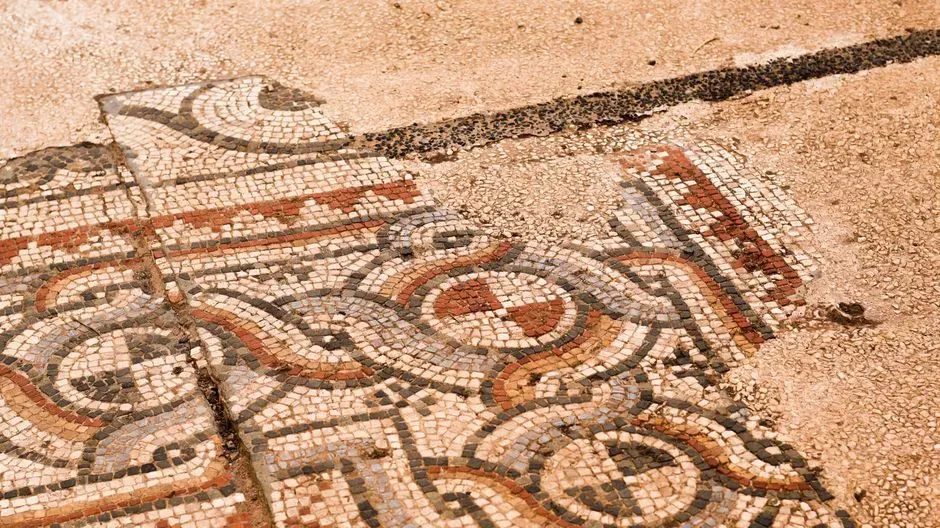
Across Europe, construction crews sometimes know that when they dig foundations, they are also digging into history. In several Roman cities, including parts of Italy and Britain, developers have hit what reporters love to call “mini Pompeii” sites: preserved streets, shops, mosaics, and homes sealed under later buildings or layers of soil. One moment you are pouring concrete; the next you are staring at a two‑thousand‑year‑old bakery oven or a mosaic floor bright enough to have been laid last week.
These discoveries are particularly powerful because they freeze everyday life, not grand monuments. You see graffiti, cooking pots, children’s toys, and perhaps even tragic last meals, all detained in mud or ash under totally modern structures. I think the real shock is how thin the line is between your apartment block and someone else’s vanished neighborhood. It makes our own streets feel temporary, like the next layer in a never‑ending archaeological lasagna.
A Viking Ship Hidden Under a Farm Field

Not every major find comes from a dramatic excavation; some appear first as ghostly outlines in survey data. In Scandinavia, archaeologists using ground‑penetrating radar detected the buried outline of a large Viking ship under what looked like an ordinary field near a farm. No visible mound stood above it, and for centuries plows had likely passed right overhead without anyone suspecting they were gliding over a prestigious burial.
Ship burials are rare and usually reserved for high‑status individuals, so finding one in such an unassuming place reshapes our ideas about Viking power centers and trade routes. The fact that radar, not a lucky shovel, revealed it also shows how twenty‑first‑century tools are rewriting early medieval history. To me, this is the kind of discovery that quietly says: our landscape still holds secrets, even in places you drive by every day on your commute.
A Bronze Age Village Under a Highway Project
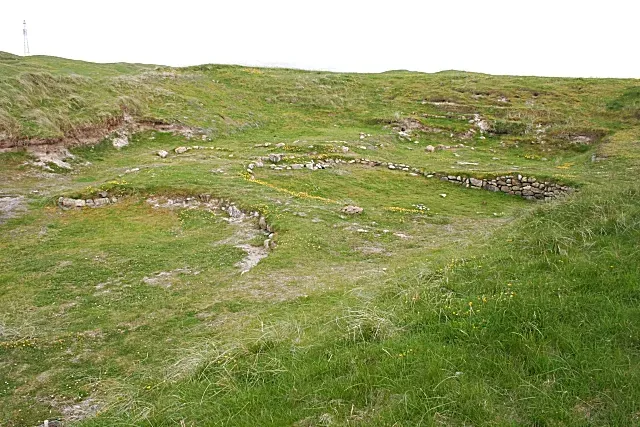
Road building has an odd habit of colliding with prehistory. In more than one European country, highway or rail projects have peeled back the topsoil to reveal Bronze Age settlements: circular house foundations, storage pits packed with ancient grain, and hearths where families once warmed themselves. To drivers, it is just another stretch of modern infrastructure; to archaeologists, it is a cross‑section through three thousand years of human life.
What makes these sites special is their banality in the best sense. They show farming communities, seasonal rhythms, and everyday tools rather than kings or war heroes. The fact that an anonymous lay‑by or motorway embankment covers the footprints of long‑gone households is both humbling and slightly haunting. Whenever I am stuck in traffic now, I sometimes wonder whose front room my tires are hovering over in the deeper layers of earth.
The Lost Temple Beneath a Busy Church
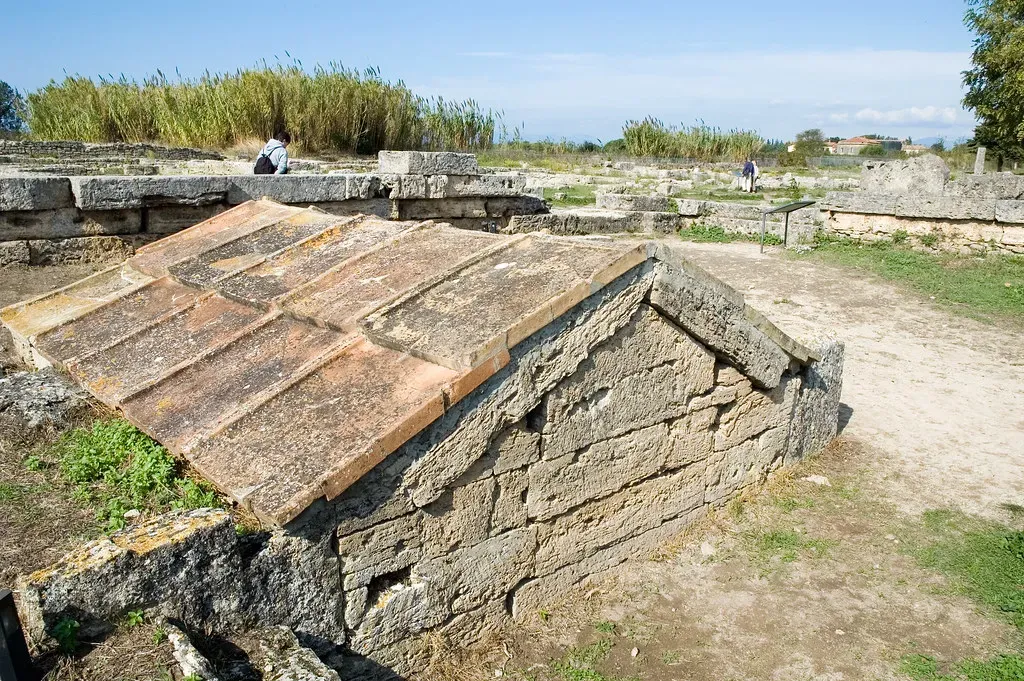
Walk into a historic church in an old European or Middle Eastern city and you might be stepping over far older sacred ground. In several cases, modern or medieval churches have been built on top of earlier pagan temples or shrines, which themselves may rest on even older ritual sites. Excavations under church floors have revealed altars, carved stones, and building foundations that point to religious continuity stretching back millennia.
This layering is not accidental; new faiths often repurposed existing holy places, folding earlier traditions into new ones. I find it striking that worshipers may kneel every week above the ruins of rituals they would not even recognize. Beneath the polished tiles and pews lies a vertical history of belief, stacked like geological strata of the human urge to find meaning in the same patch of ground.
Ancient Canals and Roads Under Modern Streets
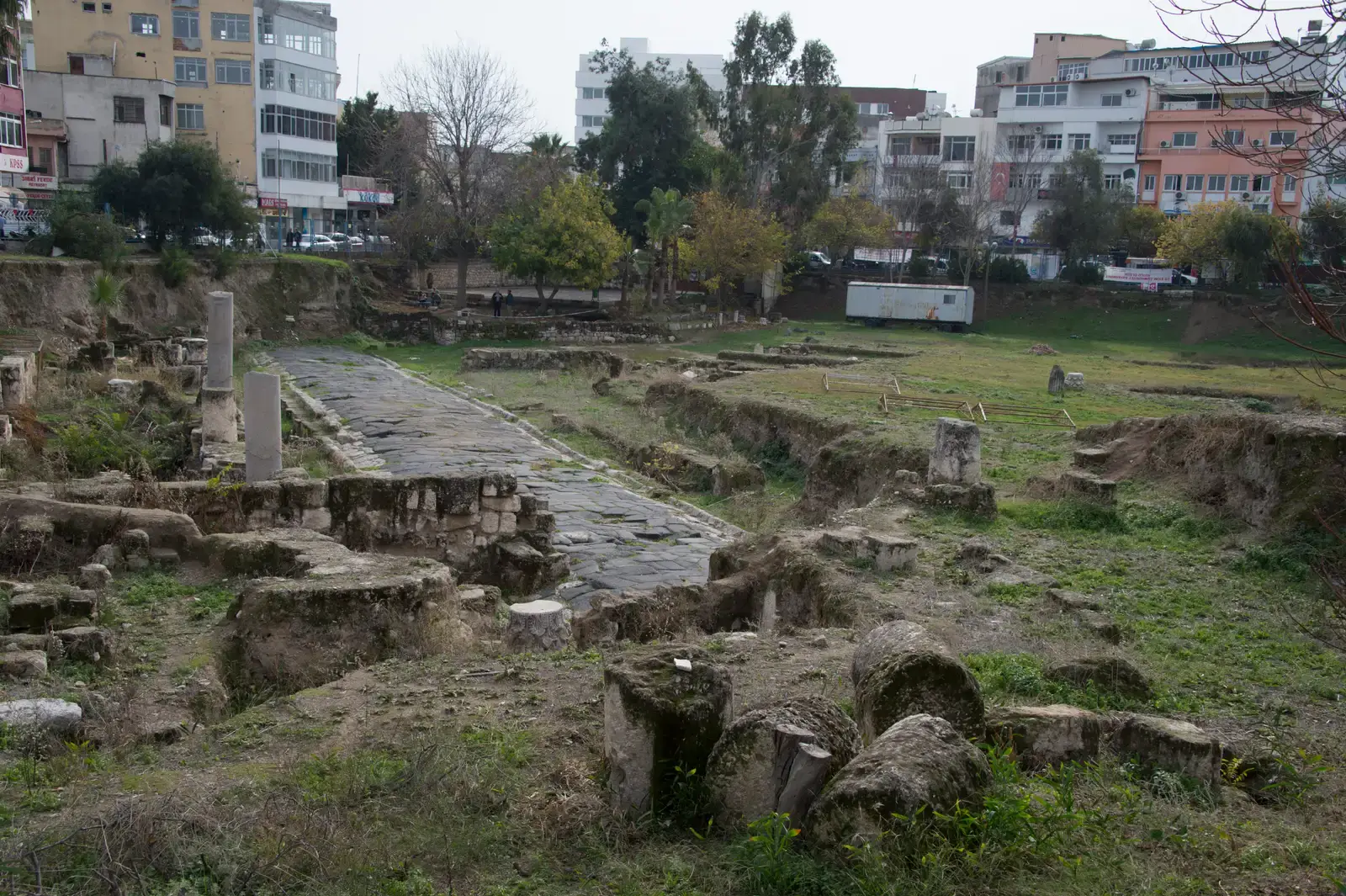
When city engineers open up streets to lay new pipes or cables, they sometimes get a history lesson for free. In cities from Rome to Mexico City to London, utility works have uncovered ancient roads, drainage systems, and canals that mirror or even guide the layout of current streets. Modern traffic flows over the fossilized skeleton of earlier networks that moved carts, animals, and foot traffic centuries ago.
Studying these buried infrastructures shows just how smart and adaptable early urban planners were. They knew how to handle floods, waste, and congestion with surprisingly sophisticated solutions, some of which modern planners are still trying to match. Personally, I love the idea that every time a city complains about a broken water main, the hole in the road might open a small window into the way people navigated the same corner a thousand years before the first car existed.
Buried Statues Under Ordinary Fields and Gardens
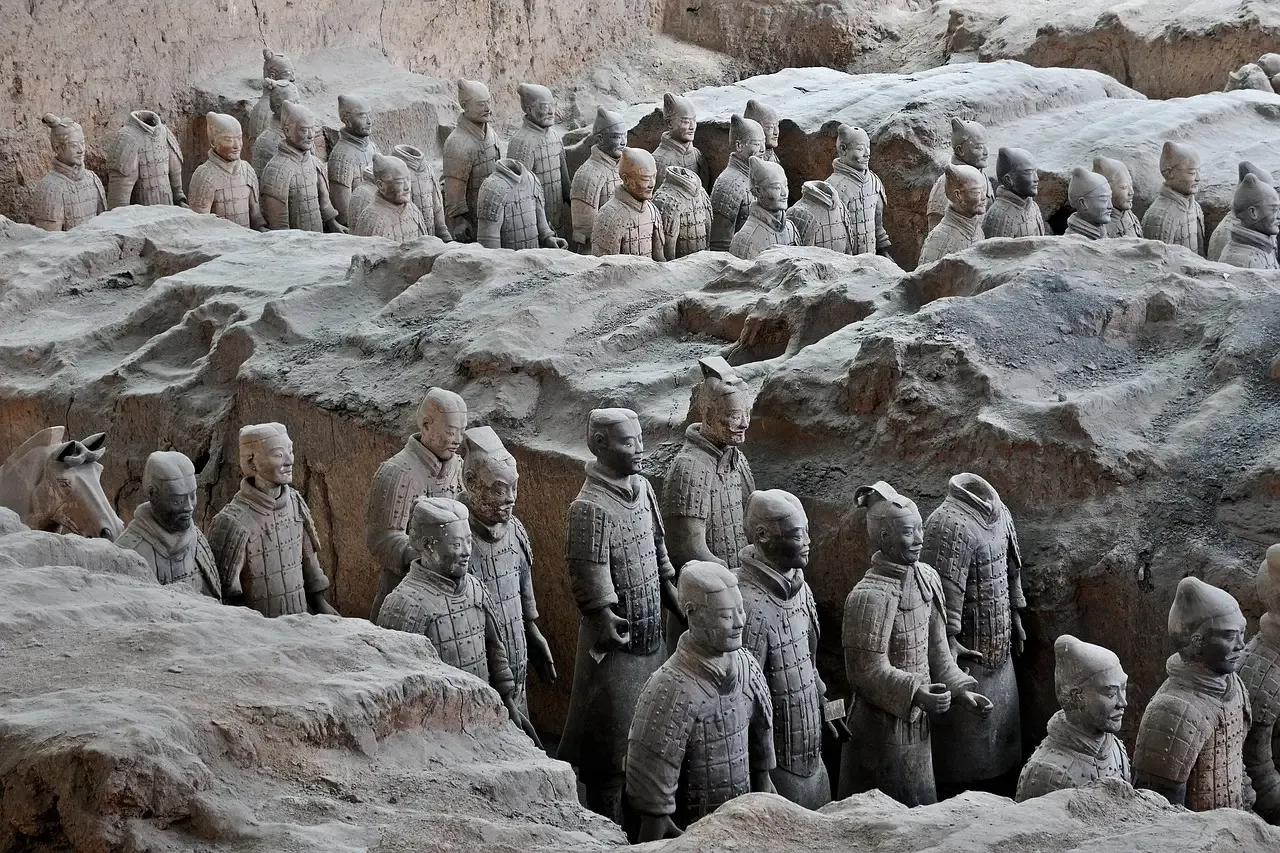
Some of the most dramatic artifacts ever found have turned up in places that could hardly be more ordinary: a farmer’s field, a small suburban lot, or a village square. Archaeologists and chance diggers have uncovered colossal statues, carved heads, and intricate reliefs lying just below plow depth. In many cases, ancient people deliberately toppled and buried these works during times of upheaval or religious change, turning open land into a kind of hidden museum.
Because these fields and gardens stay in use, discoveries sometimes happen only when deep plowing, building foundations, or tree planting bites a little lower than usual into the soil. The emotional whiplash is intense: one minute you are doing routine work, the next you are face to face with an idealized stone figure staring up from another era. It underlines how thin the barrier is between everyday chores and world‑class cultural heritage.
Sunken Cities Beneath Harbors and Tourist Beaches
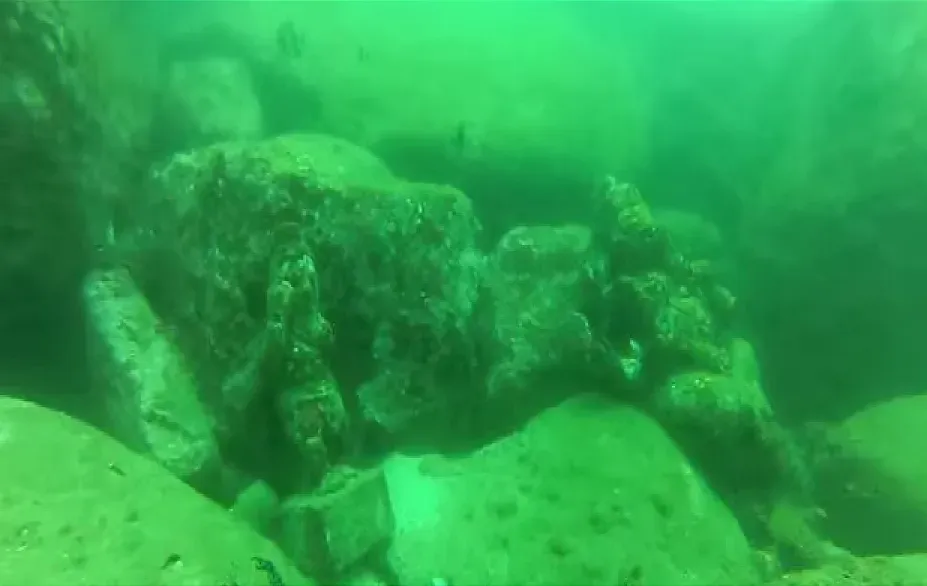
At many popular coasts, swimmers and boaters have no idea they are above drowned streets, temples, and port facilities. Changes in sea level, earthquakes, and gradual subsidence have pulled ancient shorelines underwater, leaving harbors and entire districts preserved as submerged archaeology. Divers and sonar surveys have mapped columns, walls, and pavements lying on seabeds beneath marinas, piers, and crowded holiday beaches.
These undersea cities are time capsules of trade and daily life, often better preserved than sites on land that have been built over and disturbed. Amphorae, anchors, inscriptions, and house foundations rest in the quiet zones beyond the wave break, while modern life hums on the boardwalk above. I find it almost eerie to think that as people buy ice cream and rent jet skis, a forgotten waterfront from two thousand years ago is sitting just out of sight below the surface.
Ancient Rock Art Beneath Layers of Paint and Plaster
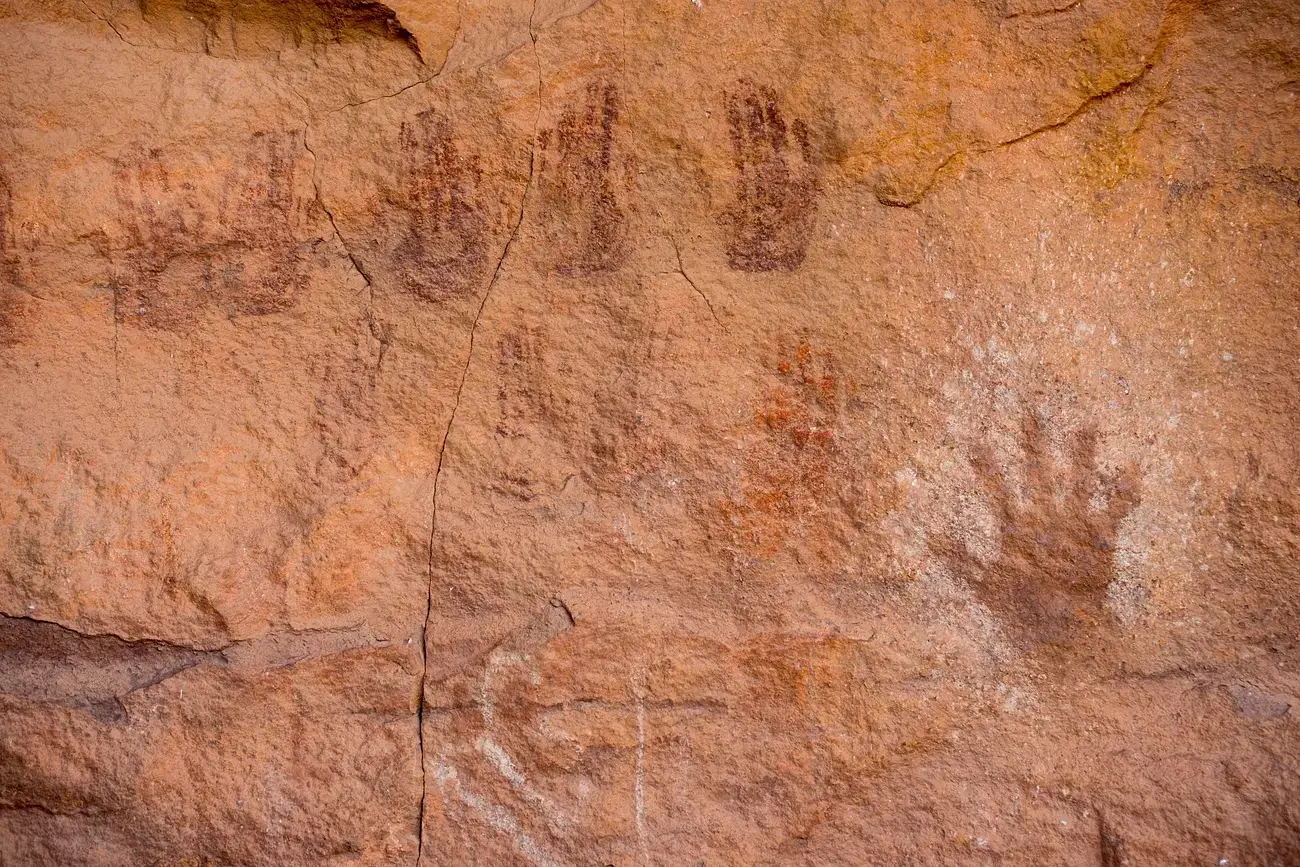
Not all buried discoveries are underground; some are hidden behind walls. In caves and rock shelters that later became homes or barns, researchers have found ancient rock art concealed under plaster, whitewash, or more recent paintings. A perfectly normal‑looking interior can, with gentle removal of later layers, reveal animals, symbols, or handprints made by people living there thousands of years earlier.
These discoveries are delicate, because every stroke removed risks damaging the prehistoric art beneath. When it works, though, the result is like uncovering earlier voices in a palimpsest, where each generation has written over the last. I think this is one of the most intimate types of find, because the same sheltered space has sheltered families across deep time, each leaving their mark without realizing someone else beat them to it by several millennia.
Mass Graves Beneath Schools, Markets, and City Squares
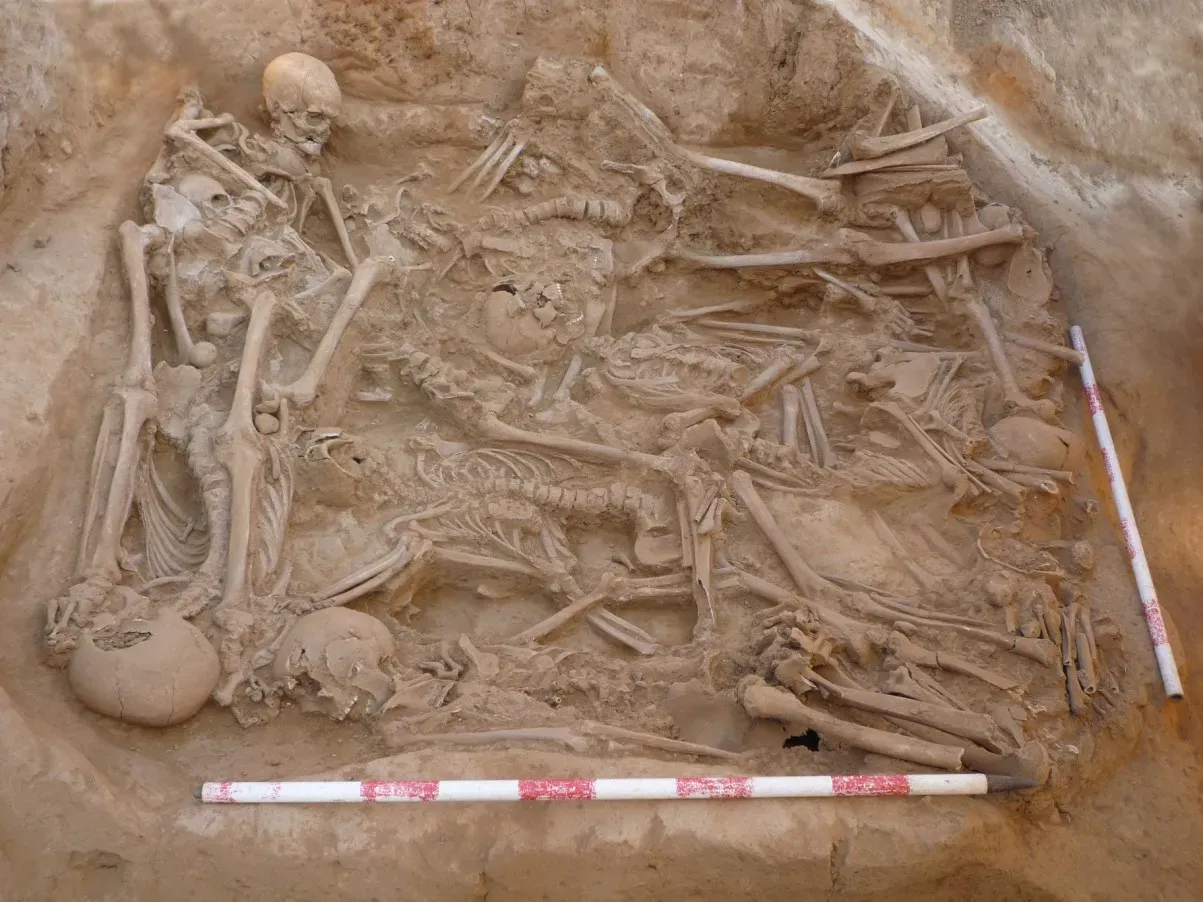
Sometimes the past under our feet is not beautiful at all; it is tragic. In a number of modern towns and cities, construction or renovation has revealed mass graves under schools, markets, courtyards, or public squares. These could date from wars, epidemics, or political violence, hastily dug and then forgotten as generations moved on and built new lives above them.
When such remains are found, forensic and archaeological analysis can reconstruct how these people lived and died, sometimes giving names and stories back to those lost events. Personally, I think these are among the most ethically challenging discoveries, because they force communities to confront chapters of history that were buried in both soil and memory. Yet they also offer a chance for acknowledgment and remembrance that would otherwise never happen.
A Lost Theater Beneath Modern Buildings
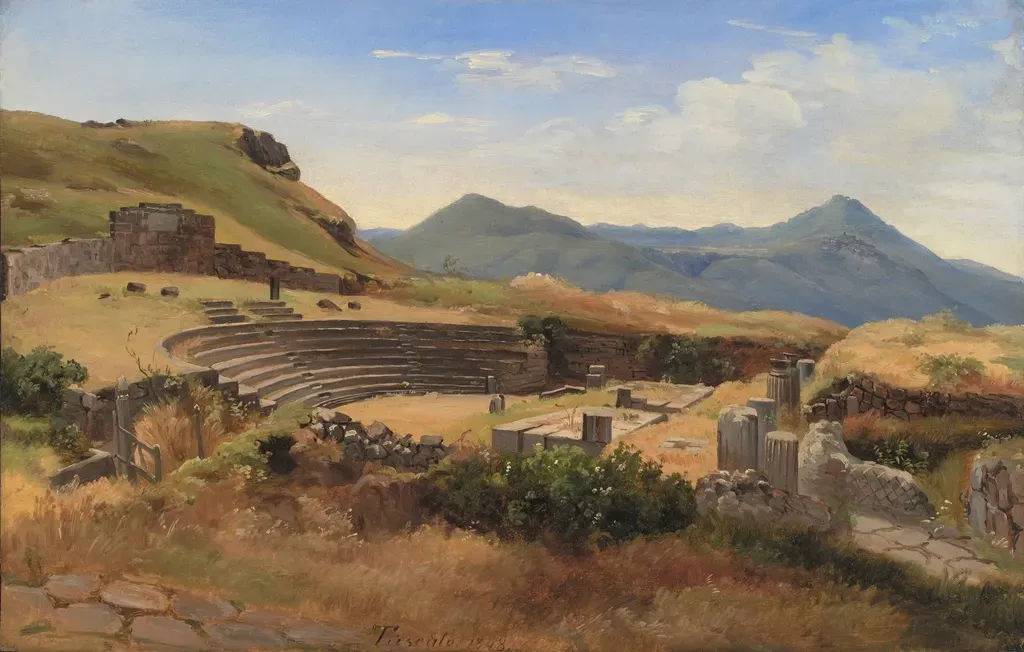
In several ancient cities, evidence of theaters and arenas has been found not standing proudly in the open, but sandwiched beneath or within later housing blocks and storefronts. Archaeologists tracing old records and excavating cellars have uncovered curved rows of seating, stage foundations, and decorative elements that once echoed with drama, music, and crowds. On the surface, people might see only a messy back alley or a modest shop front.
By mapping these remains, researchers can reconstruct the soundscape and social life of cities where performance and public gatherings were central. I love the idea that, without knowing it, office workers on their lunch break might be eating sandwiches above the very spot where ancient audiences laughed, cried, and argued about the latest play. It is a quiet reminder that entertainment and storytelling are some of the most persistent threads linking us with the people who came before.
Hidden Ritual Pits Under Ordinary Countryside
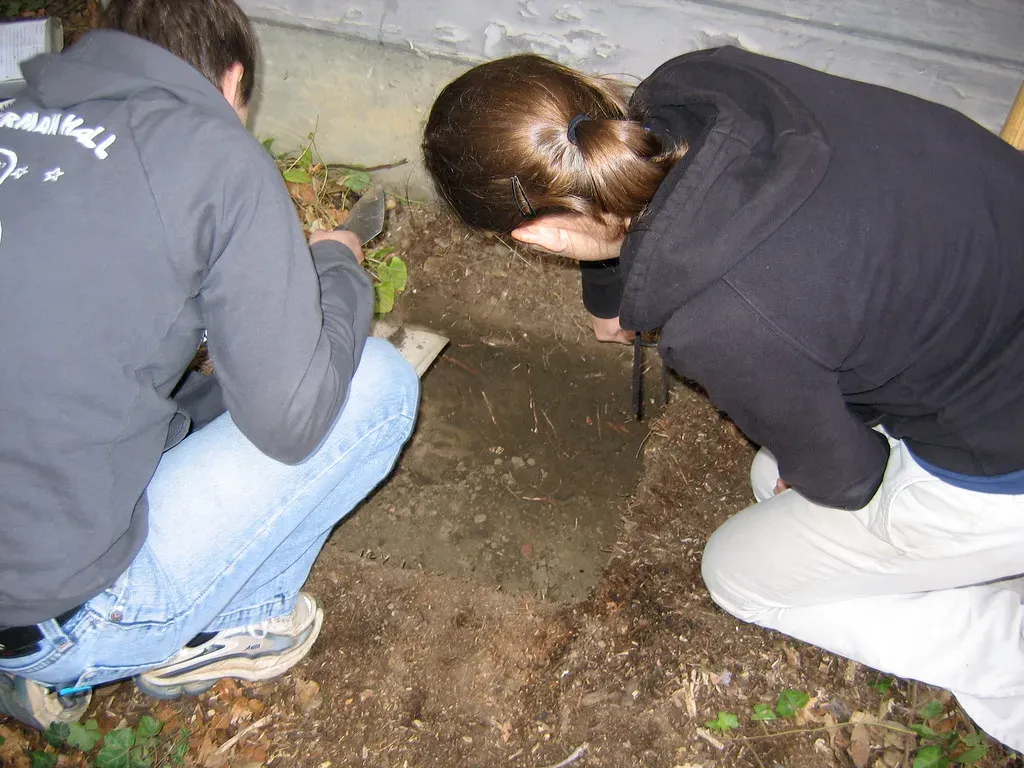
Finally, there are the strange, carefully arranged deposits that turn up under seemingly untouched meadows or farmland. Archaeologists have found pits filled with animal bones, pottery, tools, and sometimes human remains, laid out in patterns that suggest ritual, offering, or marking of boundaries. To someone walking a dog across the field, nothing looks unusual, yet beneath their feet lies a carefully composed message to gods, ancestors, or future generations.
Because these pits often lack grand structures, they are easy to miss unless development or dedicated survey work cuts into them. Interpreting them is tricky, and scholars often disagree about what exactly was going on, but the intention and care are clear. I like that in these quiet rural places, long before fences and property lines, people were already negotiating identity, belief, and community through acts that left traces just deep enough to escape casual notice.
Conclusion: The Ordinary World Is Thin as Paper
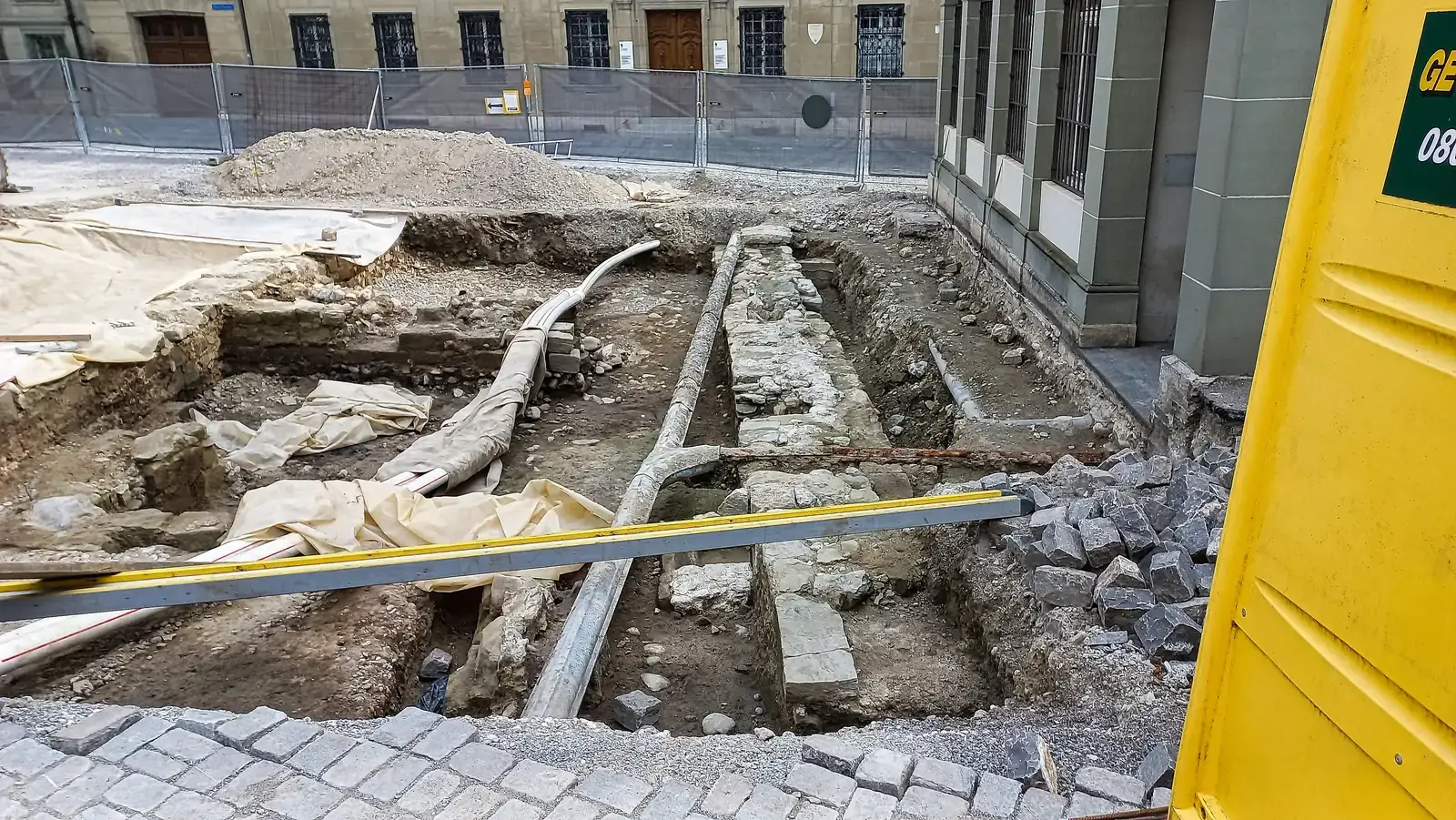
If there is one lesson running through these discoveries, it is that the line between everyday life and deep history is much thinner than we act like it is. Parking lots, basements, farm fields, and beaches are not empty surfaces; they are the latest scribbles on a page that has been written, erased, and overwritten countless times. I will admit, after digging into stories like these, I find it impossible to see any “boring” patch of ground as truly blank.
In my view, we underestimate the past when we box it into museums and tourist sites and assume everything important has already been found. The reality is that chance, technology, and curiosity keep turning up surprises exactly where nobody thought to look. That is both unsettling and strangely hopeful: the world is still bigger, older, and richer than our maps suggest. Next time you step into a parking bay or stroll across a field, are you really just crossing empty space, or walking the thin top layer of a story you have not heard yet?