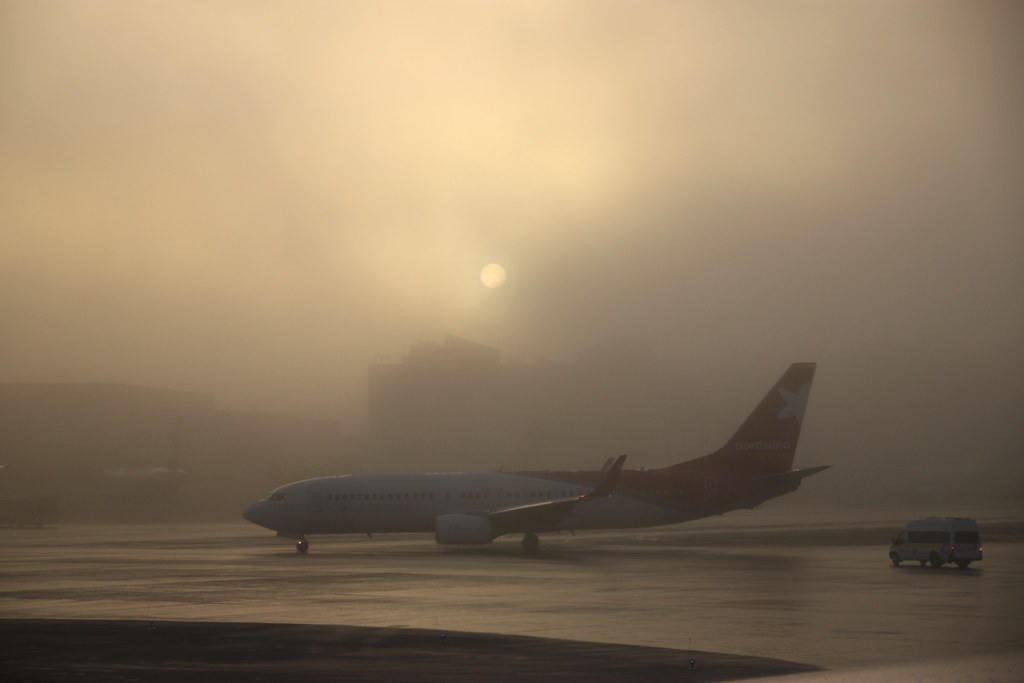
Fog looks harmless from your window seat – just a soft gray blanket rolling over the tarmac. But behind that blanket, airports are quietly running an entirely different rulebook, one most passengers never see. Runways get recategorized on the fly. Pilots hand control over to computers. Air traffic controllers add extra staff nobody boarding the plane ever notices.
Most travelers assume a “foggy morning” simply means “wait it out.” It doesn’t. Here’s what aviation insiders actually plan for once the mist rolls in – and why the fog outside your window is never quite as simple as it looks.
#1 – Fog Hides the Runway Long Before You’d Ever Notice From the Cabin
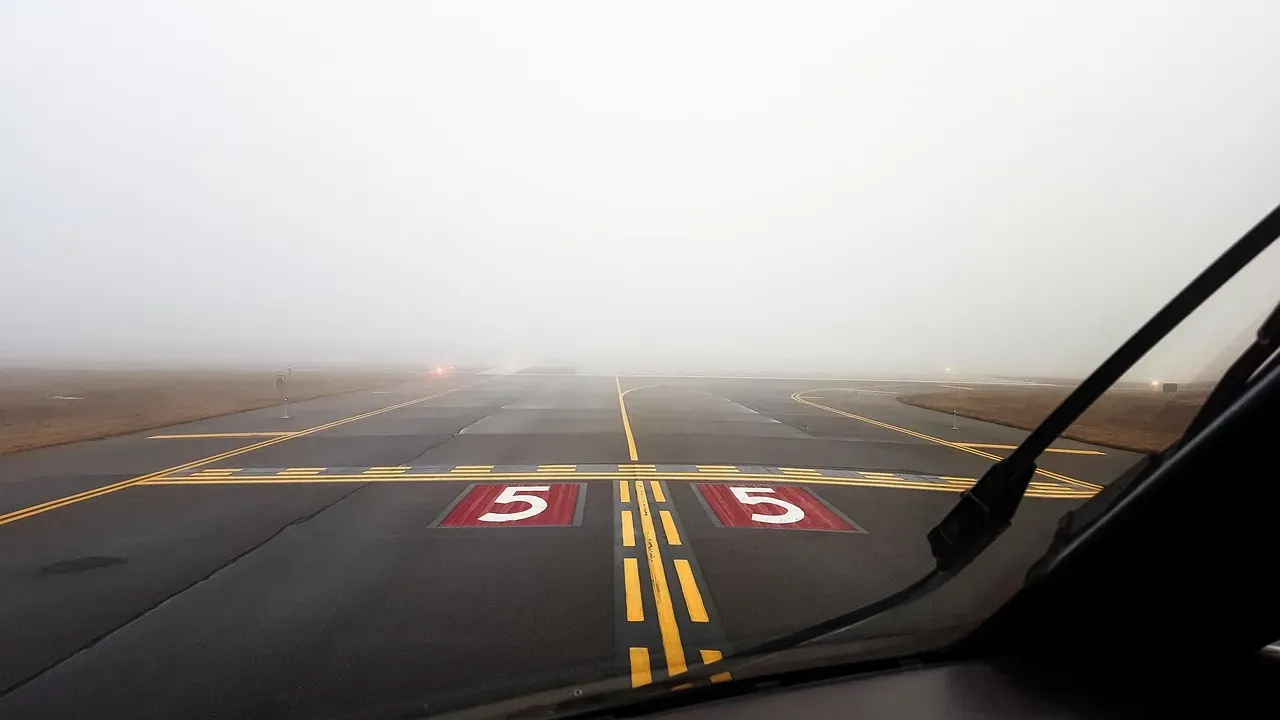
Airports don’t just eyeball fog and guess. They measure it with brutal precision, because a pilot’s life depends on knowing exactly how far they can see down the actual runway surface, not the general area around the airport.
That measurement is called Runway Visual Range, or RVR, and it’s collected by specialized optical sensors. RVR is the distance along a runway over which a pilot, positioned on the centerline, can see and identify runway surface markings or the lights marking the centerline and edges. That’s a wildly different number from whatever you’d see checking a weather app before boarding.
Most people don’t realize prevailing visibility and RVR can differ by thousands of feet at the same airport, at the same moment. RVR is an instrument measurement taken right at the runway, while prevailing visibility is a human observation across the whole airport – and the two often disagree by a wide margin. A fog bank can sit directly over the touchdown zone while the rest of the field looks perfectly clear.
This is why airports install multiple sensors down the length of a single runway. The transmissometer measures how far a pilot can see along the actual pavement, and separate sensors at touchdown, midpoint, and rollout each report their own number. Fog rarely sits evenly, so one end of a runway can be flyable while the other is a total whiteout. But that’s nothing compared to what’s waiting in #2.
#2 – Fog Forces Jets to Land Themselves
Once visibility drops far enough, human eyesight simply stops being good enough. Airports have to plan around aircraft that fly themselves down to the pavement.
This is where autoland takes over. A CAT III landing is an instrument approach flown in the lowest visibility conditions, where decision heights fall below 100 feet or disappear entirely, and it relies on autoland because human eyes cannot see the runway in time. The pilot is still in the seat – the computer is doing the flying.
Turns out, there’s a version of this so extreme it’s never actually been used anywhere in the world. A theoretical CAT IIIC – zero decision height, zero visibility – exists on paper and is used nowhere. Even if a jet could land in absolute fog, it could never taxi to the gate afterward. Airports plan for the landing, not the impossible walk that would follow it.
The redundancy behind this is what makes it safe. A fail-operational system can continue an automatic landing even after a single failure, thanks to redundant computers and sensors, and that backup layer is exactly what enables the lowest CAT III operations. Without it, airports simply wouldn’t authorize the approach at all. But #3 is where the plan gets messier, because not every plane is invited to play.
#3 – Fog Secretly Splits Every Aircraft Into “Certified” and “Grounded”
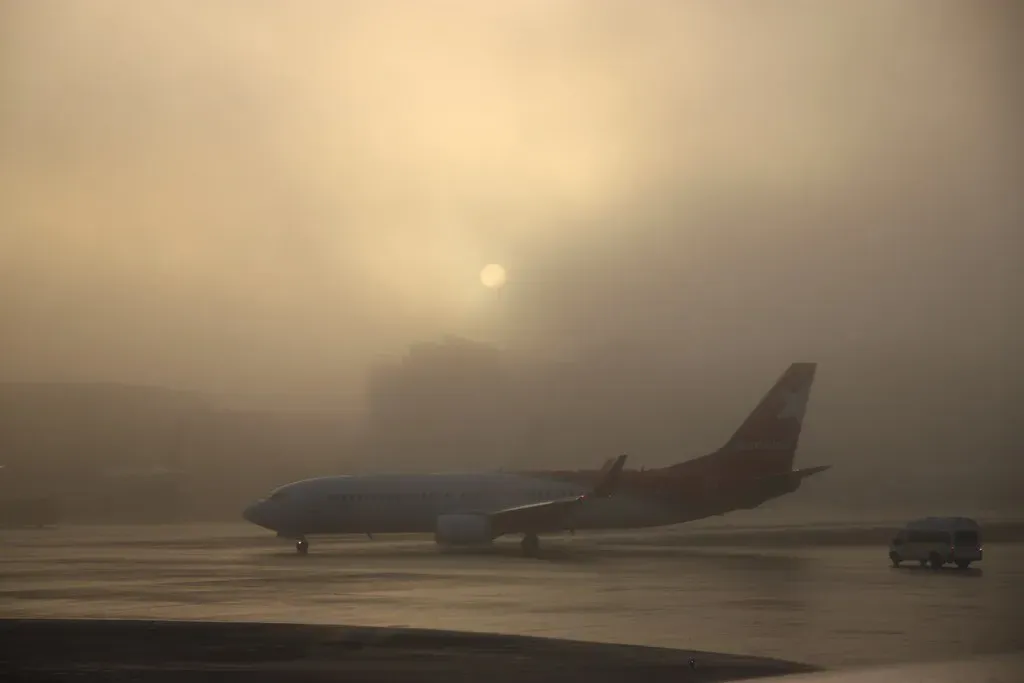
Here’s the part airlines don’t advertise: fog doesn’t ground an airport evenly. It grounds specific planes and specific pilots while letting others land right past them.
Airports maintain tiered categories precisely for this reason. Category I approaches require an RVR of at least 550 meters and a decision height of 200 feet, while Category II allows a decision height of 100 feet with an RVR as low as 300 meters. Anything below that needs Category III equipment – on both the ground and in the cockpit.
Quick Compare
- CAT I: RVR of 550 meters or more, decision height around 200 feet
- CAT II: RVR as low as 300 meters, decision height around 100 feet
- CAT III: RVR can drop below 200 meters, decision height near zero – requires special aircraft and crew certification
Most travelers assume every commercial jet can handle deep fog. It can’t. Not every airport is equipped with CAT III systems, and special aircrew certification is required to use them at all. A regional jet, or a pilot without current training, simply cannot attempt the same approach a widebody crew next door is cleared for.
This creates a strange scene on foggy mornings: one aircraft taxis in normally while another, at the exact same airport, sits parked because its crew isn’t qualified. There are documented cases of multiple flights diverting purely because the captain wasn’t trained for CAT III conditions, since a runway visual range at the minimum threshold requires specific advanced certification just to attempt the landing. But #4 shows how airports try to keep everyone else moving anyway.
#4 – Fog Triggers an Invisible Rulebook Called Low Visibility Procedures
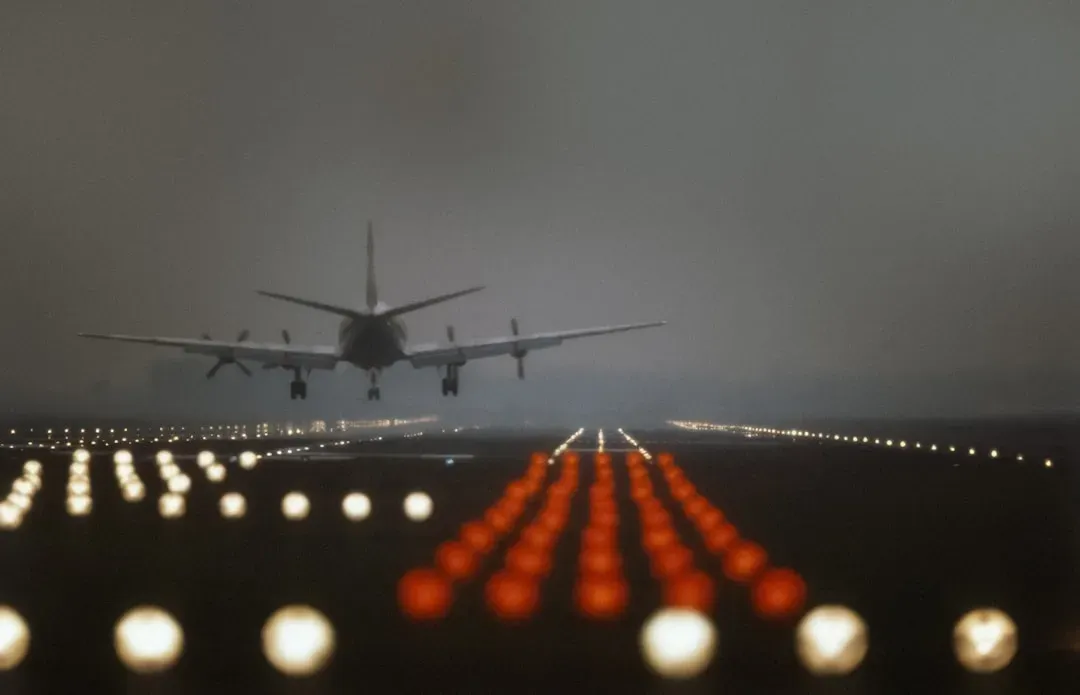
Long before fog gets bad enough to ground flights, airports quietly flip a switch that changes almost everything about how the airfield operates – and passengers never see the memo.
That switch is called Low Visibility Procedures, or LVPs. When visibility drops under 600 meters, airports shift into LVPs, which alter operations significantly to create more space and more time on the airfield. It’s a hard number, not a vibe – a trigger that flips an entire operational gear change.
Secretly, this single number reshapes the entire day’s schedule before a single flight is even delayed. Ground crews, controllers, and dispatchers all shift into a slower, more cautious mode simultaneously the moment that threshold is crossed.
The knock-on effect is capacity. Fewer aircraft can move through the same airspace and taxiways per hour once LVPs are active, which is why a “light morning fog” forecast can still translate into a two-hour ripple of delays by lunchtime. Airports plan staffing and gate assignments around this threshold specifically – not around whether the sun eventually burns it off. But #5 is where the spacing problem becomes physical, not just procedural.
#5 – Fog Makes Airports Spread Every Aircraft Further Apart
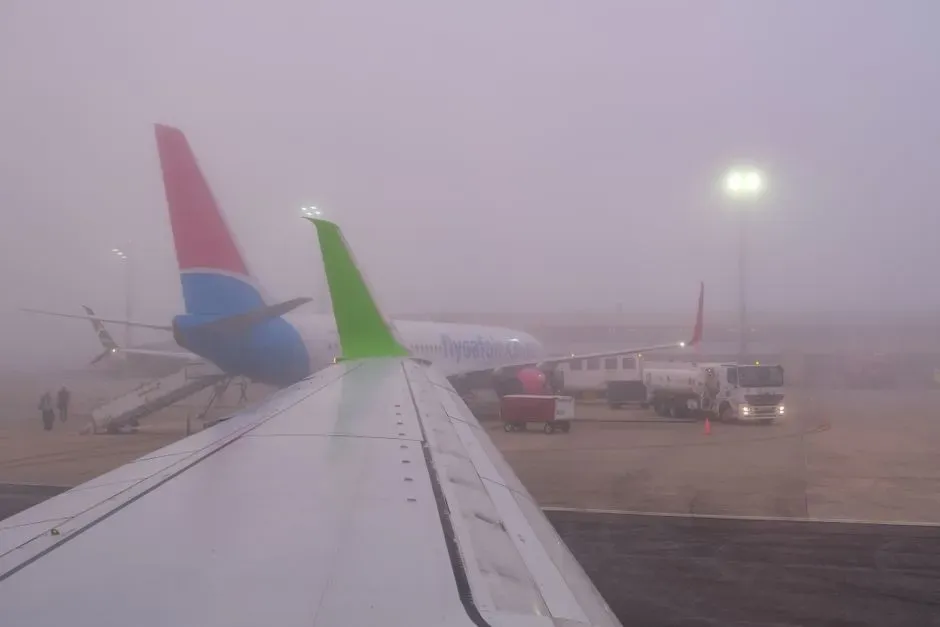
Fog doesn’t just slow planes down individually – it forces air traffic control to physically widen the gaps between every aircraft in the sky and on the ground at the same time.
This is a direct, mandated response, not a cautious guess. Fog doesn’t mean aircraft can’t fly, but more spacing is required between airplanes, so takeoff and landing capacity gets squeezed at the busiest hubs. Even IFR-rated pilots need that extra buffer once the fog thickens.
Most people assume delays mean the airport is being overly cautious. Actually, it’s basic math. As RVR decreases, airport capacity drops with it – lower RVR values trigger reduced landing and takeoff rates, stricter ground movement controls, and the activation of low-visibility procedures to maintain safety. Fewer aircraft can safely occupy the same runway system per hour.
This is precisely why a single foggy morning at a major hub can cancel far more flights than the fog itself would suggest. Airports don’t reduce capacity because they’re being dramatic – they reduce it because every extra meter of separation is a direct trade against how many planes can land before noon. But #6 is where fog turns dangerous in a completely different way: on the ground, not in the air.
#6 – Fog Turns Taxiing Into the Most Dangerous Leg of the Flight
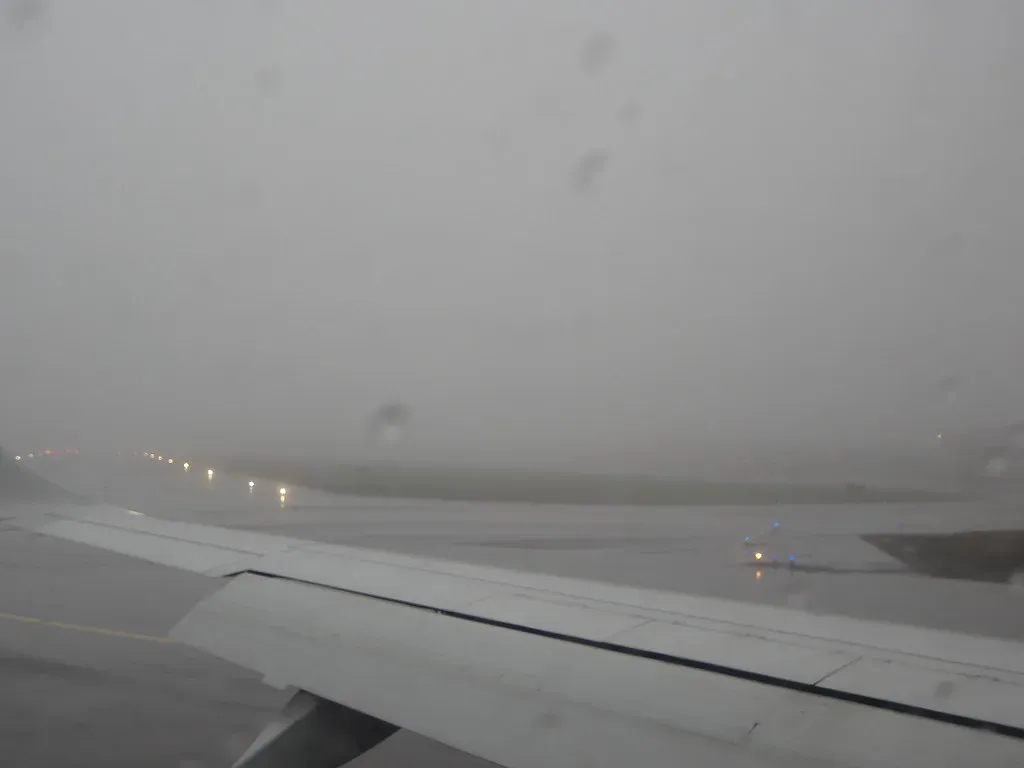
Passengers assume the scary part of flying in fog is the landing. Pilots will tell you it’s actually the slow crawl to the gate afterward.
Visual references vanish almost entirely once wheels are down in dense fog. Pilots taxiing in low-visibility conditions rely almost entirely on airport signage, painted markings, and air traffic control instructions. There’s no autoland equivalent for finding your way across a sprawling, multi-runway airfield.
Turns out, entering an active runway by mistake during fog is one of the single biggest fears in the cockpit. Pilots describe how taxiing gets further complicated because entering an active runway during low visibility can result in catastrophe – which is exactly why crews will completely halt a taxi and call ATC at even the smallest doubt about their position.
This is why fog-prone airports invest heavily in ground radar, illuminated stop bars, and painted hold-short markings that glow through mist. It’s also why “taxi delays” during fog often outlast the actual weather event – once visibility improves, airports still have to clear a backlog of aircraft crawling at a fraction of normal speed. But #7 reveals that fog itself isn’t one single enemy; it’s several, each with its own playbook.
#7 – Fog Comes in Different “Flavors” That Airports Must Plan for Differently
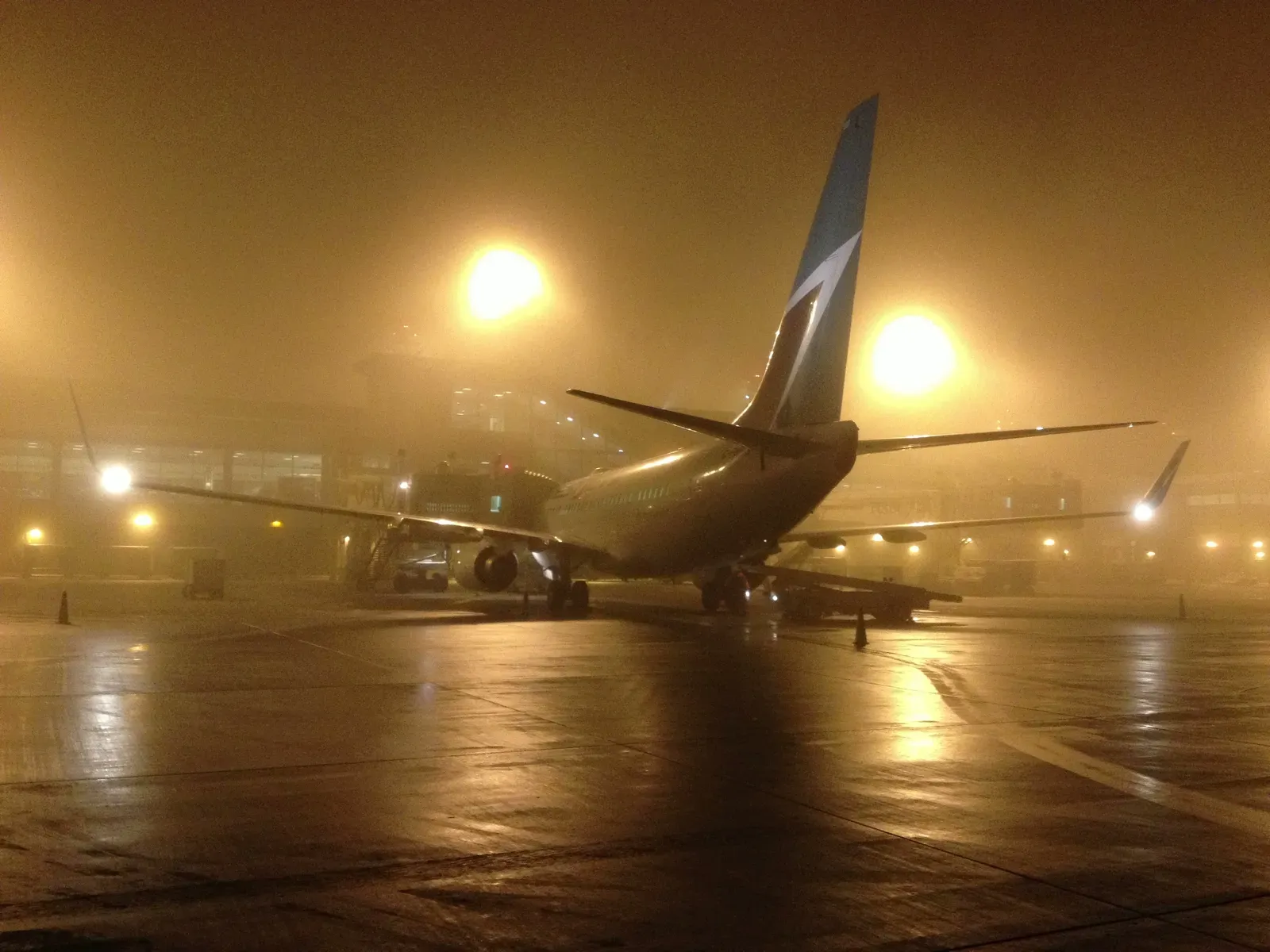
Here’s something most passengers never consider: the fog delaying your flight in Denver formed completely differently than the fog delaying a flight in San Francisco, and that difference specifically.
Radiation fog is the classic overnight villain. It often forms during clear, calm nights when surface cooling drags air temperature down to the dew point. It tends to pool in valleys and clear on its own once the sun does its job.
Most people assume all fog behaves the same way. It doesn’t, and that’s a costly assumption for schedulers. Frontal or advection fog tends to be thicker and longer-lasting than radiation fog, which forms in “pools” over low open ground under clear skies and dissipates within minutes or hours once sunlight reaches the surface. One clears by breakfast; the other can sit for a full day.
Fast Facts
- Radiation fog: forms overnight under calm, clear skies; usually burns off by mid-morning
- Advection fog: rolls in on moist air over cool ground or coastlines; can linger for hours or an entire day
- Where it hits hardest: coastal hubs like San Francisco face advection fog far more often than inland airports
Coastal hubs deal with this constantly. Advection fog is common at airports near coastlines, like San Francisco International, and it can linger long enough to require enhanced ILS technology and coordinated ATC efforts just to keep the schedule moving. Inland airports fight the opposite problem – short, sharp, sunrise fog that’s gone within hours. Schedulers plan buffers accordingly, which is exactly why some airports build in “fog delay padding” during specific seasons while others don’t bother. But #8 gets genuinely dangerous once temperatures drop below freezing.
#8 – Fog Can Freeze Solid on Contact With the Aircraft
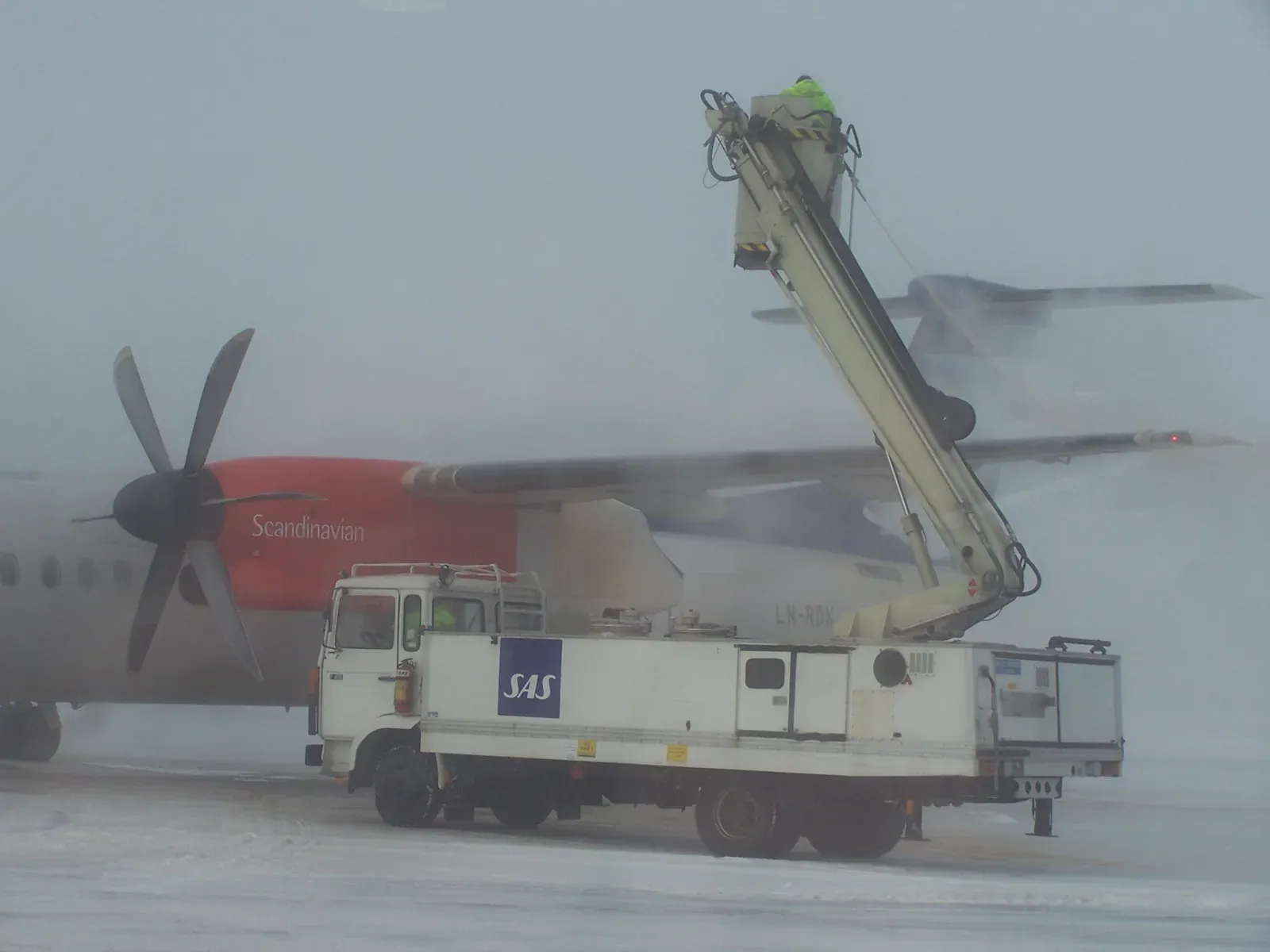
Regular fog is a visibility problem. Freezing fog is a visibility problem and a structural one – and airports treat it as an entirely separate emergency category.
The distinction comes down to temperature. Freezing fog can deposit ice directly onto aircraft surfaces, runways, taxiways, and airport equipment. That’s not a hypothetical – it’s a routine winter hazard at cold-climate airports around the world.
Most travelers have no idea that fog itself can technically freeze mid-air and coat a plane before it even moves. This forces airlines into pre-flight anti-icing and de-icing measures that add real time to every departure, stacking directly on top of any visibility-related delay already in play.
High-altitude and polar hubs deal with this as a near-daily reality rather than an occasional surprise. Ice fog is a recurring issue at high-altitude airports like Denver International and polar hubs like Svalbard Airport, requiring specialized de-icing procedures and advanced navigation aids. Ground crews there don’t just wait for the fog to clear – they actively de-ice through it, because the fog and the ice threat can persist simultaneously for hours. But #9 shows how far the damage spreads once the delays actually start.
#9 – Fog Creates Delays That Multiply Far Beyond Its Own Duration
A short fog event should, in theory, cause a short delay. In practice, airports know it almost never works out that way – and they plan schedule buffers around this exact mismatch.
The math is disproportionate on purpose. Fog delays compound differently than other weather delays, because fog slows both arrivals and ground movement at once. A 90-minute fog event at a major hub can produce four to six hours of cascading schedule disruption. One and a half hours of weather can wreck an entire day’s aircraft rotation.
Secretly, the real cost of fog isn’t the fog itself – it’s the traffic jam it leaves behind. Once aircraft, crews, and gates fall out of sequence, every subsequent flight inherits a small delay that stacks on top of the next, snowballing across the network long after the visibility has cleared.
This is precisely why airlines build in schedule padding at fog-prone hubs during certain seasons, and why a delay at one airport can ripple into cancellations at connecting airports hundreds of miles away. A major hub grinding to a near-halt for even a few hours can cancel hundreds of flights and disrupt tens of thousands of itineraries in a single morning. But #10 is about the people working behind the scenes to contain that ripple.
#10 – Fog Forces Air Traffic Control to Add Extra Eyes on the Ground
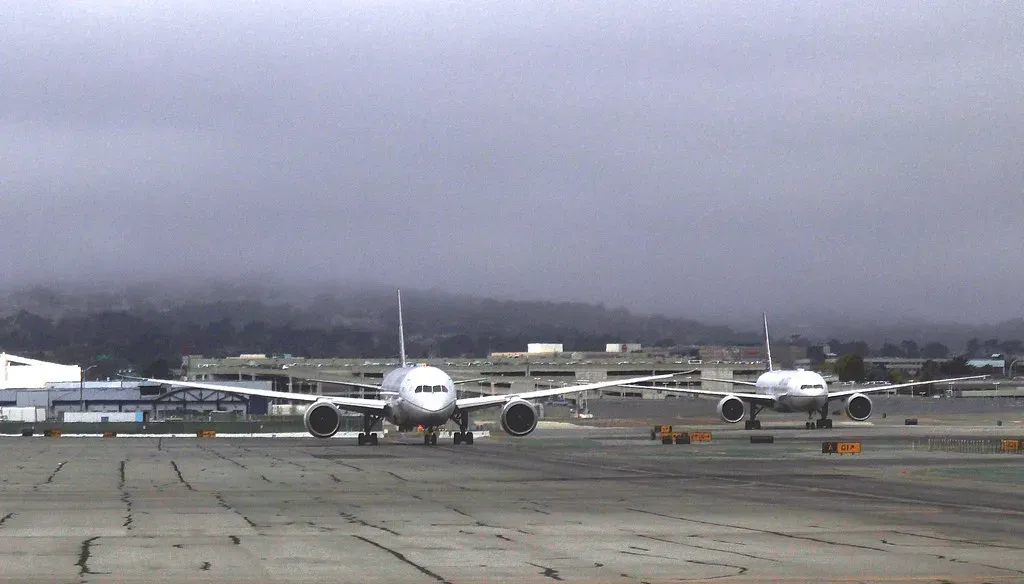
Fog doesn’t just complicate flying – it complicates talking. Airports quietly staff up specifically to manage the communication chaos that thick fog creates on the ground.
Busy hubs sometimes stand up an entirely separate control function just for this. At the busiest airports, it’s sometimes necessary to run a dedicated ramp tower purely because of the demands of ground communication with taxiing aircraft, and foggy conditions add even more pressure to an already stressful job.
Most passengers picture one control tower running the whole show. Large fog-prone hubs often run two, simultaneously, just to keep planes from colliding on the ground. Ramp controllers handle the slow, close-quarters choreography of aircraft moving between gates and taxiways, while the main tower stays focused on runways and airspace.
Worth Knowing
- Dedicated ramp towers exist mainly at high-traffic hubs where fog and congestion collide most often
- Ramp control handles gate pushbacks and taxiway movement; the main tower handles runways and airspace
- In dense fog, controllers lean on radar and radio calls instead of a visual glance out the window
This division becomes essential once fog erases visual reference points across a sprawling airfield. Controllers can no longer simply glance out the window and confirm an aircraft’s position – they lean entirely on radar, radio calls, and painted ground markings relayed verbally, turning a routine taxi instruction into a much more deliberate, slowed-down exchange. But even with all of this in place, #11 proves that fog still occasionally wins.
#11 – Fog Still Wins Sometimes, Forcing Diversions Even With CAT III in Place
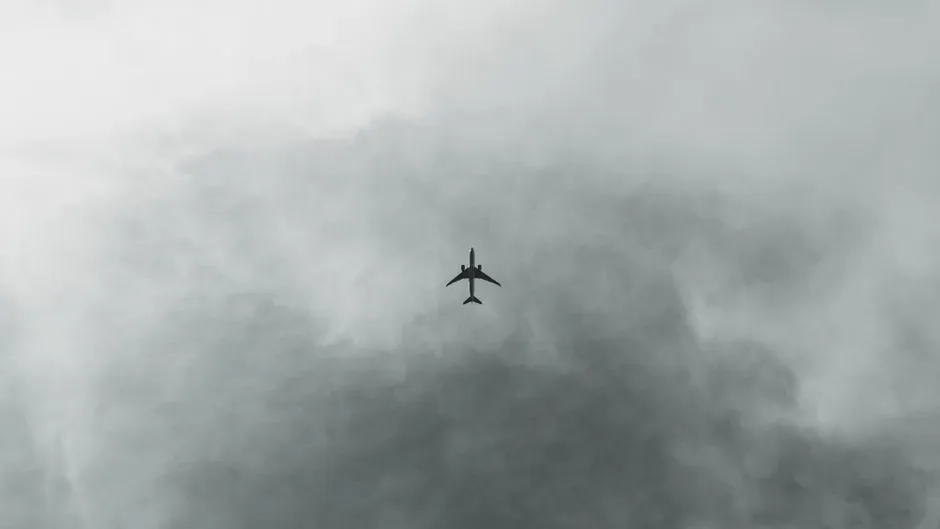
After all the technology, spacing rules, and extra staffing, fog can still beat the system entirely – and airports build diversion planning around that blunt reality.
Even the most advanced ILS setup has a ceiling. Aircraft cannot operate at full speed during dense fog, even under CAT III. Runways can only handle so many CAT III arrivals per hour, no matter how good the equipment on board happens to be.
While most travelers assume CAT III technology solves fog completely, insiders argue it merely manages the worst of it – never eliminates it. Even under CAT IIIB, the most capable civilian standard in wide use, flights still get delayed or cancelled during heavy fog. That’s not a failure of the tower or the pilots; it’s a hard ceiling built into the physics of visibility itself.
This is why every flight plan into a fog-prone airport carries an alternate destination on paper. If the runway visual range falls below minimums, pilots may need to hold, divert to an alternate airport, or cancel the flight altogether. Diversions aren’t a failure of planning – they’re the plan, the final safety valve when fog simply refuses to lift.
The Bottom Line
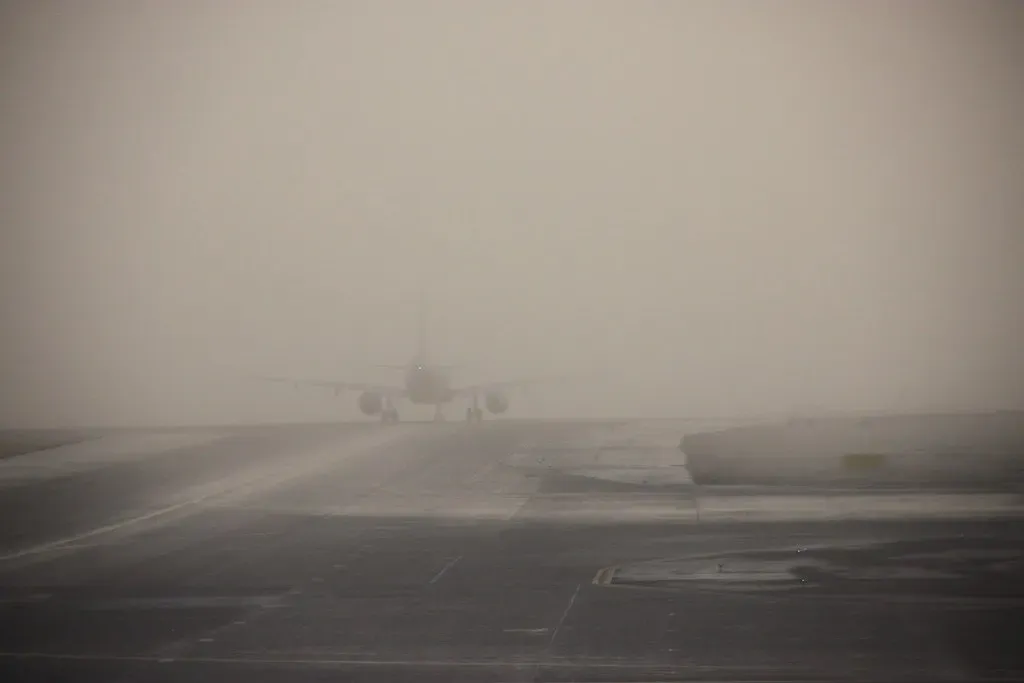
Fog isn’t a single obstacle airports “wait out” – it’s a cascading system of triggers, from RVR thresholds and autoland handoffs to freezing droplets and separate ramp towers, all activated in a specific, deliberate order.
The uncomfortable truth is that no amount of CAT III technology makes fog fully solvable; it only buys airports a narrower, more expensive margin against it. Anyone who’s sat on a foggy tarmac assuming the delay was random now knows it was anything but. Which of these surprised you the most? Drop it in the comments.