Most people judge an old wall by one lazy test: is it still standing? That’s like judging a surgeon only by whether the patient technically walked out of the hospital, no matter how messy things got underneath.
The real proof of craftsmanship hides in tiny, technical details that almost nobody thinks to check – how the stones grip each other, how the mortar breathes, where the water goes when nobody’s watching, even what a wall sounds like when you tap it. Masons, engineers, and inspectors read these signals instinctively. Once you know what they’re actually looking for, you’ll never walk past a stone wall the same way again.
#1 – The Wall Is Surprisingly Straight, But Not Perfectly So
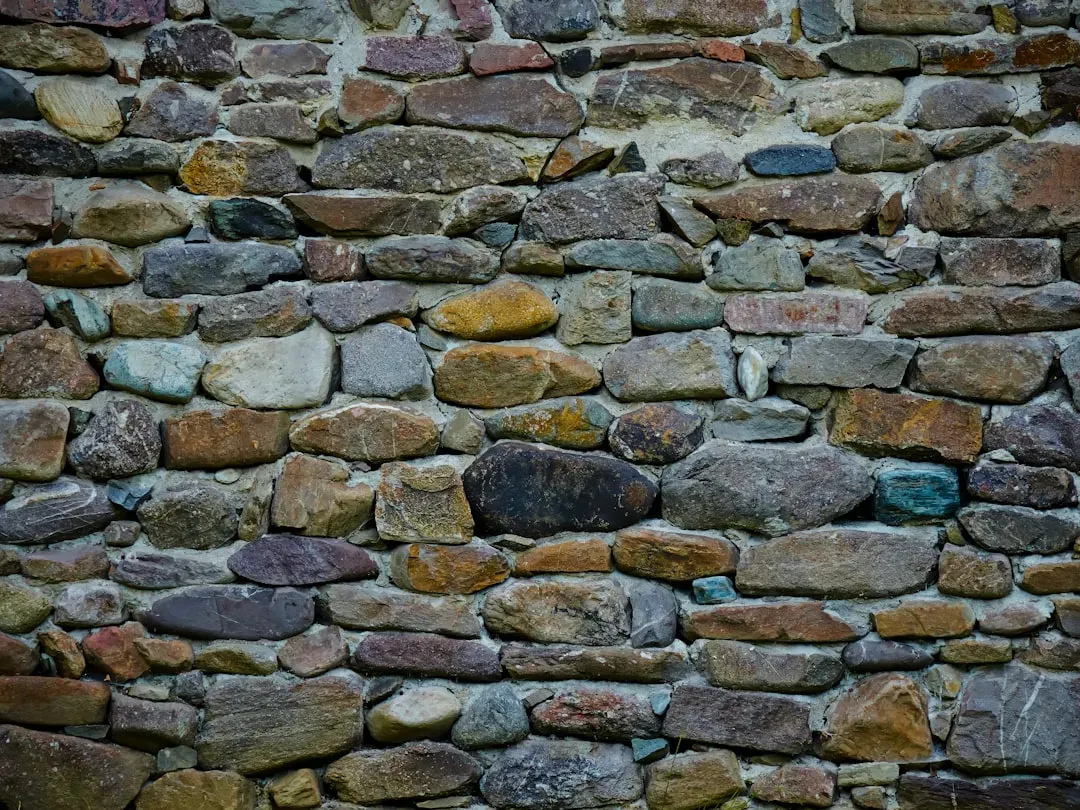
A well-built old wall almost never bows like a banana. It’s also almost never laser straight. That tiny tension between order and imperfection is often the first clue you’re not looking at amateur work.
Stand at one end and sight down the face. You should see a gentle, consistent line with no random bellies and no weird bulges halfway up. A competent mason kept the wall plumb within a small tolerance over the whole length, even without lasers – just plumb bobs, string lines, and a trained eye.
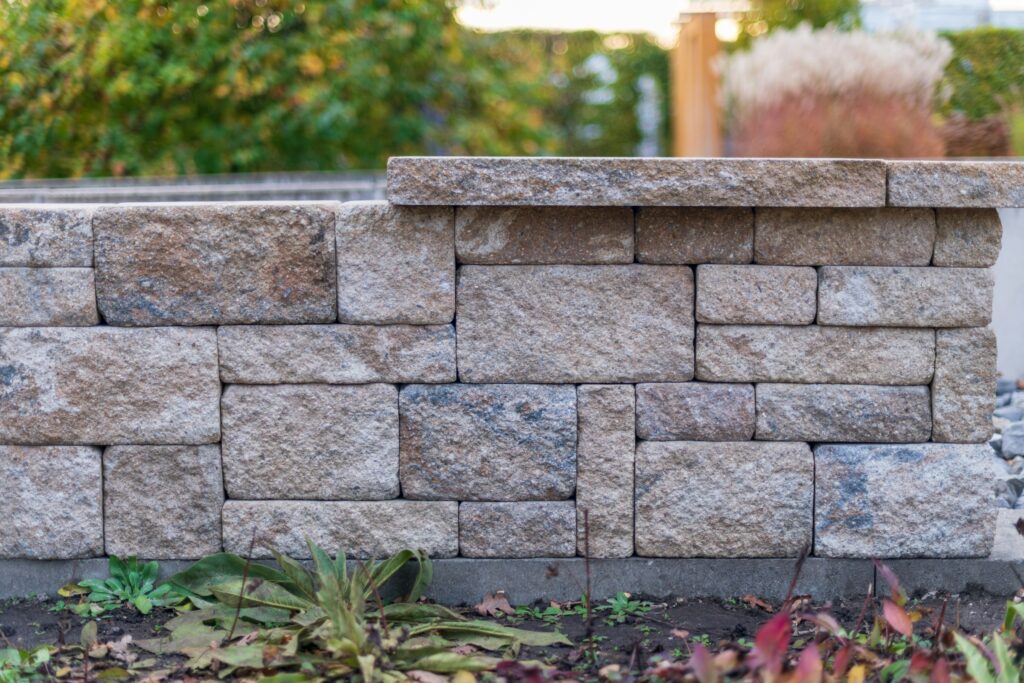
Here’s what most people miss: slight irregularities are actually a good sign in old work. A perfectly flat, ruler-straight wall claiming to be 150 years old is more likely a modern reconstruction. Old pros knew stone is never perfect, so they accepted a few millimeters of deviation rather than force blocks into positions where they’d eventually crack.
Look for a consistent lean (ideally none) instead of random waves, and corners that line up vertically without drifting off line. If a wall looks like it was pressed out of a factory mold, it may be newer, or heavily reworked, than it claims to be.
#2 – The Stones Lock Together Like a 3D Puzzle
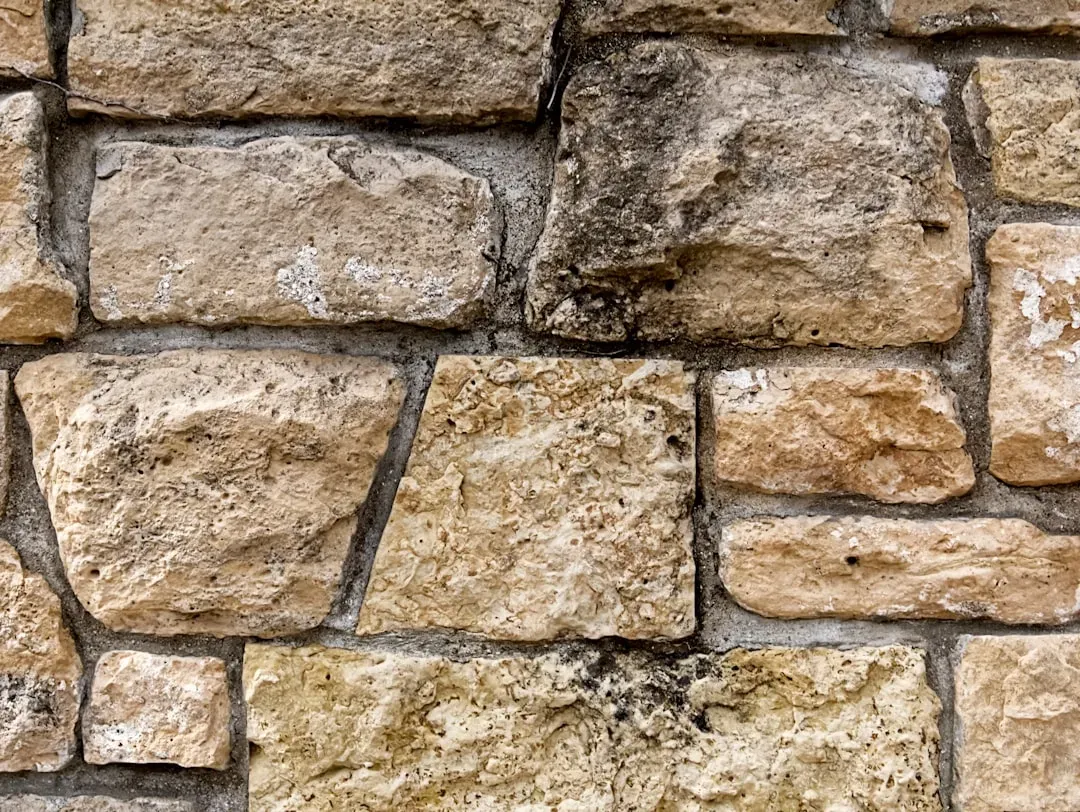
The secret language of a good wall is in how the stones interlock. Most people just see random rock. An experienced eye sees a load path.
In a well-built wall, stones aren’t stacked like bricks in a kid’s tower. Each stone is deliberately rotated, trimmed, or selected so its weight transfers into the stones below it, not straight down through one vertical seam. That’s why pros talk about “breaking joints” – vertical seams shouldn’t line up over several courses, because when they do, they create a weak line where the wall can split.
Fast Facts
- Vertical seams should never stack across multiple courses – that’s a structural red flag
- Long “bonding” stones run deep into the wall, tying both faces together
- Wedge-shaped fill stones close gaps neatly, unlike random loose chips
- Solid stones rest on at least two bearing points below, never a single tip
Step closer and you’ll often spot long “bonding” stones that run deep into the wall, triangular or wedge shapes filling gaps rather than random chips, and stones that wrap around corners to tie two faces together. On very old dry stone walls, built without mortar, this gets even more extreme.
The best of them look chaotic until you notice that big stones rest on at least two solid points below, never teetering on a single tip. That triple-point bearing is a hallmark of someone who understood structural stability, not just stacking rocks – the difference between a decorative garden wall and one that’s quietly carried a hillside for a century.
#3 – The Wall Has a Proper Foundation You Can’t Actually See
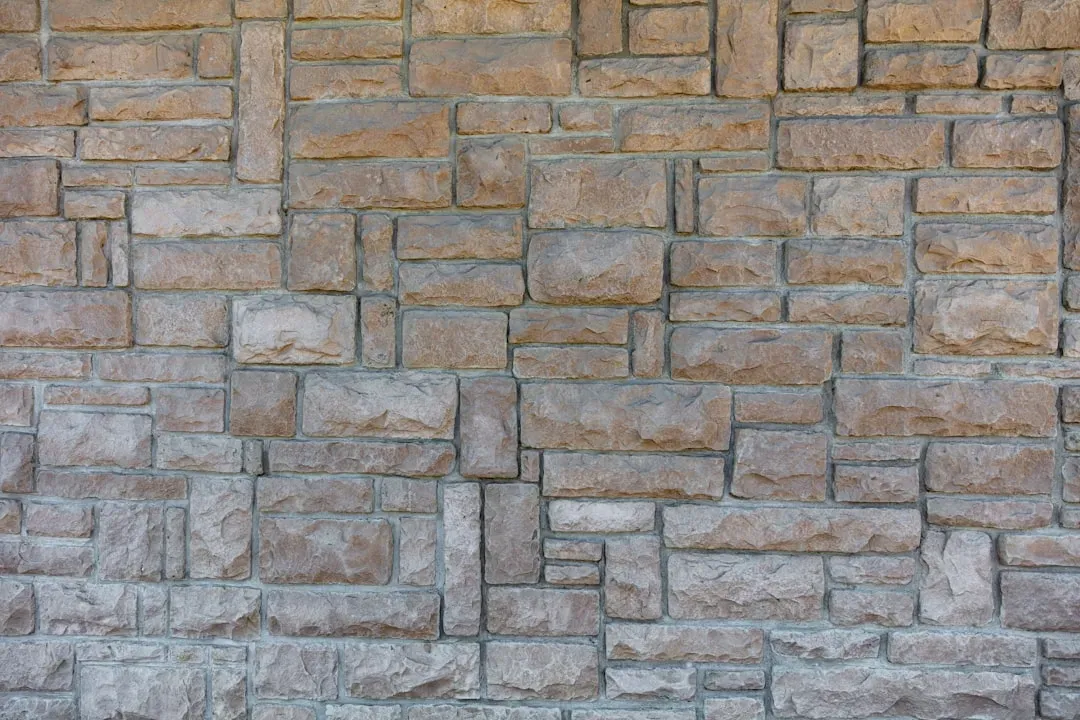
Most people judge a wall from the waist up. Pros immediately wonder what’s underneath it, because if the builder didn’t know their job, the problems always start below ground.
You can’t see the whole foundation, but you can read the clues it leaves behind. A well-built old wall usually sits on a widened “footing” layer, with larger, flatter stones at the bottom and a slight step into the ground rather than sitting on bare soil. If the wall has survived decades of freeze-thaw, traffic, or slope movement without major settlement cracks, that’s a huge sign someone got the base right.
In many rural traditions, builders over-dug the trench, filled it with compacted rubble or big boulders, and only then built the wall on that stable bed. It wasn’t fancy engineering – it was accumulated wisdom about what fails and why.
You might notice the first course is partially buried yet still stable, not exposed and crumbling. The ground along the wall won’t show random dips where individual stones settled; instead, the whole length feels calm and even. When an old wall leans but doesn’t crack in jagged zigzags, that often points to a uniform foundation that moved slightly with time instead of failing outright. Sloppy foundations give you sudden kinks, twisting corners, and sections that look like they’re peeling away.
#4 – The Mortar Has Aged Gracefully, Not Just “Hung On”
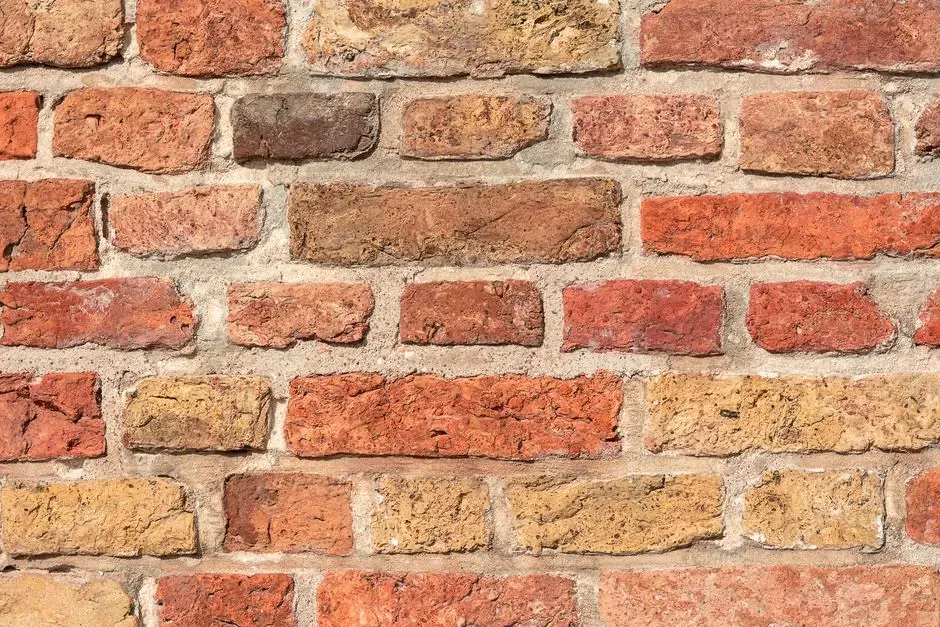
Mortar is where most bad walls betray themselves. People assume rock-hard mortar is good and crumbly mortar is bad. In reality, the best traditional walls often used softer mortar on purpose.
In older stonework, especially pre-20th century, lime-based mortars were common. They’re breathable and flexible – developing hairline cracks but still holding together, letting moisture escape instead of trapping it inside the wall, and allowing repointing later without tearing the stone apart.
If you look closely and see mortar slightly recessed from the stone face, lightly eroded but still coherent, that’s often a positive sign. It means the builder understood mortar should be the sacrificial part – it weathers so the stone doesn’t have to. When mortar is harder than the stone itself, which is common with modern cement repairs, it can actually cause the stone to crack and spall.
Another giveaway is color and texture. Original, well-designed mortar tends to have consistent sand grading and color along the wall, even where it’s been patched. You might even spot small shell fragments or varied aggregates in lime mortars – clues of old recipes that were carefully mixed, not a random bag from a hardware store. Walls with good mortar age like well-made leather: worn, but dignified. Bad mortar ages like cheap plastic: brittle and ugly.
#5 – Water Is Managed, Not Ignored
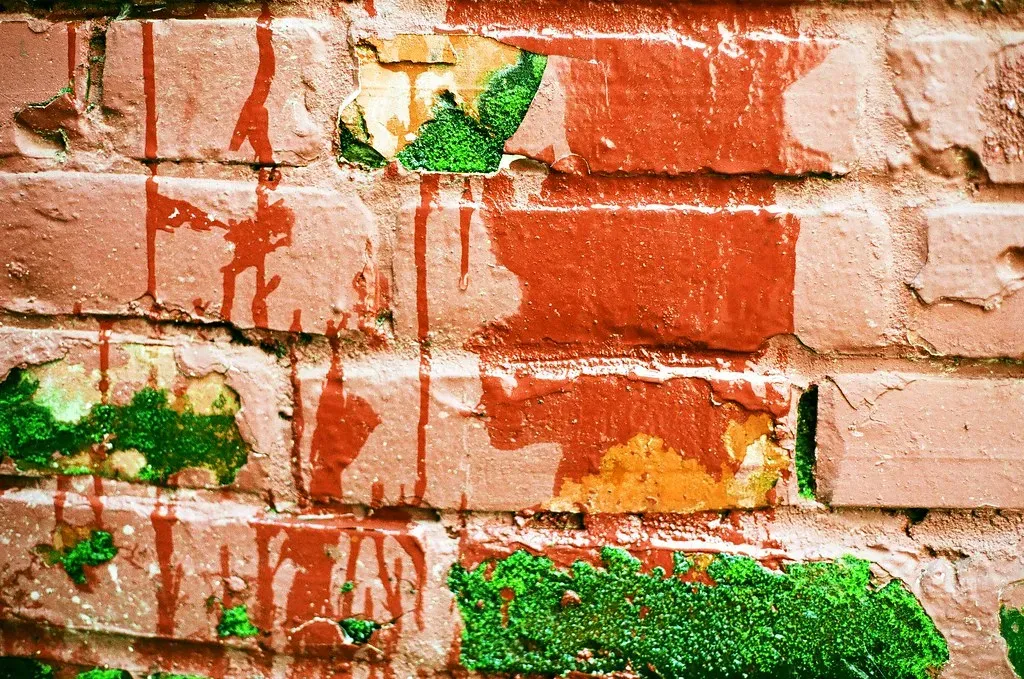
Ask any structural engineer and they’ll tell you water destroys more walls than earthquakes ever will. Builders who know their job always, always think about where water goes.
Start at the top. Is there a coping stone, cap, or sloped top to shed rain? A drip edge or overhang stopping water from running straight down the face? On retaining walls, look for weep holes – small openings that let trapped water escape. On rural boundary walls, you might see a subtle inward lean or a ditch on the uphill side to divert runoff.
If an old wall has stayed relatively dry and free of major erosion patterns, that’s rarely an accident. Someone designed it that way. Then check the base – are the bottom stones sitting in a swampy mess, or is there gravel, drainage channels, or a slight grade away from the wall? In older farm or estate walls, masons often used more porous rubble zones behind or under the structure to let water drain instead of pressing against it.
Sealant is a band-aid; drainage is a strategy.
You won’t see all of the drainage system, but you can infer it from how the wall has survived. A wall with no visible waterproofing but excellent long-term dryness is often better built than one smeared with modern sealants that’s already cracking underneath.
#6 – The Wall Has a Predictable Pattern, Even When It Looks “Random”
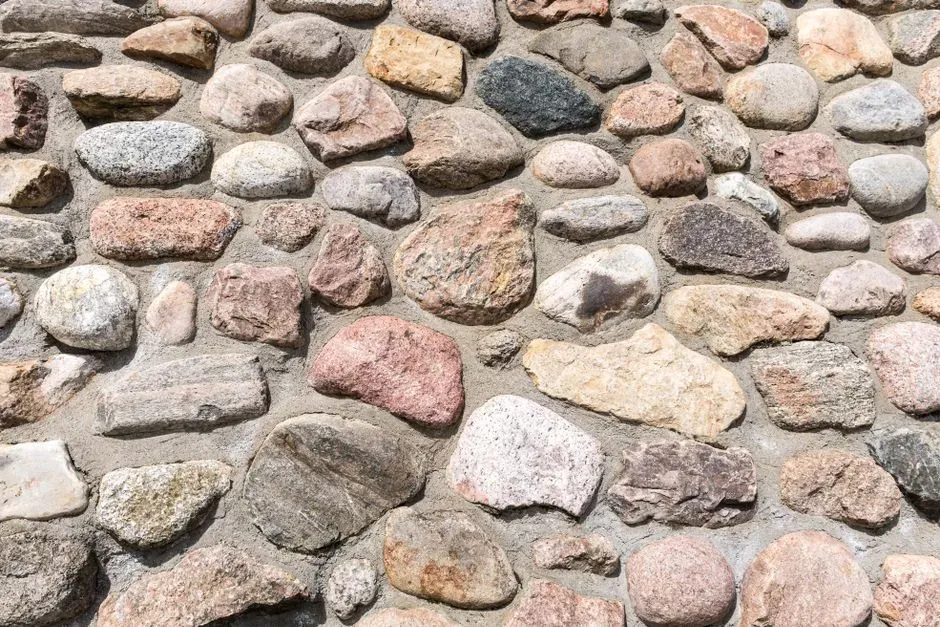
To the untrained eye, old stonework often looks like chaos. To someone who understands it, the pattern is obvious, and the more intentional it is, the more respect the builder deserves.
At a Glance
- Coursed rubble – roughly aligned horizontal layers
- Random rubble – hidden coursing tucked beneath an irregular surface
- Ashlar – precisely cut stones set in regular rows
- Whatever the style, consistent course heights and stone orientation signal a skilled hand
There are traditional patterns to look for: coursed rubble, with roughly aligned horizontal layers; random rubble with hidden coursing underneath the chaos; and ashlar, carefully cut stones laid in regular rows. In a well-built wall, whatever pattern the mason chose, they stuck to it – consistent course heights even when they vary course to course, consistent stone orientations rather than a random mix of verticals and horizontals, and a deliberate distribution of large and small stones.
The rhythm matters. Large stones should be spaced out, not clumped together in one corner because the crew got lazy that afternoon. Vertical “through” stones should repeat at intervals rather than disappear halfway through the wall.
Good masons build with a mental template, knowing that even irregular geometry still needs structure. When the visual pattern supports the structure – long stones bridging joints, smaller chocks filling gaps where needed, no “toothpick” stones holding up massive blocks – you’re seeing craft, not coincidence. Sloppy builders don’t have a pattern; they just fill gaps until the wall is done. Skilled ones create a visual and structural grid that keeps working for decades.
#7 – The Corners and Openings Are Overbuilt, Not Barely Adequate
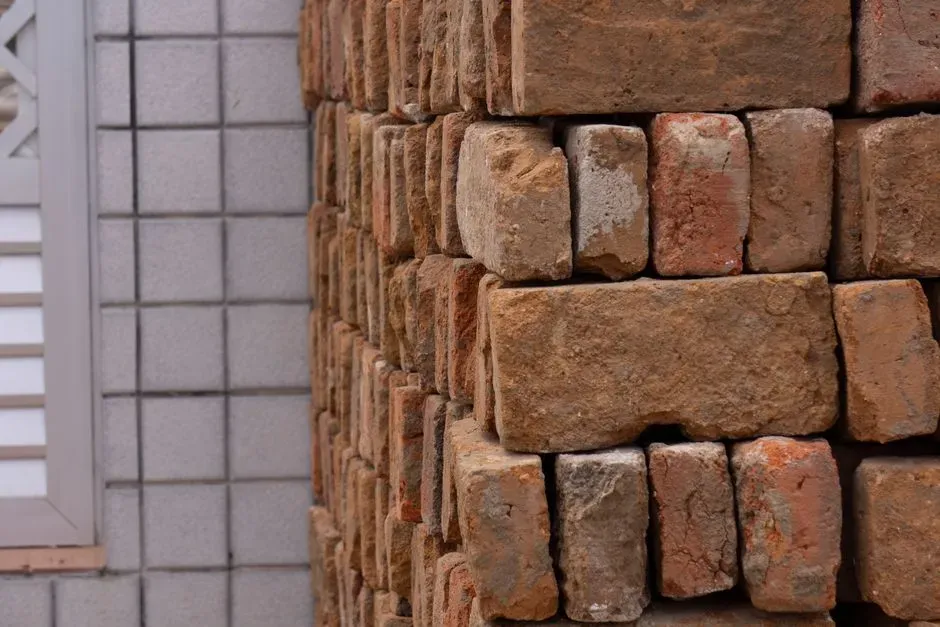
Corners, doorways, gate posts, window openings – these are where walls fail first when the builder didn’t really know what they were doing. True pros quietly overbuild these exact stress points.
Inspect a corner closely. On a quality wall you’ll typically see alternating long stones from each side “toothing” into the other, L-shaped or wrapping stones that tie the corner faces together, and larger, better-shaped blocks at the corner than anywhere in the middle. If the corner looks like an afterthought, the builder wasn’t serious. A clean, locked corner with interweaving stones means someone was thinking about forces, not just appearances – which is why good corners often outlast the middle sections when a collapsing wall is left to the elements.
Around openings, look for proper lintels or arches. A thoughtful mason won’t just plop a random stone over a gap and hope for the best. Instead you’ll find deep, continuous lintels sized to actually carry the load, jack arches or full arches built with well-shaped voussoirs, and extra bonding stones nearby to spread the forces out.
When those details are still doing their job decades or centuries later, it’s not a fluke – it’s a signature. Ironically, most people visually focus on the pretty middle sections of a wall and completely miss that the quiet genius is happening at the corners and spans.
#8 – The Wall Shows Smart Flexibility, Not Fragile Rigidity
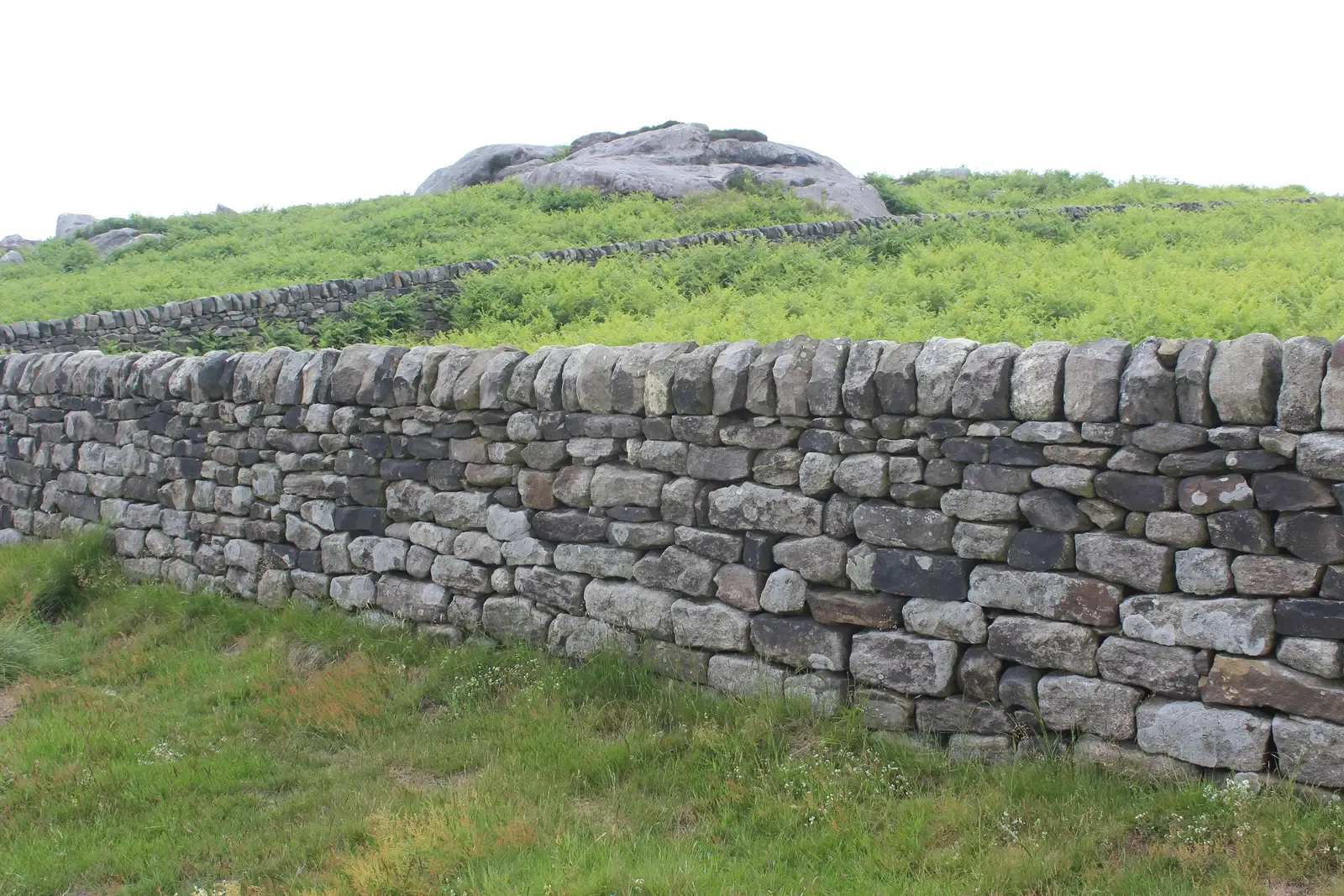
One of the most counterintuitive truths in masonry: the most durable old walls are rarely the stiffest ones. Builders who knew their craft expected tiny movements – settlement, thermal expansion, slight shifts – and left room for them.
In dry stone and lightly mortared walls, the ability to flex a little is a feature, not a flaw. If you see hairline cracks that haven’t propagated or blown out any stones, slight smooth bulges rather than jagged fractures, and stones that have settled in without popping out of place, you’re probably looking at a design that embraced micro-movement instead of fighting it. Think of a woven fabric instead of a brittle slab.
This is why some old rural walls outlast newer, rigid concrete blocks in earthquake-prone or frost-heavy regions. A wall that has tolerated tree roots, minor ground creep, or decades of freeze-thaw without wholesale failure speaks volumes about the builder’s instincts. They may never have read a structural engineering textbook, but they understood resilience in their bones.
On the flip side, when a wall shows one massive, catastrophic crack, or large sections that have sheared off in a single plane, it usually means the system was too rigid. When something finally moved, it had nowhere to send the stress. Builders who know their job rarely design that kind of brittle failure into their work.
#9 – Materials Match the Environment, Not Just What Was Cheap That Day
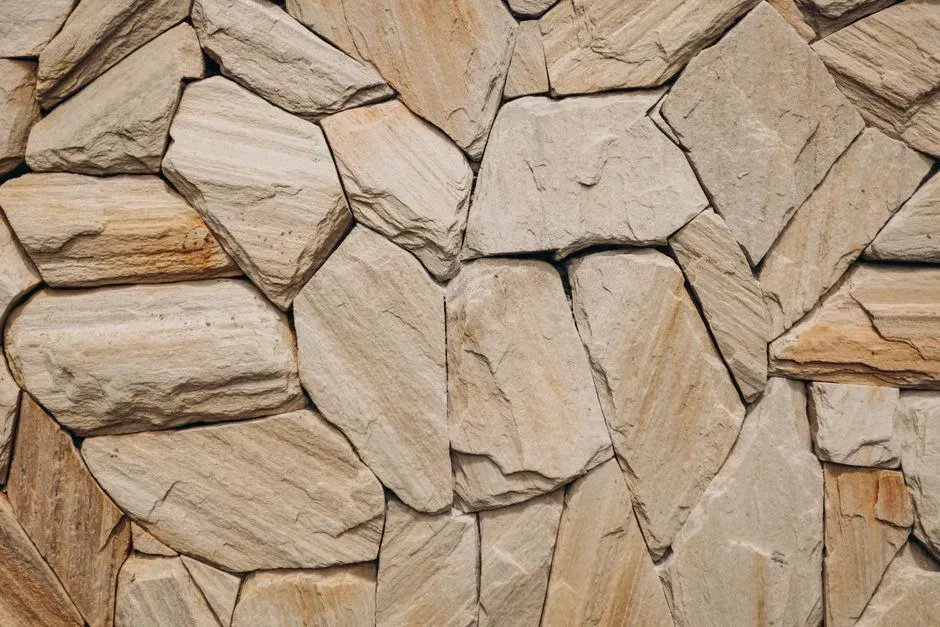
Amateurs build with whatever they can get their hands on. Professionals select materials that fit the climate, the soil, and the use case – and that’s why a sharp-eyed observer can often tell, just from the stone and mortar choices, whether someone actually knew what they were doing.
Look at the stone type. In wet climates, you’ll often see dense, low-porosity stones on exposed faces, with more porous infill tucked safely where it can absorb moisture without harm. In hot, sunny climates, lighter-colored stones can reduce thermal stress. Near coasts, builders who know their job avoid highly reactive stone that salt will slowly eat away.
Quick Compare
- Wet climate: dense, low-porosity stone on exposed faces
- Hot, sunny climate: lighter-colored stone to reduce thermal stress
- Coastal areas: avoid reactive stone that salt slowly eats away
- Soft stone (sandstone, limestone): pair with a softer mortar
- Hard stone (granite, basalt): pair with a stronger mortar
If a wall mixes radically incompatible stones – something super soft right next to something very hard – with no apparent logic, expect trouble down the line. The balance between stone and mortar matters too: for softer stones like sandstone or some limestones, good masons pair them with softer mortars so the stone isn’t the part that ends up cracking. With very hard stones like granite or basalt, slightly stronger mortars make more sense.
That compatibility is not random. It’s knowledge passed down on job sites where failures had real, visible consequences. When you see an old wall where the stone and mortar have aged at similar rates, with no single component obviously sacrificed by a bad pairing, you’re looking at a smart materials decision made decades ago – invisible until you know to look for it.
#10 – Repairs and Alterations Respect the Original Logic
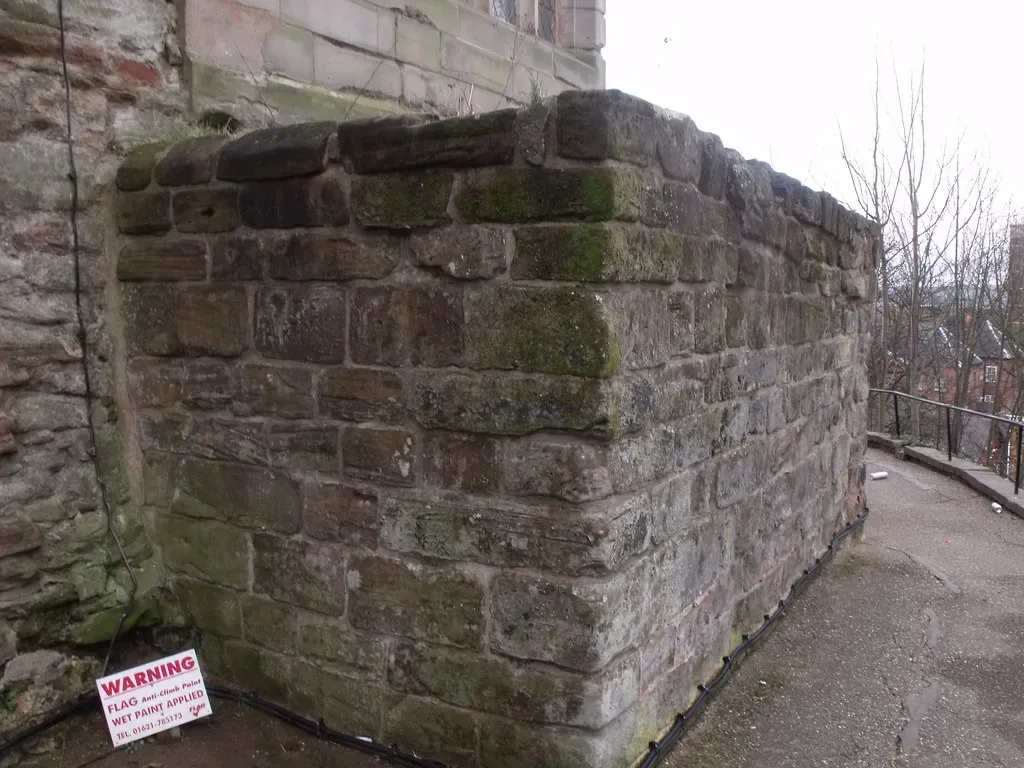
Almost every old wall has been patched at some point. Ironically, the quality of those repairs tells you a lot about the original builder, and about the later masons who either understood or ignored their work.
On a wall originally built by a pro, skilled later workers tend to preserve the original coursing pattern, use similar stone types and sizes, and match the mortar composition and joint style. When repairs match the “grammar” of the wall, it suggests that even other tradespeople saw value in the original work and chose to build with it rather than against it. That kind of respect is its own endorsement.
By contrast, crude concrete blobs, mismatched bricks jammed into a stone wall, or totally different joint profiles in key structural zones usually signal unskilled repair work. That doesn’t necessarily condemn the original wall, but it does muddy its story. Sometimes the only clearly well-built sections left standing are the untouched corners, base, or top coping that nobody bothered to mess with.
A subtle but telling sign: watch where repairs have failed while the original sections keep going strong. If a patch crumbles after a decade but the host wall is still sound after a century, you’re looking at a quiet but brutal comparison test. The original builder passes. The quick-fix repair does not.
#11 – The Wall “Feels” Solid in All the Subtle Ways
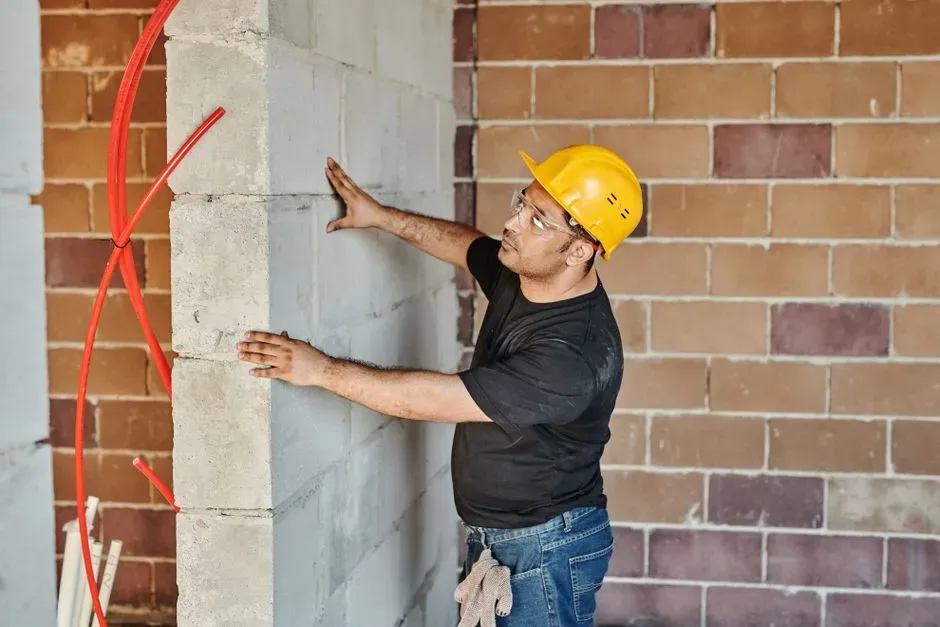
This is the part that drives engineers a little crazy because it sounds unscientific, but every experienced inspector, mason, or builder will admit it: some walls just feel right. And that feeling comes from a stack of tiny, observable details working together.
Walk along a genuinely well-built old wall and pay attention to your senses. Tap stones in the middle and listen – they should ring with a solid, dull thud, not a hollow rattle. Check the joints – they should be snug, with no obvious “daylight” where the wall should be tight. Look at the weathering – it should be even, without isolated zones of extreme decay standing out like a wound.
Worth Knowing
- Tap test: a solid, dull thud beats a hollow rattle every time
- Joints should sit snug, with no visible “daylight” gaps
- Weathering should look even, not isolated in one damaged zone
- Top coping should be neatly finished, not abruptly cut off
- Vegetation should be limited to hairline moss, not saplings in the joints
Even the top course tells a story. Is it finished with proper coping stones, neatly aligned, or does it look like someone just stopped when they ran out of rock? Is vegetation limited to hairline moss and lichen, or are saplings erupting straight out of structural joints? Skilled builders create details that resist invasive roots and don’t trap organic debris in the first place.
Many experts quietly judge a wall by how confidently they’d lean against it. A wall that invites casual contact, that doesn’t flinch in high wind, that hasn’t unsettled under decades of load – those are the real indicators. Notice how almost every previous sign converges right here: good foundations, smart water handling, proper interlock, compatible materials, and respectful repairs. When all of them show up together, that’s when you’re finally justified in saying it – whoever built this knew their job.
The Bottom Line
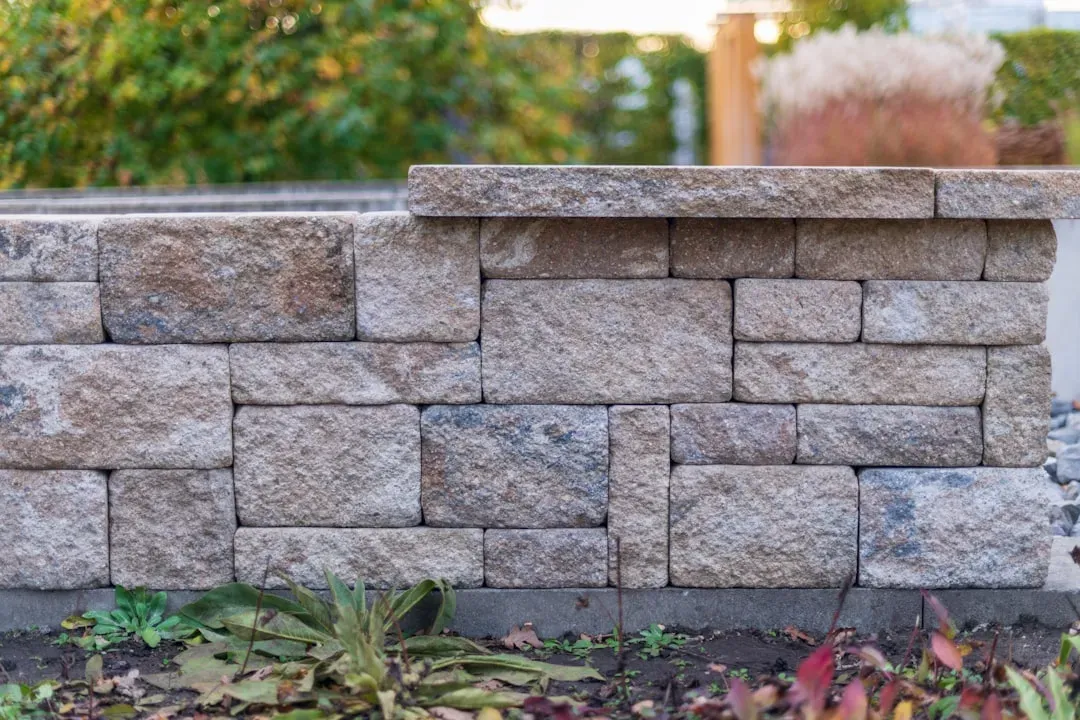
Once you know what to look for, it’s hard to unsee the difference between a wall that’s merely “not collapsed yet” and one clearly built by someone who understood their craft. Straight but not robotically perfect lines, stones that lock like a purpose-built puzzle, foundations that quietly do their job, mortar that ages with dignity, and water that’s been given a controlled escape route – these are not accidents. They’re decisions, made by people who never called themselves engineers but who thought like one anyway.
There’s a slightly uncomfortable truth buried in all of this: a lot of modern quick-fix walls won’t age nearly as gracefully as the “old-fashioned” work people love to mock. The best traditional builders were practical scientists, testing ideas in real weather with real consequences, refining their instincts one collapsed wall at a time. When an old wall still stands, still drains, and still feels trustworthy under your hand, you’re not just looking at stone. You’re looking at judgment that’s outlived the person who had it.
Do you think we’re giving old masons too much credit, or not nearly enough? If you’ve ever seen a wall that absolutely should have failed by now but hasn’t, tell us about it in the comments.