You’d like to think that when someone announces they’ve found the “missing link” or a Viking runestone in a Minnesota field, someone checks the story before it becomes gospel. Mostly, that’s true. But at least eleven times in modern history, the people digging up the evidence were the same people who buried it there first.
These weren’t clumsy misreadings of old dirt. They were quiet, deliberate acts of theater, staged by scientists, farmers, con artists, and one wildly celebrated “God’s Hands” excavator who got caught on camera doing the deed. Some of these hoaxes fooled museums for decades. A few still get cited by people who never got the memo. Here’s the full list, and what actually happened once someone finally looked closely.
#11 – The “Missing Link” Skull Nobody Should Have Believed: Piltdown Man
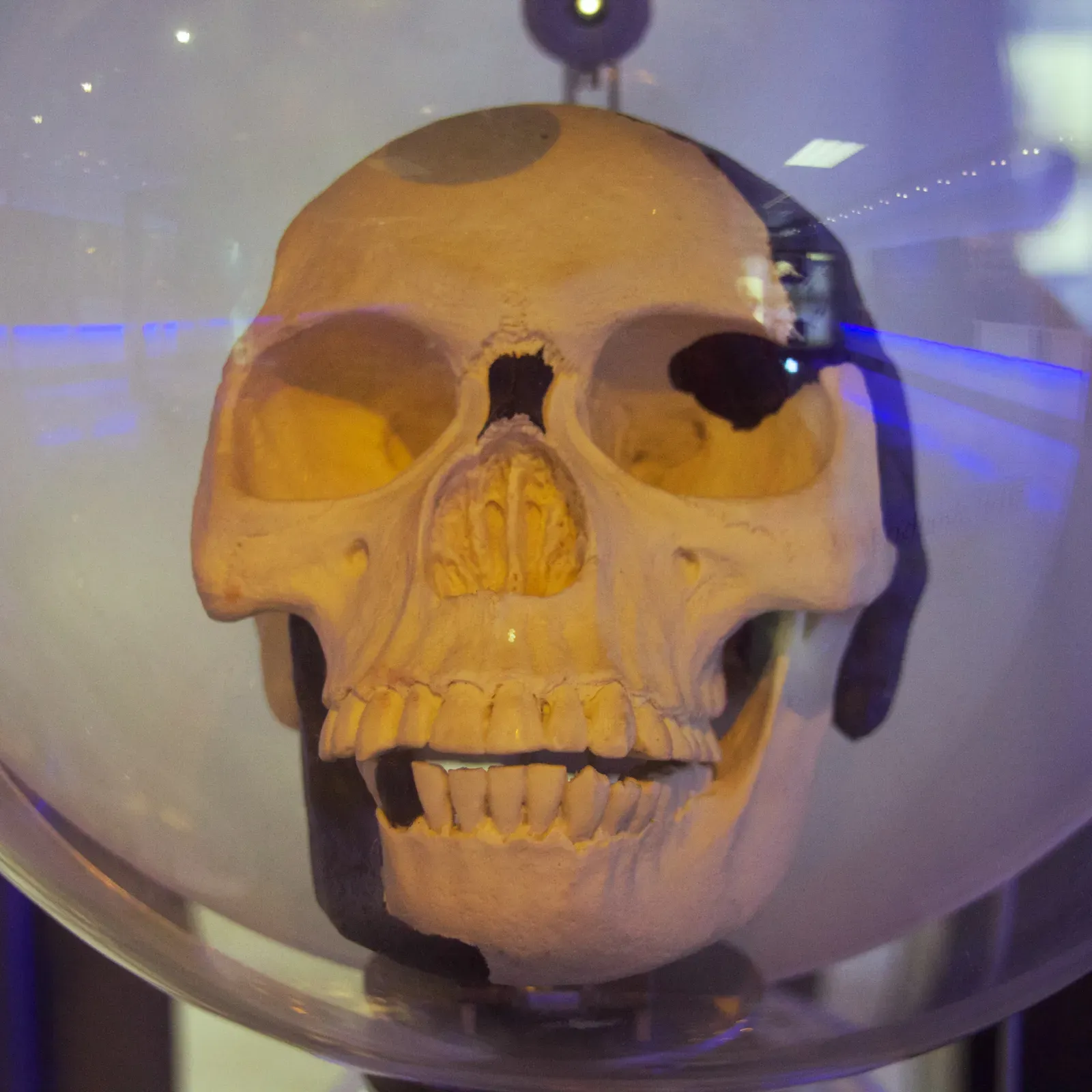
In 1912, amateur archaeologist Charles Dawson announced he’d found the fossil that evolutionary science had been waiting for: a skull from Piltdown, England, with a human-like cranium and an ape-like jaw. It was, conveniently, exactly what many European scientists secretly hoped the “missing link” would look like – and it placed the dawn of humanity right in England’s backyard.
For over 40 years, Piltdown Man sat in textbooks as settled science. Then real testing caught up with the fantasy. The skull turned out to be a composite: a medieval human cranium, an orangutan’s jaw, and teeth filed down and chemically stained to fake age. The tampering was so deliberate that the only real mystery left is which member of Dawson’s own circle actually did it.
Fast Facts
- Discovered: 1912, near Piltdown, East Sussex, England
- Exposed as fraud: 1953 – 41 years after it fooled the scientific world
- Built from: a medieval human skull, an orangutan jaw, and filed-down teeth
- The giveaway: fluorine dating tests revealed the pieces were wildly different ages
#10 – Spain’s Phantom Neanderthal Bridge: The Luzón Cave Relics
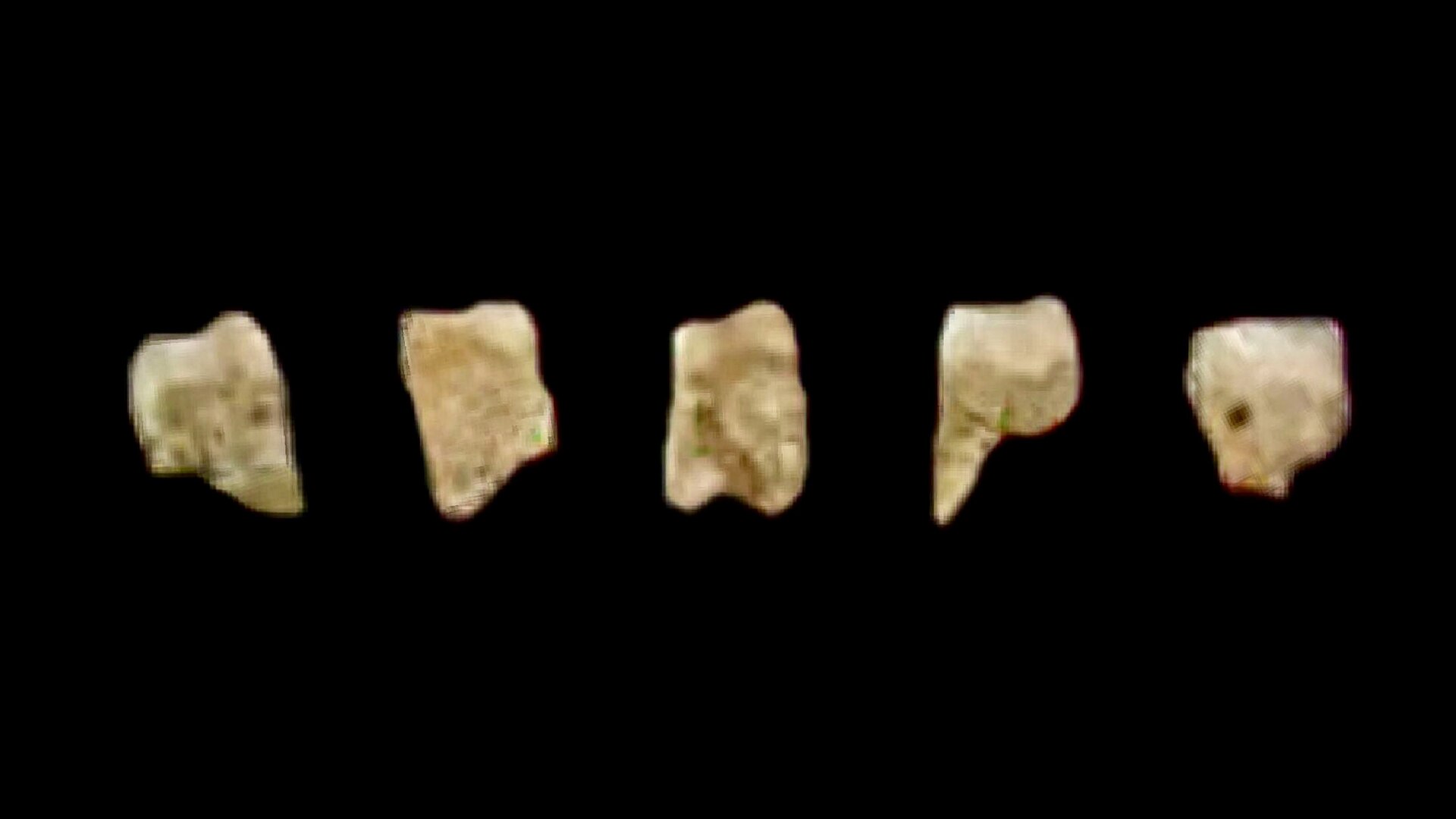
Word travels fast when “archaic human remains” turn up in a cave, especially when they promise to bridge Neanderthals and early modern Europeans. That’s exactly what happened at a lesser-known Spanish site, where researchers claimed a find significant enough to rewrite regional prehistory.
The unraveling wasn’t dramatic – it was procedural. Reviewers noticed disturbed soil layers, oddly “perfect” pairings of tools and bones, and stratigraphy that looked curated rather than discovered. The bones themselves may have been real, but their context – the only thing that actually makes a fossil meaningful – had been quietly rearranged by people connected to the original dig. No confession, no scandal headline, just a site that slowly stopped getting cited until it disappeared from the conversation entirely.
#9 – The Glozel Tablets: When Farmers Became “Discoverers”
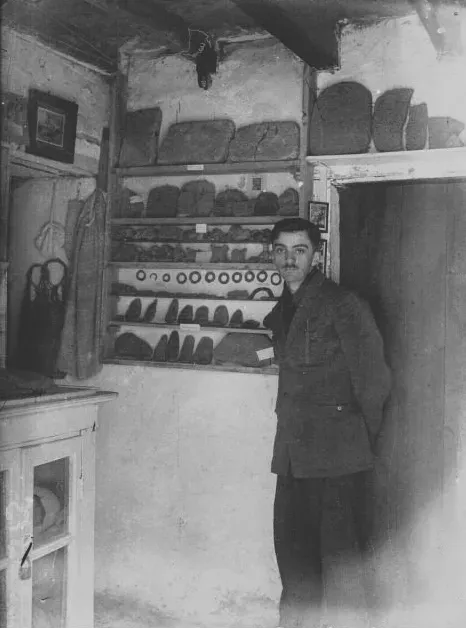
In 1924, a French farmer and a young helper began pulling strange objects out of the ground near the village of Glozel: clay tablets, bone tools, glass, inscriptions that seemed to blend several eras into one impossible timeline. Visitors were split immediately – some were dazzled, others smelled a setup from the first shovel of dirt.
The clue that broke the case wasn’t chemistry, it was behavior. Artifacts kept surfacing in shallow, disturbed soil with no consistent stratigraphy, always conveniently near the same people doing the digging. Dating tests on the material came back scattered and contradictory, because much of it simply wasn’t ancient. Even the collection’s defenders now admit some pieces were introduced by human hands long after antiquity – just not all of them, which is how the argument survives to this day.
#8 – The Cardiff Giant: A Ten-Foot Hoax Buried for Laughs and Cash
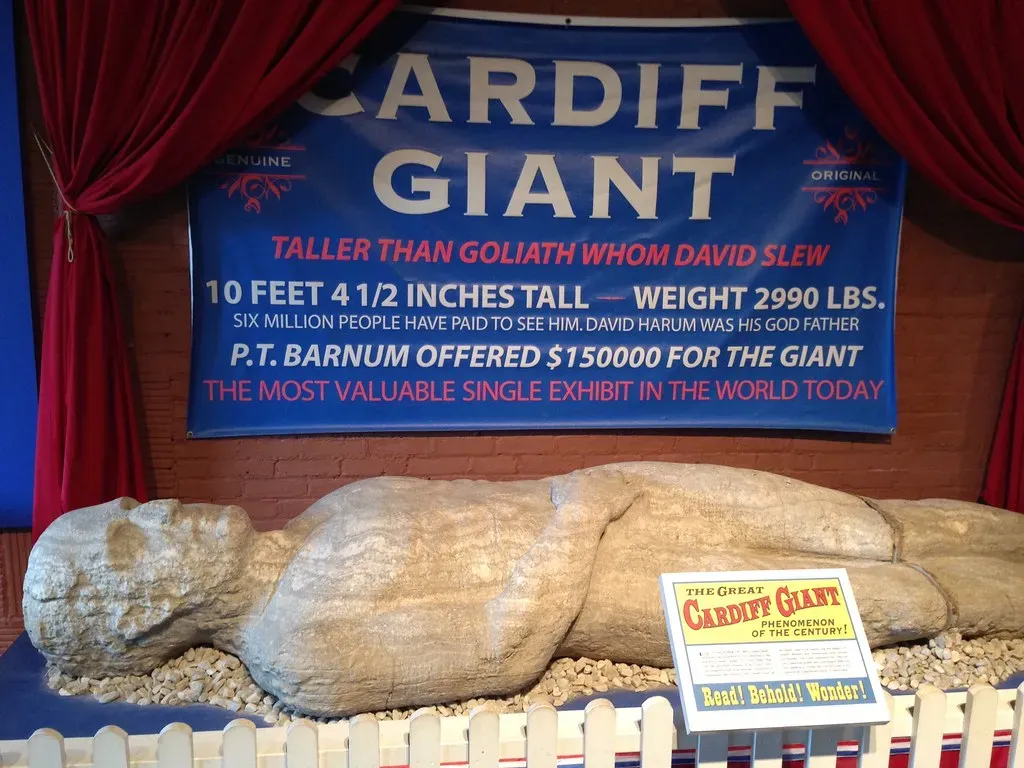
In 1869, well diggers on a New York farm hit something enormous: a 10-foot stone figure that some immediately declared a petrified biblical giant. Crowds paid admission. Preachers used it as proof of scripture. It was, for a brief and profitable moment, treated as one of the greatest finds in American history.
It was gypsum, carved to order, buried by the landowner and his associates, then theatrically “discovered” in front of witnesses for maximum drama. Tool marks and suspiciously fresh stone surfaces should have given it away instantly, and a handful of academics who examined it up close weren’t fooled. But the public wanted a giant more than it wanted the truth, and that’s exactly what con artists have always counted on.
At a Glance
- Carved from a single block of gypsum, standing just over 10 feet tall
- Quarried in one state, carved in another, then shipped secretly to New York
- Admission started at 25 cents and climbed once crowds kept growing
- Debunked within roughly a year, once carving marks were spotted up close
#7 – The James Ossuary: A Biblical Relic With a Tampered Story
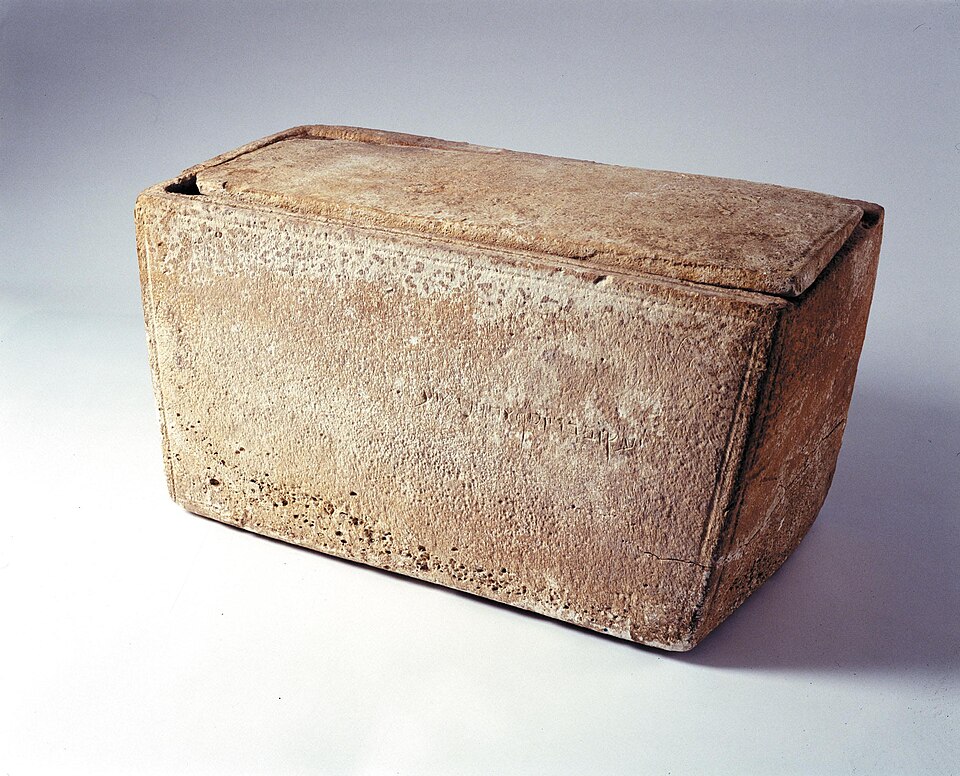
When the James Ossuary surfaced in the early 2000s, its inscription seemed to read “James, son of Joseph, brother of Jesus.” If real and properly documented, it would rank among the most important Christian artifacts ever found. The problem is it didn’t come from a controlled excavation – it came from the antiquities market, trailing a murky backstory and a collector eager for the spotlight.
Forensic analysis found genuine ancient patina on the box, but also signs of recent surface work inside parts of the lettering. Legal proceedings over alleged forgery followed, and even scholars sympathetic to the ossuary’s authenticity concede the chain of custody is a mess beyond repair. Here, the “excavator” wasn’t a person with a trowel – it was a network of dealers who built a context to fit the story they wanted to sell.
#6 – The Acámbaro Figurines: Dinosaurs, Clay, and a Paid Workforce
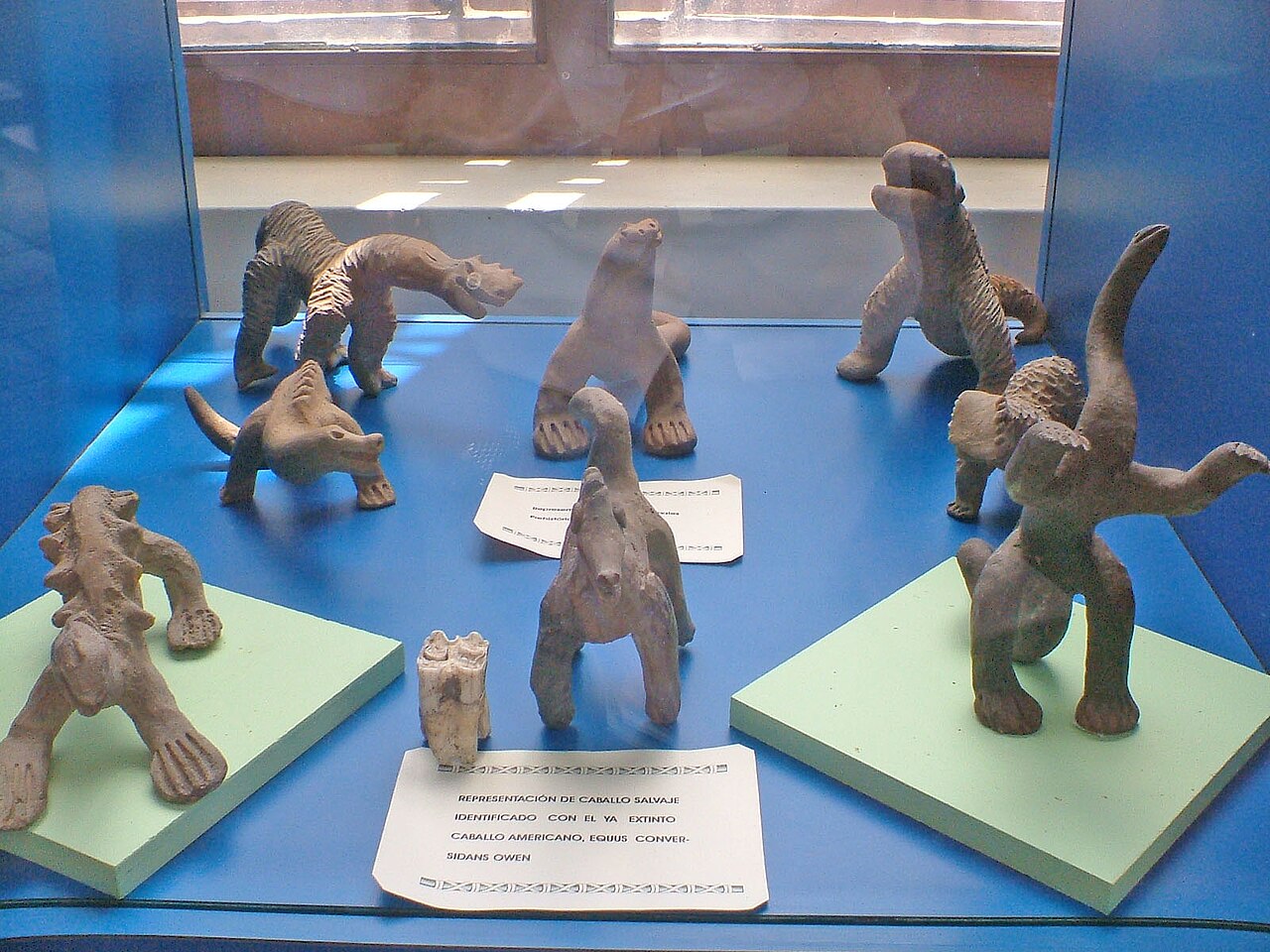
In Acámbaro, Mexico, a local collector and his helpers reportedly unearthed tens of thousands of clay figurines in the mid-20th century, many appearing to show humans alongside dinosaur-like creatures. Fringe writers seized on it as proof that humans and dinosaurs once coexisted. Actual archaeologists were unconvinced almost immediately.
The figurines lacked the wear, soil staining, and breakage patterns expected on genuine pre-Columbian ceramics, and some designs suspiciously resembled illustrations from popular books of the era. Later, witnesses claimed locals had been paid to sculpt and bury the pieces ahead of scheduled digs. This wasn’t careless fieldwork stumbling into fakes – it was an excavation that actively partnered with the fabrication, manufacturing its own “richness” from scratch.
Worth Knowing
- The collection reportedly grew into the tens of thousands within just a few years
- No genuine dinosaur fossils have ever surfaced in the same soil layers nearby
- Dating tests on the clay returned inconsistent, far-too-recent results
- No mainstream archaeological body ever endorsed the site as legitimate
#5 – “God’s Hands”: Japan’s Star Excavator Who Buried His Own Finds

Few scandals hit archaeology as hard as the one that ended Shinichi Fujimura’s career in 2000. For years, the amateur-turned-celebrity excavator was hailed as a prodigy, repeatedly unearthing stone tools that pushed the timeline of human occupation in Japan back by hundreds of thousands of years. Colleagues called him “God’s Hands.”
Then a newspaper photographer caught him on camera secretly burying stone tools at a site the night before its official excavation. The fallout was immediate and brutal: papers were retracted, timelines were rewritten, and Japan’s entire early-Paleolithic record had to be re-checked site by site. It remains one of the clearest cases of an insider fabricating data from inside the official excavation itself, not around its edges.
Archaeology’s worst scandals rarely come from outsiders faking evidence – they come from insiders the field trusted completely.
Common conclusion among archaeologists reviewing the Fujimura case
#4 – The Calaveras Skull: A Gold Rush Prank Wearing a Human Face
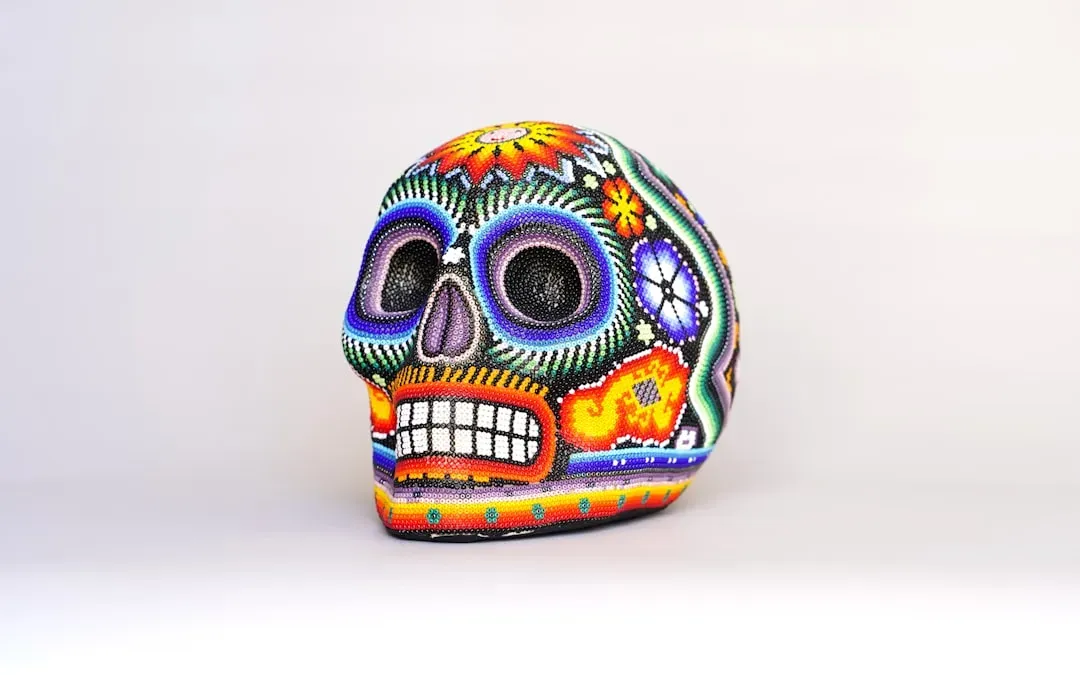
During the California Gold Rush, a human skull supposedly pulled from deep inside a mine beneath ancient lava deposits was presented in the 1860s as proof that humans had lived in North America far earlier than science believed. It made headlines. It also made a few respected scientists look foolish.
Investigations eventually confirmed what skeptics suspected from the start: the skull was a fairly recent Native American specimen, planted in the mine shaft, likely by miners amused by the idea of fooling outsiders. Poor mineralization and shifting witness accounts gave the game away. The real damage wasn’t the prank itself – it was how long “discovery” narratives controlled entirely by the people running the site were allowed to stand unchecked.
#3 – The Tiara of Saitapharnes: A Masterpiece Built to Deceive the Louvre
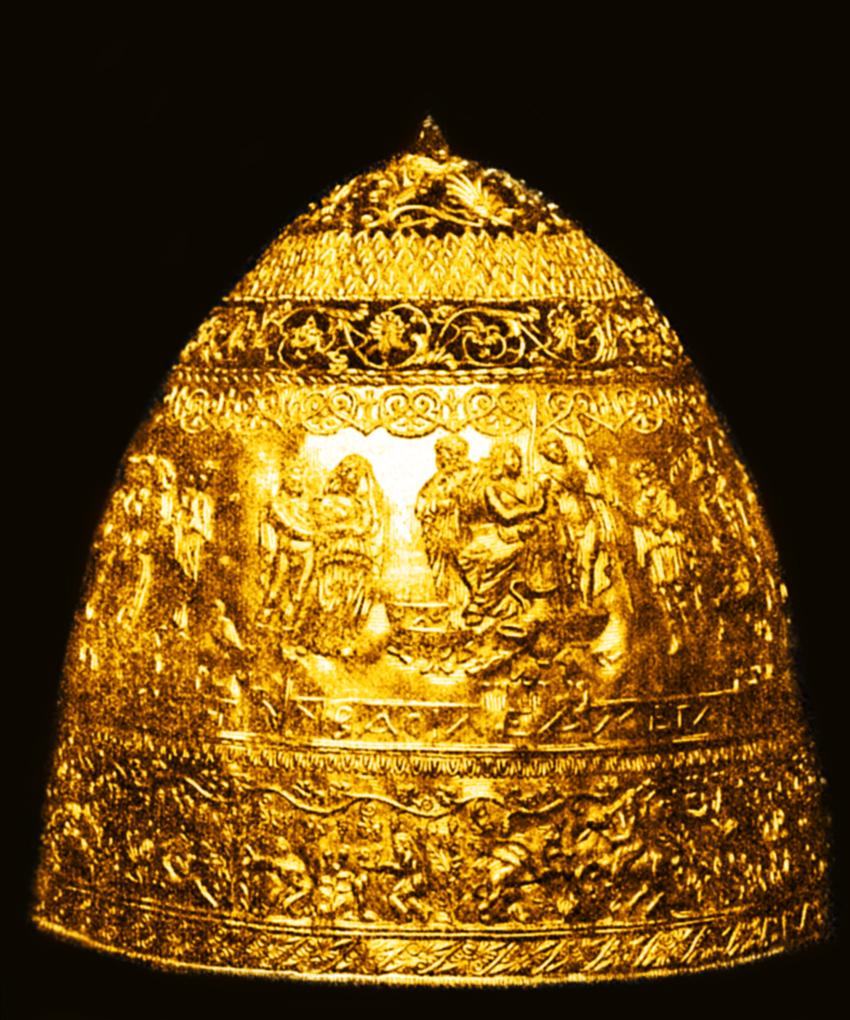
In the late 19th century, a breathtaking gold tiara appeared on the market, said to have been unearthed from a Scythian king’s burial. The Louvre bought it, put it on display, and celebrated it as a triumph of ancient goldwork – for a while.
The tiara had actually been manufactured just years earlier by a skilled craftsman who fully intended it to pass as an archaeological treasure. There was no real excavation at all – just intermediaries who supplied a convincing backstory, a vague dig site, and just enough detail to sound plausible without inviting scrutiny. When stylistic analysis finally exposed the piece as modern, the humiliation was public and lasting proof that institutions can be fooled just by wanting to believe.
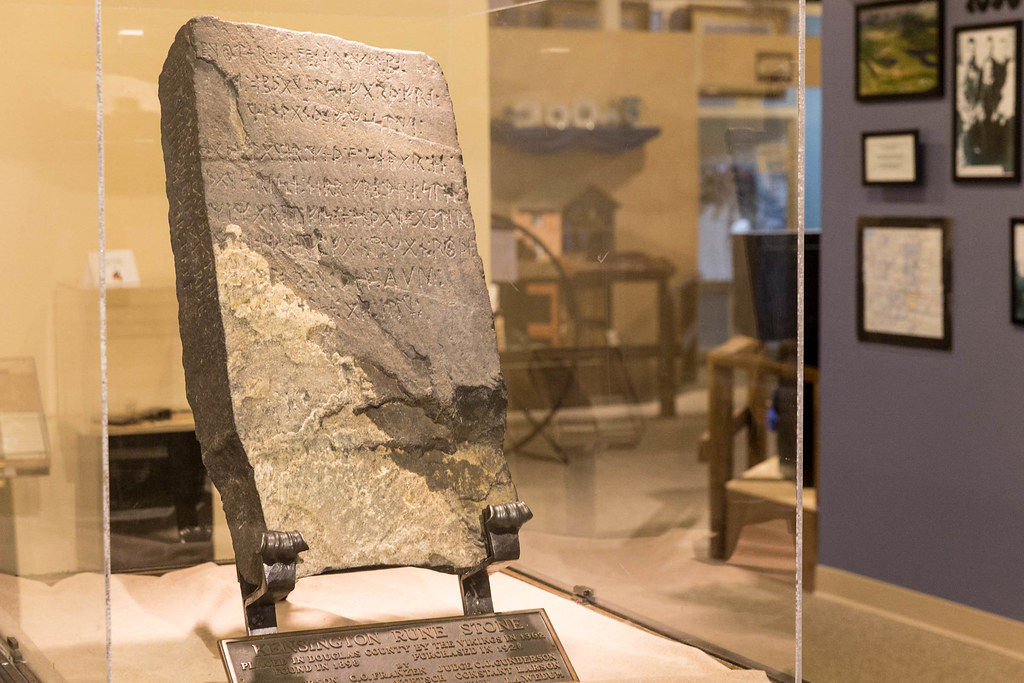
#2 – The Kensington Runestone: One Farmer’s Viking Fantasy
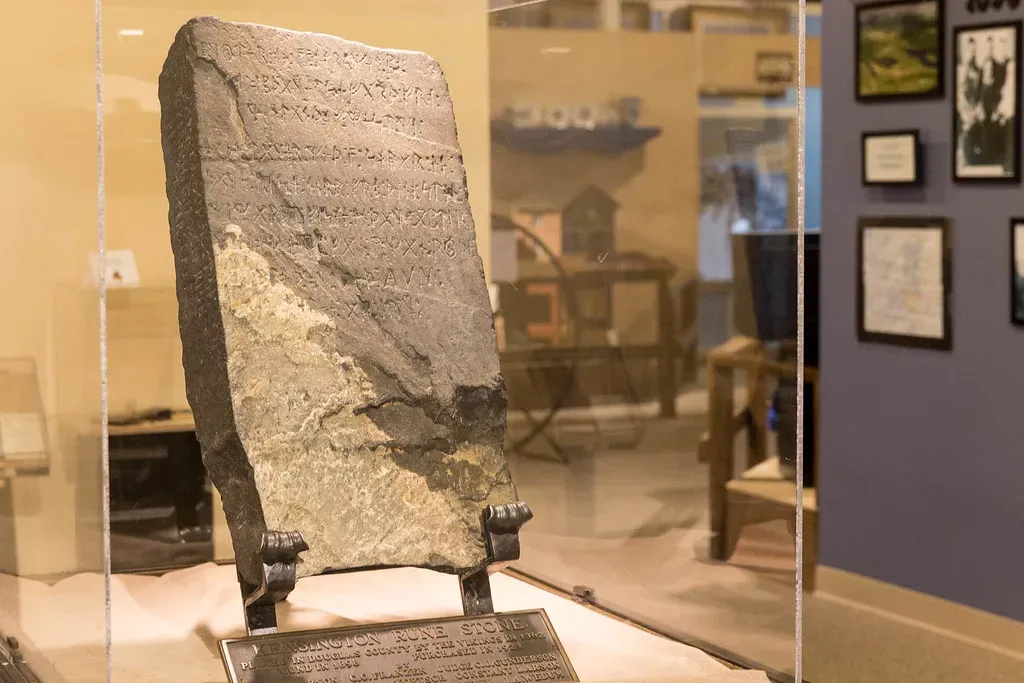
Discovered in Minnesota in 1898 by a Swedish-American farmer, the Kensington Runestone was promoted almost immediately as proof that Scandinavian explorers had reached deep into North America in the 14th century. Its inscription told of a dramatic, doomed journey. For some local communities, it became something close to sacred – hard evidence of Viking precedence in a land full of competing settler myths.
Linguistic analysis eventually dismantled it. The runes matched 19th-century Swedish dialect habits, not authentic medieval forms, and no supporting settlement or artifacts ever turned up nearby. It was, in the end, a one-man discovery with zero independent verification – exactly the setup that lets a carved rock become a regional legend before anyone thinks to double-check it.
Quick Compare
- The claim: Norse explorers carved the stone in 1362 while passing through Minnesota.
- The evidence: the runic writing matches 19th-century Swedish-American dialect, not medieval Norse.
- The claim: proof that a lost expedition reached deep into North America.
- The evidence: no Norse tools, camps, or artifacts have ever been found nearby.
#1 – The Composite Fossil Playbook That Refuses to Die
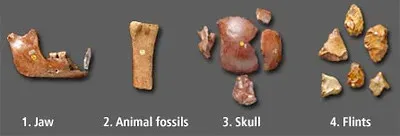
The most unsettling entry on this list isn’t one famous hoax – it’s a tactic that Piltdown Man made infamous and that keeps quietly resurfacing decades later. Composite fossils, mismatched skeletons, and artifacts slipped into older soil layers have shown up again and again in less-publicized cases across multiple countries, each time built to “prove” early humans were present somewhere they weren’t.
What makes this the most damaging entry isn’t scale – it’s who’s doing it. These aren’t roadside stunts pulled by opportunists; they’re cases of trained insiders manipulating the record from inside the system that’s supposed to police itself. Every exposed planting does double damage: it pollutes real debates about human evolution and migration, and it hands ammunition to bad-faith conspiracy theorists who love to say “see, they’ve been faking it all along.” The tactic survives precisely because it exploits the one thing archaeology runs on – trust in the lone, heroic excavator.
The Bottom Line
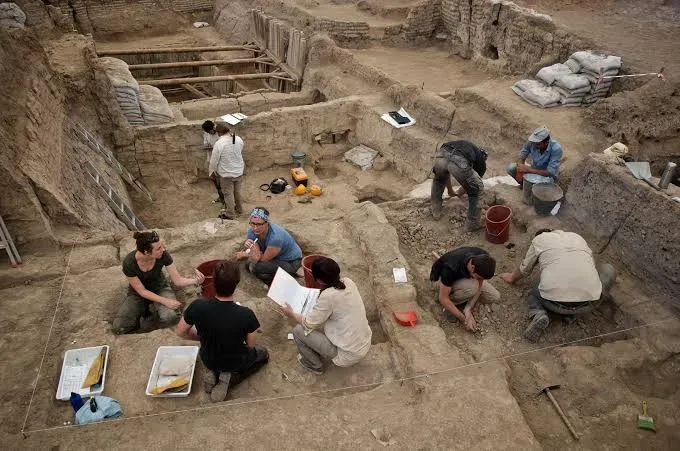
Look at all eleven cases side by side and the pattern is impossible to miss: whenever one excavator or a tight inner circle controls the digging, the documentation, and the story, the temptation to plant a “discovery” goes up fast. From Piltdown to Fujimura’s “God’s Hands,” these weren’t harmless pranks. They warped chronologies, fueled national myths, and burned through careers’ worth of honest research built on false foundations.
At a Glance: Red Flags Across All 11 Cases
- A single excavator or tight-knit group controlled the digging, documentation, and the story
- Finds arrived suspiciously “on schedule,” matching exactly what experts hoped to find
- Independent verification came late, if it came at all
- National pride, religious meaning, or money was riding on the discovery being real
Here’s the opinion part: the real embarrassment was never the hoaxers. It was how long institutions kept believing them simply because the story was flattering – to a nation, a religion, or a celebrated researcher’s ego. Better labs and stricter dating methods help, but they’re not the real fix. The only real safeguard is a culture willing to interrogate spectacular claims immediately, especially the ones that feel too good, too convenient, or too perfectly timed to be true.
Did we miss a planted “discovery” that still doesn’t get enough scrutiny? Say so in the comments, and tell us why it should be on this list.