You would think that once someone is buried, especially in a grand tomb or rock-cut chamber, that story is over. But archaeology keeps showing us something stranger: graves are rarely the final word. Again and again, later generations have broken into ancient burial chambers, rummaged, rearranged, honored, looted, repaired, sealed them up again, and sometimes repeated this cycle more than once.
That means many of the tombs we admire today are not frozen moments from a single date, but layered stories: ancient families, opportunistic robbers, pious descendants, nervous priests, ambitious kings, curious villagers. Each time the door opened, people left new clues. Each time it was closed, they tried to hide what they had just done.
When I first realized this, it changed how I looked at every museum mummy, stone sarcophagus, and burial mound. None of them felt static anymore. They felt alive with traffic: relatives visiting, thieves sneaking in, priests tidying up after disaster. The eleven cases below are some of the most fascinating examples we know of burial chambers that were reopened by later generations and then closed again – sometimes out of greed, sometimes out of fear, and sometimes, surprisingly, out of care.
#1 Tutankhamun’s Tomb: A “Pristine” Burial That Wasn’t
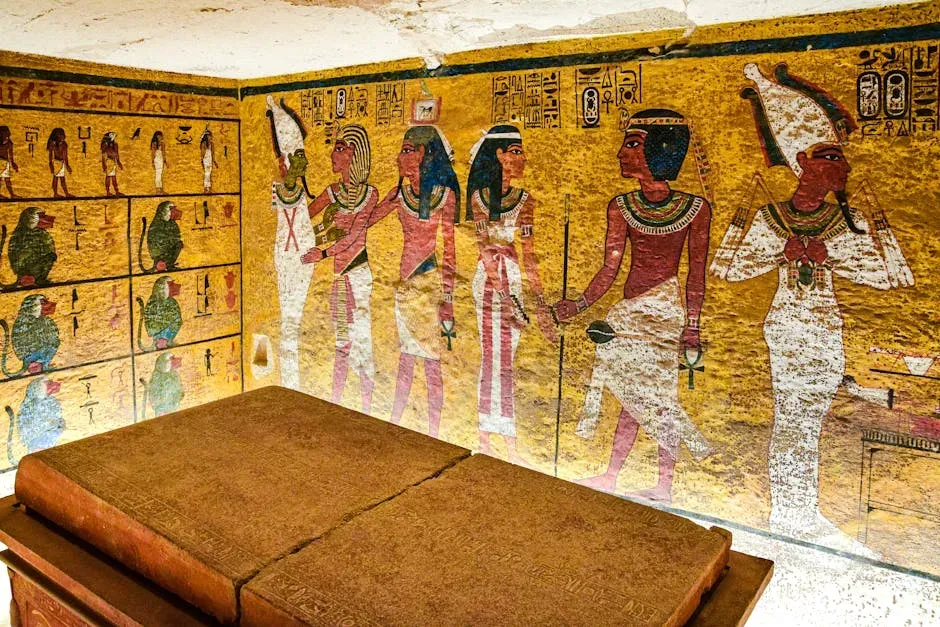
Ask most people to picture an untouched burial chamber, and they think of Tutankhamun. The story goes: a young king dies, is sealed away in a hidden tomb, and lies undisturbed for over three thousand years until modern archaeologists arrive. It sounds wonderfully simple, but the evidence inside the tomb quietly tells a different story.
Careful study of the door seals, broken plaster, and rearranged objects shows that ancient intruders entered Tutankhamun’s tomb at least twice not long after his burial. Storage rooms had obviously been rifled; smaller valuable items were missing; other objects were hastily stacked back in odd ways. Yet the robbers did not have time to strip everything – they seem to have grabbed portable treasure and run.
What is striking is what happened next. Officials of the time noticed the break-ins, resealed the doorways, and left fresh impressions of the royal necropolis seal in the plaster. In other words, the tomb was violated, then “fixed” and closed once more by the very people responsible for guarding it. That is probably the only reason anything survived for modern discovery: the ancient state effectively hit a reset button on a crime scene, and then time did the rest.
#2 The Valley of the Kings Cache: Priests as Ancient “Conservators”
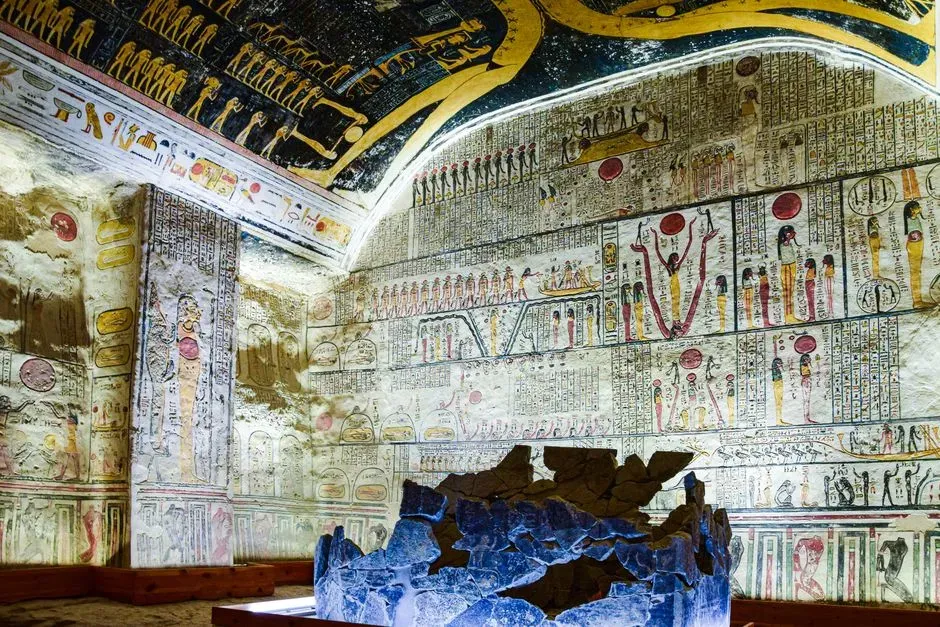
Long after the Valley of the Kings stopped receiving new royal burials, Egypt’s later priests still had a big problem: bandits. Tomb robbery was not a rare, shadowy thing; we have court records from the New Kingdom describing organized gangs stripping gold and funerary goods from royal tombs. For priests who still revered these kings centuries later, seeing the graves ripped apart must have felt both religiously horrifying and politically dangerous.
Their solution was radical and very hands-on. In the late New Kingdom and Third Intermediate Period, priests reopened several older royal tombs, collected the mummies and remaining objects, and reburied them together in secret caches. One of the most famous is often called the royal cache at Deir el-Bahri, where dozens of kings and nobles, including great pharaohs, were hidden away in a discrete shaft far from their original lavish chambers.
To make this work, the priests had to force open sealed tomb doors, cut through masonry, move coffins, strip some gold to pay for repairs, and then reseal everything – sometimes more than once, as political conditions shifted. These were not simple one-time moves but ongoing crisis management. Each reopening left new inscriptions and rewrapping that archaeologists can still trace today, essentially turning the mummies into palimpsests of care, theft, and emergency relocation before their final, secret closure.
#3 The Tomb of Ramses II: An Aging Pharaoh on the Move
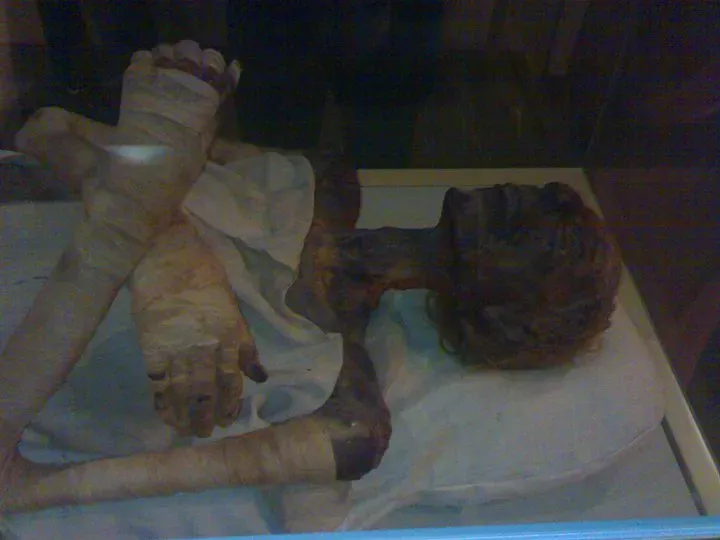
Ramses II, often called Ramesses the Great, was buried in a grand tomb deep in the Valley of the Kings. You might imagine this as an immovable resting place, yet his body did not stay there. Centuries after his burial, Ramesses’ mummy was moved not once, but several times, and every move meant reopening a chamber that had once been sealed as sacred and final.
Evidence from inscriptions on the wrappings and coffin fragments suggest that priests of the later New Kingdom re-entered his original tomb, removed his body – probably because of robber threats and political chaos – and transferred him to different hiding places. At some point, he ended up in the same Deir el-Bahri royal cache mentioned earlier, packed alongside other kings like a royal refugee camp of the dead.
Each move was accompanied by fresh bandages, added notes in ink describing the restorations, and sometimes repairs to damage caused by prior robbers or by simply handling an ancient, fragile corpus. In a way, you can read these markings like a travel log. The final sealing of the cache was an act of desperation: a last attempt by a later regime to protect a legendary ancestor from a living world that could no longer be trusted.
#4 KV5 and the Lost Princes of Ramesses
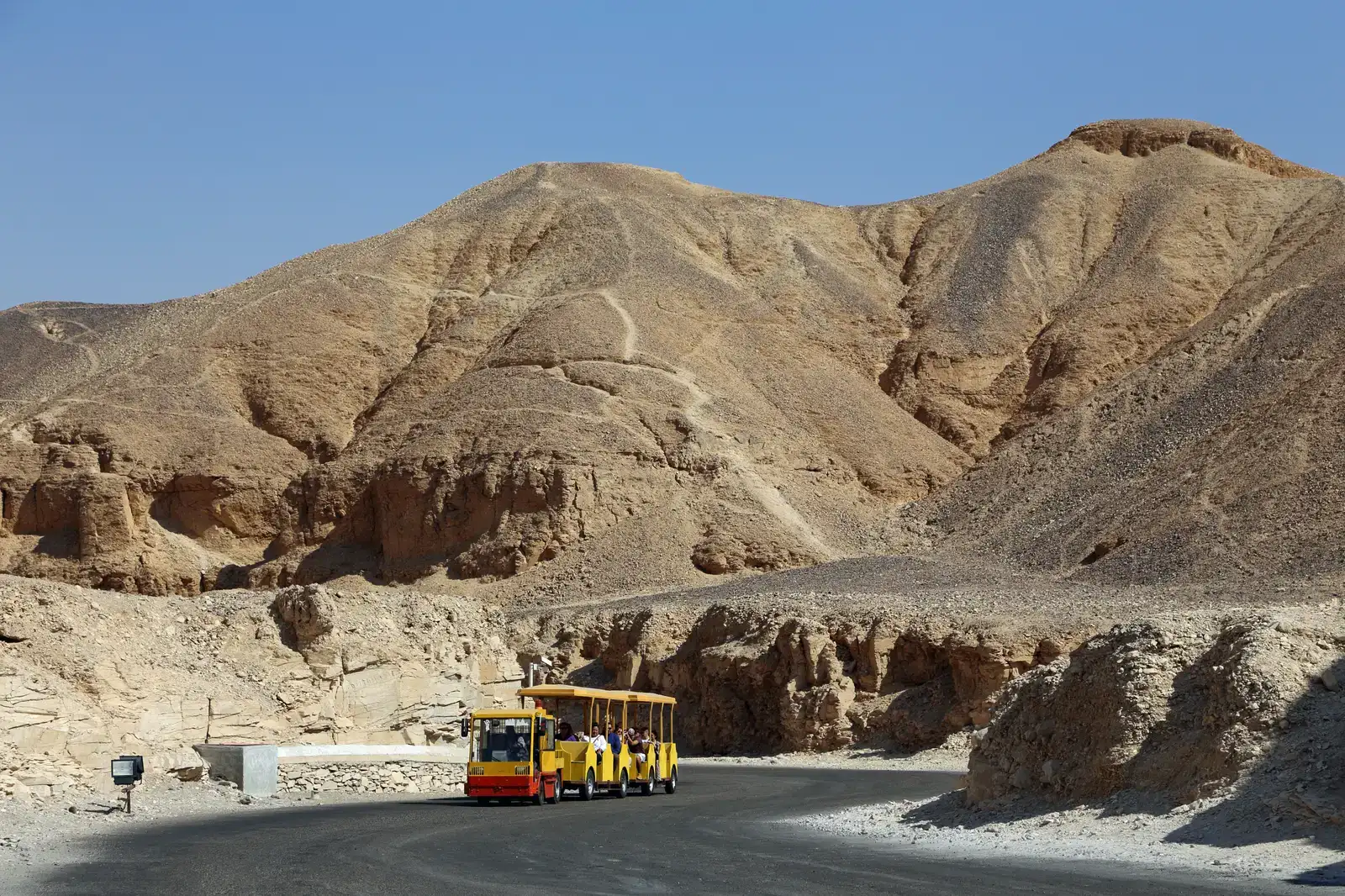
The enormous tomb known as KV5 in the Valley of the Kings was originally a sprawling complex for the many sons of Ramesses II. It contains an astonishing number of chambers and corridors, far beyond what early explorers guessed, and for a long time it was thought to be just a minor, unimportant hole in the ground. As excavation progressed, it became clear that this was a central burial space for the royal family.
What is less widely known is that this system of chambers saw “afterlife traffic” centuries later. Signs of reentry, reuse, and blocked-off passages suggest that later Egyptians opened some areas, moved remains, possibly interred additional family members, and then resealed or abandoned parts of the tomb again. There are collapsed corridors that look very much like intentional blockages, built after certain side rooms had served their purpose.
It is easy to imagine the Valley at that time: no longer a sealed city of the dead, but a semi-forgotten labyrinth where locals, priests, and robbers all operated. In such a maze, a large tomb like KV5 was both a risk and an opportunity. The repeated opening and closing of its chambers turned what started as a carefully planned series of prince burials into a layered archaeological puzzle of overlapping events, some devout, some clearly very practical.
#5 The “Recycled” Tombs of Saqqara’s Elite
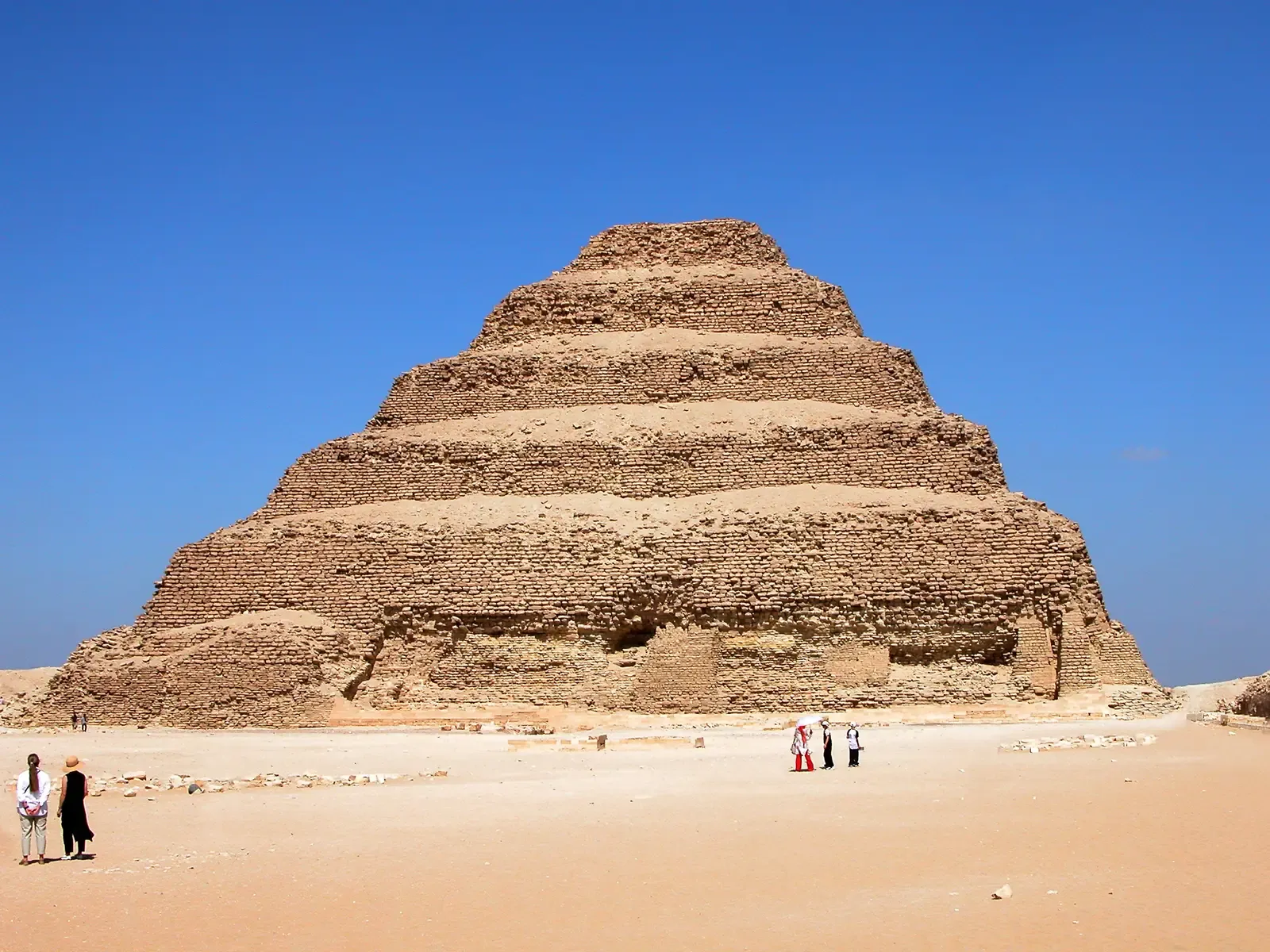
Move north from Thebes to Saqqara, the great necropolis near Memphis, and you find a different pattern: elite tombs deliberately reused by people centuries after the originals were laid to rest. Stone-cut chambers and decorated mastabas were prime real estate, and later generations were not shy about taking advantage of them. To do that, they had to reopen older burials, make space, and then close everything again as if nothing unusual had happened.
Archaeologists have found multiple Saqqara tombs where Old Kingdom and Middle Kingdom burials were disturbed or partially removed to make room for new coffins in the Late Period. In some chambers, older occupants were pushed aside or stacked, while new owners inserted their own sarcophagi with fresh inscriptions on the walls. The presence of intrusive shafts and extra door blockings shows that the rock-cut structures were adapted like secondhand apartments.
This reuse was not pure vandalism. In many cases, the later additions were carefully executed, and the re-sealed entrances were neatly plastered and painted. Still, the decision to open and then re-close someone else’s carefully prepared afterlife home tells you something blunt about social change: where land and resources were tight, even sacred space was negotiable. To a Late Period official, sharing or repurposing an ancient burial chamber may have felt no more shocking than living in an old family house today.
#6 Mycenaean Shaft Graves and Their “Second Lives”
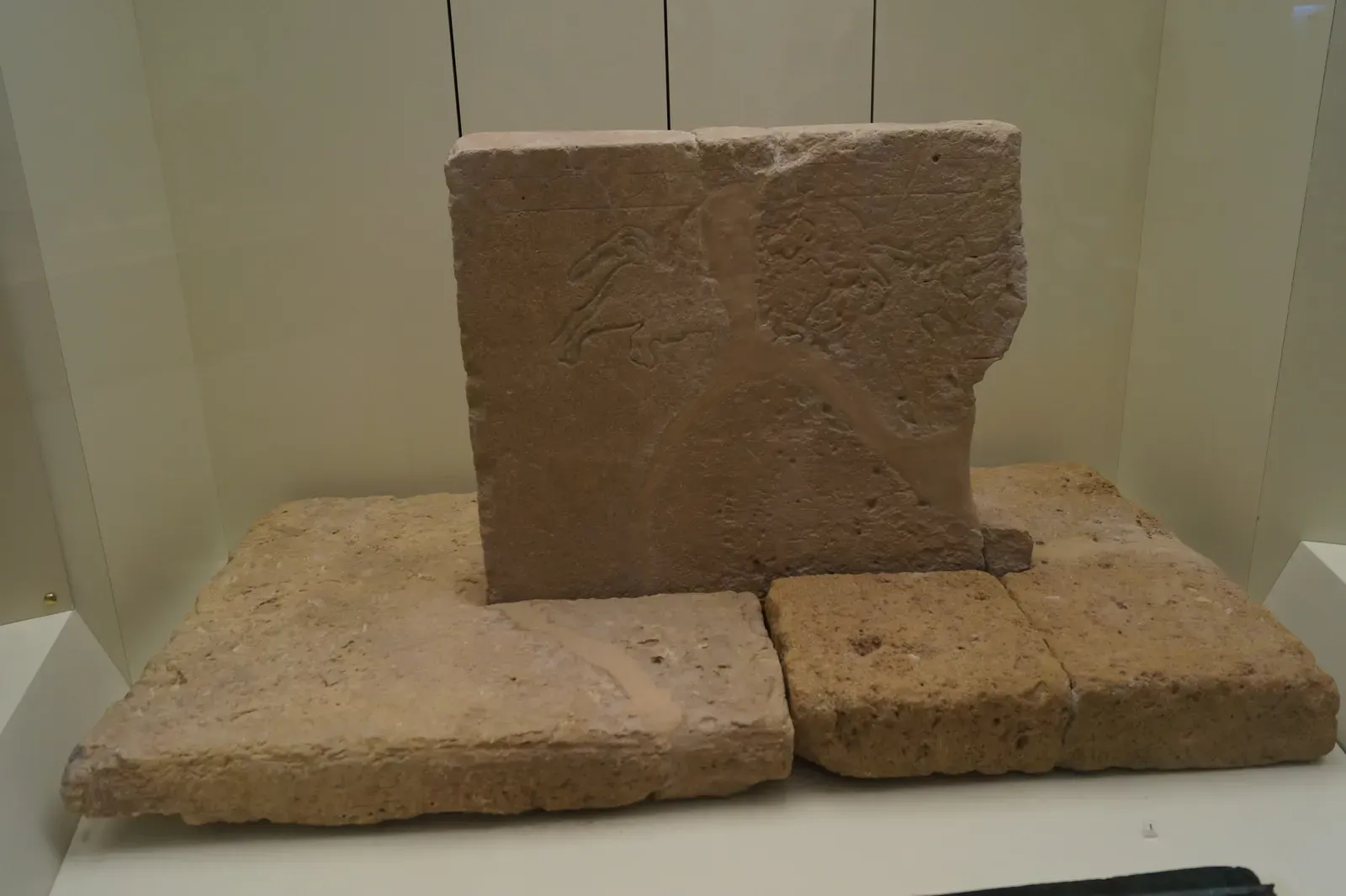
In Bronze Age Greece, some of the most famous burials are the deep shaft graves found at sites like Mycenae. They are often presented as snapshots of a single heroic generation: gold masks, weapons, jewelry, all laid around a few elite individuals. But once you look closely at stratigraphy and artifact mixing, a different picture emerges: many of these graves were reopened by later Mycenaeans.
Some shaft graves contain layers of interments separated by thin fills of earth or stone. That suggests that decades or even generations after the first burial, the community reopened the shaft, added a new body with its own grave goods, and then closed it once more. In the process they sometimes disturbed earlier remains, moved them to one side, or piled offerings in shared areas of the grave.
This practice makes the graves more like multi-family vaults than single-use tombs. To later users, breaking through an old blocking stone was not an act of robbery; it was a ritual return to ancestral space. The final closure of these graves often came only when the community itself declined or moved away, leaving a stack of interwoven burials behind. When we see these layers today, we are looking at a series of conscious reopenings and reclosings that kept the dead physically close to the living for a long time.
#7 The Royal Tombs of Ur: Ancient Burial, Ancient Loot
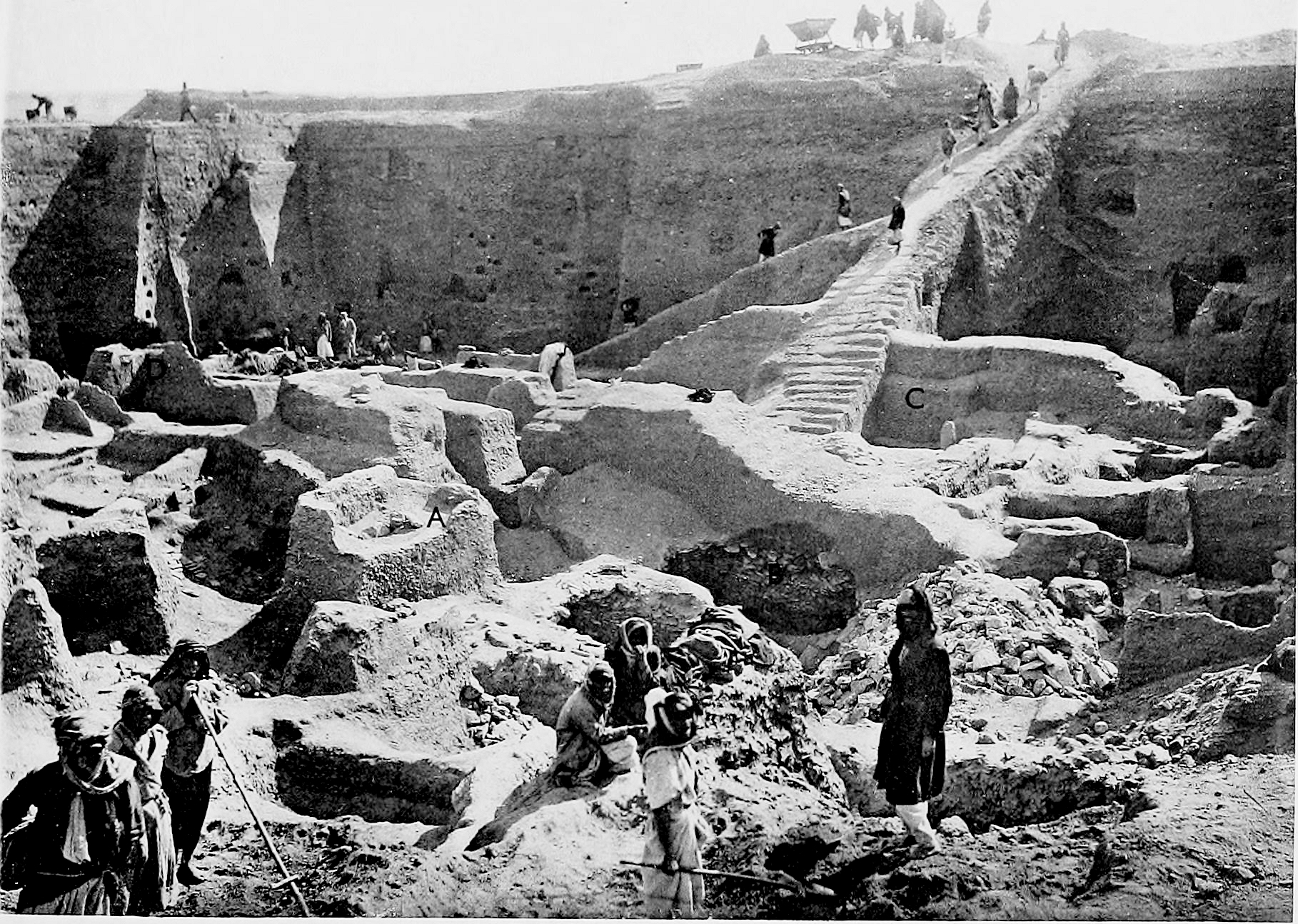
In southern Mesopotamia, the Royal Tombs of Ur are famous for their spectacular finds – golden objects, elaborate jewelry, the eerie remains of attendants buried alongside their rulers. Yet even these extraordinary graves did not remain intact forever. From an early point, they became tempting targets for looting, forcing later generations into a cycle of intrusion and repair.
Excavators noticed that some of the royal tombs showed signs of partial plundering long before the modern dig began. Passages had been opened and then roughly filled in again, chambers showed missing valuables but still contained heavier or more awkward items left behind, and in a few cases, later burials or deposits were inserted into older structures. This pattern implies that at least one wave of ancient intruders entered, removed what they could, and left the site altered but not fully destroyed.
What came next is less clear but very likely: local authorities or relatives probably discovered the damage and tried to close things back up, both to prevent further theft and to restore some semblance of order to what had been a sacred royal zone. The final sealing we see in the archaeological record is thus not purely the original builders’ work. It is also the last act in a tug-of-war between piety, greed, and the simple fact that buried treasure does not stay secret forever.
#8 Etruscan Chamber Tombs: Family Vaults for Centuries
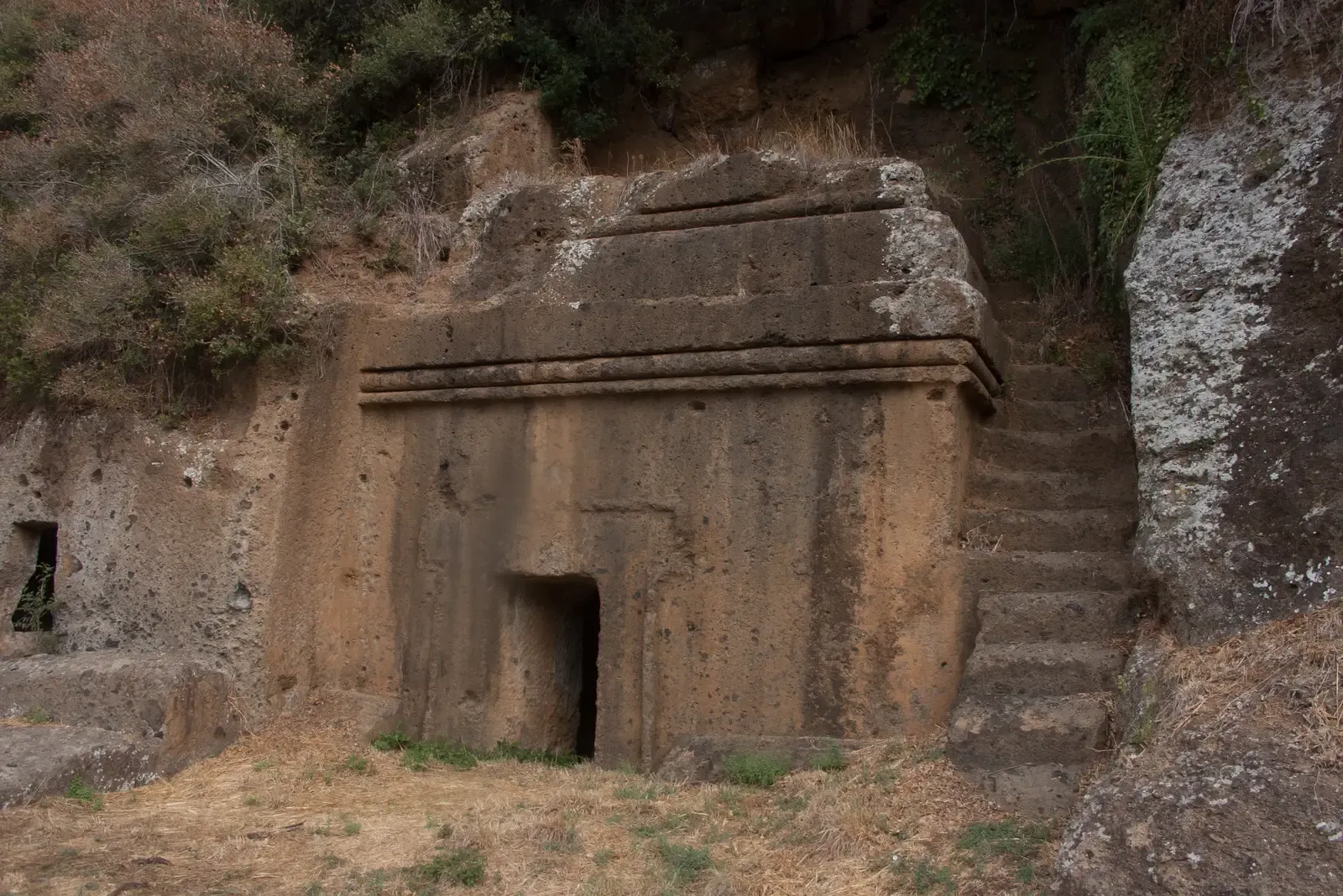
The Etruscans of central Italy loved building elaborate rock-cut chamber tombs that looked like houses for the dead: carved doorways, benches, even ceiling beams in stone. These tombs were never meant to be sealed once and forgotten. Instead, families used them over and over, reopening the chambers for new burials and rituals and then closing them again until the next time someone died.
Many Etruscan tombs show clear sequences of use: initial burials decorated with fine sarcophagi and painted walls, then later interments tucked into corners, stacked urns, or simply placed on the floor as space ran out. Entrance corridors often bear evidence of repeated blocking and unblocking – stone slabs removed and replaced, mortar renewed, sometimes graffiti added by visitors. In some cases, centuries separate the earliest and latest burials in the same chamber.
This long-term use means that, for Etruscan communities, opening a burial chamber was not shocking. It was part of normal family life and death, like bringing flowers to a cemetery plot today, but more physically involved. The final abandonment and sealing of these tombs came much later, often when Roman expansion or social change made the old necropoleis obsolete. By then, a single carved doorway might contain the bones, ashes, and artifacts of many generations who had all shared the same underground “address.”
#9 Roman Mausoleums and the Business of Reuse
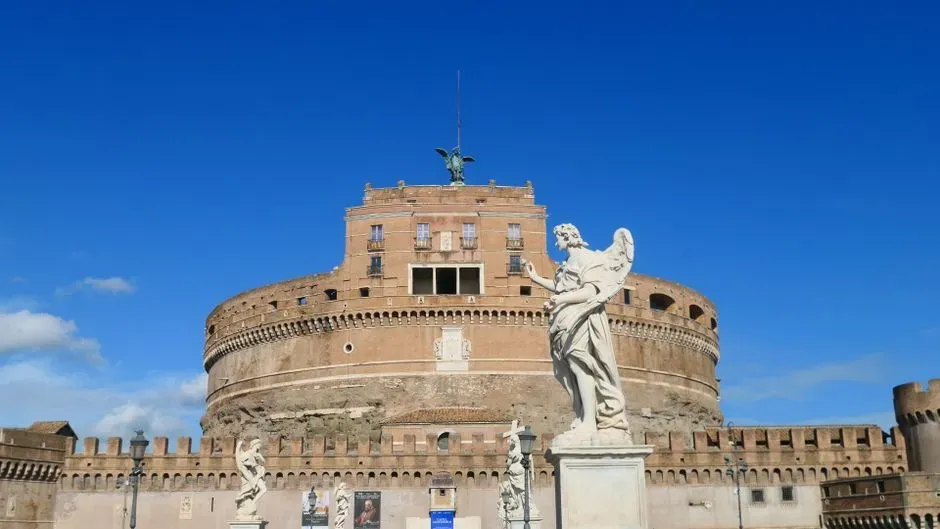
In Roman times, large mausoleums and hypogea (underground burial complexes) were built for wealthy families or associations. These structures were designed with shelves, niches, and corridors that made it relatively easy to add urns and coffins over time. Opening and closing them was less a dramatic ritual and more an ongoing maintenance task that could stretch across centuries.
Archaeologists studying these sites often find clear phases of reuse and adaptation. Original marble facing and fine sarcophagi might belong to an early imperial family, while later brick walls, plastered niches, or cheaper containers were added in late antiquity. Sometimes inscriptions show that spaces were sold or rented out to unrelated people generations later, turning what began as an exclusive family monument into a crowded public columbarium-like structure.
To make all of that work, caretakers and visitors had to repeatedly unseal doors, pass through corridors lined with the dead, and then reclose everything afterward. In some cases, when families died out or funds ran short, the structures fell into neglect and were raided for building stone. At that point, another kind of reopening began – stonecutters and scavengers breaking through walls, taking usable material, then leaving the broken shell to be filled with soil and forgotten until modern excavation opened it yet again.
#10 Medieval Church Crypts: Saints, Relics, and Quiet Rearrangements
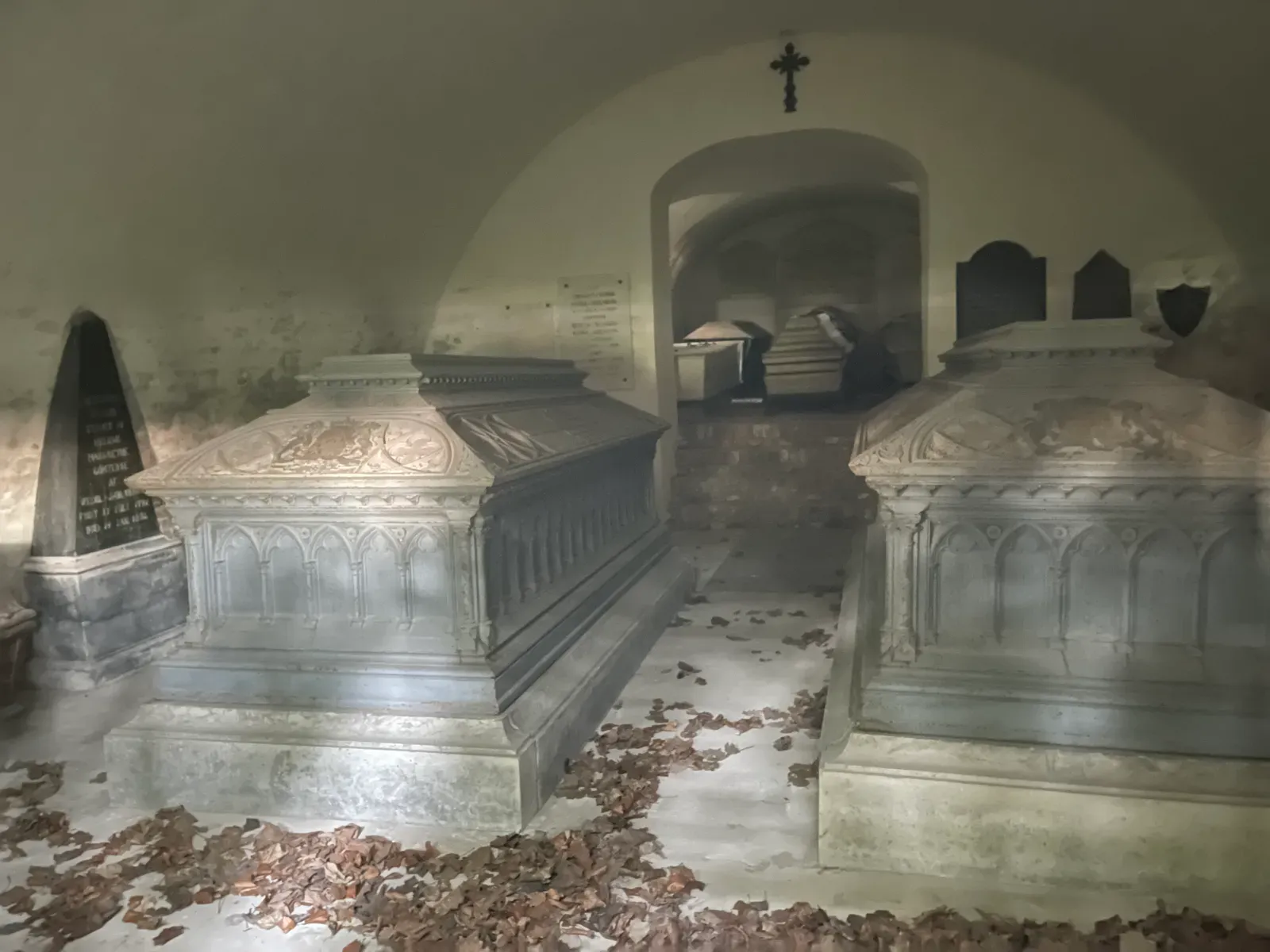
Fast forward to medieval Europe, and you find a different kind of burial chamber beneath churches and cathedrals: crypts. These spaces often began as small burial rooms for important saints or founders, but over time, they became crowded with bishops, nobles, and carefully curated relics. Every new deposit meant reopening sacred spaces, shifting remains, and then closing them once more with solemn ceremony.
In many churches, written records and architectural studies show multiple phases of crypt modification. When a new saint’s bones arrived, older burials might be moved aside or concentrated into ossuaries – secondary containers for collections of bones – to free up space. Stone slabs were lifted, niches rebricked, floors raised. Each change involved direct contact with older human remains that earlier generations had thought they were leaving in perpetual peace.
There is also a more politically charged side. When religious or dynastic priorities changed, some tombs were purposely opened so that relics could be displayed more prominently, reburied in a grander spot, or in some cases quietly removed. The final state of a medieval crypt is therefore the outcome of centuries of hidden interventions, not a single moment in time. Behind every sealed stone lies a history of movement that rarely makes it into guidebooks.
#11 Catacombs and Ossuaries: When Bones Take a Second Journey
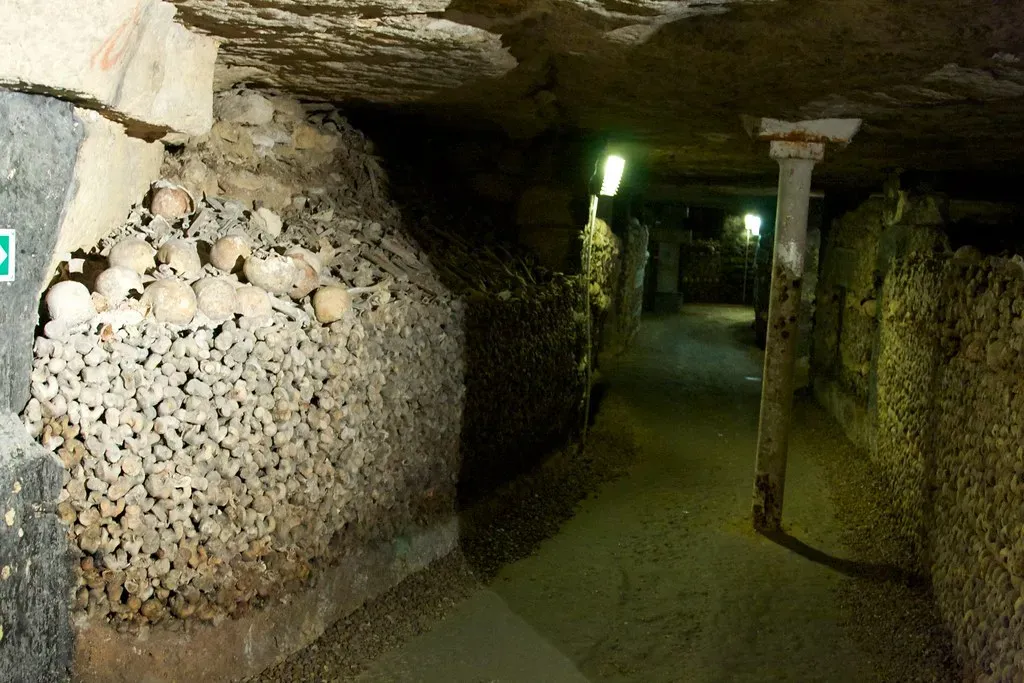
Perhaps the most dramatic examples of burial chambers being reopened and closed again are the vast catacombs and ossuaries beneath cities like Paris and Rome. These spaces began either as quarries or modest burial galleries, but population pressure and changing ideas about hygiene later turned them into huge repositories of relocated dead. To create them, people had to open old graves, move bones, and then reseal both the old and new resting places.
Take the Paris catacombs. In the late eighteenth and early nineteenth centuries, city authorities decided that overflowing urban graveyards were a health hazard. The solution was to empty those cemeteries. Night after night, workers exhumed skeletons, carried them through the streets, and stacked them in the old underground quarry network. The original burial grounds were then cleared and “closed,” while the new catacomb galleries were carefully arranged, walled, and sealed except for controlled access points.
Something similar happened, though on a different timeline and scale, with some Christian catacombs in Rome. Initially used as burial galleries, they later saw phases of reopening to retrieve relics of martyrs or to create more ordered spaces for pilgrims. Bones were sometimes gathered into side chambers or ossuaries, freeing up space or making specific remains easier to venerate. By the time these networks were finally sealed as historical monuments, they had already lived through several cycles of use, neglect, rediscovery, and official closure.
Conclusion: Burial Chambers Are Never as “Final” as They Look
Looking across these eleven examples, a pattern emerges that is a bit unsettling and strangely comforting at the same time. We like to imagine burials as permanent, inviolable acts: a door closes, a stone is set, and the dead are left alone. The archaeological reality is far messier. Tombs are reopened for theft, for care, for space, for politics, for health, and sometimes simply because later people no longer remember or respect the original purpose.
Personally, I find that honesty refreshing. It reminds me that the past was not a static museum, but a living landscape where even the dead were part of ongoing social negotiations. Priests hauling royal mummies to safety, families squeezing one more ancestor into a crowded chamber, city officials relocating thousands of skeletons at night – these are all people making hard, practical choices about remains they also considered sacred.
So next time you see a beautiful stone sarcophagus or an image of an underground tomb, it is worth asking yourself: how many times was that space opened and closed before we saw it? Behind every sealed doorway there may be not just one story, but a whole series of returns, repairs, and reimaginings. Did you expect that a “final resting place” could be such a busy intersection between the living and the dead?