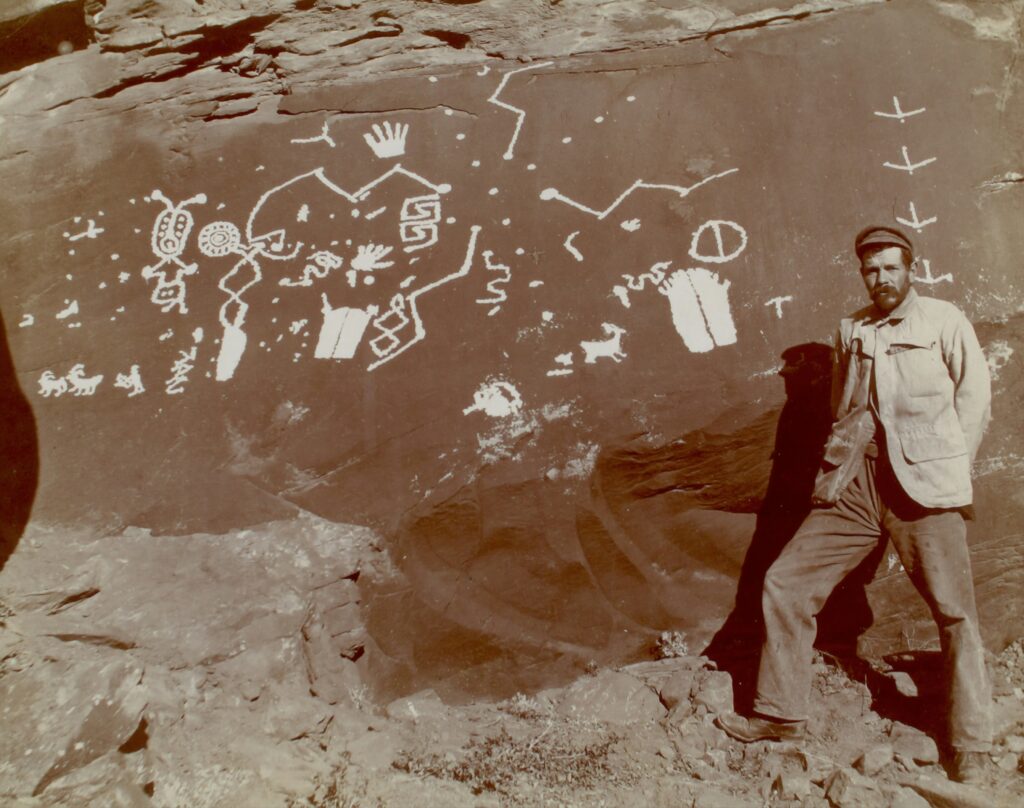
Some of the most breathtaking images ever made by human hands lay hidden for tens of thousands of years… and then showed up because a kid chased a dog, a farmer widened a hole, or workers blasted a tunnel. Cave art discovery is rarely neat and planned. More often, it is messy, surprising, and almost absurdly lucky.
What follows is a journey through 13 caves where the art was not uncovered by systematic archaeology, but stumbled upon by ordinary people doing ordinary things. In several cases, experts initially refused to believe what had been found. In others, the artworks were nearly destroyed before anyone realized how old and important they were.
As you read through these stories, it starts to feel like prehistory has a sense of humor. The world’s earliest masterpieces were not unveiled in museums; they were tripped over in fields, quarries, and holes in the ground that kids were just curious enough to squeeze into. That mix of chance and curiosity may be the most human thing about them.
#1 Lascaux Cave, France – A Dog, Some Teenagers, And the Birth of “Ice Age Art” Fame
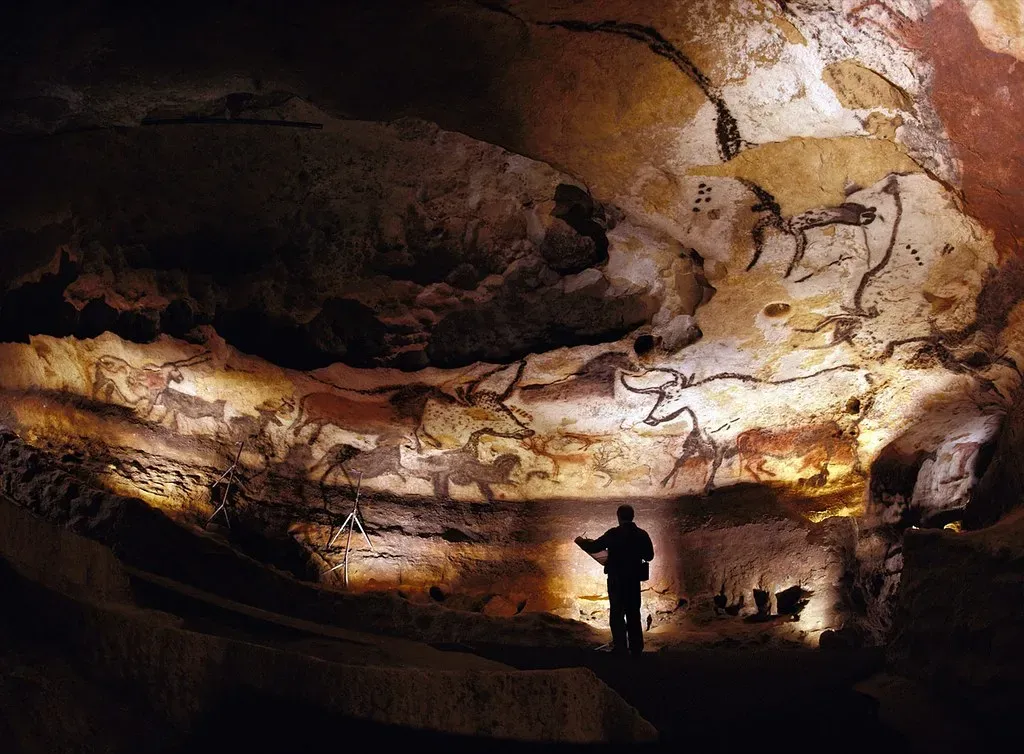
It sounds like an urban legend, but it is true: the most famous prehistoric art cave in the world was found because of a dog. In September 1940, in southwestern France near the village of Montignac, a group of teenage boys followed their dog, which had disappeared down a hole opened by a fallen tree. Curious and a bit reckless in the way teenagers often are, they crawled inside, lit a lamp, and found themselves facing walls covered in painted bison, horses, and deer.
Those paintings at Lascaux are now some of the most recognizable images of Upper Paleolithic art, dated to roughly around seventeen thousand years ago. The scale and sophistication are shocking: enormous bulls over five meters long, subtle shading, and dynamic movement that feels almost cinematic. The boys had wandered into what would be nicknamed the “Sistine Chapel of Prehistory,” and for a while locals treated it like a curiosity more than a scientific treasure.
Once scholars realized what they were looking at, Lascaux changed the way people thought about Ice Age humans. Before discoveries like this, many still clung to the stereotype of “cavemen” as crude and barely intelligent. Lascaux’s layered images, symbolic marks, and carefully chosen surfaces made that stereotype impossible to defend. The cave also became a warning: tourism soon damaged the paintings through carbon dioxide and microbial growth, forcing authorities to close the original to the public and construct replicas.
#2 Altamira, Spain – A Hunter’s Dog, A Little Girl, And A Discovery No One Wanted To Believe
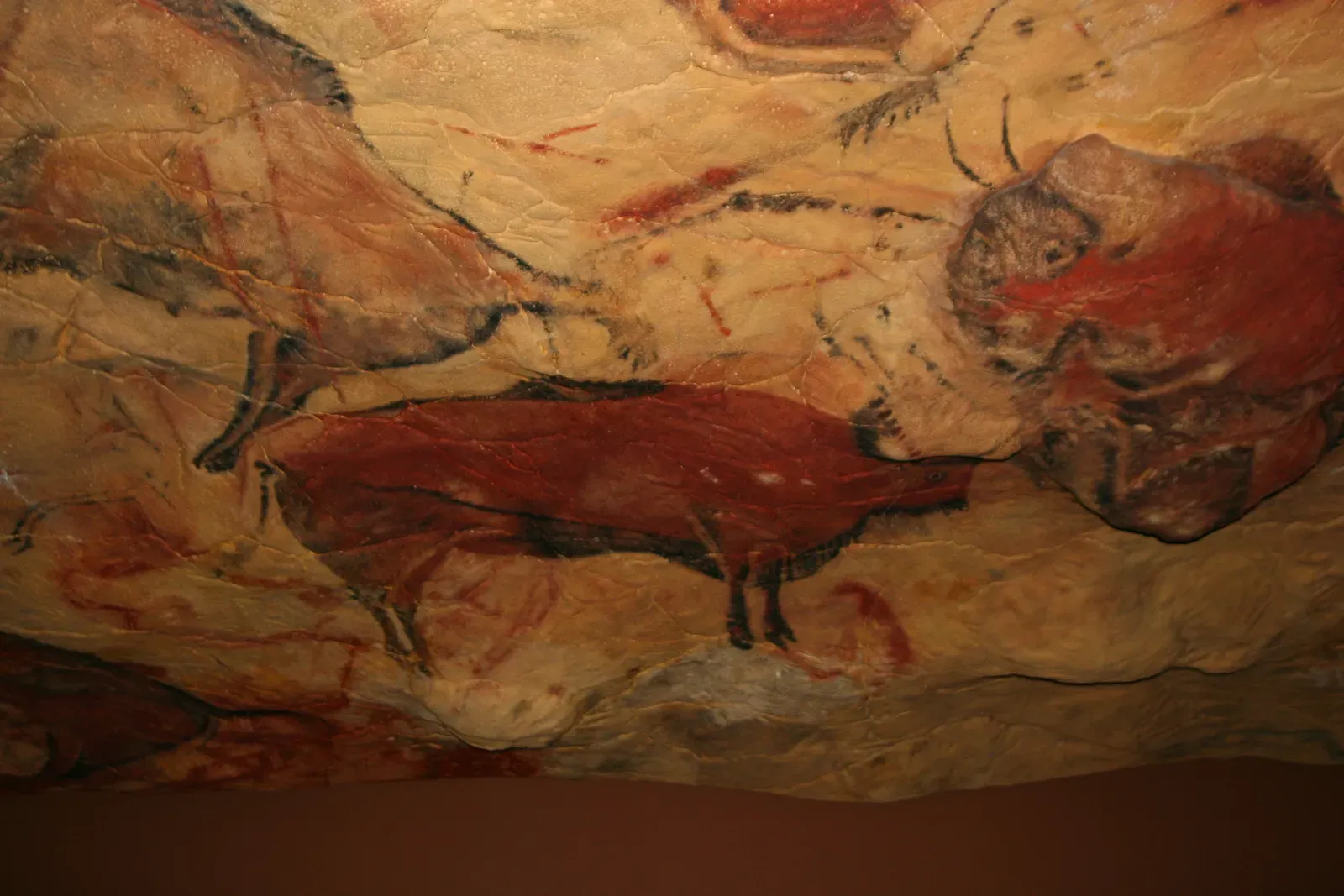
Decades before Lascaux, another dog kicked off another revolution. In northern Spain in the late nineteenth century, a hunter followed his dog into a crack in the rocks on the Altamira estate near the town of Santillana del Mar. The hunter, Marcelino Sanz de Sautuola, explored the cave a bit but did not immediately grasp its importance. It was his young daughter, accompanying him later with a lantern, who noticed the painted bison on the ceiling and reportedly called his attention to them.
What they had found were richly colored bison, horses, and other animals executed with a sense of volume and perspective that shocked the small circle of scholars who came to see them. Or more accurately, it should have shocked them, but many simply refused to believe the paintings were genuinely prehistoric. At the time, the idea that Ice Age people could create such sophisticated art clashed with prevailing assumptions about human evolution and progress.
For years, Sautuola and Altamira were accused of fraud, and the cave was treated as an embarrassing anomaly instead of a key piece of evidence. Only when similar painted caves were later discovered in France did the scientific community grudgingly accept that Altamira was authentic. Today Altamira is recognized as one of the great Paleolithic sanctuaries, and its accidental discovery by a family outing and a dog reads like a parable about how slow science can be to update its prejudices.
#3 Chauvet–Pont d’Arc, France – Weekend Cavers Who Opened A Time Capsule
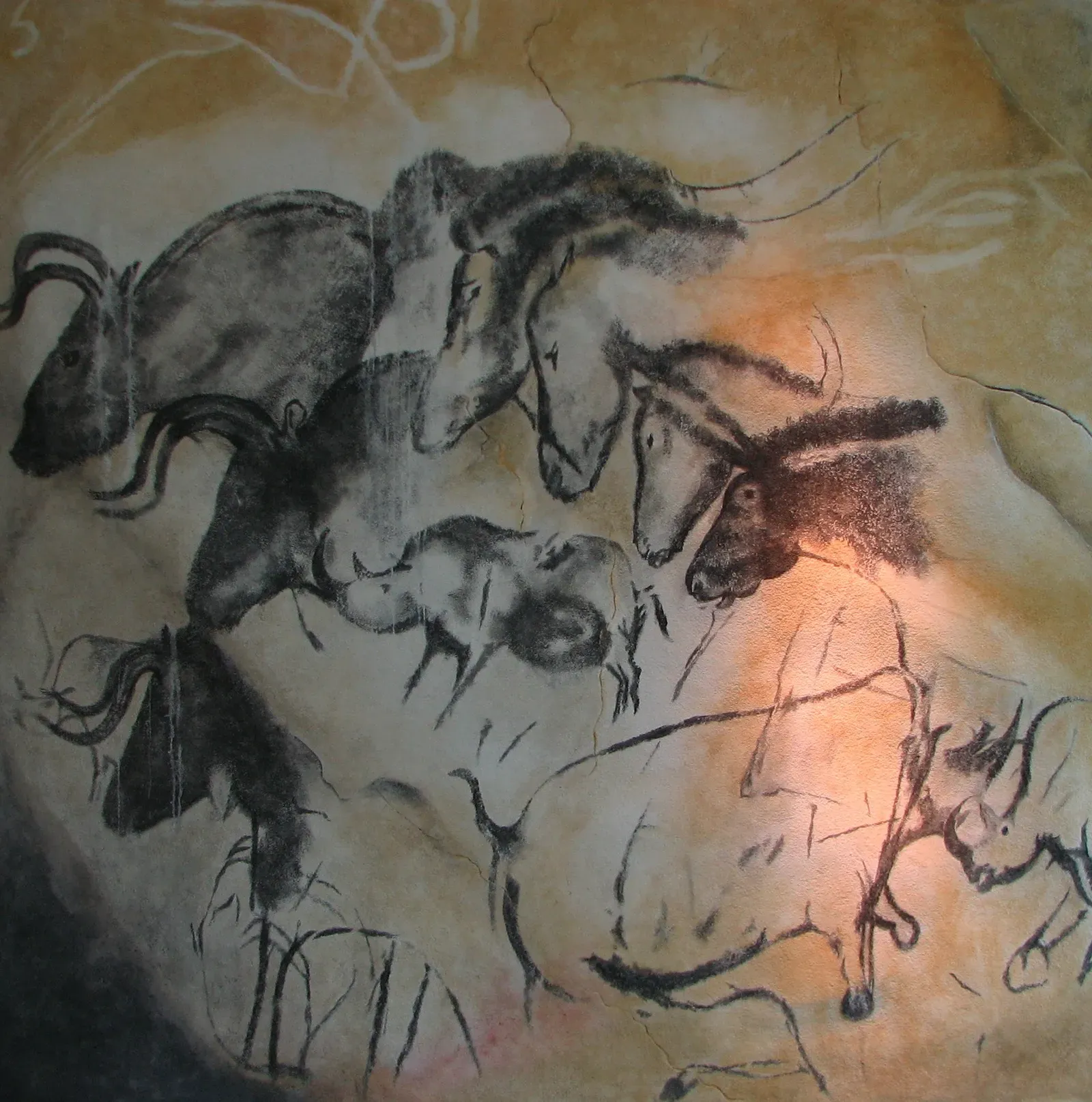
Fast forward to December 1994 in the Ardèche region of southern France. Three experienced amateur speleologists – people who explore caves for fun, not as professional archaeologists – were following airflow from a cliff face, a trick cavers use to locate hidden openings. When they broke through a narrow passage and lowered themselves into the void beyond, they realized almost immediately this was not just another cave.
The walls of what is now known as Chauvet–Pont d’Arc were covered with horses, lions, rhinoceroses, mammoths, and other animals, some drawn in overlapping scenes that look like animated sequences. Torch smears, hand stencils, and mysterious red dots added to the otherworldly atmosphere. Radiocarbon dating later showed many of these paintings to be among the oldest known figurative artworks on Earth, roughly around thirty thousand to thirty five thousand years old.
What makes Chauvet’s discovery so striking is that these weekend cavers recognized the significance of what they had found and moved quickly to alert authorities and protect the site. Unlike Altamira or Lascaux in their early days, Chauvet was tightly controlled almost from the start, with access extremely limited. It remains a case study in how a chance discovery can be handled well when curiosity is coupled with a bit of humility and respect for what lies in front of you.
#4 Cosquer Cave, France – A Diver’s Nightmare Turned Archaeological Dream
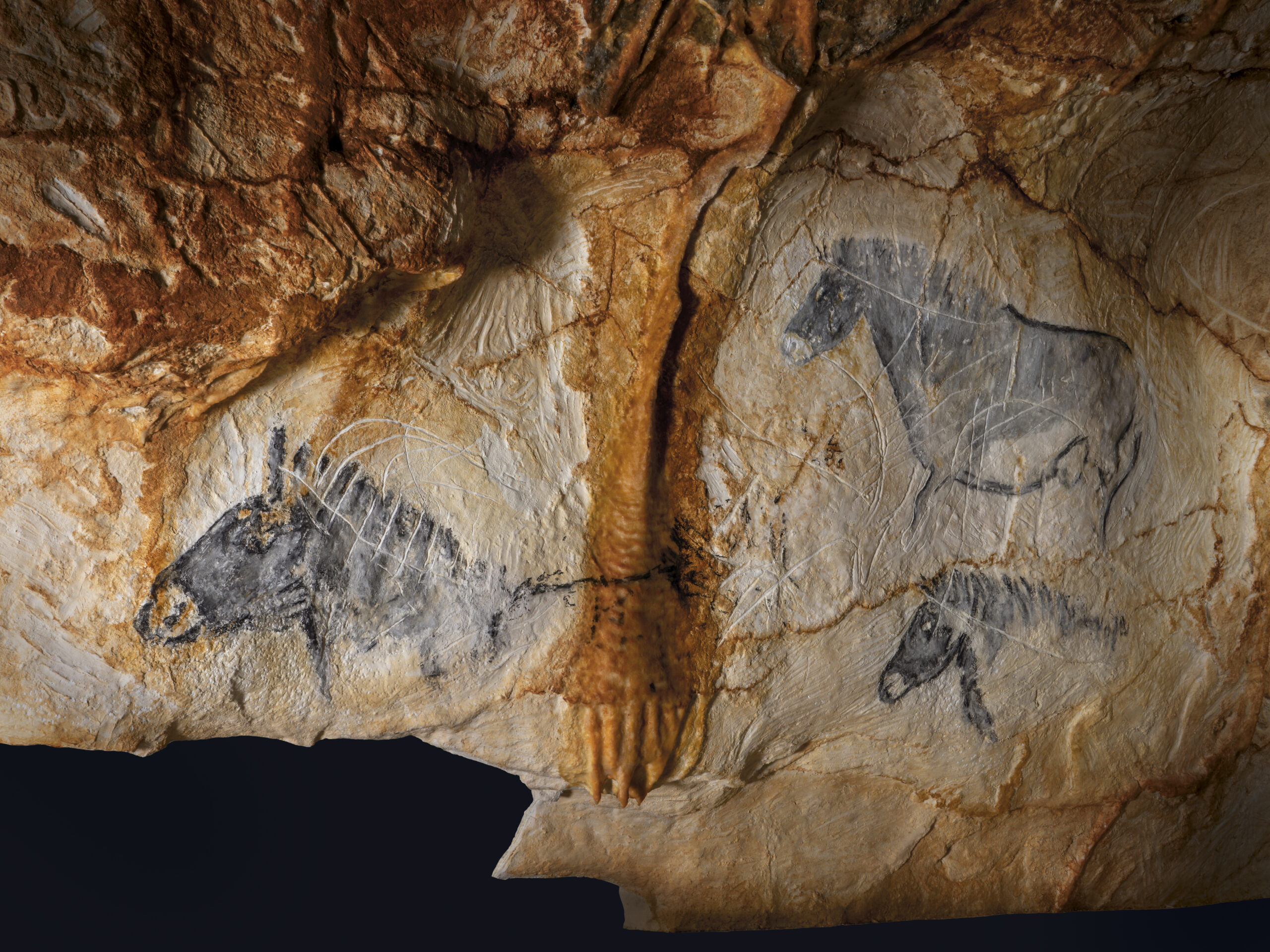
Some caves are hidden in forests; Cosquer Cave was concealed beneath the Mediterranean Sea. In the late 1980s and early 1990s, a professional diver named Henri Cosquer was exploring near Cape Morgiou, on the coast close to Marseille. About thirty-seven meters underwater, he found a narrow tunnel and followed it up, squeezing through in pitch darkness to emerge into a large air-filled chamber. The route was so dangerous that a wrong turn could easily have been fatal.
On repeat dives through this submerged passage, Cosquer noticed hand stencils and other markings on the rock, and eventually realized he had found a decorated Paleolithic cave. The art includes horses, ibex, and a rare set of marine animals such as seals and possibly penguin-like birds, suggesting Ice Age coastlines were very different and offering a snapshot of a world now drowned by rising seas after the last glacial maximum.
The tunnel’s perilous nature and tragic accidents – several divers died in the vicinity – meant the discovery remained a closely guarded secret for a while. When authorities finally documented the cave in the early 1990s, it quickly became clear that this was an extraordinary record of human life at a time when sea level was dramatically lower. Cosquer’s story is a reminder that sometimes the past survives only by hiding in places most people will never willingly go.
#5 Cueva de la Pileta, Spain – A Farmer Chasing Bats And Guano
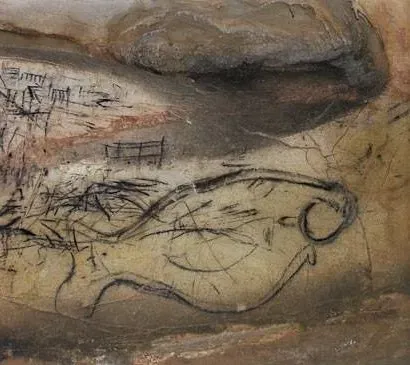
In the hills of Andalusia in southern Spain, at the beginning of the twentieth century, a local farmer was not looking for Ice Age art. He was searching for bat guano, which was used as fertilizer. Around 1905, while investigating a hole in the ground near his land, he entered a large, damp cave filled with stalactites, underground pools, and, unbeknown to him at first, some of the most intriguing prehistoric images in the region.
The site, now known as Cueva de la Pileta, contains a mixture of paintings and engravings, including horses, deer, and abstract symbols, some of which may date back more than twenty thousand years, while others appear to be from later prehistoric periods. The farmer initially showed the cave to locals, and for a while it was treated as a curiosity rather than a fragile archaeological treasure. Only later did researchers begin to systematically document the art.
What I find powerful about Pileta’s story is how it highlights the role of poor rural communities in preserving, even unintentionally, humanity’s oldest heritage. A man just trying to make a living by collecting fertilizer opened a door onto deep time. Without his curiosity and willingness to crawl into a dark hole, those images might still be dissolving quietly in the damp darkness.
#6 Tito Bustillo Cave, Spain – Young Explorers Looking For Adventure
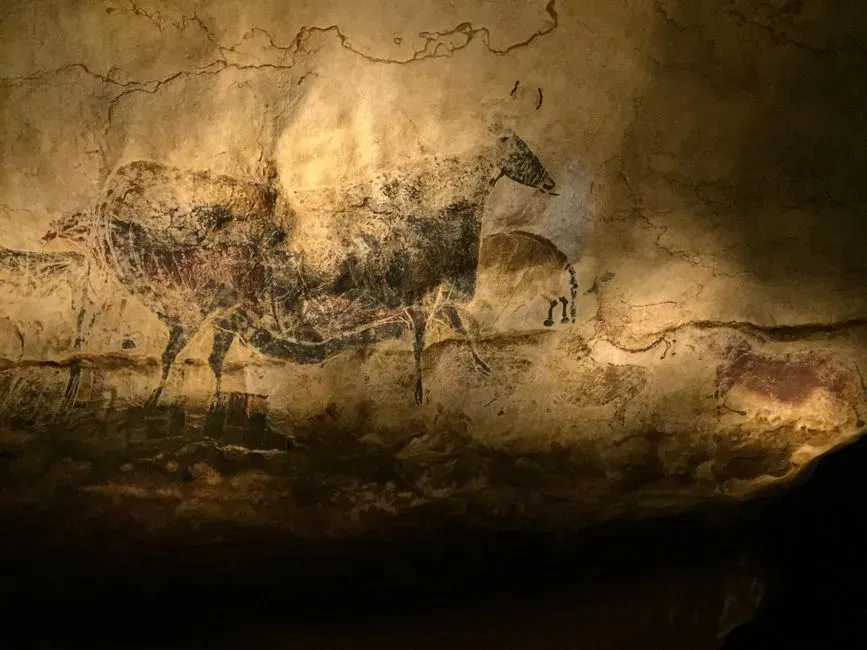
In 1968, a group of young speleologists in Asturias, northern Spain, entered a previously known cave system that had not been fully explored. They were not trained archaeologists; they were thrill-seekers and hobby cavers, pushing through tight passages and underground rivers for the sheer challenge. Deep inside the system, they came across chambers whose walls were covered with red and black paintings and engravings of horses, reindeer, and complicated abstract motifs.
The cave is now known as Tito Bustillo, named after one of the explorers who died in a climbing accident shortly after the discovery. The art inside is complex and layered, with certain panels showing repeated repainting over long periods. Some images, such as female figures and enigmatic signs, have fueled ongoing debates about symbolism and ritual in Upper Paleolithic societies.
The Tito Bustillo discovery underlines how often major finds depend on small, loosely organized local groups rather than big institutions. These were young people who liked crawling through mud on weekends, not professionals with grants and project plans. Their curiosity and willingness to get lost underground brought to light one of the richest Paleolithic art sites on the Iberian Peninsula.
#7 Rouffignac Cave, France – A Tourist Cave Hiding Mammoths In Plain Sight
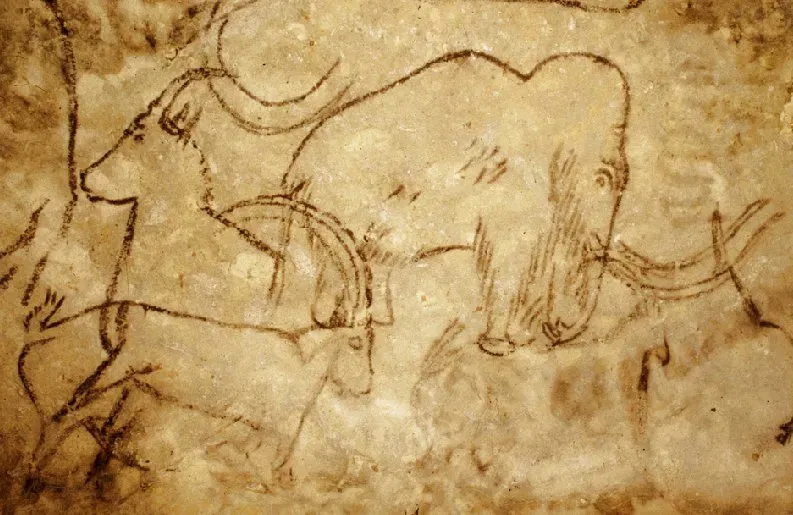
Rouffignac Cave in the Dordogne region has a strange history: people had been going into it for centuries, long before anyone recognized the art on the walls. The cave was known as “the cave of a hundred mammoths” even before its scientific documentation, but for a long time that nickname was not taken literally. Visitors treated the marks and figures as odd natural formations or the work of more recent visitors, not ancient artists.
It was only in the mid-twentieth century, when archaeologists began to study the cave seriously, that the extent and age of its art became clear. The walls and ceilings bear more than two hundred animal figures, including a striking number of mammoths, along with rhinos, horses, and ibex, many done in engraved outlines instead of paint. Some panels show what appears to be deliberate use of perspective and motion, suggesting a sophisticated visual language.
Rouffignac is a great example of how you can literally walk past prehistory for generations without seeing it. Locals and tourists tramped through those passages for years, candles in hand, without fully realizing what surrounded them. It took a shift in mindset, not just a new discovery, to reveal what had been hiding in plain sight.
#8 Pech Merle, France – Teenagers In World War I France Stumble Into Spotted Horses
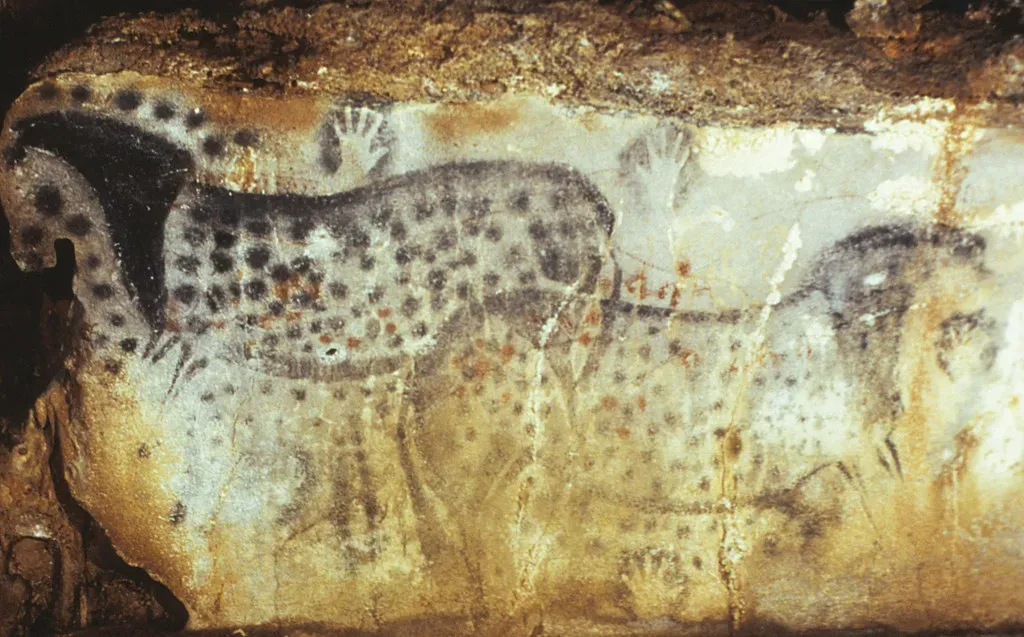
During World War I, in the Lot region of France, two teenage boys named André David and Henri Dutertre were exploring underground cavities near their village. Like many kids in rural France, they were used to poking around in limestone hills and sinkholes, partly out of boredom and partly out of genuine fascination with caves. One day they crawled into a narrow passage that opened into larger chambers decorated with images that no one in the village had seen before.
The cave they found, Pech Merle, would later become famous for its so-called spotted horses: life-size horse figures covered with black dots. Genetic studies centuries later suggested that some Ice Age horses really did have spotted coats, adding an eerie layer of realism to what might otherwise look like abstract decoration. The cave also holds hand stencils, mammoths, and negative handprints surrounded by painted dots, which many visitors find strangely moving.
What strikes me about Pech Merle is the historical layering: teenagers during a modern, industrial war discover teenagers’ art from the Ice Age. Boys growing up under the shadow of artillery and barbed wire shine their lamps on images made in a world of glaciers and megafauna. The emotional gap is huge, yet the basic impulse to leave marks on a cave wall feels exactly the same.
#9 El Castillo Cave, Spain – Quarry Workers And One Of Europe’s Oldest Dots
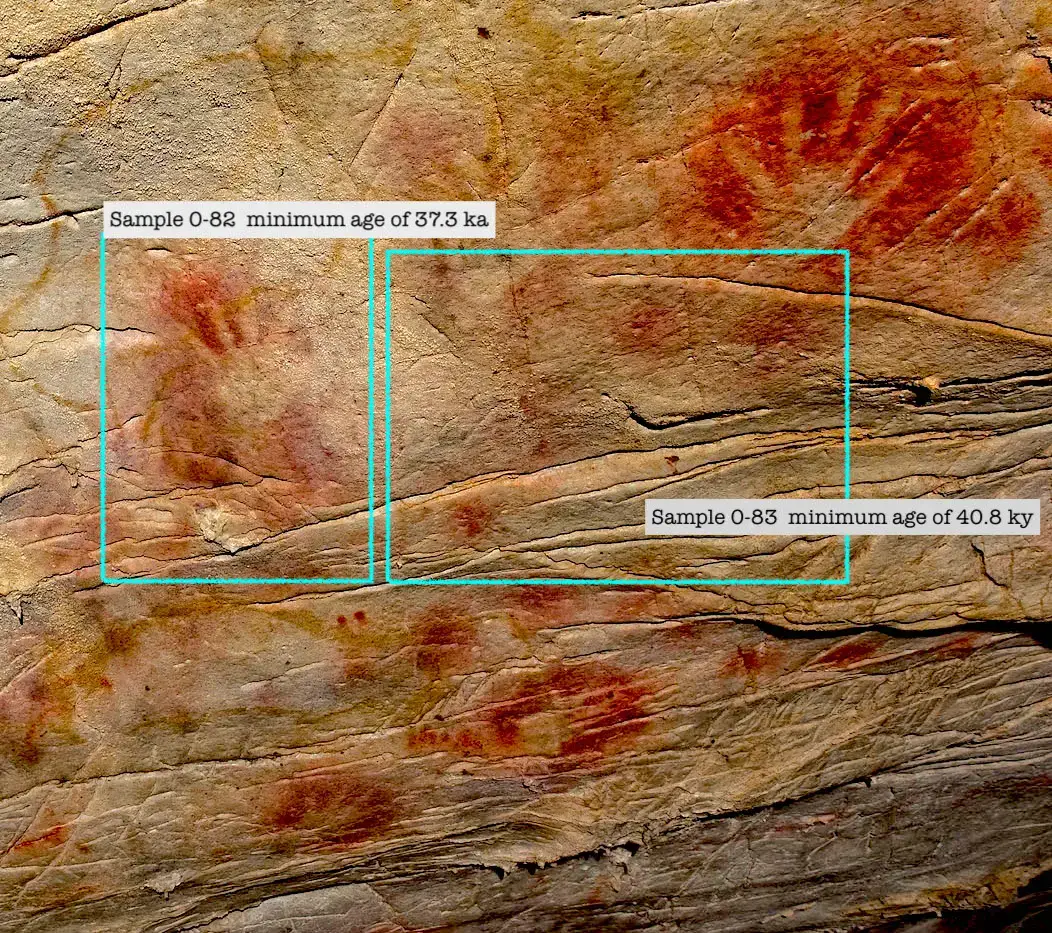
El Castillo Cave in Cantabria, northern Spain, sits in a hill that had been poked and prodded for limestone for quite some time. In the early twentieth century, quarrying activities and local exploration led to the recognition of cave passages, and soon after, images began to be noticed on the walls. Unlike Lascaux or Chauvet, there was no single dramatic moment of discovery; it was more like a slow realization that the hill was not just stone, but a prehistoric gallery.
Later scientific dating would show that some of El Castillo’s simple red disks and hand stencils are among the oldest known cave paintings in Europe. One red disk in particular, created by blowing pigment onto the rock, may date to more than forty thousand years ago, nudging up against the time when Neanderthals and early modern humans overlapped on the continent. That raises profound questions about who made these marks and what they meant.
The fact that quarry workers and locals were the first to wander into El Castillo’s chambers reinforces a recurring pattern: heavy industry at the surface sometimes exposes deep history below. It is an uneasy relationship. The same human impulse to extract stone for buildings or fertilizer can destroy caves or, if luck intervenes, open them to view just in time for scientists to step in.
#10 Cussac Cave, France – A Speleologist’s Routine Survey With A Shocking Twist
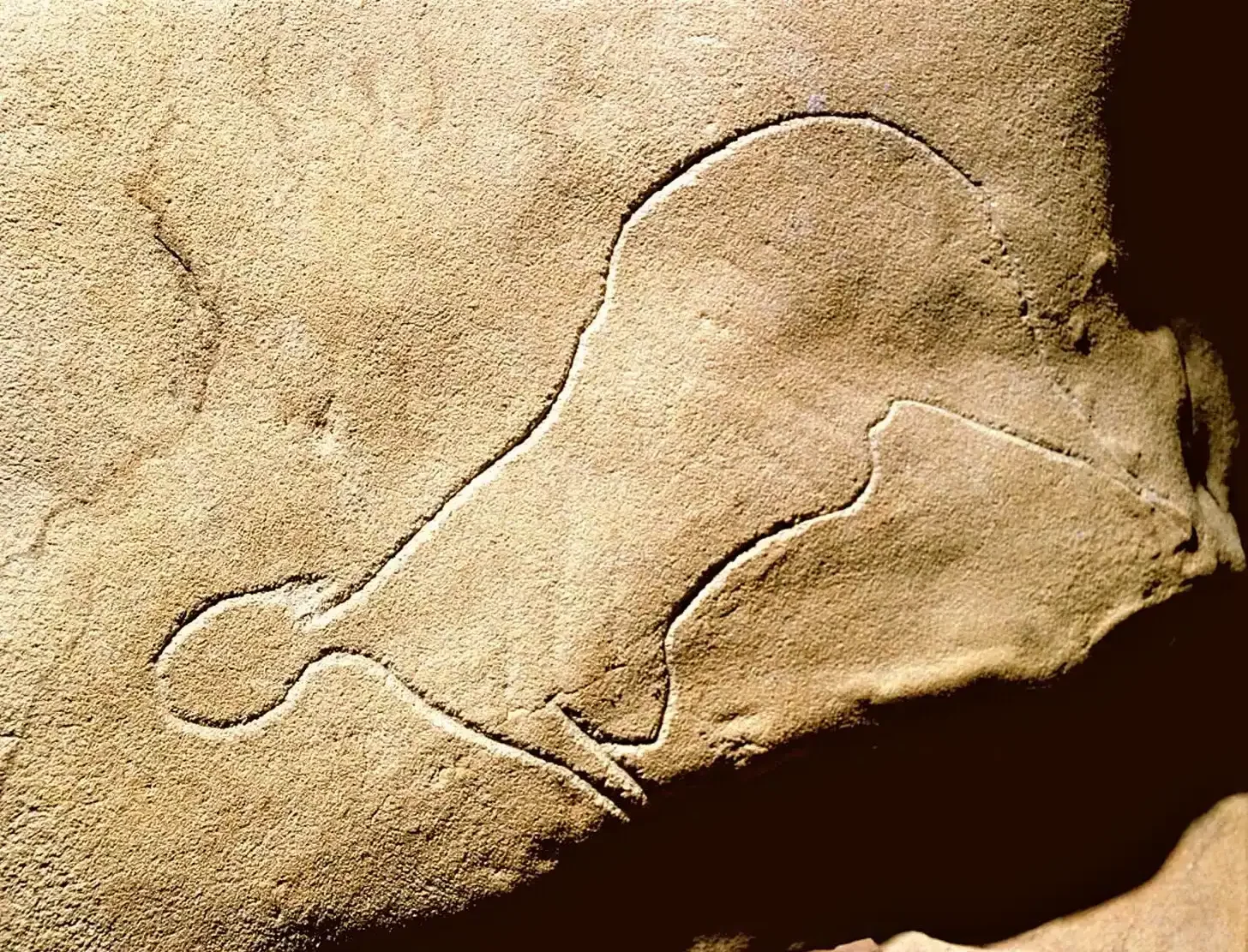
In 2000, an experienced French caver named Marc Delluc was surveying caves in the Dordogne region, doing the kind of methodical exploration that seems almost boring compared with the dramatic teenager-and-dog stories. He followed a long passage in what is now called Cussac Cave and spotted engravings on the walls: bison, mammoths, and human-like figures. As he progressed deeper, it became clear this was not a small decorated niche but a major Palaeolithic site.
Cussac is unusual because, in addition to its engravings, it contains human remains believed to be from the same general period as the art, roughly around twenty-five thousand years ago. That close association between burials and wall images is relatively rare, and it has made Cussac a key site for thinking about how Ice Age people linked death, memory, and images. Because of the fragility of the cave, access remains extremely restricted, and much of what is known comes from meticulous surveying and digital recording.
Although Delluc was a trained cave explorer, he was not on a glamorous mission to “find the next Lascaux.” He was doing steady, practical fieldwork, mapping passages that most people would never see. That fact matters, because it shows that “accidental” in archaeology does not always mean random. Sometimes it means that someone paying routine attention suddenly notices something extraordinary.
#11 Baume Latrone, France – A Narrow Crawl That Turned Into A Prehistoric Gallery
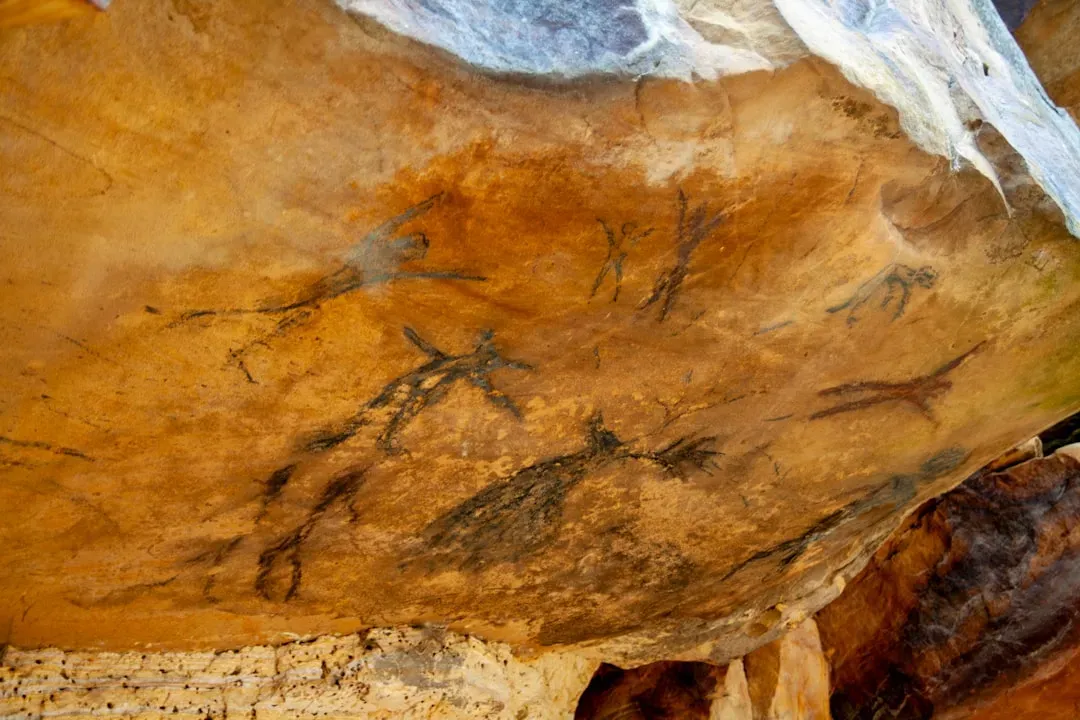
Baume Latrone in southern France was long known to local cavers as a difficult, winding system with tight squeezes and flooded sections. The decorated part of the cave, however, was not recognized until speleologists in the late twentieth century pushed beyond known passages and emerged into a chamber whose walls carried red ochre images. These included horses, deer, and abstract signs, some of which seemed stylistically close to other European Upper Paleolithic sites.
The discovery was not triggered by a spectacular event like a collapsed tree or a blasting accident. It was the natural outcome of a small, determined group of people pushing a little farther each time, driven mostly by the stubborn curiosity that defines many cave explorers. When they finally turned a corner and saw paintings instead of bare limestone, their weekend adventure instantly crossed into the realm of deep human history.
Baume Latrone’s story illustrates how much of prehistory remains literally just around the bend. Many karst regions in Europe and beyond still have unexplored chambers, blocked by sediments or hidden behind narrow cracks. As climate and land use change, some of these will be opened up or destroyed. Whether they become the next Baume Latrone or simply vanish unnoticed depends on whether someone is there to look closely when the earth shifts.
#12 La Pasiega and the Cantabrian Cluster, Spain – A Network Revealed Piece By Piece
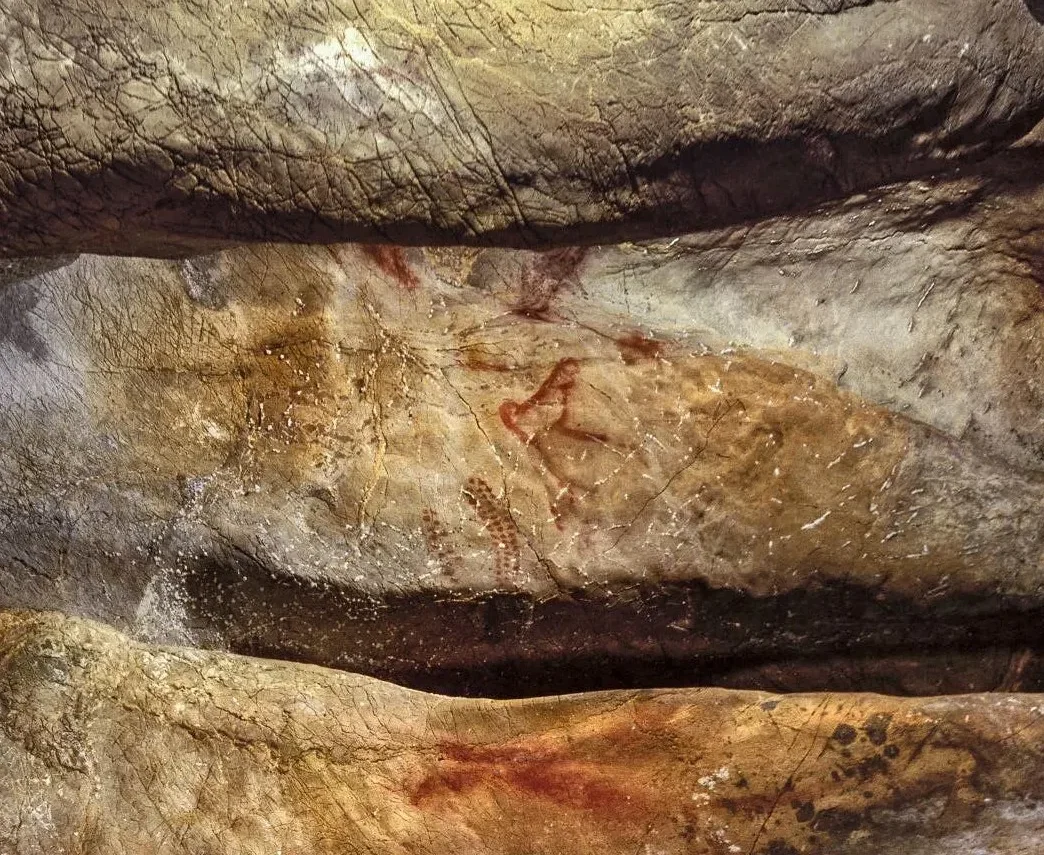
The Monte Castillo hill in Cantabria hides not just one cave but an entire cluster: El Castillo, Las Chimeneas, La Pasiega, and others. La Pasiega in particular has become famous for its dense panels of red and yellow signs, ladders, and animal figures. Yet its discovery and documentation were not the result of one dramatic breakthrough; instead, miners, shepherds, and local explorers gradually revealed entrances and corridors over time.
Researchers who later mapped and studied La Pasiega found layer upon layer of marking: bison, deer, horses, and a bewildering variety of geometric forms that have provoked endless theories. Some scientists argue that the repetition and structure of these signs look almost like an early graphic system, maybe not a full writing system but something beyond random doodling. The fact that the cave lay under a hill used for very practical, everyday purposes for so long adds a surreal twist.
What I personally love about the Cantabrian cluster is the sense that an entire prehistoric neighborhood lurked beneath fields and quarries, ignored by generations who walked right over it. The caves were not discovered by kings or famous scholars, but piece by piece by people whose names are mostly forgotten. That feels fitting, given that the art itself was made by people who will always remain anonymous, but whose visual language still reaches across the millennia.
#13 Bhimbetka Rock Shelters, India – A Road Survey That Redefined South Asian Prehistory
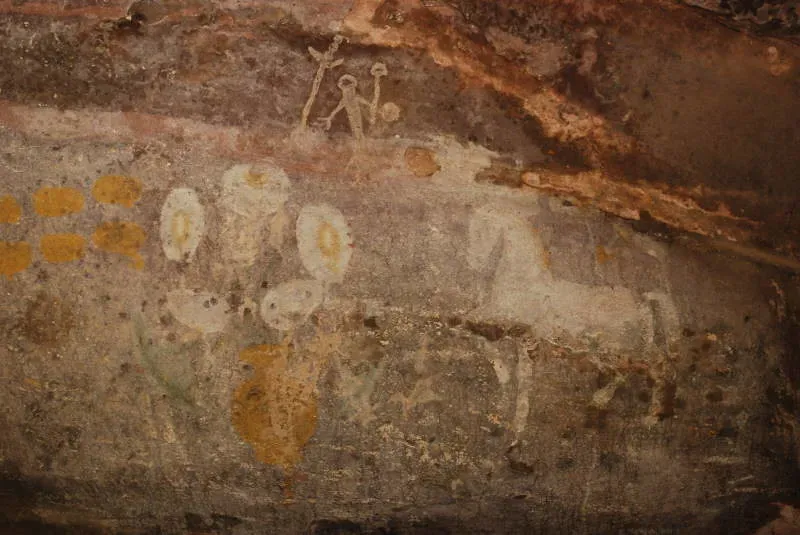
Not all accidental cave art discoveries come from Europe, and not all of them are deep underground. In central India, the Bhimbetka rock shelters were used by local communities for generations, but their archaeological significance was not formally recognized until the mid-twentieth century. In the 1950s, an Indian archaeologist, V. S. Wakankar, reportedly noticed the unusual rock formations while travelling by train during a survey for another site. Intrigued, he returned to explore on foot.
Under the overhangs and inside shallow shelters, researchers then documented layer upon layer of painted figures: animals, human hunting scenes, processions, and geometric forms, spanning a staggering time range from Stone Age periods through historic times. The Bhimbetka complex makes it clear that the human urge to decorate rock surfaces is not an exclusively European Paleolithic phenomenon, but a widespread and long-lasting pattern on the Indian subcontinent as well.
The Bhimbetka story is a useful antidote to the Eurocentric focus that often dominates discussions of prehistoric art. A passing glimpse from a railway window, followed by old-fashioned walking and talking with local villagers, opened up an entire chapter of South Asian deep history. It shows that “accidental” discovery can also come from trained eyes noticing something that everyone else has learned to treat as background scenery.
Conclusion – Our Deep Past Survives Because People Keep Getting Curious
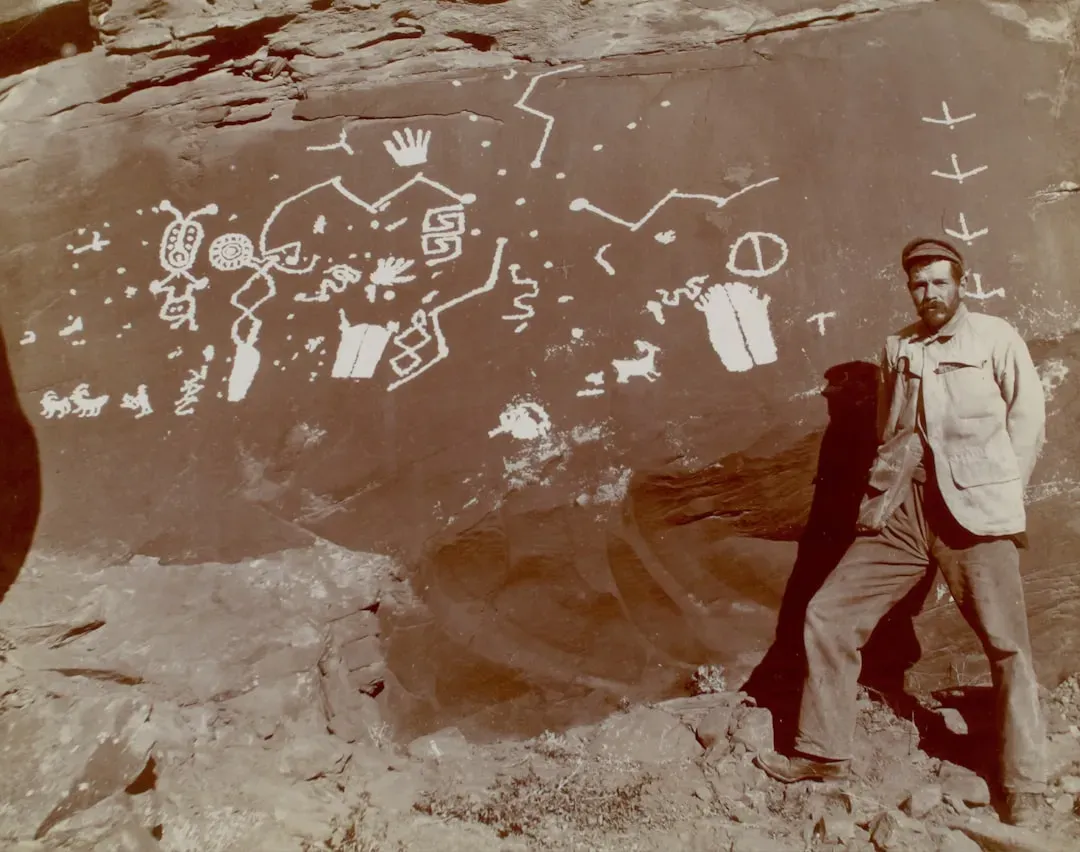
Looking across these thirteen caves, a pattern jumps out: the guardians of the oldest surviving art on Earth were not museums, universities, or governments. They were farmers, kids, divers, miners, cavers, and surveyors who were willing to poke their heads into uncomfortable, sometimes dangerous spaces. If anything, the real miracle is not that these artworks were found, but that enough people happened to be just curious enough, at just the right time, to keep them from vanishing forever.
I think that is the uncomfortable truth behind all the romance of “lost caves.” Our knowledge of deep history hangs by threads of chance and habit. A different dog, a missed train window, a quarry dug ten meters to the left, and half of what we celebrate as masterpieces of Ice Age art might still be locked away behind rock, or already ground up for cement. That should make us both humble about what we do not know and fiercely protective of what we have.
In a way, every new accidental discovery is a quiet rebuke to the idea that the past is neatly filed and complete. It is not; it is messy, fragile, and still emerging from the dark thanks to people who follow odd drafts of air, unusual rock faces, or barking dogs. The next Lascaux or Chauvet may already have been walked over a thousand times without anyone looking twice – so the real question is, the next time you see a crack in the rock or a strange stain on a cliff, will you just walk past it, or will you take a closer look?