You probably think you know what “tough” looks like – maybe a polar bear on an ice floe or a camel in the desert. But once you dive into the world’s truly extreme habitats, you realize nature has pushed life far beyond anything you see on a postcard. From boiling volcanic vents to places so dry it almost never rains, some animals are quietly rewriting the rules for how far a living body can be stretched and still survive.
As you get to know these creatures, you start to see a pattern: nothing about them is accidental. Every weird leg, odd skin pattern, or bizarre behavior is a survival hack crafted over countless generations. And the wild part is, many of these hacks can teach you something about resilience, adaptation, and what it really means to thrive when everything around you is trying to shut you down.
Tardigrades: The Nearly Indestructible “Water Bears”
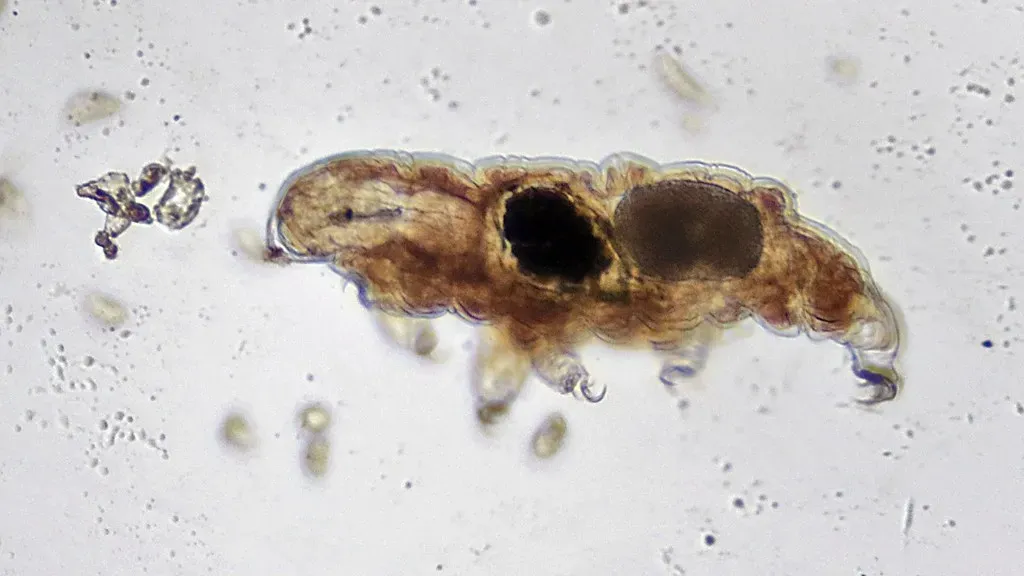
If you had to bet on one animal to outlive almost everything else on Earth, you’d be smart to pick the tardigrade. These microscopic “water bears” live in moss, soil, deep oceans, mountaintops – pretty much anywhere you can imagine. You might never see one with your naked eye, but if you zoom in under a microscope, you’d find a chubby, eight-legged creature that looks oddly adorable for something so hardcore.
What makes tardigrades legendary is how they handle extremes that would instantly kill you. They can survive brutal cold far below freezing, crushing pressure in the deep sea, intense radiation, total dehydration, and even the vacuum of outer space. They do it by going into a state called cryptobiosis, where they dry out, curl up, and basically put their lives on pause. You’re used to thinking of life as fragile; tardigrades remind you that sometimes survival means knowing how to shut everything down and wait out the storm.
Antarctic Icefish: Blood Built for Freezing Seas
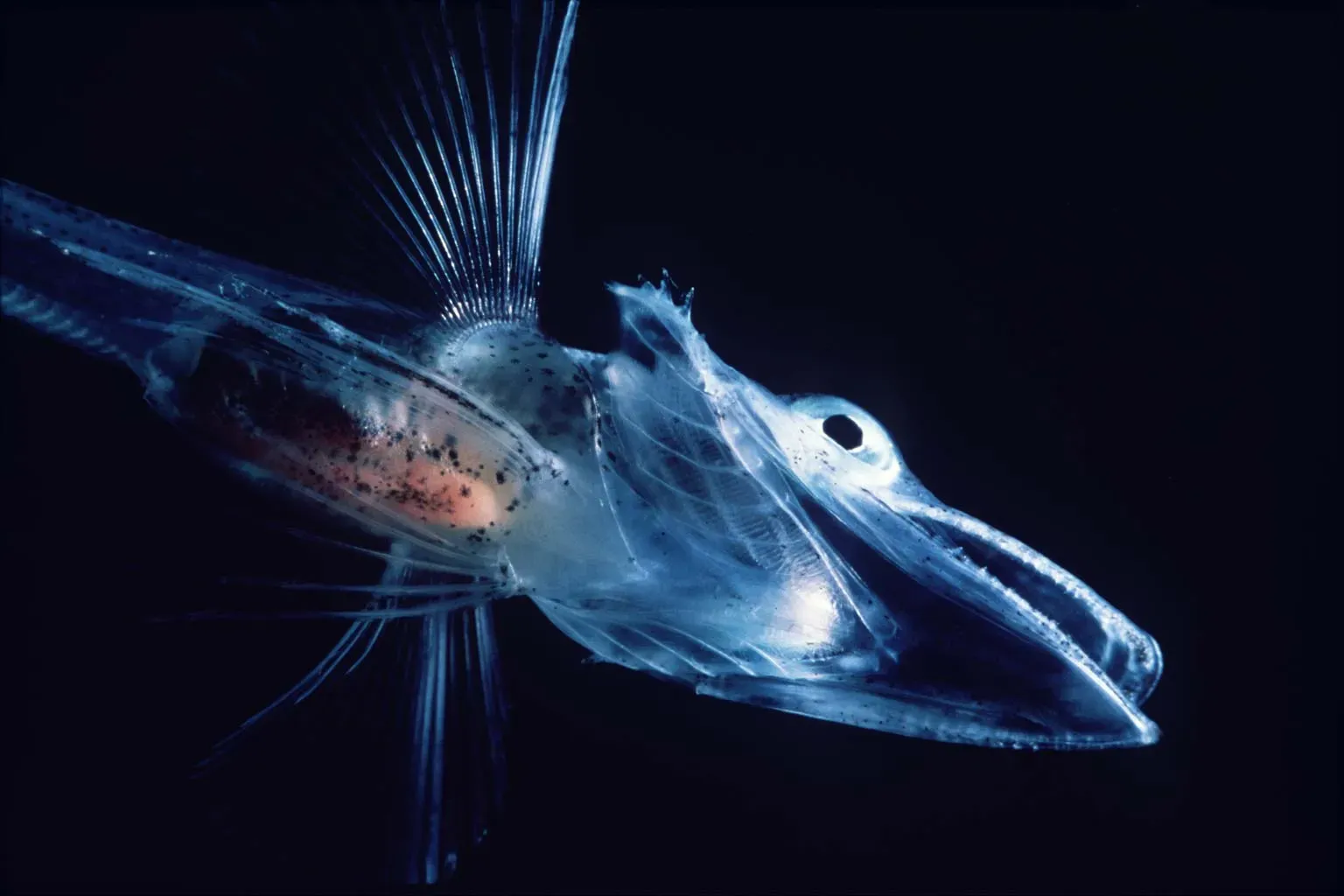
Imagine diving into water so cold it should turn your blood to slush – and then staying there for your entire life. That’s normal for Antarctic icefish, which swim in the frigid Southern Ocean where temperatures hover just around the freezing point of seawater. If you could peer inside one, you’d find something shocking: its blood is almost see-through because it lacks the red pigment you’re used to seeing.
Instead of relying on the usual red blood cells, icefish survive with a combination of extra-large hearts, increased blood volume, and special antifreeze proteins that keep their bodily fluids from freezing solid. Where you would need a full survival suit just to last a few minutes, these fish casually glide around in what is basically a liquid freezer. Their bizarre biology shows you how far the body can adapt when an environment is relentlessly, predictably brutal.
Thermophilic Bacteria: Life at Boiling Point
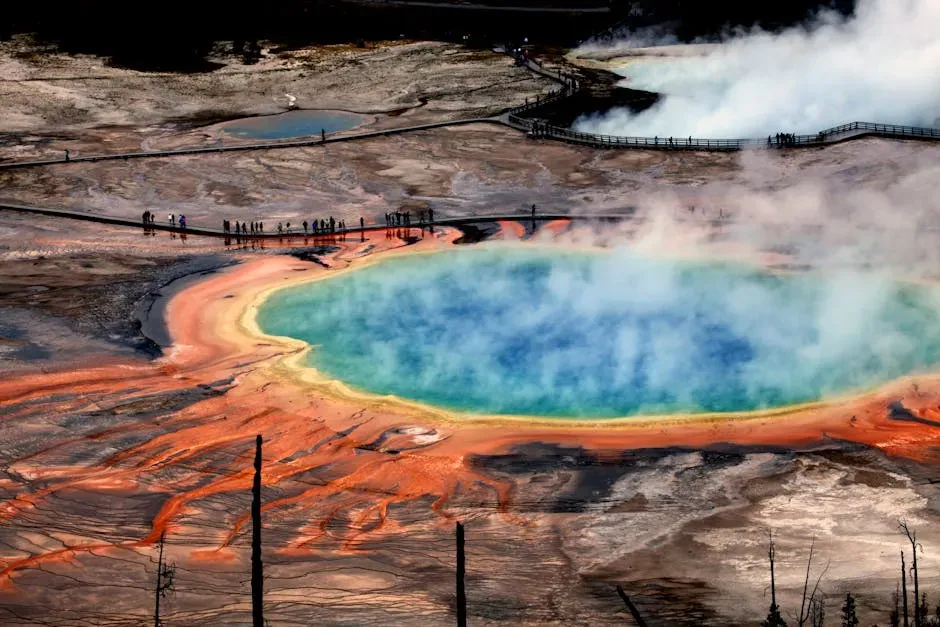
When you stand next to a boiling hot spring or a steaming volcanic vent, your first instinct is probably to back away. Yet right there, in water that would give you second-degree burns in seconds, thermophilic bacteria are not just surviving – they’re thriving. These microbes live in hot springs, geothermal pools, and even in the scalding outflows around undersea volcanoes.
Their secret lies in ultra-stable proteins and membranes that do not fall apart at extreme temperatures the way yours do. If your body is like a candle that melts when it gets too hot, theirs is like a brick that barely softens in the same heat. You benefit from them more than you realize; enzymes from thermophiles make things like high-temperature industrial processes and some lab techniques possible. Next time you see a picture of a vivid, rainbow-colored hot spring, you can recognize that those colors are basically a billboard announcing life has figured out how to live where, by all rights, it shouldn’t.
Pompeii Worms: Living On a Volcanic Knife Edge
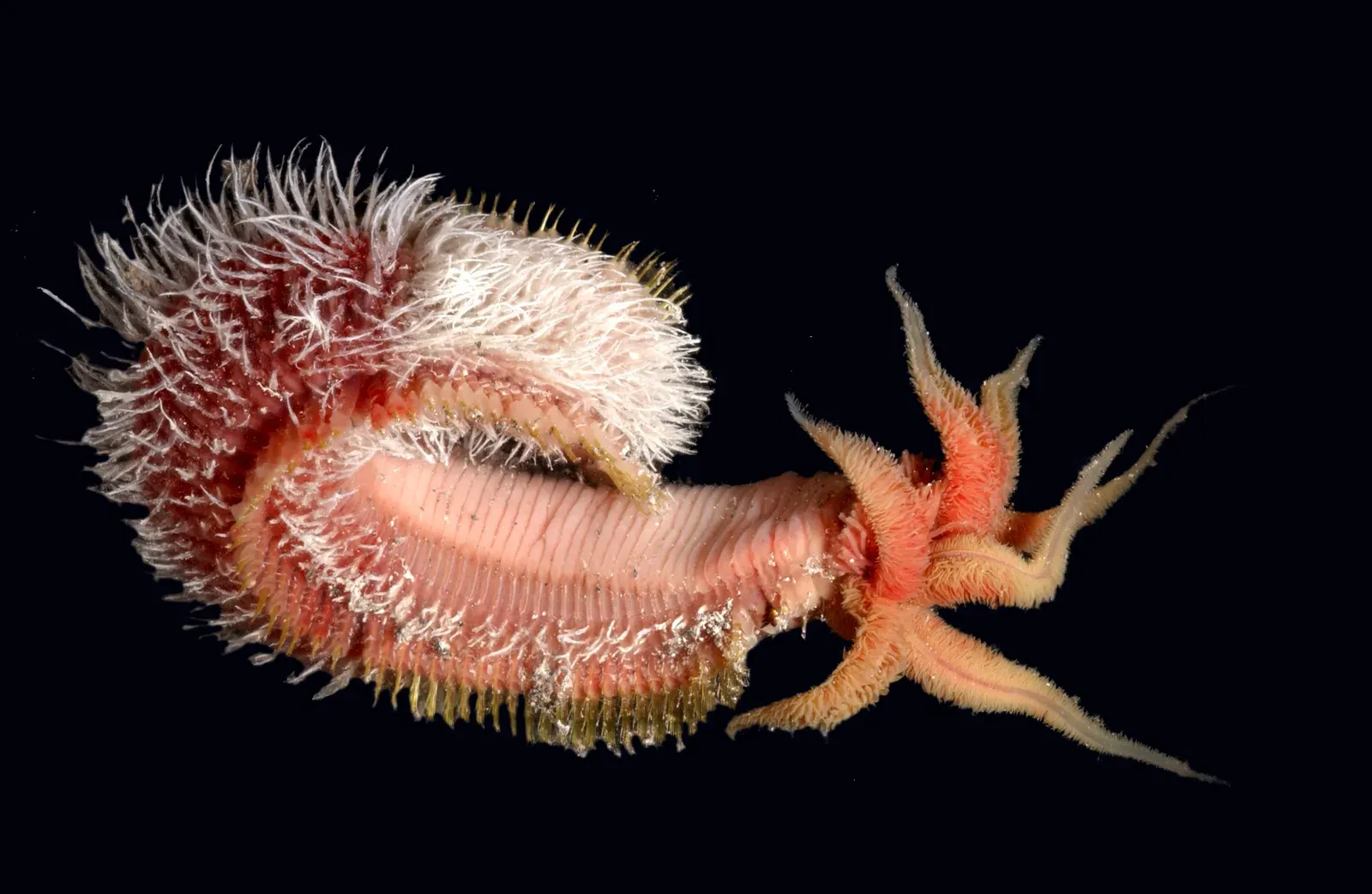
Far below the ocean’s surface, where light never reaches and pressure would crush you instantly, hydrothermal vents spew scalding water loaded with minerals. This is home to the Pompeii worm, a creature that might be one of the most heat-tolerant animals you will ever hear about. It anchors its tail near superheated vent fluids while keeping its head in slightly cooler water, essentially living with one end in an underwater furnace.
The worm’s back is covered with fuzzy-looking bacteria that form a protective layer, like a living thermal coat. You can think of it as the worm outsourcing part of its survival to a friendly microbial army that helps buffer the heat and possibly detoxify chemicals. It is a strange kind of partnership, but in a place where temperatures can swing from near boiling to cold in just a few centimeters, any edge counts. The Pompeii worm shows you that cooperation can be just as critical as toughness when the world around you is unforgiving.
Camels: Masters of the Scorching Desert
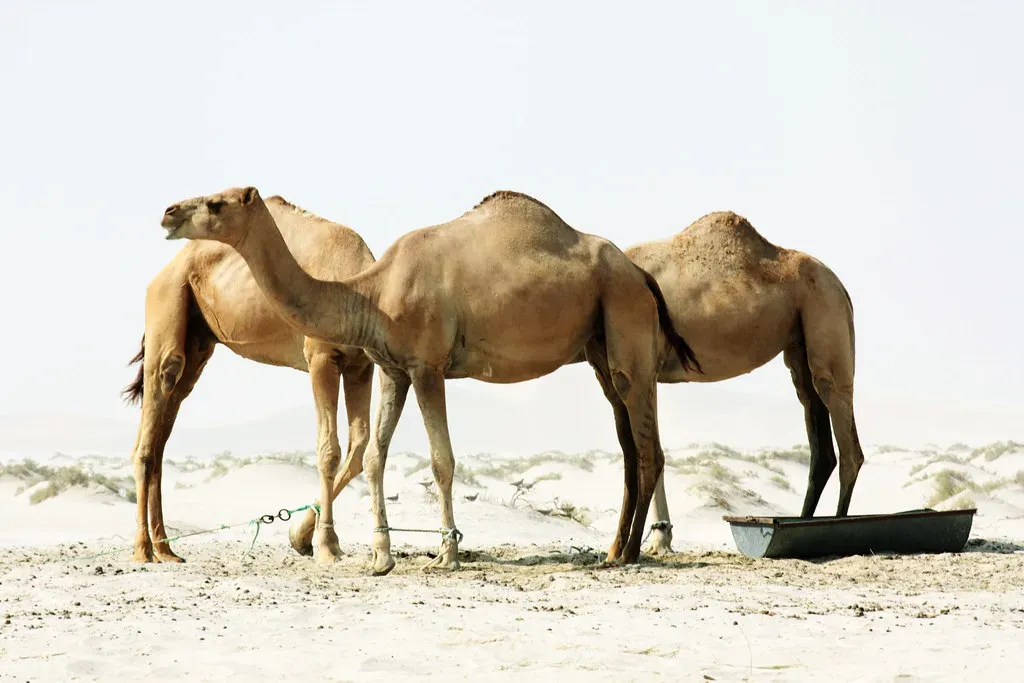
When you picture desert survival, you probably think of camels first – and for good reason. You face trouble after just a few hours in desert sun without water, but a camel can go for long stretches with little to drink while carrying heavy loads across sand dunes. Its whole body is engineered for heat and scarcity, from its iconic humps to its feet to its blood.
The hump does not hold water like many people assume; it stores fat, which the camel can break down for both energy and some water. Its red blood cells can expand and squeeze through tiny vessels even when water is scarce, helping the animal tolerate dehydration much better than you can. With long eyelashes, closable nostrils, and thick lips that can handle thorny desert plants, the camel is like a walking toolkit for surviving a landscape that constantly tries to dry you out and wear you down.
Water-Holding Frogs: Buried Life in Bone-Dry Lands
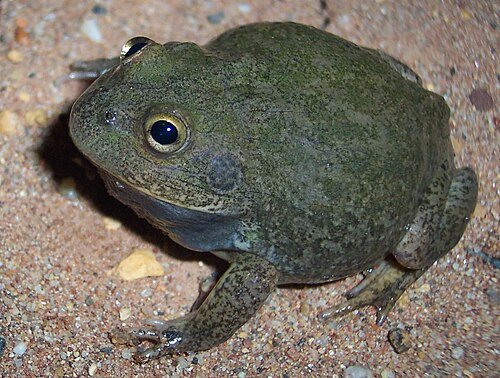
In some of the harshest dry regions of Australia and parts of Africa, you find frogs that almost seem like a magic trick. While you struggle the moment water runs low, these frogs respond to drought by burrowing underground and turning themselves into living water tanks. You might walk right over them without any clue that life is waiting just below your feet for rain that may not come for months.
They store water in their bodies and sometimes even in a cocoon formed from their own shed skin, which slows down evaporation. When the rare heavy rain finally arrives, they emerge almost suddenly, feed, mate, and lay eggs in temporary pools before the world dries out again. If you think about your own life, it is a sharp reminder that timing can be everything: sometimes the smartest move is not to fight conditions head-on but to wait, quietly prepared, until the moment is finally right.
Alpine Ibex: Gravity-Defying Mountain Climbers
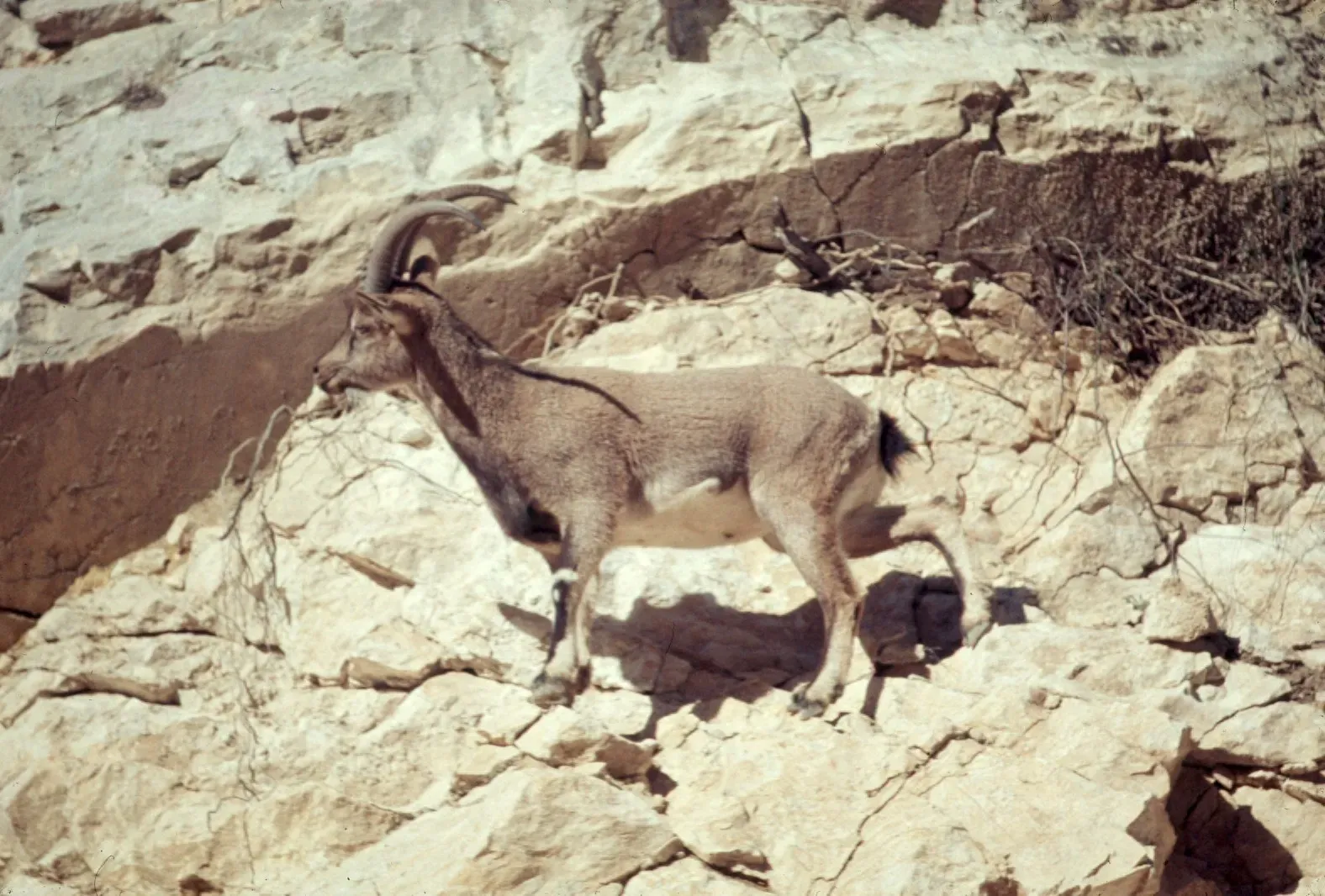
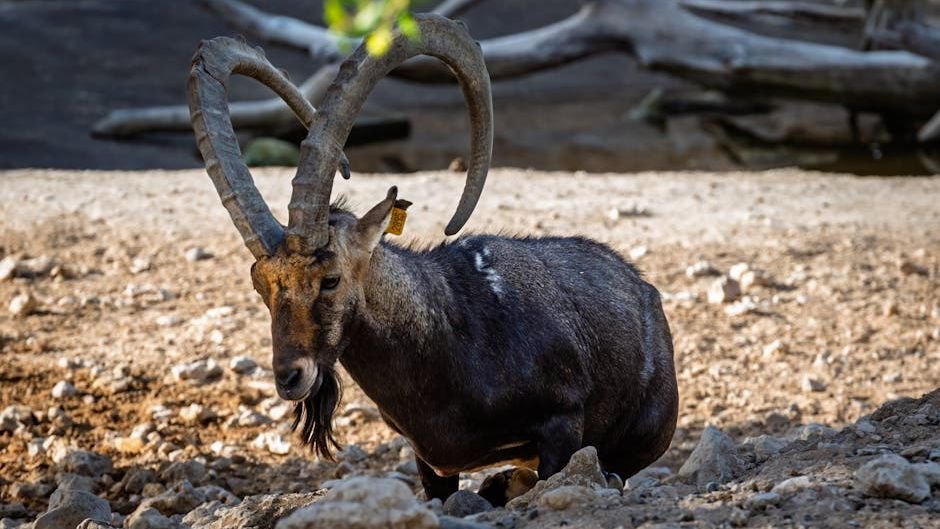
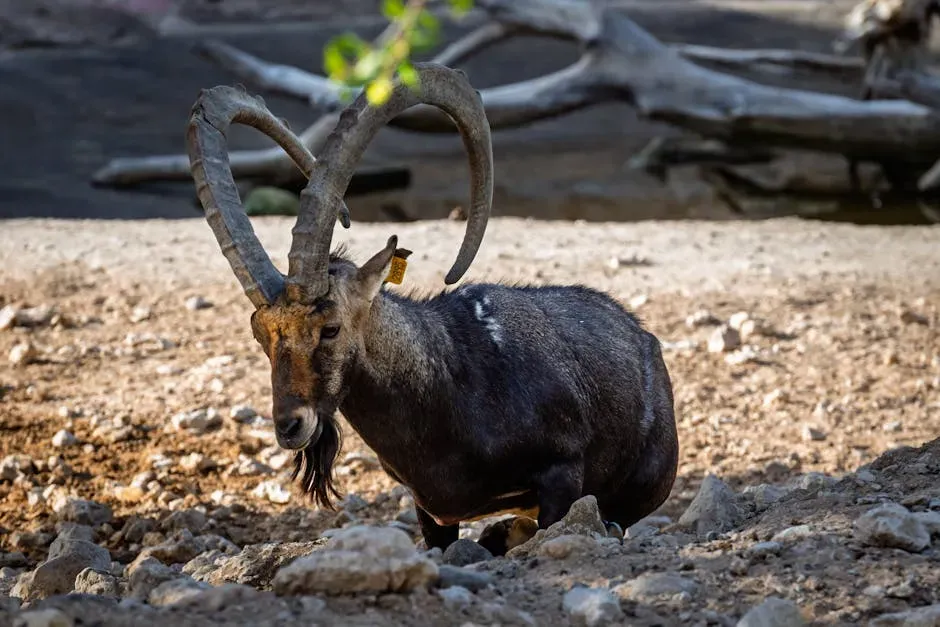
High in the European Alps, where cliffs rise almost vertically and one misstep could mean a fatal fall, the alpine ibex moves around with a calm confidence you might envy. Where you would cling to the rock face in terror, this wild goat is casually climbing steep dam walls and razor-thin ledges to reach mineral-rich licks and safe grazing spots. It lives in a world where the ground is rarely flat and danger is always one slip away.
Its hooves are perfectly adapted for this extreme terrain, with hard outer edges for grip and a softer inner pad that molds to rough rock. Strong shoulders and powerful hind legs let it jump effortlessly between narrow perches that would make your palms sweat just looking at them. By choosing to live where few predators can reach and few competitors dare to go, the ibex turns a dangerous habitat into its best defense. It is a reminder that sometimes the harshest places also offer the greatest freedom if you have the tools to handle them.
Emperor Penguins: Enduring Antarctic Winter
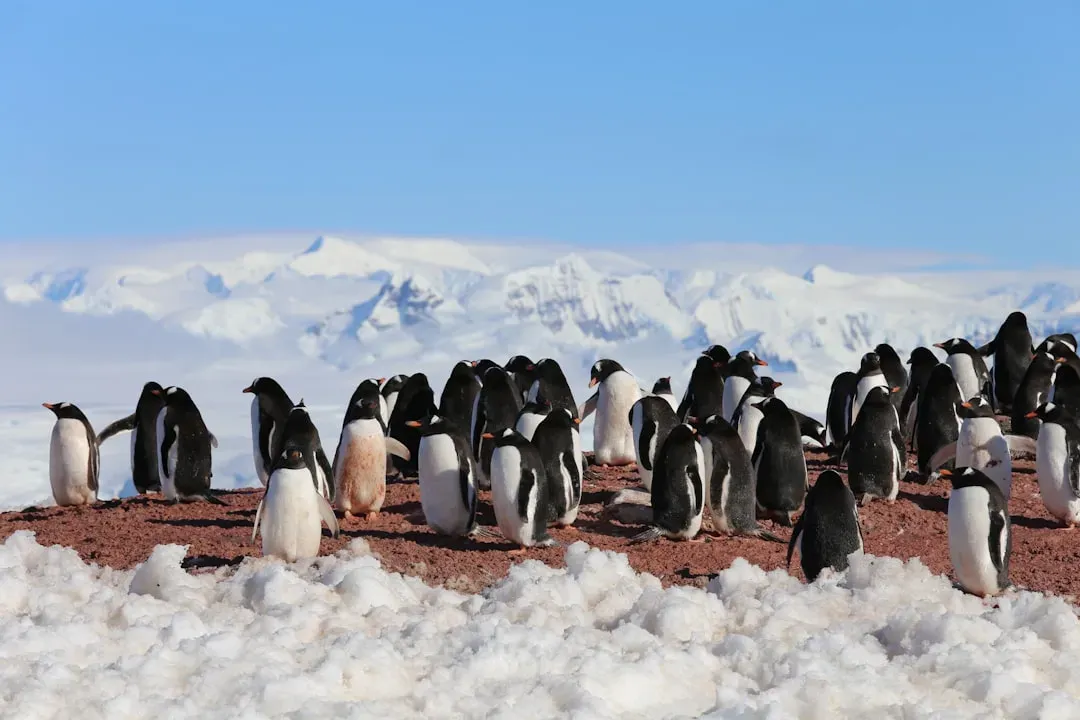
When you step outside on a cold winter day, you probably layer up, rush between warm buildings, and still complain about how freezing it feels. In Antarctica, emperor penguins raise their chicks in conditions that would shut your body down frighteningly fast. Howling winds, bitter cold, and months of darkness form the background of their entire breeding season.
They survive this by huddling together in densely packed groups where individuals rotate from the icy outside to the warmer interior. Their feathers are incredibly dense and their bodies well-insulated, trapping air and heat close to the skin. Males can fast for weeks while incubating eggs on their feet, balancing family survival against a landscape that offers almost no mercy. Watching how they lean on each other makes you see community less as a luxury and more as a life-or-death adaptation in an environment that never lets up.
Thorny Devils: Desert Reptiles That Drink with Their Skin
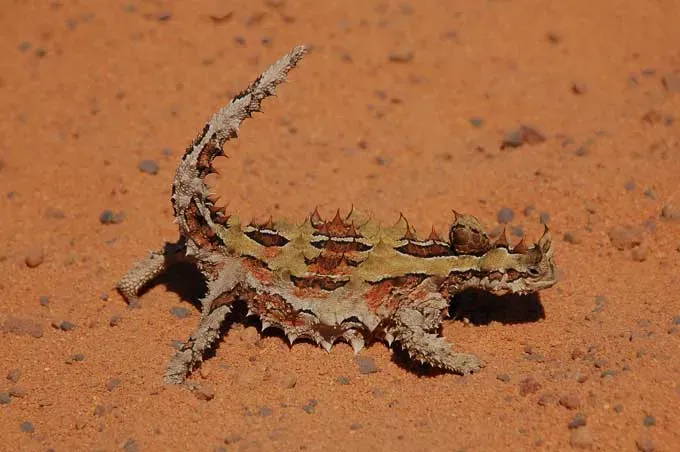
In the scorching Australian outback, the thorny devil lizard looks like a tiny dragon scattered with spikes. If you tried living there, you would constantly worry about running out of water; the thorny devil has turned its entire body into a clever hydration system. Every groove between its scales acts like a microscopic canal that can pull in water from dew, damp sand, or even light rain.
The water travels along these channels all the way to its mouth, so the lizard can drink without needing a puddle or a stream. Its color pattern also helps it blend into the desert, protecting it from predators while it moves slowly and carefully to conserve energy. When you think about survival technology, you might picture high-tech gear, but this lizard proves that sometimes the most remarkable inventions are built directly into skin and bone.
Wood Frogs: Freezing Solid and Coming Back
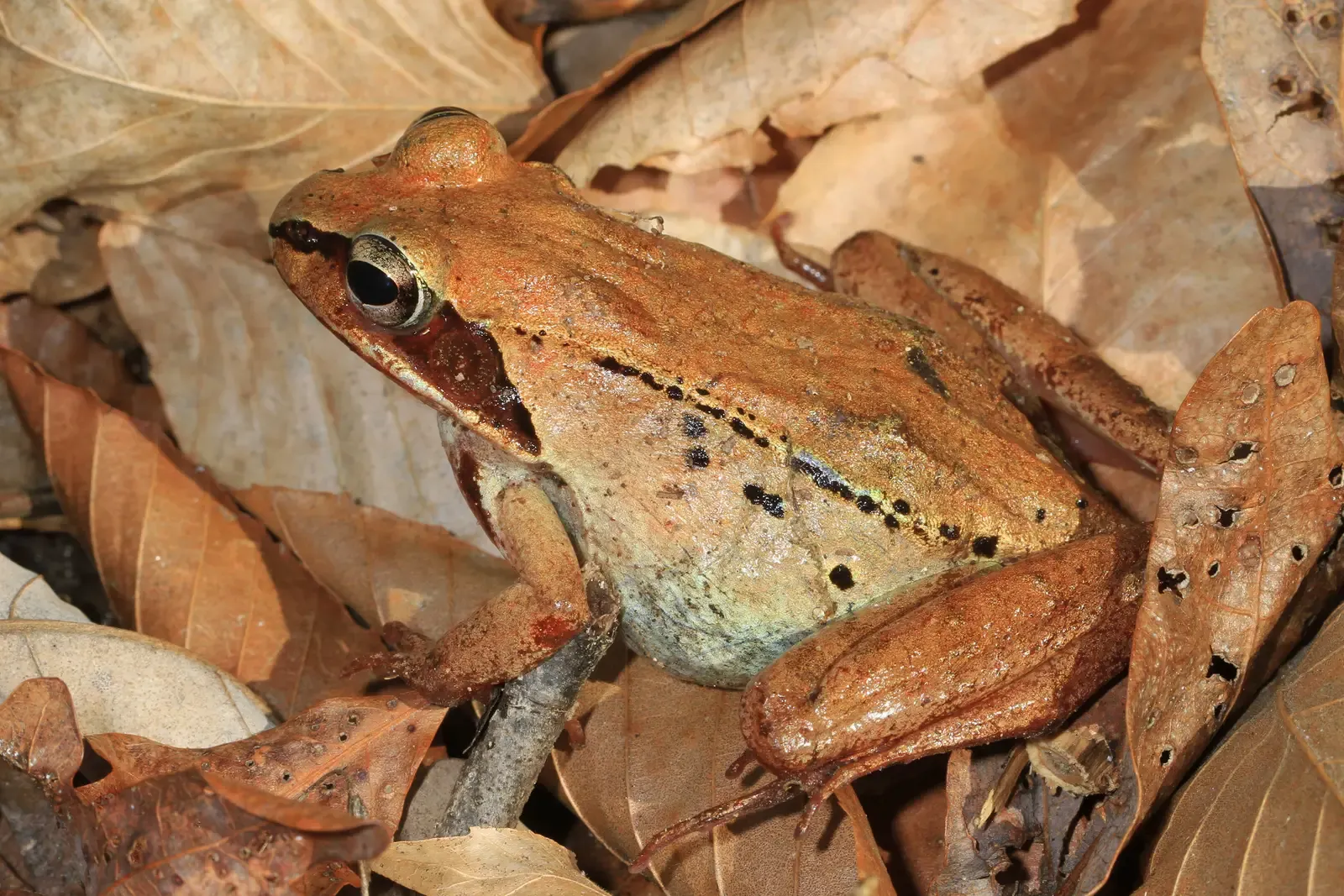
In the boreal forests of North America, winter hits hard, and many animals escape by migrating or hiding deep below the frost line. The wood frog takes a very different approach that sounds almost like science fiction. As temperatures drop, parts of its body actually freeze solid, and its heart stops beating for extended periods.
You would not survive that, but the wood frog does it by flooding its tissues with natural antifreeze compounds like glucose, which help prevent ice from completely wrecking its cells. When spring returns and temperatures rise, the frog thaws out and resumes its life as if nothing happened. It is one of the clearest reminders you will find that what seems like an absolute limit to you is sometimes just a boundary that evolution has already quietly crossed.
Conclusion: What Extreme Creatures Teach You About Resilience
When you zoom out and look at all these creatures together – from microscopic tardigrades to towering camels – you see a shared story of survival against the odds. Each one has found a way to turn a hostile environment into a home, whether that means rewriting the rules of blood, learning to freeze and thaw, or building partnerships with microbes on their skin. You realize that what counts as “harsh” is very relative; for them, it is just Tuesday.
You might never dive to a boiling vent or cross an Antarctic ice field, but the principles you see here still apply to your own life. Adaptation, patience, cooperation, and clever use of limited resources show up again and again as winning strategies. The next time you feel like circumstances are stacked against you, you can remember there is a whole world of wild survivors proving that new ways of living are always possible. Which of these extreme survivors surprised you the most – and what might it change about how you see your own limits?