If you have ever watched a lion stalk across the savanna or a wolf move silently through the snow and felt like they had a certain “vibe,” you are not imagining it. We humans love patterns, and one of the oldest pattern systems we have is astrology. It is obviously not a scientific way to predict animal behavior, but it can act like a playful lens that makes us look more closely at how wild creatures actually live, fight, cooperate, and survive.
In this article, we match ten well-known wild animals with astrological signs that fit their real-world traits strikingly well. Along the way, we talk about how they hunt, raise young, migrate, and adapt to climate change and human pressure. Think of the zodiac here as a storytelling tool, not a lab test. The goal is to deepen your curiosity: when you imagine a “Leo” lion or a “Scorpio” shark, you may start noticing the very real survival strategies that keep them alive in an increasingly stressful world.
#1 Lion – Leo’s Pride and the Pressure of the Savanna
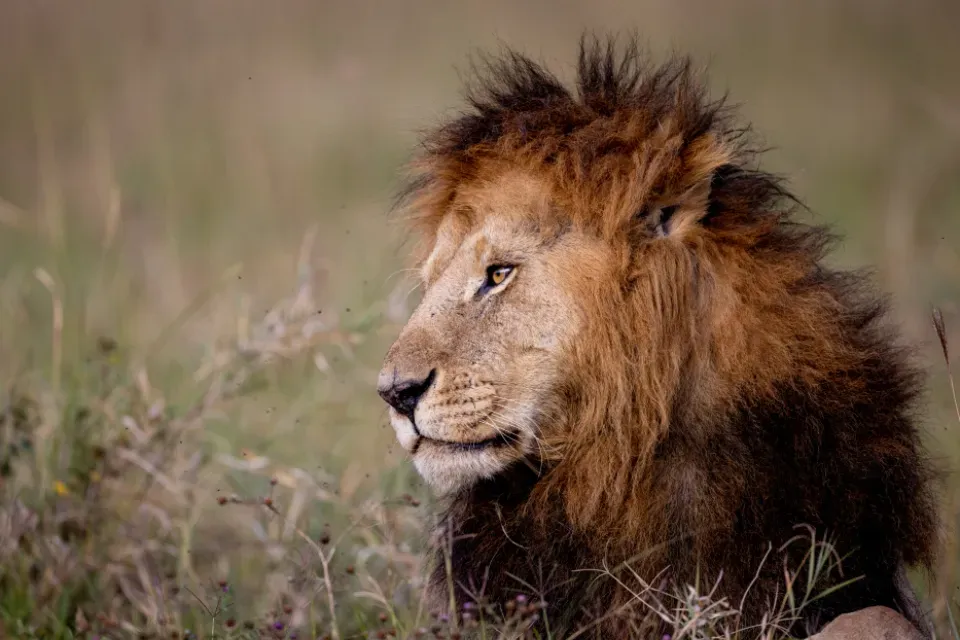
Lions are the easiest match for Leo: social, dramatic, and impossible to ignore. A lion pride really does move like royalty, with confident body language, bold postures, and a clear hierarchy where adult females often drive the hunt and protect the cubs. That famous roar, which can carry for several miles, is not just noise; it is social networking, boundary-marking, and a way of saying this territory is taken. In that sense, lions embody the Leo stereotype of wanting to be seen and heard, whether they are patrolling at dusk or resting under an acacia tree during the heat of the day.
From a survival point of view, the “Leo” flair hides a fragile reality. Lions are powerful, but they rely heavily on healthy prey populations and large, connected territories, both of which are shrinking due to human activity and habitat loss. Their cooperative pride structure is a strength, allowing them to bring down big animals like buffalo, but it is also a weakness: when territory fragments, prides can be squeezed into smaller spaces and conflicts increase. If Leo energy is all about pride and presence, then the lion’s future may depend on whether we allow them enough literal space to keep that presence alive.
#2 Elephant – Taurus Stability in an Unstable Climate
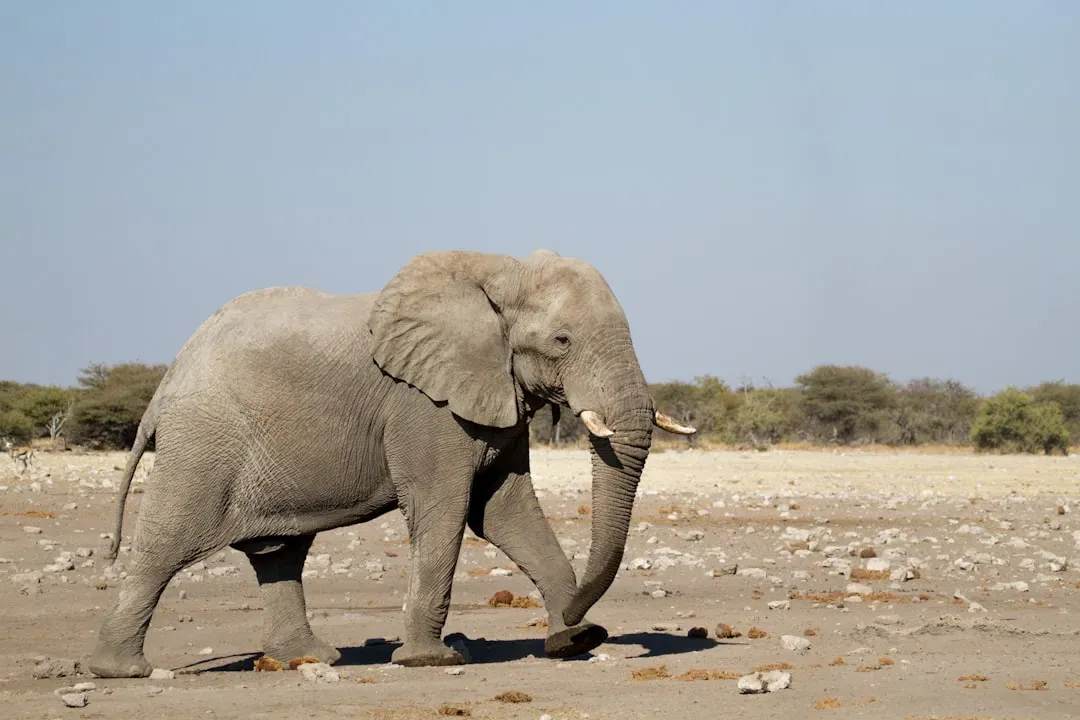
If any animal deserves the calm, earthy sign of Taurus, it is the elephant. Everything about an elephant’s life happens on a large, slow, deliberate scale: long pregnancies, extended childhood, and deep social memory across generations. They move like living mountains, often following traditional routes to water and food that their families have used for decades. This steady rhythm feels very much like Taurus energy, grounded and patient, with a stubborn insistence on routine that actually helps them survive in harsh, changing landscapes.
But that same Taurean stubbornness runs into trouble when climate patterns shift and human fences appear where ancient paths used to be. Elephants need vast home ranges and an enormous amount of vegetation and water, making them extremely vulnerable to drought and habitat fragmentation. When their food sources decline, they sometimes push into farms and villages, escalating conflict with people. In a world that is heating up and closing in, this supposedly unshakable Taurus giant is being forced to adapt faster than it ever has. Whether they can keep their grounded resilience without being pushed into constant crisis could determine if future generations see elephants in the wild or only in photos and stories.
#3 Wolf – Aries Boldness on a Shrinking Frontier
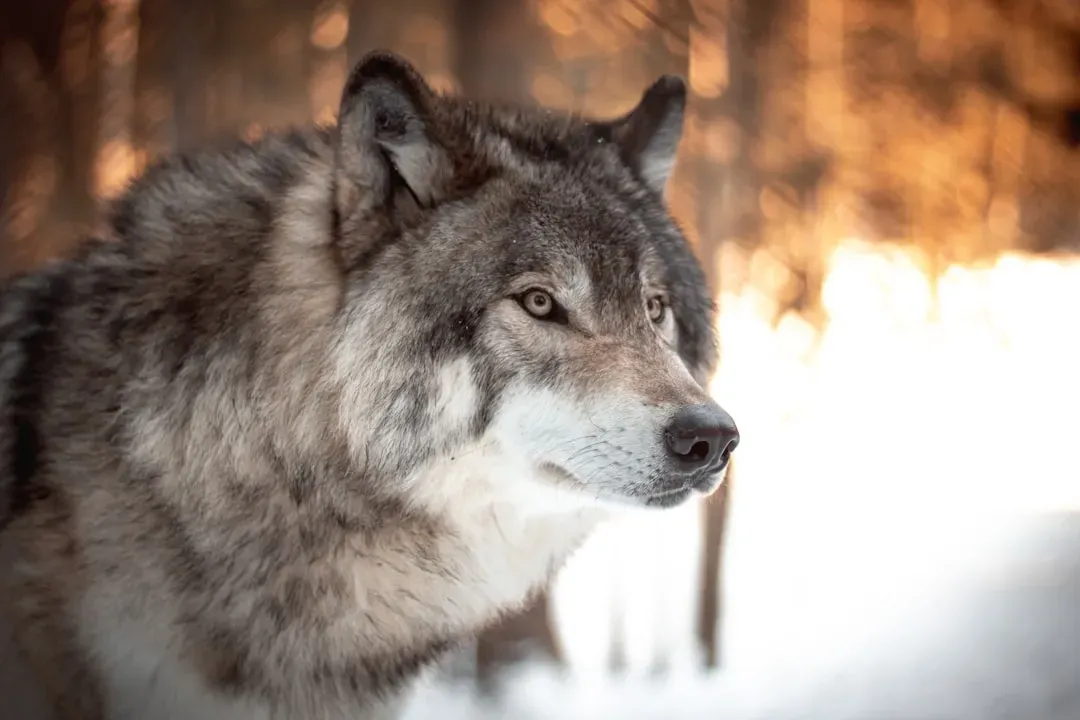
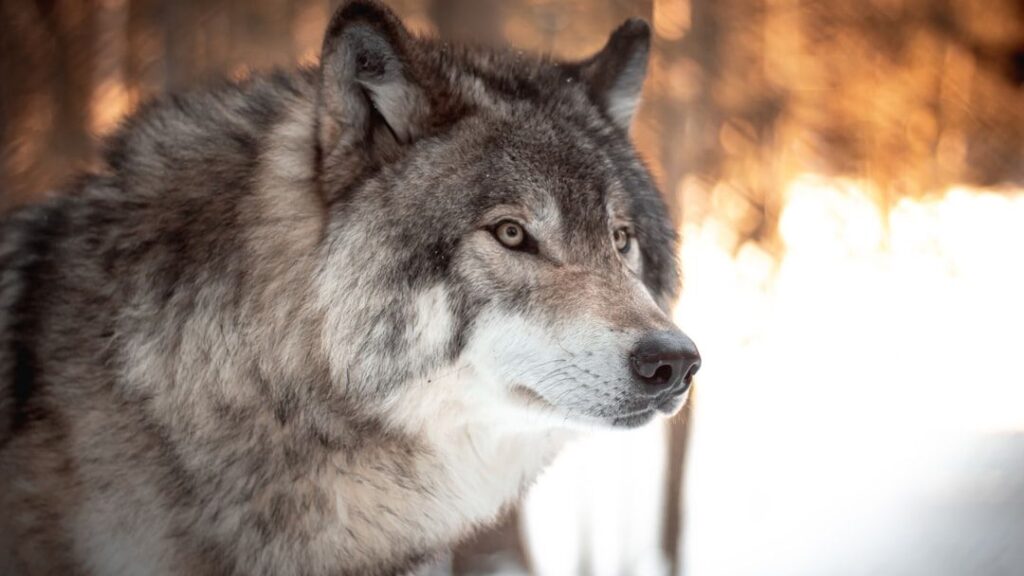
Wolves fit the Aries archetype of the bold pioneer almost perfectly. They are curious, highly mobile, and surprisingly willing to explore new territory, often traveling long distances in search of food and mates. Within a pack, there is a sharp, almost fiery energy when they coordinate hunts, communicate with body language, and test boundaries with neighboring packs. Aries is linked with initiative and courage, and you can see that raw forward momentum in wolves that leave their birth packs and strike out alone, sometimes crossing mountains, highways, and even national borders.
That fearless Aries drive has been both a blessing and a curse for wolf survival. Their roaming behavior increases genetic diversity and helps them reclaim former habitats where they had been wiped out, but it also brings them closer to roads, livestock, and human fear. Where they are protected, wolves can rebound impressively, almost like an Aries that refuses to stay down after a fall. Where they are persecuted, that same boldness makes them easy targets when they venture into the wrong pasture or cross a busy highway. Long-term survival for this “Aries of the forest” depends heavily on whether humans choose coexistence over conflict.
#4 Polar Bear – Capricorn Ambition at the Edge of the World
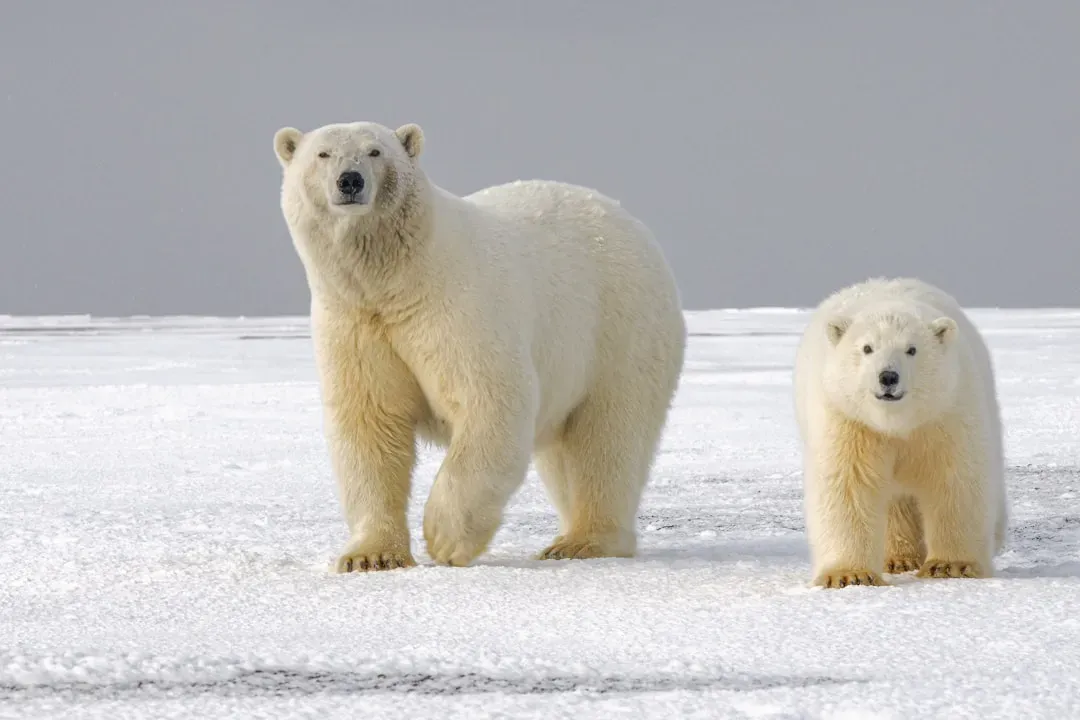
Capricorn is often described as disciplined, ambitious, and tough enough to climb the highest mountain. Translate that into the Arctic, and you get the polar bear: patient, strategic, and built for one of the harshest environments on Earth. Polar bears spend long stretches of time alone, carefully stalking seals or waiting near breathing holes on the sea ice. Their lives are a constant test of endurance, with months of near-starvation balanced by sudden rich meals, which matches the Capricorn theme of enduring hardship to reach a goal.
The brutal twist is that the environment polar bears trained for over thousands of years is rapidly disappearing under their feet. Sea ice is melting earlier in spring and forming later in autumn, which forces them to swim longer distances, roam farther on land, and burn through their fat reserves. In the language of astrology, it is as if Capricorn’s mountain is crumbling while they are still climbing. Their survival now rests less on their own grit and more on whether global society slows climate change enough to preserve the frozen hunting platforms they absolutely depend on. Without that foundation, even the most determined “Capricorn” predator cannot simply will itself to survive.
#5 Dolphin – Gemini Curiosity in a Noisy Ocean
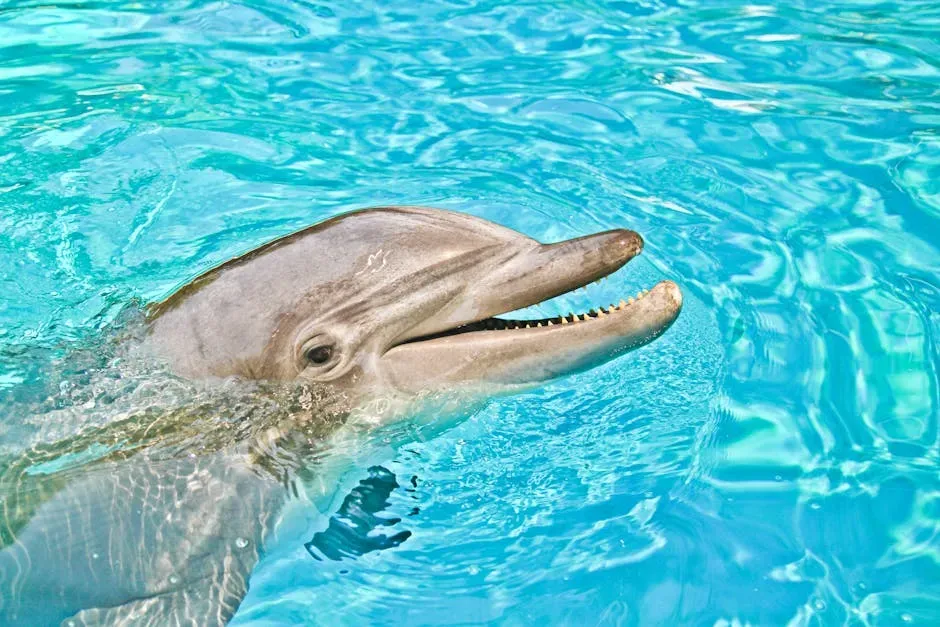
Dolphins are textbook Gemini: social, curious, and intensely communicative. They live in pods, constantly swapping information through clicks, whistles, and body movements, and they often investigate anything new in their environment, from floating debris to passing boats. Their playful behavior is not just fun to watch; it is a form of learning that helps them understand threats, find food, and cooperate with one another. If Gemini is the talkative, quick-thinking sign, dolphins are that archetype in motion, forever “chatting” beneath the waves.
Yet the modern ocean is becoming a difficult place for a communication specialist. Industrial shipping, underwater construction, and naval sonar all add layers of noise that can blur or even drown out dolphin signals. Imagine a Gemini suddenly stuck in a room where everyone is shouting and the lights keep flickering; that is the new reality for many pods. Pollution, overfishing, and entanglement in fishing gear add even more pressure. Dolphins’ Gemini-like flexibility and problem-solving have allowed them to thrive in many coastal areas so far, but the big question is whether their intelligence and social bonds can keep up with the unnatural pace of change we have dumped into the sea.
#6 Octopus – Scorpio Intensity and the Art of Disappearing
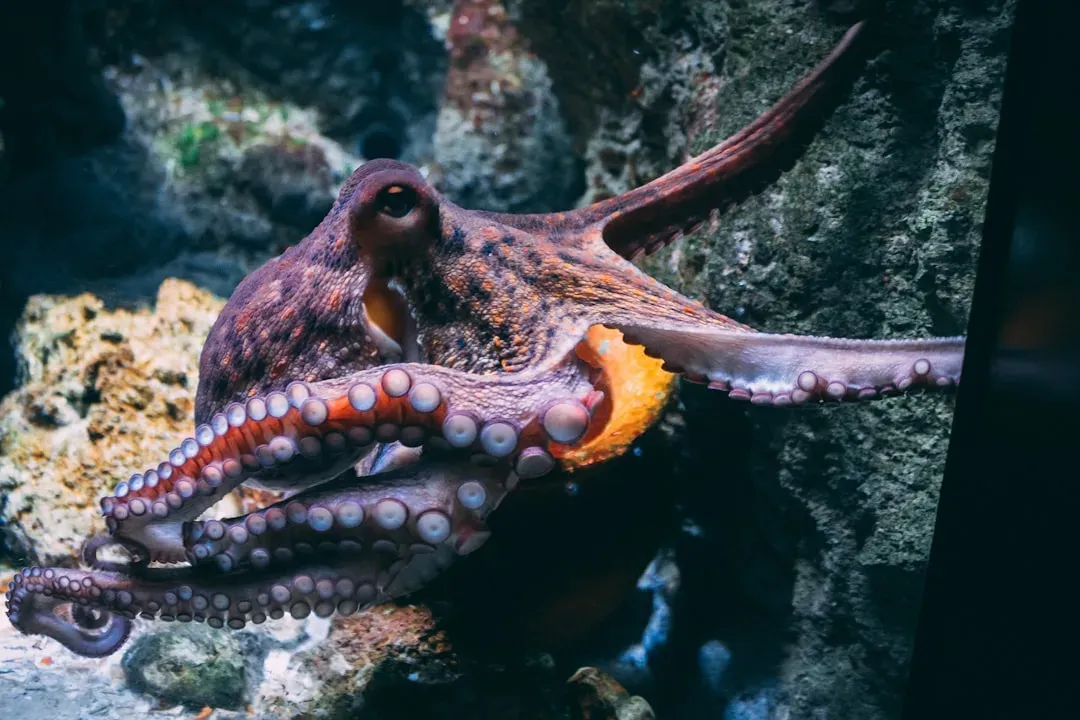
Few animals feel more like Scorpio than the octopus: secretive, intense, and full of hidden abilities. Octopuses can change color and texture in an instant, squeeze through gaps that look impossibly small, and solve puzzles that would frustrate many mammals. They live much of their lives in crevices, under rocks, or in dens they customize, emerging stealthily to hunt or explore under cover of darkness. This mysterious, almost otherworldly behavior mirrors Scorpio’s association with transformation, secrecy, and deep emotional undercurrents.
From a survival standpoint, the octopus strategy is all about staying unseen until it decides to act. Camouflage, ink clouds, and sudden bursts of speed let them escape predators and surprise prey, but they also have relatively short lifespans and reproduce only once in many species. That intense, all-or-nothing Scorpionic energy fits a life that burns bright and brief. Interestingly, some octopus populations seem to do well in slightly warmer waters and overfished areas where their predators decline, suggesting a capacity to exploit human disturbance. Still, ocean acidification, pollution, and habitat destruction threaten the coral reefs and rocky habitats they rely on. Even a master of disappearance cannot vanish from damage that covers entire regions of the sea.
#7 Giraffe – Libra Balance on a Fragile Horizon
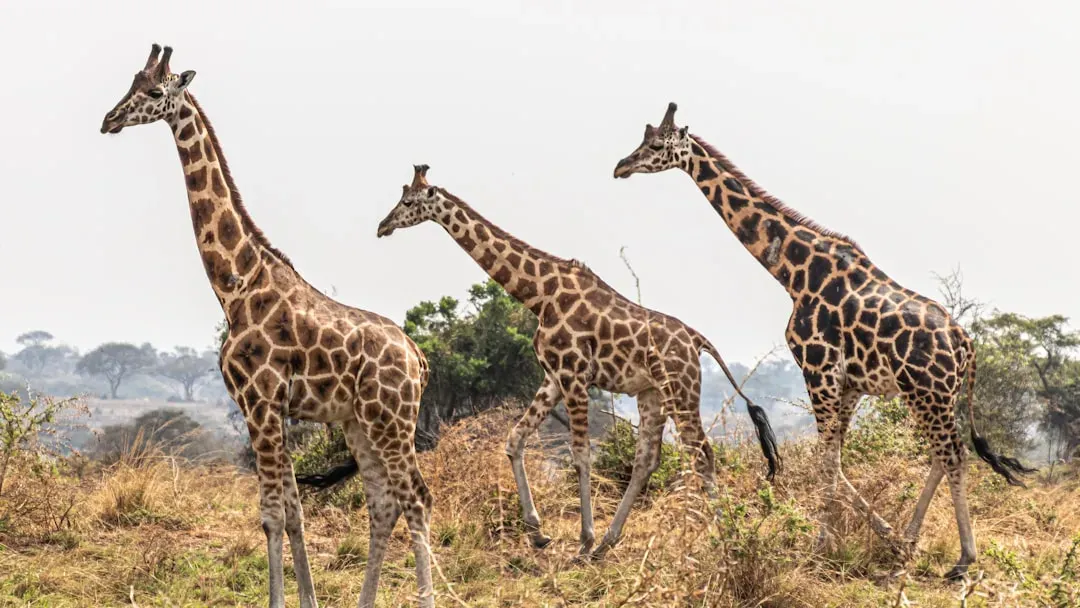
Giraffes, with their long legs and impossibly elegant necks, are a natural fit for Libra, the sign of balance, beauty, and social grace. Watching a giraffe move across the savanna feels like watching slow-motion poetry: every step measured, every glance scanning the horizon. They live in loose social groups, often forming calm, fluid associations rather than rigid, aggressive hierarchies. This gentle, composed energy reflects Libra’s preference for harmony and minimal conflict, especially in open landscapes where visibility is high and surprise attacks are deadly.
Their survival, however, is far less serene than it looks. Giraffes need wide areas of savanna and woodland that provide acacia leaves and other foliage at different times of year, and as humans expand agriculture and infrastructure, those habitats shrink or break apart. In some regions, giraffe numbers have dropped significantly, almost quietly, because they are not as loudly discussed as lions or elephants. In a way, they are like Libra at a crowded party, trying to maintain grace while being slowly squeezed toward the exit. Conservation efforts that maintain connected habitats and reduce illegal hunting are crucial if these icons of balance are to stay upright on a rapidly shifting horizon.
#8 Tiger – Sagittarius Wanderlust in a Patchwork Forest
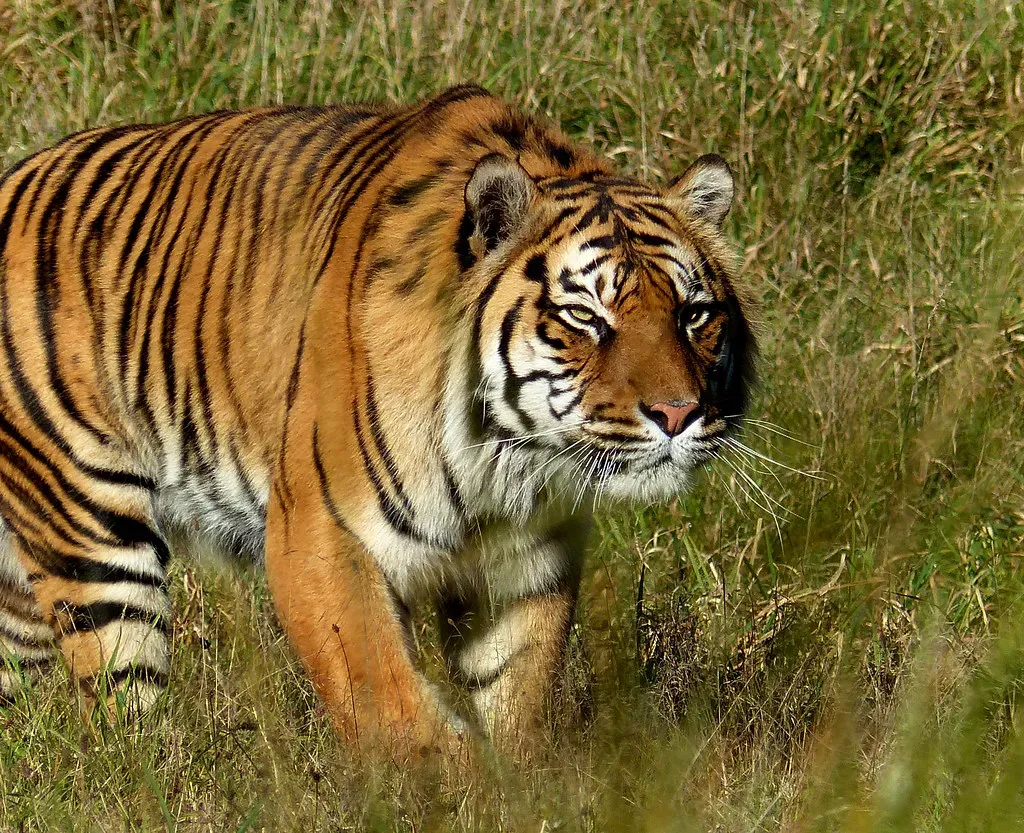
Tigers embody Sagittarius: independent, far-ranging, and driven by an instinct to roam. A single tiger can command a territory that stretches across large swaths of forest, wetland, or grassland, patrolling with quiet confidence. They are powerful hunters that rely on stealth and patience, but their survival also depends on the freedom to move, explore, and find mates across distance. Sagittarius is associated with journeys and big horizons, and the tiger’s need for space is the wild version of that restless, searching spirit.
The problem is that the tiger’s natural “travel map” has been chopped into pieces. Roads, farms, towns, and plantations turn once-continuous forests into a patchwork, forcing tigers to cross risky areas where they encounter people and livestock. In some places, careful protection and habitat corridors are helping tiger numbers slowly recover, showing that when you give this Sagittarius predator room to roam, it is surprisingly capable of bouncing back. In others, poaching and fragmentation keep pushing them toward the edge. The fate of tigers may ultimately hinge on whether we treat their landscapes like connected journeys or like isolated islands they cannot safely travel between.
#9 Orca (Killer Whale) – Aquarius Rebels in a Changing Sea
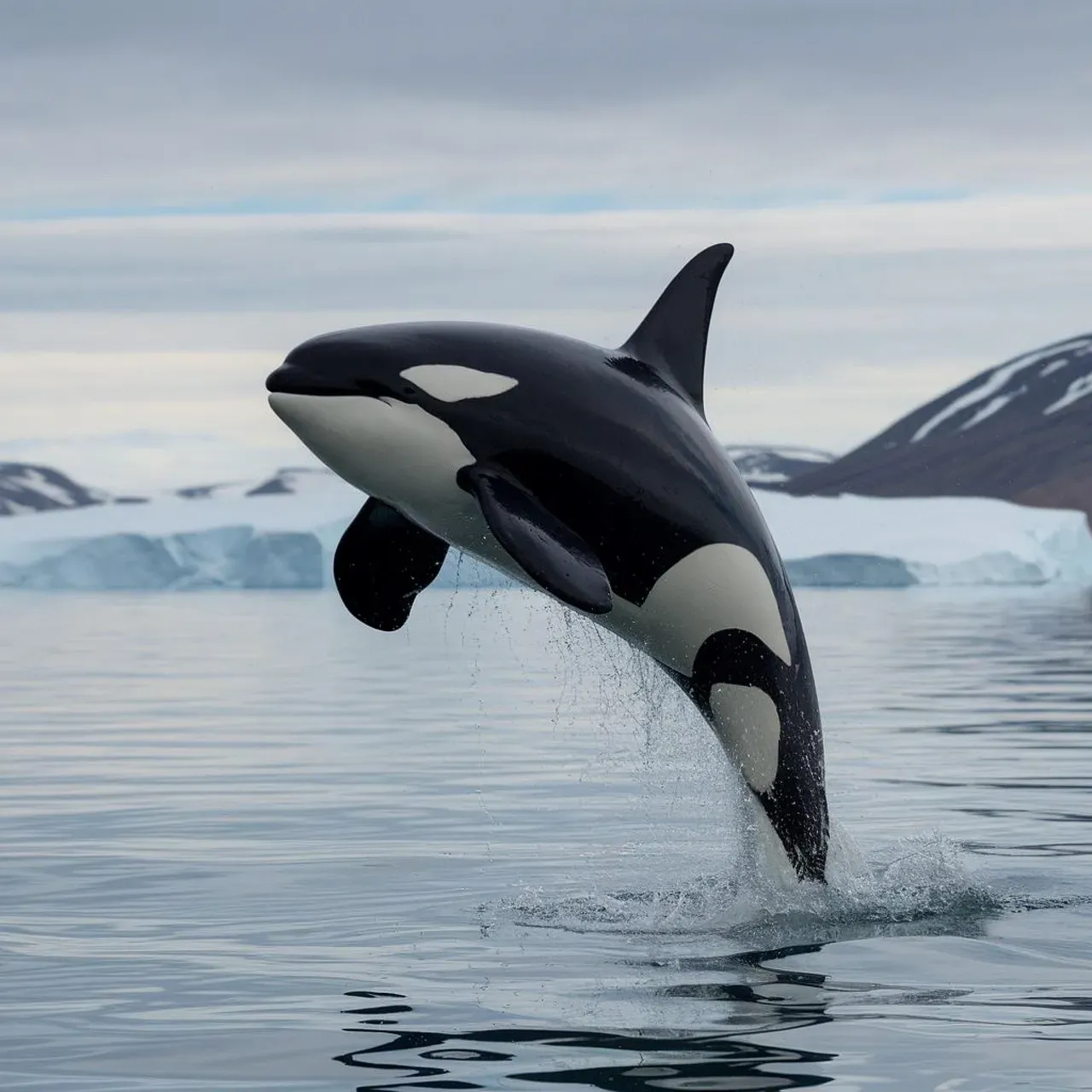
Orcas fit Aquarius almost eerily well: intelligent, unconventional, and intensely group-focused, with culture that varies from pod to pod. Different orca populations develop their own hunting techniques, dialects, and traditions, passing them down through generations like a kind of oceanic folklore. This uniqueness and innovation echo Aquarius traits of originality and social idealism, as if each pod is a small, experimental society testing new ways to live and hunt together.
Yet these “Aquarian rebels” are facing rapid changes they did not choose. Pollution builds up in the bodies of top predators like orcas, sometimes affecting their health and reproduction, while overfishing can reduce the availability of key prey such as salmon. Noise from ships and industrial activity interferes with their complex vocal communication and echolocation. Some populations are struggling, while others remain relatively stable, highlighting how sensitive orca survival is to specific local conditions. Their future will likely depend on whether human societies, in true Aquarian fashion, decide to redesign our relationship with the ocean in a way that respects their sophisticated cultures instead of drowning them out.
#10 Honey Badger – Virgo Precision in a World of Chaos
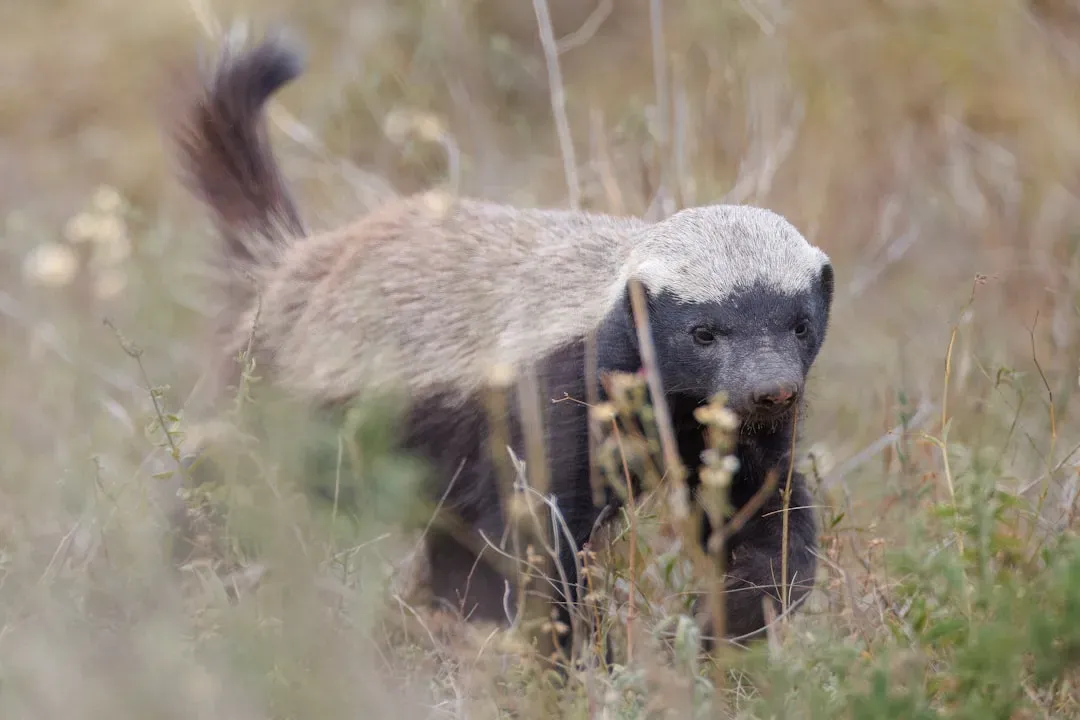
Matching the ferocious honey badger with Virgo might seem odd at first, but look closely at how they operate. Virgo is associated with analysis, practicality, and quiet efficiency, and honey badgers are astonishingly methodical when they forage, dig, and raid. They use sharp claws and strong forelimbs to open burrows, overturn rocks, or crack into tough food sources, checking one spot after another with almost obsessive focus. Despite their tough reputation, a lot of their survival success comes from knowing exactly where to search and how to exploit opportunities, not just from raw aggression.
What makes them fascinating is how that Virgo-like precision plays out in unpredictable environments. Honey badgers live in varied landscapes where food can be patchy, predators lurk, and human settlements keep expanding. Their ability to learn, remember, and adapt their foraging tactics gives them an edge, allowing them to survive where more specialized animals might fail. At the same time, emerging threats like habitat loss and conflict with farmers can still put pressure on local populations. Even the most meticulous survivor can be pushed too far if the surrounding chaos becomes constant and extreme.
Conclusion – Astrology as a Lens, Not a Lifeline
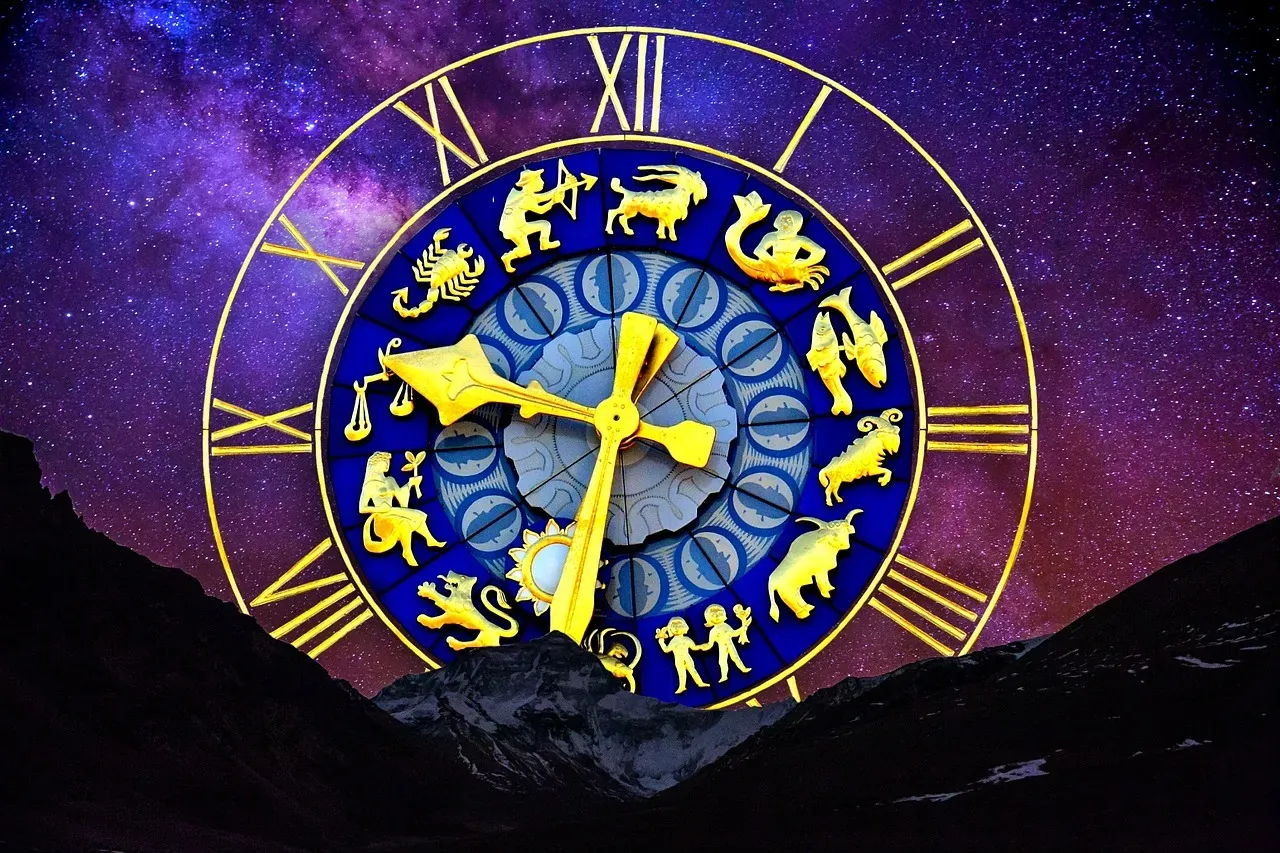
Looking at wild animals through the lens of astrology is not about proving that the stars control their fate; it is about paying sharper attention to the personalities and survival strategies they already display. Calling a lion a Leo or an octopus a Scorpio is a playful shorthand for real traits like social structure, camouflage, or territory size, all of which are rooted in biology and ecology. When we link those traits to symbolic signs, we sometimes feel closer to the animals themselves, as if their struggles and strengths rhyme with our own. That emotional bridge matters, because people are more likely to fight for what they understand and feel connected to.
At the same time, it would be naïve and frankly irresponsible to suggest that a zodiac sign will save a species from climate change, habitat loss, or pollution. The lion’s pride, the polar bear’s discipline, or the dolphin’s intelligence are not magical shields; they are tools that evolved for a world we are rapidly rewriting. My own view is that if astrology helps someone care enough to learn the real science, it has done something useful, but it should never replace facts. The stars can give us stories, but the choices we make on the ground and in the water will decide whether these animals keep writing their own. When you picture your favorite “zodiac animal” now, do you see just a symbol, or a living creature whose survival is partly in your hands?