You think you’ve seen weird? The animal kingdom laughs at that confidence. Hidden in oceans, rainforests, deserts, and even under your own feet are creatures so bizarre that they feel like they escaped from a sci‑fi concept sketch. Yet they’re very real, very alive, and quietly rewriting what you assume “normal” life looks like on Earth. In this tour, you’re going to meet animals that never grow up, fish that look like melting cartoons, primates that tap on trees like living x‑ray machines, and tiny desert armadillos that seem designed by a child with a pink crayon and too much imagination. As you read, notice how often your basic rules about bodies, senses, and survival get broken. By the end, you may feel less like you live on a familiar planet and more like you’ve been dropped onto a biological playground with no instruction manual.
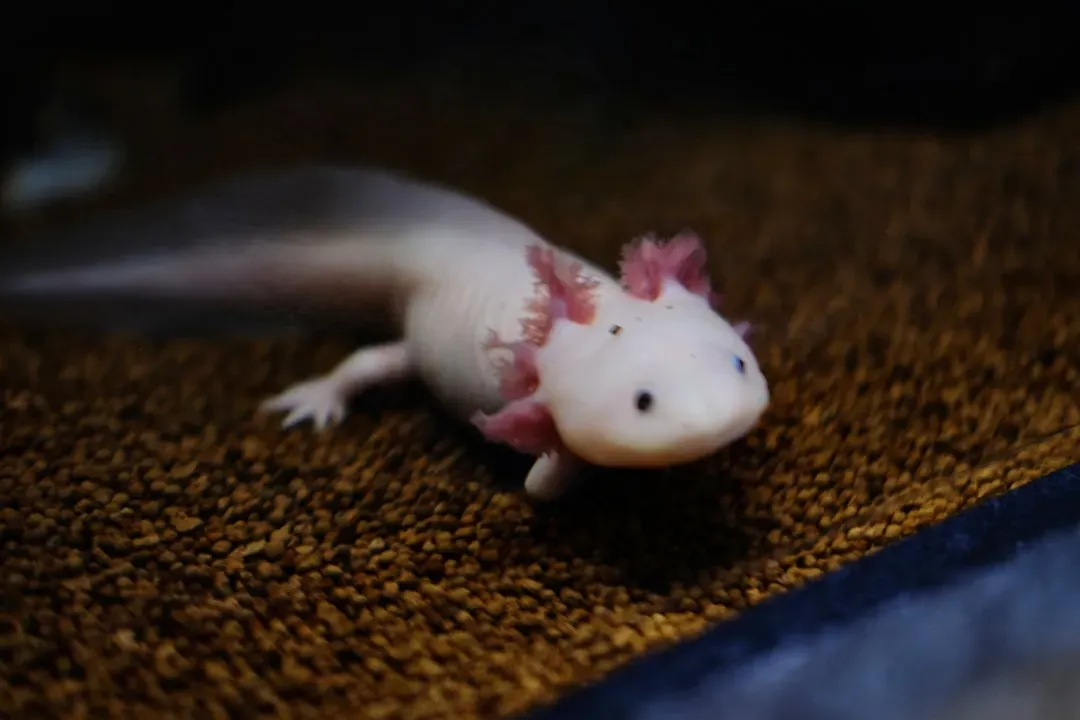
1. Axolotl – The Animal That Refuses to Grow Up
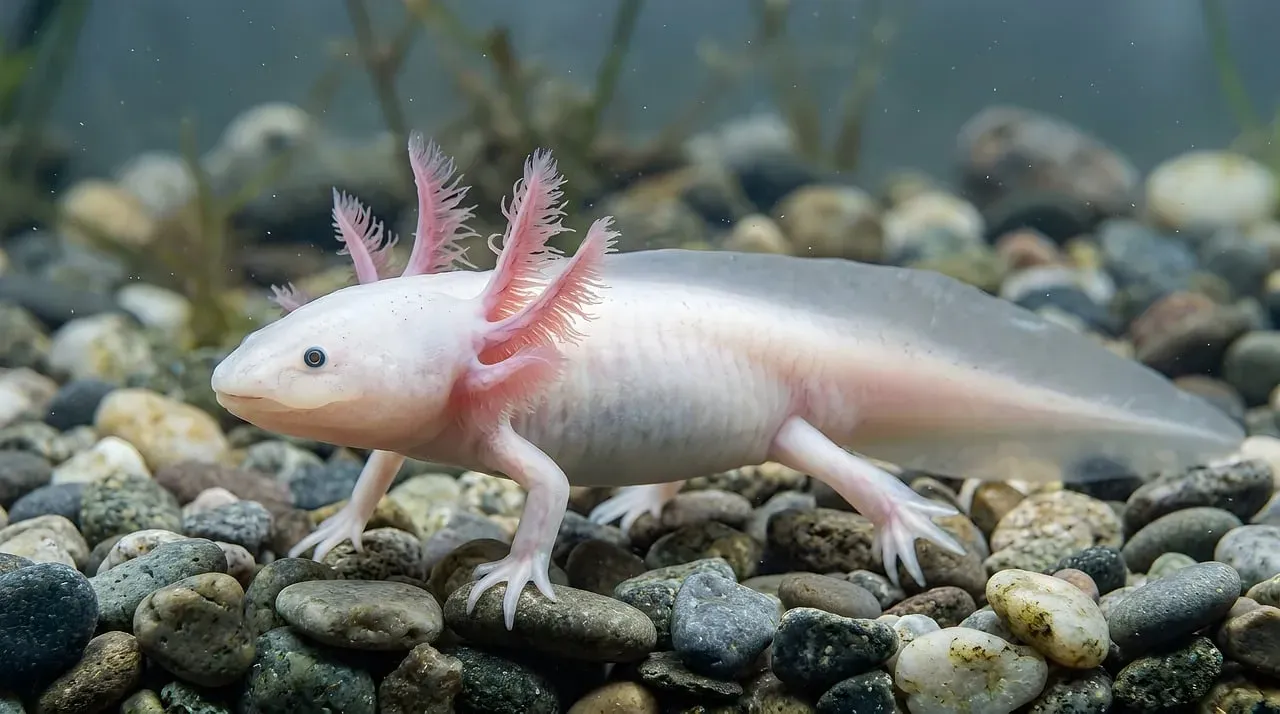
You’re used to the idea that baby animals eventually grow into adults, right? The axolotl politely declines. This Mexican salamander spends its entire life in what is basically a teenage phase, keeping its feathery external gills, finned tail, and wide, baby‑faced expression instead of transforming into a land‑dwelling adult. Biologists call this trick neoteny, but to you it just looks like a creature that chose permanent youth over responsibility. It lives mostly in and around the remnants of ancient lakes near Mexico City, and in captivity it has become a favorite in labs and aquariums because it’s both hardy and undeniably charming. On top of its strange life cycle, you’re looking at a regeneration superstar. If an axolotl loses a leg, part of its tail, or even sections of its spinal cord and heart tissue, it can regrow them with minimal scarring, almost like its body hits a reset button. Researchers study axolotls hoping to uncover clues that might one day help humans heal more completely after injuries. When you watch one lazily paddling around, looking like a smiling cartoon with pink gills for a crown, it’s easy to forget you’re staring at one of the most important model animals in modern regenerative biology.
2. Blobfish – Deep-Sea Survivor With a Terrible Press Photo
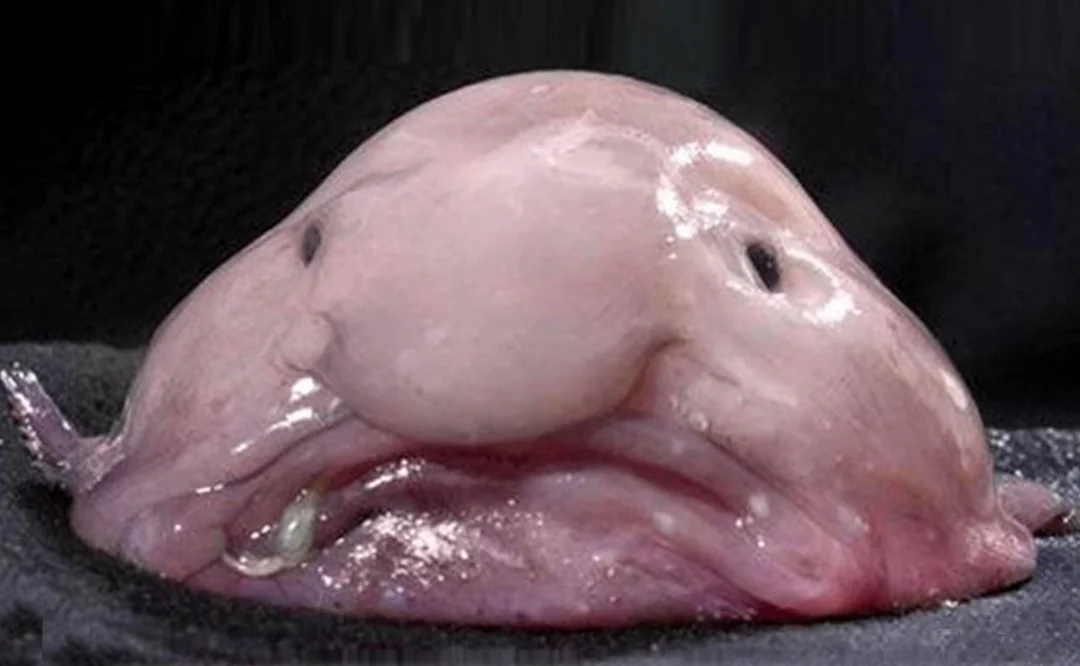
If you’ve ever seen the viral image of a saggy, pinkish fish that looks like a grumpy melting face, you’ve met the blobfish at its absolute worst. What you are actually seeing there is a deep‑sea fish dragged to the surface, where the pressure suddenly drops and its jelly‑like body collapses out of shape. In its real home far beneath the ocean off Australia and New Zealand, the blobfish looks more like an ordinary, streamlined fish and not a sad scoop of gelatin. Its soft body is actually a clever adaptation, allowing it to float just above the seafloor without wasting energy on swimming. Instead of chasing prey, the blobfish lets food come to it, hovering like a lazy ghost while edible bits drift by. This low‑effort lifestyle makes perfect sense in the deep ocean, where food is scarce and every burst of energy counts. Yet because of that one infamous photograph, the blobfish has been crowned “the ugliest animal” and turned into a running joke. If you think about it, though, the joke’s really on us: you’re judging a specialist of crushing depths based on how it looks in an environment where it was never meant to survive in the first place.
3. Aye-Aye – The Nighttime Tree Tapping Specialist
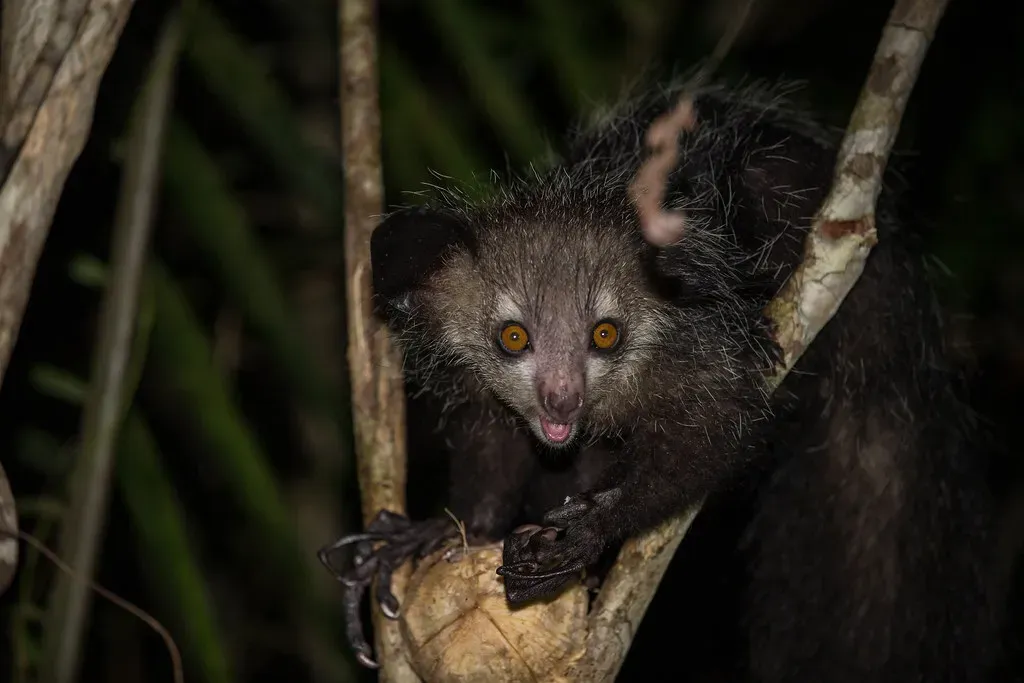
Imagine walking through a rainforest in Madagascar at night and hearing faint tapping above your head, like someone drumming their fingers on wood in the dark. That sound might be an aye‑aye, a nocturnal lemur that hunts in a way almost no other primate does. You notice its oversized ears, big eyes, shaggy fur, and then you see it: an absurdly long, bony middle finger that looks like it belongs on a different animal altogether. The aye‑aye uses that finger as a tool, tapping on branches to listen for hollow spots where insect larvae hide. It’s like watching a furry, tree‑climbing metal detector at work. Once it locates a grub, the aye‑aye gnaws a hole in the bark with rodent‑like teeth and snakes that thin finger inside to hook out its prize. You’re looking at something that behaves more like a woodpecker than a monkey, which is part of why it feels so uncanny. Unfortunately, its eerie appearance and nighttime habits have fueled local superstitions that paint it as a bad omen, and that has led to persecution in some areas. When you understand what it’s actually doing, though – using echolocation‑style tapping and a built‑in insect fishing rod – you start to see it less as a symbol of fear and more as a strangely ingenious problem‑solver.
4. Star-Nosed Mole – The Underground Speed Eater
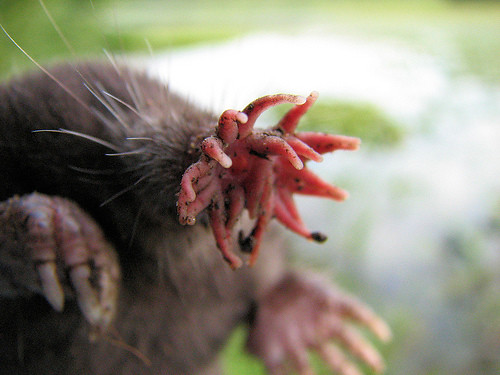
If you think you’ve seen weird noses, you haven’t met the star‑nosed mole yet. Native to wet lowlands in parts of the United States and Canada, this small, semi‑aquatic mole has twenty‑two fleshy, pink tentacles radiating from its snout, forming a star that looks almost like something out of a horror game. To your eyes it might seem grotesque, but to the mole it’s a supercharged sensory device packed with tens of thousands of touch receptors. Because it lives in near darkness, it doesn’t rely on sight; instead, it “sees” through that star. When this mole forages, the tentacles flick across soil, roots, and water at incredible speed, sampling the environment in tiny fractions of a second. Experiments have shown that it can identify and decide whether to eat a piece of food faster than you can blink, making it one of the quickest eaters known among mammals. It even hunts underwater, blowing bubbles and then inhaling them back through its nose to smell what’s around. You might look at it and feel unsettled at first, but as you realize that every tentacle is basically a hyper‑sensitive fingertip, the star‑nosed mole starts to feel less like a monster and more like an underground superhero with a bizarre but brilliant mask.
5. Mantis Shrimp – The Technicolor Underwater Boxer
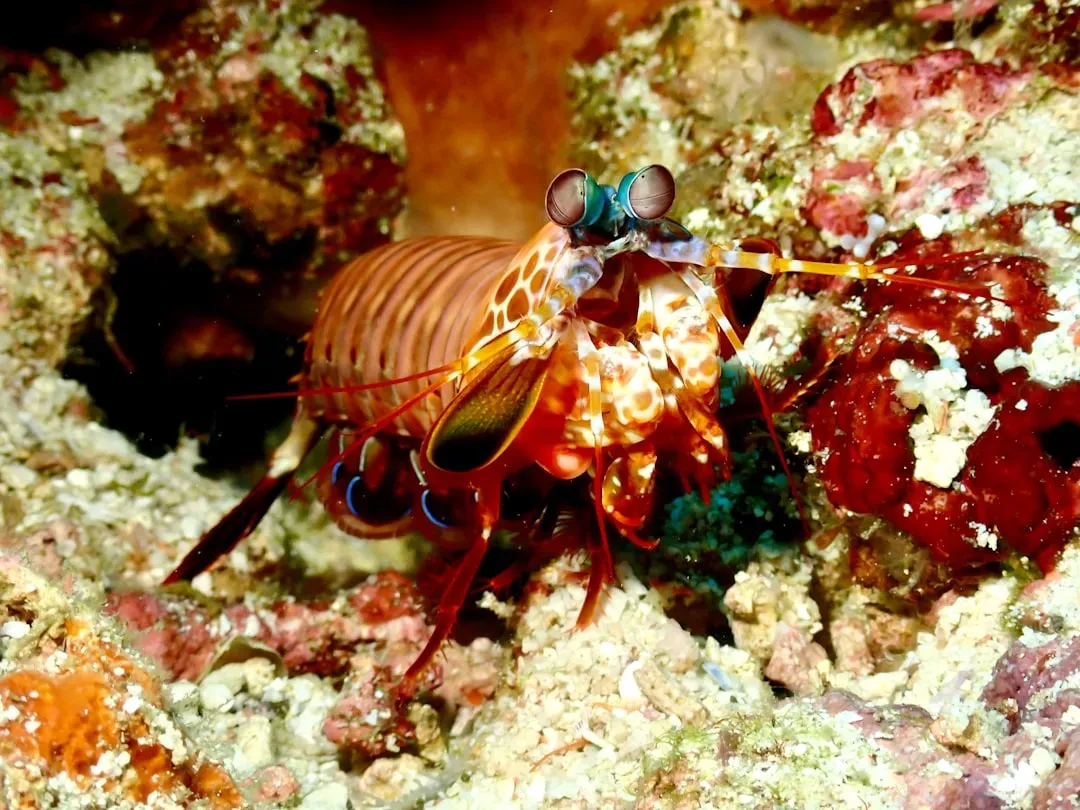
At first glance, a mantis shrimp just looks like a flashy little sea creature painted with every bright color the ocean had left over. But once you look closer, you realize you’re dealing with one of the strangest and most extreme predators in shallow tropical waters. Its front limbs are modified into either smashing clubs or stabbing spears, and when it strikes, those limbs accelerate so fast that they create shockwaves in the water. If you could see it in slow motion, you’d watch the limb move with such force that it can crack aquarium glass or break open hard shells that would defeat most other hunters. Then there are its eyes, and this is where your concept of “seeing” gets redefined. Human eyes detect three main color channels, but mantis shrimp have many more color receptors and can detect polarized light that you don’t even notice exists. You are effectively colorblind compared to this animal. It uses that visual power to communicate with its own kind and to track prey and rivals in complex coral environments. When you combine those devastating punches with an almost alien visual system, the mantis shrimp starts to feel like a tiny, armored gladiator with built‑in high‑tech goggles.
6. Platypus – The Living Mash‑Up That Shouldn’t Work
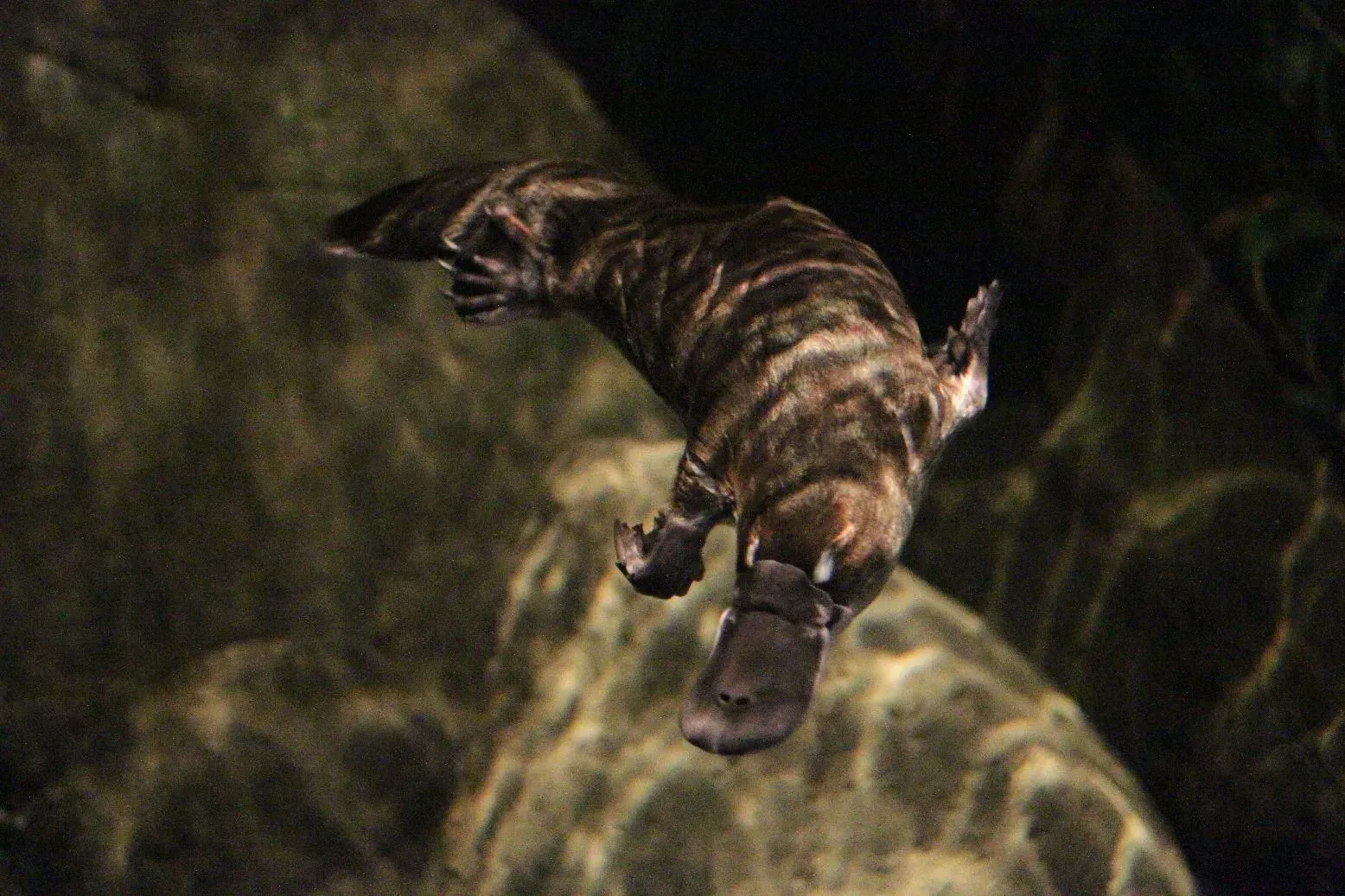
If someone described an animal to you as having a duck‑like bill, beaver‑style tail, webbed feet, fur, egg‑laying habits, and venomous ankle spurs, you’d probably assume they were joking. That’s essentially the platypus, a semi‑aquatic mammal from eastern Australia that looks designed by committee. Early European scientists who examined specimens genuinely suspected they were stitched‑together fakes, because the combination seemed too absurd to be real. Yet every part of the platypus has a purpose tied to its river and creek lifestyle. The bill, for example, isn’t just for show; it’s loaded with sensitive cells that detect tiny electrical signals produced by the movements of prey. As you watch a platypus forage, it often closes its eyes, ears, and nostrils underwater, relying mainly on that electro‑sensing bill to find food like insect larvae, worms, and crustaceans on the bottom. Males carry a spur on their hind legs connected to a venom gland, which can deliver an extremely painful sting to rivals or perceived threats. On top of that, the platypus lays eggs like a reptile but nurses its young with milk like other mammals, fitting into a small, ancient group of egg‑laying mammals known as monotremes. When you see all this packed into one body, you start to realize that your categories for “what a mammal should be” are more flexible than you were ever taught.
7. Pink Fairy Armadillo – The Tiny Sand Swimmer
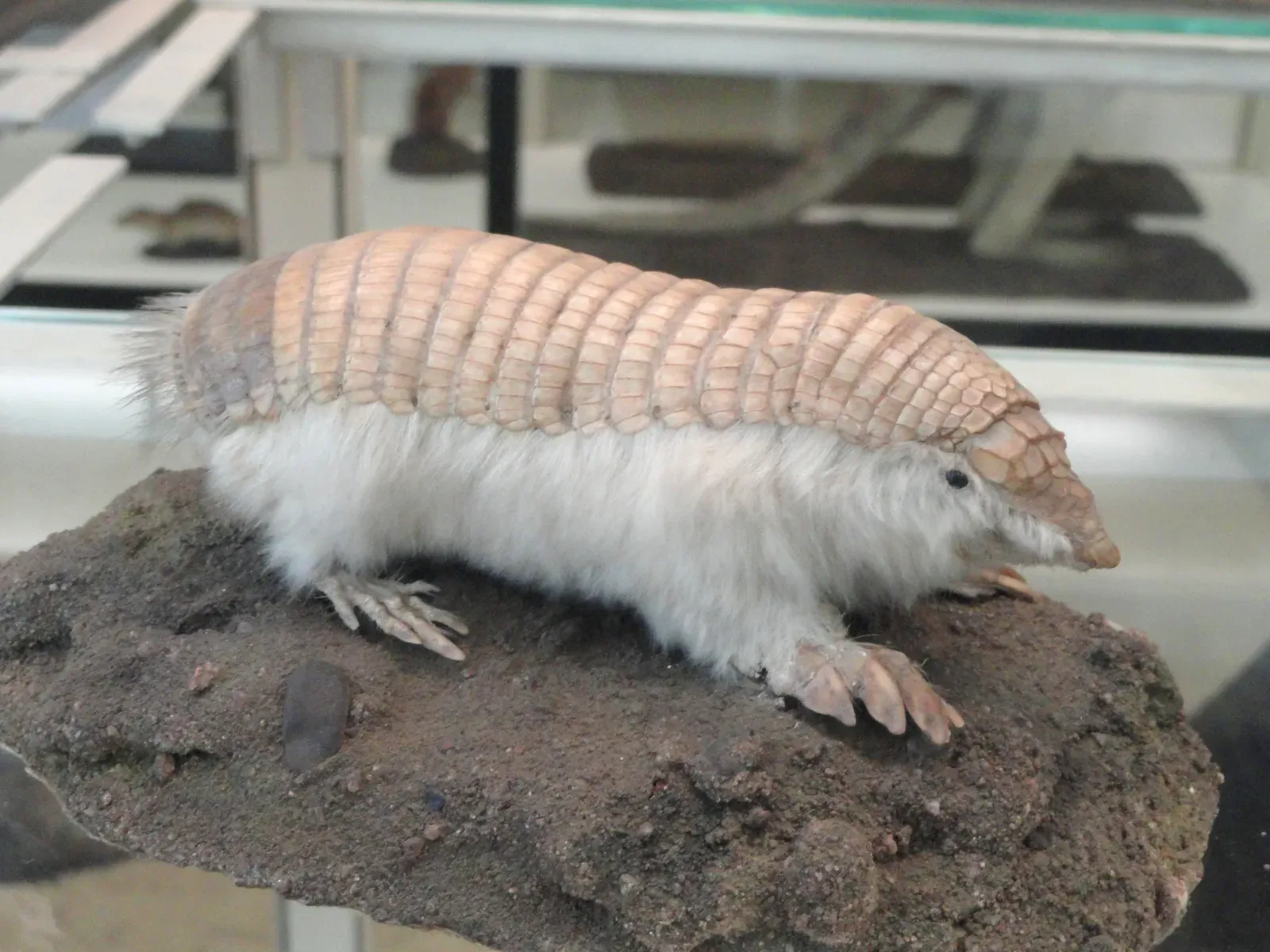
Picture a creature so small it can fit in your hand, wrapped in a bubble‑gum pink shell, with soft fur underneath and comically large claws at the front. That’s the pink fairy armadillo, the smallest armadillo species, found in parts of central Argentina. When you first see it, it feels almost unreal, like a wind‑up toy or a character from a children’s book that wandered off the page. Its shell is attached to the body in a looser way than other armadillos, and its pale pink color comes from blood vessels running near the surface. This unusual setup helps it regulate temperature in a challenging desert environment. Instead of lumbering around on the surface, the pink fairy armadillo treats the upper layers of soil like you treat water. It “swims” through loose sand, using its powerful front claws to dig quickly and move below ground where temperatures are more stable and predators have a harder time following. Because it’s so secretive and fragile, you rarely see this animal in the wild, and scientists still struggle to study it without stressing it. When you imagine an animal adapted to a life spent almost entirely just under your feet, dodging heat and danger by disappearing into sand, the pink fairy armadillo suddenly feels less whimsical and more like a tiny desert specialist with a very specific, very strange job.
8. Tardigrade – The Near-Indestructible Microscopic “Water Bear”
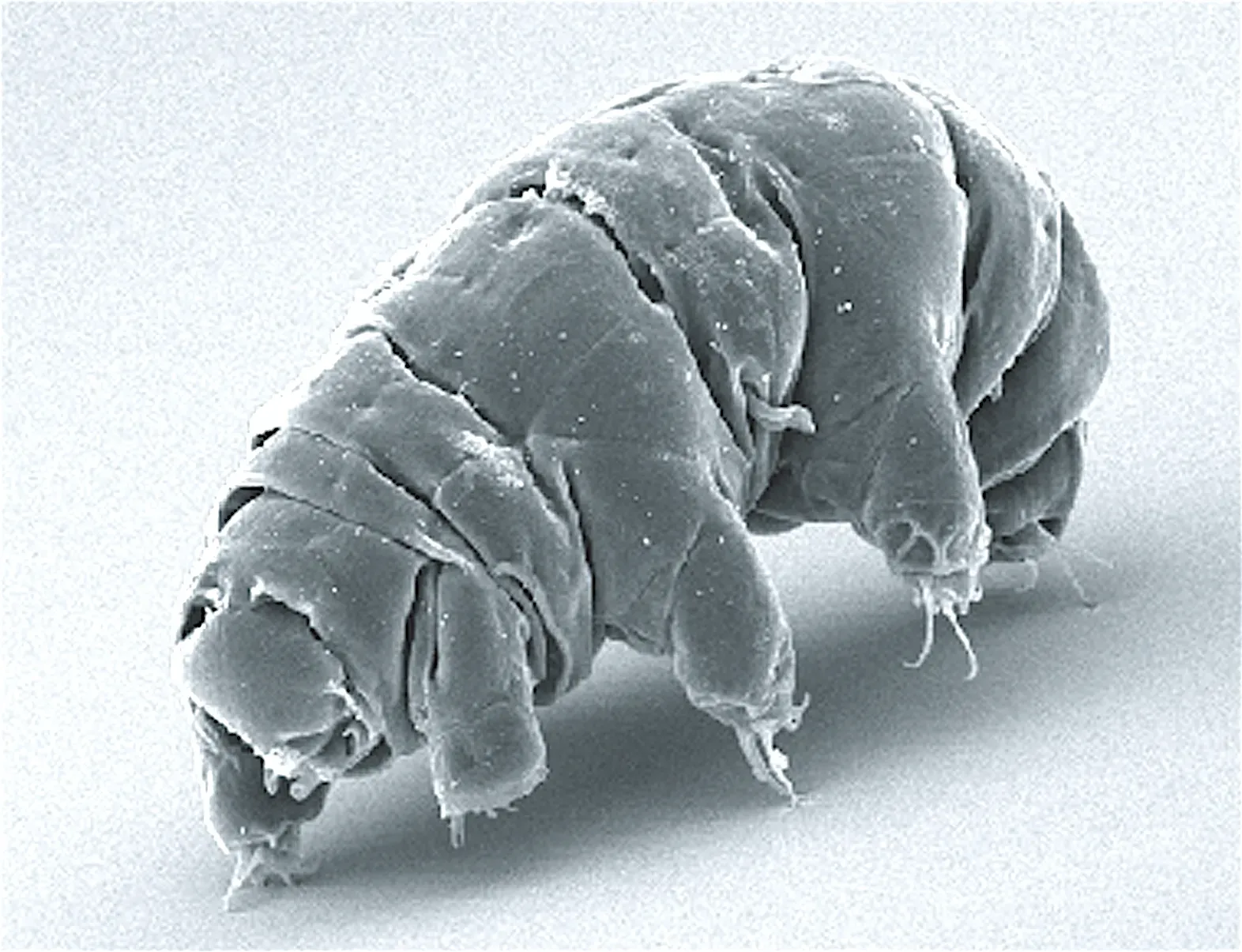
You can’t spot a tardigrade with your naked eye, but once you see one under a microscope, you never forget it. It looks like a chubby, eight‑legged bear wearing a soft suit, trudging through droplets of water on moss, soil, and lichens all over . The weirdness here isn’t just how it looks; it’s what it survives. When conditions get rough – drought, extreme cold, lack of food – a tardigrade can curl up into a dried‑out state called a tun. In that form, it drastically slows its metabolism and essentially waits out the apocalypse on a microscopic scale. You’re talking about a creature that can endure freezing, boiling, intense radiation, and crushing pressures that would destroy most other life forms. Some experiments have even shown tardigrades surviving exposure to the vacuum of space, then reviving when rehydrated back on Earth. They aren’t immortal, and real‑world conditions still limit them, but they stretch your idea of what “alive” can handle. When you realize that these resilient, bizarre little “water bears” might be clinging to rooftop moss, garden soil, or a sidewalk puddle near you, everyday life suddenly feels full of hidden, nearly indestructible neighbors.
9. Dumbo Octopus – The Deep-Sea Cartoon Come to Life
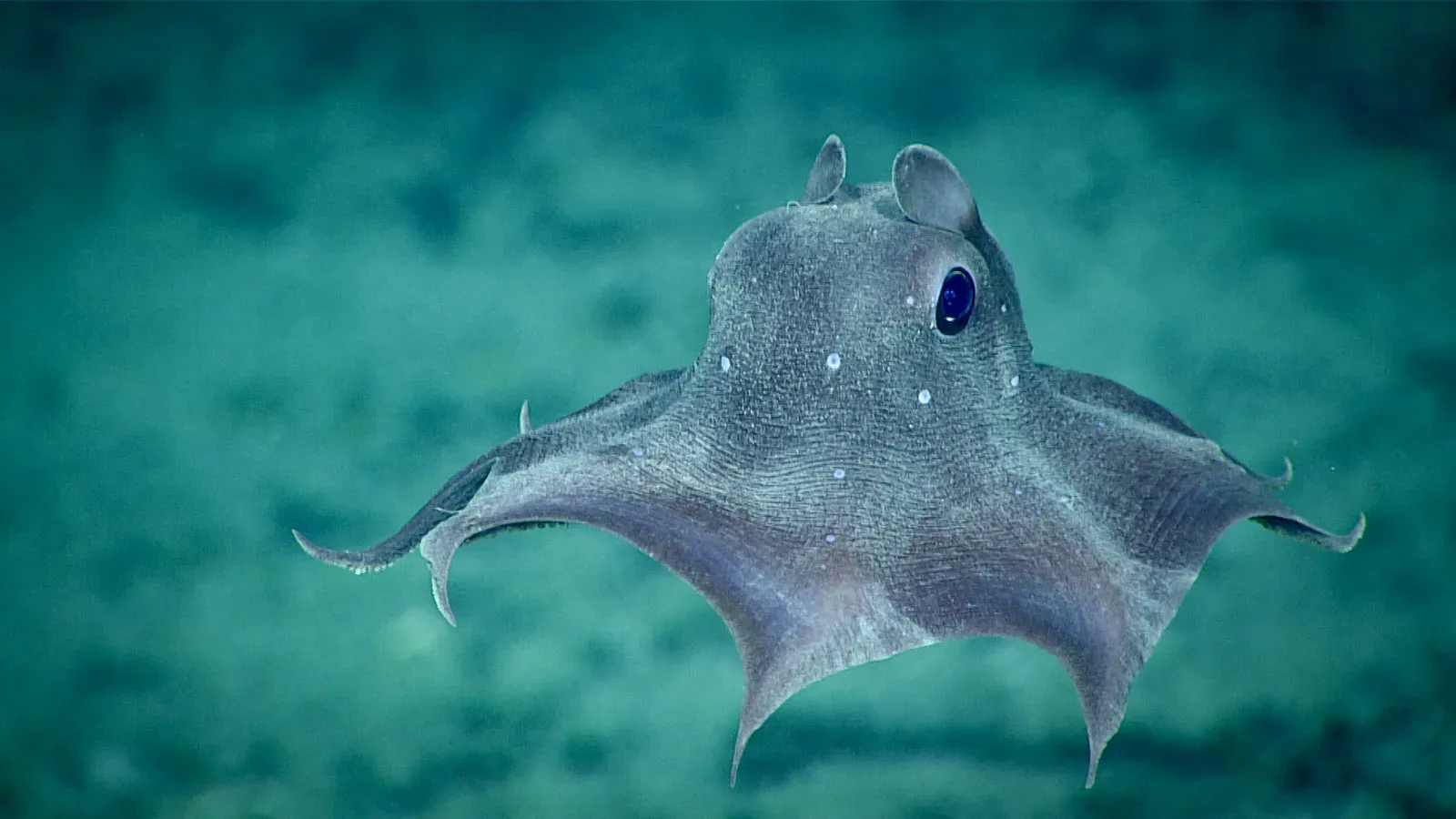
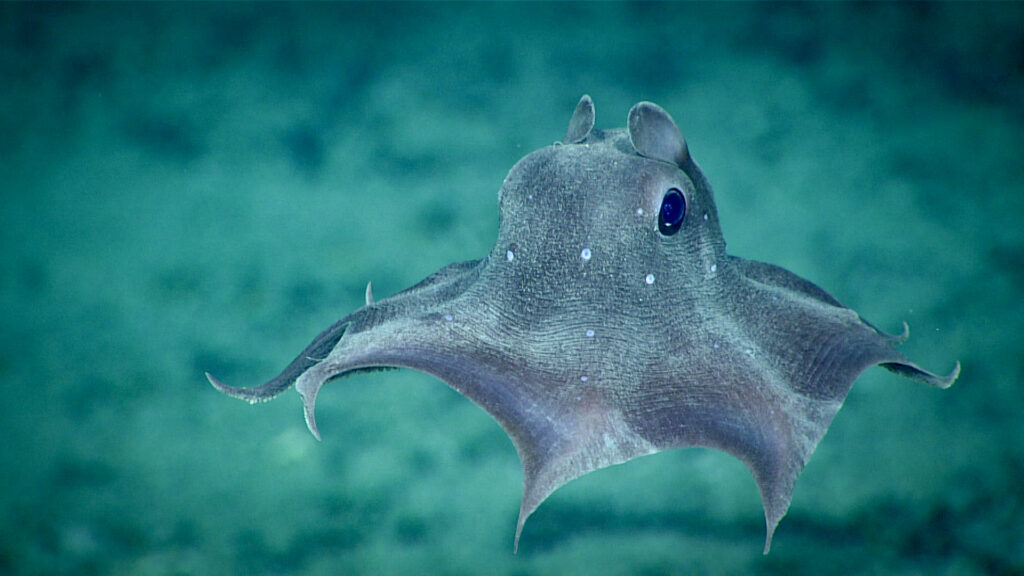
Far below the ocean’s surface, where sunlight never reaches and pressure would crush you instantly, the dumbo octopus drifts through the dark like a tiny, hovering ghost. You recognize it immediately by the ear‑like fins on its head, which resemble the oversized ears of a certain famous cartoon elephant. Those fins, along with its webbed arms, give it a floating, umbrella‑like silhouette that looks more whimsical than threatening. Unlike some of its more aggressive octopus relatives, the dumbo octopus tends to glide calmly, using gentle fin movements and subtle pulses of its body to navigate the deep sea. Living at such depths means you never encounter this animal while snorkeling or casual diving; it’s mostly known from deep‑sea submersible footage and research expeditions. Instead of wrestling large prey, it feeds on worms, crustaceans, and other small animals it finds on or just above the seafloor. Its gelatinous body, slow lifestyle, and low‑energy hunting strategy are all shaped by a world where food is scarce and every movement must count. When you watch footage of one slowly flapping its ear‑fins, glowing softly in submersible lights, it feels for a moment like you’re watching a gentle alien glide through another planet’s atmosphere rather than a cephalopod just quietly minding its business in Earth’s own abyss.
10. Leafy Sea Dragon – The Walking Seaweed Illusion
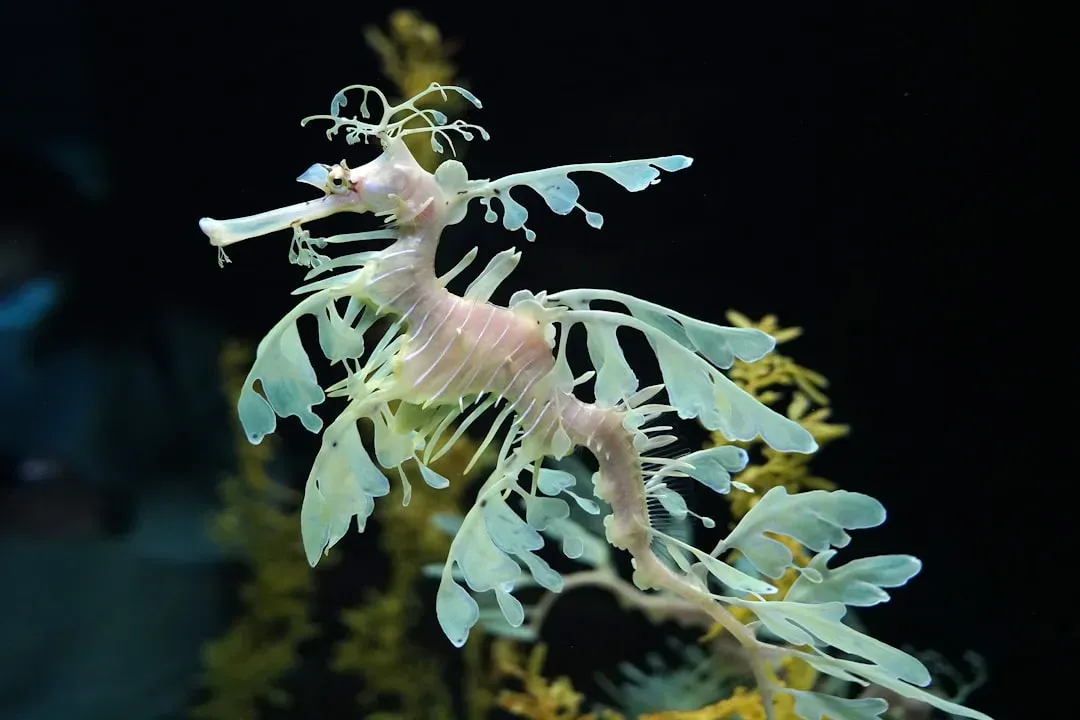
If you ever snorkel along the southern and western coasts of Australia and think a piece of drifting seaweed just blinked at you, look again – you might be staring at a leafy sea dragon. Closely related to seahorses, this fish has a long, thin body covered in delicate leaf‑like appendages that flutter in the water. To your eyes, those frills look like decorative excess, but they’re an almost perfect camouflage in kelp forests and seagrass beds. Predators scanning for a straightforward fish silhouette get fooled by this living plant impersonator swaying exactly like the real thing. The leafy sea dragon moves by using small, nearly transparent fins, so its motion does not break the illusion of floating vegetation. Even reproduction here is a little weird: like its seahorse cousins, the male carries the eggs, brooding them on a special area under his tail until they hatch. That reversal of the usual parenting roles adds another layer of strangeness to an already uncanny creature. When you finally manage to spot one in the wild, it feels less like you’ve discovered a fish and more like the sea has quietly admitted that its plants sometimes stand up and swim away.
Conclusion – Rethinking What “Normal” Really Means
By the time you reach the end of this list, your sense of what counts as a “normal” animal is probably hanging by a thread. You’ve just met creatures that never grow up, fish that collapse into goo out of their element, primates that hunt by tapping, and microscopic “bears” that can sleep through conditions that would shred your body in seconds. Each of these animals started out as a bizarre solution to a specific problem – find food in the dark, survive crushing pressure, hide from predators, outlast drought – and over time those solutions turned into full‑blown weirdness. What looks absurd to you is often perfectly logical to them. If there’s one thing these ten species teach you, it’s that life on Earth is far more experimental than you’re usually told. Your own body plan – two arms, two legs, forward‑facing eyes – feels standard only because you’re used to it. To a mantis shrimp or a star‑nosed mole, you would be the strange one, stumbling through with dull senses and fragile skin. So next time you feel like the planet is predictable, remember the axolotl’s eternal youth or the tardigrade’s impossible resilience, and let yourself be surprised all over again. Which of these weird animals would you have guessed actually shared this world with you before today?