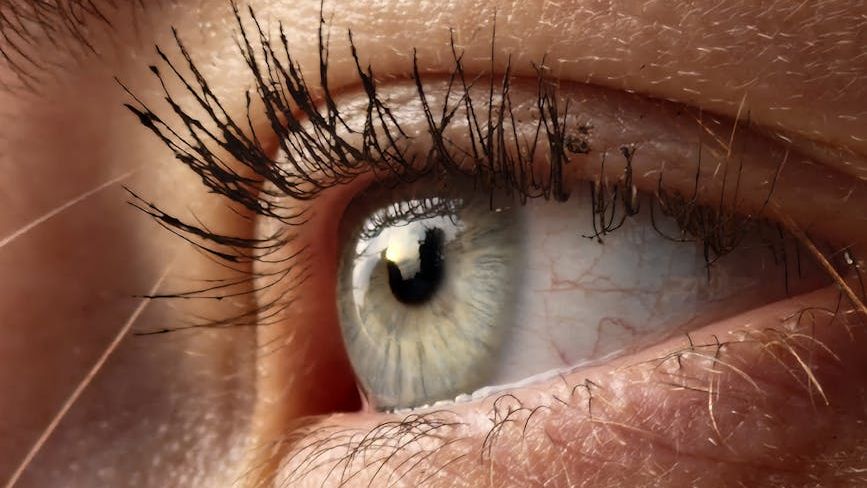
If you think you know your five senses, get ready to have your brain quietly rebel. The way you see, hear, taste, smell, and feel the world is far stranger and more slippery than it seems from the comfort of your daily routine. Under the surface, your senses are constantly lying to you, editing reality, and filling in gaps you never even notice.
Once you start looking closely, it becomes hard to shake the feeling that your experience of reality is more of a clever guess than a clean recording. As you go through these weird facts, try to notice which ones you have actually felt in your own life, even if you could never quite explain them. You might walk away realizing that your senses are less like solid tools and more like glitchy, improvising storytellers.
Your Brain Can Make You Feel a Completely Fake Limb as Your Own

Imagine resting your real hand behind a screen while a fake rubber hand sits in front of you. Someone strokes both the hidden real hand and the visible rubber hand in perfect sync, and after a short while, you start to feel as if the rubber hand is actually part of your body. You might even flinch if someone threatens it, even though some part of you knows it’s just plastic. This is a classic illusion researchers use to show how surprisingly flexible your sense of “this is my body” really is.
What this reveals is that your brain doesn’t track your body with any kind of absolute internal map; instead, it constantly negotiates between what you see, what you feel, and what you expect. When those signals line up just right, your brain happily rewrites your sense of self to match the story. You walk around feeling solidly “inside” your body, but experiments like this show that your feeling of ownership is more like a best guess than a hardwired truth.
You Hear With Your Brain More Than With Your Ears
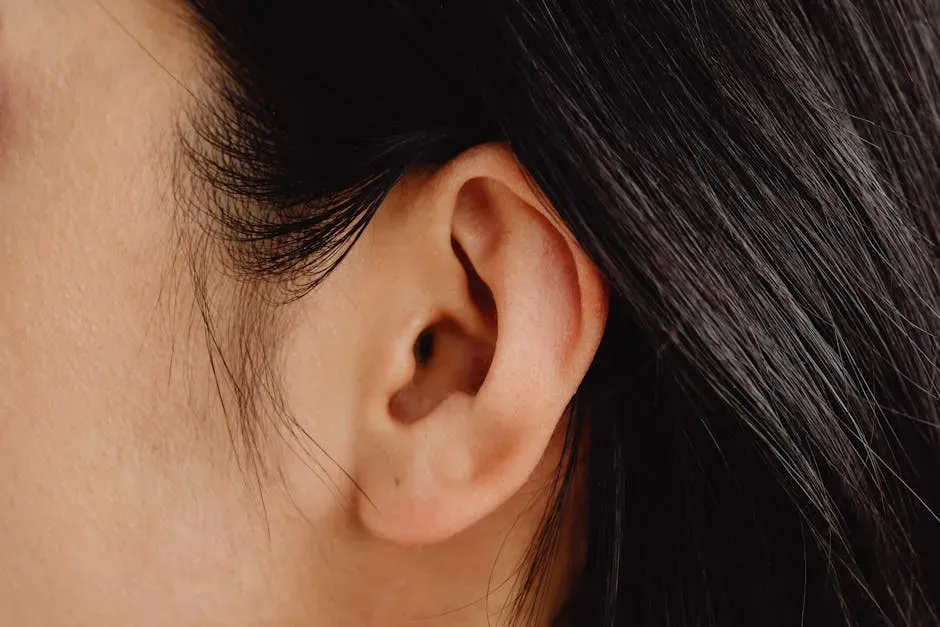
You probably think of hearing as a simple chain: sound hits your ears, and you hear it. In reality, your ears just collect vibrations; your brain does the heavy lifting of deciding what those vibrations actually mean. That’s why you can be in a crowded café full of clinking cups and overlapping conversations, yet still pick out your name being said from across the room. Your brain constantly filters, edits, and boosts certain sounds while ignoring others, like an overworked audio engineer.
This becomes obvious when you listen to a sentence in a noisy environment: sometimes you miss a word, but your brain fills in the blanks so smoothly you don’t even realize you never heard it clearly in the first place. You’re not just hearing raw sound; you’re hearing predictions your brain makes based on what it thinks should be there. Once you realize how much guesswork goes into hearing, it’s easier to understand why you sometimes mishear lyrics, comments, or even tone that was never actually there.
Your Eyes Have a Blind Spot, and Your Brain Smoothly Covers It Up
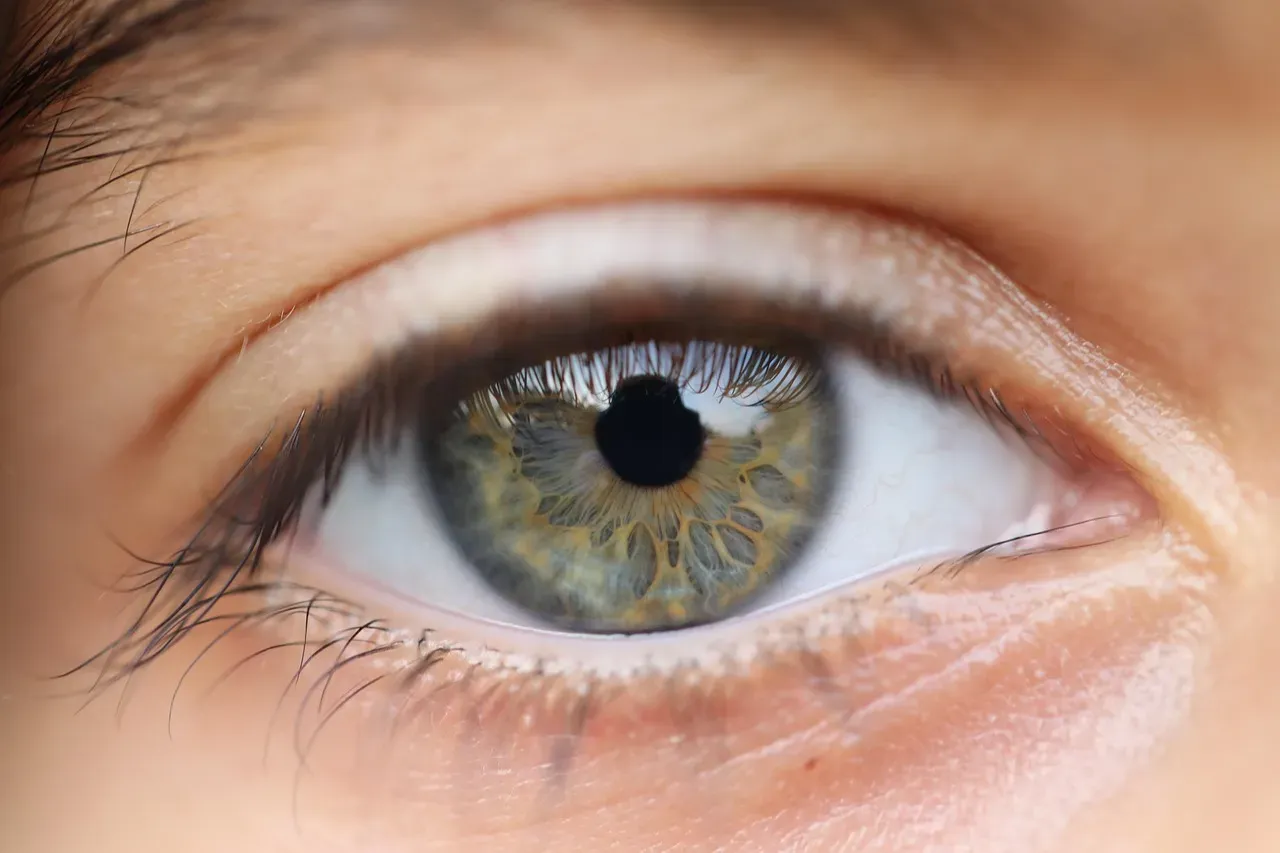
Each of your eyes has a built‑in blind spot where the optic nerve exits the eyeball, which means there’s a small region of the world you literally cannot see. Yet you never feel as if there’s a black hole in your vision, and you don’t go through your day stepping around invisible gaps. Instead, your brain quietly patches over that missing information using surrounding detail and its own expectations, creating a seamless visual experience where there should be a noticeable hole.
If you try a simple test with a dot and a cross on a piece of paper, you can make an entire object vanish when it falls into that blind spot. The strange part is how normal it still feels, because your brain confidently paints in what it thinks should be there. This should make you think twice about how much you trust what you see; your vision is not a live camera feed, it’s a skillful reconstruction with missing pieces filled in like a visual guesswork puzzle.
You Can Taste With Your Nose More Than With Your Tongue

You might think taste is all about your tongue, but if you pinch your nose and eat something, a lot of flavor suddenly disappears. That flat, muted sensation you get when you’re congested is proof that your sense of smell does most of the heavy lifting for what you call “flavor.” Your tongue only really gives you a handful of basic signals like sweet, salty, sour, bitter, and savory, while your nose supplies all the complex details that make coffee taste like coffee and not just vaguely bitter water.
The trick is that you’re smelling the food from the inside as you chew, when aromatic molecules travel up the back of your throat into your nasal cavity. Your brain quietly merges this internal smell with the signals from your tongue and sells you one unified experience called taste. Once you notice this, you start to understand why everything tastes so boring when you have a cold, and it becomes clear that your “taste” is really a carefully blended duet between tongue and nose.
Your Brain Can Make You Smell Odors That Aren’t There

You may have had moments where you swear you smell something that nobody else can detect, like phantom cigarette smoke or perfume from someone who isn’t around. In some cases, your brain can generate smell experiences without any real odor molecules present at all. This can happen after strong exposures, during certain illnesses, or sometimes for no obvious reason, which is unsettling because smell feels like such a direct line to reality.
Even when there is a real odor, your brain’s expectations can twist how you perceive it. If you walk into a room already convinced it smells bad, you’re far more likely to experience neutral or mild scents as disgusting. Your sense of smell is deeply tied to memory and emotion, so your brain leans heavily on past experiences when deciding what you think you’re smelling. You end up trusting your nose as if it’s an objective sensor, when in truth it’s strongly influenced by what you fear, remember, and expect.
Your Skin Feels Temperature Differently Depending on the Story Your Brain Tells

If you put one hand in hot water and the other in cold water for a while, then place both in lukewarm water, the same bowl will feel warm to one hand and cool to the other. That simple trick shows how your sense of temperature is relative, not absolute. Your skin doesn’t report some perfectly accurate degree reading; it sends signals about change and contrast that your brain interprets in context, like comparing the present moment to what came just before.
This relativity is why a mild winter day can feel almost warm after a brutal cold snap, while the same temperature can feel miserable after weeks of sunny weather. Your brain is constantly recalibrating what counts as hot, cold, or comfortable based on recent history. Once you see that, you realize that even something as basic as feeling chilly or cozy is not just about the air around you, but also about the story your body and brain have been telling themselves over the past few hours.
You Can Feel a Phone Buzz That Never Happened

If you’ve ever been sure your phone vibrated in your pocket, only to pull it out and see nothing there, you’ve experienced a sensory glitch that’s become surprisingly common. Your brain gets so used to expecting that little buzz or ping that it sometimes misinterprets random sensations from your muscles, clothing, or nerves as a notification. It is as if your nervous system is on constant standby, ready to overreact to the slightest hint of movement.
This shows that your sense of touch is shaped as much by habits and attention as by raw signals from your skin. When you check your phone often, your brain builds a strong expectation that tiny movements mean important information is arriving. Over time, that expectation becomes so strong that you start feeling “phantom” vibrations. In a way, your device has hacked your sense of touch, teaching your brain to hear signals that do not actually exist.
Your Sense of Balance Depends on Tiny Crystals in Your Inner Ear

Your ability to stand, walk, or turn your head without falling over depends on microscopic structures inside your inner ears. Tiny crystals and fluid inside those canals shift when you move, sending your brain delicate signals about direction and acceleration. You don’t consciously feel any of this, but every step you take relies on that subtle system working flawlessly in the background like a secret gyroscope.
When those crystals or the surrounding structures get disturbed, you can suddenly feel like the room is spinning or tilting even when you’re standing still. That weird, sinking sensation in an elevator or on a fast train is your inner ear sending strong messages about motion while your eyes sometimes disagree. Your brain tries to reconcile those conflicting signals, and when it struggles, you get dizziness or nausea. It is a jarring reminder that your sense of “upright” is a fragile negotiation between tiny moving particles and your brain’s best interpretation of them.
You Can Taste Sounds and See Colors in Numbers
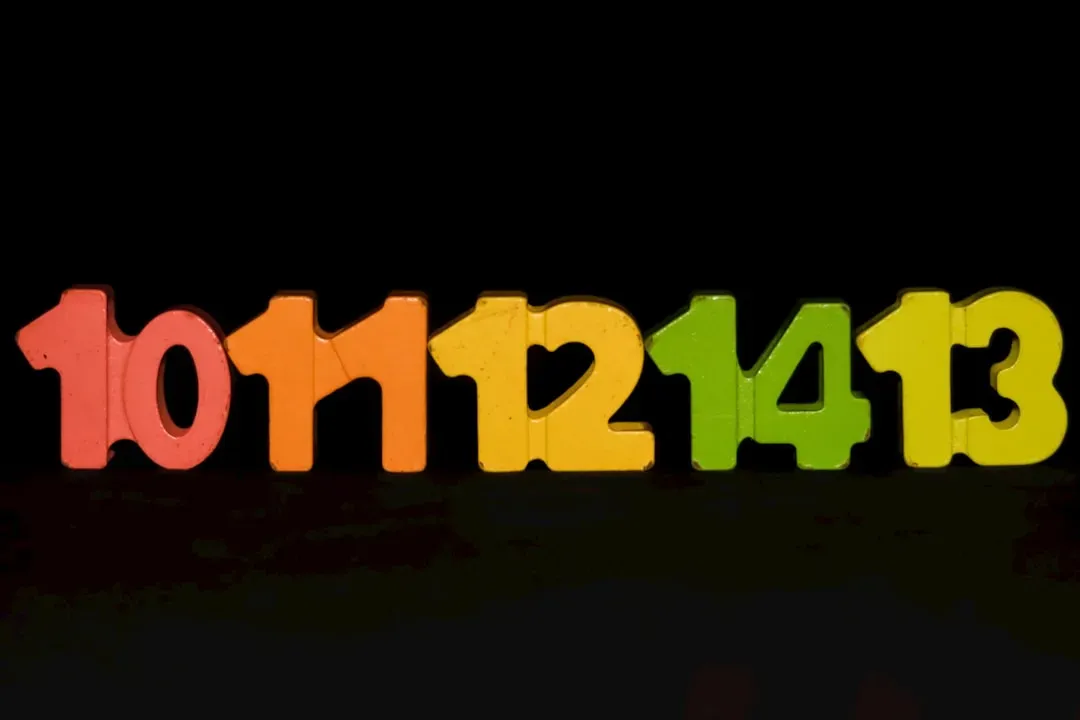
Some people experience a rare phenomenon where their senses seem to blend together in consistent, automatic ways. You might taste a specific flavor when you hear a certain musical note, or always see the number four as a deep green no matter what font it’s written in. This is not imagination for them; it’s a steady, involuntary part of how their brain processes the world, and it stays stable over time like a built‑in sensory code.
This blending, often called cross‑sensory perception, hints that the boundaries between your senses are not as solid as you were probably taught. Even if you don’t have this experience yourself, your brain still does a quieter version of this mixing when it links certain sounds with shapes, or when music feels “bright” or “dark” to you. It suggests that your senses are more like overlapping networks than separate channels, and in some brains those overlaps are turned up loud enough to notice every day.
Your Brain Can Rewrite What You Just Heard to Make It Make Sense
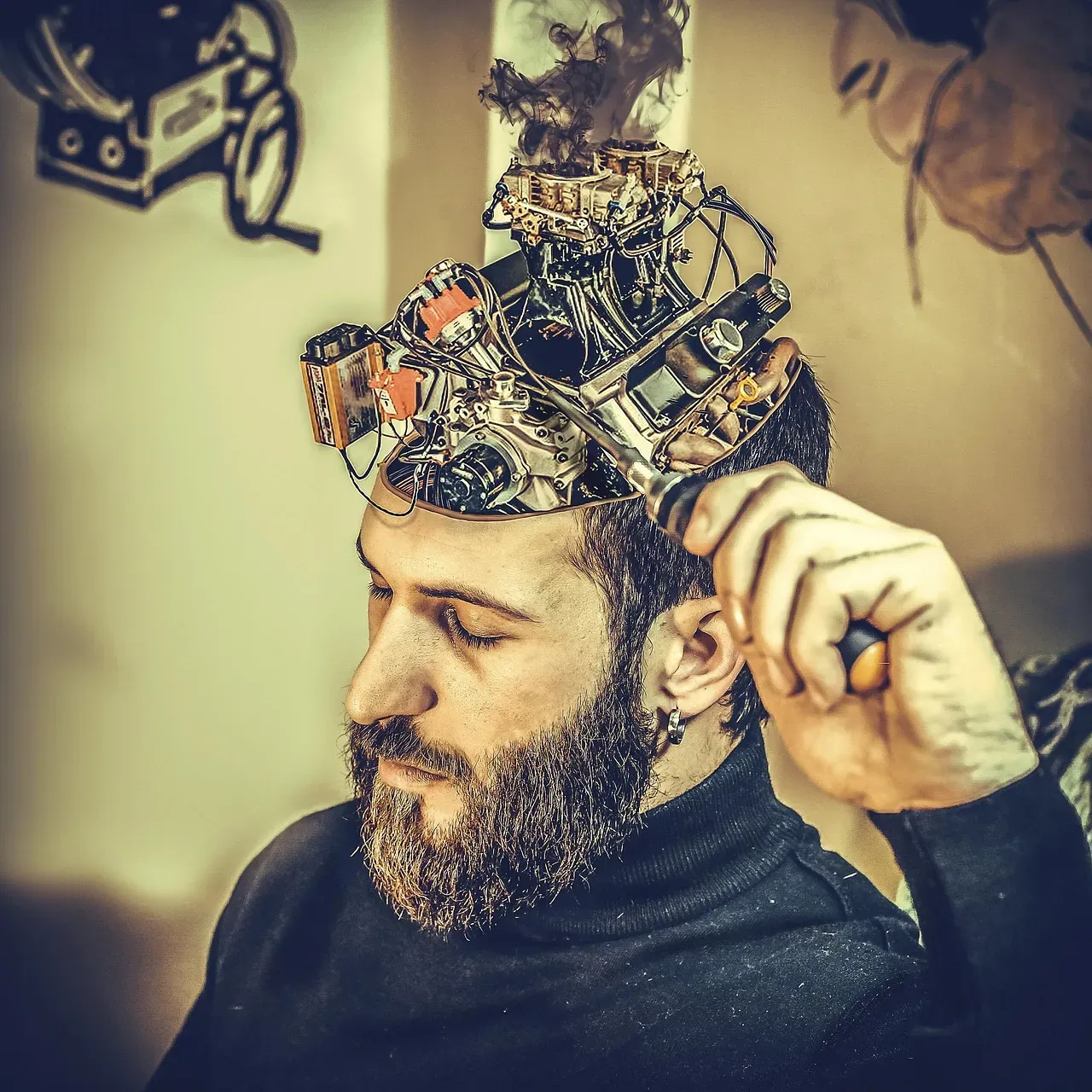
There are moments when you hear a vague or muffled sound, and only understand it a second later when more context arrives. Strangely, it can feel as if you understood it clearly all along, even though you only figured it out after the fact. Your brain sometimes retroactively updates your perception, editing your recent past experience so that everything fits together more smoothly and feels stable in hindsight.
This time‑bending trick shows up in certain audio illusions where a sound can seem to change depending on what you hear immediately afterward. Instead of storing a fixed recording of each instant, your brain looks at a short window of time and shapes your experience of it as a whole. That means what you think you just heard can quietly shift based on new information, and you never get told that an edit took place. You walk away feeling as if your perception is continuous and accurate, even though it has been carefully rewritten behind the scenes.
Conclusion: Your Senses Are Storytellers, Not Cameras
When you put all these strange facts together, a pattern starts to emerge: your senses are less like objective recorders and more like creative storytellers. Your brain constantly fills gaps, smooths over contradictions, and sometimes flat‑out invents experiences in order to keep your world feeling coherent. You see what you expect, hear what fits, taste and smell based on memories, and feel your body according to a flexible internal narrative rather than a perfect internal map.
Once you realize this, everyday life starts to look a bit more magical and a bit less certain. You can treat your own experience with more curiosity, asking yourself how your brain might be shaping what you think is real in each moment. Instead of assuming your senses never lie, you can see them as partners that usually serve you well but occasionally drift into creative territory. Knowing that, what part of your own perception do you suddenly trust just a little less than you did before?