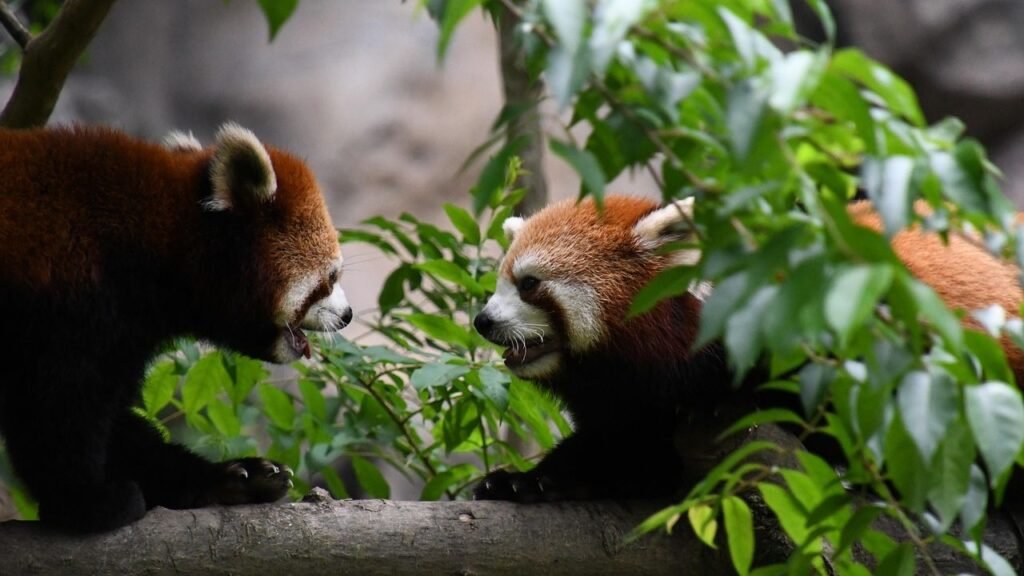
You spend your whole life surrounded by animals that are constantly talking, yet they rarely use anything like your words. Once you start to notice this, it’s almost unsettling: the forest, the ocean, even your backyard are full of silent conversations you’ve been walking past for years. Animals are warning each other, flirting, fighting, cooperating, and even tricking rivals using signals you might miss if you are not paying attention.
When you look closer, you realize these nonverbal conversations can be just as rich and emotional as any human dialogue. An octopus changing color in a heartbeat, a bee dancing in the dark, or an elephant rumbling so low you cannot hear it all carry very specific meaning. As you go through these ten examples, imagine you are learning a new set of languages – no grammar, no vocabulary lists, just patterns, color, posture, scent, and sound used in ways that might surprise you.
1. Bees Dance Detailed Directions You Could Navigate By
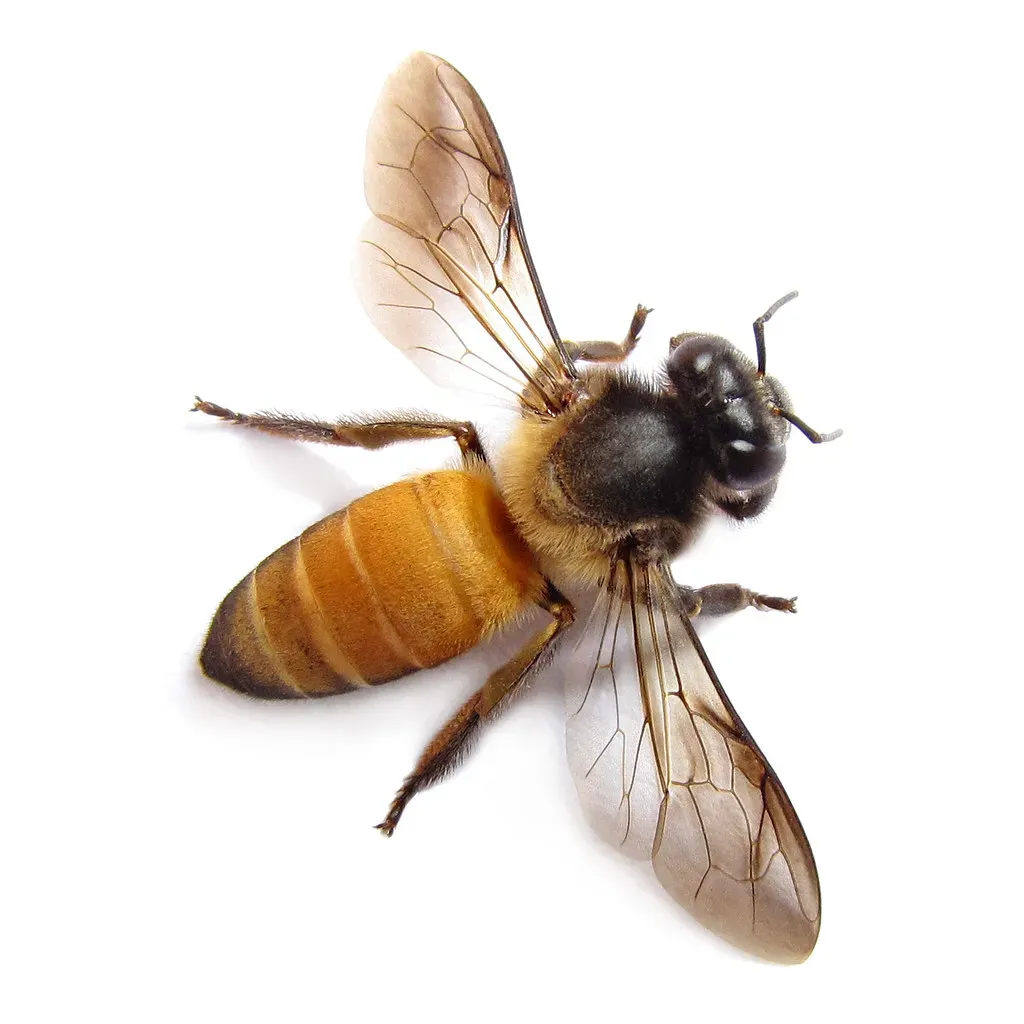
If you were a honeybee returning to your hive after finding a flower-packed field, you would not buzz around aimlessly; you would dance out a map on the vertical surface of the comb. In what is known as the waggle dance, you would run in a straight line, waggle your abdomen, then loop back and repeat, over and over. The angle of that straight “waggle run” compared to gravity tells other bees which direction to fly relative to the sun, and the duration of your waggle tells them roughly how far they need to go.
Once you realize this, the hive starts to feel like a tiny air traffic control center. Other bees press close, sensing the vibrations and air currents from your dance, then launch out with a pretty decent idea of where to fly. You are not giving poetry, you are giving coordinates. It is an astonishing reminder that you are not the only species capable of sharing complex, abstract information; bees do it with body movement and timing instead of sentences and maps.
2. Elephants Talk in Deep Rumbles You Often Cannot Hear
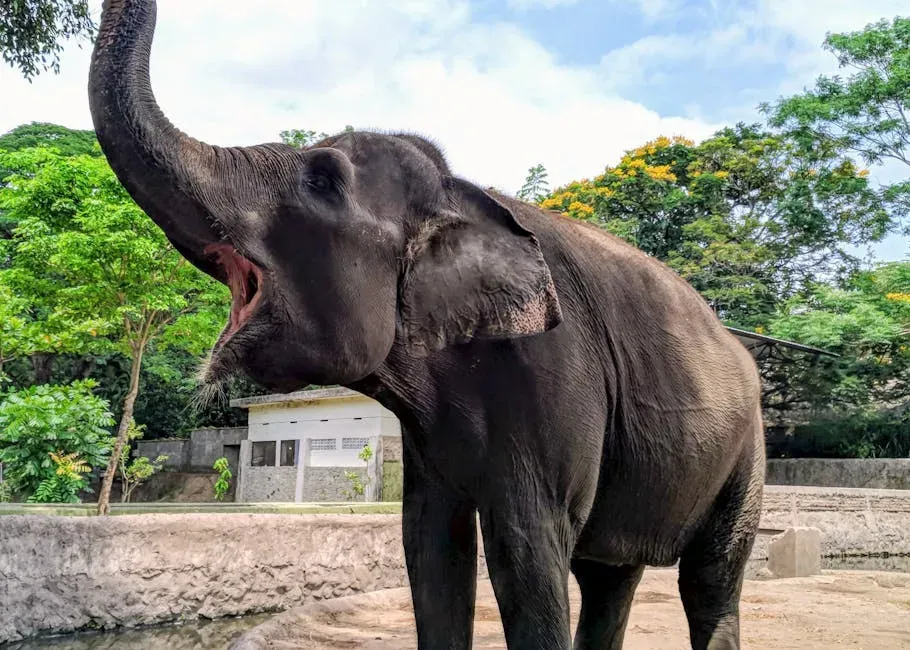
When you watch elephants in a nature documentary, you usually notice the trumpets and loud calls, but most of their communication slips right past your ears. Elephants use very low-frequency rumbles, some so deep they fall below what you can hear, called infrasound. These sounds can travel over long distances, especially across open savannah, letting elephants “speak” to others who are far beyond your sight.
If you could tune in to those low notes, you would hear messages about where to move, when to gather, and even how individuals are feeling. Females in estrus can signal their reproductive state to distant males, and family members can coordinate movement to water or away from danger. You tend to think of long-distance communication as something that belongs to phones and satellites, but elephants have been quietly running their own low-frequency network for a very long time.
3. Octopuses Change Color Like Mood Rings With Brains
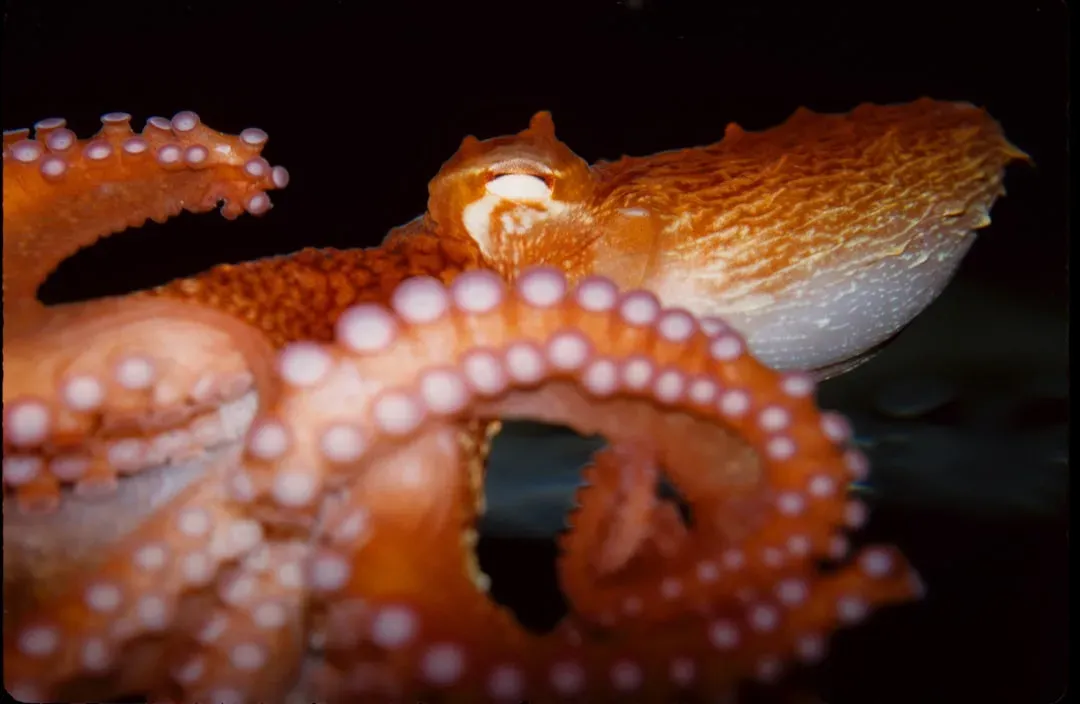
Imagine being able to show your emotions by literally changing your skin within a split second. That is your life if you are an octopus. Under your skin, you have millions of tiny pigment cells called chromatophores that you can expand or contract, revealing or hiding colors in intricate patterns. By shifting color and texture, you can blend into a rock, flash a threat display at a predator, or signal interest to another octopus.
When you watch an octopus closely, you start to see patterns that look suspiciously like body language. A sudden darkening can be a sign of stress or anger; smooth, pale skin might indicate calm. In social species, specific patterns seem to carry consistent messages, like a short, silent argument written across the skin. Rather than just thinking of this as camouflage, you can view it as a full-body screen where mood and intention get broadcast in real time.
4. Fireflies Use Light Codes Like Tiny Flashing Morse
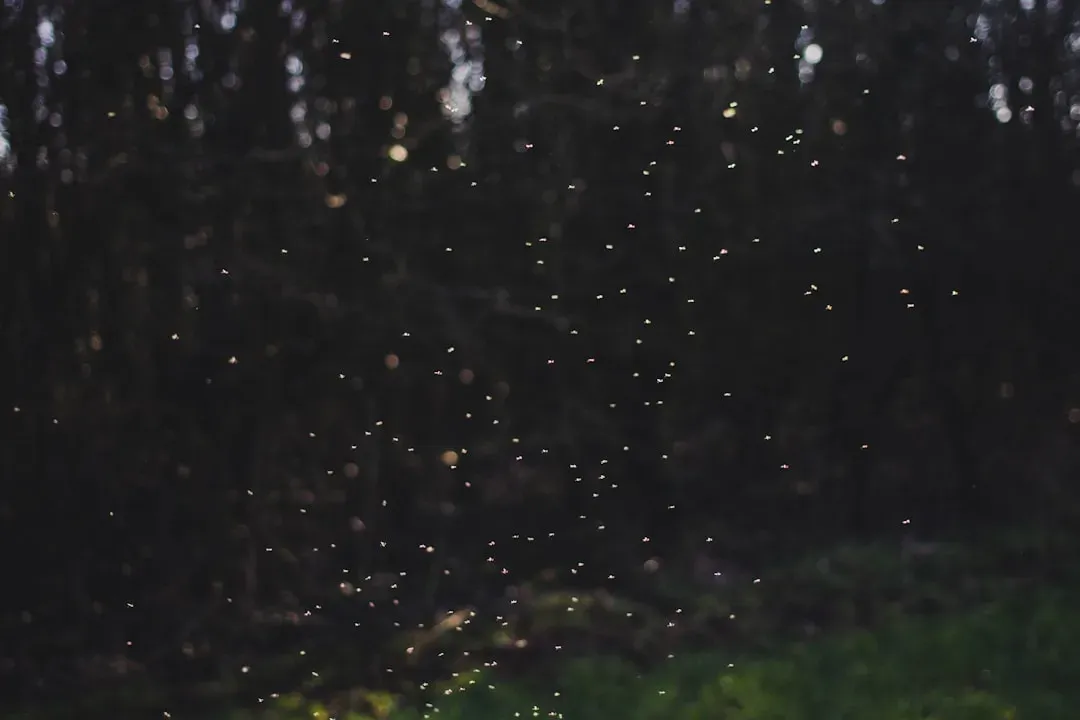
If you have ever watched fireflies on a summer night and thought it looked romantic, you were basically eavesdropping on a crowded singles bar in the grass. Each firefly species has its own flash pattern, and males and females trade signals back and forth in the dark. A male might fly and flash a particular sequence, and if a nearby female likes what she “sees,” she answers with a precisely timed reply from a perch in the vegetation.
Once you start paying attention, you realize this is not random twinkling; it is ordered, almost like a language of timing and rhythm. Some predatory fireflies even exploit this by mimicking the female signals of other species, luring unsuspecting males in close enough to eat them. You see here how communication is not just about cooperation or romance – it can also be weaponized, turning a glowing promise into an ambush.
5. Dogs Read and Send Signals Through Every Inch of Their Bodies

If you share your life with a dog, you already know they “talk” to you constantly without saying a word. A raised tail, averted eyes, flattened ears, or a loose, wiggly body all carry specific meanings. When you watch dogs interact with each other, you see a fast-moving negotiation: one dog turning its head away to calm tension, another lowering its body to ask for play, a third stiffening to signal discomfort or a possible challenge.
Once you learn to read these signals, everyday walks and dog park visits start to feel like you have subtitles turned on. You notice that your dog glances at you before approaching another dog, or licks their lips when they feel uncertain. You also realize you send signals back, even without thinking, through your posture, gaze, and movements. It becomes a two-way conversation made up of hundreds of small, wordless cues that can mean the difference between harmony and conflict.
6. Birds Use Complex Songs and Calls as Social Currency
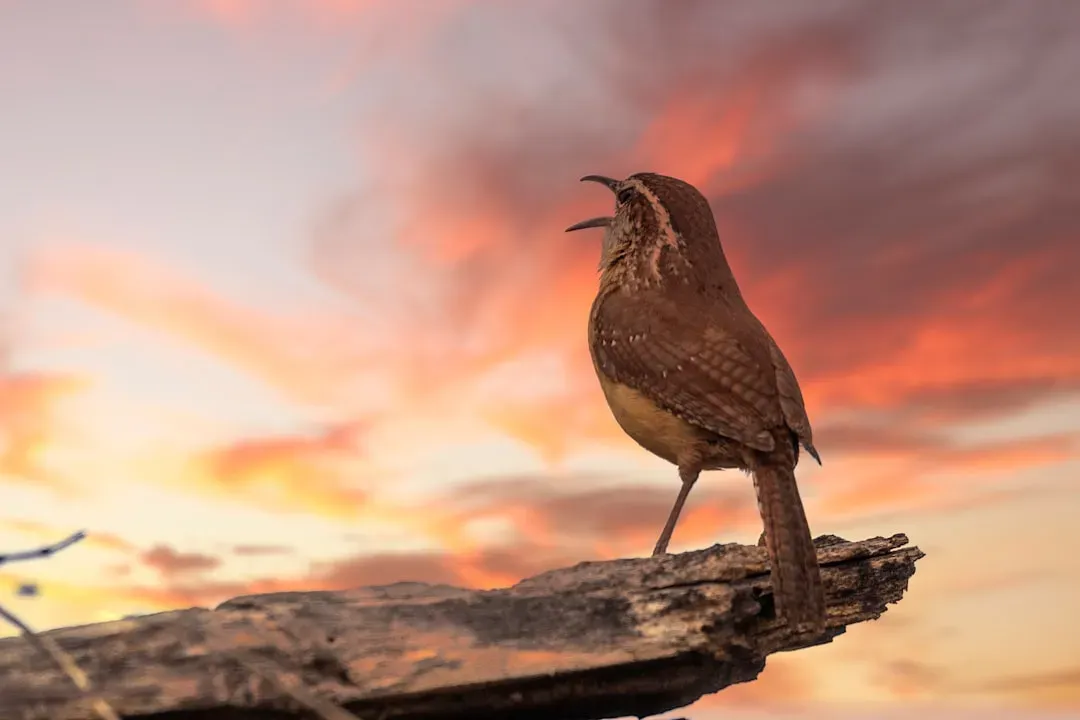
When you wake up to birdsong, it can sound like a calm backdrop, but to a bird, that soundscape is full of sharp meaning. Many species use songs to advertise territory and attract mates, and the details matter. A male that can sing a more complex or accurate version of his species’ song may be showing off health, experience, or even learning ability, which females can use as a kind of quality check. Meanwhile, short calls often act as alarms or simple contact notes that keep flocks coordinated.
As you listen more carefully, you might hear subtle differences in tempo, pitch, or phrase structure that carry extra information. Some birds even adjust calls depending on the type of predator, essentially telling nearby birds whether to look up for a hawk or down for a stalking cat. You can think of this as a neighborhood watch system running entirely on sound, where every chirp or trill could be a love letter, a warning siren, or a boundary line drawn in the air.
7. Ants Build Scent Highways You Could Almost Walk Along
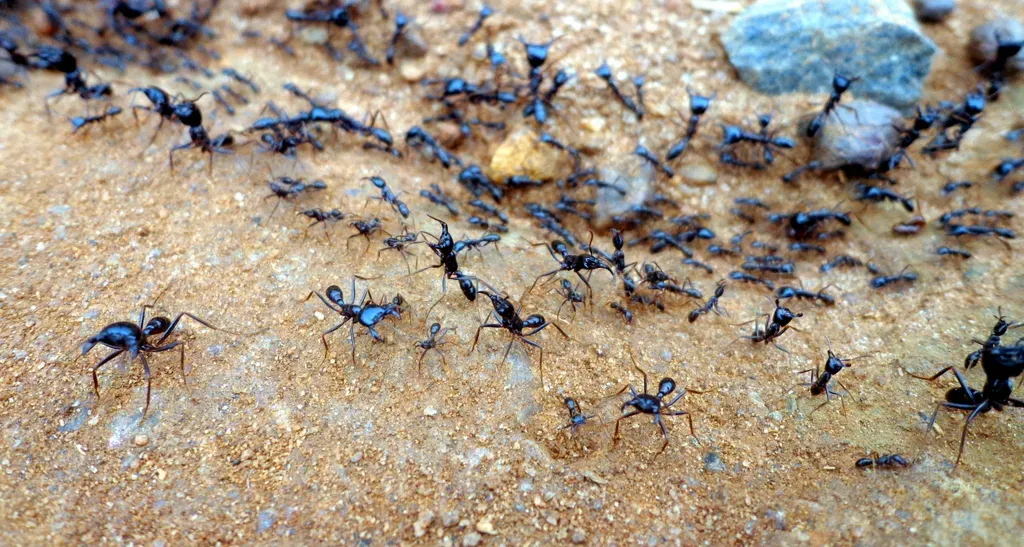
If you shrank yourself down and stepped into an ant trail, you would be walking on their version of a well-marked road system. Ants rely heavily on chemical signals called pheromones, which they lay down as they move. A worker who finds food will return to the nest laying a scent trail, and other ants follow it, reinforcing the path if the food is worth the effort. Over time, those stronger trails turn into busy highways, while weaker, less rewarding trails fade away.
From your human point of view, it is like watching a self-updating map driven by simple rules. No ant has a master blueprint, but together, their pheromone traces create an efficient network. Ants also use different pheromones to signal alarm, mark territory, or identify members of their own colony. When you see a chaotic-looking pile of ants around a dropped crumb, you are actually watching an organized flow of chemical messages that keep the whole group functioning like a single super-organism.
8. Cuttlefish Project Silent Messages on Living Screens
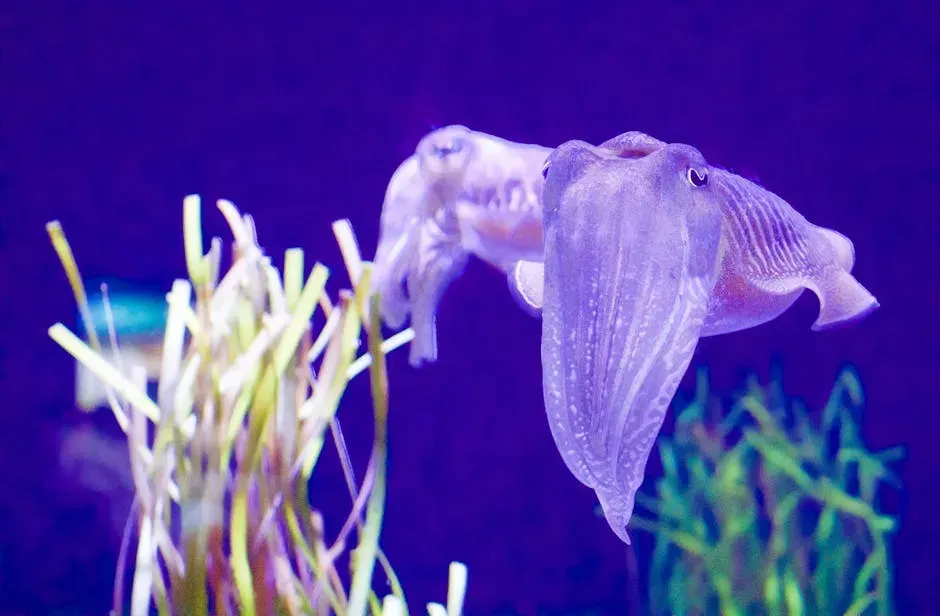
Cuttlefish look like science fiction come to life: soft-bodied, big-eyed, and covered in skin that can transform in an instant. If you were a cuttlefish, you could raise tiny skin structures to create texture, flood different pigment layers with color, and even reflect light in shifting iridescent patterns. You would use these powers partly to vanish against sand or coral, but also to “talk” to other cuttlefish in a very visual way.
Researchers have seen males display bold contrast patterns when courting or competing, and sometimes even divide their body, showing one pattern to a female and a different one to a rival male at the same time. Imagine being able to send two separate visual messages on your body simultaneously, depending on who is looking at which side of you. For a species with no spoken language, this kind of customizable, high-speed signaling is about as close as you get to having a built-in digital billboard.
9. Prairie Dogs Describe Threats With Surprising Detail
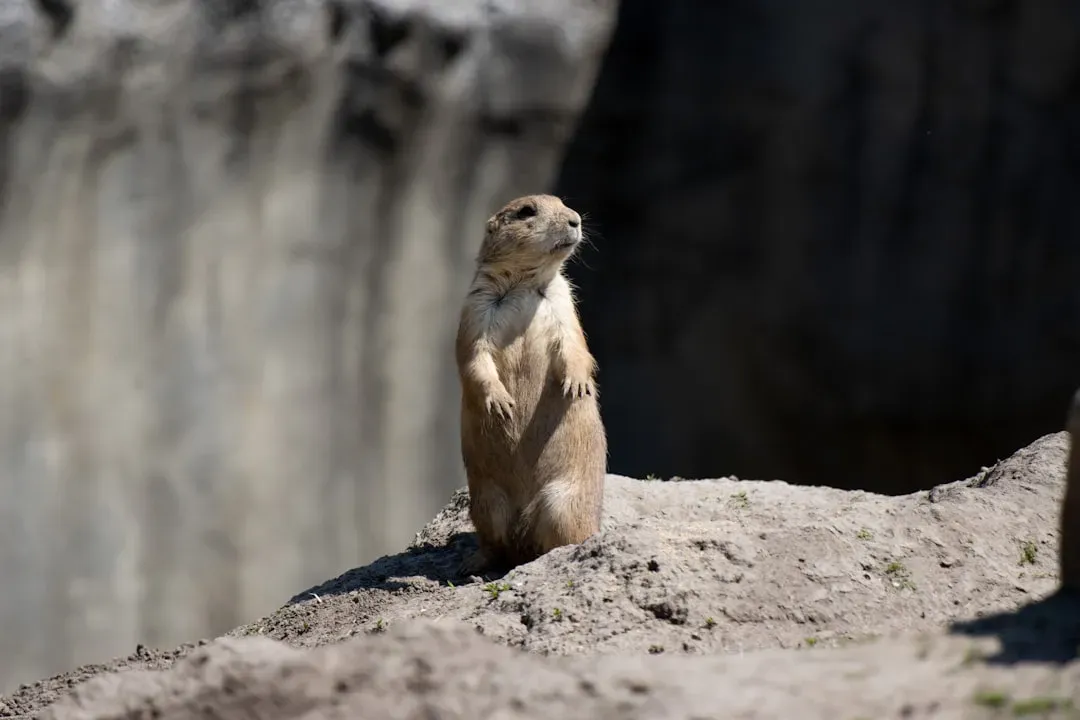
At first glance, a prairie dog colony looks like a field of cute, upright rodents popping in and out of burrows and chirping randomly. When scientists started analyzing those chirps more carefully, though, they found something impressive. The calls change depending on the type of predator, such as a hawk versus a coyote, and there are even indications that details like size, shape, or approach direction may be reflected in the sound. In other words, you are not just hearing “danger,” you are hearing “specific kind of danger.”
If you lived in that colony, those distinctions would matter a lot. An aerial predator calls for one kind of response, such as diving straight into burrows, while a ground predator might require different evasive moves. When you think about this, you start to see that complex information does not always need grammar or vowels; it can be carried in subtle changes to pitch, duration, and pattern that your brain learns to decode through experience.
Prairie dogs also appear to adjust their calls as situations change, hinting at a flexibility you might usually associate with more familiar vocal learners like parrots or humans. You could think of the colony as a tightly linked neighborhood where everyone is constantly updating each other on the latest threat, long before any danger gets close enough for you to see with your own eyes.
10. Dolphins Use Signature Whistles Like Personal Names
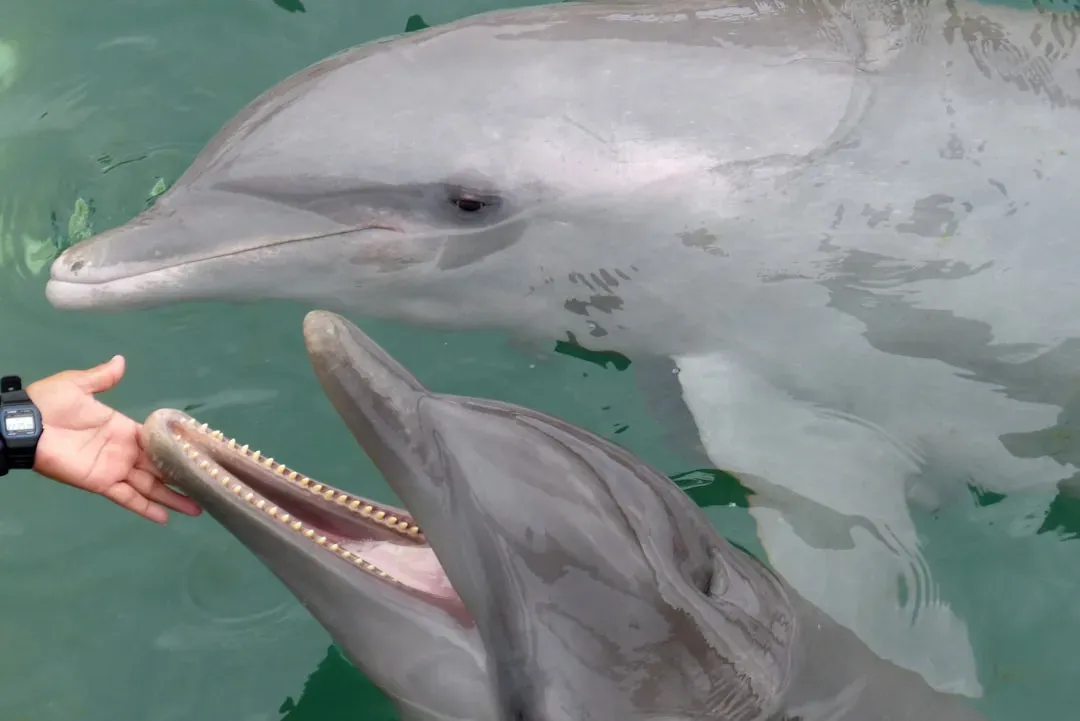
If you spent time among dolphins, you would quickly notice that much of their communication happens through whistles and clicks. Within those sounds, each dolphin develops a unique “signature whistle” early in life, a particular pattern that functions somewhat like a name. Other dolphins can copy that whistle to get the attention of a specific individual, which is strikingly similar to you calling someone by their name across a crowded room.
Once you realize this, it becomes easier to picture dolphin groups as tight social circles where individuals keep track of relationships over time and distance. You are not just hearing random squeaks; you are listening to animals maintaining bonds, reuniting after separation, and perhaps even sharing information about their environment. While you still do not know exactly how rich that communication is, the fact that they address one another individually suggests a level of social complexity that nudges uncomfortably close to the way you and your friends stay in touch.
Conclusion: You Live in a World Full of Unspoken Conversations
When you step back and look at all these examples together, a pattern jumps out at you: language is only one narrow slice of communication. Bees map food sources with dances, elephants trade infra-low messages across the savannah, and octopuses paint their feelings across their skin. You begin to see that sound, light, color, scent, and movement all become tools for sharing information, and many species use them with a precision that rivals, and sometimes beats, your own spoken methods.
The next time you walk outside, you can choose to see a quiet park or a noisy street – or you can imagine layers of hidden dialogue happening all around you. A bird calling from a rooftop, a dog hesitating at the end of a leash, or ants flowing along a crack in the pavement are all sending signals you can learn to notice. Once you start paying attention, the world feels less like a stage and more like a crowded room full of overlapping, wordless conversations. Which of these animal “languages” will you try to listen for first the next time you step into that living, buzzing silence?