
Every time we think we’ve figured animals out, they do something that makes our tidy explanations fall apart. Across oceans, forests, deserts, and even city streets, species are pulling off feats that look less like instinct and more like strategy, engineering, or even culture. Scientists can describe the how of many of these behaviors, but the why often remains stubbornly out of reach. That tension between what we can measure and what we still don’t understand is exactly where the most exciting discoveries are happening. These ten cases are not just fun trivia; they are cracks in the wall of what we thought animal minds and bodies could do.
The Hidden Clues: Elephants That Seem to Mourn Their Dead
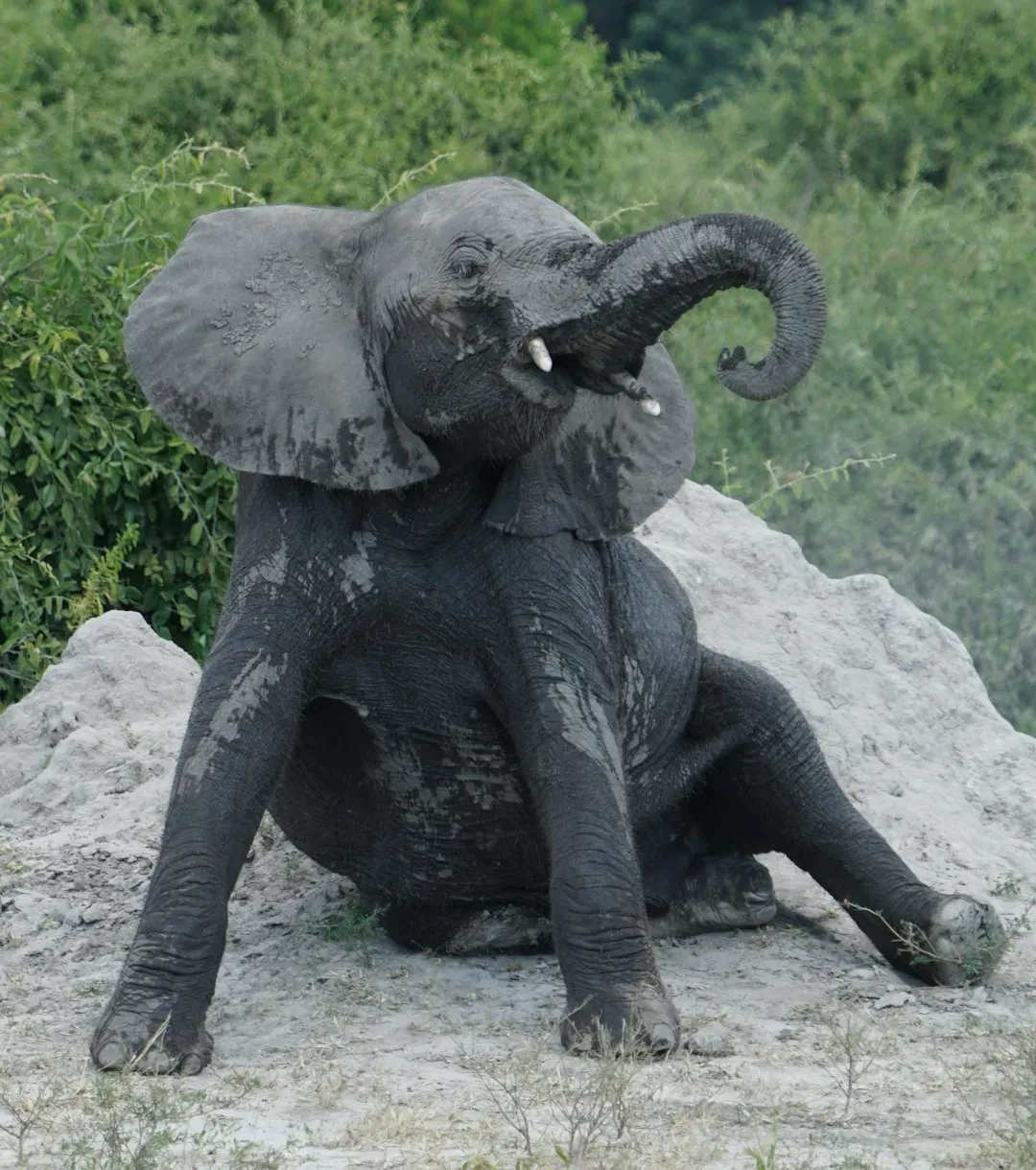
Walk through parts of Africa or Asia with elephant researchers and you might stumble across something that feels uncomfortably familiar: elephants gently touching the bones of deceased herd members, standing silently around a carcass, or returning to the same spot months later. These scenes can look eerily like human mourning rituals, complete with what appears to be tenderness and grief. Field observations describe elephants using their trunks to caress skulls or tusks, lingering long after other scavengers have come and gone. There are even recorded cases of elephants changing their travel routes to revisit the remains of a lost matriarch.
Biologists push back on romantic explanations, reminding us that interpreting emotion across species is risky. Still, the repeat patterns are hard to ignore: elephants react differently to elephant bones than to other animal remains, and family members appear especially attentive to the bodies of close kin. Some researchers suspect a blend of sophisticated social memory, recognition of death, and perhaps emotional attachment. Others argue that what we see as grief could instead be intense curiosity about familiar shapes and scents. Either way, the behavior forces us to rethink where we draw the line between human-style empathy and the minds of other mammals.
Ocean Engineers: Pufferfish That Sculpt Perfect Sand Mandalas
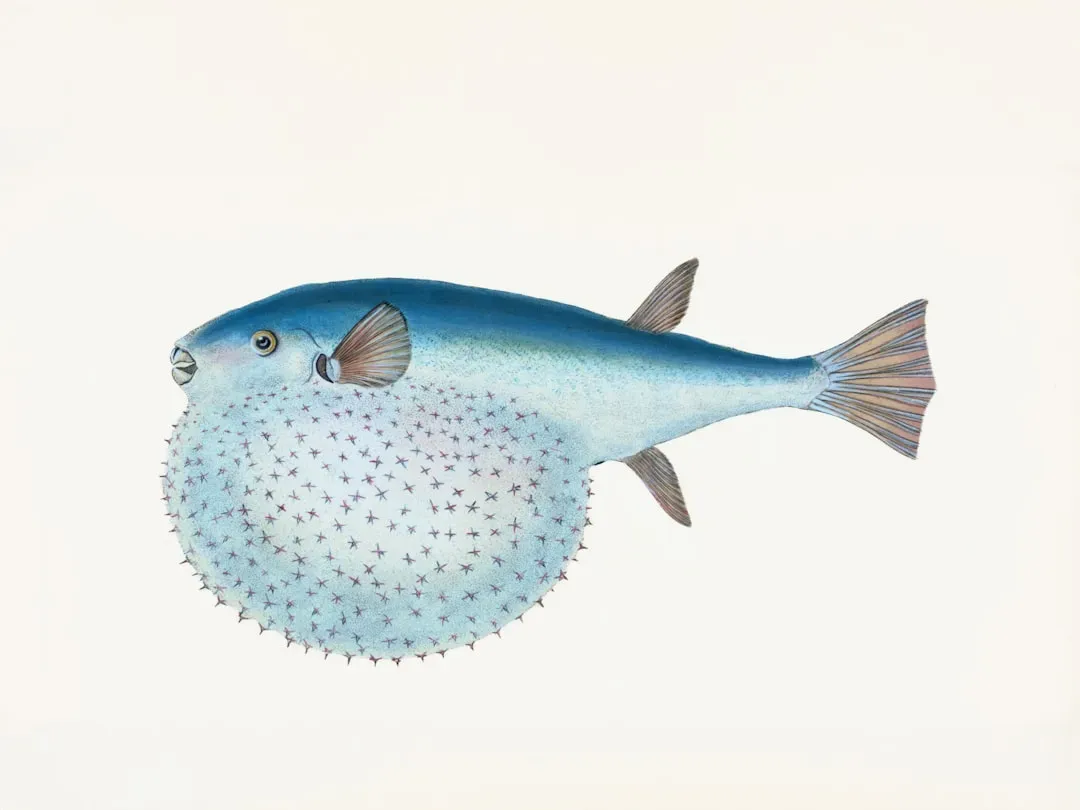
On the seafloor off Japan, small male pufferfish create enormous, geometric sand circles so precise they look machine-made. Using only their fins, these fish spend days carving ridges and valleys into the sand, adjusting tiny shell fragments to catch the light just right. From above, each construction resembles a kind of underwater mandala, with complex symmetry that rivals human art and architecture. And then, almost as quickly as they arrive, currents erase these creations, turning them back into blank seafloor.
The logic behind the behavior is, at least on paper, simple: the male is building a courtship arena to attract females and guide them to a safe nesting site. But the scale of the effort compared with the fish’s small body makes it deeply puzzling, especially given that each structure is temporary. This is not a casual nest scrape; it’s a multi-day engineering project with precise patterns and repeated motifs. To some researchers, the pufferfish challenges how we define tool use and aesthetic sense in non-human animals. It shows that even a small-brained fish can translate an internal “plan” into a large, highly ordered structure – a reminder that intelligence does not always come packaged in a big brain or a furry face.
From Ancient Tools to Modern Science: New Caledonian Crows That Manufacture Hooked Tools
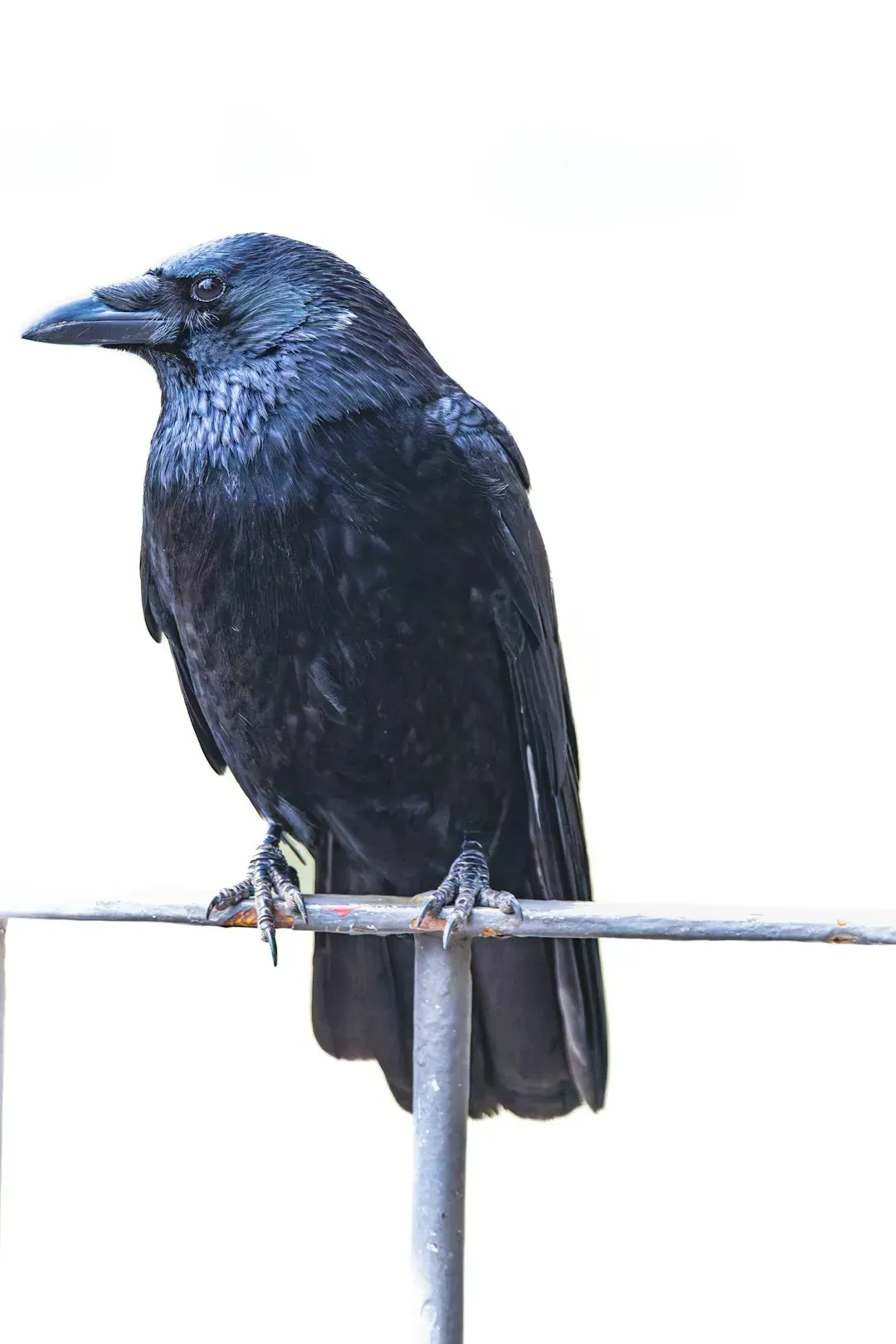
New Caledonian crows do something that once seemed uniquely human: they make tools, modify them, and even improve designs over time. In the wild, these birds break off twigs and shape them into hooks to fish grubs out of crevices, sometimes stripping leaves and bending the wood just enough to change the angle. In controlled studies, they have bent bits of wire into new shapes to solve problems they have never encountered before, as if mentally simulating the tool before committing to it. This goes far beyond using a rock to smash something; it’s deliberate manufacture and refinement.
Some researchers argue that these crows show a kind of proto-technology, where knowledge can spread socially and perhaps accumulate across generations. The birds’ behavior has even been compared to early human tool traditions, though on a smaller and more localized scale. At the same time, there is a paradox: crow brains are small, smooth, and structurally very different from ours, yet they can rival young children on certain problem-solving tasks. That gap between brain anatomy and cognitive performance is rewriting textbooks on what a “thinking brain” has to look like. It suggests evolution has discovered multiple pathways to complex reasoning, and at least one of them comes with feathers and a beak.
The Logic of Self-Destruction: Suicide-Like Ants and Exploding Defenders
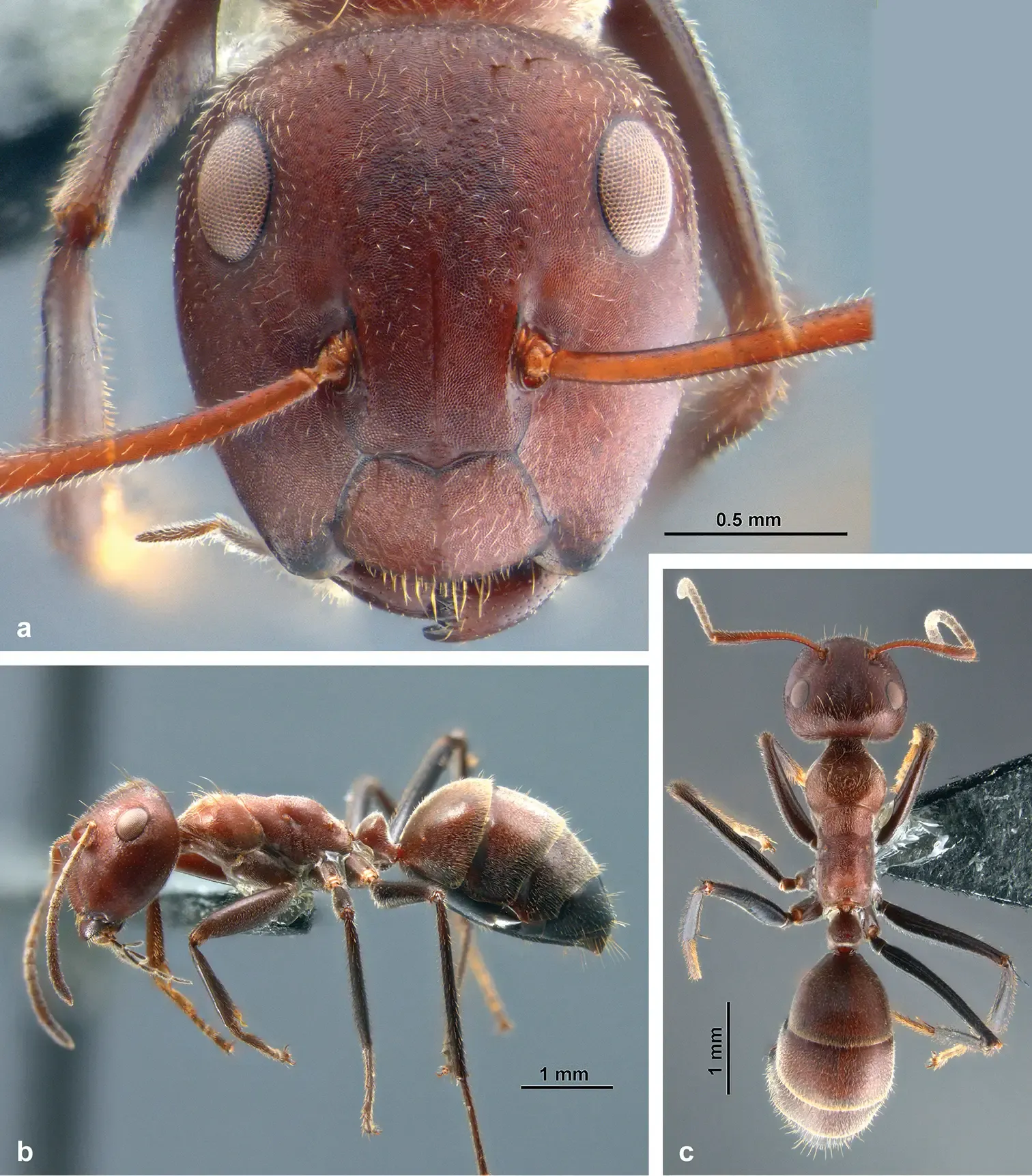
In the rainforests of Southeast Asia, certain carpenter ants defend their colony in a way that sounds like science fiction: they rupture their own bodies, spraying sticky, toxic fluid at attackers. This self-destructive behavior instantly kills the ant but can halt a predator or invading rival species, acting like a microscopic grenade. The act is not random; the ants appear to choose moments when their sacrifice will block a path or glue together enemies. Evolutionarily, this seems like terrible strategy for an individual, yet highly effective for the colony as a whole.
Scientists frame this as an extreme form of altruism shaped by kin selection, where an individual’s genetic success is measured not only by its own survival but also the survival of close relatives. Other ant species show comparable extremes, from workers that block tunnels with their own heads to those that let parasites control their bodies in bizarre ways. To human eyes, these behaviors can look like mindless suicide or possession. Yet they also reveal how insect societies treat the individual almost like a walking cell in a much larger organism. When the “organism” is the colony, sacrificing a few cells can be perfectly logical, even if it defies our gut sense of self-preservation.
Why It Matters: Animal Minds, Human Assumptions, and the Science Gap
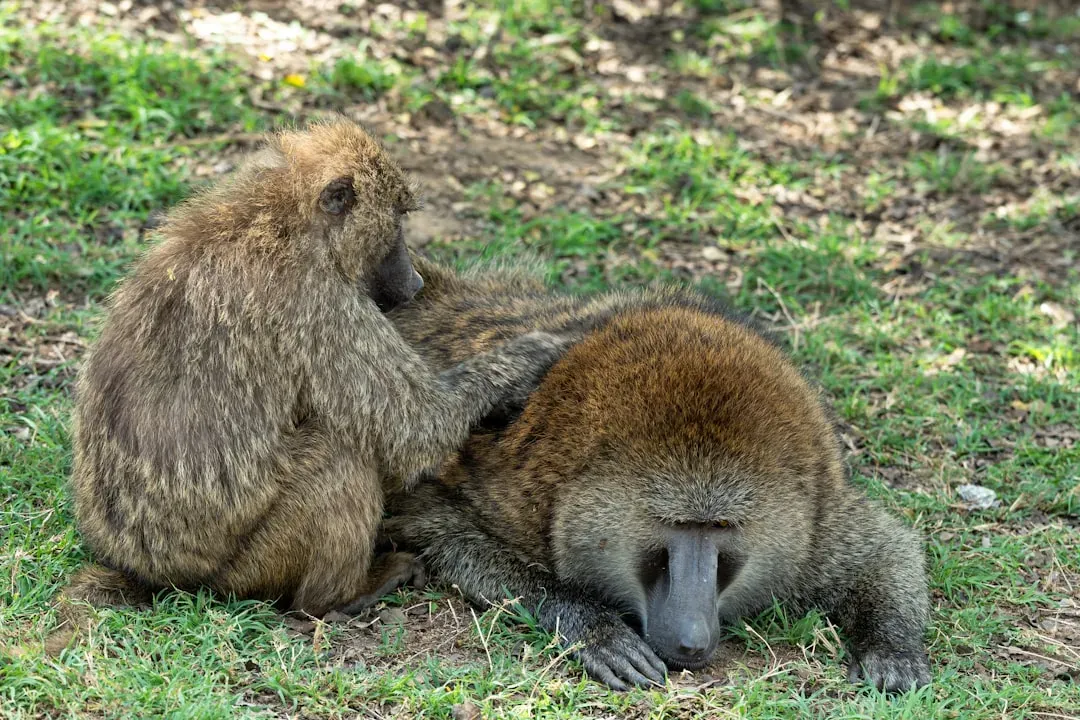
Many of these behaviors feel unbelievable not because they are rare, but because they violate the stories we like to tell about ourselves. For decades, science textbooks quietly placed humans on a cognitive pedestal, with other species arranged below in a neat ladder of intelligence. Tool use, culture, self-awareness, grief, planning – each of these was treated as a marker of human specialness until some animal inconveniently demonstrated it. It creates a constant game of scientific catch-up, where new observations force us to redraw the map of animal minds again and again.
The logical response might be humility: if elephants can appear to mourn, crows can engineer, and fish can sculpt, what else have we failed to notice? The gap is not just philosophical; it shapes conservation priorities, legal protections, and how comfortable we feel exploiting certain species. Behaviors that hint at rich inner lives or cultural traditions make it harder to treat animals as interchangeable units. At the same time, there is a risk of romanticizing or over-interpreting every odd behavior as proof of human-like emotions. The scientific challenge is to balance empathy with rigor, recognizing that other minds may be both more alien and more sophisticated than we imagined.
The Hidden Clues in the Deep: Whales That Share Songs Across Oceans
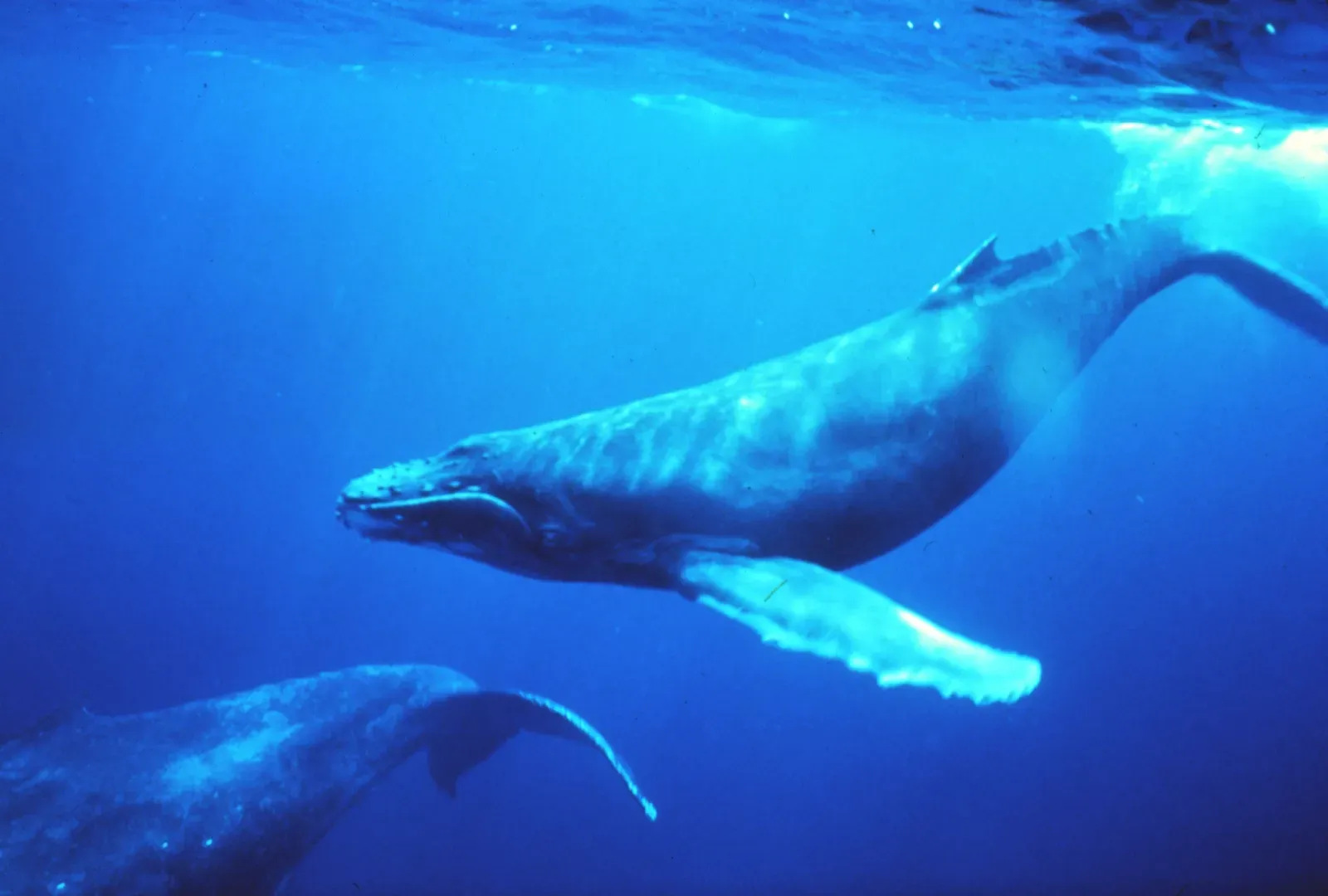
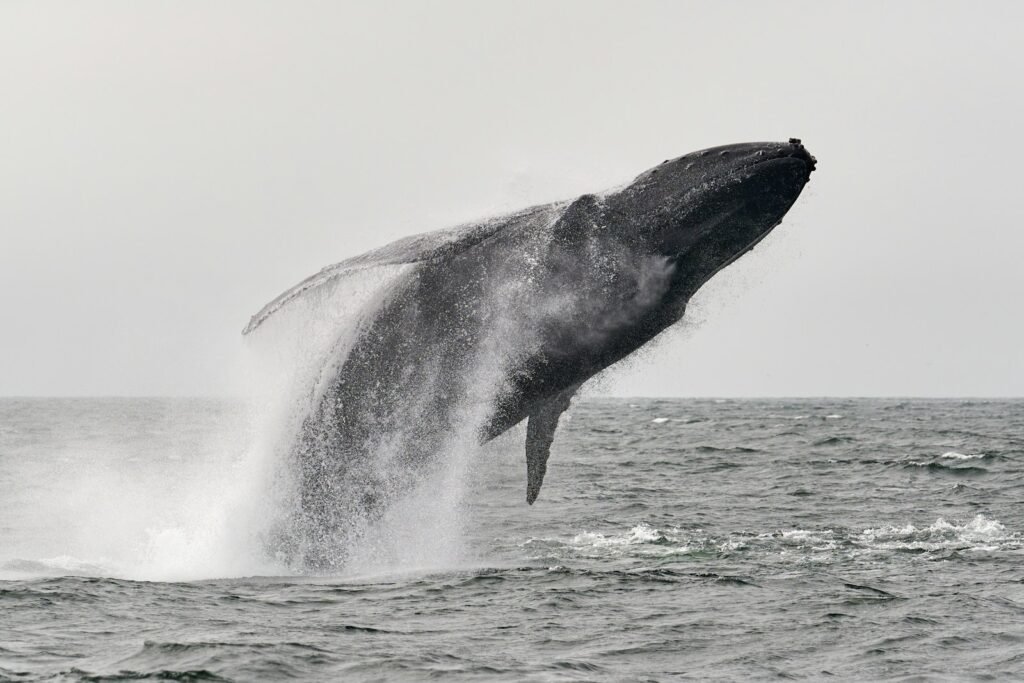
Humpback whale songs are one of the most haunting sounds in the natural world, but the real puzzle lies in how those songs change. Across entire ocean basins, males will abruptly switch from one song pattern to a new one, as if a cultural trend has swept through thousands of miles of water. In some years, a “hit song” appears to move from one population to another, with whales on the other side of the ocean eventually copying the new tune. This is not random noise; the songs have structure, repeated themes, and recognizable motifs that can be tracked like evolving languages.
Researchers see this as strong evidence of culture in a non-human species, where information is learned socially rather than encoded in genes. The mystery is why these whales trade old songs for new ones so dramatically, often abandoning a previous version almost completely. Some theories suggest sexual selection, where novelty helps males stand out; others point to social cohesion, with shared songs acting like passports for group identity. Whatever the driver, the pattern looks less like reflex and more like fashion trends in human music scenes. It hints at an oceanic world of traditions, fads, and innovations that we are only beginning to decode.
Urban Rule-Breakers: City Foxes, Coyotes, and Birds That Outsmart Our Infrastructure

Turn your attention from remote forests to city streets, and you find another set of animal behaviors that challenge our assumptions. Urban foxes time their crossings to traffic lights, coyotes navigate subway systems and bridges, and some birds have learned to drop hard nuts at crosswalks so cars will crack them open. Pigeons follow commuter schedules to find food at predictable times, and raccoons are notorious for solving increasingly complex latches and trash can locks. None of these species evolved in concrete landscapes, yet many now outperform us in navigating them.
Scientists studying these city dwellers argue that urban environments act like intense selection laboratories for innovation and boldness. Individuals that experiment, remember human routines, or exploit new food sources are more likely to thrive. What looks like mischief or nuisance behavior is often a highly tuned response to our habits and infrastructure. For humans, this blurs the line between wild and domestic spaces, forcing us to acknowledge that we are inadvertently shaping animal behavior every day. It also raises difficult questions about coexistence, conflict, and who really controls the logic of modern ecosystems.
The Future Landscape: AI, Bio‑Loggers, and Discoveries We Haven’t Even Imagined
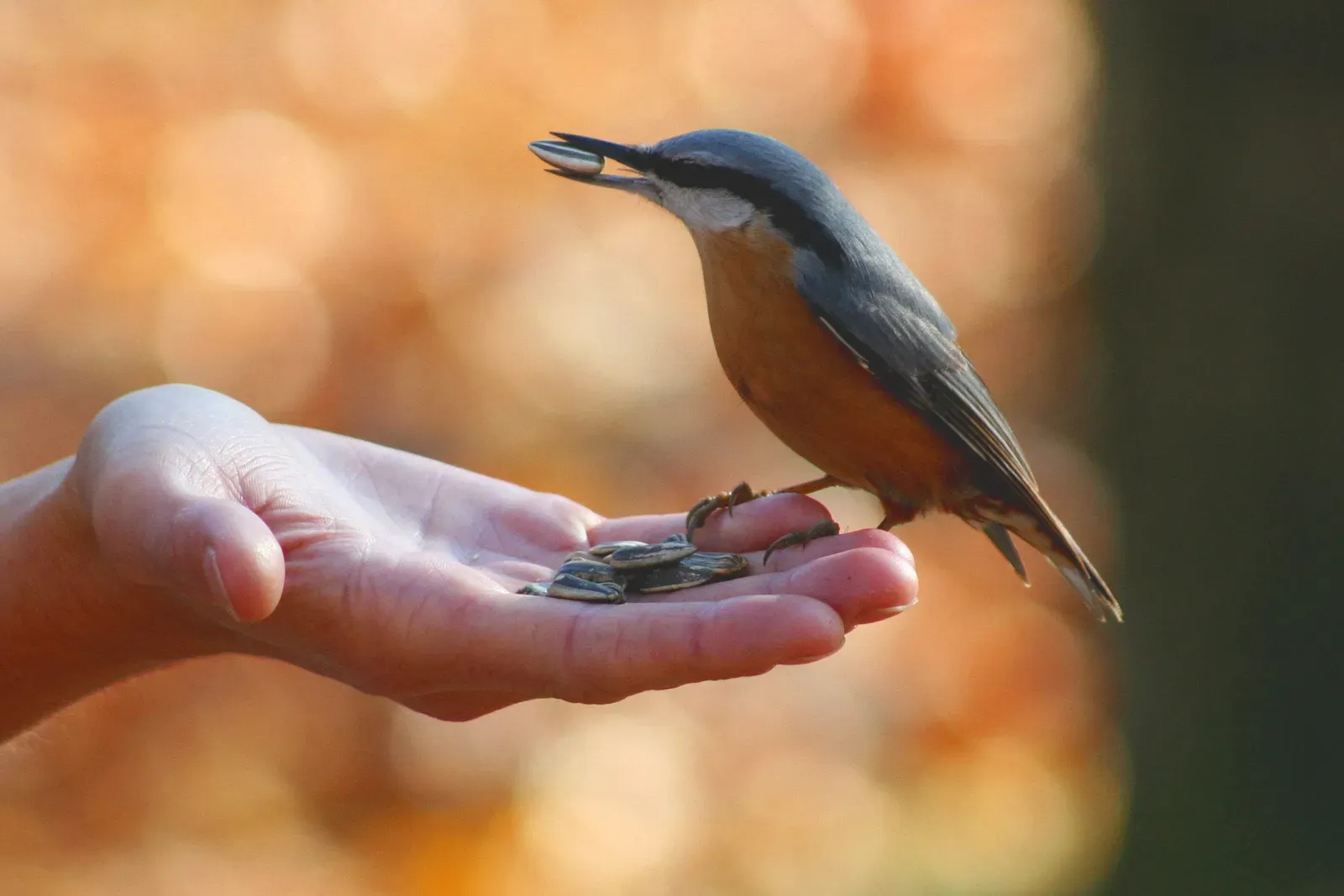
Until recently, many of these unbelievable behaviors were rare, lucky observations – a diver with a camera at just the right moment, a field biologist with endless patience. That is changing fast. Tiny GPS tags, bio-loggers, and underwater microphones now follow animals as they migrate, hunt, and socialize, turning their private lives into rich data streams. Artificial intelligence systems sift through those recordings, spotting patterns in songs, movements, and interactions that human eyes and ears would miss. In some whale studies, algorithms are beginning to flag potential “dialects” and context-dependent calls long before researchers fully understand their meanings.
Looking ahead, remote sensing and automated analysis could reveal complex behaviors in species we currently consider boring or simple. Desert insects, deep-sea fish, and nocturnal rodents may turn out to host their own cultural traditions, engineering feats, or emotional-like responses. At the same time, technology brings ethical dilemmas: intense tracking can stress animals, and military or commercial interests may exploit behavioral insights in ways that do not prioritize animal welfare. The future landscape of behavior research will depend on how we balance curiosity with restraint. If we get it right, we may uncover an entire hidden archive of animal ingenuity before habitat loss and climate change erase it.
Call to Action: How You Can Support the Science of the Unbelievable
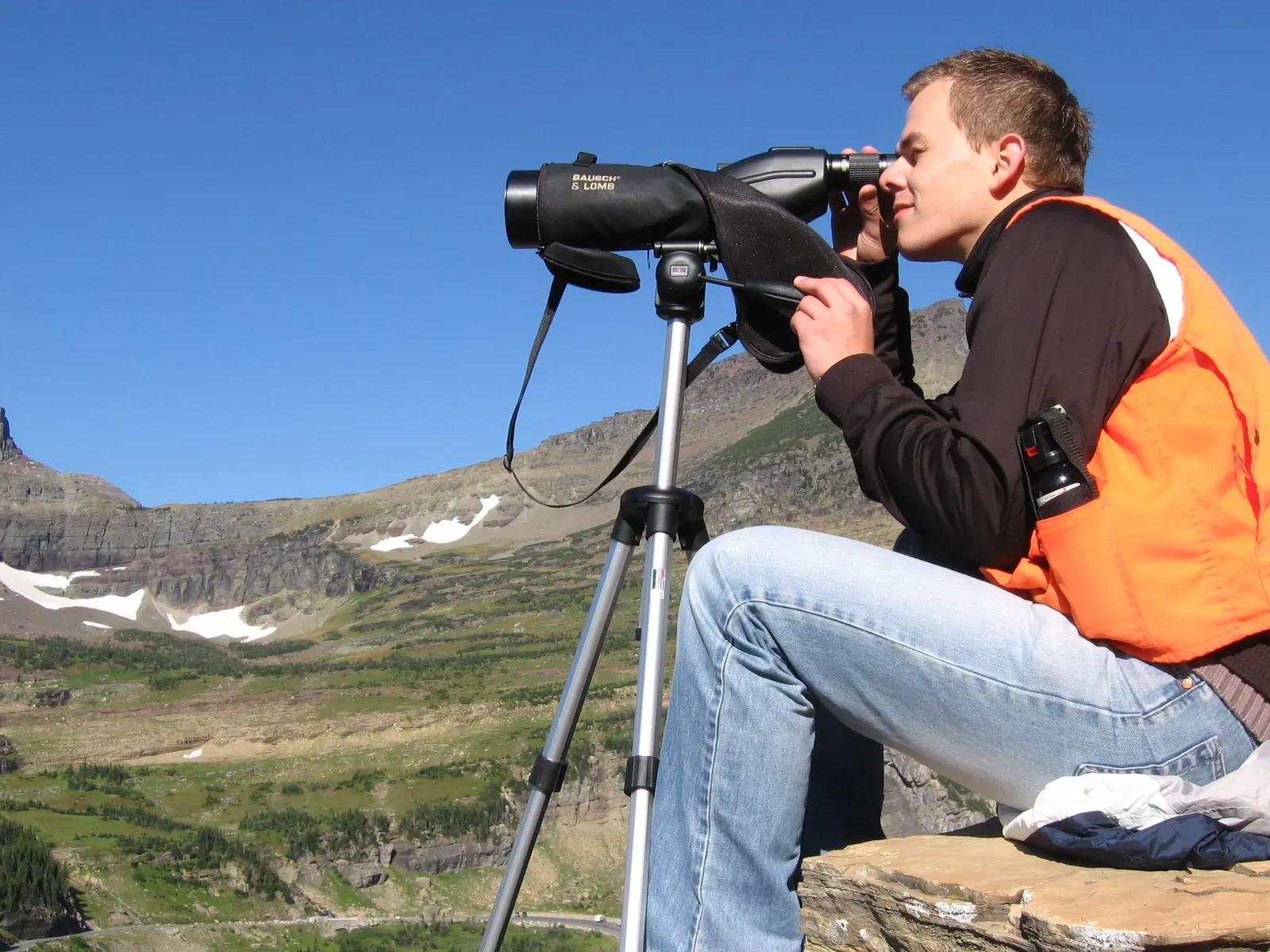
For most of us, the first step is simply paying attention. Notice the birds in your neighborhood, the insects on your balcony, the mammals that slip through city parks at dusk. Those small observations are the raw material that has fueled countless scientific breakthroughs, from understanding migration routes to mapping new behaviors. Citizen science platforms allow anyone with a smartphone to log sightings, upload recordings, and contribute to long-term datasets that professionals alone could never build. Even short, casual notes about when and where you see something unusual can matter.
Beyond observation, supporting organizations that protect habitats and fund behavioral research is a practical way to keep these mysteries from vanishing. Grants and donations help pay for the tags, cameras, field stations, and analysis that turn puzzling moments into solid science. Reducing light and noise pollution in your own environment can make it easier for animals to communicate, navigate, and carry out the behaviors we are so eager to understand. And perhaps most importantly, talk about these stories – share them with kids, friends, and coworkers, so curiosity becomes contagious. If the animal world is stranger and more brilliant than we imagined, the least we can do is keep looking closely enough to see it.
Suhail Ahmed is a passionate digital professional and nature enthusiast with over 8 years of experience in content strategy, SEO, web development, and digital operations. Alongside his freelance journey, Suhail actively contributes to nature and wildlife platforms like Discover Wildlife, where he channels his curiosity for the planet into engaging, educational storytelling.
With a strong background in managing digital ecosystems — from ecommerce stores and WordPress websites to social media and automation — Suhail merges technical precision with creative insight. His content reflects a rare balance: SEO-friendly yet deeply human, data-informed yet emotionally resonant.
Driven by a love for discovery and storytelling, Suhail believes in using digital platforms to amplify causes that matter — especially those protecting Earth’s biodiversity and inspiring sustainable living. Whether he’s managing online projects or crafting wildlife content, his goal remains the same: to inform, inspire, and leave a positive digital footprint.