
You carry around roughly three pounds of tissue between your ears that outperforms every supercomputer ever built in ways scientists are still working to fully understand. It manages your breathing, stores decades of memories, reads these words, and plans your afternoon simultaneously, all while using about as much energy as a dim light bulb. That alone is worth pausing over.
What makes the brain genuinely extraordinary isn’t just what it does, but the sheer scale at which it operates. The numbers involved are almost comically large, the mechanisms quietly elegant, and several of the most striking facts run completely counter to what most people assume. Here are ten of them.
Your Brain Holds More Data Than You Can Imagine
You’ve probably never worried about running out of memory space, and it turns out that instinct is well grounded in science. The average adult human brain has the ability to store the equivalent of 2.5 million gigabytes of digital memory. To put that in perspective, the IRS’s massive data warehouse, which keeps track of hundreds of millions of Americans and many more million businesses, has a capacity of 150 terabytes of memory – a fraction of what your brain holds.
The human brain’s memory storage capacity is an order of magnitude greater than previously thought, according to researchers at the Salk Institute for Biological Studies. The findings are significant not only for what they say about storage space but more importantly because they nudge us toward a better understanding of how information is encoded in our brains. The takeaway for you: your brain is not a filing cabinet with a limit. It’s more like a living library that rewrites and reorganizes itself constantly.
You Have More Neural Connections Than Stars in the Milky Way
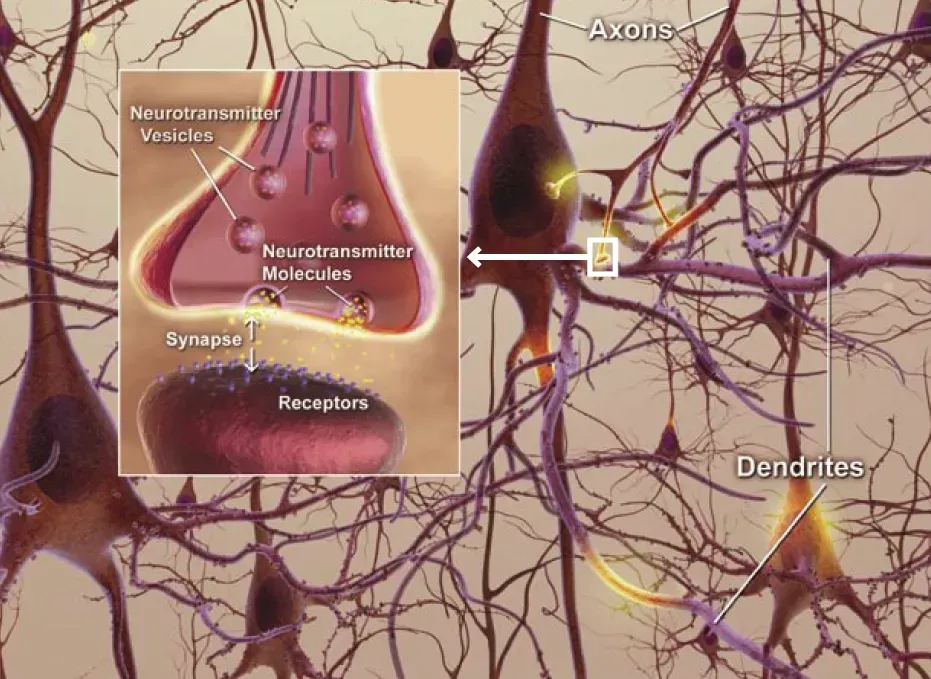
The human brain has 86 billion neurons, 400 miles of capillaries, 100 thousand miles of axons, and more than 10 trillion synapses. Those aren’t just impressive statistics – each synapse represents a potential site for learning, memory, and adaptation. The number of possible connection patterns exceeds the number of stars in the observable universe.
In a Stanford study, it was reported that the cerebral cortex alone has 125 trillion synapses. In another study, it was reported that one synapse can store 4.7 bits of information. When you multiply those two numbers together, the resulting storage capacity is staggering. Every thought you have, every habit you’ve formed, and every face you recognize is encoded somewhere in that web of connections.
Your Brain Never Really Runs Out of Room
The simple answer to whether your brain can run out of memory is no. However, there must be a physical limit to how many memories we can store. Despite our limitations, they are extremely large, so you don’t have to worry about running out of space in your lifetime. The brain isn’t a hard drive with a fixed quota. It dynamically reorganizes, compresses, and prunes information as you go.
The brain does not focus on static data but is amalgamated with learning, memory, and cognition. Information in the brain is constantly updated, modified, and added to with new experiences. Think of it less like a storage device and more like a living document that edits itself based on what matters to you. Forgetting, it turns out, is part of the system working correctly, not a sign that it’s failing.
Your Brain Can Rewire Itself at Any Age
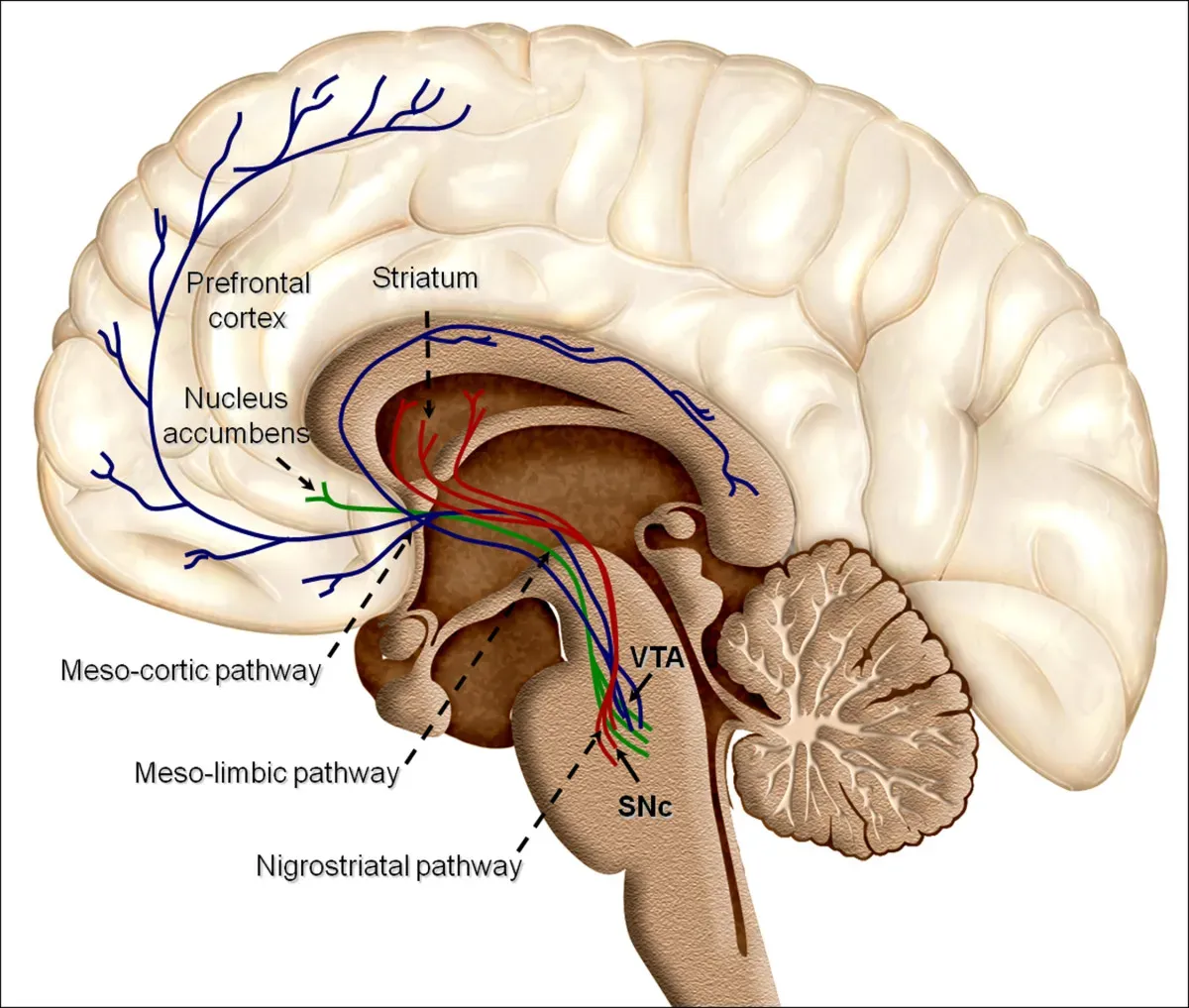
Neuroplasticity, the brain’s capacity to reorganize itself by forming new neural connections, is central to modern neuroscience. Once believed to occur only during early development, research now shows that plasticity continues throughout the lifespan, supporting learning, memory, and recovery from injury or disease. This is one of the most important revisions neuroscience has made in recent decades.
Neuroimaging research supports the idea that experience can reshape the brain. Studies have shown increases in gray matter density following intensive training, suggesting structural adaptation to new demands. Whether you’re learning a language at fifty or recovering from a stroke at seventy, your brain retains a meaningful degree of structural flexibility. The capacity to change doesn’t vanish. It just requires more deliberate effort to activate.
You Forget Half of New Information Within an Hour

Some studies suggest that humans forget approximately half of new information within an hour of learning it. Within 24 hours, that number goes up to an average of 70 percent. This well-documented pattern, known as the forgetting curve, is not a flaw in your brain’s design. It’s a built-in prioritization system that clears space for what matters.
While your long-term memory is virtually limitless, your short-term, or working memory, has a much smaller capacity. The original research into short-term memory suggests you can only hold between five to nine pieces of information there at any given time, though more recent experiments suggest it may even be as low as four. Knowing this is actually useful. Reviewing information repeatedly, spacing your study sessions, and sleeping after learning all work with this natural rhythm rather than against it.
Sleep Is When Your Brain Does Its Most Important Filing

Most modeling suggests that memories are rapidly acquired during waking experience by the hippocampus, before being later consolidated into the cortex for long-term storage. Sleep has been shown to be critical for the transfer and consolidation of memories in the cortex. So every time you skip sleep after a long study session, you’re essentially leaving the filing half done.
Not sleeping or getting enough sleep can lower your learning abilities by as much as 40 percent. During NREM stages, the brain sorts through your various memories from the previous day, filtering out important memories and eliminating other information. These selected memories become more concrete as deep NREM sleep begins, and this process continues during REM sleep. Your brain is far from idle at night. It’s organizing, pruning, and cementing the experiences that defined your day.
Your Conscious Mind Processes Far Less Than You Think

The human body sends 11 million bits per second to the brain for processing, yet the conscious mind seems to be able to process only about 50 bits per second. It appears that a tremendous amount of compression is taking place. Your senses are flooding your brain with data at all times. Your conscious awareness only sees a carefully curated summary of it.
The vast majority of processing is accomplished outside conscious notice, and most of the body’s activities take place outside direct conscious control. This suggests that practice and habit are important because they train circuits in the brain to carry out some actions automatically, without conscious interference. This is why skilled pianists or experienced drivers can perform complex tasks without actively thinking through each step. Your brain has quietly automated them.
Neural Signal Speed Keeps Improving Well Into Adulthood
It was long thought that the speed of information transmitted among regions of the brain stabilized during early adolescence. A study in Nature Neuroscience by Mayo Clinic researchers found that transmission speeds continue to increase into early adulthood. This has real implications for how we understand the teenage brain and why some cognitive abilities continue sharpening through your twenties.
Brain transmission speed is measured in milliseconds. Researchers measured the neuronal speed of a four-year-old patient at 45 milliseconds for a signal to travel from the frontal to parietal regions of the brain. In a 38-year-old patient, the same pathway was measured at 20 milliseconds. For comparison, the blink of an eye takes about 100 to 400 milliseconds. Your neural pathways are quite literally getting faster as you age into adulthood, not just more experienced.
Physical Exercise Physically Changes Your Brain Structure

Research has shown that engaging in aerobic exercise can lead to an increase in the size of the hippocampus and improve the connections between neurons in this important brain region responsible for memory and learning. Specifically, aerobic exercise increases BDNF levels, which promotes synaptic plasticity and neurogenesis in the hippocampus. That means a run or a brisk walk isn’t just good for your heart. It’s actively remodeling the part of your brain responsible for memory.
Moderate-intensity aerobic exercise performed for 30 to 40 minutes, three to four times per week has been shown to optimally stimulate BDNF production and hippocampal neurogenesis. You don’t need extreme fitness routines to benefit. Consistency at a moderate level is what the evidence actually supports. Your brain responds to movement the way a muscle responds to training – it grows and strengthens with use.
Your Brain Processes Information in Parallel, Not in Sequence
To make the most efficient use of its neurons, the brain processes information by splitting a single behavior into component parts. For instance, when you take a bite of food, there is sensory information, voluntary motor information, and involuntary motor information for the brain to process. The different components are split, sent to the appropriate regions of the brain, then processed accordingly. This distributed processing adds great speed to your ability to take in information and respond.
The brain also employs massively parallel processing, taking advantage of the large number of neurons and connections each neuron makes. For instance, a moving tennis ball activates many cells in the retina called photoreceptors. These signals are then transmitted to many different kinds of neurons in the retina in parallel. By the time signals have passed through two to three synaptic connections in the retina, information regarding the location, direction, and speed of the ball has already been extracted. Your brain doesn’t wait for one process to finish before starting the next. It runs dozens of computations at once, quietly and without your awareness.
Conclusion
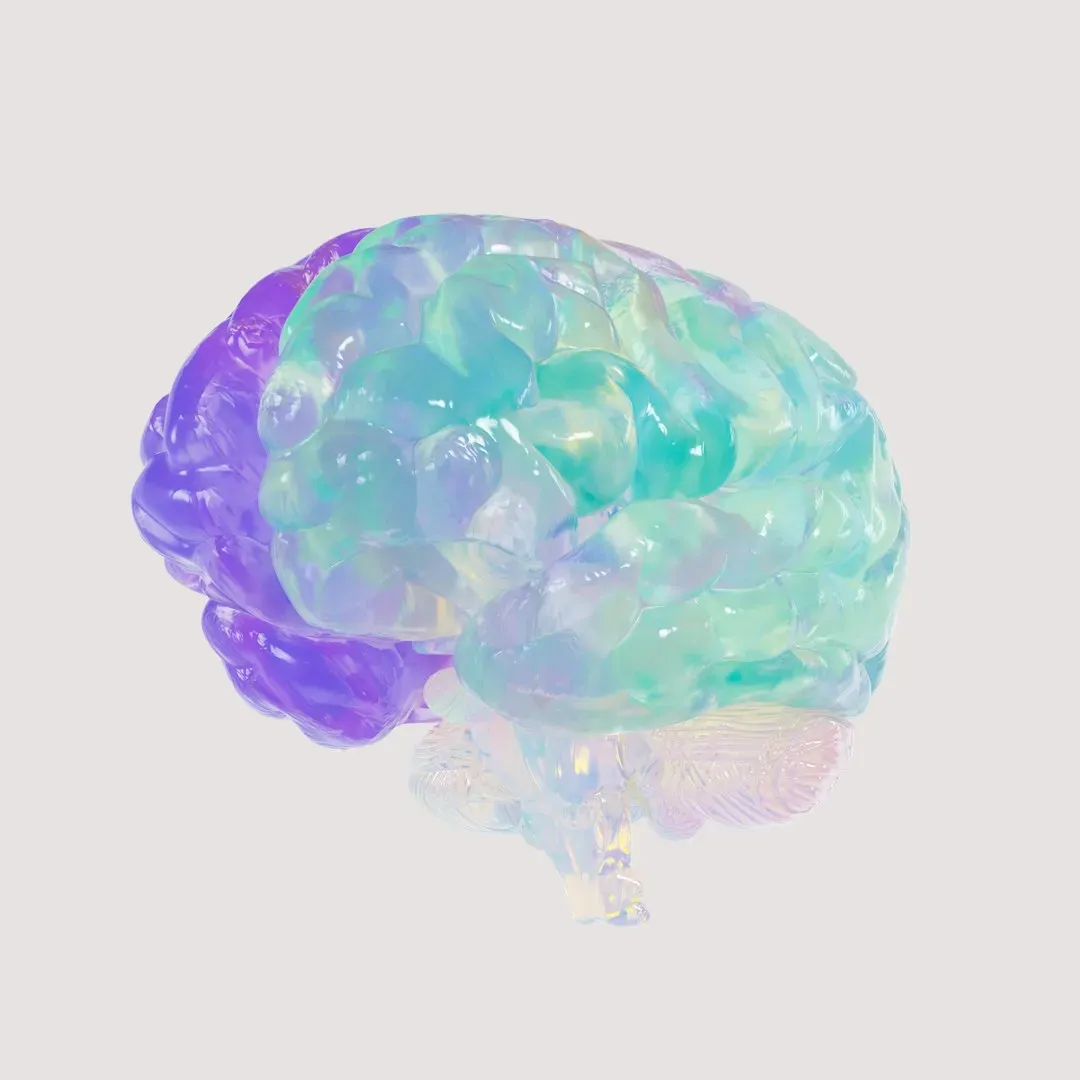
The brain you carry through your daily life is operating at a scale and sophistication that science is still catching up to. From its near-limitless storage capacity to its ability to restructure itself in response to experience and movement, the picture that emerges from the research is one of remarkable resilience and adaptability.
What’s perhaps most worth holding onto is this: the brain isn’t a fixed machine. It responds to how you sleep, how you move, how often you review what you’ve learned, and even how you manage stress. The capacity is already there. What you do with your days shapes how fully it gets used.