If you grew up thinking human evolution was a straight, simple line from ape-like creatures to us, prepare to have that mental chart shattered. For most of our history, Homo sapiens shared the planet with other human species that were as real and alive as we are today, even if they looked and behaved in ways that now feel almost alien. Picture a world where you might walk over a hill and meet a cousin species with a different body, a different brain, and maybe even a different way of seeing the world.
What makes this story even wilder is that our ancestors did not just coexist with these other humans – they sometimes met them, lived near them, and had children with them. Traces of those encounters are still written in our DNA, like ghostly signatures from people who vanished tens of thousands of years ago. The more scientists dig into caves, sediments, and genomes, the more this lost cast of characters comes into focus, and it turns out our family tree looks less like a ladder and more like a tangled, chaotic forest.
1. Neanderthals: The Close Cousins We Misjudged
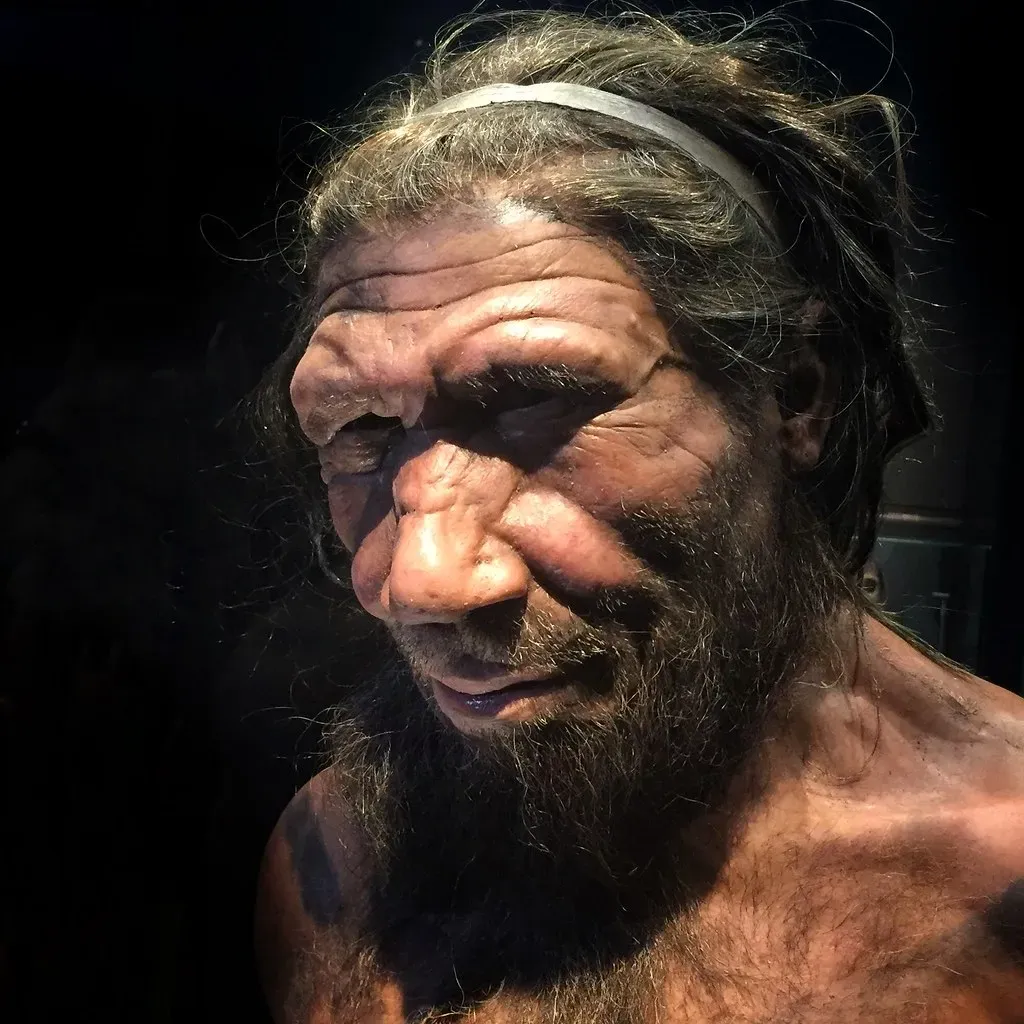
Neanderthals are probably the most famous of our extinct cousins, and for a long time they were unfairly portrayed as clumsy, dim-witted brutes. In reality, they were highly adapted humans who thrived in Ice Age Europe and western Asia for hundreds of thousands of years. They had stocky bodies, powerful builds, and large noses that may have helped warm cold air, plus brains that were roughly comparable in size to ours, just shaped a bit differently.
What makes Neanderthals especially strange, in a quietly unsettling way, is how close they were to us – close enough that many people alive today carry a small portion of Neanderthal DNA. Evidence suggests they made tools, used fire with skill, probably wore clothing, and may have created symbolic objects or simple art. They were not just background characters; they were a rival version of “human” that overlapped with Homo sapiens for thousands of years before disappearing, possibly pushed out, absorbed genetically, or just outcompeted as climates and landscapes shifted.
2. Denisovans: The Mysterious Genome Humans
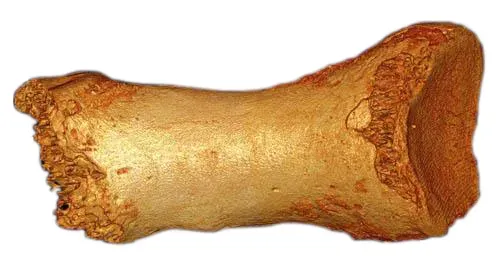
If Neanderthals are the cousins we misjudged, Denisovans are the cousins we did not even know existed until embarrassingly recently. They were first recognized from a tiny finger bone and a few teeth found in Denisova Cave in Siberia, and for a while their entire story came mostly from DNA rather than full skeletons. Their genetic signature, however, turned out to be scattered across modern populations, especially among people in parts of Asia, Melanesia, and Australia, which means our ancestors met them and had children with them too.
What makes Denisovans feel almost science-fiction level strange is that their bodies remain largely a mystery while their DNA is relatively well understood. We know from genetics that they were distinct from both Neanderthals and Homo sapiens, and in some regions they contributed genes that may help modern people adapt to high altitudes or certain environments. Imagine an entire human species that we can barely picture physically, but whose molecular fingerprints still affect how some of us breathe on mountaintops today – that is the kind of unsettling, thrilling puzzle Denisovans have given us.
3. Homo floresiensis: The “Hobbits” of Flores
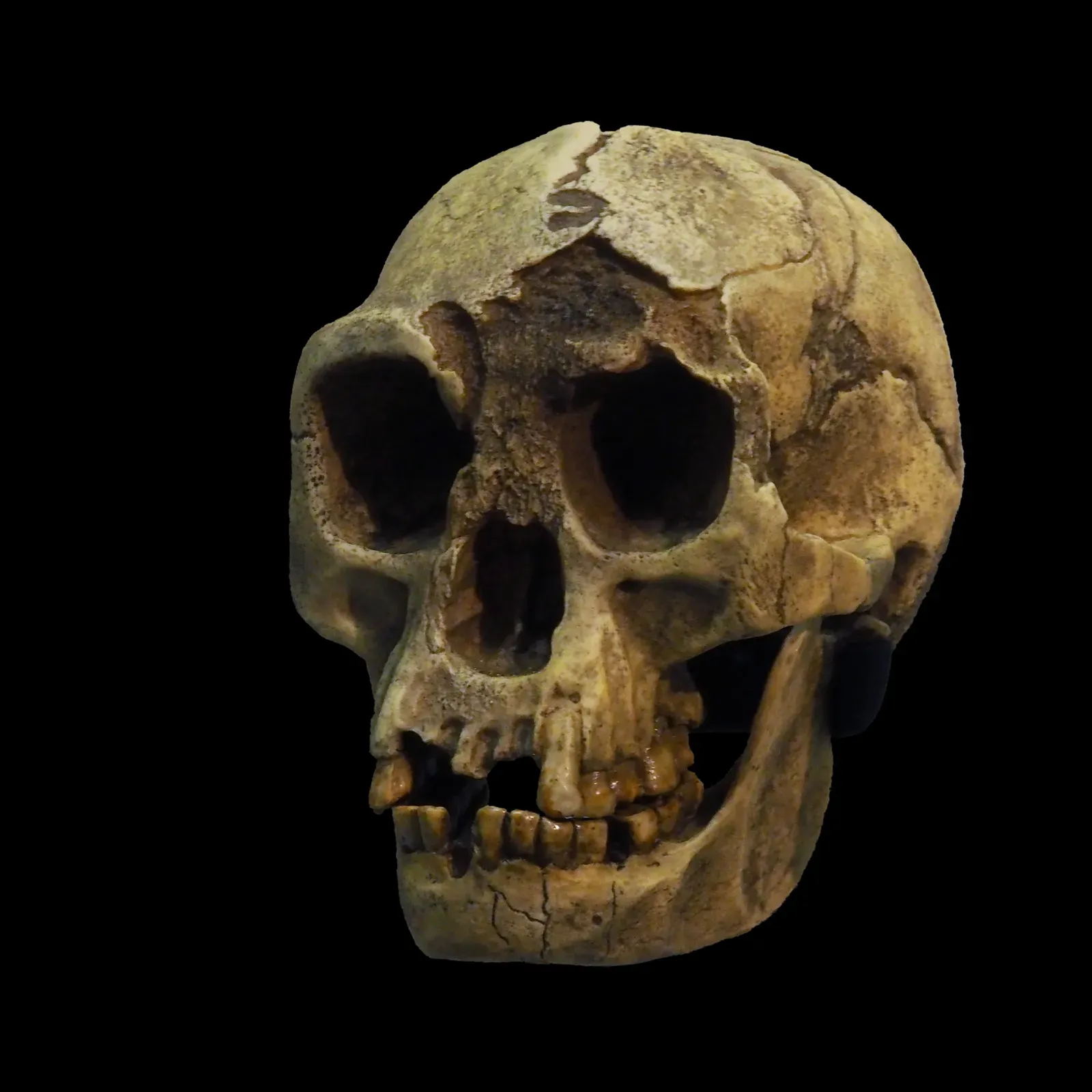
On the Indonesian island of Flores, researchers uncovered the remains of a tiny human species later named Homo floresiensis, quickly nicknamed “hobbits” for obvious reasons. These humans stood roughly as tall as a modern six-year-old child, with small bodies but surprisingly complex stone tools and evidence of hunting and fire use. Their skulls were small, yet their behavior suggested a level of planning and cooperation that challenged old assumptions about brain size and intelligence.
Homo floresiensis is strange not just because of their size, but because they survived until remarkably late in the evolutionary game – likely until tens of thousands of years ago, overlapping with Homo sapiens in the region. One eerie thought is that stories from local myth and folklore about small forest people could be distant echoes of long-past encounters, though science cannot confirm that link. Still, the idea that tiny humans once walked tropical forests, possibly watching the first modern humans arriving on nearby islands, gives our species’ expansion a far more crowded and dramatic backdrop.
4. Homo naledi: The Deep-Cave Enigma
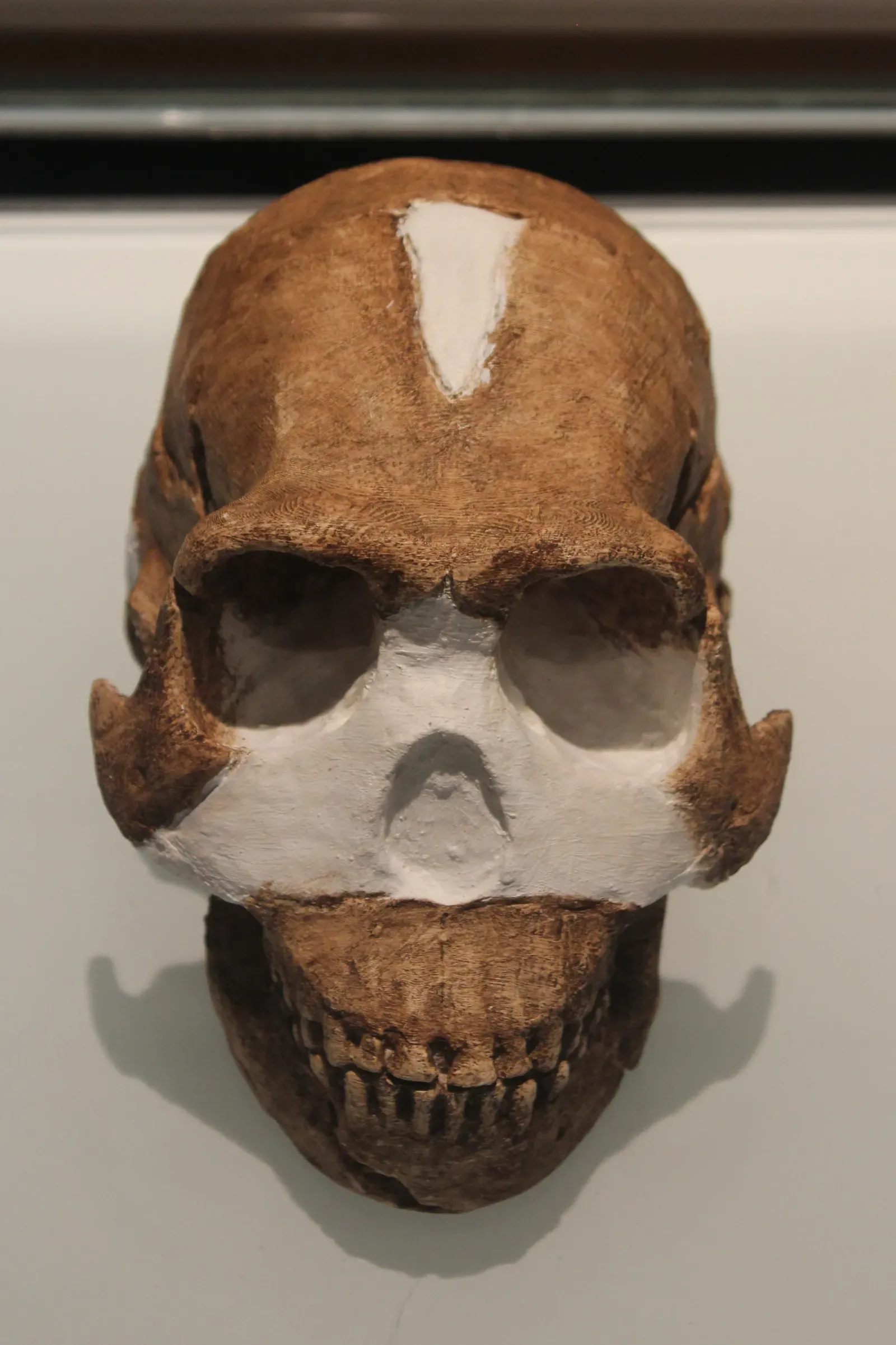
Homo naledi burst onto the scene from deep within a South African cave system, where explorers discovered chambers filled with their bones in places incredibly difficult to access. They had a mosaic of traits: a small brain, curved fingers, and a body partly reminiscent of earlier human ancestors, but with feet and legs well-suited for walking upright like us. This odd mix makes them feel like a time traveler from an earlier stage of evolution who somehow survived alongside much more “modern” humans.
The biggest controversy around Homo naledi is not just what they looked like, but how they used those dark caves. Some researchers argue their remains were deliberately placed there, hinting at some form of mortuary behavior or ritual, while others remain skeptical and emphasize more mundane explanations. If even part of the ritual interpretation is right, then a small-brained human species may have been dealing with death and the dead in ways once thought unique to larger-brained Homo sapiens, forcing us to rethink what kind of mind you need to wrestle with existential questions.
5. Homo luzonensis: Island Humans of the Philippines
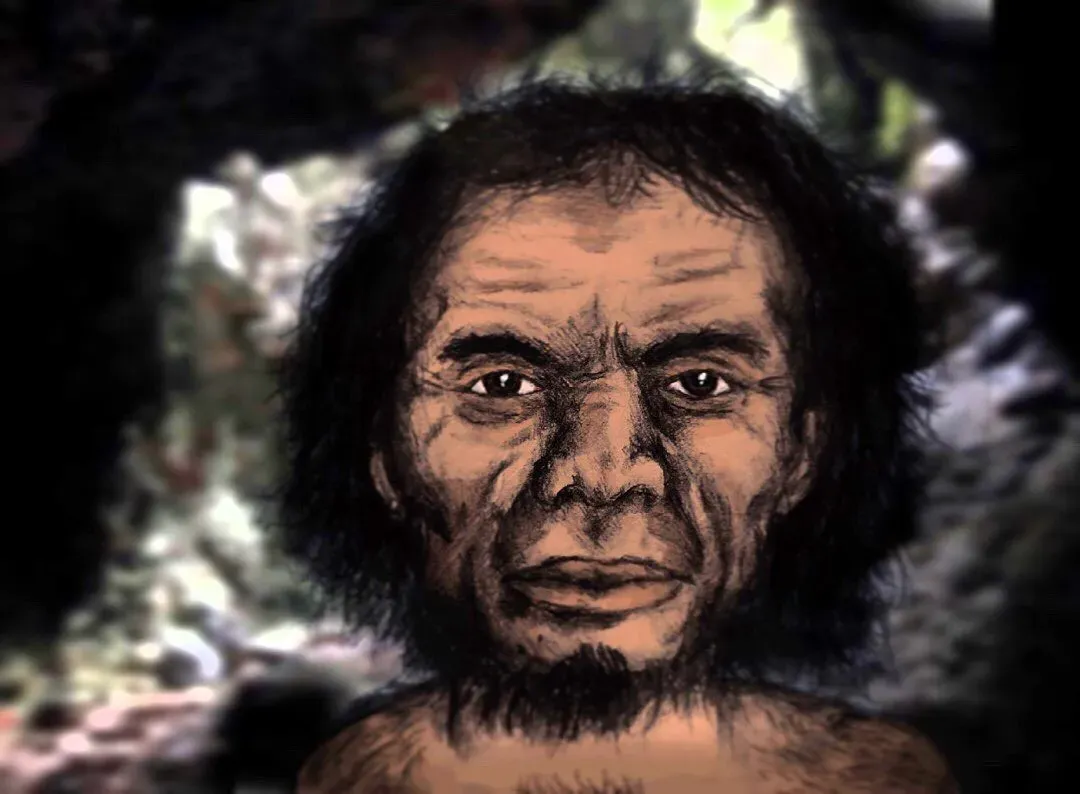
On the island of Luzon in the Philippines, scientists recently identified another diminutive and puzzling human species, now called Homo luzonensis. Known from a handful of teeth and bones, they seem to show a quirky combination of traits, with some bones resembling more ancient hominins and others closer to later humans. Like Homo floresiensis, they likely lived in isolation on an island, which can push evolution into strange directions, shrinking or reshaping bodies over long periods.
What is especially fascinating is how late they seem to have survived, overlapping in time with Homo sapiens in the broader region, even though direct contact has not yet been proven. Their presence supports a picture of Southeast Asia as a hotspot of human diversity rather than a simple stepping stone on our supposed march of progress. In a sense, these island humans remind us that evolution is not aiming at us as the “final” product; it is constantly improvising new designs, especially in isolated environments where nature gets to experiment with the human body in unexpected ways.
6. Homo heidelbergensis: The Common Ancestor With Two Futures
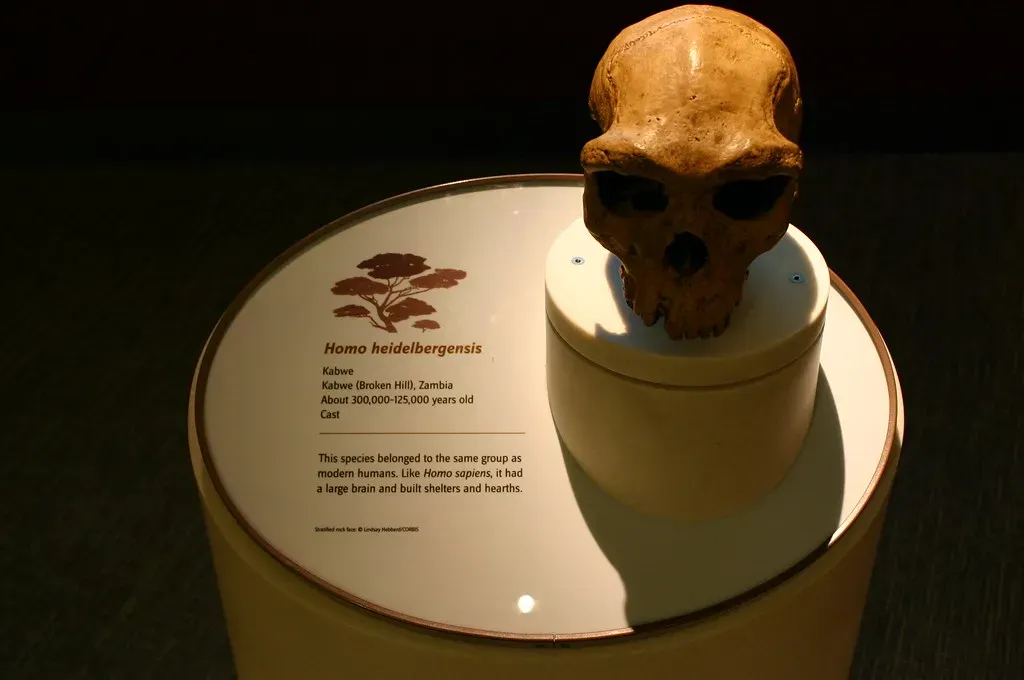
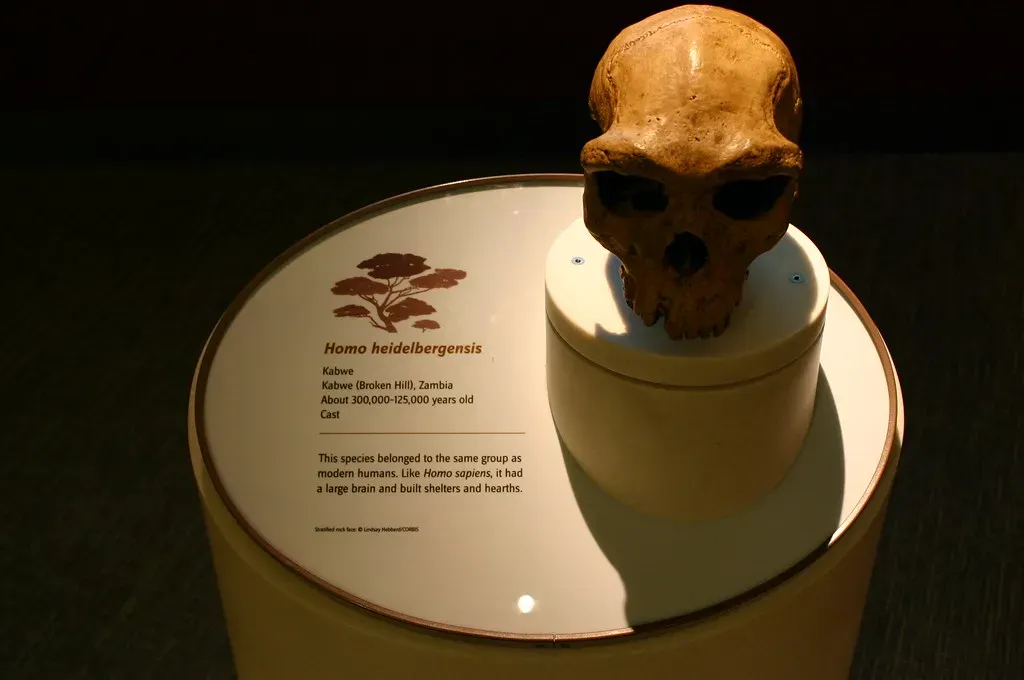
Homo heidelbergensis is often described as a potential common ancestor to both Neanderthals and modern humans, making them a crucial branching point in our family history. They lived in Africa and Eurasia and had larger brains and more advanced tools than many earlier hominins, yet they still carried some more archaic features in their skulls and bodies. You can think of them as a kind of “prototype” for later big-brained humans, one that could be modified into different regional lineages as climates and landscapes shifted.
What makes Homo heidelbergensis feel strange is not a single dramatic trait, but the idea that one species could split into such different futures, with one branch leading toward Neanderthals and another toward us. They probably hunted large animals, cooperated socially, and adapted to varied environments, building the behavioral foundation that later hominins would refine. In that sense, they were living in the middle of a story they could not possibly see – unaware that their descendants would someday look back and argue over which fossils belonged to whom in a puzzle that still frustrates and excites scientists today.
7. Homo erectus: The Longest-Living Human Pioneer
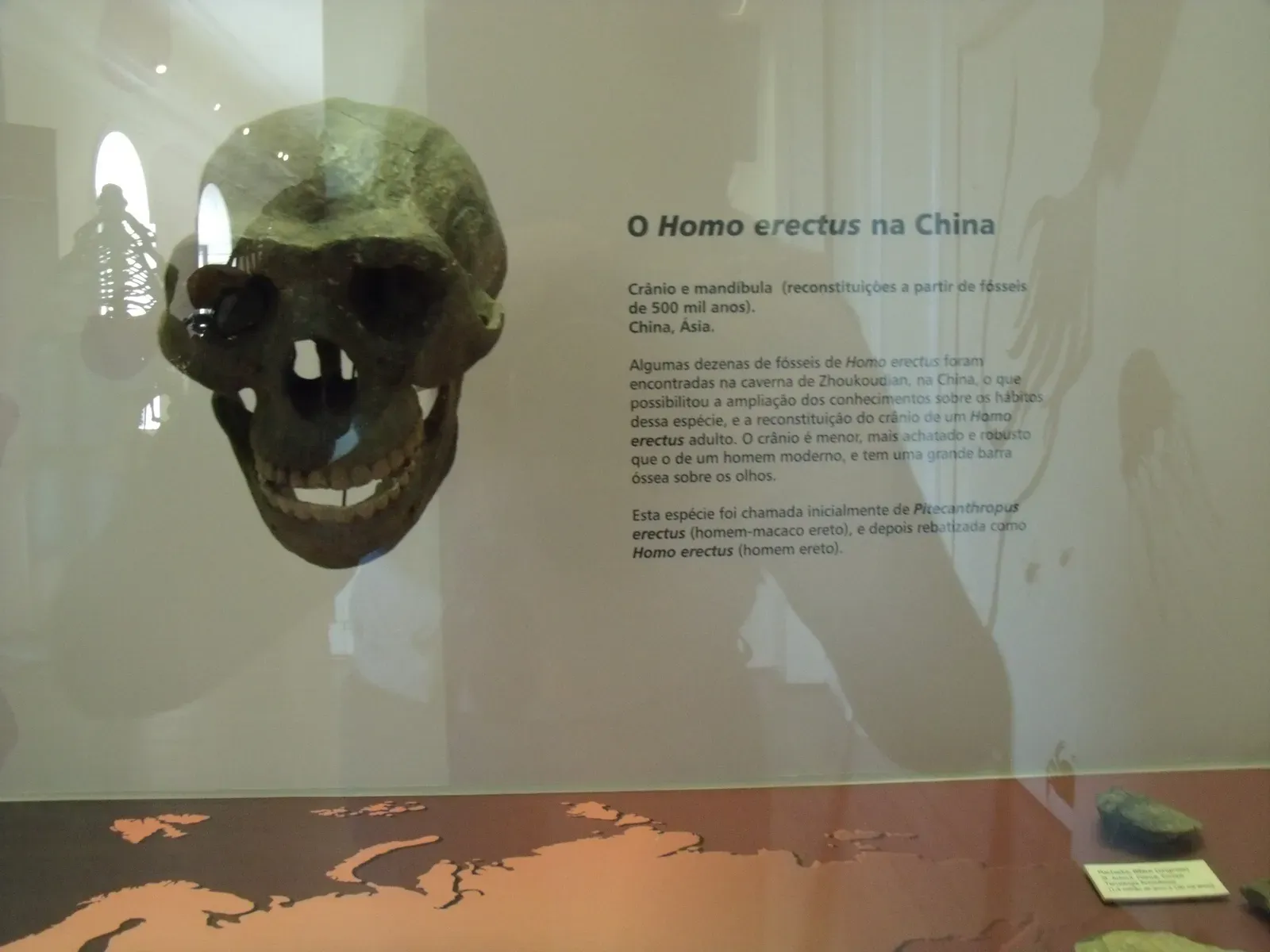
Homo erectus might not sound as exotic as “hobbits” or mysterious cave dwellers, but in many ways they are one of the strangest and most impressive human species of all. They appeared well over a million years ago and persisted for an astonishingly long time, likely far longer than Homo sapiens has existed so far. They had bodies well adapted for long-distance walking and possibly even endurance running, which may have allowed them to spread out of Africa into Asia and beyond, becoming global pioneers in a way earlier hominins were not.
From a modern perspective, what really stands out about Homo erectus is their sheer persistence and adaptability compared to later, flashier species that came and went. They used relatively simple tool traditions for ages, suggesting a kind of evolutionary success that did not require constant technological revolution. It is humbling – maybe uncomfortable – to realize that a species with fewer apparent cultural fireworks might have been more stable and enduring than us, like a quiet old tenant in Earth’s apartment building who outlives a series of showy newcomers.
8. Homo antecessor: The Uncertain Europeans
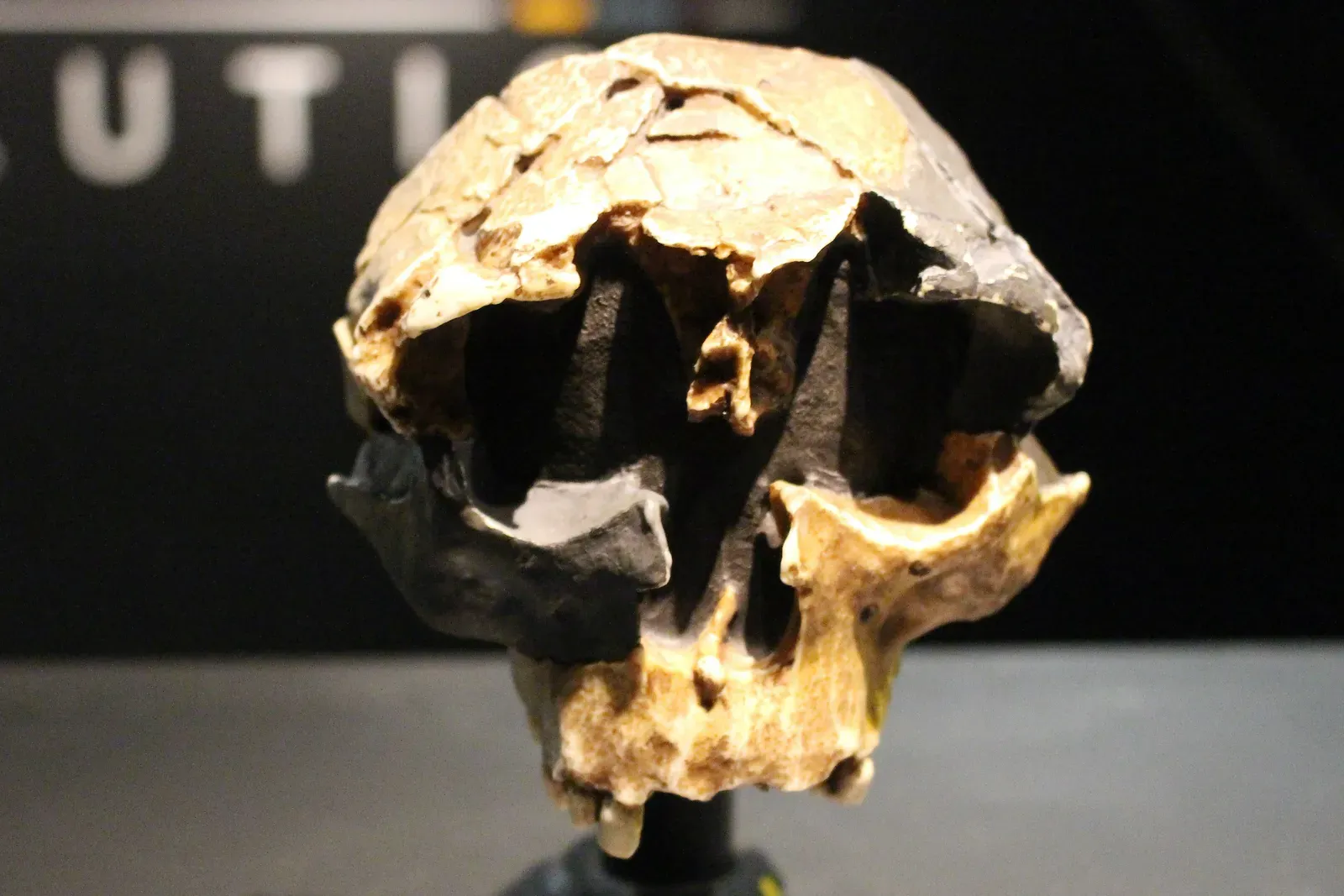
Homo antecessor is a controversial and still-debated species name based on fossils from Spain that may represent some of the earliest human presence in western Europe. They appear to blend traits seen in earlier Homo with features that look more like later Neanderthals or modern humans, which has made them central to arguments over who gave rise to whom. Some researchers see them as a distinct species, while others think they may be an early form or side branch within a broader group like Homo heidelbergensis.
What makes Homo antecessor strange is partly the uncertainty: they sit at a messy intersection in the fossil record where lines between species blur and naming becomes a matter of interpretation. They lived in a Europe that was still a wild frontier for humans, with shifting climates that could quickly turn harsh. The idea that our distant relatives were pushing into these challenging landscapes so early, leaving behind butchered animal bones and stone tools, gives European prehistory a much deeper and more dramatic backstory than the familiar cave-painting image suggests.
9. Homo longi (“Dragon Man”): The Massive-Skulled Mystery
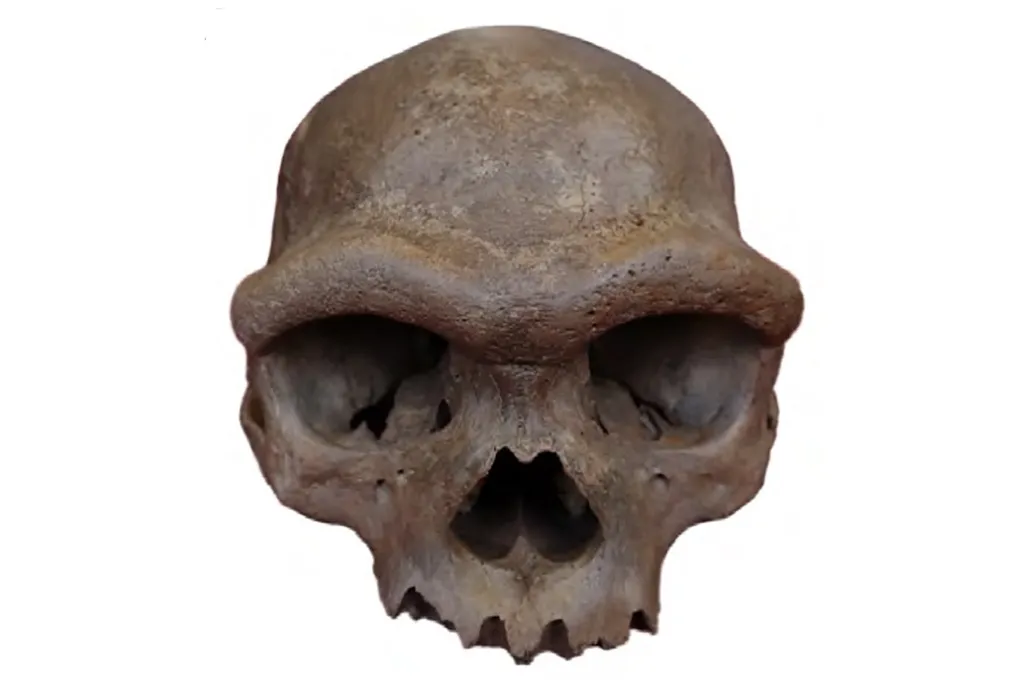
In recent years, a striking skull from China, often called Homo longi or “Dragon Man,” has entered the debate about just how many human lineages were roaming Eurasia. The skull is large and robust, with a big braincase and a prominent brow, and it has prompted suggestions that it may represent yet another distinct human species. Some analyses have even proposed that this lineage could be more closely related to Homo sapiens than Neanderthals are, though that interpretation remains heavily debated and far from settled.
What makes this find so fascinating is how it underscores the likelihood that Asia hosted a complex, layered population of different human forms that we are only beginning to untangle. Instead of a tidy map where Homo sapiens moves neatly across the continent, we get overlapping ranges, ghost lineages, and possible hybridization events that turn our history into a swirling mosaic. It is entirely possible that future DNA and fossil discoveries will shuffle Homo longi’s place on the family tree yet again, a reminder that the story of human diversity is still being rewritten in real time.
10. Late-Surviving Neanderthal–Sapiens Hybrids: The Blurred-Edge Humans
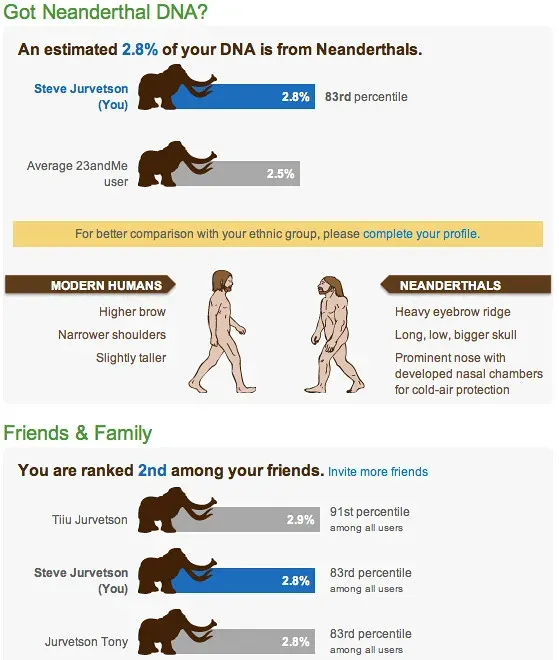
While not a separate species in the strict taxonomic sense, late-surviving hybrids between Homo sapiens and other humans like Neanderthals deserve a place on this list because they were living, breathing people whose genomes crossed species boundaries. Genetic evidence has revealed individuals with very recent mixed ancestry, meaning their parents or grandparents came from different human groups that scientists once treated as fully separate. These people were neither purely one thing nor the other; they embodied the literal blending of lineages at a time when multiple human forms shared the same landscapes.
Thinking about these hybrids makes our old species boxes feel clumsy and oversimplified. For them, the distinction between “us” and “them” that we obsess over today did not exist in the same way; they were just people finding partners, forming families, and trying to survive in difficult environments. In my view, their existence is a powerful reminder that evolution does not care about our desire for crisp categories – where ranges overlap, genes mix, and the edges of species can become beautifully, maddeningly blurred.
Conclusion: A Crowded Past That Rewrites Who “We” Are
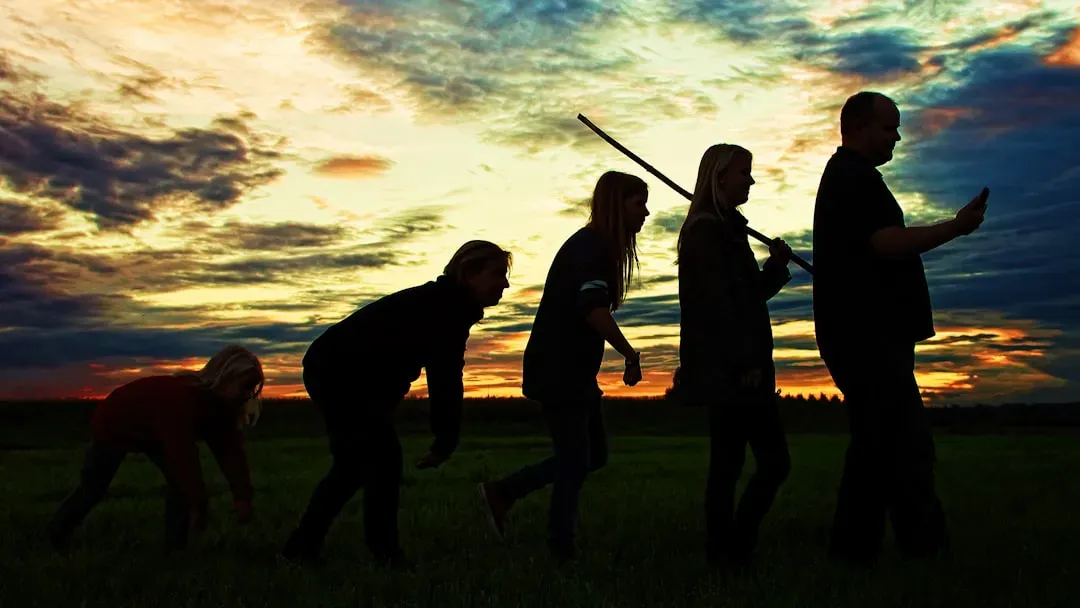
When you step back and look at these ten human species and populations together, the old image of Homo sapiens as a lone, inevitable pinnacle collapses. For much of the last few hundred thousand years, our ancestors lived in a world full of other humans – short island dwellers, deep-cave enigma species, rugged Ice Age hunters, and shadowy lineages we still struggle to define. Some of them left clear fossils and tools; others are known mainly from fragments of bone and strands of DNA that feel like whispers from people who refused to fit neatly into our tidy charts.
My opinion is that this crowded, messy past is not a threat to our sense of being human; it actually makes being human far more interesting and profound. We are not the flawless endpoint of evolution but one surviving twig on a wildly branching tree, shaped partly by encounters and unions with cousins who did not make it to the present. That realization can be humbling, but it is also strangely comforting, because it means our story was never about a single chosen species marching alone – it was about a family experimenting with many ways of being human. Knowing that, how can we not wonder what other lost cousins are still waiting to be discovered in the rocks beneath our feet?