You probably think you know what sleep is: you lie down, close your eyes, do nothing, and wake up “reset.” Simple. But the more science digs into sleep, the stranger it gets. The basics are familiar, yet the details keep refusing to line up neatly, like a puzzle that stubbornly changes shape every time you think you’ve solved it.
As you walk through these ten facts, you’ll see how many assumptions about sleep quietly fall apart. You’ll bump into mysteries that top researchers still argue about, uncomfortable truths about your own habits, and a few surprising angles that make sleep feel less like an off-switch and more like an alien state your brain visits every night. By the end, you may still not fully understand sleep – but you’ll at least understand why nobody else does either.
1. You Spend About One Third Of Your Life Asleep, But Scientists Still Can’t Say Exactly Why

Think about it: if you live to eighty, you’ll spend more than twenty-five years asleep, yet science still does not have a single, universally agreed answer to what sleep fundamentally is for. You’re told it “restores” you, “cleans” your brain, “consolidates” memories – and all of that is partly true – but there is no single master explanation that covers every species and every function. For something that hijacks so much of your life, sleep is oddly resistant to a clean, simple job description.
If sleep were just about saving energy, evolution could have come up with far safer, more efficient solutions than leaving you unconscious and vulnerable every night. If it were only about memory, then animals with simpler brains should need far less of it than they do. Instead, you see creatures with tiny brains sleeping for long stretches, and others with complex brains barely sleeping at all. When you zoom out, you start to feel how bizarre it is that you surrender a third of your lifetime to something science still can’t fully pin down.
2. Your Brain Is Shockingly Active At Night – Sometimes More Than When You’re Awake
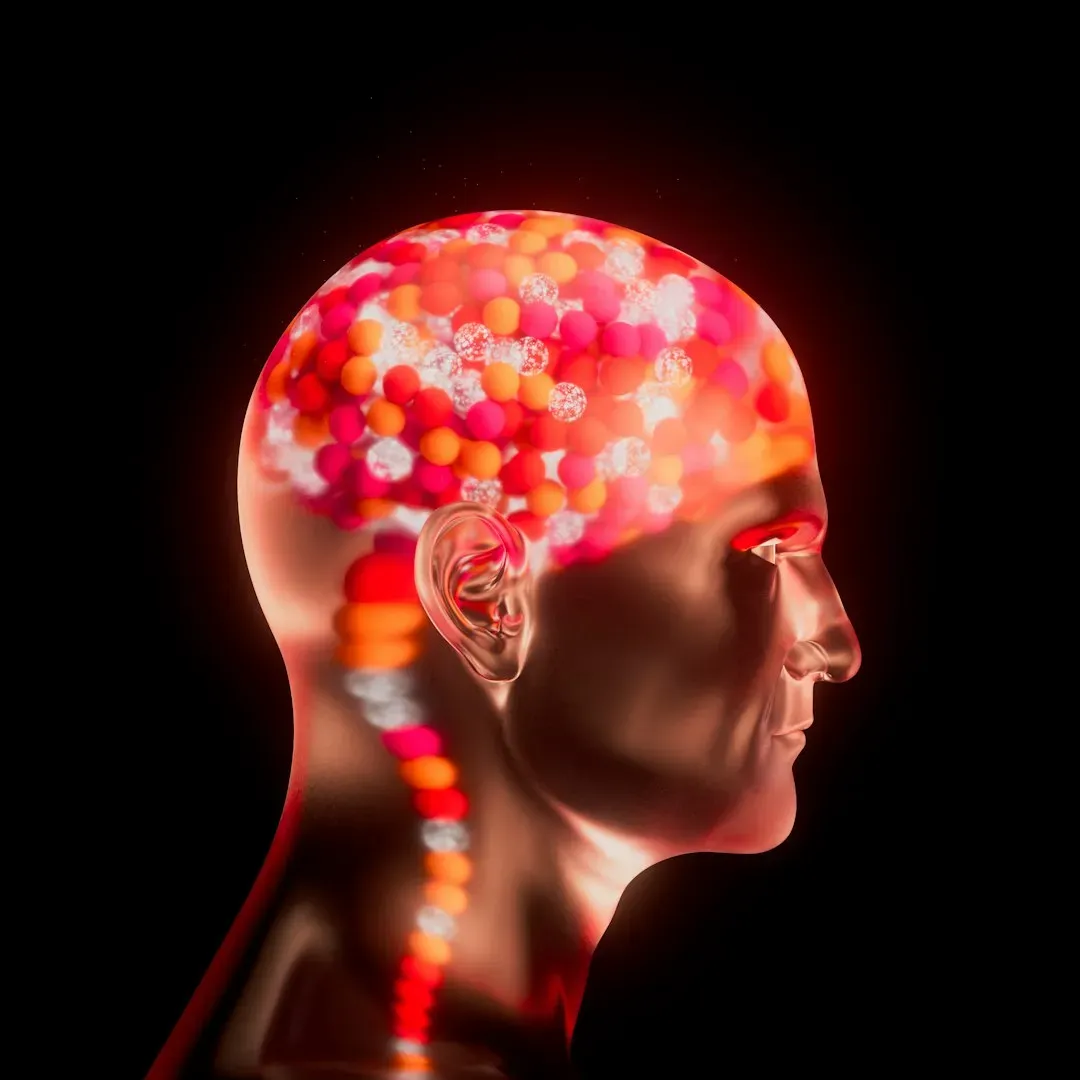
It’s tempting to picture your brain at night like a computer in sleep mode, just humming quietly in the background. In reality, some regions of your brain light up during certain sleep stages as intensely as they do when you’re wide awake, and sometimes even more. During REM sleep, the phase when you dream most vividly, areas tied to emotion, visual processing, and memory go into overdrive while regions responsible for logic and self-control get dialed down.
This means you’re not “shutting off” at night – you’re shifting into a different way of being conscious. You might not remember most of it, but your brain is testing patterns, replaying experiences, making bizarre associations, and reacting emotionally to things that are not really happening. If you’ve ever woken from a dream feeling shaken, inspired, or oddly relieved, you’ve felt just how real that activity can be. Your sleeping brain is less like a machine in standby and more like a theater running all-night rehearsals without an audience.
3. Sleep Is Universal In Animals, But How They Do It Makes No Sense

Across the animal kingdom, every species that has been carefully studied seems to show some version of sleep or sleep-like states. Yet when you look at how different animals pull it off, you realize how flexible and weird sleep can be. Some dolphins and certain birds can sleep with only half of their brain at a time, keeping one eye open and one side of the brain awake so they can surface to breathe or stay alert for predators.
Other animals, like some insects and fish, slip into quiescent states where their responsiveness drops and their behavior changes in ways that look like sleep, even though their brains are completely different from yours. Then there are animals who barely sleep during certain seasons, like migrating birds that grab tiny naps on the wing, and others, like bats, that sleep nearly all day. When you see sleep bent and stretched in so many directions, it becomes harder to say what counts as “real” sleep and why evolution refuses to get rid of it.
4. You Underestimate How Badly Even One Short Night Can Hurt Your Brain
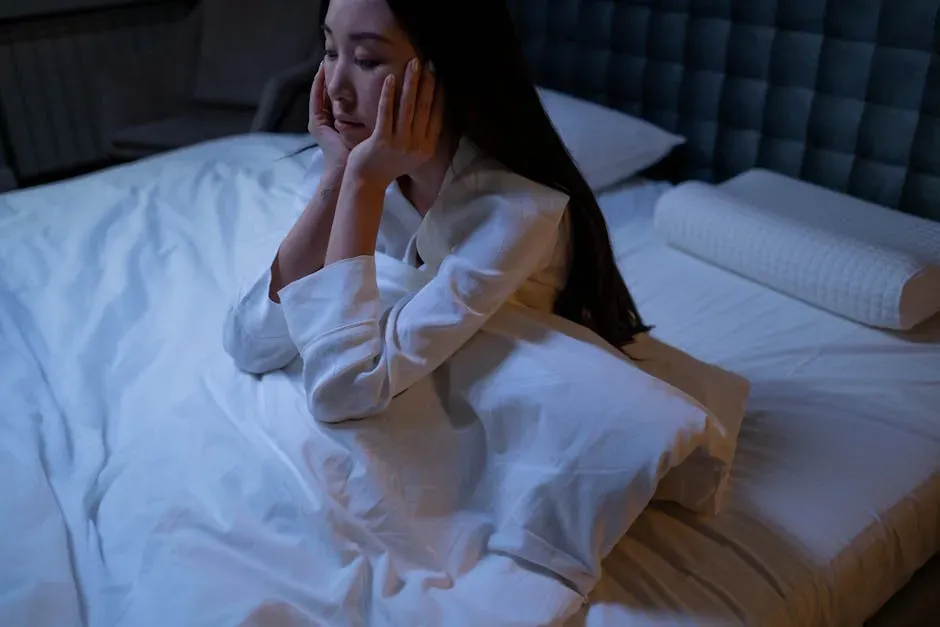
When you stay up late to finish a project or binge a show, it’s easy to dismiss the price as “just feeling a bit tired.” But research shows that a single night of short sleep – say, four or five hours – can measurably impair your attention, reaction time, and decision-making the next day. You may feel “fine enough,” yet your brain quietly operates like it is mildly intoxicated, and you probably won’t notice how sloppy your thinking has become.
What’s even more unsettling is how quickly your brain adjusts its expectations downward. After several nights of restricted sleep, you might report that you’ve “gotten used to it,” when tests show your performance is still drifting further down. Your subjective sense of being okay is a terrible judge of how sleep-deprived you really are. In other words, you’re not just tired; you’re a poor witness to your own tiredness, which makes chronic sleep loss much easier to ignore than it should be.
5. Your Brain Literally Washes Itself While You Sleep
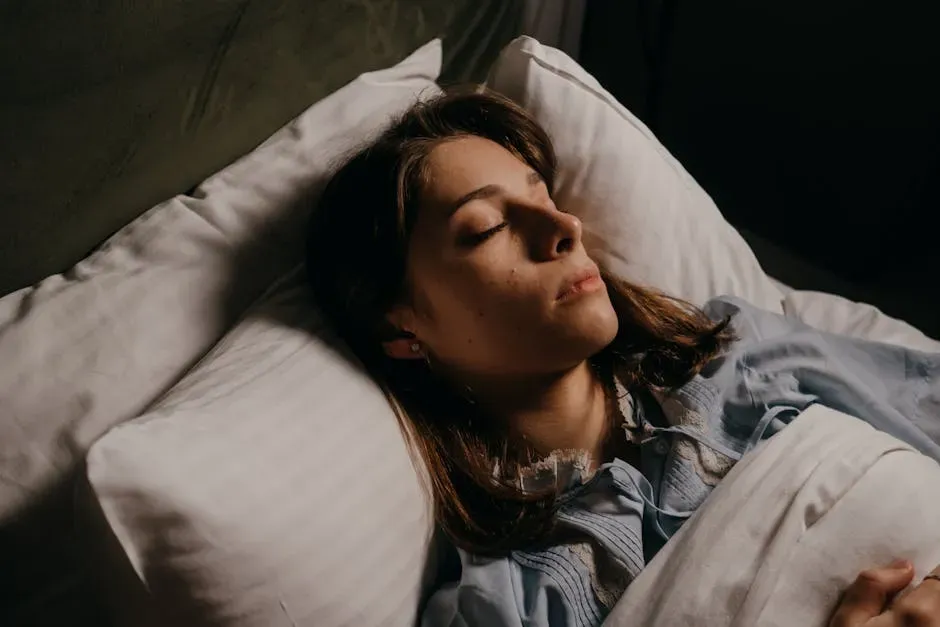
When you fall asleep, your brain doesn’t just replay memories; it also starts housekeeping. Fluid surrounding your brain begins to circulate more actively, clearing out metabolic waste products that build up while you’re awake. Some of these waste products, like certain proteins linked to neurodegenerative diseases, appear to be flushed more efficiently during deep sleep than during waking hours.
You can picture it like a city that can only clean its streets when traffic dies down. When you’re awake, your brain is too busy handling incoming signals to open up the full cleaning crew. During slow-wave sleep, neural activity shifts, blood flow patterns change, and this fluid system takes advantage of the quiet. Even though the details are still being worked out, one thing is clear: sleep is not just rest; it is also maintenance, and skipping it means leaving trash in the streets of your own mind.
6. You Don’t Actually Know Why You Dream – And Neither Does Science

You probably have your own theories about dreams: they reflect your fears, process your day, or mean something deeper about your subconscious. Scientists have theories too, but none of them have fully nailed it down. Some evidence suggests dreams help blend emotional memories with older experiences, while other work hints that dreaming may simply be a byproduct of a brain trying to maintain certain circuits during sleep.
What’s striking is that you dream even when your body is paralyzed during REM sleep, with your muscles turned off so you do not act out what you see. You live through intense emotional worlds that vanish the moment you wake up, leaving you with fragments that feel important but resist clear explanation. Depending on who you ask, dreams are meaningful rehearsals, emotional therapy sessions, random noise, or some mix of all three. You might feel that your dreams are deeply personal, but from a scientific viewpoint, they’re still stubbornly mysterious.
7. Your Chronotype Is Real – And Fighting It Makes Sleep Much Harder
If you’ve always felt more alive at night or painfully sluggish in early mornings, you are not just being lazy or stubborn. Your body has an internal timing preference, often called your chronotype, that nudges you toward being more of a morning person, an evening person, or somewhere in between. This rhythm is tied to your internal clock, hormones like melatonin, and how your body temperature shifts across the day and night.
Modern life often works against whatever rhythm you naturally have. You might be a night owl forced into early school or work schedules, or a morning person staying up late to keep up socially or online. When your external schedule and internal clock are chronically misaligned, you pay a cost in sleep quality, mood, and sometimes even metabolic health. You can bend your rhythm a bit with light exposure and habits, but you cannot completely rewrite your biology, no matter how much coffee you drink.
8. Your Devices Hijack Your Sleep In Ways You Don’t Fully Feel
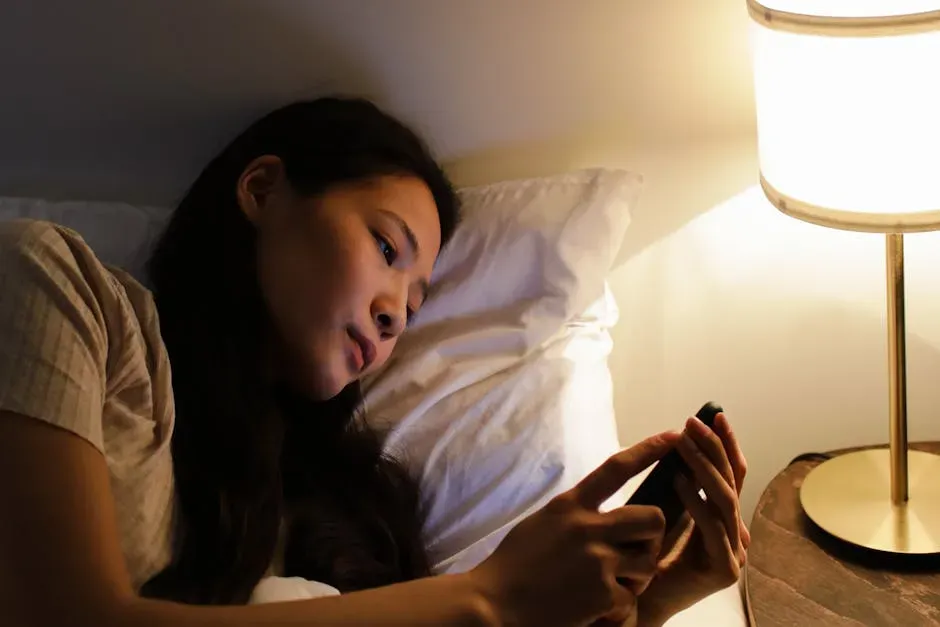
You already know staring at screens before bed is “bad for sleep,” but the reasons go deeper than simple distraction. The light from your phone, tablet, or laptop – especially the blue-rich part of the spectrum – signals your brain that it is still daytime, delaying the natural rise of melatonin that helps you feel sleepy. Even if you fall asleep at a reasonable hour, you might be subtly pushing your internal clock later without realizing it.
Scroll-based apps and endless notifications add another layer: they keep your mind in a state of low-level alertness. You’re checking messages, reacting to posts, and micro-dosing on social comparison right up until you close your eyes. That mental residue does not magically disappear when you turn off the screen; it follows you into bed and can fragment your sleep. What feels like harmless late-night catching up can be as disruptive to your rest as a neighbor who refuses to turn down the music.
9. You Probably Don’t Sleep In Just One Continuous Block Naturally

When you wake up in the middle of the night and can’t get back to sleep immediately, you probably assume something is wrong with you. Historically and biologically, that might not be true. Before artificial lighting took over, there are indications that humans often slept in two segments – sometimes called first sleep and second sleep – with a quiet waking period in between, used for talking, resting, or calm activities.
Your brain naturally cycles through lighter and deeper stages of sleep across the night, and brief awakenings are built into those transitions. Most of the time you don’t remember them, but when you do, it can feel like insomnia even if your overall sleep is relatively intact. When you stop expecting sleep to be a perfectly solid, unbroken block, some of the anxiety around those wake-ups can ease. Ironically, thinking “this is normal” instead of “this is a disaster” often makes it easier to fall back asleep.
As you age, these patterns can shift even more, with lighter sleep and more frequent awakenings becoming common. Instead of chasing a rigid ideal of eight flawless hours without a single stir, it can help to focus on your total sleep time over the night and how rested you feel overall. Your sleep may not look like a smooth block, but that does not automatically mean it’s broken.
10. You Treat Sleep Like A Luxury, But It’s More Like A Basic Operating System
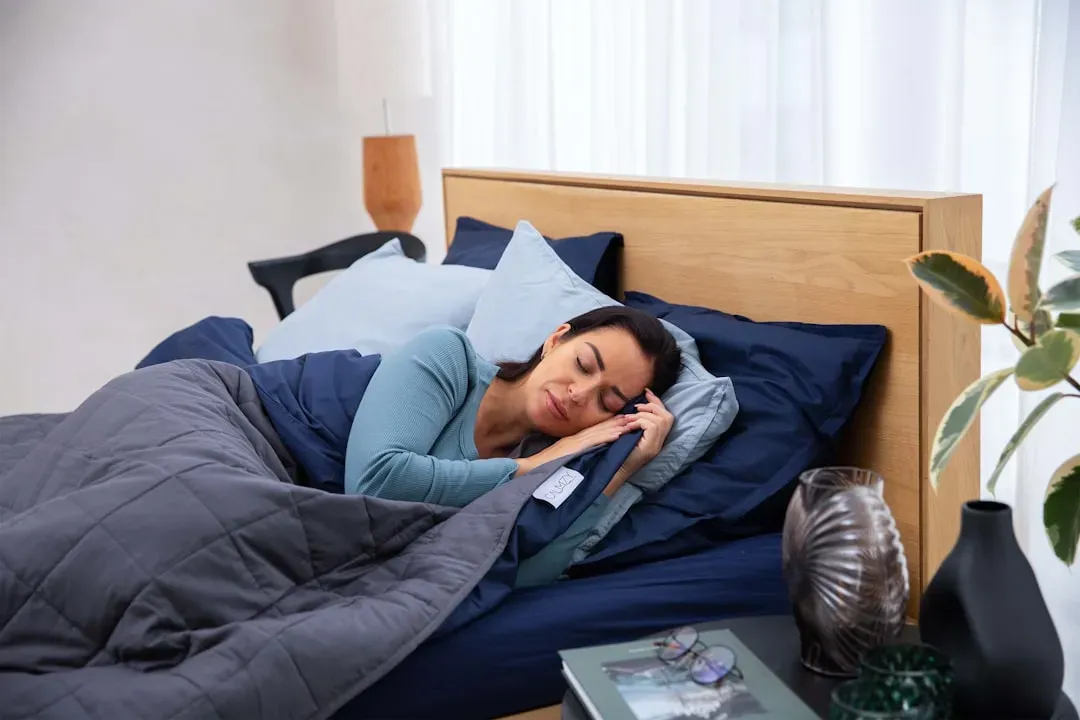
In modern culture, it’s easy to talk about sleep like it’s optional, something you “get around to” after everything else is done. You hear people casually brag about functioning on very little sleep, as if that were a sign of toughness instead of a chronic drain on their brain and body. But sleep is closer to your operating system than to a side app – you cannot simply uninstall it without everything else glitching.
When you prioritize sleep, you’re not being indulgent; you’re giving your immune system, emotional regulation, memory, and metabolism the basic conditions they need to work properly. You may not feel the damage from skimping right away, because the effects pile up slowly and your mind is surprisingly good at pretending everything is fine. But just like ignoring low oil in a car, you eventually hit a point where problems appear everywhere at once. Treating sleep as essential, non-negotiable infrastructure is less about self-care trends and more about basic survival in a demanding world.
Conclusion: The More You Learn About Sleep, The Stranger It Becomes
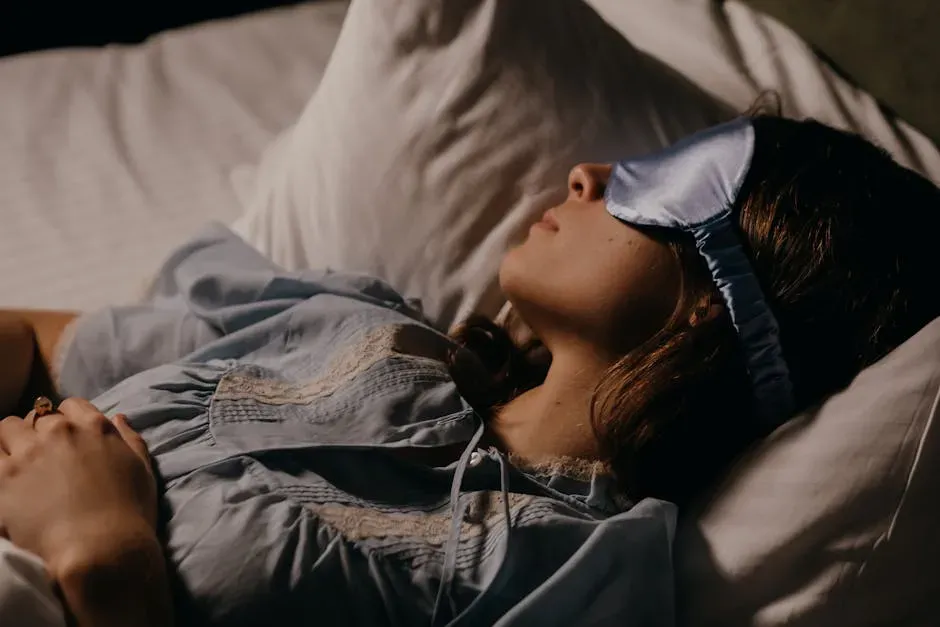
When you step back from these ten facts, a pattern emerges: every time you think you finally understand sleep, it slips through your fingers. It is absolutely necessary, yet maddeningly hard to define in one clean sentence. It steals a third of your life, yet refuses to explain itself fully, even under microscopes, brain scans, and decades of research.
Instead of seeing sleep as a boring nightly shutdown, you can start treating it as one of the most fascinating and mysterious things your body does. You will never control every detail of it, but you can respect it, protect it, and work with it instead of against it. The real question is not whether sleep matters – you already know it does – but how seriously you’re willing to take something that remains this deeply mysterious. Now that you’ve seen how much we still do not know, how differently will you treat your next night’s sleep?