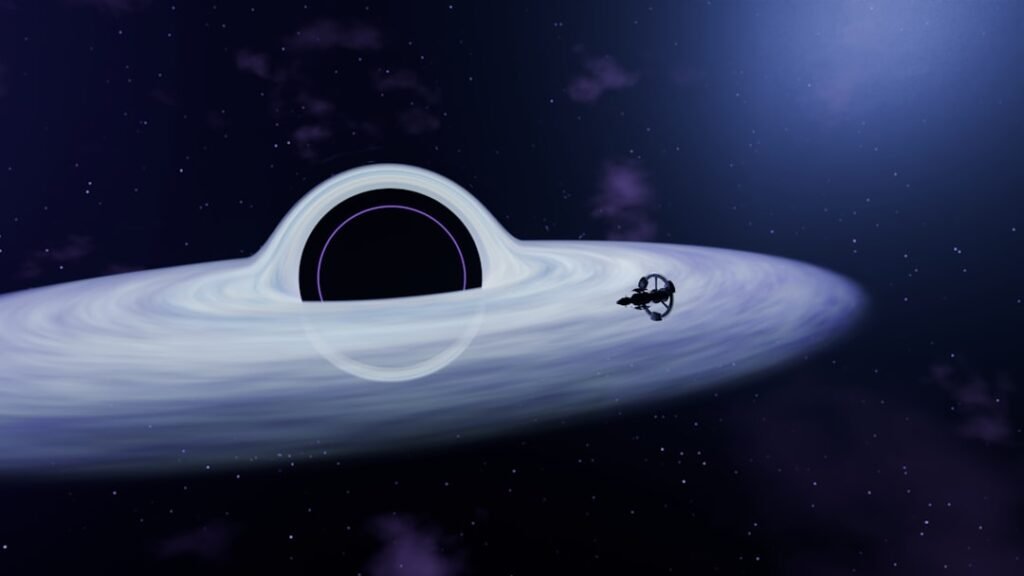

You probably grew up hearing that black holes are like giant cosmic vacuum cleaners, sucking up everything in sight. That image is dramatic, but the real story is far stranger, more beautiful, and honestly more unsettling than most science fiction. When you look closely at what black holes actually do to space, time, and even information itself, you realize you are living in a universe that plays by rules your everyday instincts simply cannot grasp.
As you read through these facts, you will bump into ideas that sound impossible: time that slows almost to a stop, stars weighing millions of suns crushed into a volume smaller than your city, and light itself trapped with no way out. Yet these are not wild guesses. They are the best descriptions you currently have, backed by math, simulations, and now direct observations. By the end, you might find that the strangest thing is not black holes at all, but how calmly the universe contains such monsters and keeps going as if everything is perfectly normal.
1. A Black Hole Is Not Really a “Hole” At All
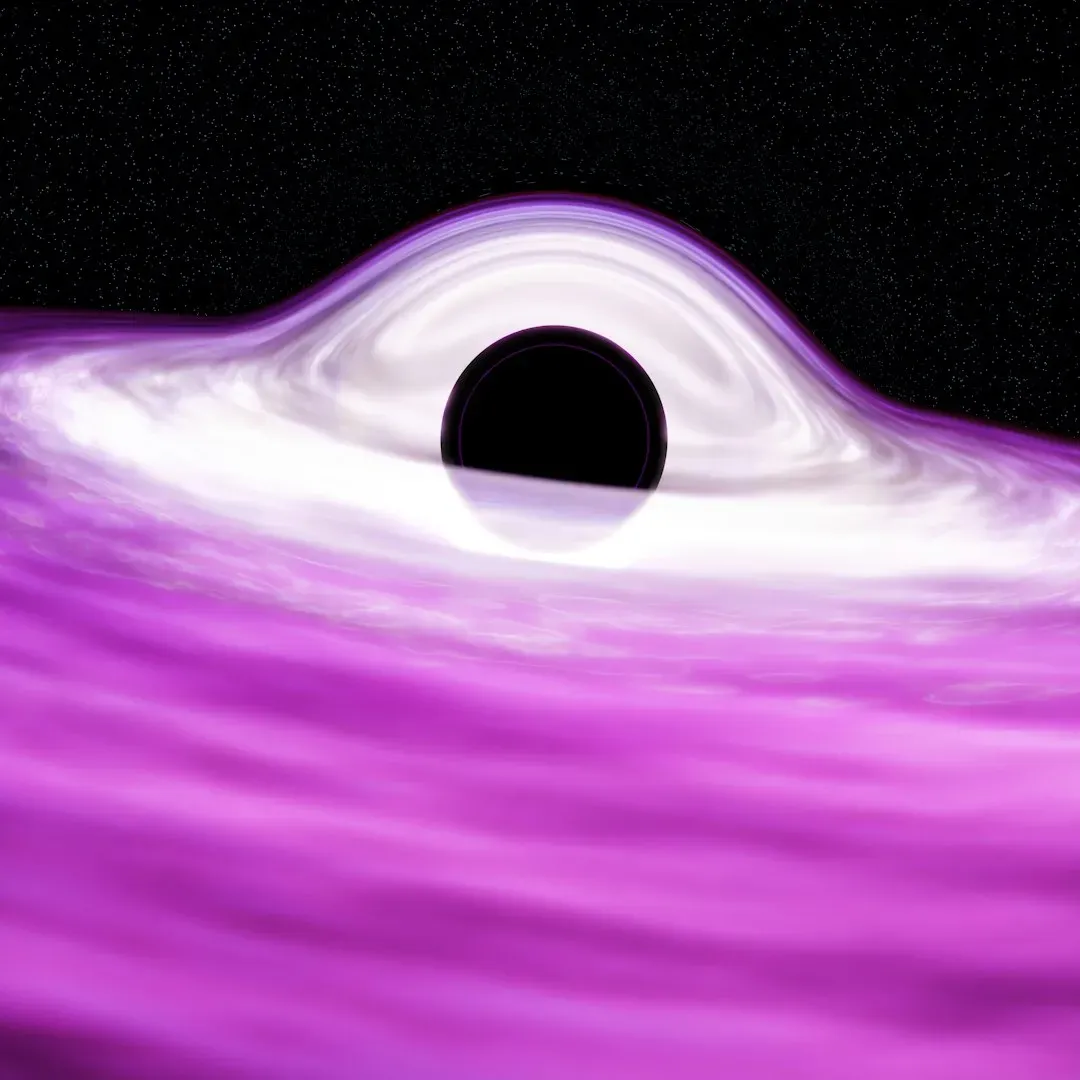
When you hear the word black hole, you probably picture some kind of cosmic pit or tunnel in space that things fall into and vanish. In reality, what you are dealing with is a region of space where matter has been crushed so completely that its gravity becomes overwhelmingly strong. There is still an object there, but it is wrapped inside a boundary beyond which nothing can escape, not even light.
Instead of thinking of a hole, it helps if you imagine a kind of invisible sphere: that sphere is called the event horizon. If you stay outside it, you can still orbit around the black hole just like you would orbit around a star or planet. If you cross it, you are committed to going in, the way you are committed to going over a waterfall once your boat passes a certain point in a raging river. That invisible point of no return is what turns a very dense object into what you call a black hole.
2. Time Really Does Slow Down Near a Black Hole
If you ever get uncomfortably aware of how fast time seems to pass in your daily life, black holes will make you feel a bit better: they literally drag time itself. According to general relativity, gravity does not just pull on objects and light; it also warps the flow of time. The stronger the gravity, the more slowly time passes compared to regions with weaker gravity, and around a black hole the effect becomes extreme.
Imagine you decide to orbit close to a black hole while your friend stays far away, watching you through a powerful telescope. From your point of view you experience time normally: your heart beats steadily, your thoughts feel the same, and your watch ticks along. But to your distant friend, your movements appear slowed, your clock ticks more slowly, and as you hover near the event horizon you seem to almost freeze in place. You would come back having aged less than they have, turning the black hole into a kind of terrifying, one‑way time machine.
3. You Can Orbit a Black Hole Without Being Sucked In
One of the biggest myths you probably carry about black holes is that they swallow anything even remotely nearby, like some unstoppable cosmic drain. In reality, if your Sun were suddenly replaced with a black hole of the same mass, you would keep orbiting at almost the same distance and speed, and you would not be pulled in just because it is “a black hole.” You would freeze to death without sunlight, but your planet’s path would hardly change.
Gravity still follows the same rules: it depends mainly on mass and distance, not on whether that mass shines. You can safely orbit a black hole as long as you stay far enough away, just like you orbit a star. The danger appears only if you cross too close to the event horizon, where space is so curved that every possible path pulls you inward. From a distance, though, the black hole behaves like any other massive object, just far more compact and utterly dark.
4. Black Holes Can Spin Faster Than Anything You Know
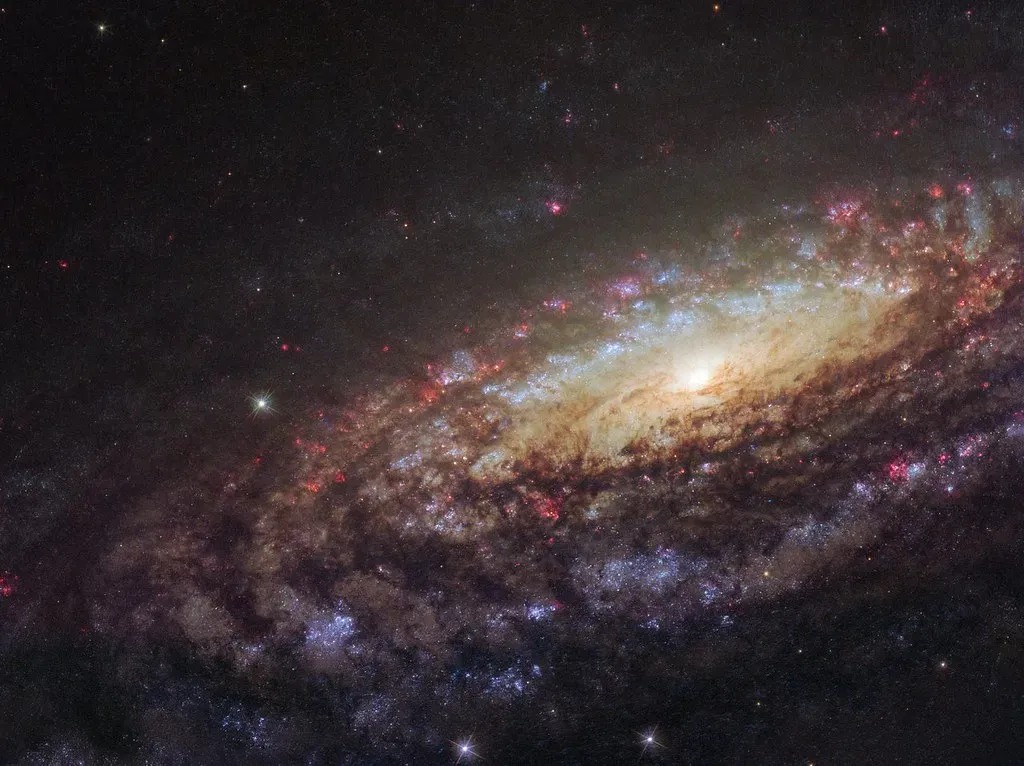
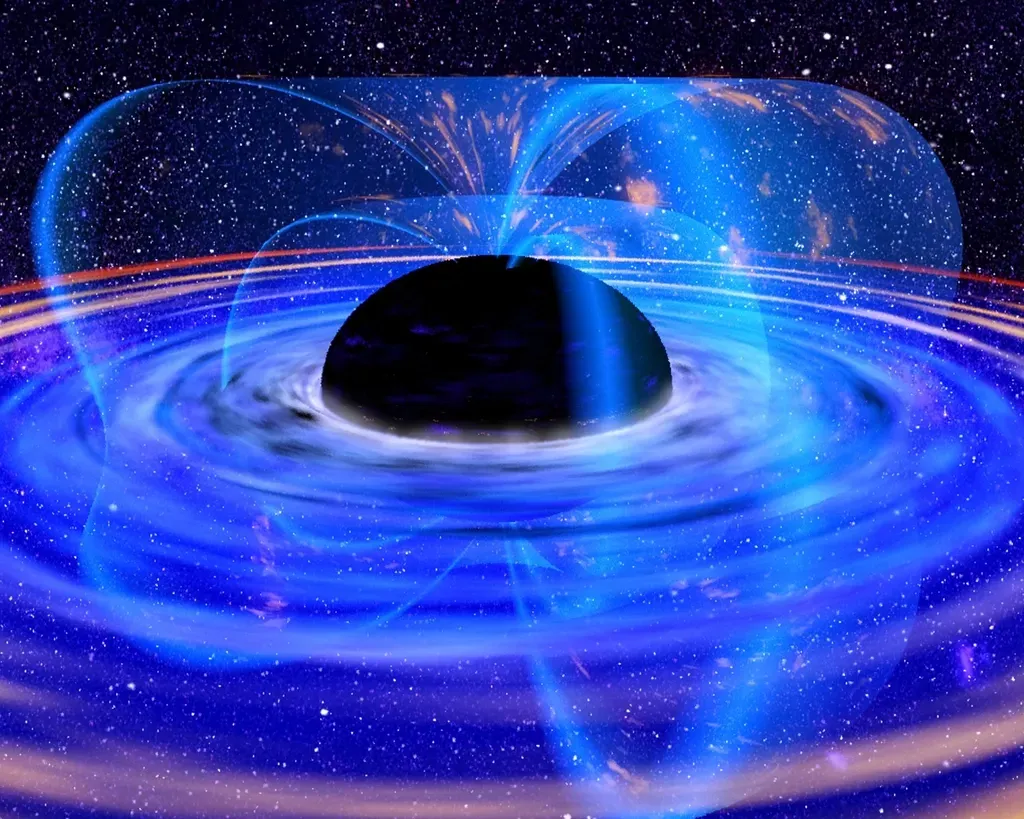
You are used to things spinning: planets rotate, skaters spin on ice, storms swirl in satellite images. But a black hole can spin at rates that make all of those look sluggish. The fabric of space around a rapidly rotating black hole is literally dragged along with it, an effect called frame dragging, so that if you try to remain still near it, space itself carries you around like a conveyor belt.
Some black holes you study appear to be spinning so fast that the edge of their event horizons is whipping around at a significant fraction of the speed of light. When that happens, the black hole can fling matter and energy outward in powerful jets that stretch for thousands of light‑years. From your perspective, you have an object that does not just sit there pulling things in; it also spins, twists, and launches energy with a ferocity you rarely see anywhere else in the cosmos.
5. There Is a Supermassive Black Hole Lurking in Your Galactic Backyard
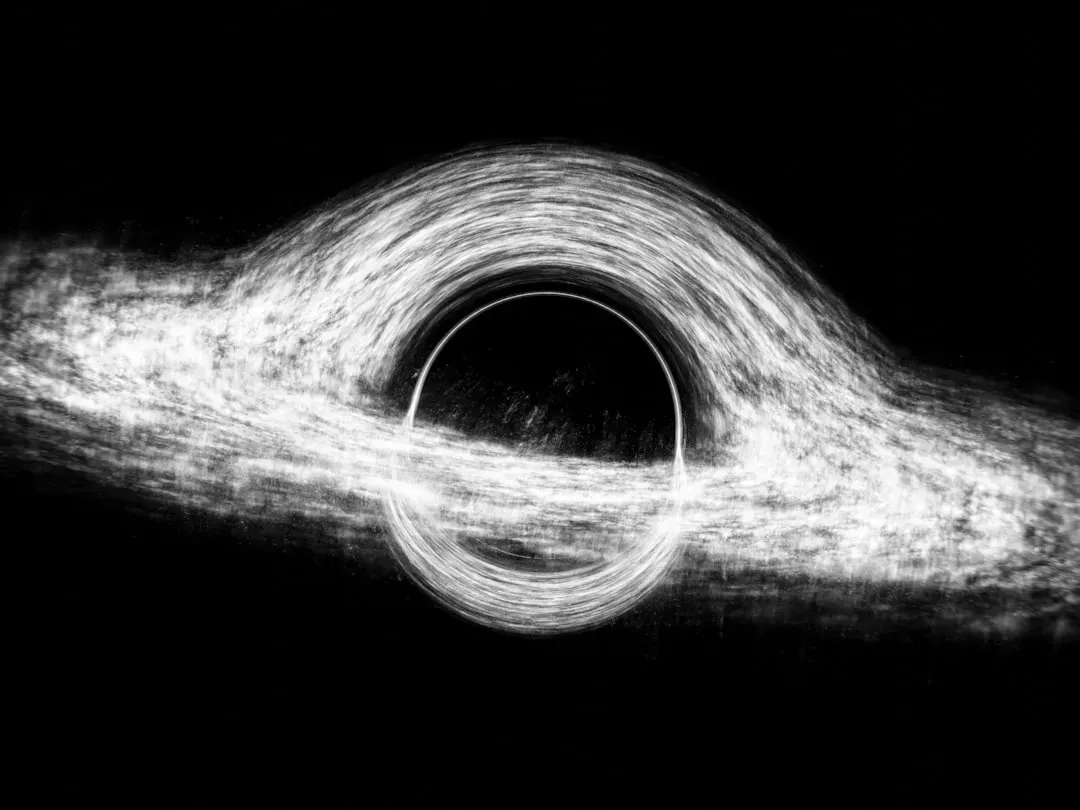
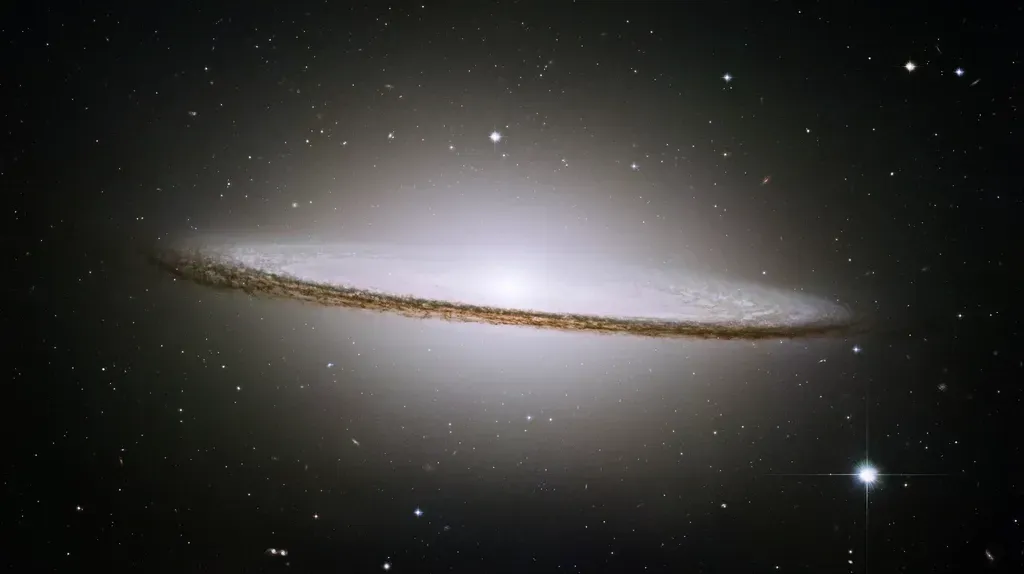
It is strangely easy to forget that your home galaxy, the Milky Way, has a kind of monster at its heart. At the center, in a region you cannot see in visible light because of gas and dust, there is a supermassive black hole weighing roughly millions of times more than your Sun. You only know it is there because you can track the orbits of stars whipping around an apparently empty point in space, moving so fast that only an incredibly compact, massive object can explain it.
This central black hole, often described by its mass rather than a physical surface you could touch, does not constantly devour your galaxy. Most of the time it is relatively quiet, like a sleeping dragon sitting on a hoard of gas and stars. But when material falls in, it can flare up and become one of the brightest objects in the universe, outshining entire galaxies. The fact that your galaxy hosts one of these giants is not unusual; it seems that almost every large galaxy you can observe carries a supermassive black hole at its core.
6. Black Holes Can Collide and Make Space Itself Ring
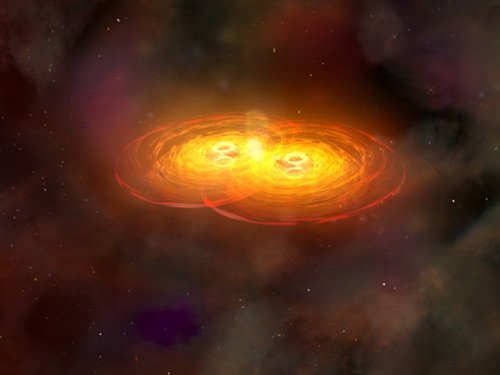
You might think of space as a silent stage where events play out without any medium to carry sound or vibration. Yet when two black holes collide and merge, they send ripples through spacetime itself, like the surface of a pond disturbed by a stone. These ripples are called gravitational waves, and you can actually measure them as tiny stretches and squeezes of space passing through Earth.
When you pick up these waves, you are essentially listening to black holes colliding in distant parts of the universe, sometimes billions of light‑years away. The signal does not look like anything familiar to your ears, but in it you can read the masses of the black holes, how fast they were spinning, and how violently they merged. For the first time in human history, you are not just seeing the universe; you are feeling its deepest convulsions as massive objects crash together and make space itself ring like a cosmic bell.
7. A Black Hole Can Evaporate Over Time
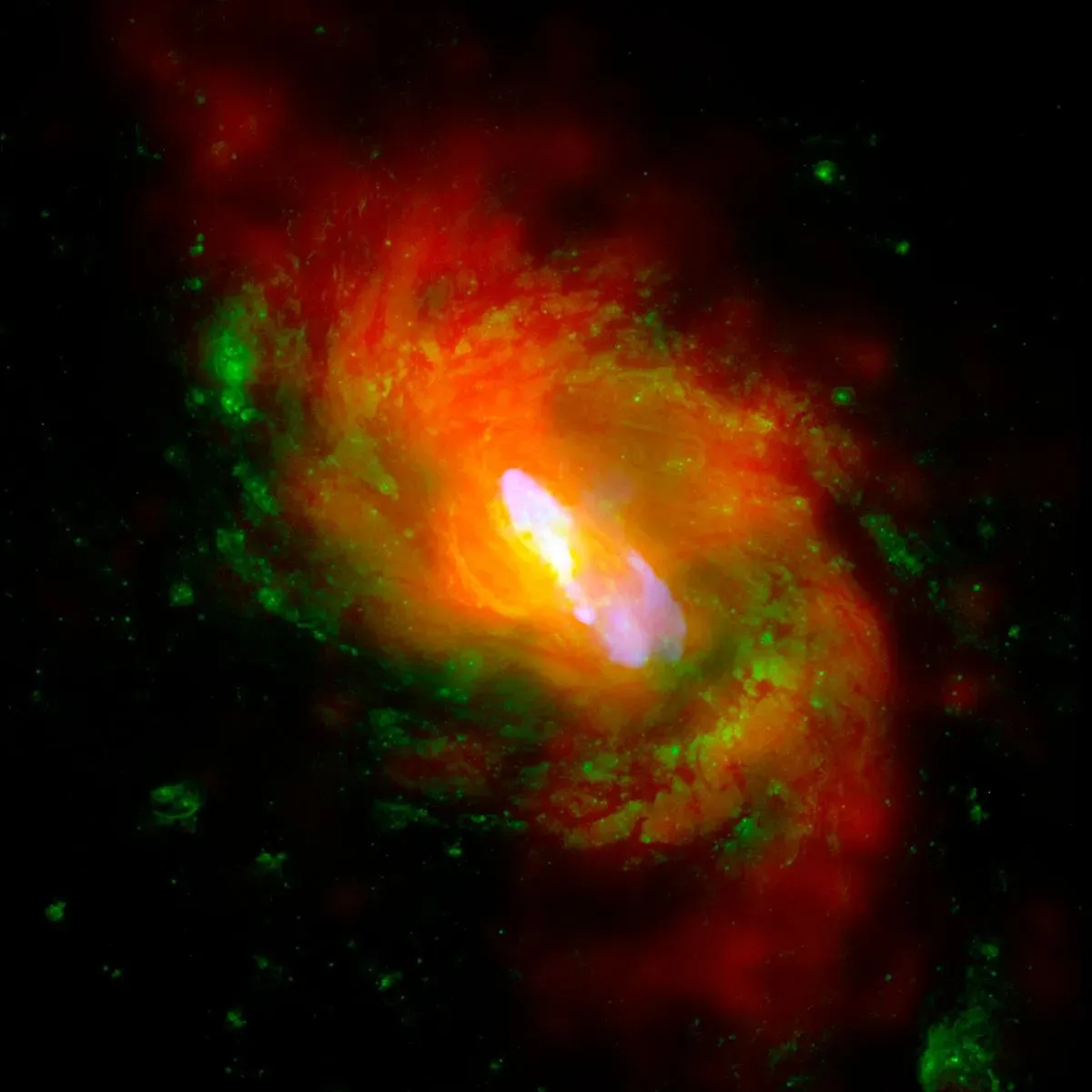
At first glance, you might assume that once a black hole forms, it is the ultimate permanent object, swallowing matter forever and never giving anything back. However, quantum physics tells you a subtler story. According to your best theories, black holes can slowly lose energy and mass through what is known as Hawking radiation, a faint trickle of particles that effectively lets a black hole evaporate over unimaginably long timescales.
For the tiny black holes you model in theory, this evaporation could be quick by cosmic standards, but for stellar‑mass and supermassive black holes the process is mind‑bendingly slow, far longer than the current age of the universe. Still, the implication is radical: even these dark giants are not truly eternal. Given enough time, the black hole can shrink, dim, and eventually disappear, leaving behind only the radiation it shed into surrounding space. You live in a universe where even what seems absolutely final is quietly leaking away.
8. Spaghettification Is a Real Thing You Could (In Theory) Experience
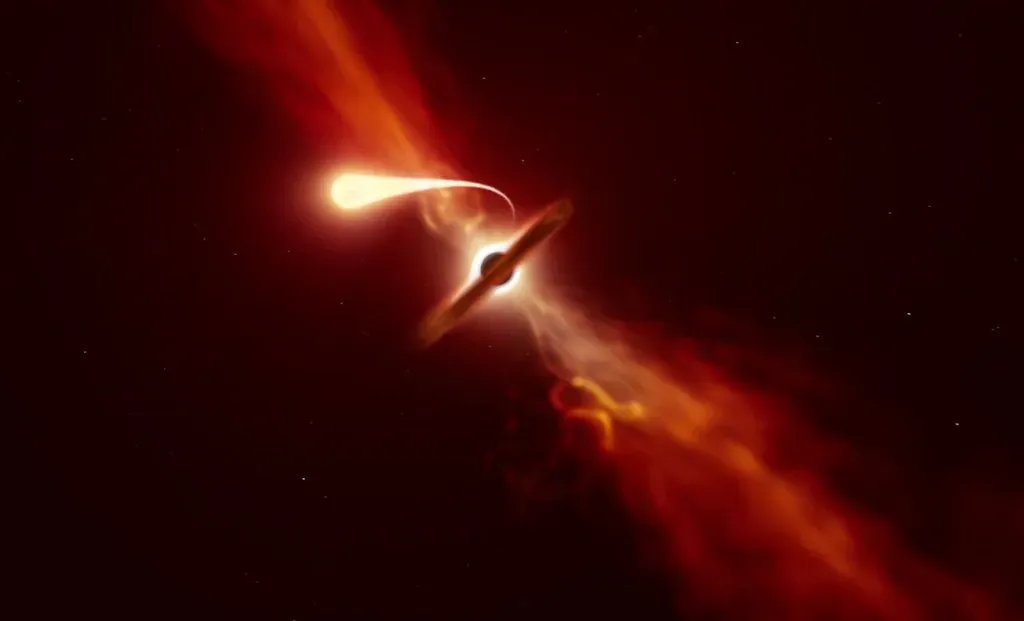
Spaghettification sounds like a joke someone slipped into a science textbook, but you can take it quite literally near certain black holes. If you were unlucky enough to fall feet‑first into a small or medium‑size black hole, the gravity at your feet would be much stronger than the gravity at your head. This difference would stretch your body along the direction of the fall and compress it sideways, turning you into a long, thin shape, like a strand of cosmic pasta.
For very large, supermassive black holes, those tidal forces near the event horizon can actually be surprisingly gentle, and you might cross the point of no return without feeling anything special at first. But as you move closer to the center, the stretching becomes unavoidable. This is not just a gruesome detail; it is a vivid sign of how violently space and gravity can vary across small distances. When you imagine spaghettification, you are really picturing the raw gradient of gravity laid bare on your own body.
9. Black Holes May Help Shape Entire Galaxies
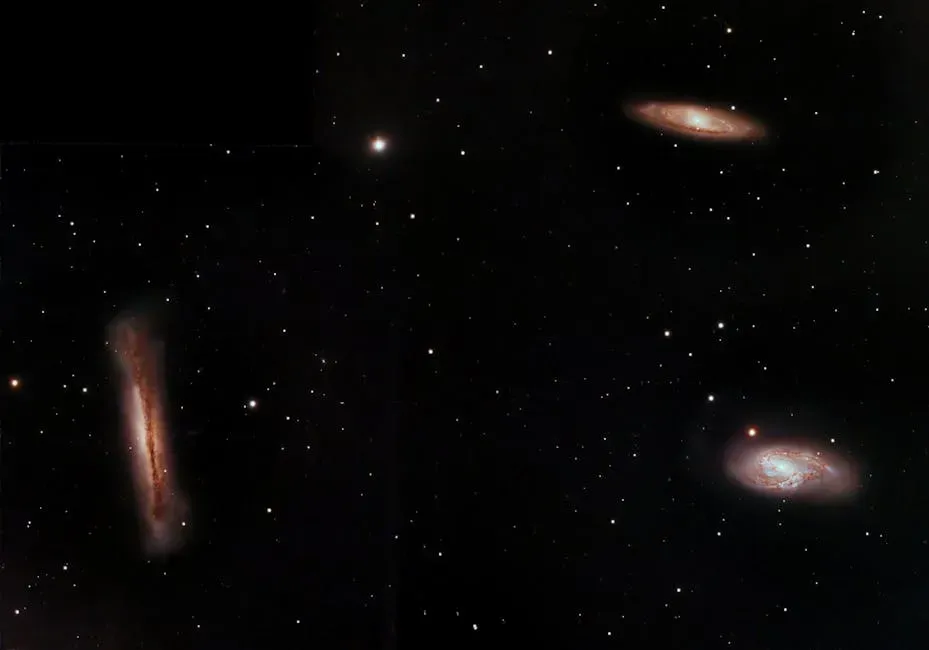
It is tempting to think of black holes as purely destructive, like cosmic trash compactors that simply eat and erase. Yet when you look at the way galaxies grow and evolve, you find that central black holes might actually help sculpt their host galaxies over billions of years. When gas spirals into a supermassive black hole, it heats up and can release enormous amounts of energy before it crosses the event horizon.
That energy can blow gas outward, shut down star formation in some regions, and stir up the galaxy’s structure. In this way, the black hole acts almost like a thermostat or regulator, influencing how many stars your galaxy forms and how its central zones develop. Instead of being just a silent sink, the black hole can become a powerful feedback engine, shaping the very environment that feeds it. You end up with a surprising picture: the darkest objects in the universe might help design the light you see in the night sky.
10. Black Holes Challenge What You Mean by “Reality”
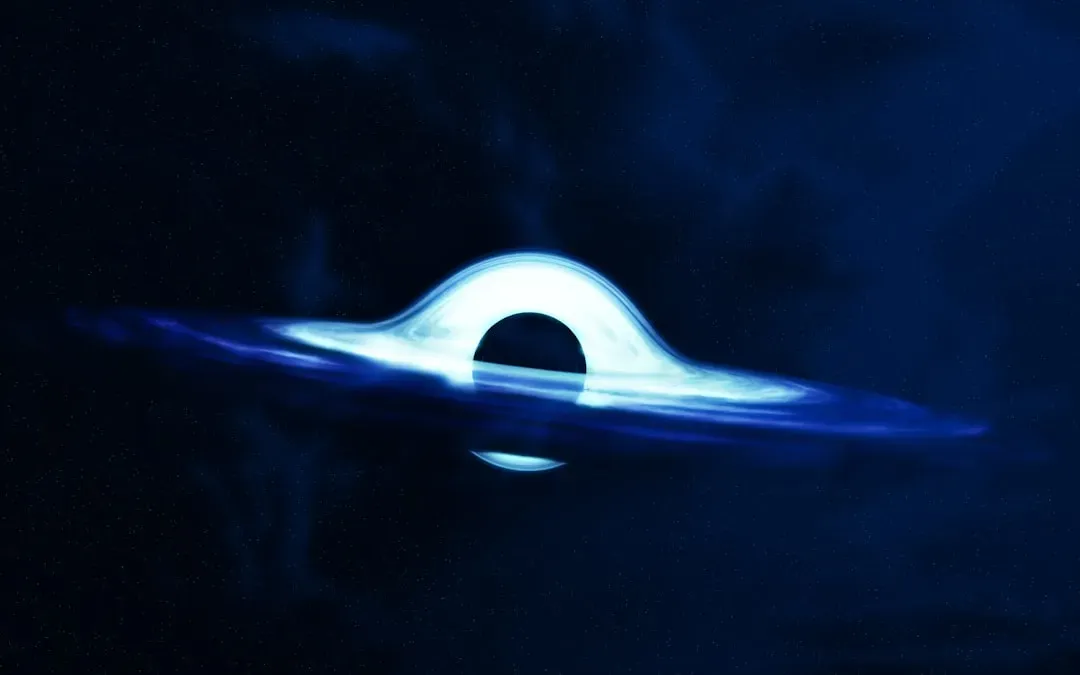
The more you study black holes, the more they force you to question your basic assumptions about how reality works. You are used to thinking that if something falls into a place, you can trace what happened to it, at least in principle. But black holes raise the disturbing possibility that information about what falls in might be lost forever, colliding with your expectation that the universe keeps track of its own history.
This puzzle, often called the black hole information problem, sits at the crossroads of gravity, quantum physics, and thermodynamics. When you wrestle with it, you are not just talking about exotic objects out in deep space; you are probing the rules that underlie everything, including you. In that sense, studying black holes is a bit like staring into a cosmic mirror: the deeper you look into them, the more clearly you see the limits of your current understanding, and the more you realize that your picture of reality is still a work in progress.
Conclusion: Living in a Universe That Keeps Surprising You
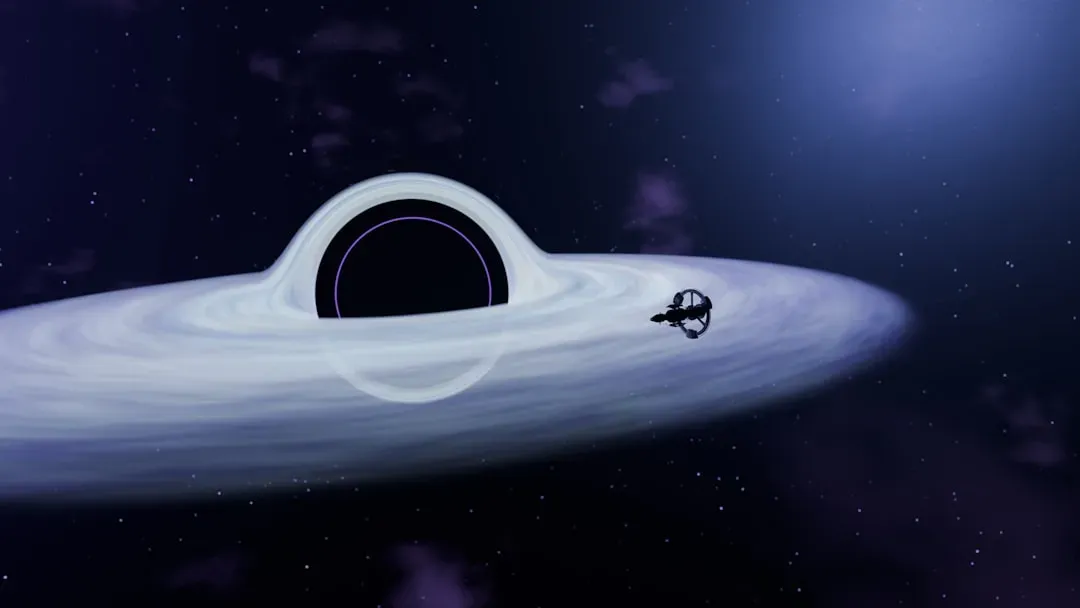
When you step back from all these mind‑bending details, you start to see black holes not just as frightening oddities, but as reminders of how strange and rich your universe really is. They slow time, reshape galaxies, ring space like a drum, and quietly evaporate across ages of ages. They are the places where your current theories go right up to the edge and then start to wobble, daring you to push further. In a way, they are like the cliff edges of knowledge, where you can feel the drop and the thrill at the same time.
Knowing that such objects exist, scattered throughout the universe and even anchored at the heart of your own galaxy, changes how you feel about the night sky. It is no longer just a peaceful dome of stars but a landscape filled with extreme physics and hidden engines working behind the scenes. As you keep improving your telescopes, detectors, and theories, you will almost certainly discover even stranger things about these dark giants. Which of these facts surprised you the most, and which one will you still be thinking about the next time you look up at the stars?