If you think the Earth is a finished book that scientists have already read cover to cover, you’re in for a surprise. Our planet still hides corners where the ground behaves in ways that feel more like folklore than physics, and even with drones, satellites, and supercomputers, some of those mysteries still shrug off neat explanations.
As you explore these strange formations, you’ll notice a pattern: geologists can usually explain the basics, but there are always nagging details, odd behaviors, or missing context that keep the door to mystery wide open. You are not about to read pure superstition; you’re stepping into that uneasy middle ground where evidence is real, theories are strong, and yet something still feels unresolved. Ready to have your sense of “how Earth works” rattled a bit?
The Wandering Stones of Racetrack Playa, Death Valley
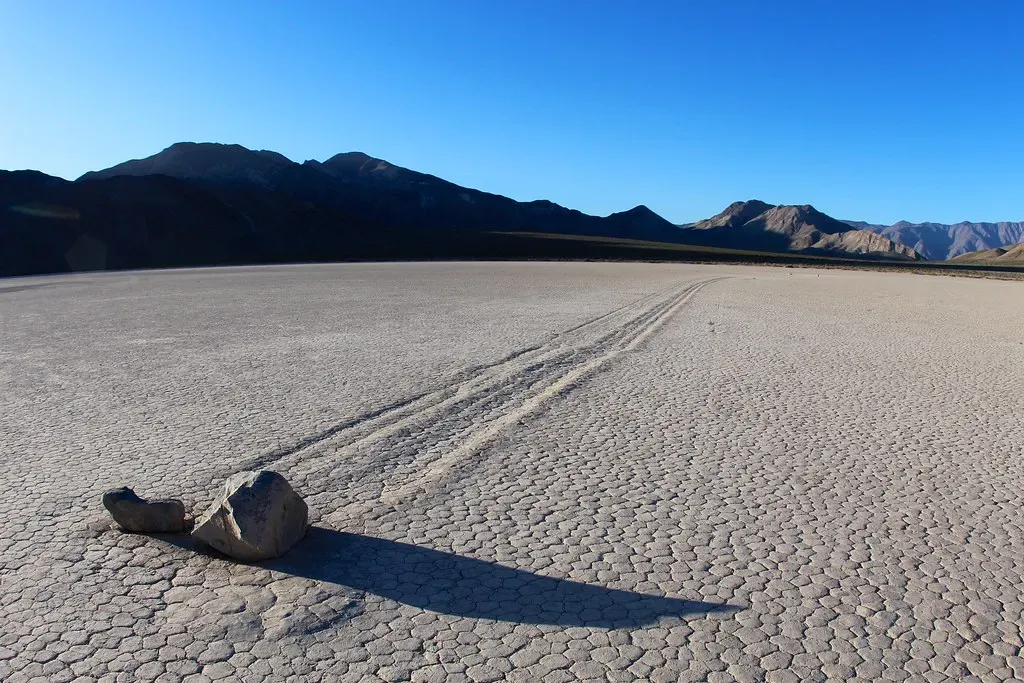
Imagine hiking out onto a dry, cracked lakebed in Death Valley and seeing heavy rocks sitting alone in the middle of nowhere, each with a long trail scraped behind it – as if they simply decided to go for a walk when nobody was looking. That is exactly what you see at Racetrack Playa, where “sailing stones” leave sinuous tracks across the mud with no obvious push from people or animals. For decades, the sight of these tracks made it feel like the desert had its own secret, slow-motion poltergeist.
Researchers have shown that under very specific winter conditions, a thin sheet of ice can form around the rocks, then break into floating panels that wind can shove, nudging the stones along the slick, water-soaked clay. That explanation fits a lot of what you see, but if you stand there under the brutal sun, staring at a meter-long track carved by a rock the size of a bowling ball, it still feels uncanny. You know the physics is real, and yet your gut tells you that in a place this remote, you’ll never witness the precise dance of ice, water, mud, and wind that moved those stones – only the ghostly lines they left behind.
Devil’s Kettle: The Waterfall That Swallows a River
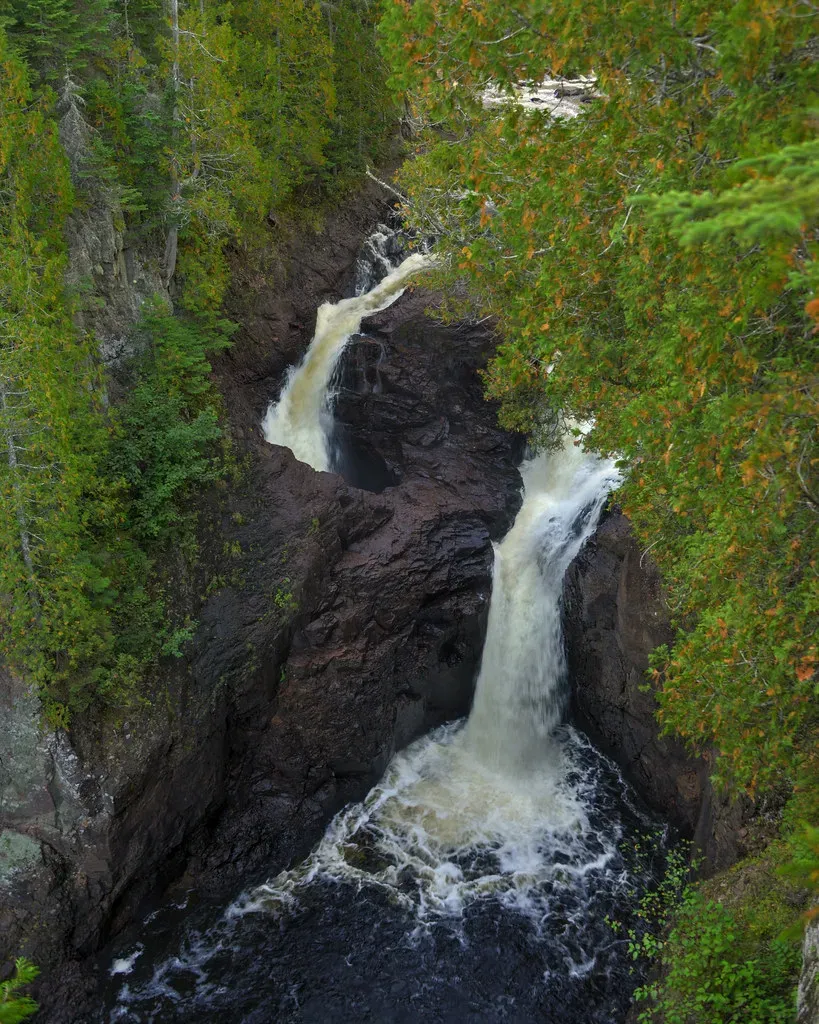
On Minnesota’s North Shore, you can watch a river split in two and then lose half of itself into a rocky hole that looks like a drain plug for the world. At Devil’s Kettle on the Brule River, one channel plunges into a normal waterfall, while the other pours into a churning cauldron in the bedrock and simply vanishes from sight. It is the sort of scene that makes you want to throw a stick in and sprint downstream to see where it pops back up.
Over the past years, hydrologists have measured water volumes upstream and downstream and concluded that the “missing” water probably rejoins the river somewhere out of sight, likely through fractures in the rock. That gives you a broad-brush answer, but the details are frustratingly vague: there is no single dramatic cave exit, no obvious underground tunnel you can map and tour. So when you stand at the overlook and hear locals talk about dye, logs, and even objects tossed in that never showed up again, you feel that uncomfortable tension between the tidy scientific summary and the raw, unresolved reality roaring at your feet.
Costa Rica’s Perfect Stone Spheres
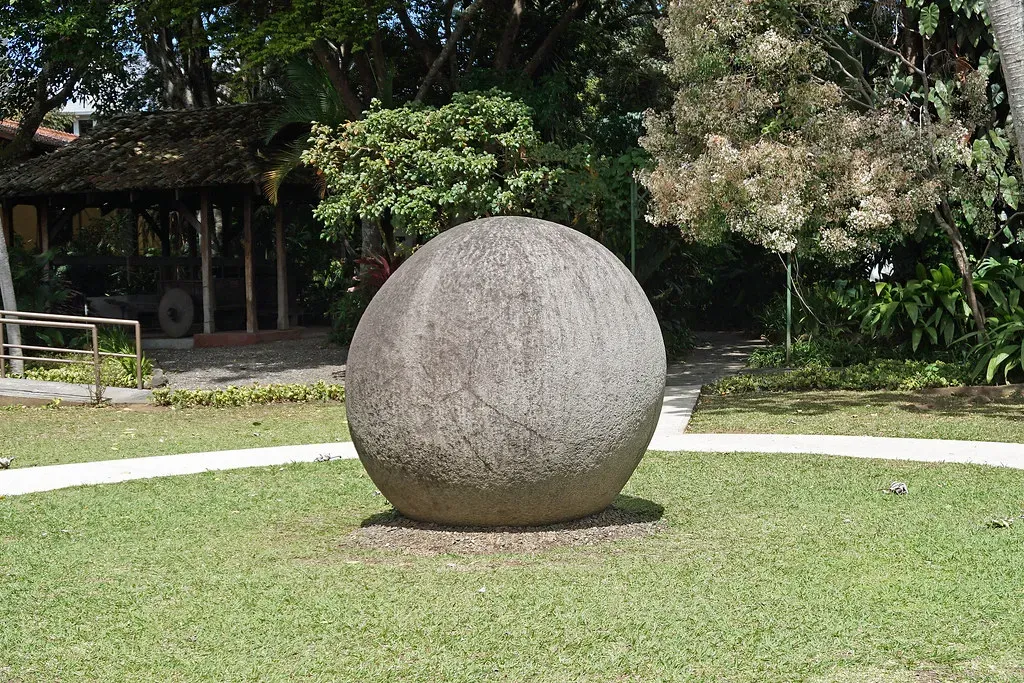
Now picture walking through the lush lowlands of southern Costa Rica and stumbling across a massive, nearly perfect stone ball, as tall as your chest and smooth enough that your hands glide over it. Then you find another one. And another. Hundreds of these stone spheres, some weighing several tons, are scattered across former banana plantations and archaeological sites, and nobody can tell you for sure why ancient people went to such extremes to shape them.
Archaeologists can explain a lot about what the spheres are made of and how they were likely carved and moved, but their purpose remains stubbornly murky. You’ll hear ideas about status symbols guarding the homes of powerful leaders, astronomical alignments, or markers of mythic stories – each one plausible but incomplete. The really unsettling part is that many spheres were dynamited, moved, or repurposed before anyone properly documented them, so key clues are gone forever. You are left with these eerily precise orbs sitting in fields and town plazas, daring you to connect dots that history has already smudged beyond repair.
Antarctica’s Blood Falls: A Glacier That Bleeds
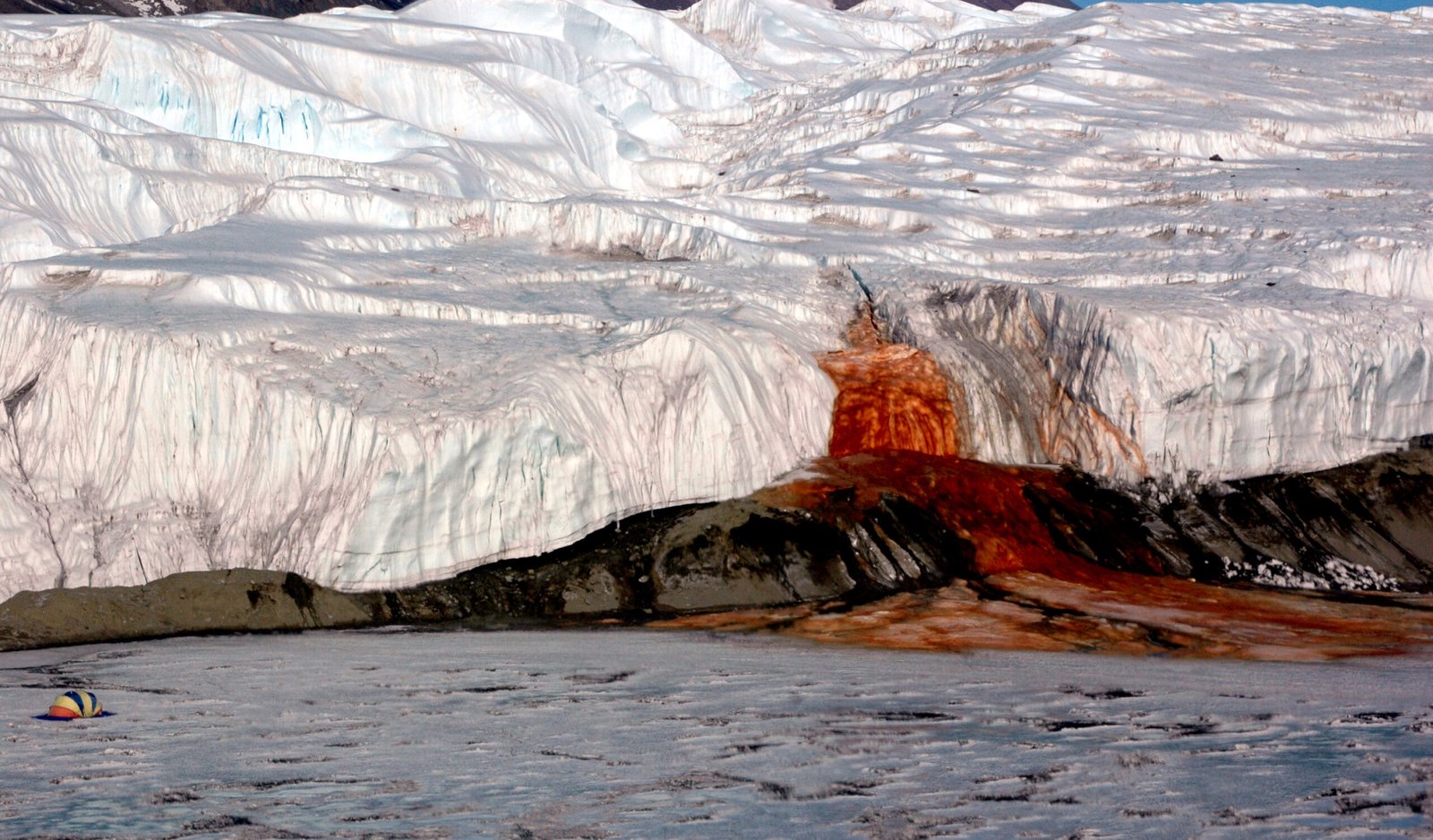
In one of the coldest, driest corners of Antarctica, you can stand on glaring white ice and watch what looks like a wound in the glacier slowly ooze dark red liquid. Blood Falls, spilling from Taylor Glacier into Lake Bonney, looks exactly like the ice itself is bleeding out across the frozen landscape. From a distance, your brain screams that something is fundamentally wrong with reality.
You now know the water is an iron-rich, hyper-salty brine that has been trapped under the ice for an astonishing length of time, and that when it seeps out and meets oxygen, the iron oxidizes and turns red. Recent research has even mapped the hidden plumbing of brine channels and pressure changes that push the fluid to the surface. But here is the part that still feels eerie: that brine shelters microbial life that thrives in suffocating darkness, extreme salt, and deep freeze – conditions that would destroy most organisms you’ve ever heard of. When you stand there imagining that hidden ecosystem, untouched by sunlight for ages, the red stain on the ice stops looking like a solved curiosity and starts feeling like a hint about alien worlds you have not visited yet.
The Danxia “Rainbow” Mountains of China
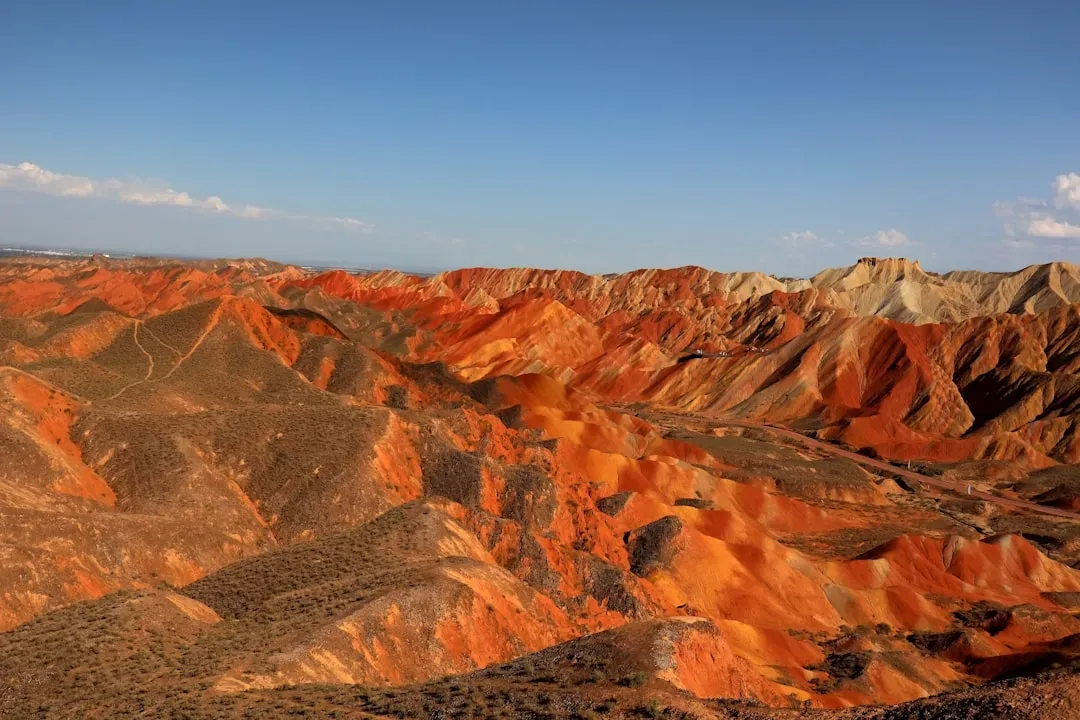
If you ever see photos of the Danxia landforms in Zhangye National Geopark, you might assume they’re digitally enhanced – sweeping hills striped with bands of rusty red, orange, yellow, and even blue-gray, like someone spilled a painter’s palette across the landscape. When you finally stand there in person, those layered colors still feel too intense, almost artificial, especially in the slanting light of sunrise or sunset. It is one of those views that makes your eyes and your skeptical side wrestle with each other.
Geologists can walk you through the history of these rocks: layers of mineral-rich sandstone and siltstone, formed over millions of years, later uplifted and carved by wind and water, with iron and other elements tinting the layers. That story fits the broad picture, but when you zoom in on the razor-sharp boundary between two wildly different hues, it can feel implausibly neat, like a line drawn with a ruler. You are left with a scientifically satisfying explanation that still does not fully capture the emotional shock of seeing a mountain range that looks like it belongs in a fantasy novel more than on a tectonically restless planet.
Shaft Sinkholes and the “Bottomless” Cenotes of Yucatán
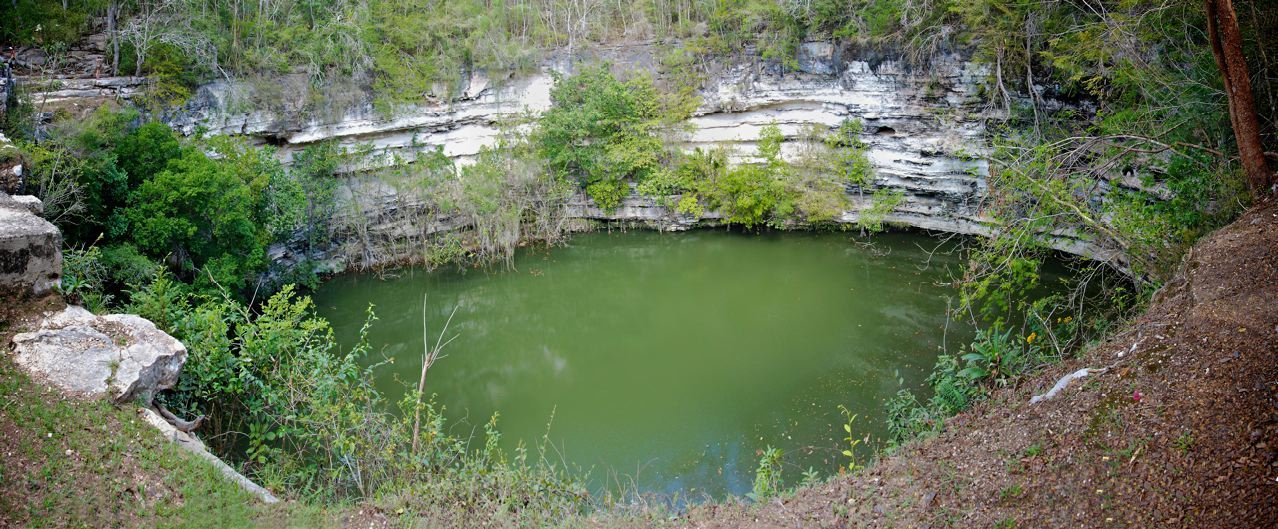
In Mexico’s Yucatán Peninsula, the jungle hides countless dark mouths in the limestone: cenotes, water-filled sinkholes that can drop straight down into blue-black pools. When you peer over the edge of a vertical shaft cenote, the water looks so deep and still that it might as well be a portal to somewhere else. To the ancient Maya, these openings were sacred entrances to the underworld, and even today, that feeling clings to the humid air when you look down.
As a modern visitor, you are told a clean story about limestone slowly dissolving, underground rivers carving out caverns, and ceilings finally collapsing to create these vertical wells. That logic holds, yet divers keep uncovering labyrinths of submerged tunnels, chambers, and stacked collapse structures that are far more intricate than any simple diagram suggests. Some cenotes connect across surprising distances, others guard sediments and artifacts that hint at climate swings and rituals you still do not fully grasp. Even when the mechanics of rock and water make sense, the sheer complexity of these “bottomless” pools keeps them hovering at the edge of the explainable in your mind.
The Hexagon Columns of Giant’s Causeway
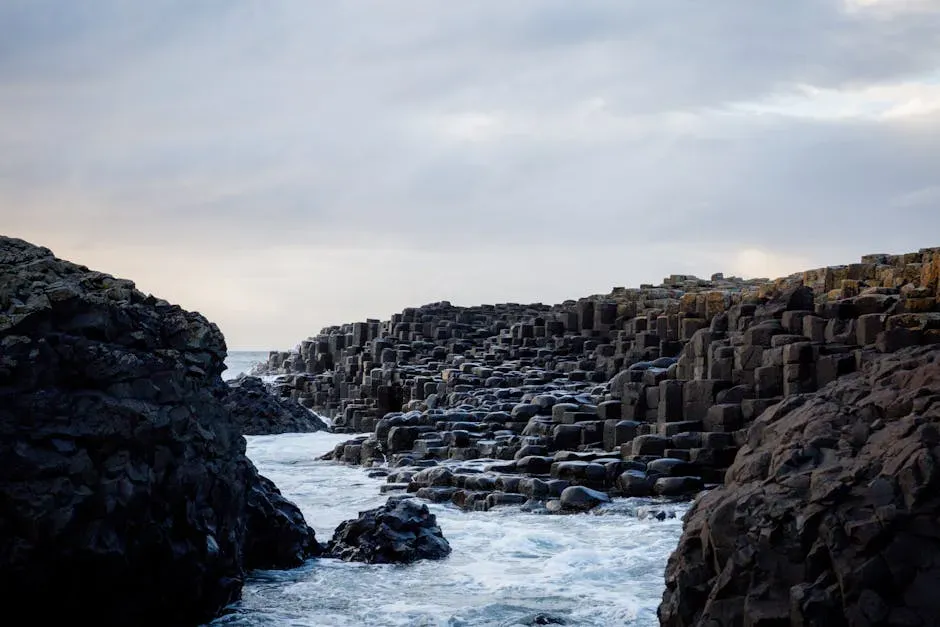
When you first walk down to the shoreline at Giant’s Causeway in Northern Ireland, it looks as if a meticulous stone road crew once laid down thousands of interlocking hexagonal columns and then simply abandoned the project. The tops of the basalt columns are so flat and regular that your feet instinctively treat them like a man-made walkway. It is unnerving to realize you’re walking on something that erupted from deep within the Earth.
Geologists will tell you that when a thick lava flow cools and contracts, it can fracture into polygonal columns, a process a bit like mud drying and cracking in a perfectly geometric pattern. You can accept that explanation and still feel puzzled by how consistently those shapes repeat, how neatly the columns slot together, and how the whole formation climbs and falls like steps frozen mid-wave. The physics of cooling and cracking explains the gist, but when you run your hand along dozens of almost perfectly six-sided pillars, you feel like you’re touching the border between raw geology and some ancient architectural impulse that just happens to live inside molten rock.
The Balancing Rocks That Should Have Fallen Long Ago
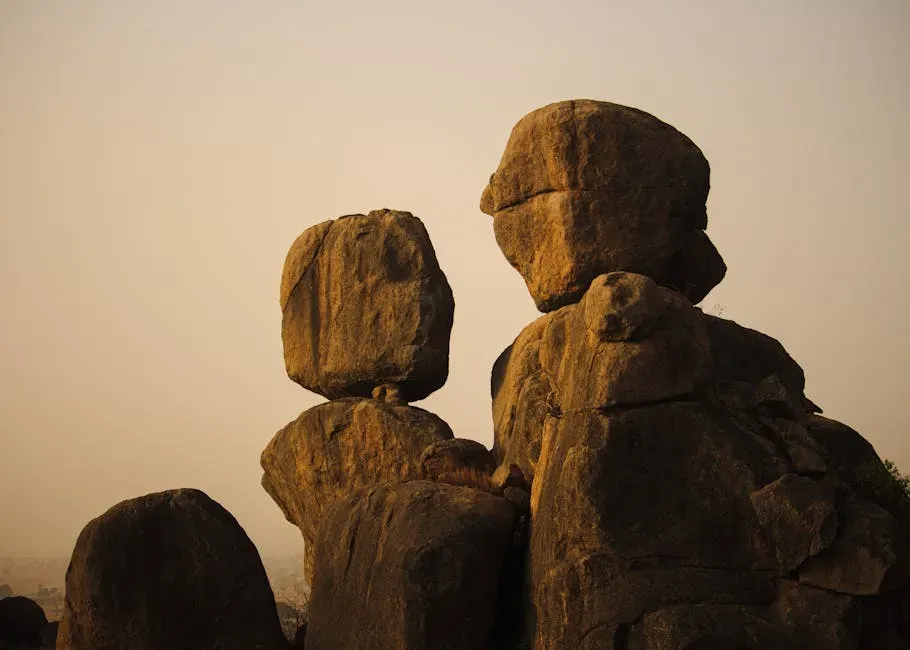
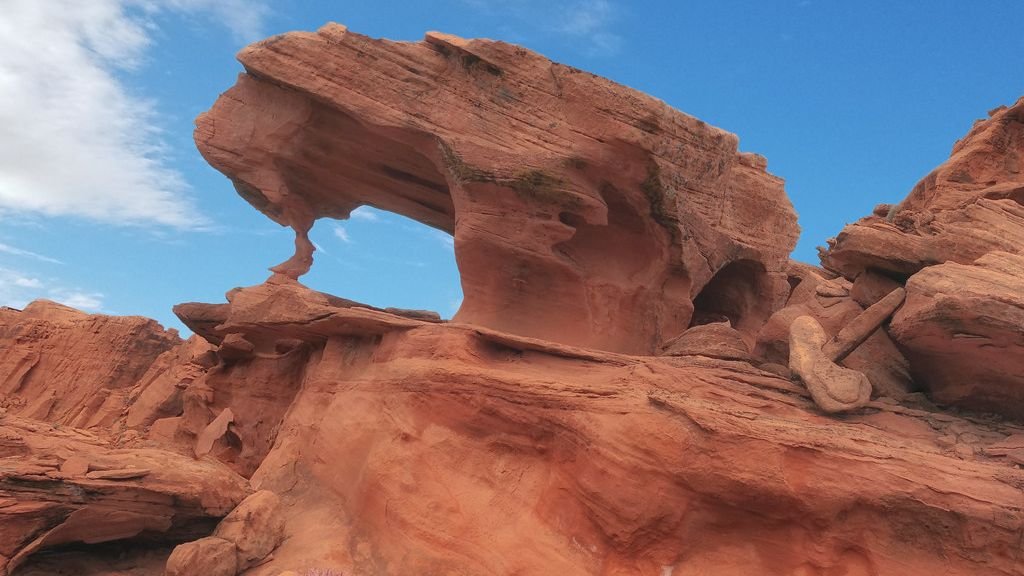
All over the world – from the American Southwest to Zimbabwe – you can find precariously balanced rocks that look one nudge away from disaster. You might hike through a canyon and suddenly see a massive boulder perched on a needle of stone, or a stack of round blocks that seem to defy gravity and good sense. Your first reaction is usually disbelief, followed by an involuntary urge to back away, just in case today is the day physics finally catches up.
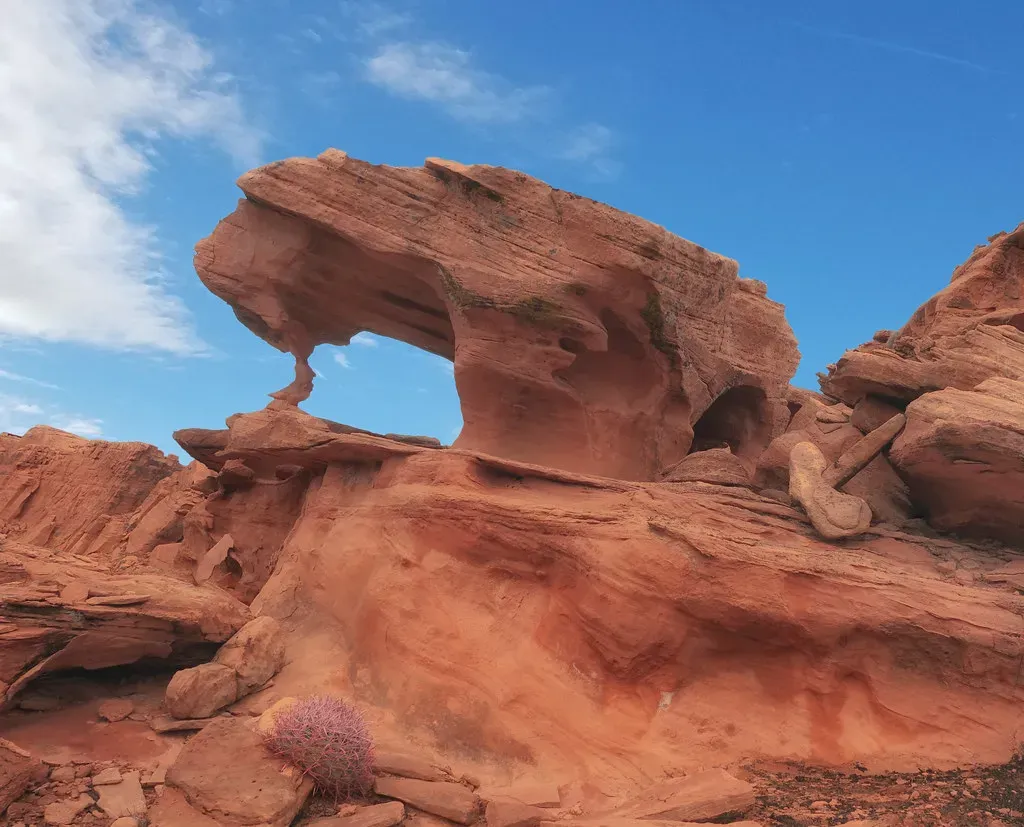
There are reasonable geological stories for how these features form: erosion slowly strips away surrounding material, earthquakes rattle the landscape without quite toppling the stones, and resistant rock layers protect their softer supports for longer than you’d expect. But what keeps nagging at you is timing. Some of these balanced rocks have clearly withstood quakes, storms, and freeze-thaw cycles that should have given them a solid shove, yet here they sit, poised in impossible equilibrium. Scientists even use them as clues to how intense past earthquakes could have been, which is its own strange twist: formations that seem to mock gravity actually help you back-calculate the Earth’s most violent shakes.
The Boiling River and Burning Ice of Geothermal Fields
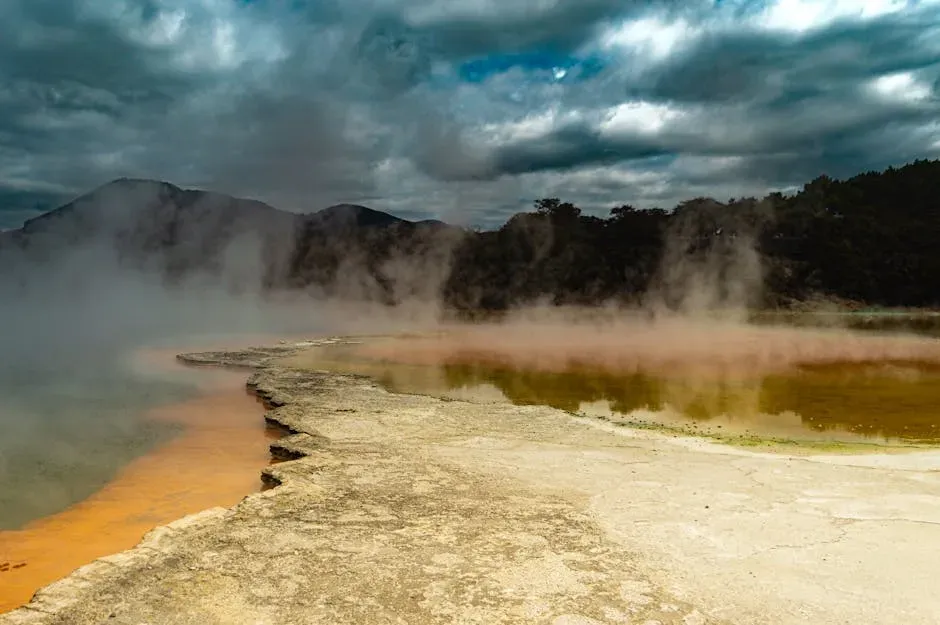
In geothermal hotspots such as Yellowstone or Iceland, you can stand in a place where the ground hisses, mud boils, and streams steam in frigid air. It feels like you have stumbled into some backstage passageway where the Earth is still under construction. Pools can be so acidic they dissolve metal, while others glow an impossible blue ringed by bright microbial mats that look painted on. As you walk along boardwalks, every instinct you have says that water should not behave like this.
You are told that magma at relatively shallow depth heats groundwater, that gases bubble up, and that different minerals and microbes thrive in water at specific temperatures and chemistries. Those explanations are solid, but they do not erase the visceral impression that rules are being bent in front of you. Some pools change color or behavior with little visible warning; vents open and close; geysers fall silent for years and then awaken. Even with careful monitoring, predictions about exactly when and how these systems will act can be shaky. You leave feeling that you understand the recipe but not the full personality of these restless patches of Earth.
Mystery Megaliths and “Natural” Stone Labyrinths
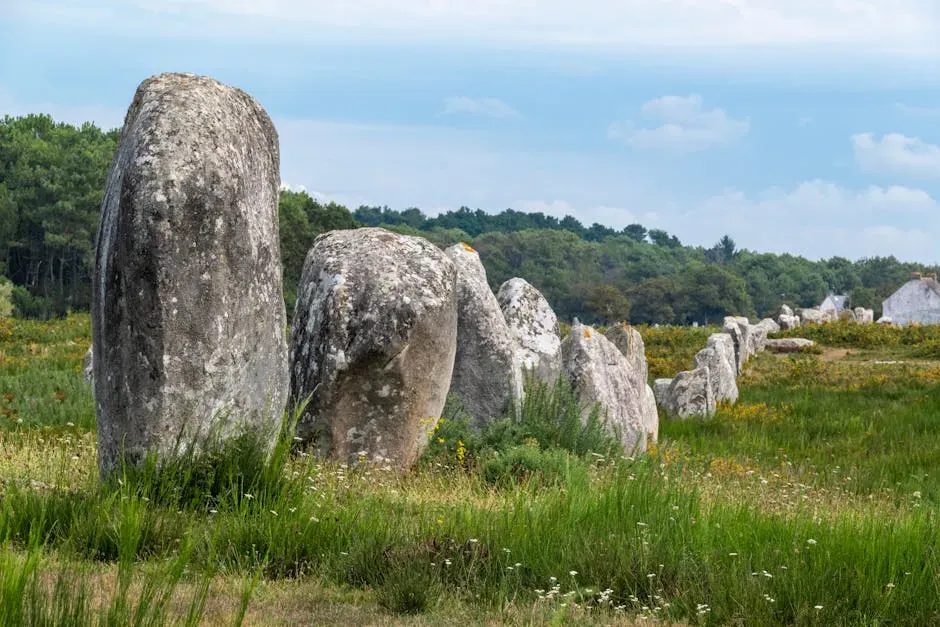
In a few rugged landscapes – parts of Central Asia, remote highlands, or windswept coasts – you can encounter clusters of standing stones and aligned boulders that straddle the line between geology and deliberate construction. You might see pillars that look naturally fractured, yet arranged in patterns that make you hesitate: are you looking at an eroded rock ridge, or the tumbled remains of some forgotten stone architecture? Without written records or clear tool marks, the answer can stay uncomfortably vague.
Geologists and archaeologists try to sort out what the forces of frost, wind, and gravity could plausibly create versus what would almost certainly require human intent. But you quickly realize how slippery that line is when nature produces things like neat basalt columns, jointed sandstone fins, or boulder fields sorted by size. You might stand in front of a labyrinth of blocks and ridges, aware that competing interpretations exist, and recognize that your brain is wired to see intentional patterns even when none are there. That realization does not make the site feel any less strange; it just adds another layer of mystery about how much of what you think you see is in the rock, and how much is in you.
Conclusion: When Earth Refuses to Be Boring
By the time you’ve followed wandering stones across a dry lakebed, watched a river disappear into a hole, and imagined ancient artisans shaping perfect spheres for reasons you’ll never fully know, one thing becomes obvious: the Earth is not obligated to make intuitive sense to you. For every formation that scientists have mostly decoded, there are edges of uncertainty, missing context, or sheer visual weirdness that keep the wonder alive. You are living on a planet that sometimes looks like it was designed to poke holes in your certainty.
Maybe that is the most important part of all this: not that these formations outright “defy” science, but that they remind you science is a living process, full of revisions, arguments, and unanswered questions. The next time you stand on a viewpoint and feel that prickling sense that something about the landscape is just too odd, resist the urge to file it away with a simple label. Let that curiosity hang there for a moment and change how you see the ground beneath your feet – because if the planet can still surprise you this much, what else are you underestimating?