Every time humans celebrate a technological breakthrough, there’s a quiet, humbling truth in the background: animals have been solving complex engineering problems for millions of years. From skyscraper-style termite mounds that manage temperature better than many office buildings, to spider webs that balance strength and lightness in a way most materials scientists still envy, nature is packed with designs that feel almost unbelievable.
What makes these feats so gripping isn’t just that they’re clever; it’s that they’re created without blueprints, formal training, or written instructions. Generation after generation, animals somehow “know” how to build homes, tools, and systems that would challenge a human engineering team. Let’s walk through ten of the most astonishing examples – and you might find yourself looking at the smallest creatures with a new kind of respect.
1. Termite Mounds: Natural Skyscrapers with Climate Control

Imagine a high-rise building in the middle of the desert that keeps itself cool inside during the day and warmer at night – without a single air conditioner. That’s essentially what many termite mounds do. Some species of termites build towers that rise several meters above the ground, yet most of the colony lives safely below, in a network of underground chambers and tunnels carefully ventilated by the mound.
The outer structure is riddled with air shafts and porous passages that act like lungs, moving air in and out, regulating temperature, humidity, and even gas levels such as carbon dioxide. Engineers have studied these mounds to inspire more energy-efficient buildings, and several modern designs borrow their principles of passive ventilation. When you see one of these towers on a savanna, it may look like nothing more than a clay sculpture, but it’s actually a finely tuned piece of environmental engineering, running day and night without ever needing a power bill.
2. Beehives and Honeycombs: Masters of the Hexagon
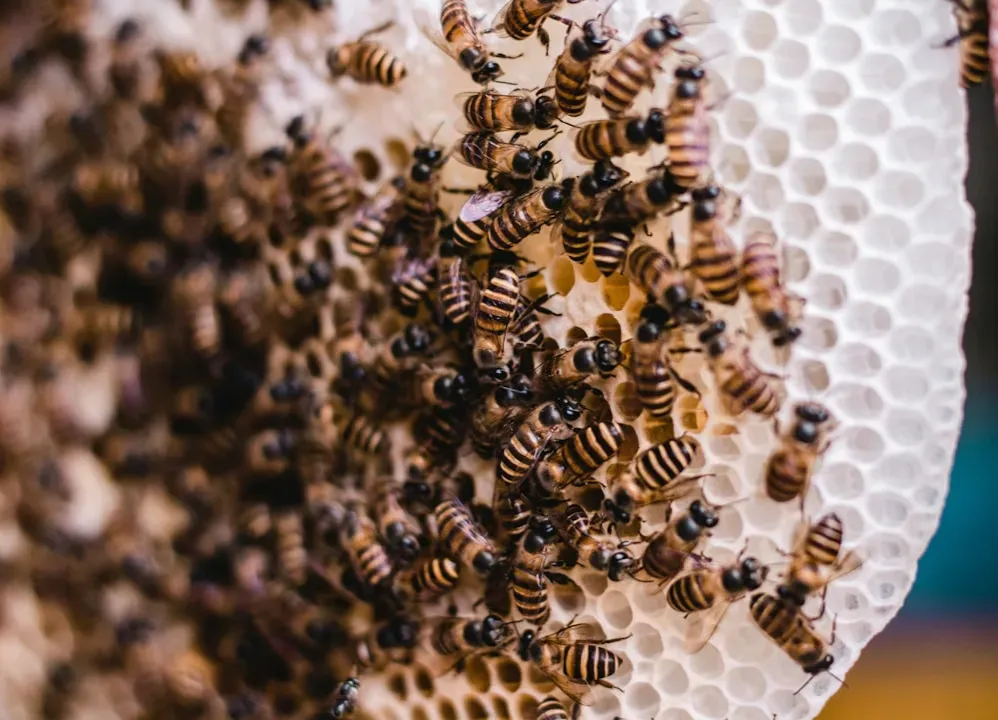
Bees are tiny, but their architectural sense is brutally efficient. Honeycomb is made of perfectly repeating hexagonal cells, a pattern that uses as little wax as possible while storing the maximum amount of honey. Mathematicians have shown that the hexagon is the most efficient shape for tiling a surface without gaps, which means bees are essentially running optimal design software inside their tiny heads.
What’s even more striking is that worker bees build these combs in the dark, working side by side and somehow keeping the walls almost the same thickness throughout. The structure supports its own weight plus the heavy load of stored honey and developing brood. Human engineers look to similar patterns for lightweight but strong materials in aerospace and construction. Next time you see a jar of honey, remember the geometric genius that quietly shaped every drop’s storage unit.
3. Spider Webs: Ultra-Light, Ultra-Strong Traps
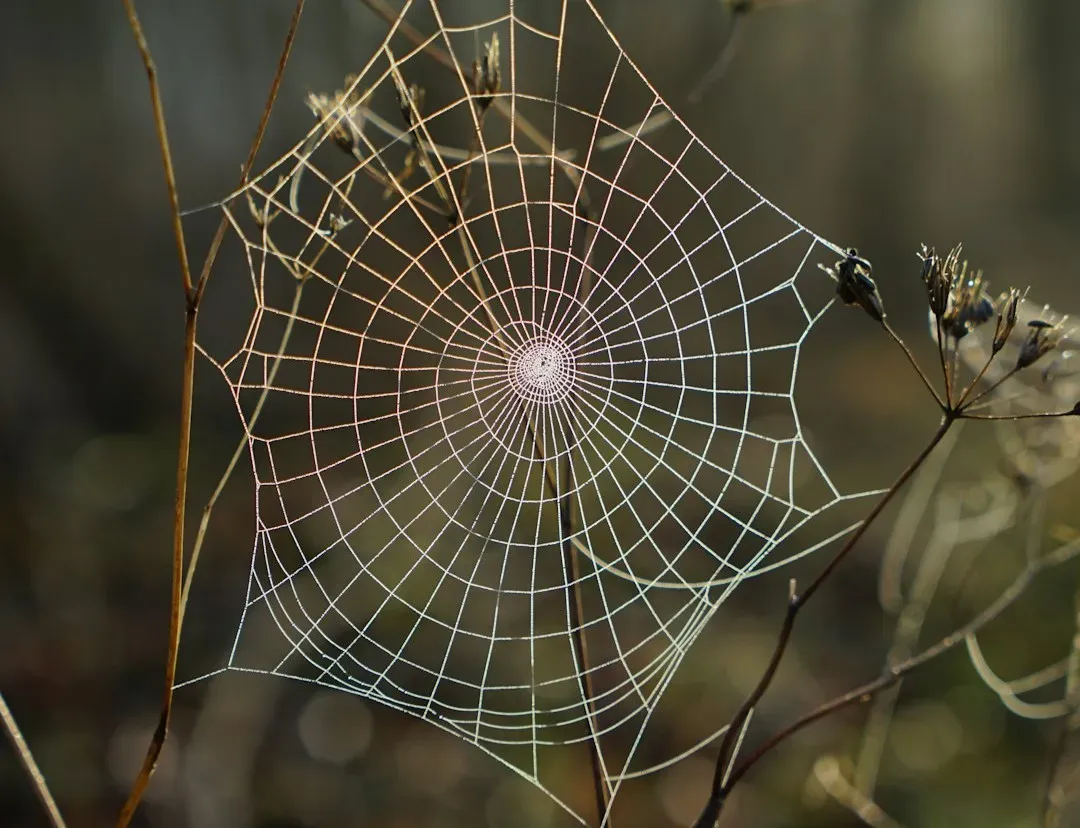
A spider web looks delicate, almost like it could fall apart in a stiff breeze, but don’t let its fragile appearance fool you. Spider silk has a strength-to-weight ratio that rivals some high-performance synthetic fibers created in labs. Many webs can absorb a surprising amount of energy – think of a fly slamming into the strands at high speed – without tearing apart.
Differently spaced threads and sticky versus non-sticky strands are carefully arranged to guide, catch, and hold prey. Some spiders even adjust the tension and pattern of their webs based on the types of insects in the area or weather conditions. Industries from textiles to medicine have tried to replicate spider silk’s extraordinary properties for uses like sutures and protective gear. Yet, piece by piece, spiders effortlessly spin custom-designed nets each night, and then casually eat and rebuild them when needed, like a contractor that recycles a house every morning.
4. Beaver Dams: Landscape-Scale Civil Engineering
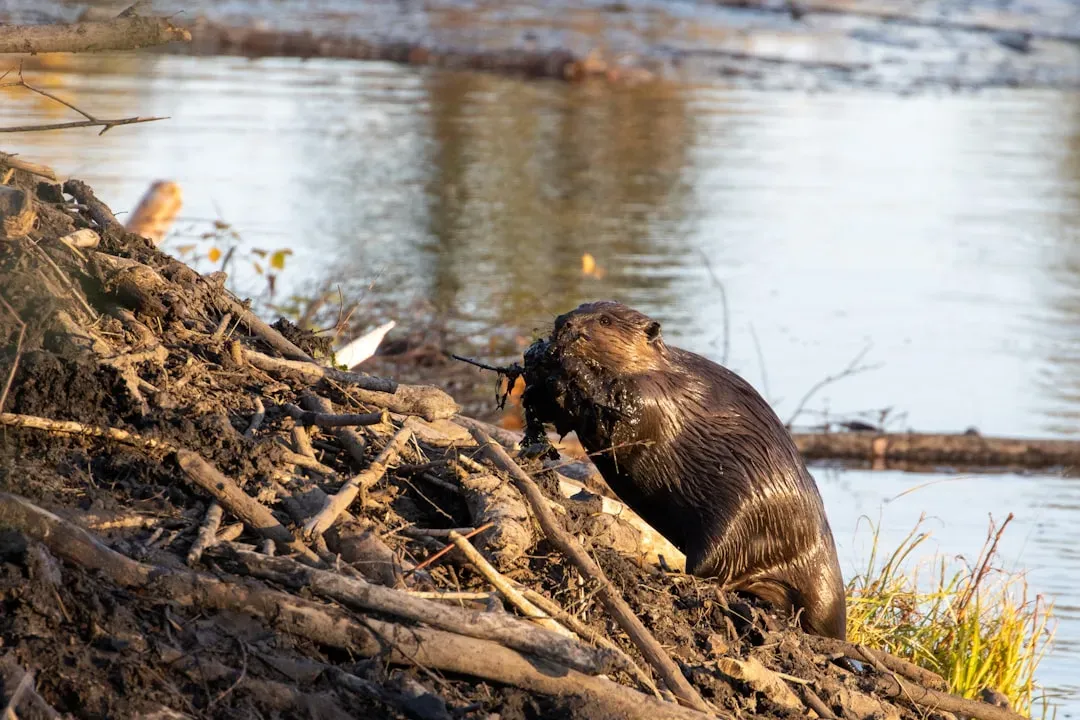
Beavers don’t just build homes; they remodel entire ecosystems. Using little more than teeth, paws, and a fierce work ethic, they fell trees, drag branches, and pack mud to build dams across streams and rivers. These dams slow the flow of water, turning rushing channels into calm ponds that provide safety from predators and room for their lodges.
The result is more than just a beaver-friendly moat. Dams can raise local water tables, create wetlands, and provide habitat for birds, amphibians, and fish. In some areas, conservationists actually bring in beavers or build beaver-style structures to restore dried-out landscapes and reduce erosion. It’s a reminder that good engineering does more than solve a single problem; it reshapes the world around it, often in ways that ripple out far beyond the original plan.
5. Weaverbird Nests: Suspended Masterpieces of Fiber Design
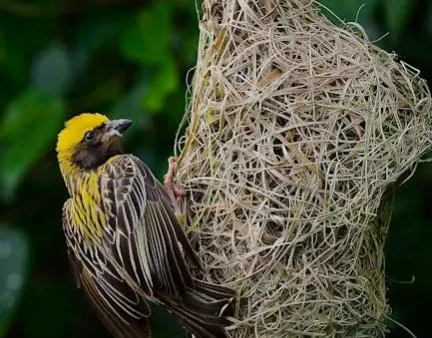
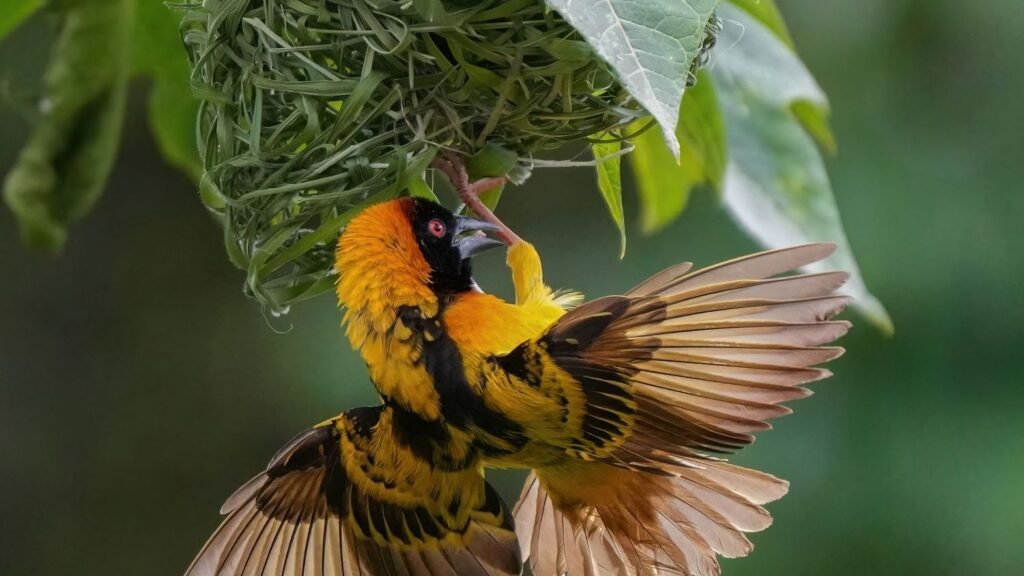
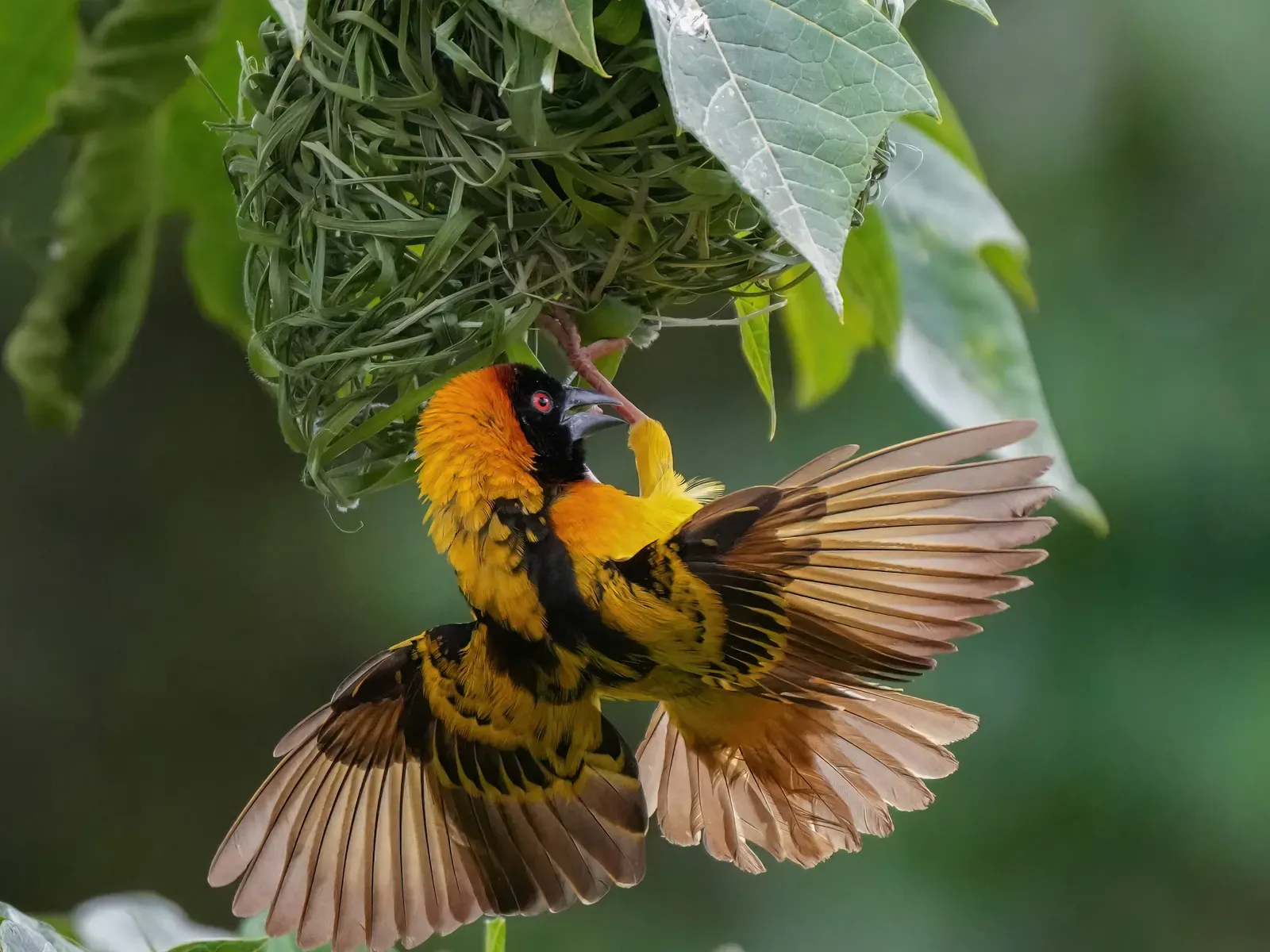
Weaverbirds create hanging nests that look like living art installations swinging from tree branches. Using nothing but their beaks, they collect grasses, twigs, and leaves, then knot and weave them into intricate, tightly woven structures. The nests often hang from the tips of thin branches, making it harder for predators like snakes to reach them.
Different species produce different designs – some nests are bottle-shaped with long entrance tunnels, others are more globular, but many include narrow openings pointing downward to shed rain and deter intruders. Watching a male weaverbird work, thread after thread, feels strangely like watching a skilled craftsperson at a loom, except there’s no measuring tape or pattern on paper. The end result is a shelter that can withstand wind, rain, and the stress of daily life, all held together by tension, friction, and a lot of patient, practiced weaving.
6. Ant Cities and Underground Highways
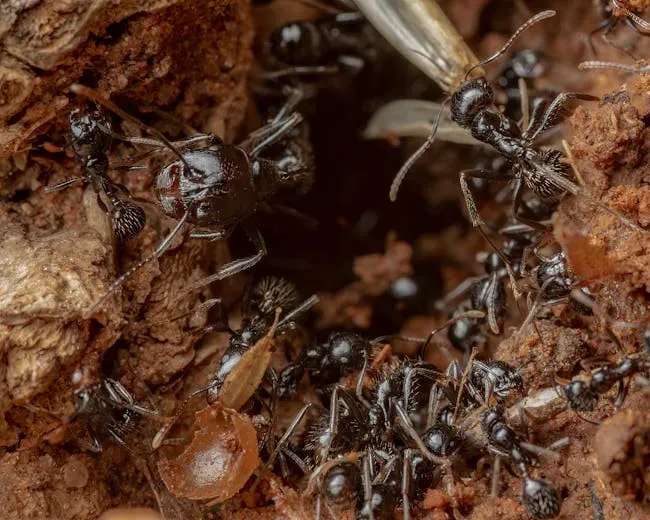
If you could pour a casting material into an entire ant nest and then excavate it, you’d reveal a surprisingly complex underground city. Some ant colonies build vast systems of tunnels, vertical shafts, storage chambers, nurseries, and even dedicated waste areas. The layout helps them control temperature, moisture, and air flow while allowing thousands – or sometimes millions – of individuals to move efficiently.
In many species, the deepest parts of the nest are warmer and more stable, perfect for rearing brood, while upper chambers act as food storage or quick access routes to the surface. Traffic management, division of labor, and resource distribution all play into how these nests function. It’s like a combination of subway system, warehouse network, and apartment complex, all engineered by creatures barely longer than your fingernail, working with soil and instinct instead of concrete and blueprints.
7. Coral Reefs: Living Construction on an Oceanic Scale
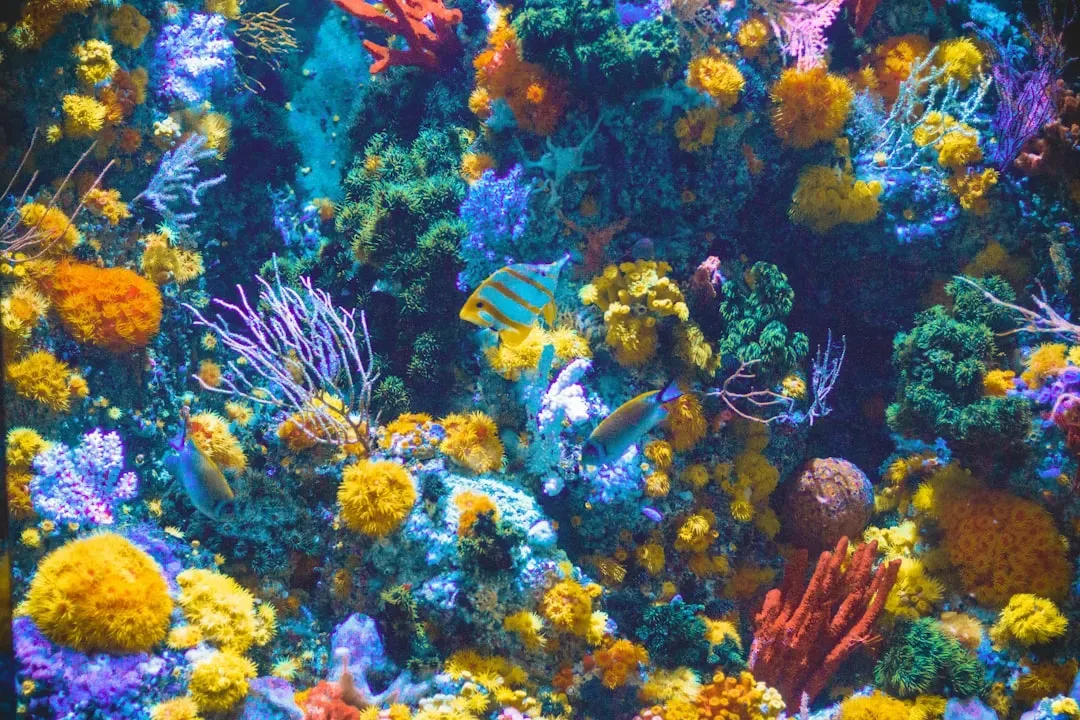
Coral reefs might look like colorful rocks, but they’re actually huge, living structures slowly built by tiny coral polyps. Each polyp secretes a skeleton of calcium carbonate, and over many generations these skeletons accumulate into vast reef systems that can stretch for hundreds of kilometers. The result is sometimes visible from space, a bit like a natural city of limestone towers and walls beneath the waves.
The engineering here is both structural and ecological. Reefs break the force of ocean waves, protecting coastlines from erosion and storms, and create thousands of nooks and crannies that shelter fish, crustaceans, and countless other species. Even as climate change and warming oceans threaten many reefs, researchers study how some corals adapt or build more resilient structures. Picture a construction project that never really stops, with each tiny builder adding just a sliver, yet together raising monuments that outlast entire human civilizations.
8. Birds’ Flight Feathers and Wings: Aerodynamics Perfected
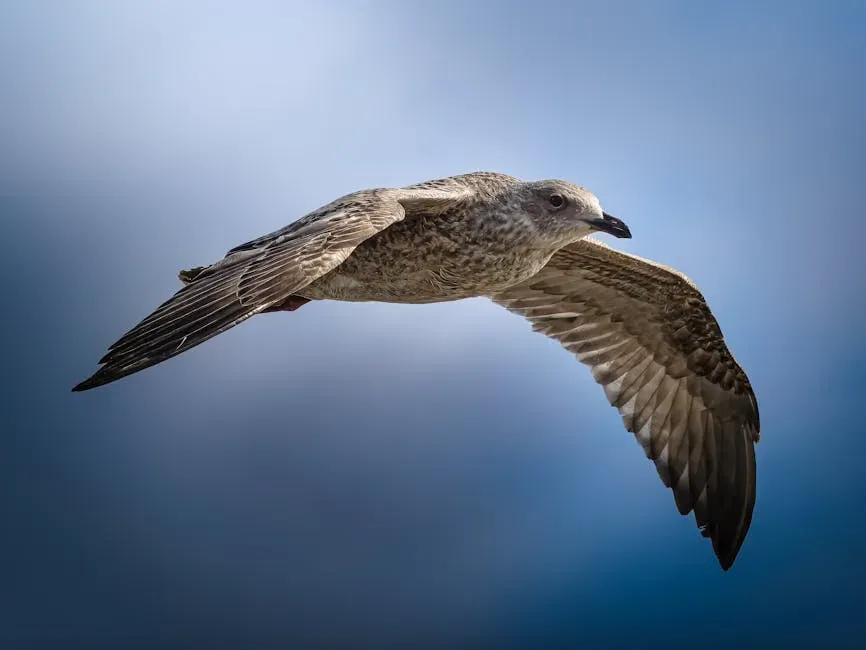
When aircraft designers study ways to reduce drag, improve lift, or make flying more efficient, they often end up looking back to birds. A bird’s wing is a flexible, responsive engineering marvel: bones provide structure, muscles adjust shape on the fly, and feathers layer together to control airflow. Each feather has a central shaft and barbs that interlock, creating a smooth but adaptable surface.
Birds can subtly twist and angle their wings to react to wind gusts, manage turbulence, and switch between energy-saving glides and powerful flapping. This sort of real-time adjustment inspired technologies like winglets on airplane wings and morphing wing concepts in aviation research. Watching a hawk riding a thermal or a swallow darting through tight spaces is like seeing advanced aerodynamics in action, only there’s no cockpit and no fuel gauge – just instinct and exquisite biology.
9. Pufferfish Sand Circles: Underwater Geometric Art
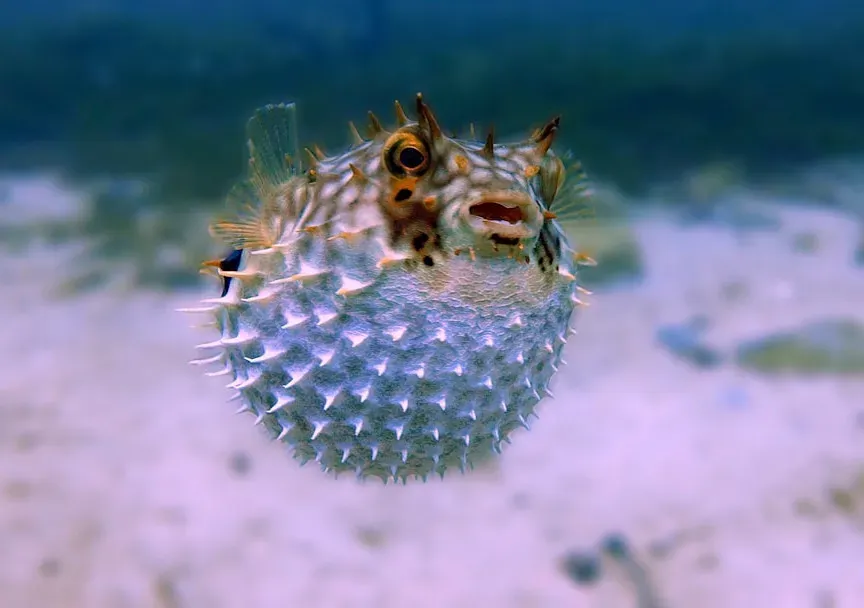
At the bottom of the ocean, certain species of small pufferfish create large, perfectly patterned circles in the sand, sometimes nearly a couple of meters across. Using only their fins, these fish methodically sculpt ridges and valleys in the seabed, forming a kind of underwater mandala that looks almost too precise to be natural. They even decorate the center with shells and bits of debris.
These circles aren’t just for show. The structure helps slow water currents and trap fine sand, creating a better surface for eggs, while the elaborate design seems to attract potential mates. Researchers have marveled at the symmetry and complexity, considering that the artist is a single fish, working essentially in solitude. It’s an engineering project that doubles as courtship display, blending function and beauty in a way many human designers would love to claim as their own.
10. Bowerbird Bowers: Architecture for Love and Persuasion
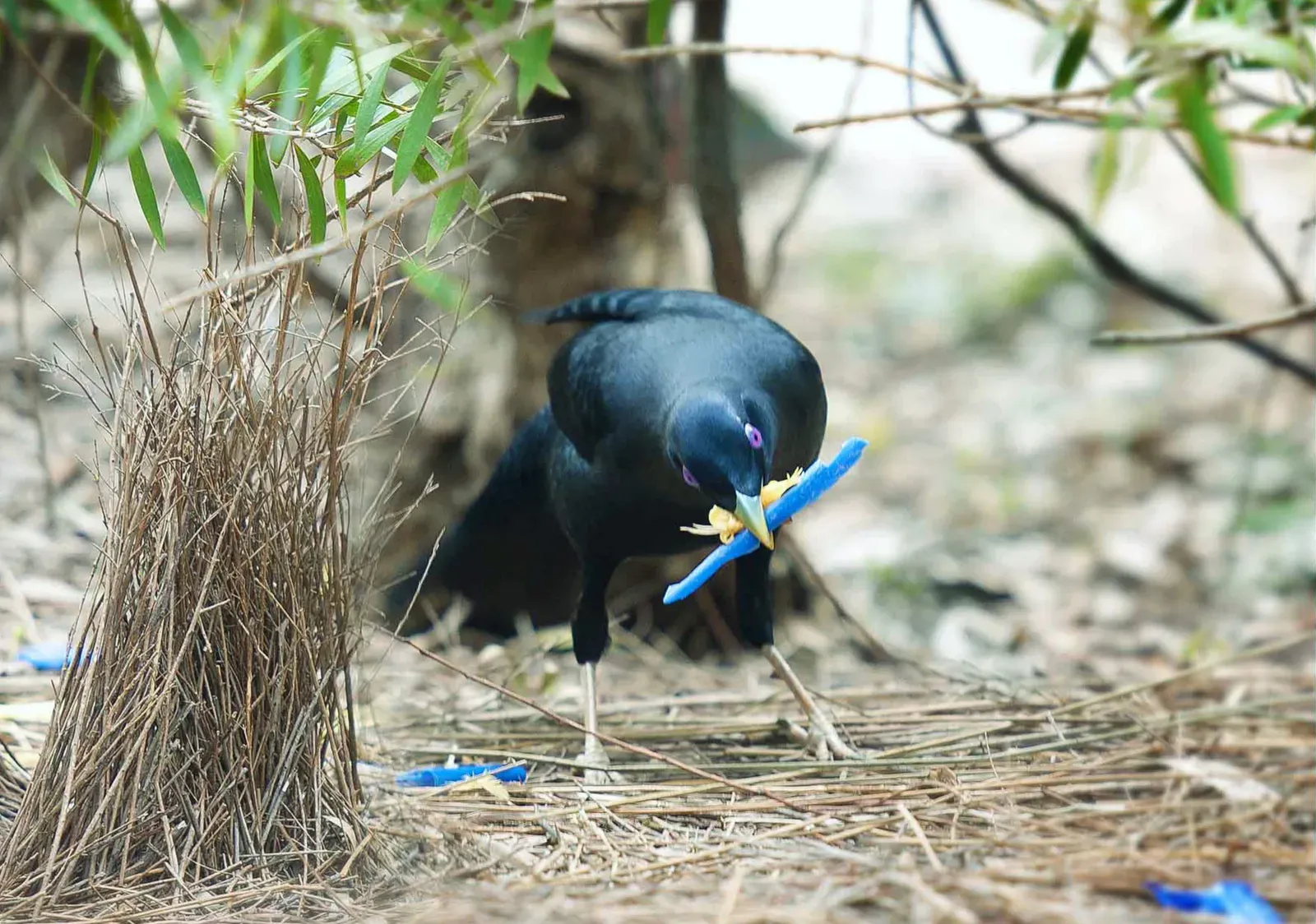
Male bowerbirds build structures called bowers that aren’t nests at all – they’re more like showrooms. Using twigs, leaves, and sometimes even human-made objects, they construct arches, avenues, or hut-like shapes on the forest floor. They then carefully arrange colorful items such as berries, flowers, feathers, or bits of plastic to create a particular color scheme or pattern that appeals to females.
The engineering here is psychological as much as physical. The bower has to stand, of course, but it also has to guide the female’s gaze, highlight the male, and create a sense of depth and order. Some species align objects by size or shade, almost like a gradient display in a gallery. When I first saw photos of these bowers, I honestly thought a human artist had set them up – it’s that intentional. But it’s all the work of a bird no larger than a pigeon, building not for shelter but for romance and persuasion.
Conclusion: What Nature’s Engineers Can Teach Us
Looking across these ten feats, a pattern emerges: animals solve real-world problems with designs that are efficient, resilient, and often surprisingly beautiful. They build climate-controlled homes, high-performance fibers, flood-managing dams, and city-like colonies without formal training or conscious mathematics, guided instead by evolution, instinct, and environmental feedback. In many cases, human engineers are still playing catch-up, borrowing ideas that nature refined long before we picked up a drafting pencil.
Personally, I find it grounding to remember that some of the smartest “technology” on the planet isn’t patented, branded, or even fully understood yet – it’s flying over our heads, tunneling under our feet, and quietly building in the corners of our world. Maybe the next breakthrough in architecture, materials science, or climate control won’t come from a lab alone, but from someone taking a closer look at a mound, a nest, or a web. Which of these natural structures surprised you the most – and what else might be hiding in plain sight, waiting for us to notice?