
You wake up, check your phone, make coffee, rush to work, and assume your body is just along for the ride. But beneath that familiar skin, your physiology is running a suite of hidden programs so sophisticated that even modern science is still catching up. Quietly, without asking your permission, your cells are editing their own DNA damage, your brain is mapping rooms you barely notice, and your immune system is running a surveillance operation rivaling any intelligence agency. The mystery is not whether we have superpowers, but why we treat them as ordinary. As researchers peel back the layers, they’re discovering that the human body is far more adaptive, predictive, and self‑optimizing than most of us were ever taught in biology class.
The Hidden Sensory World: You’re Detecting Far More Than You Realize
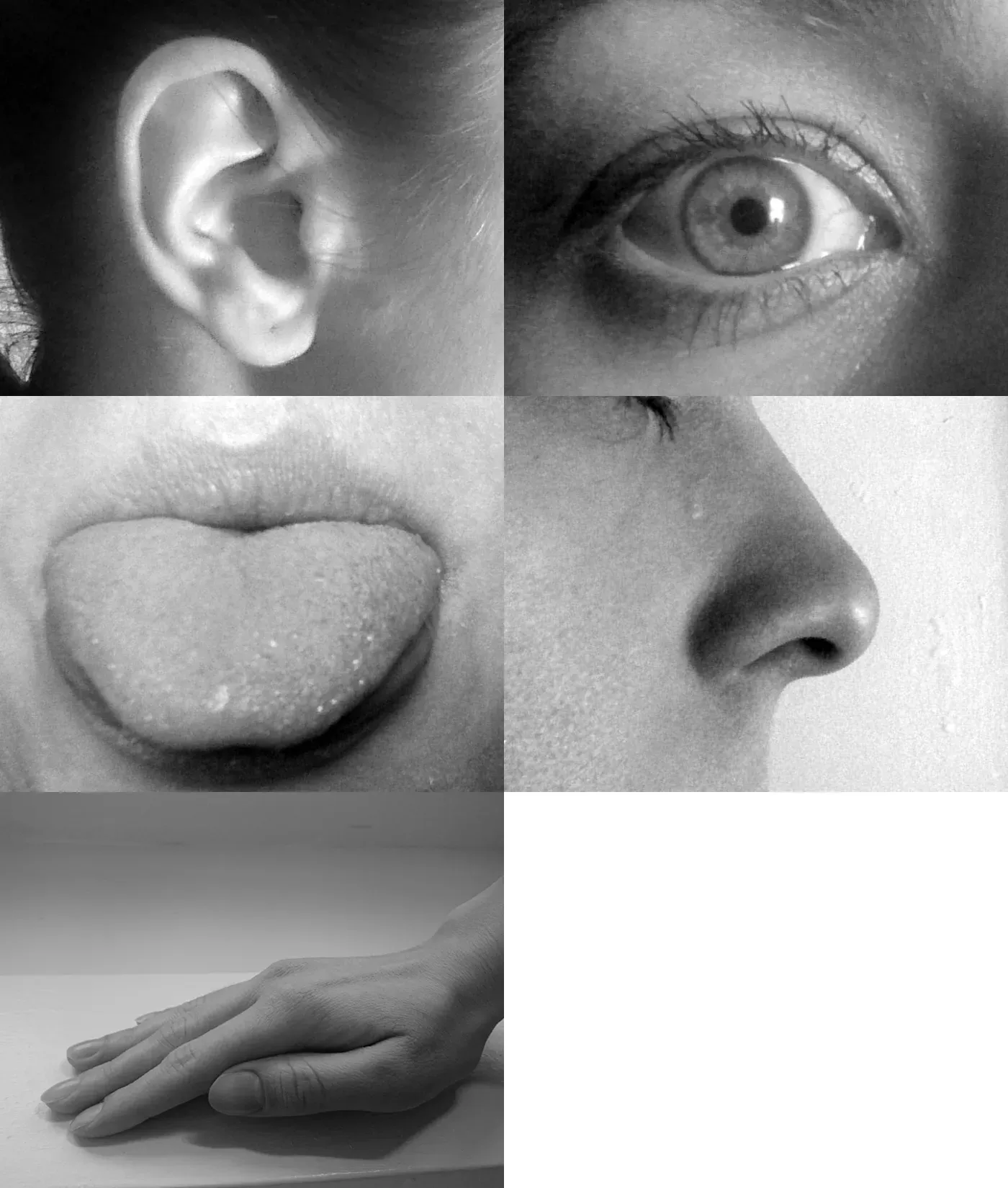
Walk into a crowded room and you probably think you’re just seeing faces and hearing voices. In reality, your nervous system is quietly absorbing a storm of micro‑signals: tiny shifts in body heat, subtle changes in another person’s skin color, faint variations in tone and timing. Studies suggest that humans can reliably detect chemosignals from fear or stress in sweat, even if we insist we “don’t smell anything.” Your pupils adjust not only to light but also to emotional content, widening when you see something meaningful or threatening, feeding your brain a continuous stream of context.
On top of that, your vestibular system – the tiny canals in your inner ear – is constantly solving complex physics problems to keep you upright and oriented in three‑dimensional space. At the same time, pressure sensors in your skin and joints update an internal model of where your limbs are without you needing to look. This is why you can reach for a cup behind you without staring at your hand like a robot in training. Under the surface, you’re running a multi‑sensor fusion system that wouldn’t be out of place in a self‑driving car, except yours works in real time, in a rainstorm, on stairs, while you’re texting.
Your Brain’s Time Machine: Predicting the Future in Milliseconds
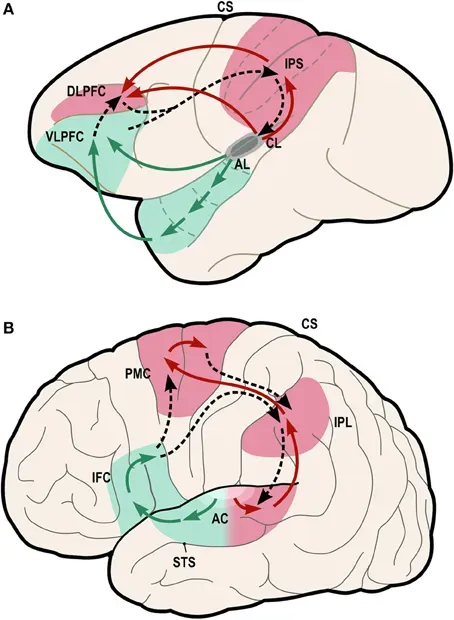
It feels like you live in the present, but your brain is always leaning slightly into the future. Neuroscientists now describe perception not as a camera taking snapshots, but as a prediction engine constantly guessing what will happen next and then correcting its own forecasts. When you catch a ball, your visual system is forecasting its trajectory before it actually gets there, updating your motor commands in tiny, rapid loops. Even the way you hear speech relies on prediction, as your brain anticipates likely syllables and fills in noisy gaps so quickly it feels seamless.
This predictive machinery works at different scales, from milliseconds during a conversation to longer stretches as you navigate your daily routine. That odd sense you get when something feels “off” in a familiar place or interaction is often your prediction system noticing a mismatch before your conscious mind can articulate it. In a way, your nervous system is always running a background weather report for your personal future: what’s the next sound, movement, or social cue likely to be? You rarely notice this ability unless it fails – like when you miss a step you didn’t see – which is exactly why it feels invisible most of the time.
Built‑In Repair Crew: Constantly Rebuilding a “You” That Looks Continuous
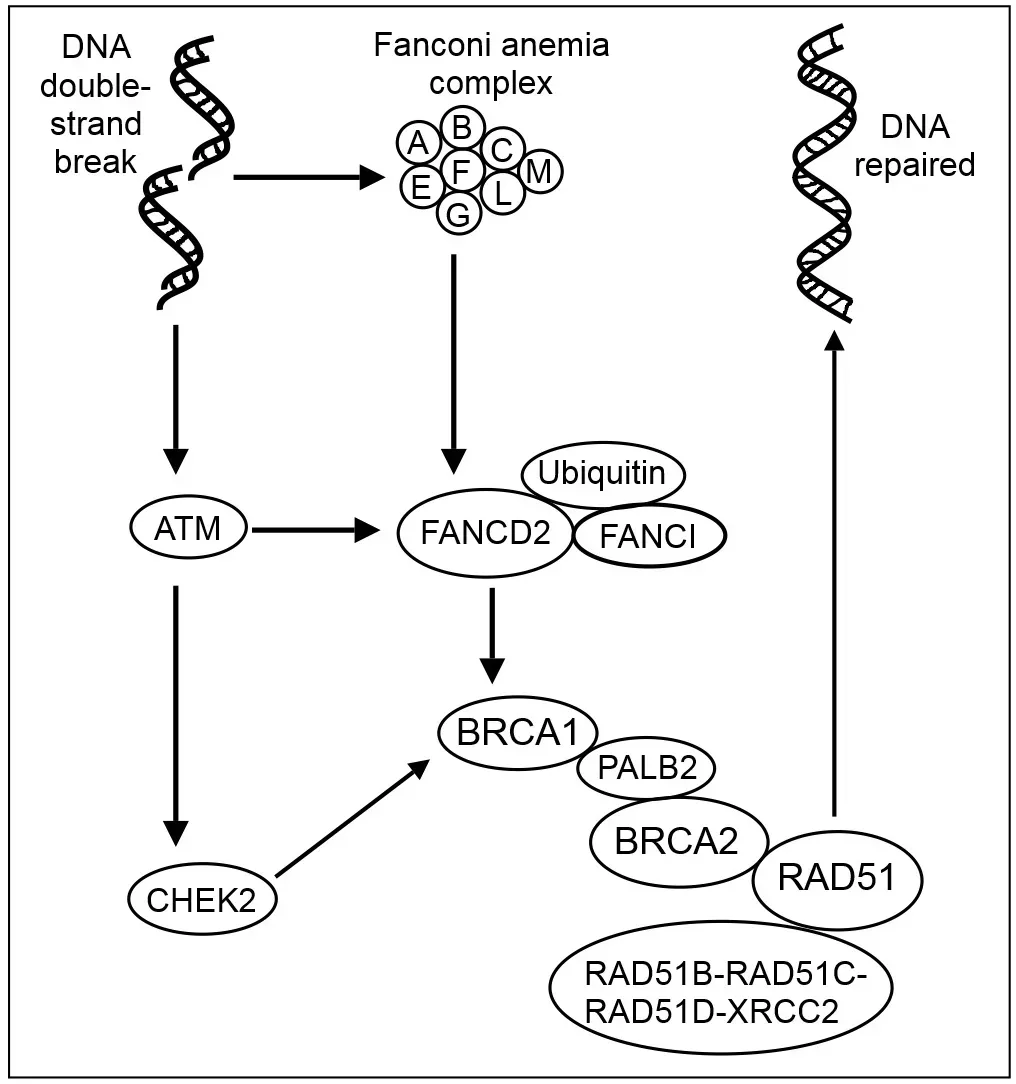
We talk about our bodies as if they’re static objects, but they’re more like ongoing construction sites that never shut down. Every minute, your cells are fixing DNA breaks, clearing out misfolded proteins, and patching microscopic tears in muscle fibers. Some estimates suggest that nearly half of the protein molecules in your body are replaced within a few days, while even your skeleton is being remodeled over the course of several years. You feel like the same person, yet the materials that make “you” are constantly turning over.
This internal repair crew is guided by a suite of quality‑control systems – enzymes that patrol for damage, cellular recycling processes that break down worn‑out parts, and stem cells that can step in to replace injured tissue. When you recover from a cut or a bruise, you see only the most obvious part of this process; what you don’t see is the continuous, low‑level maintenance that prevents countless tiny problems from ever rising to your awareness. It’s only when these systems stall or are overwhelmed that we call it disease. Most of the time, they’re quietly saving you from thousands of microscopic crises a day, and you never even get the memo.
Metabolic Shape‑Shifting: How Your Body Rewrites Its Own Rules
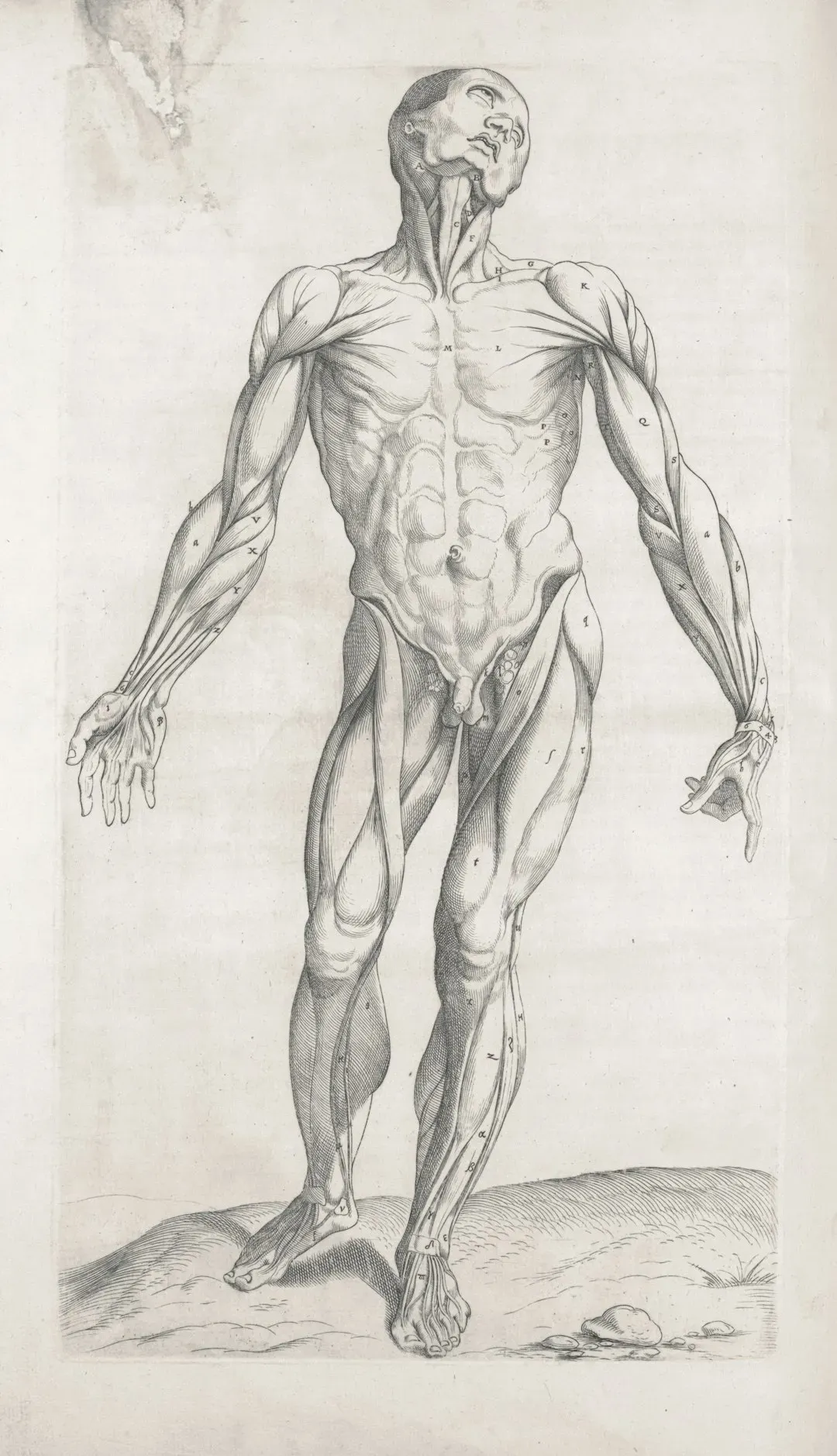
It’s tempting to think of your metabolism as a fixed “fast” or “slow” setting, but your body is far more tactical than that. When you change your diet, sleep, or activity level, hormones like insulin, leptin, and cortisol adjust how your cells handle fuel, often within hours. Spend several weeks at high altitude, and your body can ramp up red blood cell production and tweak how it uses oxygen, effectively rewriting its performance manual for thin air. Under prolonged calorie restriction, your system can slow non‑essential processes, making each calorie stretch like a tight household budget.
Even your gut microbes play a role, shifting in composition when you alter what you eat, which in turn can influence how efficiently you extract energy and how your immune system behaves. This metabolic plasticity is why two people can eat the same meal and show surprisingly different blood sugar responses. It’s also why lifestyle changes sometimes feel frustratingly slow to show visible results – often, the first wave of change is happening deep inside, in hormone pulses, enzyme levels, and microbial neighborhoods. Your body is less a machine with fixed settings and more like a negotiating committee constantly balancing energy, survival, and performance.
Silent Immune Surveillance: The Internal Intelligence Network
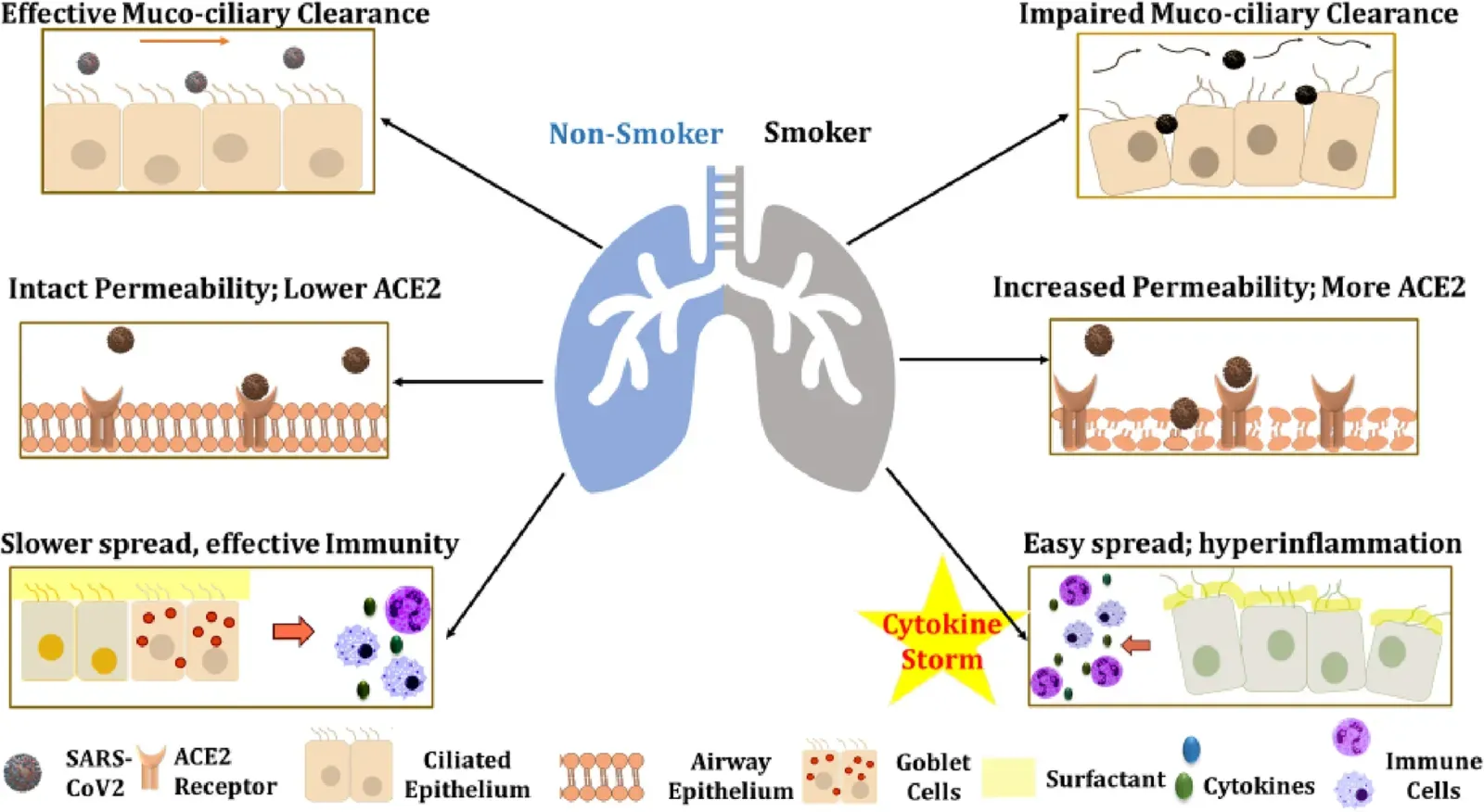
Right now, as you read this, your immune system is running a surveillance operation across every corner of your body. Immune cells patrol your blood and tissues, checking molecular “ID cards” on cells to decide who belongs and who looks suspicious. When they encounter something off – like a virus‑infected cell or a budding cancer cell – they can flag it for destruction, call in backup, and even adjust their playbook for next time. This is how vaccines work: by training your immune memory so that a first encounter is just a drill, not a full‑blown emergency.
What’s remarkable is how targeted this can be. Specialized cells in your gut, lungs, and skin sample the outside world around the clock, learning which threats to attack and which harmless substances to ignore. When this learning process goes awry, you get allergies or autoimmune disorders; when it works, you coexist peacefully with trillions of microbes and a barrage of daily insults. You don’t feel the negotiations, the compromises, the split‑second decisions. You just call it “not getting sick” and move on with your day, unaware of the microscopic intelligence network that just saved it.
The Emotional Body: How Feelings Rewire Physiology in Real Time
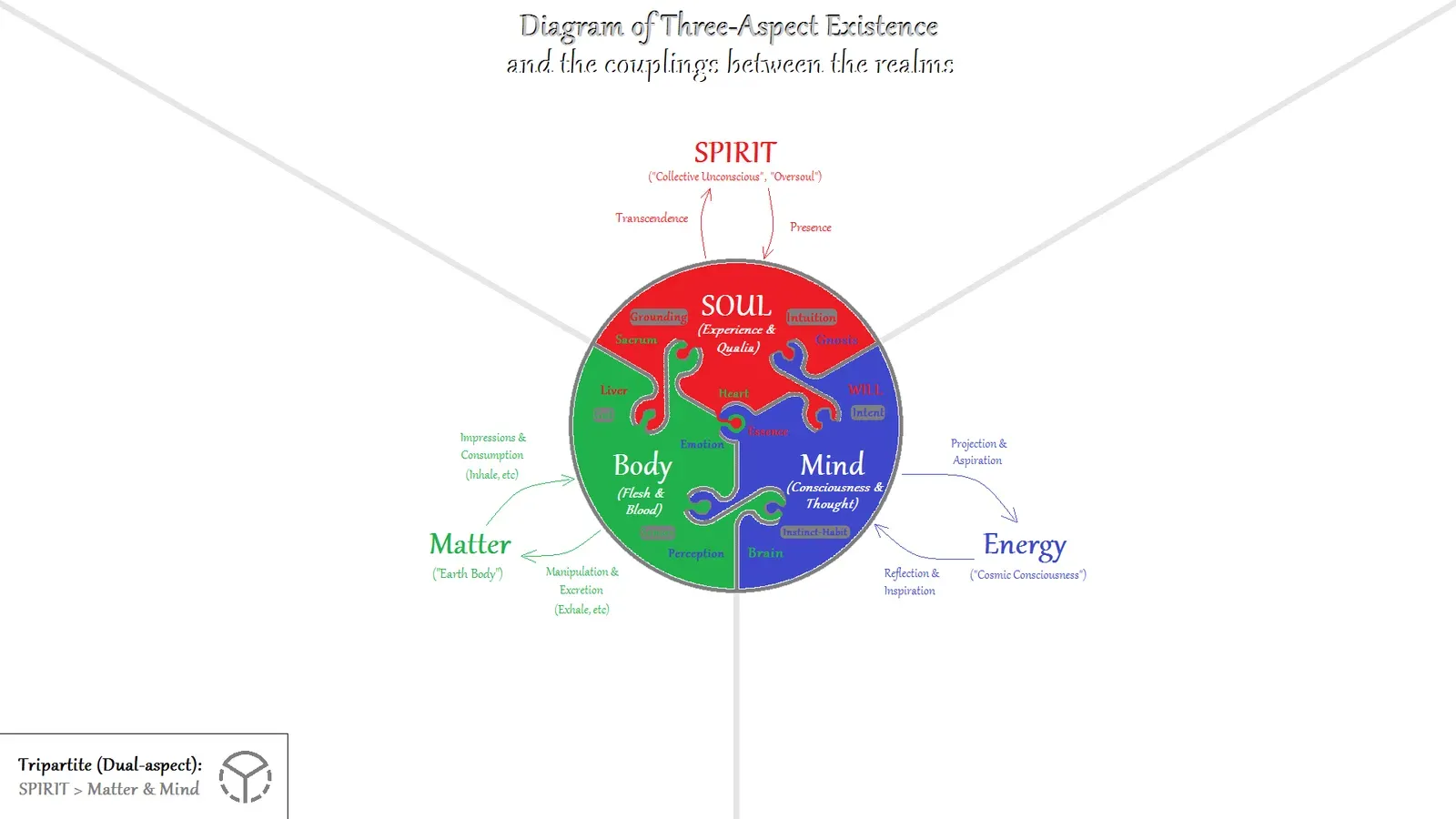
We often talk about emotions as if they live only in the mind, but they are deeply embodied events. When you feel a flash of anxiety before a big presentation, your heart rate, breathing, and gut motility all shift within moments, guided by your autonomic nervous system. That “gut feeling” about a person or situation reflects not just vague intuition but a rapid integration of memory, context, and bodily signals – changes in heart rhythm, muscle tension, and even the microbes in your intestines. Over time, repeated emotional states can subtly reshape baseline physiology, influencing blood pressure, inflammation levels, and sleep patterns.
On the flip side, your body can send signals upward that reshape mood and perception. A brisk walk, a slow exhale, or a change in posture can alter patterns of nerve activity traveling from body to brain. Researchers exploring this body‑to‑brain loop are finding that practices like controlled breathing, mindfulness, and certain forms of exercise can reduce symptoms of anxiety or pain by tapping into built‑in regulatory pathways. You’re not just a brain riding around in a flesh vehicle; you’re a loop, where thoughts sculpt bodily states and bodily states sculpt thoughts, often outside your conscious awareness.
Why These Hidden Abilities Matter More Than You Think
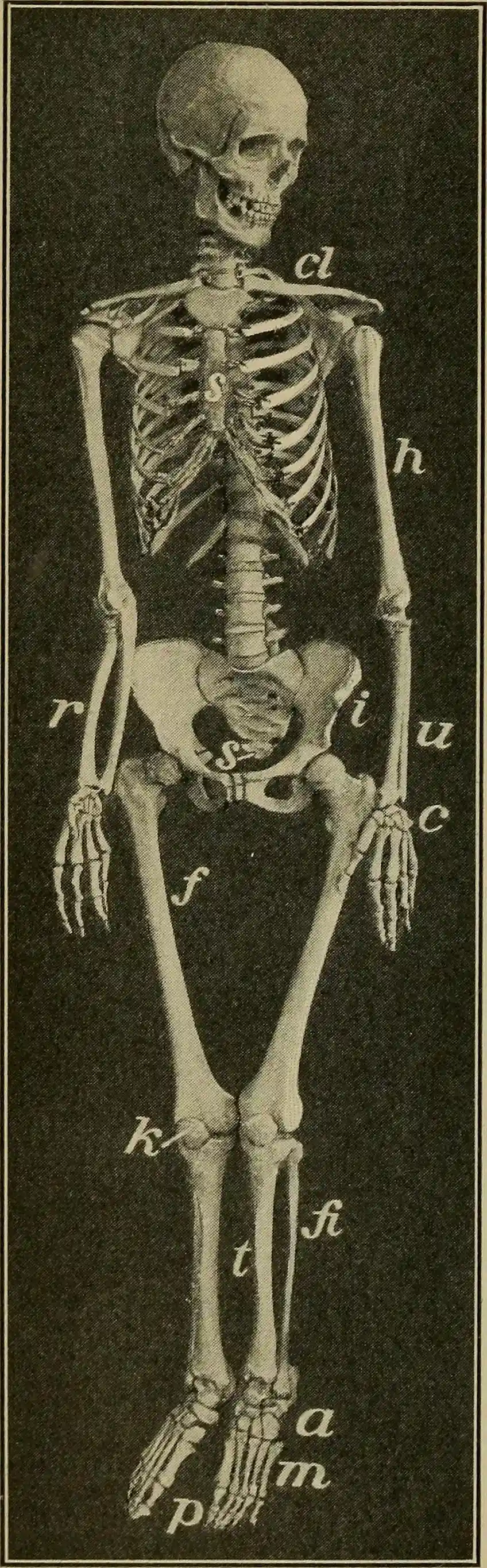
It might sound like abstract physiology, but these hidden abilities have very real consequences for how you live, age, and stay healthy. Recognizing that your body is predictive, adaptive, and constantly self‑repairing reframes health from a simple “on or off” state into a dynamic relationship you can influence. Traditional models often treat symptoms as isolated problems – a sore knee here, a stomach issue there – while ignoring the underlying intelligence that’s trying to compensate. By understanding the systems at work, you can see, for example, how chronic stress doesn’t just make you feel worn out; it hijacks prediction, metabolism, and immune surveillance all at once.
This perspective also highlights why quick fixes so often disappoint. When you treat the body like a machine with a broken part instead of an ecosystem with its own rules, you miss opportunities to work with its built‑in capacities. Small, consistent shifts in sleep, movement, and emotional habits can leverage prediction, repair, and adaptation in ways no single pill can fully replicate. In that sense, the real story is not that you have hidden abilities, but that many of our older health narratives underestimated just how sophisticated – and how negotiable – your biology really is.
The Future Landscape: Tapping Into Your Own Internal Technologies
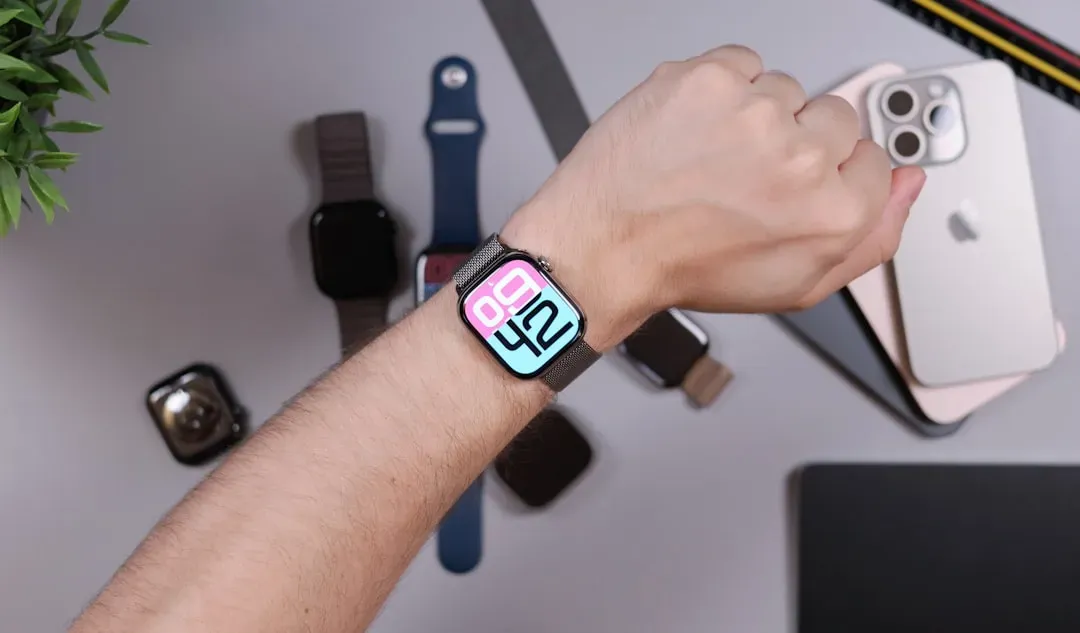
Looking ahead, one of the most exciting frontiers in medicine is learning how to cooperate with these internal abilities instead of overriding them. Researchers are developing wearable devices that track subtle changes in heart rhythm, skin temperature, or breathing patterns to predict illness before symptoms emerge, effectively reading the body’s early warning systems in real time. Personalized nutrition projects are using continuous glucose monitors and microbiome analysis to map how each person’s metabolism uniquely adapts to different foods. There is growing interest in therapies that harness the immune system’s surveillance powers, not only against cancer but also against chronic infections and perhaps even some neurodegenerative diseases.
At the same time, there are serious challenges. Access to these technologies is uneven, raising the risk of a health divide between those who can monitor their internal worlds and those who cannot. There are privacy questions about who gets to see the data from your most intimate physiological processes. And there’s a cultural hurdle: shifting from a mindset where we expect instant fixes to one where we respect slow, biological learning and adaptation. Still, the direction of travel is clear: the medicine of the near future will not just look at lab tests and scans, but at the continuous, nuanced language your body is already speaking.
Everyday Ways to Work With Your Hidden Abilities

Engaging with these inner abilities doesn’t require a lab or a subscription device; it starts with paying closer attention. Noticing how your body predicts – how you tense before a stressful email, or relax when you enter a familiar space – can help you intervene earlier with a walk, a breath, or a boundary. Simple habits like consistent sleep, regular movement, and unhurried meals give your metabolic and repair systems the stable conditions they need to do their quiet work well. Taking moments to deliberately slow your breathing or scan your body for tension is not mystical; it’s a way of nudging the emotional‑physiological loop toward balance.
You can also support the science that’s uncovering these abilities, whether by participating in research studies, backing public funding for basic physiology research, or simply staying curious and sharing accurate information. Paying attention to how your body responds over time can make you an active collaborator in your own health rather than a passive recipient of care. You’re already carrying an arsenal of silent skills – prediction, repair, adaptation, surveillance. The real shift is learning to see them, respect them, and maybe, one decision at a time, help them work in your favor.
Suhail Ahmed is a passionate digital professional and nature enthusiast with over 8 years of experience in content strategy, SEO, web development, and digital operations. Alongside his freelance journey, Suhail actively contributes to nature and wildlife platforms like Discover Wildlife, where he channels his curiosity for the planet into engaging, educational storytelling.
With a strong background in managing digital ecosystems — from ecommerce stores and WordPress websites to social media and automation — Suhail merges technical precision with creative insight. His content reflects a rare balance: SEO-friendly yet deeply human, data-informed yet emotionally resonant.
Driven by a love for discovery and storytelling, Suhail believes in using digital platforms to amplify causes that matter — especially those protecting Earth’s biodiversity and inspiring sustainable living. Whether he’s managing online projects or crafting wildlife content, his goal remains the same: to inform, inspire, and leave a positive digital footprint.