
You do not often get to watch a species come this close to disappearing and then slowly, stubbornly fight its way back. When you look at the story of the whooping crane, you are really looking at a mirror of your own choices as a human being: what you destroy, what you decide to save, and how patient you are willing to be. This bird’s road back has been long, messy, hopeful, and sometimes heartbreaking. As you move through these ten facts, you will see how a handful of surviving birds, a lot of science, and an enormous amount of human stubbornness have kept the tallest bird in North America from vanishing. You will also see that the story is nowhere near finished. In a way, you are stepping into the middle of a decades‑long rescue mission that now quietly depends on what people like you choose to support next.
1. You Are Looking At One Of North America’s Rarest Birds
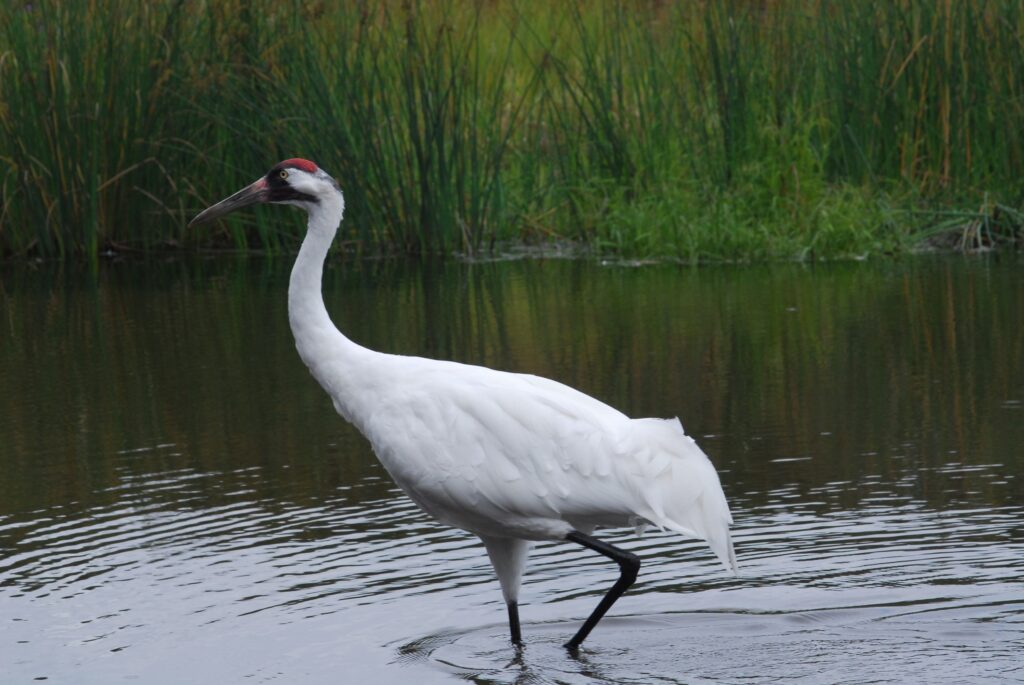
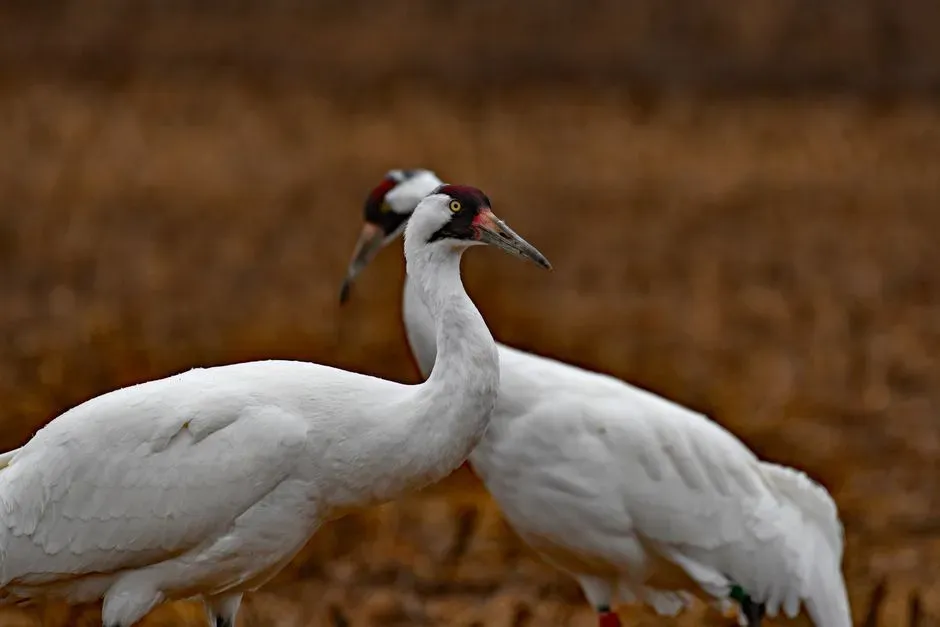
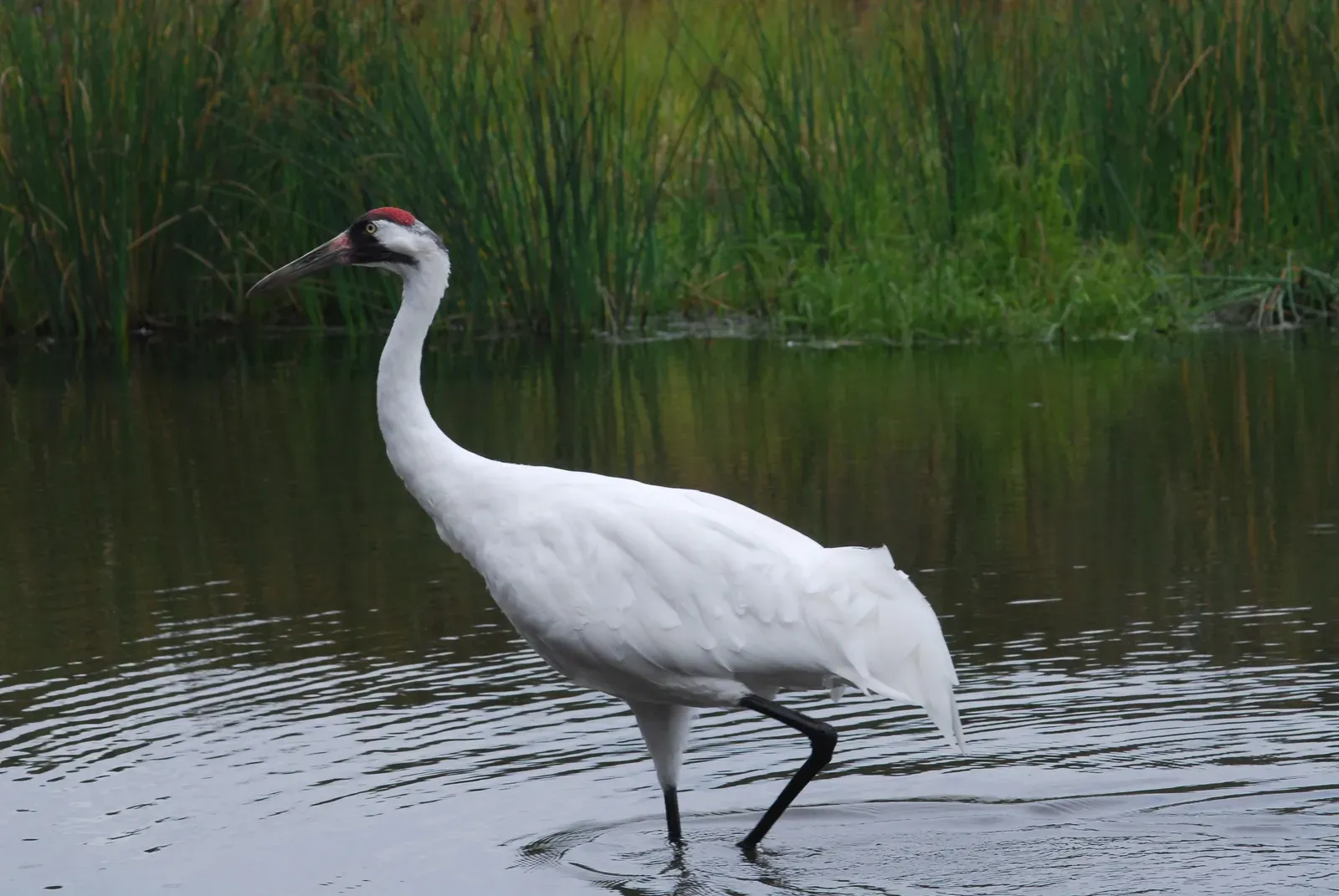
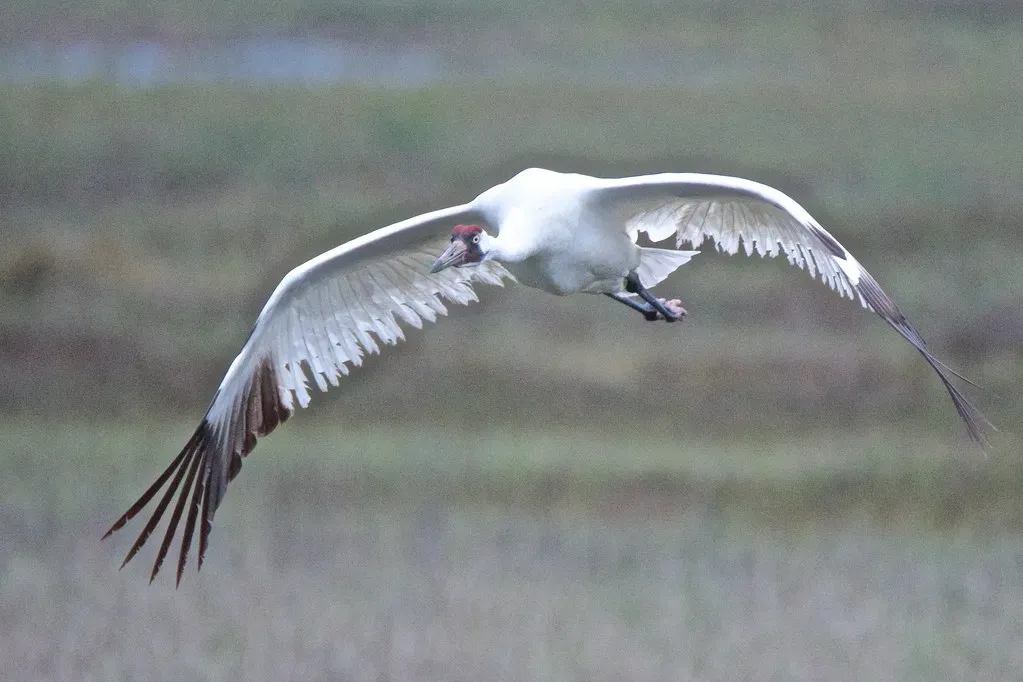
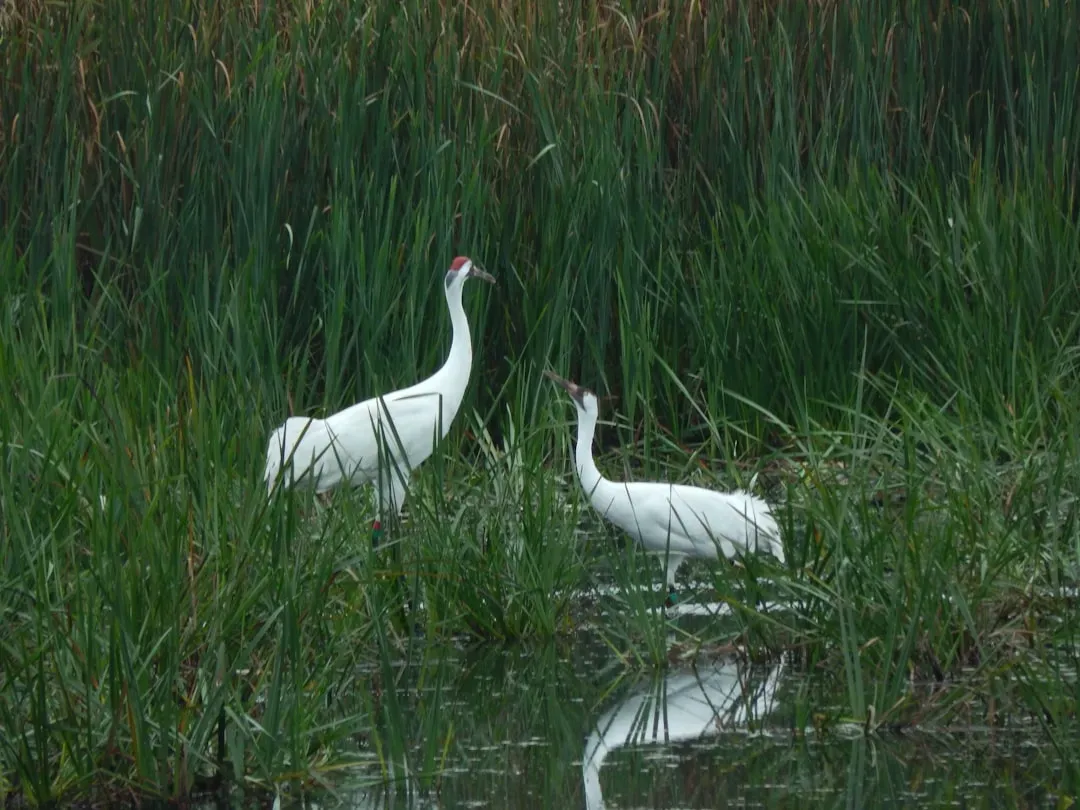
When you hear that whooping cranes are rare, you might think that just means they are hard to spot. In reality, you are dealing with one of the rarest and most closely watched birds on the entire continent, a species that once slipped to only a tiny handful of wild individuals. If you ever see one in the wild, you are not just bird‑watching; you are witnessing a conservation story that almost collapsed. You can recognize a whooping crane by its bright white body, black wingtips, and red‑and‑black facial markings, and you will notice right away that it stands taller than almost any bird you have seen in North America. Adults can stretch to roughly five feet in height, like a small adult person, and when they open their wings they span more than the length of your outstretched arms. When you realize there were once only a few dozen of these giants left on Earth, the fact that they are still walking around at all feels almost unreal.
2. At One Point, Wild Whooping Cranes Were Down To A Tiny Flock
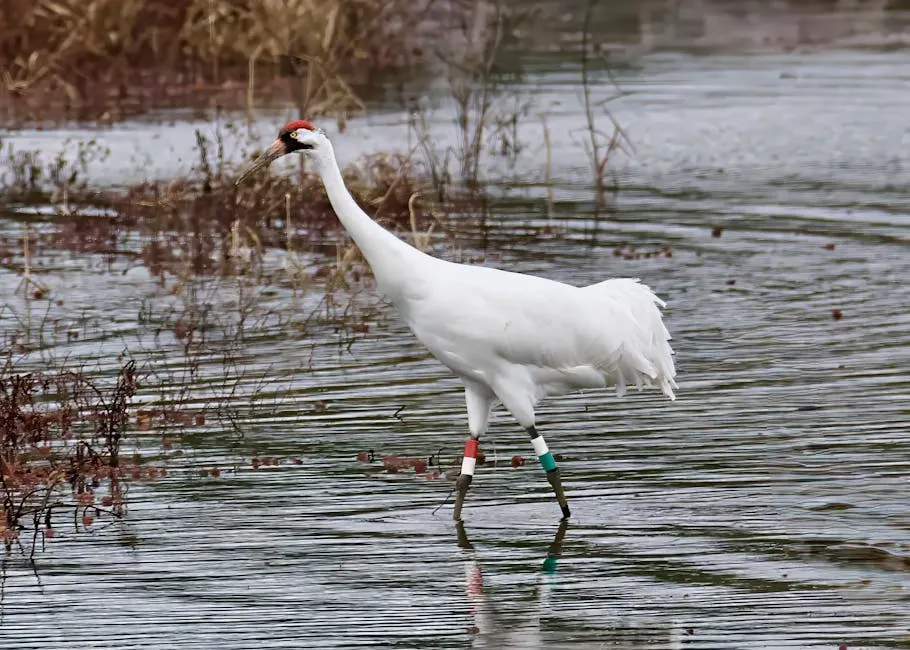
If you had been alive in the middle of the twentieth century and cared about birds, you would have watched whooping cranes slide terrifyingly close to extinction. The wild population fell so low that every single surviving crane could be tracked individually, and the species’ future hung on one migratory flock that bred in remote northern wetlands and wintered on the Texas coast. You could literally count almost all of them on a single sheet of paper. This crash did not happen by accident. You and other people changed wetlands into fields, drained marshes, cut forests, and hunted large birds, and the cranes simply ran out of safe places to live. Their eggs were vulnerable in shrinking nesting areas, and their long migration routes became more dangerous as more land was converted. When you read old accounts from that time, you can feel that sense of panic: one bad storm, one disease outbreak, and the entire species could have tipped over the edge.
3. Habitat Loss Is Still The Silent Threat You Easily Forget
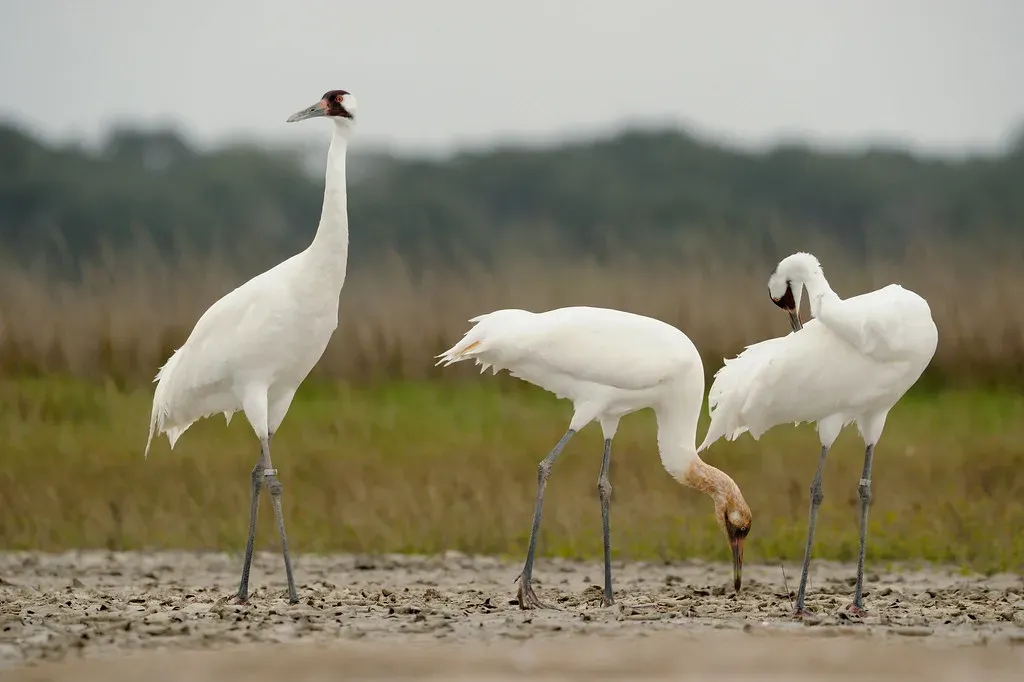
When you think about danger to wildlife, you might picture dramatic events like oil spills or storms, but for whooping cranes the slow erasing of their habitat has been the most relentless threat. Every time a wetland is drained, a coastal marsh is developed, or a river is altered, you are quietly removing the places this bird needs to nest, rest, and feed. You might not see the impact immediately, but the cranes do. Their breeding areas in northern bogs and marshes need shallow water, emergent plants, and relative isolation, while their wintering grounds demand healthy coastal wetlands rich in crabs, clams, and other food. When you lose these landscapes to development, water diversion, or pollution, you are effectively shrinking the crane’s world. Even now, as you hear stories of recovery, that pressure on habitat has not really gone away; it has just changed shape.
4. Legal Protection Gave The Species A Second Chance
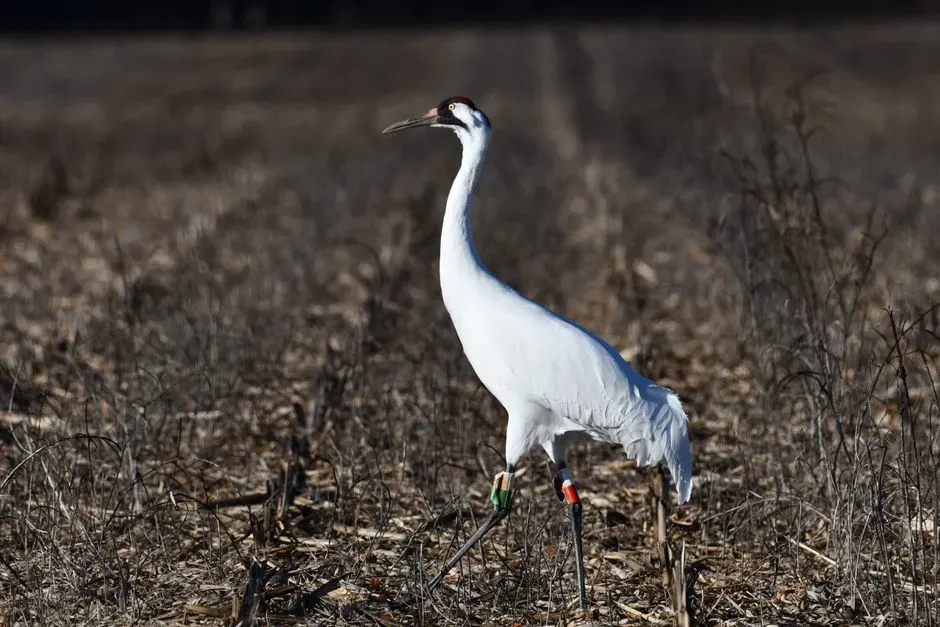
If you have ever wondered whether laws really change anything for wildlife, the whooping crane gives you a clear answer. Once governments began to recognize how close this bird was to vanishing, they started to put serious protections in place, making it illegal to kill cranes or disturb their nests and setting aside key areas as refuges. You could say that paper and policy bought the species a little time. Those protections did not magically fix everything, but they created a safety net you can still see today in protected breeding marshes and wintering grounds. They also forced people planning new projects, such as energy development or water management, to at least consider what would happen to the cranes. You may not notice these regulations in your daily life, but when you see a whooping crane standing calmly in a refuge, you are seeing the direct result of those decisions.
5. Captive Breeding Turned Zoos Into Lifeboats
When numbers are desperately low, you cannot just hope wild birds will bounce back on their own, and that is where captive breeding came in. Zoos and specialized breeding centers stepped in as emergency lifeboats, raising whooping cranes in controlled environments to build up a safety buffer for the species. If you have ever visited a zoo and seen a whooping crane behind a barrier, you have seen one of these precious backup birds. Breeding such a long‑lived, slow‑reproducing bird in captivity is not simple, and you have to manage bloodlines carefully so you do not create genetic problems. Keepers learned to collect and incubate eggs, sometimes even using artificial methods to make sure each breeding season produced as many healthy chicks as possible. Without that work, you would not have enough cranes today to reintroduce into new or recovering wild populations.
6. People Actually Taught Young Cranes How To Migrate
If you think conservation sounds dry and technical, imagine this: people in ultralight aircraft literally leading flocks of young whooping cranes on migration so the birds could learn the route. Because migration is not purely instinctive for these cranes, young birds need to follow older ones, and when you do not have enough wild adults to act as guides, humans sometimes have to step in. It is one of the most surreal examples of humans trying to repair what humans damaged. These efforts involved dressing in crane‑like costumes around chicks so the birds would not imprint on human faces, then flying carefully mapped routes in small planes while the young cranes followed. You can picture the scene from the ground: ghost‑white birds stretched behind a buzzing ultralight, as if someone had stitched a string of living kites to the sky. Programs like this have helped establish new migratory populations in places where cranes had disappeared for generations.
7. Power Lines And Collisions Show You How Modern Life Gets In The Way
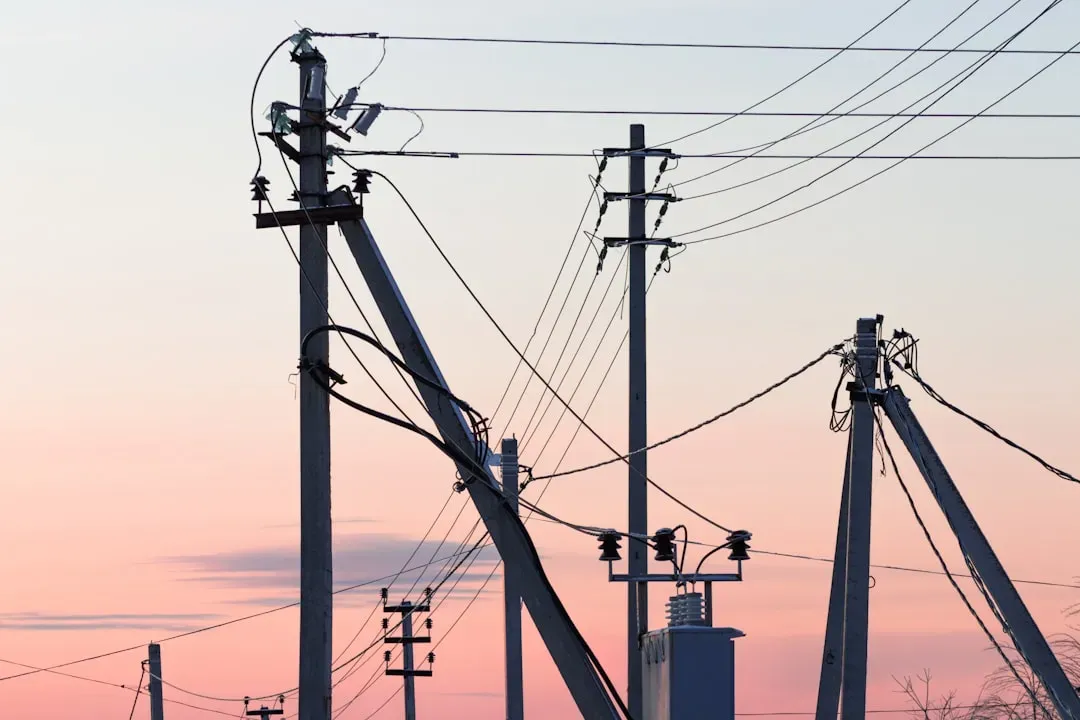
Even as crane numbers slowly climb, the modern landscape you have built keeps throwing up new obstacles. Power lines, especially those stretched across open country, can be deadly to tall, heavy birds that fly long distances and land in wide wetlands. In low light or bad weather, cranes may not see the lines in time, and a single collision can break wings or kill them outright. To reduce these risks, people have started marking key lines with devices that make them more visible to birds, routing some lines away from crucial flyways, and working with utility companies to design safer placements. As you look around at the poles and wires that now feel invisible in your daily life, you can start to understand how every part of human infrastructure has a wildlife cost. For the cranes, each avoided collision is one more fragile life carried safely through the migration gauntlet.
8. Climate Change Is Quietly Reshaping Their Future
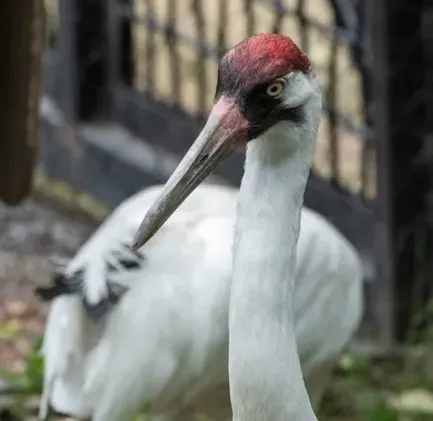
You might not immediately link climate change to a tall white bird in a marsh, but the connection is there whether you see it or not. Rising sea levels threaten coastal wintering grounds by pushing salty water farther inland and flooding the marshes that cranes depend on for food. Stronger storms, droughts, and shifting temperatures can also alter their breeding wetlands in the north, changing water levels and plant communities in ways that do not always favor nesting cranes. For you, climate change can feel abstract or political, but for whooping cranes it shows up as a nest flooded at the wrong time or as food becoming less available in a critical season. Conservationists now have to plan not just for today’s habitat, but for what those landscapes might look like decades from now. When you reduce your own climate footprint or support climate‑smart policies, you are indirectly helping to keep those marshes and bogs livable for the cranes.
9. You Can Actually Help Shape What Happens Next
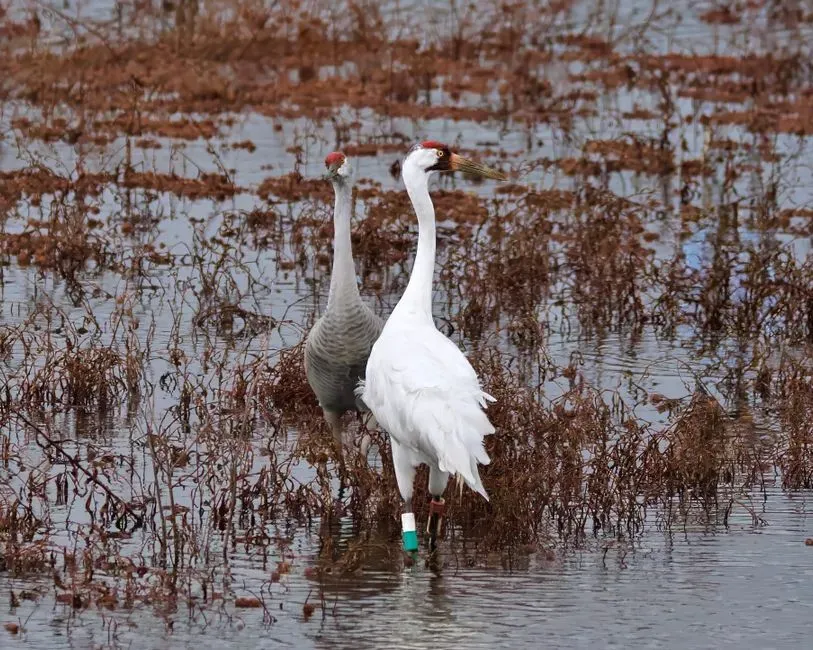
It is easy to assume that endangered species are the responsibility of scientists, governments, or distant organizations, but your choices matter more than you think. You can support groups that protect wetlands, restore coastal habitats, and monitor crane populations, and you can push for local planning that leaves room for wildlife. Even small acts, like learning more and talking about these birds with friends or family, help keep the story of the whooping crane from fading into the background. If you live along migration routes or near wetlands, your behavior on the ground can make a direct difference. Respecting closed areas, giving cranes plenty of space if you spot them, and reporting sightings to appropriate wildlife programs all add useful pieces to the conservation puzzle. When you realize that every single crane is tracked, counted, and valued, you start to see how your own attention becomes part of the safety net.
10. The Recovery Is Real, But The Work Is Not Finished
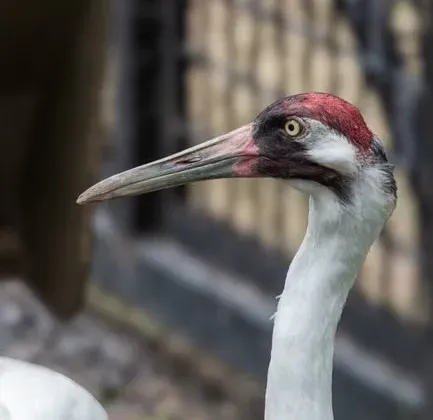
You might be relieved to hear that whooping crane numbers are no longer stuck at the terrifying lows of the past. Thanks to decades of protection, breeding, reintroduction, and habitat work, the total population has climbed from only a tiny band of wild birds to several hundred individuals spread across wild and managed groups. If you compare that to the brink of extinction, it feels like a small miracle you were lucky enough to witness in your lifetime. At the same time, you cannot call the species safe yet. A small population scattered across a limited number of breeding and wintering sites can still be knocked back by disease, storms, pollution, or policy changes, and the threats of habitat loss and climate change have not vanished. When you think of the whooping crane’s long road back, you should picture a delicate recovery still underway, not a finished success story you can forget about.
Conclusion: Your Story Is Now Entwined With Theirs
When you step back from all these facts, you can see the whooping crane’s journey as a long, uneven conversation between people and the natural world. Your species pushed this bird to the edge, then slowly, imperfectly pulled it back with laws, science, money, and a lot of determination. The cranes are still walking that narrow path between survival and loss, and you are standing right beside them whether you meant to or not. If you choose to stay curious, to care about wetlands and migration routes and all the invisible work of conservation, you help tip the balance toward a future where whooping cranes remain more than just pictures in an old book. Their long road back is also a test of what kind of ancestor you want to be for the living world around you. Now that you know their story, what part do you want to play in the next chapter?