You like to think you’re pretty tough, right? You handle long workdays, skipped lunches, maybe the occasional cold. But out there, hidden in forests, oceans, and even your backyard, are animals quietly breaking every rule you thought you knew about life and survival. Some shrug off radiation, others freeze solid and wake up in the spring, and one tiny jellyfish basically hits a biological reset button when life gets rough.
As you go through this list, you’re not just learning random fun facts. You’re getting a front-row seat to the wildest problem-solving experiments nature has ever run. Each of these creatures has “hacked” a brutal environment in a different way, and when you look closely, you start to notice a pattern: survival is less about brute strength and more about clever design. By the end, you may find yourself wondering whether these animals are just strange… or strangely inspiring.
1. Tardigrades: The Tiny “Indestructible” Survivors
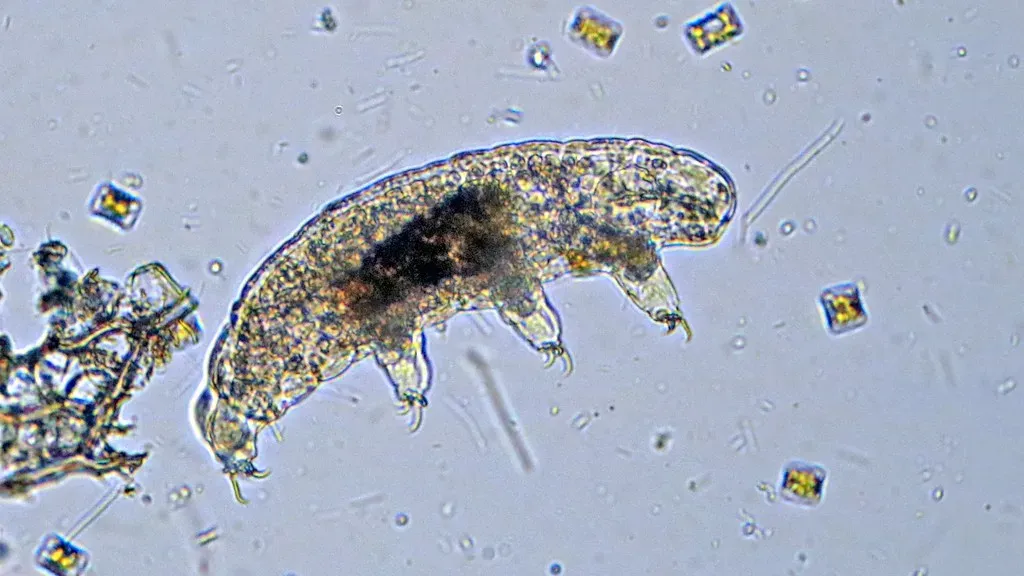
If you could borrow one superpower from any creature, you’d probably steal the survival tricks of the tardigrade. These microscopic “water bears” can dry out almost completely, curl into a shriveled little capsule, and wait for the world to stop trying to kill them. In this hibernation-like state, called cryptobiosis, their metabolism slows to a tiny fraction of normal, allowing them to outlast extreme heat, deep cold, intense radiation, and even the vacuum of space for limited periods of time.
You can think of a tardigrade like a living pause button. When water disappears or conditions turn deadly, it does not try to push through; it shuts down, locks its DNA in protective molecules, and waits for better days. Once moisture returns, it rehydrates and comes back to life as if nothing happened, sometimes after years. You might not be able to copy its biology, but there’s a powerful message for you here: sometimes the smartest survival move is not to fight nonstop, but to endure strategically until the environment changes.
2. Immortal Jellyfish: The Animal That “Starts Life Over”
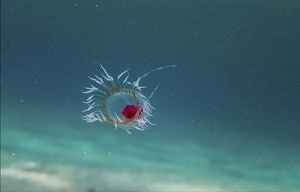
Imagine hitting reset on your life every time things fall apart. That’s essentially what the so-called immortal jellyfish, Turritopsis dohrnii, does. When stressed by injury, lack of food, or other threats, this tiny jellyfish does something outrageous: instead of simply dying, it transforms its adult body back into a juvenile stage, returning to a polyp form attached to the seafloor. From there, it can grow adult jellyfish again, genetically almost identical to the original.
In other words, when many animals would face a hard ending, this jellyfish rewrites the script and goes backwards. Its cells shift identity, a bit like turning a finished house back into a pile of bricks and then building a fresh house from them. You do not get to rewind your biological age like that, but this creature quietly shows you that even in nature, “one-way” isn’t always as fixed as you think. It is a reminder that renewal sometimes comes from radical reinvention, not small tweaks.
3. Wood Frogs: The Amphibians That Freeze Solid
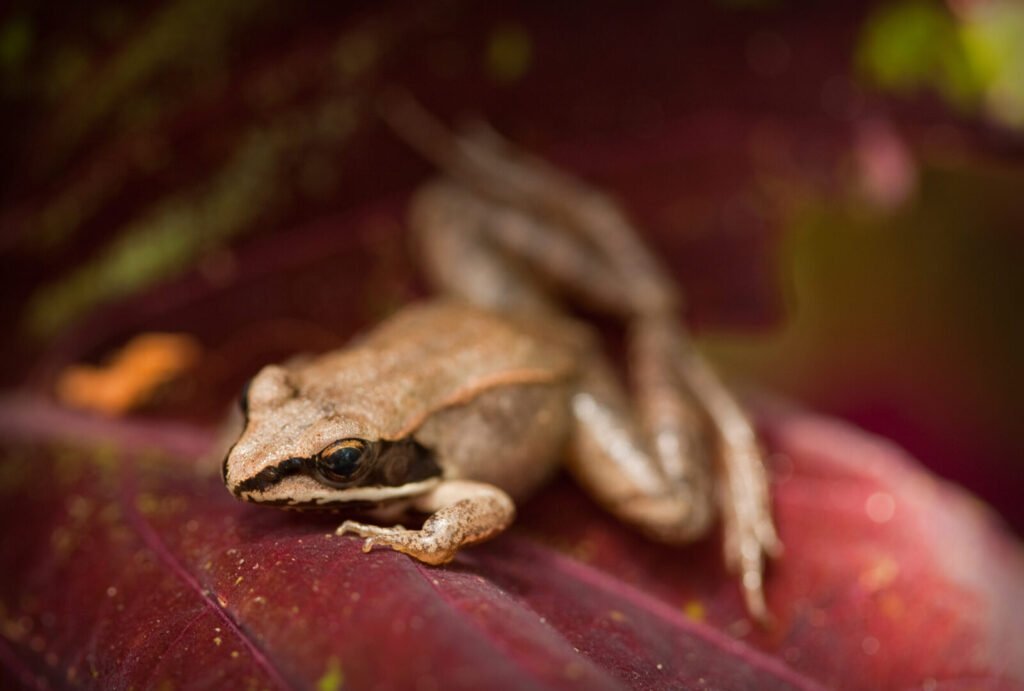
Picture waking up one morning, realizing winter is coming, and deciding, “I’ll just freeze myself solid and deal with this later.” That is essentially how the wood frog handles harsh northern winters. When temperatures drop, its body water starts to turn to ice, its heart stops beating, and it stops breathing. Instead of dying, the frog floods its tissues with sugars like glucose that act a bit like antifreeze, protecting its cells from being shredded by ice crystals.
All winter, this frog sits frozen in leaf litter, with a large portion of its body water literally turned to ice. Then, when spring warmth arrives, it thaws out, its organs resume working, and it hops away like it just woke from a nap. You are used to thinking of freezing as fatal, but this frog treats it as a pause button. It shows you that what seems like an absolute limit – no heartbeat, no breathing – doesn’t always mean the story is over, if you are built to come back.
4. Pistol Shrimp: The Tiny “Gun” That Fires Bubbles
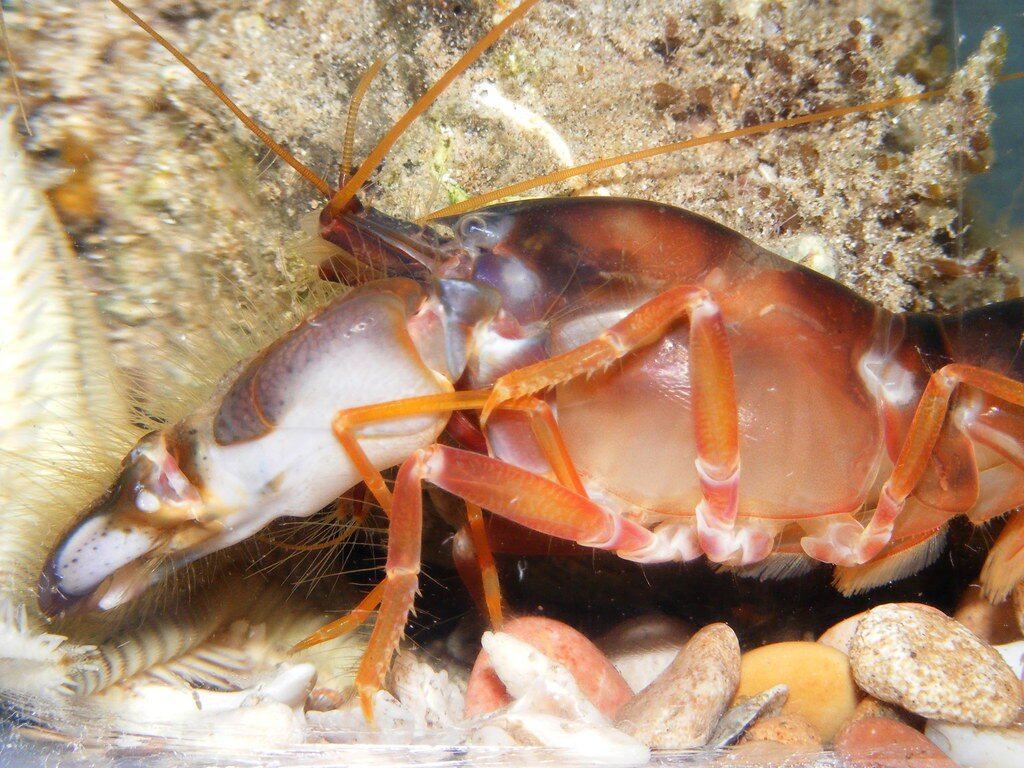
When you picture powerful weapons in nature, you probably think of teeth, claws, or venom. The pistol shrimp laughs at that; it uses physics. One of its claws is oversized and shaped like a tiny water gun. When it snaps this claw shut at incredible speed, it shoots out a jet of water that creates a collapsing bubble. That bubble generates a shockwave loud enough to rival a gunshot and strong enough to stun or kill small prey nearby.
For a moment, the temperature inside that collapsing bubble can spike to extreme levels, and a brief flash of light may appear as well. All of this comes from a creature only a few centimeters long, armed not with brute force, but with timing and design. You are watching an animal turn simple movement into a weapon by harnessing fluid dynamics. It is a reminder that the most devastating “punch” does not always come from size; sometimes it comes from understanding how to use the environment itself.
5. Axolotls: The Salamanders That Regrow Body Parts
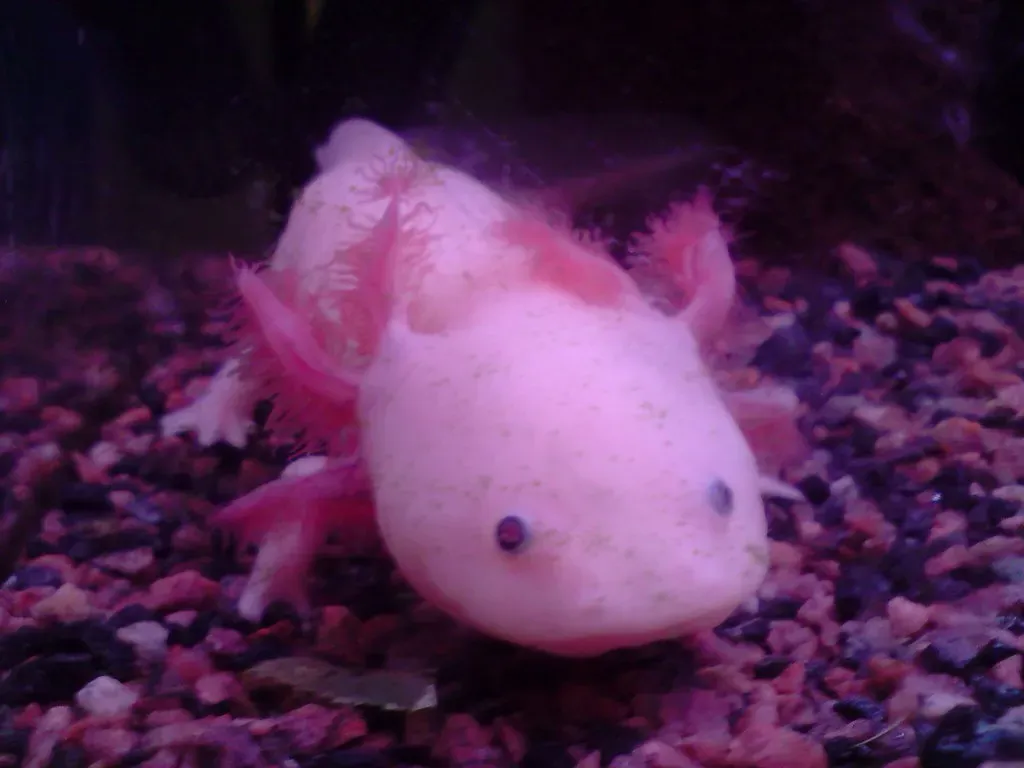
If you lose a limb, you look at a long road of surgery, rehab, and permanent change. The axolotl, a strange-looking salamander from Mexican lakes, plays by a different rulebook. If it loses a leg, part of its tail, or even a chunk of its heart or spinal cord, it can regrow the missing piece with remarkable precision. New tissues form without obvious scarring, and the replacement limb can end up fully functional, with bones, muscles, blood vessels, and nerves rebuilt.
This regeneration comes from cells near the wound basically “forgetting” what they were and turning back into a more flexible state, then building the needed structure again. You might think of it like tearing out a damaged wall in your house and watching the bricks turn back into raw building material that can be reshaped into any room you want. You cannot do this with your own body, but scientists are studying axolotls intensely because their abilities hint at what regenerative medicine might someday learn to copy in a small way.
6. Antarctic Icefish: The Blood That Refuses to Freeze
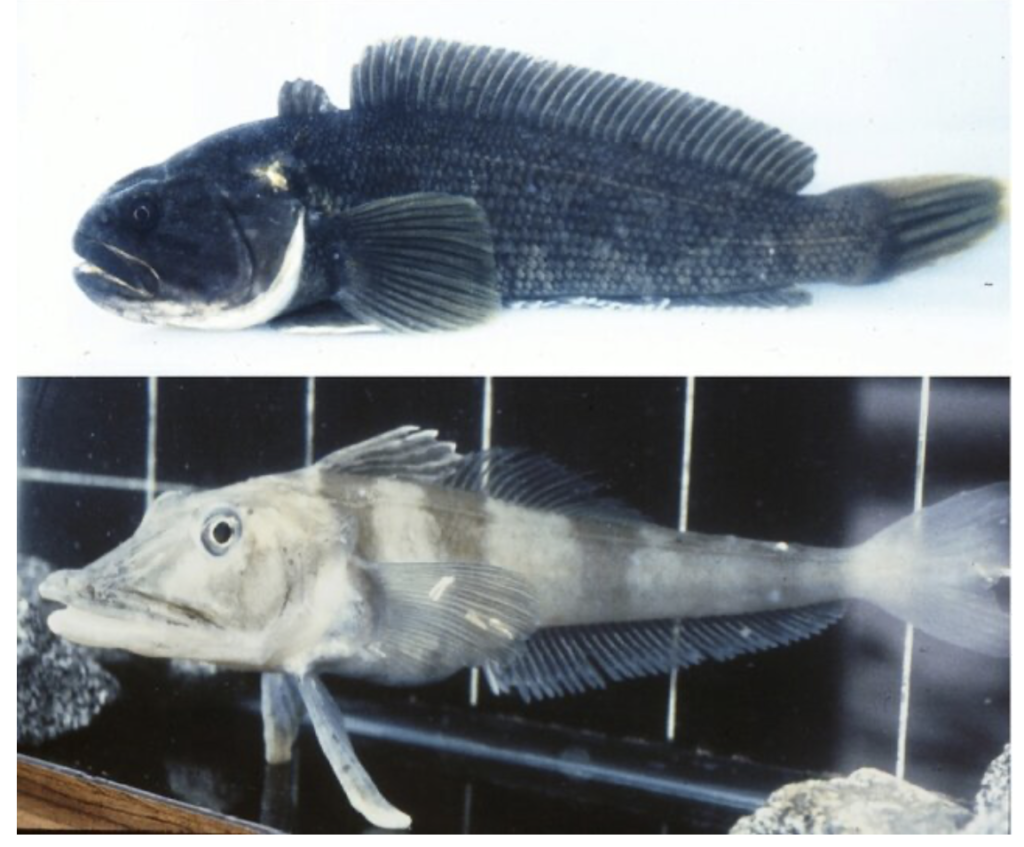
Try to imagine your own blood running through water that is below the usual freezing point of fresh water. For most animals, that would be a quick route to death. Antarctic icefish live in such icy seas, but their bodies have evolved special proteins that act much like antifreeze. These antifreeze proteins bind to tiny ice crystals and stop them from growing, helping keep the fish’s body fluids from freezing solid in frigid temperatures.
On top of that, some icefish species lack the red blood pigment you’re used to hearing about, and their blood looks pale or almost clear. They rely on cold water that holds a lot of dissolved oxygen and a circulatory system adapted to move that oxygen efficiently. If you dropped most fish into these waters, they would not last long, but the icefish survive by quietly rewriting the chemistry of their own blood. It is like nature custom-installed winter tires and antifreeze in one streamlined package.
7. Horned Lizards: The Reptiles That Squirt Blood
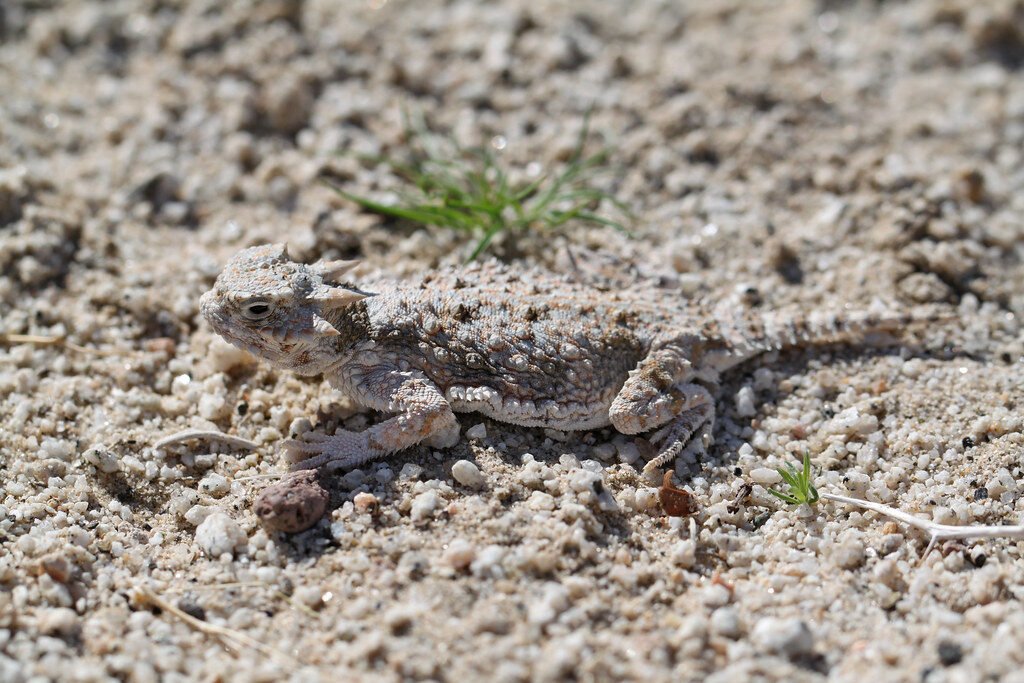
When you think of defense, you might picture running away, hiding, or maybe using teeth. The horned lizard adds a far more shocking trick to the list. When threatened – especially by certain predators like canids – some species can rupture tiny blood vessels near their eyes and squirt jets of blood from the corners. This blood tastes unpleasant to some predators and can startle or repel them long enough for the lizard to escape.
Along with that bizarre defense, these lizards are built like tiny armored tanks, with flattened bodies and sharp-looking “horns” on their heads. They can also blend into sandy or rocky habitats, relying on camouflage until things get truly desperate. Only then do they unleash the bloody surprise. You probably wouldn’t choose this as your personal safety strategy, but it does force you to reconsider what “too weird to work” really means in evolution. If it keeps you alive, nature will use it.
8. Bombardier Beetles: The Insects With Boiling Chemical Spray
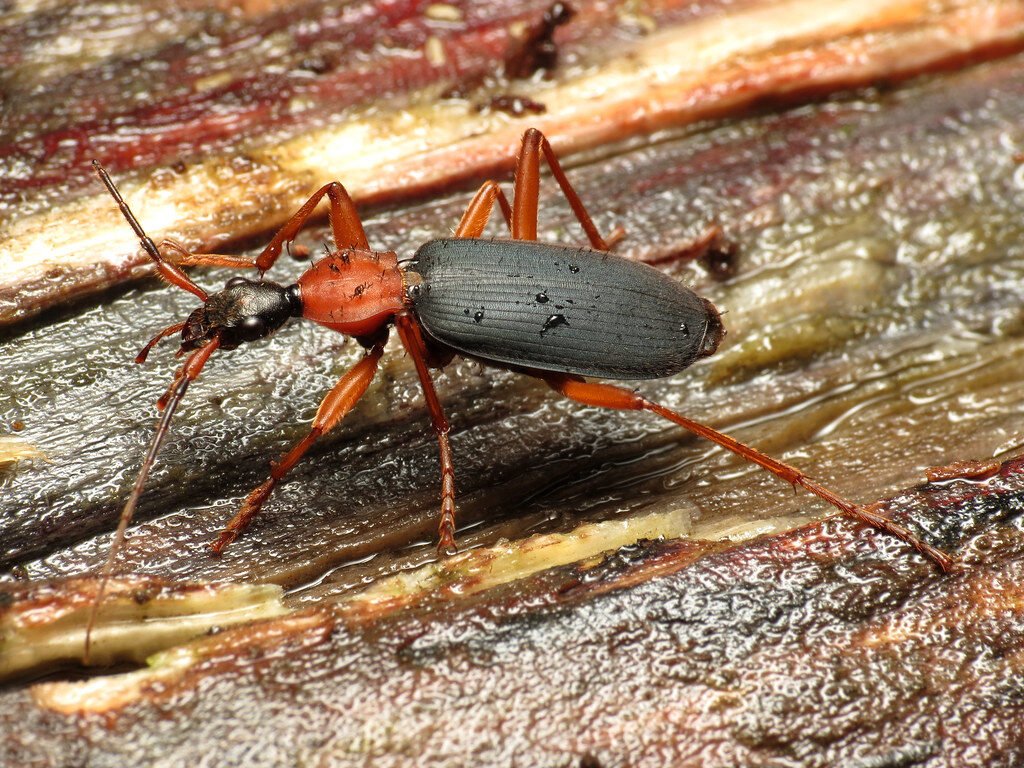
You know that feeling when you want to “explode” at someone, but you hold back? The bombardier beetle does not hold back at all. When attacked, it mixes chemicals stored in separate chambers within its abdomen. The reaction rapidly heats the mixture and creates a hot, noxious spray that it fires out of a small opening near its rear end. This spray is not just warm; it is heated enough to be seriously unpleasant, and the beetle can aim it with impressive accuracy.
To pull this off safely, the beetle uses a kind of built-in reaction chamber that controls the violence of the chemistry so it does not blow itself apart. The spray comes out in rapid pulses, which helps keep the pressure manageable. You are watching a living, reusable chemical defense system the size of your fingernail. It shows you that sometimes survival is about engineering, not just armor or hiding – this beetle built a tiny, controlled explosion into its everyday life.
9. Naked Mole-Rats: The Mammals That Shrug Off Pain and Low Oxygen
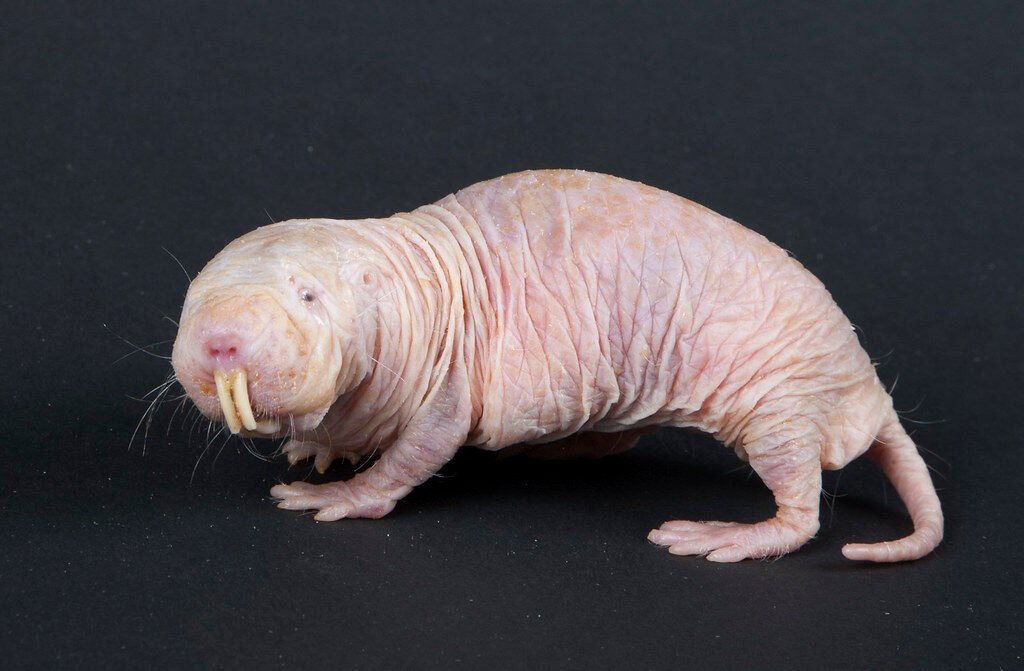
If you want an example of a creature that seems to have ignored the normal mammal rulebook, look at the naked mole-rat. These small, nearly hairless rodents live in crowded tunnels underground where oxygen can get scarce and carbon dioxide can build up. While conditions that would make you panic or pass out, they manage by switching how their cells use energy under low-oxygen situations, tapping alternative fuels to keep going longer than most mammals could.
On top of that, they appear unusually resistant to certain kinds of pain, such as the burn from acid or chili-like compounds, and they tend to have surprisingly low rates of certain cancers for their size and lifespan. Their bodies are wired to handle a rough, airless, cramped environment that would overwhelm you in minutes. It is as if someone dialed down their sensitivity to discomfort and up their tolerance for bad air, turning them into specialists in conditions you would never voluntarily enter.
10. Hagfish: The Slimy Masters of Escape
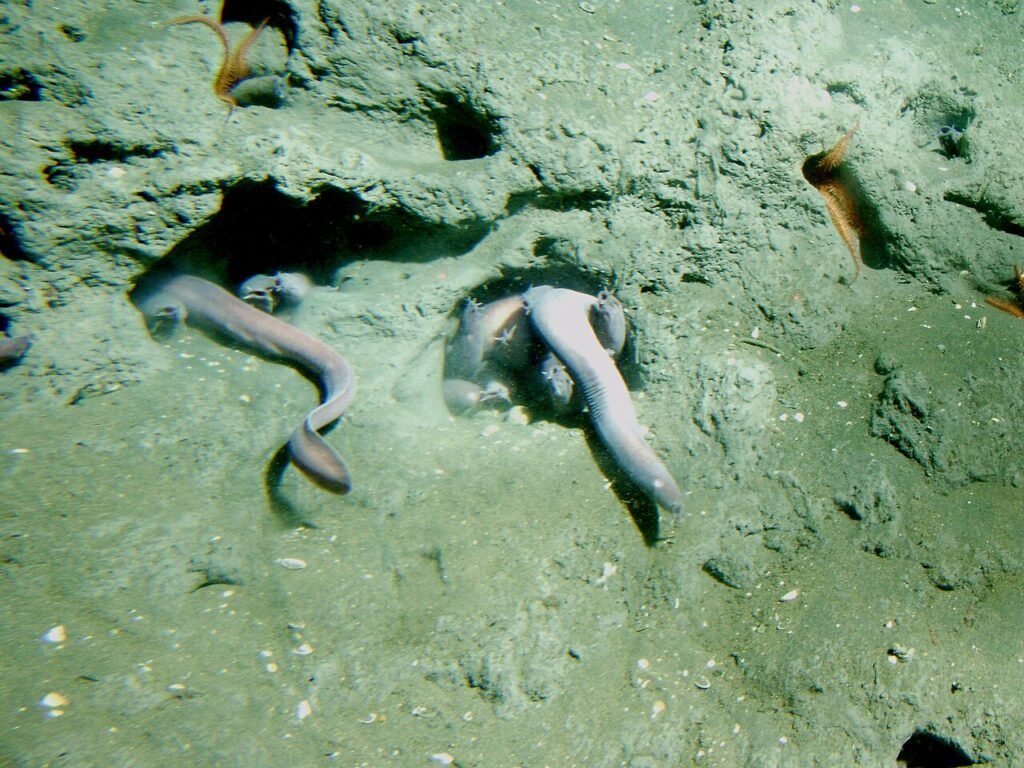
If you want to see one of the strangest survival strategies in the ocean, you need to meet the hagfish. When a predator grabs or disturbs it, this eel-like animal releases huge amounts of slime from special glands along its body. That slime rapidly expands in water, turning into a thick, gelatinous mess that can clog a predator’s mouth or gills and make the hagfish nearly impossible to hold onto.
To avoid suffocating in its own defense, the hagfish ties its body into knots, then slides the knot down its length to scrape off excess slime. It is a bizarre combination of flexibility and mucus that works astonishingly well. You may find it disgusting, but it is very effective; in a world full of teeth and speed, the hagfish wins by making itself a living bar of soap coated in glue. It is a reminder that elegance is not a requirement for success – only effectiveness is.
Conclusion: What These Animals Really Teach You About Survival
When you line up these creatures side by side, you start to see a bigger pattern. Survival in nature is not just about being the biggest, fastest, or strongest. It is about having a trick that fits your specific problem perfectly – whether that means freezing solid like the wood frog, turning back the clock like the immortal jellyfish, or becoming a microscopic vault of toughness like the tardigrade. Each animal shows you a different way to bend what seems like an unbreakable rule.
In your own life, you obviously cannot grow back limbs or fire boiling chemicals from your body. But you can steal the underlying mindset: adapt creatively, protect what matters, and do not assume limits are fixed just because they feel that way right now. Nature has spent millions of years experimenting with solutions more extreme than you would ever dream up on your own. The real question is, now that you have met these survival specialists, which kind of adaptation inspires you the most?