You probably woke up to an alarm, shuffled past a humming fridge, and scrolled through notifications chiming in your hand, all before breakfast – yet most of those sounds slipped past your awareness. Modern life is saturated with noise, but our brains are not just hearing; they are constantly interpreting, filtering, and emotionally coloring what reaches our ears. Neuroscientists, sound designers, and psychologists have quietly turned daily soundscapes into a research lab, revealing just how much “background noise” is secretly steering our moods and decisions. Once you start paying attention, a bus braking or a microwave beeping stops being mundane and starts to look like a clever piece of sensory engineering. These ten familiar sounds expose how deeply sound design and brain wiring shape the way we feel, think, and move through the world.
The Alarm Clock That Hijacks Your Survival System

That harsh alarm tone blasting you out of sleep is not just annoying; it is deliberately poking a very old part of your brain. Sudden, high-intensity sounds trigger a startle reflex that ramps up heart rate, breathing, and stress hormones, a fast-track way of dragging you out of deep sleep into full alertness. Studies have suggested that more melodic alarms can soften this physiological jolt and may even reduce sleep inertia, the groggy “brain fog” that clings for minutes after waking. Yet for many people, the classic blaring beep remains the default, leaning hard on our evolved sensitivity to sharp, abrupt noises.
There is a cost: waking to an auditory “panic button” every single morning trains your nervous system to begin the day in a mild stress state. Over time, that can shape how you feel about mornings altogether, associating sunrise with tension rather than ease. When I finally switched my own phone alarm from a siren-like tone to a rising piano melody, the difference felt surprisingly physical – like replacing a slap on the shoulder with a firm but gentle nudge. It is a small reminder that the first sound we hear each day can tilt the emotional tone of everything that follows.
Notification Pings: Tiny Sonic Hits of Social Urgency
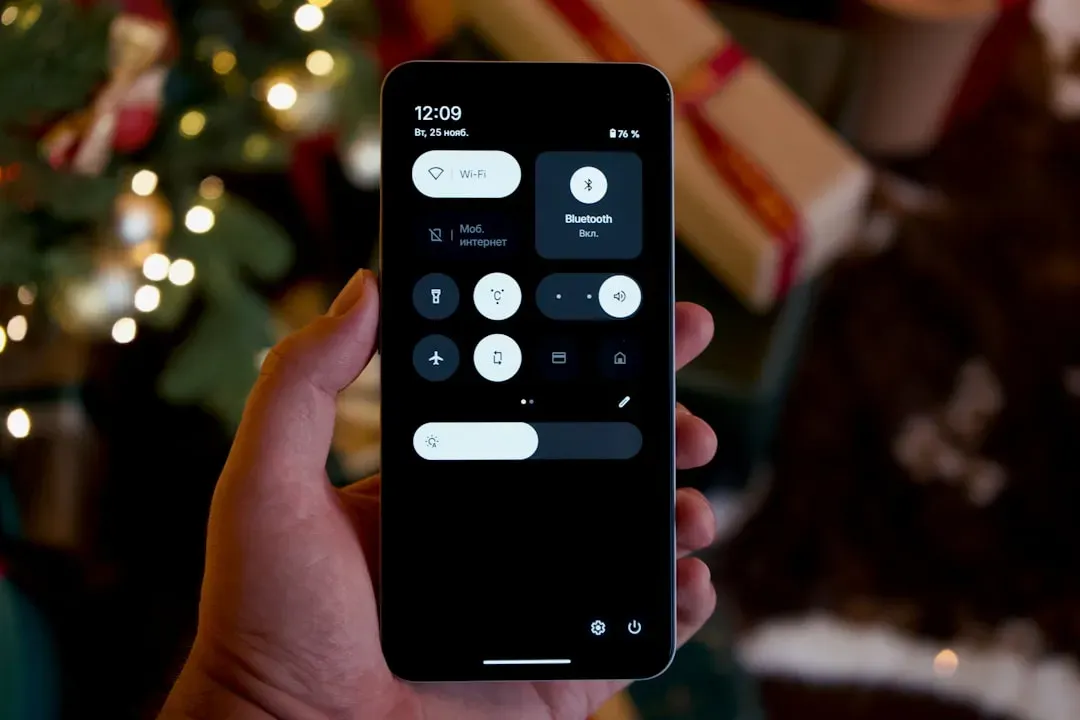
The soft ping from your phone seems harmless, but it is engineered to be just salient enough that you cannot ignore it. Short, bright sounds in the upper mid-frequency range slice neatly through background noise and grab your auditory attention system, which evolved to notice sudden changes in the environment. App designers lean on this by creating tones that are distinctive but not so abrasive that users turn them off, walking a tightrope between convenience and compulsion. Over time, your brain learns to associate that exact ping with social reward, information, or at least the possibility of something interesting.
Psychologists studying attention and reward have found that intermittent, unpredictable cues – like not knowing whether that ping signals a spam email or a message from someone you care about – are especially effective at conditioning behavior. That is why some people report hearing “phantom notifications,” thinking their phone buzzed when it did not. Our perception of these sounds is no longer neutral; they carry a learned emotional charge that can spark a quick pulse of anticipation or dread. In a way, every ping is a tiny sound-shaped nudge, pulling your focus away from whatever you were doing a second ago.
Traffic Noise: The Constant Roar Your Brain Treats as a Threat

The low, continuous wash of traffic is so common in cities that many people claim to stop noticing it, but their bodies often disagree. Long-term studies have linked chronic exposure to road and aircraft noise with higher rates of cardiovascular problems and disturbed sleep, even when people say they have “gotten used to it.” The brain’s auditory system is wired to stay semi-alert to low-frequency rumble and periodic bursts like truck acceleration or sirens, because in natural environments those sounds often signaled large, potentially dangerous movement. That ancient bias means an urban soundscape can keep your stress systems quietly simmering for hours.
Our perception of traffic noise is also shaped by context and control. The exact same volume of sound may feel less intrusive if you are on a balcony by choice than if it seeps through a bedroom window you cannot close. Some researchers describe this as a kind of “acoustic injustice”: those who cannot escape major roads carry a heavier physiological burden. Once you know this, the background roar on a busy street is not just an annoyance; it is a public health signal, encoded in decibels instead of numbers in a report.
The Hiss of a Shower: How Random Noise Calms a Predictable Brain

Standing under a hot shower, many people report having their “best ideas,” as if the water somehow turns up creativity. One reason may be the steady, broadband sound of the falling water, which acts like a natural white- or pink-noise generator. This kind of random, unpatterned sound can mask more distracting noises and provide a predictable acoustic blanket, giving the brain fewer sharp onsets or irregularities to track. With less need to monitor the environment, mind-wandering and loose associations may have more room to flourish.
Experiments with artificial white and pink noise have found that, under some conditions, they can help people focus, sleep, or even boost performance on certain tasks, though results differ across individuals. The shower adds another layer: warmth and physical relaxation further reduce vigilance, making the sensory world feel safer and softer. So that familiar rushing hiss is not just background; it is a kind of auditory cocoon, shaping when and how your thoughts drift. The next time an idea appears “out of nowhere” in the bathroom, there is a good chance the soundscape helped build the stage.
Microwave Beeps and Elevator Chimes: Sonic Interfaces That Teach Without Words

Beeping appliances might seem like a minor annoyance, but they are examples of cognitive engineering in sound form. Designers pick simple, repetitive tones because they are easy to distinguish from environmental noise and easy to remember, forming a learned code between user and machine. A quick, high-pitched series of beeps says “attention now,” while a single soft tone often signals confirmation or safe completion. Without reading a manual, most people can infer meaning just from patterns: urgency maps onto repetition and brightness, reassurance onto brevity and softness.
Elevator chimes go further by encoding direction, accessibility cues, and even politeness norms. A single tone may signal arrival, while a double tone might indicate going down or a door obstruction, depending on local convention. These sounds shrink the gap between the technology’s internal state and the human user’s mental model, making operation smoother and safer. In crowded, visually overloaded environments like malls or hospitals, clear audio cues can matter more than pretty icons. Once you notice this, every beep starts to look like a carefully chosen sentence in a language you learned without realizing it.
Birdsong Outside the Window: A Natural Soundtrack That Rewrites Mood

Morning birdsong drifting through a window often feels uplifting in a way that is hard to pin down, but science is starting to unpack why. Natural soundscapes, especially those with gentle variability like birdsong, tend to lack the harsh onsets and constant low-frequency rumble that make urban noise stressful. Studies have reported that listening to recorded birdsong can improve self-reported mood and reduce feelings of anxiety for many listeners, even when played through headphones. Our brains may treat these sounds as cues of a safe, resource-rich environment, the opposite of the threat-laced noise of heavy traffic.
There is also a learned cultural layer: in many places, birdsong is tied to images of spring, calm, and escape from indoor confinement. For people living in dense cities, even a short exposure to nearby parks or tree-lined streets can bring a measurable drop in stress markers, and sound is a key part of that package. Unlike most designed alerts, birds are not trying to get your attention; you simply overhear their communication. That difference alone can make their presence feel less demanding and more like an invitation to pause. In a life full of deliberate audio triggers, birdsong stands out as an unprogrammed reminder that not every meaningful sound was built for us.
Refrigerator Hums and HVAC Drones: The Low-Level Noise You Do Not Notice Until It Stops
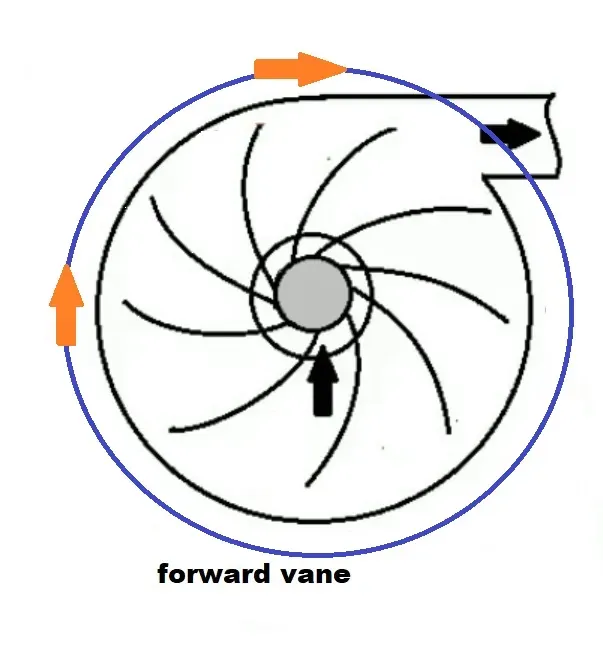
The steady hum of refrigerators, air conditioners, and ventilation systems forms a kind of acoustic wallpaper in modern buildings. These sounds are often low-frequency and continuous, which makes them easier for the brain to push into the background but not necessarily harmless. Extended exposure to such noise, especially when combined with other mechanical sources in offices or apartment blocks, has been associated with increased annoyance, fatigue, and difficulty concentrating for some people. Because the sound rarely stops, you lose the contrast that would remind you it is there.
The perception twist comes when the power fails or the machine shuts off: suddenly the silence feels almost loud. That jolt reveals how much of your auditory bandwidth was occupied, even when you thought you had tuned it out. For building designers and acousticians, controlling this low-level noise has become a key part of creating comfortable indoor environments, not just a technical afterthought. Once you notice the drone, it is hard not to hear it as a trade-off between convenience and cognitive load, paid in the currency of your attention.
Crosswalk Beeps and City Chirps: Sound as Accessibility and Urban Navigation
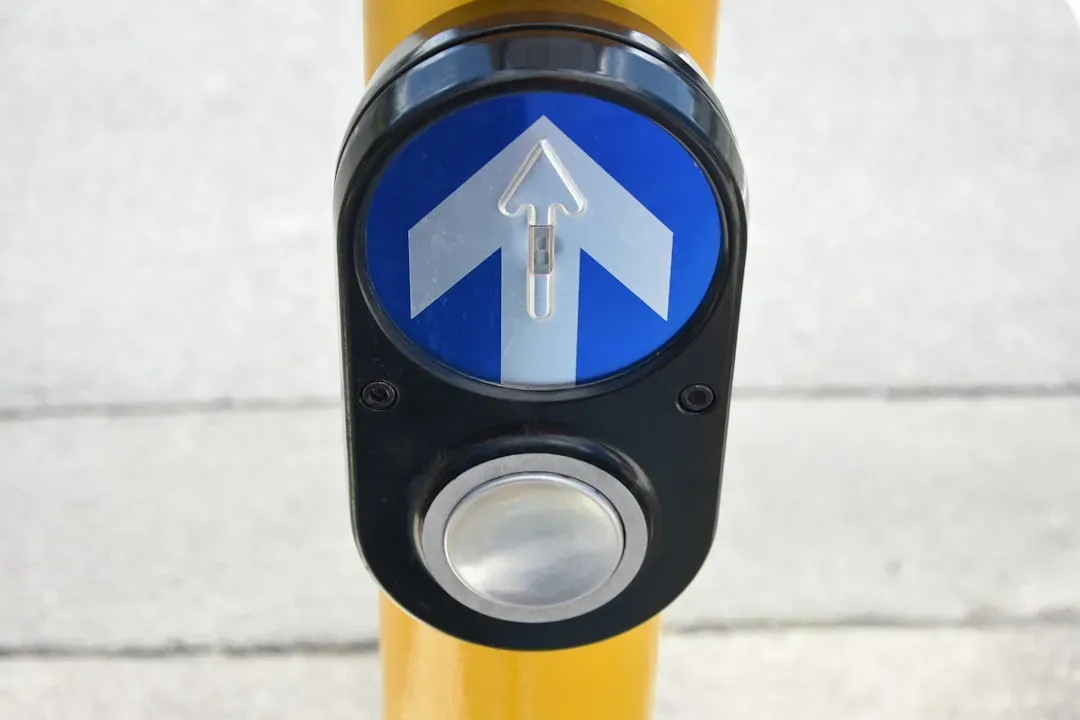
The beeping or chirping at pedestrian crossings might seem like just another bit of city clutter, but for many people it is a crucial navigational tool. These acoustic signals are designed to cut through traffic noise and indicate when it is safe to cross, often using distinct patterns or pitches to differentiate directions. For blind and low-vision pedestrians, such sounds are not optional extras but core infrastructure that can make the difference between independence and isolation. Engineers must balance loudness, clarity, and neighborhood tolerance, which is a more delicate puzzle than it appears.
Interestingly, the presence of these cues can also subtly shift how sighted pedestrians move, making them more aware of crossing phases and encouraging compliance with signals. Some cities have experimented with adaptive systems that adjust volume based on ambient noise, reducing unnecessary blare at night while preserving safety. These sounds remind us that the acoustic environment is not merely decorative; it encodes rights, access, and civic priorities. A city that sounds navigable to everyone is silently declaring who it considers worth designing for.
Music Leaking from Headphones: Private Sound That Becomes Public Signal

In trains, cafes, and sidewalks, the faint spill of music from someone else’s headphones creates an odd social boundary: you are not supposed to be part of their sound world, yet you cannot fully escape it. Headphones are meant to privatize listening, but imperfect seals and high volumes turn them into tiny, mobile speakers that reshape the shared soundscape. Our brains are excellent at inferring emotion and identity from musical fragments, so even a few seconds of muffled bass or a recognizable hook can trigger judgments and associations. That turns a purely personal choice into a kind of accidental broadcast.
Hearing someone else’s soundtrack can also alter how you experience the same space. A quiet carriage with multiple overlapping leaks might feel more chaotic or intrusive than one with a clear, unified background hum. At the same time, many listeners rely on headphones to shield themselves from harsher urban noise, trading one type of auditory intrusion for another. This tug-of-war illustrates a broader truth: everyday sounds are rarely neutral, and one person’s relief can be another’s irritation. The thin plastic arc over someone’s head is carrying a cultural negotiation about whose ears matter where.
Why These Sounds Matter More Than We Like to Admit

Looked at together, these ten sounds sketch a larger story about how modern life is engineered through the ear as much as through the eye. Our ancestors evolved in acoustic worlds dominated by wind, water, animals, and human voices, where sudden changes signaled risk and gentle, patterned sounds signaled safety. Today, carefully tuned pings, alarms, and hums borrow that ancient wiring to guide behavior, keep us on schedule, and sell us tiny bursts of satisfaction. At the same time, uncontrolled noise from traffic or machinery exploits the same sensitivities in ways that can quietly erode health and well-being.
What has changed in recent decades is our ability to measure and manipulate these effects with precision. Brain imaging, psychoacoustic experiments, and large-scale epidemiological studies have turned “annoying sounds” into quantifiable public health variables and design tools. Compared to earlier eras, where builders and inventors mostly worried about structural integrity or visual style, modern engineers have to think like composers, arranging frequencies and rhythms for attention, comfort, and compliance. Recognizing this shift does not mean becoming paranoid about every beep and buzz, but it does invite a more critical ear. The soundtrack of daily life is not accidental; it is a negotiated, often unequal collaboration between biology, technology, and culture.
Tuning Your Own Soundscape: Small Experiments with Big Perceptual Payoffs

Once you realize how much these everyday sounds are shaping your inner world, it is hard to un-hear them – but that can be empowering rather than overwhelming. You can experiment with softer, more melodic alarms for a week and notice how your mornings feel, or swap to a different keyboard sound profile and see whether writing or coding seems more or less satisfying. Simple steps like limiting notification sounds to only the most essential apps, adding a small fan or noise machine for sleep, or intentionally seeking out natural soundscapes in parks can all shift your baseline mood and focus. None of these changes require new gadgets or dramatic life overhauls; they mostly ask for attention and a bit of curiosity.
Paying closer attention can also make you a better citizen of shared spaces. Lowering headphone volume, closing a door gently, or advocating for quieter, better-designed public infrastructure are all ways of acknowledging that sound is a communal resource, not just a private backdrop. Over time, cultivating a more deliberate relationship with your daily soundscape can feel less like deprivation and more like finally taking control of a sense that has been running on autopilot. The next time an everyday sound suddenly stands out – an elevator chime, a passing siren, a kettle’s rising whistle – you might find yourself asking a new question: what is this doing to how I feel right now, and do I want it to?
Suhail Ahmed is a passionate digital professional and nature enthusiast with over 8 years of experience in content strategy, SEO, web development, and digital operations. Alongside his freelance journey, Suhail actively contributes to nature and wildlife platforms like Discover Wildlife, where he channels his curiosity for the planet into engaging, educational storytelling.
With a strong background in managing digital ecosystems — from ecommerce stores and WordPress websites to social media and automation — Suhail merges technical precision with creative insight. His content reflects a rare balance: SEO-friendly yet deeply human, data-informed yet emotionally resonant.
Driven by a love for discovery and storytelling, Suhail believes in using digital platforms to amplify causes that matter — especially those protecting Earth’s biodiversity and inspiring sustainable living. Whether he’s managing online projects or crafting wildlife content, his goal remains the same: to inform, inspire, and leave a positive digital footprint.