Walk through a forest and it feels quiet. Still. Almost indifferent to your presence. But under your feet, between the roots and through the air itself, something elaborate is happening. Plants are exchanging information, mounting defenses, sharing resources, and responding to each other in ways that research has only begun to map out clearly.
Plants may seem passive, but modern research shows they actively exchange information in surprising ways. Chemical cues, root networks, and electrical impulses allow them to respond to threats, coordinate growth, and interact with neighboring plants. The more you learn about it, the harder it becomes to think of a garden or a forest as simply a collection of separate, silent organisms.
1. Airborne Chemical Warnings: The Language of Volatile Compounds

Uploaded by AlbertHerring, Public domain)
When a plant is attacked by insects or physically damaged, it doesn’t just sit there. Plant volatile organic compounds, or VOCs, are chemicals that plants release into the air to communicate danger to each other, attract pollinators, repel herbivores, or even attract third parties with no interest in the plant itself. You’ve probably caught a hint of this yourself without knowing it.
One commonly experienced example is the smell of freshly mown grass, a plant VOC released in response to leaf damage. Nearby plants exposed to these induced VOCs prepare their own defense weapons in response. The remarkable thing is that this happens between plants that have no physical contact at all, communicating purely through chemistry drifting on the air.
2. The Wood Wide Web: Underground Fungal Networks
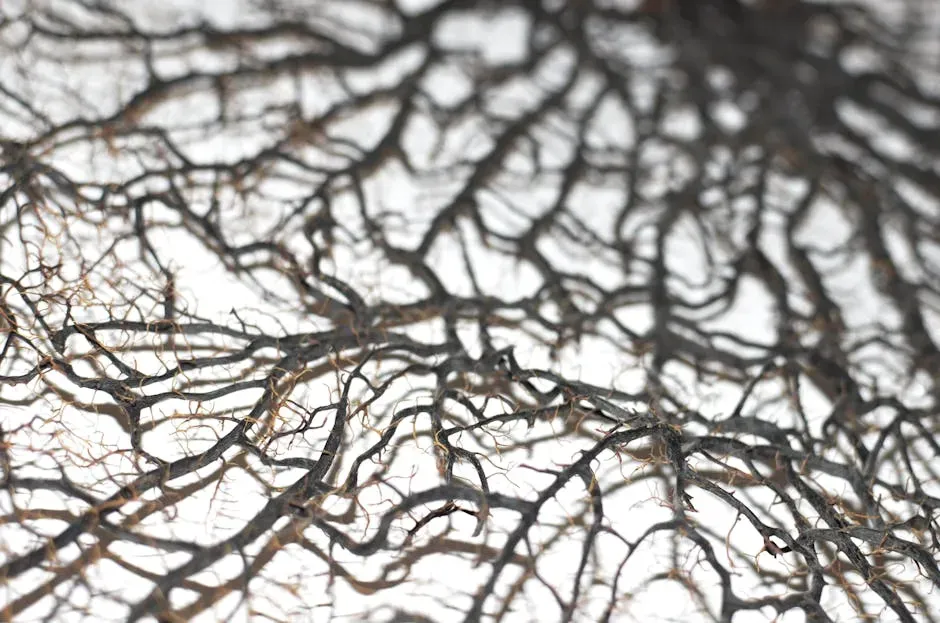
A mycorrhizal network is an underground network found in forests and other plant communities, created by the hyphae of mycorrhizal fungi joining with plant roots, connecting individual plants together. The many roles that mycorrhizal networks appear to play in woodland have earned them the colloquial nickname the “Wood Wide Web.” It’s a fitting comparison.
Mycelium composes what’s called a mycorrhizal network, connecting individual plants together to transfer water, nitrogen, carbon, and other minerals. In healthy forests, each tree is connected to others via this network, enabling trees to share water and nutrients. Signals relating to disease or herbivore attacks on connected plants have been shown to be communicated via these networks, allowing plants in the area a heads-up so they may strengthen their own immune defenses against potential attack.
3. Electrical Signaling Within and Between Plants
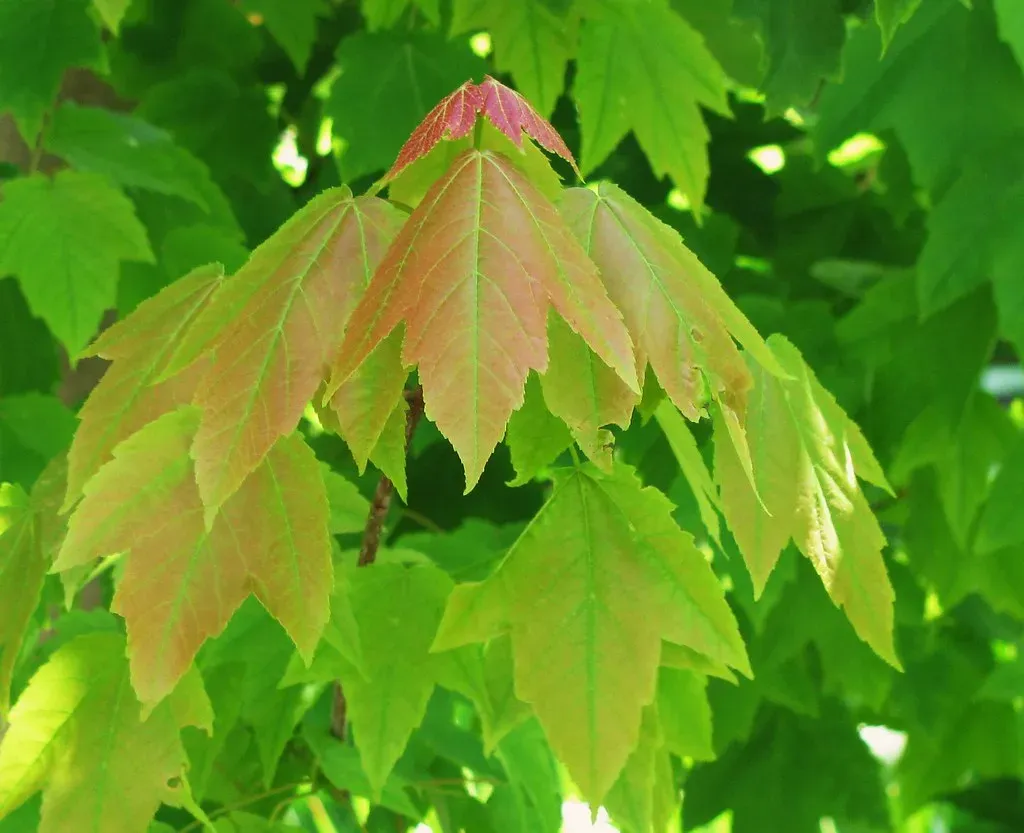
Many researchers have shown that plants have the ability to use electrical signaling to communicate from leaves to stem to roots. A plant may produce electrical signaling in response to wounding, temperature extremes, high salt conditions, drought conditions, and other various stimuli. It’s a kind of nervous system, though without nerves.
Electrical signals propagate at centimeters per minute, slower than animal nerves. Despite the speed, they coordinate timely responses like leaf folding or sap movement. Signals can travel from roots to leaves or across stems, allowing rapid adaptation to localized damage or environmental changes. Both Venus fly traps and sensitive plants transmit electrical signals when touched. The former closes to trap prey, while the sensitive plant moves to shake insects off.
4. Plants Emit Ultrasonic Sounds When Under Stress

Biologists at Tel Aviv University recorded ultrasonic sounds emitted by tomato and tobacco plants inside an acoustic chamber and in a greenhouse, while monitoring the plants’ physiological parameters. They developed machine learning models that succeeded in identifying the condition of the plants, including dehydration level and injury, based solely on the emitted sounds. That’s not a minor detail. It means the sounds carry specific, readable information.
Stressed plants emit more sounds than unstressed plants. The plant sounds resemble pops or clicks, and a single stressed plant emitted around 30 to 50 of these clicks per hour at frequencies of 40 to 80 kHz at seemingly random intervals, while unstressed plants emitted far fewer sounds. The plant emissions could be detected from a distance of several meters by many mammals and insects, given their hearing sensitivity. Moths and bats, it turns out, may have been eavesdropping on plants all along.
5. Insects Listen and Respond to Plant Acoustic Signals
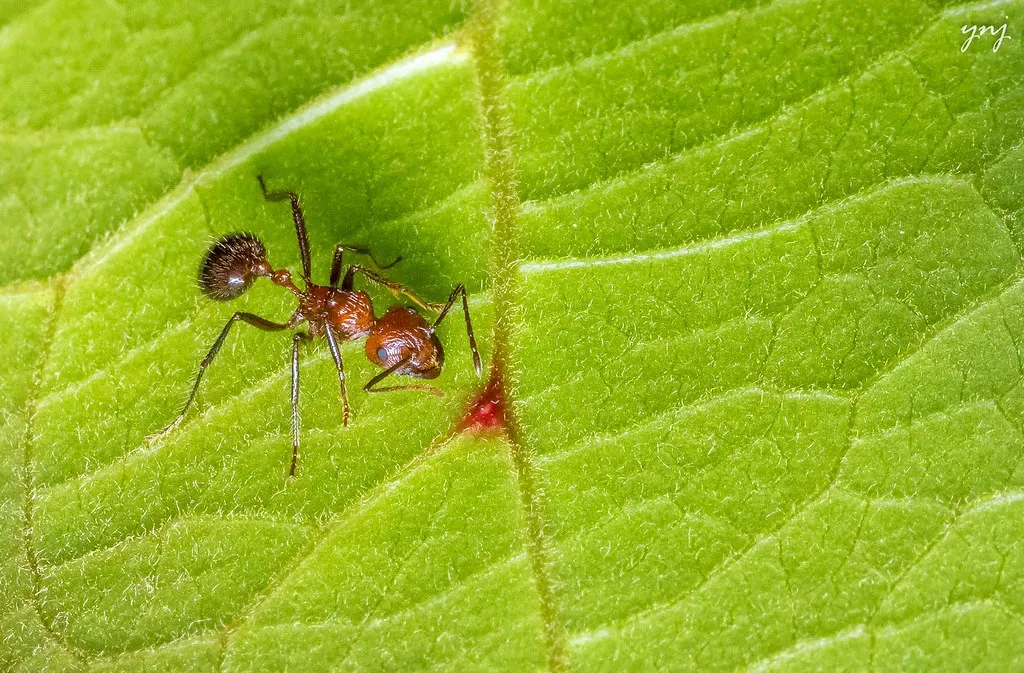
For the first time, a team of researchers in Israel documented that insects can hear and interpret plants’ acoustic distress signals. This finding builds upon the research group’s prior work recording sounds that tomato and tobacco plants make when they are dehydrated. The ecological implications are significant, suggesting that acoustic plant signals have shaped insect behavior over evolutionary time.
The scientists observed the Egyptian cotton leafworm moth, which lays its eggs on plant leaves. The study team found these moths tended to avoid noisy, stressed tomato plants. Instead, the insects favored tomato plants that were quieter and in better condition, with leaves that would provide a juicier meal for newly hatched larvae. Even though female moths in the experiments had never laid eggs before and had no prior experience deciphering acoustic cues from plants, they not only recognized plant sounds but preferred quieter plants for their first time egg-laying.
6. Root Communication and Stress Relay Between Neighbors

Pisum sativum, or garden pea plants, communicate stress cues via their roots to allow neighboring unstressed plants to anticipate an abiotic stressor. Unstressed plants demonstrated the ability to sense and respond to stress cues emitted from the roots of the osmotically stressed plant, and were even able to send additional stress cues to other neighboring unstressed plants in order to relay the signal.
A cascade effect of stomatal closure was observed in neighboring unstressed plants that shared their rooting system, but was not observed in the unstressed plants that did not share their rooting system. Neighboring plants therefore demonstrate the ability to sense, integrate, and respond to stress cues transmitted through roots. Think of it as a biological relay race, with stress signals passing from one plant to the next across a shared underground system.
7. Mother Trees and the Nurturing of Seedlings
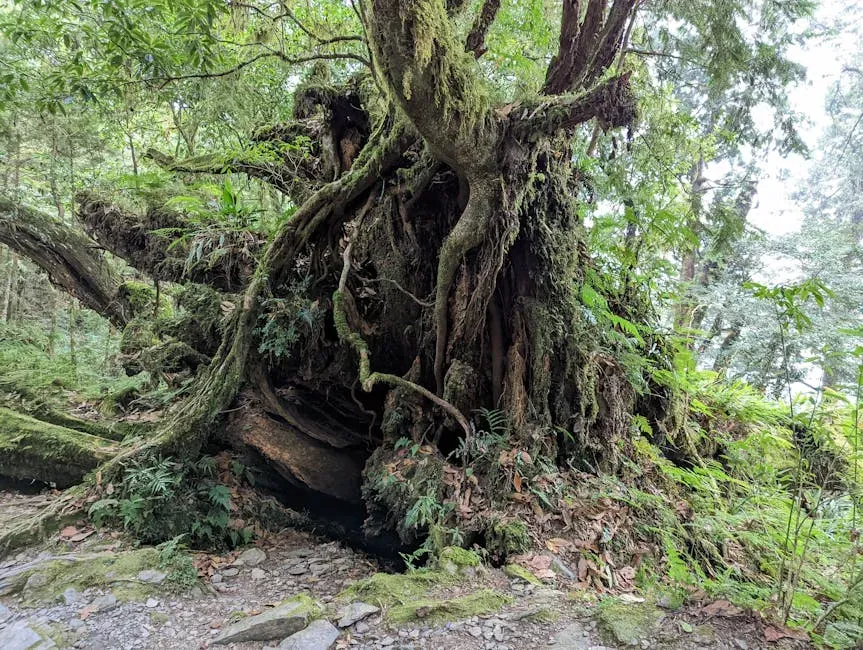
A linchpin in the tree-fungi networks are hub trees, also referred to as “mother trees,” which are the older, more seasoned trees in a forest. Typically, they have the most fungal connections. Their roots are established in deeper soil and can reach deeper sources of water to pass on to younger saplings. Through the mycorrhizal network, these hub trees detect the ill health of their neighbors from distress signals and send them needed nutrients.
One of the most surprising discoveries is that trees share resources through this network. Older, larger trees, often called “mother trees,” can supply younger seedlings with carbon and other nutrients, enhancing their survival rates. Further studies have indicated that factors such as injury or disease can trigger trees to rapidly increase the rate of mineral transfer through the mycorrhizal network to their family and wider woodland. It’s resource sharing that scales from individual trees to entire forest communities.
8. Kin Recognition Through Root Exudates
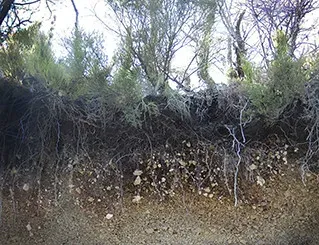
Root exudates are critical signaling molecules in belowground plant-plant interactions, regulating physiological and ecological responses in adjacent plants through kinship recognition and self/non-self-discrimination systems. Roots can detect and discern roots from close relatives and unrelated plants through root exudates. Rice cultivars with the ability for kin recognition can detect the presence of closely and distantly related cultivars and respond to them by adjusting their root placements and biomass.
These findings suggest that relatedness allows allelopathic plants to discriminate their neighboring collaborators or competitors and adjust their growth, competitiveness, and chemical defense accordingly. Kin recognition indicates relatedness-mediated neighbor discrimination, mainly reducing intraspecific competition. In practical terms, a plant appears to behave more cooperatively when it recognizes its neighbors as close relatives. Competition becomes selective rather than indiscriminate.
9. Hydraulic Pressure: A Newly Understood Internal Signaling System
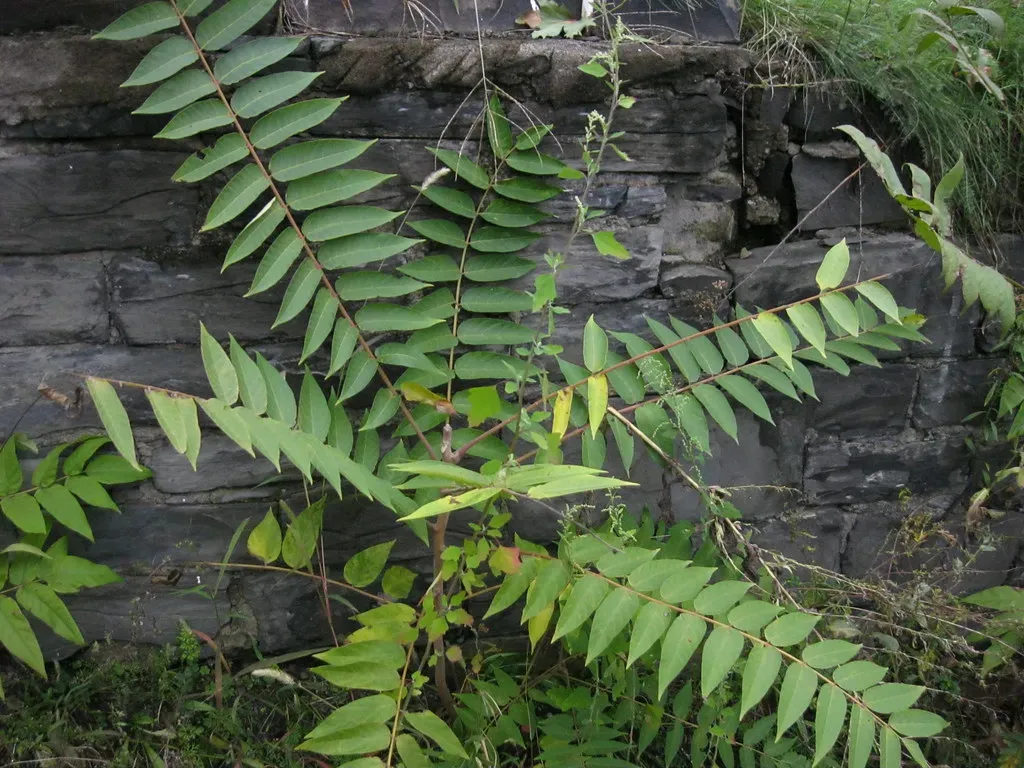
More than a century ago, scientists began to question how plants might transmit signals from one part of the plant to another to elicit a response to stressors. Scientists hypothesized that perhaps plants used hormones or chemicals to communicate, while others suggested mechanical signals. Researchers have now developed a predictive model and unified framework that explains how mechanical and chemical signals are transmitted throughout plants when stressors cause changes in pressure.
When a plant is wounded, such as when a caterpillar bites into a leaf, a pressure change occurs, which can elicit coupled downstream responses. The researchers suggest that pressure shifts can cause a mass flow of water through the plant that carries chemicals released by cells at the site of the wound to the rest of the plant. Scientists proposed a unified model showing that changes in negative pressure within plant vasculature transmit both mechanical and chemical stress signals. The study explained how pressure disturbances can trigger calcium fluxes and gene-expression responses, clarifying how plants coordinate whole-organism reactions to drought, wounding, and other stressors.
10. Chemical Allelopathy: When Plants Suppress Their Competition
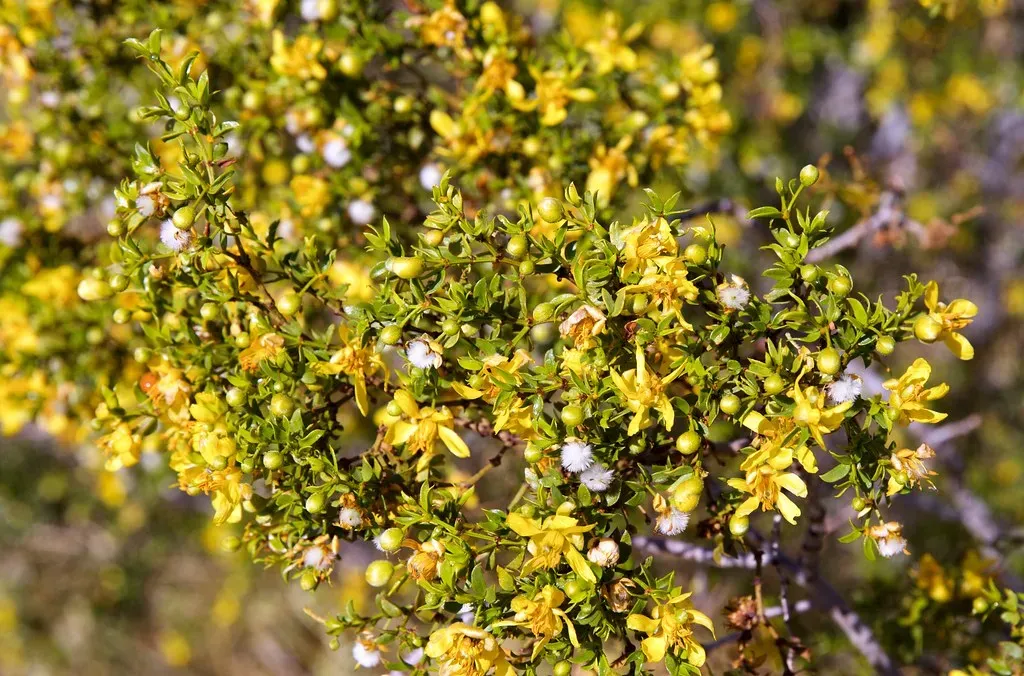
Allelopathy and allelobiosis are achieved through specialized metabolites produced and released from neighboring plants. Allelopathy exerts mostly negative effects on the establishment and growth of neighboring plants by allelochemicals, while allelobiosis provides plant neighbor detection and identity recognition mediated by signaling chemicals. This is the less sentimental side of plant communication. Not all of it is cooperative.
Allelochemicals participate in the defense of plants against microbial attack, herbivore predation, and competition with other plants, most notably in allelopathy, which affects the establishment of competing plants. Signaling chemicals are involved in plant neighbor detection or pest identification, and they induce the production and release of plant defensive metabolites. Through these signaling chemicals, plants can either detect or identify competitors, herbivores, or pathogens, and respond by increasing defensive metabolite levels, providing an advantage for their own growth. Plants, in other words, are not simply passive participants in the ecosystem. They actively shape who thrives nearby and who doesn’t.
Conclusion: A World of Hidden Conversations

The picture that emerges from this research is genuinely remarkable. Plant communication is a growing field in botanical research, uncovering airborne signals, underground fungal exchanges, and even vibrations that influence development. Understanding these hidden networks changes how we view plant intelligence and ecosystem dynamics, with implications for agriculture, forestry, and conservation.
What we’ve traditionally called the natural world, that seemingly calm backdrop of trees, shrubs, and grasses, turns out to be an active, ongoing exchange of information. Plants fundamentally depend on successful communication. The science is still young and many mechanisms remain genuinely uncertain. But enough is now known to say with confidence that the quiet around you in a forest isn’t silence. It’s a conversation you simply don’t yet have the instruments to hear.