If you think humans sit comfortably at the top of the intelligence ladder, some animals are quietly rewriting that story. Around the world, biologists keep stumbling on brains that seem almost alien in how they are built, how they process information, and what they can do. These creatures are solving puzzles with bodies the size of your thumb, recognizing faces without a neocortex, and navigating oceans using senses we can barely imagine.
What makes these animals so fascinating is not just that they are smart, but that their brains work in ways that do not match the tidy categories most of us learned in school. They force scientists to ask uncomfortable questions: What exactly is intelligence? Does it need a big mammal-style brain, or can it emerge in totally different hardware? As you read through this list, you might find your idea of “higher” and “lower” animals starting to wobble a bit – and that’s where it gets exciting.
#1 – Octopus: The Alien Mind With a Brain in Its Arms
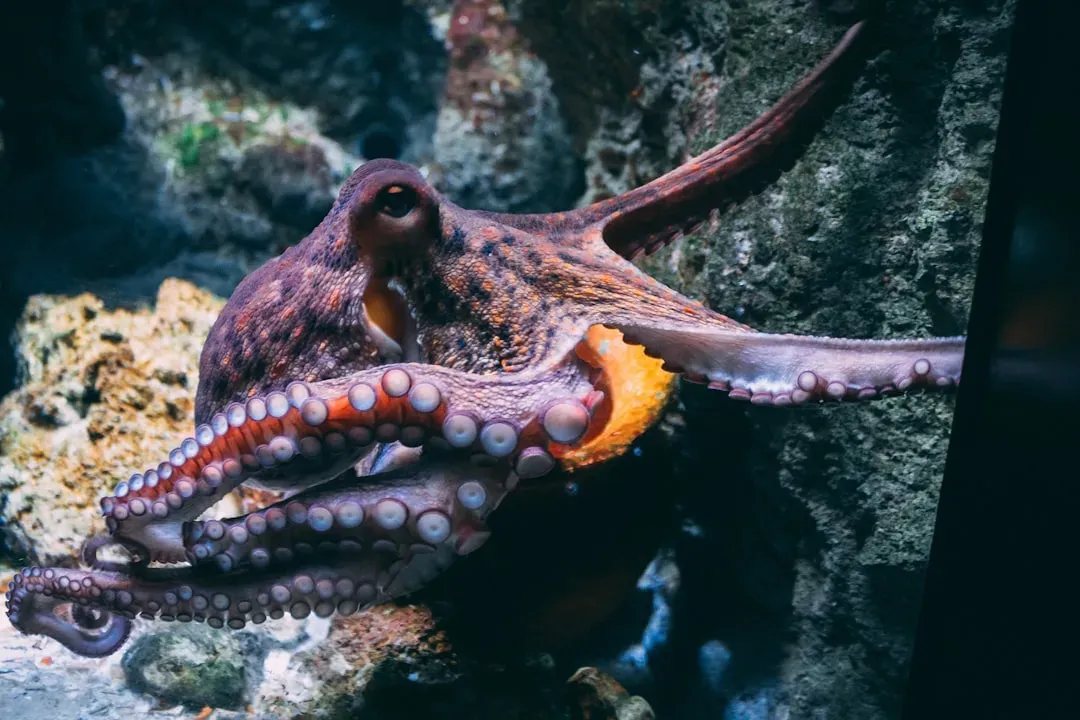
The octopus is the classic animal that makes neuroscientists shake their heads and admit they do not fully understand what is going on. Instead of a centralized brain like ours, octopuses have a large central brain plus clusters of neurons in each arm, so much so that many researchers describe them as having a distributed nervous system. Each arm can process information, react to touch, and even perform complex movements with a surprising amount of independence from the central brain.
What really scrambles expectations is how this strange setup still produces such flexible, creative behavior. Octopuses can open jars, escape maze-like tanks, recognize individual keepers, and even appear to play, all while lacking anything like a mammalian cortex. Some experiments show that an octopus arm can continue exploring and reacting after being disconnected from the body, as if the limb itself has a “mini-mind.” It is hard not to see the octopus as proof that intelligence can evolve in a completely different shape than our own – and still feel eerily familiar.
#2 – Crows and Ravens: Bird Brains That Rival Primates
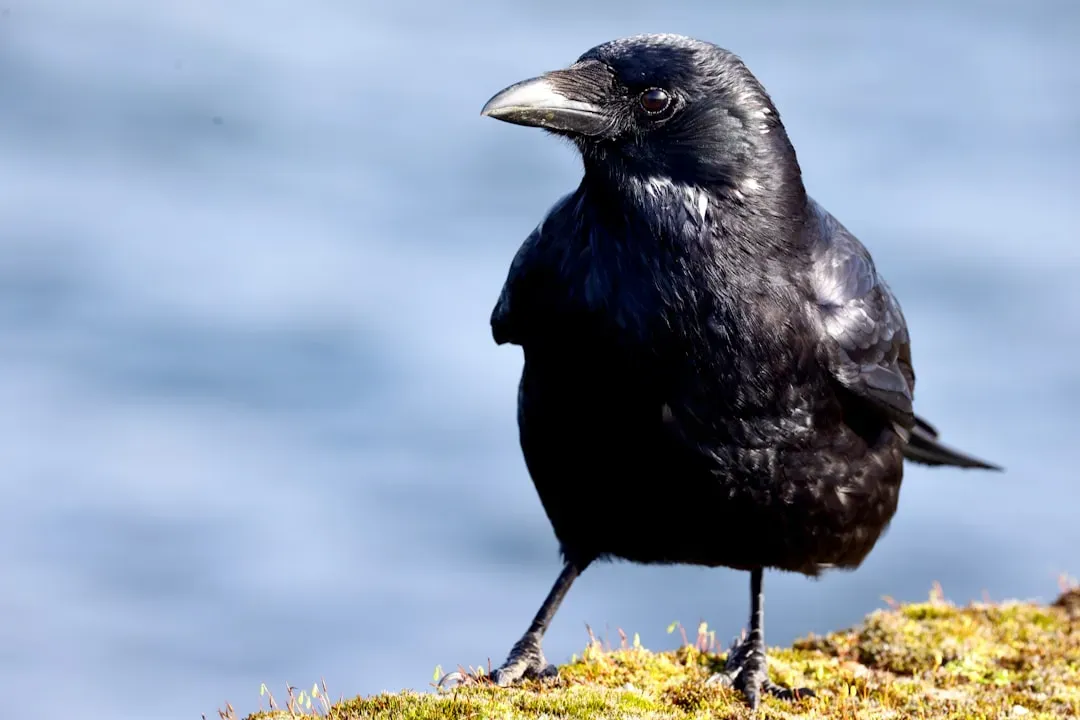
For a long time, calling someone “bird-brained” was an insult; now it just makes you sound out of date. Members of the crow family, especially crows and ravens, have relatively small brains by volume, but they are packed with neurons in key areas linked to complex cognition. Their forebrains have a different architecture from mammal cortices, yet they routinely perform on problem‑solving tests at levels comparable to great apes. They use tools, plan ahead, and can solve multi‑step puzzles that would confuse many young children.
What really unsettles scientists is how much of this intelligence seems to arise without the standard mammal blueprint. Crows recognize human faces, remember who treated them badly, and even pass that information to other crows, turning a city into a kind of social memory network. They appear to understand cause and effect in simple physics tasks, dropping objects into water to raise the level and reach food. With brains that look nothing like ours on the inside but act uncannily “clever” on the outside, corvids are living evidence that there is more than one way for evolution to build a sophisticated mind.
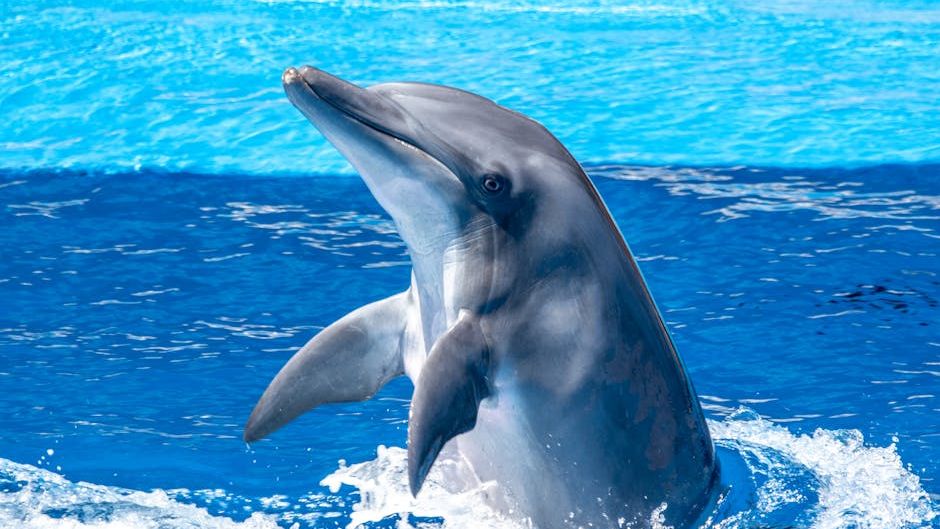
#3 – Dolphins: Acoustic Supercomputers of the Sea
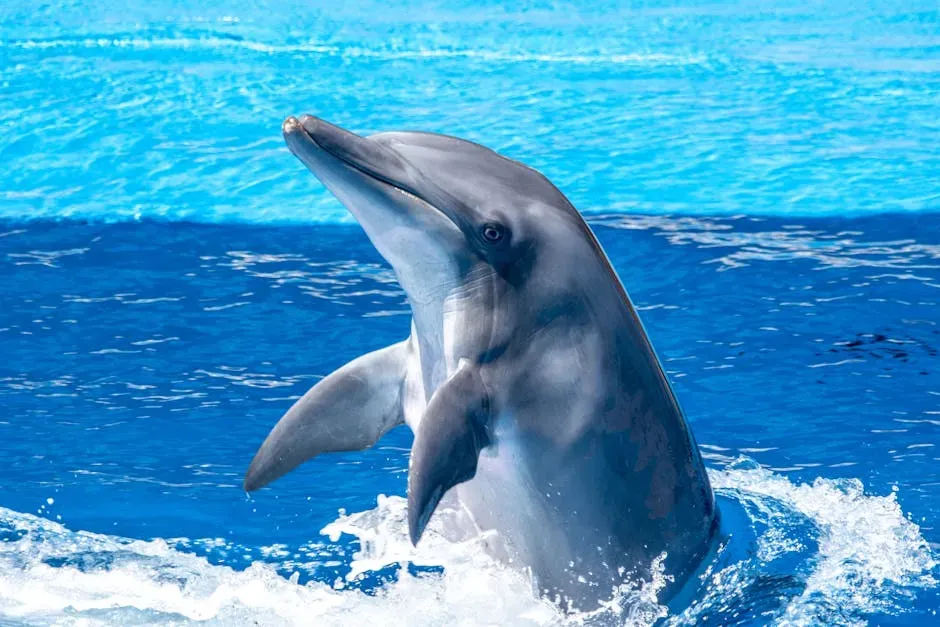
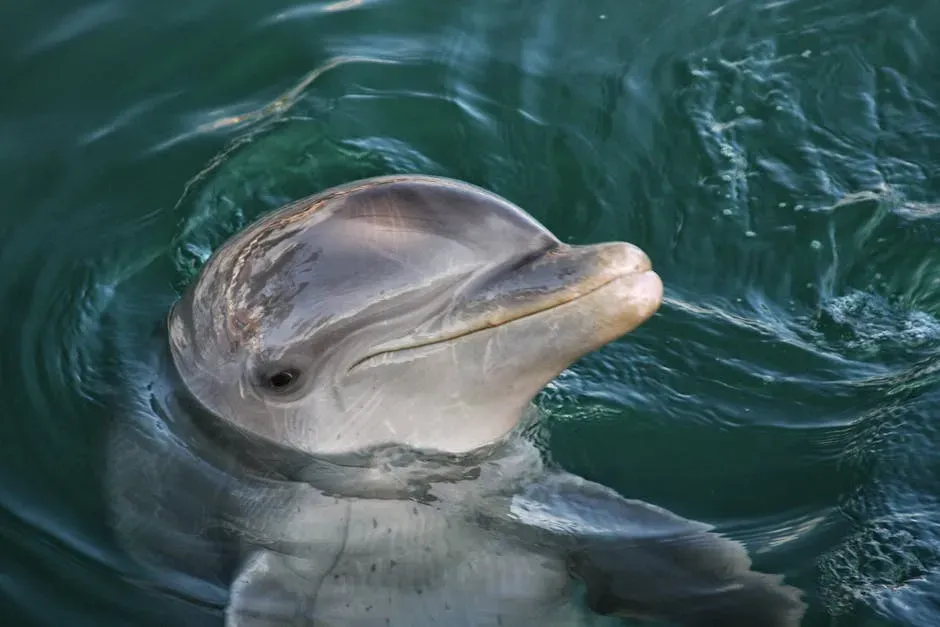
Dolphins often make the news as the ocean’s geniuses, but the deeper scientists look into their brains, the stranger the story becomes. Their brains are large even after adjusting for body size, with a high level of folding and a neocortex that in some regions can be more intricately folded than ours. On top of that, they have enormous areas devoted to processing sound, echo, and spatial information, because their primary window into the world is not sight, but echolocation. They literally “see” with sound, building three‑dimensional acoustic images of their surroundings.
What challenges understanding is how this acoustic world shapes their cognition and social life. Dolphins can recognize themselves in mirrors, learn complex tricks by watching others, and even seem to pass down local “traditions” like unique hunting techniques. Their signature whistles function almost like names, allowing individuals to call to one another across long distances. When you imagine thinking primarily in sonar instead of images or words, it becomes clear that dolphin intelligence is not just human‑like intelligence in a wet body; it is a different flavor of mind altogether, tuned to an environment we cannot directly experience.
#4 – Honeybees: Tiny Brains, Collective Intelligence
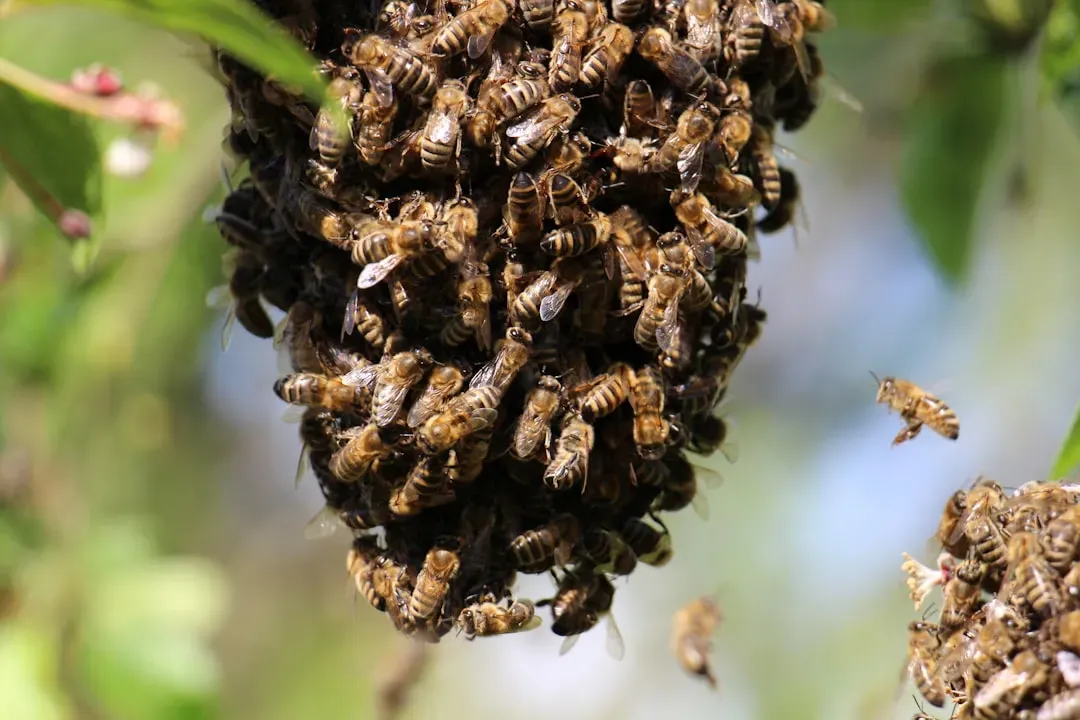
At first glance, the honeybee seems far too small to belong on a list like this. A bee’s brain is only about the size of a sesame seed, yet it manages navigation, communication, and complex social behavior inside a buzzing super‑organism of tens of thousands of individuals. Each bee can learn flower locations, remember landmarks, and adjust its foraging strategy based on changing conditions, all with a neural system that would look laughably minimal next to any mammal’s. The sheer efficiency of it is what stuns researchers.
Then there is the hive mind aspect, where things get even stranger. Bees use the famous waggle dance to encode direction and distance to food sources, effectively turning the colony into a shared information network. When a swarm chooses a new home, scouts survey locations, return with “votes” communicated through dances, and gradually push the group toward a consensus that is often surprisingly close to optimal. Is intelligence just in each bee, or does something emergent arise from the collective? The line between individual brain and group brain starts to blur, and that question keeps scientists arguing late into the night.
#5 – Parrots: Vocal Mimics With Emotional Depth
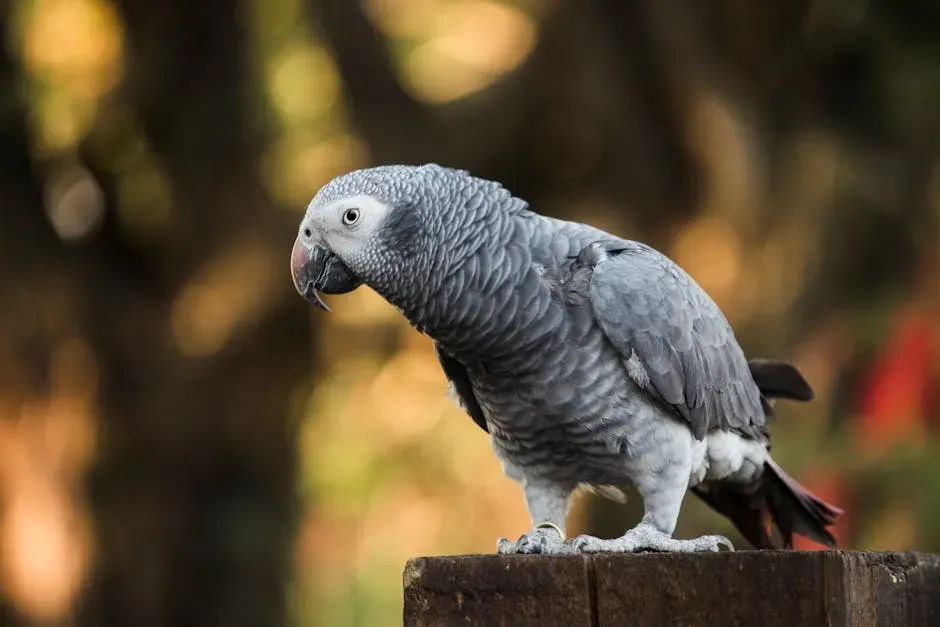
Parrots are often dismissed as charming mimics, but their brains tell a deeper story. Their forebrains contain specialized circuits for vocal learning and social communication that mirror, in a bird‑specific way, some of the structures humans use for speech. Certain large parrot species can learn hundreds of words, understand basic categories like shapes and colors, and use phrases in flexible, context‑sensitive ways rather than just repeating sounds mindlessly. For a brain that is structured so differently from ours, that is a serious curveball.
What complicates the picture further is their apparent emotional world. Many parrot owners – and increasingly, researchers – observe signs that parrots can get bored, frustrated, attached, and even depressed if neglected. They form strong social bonds, show preferences for specific individuals, and sometimes engage in what looks a lot like playful teasing. When you combine advanced vocal learning, long lifespans, and rich social lives, you get a mind that does not fit neatly into “simple animal” stereotypes. Parrots make you wonder whether language‑like communication and emotional nuance might not be as uniquely human as we like to think.
#6 – Jumping Spiders: Microscopic Brains, Big‑Picture Thinking
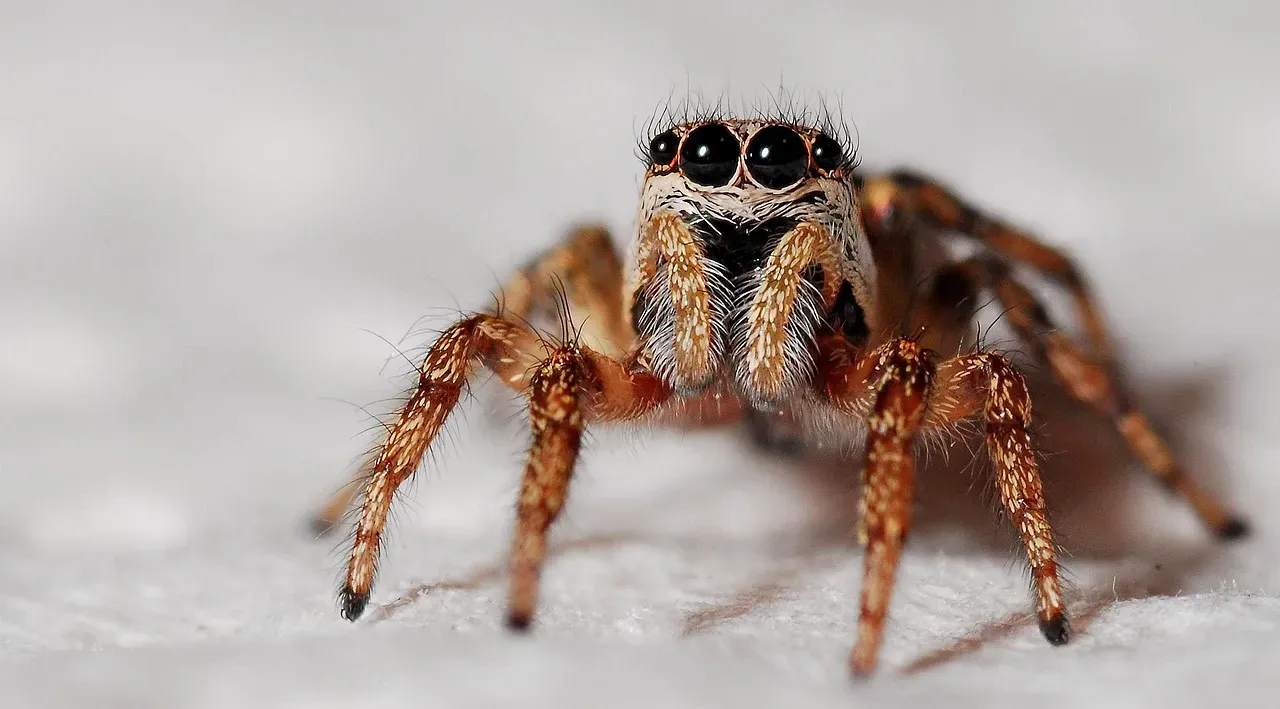
Jumping spiders are so small you could easily ignore them on a windowsill, but their brains are turning old assumptions about size and intelligence upside down. With just a speck of neural tissue, some species show surprisingly sophisticated vision and planning behaviors. They can take indirect routes to reach prey, choosing a longer path that requires them to temporarily lose sight of the target, which suggests some form of mental representation rather than simple reflex. For something that could sit on your fingernail, that level of foresight is startling.
Visually, they punch far above their weight. Jumping spiders have multiple pairs of eyes, including forward‑facing principal eyes that can provide high‑resolution detail and color vision in some species. They track moving objects, appear to distinguish between prey and threats, and even engage in complex courtship dances where they combine visual signals and vibrations. How such a tiny brain accomplishes tasks that, in larger animals, require considerable processing power is still not fully understood. It raises a provocative question: how little neural hardware do you actually need to get something that feels like planning?
#7 – Elephants: Memory, Grief, and Social Brains
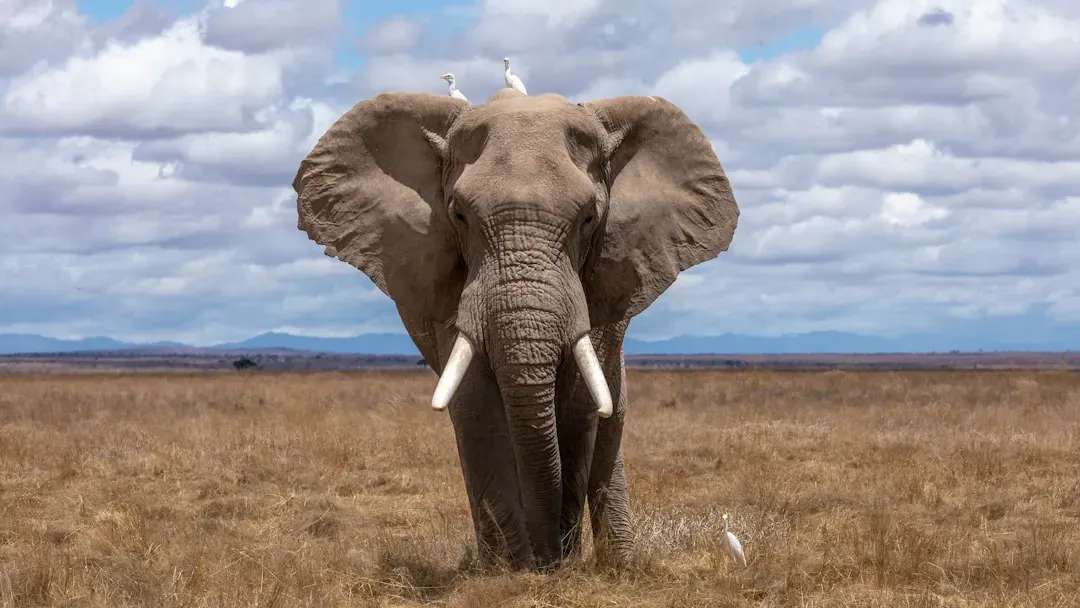
Elephants are often praised for having good memories, but that barely scratches the surface of what makes their brains so intriguing. They have some of the largest brains of any land animal, with extensive regions dedicated to emotion, social processing, and spatial memory. Observations in the field show elephants recognizing individuals after long separations, remembering water sources across vast landscapes, and adjusting group behavior in sophisticated ways when they face danger. Their long lifespans only deepen this reservoir of experience.
What really challenges understanding is their apparent emotional complexity. Elephants have been seen responding to the bones and bodies of dead herd members, lingering and touching them in ways many people interpret as mourning. They assist injured individuals, show clear signs of stress and anxiety in disrupted environments, and even seem to engage in playful behavior with other species. While scientists are careful not to over‑humanize them, the overlap between elephant behavior and human social emotion is hard to ignore. It pushes us to think more seriously about what kinds of experiences might exist in non‑human minds.
#8 – Platypus: A Brain Built Around an Electric Sense
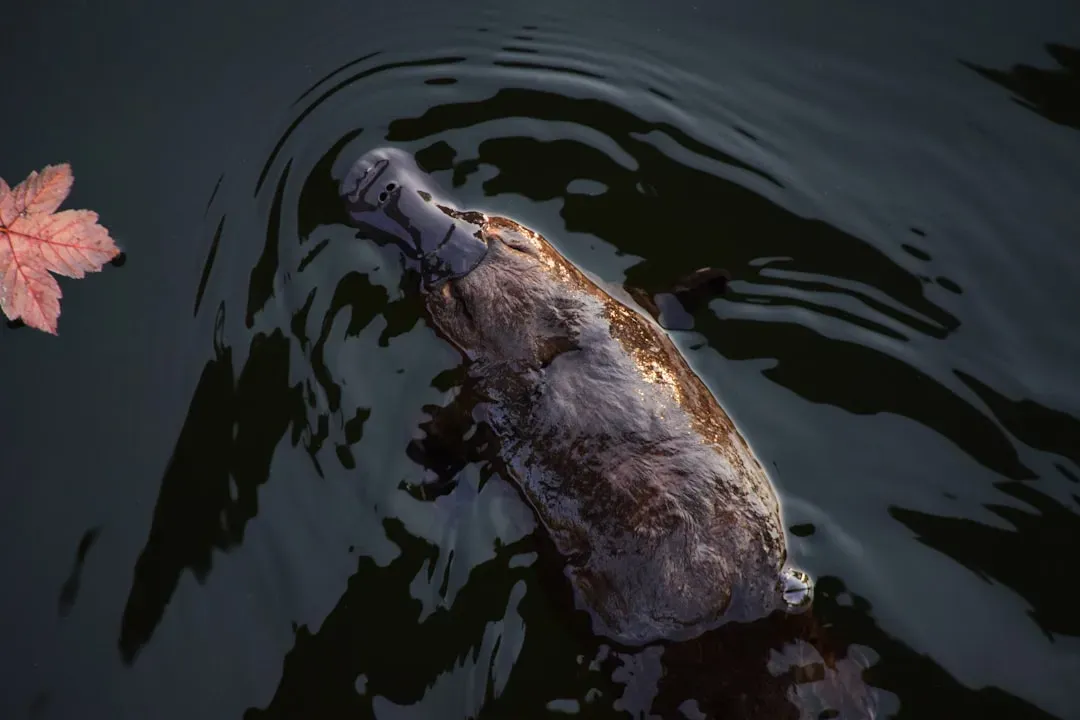
The platypus already looks like a creature assembled from spare parts, but its brain is even stranger than its body. This semi‑aquatic mammal hunts underwater with its eyes, ears, and nostrils closed, relying heavily on electroreception: the ability to detect the faint electric signals produced by the muscles and nerves of its prey. To support this, a huge portion of its brain is devoted to processing tactile and electrical information from its bill, essentially turning that bill into a hyper‑sensitive sensor array. Vision and hearing take a back seat compared with many other mammals.
This unusual sensory priority forces neuroscientists to rethink their assumptions about how brains organize themselves. In humans, so much of our cortex is tied to vision that we forget other layouts are possible. In the platypus, the “map” of the body in the brain is dominated by the bill, with overlapping maps for touch and electric fields. It is as if someone took the sensory hierarchy we think is normal and flipped it around for a different lifestyle. For anyone who believes there is a single ideal way to build a mammal brain, the platypus is a polite but firm disagreement swimming past in a river.
#9 – Cleaner Wrasse: Tiny Fish That May Recognize Themselves
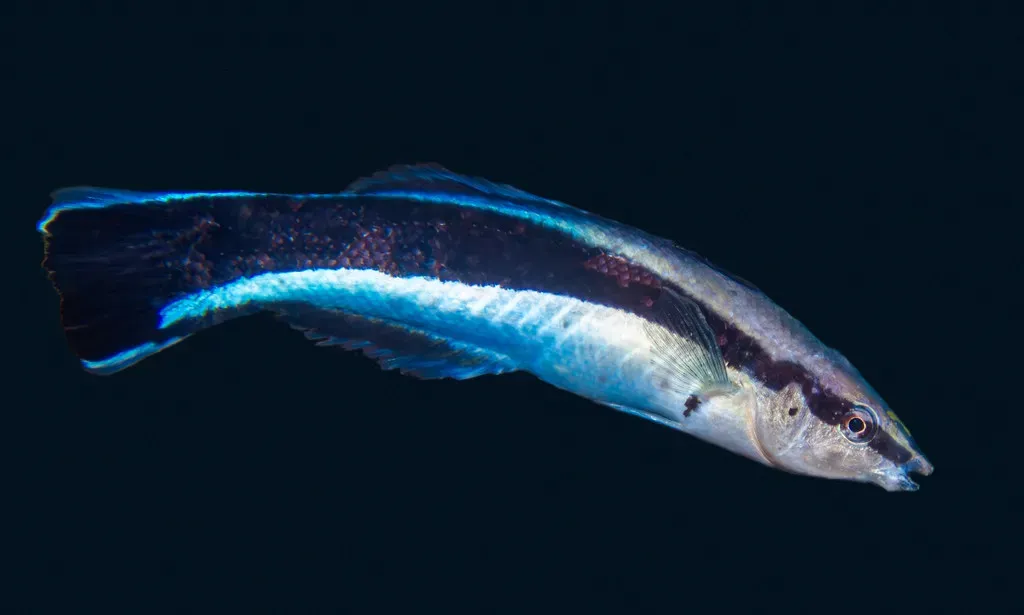
The cleaner wrasse is a small reef fish best known for picking parasites off bigger fish, but it has recently stirred up a big debate about animal consciousness. In some experiments, individual wrasse that were marked with a spot visible only in a mirror behaved in ways that suggest self‑recognition, such as checking their reflection and then trying to rub off the mark. The mirror test has long been used as a rough indicator of self‑awareness in mammals and birds, so seeing a small fish potentially pass it was a shock to many researchers.
What makes this especially controversial is that the wrasse has a very small brain by vertebrate standards. If it can pass a test once thought to require a large, sophisticated cortex, then either the test is not as reliable as people believed, or self‑related processing can emerge in much leaner neural hardware than anyone expected. Neither option is comfortable, because both shake long‑held beliefs about which animals deserve a seat at the “consciousness” table. Whether you think the fish truly recognizes itself or not, its behavior forces scientists to look much more carefully at what small brains might be doing.
#10 – Ants: Super‑Organism Minds in Miniature Skulls
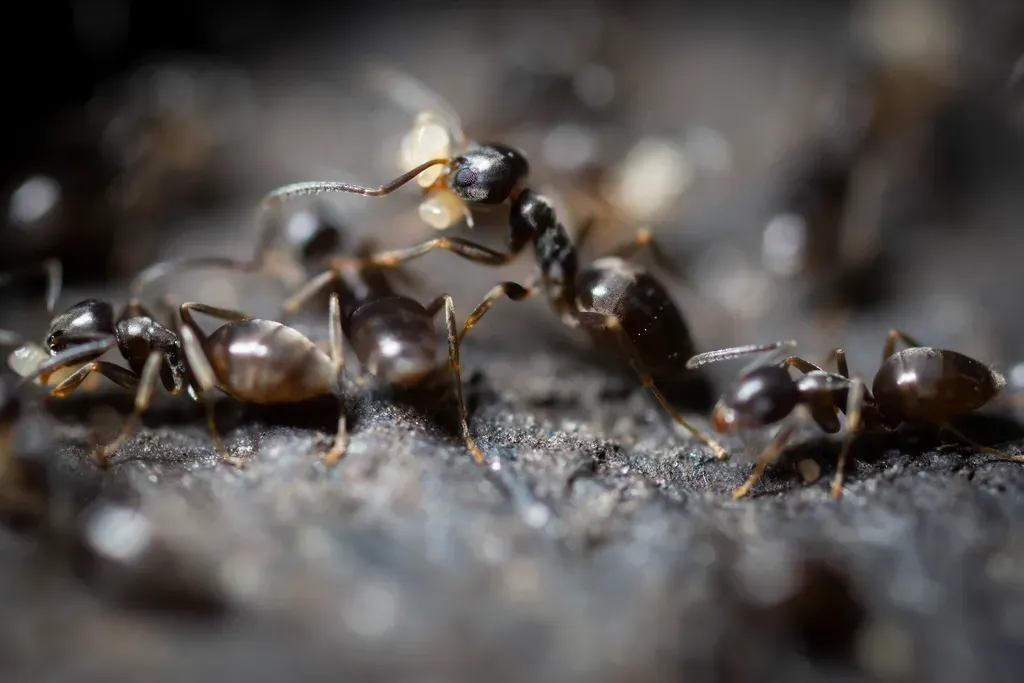
Ants may be the most overlooked geniuses on the planet. An individual ant has a tiny, simple brain, and on its own it does not seem particularly impressive. But in a colony, guided by basic rules and chemical signals, ants collectively build complex nests, organize highways of traffic, allocate workers to different tasks, and adapt to new challenges in real time. No single ant is “in charge,” yet the group behaves like a coordinated system, solving problems that look suspiciously like computation and optimization.
From a brain‑science perspective, ants are a living demonstration that intelligence does not have to sit in one skull. Colonies can change their collective behavior based on experience, learn new routes around obstacles, and shift strategies when resources or threats change. Some species even cultivate fungi or “herd” aphids, a kind of low‑tech agriculture emerging from simple individual rules. When you watch an ant trail reorganize after you wipe part of it away, it feels like watching a thought being rewritten in slow motion. It is hard not to wonder whether we are underestimating group‑level minds in other animals – and maybe even in ourselves.
Conclusion: Rethinking What a “Mind” Really Is
Looking across this list, one thing becomes painfully clear: the human brain is not the gold standard so much as one quirky example among many. Octopuses turn their arms into semi‑independent thinking tools, birds reshape the “bird‑brained” insult into a badge of cognitive honor, insects and fish squeeze surprising abilities into specks of neural tissue, and mammals like elephants and dolphins expand the emotional and social territory of non‑human minds. When you put them side by side, the old ladder of intelligence, with humans neatly on top, starts to look more like a messy, branching forest.
My own opinion is that we have been far too narrow and self‑centered in how we define intelligence and consciousness. If tiny spiders can plan routes, fish might recognize themselves, and ants can act as a distributed problem‑solving machine, then our current categories are obviously not doing the job. Instead of asking which animals are “almost like us,” it might be smarter – and humbler – to ask how many different kinds of minds evolution has invented, each tuned to its own world. The real question lingering after reading about these animals is this: how many other bizarre and brilliant brains are out there, still waiting for us to notice them?