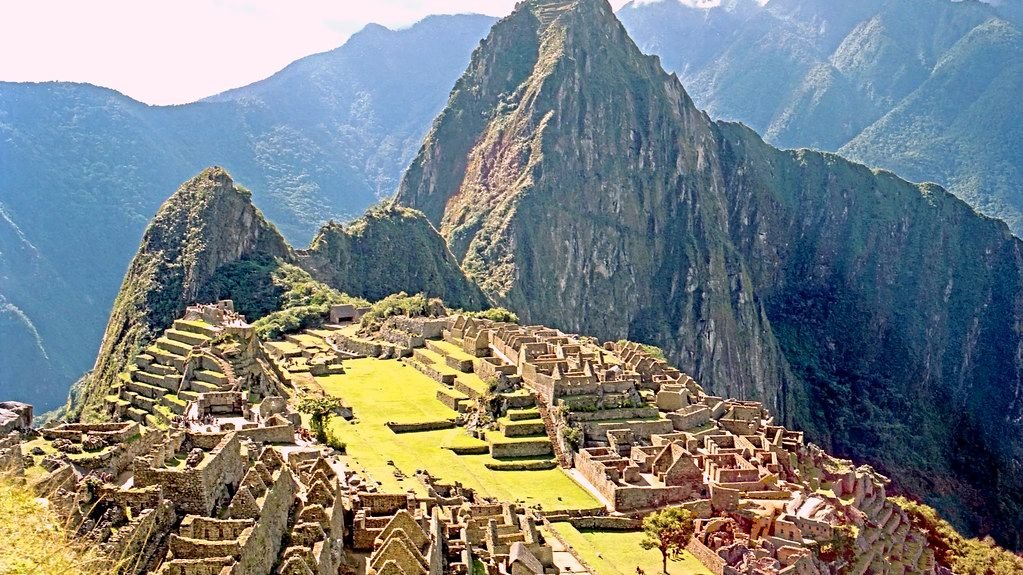

You’ve probably heard of Machu Picchu and maybe seen photos of those jaw-dropping stone walls in Cusco. There’s something magnetic about the Inca civilization, isn’t there? They managed to build an empire that stretched across some of the most challenging terrain on earth. Think rugged mountain peaks, coastal deserts, and dense forests. How did they pull that off?
What’s truly mind-blowing is that they accomplished all this without many things we’d consider essential today. No written language. No wheeled vehicles. No iron tools. Yet somehow, they engineered architectural marvels that still stand strong centuries later. Let’s dive in and discover what made the Incas such an extraordinary civilization.
They Built An Empire Without Ever Writing Anything Down
The Incas didn’t develop a written language, yet they managed to govern a vast empire stretching over millions of people. How on earth did they keep track of everything? They maintained records through a system called quipu, which used knotted strings to represent information. Think of it as a sophisticated accounting tool made from colored threads.
These bunches of knotted strings could contain anywhere from a few threads to around 2,000, using a base-10 system to record census data, taxes, calendrical information, and military organization. Quipus recorded statistical data for matters like census, tributes, and production, and even preserved narrative information including stories and poetry. Honestly, it’s hard to wrap your head around managing millions of people without a single piece of paper.
Their Road System Was More Extensive Than Ancient Rome’s
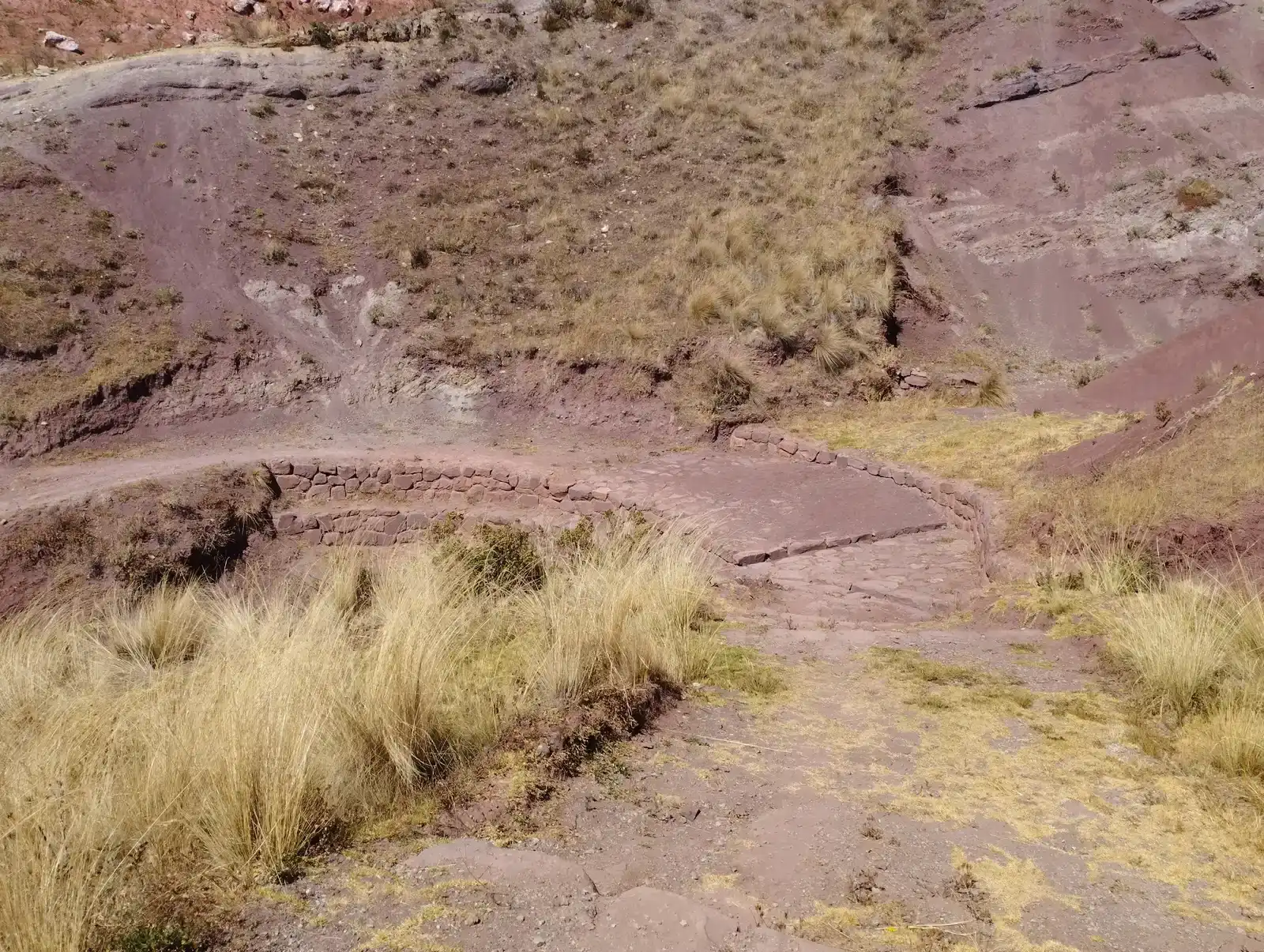
The Inca road system, called Qhapaq Ñan, was about 40,000 kilometers long in total. Let that sink in for a moment. The network was composed of formal roads carefully planned, engineered, built, marked and maintained, with paving where necessary, stairways to gain elevation, bridges and water drainage systems.
Some of these roads reached altitudes of over 5,000 meters above sea level. Inca engineers were undaunted by geographical difficulties and built roads across ravines, rivers, deserts, and mountain passes. They constructed this massive network without sophisticated surveying equipment, relying only on wooden, stone, and bronze tools. The impressive thing is that many sections of these ancient roads are still in use today.
They Performed Brain Surgery With A Better Success Rate Than Civil War Doctors
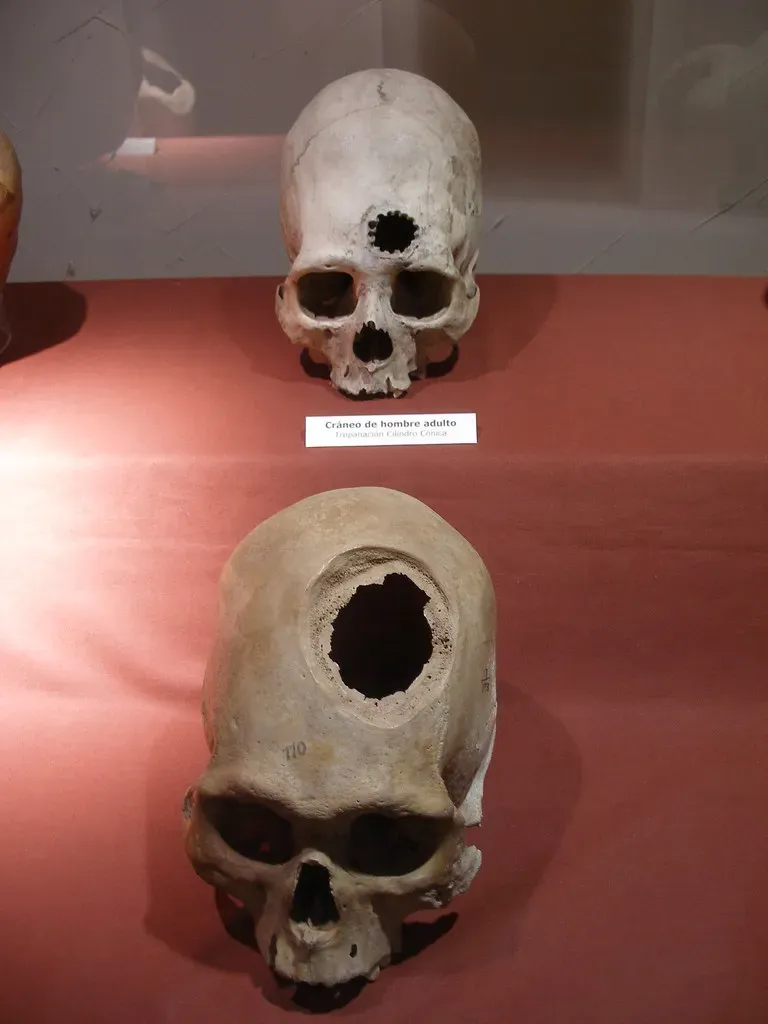
This one really gets me. According to evidence dating back 2000 years ago, they performed complex surgeries such as trepanation and had a success rate of 90%. During the Inca period, just 17% to 25% of cranial surgery patients died, compared with 46% to 56% of American Civil War patients. Let me repeat that: ancient Inca surgeons outperformed 19th-century battlefield doctors.
The succession of skulls shows that over time the Peruvian surgeons learned to avoid areas that would produce excessive bleeding, figured out that smaller holes were more survivable, and learned to avoid perforating the dura membrane covering the brain. Some patients survived multiple surgeries. Researchers don’t know how they prevented infection or what they used as anesthesia, but possibly coca leaves or fermented beverages.
Their Stonework Fits Together More Perfectly Than Modern Construction
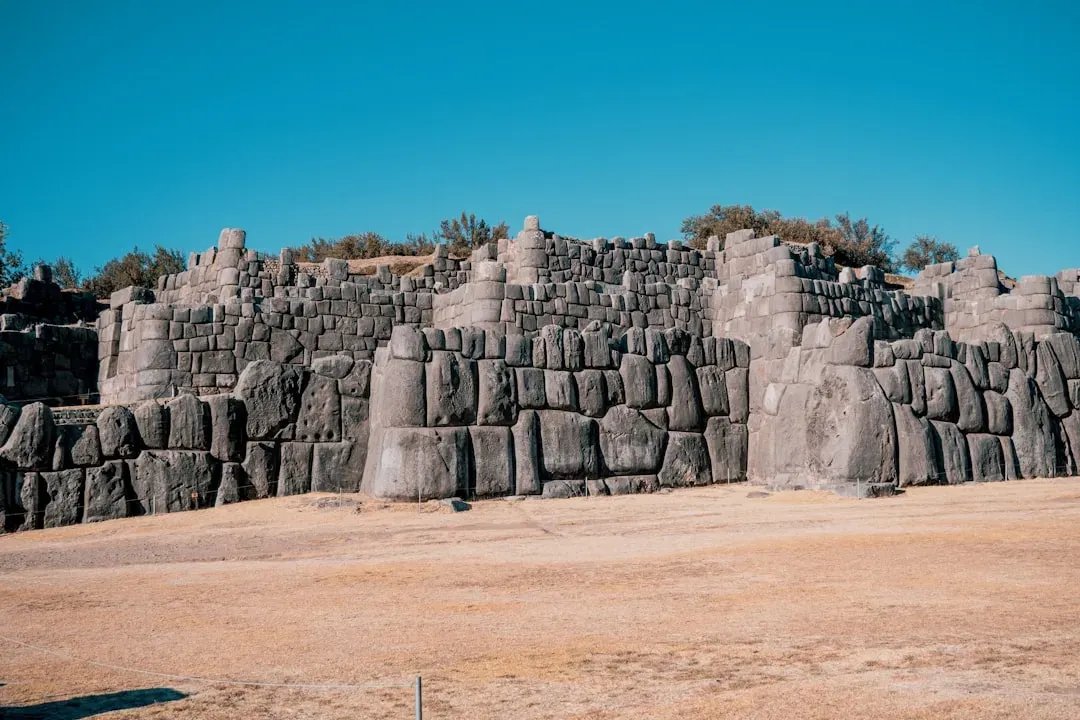
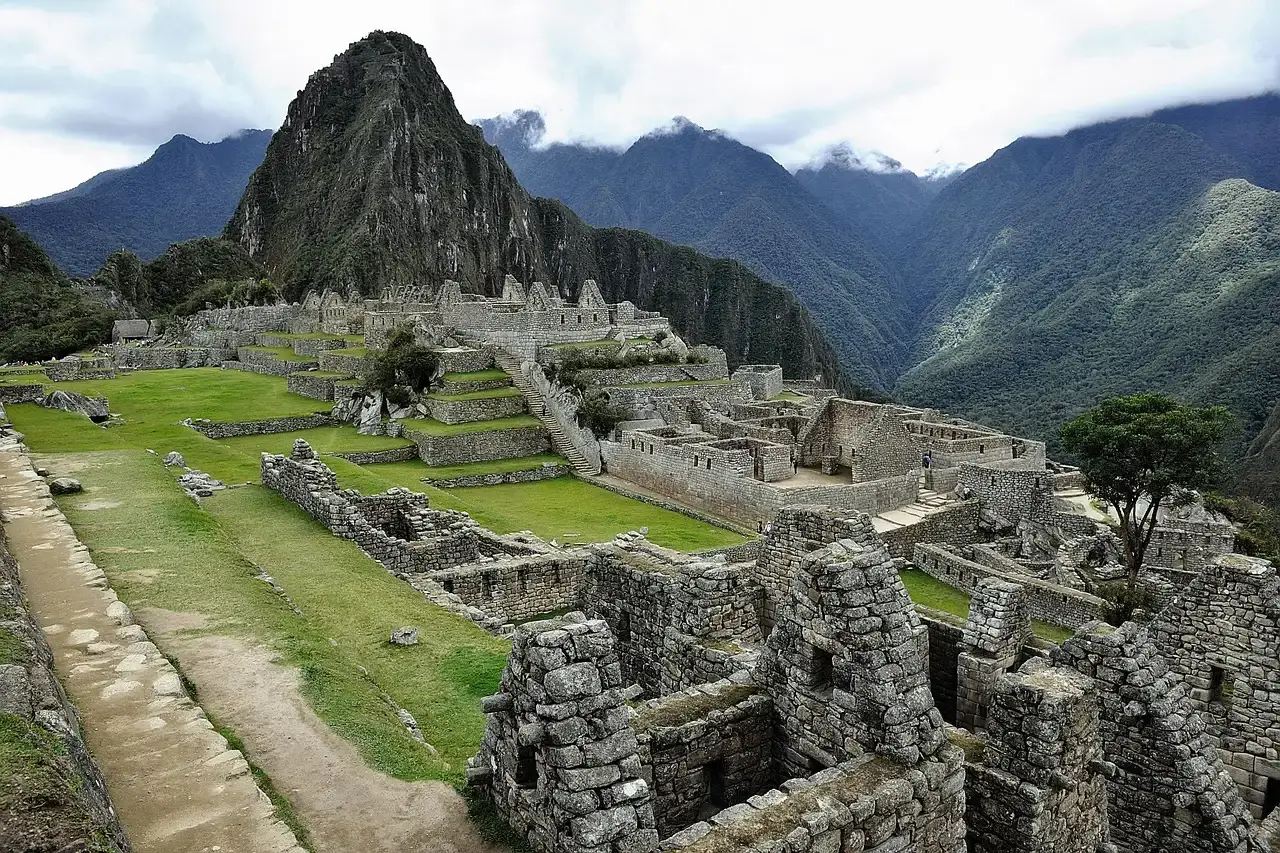
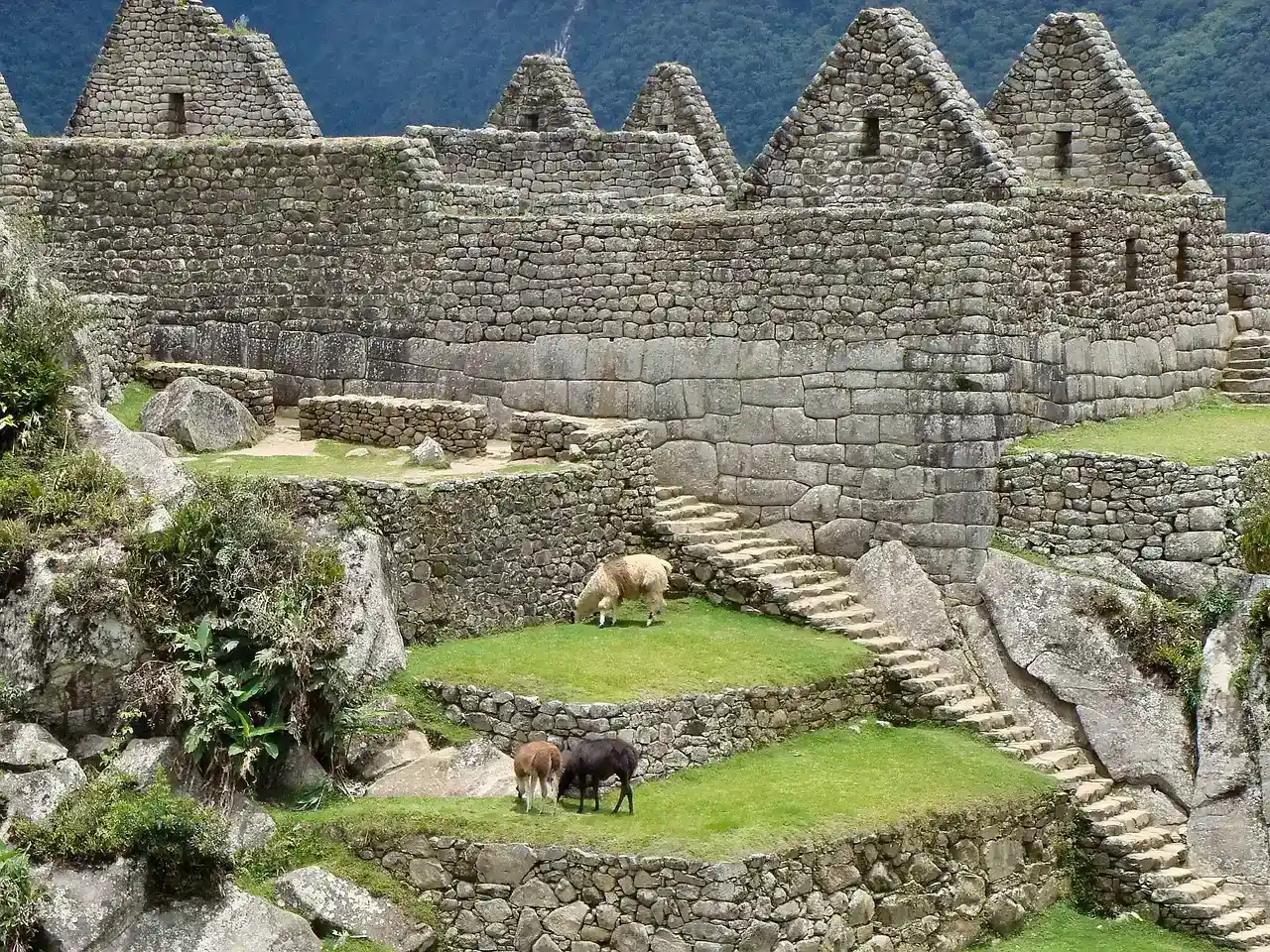
The precision of Machu Picchu’s ashlar masonry is striking, with massive stone blocks fitting together so perfectly that not even a knife blade can slide between them, all without mortar. Modern engineers attempting to replicate Inca stonework using contemporary tools struggle to achieve similar precision.
The Inca cut stones of their buildings to fit together without any binding material so that when an earthquake struck, stones could bounce around before settling back into place. Polygonal masonry provides superior earthquake resistance because irregular shapes create multiple contact points that distribute stress forces, allowing controlled movement while maintaining structural integrity. It’s crazy to think they intuited principles of structural engineering that wouldn’t be formally documented in Europe for centuries.
Runners Carried Fresh Fish From The Coast To Mountain Cities Daily
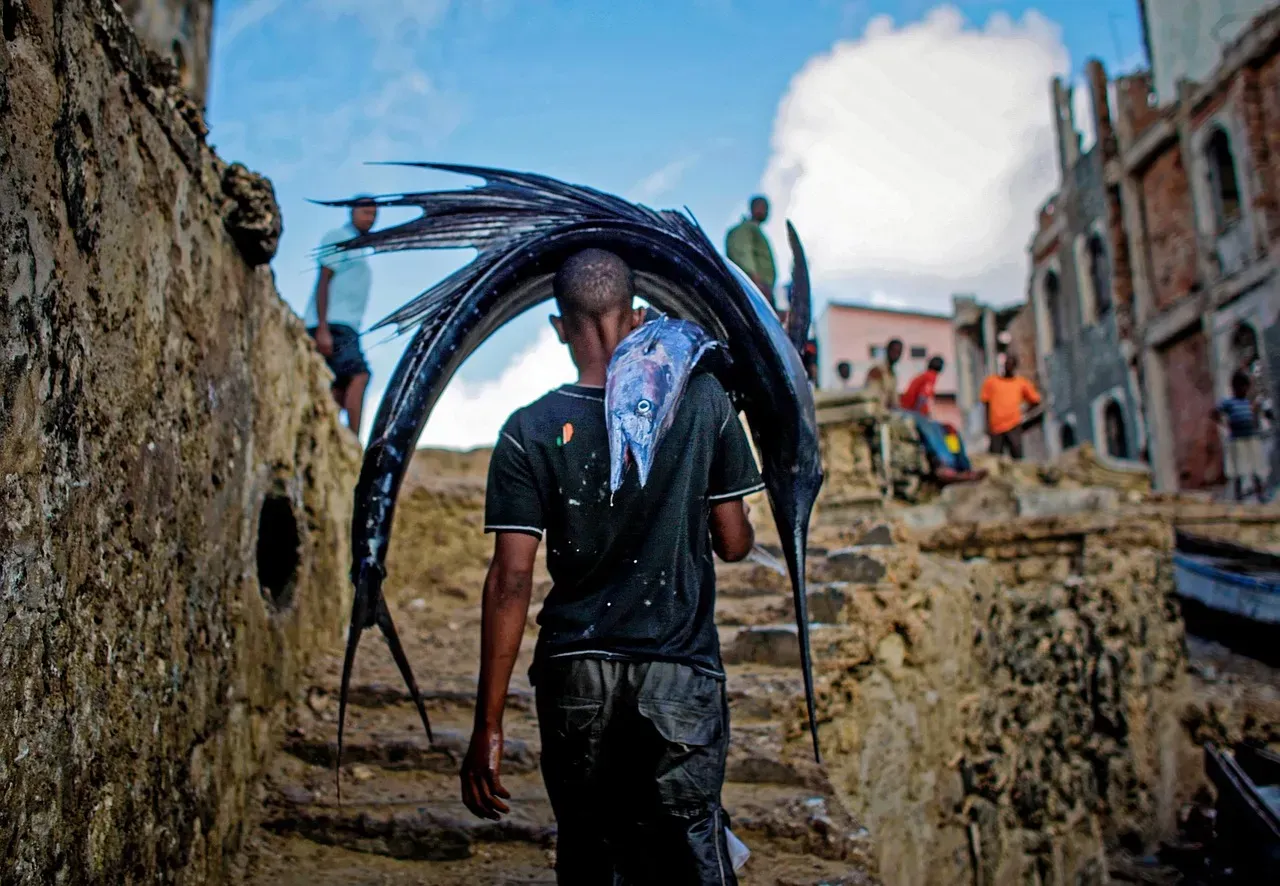
Inca messengers called chasquis operated in pairs and were required to carry messages and gifts up to 150 miles daily, with one sleeping while the other stayed awake to receive incoming information. Moving as fast as they could in relays stationed every six to nine kilometers, they carried not only messages but perishable items like fresh fish and seafood, allowing information and fish to travel up to 240 kilometers in a single day.
Picture this: you’re an Inca noble sitting in your mountain palace, and you’re craving fresh seafood. No problem. The chasquis would sprint through mountain passes at extreme altitudes to deliver your dinner while it’s still fresh. The Inca road system made it possible to transport fish from the Pacific Ocean to villages high in the Andes. That’s more impressive than most modern food delivery services.
They Built A Hydraulic System That Still Works After 500 Years
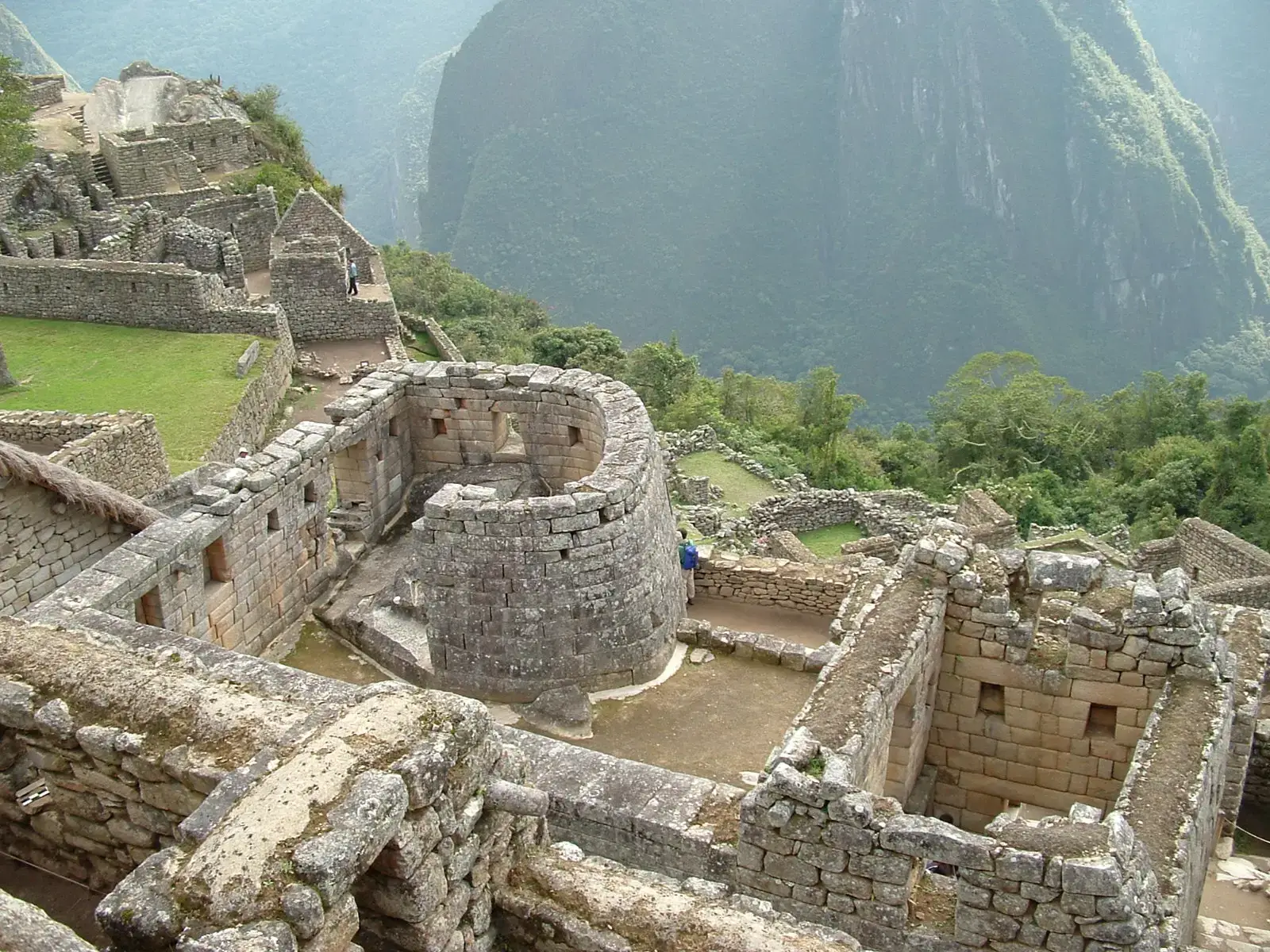
When civil engineer Kenneth Wright excavated the Plaza at Machu Picchu in the 1990s, he discovered a sophisticated underground world: three feet of rich topsoil, sandy gravelly substrata for water filtration, a white granite drainage system made from recycled waste rock, and 130 strategic drainage outlets. The Inca engineers who designed these systems 500 years ago created a completely sustainable water management system that still functions perfectly today.
There are 16 fountains handling about 25 gallons per minute, and the Inca engineers installed two safety valves in case runoff water entered the canal during heavy rainfall. Water engineer Ken Wright and his archaeological team found the emperor’s bathing room complete with a separate drain that carried off his used bath water so it would never re-enter Machu Picchu’s water supply. They were obsessed with clean water management in ways that seem remarkably modern.
Their Empire Thrived Without Money Or Markets
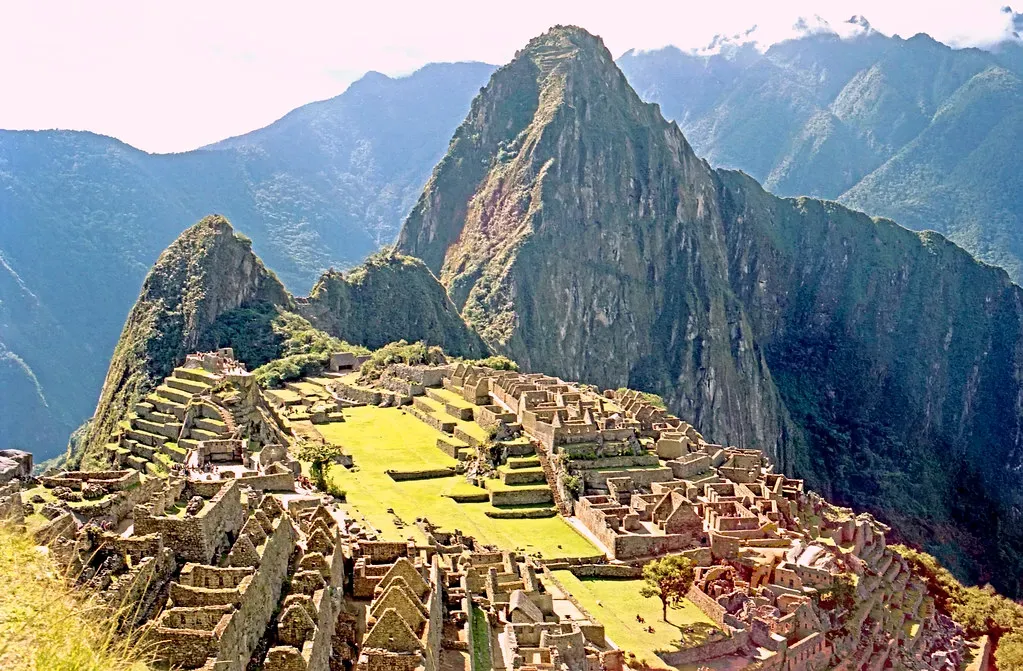
The empire did not have any fixed currency or central market, with food and services used as currency instead. The Inca Empire functioned largely without money and markets, with exchange of goods and services based on reciprocity between individuals, groups, and Inca rulers.
The Inca’s central planning economy was perhaps the most efficient ever seen, with collective labor from the ayllu at the center of economic productivity, where every member contributed labor as tribute and received food, clothing, housing, education and health care security in exchange. Here’s the thing: this system actually worked. The success of the empire’s centralized economy led to social harmony and fast expansion. It challenges everything we think we know about how economies should function.
They Transformed Steep Mountains Into Agricultural Laboratories
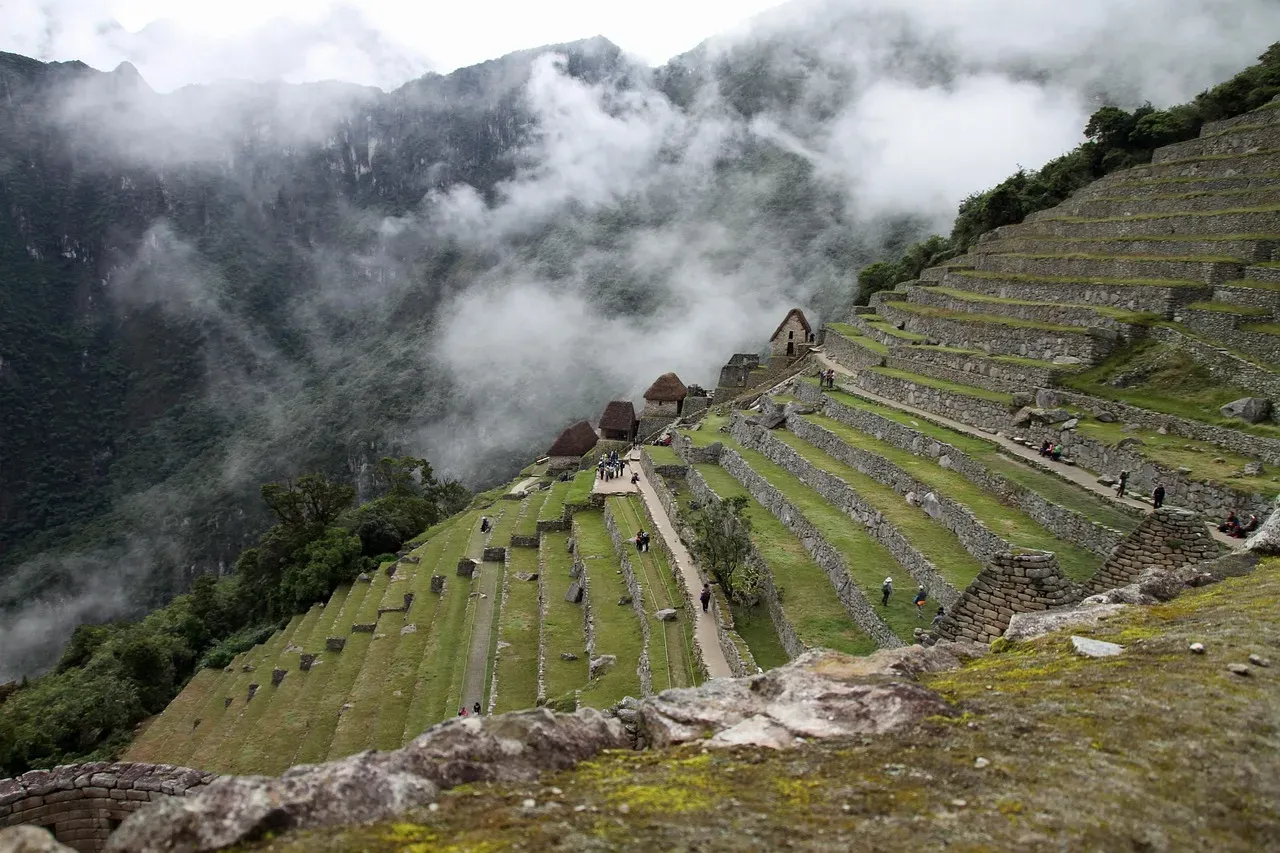
The terraces at Moray were agricultural research stations where each level had a different temperature similar to what is found at different elevations within the empire, with soil brought from different locations, leading to the conclusion that Moray was an enormous agricultural testing station with each level having its own microclimate.
The terraces weren’t just flat platforms but marvels of microclimate engineering, with different levels creating variations in temperature and humidity, allowing the Incas to cultivate a wider variety of crops from tropical fruits at lower elevations to potatoes and quinoa higher up. The Incas were the first potato cultivators in the world and even used potatoes to treat injuries. They basically invented experimental agriculture without ever reading a scientific paper.
Suspension Bridges 300 Years Before Europe
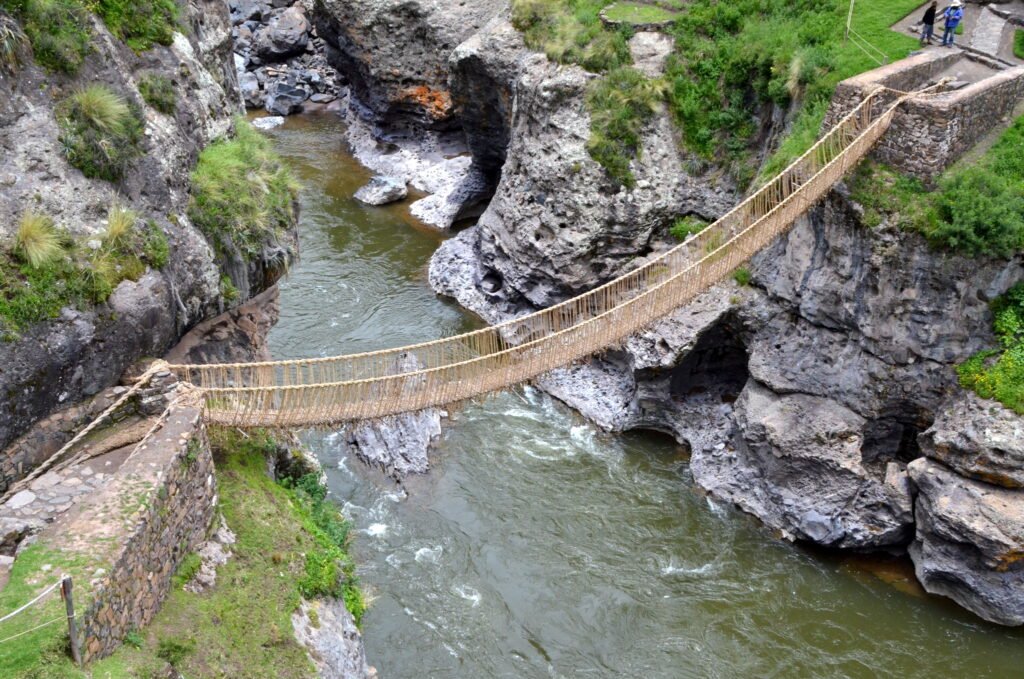
The Andes contained more than 200 suspension bridges built over 300 years before any suspension bridge was built in Europe, suspended over canyons and gorges and made from ichu grass. The Inca suspension bridges achieved clear spans of at least 150 feet, probably much greater, which was longer than any European masonry bridges at the time.
These bridges were assembled using twisted mountain grass, other vegetation, and saplings, yet were dependable enough to support the weight of traveling people and animals while withstanding weather conditions over certain amounts of time. The Inca perfected a technique for building suspension bridges made of ichu grass, and the Q’eswachaka bridge is the last such suspension bridge constructed with specialized Inca techniques. They were engineering pioneers who worked with natural materials to solve complex problems.
They Ruled Ten Million People Yet The Nobles Were Just A Tiny Elite
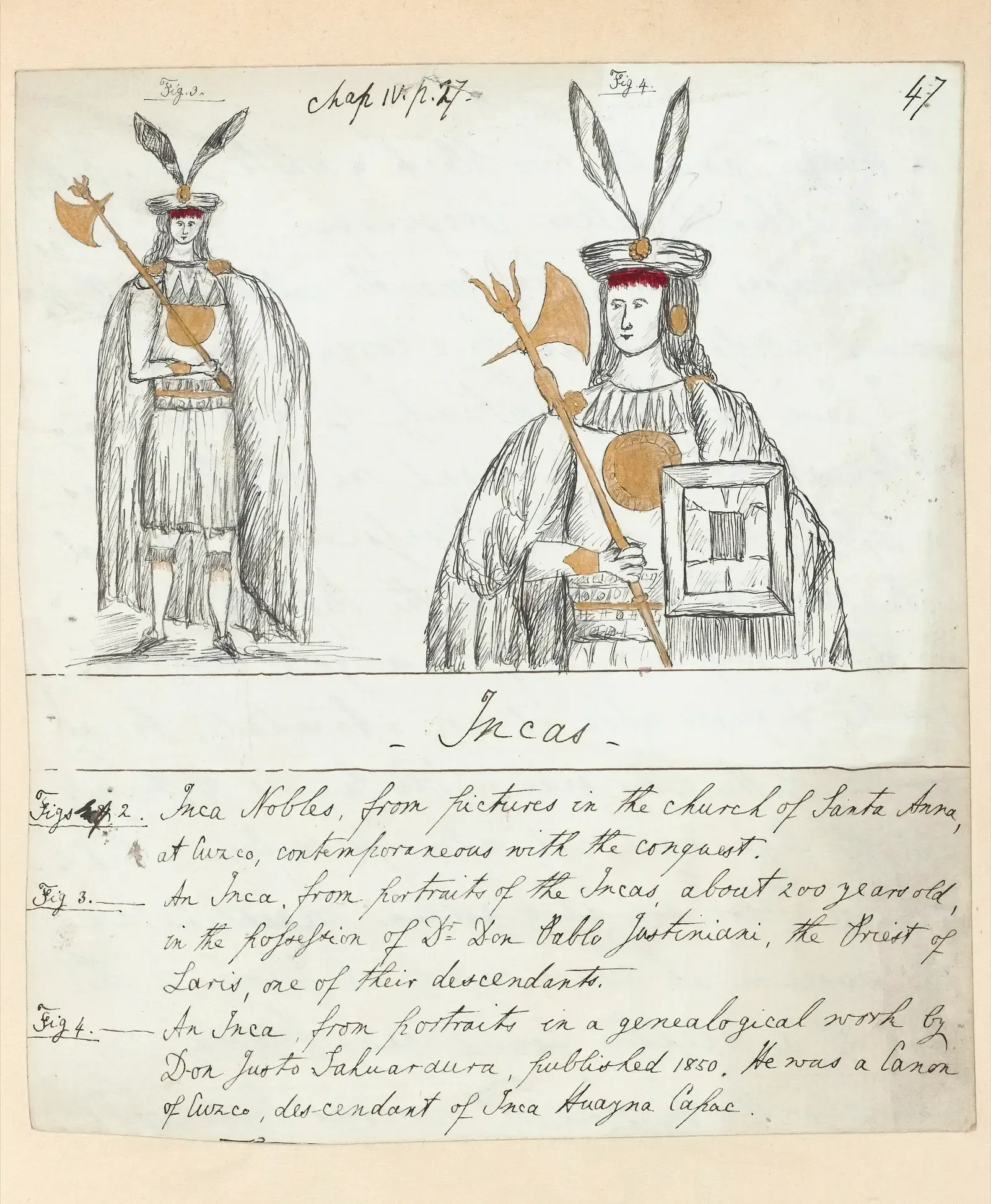
In Quechua, “Inca” meant ruler or lord and referred to the ruling class, who were only a small percentage numbering 15,000 to 40,000 but ruling around 10 million people, while the Spanish adopted the term as an ethnic term for the entire population. That’s roughly about one out of every 300 people being part of the actual ruling elite.
The Inca nobles were a small percentage of the total population, probably numbering only 15,000 to 40,000 but ruling a population of around 10 million people. Although Tawantinsuyu was comprised of more than 100 distinct ethnic groups among its 12 million inhabitants, a well-developed societal structure kept the empire running smoothly. Let’s be real, managing that many people and cultures without modern technology is simply extraordinary.
Conclusion: An Empire That Defied All Odds
The Incas accomplished what seemed impossible. The anthropologist Gordon McEwan wrote that the Incas were able to construct one of the greatest imperial states in human history without the use of the wheel, draft animals, knowledge of iron or steel, or even a system of writing. They built suspension bridges before Europe, performed brain surgery with success rates that wouldn’t be matched for centuries, and created water systems that still work perfectly today.
Their advanced understanding of the cosmos, agricultural techniques, and social structure have paved the way for modern discoveries, while the fusion of spirituality and practicality has left a deep cultural footprint in Peru. Walking through their ruins today, you can’t help but feel a sense of awe. These weren’t primitive people stumbling through history. They were innovative problem solvers who understood their environment intimately and worked with it rather than against it. What aspect of Inca engineering do you find most impressive? Tell us in the comments.
Hi, I’m Andrew, and I come from India. Experienced content specialist with a passion for writing. My forte includes health and wellness, Travel, Animals, and Nature. A nature nomad, I am obsessed with mountains and love high-altitude trekking. I have been on several Himalayan treks in India including the Everest Base Camp in Nepal, a profound experience.